
Windshield durability has become one of the most important factors for car buyers, especially those who drive on highways, gravel roads, or in regions prone to flying debris. A cracked windshield can lead to expensive repairs, compromise safety, and sometimes render a vehicle undrivable.
Many car manufacturers have recognized this issue and have started using advanced materials and manufacturing techniques to improve the resilience of their windshields. While no windshield is completely impervious to damage, some vehicles stand out for having glass that resists cracking from minor rock chips and small debris.
These vehicles often use laminated glass with extra layers of resin, or employ heat-treated glass designed to absorb impact without shattering. Automotive engineers consider both the composition of the glass and the design of the windshield itself, including curvature and thickness, to minimize stress points where cracks could start.
This attention to detail reduces the likelihood of small chips spreading into large fractures, which is the most common cause of costly windshield replacements.
Another factor is the way the car is driven, and the quality of road infrastructure, but vehicles with stronger windshields provide peace of mind, especially for commuters or those living in rural areas. Insurance companies have also taken note of this trend, sometimes offering lower premiums for cars equipped with highly durable windshields. By selecting vehicles known for their resistance to rock chips, drivers can save money over time while maintaining higher safety standards.
In addition to safety and cost benefits, strong windshields contribute to structural integrity during collisions. A cracked windshield weakens the roof support, making rollover accidents more dangerous. Therefore, a windshield that withstands minor impacts is not just a matter of convenience, but also a crucial component of the vehicle’s safety system.
Cars with robust glass are increasingly sought after, and manufacturers continue to refine their materials and technologies to offer drivers long-lasting protection against everyday hazards.
This article will examine ten cars that stand out for having windshields that rarely crack from rock chips. The selections are based on manufacturer innovations, driver experiences, and engineering improvements that make these vehicles more resilient than average.
Each car is noted for specific design choices that contribute to windshield strength, whether through material science, production techniques, or structural engineering. By reviewing these models, drivers can make informed decisions about which vehicles provide both durability and comfort while reducing the risk of windshield damage.
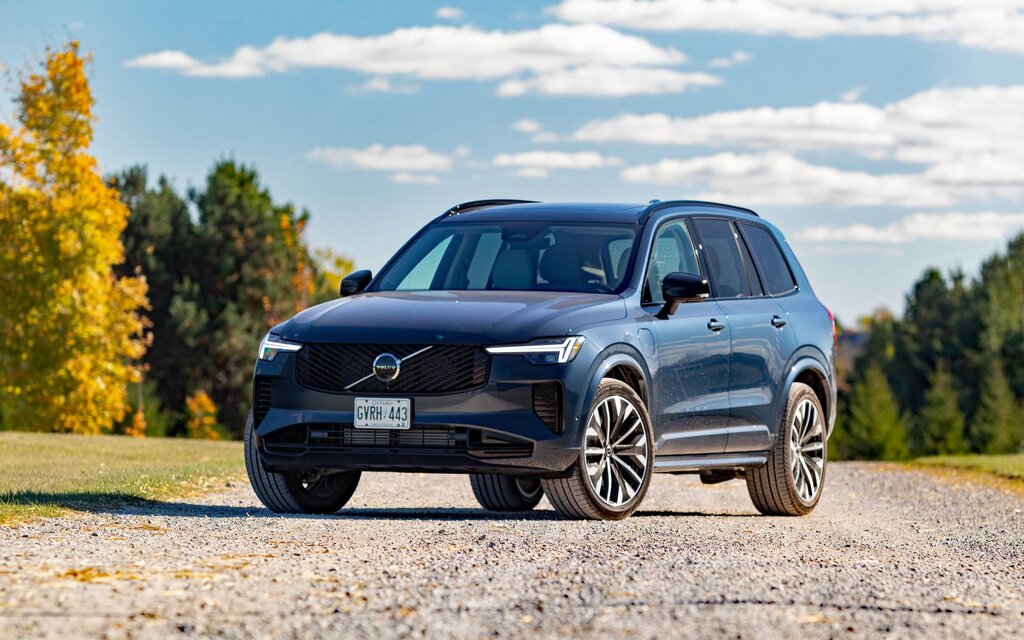
1. Volvo XC90
The Volvo XC90 is known for its combination of safety features and build quality, and its windshield is no exception. Volvo uses laminated glass with an additional inner layer of polymer, which absorbs impact from small stones without cracking.
This design also reduces vibration and noise inside the cabin, providing a smoother driving experience. The windshield’s curvature is carefully engineered to distribute impact forces evenly across the glass surface.
Drivers report that even on highways where gravel trucks are common, the XC90’s windshield rarely develops chips. The glass is slightly thicker than standard models, adding another layer of protection against flying debris. Volvo’s attention to the bonding process between the windshield and the frame ensures minimal stress concentration at the edges, which is typically where cracks begin.
Also Read: Top 10 Diesel Big Trucks That Set the Standard for Durability
In addition to durability, the windshield supports advanced driver assistance systems. Sensors and cameras integrated into the glass remain unobstructed, meaning that protective measures do not compromise functionality. Volvo’s rigorous safety testing evaluates both shatter resistance and chip resistance, resulting in a product that performs well under real-world driving conditions.
The combination of materials and installation techniques makes the XC90 a preferred choice for families or frequent travelers. Its windshield durability reduces the need for frequent repairs, and insurance claims related to glass damage tend to be lower. As a result, owners experience both financial and practical benefits from the investment in this vehicle.
Finally, the XC90 maintains aesthetic appeal despite its protective qualities. Unlike some heavy-duty windshields that appear thick and bulky, Volvo manages to create glass that is visually clear while maintaining strength. This balance of form and function ensures drivers do not have to sacrifice design for durability.

2. Tesla Model S
The Tesla Model S stands out for combining advanced electric vehicle technology with high-quality materials, including its windshield. Tesla uses chemically strengthened glass designed to resist minor rock chips and scratches.
The windshield is slightly curved and bonded in a way that reduces tension points, making it less prone to cracking. Many Tesla owners note that the glass maintains clarity and strength even after years of highway driving.
Tesla’s laminated windshield includes an inner layer that absorbs kinetic energy from small impacts, preventing chips from spreading. This approach mirrors aerospace techniques, emphasizing safety and durability. Unlike standard automotive glass, the Model S windshield is designed to endure repeated minor impacts without compromising structural integrity.
Another factor is Tesla’s Autopilot sensors, which are mounted directly onto the windshield. Any windshield replacement must meet strict specifications to maintain these systems, which encourages Tesla to use high-quality glass initially. This creates a situation where even the factory windshield is more durable than typical alternatives.
Owners driving in areas with gravel roads or construction zones frequently report minimal damage to their windshields. Even small stones that would typically cause chips are absorbed by the extra layers of laminated glass. Tesla also recommends careful windshield cleaning methods, as the glass is engineered to handle stress but can be compromised by improper maintenance.
Finally, the Model S proves that durability can coexist with luxury. The windshield’s performance is paired with a sleek design and panoramic visibility, creating an experience that is both safe and aesthetically pleasing. The combination of engineering, materials, and installation makes it a standout for resisting minor rock chips.
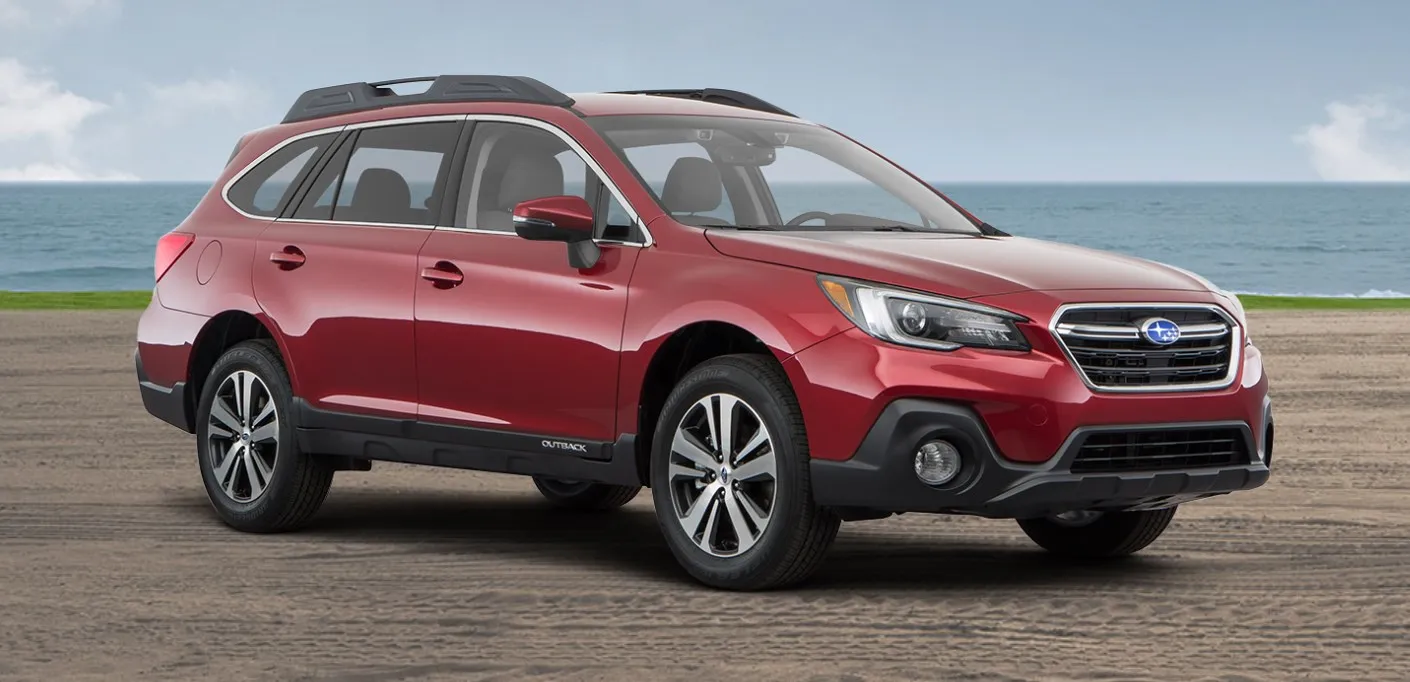
3. Subaru Outback
The Subaru Outback has earned a reputation for reliability, off-road capability, and surprisingly resilient windshields. Subaru equips this model with laminated glass that incorporates a thicker polymer interlayer, allowing it to absorb energy from small rocks without cracking.
This design is particularly effective on gravel roads or during rainy weather when road debris is more likely to be kicked up. The curvature of the windshield further distributes impact forces, reducing the risk of chips developing into large cracks.
Drivers frequently note that minor stones striking the windshield do not leave noticeable damage. Subaru’s commitment to safety extends beyond crash protection, as the windshield also helps support structural integrity in case of rollovers. The edges of the glass are reinforced and bonded securely to the frame, preventing stress concentrations that could lead to fractures over time.
In addition, Subaru includes protective coatings that resist scratches and chemical erosion, extending the windshield’s lifespan. This extra layer of protection helps prevent damage from road salts, bird droppings, and other corrosive elements, ensuring that small chips do not compromise the integrity of the glass.
The Outback’s windshield durability has also influenced insurance ratings, as repair claims are less frequent compared with standard sedans or SUVs.
Subaru’s engineering focuses on practicality and long-term resilience. Many Outback owners live in regions with harsh winters or mountainous terrain, making a chip-resistant windshield essential. Beyond safety, the clarity and optical quality of the glass remain excellent, meaning drivers are not sacrificing visibility for durability. The Outback manages to balance performance, aesthetics, and protection effectively.
Finally, this model exemplifies how careful design and material selection can create windshields that stand up to daily hazards. The combination of laminated glass, reinforced edges, and protective coatings results in a windshield that requires minimal attention despite frequent exposure to flying debris. Subaru continues to refine its processes to ensure the Outback remains a top choice for drivers concerned about glass damage.
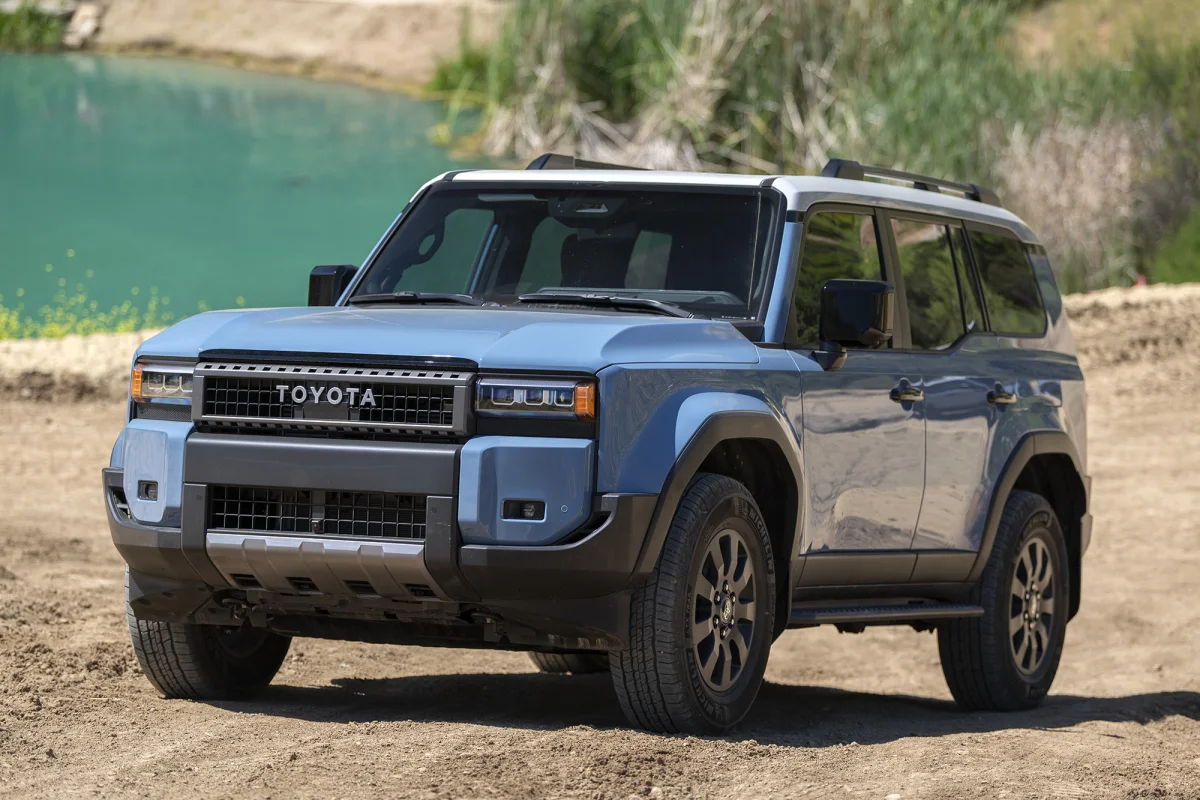
4. Toyota Land Cruiser
The Toyota Land Cruiser is a legendary SUV, not only for its off-road capabilities but also for its exceptionally strong windshield. Toyota uses heat-treated laminated glass with a robust polymer interlayer that helps prevent cracks from small rocks and debris.
The windshield’s thickness is slightly greater than average, providing an added layer of defense without affecting visibility. Its design distributes the force of impacts, making chips less likely to spread.
On highways and gravel roads alike, Land Cruiser owners report minimal windshield damage over years of driving. The vehicle’s structural rigidity also plays a role, as the frame reduces vibration and flexing that could stress the glass. Toyota’s careful bonding process ensures that the windshield remains secure under various driving conditions, including extreme off-road situations.
The Land Cruiser’s windshield is also optimized for climate resilience. In very hot or cold environments, glass that is not properly treated can expand or contract unevenly, causing micro-cracks.
Toyota’s tempered and laminated layers resist these issues, maintaining durability in deserts, snowy mountains, and humid regions. This makes the vehicle ideal for long-distance adventurers or those who frequently drive in challenging terrain.
Additionally, Toyota applies a water-repellent coating that enhances visibility while also protecting the glass from erosion. This reduces the risk of minor chips developing into larger fractures due to chemical or environmental wear. The windshield’s durability is complemented by a suspension system that minimizes impact force transmission from rough roads, further preserving the integrity of the glass.
Finally, the Land Cruiser demonstrates that rugged performance and long-term reliability can extend to every component, including the windshield. Drivers who prioritize low maintenance and protection from rock chips will find this SUV particularly reassuring. Its combination of advanced materials, thoughtful engineering, and protective coatings sets a benchmark for chip-resistant windshields in large vehicles.
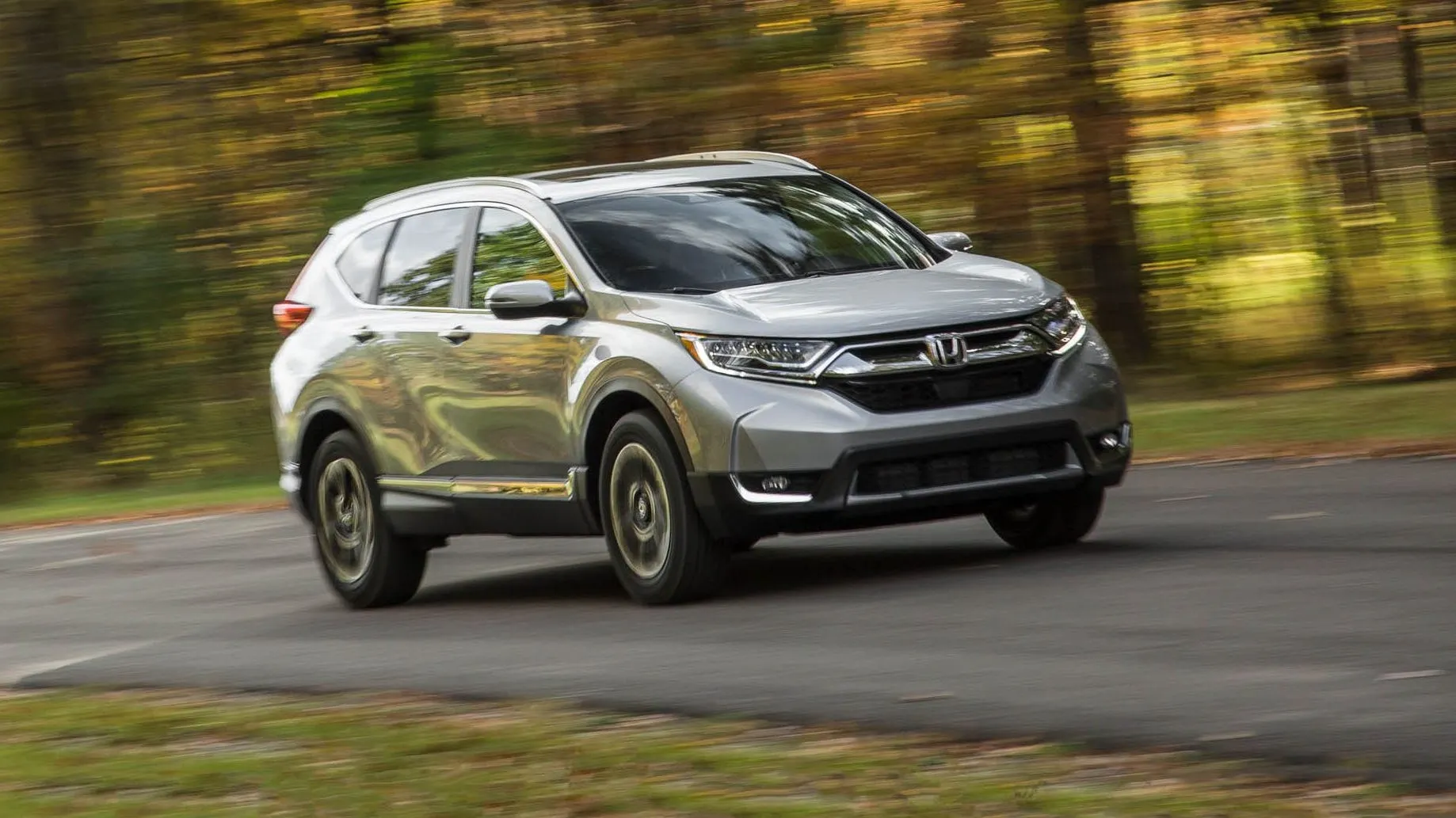
5. Honda CR-V
The Honda CR-V offers a balance of practicality, comfort, and glass durability, making it a popular choice among daily commuters. Honda uses laminated windshields with an extra polymer interlayer, providing effective absorption of small rock impacts. The curvature of the windshield is designed to spread force evenly, reducing the likelihood of cracks forming at weak points. Its slightly thicker profile compared with older models adds another protective layer without creating distortion.
Owners often report minimal windshield damage even after years of highway travel or driving on poorly maintained roads. Honda pays special attention to edge reinforcement, where cracks often originate. The windshield bonding is engineered to limit micro-movement, preventing minor chips from spreading into long fractures that require replacement.
Another factor contributing to the CR-V’s durability is the protective coating applied to the glass surface. This layer resists scratches from wipers, road debris, and chemical erosion from rainwater or salts. Honda’s windshield treatments help maintain optical clarity while increasing resistance to small impacts, extending the life of the glass.
Also Read: Top 6 BMW Sedans We’d Buy Used And 6 We Wouldn’t
The CR-V also includes engineering considerations for vibration dampening. Even when driving on uneven surfaces, the transmission of shock to the windshield is minimized.
This reduces the stress on the glass, which is often a contributing factor in the development of cracks from small debris. The combination of material strength and vibration control creates a surprisingly resilient windshield for a compact SUV.
Finally, Honda emphasizes practical, low-maintenance durability. The CR-V’s windshield not only provides safety in daily use but also reduces repair costs and insurance claims related to glass damage. Its resilience against rock chips makes it a sensible choice for drivers who spend a lot of time on highways or secondary roads with loose gravel.
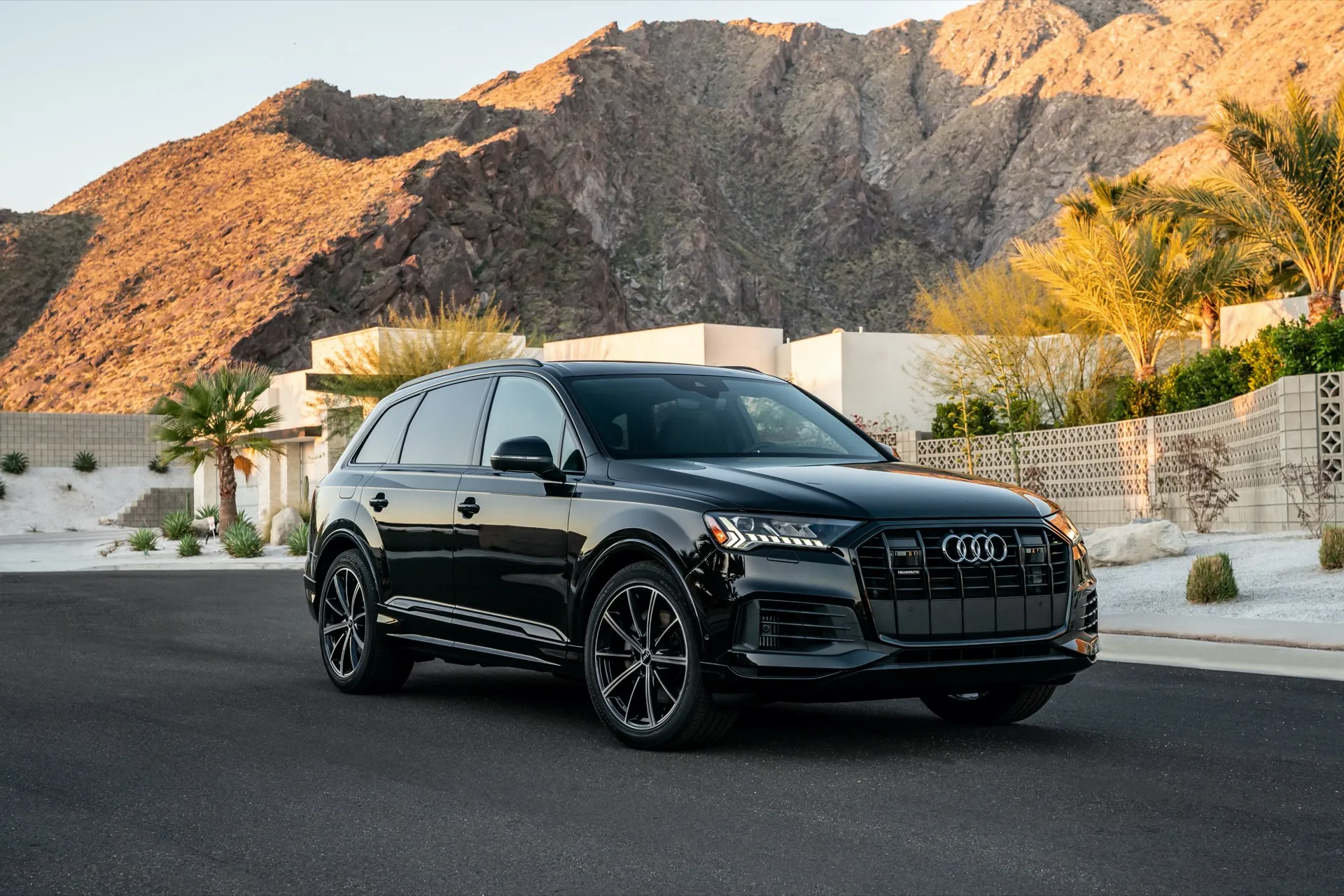
6. Audi Q7
The Audi Q7 is a luxury SUV that combines elegance with durable engineering, including its windshield. Audi equips this model with laminated glass that features a reinforced polymer interlayer, designed to absorb minor impacts and prevent cracks.
The windshield’s subtle curvature distributes force evenly, making it more resistant to chips caused by small debris. This careful engineering ensures long-lasting clarity and strength under daily driving conditions.
Drivers often praise the Q7 for its resilience on highways and rural roads, where flying stones can be common. The edges of the windshield are securely bonded to the frame, reducing stress points that often lead to cracks. Audi’s installation process focuses on precise alignment, ensuring that the windshield maintains structural integrity even under harsh conditions.
In addition, Audi applies a protective coating to the Q7’s windshield, helping resist scratches and chemical wear from rain, dirt, or road salts. This coating prevents small chips from expanding due to environmental factors, extending the glass’s life. The combination of laminated glass, coating, and structural support makes the Q7 particularly resistant to minor rock damage.
Another factor contributing to durability is the SUV’s suspension system, which reduces the impact of bumps and vibrations on the windshield. This minimizes the risk of stress fractures developing from repeated exposure to road imperfections.
Audi’s careful integration of materials and engineering design ensures the windshield performs well over time, even in challenging driving environments.
Finally, the Q7 balances strength and aesthetics. Despite its thick, reinforced glass, the windshield maintains excellent optical clarity and a sleek appearance. Drivers benefit from enhanced safety without sacrificing visibility or style, making it a reliable choice for those concerned about chip-resistant windshields.
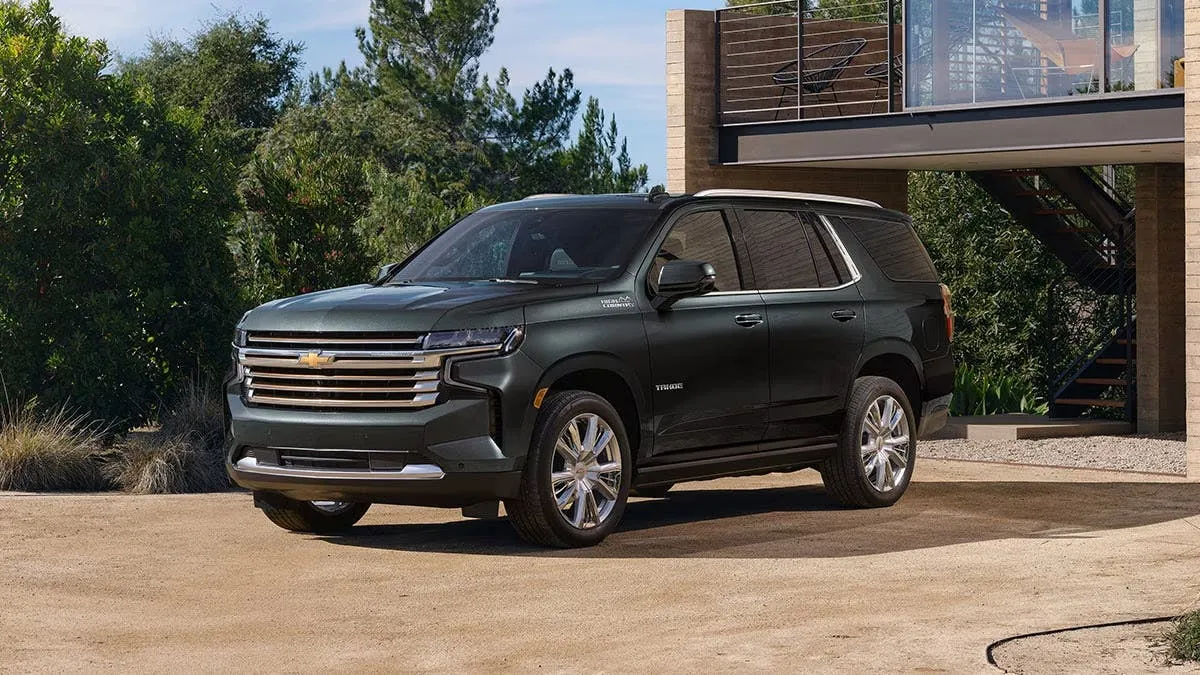
7. Chevrolet Tahoe
The Chevrolet Tahoe is a full-size SUV designed for durability, both on and off the road. Its windshield uses laminated glass with a robust inner polymer layer that absorbs the force of small rocks and debris.
The slightly thicker glass, combined with a gentle curvature, reduces the likelihood of chips spreading into larger cracks. The Tahoe’s windshield is engineered to remain resilient under prolonged highway travel and rough terrain conditions.
Owners frequently report that the Tahoe’s windshield withstands minor impacts that would crack standard glass. The secure bonding of the glass to the frame prevents stress concentration at the edges, which is a common source of windshield failure. Chevrolet’s attention to detail in manufacturing ensures that every windshield meets strict quality standards before installation.
The windshield also features protective coatings that resist chemical erosion and scratching. Rain, road salts, and bird droppings are less likely to compromise the integrity of the glass, helping small chips remain contained. Combined with a smooth suspension that reduces shock transfer, this coating enhances long-term durability.
Chevrolet designed the Tahoe’s windshield not just for durability, but for comfort and visibility. The glass provides excellent optical clarity, minimizing distortion and glare. This ensures that drivers experience both safety and comfort, even during long drives on rough or debris-laden roads.
Finally, the Tahoe’s windshield exemplifies practical engineering for rugged use. Its combination of laminated glass, protective coatings, and careful installation reduces repair needs and enhances safety. Drivers who spend time on highways, construction zones, or off-road trails can rely on the Tahoe to maintain a strong, chip-resistant windshield over time.
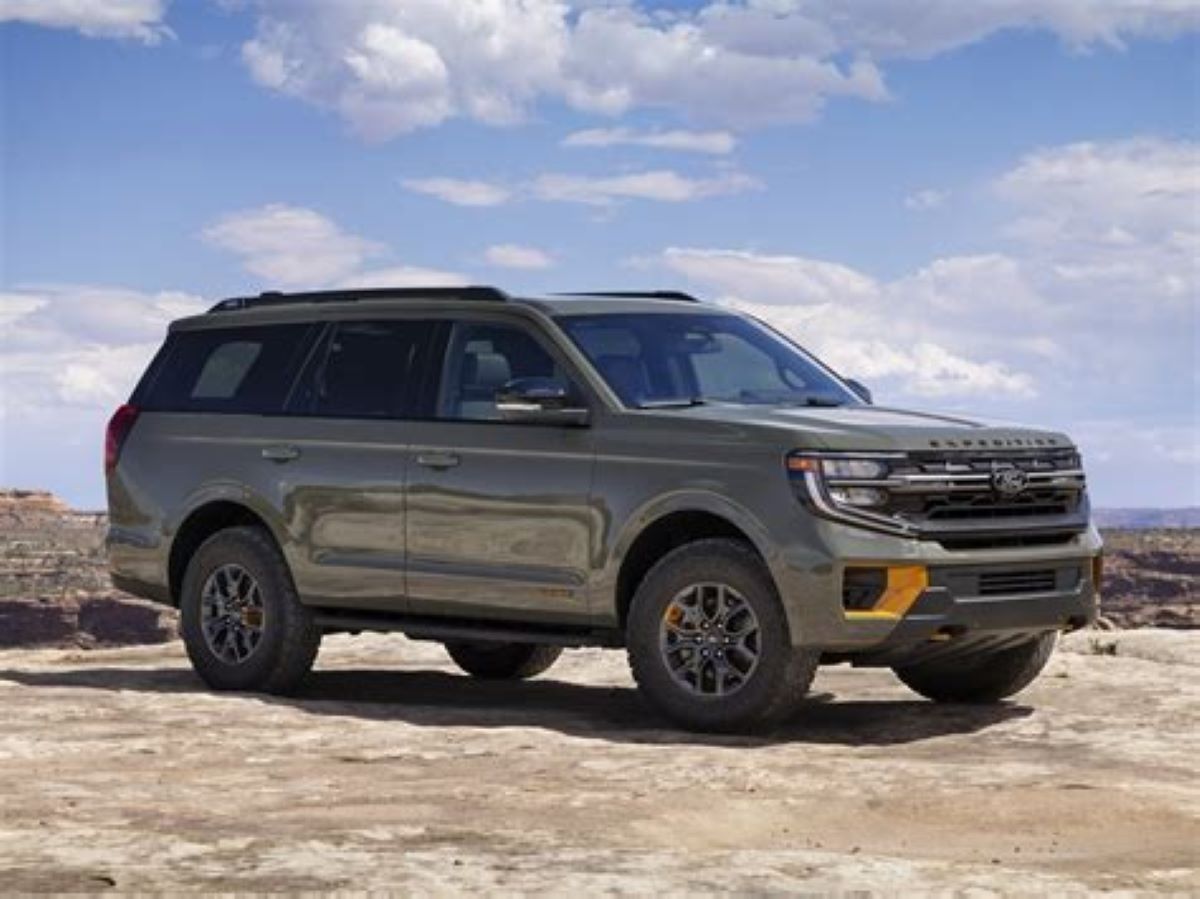
8. Ford Expedition
The Ford Expedition is another full-size SUV renowned for its combination of power, space, and durability. Its windshield features laminated glass with an additional inner polymer layer, providing effective resistance against small rocks and debris.
The design focuses on distributing impact forces evenly across the surface, reducing the risk of chips evolving into full cracks. The slightly thicker glass adds another protective layer without compromising visibility.
Many Expedition owners report that their windshields remain largely damage-free, even after years of highway travel or rural driving. Ford emphasizes precise bonding to the frame, reducing micro-movement that can exacerbate chips or stress points. This engineering approach ensures long-term durability, even when the vehicle encounters vibrations and bumps from rough roads.
Protective coatings applied to the glass resist scratches, chemical erosion, and environmental wear. This prevents minor chips from worsening over time, maintaining both strength and clarity. The windshield’s resilience is enhanced by the SUV’s suspension system, which absorbs shock from uneven surfaces and minimizes stress transmitted to the glass.
Another benefit of the Expedition’s windshield is its compatibility with advanced driver-assistance systems. Cameras and sensors are integrated directly into the glass, requiring high-quality, stable material. Ford’s approach ensures that both durability and technological performance are preserved, even in real-world driving conditions.
Finally, the Expedition demonstrates that strength, safety, and comfort can coexist. Its windshield stands up to small debris without compromising optical quality or aesthetic appeal. For drivers frequently exposed to gravel roads or highway construction, the Expedition provides peace of mind and a durable, long-lasting windshield solution.
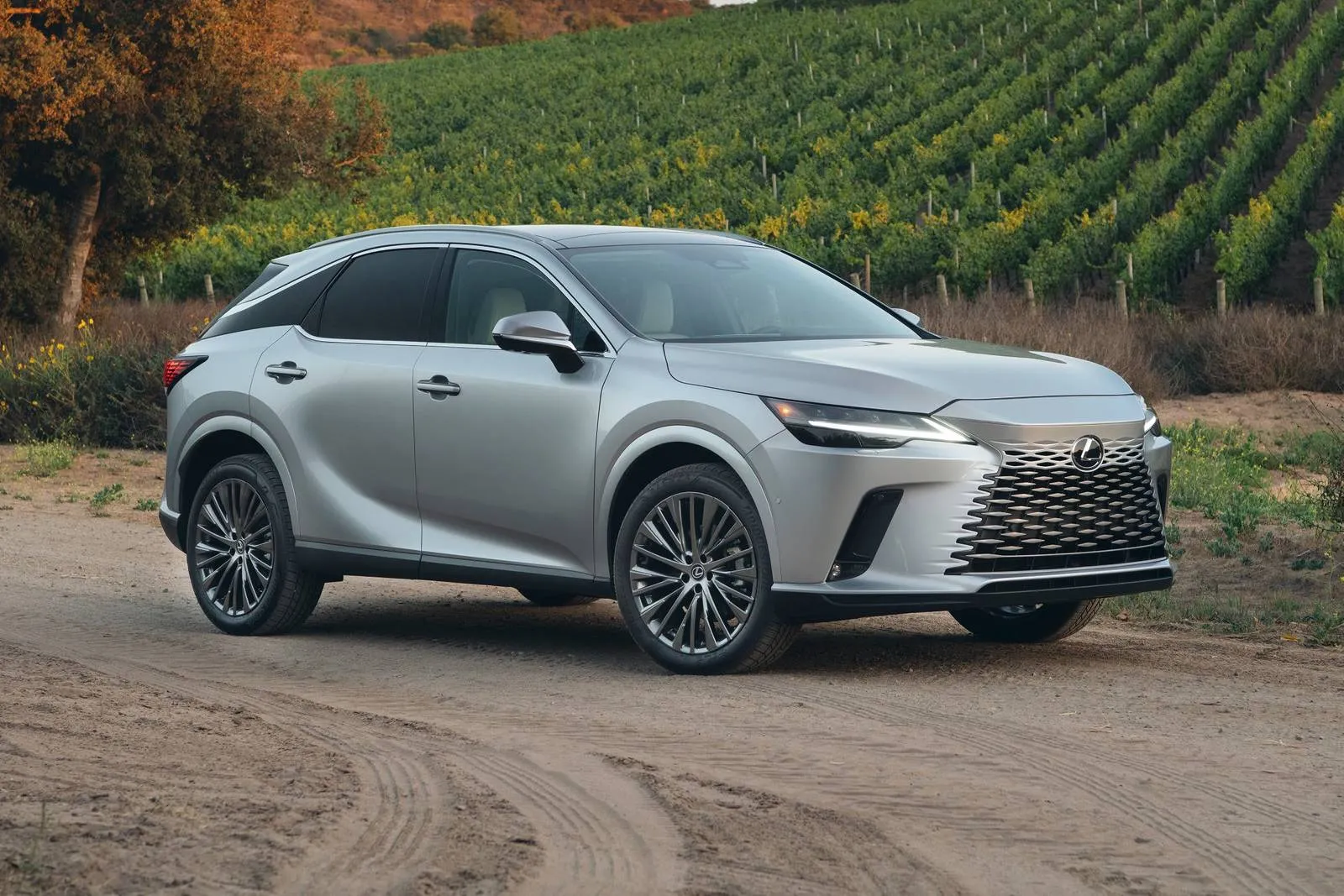
9. Lexus RX
The Lexus RX is a midsize luxury SUV that combines premium design with practical durability, including its windshield. Lexus uses laminated glass with a reinforced polymer layer that absorbs impacts from small rocks and flying debris. The windshield’s gentle curvature evenly distributes force, reducing the risk of chips developing into large cracks. The result is glass that remains clear, strong, and long-lasting.
Drivers consistently report that minor impacts rarely damage the RX’s windshield. Lexus places special emphasis on edge bonding, where cracks often originate. By securing the glass firmly within the frame, Lexus ensures stress points are minimized, reducing the likelihood of fractures caused by road debris.
The windshield also features protective coatings that resist scratches, erosion from rain and chemicals, and other environmental damage. These coatings prevent small chips from spreading and help maintain optical clarity over time. Lexus combines material strength with careful engineering to ensure maximum durability.
Additionally, the RX’s suspension and chassis design minimize vibration and shock transmitted to the windshield. This reduces the risk of stress fractures forming during daily driving, contributing to the windshield’s long-term resilience. Drivers benefit from both safety and reduced maintenance requirements.
Finally, Lexus balances durability with luxury. The windshield maintains high optical quality while resisting minor rock damage, enhancing the driving experience. For commuters and long-distance drivers alike, the RX provides a dependable, chip-resistant windshield without sacrificing style or clarity.
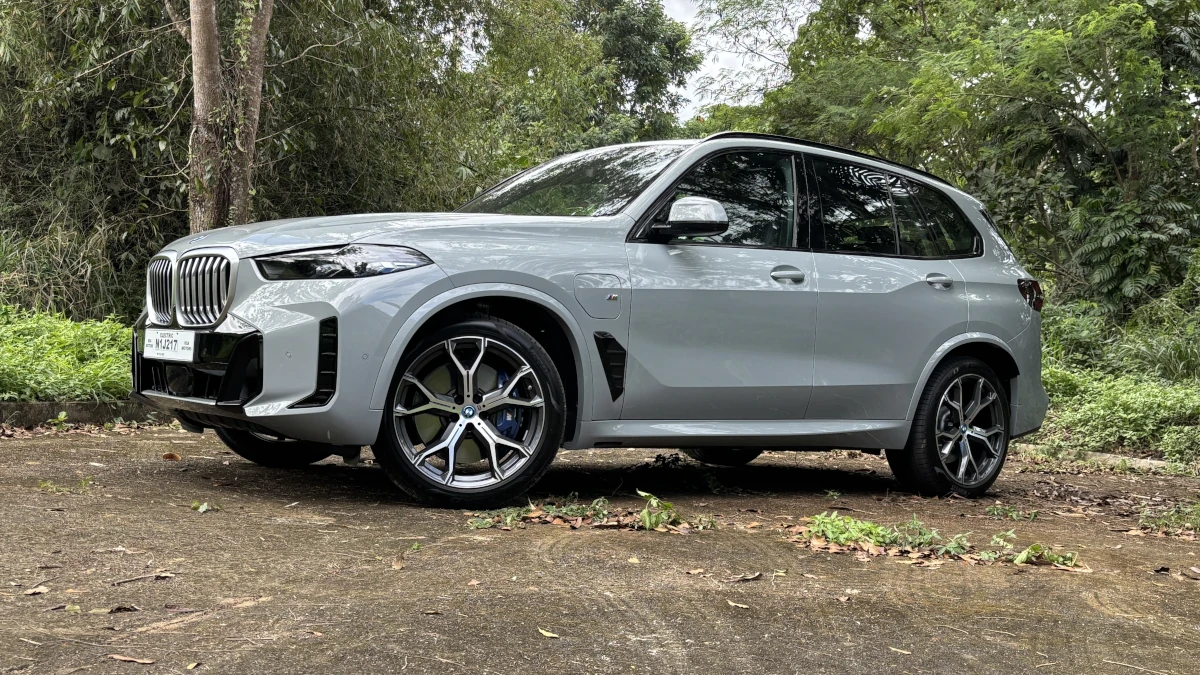
10. BMW X5
The BMW X5 is a luxury SUV that combines performance, technology, and resilient engineering, including its windshield. BMW uses laminated glass with a reinforced polymer interlayer designed to absorb impacts from rocks and small debris.
The windshield is engineered with a subtle curvature to distribute forces evenly, preventing small chips from spreading into cracks. The slightly thicker glass provides additional protection while maintaining clarity.
Many X5 owners report that their windshields withstand highway travel and rural road conditions without significant damage. BMW emphasizes precision installation and bonding, which reduces stress points where cracks typically begin. The glass is engineered to remain stable under vibration and temperature changes, enhancing durability.
The X5’s windshield also features protective coatings that resist chemical erosion, scratching, and environmental wear. These treatments prevent minor chips from worsening over time and maintain the glass’s optical quality. Combined with a suspension that absorbs shocks, these features make the X5 windshield highly resilient.
Advanced driver-assistance systems rely on stable, high-quality glass. BMW ensures that sensors and cameras integrated into the windshield function properly without compromising strength. This combination of technology and engineering reinforces the importance of using high-grade materials for chip-resistant windshields.
Finally, the BMW X5 demonstrates how luxury and practicality can coexist. Its windshield is durable enough to resist minor rock damage while maintaining clarity and aesthetics. For drivers who prioritize both performance and long-term protection, the X5 offers a reliable, chip-resistant solution that enhances safety and driving confidence.
