
Driving on rough or broken pavement is a challenge that can test even the most robust vehicles. While most cars are designed for smooth roads, certain models are specifically engineered to handle uneven surfaces, potholes, and cracked asphalt with grace.
Suspension systems in these vehicles are calibrated to absorb shocks and maintain stability, ensuring that both comfort and control remain uncompromised. This makes a significant difference in daily driving, especially in areas where road maintenance is inconsistent or minimal. The technology behind suspension tuning is intricate, combining springs, dampers, and stabilizers to deliver a smoother ride even on damaged roads.
Suspension tuning is more than just adding soft springs or larger shocks; it is a careful balance between comfort, handling, and durability. Engineers consider the weight distribution of the vehicle, the stiffness of the chassis, and the expected road conditions when designing these systems.
Vehicles with well-tuned suspension for rough pavement are able to maintain tire contact with the ground consistently, reducing the likelihood of loss of control or excessive wear on components. The result is a car that can move confidently over broken surfaces without jarring passengers or sacrificing performance.
Certain categories of vehicles naturally lend themselves to rugged suspension setups. Off-road SUVs, some crossovers, and specialized sedans incorporate reinforced subframes and adaptive damping systems that adjust in real time. These vehicles often feature higher ground clearance and longer suspension travel to prevent bottoming out over potholes or dips.
Even sports cars, which typically prioritize stiffness for cornering, have begun integrating systems that soften at low speeds to handle rough urban roads. This evolution shows the growing importance of making vehicles versatile across various driving environments.
The comfort provided by tuned suspension systems goes beyond physical sensation. Drivers benefit from reduced fatigue and better control during long commutes or trips across uneven surfaces. Passengers also enjoy a smoother ride, which can be especially important in vehicles used for family transport or long-distance travel.
Manufacturers have recognized that durability and comfort are no longer mutually exclusive. A well-engineered suspension ensures that the car’s undercarriage, tires, and other components experience less stress, extending the vehicle’s lifespan and reducing maintenance costs.
With so many options available today, it can be difficult to choose a vehicle that will handle rough pavement effectively. Some models rely on mechanical ingenuity, while others use electronic and adaptive systems to respond to road conditions. In the following sections, ten models stand out as examples of vehicles with suspension tuned for broken pavement.
Each one has unique features that enable it to handle potholes, cracks, and uneven surfaces without compromising performance. From luxury crossovers to rugged SUVs, these cars showcase how suspension design can make a noticeable difference in comfort, safety, and driving confidence.
1. Toyota Land Cruiser
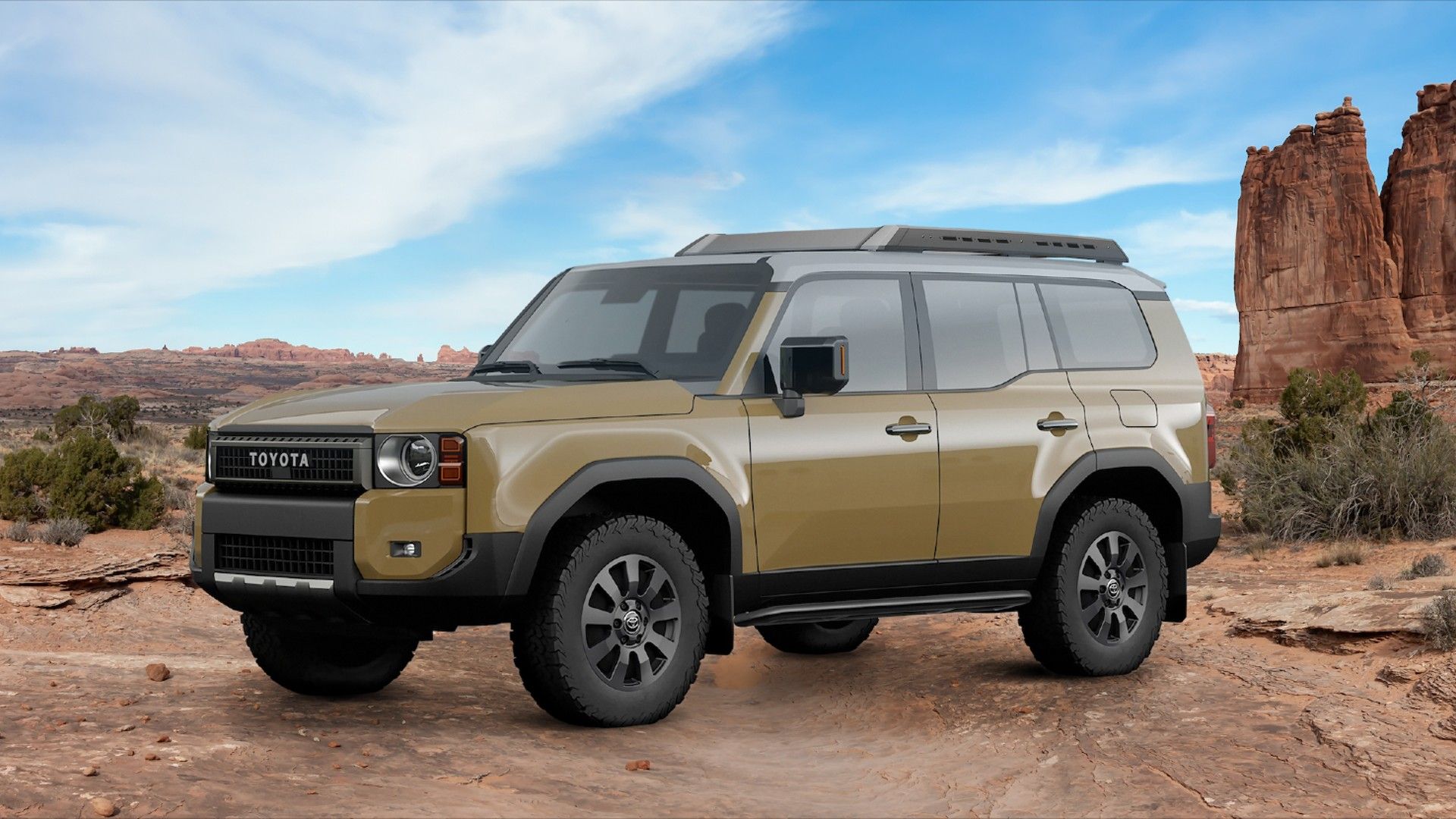
The Toyota Land Cruiser has long been regarded as one of the most capable off-road vehicles. Its suspension system combines long-travel coil springs with heavy-duty shock absorbers, allowing the vehicle to absorb large bumps without compromising stability.
The chassis is reinforced, ensuring that the suspension performs reliably under extreme conditions. Even on urban streets with potholes, the Land Cruiser feels controlled and secure.
The independent front suspension allows each wheel to react to road irregularities individually. This reduces the transfer of impact forces to the cabin, making for a smooth ride. At the rear, a solid axle with reinforced trailing arms ensures durability on uneven surfaces. The tuning strikes a balance between comfort and toughness, making the Land Cruiser suitable for both highways and broken pavement.
Also Read: 5 Vehicles With Durable Interiors vs 5 That Show Wear Quickly
Engineers designed the Land Cruiser to withstand years of heavy use. The suspension bushings are made from high-strength materials to resist wear from repeated shocks. Meanwhile, the damping characteristics are calibrated to prevent oscillations after hitting bumps. Drivers report that the Land Cruiser maintains composure even when the road seems to punish it at every corner.
Ground clearance is another key feature. The higher stance allows the vehicle to traverse large potholes without scraping the undercarriage. The combination of suspension travel and clearance means that even deep ruts or uneven surfaces do not significantly disturb the ride. This makes it an ideal choice for rural or poorly maintained urban roads.
The Land Cruiser’s suspension is not just for rough terrain but also contributes to driving confidence. Steering remains predictable, and the vehicle corners with stability even at moderate speeds on broken asphalt. For anyone needing reliability on rough pavement, the Land Cruiser is a benchmark in suspension design.
2. Jeep Grand Cherokee
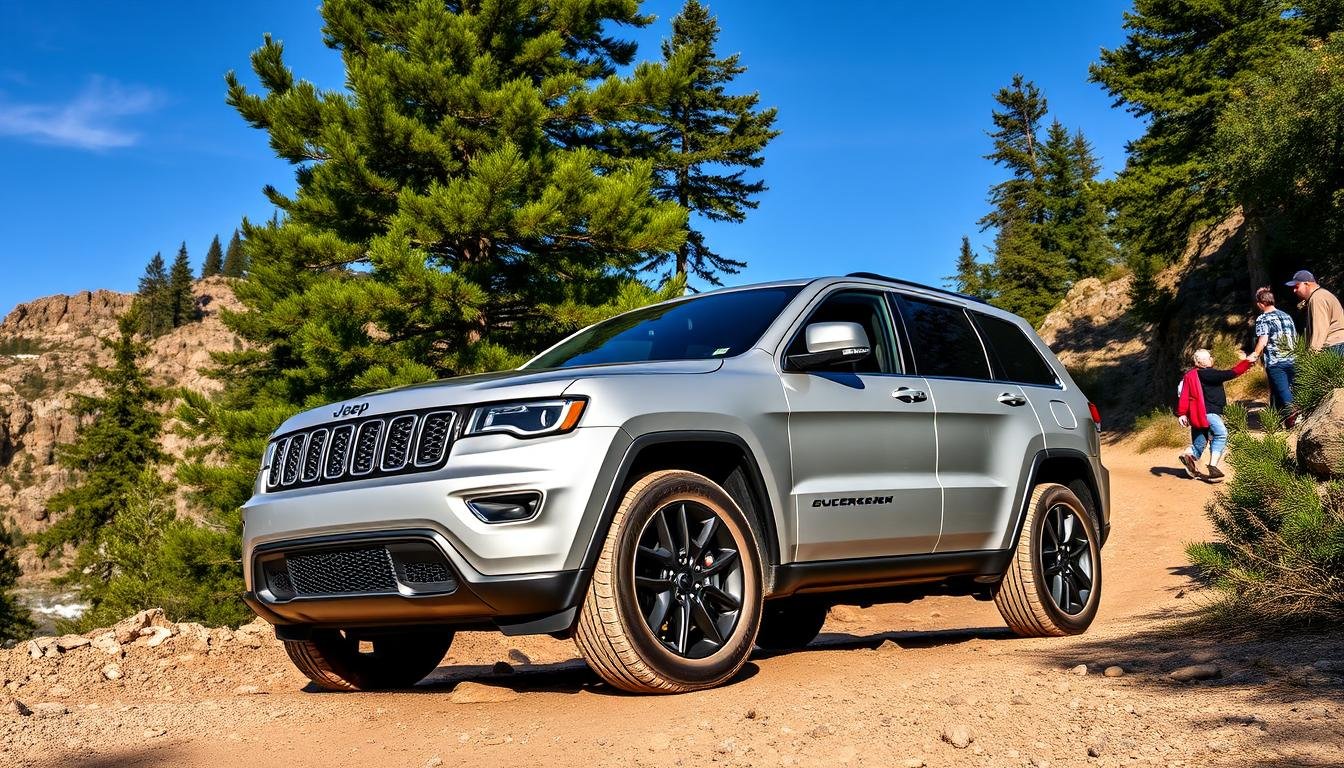
The Jeep Grand Cherokee is a versatile SUV designed to handle both highways and rugged terrain. Its independent front and rear suspension systems provide a smooth ride across uneven surfaces. The air suspension version allows for adjustable ride height, softening impacts from potholes or rough streets. This feature gives drivers the ability to adapt the vehicle to different road conditions.
The suspension components are reinforced to manage repeated stress from broken pavement. High-strength control arms and durable bushings reduce the risk of wear over time. The damping system is tuned to absorb shocks efficiently while preventing excessive body movement. This ensures that passengers experience a comfortable ride even in less-than-ideal conditions.
One of the advantages of the Grand Cherokee is the combination of comfort and capability. On rough city streets, the vehicle maintains composure, minimizing jolts and vibrations. Off-road, it can handle rocky trails or dirt paths without difficulty. This adaptability makes it a solid choice for those who encounter a variety of road surfaces on a daily basis.
The Grand Cherokee’s air suspension can raise the vehicle to avoid obstacles or lower it for improved handling. This flexibility allows drivers to balance ride comfort and stability according to the road’s condition. Even during long drives on uneven asphalt, the system works continuously to smooth out impacts.
The Jeep Grand Cherokee demonstrates that suspension tuning is critical for comfort on broken pavement. Its robust components, adaptive systems, and thoughtful calibration create a vehicle that can handle both urban imperfections and off-road adventures with equal confidence.
3. Mercedes-Benz GLE
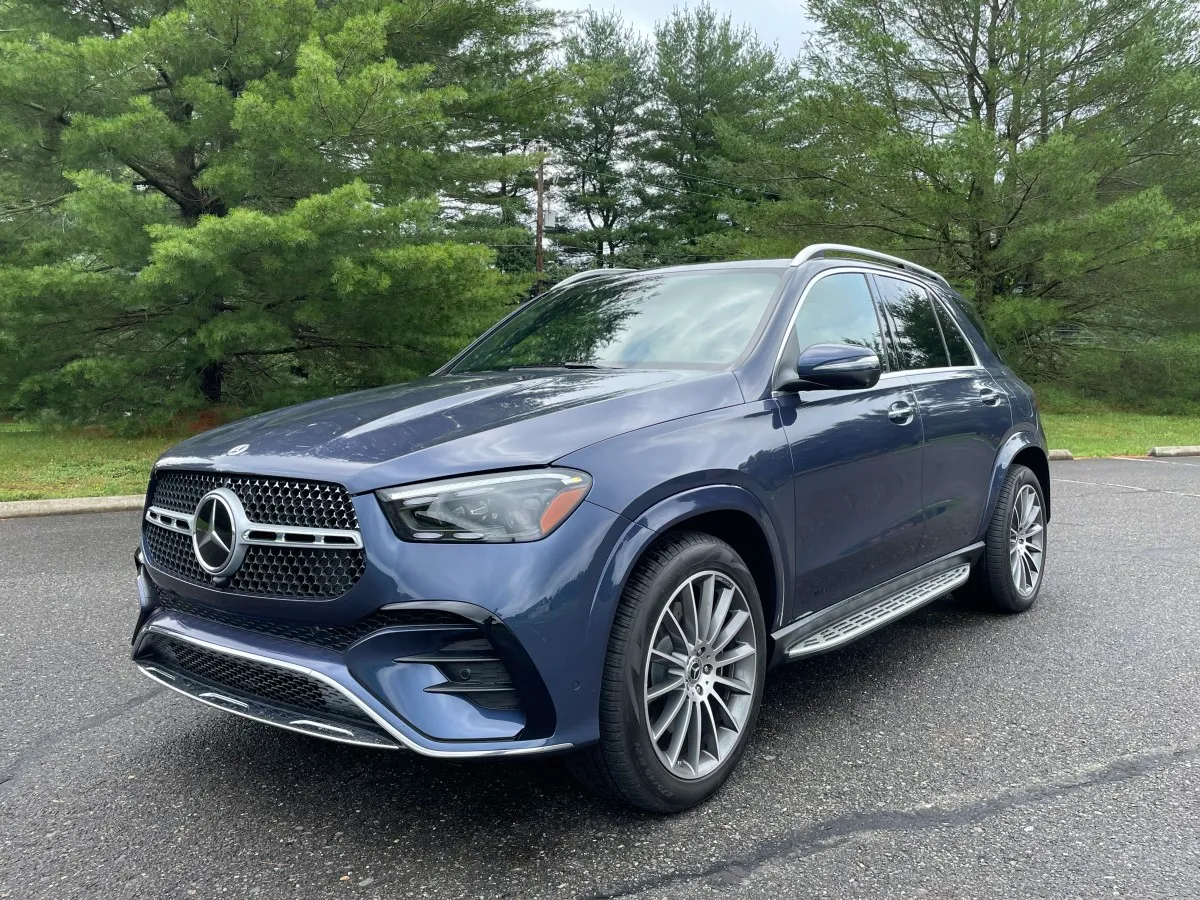
The Mercedes-Benz GLE combines luxury with engineering that prioritizes ride quality. The vehicle features an adaptive air suspension system that automatically adjusts damping based on road conditions. Sensors monitor bumps and irregularities, softening the ride to reduce passenger discomfort. The result is a controlled and stable experience even on streets with severe imperfections.
The suspension geometry ensures that tires maintain contact with the pavement consistently. Independent suspension at all corners allows each wheel to react to the road separately. This prevents harsh impacts from being transmitted directly to the cabin. Passengers benefit from a ride that feels both smooth and composed.
The GLE’s chassis is designed to complement the suspension. Reinforced subframes provide strength without adding unnecessary weight, allowing the vehicle to absorb shocks effectively. The combination of advanced materials and precise tuning reduces noise, vibration, and harshness inside the cabin. Even with frequent exposure to potholes, the system maintains integrity.
Adjustable ride modes further enhance the vehicle’s performance on broken pavement. Drivers can select settings that soften the suspension for comfort or firm it up for handling. This flexibility makes the GLE adaptable to urban, suburban, or rural driving environments, keeping occupants comfortable throughout.
Safety is also a key consideration. By maintaining stability over uneven roads, the GLE reduces the risk of skidding or loss of control. Braking and cornering remain predictable, demonstrating that a well-engineered suspension not only improves comfort but also contributes to vehicle safety.
4. Land Rover Discovery
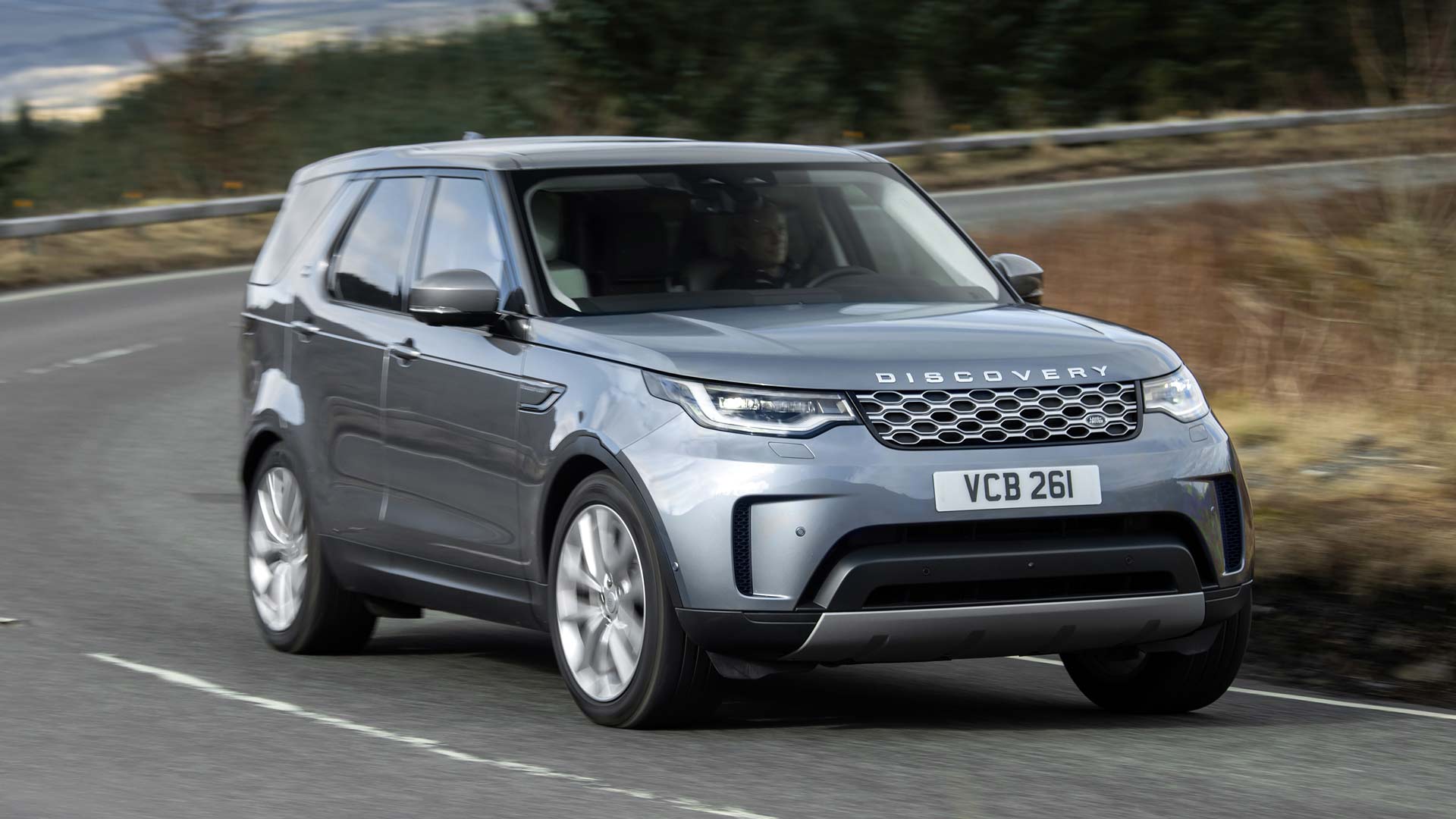
The Land Rover Discovery is designed with rough roads in mind. Its air suspension allows for height adjustments to navigate potholes or uneven terrain safely. The suspension is tuned for comfort, enabling long drives on broken pavement without tiring the driver or passengers. The ride remains smooth even at moderate speeds on rough roads.
Each wheel moves independently thanks to the sophisticated suspension design. This helps the Discovery maintain contact with the ground and absorb shocks efficiently. Reinforced components and durable bushings ensure the system withstands repeated stress over time. The result is a vehicle that performs consistently in challenging conditions.
The suspension system also prioritizes load management. When carrying passengers or cargo, the Discovery adjusts to maintain stability. This prevents sagging and reduces the impact of bumps on both the chassis and occupants. It is an important feature for families or those using the vehicle for transport.
Also Read: Top 10 European Luxury Cars That Hold Their Value Best
Ground clearance can be modified based on conditions. Drivers can raise the vehicle for broken roads or lower it for better handling on smooth surfaces. This dynamic adjustment increases versatility, allowing the Discovery to function well across diverse environments. Even large potholes do not significantly disturb ride quality.
Land Rover’s focus on stability complements the suspension tuning. Steering feedback remains accurate, and body roll is minimized despite rough pavement. These characteristics give drivers confidence and make long trips on damaged roads much more comfortable.
5. Ford F-150 Raptor
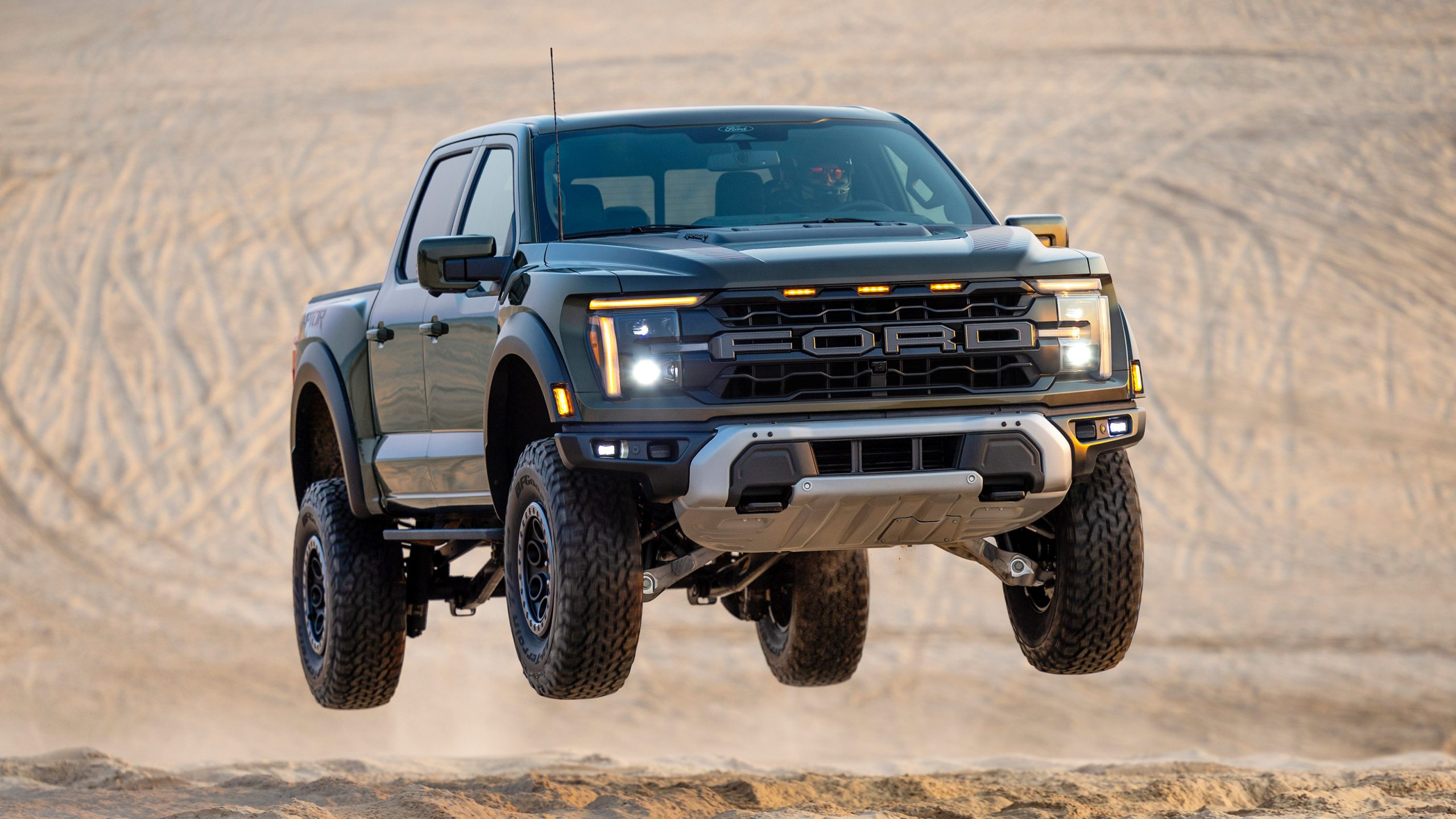
The Ford F-150 Raptor is a high-performance truck designed to handle off-road challenges. Its suspension includes long-travel Fox shocks that absorb significant impacts without compromising control. The combination of reinforced springs and shocks allows the Raptor to maintain stability on broken asphalt while keeping occupants comfortable.
The front and rear suspensions are optimized for uneven surfaces. Independent front suspension provides flexibility to respond to each wheel separately, while the rear utilizes a robust setup capable of handling heavy loads and impacts. This ensures that the truck remains composed over potholes or rough stretches.
The Raptor’s suspension tuning emphasizes both comfort and durability. Shock absorbers are specifically calibrated to prevent harsh rebounds, and the bushings are reinforced to reduce wear. This careful design helps protect both the vehicle and its occupants over long-term use on uneven roads.
Ground clearance is high, allowing the Raptor to clear deep ruts or large bumps with ease. Combined with wide tires, the truck achieves excellent traction and stability even in challenging conditions. Drivers can confidently navigate broken pavement without worrying about bottoming out or losing control.
The Raptor also integrates electronic controls to complement its mechanical suspension. Active damping and traction systems work together to maintain stability and smoothness. This combination of hardware and software ensures a predictable, comfortable ride regardless of the road surface.
6. Subaru Outback
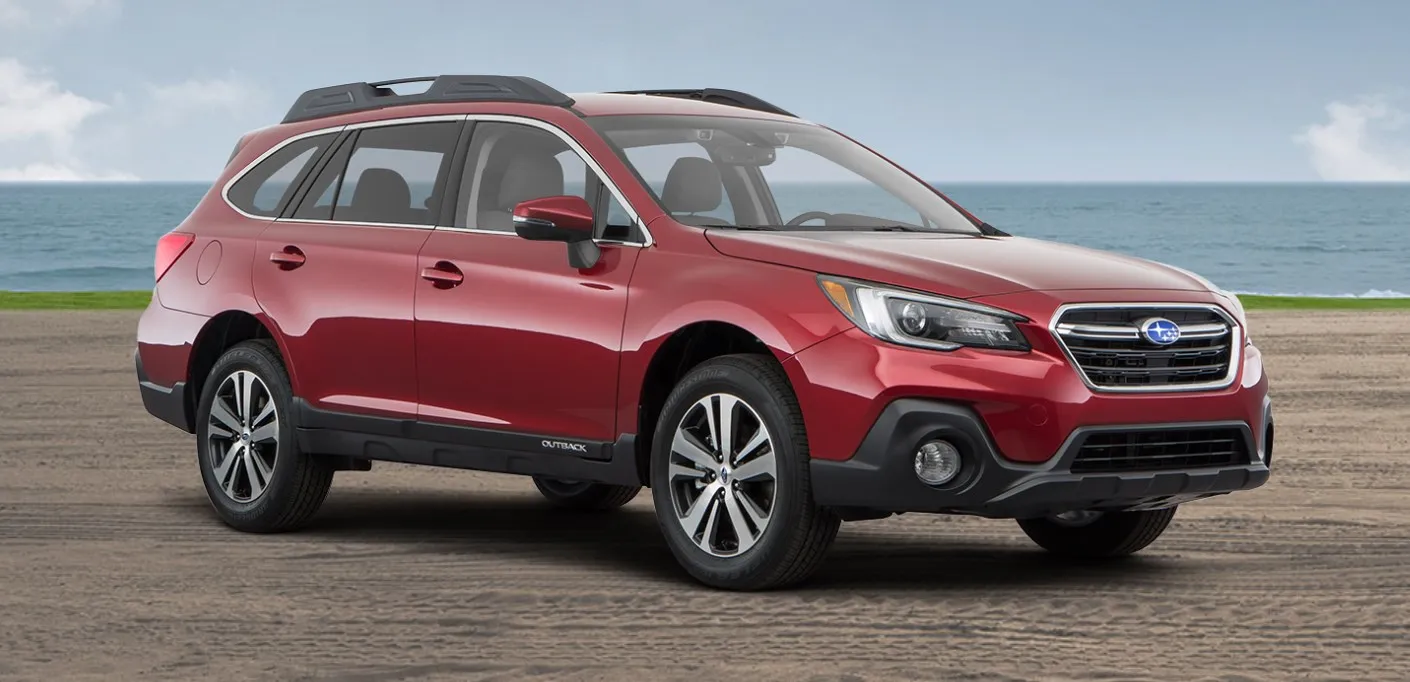
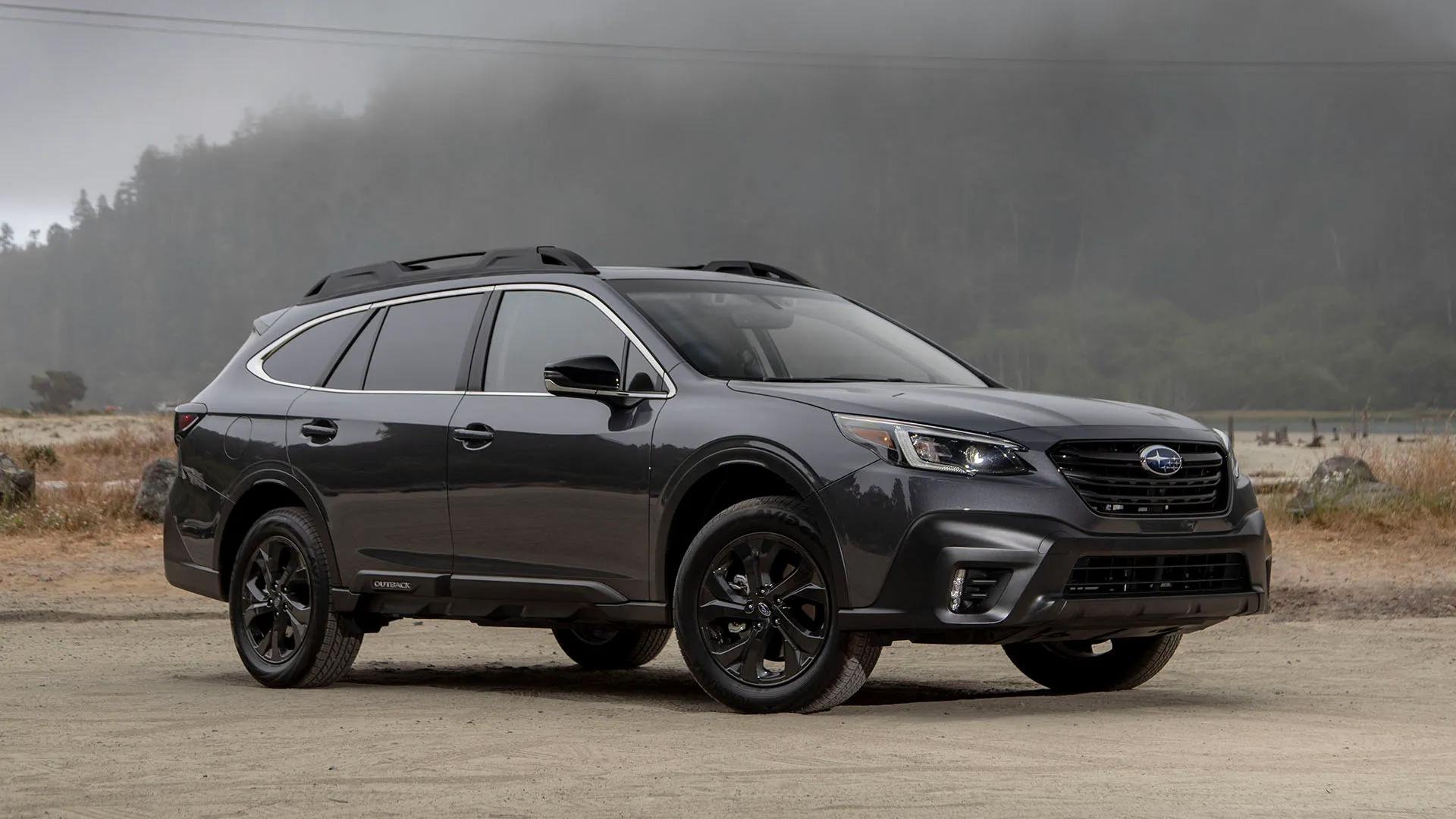
The Subaru Outback is widely recognized for its ability to handle uneven roads without sacrificing comfort or control. Its suspension system features a combination of MacPherson struts in the front and a double-wishbone setup in the rear, which allows for excellent articulation over dips and bumps.
The engineers carefully calibrated the spring and damper rates so that potholes and rough surfaces are absorbed with minimal vibration, giving the cabin a steady, composed feel. Even when driving at higher speeds over deteriorated pavement, the Outback maintains a balance between smoothness and responsiveness.
All-wheel drive contributes to the Outback’s capability on broken surfaces. By distributing power to the wheels that maintain the best traction, the vehicle ensures that jolts from uneven pavement do not compromise stability.
Tires work in tandem with the suspension to dampen shocks, and reinforced bushings reduce wear on the control arms over time. The result is a consistent, controlled ride that rarely feels harsh even when the road is particularly damaged.
The Outback’s ground clearance is another key element of its suspension tuning. Higher clearance prevents scraping on large potholes or uneven patches, while the suspension travel accommodates the vertical movement required to maintain tire contact.
This helps prevent bottoming out and allows drivers to maintain a sense of control, even when the terrain is unpredictable. For daily commuters or travelers in areas with poorly maintained roads, this is a significant advantage.
The suspension system also adapts subtly to different loads. Whether the Outback is carrying passengers, cargo, or a combination of both, the ride height and damping are balanced to prevent excessive sagging.
This ensures that the vehicle does not become unstable when fully loaded, while still smoothing out impacts from broken asphalt. Passengers experience fewer jolts, and the chassis is protected from long-term stress that uneven roads can cause.
Finally, the Subaru Outback emphasizes safety alongside comfort. By keeping tires firmly planted and controlling body roll, the suspension system enhances braking performance and steering precision.
Even during evasive maneuvers or sudden stops on rough roads, the vehicle remains predictable and manageable. This combination of stability, comfort, and durability makes it a dependable choice for anyone navigating streets that have not been well-maintained.
7. Audi Q7
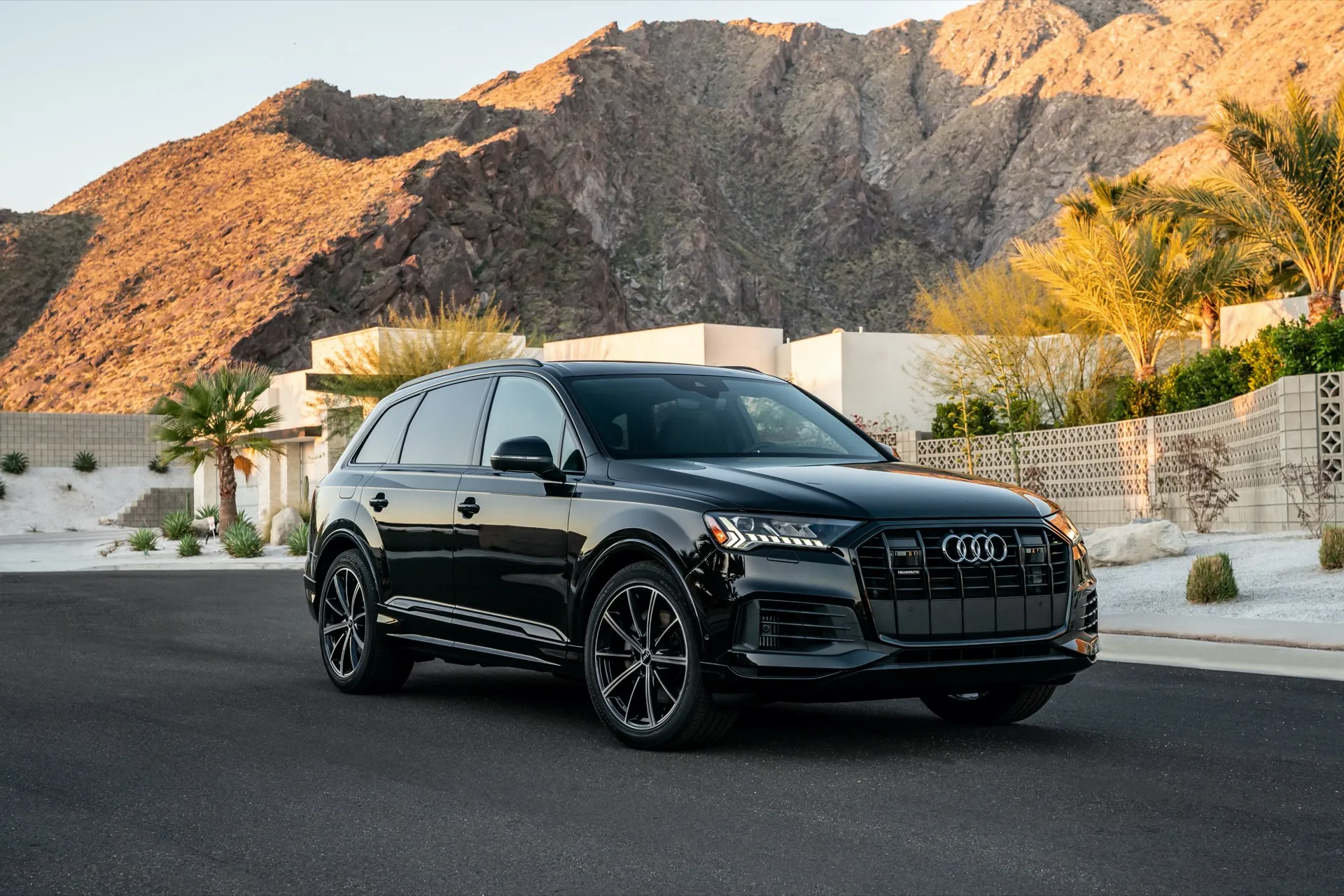
The Audi Q7 stands out in the luxury SUV segment for its sophisticated suspension system that is tuned to provide a stable and smooth ride over imperfect pavement. Its adaptive air suspension monitors road conditions and adjusts damping in real time, allowing the vehicle to absorb shocks from potholes, cracks, and uneven asphalt effectively.
The system uses sensors to detect subtle vibrations and modifies stiffness to maintain a composed cabin, even during rapid transitions from smooth to rough roads.
The Q7 employs independent suspension at all four corners, which allows each wheel to react individually to road irregularities. This ensures that impacts are isolated to the affected wheel, minimizing the transfer of bumps into the cabin. Reinforced components and high-strength bushings increase durability, ensuring that the suspension retains its performance after repeated exposure to rough pavement over years of use.
Ride height adjustment is a feature of the Q7’s suspension. The vehicle can raise itself to clear larger potholes or lower for improved aerodynamics and handling on smoother sections.
This flexibility is complemented by electronically controlled dampers that balance comfort and performance, allowing passengers to experience a cushioned ride without compromising stability or steering response.
The long-travel suspension also enhances traction and safety. Tires maintain continuous contact with uneven surfaces, reducing the likelihood of slipping or losing control during braking. Even when the road is riddled with cracks or depressions, the Q7 handles predictably, ensuring confidence for drivers and passengers alike. Suspension geometry is designed to optimize weight distribution and minimize body roll, enhancing control in all conditions.
Finally, the Q7’s combination of luxury and rugged capability extends beyond suspension hardware. The cabin remains quiet as vibrations are absorbed before reaching the interior, and the vehicle’s electronic stability programs work seamlessly with the suspension to maintain control.
For drivers seeking both elegance and resilience on rough pavement, the Audi Q7 provides a rare blend of comfort, technology, and mechanical precision.
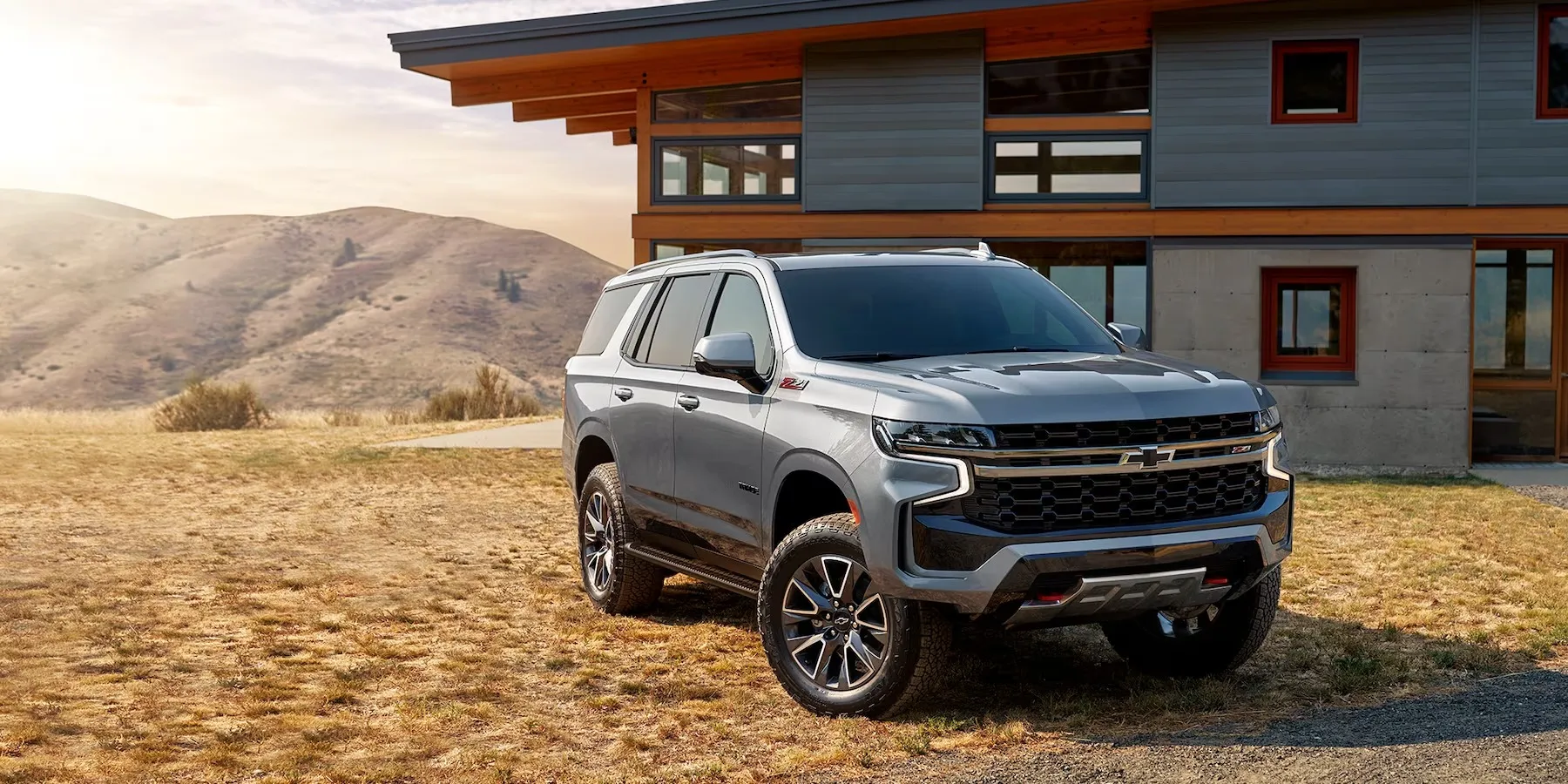
8. Chevrolet Tahoe Z71
The Chevrolet Tahoe Z71 is an SUV designed to endure challenging road conditions while delivering a comfortable ride. Its suspension system includes heavy-duty shock absorbers, reinforced control arms, and a multi-link rear design that ensures stability on uneven surfaces. The Z71 package is specifically tuned to smooth out impacts from potholes and cracked asphalt, allowing passengers to experience minimal jolting, even during long drives over broken roads.
Independent front suspension allows each wheel to move freely and absorb shocks individually, while the rear suspension is strengthened to handle heavier loads without compromising ride quality.
Engineers have carefully calibrated the dampers to reduce bounce and oscillation after hitting large potholes, ensuring that the vehicle settles quickly after impacts. This makes the Tahoe Z71 feel controlled and grounded under challenging conditions.
Ground clearance and wheel travel are key factors in the Tahoe Z71’s design. Higher clearance prevents scraping on uneven patches, while suspension travel accommodates vertical movement needed to keep the tires in contact with the ground. This combination helps maintain stability and allows the SUV to traverse rough surfaces with confidence. Drivers can maneuver over broken pavement without excessive concern for vehicle damage.
Load management is another benefit of the Z71 suspension. Whether carrying multiple passengers or towing equipment, the system adapts to maintain a level ride. Springs and shocks are designed to resist sagging under weight, ensuring consistent performance across different load scenarios. This helps protect both the chassis and the occupants from stress caused by uneven roads.
Finally, the Tahoe Z71 integrates safety features with suspension performance. Braking, cornering, and steering response remain predictable, even on compromised surfaces. The combination of mechanical tuning, reinforced components, and electronic stability assistance ensures that drivers retain control and passengers enjoy a stable, comfortable ride. It exemplifies a large SUV designed with broken pavement in mind.
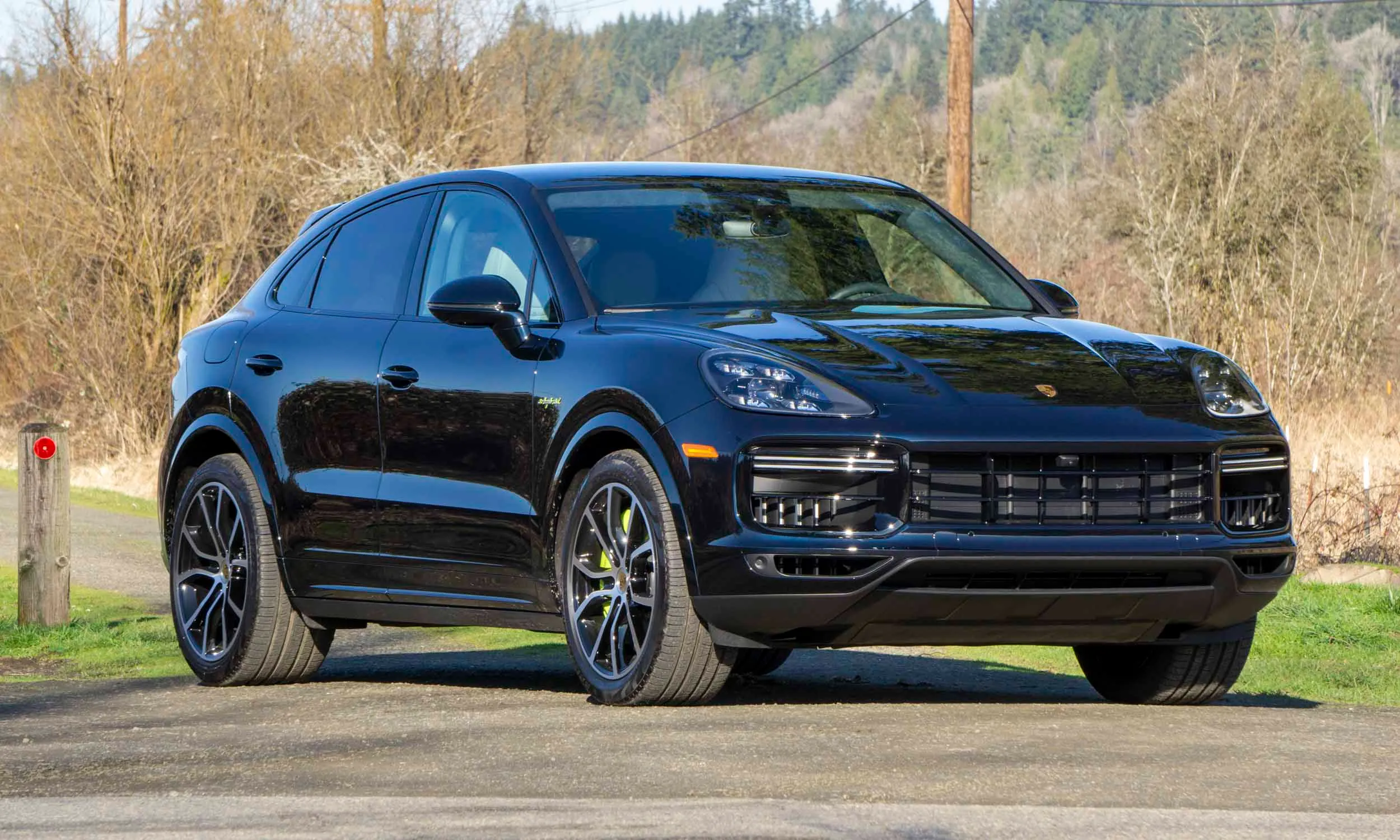
9. Porsche Cayenne
The Porsche Cayenne combines sports car dynamics with SUV practicality, and its suspension is tuned to handle rough roads effectively. The adaptive air suspension allows for height adjustments, and the electronically controlled dampers absorb shocks efficiently.
Even on roads filled with potholes, cracks, or uneven surfaces, the Cayenne maintains a sense of balance and composure, providing a controlled, predictable ride.
The Cayenne’s independent suspension at all corners enables each wheel to respond to bumps individually. This minimizes the transfer of harsh impacts to the cabin while maintaining tire contact and traction.
Engineers have reinforced critical suspension components, ensuring that repeated exposure to broken pavement does not compromise performance or longevity. Passengers benefit from a smooth, cushioned ride that preserves comfort.
Ride height adjustment is particularly useful when encountering particularly uneven surfaces. Raising the vehicle increases ground clearance to prevent undercarriage contact, while lowering it improves handling and stability on smoother sections. The suspension tuning ensures that transitions between heights are seamless, maintaining a consistent driving experience across varying road conditions.
The Cayenne also incorporates advanced stability and traction control features that complement its suspension system. Even when navigating broken pavement at higher speeds, the vehicle remains predictable and controllable.
Tires remain planted, steering feedback is maintained, and body roll is minimized, ensuring both comfort and safety. This combination makes it capable of handling both urban roads and challenging rural stretches with confidence.
Finally, Porsche prioritizes both comfort and performance. Vibrations from rough roads are absorbed before reaching the cabin, while the suspension maintains sharp responsiveness for handling. This makes the Cayenne one of the few SUVs that can combine sporty driving dynamics with the ability to smooth out even severely broken asphalt, creating a versatile, reliable experience for drivers.

10. Honda CR-V
The Honda CR-V is a compact SUV known for its reliability and comfortable ride, particularly on roads with imperfections. Its suspension system uses MacPherson struts in the front and a multi-link rear setup, tuned to absorb impacts from potholes and rough pavement. The vehicle maintains stability and minimizes jolts, providing a smooth experience even during daily commutes on poorly maintained roads.
The independent suspension allows each wheel to respond to irregularities individually, keeping the tires in contact with the surface and improving traction. Reinforced bushings and durable components ensure that the suspension performs consistently over time, reducing the risk of wear from repeated bumps or vibrations. This careful engineering extends the vehicle’s longevity and enhances comfort.
Ground clearance and suspension travel help the CR-V navigate uneven surfaces without bottoming out. Even moderate potholes are managed effectively, and the vehicle maintains composure when transitioning between different road textures. Passengers experience fewer jolts, and the chassis is protected from stress caused by repeated impacts.
Load handling is also optimized in the CR-V. The suspension adjusts to maintain a level ride regardless of passenger or cargo weight, reducing sagging and ensuring consistent handling. This adaptability enhances stability on broken pavement and allows drivers to focus on steering and control without being distracted by harsh bumps.
Finally, the CR-V’s combination of comfort and safety makes it ideal for rough urban streets. Braking and cornering remain predictable, while vibrations are absorbed before reaching the cabin. Its well-tuned suspension demonstrates that even a compact SUV can provide a smooth, stable ride across damaged roads without sacrificing reliability or control.
