
Badge-engineering is one of the more curious practices in the automotive world, where manufacturers take a car designed and built by one company and sell it under another brand with minor changes. The strategy allows brands to expand their lineups without investing heavily in research, development, or production.
While this may make sense from a business perspective, it has left behind a long trail of cars that are almost identical to better-known models but are often forgotten or overlooked by car enthusiasts. These vehicles might appear to be new or exclusive at first glance, but a closer inspection often reveals that they are, in essence, twins of other cars wearing a different badge.
Some badge-engineered cars gained a measure of fame, while others quietly disappeared into history, rarely remembered by those outside their niche audience. The phenomenon became particularly common in the late 20th century as global automakers sought ways to maximize profits and enter markets quickly.
By rebadging existing platforms, manufacturers could offer a seemingly diverse portfolio of vehicles without the high costs normally associated with developing a unique model from scratch. This practice often involved subtle visual tweaks such as redesigned grilles, different headlights, or minor interior updates.
However, these differences rarely extended beyond cosmetic changes, leaving the underlying mechanical components, driving experience, and dimensions almost identical to the original model. For consumers, badge-engineered cars offered the chance to choose a vehicle that fit a particular brand identity while still benefiting from the proven reliability of the original.
Yet, because many of these cars looked so similar to their counterparts, they were often overlooked, forgotten, or dismissed as unnecessary copies. Collectors and automotive historians sometimes rediscover these models years later and marvel at how similar they were to more prominent siblings, recognizing them as an intriguing footnote in automotive history.
In many ways, badge-engineered cars represent a unique intersection between marketing strategy and engineering practicality, showing how the industry can creatively repurpose existing designs. While they may not have made a huge impact in sales or culture, these vehicles offer an interesting lens through which to examine how car companies attempt to balance cost, branding, and consumer appeal.
Some of these forgotten cars have become rare finds, sought after by enthusiasts who appreciate their unusual place in the automotive story. Others remain largely unknown, quietly gathering dust in forgotten lots or private garages.
The stories behind these cars often reveal a mixture of corporate strategy, market experimentation, and the challenges of selling vehicles that are almost but not entirely new. This article highlights twelve badge-engineered vehicles that most people have probably never noticed, showing how automotive branding and design intersect in sometimes unexpected ways.
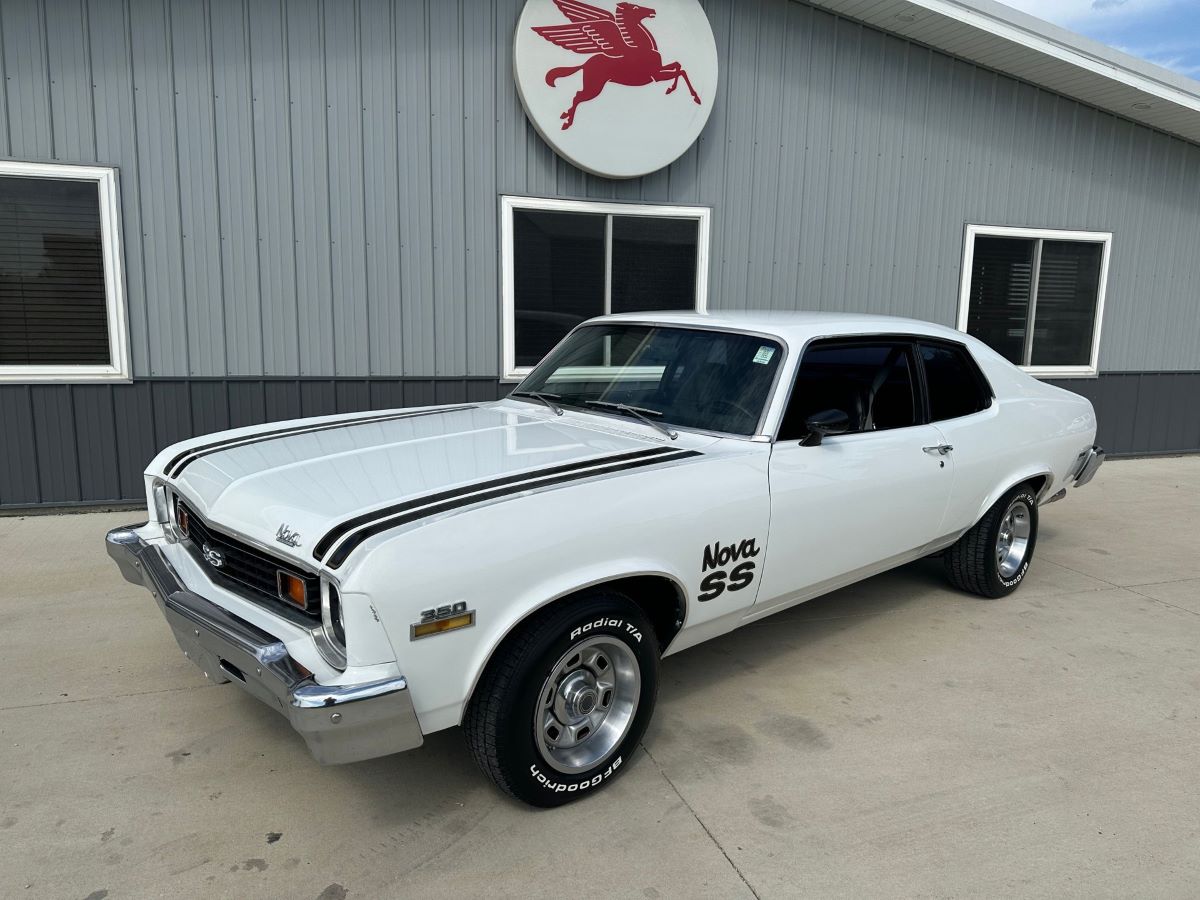
1. Chevrolet Nova (1985–1988)
The Chevrolet Nova nameplate returned in the mid-1980s as a compact car derived from the Toyota Corolla. This collaboration between General Motors and Toyota allowed GM to offer a small, fuel-efficient vehicle while keeping development costs low. Mechanically, it shared nearly everything with the Corolla, including suspension and drivetrain, making it reliable but unremarkable.
Visually, minor changes such as a Chevrolet grille, badging, and slightly different bumpers distinguished it from the Corolla. Inside, the Nova’s cabin was almost identical, with only small adjustments to trim and steering wheel design. It gave buyers the impression of a Chevrolet car while retaining Toyota engineering underneath.
Despite its practicality, the Nova struggled to capture attention. Many consumers recognized the car’s Japanese roots and questioned its American identity. Its sales never reached the levels of the Corolla, which overshadowed it in every market.
Collectors today rarely seek this version of the Nova. Its hybrid heritage and unexciting styling left it largely forgotten in Chevrolet history. Yet it remains a noteworthy example of GM’s attempt to adapt Japanese engineering to American tastes.
The Nova illustrates the complexities of badge-engineering, where brand perception can sometimes overshadow the quality or appeal of the vehicle itself. Its story reminds enthusiasts how some cars exist in a gray area between recognition and obscurity.
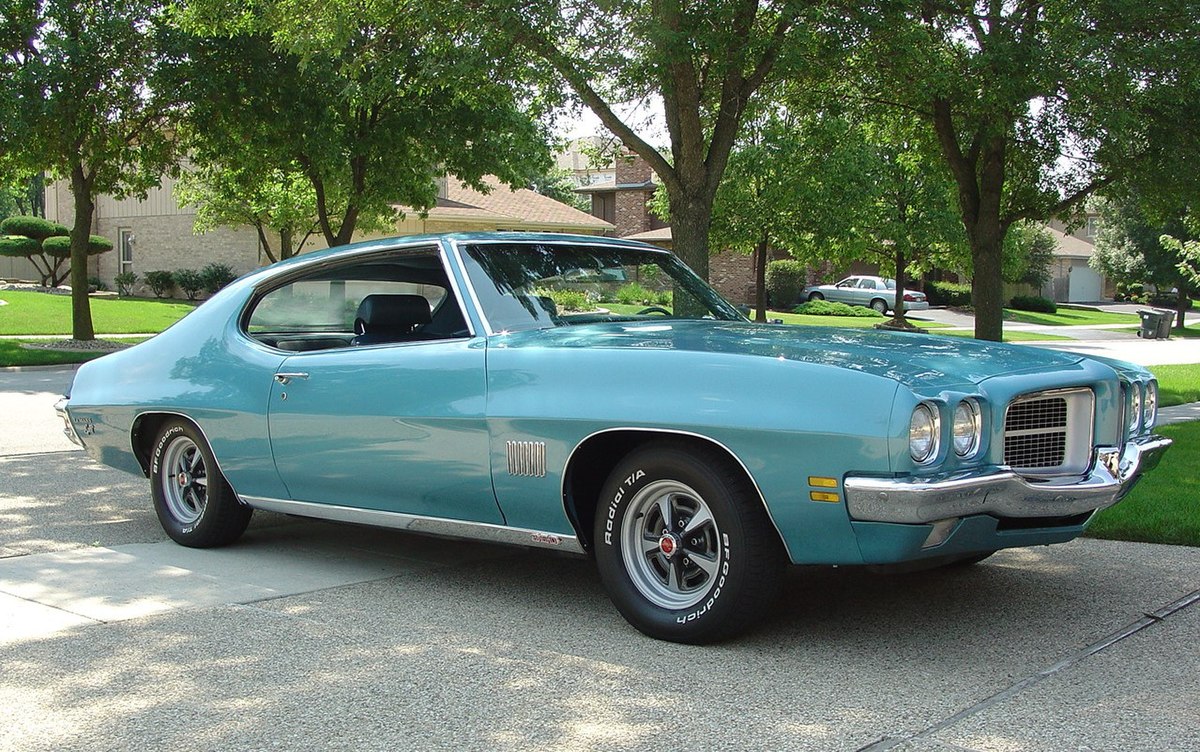
2. Pontiac LeMans (1988–1993)
The late-1980s Pontiac LeMans represented another collaboration with a Japanese automaker. Based on the Daewoo LeMans, this small sedan offered Pontiac a way to enter the compact car market without extensive redesign. Its mechanical components and body structure were almost identical to its Korean counterpart.
Pontiac applied minor exterior styling updates, including a redesigned grille, headlights, and brand-specific badging. The interior received minor upholstery and trim adjustments, making it look slightly more upscale than the original. These subtle touches were meant to appeal to North American buyers seeking a familiar brand name.
Despite these updates, many buyers quickly realized that the car’s performance and handling were in line with the Daewoo model. While reliable, the LeMans offered little that distinguished it from the competition. Its ride quality and fuel efficiency were modest but not remarkable.
Sales numbers remained modest as well, and the car gradually faded from public memory. Unlike Pontiac’s earlier models, which enjoyed strong brand recognition, this LeMans failed to resonate with consumers. Automotive enthusiasts sometimes spot it today and are surprised at how closely it mirrored its foreign origin.
The Pontiac LeMans demonstrates the challenges of badge-engineering in creating a vehicle that feels both familiar and distinct. While the strategy saves money, it often risks producing a car that is neither fully embraced nor entirely forgotten.

3. Ford Fiesta (Mazda-Built, Early 1980s)
During the early 1980s, Ford collaborated with Mazda to offer the Fiesta in markets outside Europe. The car was essentially a rebadged Mazda 121, sharing its chassis, engine, and suspension. This allowed Ford to provide a small, efficient vehicle while minimizing development costs.
Ford made only minor cosmetic changes to the Fiesta, such as a distinct front grille, different headlamps, and slight interior updates. The cabin layout remained virtually identical to the Mazda, retaining the same dashboard and seating arrangement. These changes were enough to pass brand recognition but not enough to hide the car’s origins.
While the Fiesta was reliable and fuel-efficient, it struggled to stand out among other subcompact cars. Buyers familiar with Mazda models sometimes questioned why they should pay extra for a Ford badge. Its modest appeal contributed to relatively low sales figures.
Enthusiasts today rarely highlight this version of the Fiesta. It is mostly remembered by collectors with a keen interest in the obscure intersections of Japanese and American automotive collaboration. Despite its lack of fame, it served its purpose as a cost-effective solution for Ford.
This Mazda-Ford partnership highlights how badge-engineering can meet practical needs without necessarily generating excitement or brand loyalty. It illustrates the balance between economics and identity in car design.
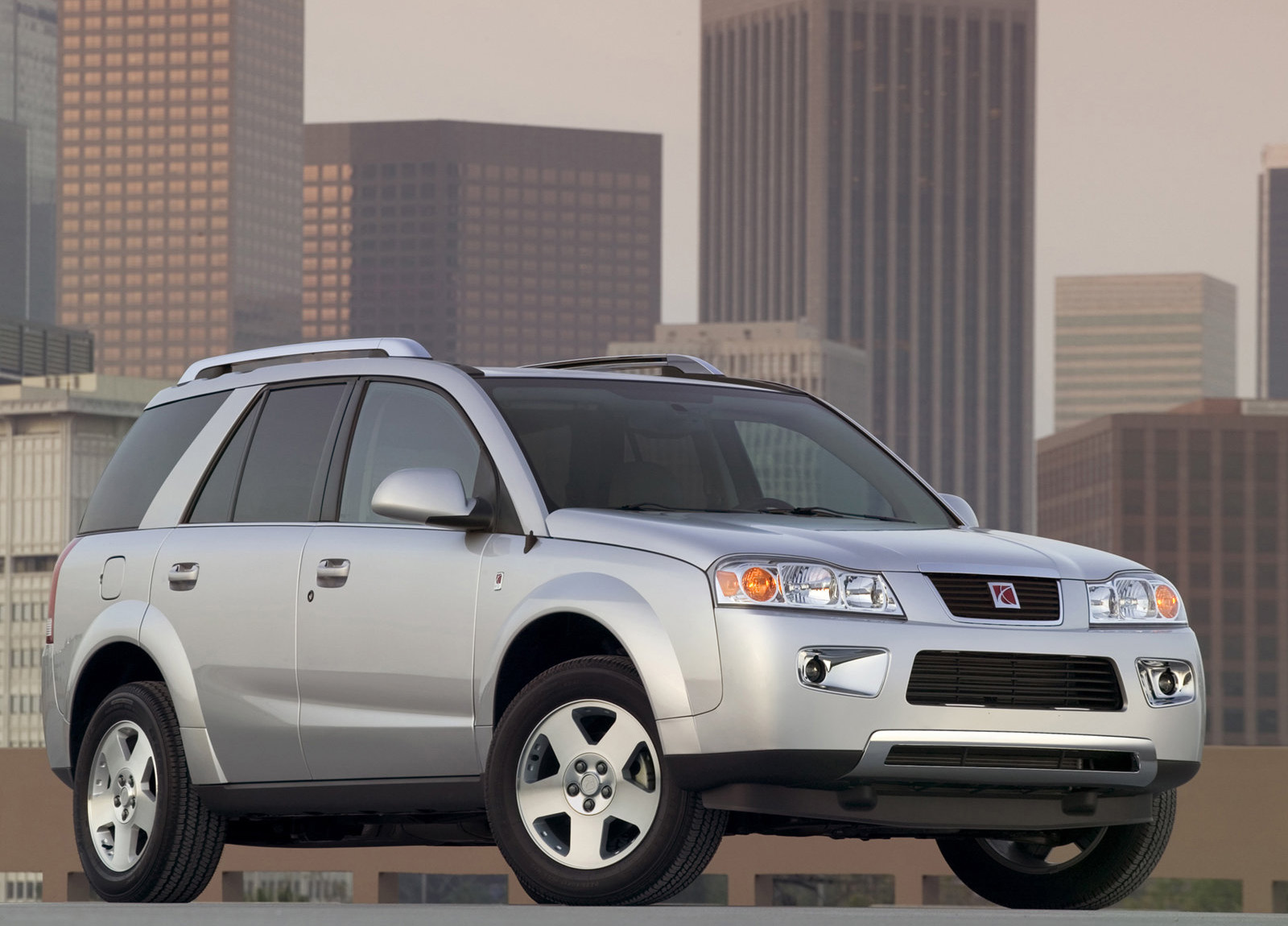
4. Saturn Vue (Opel-Based, 2002–2007)
The Saturn Vue compact SUV shared its platform with the Opel Frontera, showcasing a unique transatlantic collaboration. Designed primarily for North American buyers, the Vue retained the underlying structure, drivetrain options, and suspension setup of its European cousin.
Exterior styling was adapted to suit the Saturn brand. Unique front and rear fascias, along with distinctive badging, set the Vue apart from the Opel visually. The interior also received updates in terms of dashboard design, materials, and technology options.
Despite these updates, the driving experience remained closely tied to the Opel’s European tuning. The suspension and steering provided a balance of comfort and control but did not offer standout performance. Reliability and handling were solid, reflecting Opel’s engineering standards.
The Vue achieved moderate success in the U.S., though its European roots were often unnoticed by buyers. Enthusiasts and collectors might recognize the similarities when comparing chassis numbers or technical specifications. Its place in automotive history is more about practical collaboration than innovation.
The Saturn Vue exemplifies the crossover between international platforms and regional branding, showing how badge-engineering can allow manufacturers to adapt vehicles for different markets while preserving the core design.
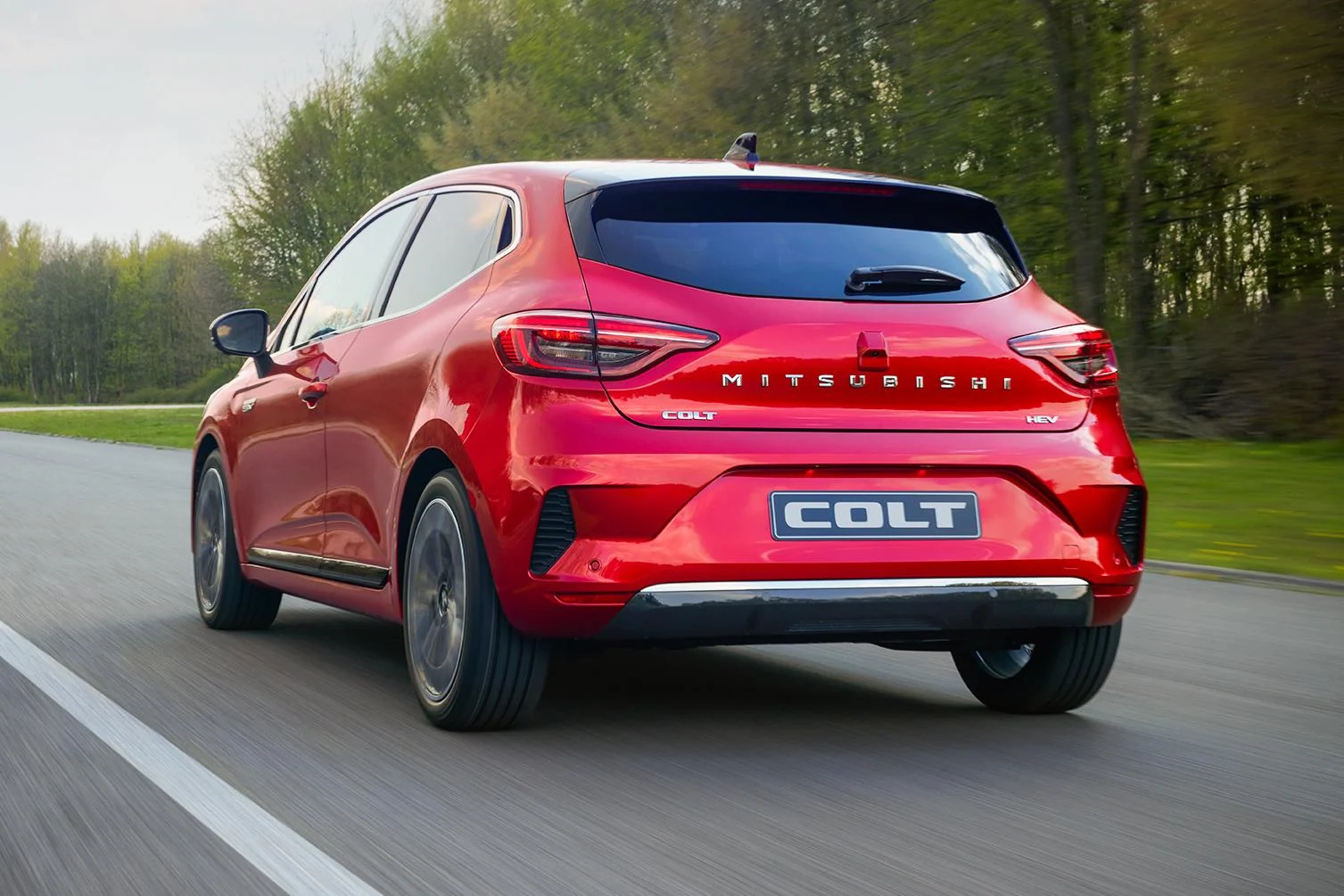
5. Mitsubishi Colt (Smart-Based, 2004–2008)
The Mitsubishi Colt of the mid-2000s was based heavily on a collaboration with Smart and utilized small, compact vehicle engineering from the partnership. The car shared engines, transmission options, and basic platform architecture, allowing Mitsubishi to quickly introduce a city car.
Cosmetic updates were subtle, including a unique grille, headlights, and some interior finishes. The silhouette remained consistent with the original Smart-based design, giving it a compact, practical look ideal for urban driving.
Performance was typical of small cars of the era, focusing on efficiency over speed. Its lightweight structure made it nimble but limited its power, appealing primarily to budget-conscious drivers. Fuel economy and ease of parking were key selling points.
The Colt never gained wide recognition and is largely forgotten today. Its brief production run and niche market appeal contributed to its obscurity. Among collectors, it is sometimes valued as an unusual example of cross-brand collaboration.
This version of the Colt shows how badge-engineering can allow brands to fill gaps in their lineup quickly, even if the resulting vehicle does not capture widespread attention or acclaim.
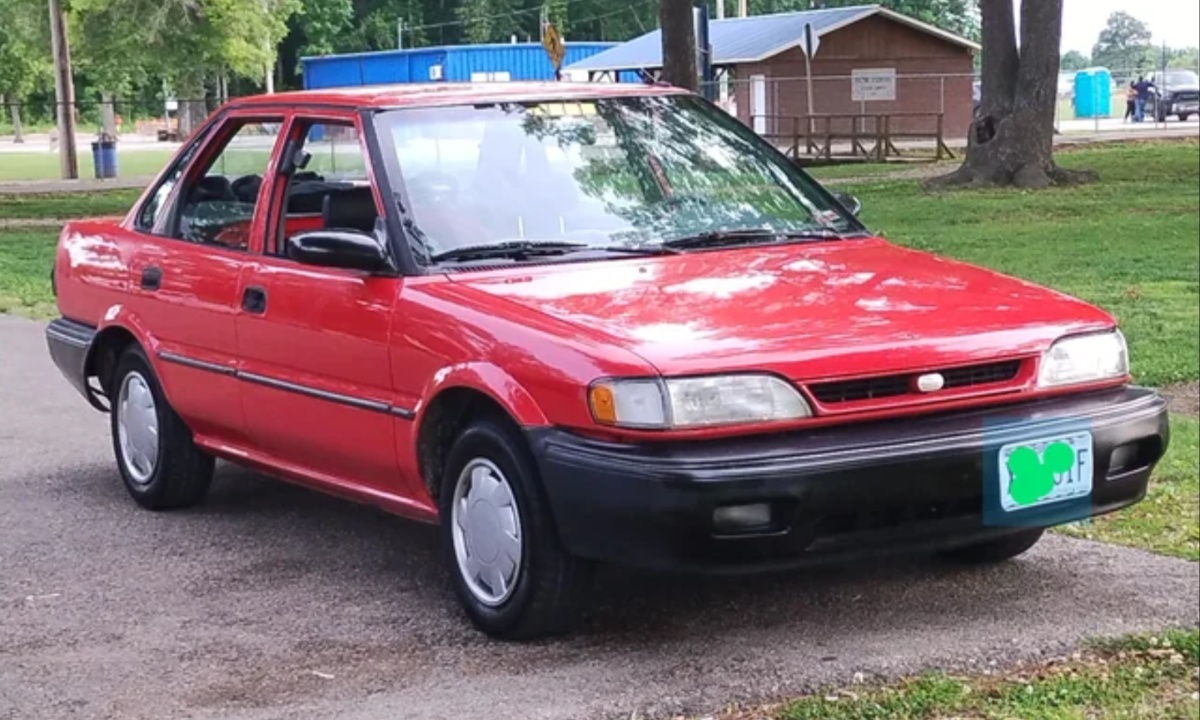
6. Geo Prizm (1989–2002)
The Geo Prizm is a classic example of badge-engineering between General Motors and Toyota. Essentially, it was a Toyota Corolla under the skin, sharing almost every mechanical component, from the engine to the suspension and drivetrain. This allowed GM to offer a reliable compact car without investing in extensive new development.
Cosmetically, the Prizm featured small changes to the grille, headlights, and taillights. The interior received modest updates in upholstery, trim, and steering wheel design. These differences were designed to create a distinct brand identity while maintaining the original Corolla’s practicality.
The car offered solid performance for daily commuting, providing good fuel economy, comfortable seating, and a dependable ride. Its handling and feel were indistinguishable from the Toyota model, making it a safe but unremarkable choice in the compact segment.
Despite these qualities, the Geo Prizm never became a cultural icon. Many drivers recognized it as a Corolla in disguise, and enthusiasts often overlooked it in favor of more distinctive models. Its low profile in automotive history contributed to its status as a forgotten badge-engineered car.
Today, the Prizm occasionally surfaces among collectors interested in obscure GM models. Its legacy demonstrates how badge-engineering can provide reliable transportation while often failing to capture long-term attention or excitement from the public.
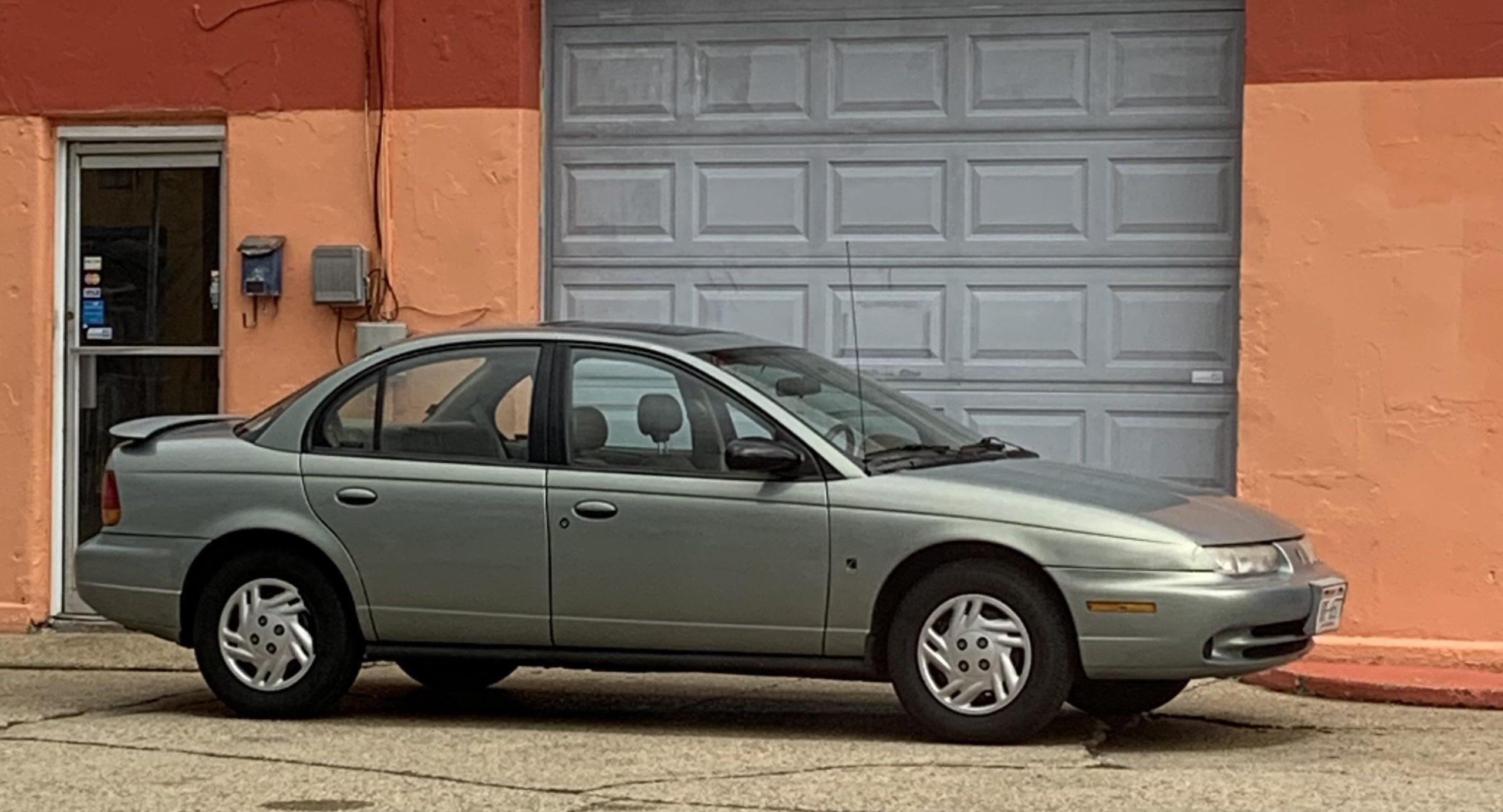
7. Saturn S-Series (Opel Corsa-Based, 1991–2002)
The Saturn S-Series compacts were partially based on the Opel Corsa, although GM adapted the design for the American market. These cars shared key platform components, including engines and suspension layouts, allowing Saturn to launch a cost-effective, fuel-efficient lineup.
Externally, the S-Series featured unique bumpers, grille styling, and brand-specific badging. Inside, Saturn adjusted trim, controls, and upholstery patterns to give the cabin a slightly more modern feel, while retaining much of the Opel’s interior architecture.
Performance was modest, focusing on reliability and affordability rather than sporty handling. Fuel economy and ease of maintenance were strong selling points, making the S-Series appealing to first-time buyers or those on a budget.
Despite its practicality, the S-Series lacked the design flair or performance appeal to stand out. Many buyers viewed it as a basic commuter car, and it did not generate significant excitement in automotive circles. Its reputation has remained largely functional rather than legendary.
The Saturn S-Series illustrates the balance manufacturers often try to strike with badge-engineering: creating a vehicle that is recognizable under one brand while minimizing production costs by borrowing proven engineering from another.
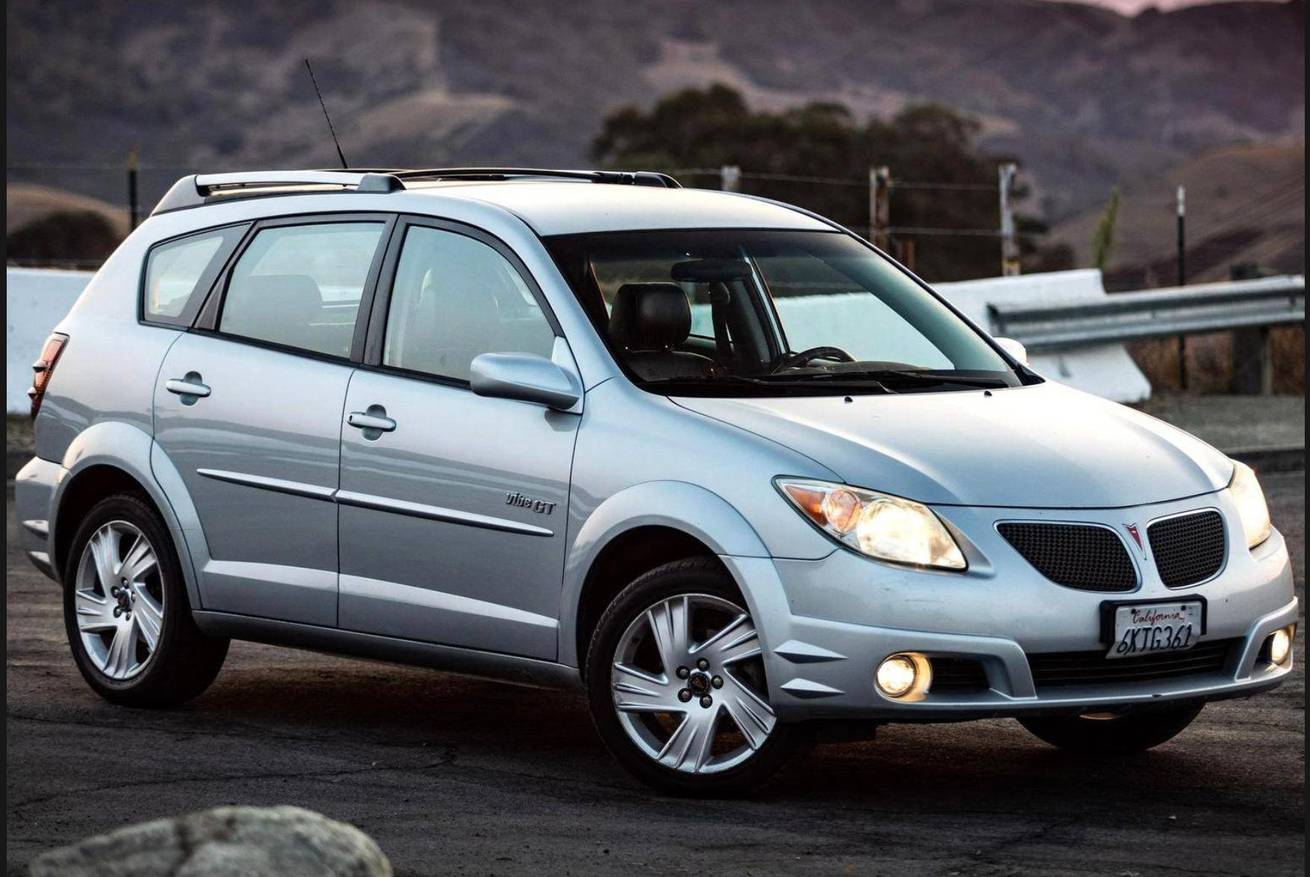
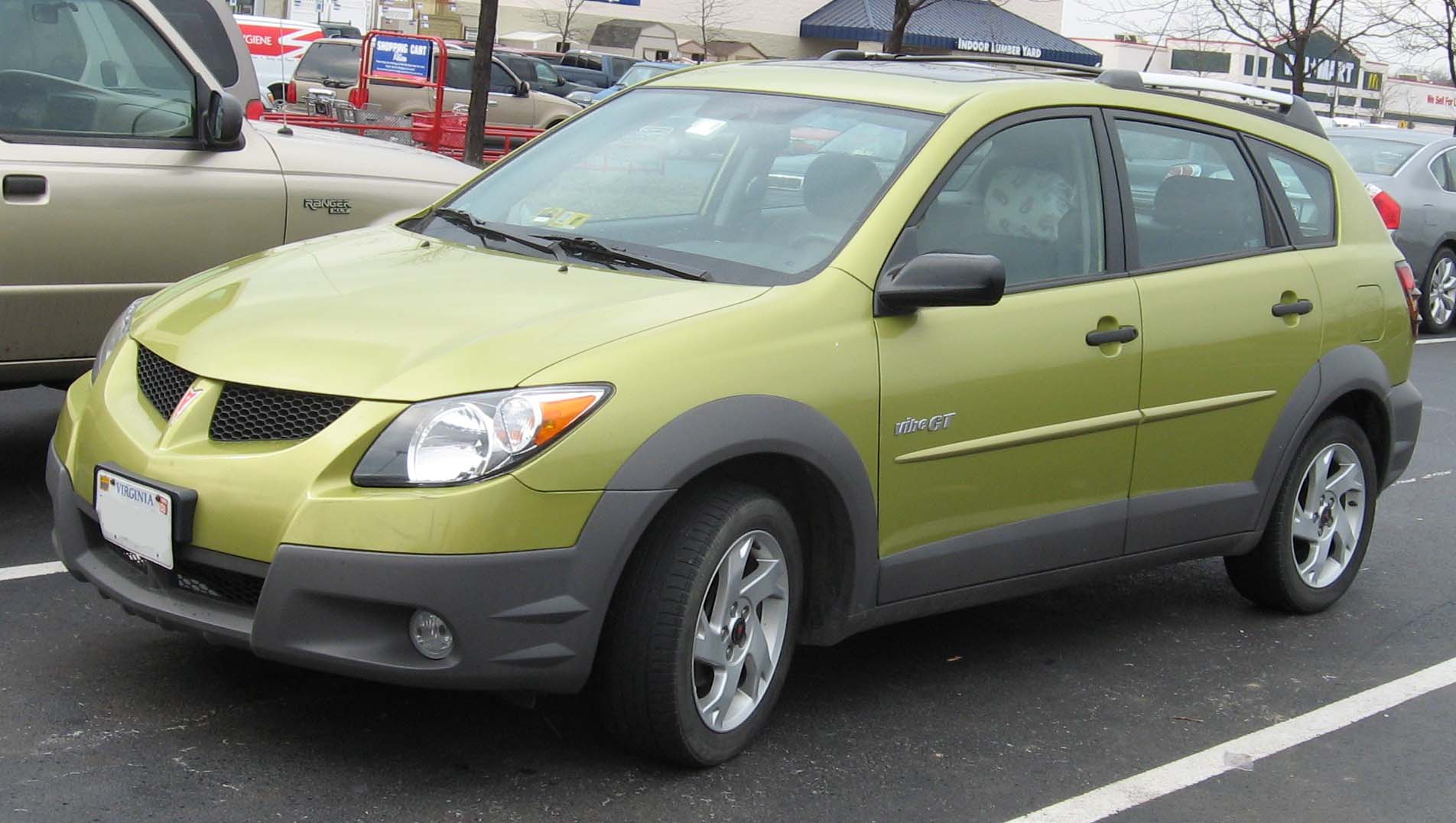
8. Toyota Matrix / Pontiac Vibe (2003–2010)
The Toyota Matrix and Pontiac Vibe represent one of the more successful joint ventures in badge-engineering. These two cars shared the same platform, engines, and interior layout, offering a practical hatchback crossover solution. The collaboration was part of GM and Toyota’s effort to diversify their small car offerings.
Exterior differences were subtle but noticeable. The Vibe received a unique grille, headlights, and slightly different rear styling. Inside, trim details, dashboard textures, and upholstery choices differentiated the two models, giving each brand its own identity without altering the core vehicle.
Both cars delivered reliable performance, fuel efficiency, and practicality. They appealed to drivers seeking versatile small vehicles that could handle daily commuting and light cargo needs. Their handling and comfort were consistent with Toyota engineering standards.
Despite their shared DNA, the Vibe sometimes struggled to compete with its Matrix counterpart in sales. Toyota’s brand recognition and reputation for quality often gave the Matrix a marketing advantage, leaving the Vibe in a quieter shadow.
The Matrix and Vibe showcase how collaboration and badge-engineering can produce vehicles that succeed in multiple markets. Their story highlights how subtle differences can create brand identity while maintaining engineering consistency.
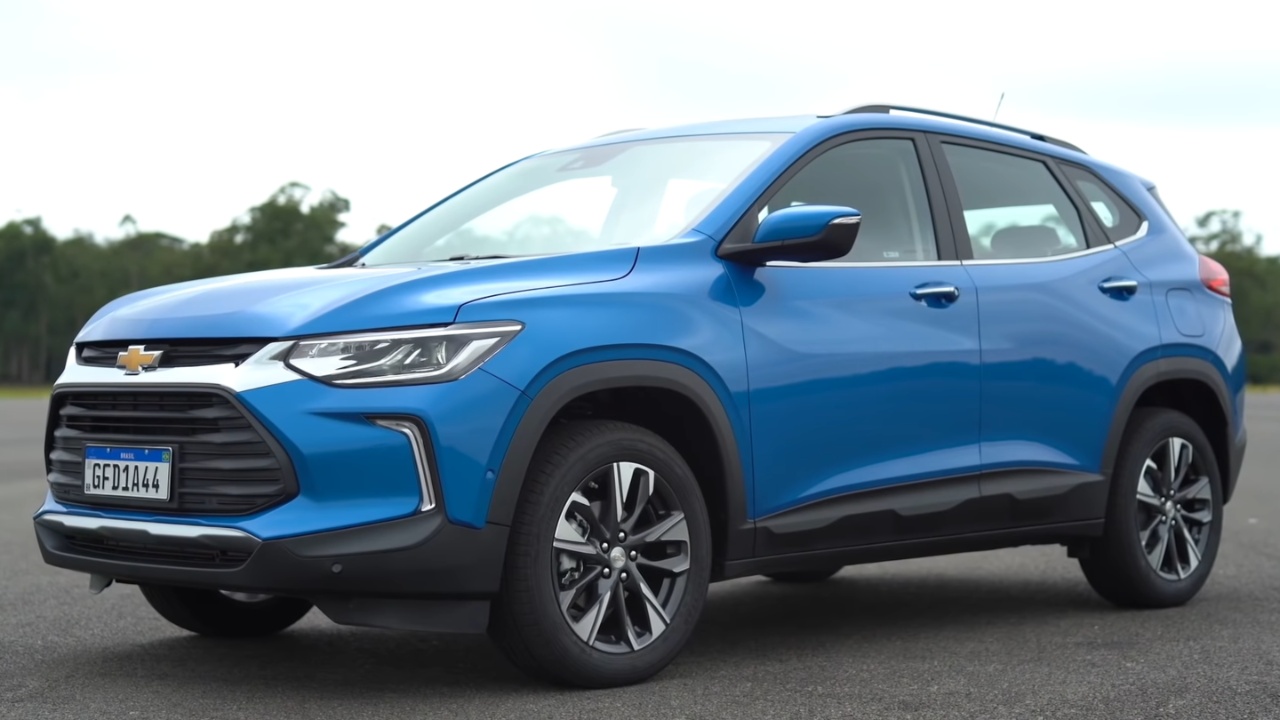
9. Chevrolet Tracker (Suzuki-Based, 1989–2004)
The Chevrolet Tracker was based heavily on the Suzuki Vitara, a small SUV platform known for its off-road capabilities. GM partnered with Suzuki to enter the compact SUV segment efficiently, using Suzuki’s existing engineering while applying Chevrolet branding to appeal to North American buyers.
Cosmetic modifications included a Chevrolet grille, brand-specific badging, and minor interior tweaks. The Tracker’s dashboard, seating, and general layout remained largely consistent with the Suzuki original, offering the same compact and functional design.
Performance was competent for a vehicle of its class. The Tracker provided light off-road capability, reliable four-wheel drive options, and an easy-to-handle size for urban driving. Its engine options and suspension design reflected Suzuki’s proven technology.
Although practical, the Tracker rarely drew attention in the broader SUV market. Larger models like the Jeep Cherokee or Ford Explorer overshadowed it, and its badge-engineered nature made it less memorable among enthusiasts.
Today, the Tracker is occasionally sought after by collectors who appreciate compact SUVs or overlooked GM-Suzuki collaborations. Its story underscores the practical but often forgotten nature of badge-engineered vehicles.

10. Dodge/Plymouth Neon (1994–2005)
The Dodge and Plymouth Neon were products of Chrysler’s attempt to enter the compact car segment with a cost-effective solution. Both shared nearly identical platforms, engines, and interior components, allowing Chrysler to offer multiple options under different brand names.
Minor cosmetic differences distinguished the models. Grilles, headlights, taillights, and badging were tailored to fit Dodge and Plymouth identities. Inside, seat materials, trim details, and color options created brand-specific interiors while keeping the basic layout intact.
The Neon offered reliable performance for daily commuting, focusing on affordability and efficiency. Its handling, ride quality, and engine performance were comparable across both badges, with small variations in options packages and trim levels.
Despite strong initial sales, the Neon did not achieve lasting fame. Automotive enthusiasts often overlooked it in favor of more distinctive models, and its shared engineering with little differentiation contributed to its obscurity.
The Dodge/Plymouth Neon demonstrates the risks of badge-engineering when products appear nearly identical to each other. While it achieved short-term commercial goals, it left few lasting impressions in automotive memory.
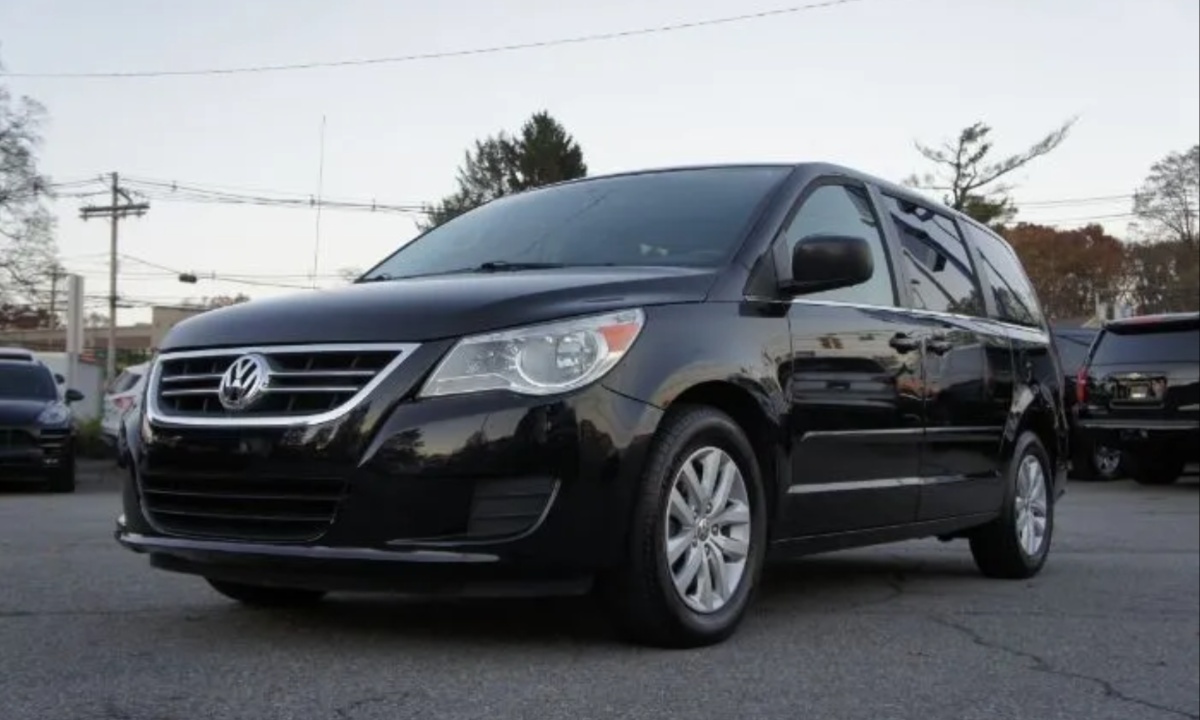
11. Volkswagen Routan (2008–2014)
The Volkswagen Routan was Volkswagen’s attempt to enter the North American minivan market without building a new vehicle from scratch. Instead, it was based on the Chrysler Town & Country and Dodge Grand Caravan platforms. This collaboration allowed VW to offer a minivan engineered for reliability and space efficiency while maintaining their brand presence in a competitive segment.
Externally, the Routan featured Volkswagen styling cues, including a redesigned grille, updated headlights, and brand-specific badging. Subtle tweaks to the bumpers and side panels distinguished it visually, giving buyers a sense of VW identity. Inside, the dashboard layout and materials received minor changes, but the underlying controls, seating, and interior architecture were largely identical to Chrysler’s models.
The Routan offered familiar performance with smooth handling, a comfortable ride, and practical cargo capacity. Its V6 engines and front-wheel-drive platform mirrored the Chrysler versions, providing a familiar experience for drivers. Despite this, critics often noted that the Routan lacked distinct European driving characteristics, making it feel closer to an American minivan than a Volkswagen.
Sales were modest, as many consumers recognized its Chrysler roots. While it offered solid practicality and brand value, the Routan never achieved the popularity Volkswagen hoped for in North America. It remained a niche product overshadowed by more iconic minivans from other manufacturers.
Today, the Routan is mostly forgotten outside Volkswagen enthusiasts or collectors interested in unique badge-engineering stories. It serves as a reminder of how rebranding a vehicle can be a practical solution but may not always resonate with the market or create lasting recognition.
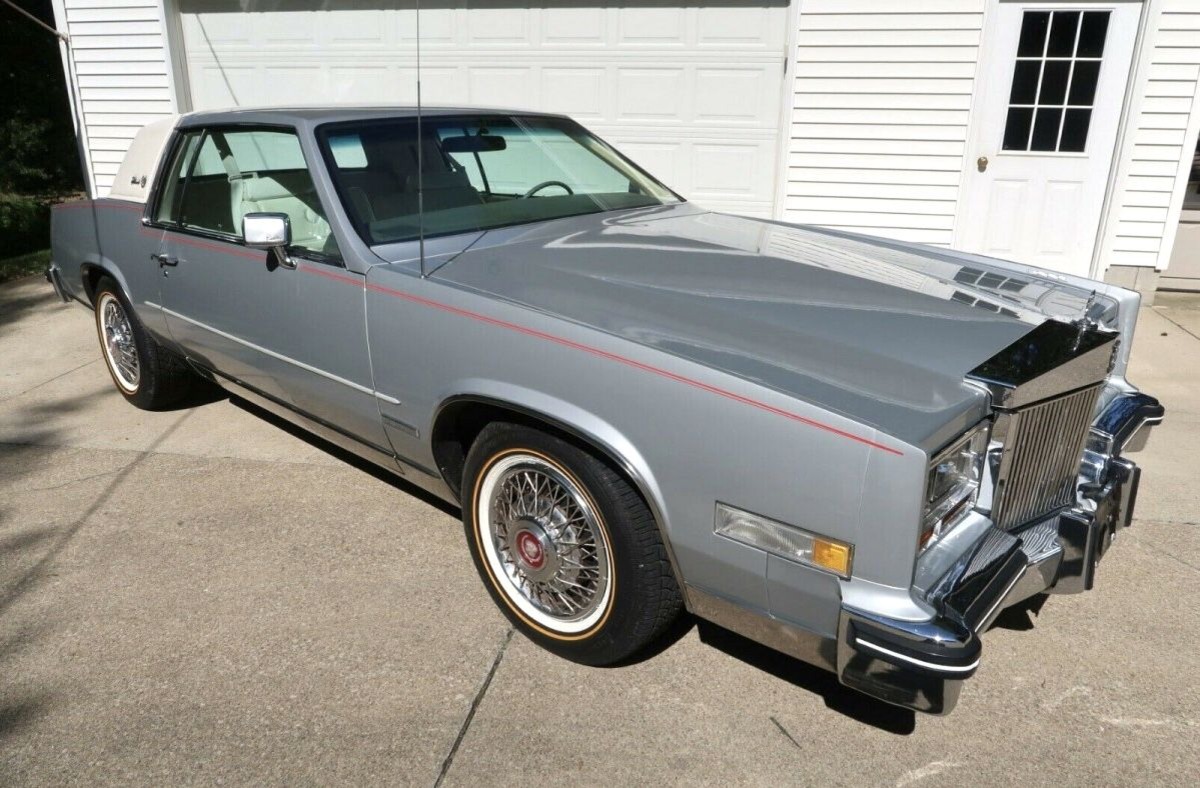
12. Cadillac Cimarron (1982–1988)
The Cadillac Cimarron is one of the most infamous examples of badge-engineering in automotive history. Cadillac aimed to enter the compact luxury car market quickly, so the Cimarron was based almost entirely on the Chevrolet Cavalier platform. While it received luxury badging and cosmetic upgrades, the mechanical foundation remained basic and widely shared with economy models.
Exterior differences were limited to a Cadillac grille, emblems, and slightly revised trim. Inside, the Cimarron offered improved upholstery, wood trim, and additional features to create a premium feel, but the dashboard, controls, and general layout mirrored the Cavalier. Buyers who expected a true Cadillac experience often felt disappointed by the similarities.
Performance reflected its economy car origins. Its small engine options and modest suspension design were adequate for city driving but lacked the refinement and power typically associated with Cadillac. Critics frequently highlighted these shortcomings, labeling the Cimarron as an example of badge-engineering gone wrong.
Despite these flaws, the Cimarron had its place in Cadillac’s history, showing the challenges of balancing brand prestige with cost-effective solutions. Its short production run and poor reception cemented its reputation as a cautionary tale for automakers attempting to stretch luxury branding too far.
The Cadillac Cimarron remains an enduring symbol of badge-engineering risks. It illustrates how simply adding luxury touches to an economy car cannot substitute for genuine brand identity or engineering excellence, leaving it largely forgotten outside automotive circles.
