
In the automotive world, most enthusiasts focus on engine power as the main indicator of a car’s performance. However, there are several vehicles where the transmission is built to handle more than the engine can produce. These cars often have overbuilt gearboxes, designed for durability, towing capacity, or high-performance applications.
A strong transmission can make a vehicle more reliable over time, even if the engine is underpowered in comparison. This imbalance can occur for several reasons. Manufacturers may use a transmission across multiple models to save costs, leading to a situation where a modest engine is paired with a very robust gearbox.
Another factor is that some engines are tuned for efficiency rather than raw power. When combined with a transmission capable of handling much higher torque, the drivetrain becomes extremely resilient. This is particularly common in trucks, SUVs, and sports cars where the transmission must withstand sudden bursts of power, towing heavy loads, or harsh driving conditions.
In certain cases, aftermarket modifications push engines to their limits while the stock transmission can still manage without issues. The result is a car that can endure far more stress on the drivetrain than the engine alone would suggest.
The strength of a transmission is not only measured by torque capacity. Gearbox construction, materials, and design philosophy all contribute to its durability. Some automakers intentionally overbuild transmissions as insurance against engine wear, mismanagement, or extreme driving habits.
This makes the car appealing to enthusiasts who plan modifications in the future because they can increase engine power without immediately needing a new transmission. Transmission durability also affects maintenance costs and resale value, as stronger gearboxes generally last longer under heavy use.
Historically, there are many examples where transmission strength exceeds the engine output. This mismatch can sometimes make the car feel underwhelming in acceleration but incredibly reliable in long-term use. Trucks designed for hauling or vehicles in high-performance trim often fall into this category.
The disparity between engine and transmission also reflects the engineering priorities of the manufacturer, emphasizing reliability over raw speed. Understanding this dynamic is useful for anyone interested in tuning, restoring, or choosing vehicles for practical use rather than purely for horsepower numbers.
In this article, we will discuss ten cars where the transmission is stronger than the engine. Each vehicle has been selected based on engineering design, real-world performance, and durability reports. These vehicles include trucks, performance cars, and luxury sedans that showcase how automakers can create a drivetrain more capable than the engine it serves.
Examining these models highlights the importance of considering the entire drivetrain when evaluating a car’s strength, rather than focusing solely on engine output.
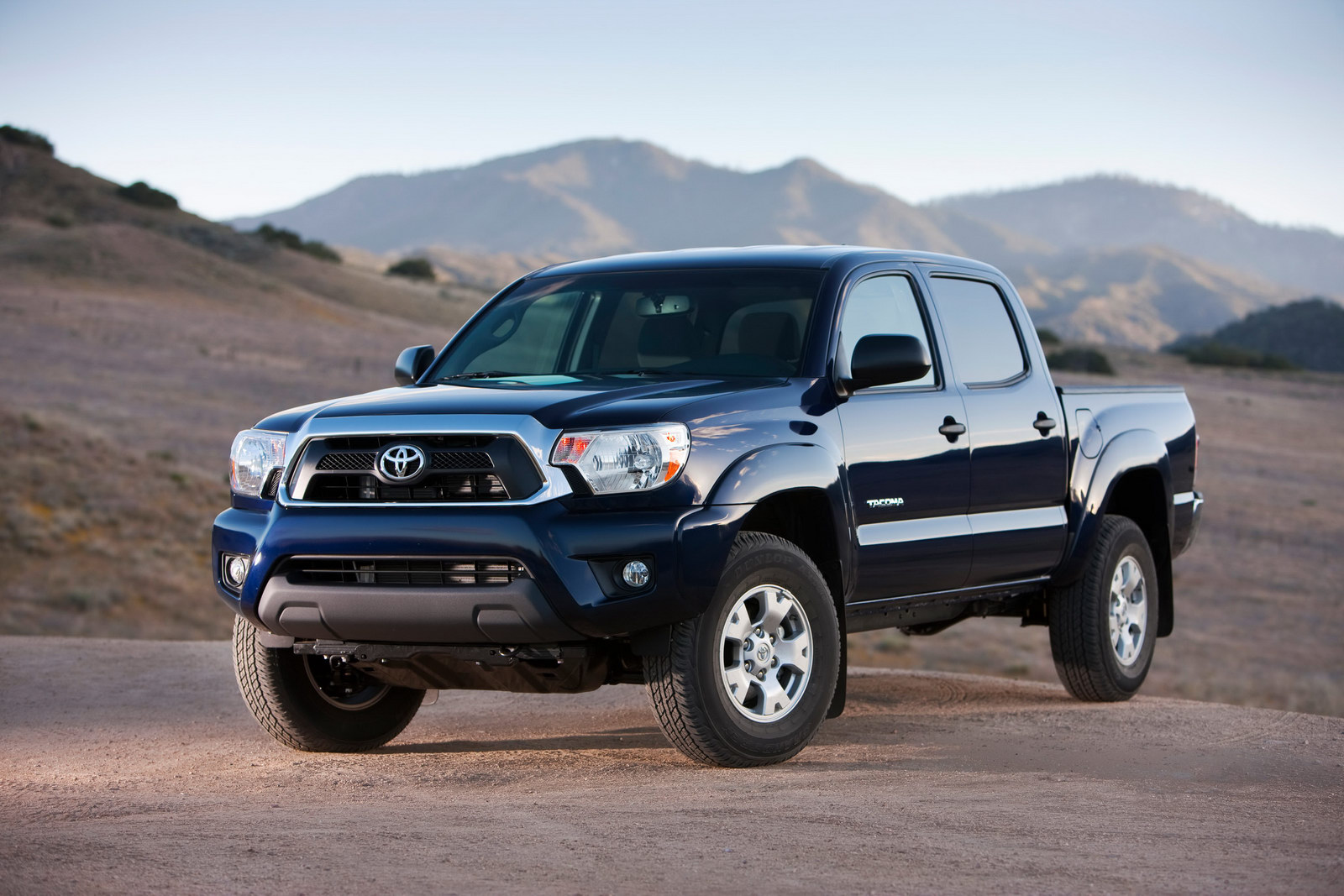
1. Toyota Tacoma (Early 2000s Models)
The early 2000s Toyota Tacoma is widely recognized for its durable drivetrain. Its 5-speed manual and automatic transmissions are known to handle far more torque than the stock engines produce. Many owners have successfully swapped engines or added forced induction without transmission failure. The robustness of the gearbox has made these trucks a favorite in the off-road community.
Toyota intentionally overbuilt the Tacoma’s transmission for reliability. The engines were modest, prioritizing fuel efficiency and longevity. Despite this, the transmission gears, shafts, and casing were designed to endure heavy towing and off-road stresses. Enthusiasts often note that the gearbox feels bulletproof compared to the engine output. This makes the Tacoma a practical choice for drivers planning upgrades.
Another advantage is the ease of maintenance. Replacement parts for the transmission are abundant, and the design is straightforward. The engine may reach its limits in performance, but the transmission rarely becomes a weak point. This durability contributes to the high resale value of older Tacomas, as buyers trust the drivetrain will last. Even after extensive use, many transmissions remain functional.
Tacoma’s strong transmission also allows for engine swaps. Many owners have installed more powerful Toyota or aftermarket engines without changing the gearbox. This compatibility is possible because the transmission was designed with a significant safety margin. The mismatch between engine and gearbox is intentional, prioritizing long-term durability over peak performance.
Finally, this overbuilt design benefits everyday driving. Drivers towing trailers or carrying heavy loads rarely worry about transmission failure. While the engine may strain under heavy use, the transmission consistently manages the torque. This combination of modest engine and strong transmission has cemented the Tacoma’s reputation as one of the most reliable trucks in its class.
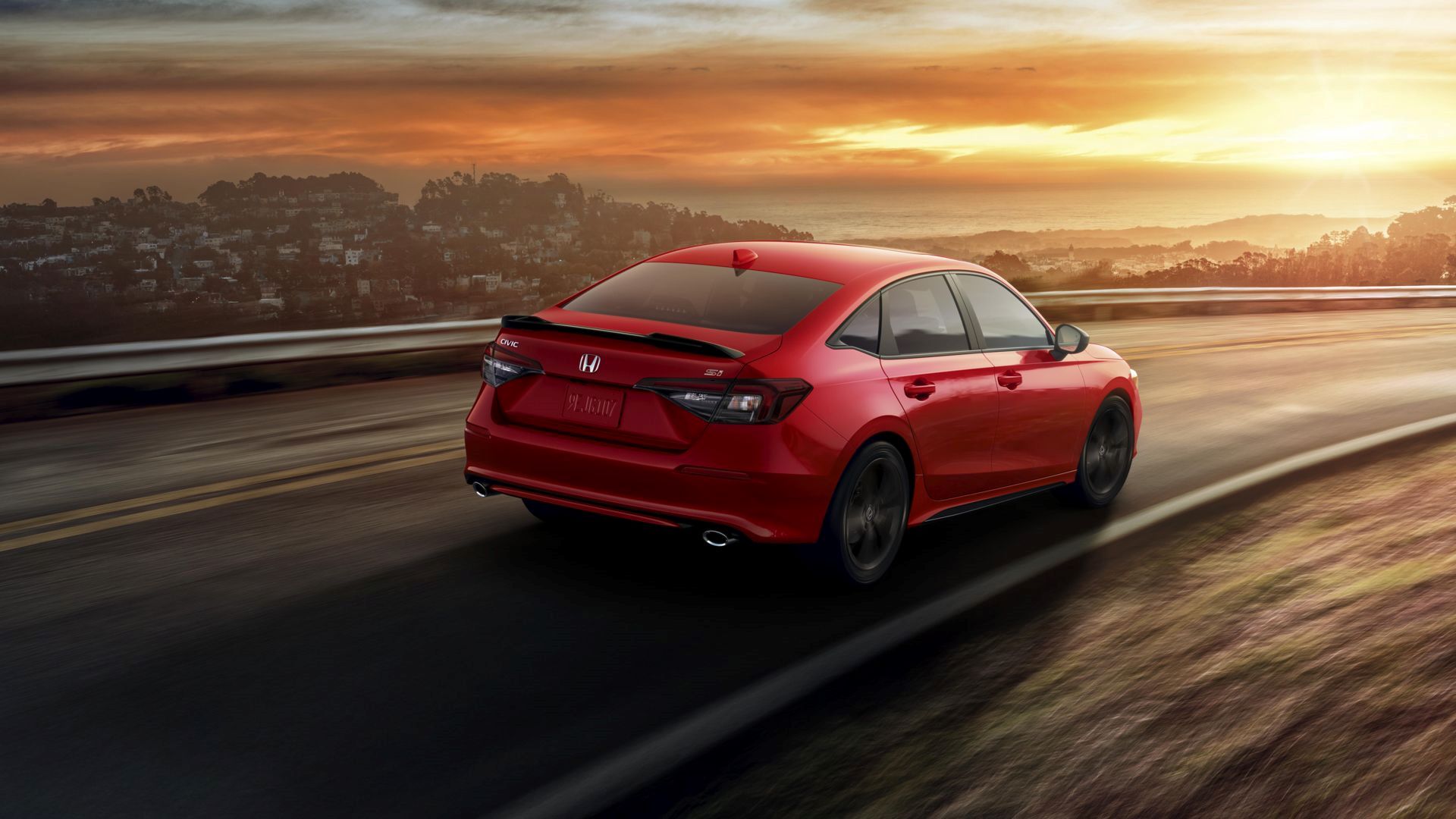
2. Honda Civic Si (2006–2011)
The Civic Si from 2006 to 2011 is an example of a car with a transmission stronger than its engine. Its 6-speed manual gearbox is frequently praised for durability, even under aggressive driving. Enthusiasts often push the engine beyond its stock limits without causing transmission damage. This design has made the Civic Si a popular platform for tuning.
Honda designed the gearbox to handle higher torque than the naturally aspirated K-series engines produced. The synchros and gears are particularly resilient, reducing wear under frequent revving. Drivers report that the transmission can survive modifications that increase power significantly. The mismatch is subtle but beneficial for performance upgrades.
Another factor is Honda’s engineering philosophy. The engines are tuned for high-revving performance, but torque is modest. Meanwhile, the transmission is over-engineered to maintain reliability across different driving conditions. This allows the car to endure spirited driving without fear of drivetrain failure. The strong gearbox adds confidence for tuning enthusiasts.
The Civic Si’s transmission is also easy to maintain. Parts are widely available, and the clutch is relatively durable. This encourages aftermarket modifications because the most common failure point, the transmission, is already overbuilt. Many tuners can achieve substantial horsepower gains before needing to consider gearbox upgrades.
Finally, the mismatch between engine and transmission extends the car’s lifespan. While the engine may require more frequent maintenance under stress, the transmission continues to function reliably. Owners report smooth shifting even after years of high-rev use. This combination of a modest engine and a strong transmission makes the Civic Si a standout example of drivetrain engineering.
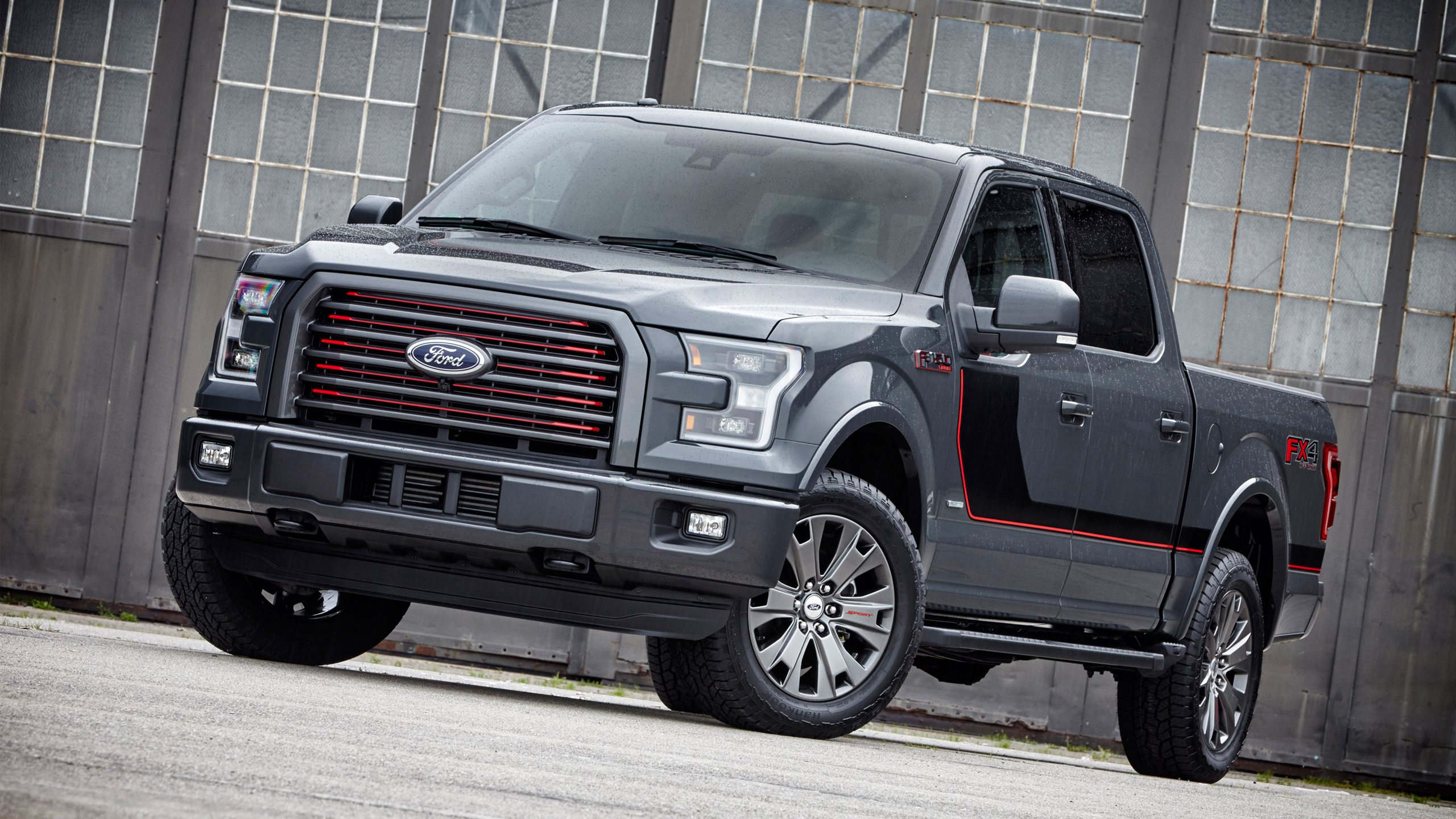
3. Ford F-150 (2011–2014 6-Speed Models)
The Ford F-150 trucks from 2011 to 2014 feature 6-speed automatic and manual transmissions capable of handling more torque than the base engines produce. These gearboxes are built to endure towing, off-road use, and heavy payloads.
This overengineering ensures longevity even under demanding conditions. Many owners note the engine can feel underpowered compared to the robust transmission.
Ford designed these transmissions with durability in mind. Components like gears, shafts, and clutches are reinforced to handle high-stress situations. The engines in these trucks, particularly the base V6, are modest in power output. The transmission, however, can tolerate far greater torque, creating a noticeable mismatch.
This imbalance benefits owners who modify their trucks. Aftermarket upgrades, including superchargers and performance chips, can increase engine output significantly without stressing the stock transmission. The overbuilt design allows for safe tuning while maintaining reliability. The F-150 becomes a versatile platform for both work and performance.
Additionally, these transmissions are serviceable and reliable under normal conditions. Many trucks with high mileage still show minimal gearbox wear. The strength of the transmission contributes to the truck’s high resale value and long-term reputation. Owners can tow heavy loads without concern for transmission failure.
Finally, the mismatch encourages longevity under everyday use. The engines operate well below the transmission’s maximum capacity, reducing stress on the drivetrain. This design ensures that even high-mileage trucks continue to function reliably. The F-150 demonstrates that a strong transmission can make a modest engine more effective and long-lasting.
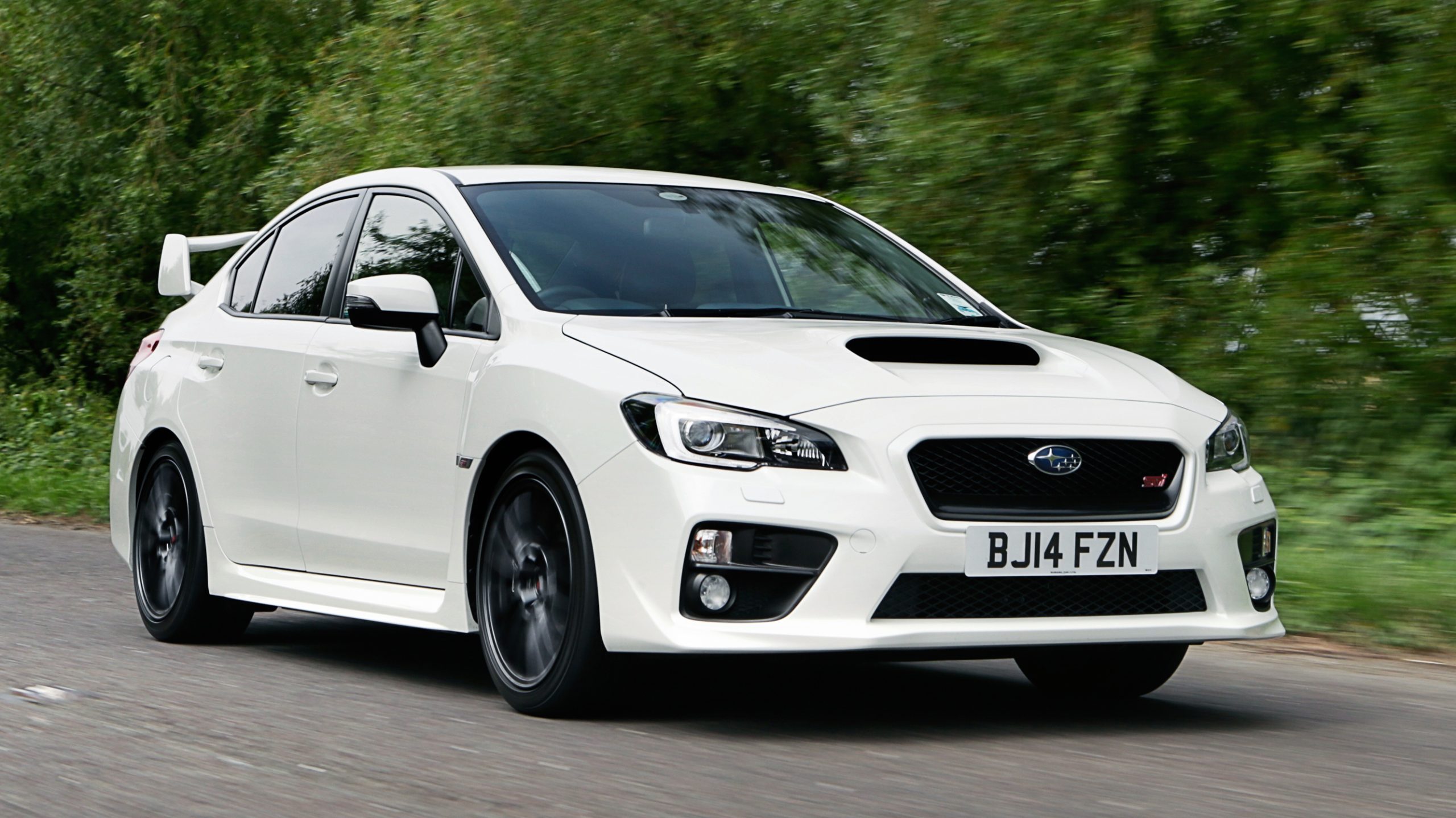
4. Subaru WRX (2002–2007)
The early 2000s Subaru WRX is renowned for its strong 5-speed manual and 4-speed automatic transmissions. While the turbocharged engines produce respectable power, the gearboxes can handle significantly more torque. Enthusiasts often report that the transmission survives high horsepower modifications with little issue. This makes the WRX a favorite for tuners.
Subaru engineered these transmissions to endure rally-style driving. The manual gearbox, in particular, has reinforced gears and shafts to withstand repeated high-rev shifts. Even though the engine produces moderate torque, the transmission is overbuilt for reliability. This allows drivers to push performance boundaries without immediate failure.
Another feature is the all-wheel-drive system. The transmission must distribute power to all wheels, increasing mechanical stress. Subaru overbuilt the gearbox to handle this load without compromising durability. This combination of strong transmission and modest engine creates a resilient drivetrain capable of aggressive use.
Maintenance is relatively straightforward, and replacement parts are widely available. Even with extensive modifications, many owners keep the original transmission, proving its strength. The reliability of the gearbox adds to the WRX’s appeal as both a daily driver and a performance car.
Finally, the mismatch between engine and transmission enhances longevity. The engine may require tuning or upgrades to reach high power levels, but the transmission already exceeds the necessary capacity. This allows owners to maximize performance without worrying about drivetrain failure, a rare trait in small turbocharged cars.
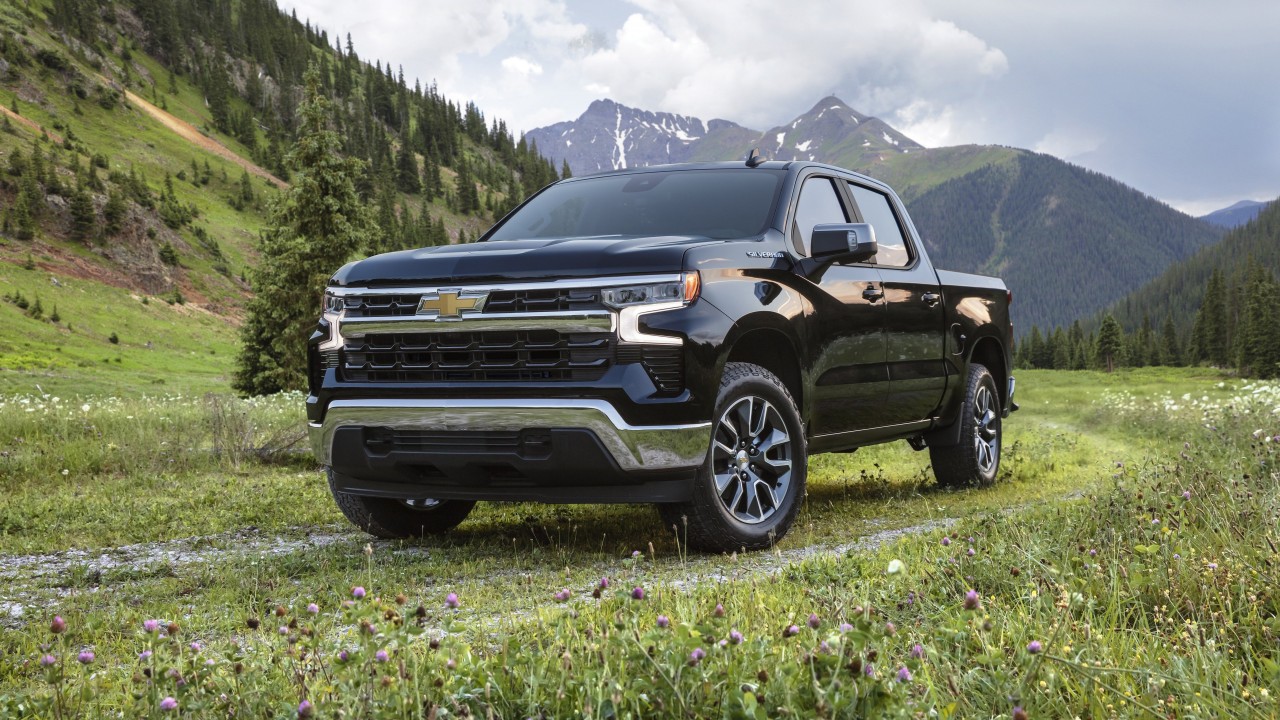
5. Chevrolet Silverado 2500HD (2007–2014)
The Silverado 2500HD trucks feature heavy-duty transmissions capable of handling significantly more torque than the engines produce. These transmissions are designed for towing, hauling, and commercial applications. Even when equipped with modest V8 engines, the gearboxes are exceptionally durable. The mismatch between engine and transmission ensures reliability under stress.
Chevrolet engineered these transmissions for overcapacity. Gears, torque converters, and shafts are reinforced to manage extreme loads. The base engines produce moderate torque, but the transmissions can handle much higher figures. This overbuilt design makes the trucks highly dependable in demanding environments.
Owners often use these trucks for towing large trailers, carrying heavy payloads, and off-road work. The engines may strain under heavy loads, but the transmission continues to perform without issues. This reliability has made the Silverado 2500HD a standard in work trucks.
Aftermarket modifications, including diesel upgrades and performance tuning, are possible thanks to the strong transmission. Many owners report long-term reliability even with increased engine output. The overbuilt drivetrain allows flexibility in how the truck is used and modified.
Finally, the strength of the transmission contributes to the truck’s resale value and longevity. Even high-mileage trucks maintain functional gearboxes, making them a practical investment. The Silverado 2500HD demonstrates how a strong transmission can compensate for a modest engine, ensuring reliability in all conditions.
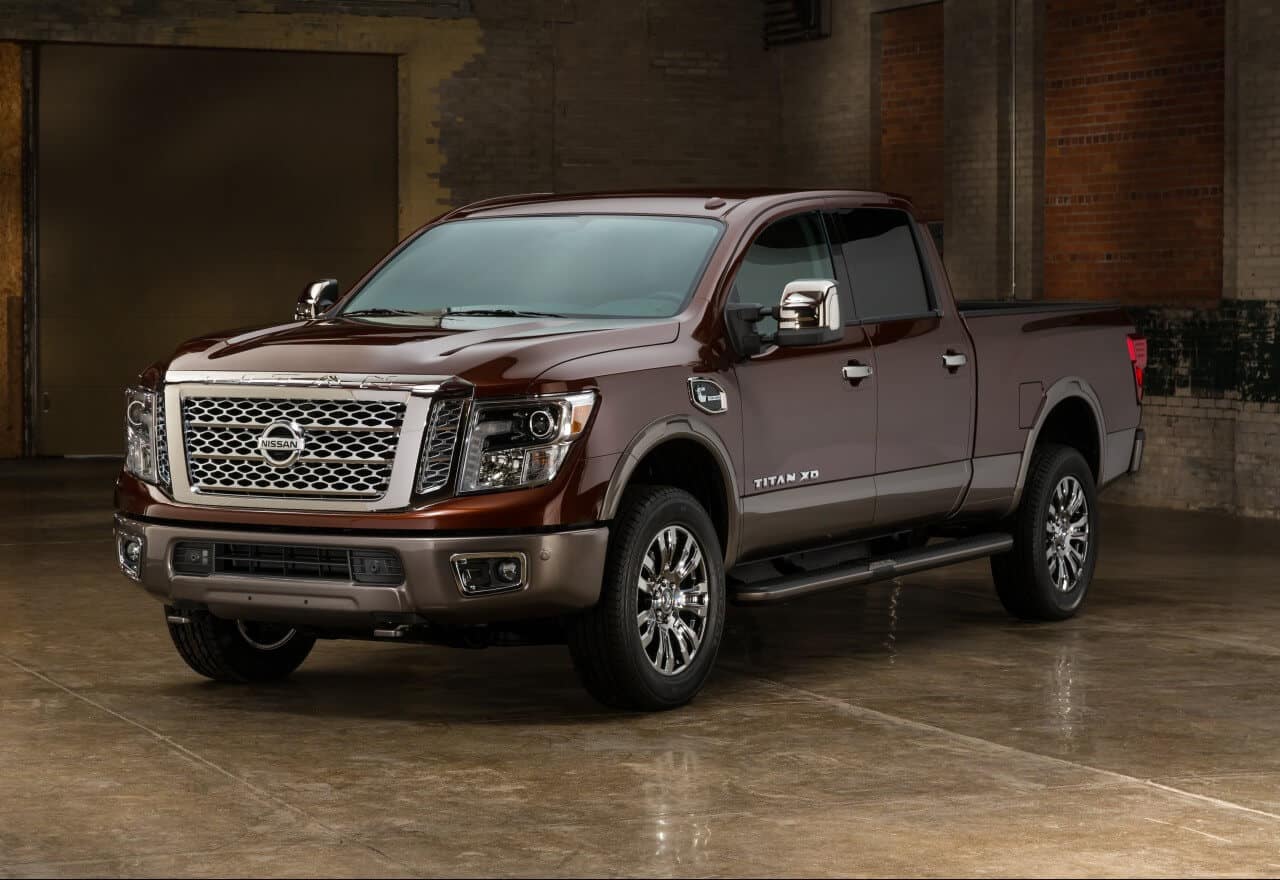
6. Nissan Titan XD (2016–2020)
The Nissan Titan XD features transmissions that are built to withstand far more torque than the engines produce in stock form. Designed with commercial and heavy-duty applications in mind, the gearboxes are constructed from high-strength steel and reinforced internals.
The engines, whether the standard V8 or diesel variant, produce respectable power but never push the transmission to its limits. This deliberate overengineering ensures that the drivetrain remains reliable under extreme conditions.
One of the reasons the Titan XD’s transmission is stronger than the engine is the truck’s dual purpose as both a consumer and work vehicle. The engineers anticipated that owners would tow heavy loads and drive off-road, which subjects the transmission to high stress levels.
By building in a significant safety margin, Nissan created a gearbox capable of enduring more abuse than the engine could ever realistically apply. This design choice enhances the truck’s long-term reliability.
The Titan XD’s manual and automatic transmissions feature heavy-duty clutches and robust torque converters that allow the truck to perform consistently even under strain. Drivers who tow large trailers or haul construction materials often report that the engine struggles before the transmission shows any signs of wear.
This makes the truck a favorite among commercial drivers who prioritize durability and maintenance ease over outright engine performance.
Another advantage is the flexibility for aftermarket modifications. Diesel owners, in particular, often upgrade turbochargers or install performance chips to extract more power from the engine. These changes rarely require transmission upgrades, demonstrating the intentional mismatch between engine output and gearbox capacity. The stock transmission has proven capable of surviving modifications that increase engine torque by 30–40 percent or more without failure.
Finally, the Titan XD’s overbuilt transmission contributes to its strong resale value. Many trucks with over 150,000 miles still maintain fully functional gearboxes, while the engines may require routine maintenance.
The mismatch between engine and transmission, in this case, extends the truck’s usable life and lowers long-term ownership costs. This makes the Titan XD a practical and reliable heavy-duty vehicle, particularly for drivers who demand both durability and versatility.
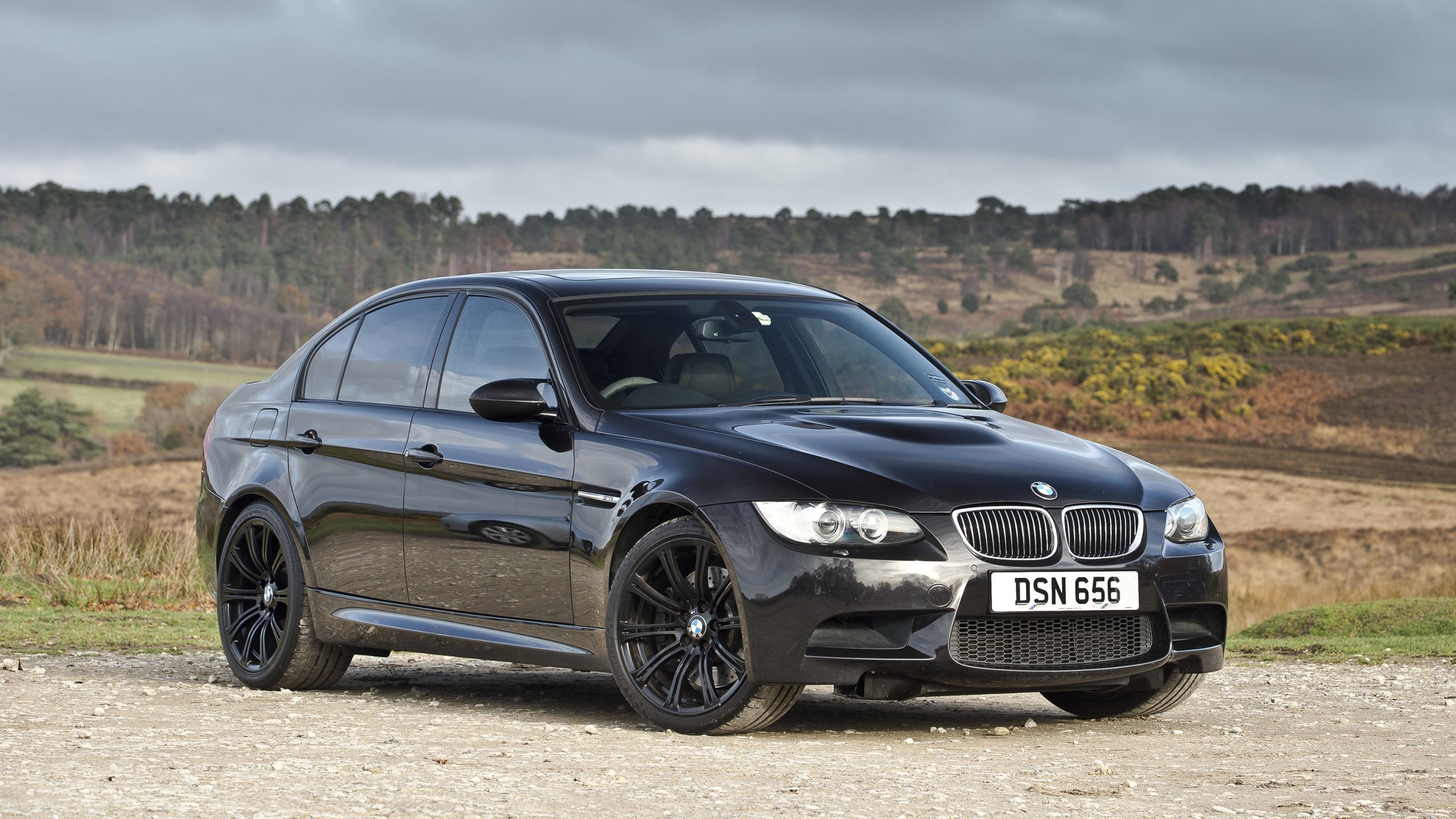
7. BMW 3 Series (E90/E92, 2006–2011)
The BMW 3 Series of the E90 and E92 generations is for its transmissions that often exceed the capabilities of the engines they are paired with. The 6-speed manual and automatic gearboxes were engineered to handle significantly more torque than the naturally aspirated inline-four and inline-six engines produced.
BMW prioritized precision and durability, ensuring that the transmission could endure high-revving driving conditions without issue.
One of the reasons for this overbuilt design is BMW’s focus on sportiness and reliability. The engines are tuned for smooth power delivery, but torque is moderate, particularly in the base models.
Meanwhile, the transmissions feature strong shafts, reinforced gears, and high-quality materials that allow them to perform flawlessly under stress. Drivers often note that the gearbox can tolerate more aggressive driving than the engine can sustain.
BMW’s engineering approach also allows for aftermarket modifications. Enthusiasts frequently increase horsepower through turbocharging or ECU tuning, yet the original transmission handles the additional torque without the need for upgrades.
This is particularly true for the 6-speed manual, whose synchros and gearsets are highly resilient. The mismatch between engine output and transmission strength allows the car to be modified safely.
Maintenance and longevity further highlight the disparity. Many E90 and E92 transmissions last well over 200,000 miles with proper care, while engines may require rebuilding or head gasket repairs long before gearbox issues appear. This reliability has contributed to the strong secondary market for these models, as buyers can trust the drivetrain will remain functional over time.
Finally, the strong transmission enhances the car’s driving experience. Smooth shifts, minimal wear, and consistent performance under varying conditions make the gearbox feel solid and responsive. Even when the engine reaches its limits in power, the transmission operates comfortably within its capacity.
BMW’s careful engineering demonstrates that a well-built transmission can outlast and outperform the engine it serves, creating a car that remains reliable and enjoyable over the long term.
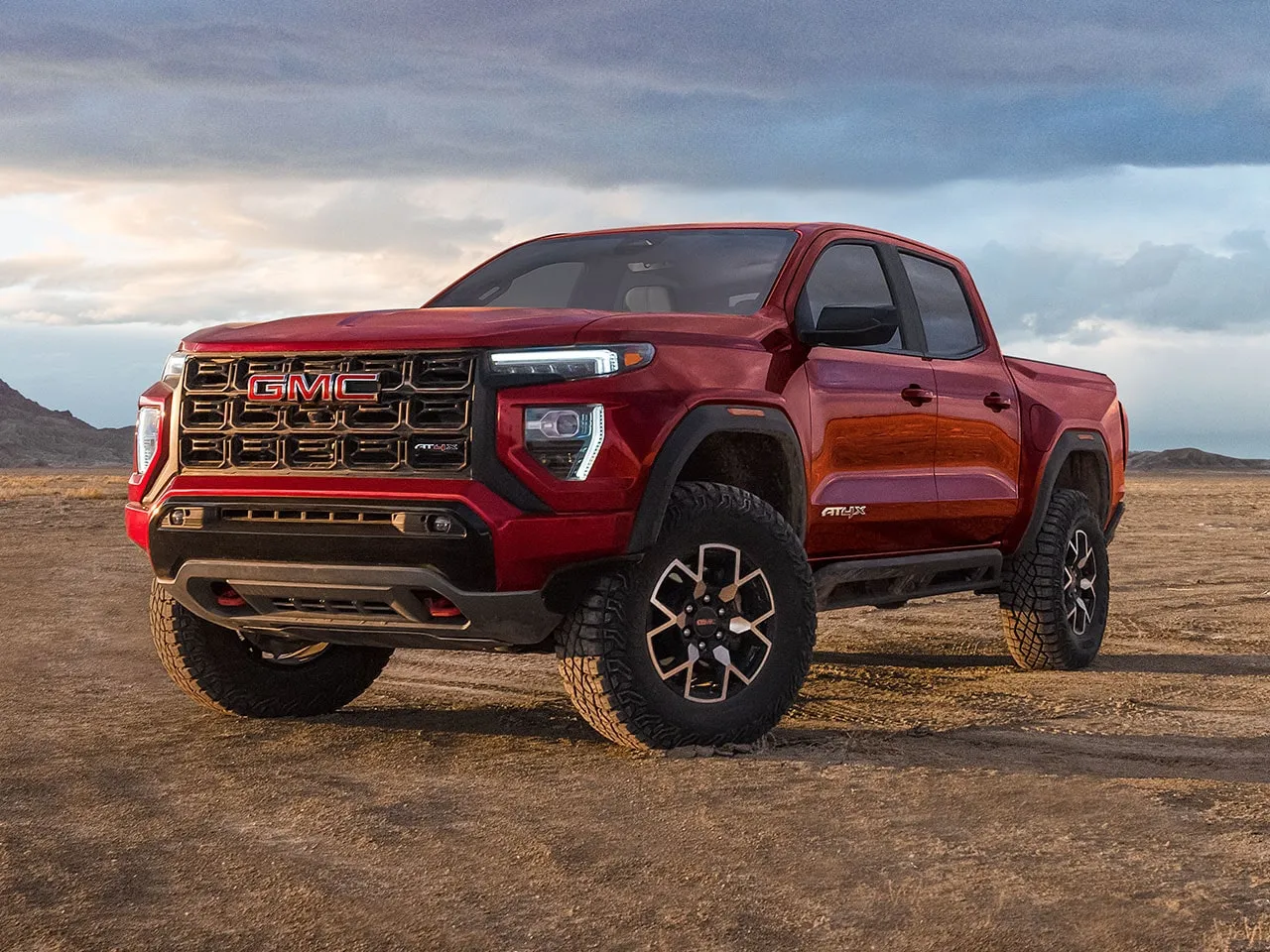
8. Chevrolet Colorado/GMC Canyon (2nd Generation, 2015–2020)
The second-generation Chevrolet Colorado and GMC Canyon trucks have transmissions that are stronger than the engines they come with.
These midsize trucks often feature 5- or 6-speed manual and automatic gearboxes capable of handling more torque than the base four-cylinder or V6 engines produce. This is particularly useful for towing and off-road driving, where the transmission must absorb sudden bursts of stress.
One reason for this overengineering is the trucks’ intended versatility. Chevrolet and GMC anticipated that these vehicles would be used in a variety of demanding conditions, from light-duty hauling to recreational off-roading. To prevent drivetrain failure, the transmissions were built to tolerate stresses far beyond what the stock engines can generate. This makes the trucks reliable under heavy loads and harsh terrain.
The transmission design incorporates reinforced gears, hardened shafts, and durable clutches, ensuring long-term reliability. Owners report that even after years of towing or carrying payloads, the transmission shows minimal signs of wear. Meanwhile, the engines, particularly the base four-cylinder, remain the limiting performance factor. This design choice provides confidence to owners who require a capable and durable drivetrain.
Aftermarket support further emphasizes the mismatch. Many enthusiasts swap in larger V6 engines or add forced induction to the existing engines, and the stock transmission generally holds up without upgrades.
This ability to survive increased torque makes the Colorado and Canyon platforms popular for tuners and adventure enthusiasts. The strong transmission allows the vehicle to be pushed beyond factory specifications safely.
Finally, the transmission strength extends the trucks’ lifespan and reduces maintenance costs. While engines may need routine care, the gearboxes typically outlast them, providing years of trouble-free service. This overbuilt design enhances the trucks’ reliability, resale value, and reputation as practical vehicles for both work and recreation, demonstrating how a robust transmission can significantly outperform the engine it supports.
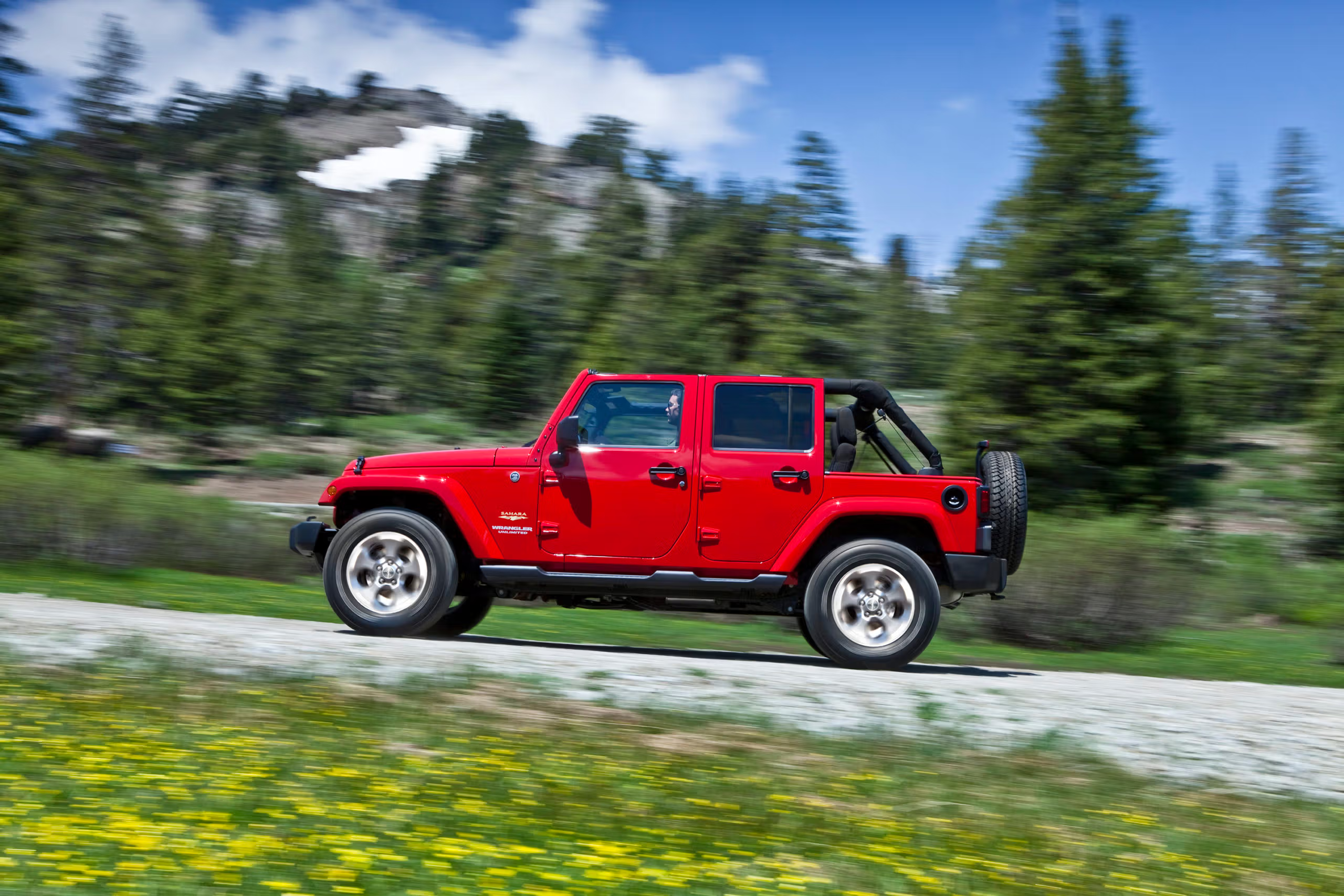
9. Jeep Wrangler JK (2007–2018)
The Jeep Wrangler JK is a prime example of a vehicle where the transmission is stronger than the stock engine. Both the manual and automatic transmissions in this model were designed to endure extreme off-road conditions.
They are built with reinforced gears, robust casings, and heavy-duty clutches, capable of handling torque far beyond what the naturally aspirated and V6 engines produce. This durability is a major reason why the Wrangler remains popular among off-road enthusiasts.
The mismatch is intentional, as Jeep designed the drivetrain to survive rock crawling, mud, and high-stress maneuvers. The engines provide adequate power for normal driving but are modest in torque, especially at low RPMs. The transmission, however, can handle high-torque situations without suffering damage, making it ideal for challenging terrain where sudden torque spikes can occur.
Owners frequently modify their engines with superchargers, turbo kits, or performance chips, increasing horsepower and torque substantially. Despite these upgrades, the stock transmission often remains reliable. This overbuilt design allows owners to push performance boundaries without immediately needing transmission replacements, making the Wrangler a versatile platform for modifications.
Maintenance and repair history show the transmission outlasts the engine in most cases. While engines may require frequent oil changes or head gasket repairs, the gearboxes remain robust. This reliability is critical for off-road drivers who rely on their vehicles in remote areas, where transmission failure would be far more catastrophic than engine issues.
Finally, the Wrangler JK’s strong transmission enhances driver confidence. Even in extreme off-road conditions or when towing heavy trailers, the gearbox consistently performs. The robust design allows for safe and enjoyable driving, both on- and off-road.
The Wrangler demonstrates that a well-engineered transmission can handle more than the engine, ensuring longevity and reliability in demanding applications.
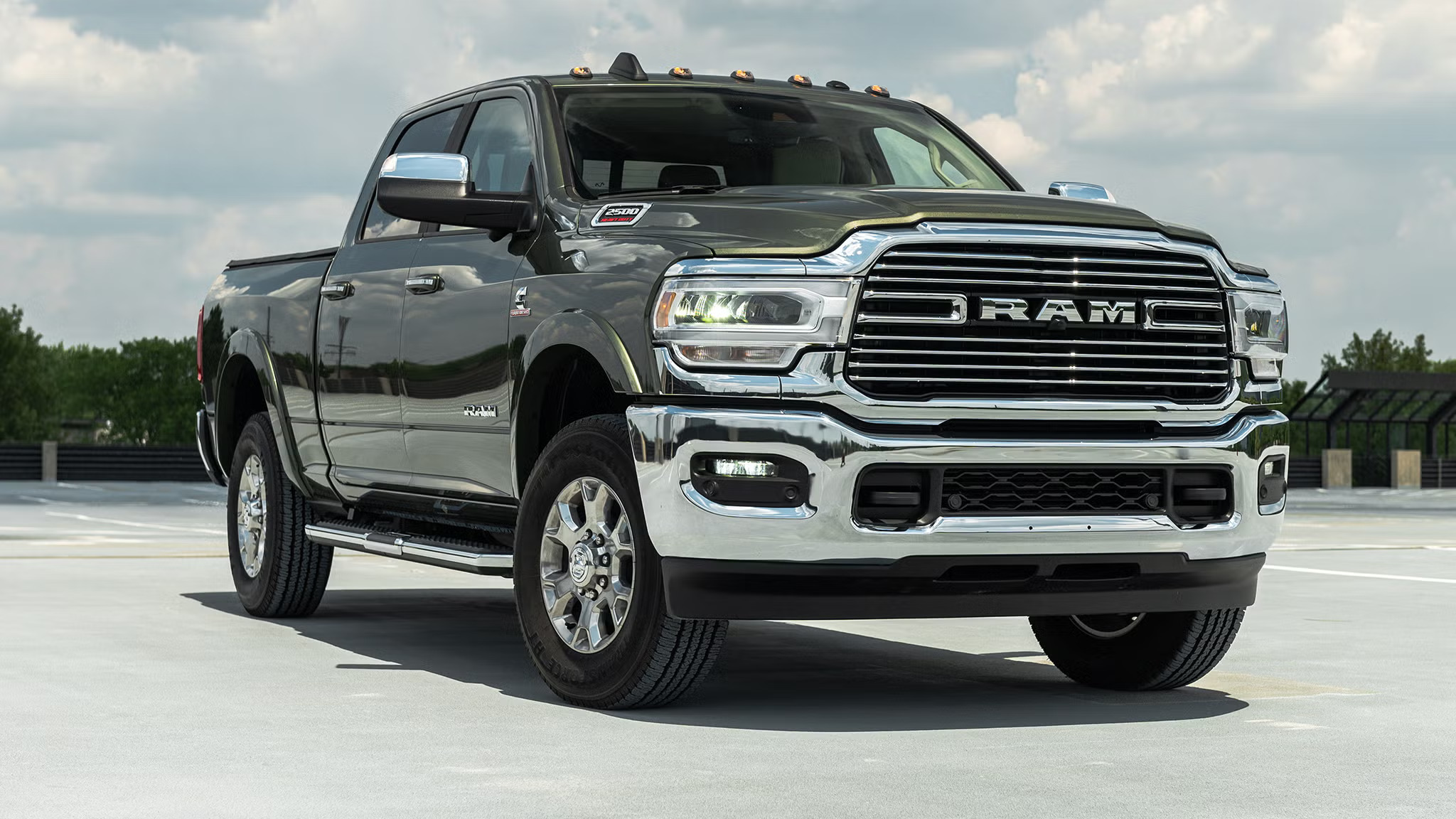
10. Ram 2500/3500 Heavy Duty (2010–2018)
The Ram 2500 and 3500 Heavy Duty trucks are well-known for their transmissions, which are often overbuilt relative to the stock engines. These trucks feature automatic and manual transmissions engineered to handle extremely high torque levels for towing, hauling, and heavy-duty use.
Even with the base V8 or diesel engines, the gearboxes have a capacity far beyond the engine output, ensuring reliability in the most demanding scenarios.
The transmissions are designed with reinforced gears, large torque converters, and heavy-duty internals to withstand extreme conditions. The engines, although powerful, rarely push the transmission to its limits under normal use. This mismatch is a deliberate choice, prioritizing long-term durability and reduced maintenance issues for owners who demand heavy-duty performance.
Owners frequently use these trucks for commercial applications, towing massive trailers, or carrying heavy payloads. Despite the engines operating under stress, the transmissions rarely fail. The overbuilt gearboxes provide peace of mind for drivers who rely on their trucks for work, knowing that the drivetrain is capable of enduring years of heavy-duty use.
Aftermarket tuning further highlights the mismatch. Diesel engines are commonly upgraded with turbochargers and performance chips to increase torque, yet the stock transmissions remain functional. This demonstrates the significant safety margin engineered into the drivetrain, allowing for increased power without immediate failure, a rare trait in heavy-duty trucks.
Finally, the transmission strength contributes to the longevity and resale value of Ram HD trucks. While engines may require maintenance or rebuilds over time, the transmissions are often still in excellent condition.
This durability makes the Ram 2500 and 3500 exemplary examples of vehicles where the transmission exceeds the engine in capability, offering unmatched reliability and performance under extreme conditions.
