
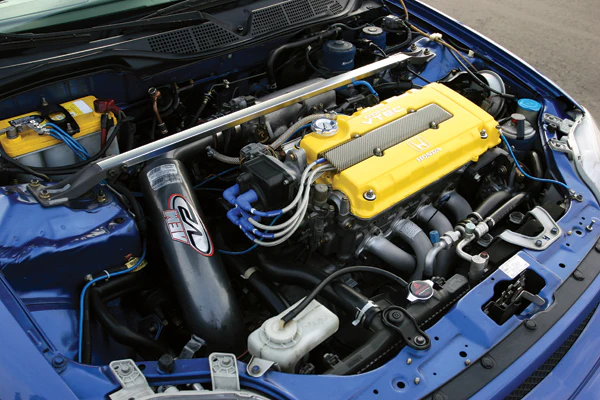
Japanese car engines have long earned a reputation for reliability, performance, and tunability, making them a favorite among automotive enthusiasts and professional tuners alike. From classic sports cars to modern performance machines, these engines have consistently demonstrated their potential for high horsepower, torque, and longevity, even under extreme modifications.
The engineering philosophy behind these engines often combines lightweight construction with advanced technology, offering a solid foundation for modifications that range from simple bolt-on upgrades to full-blown racing builds. Enthusiasts appreciate how these engines balance power, efficiency, and responsiveness, giving tuners a versatile platform for personalization.
Beyond the numbers on a dyno, the appeal of Japanese engines lies in the culture surrounding them. Car communities around the world have built entire movements around tuning, racing, and customizing vehicles powered by these engines. The knowledge passed between generations of tuners has created a deep understanding of how each engine responds to upgrades, from forced induction to internal strengthening.
This hands-on experience, combined with the engines’ robust designs, allows enthusiasts to push limits without fearing catastrophic failure. The adaptability of these engines has inspired countless builds, including street cars, drift machines, time attack racers, and drag vehicles.
In addition, the aftermarket ecosystem for Japanese engines is one of the most extensive in the automotive world. Manufacturers, specialty shops, and tuning houses provide a seemingly endless supply of parts for improving performance.
From upgraded camshafts and pistons to turbochargers and intercoolers, tuners have the ability to transform stock engines into machines capable of competing at the highest levels. The ease of sourcing parts and documented modification strategies has contributed to the sustained popularity of these engines.
As a result, both novice tuners and seasoned builders can achieve significant performance gains with careful planning and understanding of each engine’s strengths and limitations.
Another aspect that makes these engines legendary is their presence in motorsports. Many of the engines listed in this article have roots in racing or have been extensively tested on the track. Their performance pedigree contributes to their desirability among tuners because each modification carries the potential to replicate or surpass racing-level outputs.
Engine designs from companies like Honda, Nissan, and Toyota show attention to detail in airflow, combustion efficiency, and mechanical durability, which allows tuners to extract maximum performance without sacrificing reliability. This combination of engineering excellence and motorsport validation makes these engines more than just components; they become symbols of Japanese automotive culture and ingenuity.
Finally, the legacy of these engines is not limited to performance numbers. They embody the creativity, passion, and ingenuity of the tuning scene itself. Each engine has its own quirks, tuning potential, and challenges that inspire builders to experiment, innovate, and achieve results that often exceed expectations.
The influence of Japanese engines on global car culture cannot be overstated, as they have shaped not only what enthusiasts drive but how they think about cars, engineering, and performance.
For anyone seeking to modify a vehicle or simply appreciate the engineering behind iconic Japanese machinery, understanding these engines provides insight into why they remain a central focus of tuners everywhere.
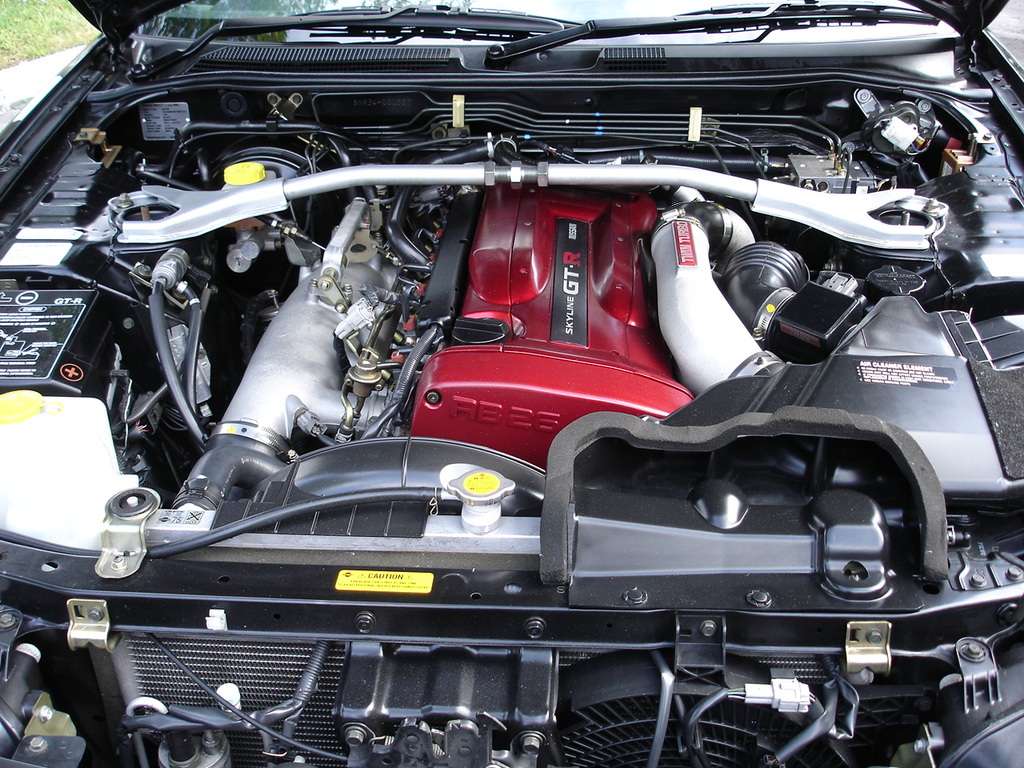
1. Nissan RB26DETT
The Nissan RB26DETT is widely recognized as one of the most iconic inline-six engines in automotive history. Originally found in the Skyline GT-R, this engine earned fame for its strong iron block and twin-turbo setup, which allowed tuners to extract immense power. Its factory form is capable, but aftermarket upgrades have made it a legend in drag racing, circuit racing, and street builds. Many enthusiasts favor it because the block can handle high boost levels without extensive internal modifications.
Its ability to rev freely while maintaining torque makes it highly adaptable for different tuning styles. Tuners often replace the stock turbos with larger units to push horsepower well beyond factory limits. Upgraded fuel systems, camshafts, and engine management are common, allowing the RB26DETT to achieve outputs over 1,000 horsepower in extreme builds. Despite its age, it remains one of the most sought-after engines in the tuning world.
Part of its enduring appeal is its tuning community. There is extensive documentation, forums, and guides that help new and experienced tuners understand how to maximize performance safely. Knowledge about the engine’s weak points, such as rod bearings and cooling systems, allows enthusiasts to build powerful and reliable machines. The shared experience has made the RB26DETT a staple for those aiming for both street and track success.
Another factor that contributes to its popularity is the engine’s smooth power delivery. Unlike some high-strung performance engines, the RB26DETT provides a linear increase in power, making it enjoyable to drive even when heavily modified. This characteristic also makes it a preferred choice for drifting and circuit racing. The combination of strong performance potential and enjoyable driving dynamics ensures that the RB26DETT remains highly desired.
Finally, the cultural impact of the RB26DETT cannot be overlooked. It has appeared in numerous films, video games, and car shows, cementing its status as a symbol of Japanese performance engineering. This cultural resonance adds to its allure for tuners who not only seek power but also the prestige of working with one of the most respected engines ever made.
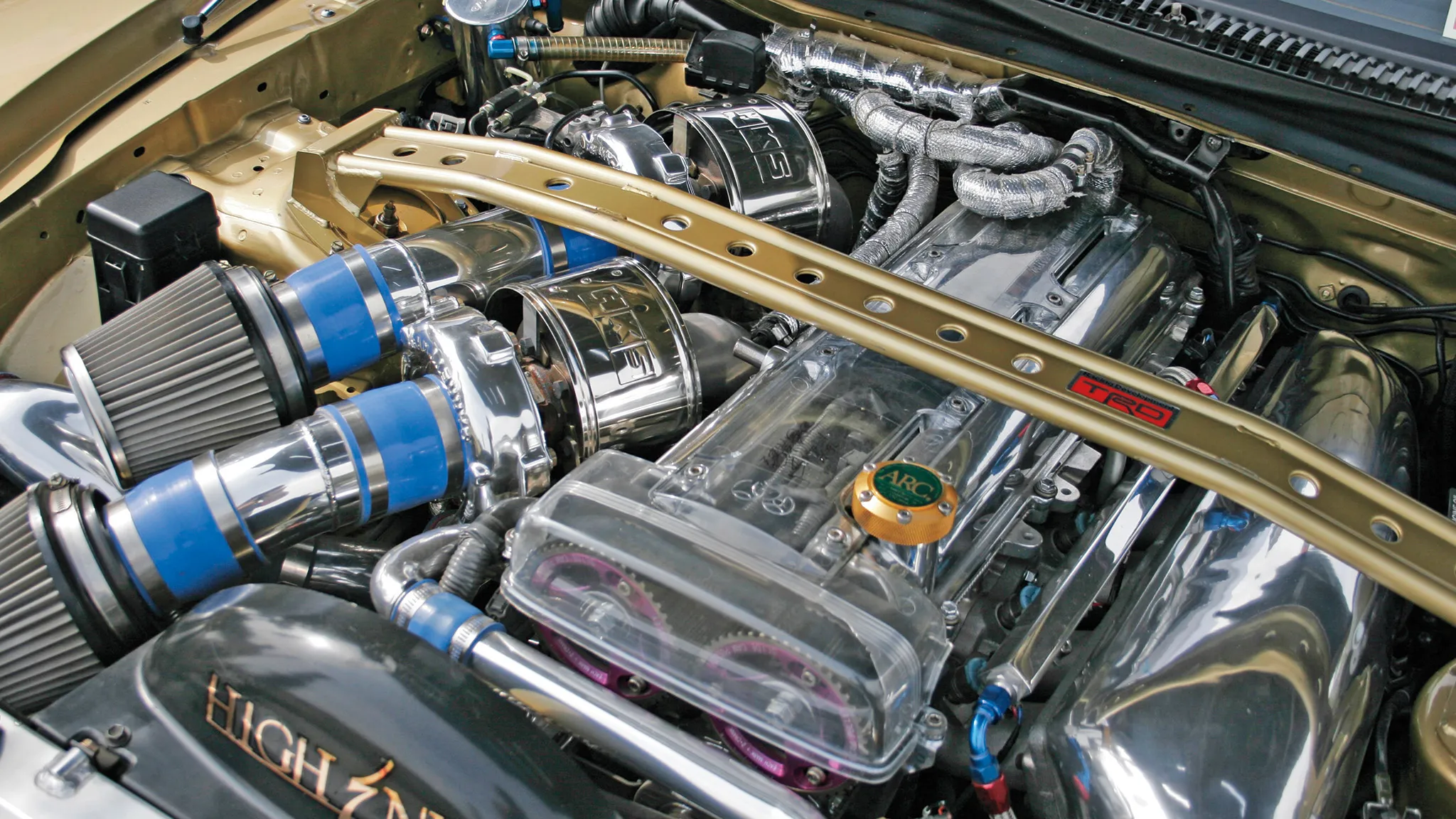
2. Toyota 2JZ-GTE
The Toyota 2JZ-GTE is legendary for its durability and limitless tuning potential. Found in the Supra MK4, this inline-six engine features a cast iron block that can handle extreme power levels without failure. Stock, it produces impressive horsepower, but with turbo upgrades and strengthened internals, tuners routinely exceed 1,000 horsepower. Its robust design makes it an ideal platform for both street and track applications.
One of the reasons tuners favor the 2JZ-GTE is its smooth torque curve. The engine delivers consistent power across a wide RPM range, making it suitable for high-speed runs and drag racing. Aftermarket support is extensive, with a variety of turbo kits, fuel systems, and engine management solutions available. The abundance of parts simplifies the modification process and encourages experimentation.
The 2JZ-GTE also stands out for its reliability under extreme stress. Many tuners report high-mileage engines surviving significant modifications with proper maintenance. This resilience makes it a favorite among enthusiasts who want high horsepower without constant rebuilds. Strengthened rods, forged pistons, and upgraded cooling systems further enhance its durability for racing or street builds.
Its adaptability allows tuners to choose from various forced induction setups, including twin-turbo, single large turbo, or even supercharger combinations. The engine responds well to each setup, providing predictable power gains and making it versatile for different performance goals. Its combination of power potential, reliability, and tuning flexibility ensures its enduring popularity.
Finally, the 2JZ-GTE has influenced car culture worldwide. Its reputation for unlimited tuning potential has inspired countless builds, media coverage, and a devoted community of enthusiasts. It serves as a benchmark for inline-six performance, attracting those who want both power and engineering excellence in a single platform.
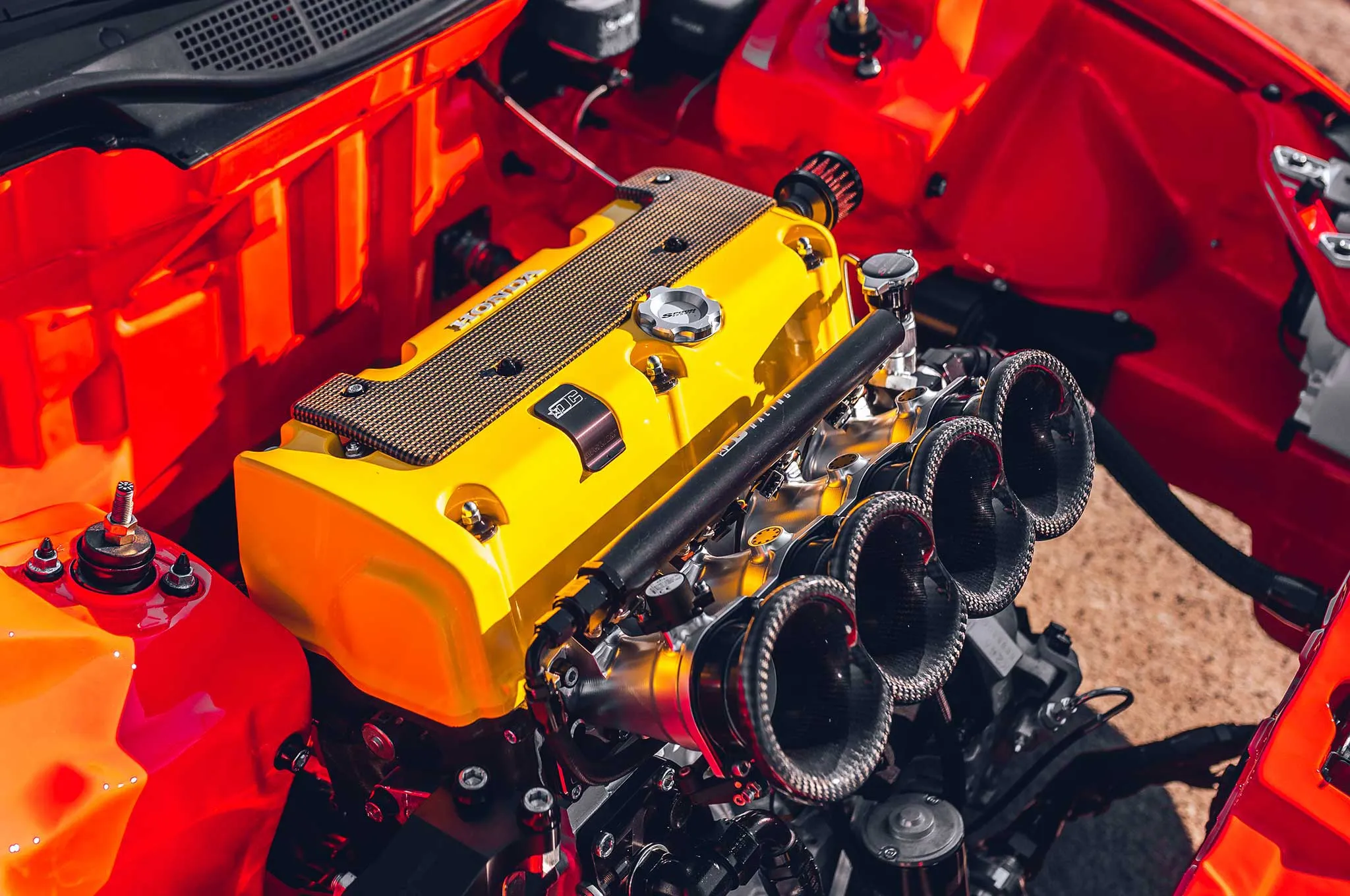
3. Honda K20/K24 Series
The Honda K-series engines have earned immense popularity for their balance of high-revving nature and tunability. The K20 and K24 variants are especially favored among tuners for their lightweight construction and VTEC technology.
The high compression ratio combined with efficient airflow allows enthusiasts to increase power through turbocharging, supercharging, or naturally aspirated upgrades. Stock engines deliver impressive performance, but modifications can dramatically expand their capabilities without sacrificing reliability.
Part of the appeal of the K-series is its ability to maintain durability even under extreme modifications. Tuners frequently upgrade internals such as pistons, rods, and camshafts, enabling power outputs that far exceed factory specifications. Aftermarket support is extensive, including intake manifolds, exhaust systems, and engine management solutions. The engines respond predictably to modifications, making them a favorite for both street builds and track-focused vehicles.
Another reason these engines are beloved is their compact size and lightweight design. Swapping K-series engines into different chassis is common, allowing for engine swaps in older Hondas or other lightweight platforms.
This adaptability makes the engines versatile for projects ranging from daily drivers to full-blown race cars. Their small footprint also contributes to improved handling by keeping weight over the front axle manageable.
The K-series also offers an engaging driving experience. With a high redline and linear power delivery, these engines reward precision and skill, making them popular in motorsport disciplines like autocross, track days, and time attack competitions.
Even minor modifications can significantly enhance throttle response, making the car feel more alive and connected. Tuners enjoy both the challenge and satisfaction of extracting every bit of potential from these engines.
Culturally, K-series engines have influenced a generation of tuners who value engineering finesse and adaptability. They have become symbols of Japanese precision and high-revving performance, appearing in countless modified cars worldwide.
The availability of knowledge, parts, and proven build strategies has helped these engines remain at the forefront of tuner favorites. Enthusiasts often cite the K-series as an example of engineering that combines fun, reliability, and endless potential.
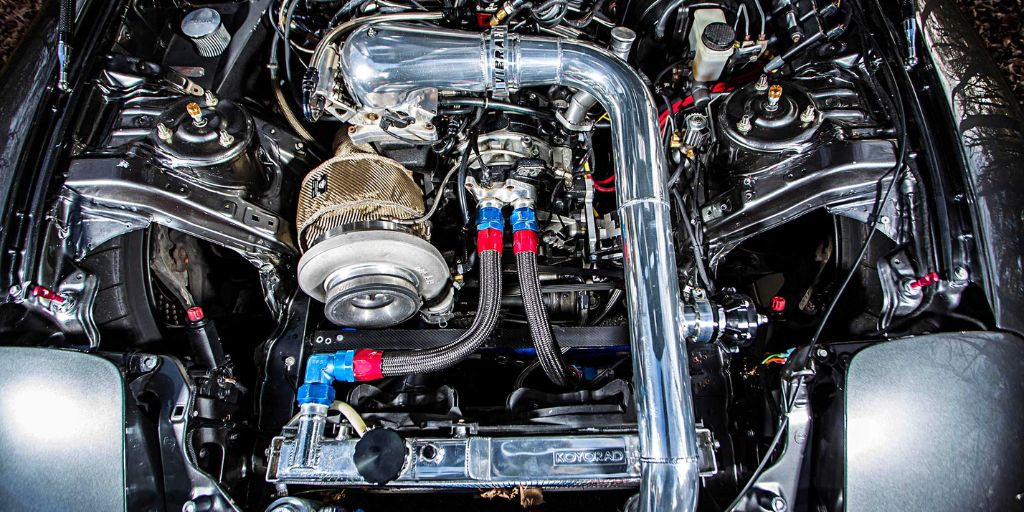
4. Mazda 13B-REW Rotary
The Mazda 13B-REW rotary engine is celebrated for its unique design and impressive performance characteristics. Found in the RX-7, this twin-rotor engine delivers high power outputs relative to its size and weight. Its compact, lightweight configuration allows for excellent balance and handling in the car. Tuners value the 13B-REW for its ability to achieve extremely high RPMs and smooth power delivery, making it ideal for racing and spirited driving.
One of the engine’s main strengths is its responsiveness. The rotary design allows for instant throttle response and a linear power curve. Tuners often add larger turbochargers, upgraded fuel systems, and strengthened apex seals to push performance beyond factory limits. Even with significant modifications, the engine maintains a high-revving nature that is characteristic of the rotary layout, which is rare among piston engines.
Despite its advantages, the 13B-REW requires careful maintenance, particularly regarding cooling and oiling. Knowledgeable tuners understand the weak points of the engine and implement modifications to enhance reliability. Aftermarket solutions for cooling, ignition, and lubrication allow builders to extract higher horsepower safely. With proper care, these engines can provide thrilling performance without catastrophic failures.
The engine’s small size and lightweight nature make it extremely adaptable in car builds. Its compact profile allows for balanced weight distribution and a lower center of gravity, enhancing handling. Swaps into other platforms or modifications within the RX-7 chassis are common, making the 13B-REW an exciting choice for tuners who value agility and performance in addition to raw power.
Culturally, the rotary engine has become a symbol of Mazda’s innovation and creativity in the automotive industry. The 13B-REW embodies a distinct character that sets it apart from traditional piston engines. Its unique sound, smooth high-revving nature, and performance potential have earned it a devoted following among enthusiasts worldwide, ensuring its continued popularity in the tuning community.
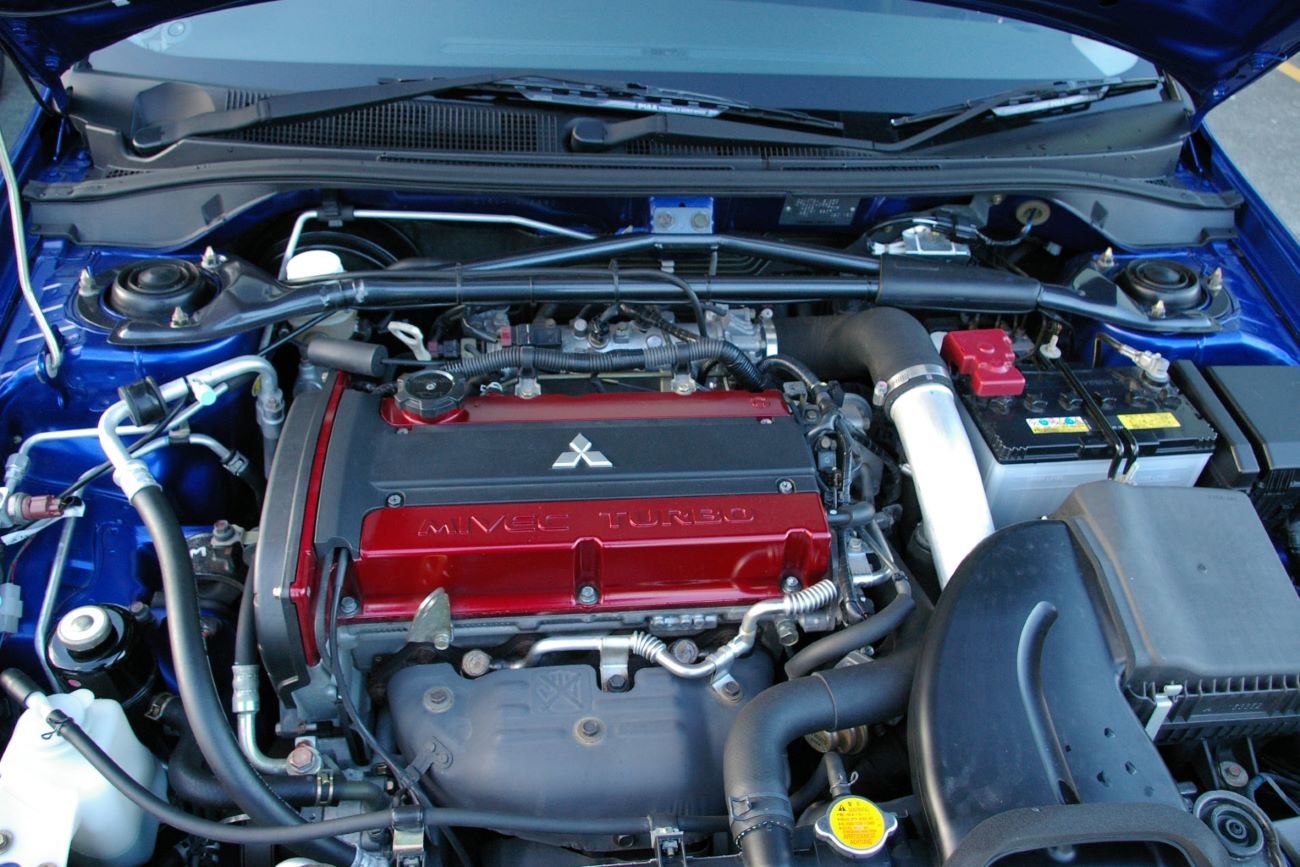
5. Mitsubishi 4G63T
The Mitsubishi 4G63T engine has a long-standing reputation for durability and power potential, primarily in the Lancer Evolution series.
This inline-four turbocharged engine combines a robust iron block with advanced engineering to handle high levels of boost. Tuners often extract impressive power from this platform, making it a staple in rally, drift, and street performance applications. Its versatility allows modifications ranging from simple bolt-on upgrades to full race-spec builds.
One reason the 4G63T remains popular is its proven performance under high stress. Stock internals are strong, but with forged components, the engine can reliably handle extreme power levels. Turbo upgrades, intercoolers, and fuel system improvements allow tuners to push horsepower far beyond factory ratings. Many examples exist of heavily modified engines delivering 600–800 horsepower with relative reliability.
The engine’s compact and lightweight design also contributes to its appeal. It can fit into a smaller chassis while maintaining excellent weight distribution, which is essential for performance handling. Swaps into older Mitsubishi models or custom builds are common, making it a versatile platform for enthusiasts who prioritize both power and agility. Its adaptability adds to its longevity in the tuning scene.
In addition, the 4G63T is renowned for its tuning support and knowledge base. Decades of experience have produced detailed guides and aftermarket solutions for nearly every modification imaginable. This wealth of information helps tuners avoid common pitfalls and maximize engine potential without sacrificing reliability. Its predictability under modification has helped solidify its legendary status.
Finally, the cultural impact of the 4G63T cannot be understated. Its presence in rally championships, street builds, and motorsports has cemented its image as a high-performance engine. The combination of reliability, tunability, and racing heritage continues to attract enthusiasts who want a strong, versatile, and exciting platform for performance builds.
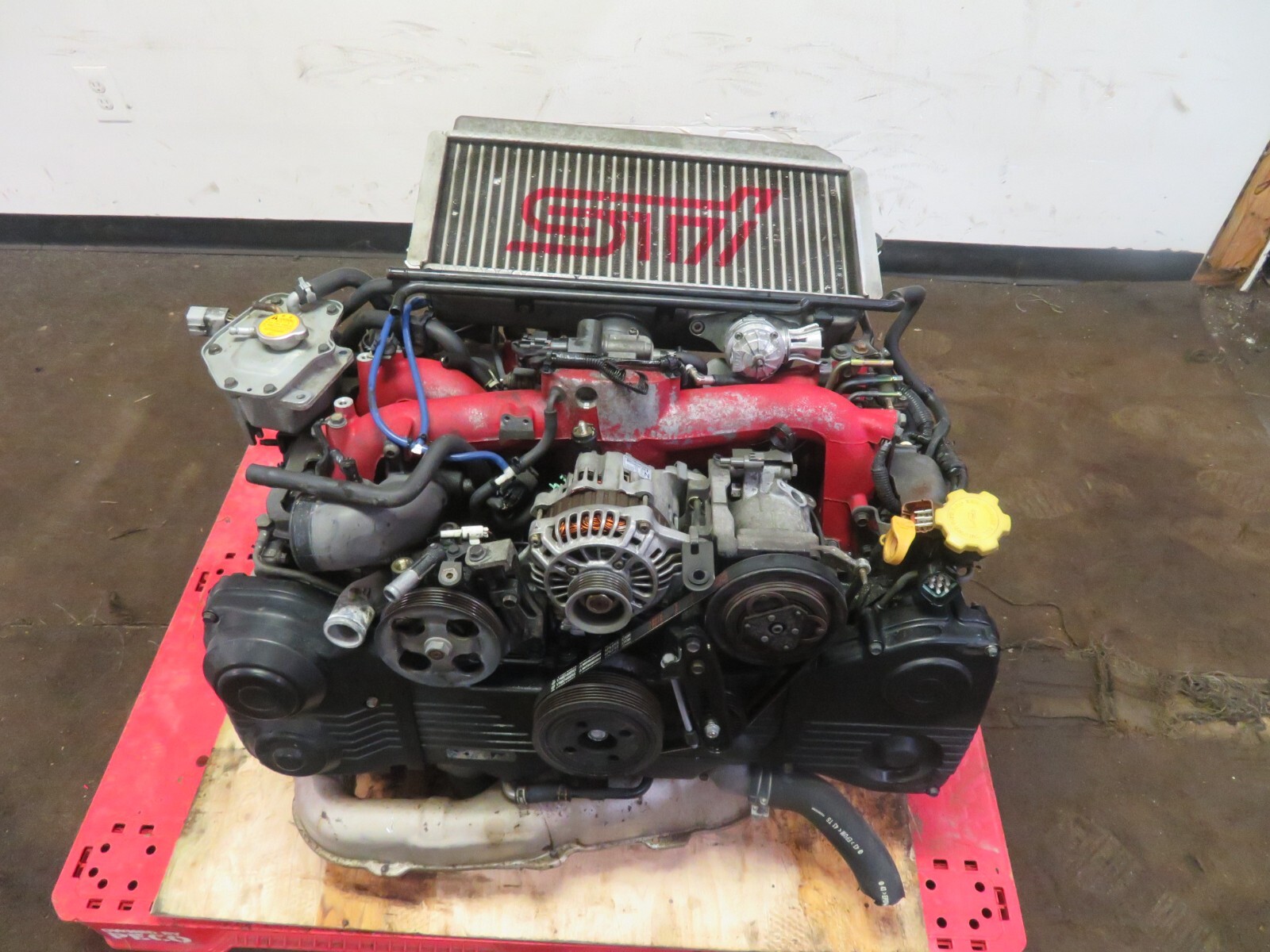
6. Subaru EJ20/EJ25
The Subaru EJ-series engines are known for their flat-four “boxer” layout, which provides a low center of gravity and excellent balance. The EJ20 and EJ25 turbo variants, commonly found in the WRX and STI models, deliver strong power while maintaining smooth operation.
Tuners favor these engines for their all-wheel-drive compatibility, which allows modifications to translate directly to traction and performance. With proper upgrades, the engines can handle high boost levels reliably.
Their appeal lies in both durability and flexibility. Factory blocks are strong and can support forged pistons, rods, and upgraded head components, making them ideal for high-power applications. Turbo swaps, intake and exhaust enhancements, and ECU tuning allow the EJ-series engines to reach impressive outputs, often exceeding 500 horsepower on stock blocks. Their versatility has made them popular for rally, time attack, and street builds.
Another reason tuners love the EJ20/EJ25 is the engine’s distinctive performance character. The flat-four design produces a unique exhaust note and smooth power delivery. Torque is abundant across the RPM range, which contributes to excellent drivability under high-performance conditions. The engine responds predictably to modifications, giving tuners confidence when increasing boost or installing larger turbos.
Aftermarket support for these engines is extensive. From stage kits and upgraded turbos to strengthened internals and standalone engine management, builders have countless options for performance enhancement. The tuning community has also documented thousands of builds, sharing knowledge about reliability, maintenance, and performance potential. This depth of information reduces guesswork and enables ambitious builds to succeed.
Culturally, the EJ-series engines are synonymous with Subaru performance. Their rally heritage and championship wins have cemented their status among enthusiasts worldwide.
Cars powered by these engines are iconic for both their sound and capability. They remain a popular choice for those seeking high-power applications, precision handling, and a platform with both historical and practical significance in tuning circles.
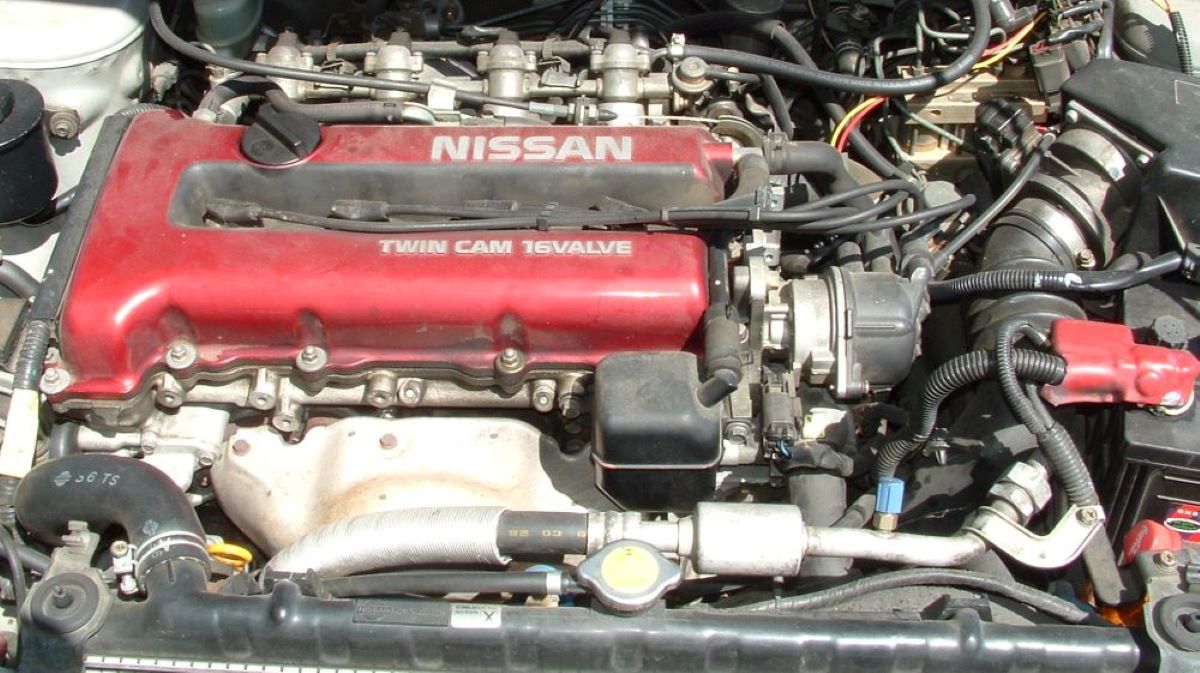
7. Nissan SR20DET
The SR20DET is one of Nissan’s most legendary turbocharged four-cylinder engines, offering tuners a lightweight yet potent platform. Found in cars like the Silvia and 180SX, it features an aluminum block and robust turbocharging potential. Even stock, it delivers responsive power and high-revving performance. With modifications, the engine can produce significant horsepower while remaining relatively compact and manageable.
Tuners are drawn to the SR20DET due to its reliability and adaptability. Aftermarket turbo kits, fuel system upgrades, and engine management tuning allow enthusiasts to push power levels beyond factory limits. Forged internals and strengthened rods provide durability for higher boost applications. The engine also responds well to naturally aspirated builds, making it versatile across performance styles.
Its small size makes it ideal for engine swaps and custom builds. Many tuners transplant SR20DET engines into older Nissan chassis or even other compact platforms, taking advantage of its lightweight and compact dimensions. The engine’s balance and performance characteristics make it a favorite for drift cars, track machines, and street builds alike.
The SR20DET also benefits from a deep and established tuning community. Extensive documentation, forums, and build guides offer detailed knowledge on every type of modification, from mild bolt-ons to extreme high-horsepower setups. This wealth of experience ensures tuners can achieve reliable performance gains while understanding the engine’s limitations.
Finally, the SR20DET has cultural significance in both Japanese and global car communities. Its appearance in drifting events, car shows, and video games has cemented its reputation as a highly tunable and desirable engine. For enthusiasts, it represents both performance potential and a connection to the rich history of Nissan’s engineering excellence.
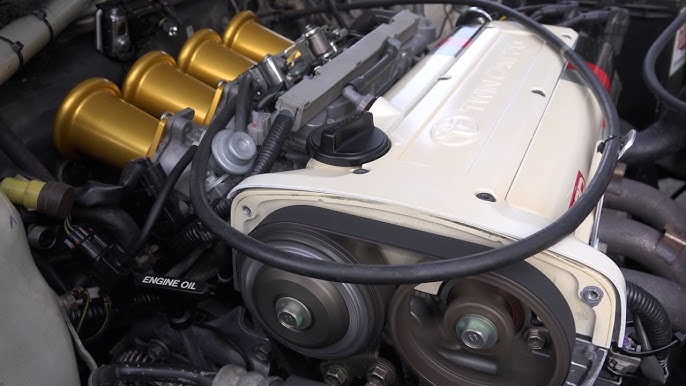
8. Toyota 4A-GE
The Toyota 4A-GE engine is one of the most iconic naturally aspirated engines in Japanese automotive history. Famous for its use in the AE86 Corolla, it combines a lightweight design with high-revving performance. Tuners value its durability, predictable power delivery, and responsiveness. Even stock versions are capable, but modifications such as cam upgrades, intake and exhaust enhancements, and lightweight internals can dramatically increase output.
Its high-revving nature is one of its strongest attributes. The engine delivers smooth power across the RPM range, rewarding skillful driving and precise tuning.
Many enthusiasts opt to increase displacement with stroker kits or add forced induction, achieving outputs far beyond the engine’s original specification. Despite modifications, the 4A-GE maintains a linear and enjoyable driving experience.
The engine’s small size and light weight make it extremely versatile. Swaps into different chassis are common, allowing for balanced and agile builds. Its compact design also contributes to excellent weight distribution, enhancing the handling characteristics of the car. Tuners appreciate how these engines maintain performance without significantly impacting vehicle balance.
Aftermarket support for the 4A-GE is well-established, with a variety of performance parts available. Upgraded camshafts, forged internals, and lightweight flywheels are common modifications. Engine management solutions enable precise tuning for different setups, whether naturally aspirated or turbocharged. This accessibility makes the 4A-GE a favorite among hobbyists and professional tuners alike.
Culturally, the 4A-GE has a legendary status due to its association with the AE86, drifting, and grassroots motorsports. Its responsiveness, reliability, and tuning potential have inspired countless builds worldwide. For enthusiasts, it represents a perfect balance of engineering, performance, and fun, remaining a benchmark for naturally aspirated engines in the tuning community.
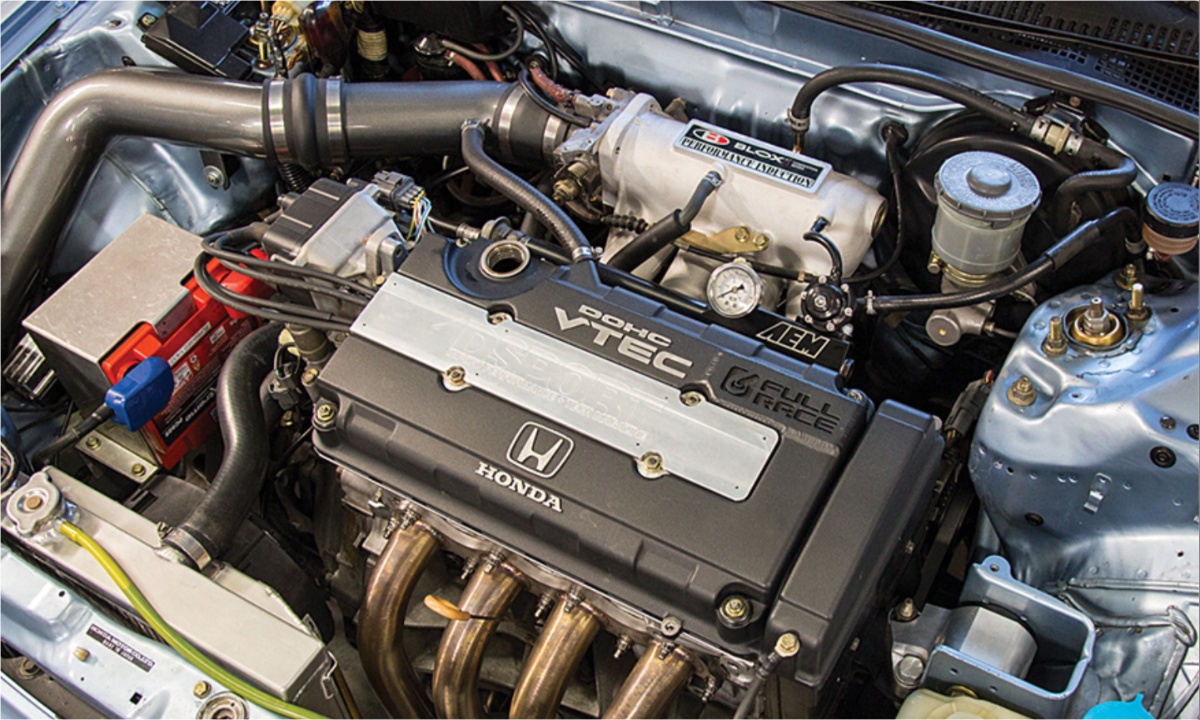
9. Honda B-Series
Honda’s B-series engines are some of the most beloved in the tuner community, known for their high-revving nature and VTEC performance. Found in vehicles like the Civic and Integra, these engines offer excellent balance between reliability and performance potential. Stock engines provide spirited driving, but modifications such as forced induction, upgraded internals, and performance camshafts can dramatically increase horsepower.
Tuners favor the B-series for its lightweight and compact construction. The small engine size allows for swaps into multiple chassis, improving weight distribution and handling. This adaptability has made the B-series a go-to platform for both street builds and motorsport applications, including autocross, drifting, and circuit racing. Its predictable nature ensures that performance gains are consistent and manageable.
The VTEC system is a highlight of these engines. It allows for variable valve timing, providing a broad torque curve and high-revving performance. Tuners often capitalize on this by optimizing cam profiles, intake and exhaust flow, and ECU tuning. The result is a responsive, efficient, and powerful engine that delivers exhilarating driving experiences.
Aftermarket support for the B-series is extensive. Tuners have access to forged internals, turbo kits, engine management solutions, and performance exhaust components. This allows for safe and effective power increases, often exceeding twice the stock output on well-built engines. The large community of builders ensures that knowledge about modifications, strengths, and weaknesses is widely shared.
Culturally, the B-series represents Honda’s engineering excellence and innovation. Its influence on tuner culture is immense, shaping generations of enthusiasts who value precision, high-revving fun, and versatility. From simple street builds to competitive motorsport applications, the B-series continues to inspire tuners worldwide as a symbol of accessible performance.
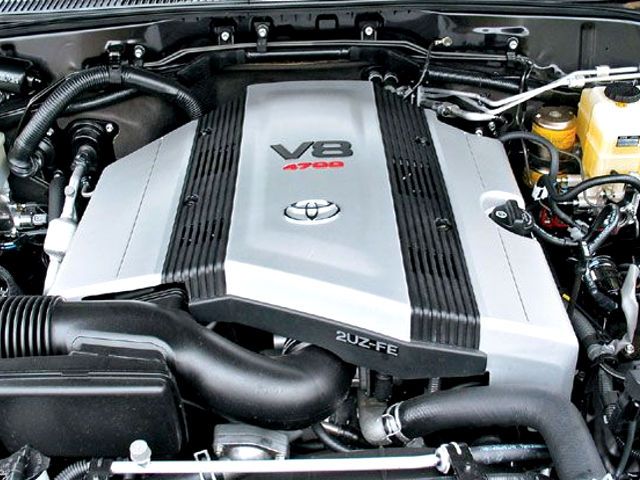
10. Lexus 2UZ-FE
The Lexus 2UZ-FE is a V8 engine primarily found in larger SUVs and trucks, yet it has gained recognition among tuners for its strength and reliability. Despite its displacement and intended use in heavier vehicles, enthusiasts have successfully modified the 2UZ-FE for performance applications. Its cast iron block and robust internals allow for high levels of forced induction and extensive tuning without catastrophic failure.
Tuners often appreciate the engine’s torque output. Naturally, it produces strong low-end and mid-range torque, which translates to excellent acceleration and towing capability. Modifications such as supercharging, turbocharging, and upgraded fuel systems enable enthusiasts to push these engines into high-horsepower territory while maintaining smooth and predictable power delivery.
The 2UZ-FE also benefits from its durability. With proper maintenance, these engines can handle extensive modifications and high mileage without significant wear. Upgraded internals, enhanced cooling systems, and modern engine management allow tuners to maximize performance safely. This reliability makes it a popular choice for builds that require both power and longevity.
Its size and V8 configuration offer a different type of tuning experience compared to smaller four- and six-cylinder Japanese engines. The 2UZ-FE provides a blend of brute force and refinement, giving tuners the ability to create unique vehicles that stand out from traditional performance cars. Its adaptability for both street and off-road builds enhances its appeal in niche tuning communities.
Culturally, the 2UZ-FE represents the versatility and engineering prowess of Japanese V8 engines. It demonstrates that performance tuning is not limited to lightweight sports cars. Enthusiasts seeking large displacement, robust design, and tunable potential have embraced the 2UZ-FE, ensuring that it holds a respected place in the global tuning industry.
