
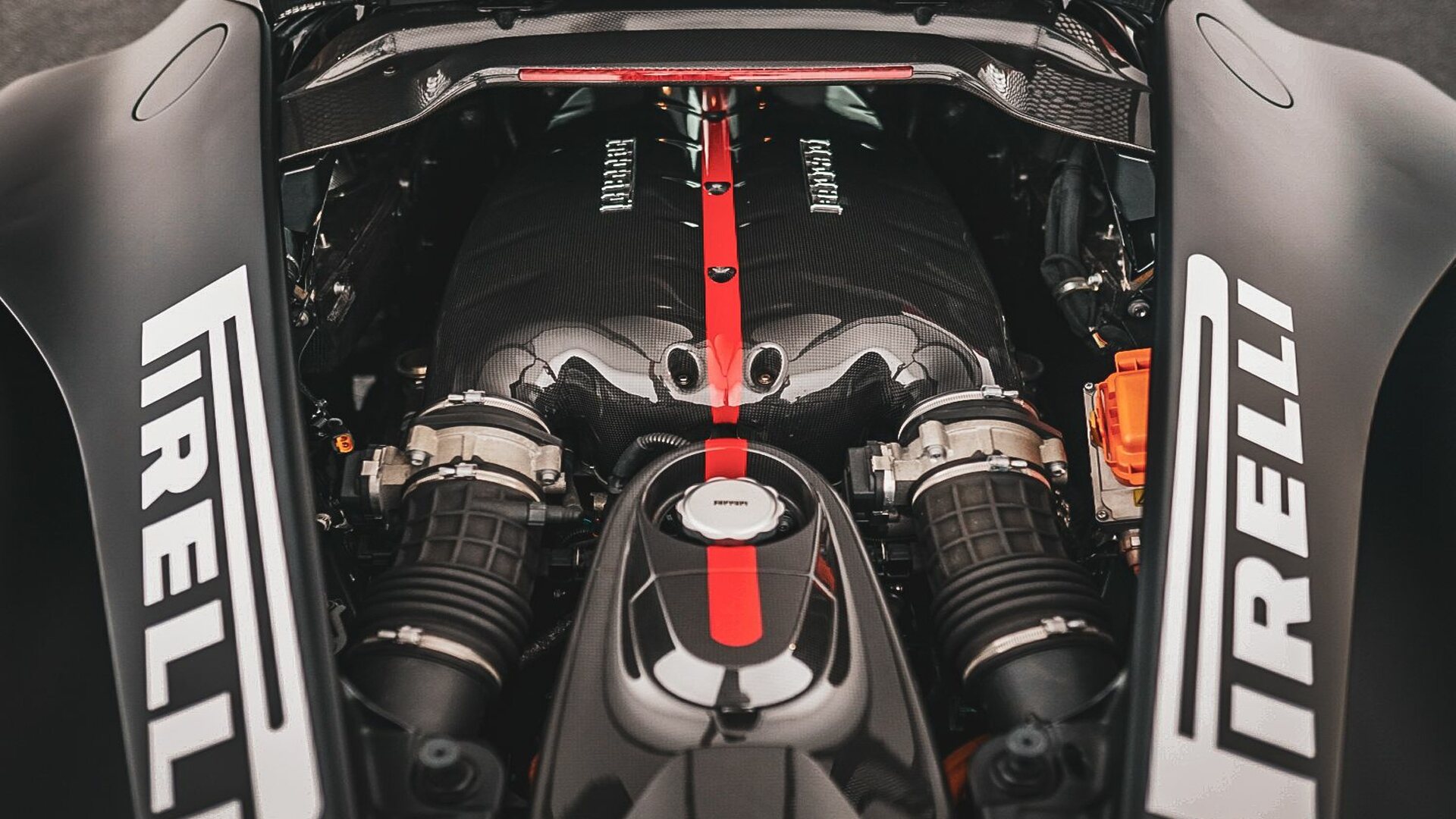
Naturally aspirated engines have a unique charm that is slowly vanishing from modern automobiles. Unlike turbocharged or supercharged powerplants, these engines rely entirely on atmospheric pressure to draw air into the combustion chamber, creating a direct connection between the driver and the machine.
The mechanical simplicity of these engines allows for immediate throttle response, linear power delivery, and a distinct, unfiltered sound that enthusiasts cherish. As emissions regulations tighten and automakers shift toward forced induction and electrification, many of the most iconic naturally aspirated engines are being retired, leaving only a handful for future generations to enjoy.
The appeal of naturally aspirated engines extends beyond mere performance figures. They require the driver to engage more thoughtfully with the vehicle, as power delivery is more predictable and manageable without an artificial boost.
The rising excitement over turbocharged engines often overshadows the purity of NA engines, yet many aficionados argue that there is no substitute for the sense of harmony achieved when a naturally aspirated engine reaches its redline.
Hearing the engine scream as the revs climb, feeling the linear torque curve, and watching the tachometer climb without sudden surges provides a visceral experience that modern forced-induction engines struggle to replicate.
Historically, naturally aspirated engines have powered some of the most legendary cars ever built. From lightweight sports cars to grand touring machines, these engines defined eras and created icons. They pushed engineering boundaries, inspiring innovations in materials, valve timing, and intake design.
Every rev, every gear change, and every acceleration carries a story of mechanical precision and passion. Enthusiasts often recall the emotional connection formed with these cars, noting that no amount of modern technology can fully reproduce the raw, unmediated joy of driving a well-tuned naturally aspirated engine.
The current automotive industry presents a bittersweet reality. While naturally aspirated engines are becoming rarer, their legacy is being celebrated more than ever. Car collectors, track enthusiasts, and automotive journalists emphasize the importance of experiencing these machines while they remain available.
From high-revving inline-fours to screaming V12s, the sensory engagement offered by naturally aspirated engines remains unmatched. Every component, from the intake manifold to the exhaust headers, contributes to a symphony that connects the driver to the heart of the car.
This article highlights ten naturally aspirated engines that exemplify engineering excellence and driving pleasure. Each engine is a testament to a time when mechanical purity was prioritized over forced performance. These machines are not only powerful but also emotionally engaging, offering experiences that transcend speed and lap times.
By exploring these engines, we celebrate the craftsmanship, precision, and excitement that naturally aspirated powerplants continue to offer even as their numbers dwindle.
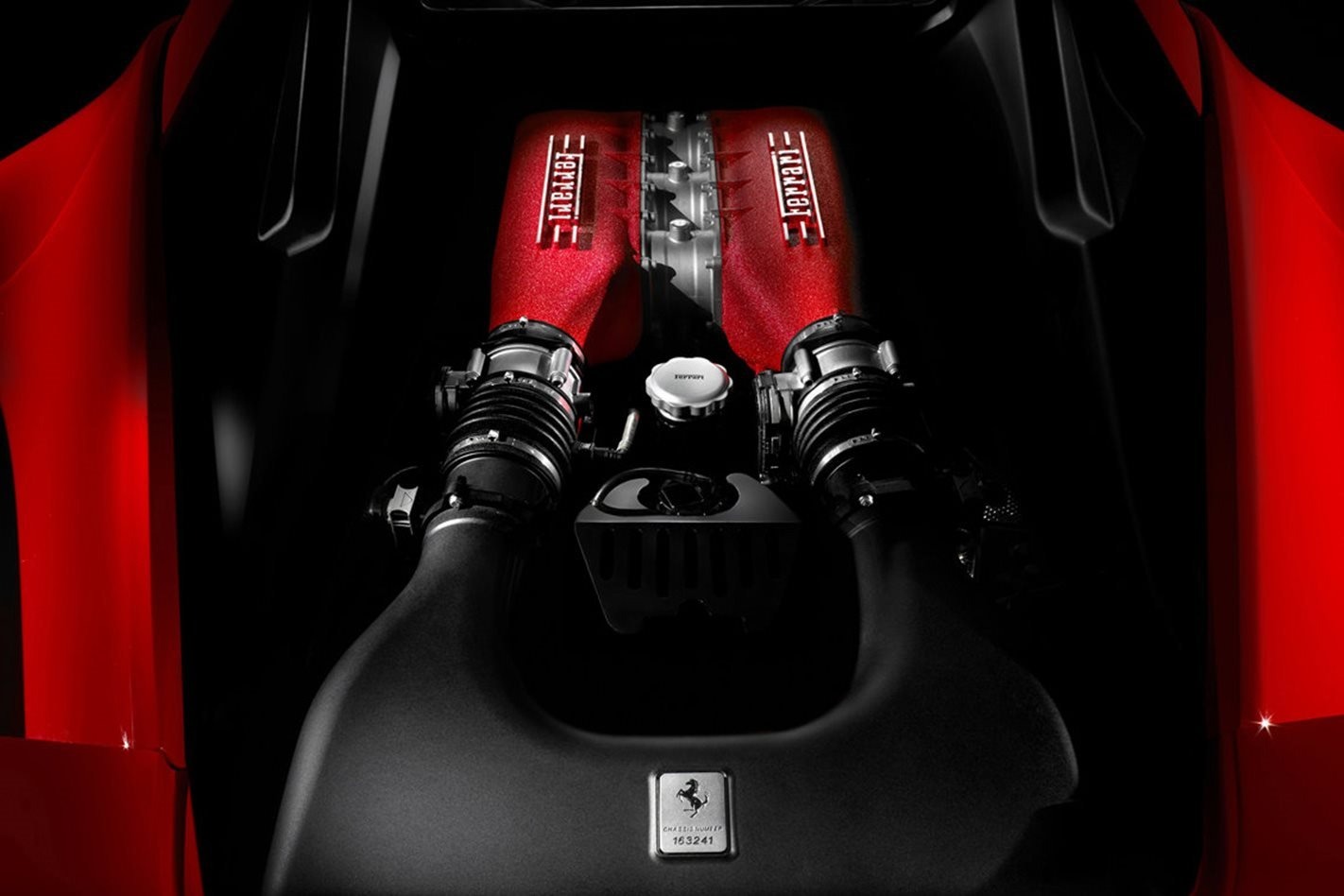
1. Ferrari F136 V8
The Ferrari F136 V8 is one of the most celebrated naturally aspirated engines of modern times. Found in several Ferrari models, it delivers an intoxicating combination of power, sound, and rev-happy character. With its all-aluminum construction and high-revving capability, the F136 showcases Ferrari’s commitment to precision engineering. Its redline often exceeds 8,500 revolutions per minute, rewarding drivers with a thrilling performance.
This engine balances power and agility perfectly, allowing for exhilarating acceleration without sacrificing refinement. Its compact size contributes to optimal weight distribution, enhancing handling characteristics.
Beyond numbers, the F136 V8 is engineered to respond to subtle inputs from the driver, providing a direct and engaging connection. Each rev produces a mechanical harmony that resonates through the cabin and the soul of the car.
The F136 V8 is known for its distinct exhaust note, which has become iconic in automotive culture. The carefully tuned intake and exhaust geometry create a symphony of sound that evolves as the revs climb. It captures attention wherever it goes, signaling not only performance but also artistry. Ferrari enthusiasts often cite the sound as a defining feature that separates it from turbocharged rivals.
Maintenance and tuning of the F136 V8 are relatively straightforward for a supercar engine. Its naturally aspirated design reduces complexity compared to turbocharged engines, allowing enthusiasts to focus on driving rather than electronics.
Ferrari also integrated advanced features like variable valve timing and high-compression pistons, blending modern technology with mechanical purity. The result is an engine that remains rewarding to drive for years.
The Ferrari F136 V8 is more than a powerplant; it is an experience. Every throttle input, gear shift, and rev feels intentional and precise. The engine exemplifies Ferrari’s philosophy of driver-centric performance, making it a must-experience machine. As turbocharging becomes standard in Ferrari’s lineup, the F136 V8 stands as one of the last naturally aspirated masterpieces from the Italian marque.
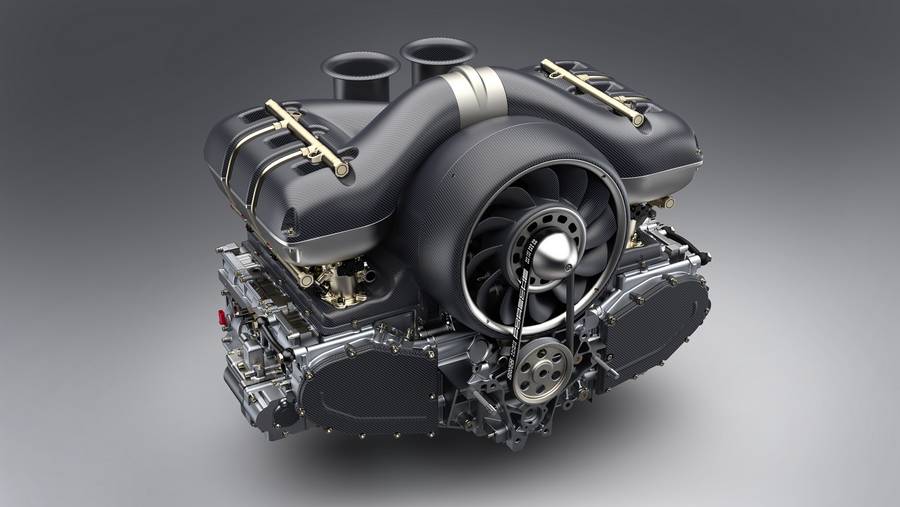
2. Porsche 4.0-Liter Flat-Six (GT3)
The 4.0-liter flat-six found in the Porsche 911 GT3 represents the pinnacle of naturally aspirated performance for a production car. Its high-revving character and balanced layout create a driving experience that is razor-sharp and immersive. Porsche engineers designed this engine to deliver immediate throttle response and consistent power across the rev range, rewarding precise inputs.
Every aspect of the flat-six, from its air-cooled heritage to modern water-cooling systems, emphasizes reliability and engagement. The engine maintains a linear torque curve, making it predictable yet exhilarating on the track. Drivers appreciate the responsiveness that comes without forced induction, as power delivery feels natural and connected. Precision-engineered intake runners and exhaust headers optimize airflow, producing an unmistakable and intoxicating note.
The sound of the GT3’s flat-six is one of its most celebrated qualities. The combination of intake roar and exhaust scream creates a signature soundtrack. It is aggressive yet refined, building excitement with every gear change. Porsche’s careful tuning ensures that the engine communicates directly with the driver, enhancing situational awareness and immersion.
Reliability and engineering excellence are also defining traits. The flat-six is known for withstanding extended high-RPM operation, making it suitable for both road and track use. Minimal turbocharged complexity allows drivers to engage fully with the vehicle, focusing on skill rather than electronic assistance. Porsche continues to refine naturally aspirated engines in the GT3, highlighting their dedication to driving purity.
Experiencing a GT3 flat-six is a lesson in balance and precision. It combines power, agility, and sensory feedback in a way few modern engines can match. As regulations push more models toward turbocharging, this engine remains a beacon for enthusiasts seeking unfiltered, mechanically honest performance.
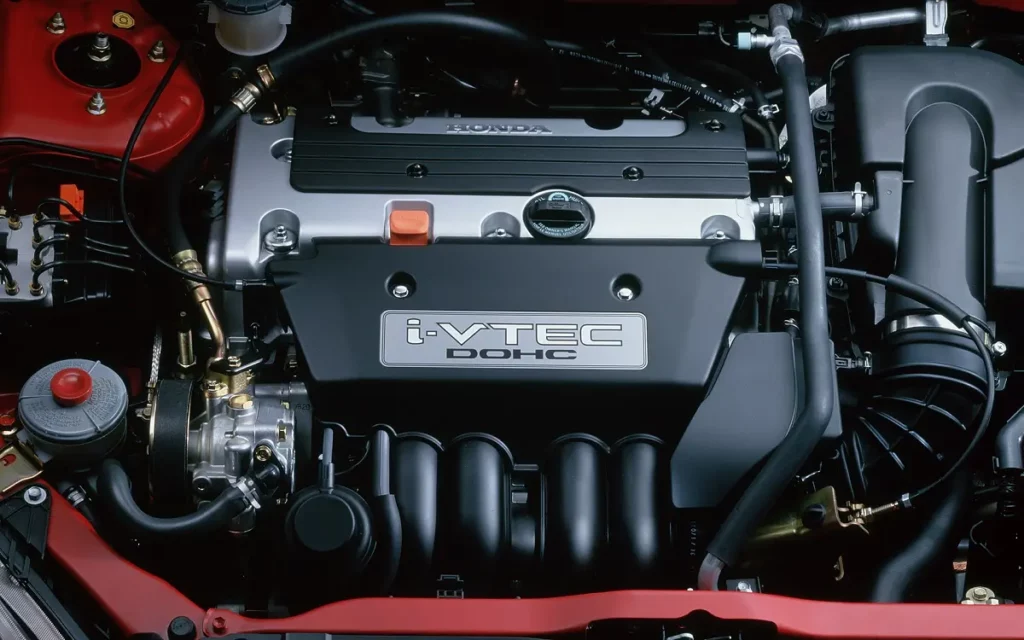
3. Honda K20/K24 Series
Honda’s K-series engines, particularly the K20 and K24, have earned legendary status among enthusiasts for their high-revving nature and reliability.
Found in models such as the Civic Type R and Integra, these four-cylinder engines demonstrate that naturally aspirated engines can deliver thrilling performance on a modest displacement. Their engineering allows for revs beyond 8,000 rpm while maintaining smooth power delivery.
The K-series emphasizes precision in both design and function. Features like VTEC (Variable Valve Timing and Lift Electronic Control) optimize airflow for both efficiency and performance. The transition from low to high RPM power is seamless, creating an exhilarating yet controlled experience. Lightweight internals and well-balanced components make the engine responsive and rewarding to drive in all conditions.
Sound is another hallmark of the K-series. The engine’s exhaust note is sharp and mechanical, encouraging drivers to push toward the redline. Its vocal performance is enhanced by precise tuning of the intake manifold and header configuration. This combination of sound, responsiveness, and rev capability fosters a unique connection between the vehicle and the driver.
The K20 and K24 also shine in aftermarket performance applications. Their robust construction and high-rev potential allow for significant power gains without sacrificing reliability. This adaptability has made them favorites for track enthusiasts, tuning communities, and daily drivers alike. The engines demonstrate that naturally aspirated designs can be both practical and exhilarating.
Experiencing a K-series engine is a reminder of the excitement small displacement engines can offer. It encourages skillful driving, emphasizing throttle control, momentum, and timing. As modern regulations favor turbocharged four-cylinder engines, the K-series remains one of the few naturally aspirated options that delivers joy without compromise.
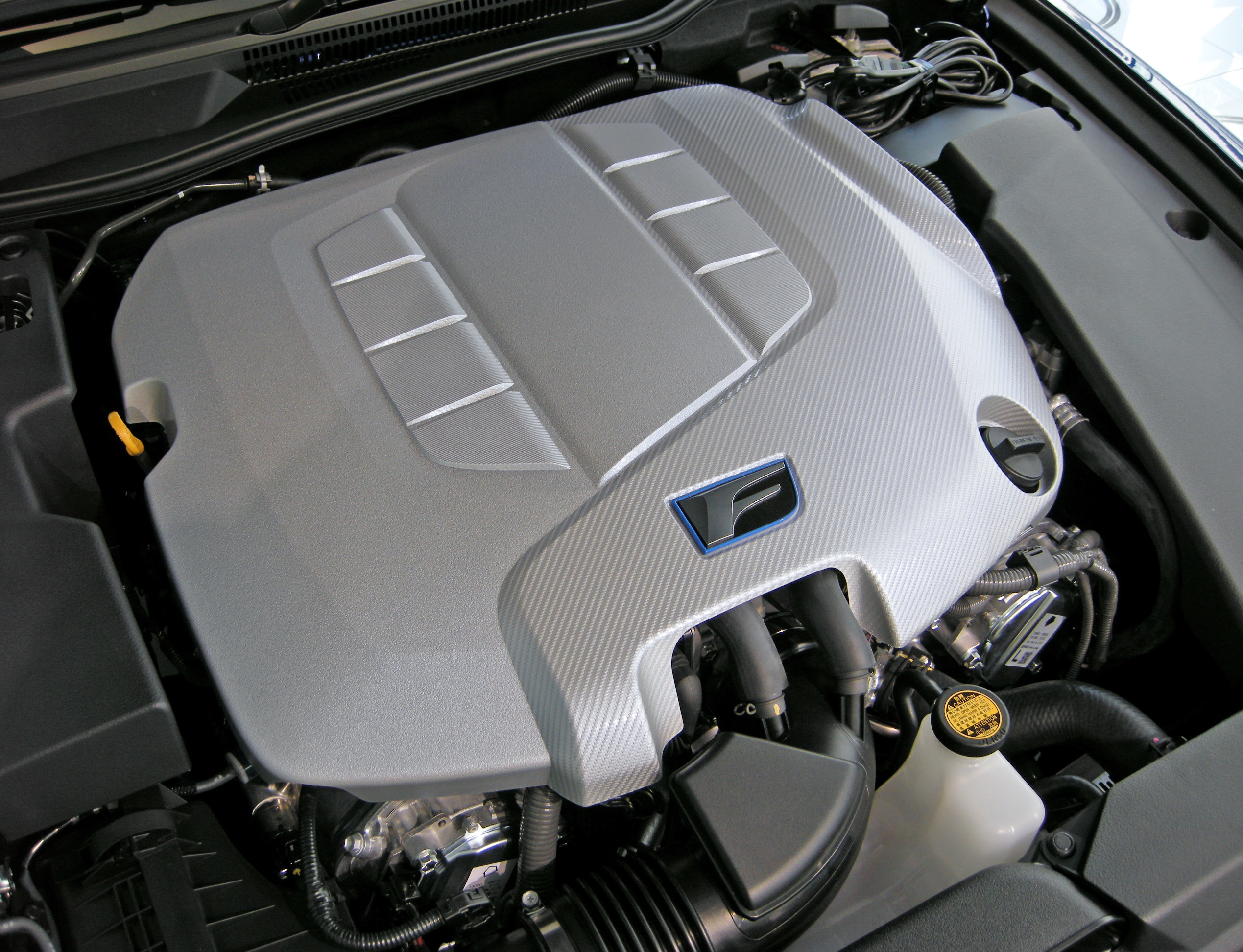
4. Lexus 2UR-GSE V8
The 2UR-GSE V8 is a naturally aspirated marvel found in models like the Lexus RC F and GS F. This engine delivers smooth, linear power while achieving high revs, making it feel alive throughout the entire range. Its sound is deep and throaty, yet refined, reflecting careful tuning of both intake and exhaust.
Beyond raw performance, the 2UR-GSE demonstrates a balance between comfort and aggression, allowing spirited driving without sacrificing refinement.
This V8 uses an advanced dual VVT-i system to optimize valve timing across RPMs, ensuring responsiveness and efficiency simultaneously. Lightweight internals, high-strength materials, and precise assembly contribute to reliability and consistency under stress.
Even during high-RPM track sessions, the engine remains composed, offering predictable power delivery and minimal vibration. Every aspect emphasizes driver engagement and mechanical honesty, which has made it a favorite among enthusiasts who value naturally aspirated character.
The exhaust note of the 2UR-GSE is particularly noteworthy. Lexus engineers designed a resonator system that amplifies the engine’s natural frequencies, creating a sound that is both powerful and emotionally satisfying.
Unlike turbocharged engines, the note remains constant and immediate, responding directly to throttle input. This sensory feedback enhances the driving experience, making acceleration, gear changes, and corner exits all more thrilling.
Performance is matched by engineering sophistication. The engine produces over 470 horsepower while maintaining smoothness across all conditions. Its naturally aspirated design eliminates lag, allowing instantaneous response at any speed.
For drivers, this translates into a heightened sense of control, confidence, and enjoyment, making the 2UR-GSE one of the few remaining V8s that truly embodies traditional performance values.
The 2UR-GSE is more than just an engine; it represents a philosophy. It is proof that a naturally aspirated powerplant can provide excitement, refinement, and engagement simultaneously. As automakers move toward forced induction, this engine remains a benchmark, demonstrating how balance, sound, and responsiveness can coexist in a modern, high-performance V8. Experiencing it is a lesson in both engineering and emotion.
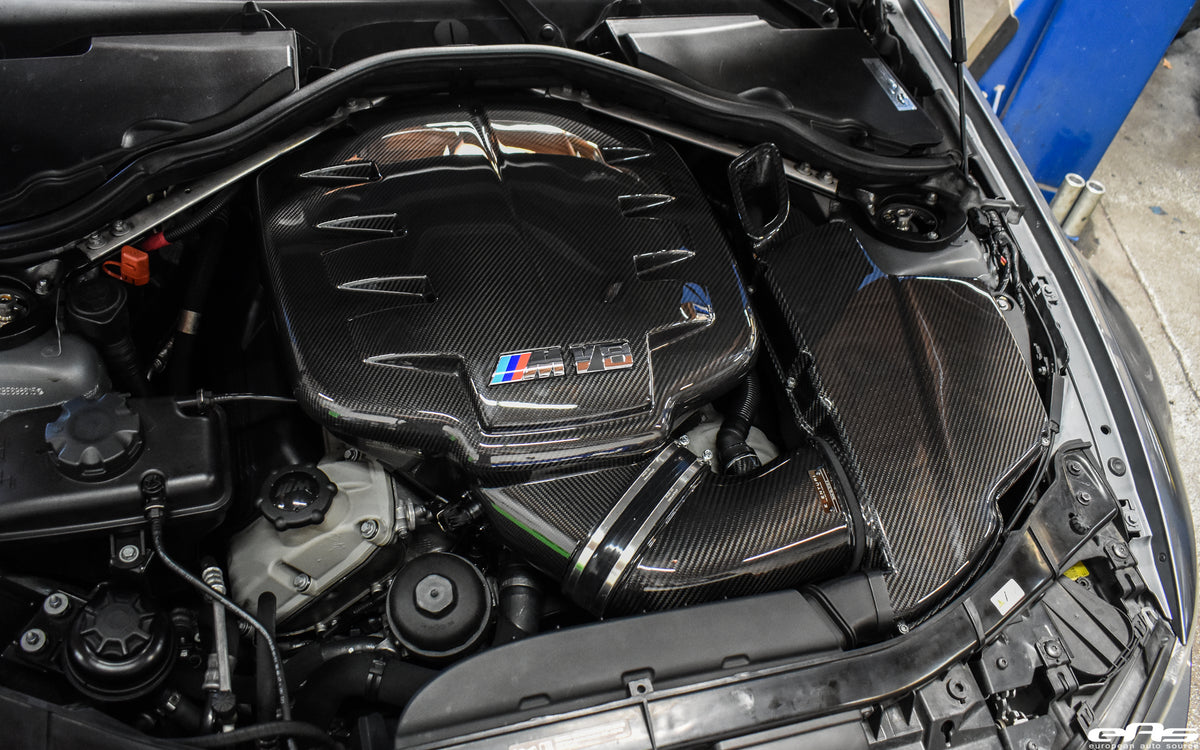
5. BMW S65 V8
BMW’s S65 V8 powers the legendary E92 M3, offering a high-revving, naturally aspirated experience that few engines can match. Known for its responsiveness and precise throttle control, the S65 rewards drivers who respect its linear torque delivery.
Its compact design aids weight distribution and handling, emphasizing the connection between car and driver. High-rev dynamics allow the engine to reach nearly 8,400 RPM, creating a thrilling and unfiltered experience at every gear.
The engine’s design reflects BMW’s commitment to balance and efficiency. Lightweight aluminum construction, individual throttle bodies, and high-compression pistons combine to provide instant response and high performance.
The S65 also features a double-VANOS system for variable valve timing, optimizing power and torque at every RPM. This attention to detail ensures that the engine feels lively, smooth, and precise whether on a track or winding road.
One of the most celebrated qualities of the S65 is its exhaust note. At idle, it emits a muscular purr, but as RPM climbs, it transforms into a piercing scream that excites both driver and bystanders. The sound is an organic extension of performance, enhancing the sensation of speed without overwhelming the senses. BMW ensured the experience was mechanical and raw, allowing every rev to be felt as much as heard.
The S65 is also durable under demanding conditions. The naturally aspirated architecture means there is no turbo lag, and the engine responds instantly to throttle input. While high-RPM driving is encouraged, reliability is maintained thanks to robust internals and precise engineering. The result is a high-strung engine that can be pushed hard, delivering predictable and exhilarating performance throughout its range.
Driving an S65 is an exercise in skill and appreciation. Each gear change, corner entry, and throttle application becomes part of a larger mechanical dialogue.
Unlike forced-induction engines, the S65 encourages active participation, requiring smooth modulation and respect for its high-rev nature. For enthusiasts, it stands as one of the last naturally aspirated V8s with both character and modern engineering excellence.
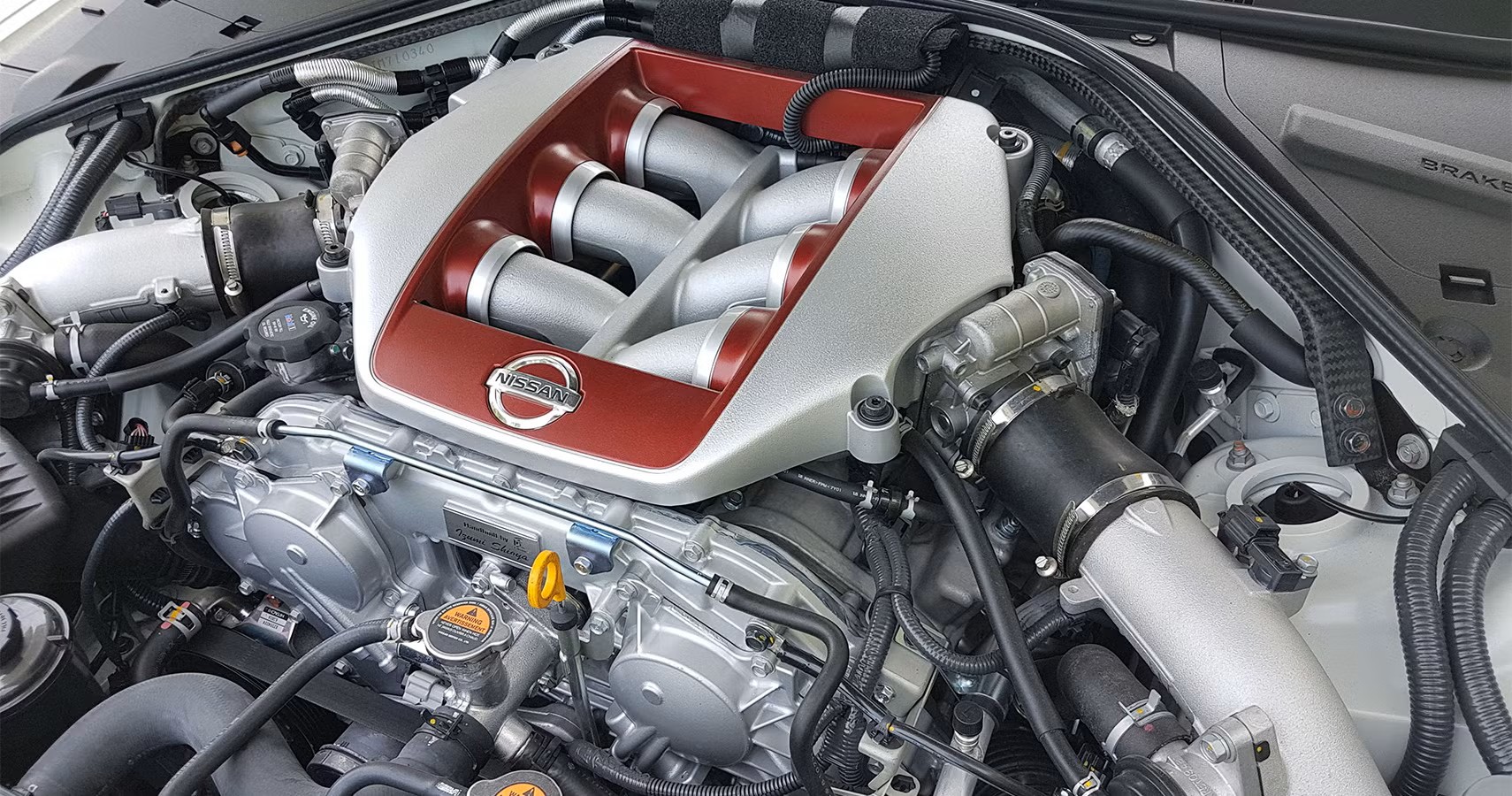
6. Nissan VR38DETT (Naturally Aspirated Versions in Track Prototypes)
Although most VR38DETT engines in the Nissan GT-R are twin-turbocharged, naturally aspirated variants exist in race and prototype models, demonstrating the engine’s raw potential.
These engines retain the same precision engineering, high rev capacity, and mechanical refinement as their turbo siblings, but without forced induction. The direct connection to the throttle makes every input feel immediate, emphasizing the driver’s skill and timing on the track.
The naturally aspirated VR38DETT uses high-strength internals, a compact combustion chamber design, and advanced variable valve timing to maintain both power and reliability at extreme RPMs.
Race-oriented versions push beyond 8,500 RPM, offering rapid acceleration and a linear power curve. Drivers often note how predictable the engine feels even under maximum stress, highlighting the benefits of a naturally aspirated setup in performance applications.
Sound plays a critical role in the engine’s appeal. Without turbochargers, the exhaust and intake roar are pure and mechanical, producing an aggressive yet controlled soundtrack. This provides real-time feedback on RPM, throttle position, and engine load, allowing drivers to modulate inputs precisely.
The visceral connection reinforces the notion that naturally aspirated engines communicate directly with the human senses in ways turbocharged setups cannot fully replicate.
Engineering refinement ensures the engine remains usable beyond the racetrack. Cooling systems, lightweight components, and carefully calibrated camshafts allow it to operate efficiently at high revs without sacrificing longevity.
This balance between performance and durability underscores the skill of engineers who designed a naturally aspirated alternative that performs at the highest level of motorsport.
Experiencing a naturally aspirated VR38DETT is an insight into extreme engineering and unfiltered performance. The combination of linear power, immediate throttle response, and a mechanical soundtrack creates a unique driving experience. It serves as a reminder of the excitement that naturally aspirated engines provide, even when turbocharging dominates the production industry.
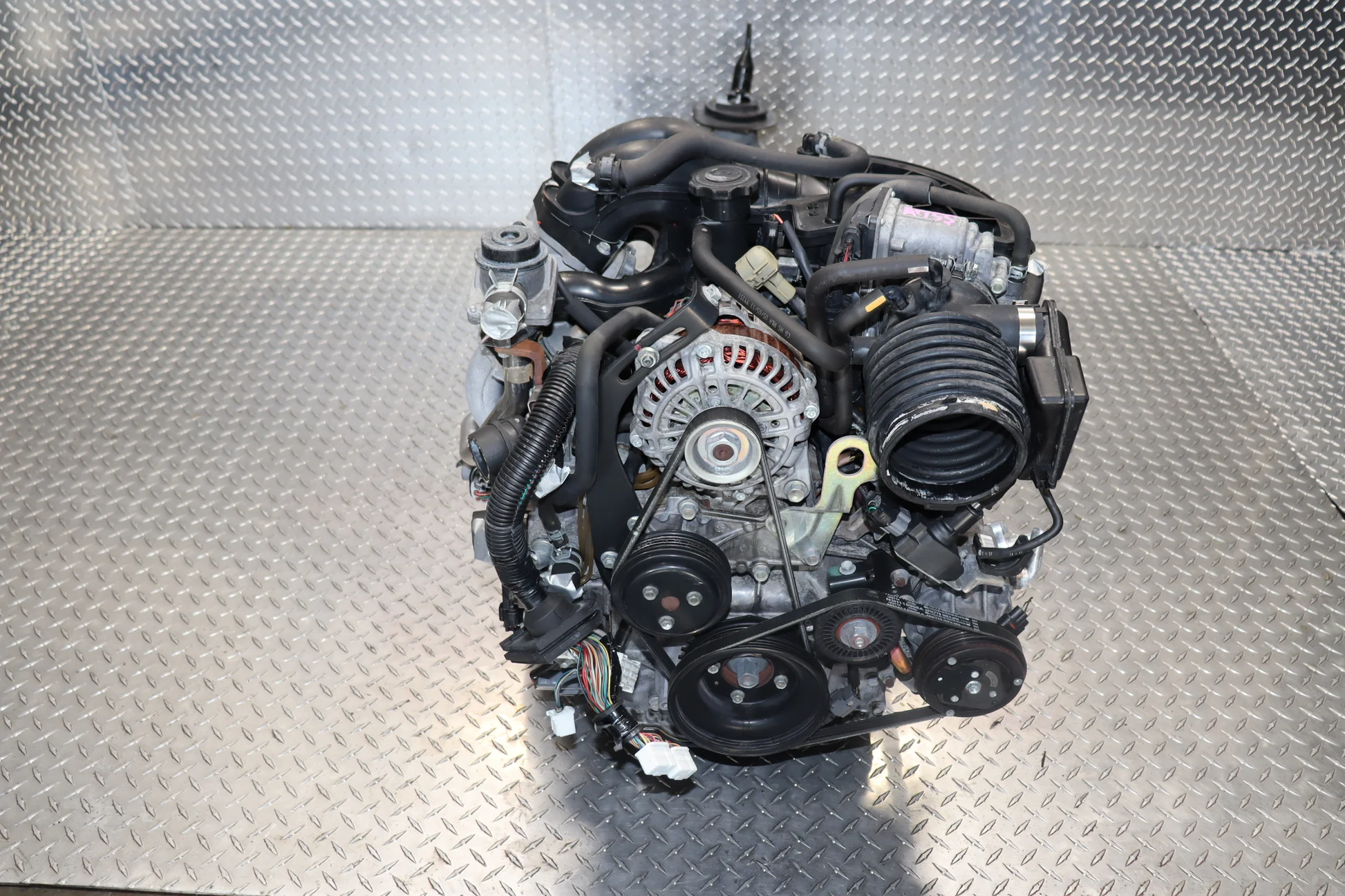
7. Mazda Renesis Rotary Engine
The Renesis rotary engine in the Mazda RX-8 is one of the most unconventional naturally aspirated engines ever produced. Its Wankel design eliminates traditional pistons, offering compact dimensions, high rev potential, and a unique mechanical feel. The engine’s high-revving character makes it lively and responsive, producing a distinctive sound that has become synonymous with rotary performance.
Mazda engineered the Renesis to emphasize linear power delivery, smooth transitions between RPMs, and exceptional responsiveness. Lightweight internals reduce rotational mass, allowing rapid rev changes and instantaneous throttle reaction.
This makes cornering and acceleration feel effortless, as the engine continuously works with the driver. Its compact size also contributes to weight balance and handling precision.
The engine’s sound is one of its most recognizable traits. Unlike traditional piston engines, the rotary produces a high-pitched, continuous whine that rises naturally with RPM. This sound provides constant feedback and a sense of urgency, creating a connection that transcends mere speed. Enthusiasts often describe it as a mechanical song that intensifies the driving experience.
Despite its unusual design, the Renesis is engineered for reliability within proper operating limits. Precision in rotor housing design, apex seals, and cooling systems allows extended high-rev operation without catastrophic failure. Mazda’s dedication to naturally aspirated rotary technology created an engine that is both unique and rewarding to drive, despite its mechanical quirks.
Driving a Renesis rotary engine is an experience unlike any other. Its high-rev nature, compact design, and distinctive sound combine to create a visceral connection between car and driver. As naturally aspirated engines disappear, the Renesis stands out as a rare, unconventional machine that embodies engineering creativity, precision, and passion.
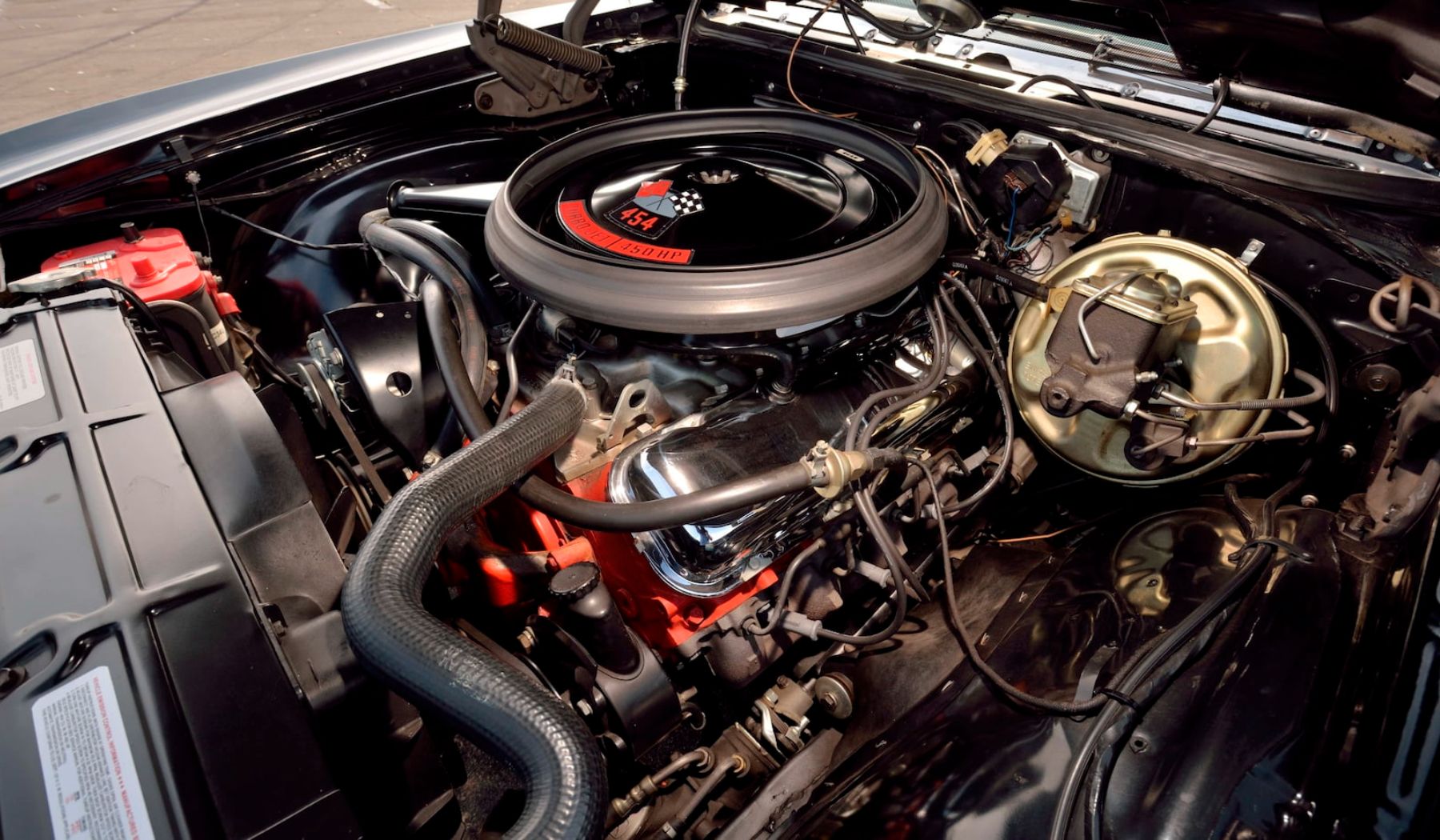
8. Chevrolet LS7 V8
The Chevrolet LS7 V8 powers the iconic Corvette Z06, representing the pinnacle of naturally aspirated American V8 engineering. Its 7.0-liter displacement delivers immense torque and horsepower without the need for forced induction, providing a visceral, unfiltered driving experience.
The engine’s lightweight aluminum block and high-strength internals allow for high RPM performance, making it feel both powerful and agile. Its linear power curve ensures predictability, rewarding drivers who modulate throttle input carefully.
Engineering precision is central to the LS7’s character. Features like titanium connecting rods, forged pistons, and a high-lift camshaft combine to maximize efficiency and rev potential. Each component is optimized to reduce internal friction and rotational mass, enabling rapid acceleration and smooth high-RPM operation. The naturally aspirated design ensures instant response, allowing the driver to feel every nuance of throttle modulation.
Sound is a defining trait of the LS7 V8. Its deep, throaty exhaust note resonates from idle to redline, creating a mechanical symphony that is unmistakable among high-performance engines.
The combination of large displacement and naturally aspirated breathing produces a powerful soundtrack that reinforces the engine’s personality and enhances the driving experience. Every gear change and corner exit is accompanied by an engaging auditory cue.
Reliability and durability are also hallmarks of the LS7. Its robust architecture allows spirited driving without significant risk of failure, even under track conditions. The engine thrives at high RPMs, providing sustained performance and consistent feedback. This balance between extreme capability and mechanical honesty ensures that drivers can enjoy high-speed performance without sacrificing control or confidence.
Experiencing the LS7 is an exercise in raw American power. Its naturally aspirated design emphasizes mechanical purity, linear response, and emotional engagement. Unlike turbocharged engines, it delivers power directly and predictably, allowing the driver to feel in complete control.
As modern Corvettes shift toward forced induction, the LS7 remains a symbol of naturally aspirated excellence, offering an experience that combines precision, sound, and unbridled energy.
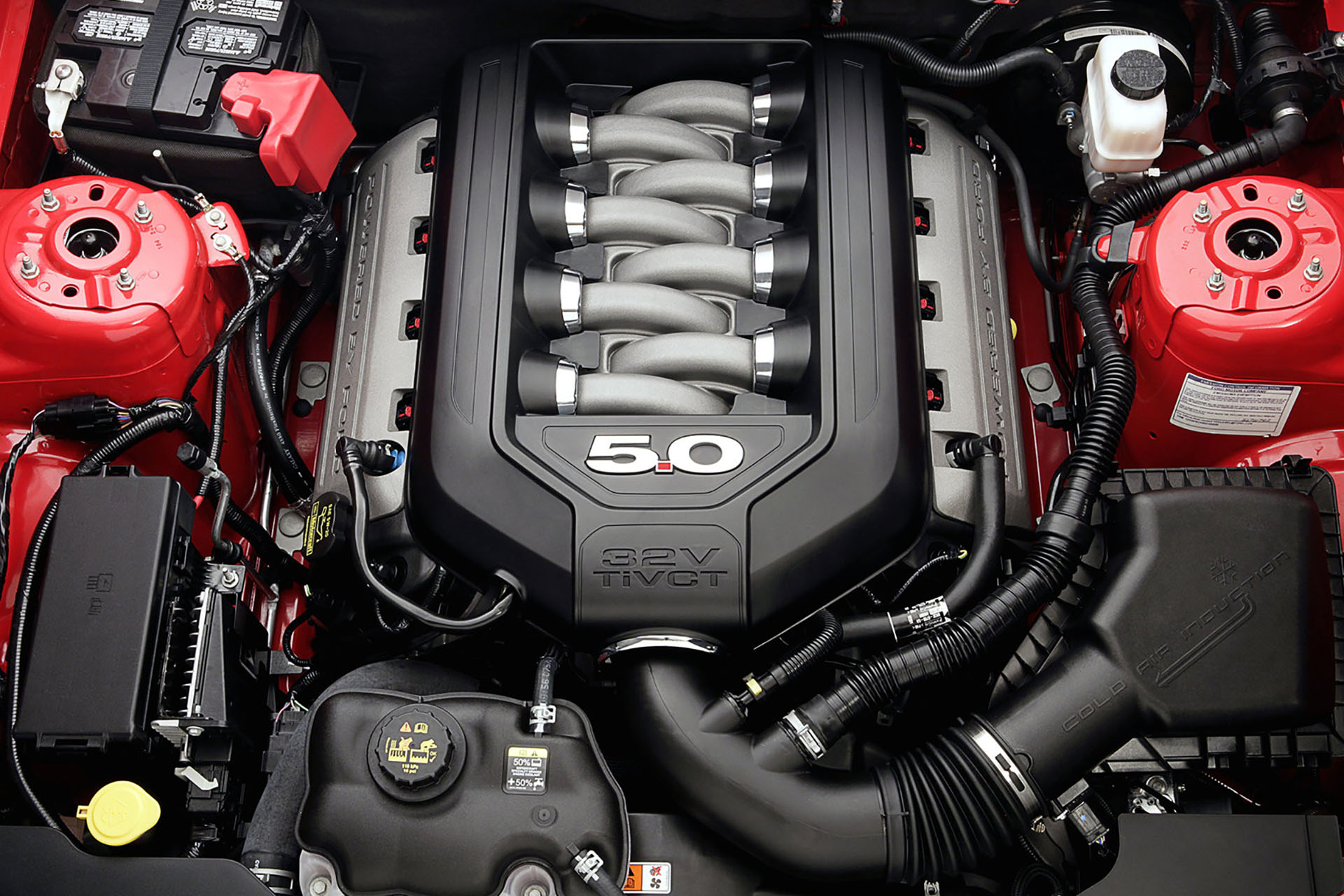
9. Ford Coyote 5.0 V8
The Ford Coyote 5.0 V8 powers several modern Mustangs, blending modern technology with naturally aspirated simplicity. It produces a compelling combination of torque, horsepower, and reliability, offering a driving experience that is both exciting and approachable.
Its high-rev nature and immediate throttle response create a sense of connection between car and driver that forced induction struggles to replicate. Every acceleration is precise, emphasizing the mechanical purity of the engine.
Advanced engineering makes the Coyote unique among modern V8s. Features such as dual independent variable cam timing, high-flow intake manifolds, and lightweight pistons enable strong performance across the RPM range.
The engine maintains a linear torque curve, allowing drivers to predict and exploit power without artificial boost. These characteristics make it highly rewarding for both spirited street driving and track use.
The exhaust note of the Coyote is bold and distinctive. Naturally aspirated, it grows progressively louder and more aggressive with RPM, giving immediate feedback to the driver. Its tone is mechanical and expressive, reflecting the raw energy of a high-displacement V8. The combination of sound, power, and responsiveness ensures a thrilling experience that engages multiple senses simultaneously.
Durability and accessibility are central to the Coyote’s appeal. Designed for longevity, the engine withstands repeated high-RPM operation without significant wear.
Maintenance is straightforward, allowing enthusiasts to focus on driving rather than electronics or complex forced-induction systems. This reliability reinforces the connection between driver and machine, allowing confidence during aggressive maneuvers.
Driving a Coyote 5.0 V8 is about energy and precision. Its naturally aspirated design encourages skillful throttle management and deliberate gear changes. The engine communicates its intentions clearly, creating a sense of harmony between car and driver.
As turbocharging becomes more common in the Mustang lineup, the Coyote remains a bridge to traditional American V8 performance, offering both excitement and authenticity.
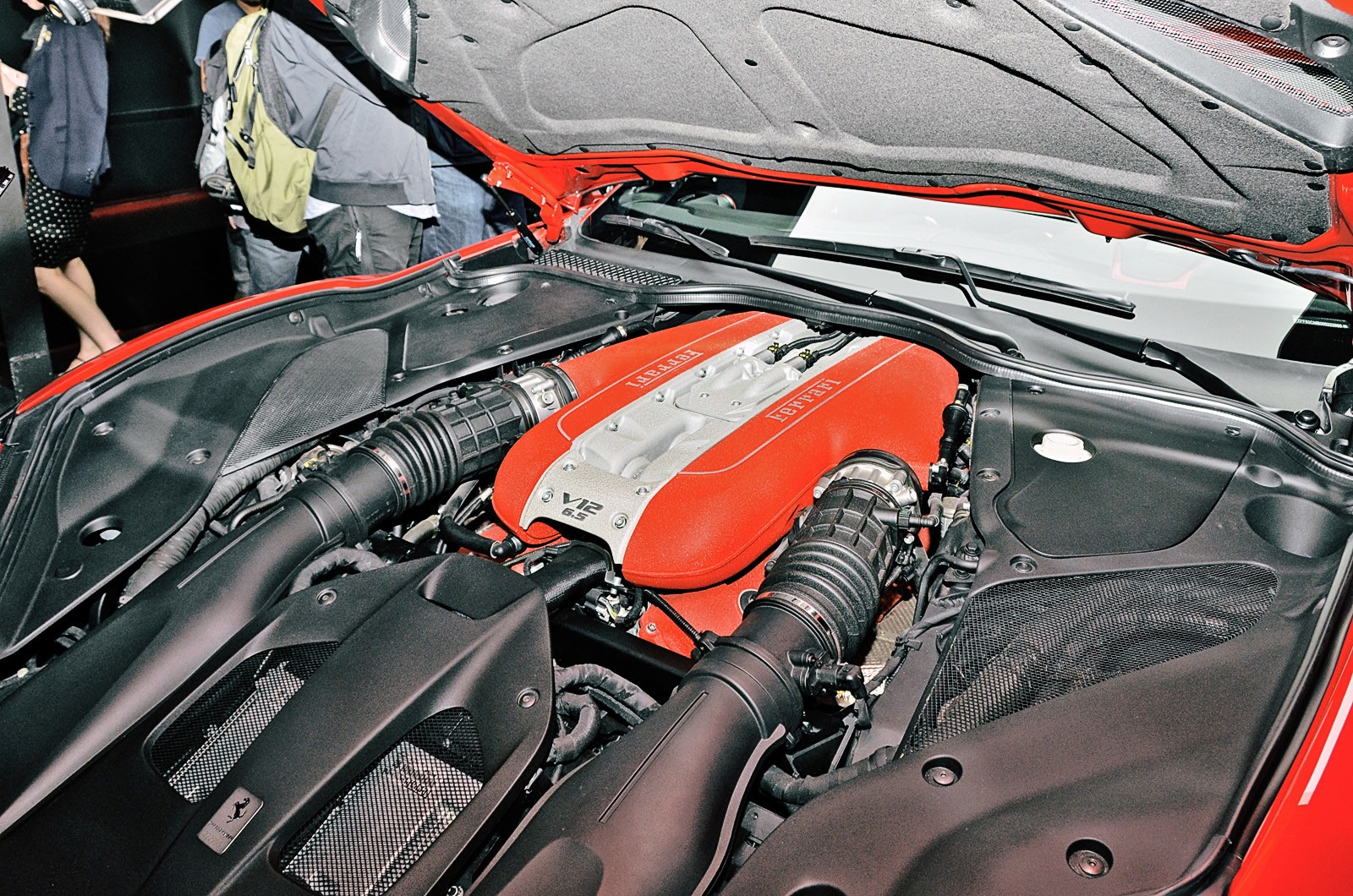
10. Ferrari F140 V12
The Ferrari F140 V12 is one of the naturally aspirated engines ever built, powering models like the 599 GTB and F12 Berlinetta. Its massive 6.0-liter displacement produces extraordinary power, combined with a high-revving nature that few engines can match.
Linear torque delivery, precision engineering, and an emotional exhaust note create a driving experience that is both exhilarating and refined. Each rev is a testament to Ferrari’s dedication to naturally aspirated excellence.
The F140 V12 incorporates advanced technologies such as variable valve timing, lightweight internals, and high-strength materials to maximize performance. Its redline exceeds 8,500 RPM in certain variants, rewarding careful throttle modulation with immediate power.
The engine’s large displacement and engineering finesse produce effortless acceleration while maintaining balance, refinement, and predictability throughout the rev range.
Sound is the F140 V12’s signature element. The engine emits a symphony of mechanical tones that change character as RPM climbs, delivering a visceral auditory experience.
The naturally aspirated design ensures that the exhaust note is direct and unfiltered, reinforcing the emotional connection between driver and machine. Ferrari engineers tuned every aspect of intake and exhaust geometry to produce a unique sound that remains unmatched by turbocharged alternatives.
Reliability and performance coexist seamlessly in the F140. Ferrari’s meticulous attention to detail ensures durability even during extended high-RPM use, making the engine suitable for both road and track. Its naturally aspirated design eliminates lag, allowing instantaneous response to driver input.
This predictability creates a sense of mastery and engagement, heightening the experience of piloting a high-performance supercar.
Experiencing the F140 V12 is an encounter with automotive artistry. Its combination of power, sound, and refinement defines the pinnacle of naturally aspirated engineering.
As turbocharged engines dominate Ferrari’s current lineup, the F140 V12 represents the end of an era. It is not just a powerplant but an emotional instrument, delivering unfiltered, thrilling, and unforgettable performance that will be remembered for generations.
