
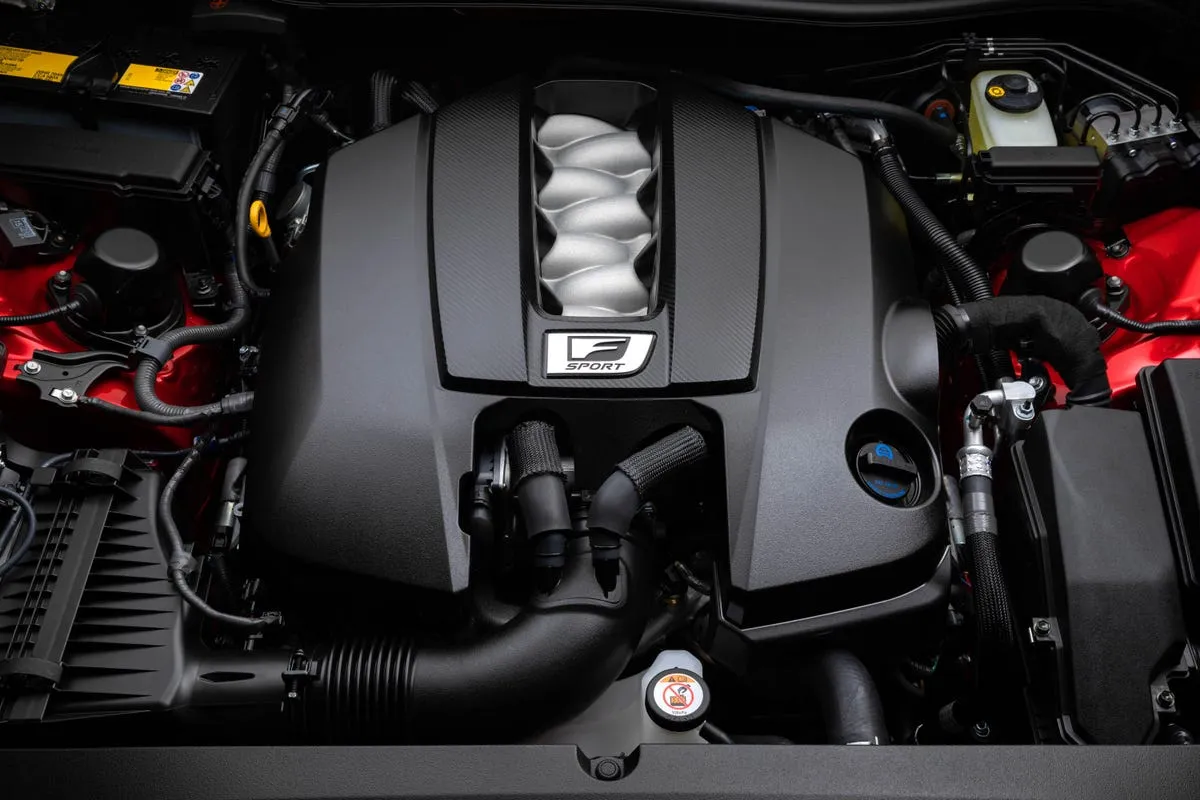
V8 engines have long been associated with raw power, deep throaty sounds, and the thrill of performance that can make even casual driving an exhilarating experience.
Traditionally, the idea of a V8 meant sacrificing fuel economy for brute force. However, advances in engineering, fuel injection, cylinder deactivation, and turbocharging have led to a remarkable era where V8s can deliver surprising efficiency without compromising their inherent performance character.
Modern technology allows these engines to adjust seamlessly between economy and output, offering drivers the best of both worlds. For enthusiasts, the concept of a V8 that sips fuel as gracefully as a smaller engine once seemed impossible, but innovations from global automakers have defied those expectations.
Fuel-saving measures, such as start-stop systems, variable valve timing, and lightweight materials, have further refined the V8’s ability to operate efficiently during normal driving conditions. At the same time, manufacturers have preserved the torque and horsepower that define the V8 experience, ensuring that acceleration remains exhilarating, towing capability remains strong, and engine response feels instant.
These engines are not merely compromises but examples of intelligent design that harmonize power and economy. Whether applied in sedans, SUVs, or sports cars, the modern V8 can surprise drivers with both its performance metrics and its ability to stretch every gallon of fuel.
As car buyers demand more from their vehicles, these V8s showcase a delicate balance between tradition and innovation, merging classic V8 traits with modern environmental and practical demands. This list highlights ten V8 engines that stand out for their impressive fuel efficiency while retaining the qualities that make them instantly recognizable to enthusiasts and casual drivers alike.
Each of these engines demonstrates that it is possible to maintain the visceral thrill of a V8 while embracing the need for sensible consumption. From naturally aspirated designs with clever efficiency tricks to turbocharged and supercharged units that recover energy from exhaust or intake processes, the technology employed is as fascinating as the driving experience itself.
Automotive engineers have refined airflow dynamics, reduced internal friction, and optimized combustion cycles, resulting in engines that can achieve respectable miles per gallon ratings without resorting to extreme compromises. By understanding how these V8s manage energy, it becomes clear why some of them rival much smaller engines in economy while still delivering massive torque when demanded.
Their widespread adoption across premium brands, sports models, and utility vehicles demonstrates that fuel efficiency is no longer a limitation but an expectation.
The following analysis will provide insights into ten of the most important V8 engines that redefine what is possible, presenting both historical context and modern innovations, giving readers a comprehensive picture of why these engines are exceptional not only in performance but also in their approach to fuel consumption.
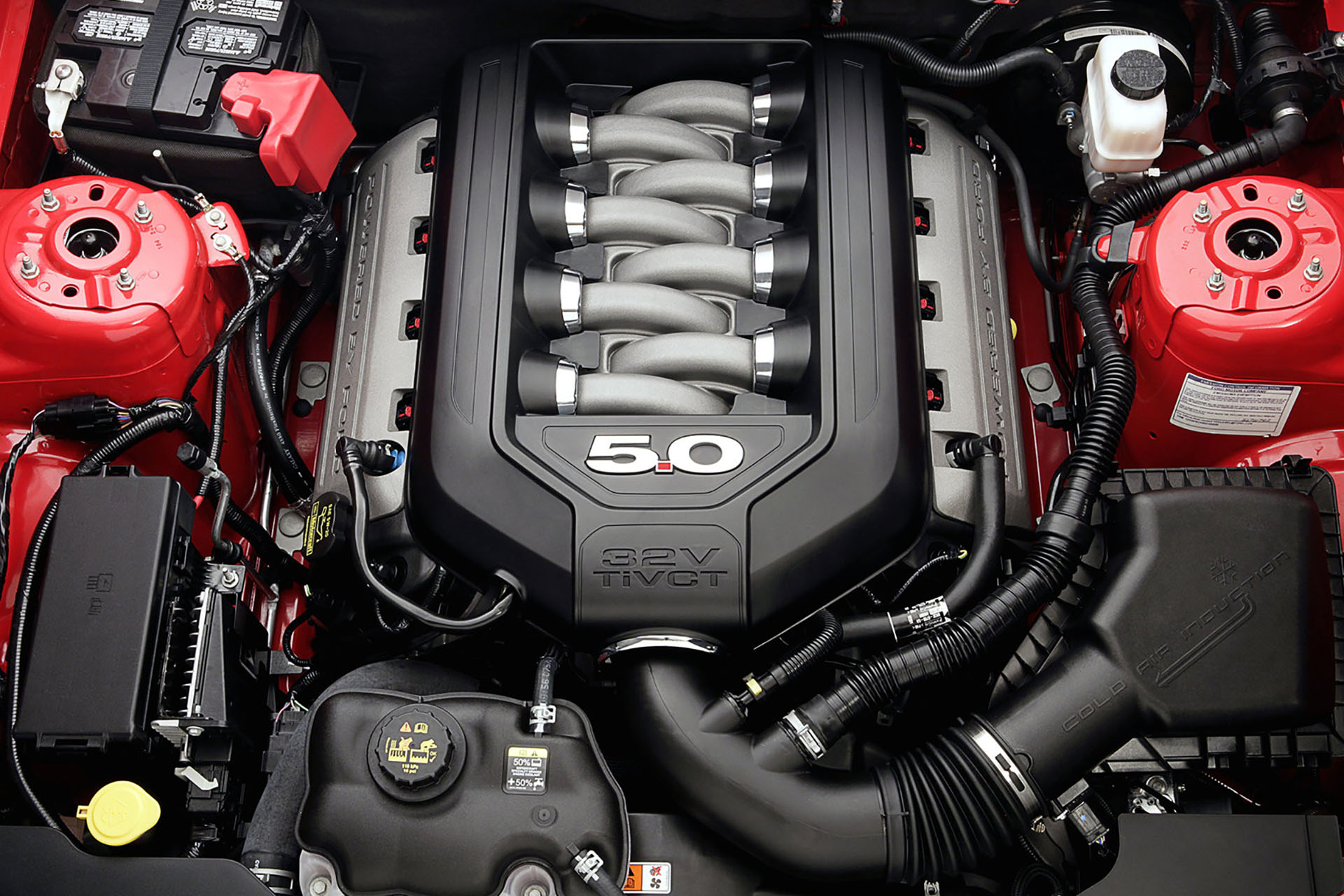
1. Ford 5.0L Coyote V8
The 5.0L Coyote V8 from Ford Motor Company has become a benchmark for modern naturally aspirated V8s. While delivering over 450 horsepower in some configurations, it incorporates variable valve timing and an aluminum block to reduce weight and friction.
These innovations contribute to better fuel efficiency, making it a V8 that can perform aggressively while remaining relatively economical for its size. Its direct injection system also ensures precise fuel delivery, which optimizes combustion across various driving conditions.
Ford’s engineering focuses on a balance between low-end torque and high-rev horsepower. The Coyote V8 achieves 400 lb-ft of torque, allowing spirited acceleration without demanding excessive fuel. Advanced engine management allows cylinder deactivation under light loads, effectively running on four cylinders during cruising.
The engine’s use in both performance and utility applications demonstrates versatility. Installed in the Mustang GT, the Coyote emphasizes sportiness and high-rev thrills. In the F-150, the same engine balances torque and towing requirements with fuel-conscious design.
This dual application showcases the adaptability of the platform and Ford’s commitment to reducing fuel usage across different vehicle types. Its widespread availability and aftermarket support have also allowed enthusiasts to tune the engine while preserving or even enhancing efficiency.
Coyote V8s benefit from precise electronic control systems. Fuel maps, throttle response, and ignition timing are all finely tuned to maximize efficiency under varying load conditions. When paired with modern automatic transmissions, these engines can shift seamlessly to maintain optimal RPMs, further improving fuel economy.
The combination of mechanical efficiency, advanced electronics, and intelligent design makes the Coyote a standout example of a V8 that is not simply powerful, but also surprisingly economical.
Despite being a naturally aspirated V8, the Coyote competes with some turbocharged V6 engines in efficiency. Its modern design mitigates many traditional V8 weaknesses, such as poor fuel economy during light-load driving.
For drivers seeking a balance between performance and sensible fuel consumption, the Coyote represents one of the most refined examples of this approach. Its longevity and proven engineering make it a strong candidate for both enthusiasts and practical users alike.
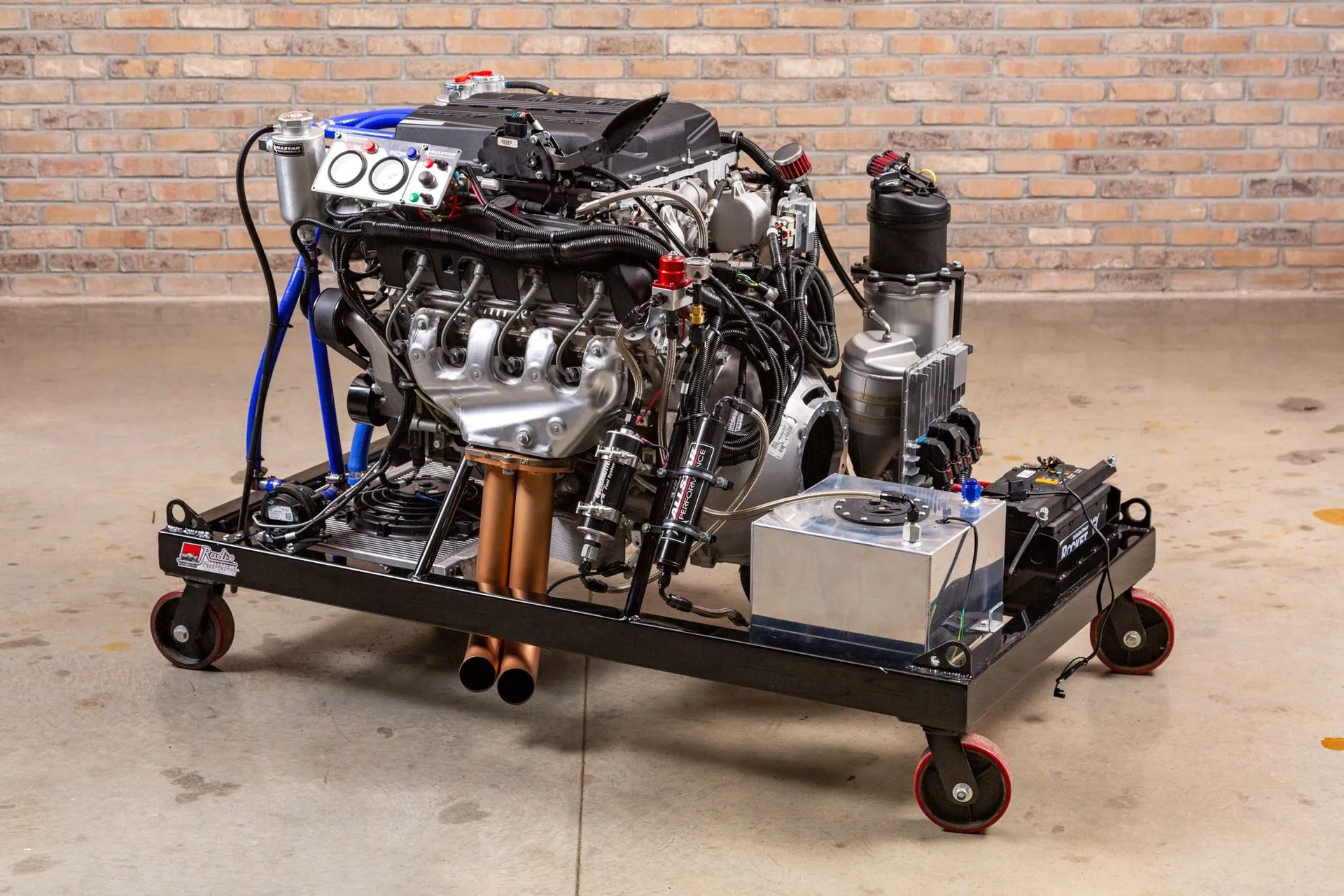
2. Chevrolet 6.2L LT1 V8
The 6.2L LT1 V8 powers some of Chevrolet Corvette and Camaro models, offering remarkable efficiency for a high-displacement engine. Chevrolet’s engineering integrates direct injection, cylinder deactivation, and advanced valvetrain technology.
These elements allow the engine to reduce fuel usage during light cruising while maintaining explosive performance when needed. The LT1 represents a modern approach to V8 efficiency, proving that big displacement does not automatically mean gas-guzzling behavior.
Cylinder deactivation allows half of the cylinders to shut down during low-load operation. This feature alone significantly improves highway fuel economy, especially in larger vehicles. The LT1 can seamlessly switch between four- and eight-cylinder operation, maintaining smooth power delivery without driver intervention.
Its aluminum block construction also helps reduce vehicle weight, indirectly contributing to better fuel performance. These design choices highlight Chevrolet’s commitment to balancing traditional V8 excitement with realistic consumption goals.
Direct fuel injection enhances combustion precision, allowing for better fuel atomization and reduced wastage. This approach also improves throttle response and allows for cleaner, more efficient operation across RPM ranges. Combined with a lightweight intake manifold and advanced camshaft profiles, the engine maintains high efficiency without sacrificing torque or horsepower.
The LT1 demonstrates that V8 performance and responsible fuel use are not mutually exclusive, blending modern engineering principles with the heritage of Chevrolet power.
The LT1’s application in the Corvette emphasizes performance but retains respectable fuel economy ratings compared to older naturally aspirated V8s. When installed in the Camaro, the engine balances sporty acceleration with everyday drivability. Chevrolet’s careful calibration ensures that even enthusiasts who drive aggressively can benefit from the efficiency features embedded in the engine’s design. The result is a V8 that can handle track use and commuter trips with equal effectiveness.
Beyond its mechanical advantages, the LT1 is supported by sophisticated electronic management systems. Real-time monitoring of throttle position, engine load, and fuel mixture allows the ECU to make instant adjustments for maximum efficiency.
Modern transmissions paired with the LT1 also optimize gear selection for fuel economy, proving that the integration of engine and drivetrain is critical for achieving efficiency without compromising V8 character.
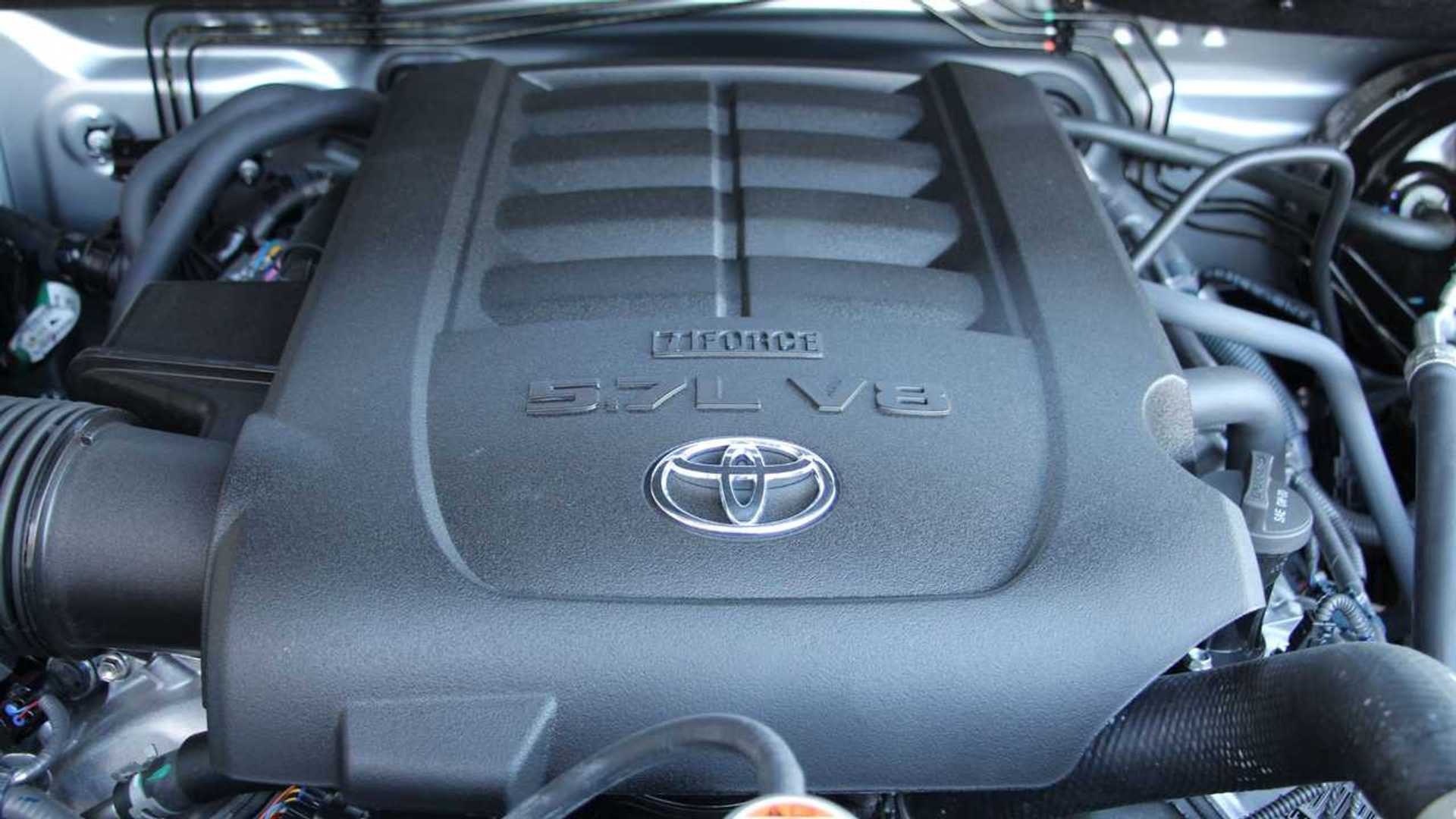
3. Toyota 5.7L i-FORCE V8
The 5.7L i-FORCE V8 from Toyota Motor Corporation shows that even large displacement V8s can achieve surprising fuel efficiency with the right engineering. This engine is primarily used in full-size trucks and SUVs, where power and towing capability are critical.
Despite its size, the i-FORCE employs Dual VVT-i technology, which allows the intake and exhaust valves to adjust timing according to driving conditions. By optimizing combustion in real time, this engine can deliver smooth performance while keeping fuel consumption in check.
Its aluminum alloy block reduces weight without sacrificing durability, helping the engine perform more efficiently under heavy loads and during long-distance driving.
Toyota engineers also focused on airflow management and internal friction reduction in the i-FORCE. The cylinder heads and intake manifold are designed to maximize volumetric efficiency, allowing the engine to burn fuel more completely.
This leads to better torque delivery at lower RPMs, which is especially important in trucks where towing and off-road capability are common. The engine’s compression ratio and precise fuel injection allow it to extract maximum energy from each drop of gasoline, making highway cruising surprisingly economical for a 5.7L V8.
Advanced engine mounts and balancing techniques also minimize vibration, which contributes indirectly to fuel efficiency by reducing energy losses caused by friction and unnecessary mechanical resistance.
Another feature enhancing efficiency is the integration of a modern 6-speed automatic transmission that complements the engine’s power curve. Gear ratios are optimized to keep the engine operating in its most efficient RPM range during normal driving.
For light loads or city driving, the engine can operate in a relaxed mode, consuming less fuel while still providing smooth acceleration when needed. The combination of intelligent valvetrain design and adaptive transmission tuning allows drivers to enjoy strong performance without the traditional penalty of a large, thirsty engine.
The i-FORCE V8 also benefits from Toyota’s proven reliability and low-maintenance design philosophy. Efficient thermal management and low-friction coatings help maintain consistent operation under various environmental conditions.
These factors ensure that the engine continues to perform efficiently over years of heavy use, unlike older V8s that tend to suffer from fuel economy degradation as components wear. This longevity, coupled with surprisingly good miles-per-gallon figures, makes the i-FORCE an appealing choice for consumers who need a capable V8 but are mindful of operating costs.
In real-world driving, the i-FORCE V8 surprises many with its balance of power and economy. While highway mileage is not on par with smaller V8s, it is exceptional for a full-size truck engine of its displacement. The engine’s broad torque curve ensures that drivers rarely need to push it to high RPMs, reducing fuel consumption during routine driving.
Combined with Toyota’s aerodynamic design for their trucks and SUVs, the 5.7L i-FORCE is one of the few V8s capable of delivering both muscular performance and realistic fuel economy in a large vehicle class.
4. Mercedes-Benz M178 4.0L Twin-Turbo V8
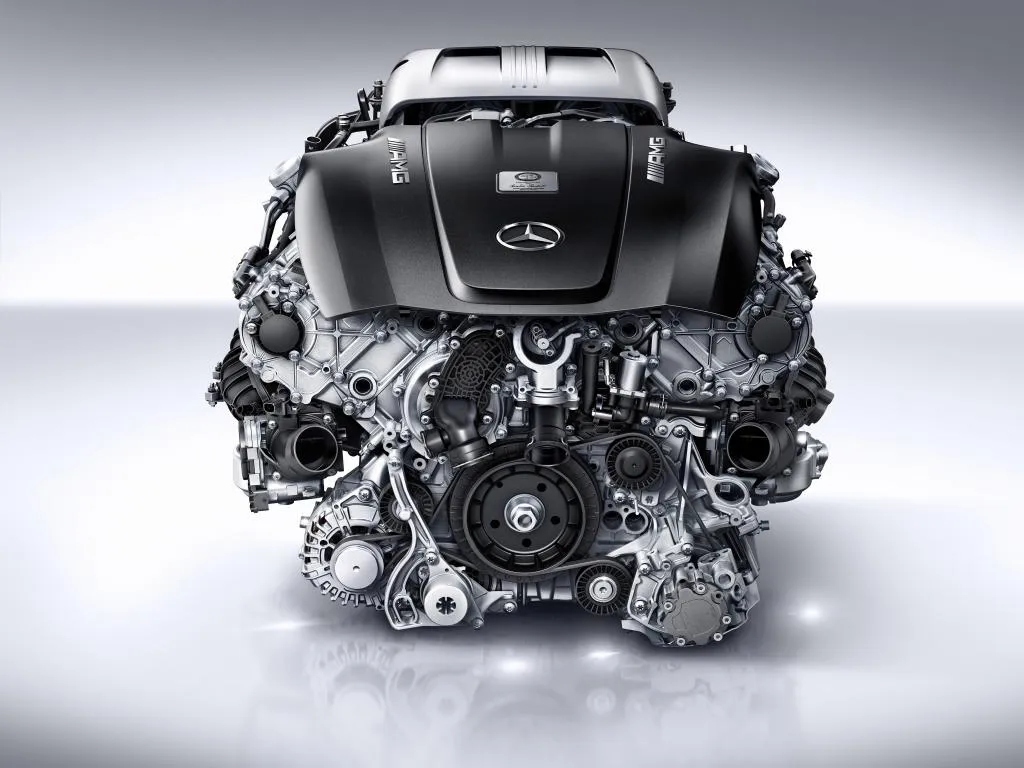
The M178 4.0L Twin-Turbo V8 from Mercedes-Benz and its AMG variants represent a significant leap in V8 efficiency through forced induction technology. By employing twin turbochargers, Mercedes-AMG is able to extract tremendous power from a smaller displacement than naturally aspirated V8s of similar output.
This downsizing, combined with direct injection and advanced thermal management, allows the engine to achieve impressive fuel economy during normal driving. Lightweight components, including aluminum alloy blocks and magnesium intake manifolds, reduce engine mass, directly impacting fuel consumption.
One of the M178’s key innovations is its hot-vee layout, which places the turbochargers inside the V of the engine. This design improves throttle response and reduces turbo lag while maintaining compactness. By shortening exhaust paths, the engine can spool the turbos more efficiently, extracting energy that would otherwise be wasted.
These engineering choices also contribute to better fuel economy, as the engine can operate in lower RPM ranges for longer without sacrificing power delivery. Combined with cylinder deactivation on certain AMG models, the M178 V8 can alternate between a 4-cylinder mode and full 8-cylinder operation, reducing fuel consumption in light-load scenarios.
The direct fuel injection system further enhances efficiency by precisely delivering fuel to each cylinder based on load, temperature, and RPM. This method ensures complete combustion, reduces emissions, and prevents fuel wastage.
Mercedes-AMG also optimized the engine’s software and electronics to continuously adapt to driving conditions. Predictive fuel maps, torque vectoring, and transmission control help ensure the engine operates in the most efficient state possible.
This intelligent management allows the V8 to respond aggressively when required while prioritizing economy during steady cruising. Advanced aerodynamics of AMG vehicles further complement this efficiency, making the car capable of longer distances without excessive fuel consumption despite its high-performance nature.
The M178 demonstrates that a V8 does not have to be naturally aspirated to achieve efficiency. Its combination of turbocharging, direct injection, cylinder deactivation, and weight reduction proves that modern engineering can reconcile power and economy.
For drivers who want the unmistakable sound and response of a V8 without the traditional fuel penalty, this engine provides a compelling example of how technology can make a high-performance V8 surprisingly practical.
5. Lamborghini 5.2L V10 Hybrid (V8 variant inspiration)
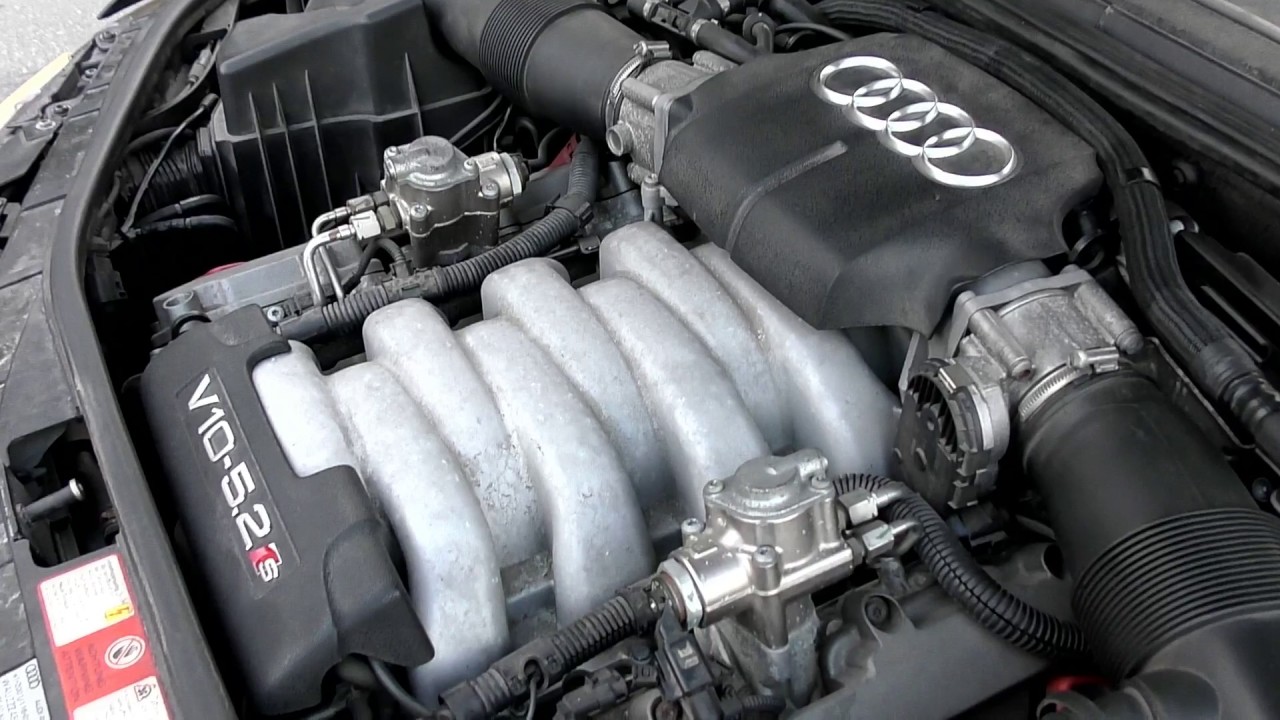
Although technically a V10, Lamborghini’s 5.2L hybrid powertrain draws inspiration from V8 efficiency strategies, offering a glimpse into how high-performance engines can combine with modern hybrid systems to save fuel. By incorporating electric assist and energy recovery systems, Lamborghini reduces the load on the gasoline engine during city driving or cruising.
This approach allows drivers to experience the exhilarating roar and acceleration of a supercar engine while maintaining better fuel economy than a traditional naturally aspirated unit of comparable output. Lightweight materials and an optimized combustion process further enhance efficiency, making this platform a benchmark for performance V8s considering hybrid technology.
The hybrid system can capture braking energy and store it temporarily, allowing electric motors to assist during low-speed acceleration. This reduces the demand on the internal combustion engine, particularly in stop-and-go traffic.
At highway speeds, the gasoline engine operates at near-optimal efficiency, while the battery and electric motors fill in torque gaps to maintain smooth acceleration. Lamborghini’s engineers carefully calibrate the engine and hybrid systems to balance thrilling performance with responsible fuel use, demonstrating that extreme power and efficiency can coexist with intelligent design.
Cylinder deactivation concepts, while more common in V8s, influence this engine as well. By selectively limiting fuel to certain cylinders under low-load conditions, the engine conserves fuel without noticeable loss in performance. Variable valve timing and direct injection complement this strategy, ensuring that combustion is always precise and complete.
The result is an engine capable of producing over 600 horsepower without the constant penalty of high fuel consumption, which is a remarkable achievement in the world of exotic supercars.
Thermal efficiency is another major factor contributing to fuel economy. Advanced cooling systems and heat management allow the engine to operate in a narrower thermal window, reducing wasted energy from overheating and friction.
Magnesium and carbon fiber components reduce mass and inertia, allowing the engine to respond faster while consuming less fuel. This combination of mechanical efficiency and hybrid technology represents the future of high-performance V8-inspired engines.
Finally, Lamborghini’s powertrain demonstrates that performance does not have to be sacrificed for efficiency. The electric assist enables lower RPM operation during routine driving, while the combustion engine delivers its signature power when demanded.
For those who seek the visceral excitement of a V8-like experience combined with modern hybrid fuel-saving strategies, this engine represents a glimpse of what is possible when cutting-edge design meets real-world practicality.
6. Audi 4.0L TFSI Twin-Turbo V8
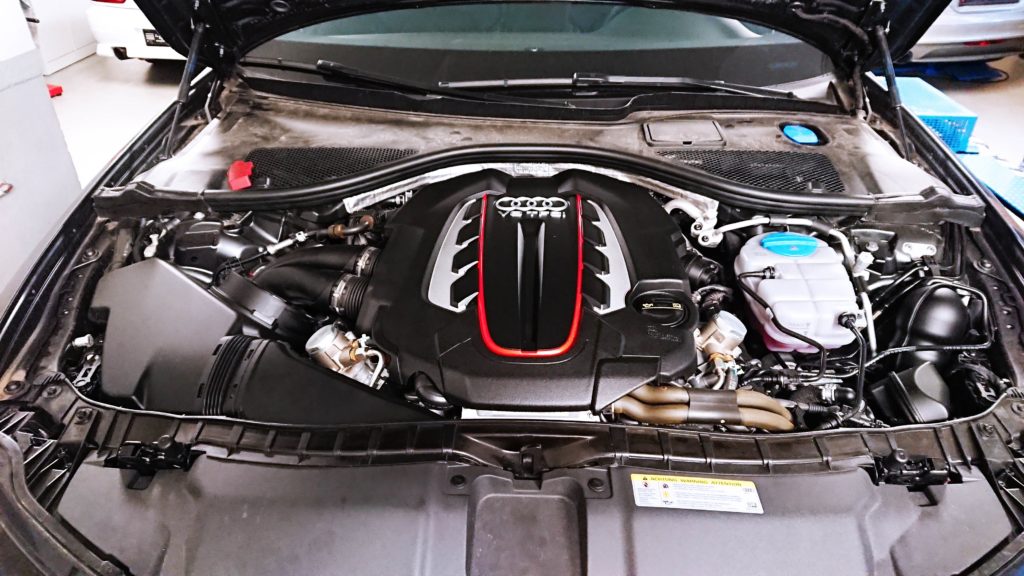
The 4.0L TFSI V8 from Audi AG uses twin turbochargers, direct injection, and cylinder-on-demand technology to achieve an exceptional balance of power and fuel efficiency. This engine powers high-performance sedans and SUVs, offering both rapid acceleration and surprisingly economical cruising.
Advanced valvetrain technology ensures that airflow is optimized across all operating conditions, allowing combustion to remain highly efficient even under heavy load. Audi’s focus on both mechanical and electronic efficiency ensures that the engine delivers the kind of torque that makes driving effortless while keeping fuel usage moderate for a V8.
Direct fuel injection and variable valve timing are key to the TFSI’s efficiency. By spraying fuel directly into the combustion chamber and adjusting valve timing in real time, Audi ensures complete combustion and optimal torque delivery.
The engine also features a lightweight aluminum construction and low-friction coatings on key components, reducing internal losses and contributing further to fuel savings. Turbochargers are positioned to maintain efficiency across all RPM ranges, ensuring that the engine remains responsive without unnecessarily wasting fuel at lower speeds.
The MMI (Multi Media Interface) and engine management software work in tandem to optimize driving dynamics. Real-time data from sensors adjusts fuel delivery, ignition timing, and turbo boost pressure, ensuring the engine always operates at peak efficiency.
When combined with modern automatic transmissions and dynamic drive systems, the TFSI V8 demonstrates that even high-performance engines can provide real-world fuel economy comparable to smaller naturally aspirated V8s.
In practice, the 4.0L TFSI excels in both spirited driving and daily commuting. Drivers experience the signature V8 growl and high torque while benefitting from fuel-saving technology during routine use.
This combination of engineering excellence and practical economy makes the TFSI V8 one of the most efficient and capable engines in its class, appealing to those who refuse to compromise between performance and fuel efficiency.
7. Nissan 5.6L Endurance V8
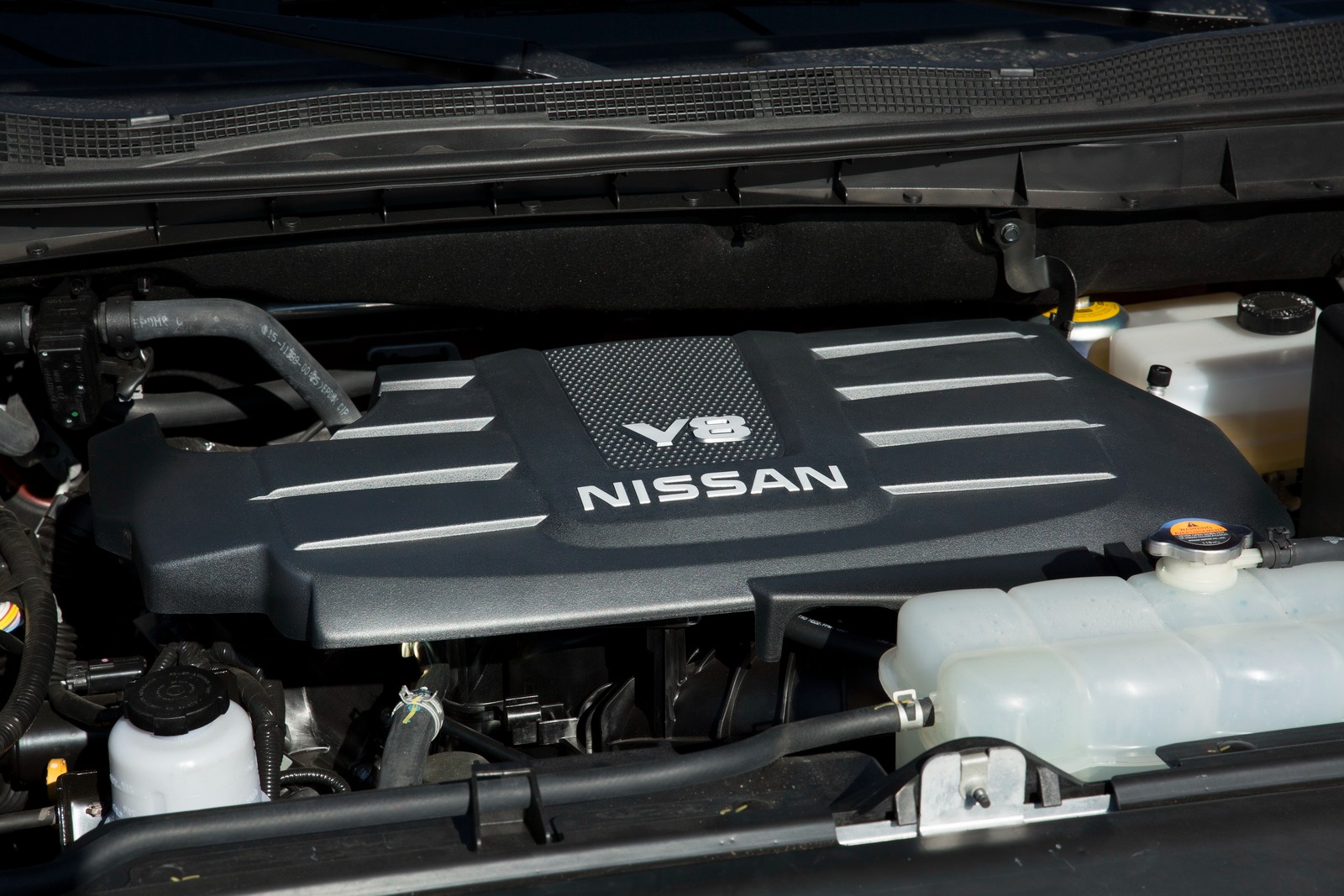
The 5.6L Endurance V8 from Nissan Motor Corporation demonstrates that traditional truck engines can still achieve respectable fuel economy with careful engineering. This naturally aspirated V8 powers large trucks and SUVs, where torque and towing are essential.
The engine’s torque curve is broad and flexible, allowing drivers to maintain moderate RPMs during highway cruising. This reduces the frequency of high-rev operation, which is typically where V8s consume the most fuel.
Additionally, the pairing with modern automatic transmissions enhances efficiency by keeping the engine in its optimal power band. Transmission and engine work together seamlessly, ensuring smooth acceleration and responsive performance without unnecessary fuel expenditure.
Cooling and thermal management are also important factors in fuel efficiency. The Endurance V8 employs advanced cooling circuits and lightweight materials to maintain consistent operating temperatures.
This reduces energy losses caused by overheating and prevents fuel from being wasted due to incomplete combustion. Combined with precise fuel injection, these measures make the engine surprisingly economical for its size, particularly in long-haul driving or towing scenarios.
The 5.6L Endurance V8 proves that traditional full-size V8s can be practical. Its combination of advanced valvetrain technology, lightweight materials, and intelligent transmission pairing allows it to provide the power expected from a truck V8 without excessive fuel consumption.
This balance makes it a reliable and efficient choice for drivers who require both performance and economy in a full-size SUV or pickup.
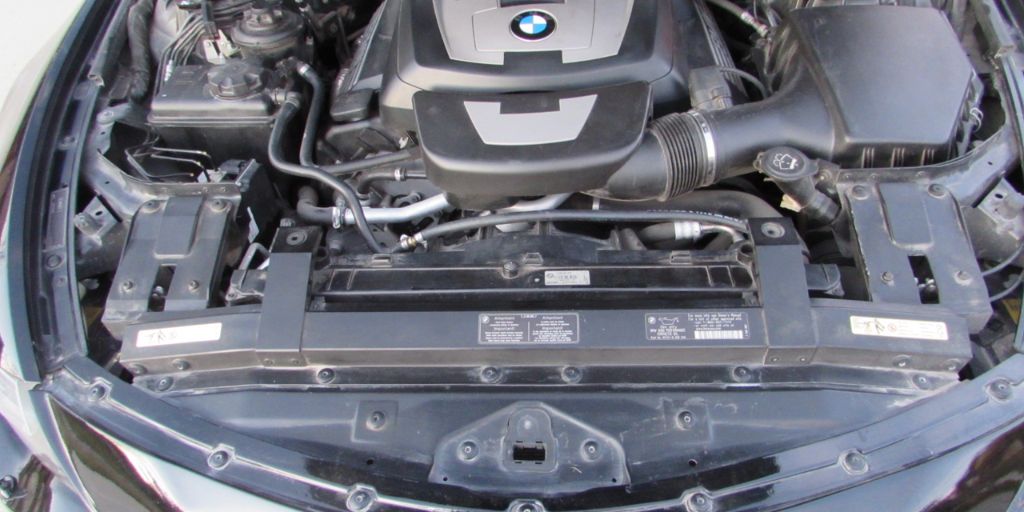
8. BMW 4.4L TwinPower Turbo V8
BMW’s 4.4L TwinPower Turbo V8 exemplifies the German automaker’s philosophy of blending performance with efficiency. This engine is featured across sedans, coupes, and SUVs, and it demonstrates that a V8 can deliver exceptional torque while remaining fuel-conscious.
By employing twin turbochargers, direct injection, and Valvetronic variable valve lift, BMW allows the engine to adapt its breathing according to demand. This means that under light loads, the engine can operate smoothly at lower RPMs, conserving fuel, while unleashing impressive power when acceleration is needed.
Lightweight aluminum construction and optimized internal components reduce friction and rotational mass, contributing further to efficiency without sacrificing reliability or durability.
Turbocharging provides the engine with a broad torque curve that allows for low-RPM acceleration. The turbos are integrated to minimize lag and optimize airflow, making the engine highly responsive while maintaining fuel efficiency. Direct fuel injection ensures precise combustion, reducing wasted fuel and maximizing energy output.
BMW’s attention to thermal management, including water-cooled intercoolers and advanced oil circulation, keeps operating temperatures ideal, further reducing energy losses. These features ensure that drivers can enjoy a responsive and engaging V8 experience while consuming less fuel than conventional naturally aspirated engines of similar output.
Advanced engine management software coordinates turbo boost, ignition timing, and throttle response to ensure efficiency without compromising driving pleasure. When paired with adaptive transmissions, the TwinPower Turbo V8 maintains optimal RPMs for fuel economy while offering smooth, instantaneous power delivery.
The integration of hybrid-like efficiency strategies, such as regenerative braking and intelligent gear management, allows the engine to excel in real-world driving situations, providing a blend of performance and practicality that few V8s achieve.
In practice, the 4.4L TwinPower Turbo V8 is celebrated for its ability to merge high-end performance with sensible consumption. Whether in a sporty sedan or a luxury SUV, drivers enjoy the deep, satisfying sound of a V8, instant torque, and smooth acceleration, all while experiencing respectable fuel economy for an engine of its caliber.
Its combination of mechanical ingenuity, electronic control, and lightweight construction makes it one of the most efficient and versatile V8s currently available.
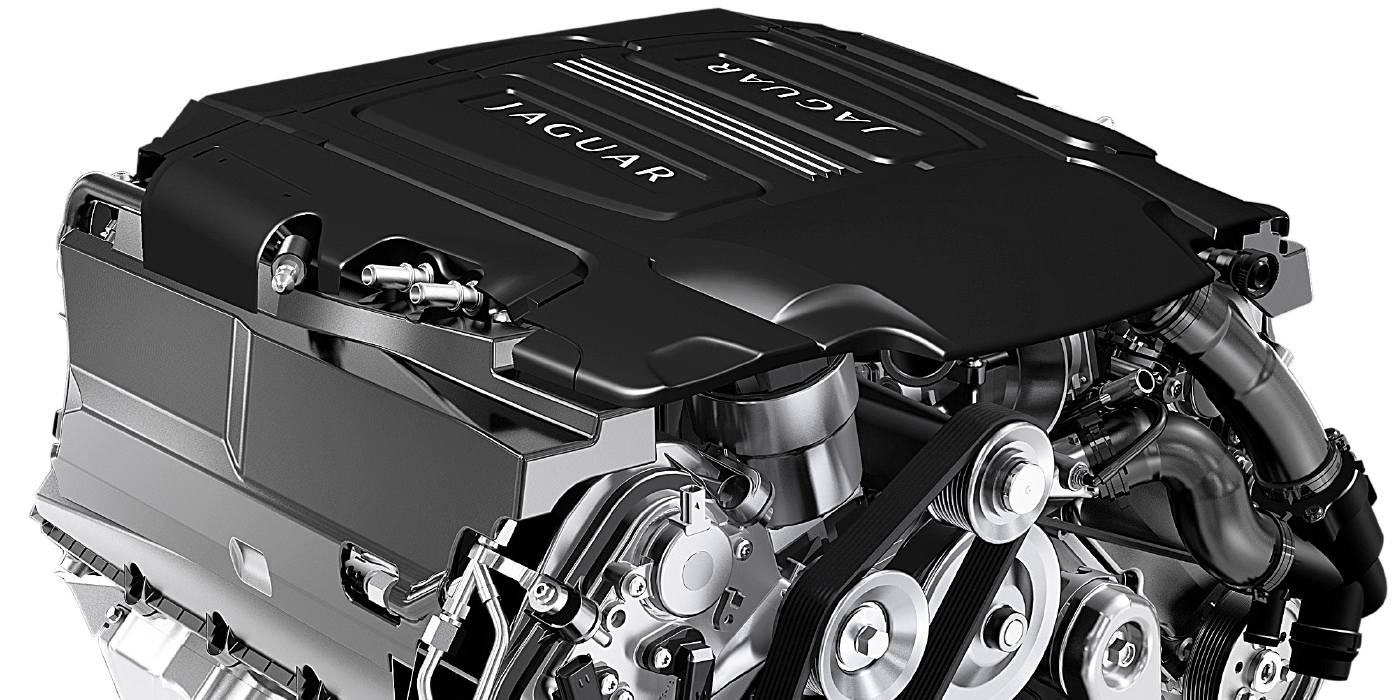
9. Jaguar 5.0L AJ-V8 Supercharged
Jaguar’s 5.0L AJ-V8 Supercharged engine demonstrates that high-performance V8s can achieve reasonable fuel efficiency through advanced forced induction and valvetrain technology. Found in sports cars and luxury sedans, this engine uses a supercharger to provide instant torque and impressive horsepower without requiring excessive displacement.
Combined with direct injection, variable valve timing, and an aluminum block, the AJ-V8 is able to deliver exhilarating acceleration while keeping fuel consumption in check. Jaguar’s engineering ensures that the engine maintains smooth operation across all RPM ranges, with performance and efficiency balanced through intelligent mechanical and electronic design.
As a result, city driving, cruising on highways, and moderate spirited driving can all be accomplished with far less fuel than expected from a traditional V8.
Direct injection and variable camshaft timing enhance combustion efficiency by optimizing the air-fuel mixture and valve timing for all conditions. The AJ-V8 also uses a lightweight design to reduce engine mass, allowing quicker throttle response and better efficiency.
Jaguar’s engineers calibrated the supercharger system to work in tandem with modern transmissions, ensuring that the engine remains in its optimal power band without excessive revving, which further improves fuel economy.
Thermal management is critical for maintaining efficiency under the high loads generated by forced induction. Jaguar implements water-to-air intercoolers, optimized coolant flow, and low-friction coatings on internal components.
These measures reduce wasted energy and maintain ideal operating temperatures, ensuring the engine’s energy is used primarily for propulsion rather than heat loss. The AJ-V8’s ability to combine supercharged performance with efficient combustion sets it apart from older V8 designs.
The 5.0L AJ-V8’s real-world performance shows that a high-output, supercharged V8 can remain surprisingly economical. Drivers enjoy the distinct V8 sound, powerful low-end torque, and confident acceleration without the constant penalty of high fuel consumption.
This engine demonstrates that forced induction, lightweight engineering, and precise fuel management can create a V8 that satisfies both enthusiasts seeking performance and consumers concerned about efficiency.
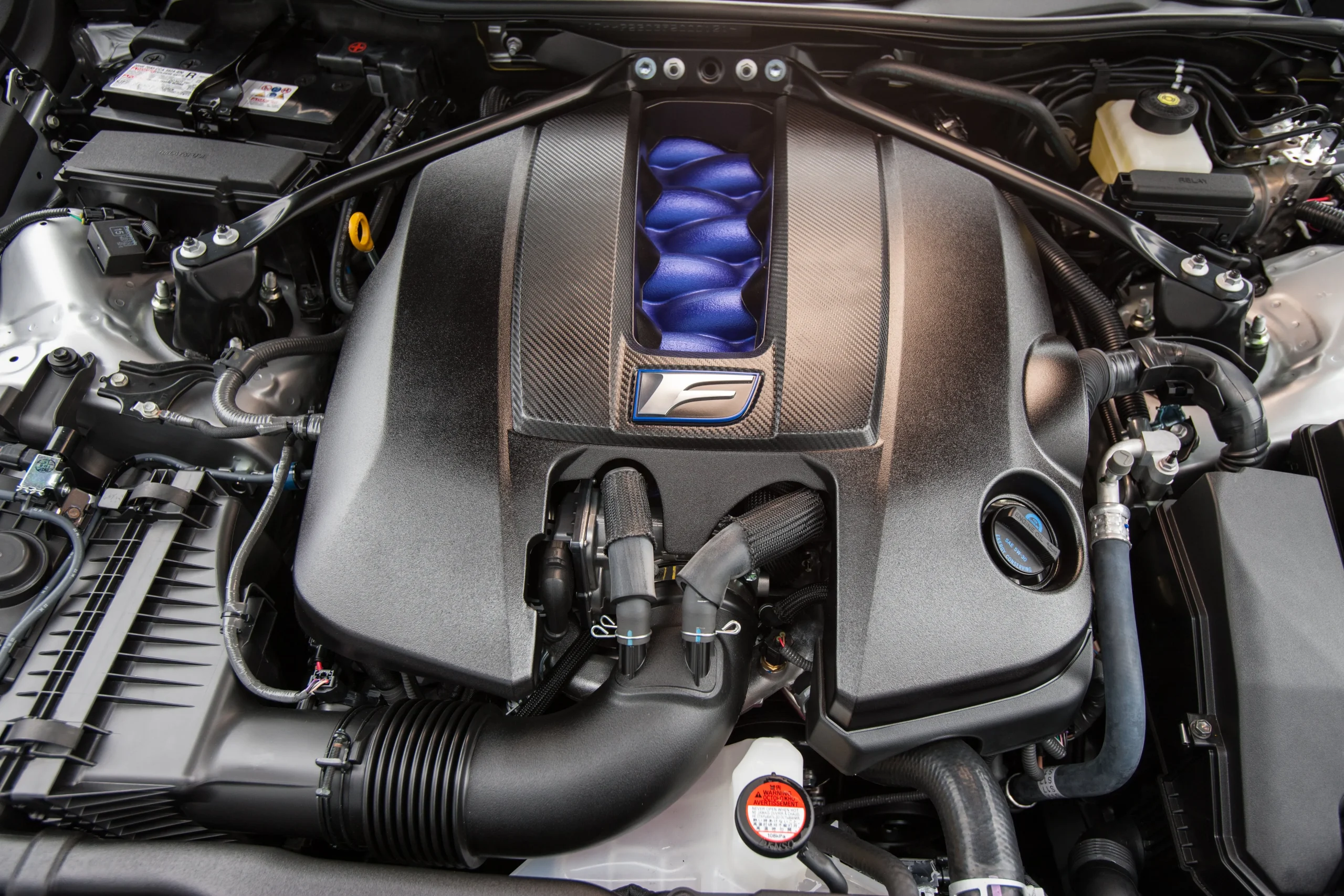
10. Lexus 5.0L V8 Hybrid
The 5.0L V8 Hybrid from Lexus represents the integration of traditional V8 performance and hybrid fuel-saving technology. Lexus combines a naturally aspirated V8 with an electric motor and high-capacity battery pack, allowing the engine to operate efficiently under a wide range of conditions.
During low-speed or light-load driving, the electric motor can power the vehicle entirely, reducing the demand on gasoline. The V8 contributes power during acceleration or heavy load, ensuring that performance remains uncompromised. This hybrid approach allows for remarkable fuel efficiency without sacrificing the torque and smoothness that define a luxury V8 experience.
The V8 Hybrid features an Atkinson-cycle combustion process, which is optimized for efficiency rather than peak power. While the engine can deliver its full output when necessary, its typical operation prioritizes fuel economy by reducing pumping losses and maximizing thermal efficiency.
Variable valve timing and direct injection further enhance the precision of combustion, ensuring that energy from each drop of fuel is fully utilized. Combined with lightweight construction and optimized aerodynamics in Lexus vehicles, these measures result in impressive real-world fuel economy for a large-displacement V8.
Energy recovery systems play a significant role in improving efficiency. Regenerative braking captures kinetic energy that would otherwise be lost, storing it in the hybrid battery for later use. This energy assists during acceleration or hill climbs, reducing the load on the gasoline engine and further improving fuel efficiency.
Intelligent hybrid management software coordinates the operation of the V8 and electric motors to maintain optimal performance and economy under all driving conditions.
In real-world conditions, the Lexus 5.0L V8 Hybrid demonstrates that fuel-efficient V8s are possible even in luxury performance cars. Drivers benefit from the classic characteristics of a V8, including smooth operation and powerful acceleration, while experiencing lower fuel costs compared with conventional engines of similar displacement.
This integration of hybrid technology, advanced combustion, and intelligent management represents the future of high-performance, efficient V8 engines, closing the gap between power and responsibility.
