
Outward visibility in a car refers to how clearly a driver can see the road and surroundings through the windows, mirrors, and windshield while seated behind the wheel.
For older drivers, this ability becomes especially important because vision changes with age, reaction time can slow down, and comfort plays a larger role in everyday driving.
A vehicle that offers excellent outward visibility allows the driver to quickly notice pedestrians, cyclists, signs, and other vehicles without unnecessary head movements or blind spot guessing.
Older drivers who choose a vehicle with good outward visibility often feel more confident and safe, reducing stress during maneuvers like parking or merging into traffic.
Cars built with large windows, upright seating positions, and thoughtfully designed mirrors tend to offer better visibility. Some vehicles also incorporate features like wide A-pillars that don’t obstruct views, larger rear windows, and low dashboard heights that help see the road immediately ahead.
These elements can make a real difference for older drivers who struggle with restricted sightlines or those who find themselves relying more on peripheral vision. Choosing a car with strong visibility characteristics can transform everyday errands into a more relaxed and controlled experience.
In addition to window size and seating position, pillar width plays a crucial role. Thick structural supports around the windshield and side windows can create blind zones where pedestrians or smaller vehicles disappear from sight.
A car with thinner pillars, or ones shaped to reduce obstruction, gives drivers a broader canvas of vision.
One must also factor in mirror size and placement. Larger side mirrors that are easy to adjust contribute to seeing things that direct line-of-sight doesn’t capture.
For older drivers, being able to position mirrors without strain enhances comfort and improves overall situational awareness on the road.
Another visibility factor is the height of the seat in relation to the vehicle’s frame. A higher seating position offers a commanding view of both nearby obstacles and the vehicles ahead.
Conversely, lower seating positions, typical in sportier cars, can make it harder to see over longer hoods or tall curbs.
Many drivers in later years appreciate vehicles where they can step into the cabin rather than bend down to sit, as this supports better posture and decreases neck or back strain. Cars that make entering and exiting easy while also providing a clear field of view become top choices for comfort-oriented older drivers.
Finally, visibility directly impacts driving confidence. A driver who knows they can see clearly in all directions may judge distances and speeds more accurately, react appropriately to unexpected hazards, and enjoy each journey with less anxiety.
This article highlights ten vehicles known for outward visibility, and each is examined with practical details that matter to older drivers who value comfort, safety, and peace of mind behind the wheel.
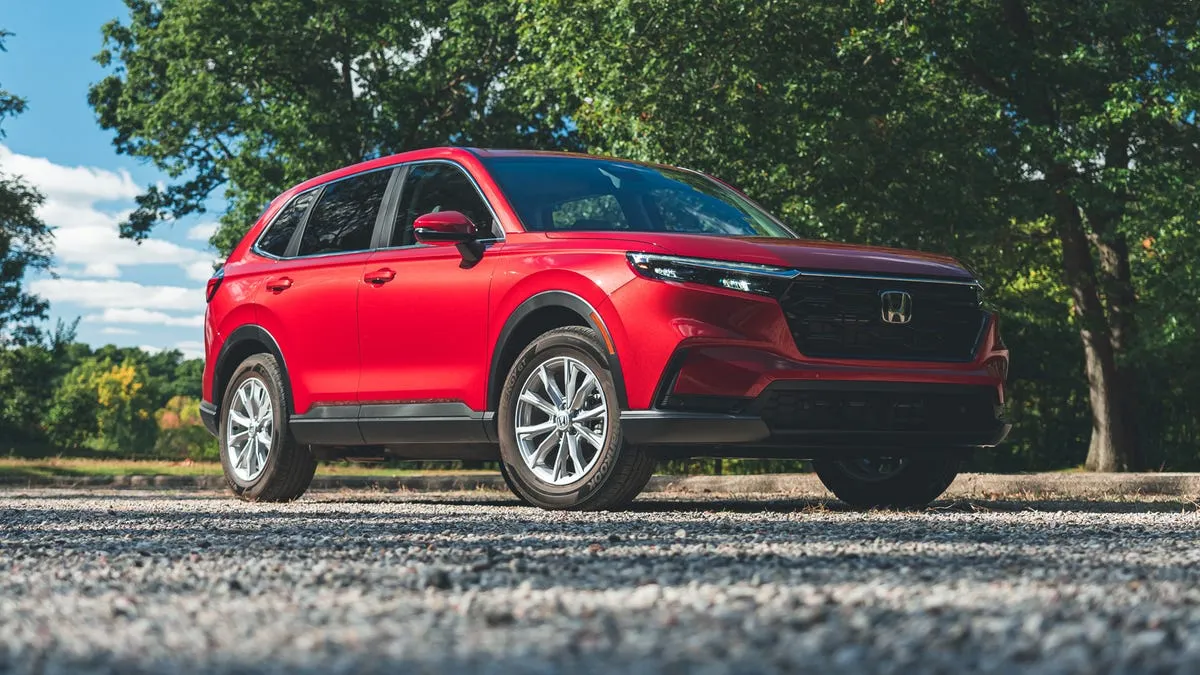
1. Honda CR-V
The Honda CR-V is widely recognized for its spacious interior and large windows that offer clear views all around. Its windshield extends forward without deep creases, allowing drivers to see the road ahead without obstruction.
The side windows are tall and broad, providing excellent peripheral vision while driving through tight city streets or winding rural roads. This visibility is especially helpful when navigating parking lots where spotting pedestrians matters most.
Inside the cabin, the seating position sits slightly elevated, giving drivers an advantage over smaller sedans where sightlines can be limited. Older drivers who prefer a commanding view of the road often appreciate the CR‑V’s cockpit design, which feels open and uncluttered.
Mirrors are generously sized and help reduce blind spots that might otherwise make lane changes difficult. The rear window is also large, minimizing guesswork when reversing or checking for obstacles behind the vehicle.
Another aspect that makes the CR‑V stand out is the dashboard layout that avoids high ridges or panels blocking forward views. This helps drivers accurately judge where the front wheels are relative to curbs or road lines.
Many older drivers report increased confidence when steering through traffic, as they can anticipate what’s ahead rather than leaning forward to see over the dash. The overall glass area in the CR‑V feels expansive compared to traditional SUVs with thicker roof supports.
In addition to its design, modern CR‑V models offer optional safety systems like blind‑spot monitoring, lane‑keeping assist, and rear cross‑traffic alert. These systems don’t replace natural visibility but serve as helpful supplements when older drivers might miss a quick motion in a blind spot.
The combination of clear sightlines and optional tech tools makes this vehicle ideal for those who value both traditional visibility and contemporary driver assistance.
Finally, the ease of getting in and out of the CR‑V contributes to comfort throughout long drives or frequent errands.
Older drivers often find the seats supportive and at a convenient height, minimizing strain on knees and hips. With its balance of outward visibility, thoughtful design, and accessible ergonomics, the Honda CR‑V earns its place on the list.
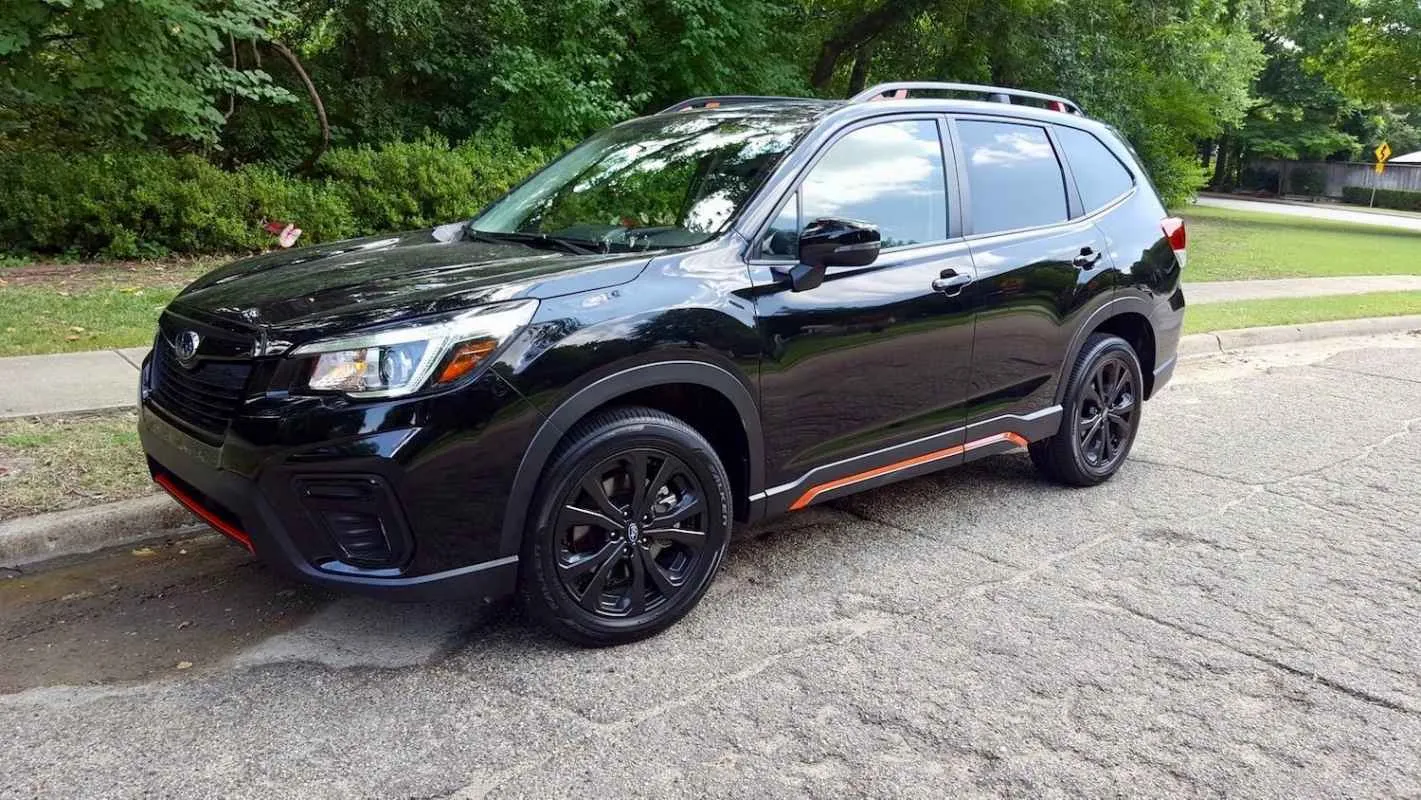
2. Subaru Forester
The Subaru Forester offers one of the best outward views in class thanks to its large greenhouse and minimal blind spots. The front windshield is nearly vertical, which helps drivers see far ahead without needing to adjust posture excessively.
Side windows wrap around the cabin, giving an unobstructed view of intersections and crosswalks. For older drivers who may struggle with quick head turns, this wide field of vision becomes a substantial advantage.
The seating in the Forester is higher than in many compact SUVs, positioning drivers above typical traffic lines for a better perspective. This elevated seating also improves visibility of road signs and changing conditions ahead.
Older drivers often comment that the Forester feels easier to “read” when navigating crowded streets because they can see both near and far without effort. A commanding perspective makes lane‑splitting traffic or merging feel less stressful.
One distinct benefit of the Forester is its thin roof pillars. While pillars are necessary for vehicle structure, thick supports can create blind zones that hide approaching cars or pedestrians. Subaru engineers designed the Forester’s pillars to be as unobtrusive as safety standards allow.
Combined with large windows, this results in superb visibility during turns and lane changes, critical moments where clarity matters most. Side mirrors are proportioned to match the visibility goals of the vehicle, helping reduce surprise blind spots.
Rearward vision is also strong in the Forester, thanks to a generous rear window that offers a clear line of sight when backing out of driveways or parking spaces.
Older drivers who may struggle with neck rotation find that the Forester’s visibility reduces the need for excessive turning, making reversing tasks easier and safer. The rear window’s height and width allow for accurate distance judgment.
Like many Subaru models, the Forester comes with optional safety packages that include rearview cameras and sensors, adding another layer of reassurance.
These features support older drivers who want extra confidence while maneuvering in tight spaces. Whether commuting to appointments or heading out on long trips, the Subaru Forester provides visibility that promotes comfort and safety.
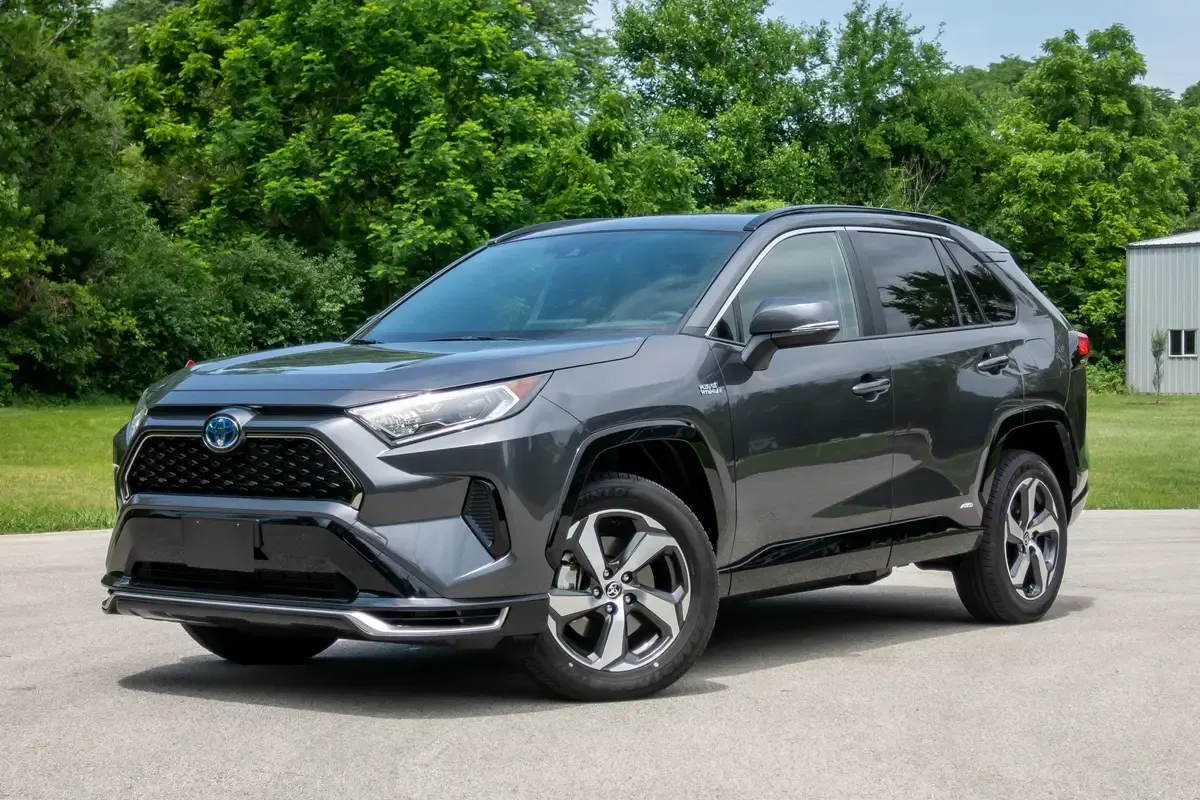
3. Toyota RAV4
The Toyota RAV4 is a top choice among compact SUVs for outward visibility because it combines strong sightlines with a well‑designed seating position. The front windshield in the RAV4 is slightly angled to reduce glare but still offers an expansive view of the road ahead.
Tall side windows help drivers keep track of surrounding traffic, making lane changes and merges smoother. For older drivers, seeing potential hazards quickly reduces hesitation and improves reaction time.
Inside, the RAV4 sits at a moderate height that allows drivers to see over most vehicle hoods without feeling perched too high. This balanced elevation helps maintain a stable driving posture while keeping the driver connected to the road.
Side mirrors are adjustable and wide enough to cover much of the space beside the vehicle, reducing the worry of blind spots. When combined with the generous window area, these features allow older drivers to drive longer distances without straining neck muscles.
Another important detail in the RAV4 is its dashboard design. The front section slopes gently and avoids blocking the lower part of the windshield.
Older drivers who have experienced cars with high dashboards often note that the RAV4’s design makes it easier to judge the position of the front bumper relative to curbs, speed bumps, or parking lines. This contributes to a calmer driving experience and better confidence in close‑quarter situations.
Rear visibility is also a strength of the RAV4. The rear window is wide and high, which helps drivers see directly behind the vehicle when backing up.
Older drivers who may find frequent head turning uncomfortable appreciate that they can rely more on mirror systems and head‑up visibility. Optional features like rear‑view cameras and parking sensors further support visibility, adding a safety buffer.
Throughout long journeys and daily errands, the RAV4’s seating comfort, thoughtful visibility features, and practical design make it a favorite for drivers seeking balance. Its real‑world visibility performance helps reduce worry on busy highways, in residential areas, and in parking lots alike.
4. Kia Soul
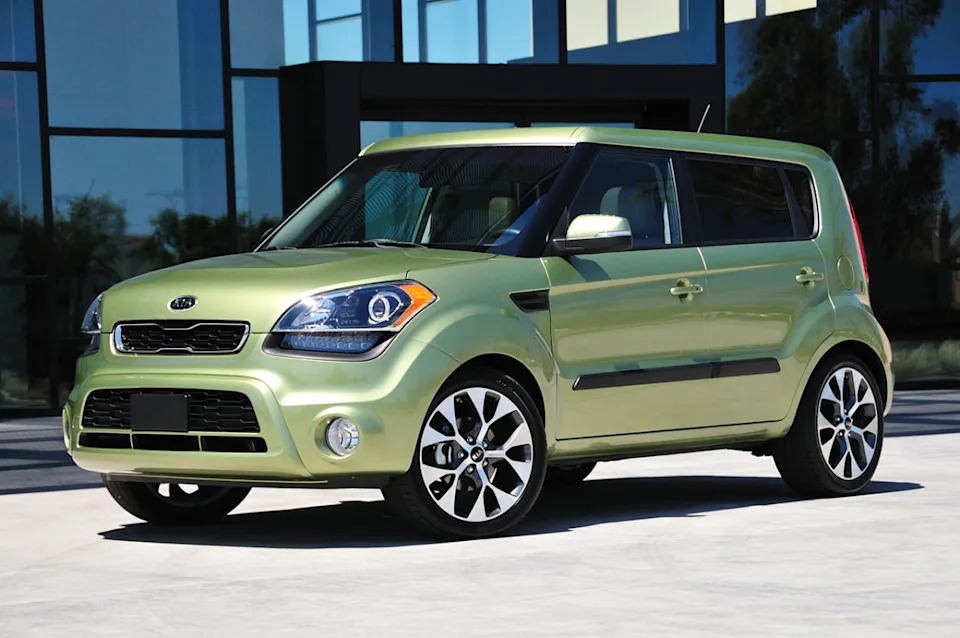
The Kia Soul offers a unique boxy design that favors outward visibility. The tall, upright windshield combined with large side windows makes it easy for drivers to see both the road ahead and the environment on either side.
For older drivers who may have difficulty holding a rigid posture or turning their head quickly, the Soul’s wide windows and clear sightlines reduce the need for repeated adjustments. This design creates a sense of space that feels reassuring during longer drives.
Inside, the seating position is relatively high and upright, offering a view over the longer hood that many compact cars have. This allows drivers to better anticipate upcoming traffic conditions without craning forward.
Additionally, the Soul’s dashboard is compact and low, ensuring that the forward view remains open and uninterrupted. Older drivers often find this layout helpful because it supports natural scanning of the road without effort.
Side mirrors on the Soul are larger than average for its class, giving a clear look at lanes on either side of the vehicle. This is particularly important on highways or multi‑lane roads where unsure visibility can lead to hesitation. Having a trustworthy side mirror view supports merging and changing lanes with greater confidence. Thin A‑pillars in the design also help older drivers stay aware of cross traffic at intersections.
The rear view from inside the Soul is enhanced by a sizable rear window that stretches across much of the back end. Backing out of parking spaces or driveways becomes easier when the driver does not need to tilt extensively to see what is behind. Many older drivers appreciate this feature because it lowers the risk of overlooking obstacles or smaller objects.
Optional rear cameras and sensors add to the visibility package by providing digital feedback when direct sightlines might be limited. Overall, the Kia Soul’s thoughtful design and generous window area deliver outward visibility well‑suited for older drivers seeking confidence and clarity on the road.
5. Volvo XC60
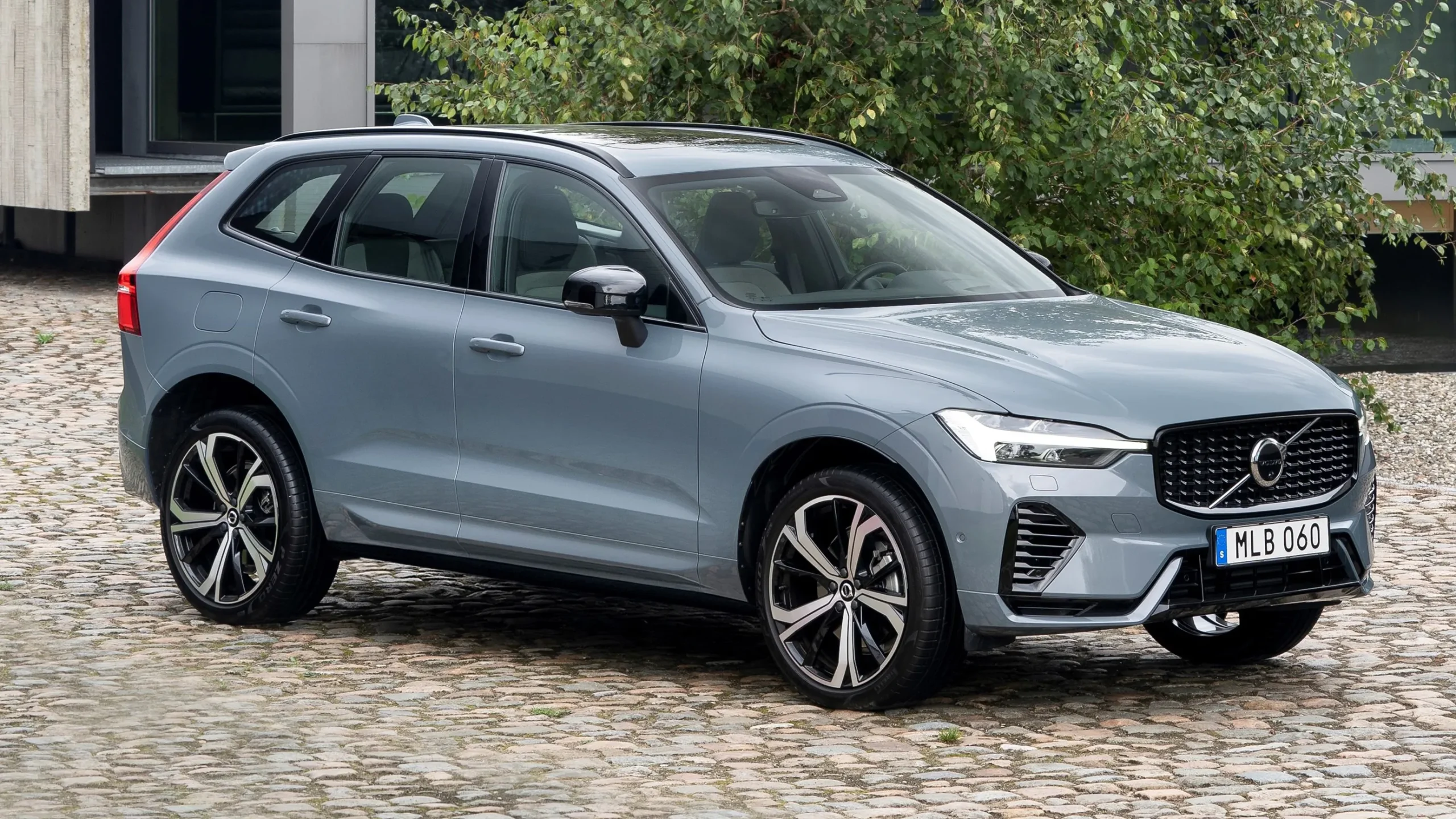
The Volvo XC60 combines luxury, comfort, and visibility features that appeal to older drivers. The front windshield is wide and expansive, offering a clear view of the road and surroundings ahead. Volvo’s design philosophy prioritizes driver awareness, meaning there are fewer blind spots around the cabin. Side windows provide generous fields of vision, helping drivers navigate city streets and highways with minimal head movement.
Seating in the XC60 is structured to give an elevated but not overly high position, which assists drivers in seeing over the hood without discomfort. The seat supports are designed for long‑distance comfort, which becomes important for older drivers who may spend extended time on the road. Side mirrors are integrated seamlessly that reduce visual obstruction and enlarge the visible area on either side of the vehicle.
Another strong visibility asset of the XC60 is the use of slender roof pillars that do not intrude into sightlines. This allows drivers to better judge corners, turns, and crosswalk zones without excessive leaning or guesswork. The dashboard remains low and unobtrusive, supporting clear forward visibility, especially helpful in urban environments where reaction time is key.
In the rear, the XC60 incorporates a relatively large rear window coupled with optional camera systems that help drivers see what’s behind without needing exaggerated twists of the neck. Older drivers who may feel restrained by physical limitations appreciate how this design improves safety and comfort during reversing maneuvers or parallel parking.
Advanced safety tech like blind‑spot monitoring, lane assist, and cross‑traffic alert enhance outward visibility without replacing natural sightlines. In every aspect, the Volvo XC60 layers traditional visibility strengths with modern tools, making it a strong choice for older drivers seeking reliability and confidence.
6. Mazda CX‑5
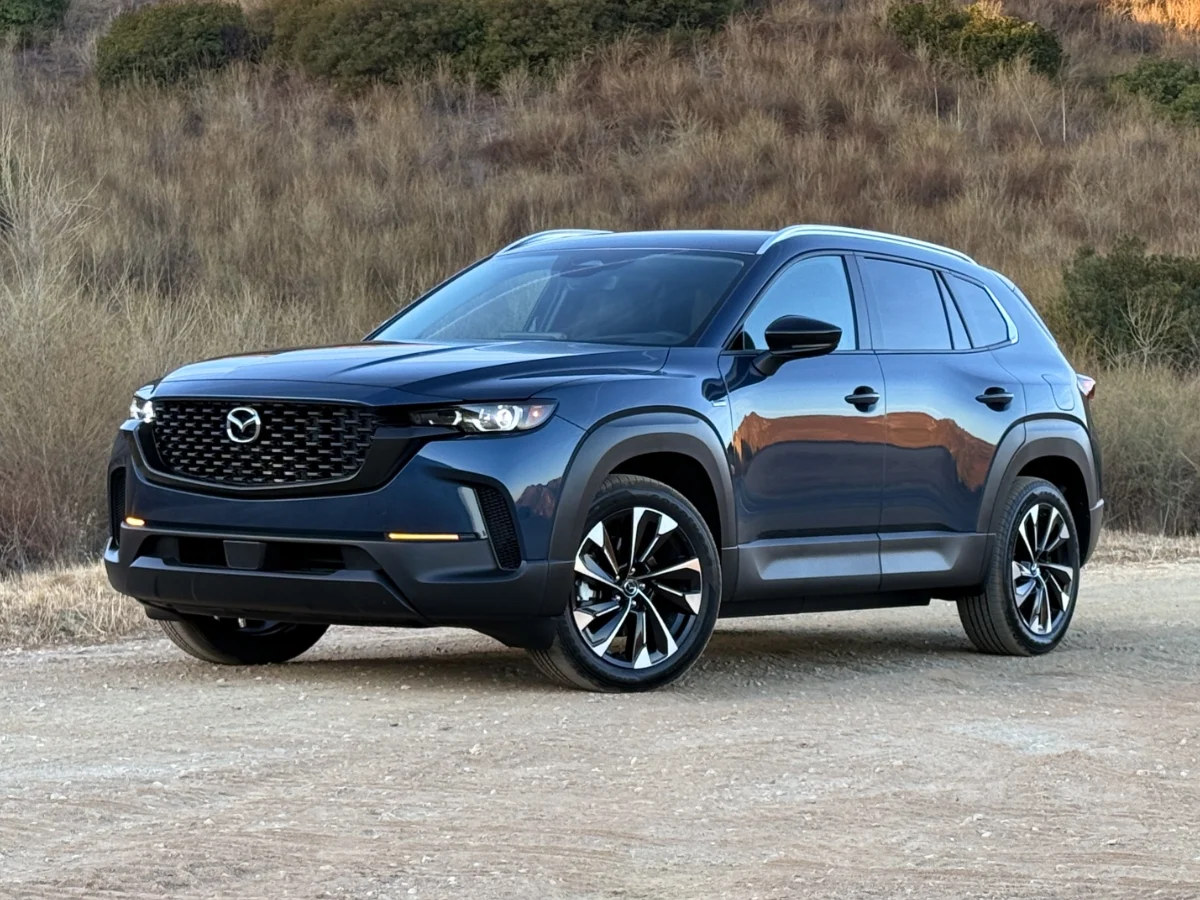
The Mazda CX‑5 is another strong candidate due to its driver‑centric layout and thoughtful window design. The windshield stretches forward with minimal interruption, giving a clear view of distant objects while changing lanes or moving through traffic.
Side glass areas remain generous, helping drivers notice pedestrians and smaller vehicles at intersections without leaning or craning their necks. Older drivers often find themselves relaxed behind the wheel because they can see what matters most without strain.
Seats in the CX‑5 are set at a moderate height that aids visibility across varying traffic conditions. The vehicle’s proportions help keep the driver’s eye level well aligned with the road, which can be especially comforting on longer journeys. Wide side mirrors complement the ample window space, reducing blind zones that might otherwise require excessive head turning. This balance of design features creates an environment suited for those who value clarity and control.
The CX‑5’s dashboard slopes downward toward the windshield, avoiding any unnecessary blocking of forward sightlines. This allows drivers to judge distances, speed bumps, or approaching turns without leaning forward. Older drivers who have experienced vehicles with restrictive dashboards appreciate the design clarity offered here because it reduces guesswork about what lies directly ahead.
Rear visibility in the CX‑5 is also solid thanks to a large rear window and rearview mirror combination that captures a wide area behind the vehicle. This makes reversing or maneuvering in tight parking spots easier without repeated neck movement. Built‑in sensors and optional cameras further assist in situations where direct sight is compromised.
The Mazda CX‑5 pairs dynamic driving characteristics with excellent outward visibility. Its practical design promotes confidence on urban roads, highways, and residential neighborhoods alike. Older drivers who prioritize visibility and comfort often find the CX‑5 a reassuring choice.
7. Ford Escape
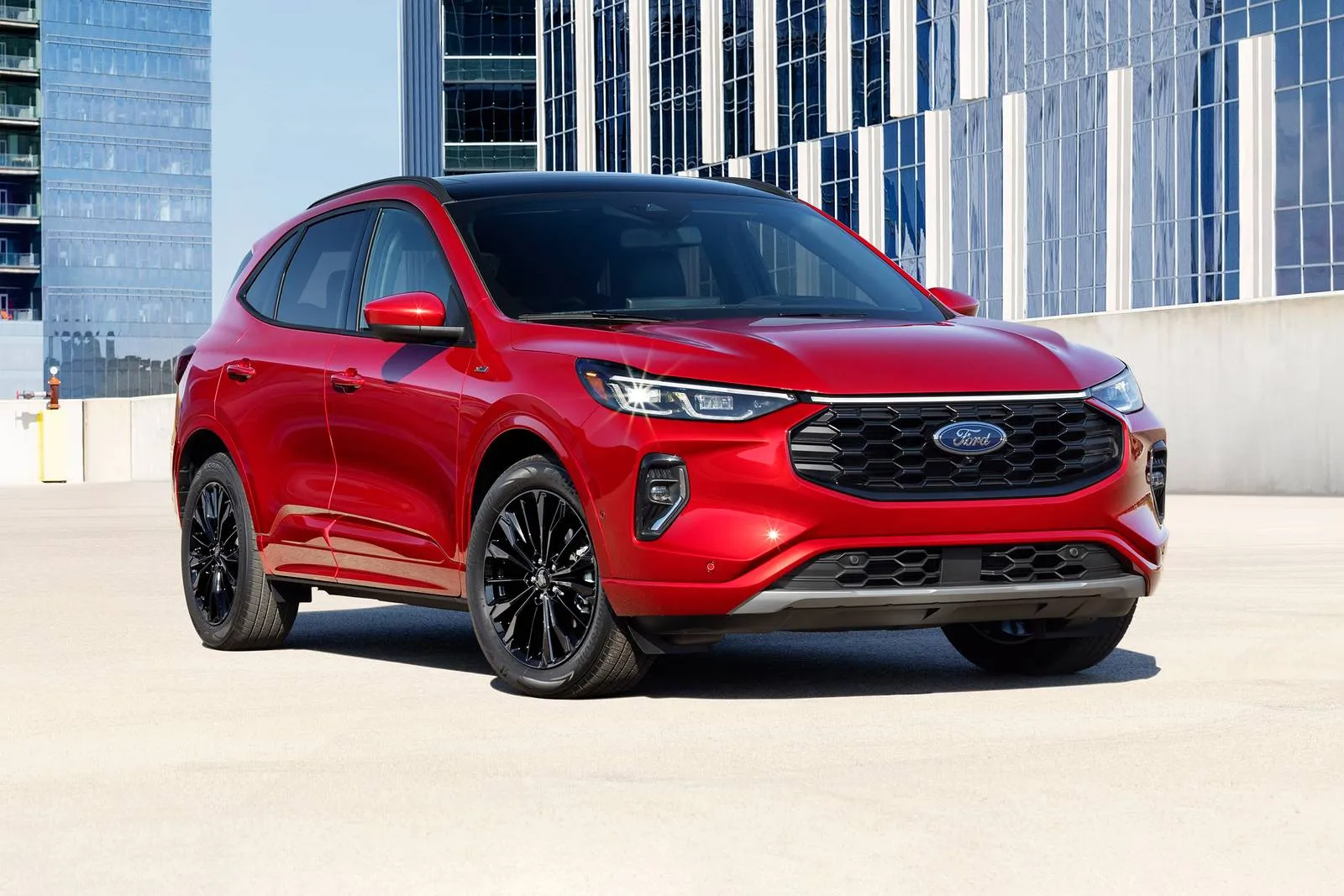
The Ford Escape provides a comfortable seating position and large windows that older drivers appreciate for outward visibility. The front windshield is slightly tilted but remains expansive enough to offer clear views ahead.
Side windows extend toward the rear, helping eliminate hidden corners when approaching crosswalks or turn lanes. This quality of design makes the Escape suitable for drivers who want to feel fully aware of their environment while navigating traffic.
Inside the cabin, the Escape offers an upright seating stance that supports visibility over most bonnet shapes. This means older drivers do not need to adjust their posture excessively to spot potential hazards.
Side mirrors are wide, granting better coverage of adjacent lanes, which is especially useful during lane changes on busy highways or suburban roads. Clear sightlines contribute to calmer driving experiences overall.
The dashboard layout also supports visibility by maintaining a low profile, helping drivers see the road directly in front of them. Older drivers often comment that they can sense the vehicle’s position more accurately when approaching curbs or obstacles, improving confidence during city driving or tight parking situations. Low dashboard heights paired with large windows reduce blind spots that commonly challenge aging vision.
Rearward vision is facilitated by a generous rear window and optional rear camera systems. This combination helps drivers back out of spaces with fewer concerns about unseen obstacles. Older drivers who find frequent neck turning uncomfortable benefit from the Escape’s design, which allows them to rely more on mirror visibility and optional tools.
Higher trims of the Escape often include additional safety and visibility enhancements, such as blind‑spot alerts and cross‑traffic detection. These features help supplement natural sightlines without replacing critical driver awareness. As a result, the Ford Escape becomes a practical choice for older drivers seeking a balance of outward visibility and modern driving comfort.
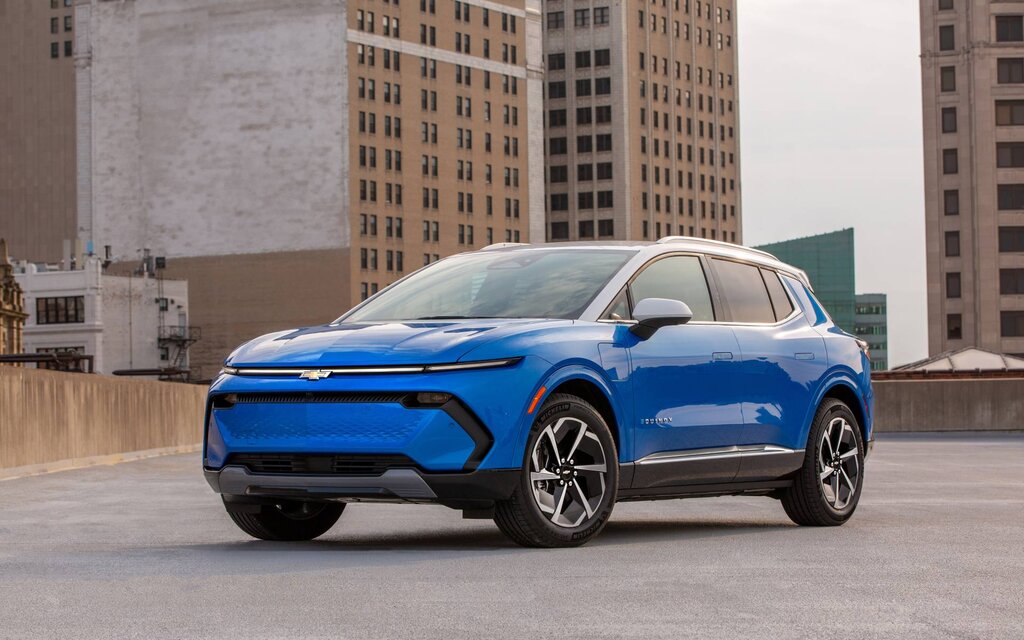
8. Chevrolet Equinox
The Chevrolet Equinox is known for its user‑friendly design and good outward visibility. Its wide windshield allows a broad view of the roadway ahead, with minimal obstruction from roof supports or dashboard elements.
This is particularly beneficial for older drivers who might otherwise need to reposition themselves frequently to get a clearer look at distant objects or shifting traffic conditions. The windshield’s size helps anticipate changes without unnecessary effort.
The side windows contribute to a panoramic feel inside the Equinox, aiding awareness of cars, cyclists, and pedestrians approaching from either direction. Older drivers often emphasize how helpful this is when merging into traffic or making tight turns.
The generous glass area reduces reliance on mirrors alone, making real‑world driving feel more natural and secure. Wide side mirrors also support visibility along adjacent lanes, reducing blind spots that can be difficult to monitor.
Seating in the Equinox is set at a comfortable height that improves visibility over the hood without creating a sensation of being perched too high. This balance helps drivers maintain a clear view of road conditions while preserving a stable posture. The dashboard design remains modest and low, ensuring that the forward view remains largely unobstructed. This simplicity in layout reduces mental load and contributes to a calmer driving experience.
Rear visibility in the Equinox is similarly supportive, with a large rear window that provides a clear progress view when reversing. For older drivers who may find frequent neck rotation uncomfortable or painful, the Equinox’s design helps minimize the need for excessive movement to verify what lies behind. Optional rear‑view cameras and sensors further enhance confidence when parking or backing out of driveways.
The Equinox also offers visibility‑enhancing technology such as blind‑spot detection and rear cross‑traffic alerts, which can be particularly useful in busy parking lots or urban environments. These additional supports work alongside the natural visibility features to provide older drivers with reassurance and practical awareness on the road.
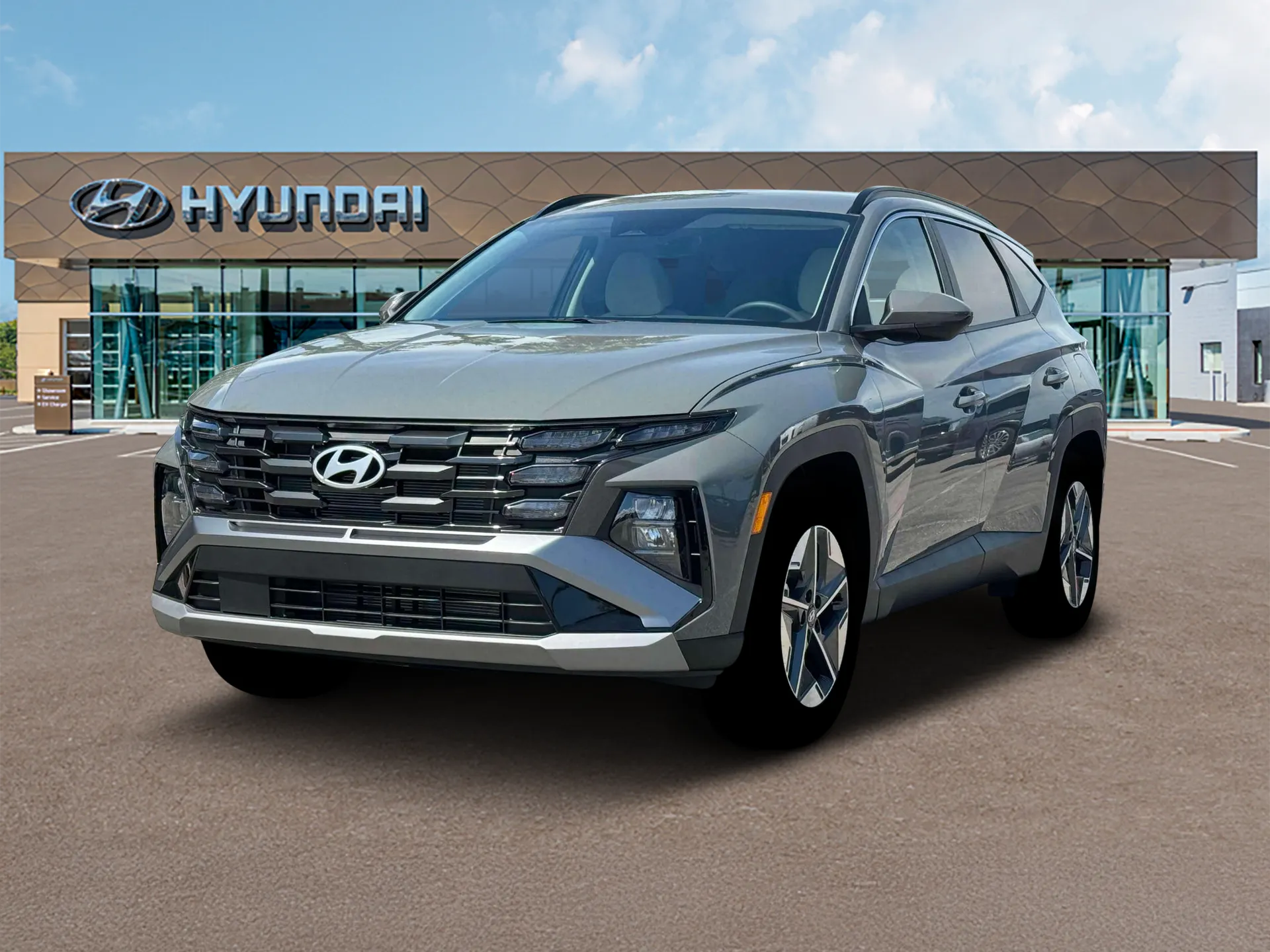
9. Hyundai Tucson
The Hyundai Tucson combines sleek styling with generous outward visibility that appeals to older drivers. Its large windshield gives a wide forward view, free from visual interruptions that might distract or obscure important details on the road.
Side windows are generously sized, helping drivers detect vehicles or pedestrians approaching from angles that might otherwise be hidden. This expansive glass area supports a natural sense of awareness while navigating different traffic situations.
Inside, the seating position provides a balanced elevation that lets drivers see over most vehicle hoods without feeling too elevated. This perspective helps older drivers monitor changing conditions ahead, such as slowing traffic or sudden stops.
Adjustable side mirrors enhance the benefits of large windows by reducing blind zones along the vehicle’s sides, promoting smoother lane changes and safer highway driving.
Hyundai kept the Tucson’s dashboard design simple and low, ensuring it does not block the view ahead. This benefits older drivers who want a clear view without needing frequent posture adjustments. The open feel inside the cabin fosters confidence, particularly in urban driving or busy intersections where split‑second decisions matter. Being able to see the road’s contours and edges directly contributes to a safer driving experience.
Rear visibility remains strong due to the vehicle’s wide rear glass, allowing a clear perspective when backing out of spaces or reversing.
Older drivers who find turning their heads repeatedly uncomfortable can rely on the Tucson’s design to minimize unnecessary neck movement. Optional assistance technology such as cameras and sensors can further aid visibility when direct line‑of‑sight is limited.
When taken together, Tucson’s outward visibility, ergonomic design, and optional safety features make it an appealing choice for older drivers. The combination supports a confident driving experience across city streets, highways, and suburban areas alike.
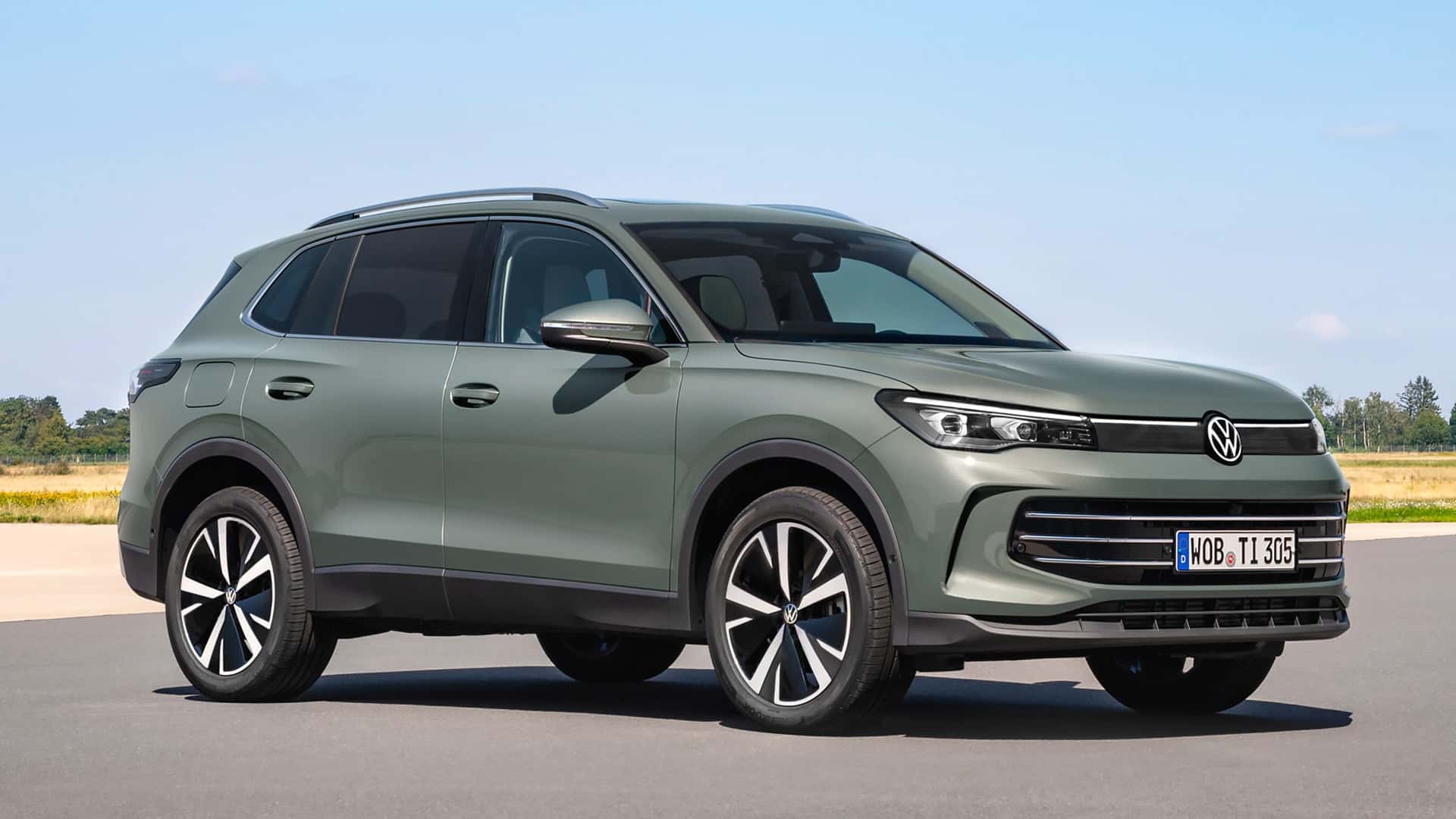
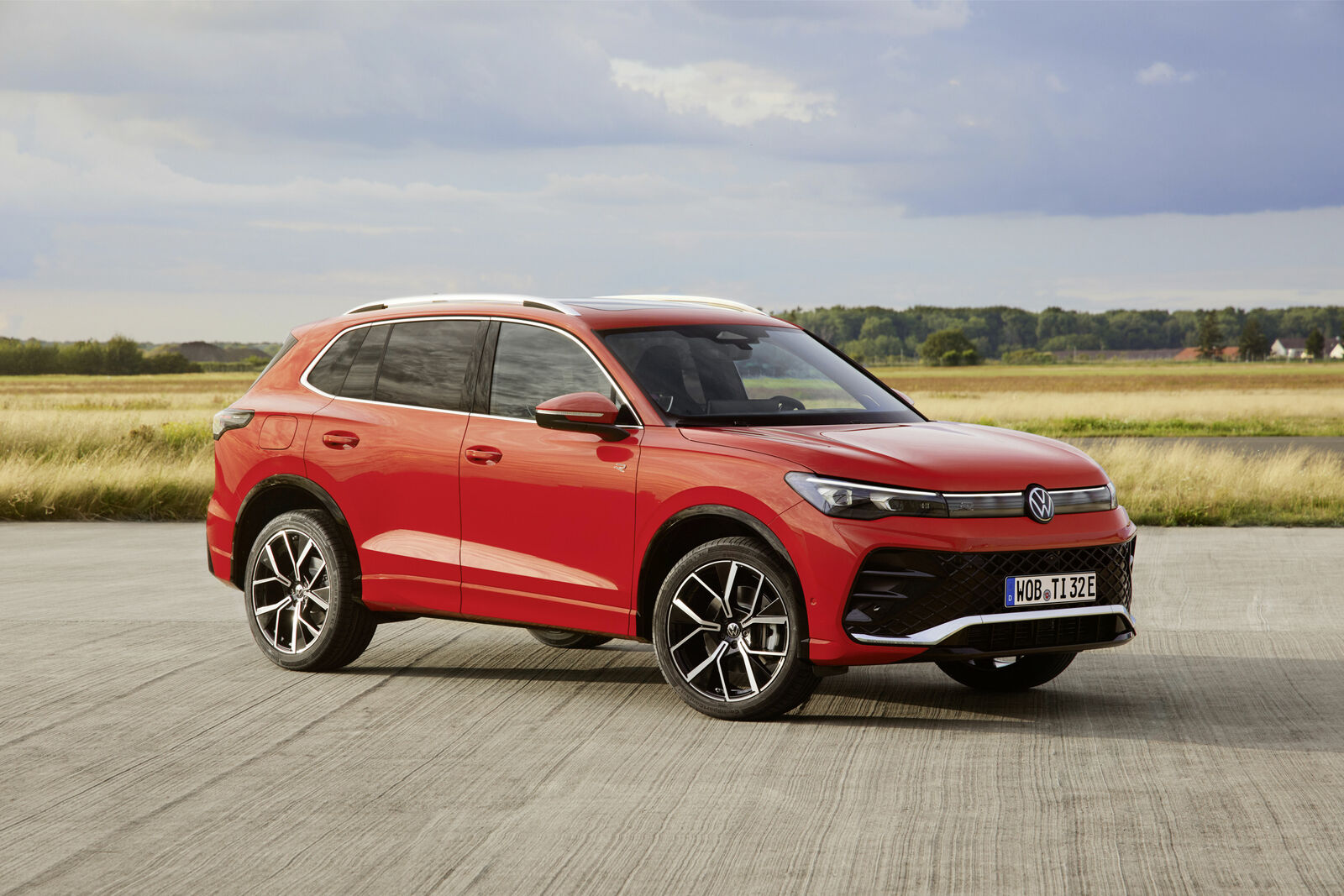
10. Volkswagen Tiguan
The Volkswagen Tiguan rounds out this list with strong outward visibility that many older drivers find reassuring. Its windshield stretches wide and tall, allowing a clear view of the road and surroundings ahead.
Side windows are proportioned to reduce blind spots while offering an open feel inside the cabin. This visibility is especially useful when switching lanes or checking for pedestrians near intersections.
The Tiguan’s seating position falls at a moderate height that lets drivers monitor changes in traffic flow without feeling disconnected from the road. Older drivers who value a clear view of both nearby and distant conditions often appreciate how the Tiguan accommodates sightlines without excessive effort.
The side mirrors are large and easily adjustable, helping to cover areas not visible through direct sight alone. This reduces the need to twist or turn to check critical angles.
Volkswagen’s designers kept the dashboard low and uncluttered, preventing it from interfering with forward visibility. Older drivers who have experienced restrictive dashboards in other vehicles notice the Tiguan’s clearer sightlines when entering or exiting driveways. This makes small obstacles easier to spot and can increase comfort during neighborhood driving or tight turns.
Rearward visibility in the Tiguan is supported by a wide rear window that offers a reassuring view behind the vehicle. Older drivers who may find repeated neck movement uncomfortable can benefit from the Tiguan’s layout, relying more on the window and mirror combination to monitor approaching objects. Optional rear cameras and parking aids further enhance this visibility package.
In addition to natural sightlines, available safety systems such as blind‑spot warning and cross‑traffic alerts act as valuable aides when direct vision is limited. The Tiguan’s blend of design features and visibility enhancements results in a vehicle that helps older drivers feel confident and in control.
