
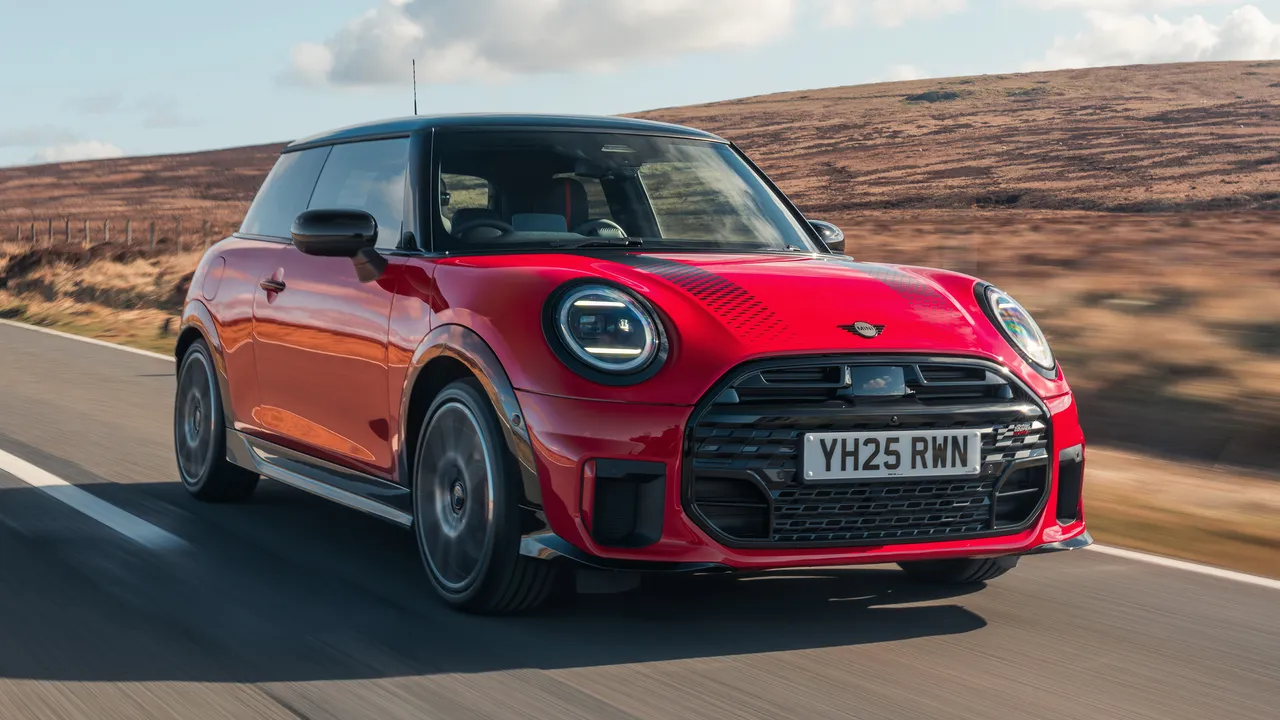
Front-wheel-drive cars are often associated with everyday practicality, better fuel efficiency, and easier handling in slippery conditions, but they rarely carry the reputation for delivering the thrilling driving dynamics of rear-wheel-drive vehicles. RWD cars are traditionally celebrated for their balance, agility, and responsiveness, particularly when cornering.
Yet, in recent years, automotive engineers have managed to push the boundaries of front-wheel-drive platforms, creating models that provide an experience remarkably close to the feel of RWD vehicles. This transformation is the result of innovations in chassis tuning, suspension geometry, weight distribution, and advanced traction and stability control systems.
Modern front-wheel-drive cars can feature enhanced double-wishbone or multi-link rear suspension setups, limited-slip differentials, and precise steering calibrations that mimic the dynamics of rear-wheel-drive layouts.
These engineering advancements allow drivers to enjoy sharper cornering, improved responsiveness, and a more engaging driving experience, without sacrificing the practicality and packaging benefits of a front-driven layout. Automotive enthusiasts now have multiple options to experience spirited driving from FWD vehicles that feel planted, agile, and predictable under demanding conditions.
This list focuses on cars that have earned praise for their dynamic capabilities, particularly those that demonstrate behavior commonly associated with rear-wheel-drive platforms. Factors such as steering feel, balance under throttle, cornering agility, and driver engagement are considered in highlighting vehicles that stand out from the typical FWD stereotype.
Some of these cars are naturally aspirated, emphasizing driver feedback and mechanical feel, while others leverage turbocharging or performance-oriented trims to enhance driving excitement.
The vehicles covered span a variety of categories, from compact sports sedans to hot hatches, proving that the concept of a front-driven car with RWD-like handling is not limited to one specific type.
These cars represent the intersection of engineering creativity and driving enjoyment, showing that careful suspension tuning, chassis refinement, and thoughtful design can make a front-wheel-drive car surprisingly fun to drive.
Whether you are seeking a daily driver that handles corners confidently or a performance-oriented hatch that rewards skilled inputs, the following models provide examples of FWD cars that successfully deliver a feel reminiscent of rear-wheel-drive dynamics.
In this article, we present the top ten front-wheel-drive cars that stand out for their handling, balance, and responsiveness. Each entry has been selected based on the combination of driving engagement, engineering sophistication, and the ability to instill confidence during spirited driving.
These vehicles demonstrate that front-wheel-drive does not have to mean compromising excitement, proving that proper design and tuning can blur the line between conventional FWD and the exhilarating dynamics often reserved for rear-wheel-drive cars.
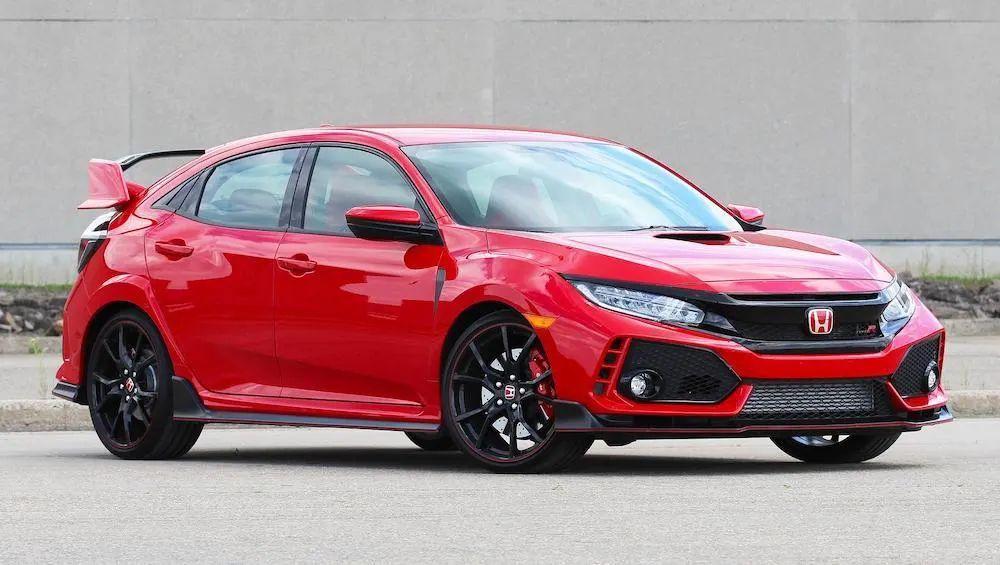
1. Honda Civic Type R
The Honda Civic Type R is widely regarded as one of the most engaging front-wheel-drive cars on the market. Its naturally aspirated engine delivers high-revving power while remaining connected to the road through a precise six-speed manual transmission.
The Civic Type R’s suspension has been extensively engineered to provide minimal understeer and maximum cornering stability. This makes it feel remarkably planted, especially when pushed hard through winding roads.
The steering system in the Type R is finely tuned to give feedback that allows the driver to feel the car’s behavior at the limit. This, combined with the car’s weight distribution, ensures that throttle inputs translate into predictable and controlled exits from corners.
The car also features a sophisticated adaptive damper system, which adjusts stiffness depending on driving conditions. These elements contribute to a driving experience closer to RWD vehicles than traditional FWD cars.
Honda also designed the Type R’s chassis with rigidity and reinforcement in mind. This helps reduce flex during aggressive cornering, maintaining stability and consistent handling. The combination of strong structural integrity and performance-oriented suspension geometry ensures that the car responds smoothly to steering inputs while retaining composure.
As a result, the Civic Type R does not just handle well in straight lines but also rewards skilled drivers through dynamic curves.
Performance-focused tires and lightweight alloy wheels further enhance the Civic Type R’s capability. The grip they provide, combined with the car’s precise balance, allows confident cornering without excessive tire wear or instability.
Additionally, braking performance has been optimized to support spirited driving. The powerful brakes and consistent pedal feel give drivers the confidence to explore the limits of handling without sacrificing control.
The Civic Type R is not just about raw performance; it also balances daily usability with a high level of engagement. The cabin offers ergonomics conducive to spirited driving, and the engine’s responsiveness ensures that acceleration is immediate.
For enthusiasts who appreciate the feel of rear-wheel-drive cars but prefer the predictability of front-wheel drive, the Honda Civic Type R remains a benchmark for handling and driver enjoyment.
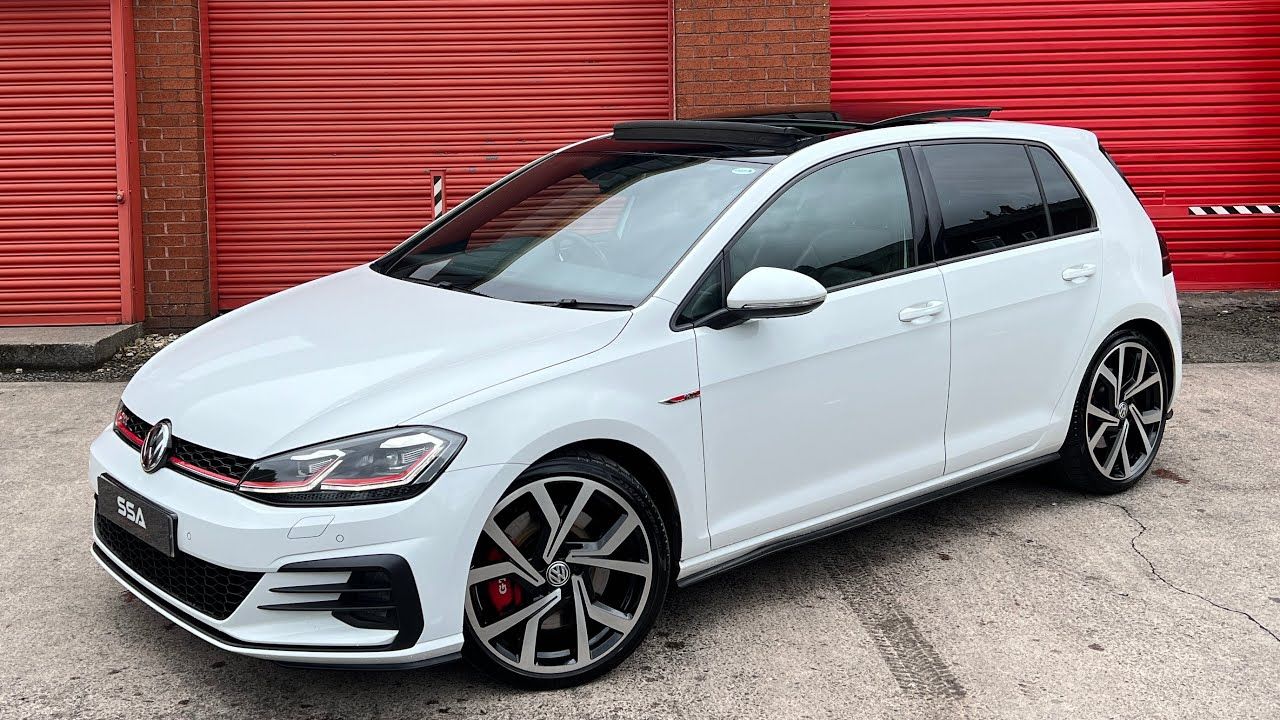
2. Volkswagen Golf GTI
The Volkswagen Golf GTI is an iconic hot hatch known for blending performance and practicality. Its turbocharged engine provides strong mid-range torque, delivering responsive acceleration at almost any speed.
The GTI’s suspension uses a sophisticated independent setup, allowing it to maintain composure in fast corners while minimizing body roll. The chassis tuning emphasizes balance, providing a more neutral handling experience reminiscent of rear-wheel-drive vehicles.
Steering feel is a key aspect of the Golf GTI’s driving dynamics. The car features precise steering with consistent feedback, helping drivers judge grip levels and cornering limits. Unlike many FWD cars, the GTI encourages confident throttle application mid-corner, allowing controlled rotation without sudden understeer. This makes spirited driving intuitive and enjoyable, even for drivers new to performance cars.
Volkswagen engineered the GTI’s front differential to optimize traction during aggressive maneuvers. Limited-slip mechanisms ensure that power is distributed efficiently to the wheels, reducing torque steer and improving exit speed from corners.
The combination of careful chassis calibration and sophisticated traction systems allows the Golf GTI to handle twists and turns with poise. Drivers can exploit both the engine’s power and the suspension’s capability without feeling disconnected from the road.
The interior of the GTI complements its driving-focused engineering. Ergonomic seats support spirited driving by keeping occupants secure, while the layout ensures controls are within easy reach.
Additionally, the car maintains a level of comfort that makes it suitable for daily commuting. This versatility, combined with RWD-like handling, makes the Golf GTI an appealing option for enthusiasts seeking a balance between performance and practicality.
Finally, the GTI’s lightweight design contributes to its agile nature. Reduced mass over the front axle helps maintain balance during cornering, while car weight ensures quick transitions in direction.
This combination allows the Golf GTI to execute tight turns with confidence and provides a level of responsiveness not commonly associated with front-wheel-drive vehicles. The result is a car that delivers both excitement and versatility.
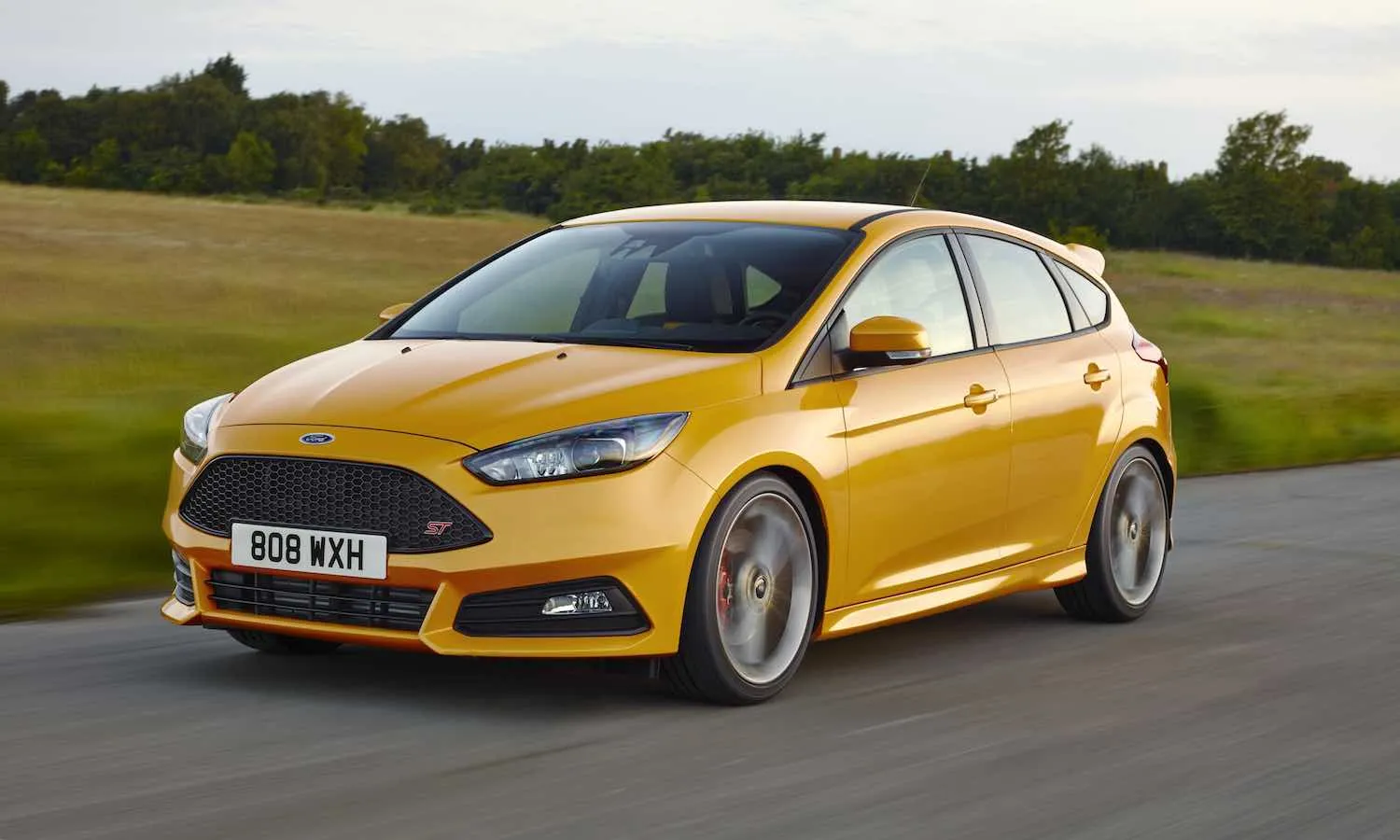
3. Ford Focus ST
The Ford Focus ST has long been recognized as a hot hatch that combines raw performance with precise handling characteristics. Its turbocharged engine delivers a broad torque curve, making acceleration both strong and predictable.
The car’s suspension setup, including MacPherson struts up front and a sophisticated multi-link system at the rear, contributes to minimal body roll and excellent composure when cornering. This allows drivers to enjoy the confidence of RWD-like handling while retaining the traction advantages of front-wheel drive.
Steering in the Focus ST is responsive and offers a direct connection to the road. The ratio and feedback are tuned to provide both precision and confidence during aggressive driving.
Unlike many FWD cars that suffer from torque steer, the Focus ST’s electronic differential and suspension tuning help maintain stability, ensuring that throttle inputs translate into controlled, predictable movement through corners. This results in a driving experience that feels balanced and engaging, much like rear-driven vehicles.
The Focus ST also benefits from chassis reinforcement and weight distribution that supports high-speed cornering. Ford engineers focused on minimizing understeer, allowing drivers to rotate the car more naturally through bends.
Combined with performance-oriented tires and a low center of gravity, the Focus ST demonstrates agility that is rare among front-wheel-drive cars. Even at the limit, the car provides a predictable platform that rewards skillful driving.
In addition, the Focus ST’s braking system complements its performance credentials. Powerful ventilated discs and well-calibrated pedal feel enable drivers to modulate braking confidently, an essential feature for spirited driving.
Suspension geometry and tire grip work together with the brakes to maintain stability when decelerating hard into corners, ensuring a composed entry and exit. This makes it easier to exploit the car’s handling potential without fear of sudden imbalance or oversteer.
Beyond its performance, the Focus ST maintains practicality and comfort for daily use. The cabin is well-insulated, seats are supportive, and the infotainment system is easy to operate. This combination of comfort, usability, and RWD-like driving dynamics makes the Focus ST appealing to enthusiasts who desire a versatile car capable of spirited drives without compromising everyday practicality.
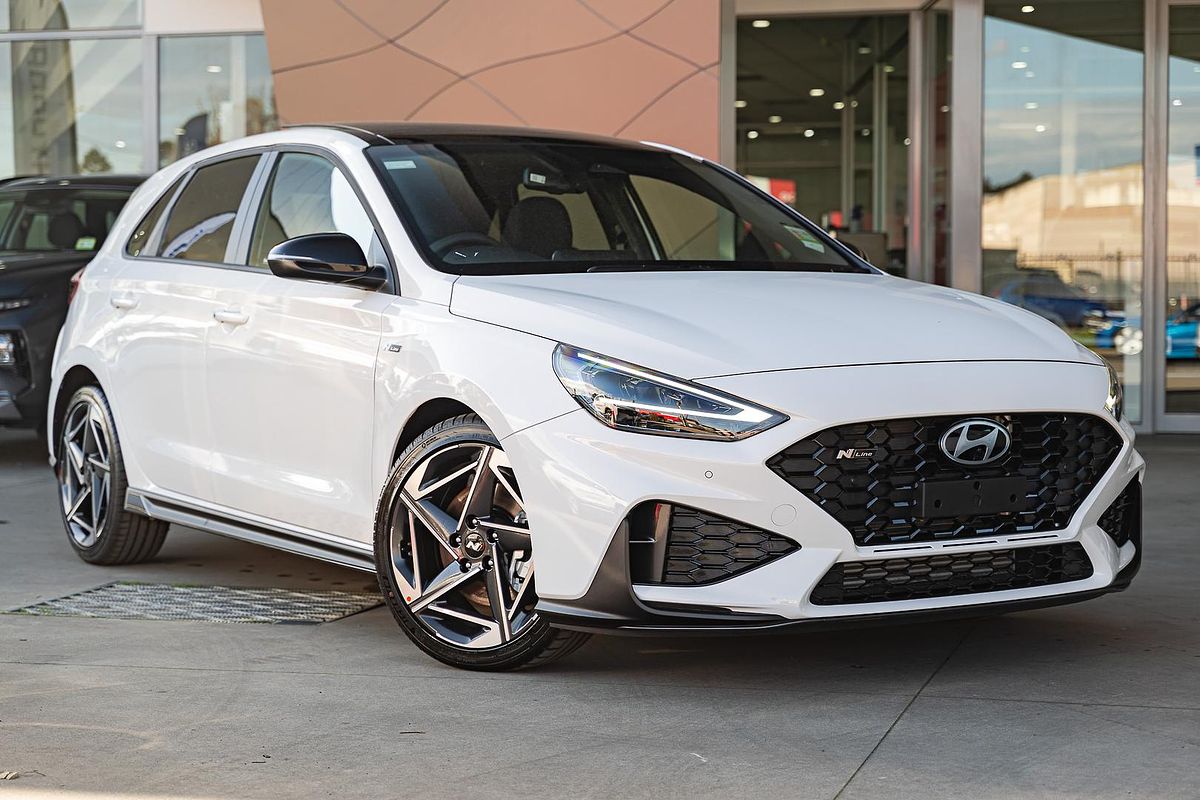
4. Hyundai i30 N
The Hyundai i30 N represents a significant leap forward for performance-oriented front-wheel-drive vehicles. Its turbocharged engine delivers instant throttle response and a wide torque band, making acceleration smooth and potent.
Hyundai’s engineers designed a multi-link rear suspension that improves balance and reduces unwanted understeer, allowing the car to feel planted during fast cornering. The result is an FWD vehicle that can handle curves with precision, closely mimicking the behavior of rear-wheel-drive cars.
Steering in the i30 N is remarkably sharp, giving clear feedback on road conditions and tire grip. This allows drivers to adjust inputs with confidence, making spirited driving both fun and predictable.
Hyundai’s electronic limited-slip differential enhances traction, distributing torque efficiently between the front wheels to reduce understeer and maintain cornering momentum. This combination enables a driving experience where the car feels more agile and controlled than typical FWD models.
The i30 N’s chassis is tuned for both stability and responsiveness. High-strength materials and reinforced suspension mounting points provide rigidity, ensuring minimal flex under dynamic loads. This allows the car to maintain consistent handling characteristics through tight corners and rapid transitions.
Combined with a relatively low curb weight, the i30 N demonstrates agility and balance that are hallmarks of RWD-like dynamics, giving the driver a true performance-oriented sensation.
Additionally, the braking system on the i30 N is designed to handle the demands of spirited driving. Large ventilated discs and high-friction pads provide strong stopping power with consistent pedal feel. When combined with suspension tuning and precise steering, the brakes allow confident control at the limit, ensuring that the car remains predictable during aggressive cornering and sudden speed adjustments. This makes it one of the most well-rounded FWD performance cars available.
The Hyundai i30 N also excels in providing a comfortable and engaging driving environment. Its cabin supports a sporty driving posture with well-bolstered seats and intuitive controls. While delivering RWD-like dynamics, it remains practical for everyday driving, offering usable cargo space and reasonable ride quality.
This combination of high performance and daily usability makes the i30 N a compelling choice for enthusiasts seeking a front-wheel-drive car that handles like a rear-driven machine.

5. Peugeot 308 GTi
The Peugeot 308 GTi combines French design flair with driving performance that rivals rear-wheel-drive sedans. Its turbocharged engine provides lively power delivery and sharp acceleration, while the car’s chassis has been tuned to reduce understeer and enhance cornering balance.
Peugeot implemented a rear multi-link suspension system, which helps maintain composure on uneven surfaces and during fast directional changes. This setup allows the 308 GTi to feel agile, responsive, and surprisingly planted.
The car’s steering is calibrated for both precision and feedback, enabling drivers to anticipate grip limits and make controlled corrections mid-corner. The combination of weight distribution and chassis tuning gives a natural feel to the car’s movements, allowing it to rotate predictably under cornering forces.
Peugeot also equipped the GTi with a performance-oriented limited-slip differential, improving traction and helping maintain stability when exiting corners. These features ensure that the car offers a driving experience closer to rear-wheel-drive platforms than standard FWD vehicles.
Peugeot engineers focused heavily on chassis stiffness and suspension geometry, reinforcing critical points to reduce flex and improve handling precision. This allows drivers to push the car confidently without losing composure in fast corners or tight bends. Combined with performance tires and a well-tuned suspension, the 308 GTi feels balanced, responsive, and connected to the road, offering a driving sensation that rewards both skill and precision.
Braking performance is another area where the 308 GTi excels. Powerful disc brakes and a consistent pedal feel provide control and confidence under heavy braking. The braking system works in harmony with the suspension and steering, allowing drivers to enter corners at speed with confidence and maintain smooth exits. This ensures that spirited driving is both safe and enjoyable, even under demanding conditions.
Beyond its performance capabilities, the 308 GTi remains practical and comfortable for everyday driving. Its interior offers supportive seats, intuitive controls, and adequate space for passengers. The combination of RWD-like handling, strong acceleration, and usability makes the Peugeot 308 GTi a well-rounded option for enthusiasts who desire a dynamic driving experience in a front-wheel-drive package.
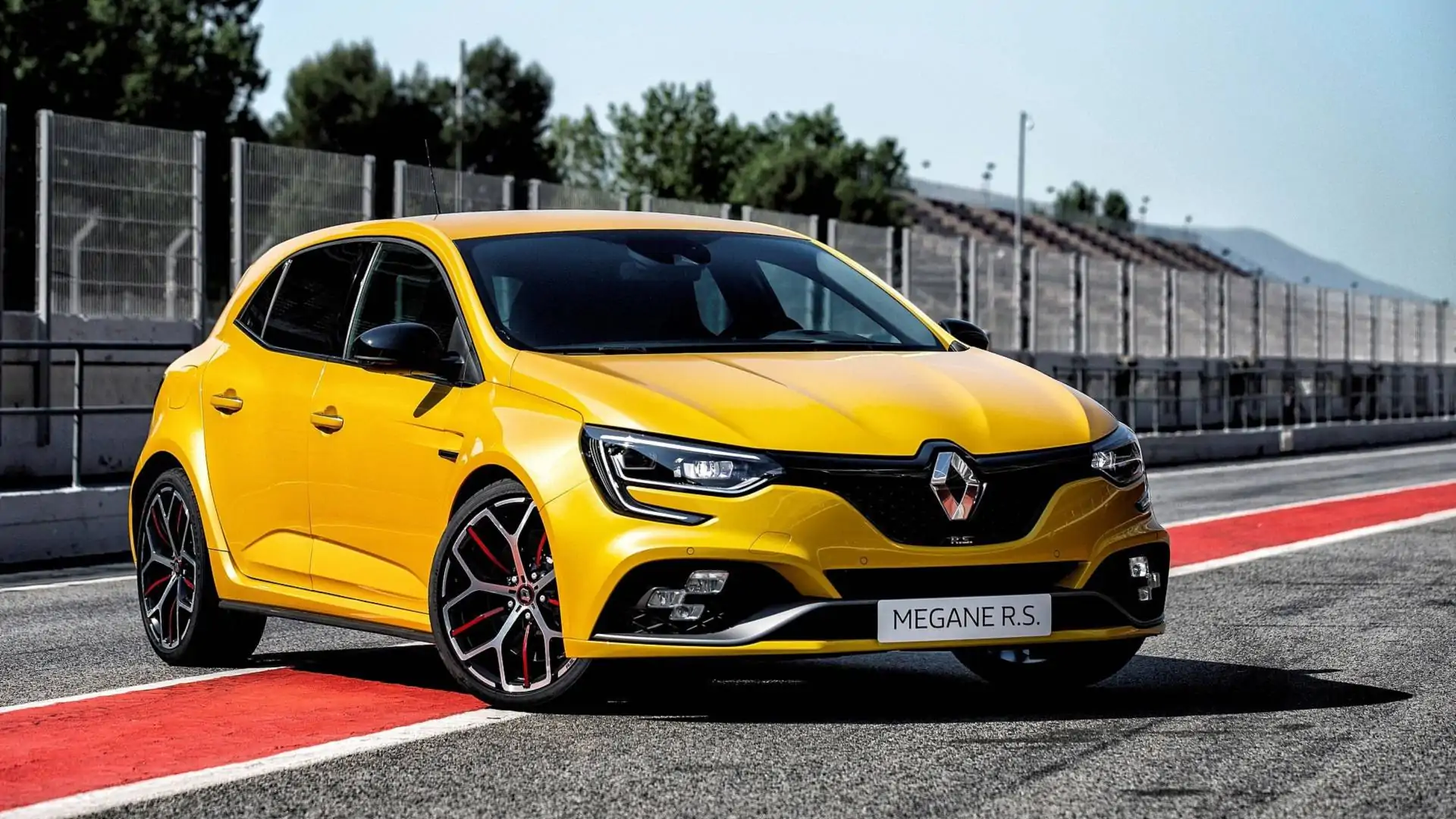
6. Renault Megane RS
The Renault Megane RS is a performance hatch that has gained acclaim for its handling and balance. Its turbocharged engine provides strong power delivery and excellent throttle response, while the car’s chassis has been carefully engineered to reduce understeer and enhance cornering precision.
The Megane RS features a sophisticated rear suspension setup that improves stability during fast directional changes and maintains grip on uneven surfaces, providing a driving experience closer to rear-wheel-drive cars than most FWD competitors.
Steering is one of the Megane RS’s standout features. The car offers sharp, precise feedback, allowing drivers to feel the road and anticipate traction limits. Combined with a front limited-slip differential, it helps manage torque distribution effectively, ensuring the car remains controllable during spirited driving. The combination of suspension tuning and steering calibration makes cornering intuitive and engaging, rewarding drivers who push the car to its limits.
The chassis of the Megane RS is reinforced to maintain rigidity during aggressive maneuvers. This reduces flex, allowing the car to remain composed under heavy lateral forces.
Its suspension geometry has been optimized for both performance and stability, helping the car rotate naturally during corners. Drivers benefit from this precise tuning, which allows confident high-speed cornering while maintaining balance and predictability, characteristics usually associated with RWD vehicles.
Braking performance on the Megane RS is equally impressive. High-performance ventilated discs and firm pedal feedback allow for precise control under aggressive conditions. The braking system works seamlessly with the car’s suspension and traction systems, enabling smooth deceleration and accurate corner entries.
Drivers can confidently approach corners at speed, knowing the car will respond predictably, making the Megane RS feel more like a RWD car in terms of driver engagement.
The Renault Megane RS also maintains practicality for everyday use. Its cabin is spacious and ergonomically designed, offering supportive seating and accessible controls. The car balances comfort with performance, making it suitable for daily driving while delivering an exciting, RWD-like driving experience on challenging roads. Its combination of agility, power, and usability makes it a compelling choice for enthusiasts seeking a spirited FWD hatch.
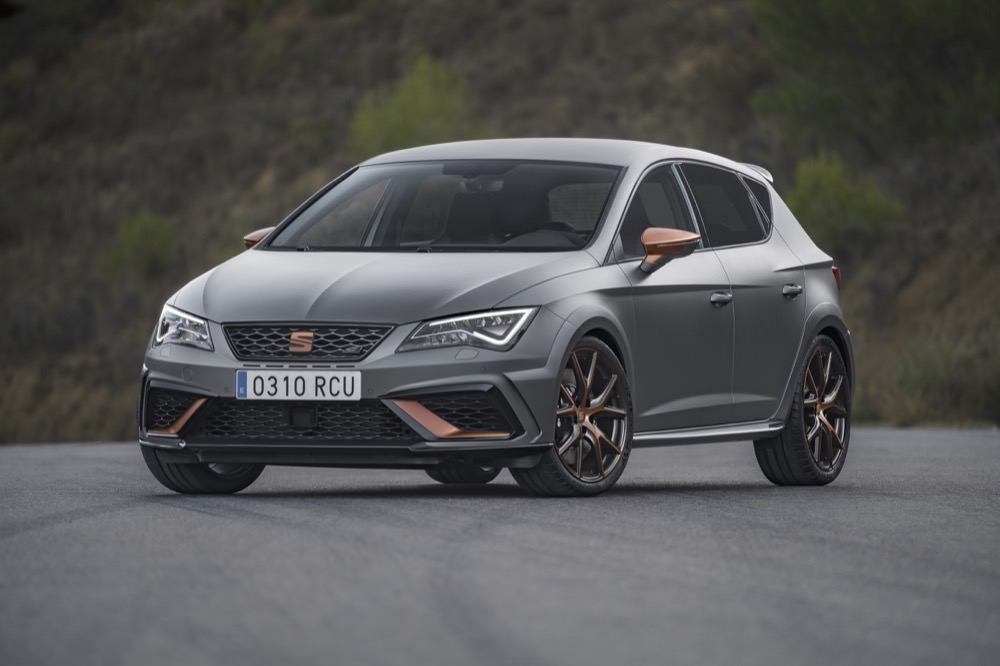
7. SEAT Leon Cupra
The SEAT Leon Cupra is a performance-oriented hatch that demonstrates how far FWD engineering has come. Its turbocharged engine delivers robust torque and responsive acceleration, while the car’s suspension system combines MacPherson struts in the front with a multi-link rear setup.
This configuration improves handling balance, allowing the Leon Cupra to corner confidently without excessive understeer. The car exhibits controlled rotation and composure during spirited driving, giving a driving experience similar to a rear-wheel-drive vehicle.
Steering feel in the Leon Cupra is precise, giving drivers a strong sense of connection to the road. Combined with a front limited-slip differential, it mitigates torque steer and ensures that power is applied smoothly during corner exits.
The car responds predictably to both throttle and steering inputs, allowing skilled drivers to explore its limits with confidence. These characteristics contribute to a more engaging experience than typical FWD hatches, closer to the feedback and balance of RWD cars.
Chassis rigidity and suspension tuning are key aspects of the Leon Cupra’s dynamics. Reinforced suspension points reduce flex during aggressive cornering, while carefully tuned damping allows the car to absorb road imperfections without sacrificing stability.
These design choices create a neutral handling balance, letting the car rotate naturally through corners and maintain traction throughout spirited driving sessions. Drivers benefit from a vehicle that feels both agile and planted, unusual for a front-wheel-drive hatch.
The Leon Cupra’s braking system enhances its performance capabilities. Powerful disc brakes and a firm, linear pedal allow confident deceleration into corners. This works in harmony with the suspension and traction systems, ensuring consistent handling under heavy braking. Combined with responsive steering and balanced weight distribution, the Leon Cupra provides an experience that encourages spirited driving without compromising control.
Beyond performance, the Leon Cupra is practical and comfortable for everyday driving. Its interior is ergonomically designed, with supportive seats and an intuitive control layout. The car balances high performance with usability, making it a strong option for enthusiasts seeking a FWD vehicle that handles like a rear-driven car while remaining suitable for daily use.
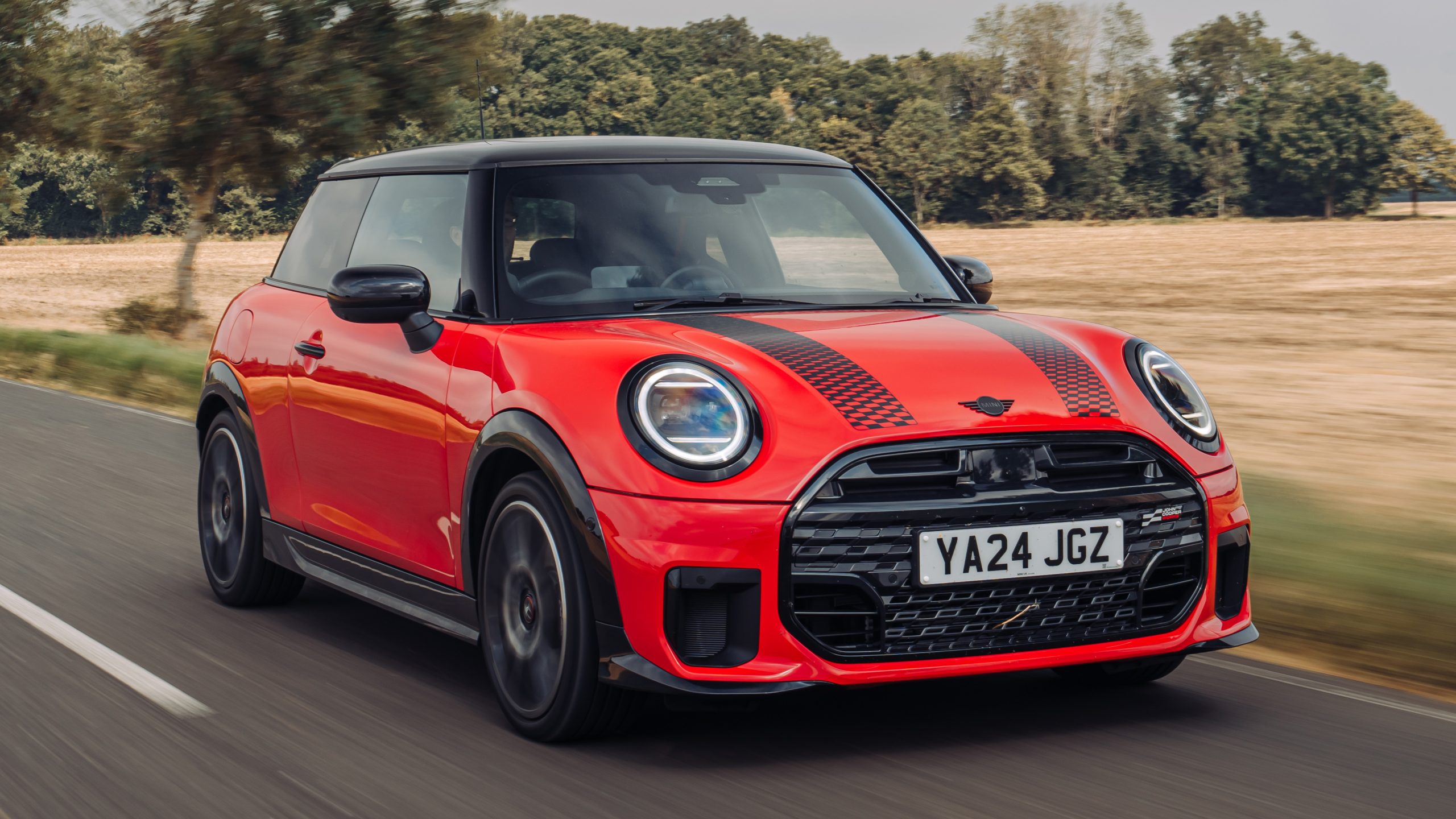
8. Mini Cooper S
The Mini Cooper S is a small hatchback with a surprisingly dynamic driving character. Its turbocharged engine delivers lively acceleration and responsive power delivery, while its suspension system, which includes MacPherson struts at the front and a multi-link rear setup, provides excellent balance and minimal body roll. This allows the car to maintain composure through corners, offering a driving experience that feels more like a RWD vehicle than a conventional FWD hatchback.
Steering in the Mini Cooper S is direct and communicative, giving drivers precise feedback on road conditions and tire grip. The front limited-slip differential enhances traction, reducing torque steer during aggressive cornering.
These features allow drivers to apply throttle confidently mid-corner, making the car rotate naturally while maintaining control. This responsiveness makes the Mini Cooper S feel planted and engaging, unusual for a front-driven hatch.
The chassis is reinforced to maintain rigidity under dynamic loads, allowing the suspension to perform optimally without unwanted flex. The combination of low curb weight and well-tuned suspension geometry provides agile handling, enabling rapid directional changes with confidence.
Drivers experience a sense of control and connection that mimics the behavior of rear-wheel-drive vehicles, making the Mini Cooper S enjoyable on winding roads.
The braking system is also tuned for performance, offering strong, consistent pedal feel. Large disc brakes and precise calipers allow drivers to modulate braking into corners effectively, supporting high-speed maneuvers with confidence. The balance between braking, steering, and suspension ensures the Mini Cooper S remains composed during spirited driving, reinforcing its RWD-like characteristics.
In addition to its performance capabilities, the Mini Cooper S retains practicality for daily use. The interior offers supportive seats, a functional layout, and compact dimensions ideal for urban driving. This combination of agile handling, responsive power, and usability makes it a compelling choice for enthusiasts seeking a front-wheel-drive car with RWD-like dynamics.
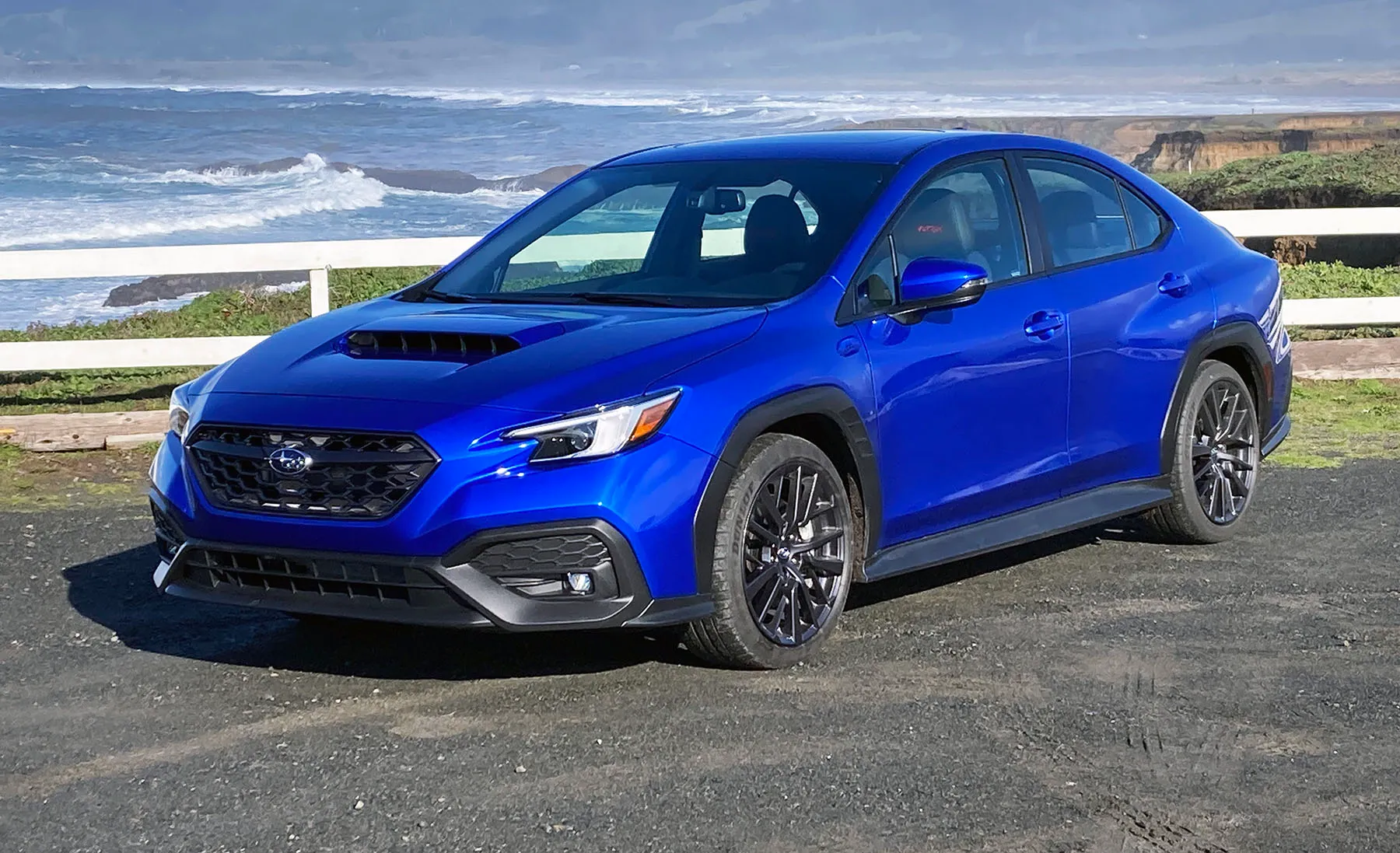
9. Subaru WRX (FWD Variant in Some Markets)
Although the Subaru WRX is typically known for its all-wheel-drive system, certain markets have offered FWD variants designed for lightness and driving engagement. These FWD versions retain the WRX’s turbocharged engine and responsive throttle, allowing quick acceleration and lively performance.
The suspension system, with struts at the front and a multi-link rear, has been tuned to provide balance and stability, minimizing understeer and giving the driver a more dynamic feel reminiscent of RWD cars.
Steering is precise, with feedback that allows drivers to anticipate traction limits and cornering behavior. Combined with lightweight construction and suspension geometry optimized for control, the FWD WRX variant encourages confidence during spirited driving.
Torque distribution is managed efficiently through a front limited-slip differential, reducing the tendency for torque steer while allowing controlled corner exits. This gives the FWD WRX a handling personality closer to rear-wheel-drive performance sedans.
The chassis is reinforced to ensure rigidity during aggressive driving. Combined with low center of gravity and performance tires, the car maintains composure through tight turns and fast transitions.
This allows skilled drivers to exploit its full potential while experiencing a sense of balance and agility often associated with rear-wheel-drive cars. The suspension’s compliance also helps the car absorb minor road irregularities without compromising stability.
Braking capability is another strong point, with responsive discs and well-tuned pedal feel supporting high-performance driving. The car’s braking system works with the suspension and steering to provide predictable control when entering corners aggressively.
This combination ensures the FWD WRX remains manageable and fun to drive at its limits, offering a unique front-wheel-drive experience inspired by RWD dynamics.
Finally, the WRX FWD variant balances performance with usability. Its cabin is driver-focused, with supportive seats and intuitive controls. Despite its performance-oriented setup, the car remains suitable for everyday driving, making it an attractive choice for enthusiasts seeking the excitement of rear-driven handling in a front-wheel-drive package.
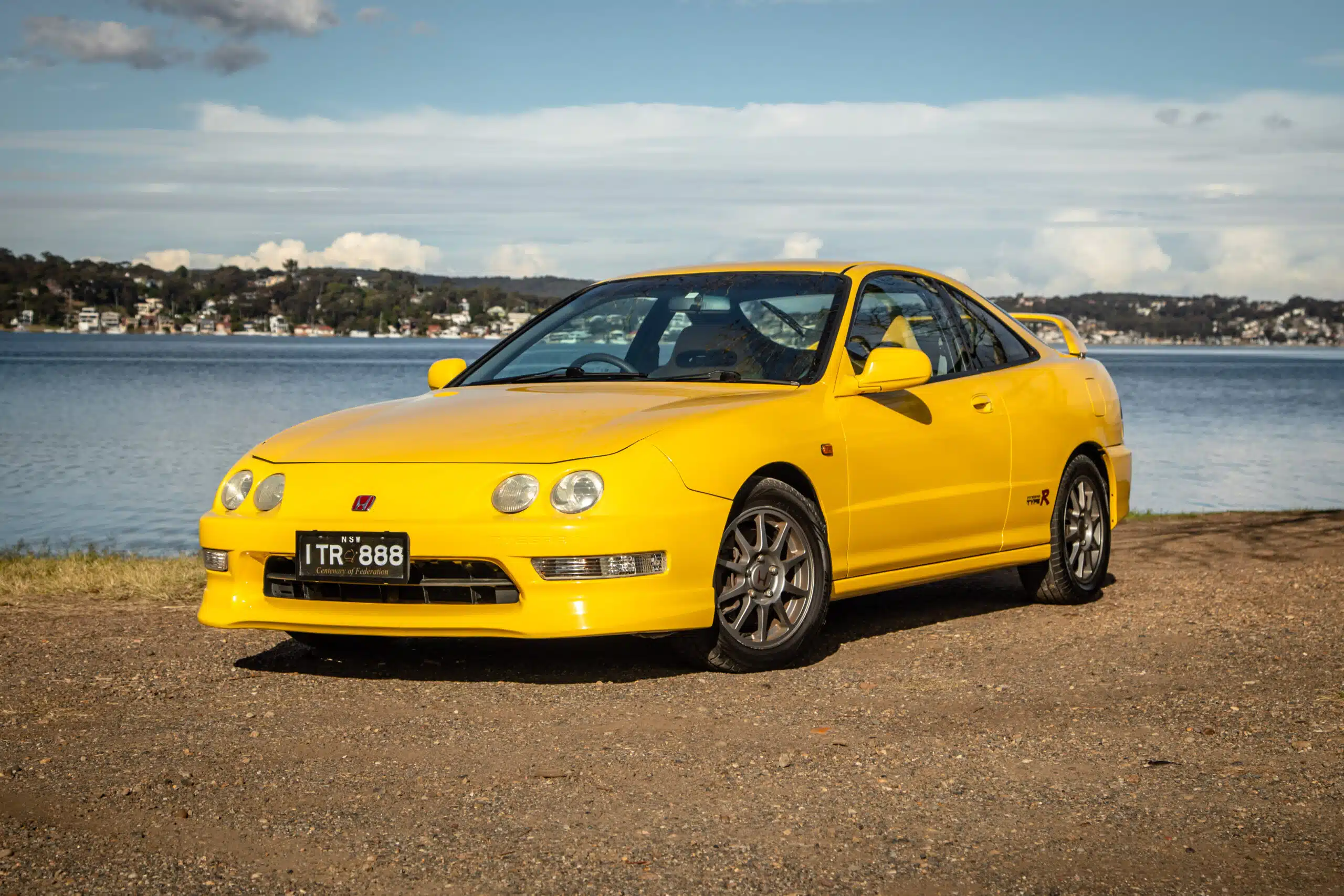
10. Honda Integra Type R (DC5)
The Honda Integra Type R (DC5) has long been revered as a benchmark FWD sports car. Its high-revving naturally aspirated engine delivers precise and linear power, while its chassis and suspension have been meticulously tuned for sharp handling and balance.
The DC5 features a sophisticated double-wishbone setup front and rear, which provides excellent control and minimal body roll, allowing drivers to navigate corners with confidence and enjoy a driving feel reminiscent of RWD vehicles.
Steering in the Integra Type R is precise, offering exceptional feedback and making it easy to anticipate grip levels during spirited driving.
The car’s suspension geometry and weight distribution minimize understeer, allowing the vehicle to rotate naturally through corners. This combination provides a connection between driver inputs and car behavior that is rare in FWD vehicles, resulting in a highly engaging driving experience.
The chassis of the DC5 is reinforced to maintain rigidity, reducing flex under dynamic loads. This allows the suspension to function at its best, maintaining predictable handling at the limit. Lightweight construction and carefully balanced weight distribution further contribute to its agility, enabling rapid direction changes and a sense of control similar to that of rear-wheel-drive sports cars.
Braking performance on the Integra Type R is exceptional, with high-quality discs and responsive pedal feel allowing confident deceleration. The brakes, combined with precise suspension tuning, make corner entry smooth and predictable. Drivers can exploit the car’s handling potential fully without sudden surprises, further enhancing the RWD-like driving sensation.
Beyond its performance, the Integra Type R balances practicality with engagement. Its interior supports driver-focused ergonomics, while the hatchback configuration allows for everyday usability. The combination of high-revving engine, agile handling, and lightweight construction solidifies the DC5 as a quintessential FWD car that handles like a rear-driven sports car.
