
Muscle cars have long been celebrated for their raw power, iconic styling, and the thrill of straight-line speed. For decades, the reputation of muscle cars was largely defined by their ability to burn rubber down a quarter-mile strip, while handling and agility often took a backseat.
However, the automotive industry has changed significantly in recent years, and modern muscle cars are proving that they can be far more than straight-line monsters. Manufacturers have recognized the demand for vehicles that offer a balanced combination of power, handling, and technology.
The integration of advanced suspension systems, electronic aids, and lightweight materials has allowed engineers to create cars that deliver the classic muscle car experience while offering impressive cornering capabilities. Consumers no longer have to choose between excitement and control, as the latest crop of muscle cars delivers both in abundance.
Today’s modern muscle cars are capable of inspiring confidence on winding roads, giving drivers a connected and precise driving experience that was once thought impossible in this segment. The shift towards all-wheel drive systems, adaptive suspension, and sophisticated traction control has played a significant role in enhancing handling performance without compromising the raw, visceral character muscle car enthusiasts crave.
Drivers now can enjoy aggressive acceleration while maintaining control through tight turns, reducing understeer, and promoting balanced dynamics. Beyond performance, modern muscle cars are also benefiting from improvements in chassis rigidity, weight distribution, and braking technology, all of which contribute to a more composed driving experience.
These vehicles are no longer just about straight-line bragging rights; they now provide a sense of connection and engagement that rivals European sports cars in terms of agility.
This combination of power, precision, and confidence has fundamentally reshaped the perception of what a muscle car can do. With modern engineering, even the most traditional muscle car brands are producing models that handle twisting roads with surprising competence.
Enthusiasts can now enjoy a car that is thrilling in a straight line and capable of navigating challenging curves with poise. The new generation of muscle cars demonstrates that performance is no longer one-dimensional, blending heritage with technology to create vehicles that excite on all levels.
Whether on a canyon road, a racetrack, or a scenic route, these muscle cars provide an exhilarating yet manageable experience. In this article, we will examine ten modern muscle cars that excel not only in power but also in handling, showing that cornering ability has finally joined the list of muscle car strengths.
Each of these vehicles showcases how modern engineering, thoughtful design, and innovative features can transform a traditionally brute-force segment into something refined, agile, and thoroughly enjoyable behind the wheel.
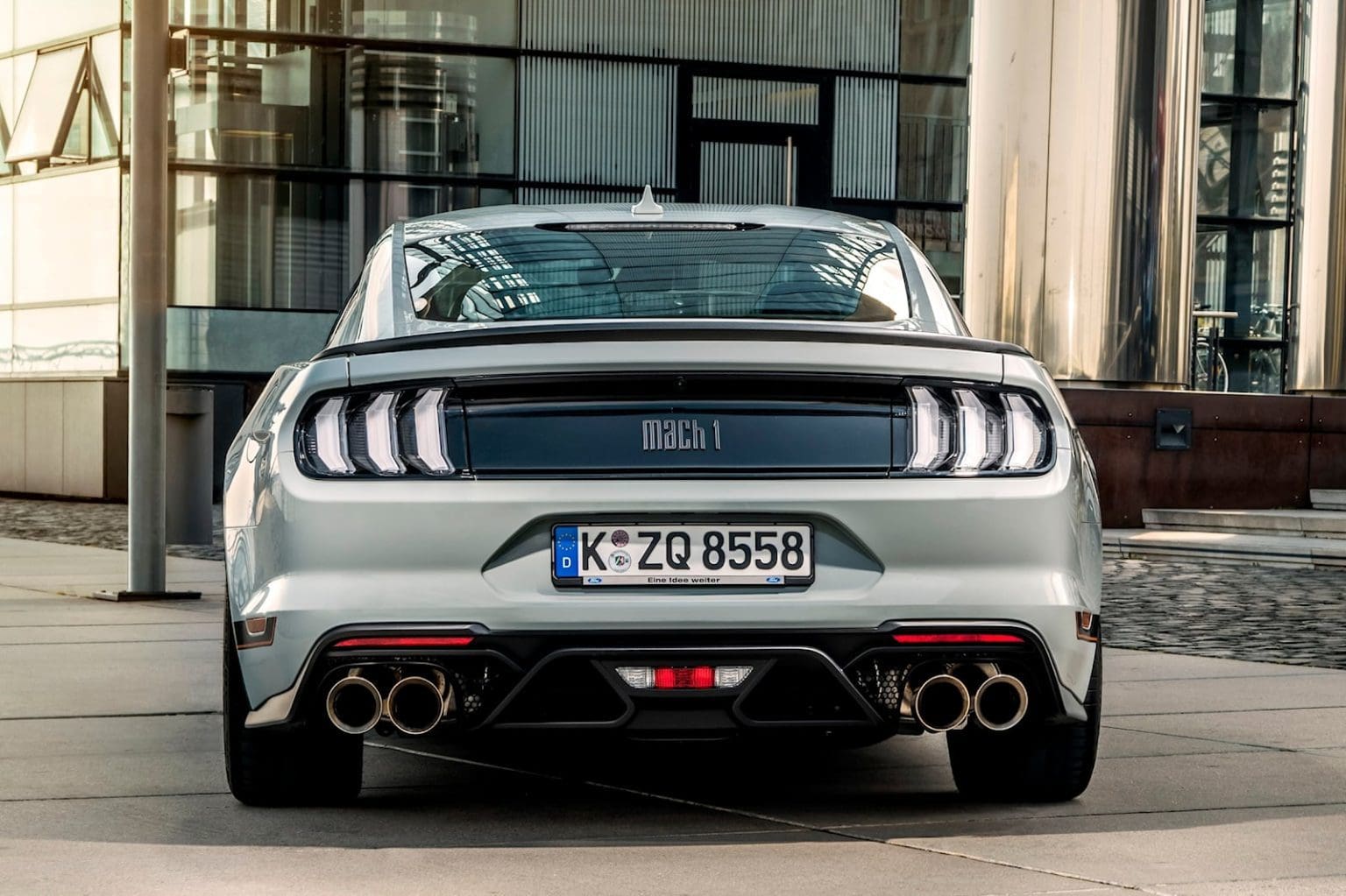
1. Ford Mustang Mach 1
The Ford Mustang Mach 1 is a model that successfully bridges the gap between classic muscle and modern performance. It carries the aggressive styling and powerful engine choices that enthusiasts expect. Unlike some older Mustangs, the Mach 1 is equipped with suspension upgrades that improve cornering precision. It uses a stiffer chassis, upgraded shocks, and a larger rear stabilizer bar to minimize body roll.
Handling is further enhanced by advanced electronic aids that help keep the car stable through tight turns. The Mach 1 benefits from adaptive dampers and a carefully tuned suspension geometry. These features allow the car to feel planted while offering responsive feedback to the driver.
Braking performance is also improved, with larger rotors and multi-piston calipers that increase confidence during spirited driving. On winding roads, the Mach 1 demonstrates that it can hold lines with remarkable consistency.
The car is powered by a naturally aspirated 5.0-liter V8 that delivers strong midrange torque. Its engine responsiveness complements the handling, providing a sense of acceleration that is controlled and manageable. Power distribution is optimized for cornering, allowing the driver to apply throttle without overwhelming the rear tires.
This results in a driving experience that feels both exhilarating and precise. Steering feel has been sharpened in the Mach 1 to provide greater connection between the driver and the road. Feedback through the steering wheel gives a sense of grip and allows confident maneuvering at higher speeds.
Beyond technical features, the Mach 1 also offers a comfortable cabin with driver-focused ergonomics. The interior includes supportive seats that hold occupants during aggressive cornering. Controls are intuitively placed to allow minimal distraction while driving at speed. Visibility and sightlines are also improved, helping drivers anticipate corners and make quick adjustments when needed.
Finally, the Mustang Mach 1 represents a modern interpretation of the classic muscle car formula. It honors its heritage while embracing engineering advancements that make it competitive in performance-oriented driving. Its combination of raw power, precise handling, and modern technology ensures it can be driven hard in corners while still delivering the iconic Mustang experience.
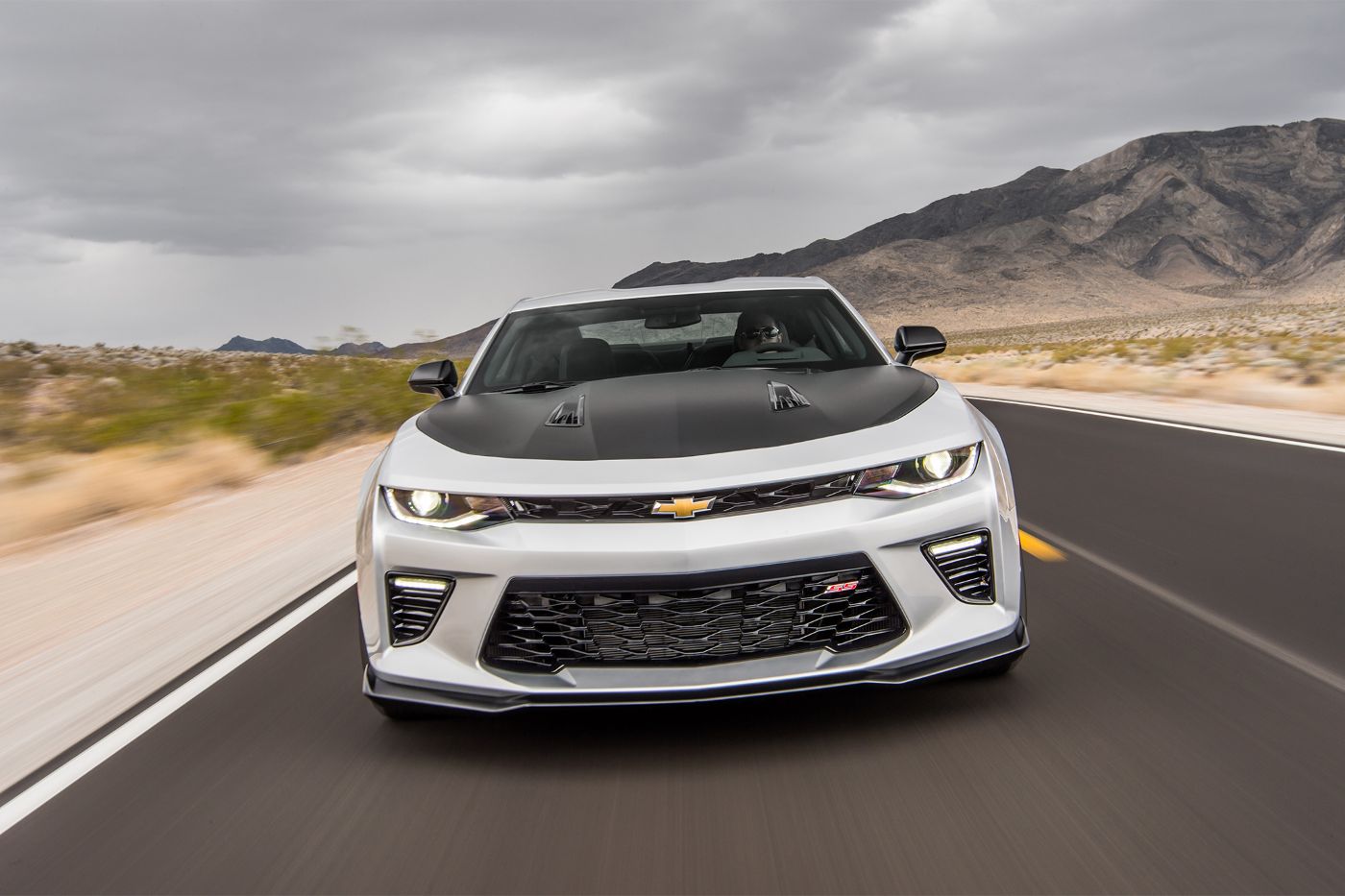
2. Chevrolet Camaro SS 1LE
The Chevrolet Camaro SS 1LE is a version of the Camaro that focuses on track-oriented performance. Its 1LE package adds suspension tuning and aerodynamic upgrades that make a significant difference in cornering ability. The suspension is lowered and stiffened, reducing body roll and improving responsiveness. Wheels and tires are upgraded to increase grip and maintain stability during aggressive maneuvers.
The car’s Brembo brakes provide excellent stopping power, allowing for late braking into corners. A limited-slip differential further improves traction, helping to put power down without excessive wheel spin.
The 1LE package also includes performance shocks and struts that optimize weight transfer during turns. These features combine to give the Camaro a sense of agility not commonly associated with traditional muscle cars.
Inside, the Camaro SS 1LE offers seating that supports lateral movement during cornering. The cabin is designed to make the driver feel connected to the car, with steering feedback and pedal placement optimized for performance driving.
Controls are easy to access, and the driver can make quick adjustments without losing focus on the road. Advanced stability systems can be tuned or turned off, allowing skilled drivers to push the car to its limits.
The car is powered by a 6.2-liter V8 engine that delivers strong acceleration. Unlike older muscle cars, the power can be applied smoothly thanks to modern traction management. This ensures that the car remains stable when exiting corners, providing confidence to the driver. The engine’s responsiveness also enhances the driving experience, making it exciting without being unwieldy.
With the 1LE package, the Chevrolet Camaro SS proves that muscle cars can be both fast and precise. Its combination of suspension upgrades, braking improvements, and driver-focused engineering allows it to tackle curves with authority. It demonstrates that modern muscle cars can handle demanding roads while still providing the performance expected from the Camaro name.
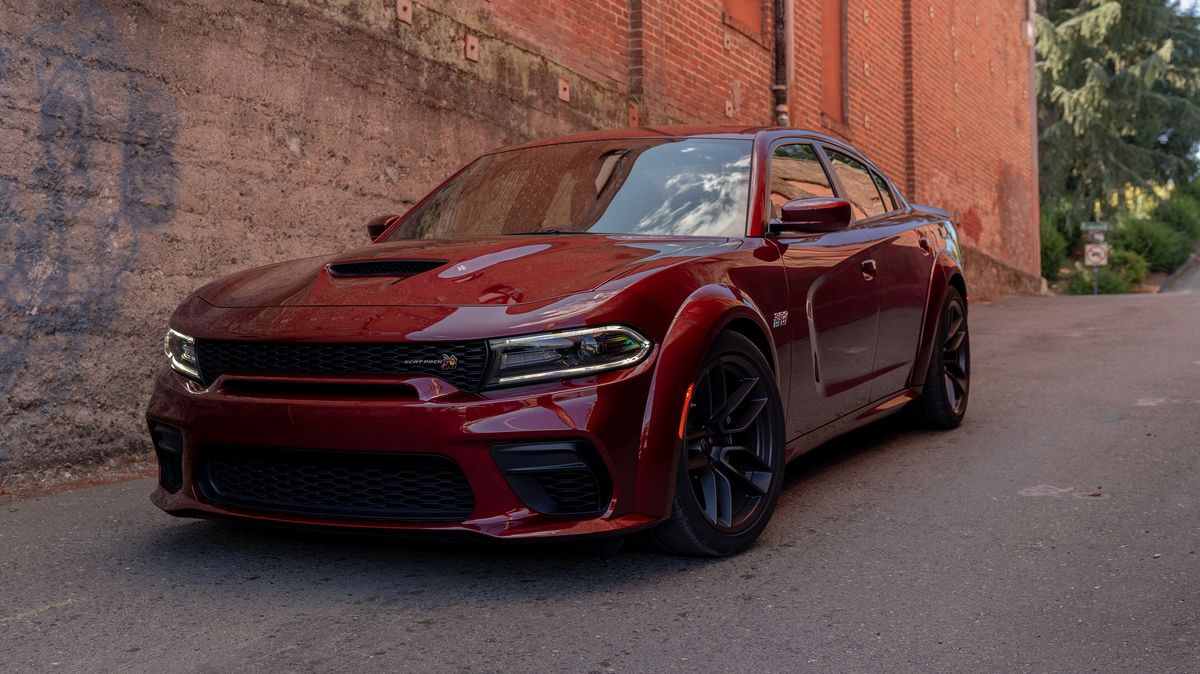
3. Dodge Charger Scat Pack Widebody
The Dodge Charger Scat Pack Widebody is a modern muscle car that combines immense power with surprisingly competent handling. While traditionally seen as a straight-line beast, the Widebody’s expanded track and fender flares allow it to corner with greater stability.
The chassis has been reinforced, and the suspension has been retuned to handle the increased width, reducing body roll and enhancing traction. These improvements make the car feel planted in corners, providing drivers with a sense of confidence despite its size.
This Charger uses a 6.4-liter HEMI V8 engine, which delivers significant torque and horsepower. Unlike older muscle cars, the Scat Pack Widebody manages this output effectively through modern electronic aids and a responsive suspension system.
The car’s adaptive dampers adjust to different driving conditions, keeping the tires firmly planted during aggressive maneuvers. Steering is precise for a full-sized sedan, offering feedback that makes the car feel surprisingly agile on twisty roads.
The Widebody’s braking system also contributes to its cornering prowess. Larger Brembo brakes help shorten stopping distances while maintaining control, allowing for later braking into corners.
Combined with performance tires and a limited-slip differential, the car can handle tight curves without losing composure. Weight distribution, though still rear-biased, has been optimized to improve balance, giving the driver more predictable handling behavior at higher speeds.
Interior ergonomics further enhance the experience of driving this muscle car through corners. Sport seats provide ample lateral support, preventing the driver and passengers from sliding excessively during aggressive turns.
The steering wheel is thick and grippy, with controls within easy reach, allowing quick adjustments while maintaining focus on the road. Infotainment and vehicle information systems are integrated seamlessly, giving performance data without distraction.
The Dodge Charger Scat Pack Widebody proves that size and power do not necessarily compromise agility. With thoughtful engineering and modern technology, this large muscle car can handle curves effectively, offering a driving experience that balances raw speed with precision. It demonstrates that today’s muscle cars can be versatile, capable of dominating a straight line while confidently navigating twisty roads.
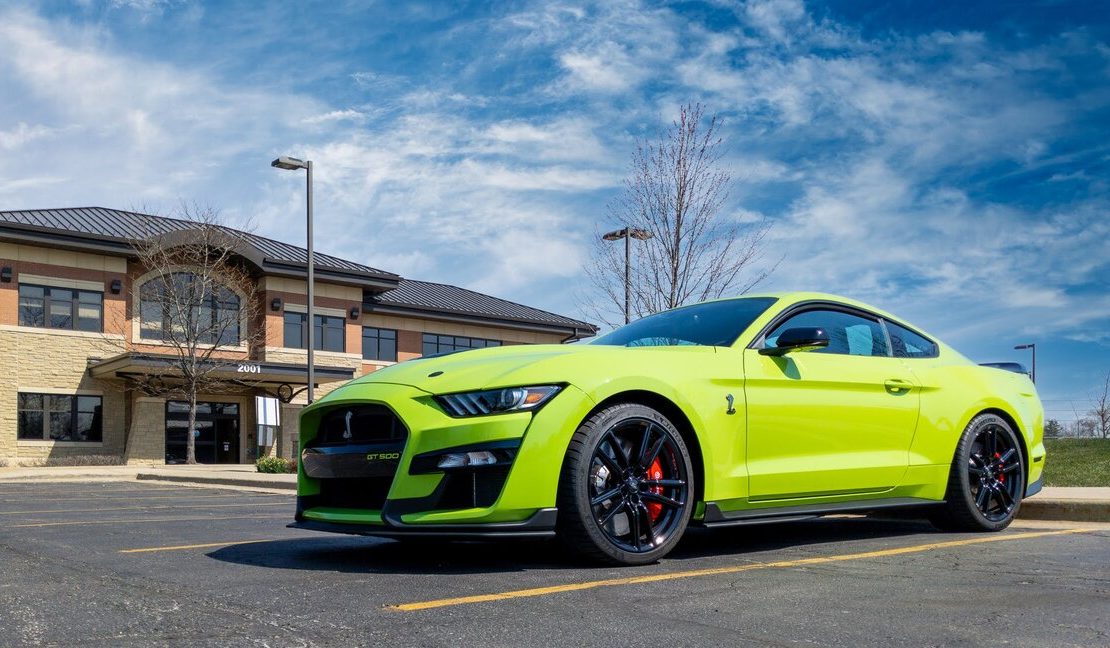
4. Ford Mustang Shelby GT350
The Ford Mustang Shelby GT350 is engineered with cornering in mind, making it one of the most track-capable muscle cars ever produced. Unlike standard Mustangs, the GT350 features a MagneRide adaptive suspension system, which constantly adjusts damping to match road conditions and driving style.
The front and rear suspension geometry has been meticulously tuned to reduce understeer and improve turn-in response, providing precise control in corners. Every element of the chassis has been designed to enhance balance and handling without compromising the car’s legendary power.
Its naturally aspirated 5.2-liter V8 engine, nicknamed the “Voodoo,” delivers a high-revving, exhilarating driving experience. The flat-plane crank design allows for quicker throttle response, which improves modulation while cornering. Power delivery is linear and predictable, letting drivers apply the engine’s torque with confidence in tight sections.
The car’s weight distribution is improved over previous Mustangs, further aiding stability and reducing the traditional front-heavy muscle car feel.
The GT350 also includes advanced braking and tire technologies. Large Brembo brakes with multi-piston calipers and performance rotors allow drivers to brake later into corners without fear of fade. Michelin Pilot Sport Cup 2 tires provide exceptional grip and stability, ensuring that the car maintains its line through challenging bends.
Additionally, the limited-slip differential manages torque between the rear wheels, reducing unwanted wheelspin and improving traction.
Inside, the GT350 is driver-focused with features aimed at enhancing cornering performance. Recaro sport seats offer superior lateral support, keeping the driver firmly in place during aggressive maneuvers.
Steering feel is sharp and communicative, giving immediate feedback about grip levels and road texture. Instrumentation is straightforward and performance-oriented, helping the driver monitor speed, gear selection, and engine data without distraction.
The Ford Mustang Shelby GT350 redefines what a muscle car can do on corners. It combines high-revving power with exceptional handling, providing an engaging and precise driving experience. The GT350 shows that modern muscle cars can retain their identity while performing at levels once reserved for dedicated sports cars.
5. Chevrolet Camaro ZL1
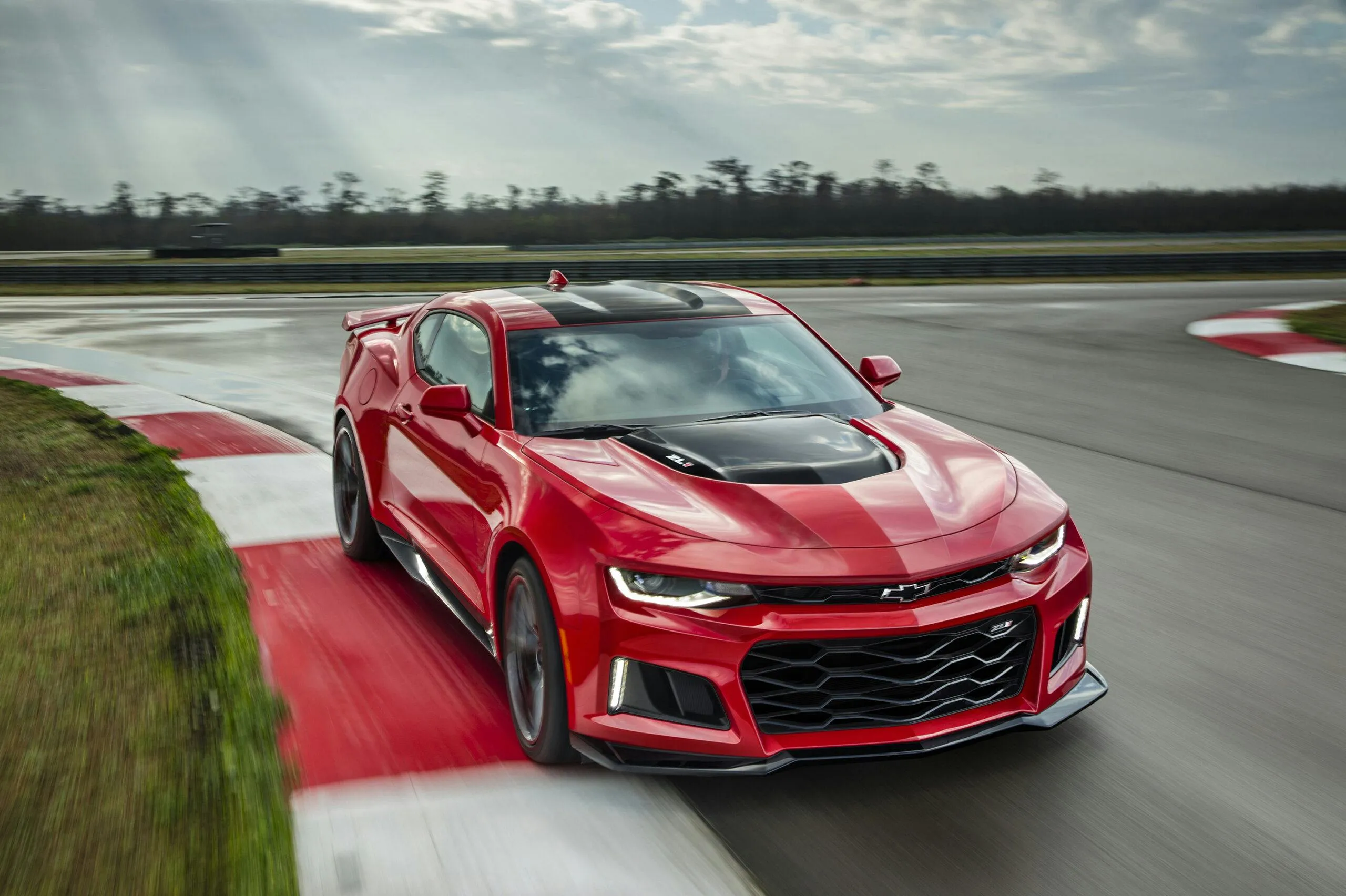
The Chevrolet Camaro ZL1 is the pinnacle of handling-focused Camaro design, featuring a supercharged 6.2-liter V8 engine paired with advanced chassis technology. Its Magnetic Ride Control suspension continuously adapts to driving conditions, keeping the car planted during aggressive cornering.
The front and rear suspension components are optimized for weight transfer, minimizing understeer and enhancing agility. Performance tires and an electronically controlled limited-slip differential provide extra grip, making the ZL1 incredibly confident through tight turns.
Braking performance is equally impressive, with Brembo brakes that allow for aggressive deceleration without compromising control. The car’s balance is maintained even under high-speed cornering, giving the driver the ability to attack corners with precision. Steering is calibrated for responsiveness, providing immediate feedback about the road surface. These features collectively make the ZL1 one of the most agile muscle cars currently available.
The interior emphasizes driver engagement and comfort. Recaro seats hold occupants securely while corners are negotiated at speed. Ergonomically positioned controls allow quick access to performance settings, including suspension stiffness and traction control adjustments.
The cockpit design prioritizes visibility and feedback, helping drivers navigate winding roads with ease. Infotainment features are present but do not distract from the core driving experience.
The ZL1’s supercharged engine produces substantial power, but electronics ensure that it can be deployed without overwhelming the car in corners. Acceleration out of turns is smooth, and torque delivery can be modulated for maximum traction. This makes the ZL1 both thrilling and manageable, a combination rare in high-powered muscle cars.
The Chevrolet Camaro ZL1 demonstrates that raw horsepower and cornering ability can coexist. Its combination of advanced suspension, braking technology, and driver-focused ergonomics ensures that it can tackle curves with confidence. It proves that modern muscle cars are capable of delivering a complete performance experience without sacrificing heritage or style.
6. Dodge Challenger R/T Scat Pack
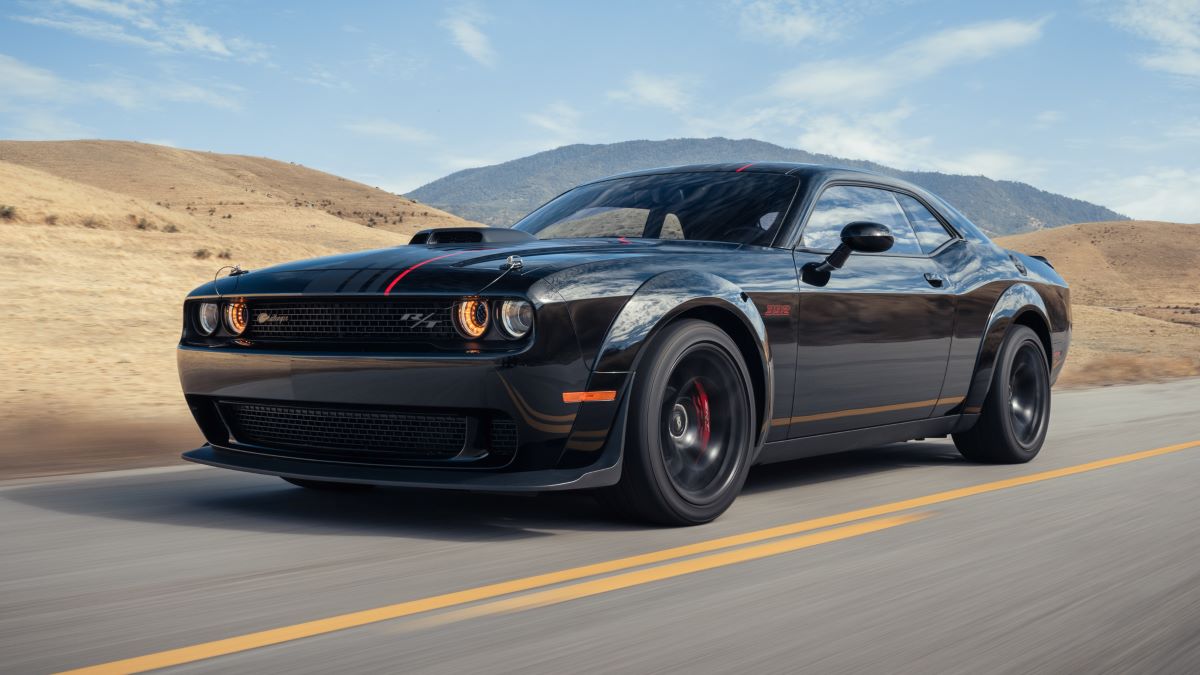
The Dodge Challenger R/T Scat Pack may appear bulky, but modern engineering has given it a surprising level of agility. Wide tires, a revised suspension setup, and improved chassis rigidity help it maintain composure through corners.
While it retains the classic long-hood, short-deck proportions of traditional muscle cars, weight distribution has been optimized to reduce front-end push. The combination of a stiffened chassis and upgraded shocks provides drivers with more predictable handling than earlier models.
Its 6.4-liter HEMI V8 engine produces robust torque, and careful calibration ensures smooth application during cornering. Electronic aids such as traction control and stability management allow power to be applied without overwhelming the rear wheels.
Steering feel is also more precise than in older Challengers, giving the driver better connection with the road. The car inspires confidence when pushing through tight bends, making long, sweeping curves enjoyable rather than intimidating.
Braking performance is enhanced by Brembo brakes with larger rotors, ensuring consistent stopping power even during aggressive driving. Tire selection and wheel width improvements help maintain grip, minimizing understeer and allowing drivers to drive with intent.
Corner entry and exit feel controlled and stable, unlike classic muscle cars that would often drift uncontrollably under similar circumstances. These features make the Challenger R/T Scat Pack a capable performer on twisty roads.
Inside, driver support is a focus with sport seats designed for lateral stability. Ergonomics are refined to allow the driver to remain focused on cornering without distraction. The steering wheel, pedals, and shifter feel deliberate and connected, providing tactile feedback that enhances the sense of control. Infotainment and comfort features complement the driving experience without interfering with performance-oriented tasks.
The Dodge Challenger R/T Scat Pack proves that even larger muscle cars can handle corners when modern technology is applied thoughtfully.
Its combination of raw power, stability-focused design, and precise handling demonstrates that cornering ability is no longer a compromise for those seeking traditional muscle car performance. This model shows that size and power can coexist with agility when engineering priorities are carefully balanced.
7. Ford Mustang GT Performance Pack Level 2
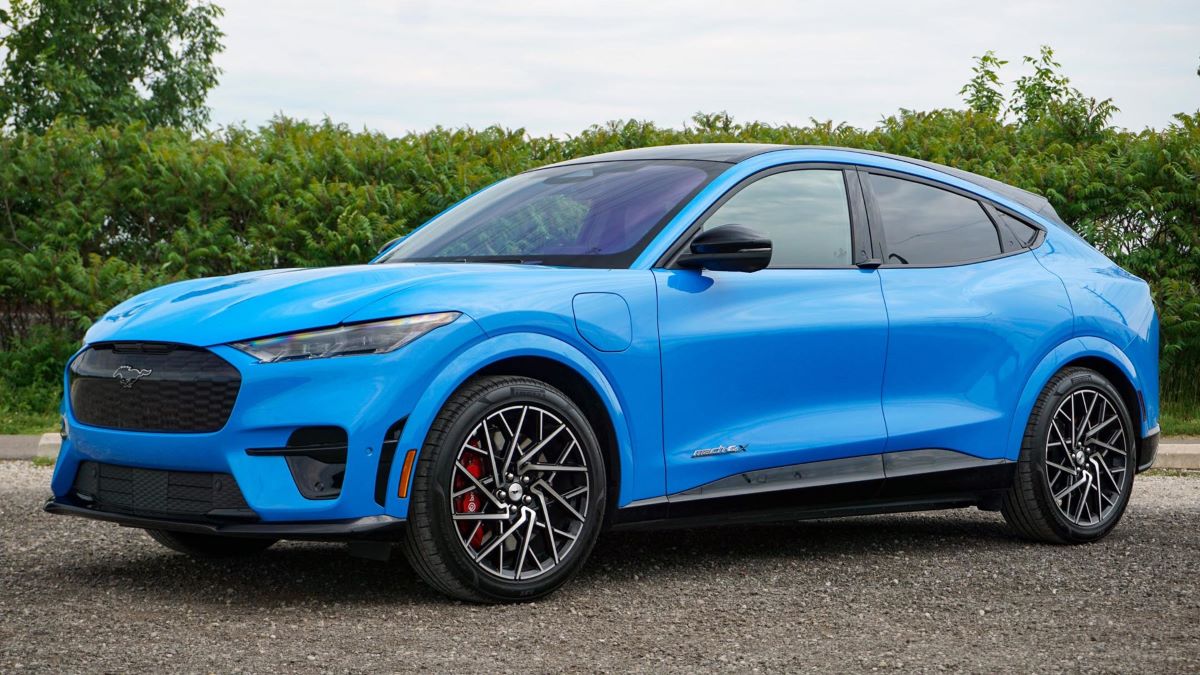
The Ford Mustang GT with the Performance Pack Level 2 is designed with handling precision as a priority. Upgraded suspension components, including stiffer springs and adjustable dampers, improve body control through tight turns.
Track-tuned sway bars and a lower ride height reduce roll, helping the car remain planted during cornering. This level of refinement allows drivers to feel connected to the road while maintaining the Mustang’s characteristic aggression.
Its 5.0-liter V8 engine provides ample torque and horsepower while remaining manageable in corners. Electronics, including selectable drive modes, help modulate power delivery for confidence during spirited driving. The rear limited-slip differential ensures that torque is distributed evenly, improving traction and stability through curves. Steering calibration is enhanced for precision, allowing for accurate inputs and a clear sense of road feedback.
The braking system benefits from upgraded rotors and calipers, providing confidence for late braking into corners. Tires with increased grip further improve cornering stability and help the car maintain its line at speed.
Weight distribution has been refined to minimize front-heavy tendencies, allowing drivers to accelerate confidently out of turns without inducing excessive oversteer. These upgrades make the Mustang GT Performance Pack Level 2 a highly capable muscle car in both straight-line and cornering scenarios.
The cabin focuses on driver support and engagement. Recaro sport seats provide substantial lateral support, keeping the driver secure during aggressive maneuvers. Pedal placement and steering feel are tuned for performance, and driver-focused displays provide real-time information on engine and vehicle status. Comfort and technology remain accessible without detracting from the primary focus on driving precision.
The Mustang GT Performance Pack Level 2 represents a muscle car that can compete with sports cars in handling while retaining classic power. Its combination of suspension upgrades, electronic aids, and refined steering allows it to negotiate curves with confidence, proving that modern Mustangs are more versatile than ever. It blends excitement and control in a way that redefines the muscle car experience.
8. Chevrolet Camaro LT1
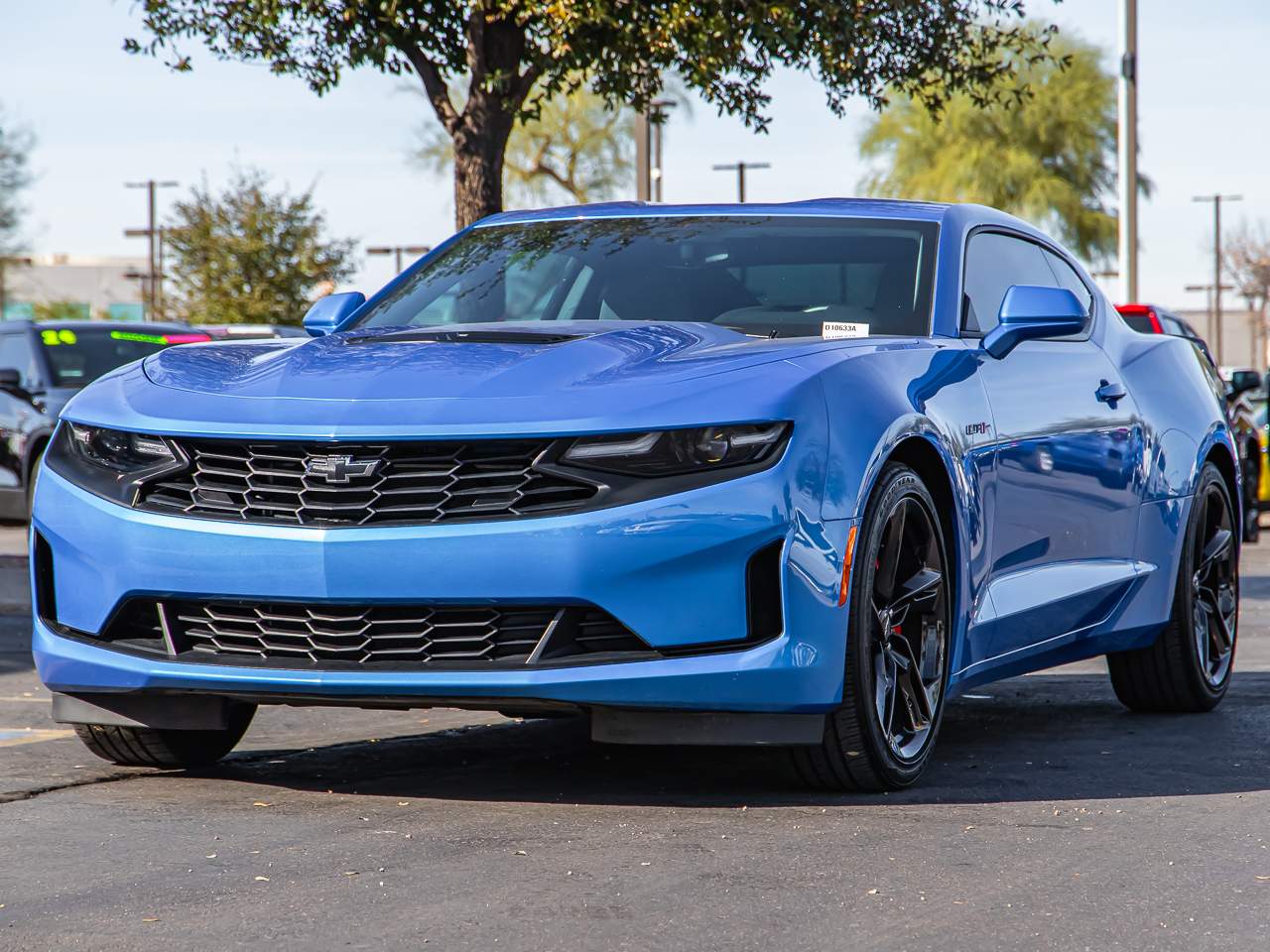
The Chevrolet Camaro LT1 offers a balanced combination of performance and handling for those who want a well-rounded muscle car. Suspension enhancements, including retuned springs and shocks, improve responsiveness in corners. The chassis is reinforced for rigidity, reducing flex during aggressive driving. Weight is distributed to enhance balance, giving drivers confidence when navigating twisty roads.
Its naturally aspirated 6.2-liter V8 engine delivers strong acceleration with predictable torque application. Steering feedback is direct and communicative, allowing the driver to feel every turn in the road.
Advanced traction management ensures that power is applied without inducing excessive wheelspin. Braking improvements, including larger discs and upgraded calipers, allow for precise corner entry and controlled deceleration.
Tires are performance-oriented, providing grip through both sharp and sweeping curves. The limited-slip differential improves traction consistency, preventing one wheel from losing power during aggressive cornering. The car’s suspension geometry and track width improvements allow it to turn confidently, defying the stereotype that Camaros are only fast in a straight line.
The interior is designed for driver engagement, featuring supportive sport seats that keep occupants stable in corners. Controls are ergonomically positioned to reduce distractions, and instrument displays provide essential information for performance driving. Steering, pedals, and shifter all contribute to a connected and precise feel that enhances the driving experience.
The Chevrolet Camaro LT1 demonstrates that modern muscle cars can provide both speed and agility. Its combination of engine performance, suspension tuning, and handling-focused design allows it to tackle curves with authority. The LT1 proves that power does not have to come at the expense of cornering capability, making it a versatile and exciting vehicle.
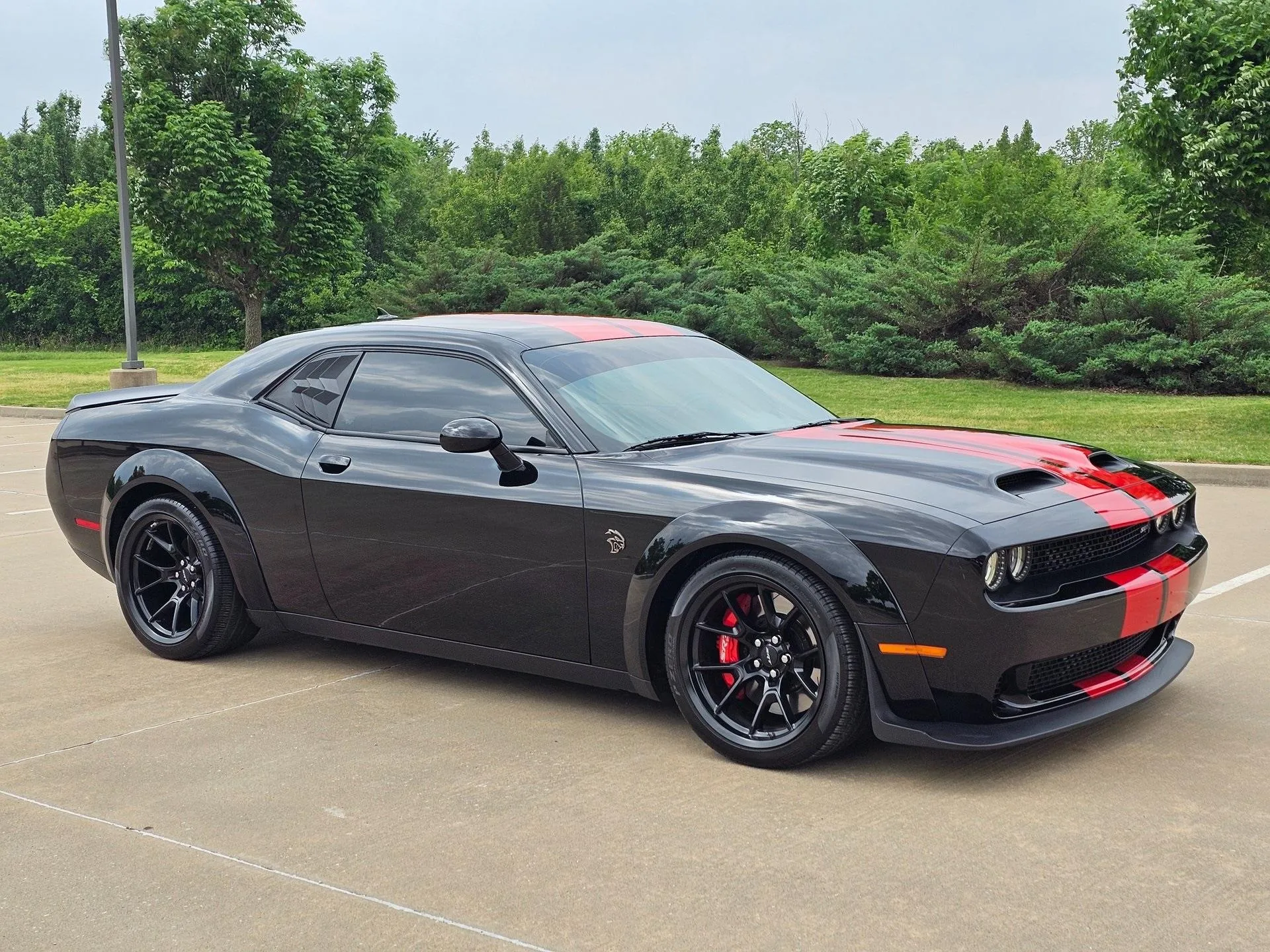
9. Dodge Challenger SRT Hellcat Redeye
The Dodge Challenger SRT Hellcat Redeye is a modern muscle car that combines extreme power with surprisingly controlled handling. Its wide body and performance suspension allow it to corner with more stability than previous generations. Although it retains a traditional muscle car silhouette, the chassis has been reinforced and tuned for better weight distribution. Shocks and sway bars reduce body roll, improving balance.
The 6.2-liter supercharged V8 produces immense horsepower and torque, but electronic stability and traction aids allow drivers to apply this power without losing control.
Steering feel has been improved for sharper response and better feedback. Tires are wider and grippier, allowing the Redeye to maintain composure in corners despite its raw power. Braking upgrades provide consistent stopping power, essential for safely navigating twisty roads.
Limited-slip differential technology ensures even torque distribution to the rear wheels, improving cornering traction. The suspension and chassis tuning allow drivers to feel connected to the road while maintaining confidence at high speeds.
Acceleration out of corners is smooth and predictable, preventing sudden oversteer or understeer. These improvements turn the Hellcat Redeye into a surprisingly competent cornering machine.
Inside, the cabin is designed to support the driver during high-performance driving. Sport seats provide lateral stability, while steering and pedal feel deliver direct feedback. Controls and displays are positioned for minimal distraction, allowing drivers to focus on lines, braking points, and throttle application. Comfort and technology are integrated without compromising the focus on performance.
The Dodge Challenger SRT Hellcat Redeye demonstrates that extreme power can coexist with cornering capability. With modern engineering and thoughtful tuning, this car defies expectations, offering both the thrill of raw acceleration and the confidence to handle challenging roads with precision.
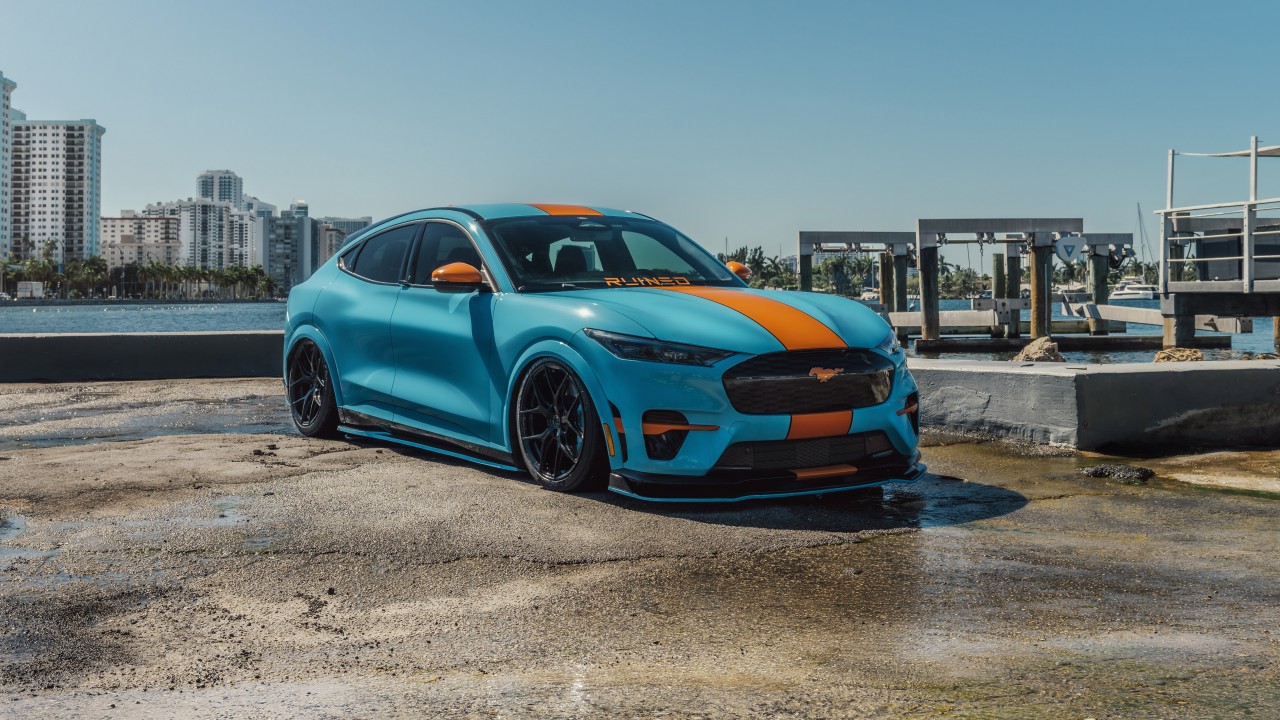
10. Ford Mustang Mach-E GT Performance Edition
The Ford Mustang Mach-E GT Performance Edition proves that even electric muscle cars can turn corners with authority. Its low center of gravity, thanks to the battery placement, provides excellent balance and stability.
Adaptive suspension and performance-tuned steering allow the Mach-E GT to navigate corners smoothly and confidently. Torque vectoring distributes power between the rear wheels to maintain optimal traction through curves.
Electric motors deliver instant torque with precise modulation, allowing drivers to accelerate out of corners without losing control. Weight distribution is nearly ideal for handling, and the all-wheel-drive system ensures grip even in challenging conditions.
The car’s regenerative braking system doubles as performance braking, offering smooth deceleration while contributing to cornering stability. Tires and suspension work in harmony to provide an agile yet composed ride.
Inside, the Mach-E GT Performance Edition is driver-focused with supportive seating and intuitive controls. The cabin layout allows easy access to performance settings, letting drivers adjust power delivery and steering feel for cornering precision. Steering feedback is sharp, and the chassis provides excellent road communication. Even during spirited driving, occupants feel secure and connected to the car.
The combination of electric power, all-wheel drive, and advanced suspension technology makes the Mach-E GT one of the most capable cornering muscle cars.
Its instant torque and low center of gravity create a unique driving experience that blends performance with modern efficiency. This model illustrates that the muscle car identity can evolve to include agility and technology without losing its thrilling character.
The Mustang Mach-E GT Performance Edition represents the future of cornering-capable muscle cars. Its balance of electric power, handling precision, and advanced technology proves that cornering ability is no longer an optional feature for modern muscle cars. It demonstrates that agility, excitement, and innovation can coexist in one dynamic package.
