
Classic British roadsters hold a special place in automotive history because they combine mechanical simplicity, lightweight engineering, and a driving experience that feels raw and engaging.
Unlike many modern vehicles filled with electronic modules and complex computer systems, these older machines were designed in an era when mechanical accessibility was a necessity rather than a luxury.
Owners could tune carburetors, adjust valves, and replace components with ordinary tools in their own garages. This practicality makes them especially appealing to enthusiasts who enjoy hands on restoration and maintenance.
British roadsters became symbols of freedom and affordable performance during the mid twentieth century. Their compact bodies, rear wheel drive layouts, and lively engines provided spirited driving on winding country roads.
They were not built with excessive complication, and their engineering philosophy favored ease of assembly and service. As a result, many of these cars remain approachable for hobbyists decades later. Spare parts availability, strong enthusiast communities, and detailed service manuals further support their reputation for repair friendliness.
Another important factor in their lasting appeal is their straightforward mechanical design. Most classic British roadsters rely on simple four cylinder engines, carburetors instead of fuel injection, and manual transmissions that can be serviced without specialized equipment.
Electrical systems, while sometimes temperamental, are easy to trace and repair compared to modern digital networks. For a dedicated owner, even major repairs such as engine rebuilds or suspension overhauls can be accomplished with patience and basic mechanical knowledge.
Affordability also plays a role in their popularity. Compared to exotic classics from continental Europe, British roadsters often offer lower purchase prices and reasonable parts costs.
This allows enthusiasts to focus on learning, restoring, and improving the vehicle rather than worrying about rare or prohibitively expensive components. Clubs and online communities provide guidance, making ownership less intimidating for newcomers.
The following ten classic British roadsters stand out for their mechanical simplicity and ease of maintenance. Each offers a rewarding driving experience while remaining approachable for do it yourself repairs. Whether someone is seeking their first restoration project or adding another car to a collection, these roadsters represent some of the most accessible and enjoyable classics to maintain.
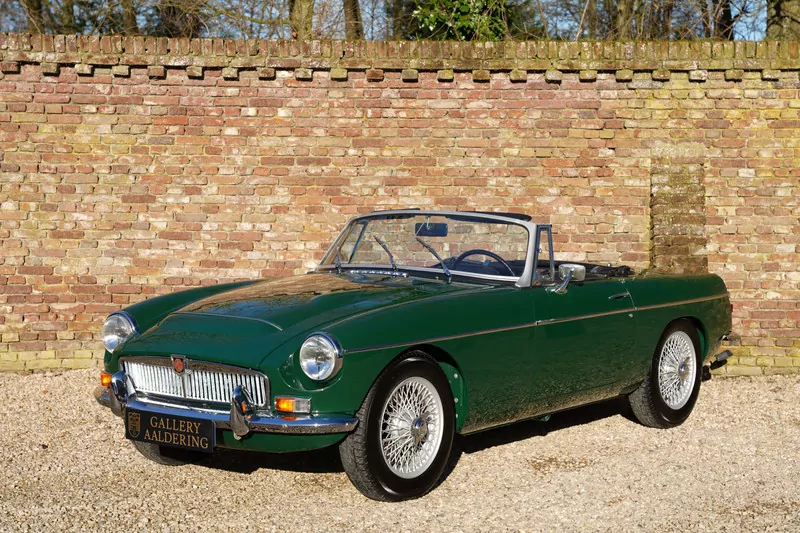
1. MG MGB
The MGB is widely regarded as one of the most practical classic British sports cars for home mechanics, thanks to its combination of simple engineering and large production numbers. Its unibody construction and straightforward mechanical layout allow owners to access almost every component with relative ease.
The engine bay is spacious compared to other cars of its era, making spark plug replacement, carburetor adjustments, and cooling system work a manageable task. Over decades, its reputation for reliability has made it a favorite for hobbyists who prefer do it yourself repairs.
Its B series four cylinder engine is robust and straightforward, with a design that emphasizes accessibility and mechanical simplicity. Routine maintenance, including valve adjustments, timing checks, and carburetor tuning, is well-documented in factory manuals, making them easy to follow for enthusiasts.
Replacement parts are inexpensive and widely reproduced, from gaskets to pistons, ensuring that even extensive repairs can be done without professional intervention. The engine is forgiving, and many mechanics appreciate its tolerance for regular tinkering and upgrades.
The suspension uses a simple setup of coil springs in front and a live axle with leaf springs at the rear, which makes repair or replacement surprisingly straightforward. Bushings and shock absorbers are inexpensive, and replacing them does not require specialized equipment.
Brakes, although drum style in early models, are easily serviceable and upgrading to disc brakes is simple. Owners can tackle chassis and suspension work without fear of overly complex geometry or hidden assemblies, making the car especially suitable for first-time restorers.
Electrical systems in the MGB are uncomplicated when compared to modern vehicles, which rely on computer-controlled modules. The wiring is largely accessible, and common issues involve switches, fuses, or connections.
Upgrades such as electronic ignition or improved alternators can be installed without compromising originality. Many enthusiasts even retrofit modern lighting or stereo systems without major rewiring, benefiting from a logical, straightforward design that encourages DIY modifications.
The MGB enjoys an extensive community and club network, which provides detailed restoration guides, tips, and parts sourcing advice. Technical resources are widely available online and in print, covering almost every imaginable repair scenario.
This combination of mechanical simplicity, durability, and abundant information makes the MGB an ideal choice for those looking for a rewarding hands-on classic. Its driving experience, often described as lively and engaging, is complemented by the satisfaction of being able to maintain the car largely on one’s own.
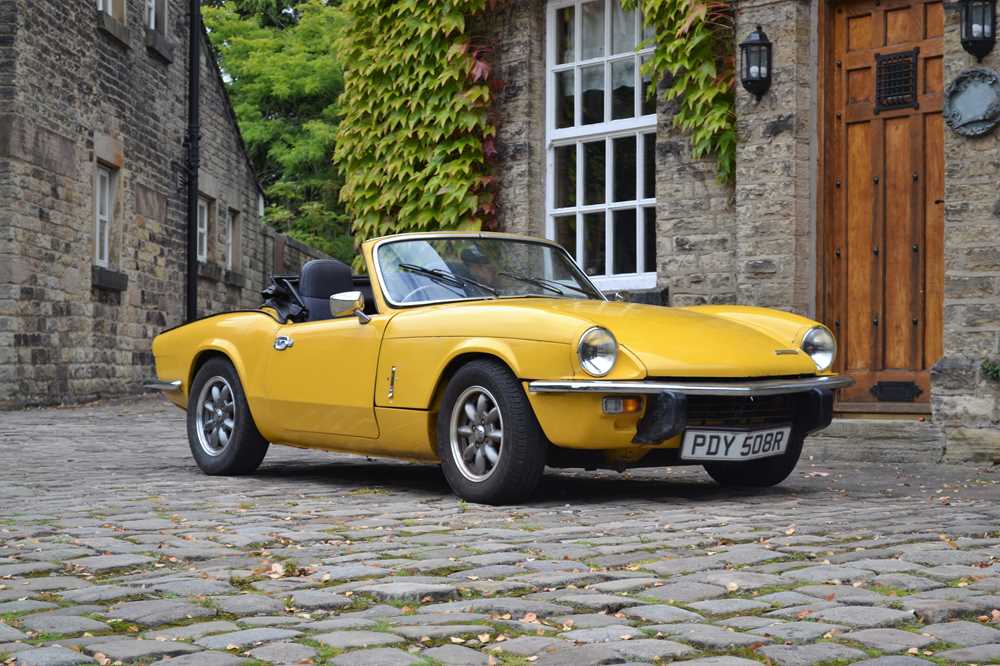
2. Triumph Spitfire
The Triumph Spitfire is known for its compact size and ease of repair, which make it highly appealing to first-time restorers and seasoned enthusiasts alike. Its design includes a hinged front bonnet that tilts forward, exposing almost the entire engine bay.
This unique feature allows work on the engine, cooling system, and ancillary components without needing to remove major assemblies. The compact layout ensures that all key areas are within reach, making day-to-day maintenance and more significant repairs far less daunting.
The Spitfire’s inline four cylinder engine is relatively small, yet robust, with many components interchangeable across model years. Carburetors are easily accessible, which allows for straightforward cleaning, adjustments, and synchronization.
Cooling system repairs are simple due to clear routing of hoses and radiator placement. The engine’s simplicity and the abundance of parts mean that even extensive engine work, such as a full rebuild, can be accomplished with basic mechanical skills.
The chassis and body design allows focused restoration work without dismantling the entire car. Its separate chassis layout reduces the complexity of structural repairs, and panels can be replaced individually if corrosion occurs. Suspension components are simple, with basic geometry and widely available replacement parts. Brake maintenance is accessible and inexpensive, often requiring only common hand tools for full servicing.
Electrical systems in the Spitfire are relatively minimal, featuring straightforward wiring and standard switches. Troubleshooting is largely a matter of following clear wiring diagrams to trace issues. Many owners enhance reliability by upgrading relays or fuse boxes without affecting originality. Replacement harnesses are available, and the system’s simplicity ensures repairs are often quick and predictable.
The Spitfire enjoys enduring popularity, resulting in a wealth of technical resources, online tutorials, and strong club support. Enthusiasts share advice for both routine maintenance and full restorations, covering everything from bodywork to suspension tuning.
Its combination of light weight, manageable power, and mechanical transparency makes it an ideal classic for anyone seeking a rewarding, hands-on experience behind the wheel and under the bonnet.
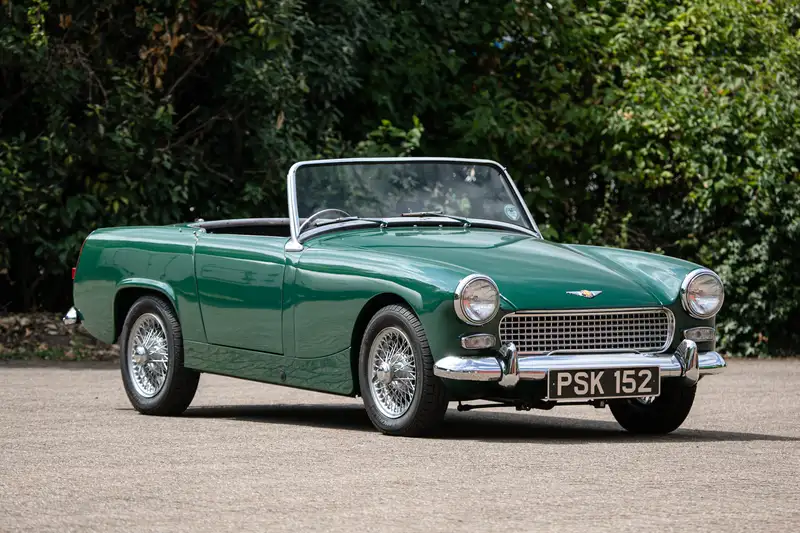
3. Austin Healey Sprite
The Austin Healey Sprite is particularly admired for its straightforward, minimalistic engineering. Early models, often referred to as “Frogeyes” or “Bugeyes,” feature a lightweight frame and simple engine bay that make mechanical access very easy. This simplicity appeals to enthusiasts who prefer visible, understandable systems.
The car’s compact size means that all major service points, from the carburetors to ignition components, are easily reachable without specialized equipment, making even substantial repairs approachable at home.
Its A series inline four cylinder engine is durable, forgiving, and well-documented. Routine tuning such as adjusting the valves, cleaning carburetors, and maintaining the cooling system can be accomplished without professional intervention. Replacement parts, including engine internals, gaskets, and fuel system components, are widely reproduced. This ensures that even significant engine repairs, including full rebuilds, remain accessible to home mechanics.
Suspension maintenance is simple, with basic front coil springs and rear leaf springs that are inexpensive and easy to service. Bushings and shocks can be replaced without specialized tools, and the car’s light weight reduces strain on all components.
Brake systems are similarly approachable, with drum brakes that can be disassembled and reassembled using standard equipment. These characteristics make the Sprite very forgiving for enthusiasts with limited mechanical experience.
The bodywork, while prone to rust over time, is lightweight and manageable. Restoration is facilitated by a strong aftermarket supply of panels, sills, and floors. Unlike many other classics, the Sprite’s sections can often be replaced individually without a complete rebuild. The car’s straightforward structure allows owners to focus on specific problem areas, making a full restoration or repair project much less intimidating.
Sprite ownership is further enhanced by dedicated enthusiast communities and clubs that offer step-by-step guides, advice, and parts recommendations. These networks provide support for everything from routine maintenance to complete restorations. The combination of a lightweight, easy-to-maintain design and a vibrant community ensures that the Sprite remains an inviting, user-friendly classic roadster for both newcomers and experienced restorers.
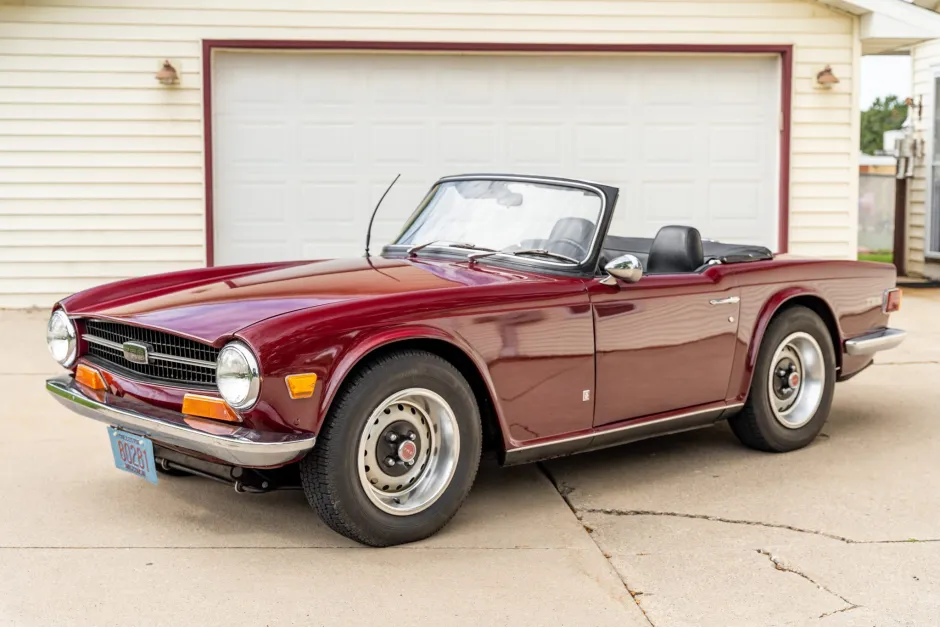
4. Triumph TR6
The Triumph TR6 combines traditional British roadster charm with mechanical accessibility, making it a rewarding car for enthusiasts. Its inline six cylinder engine is mounted in a spacious engine bay, giving clear access to spark plugs, carburetors, and cooling components.
The engine is known for durability, and its straightforward carbureted versions allow adjustments, tuning, and minor repairs without specialized equipment. This accessibility encourages hands-on maintenance even for more ambitious projects like engine overhauls.
The TR6’s body sits on a separate ladder frame, which simplifies structural and rust repair. Body panels can be replaced individually, and reproduction parts are readily available through aftermarket suppliers.
While rust can occasionally be extensive in older models, focused repairs are feasible without the need for complete disassembly. Many owners successfully restore TR6s in home garages, balancing authenticity with practical repair methods.
Suspension systems are conventional and accessible, featuring coil springs at the front and leaf springs at the rear. Components such as bushings, shock absorbers, and ball joints are inexpensive and easy to replace. Brake maintenance is straightforward, typically involving drum or disc systems that are simple to service. Even full chassis and suspension refreshes are within the capabilities of dedicated enthusiasts.
The TR6 interior and electrical systems are mechanical and uncomplicated. Gauges, switches, and wiring are easy to access for repair or replacement. Owners frequently upgrade components for better reliability without altering the car’s character.
Clear wiring diagrams and mechanical documentation make troubleshooting and repair accessible to hobbyists who wish to maintain or restore the vehicle themselves.
TR6 ownership is further supported by a large community of enthusiasts and clubs, providing detailed restoration guidance and sourcing tips. Its combination of lively performance, classic styling, and manageable maintenance ensures it remains a favorite among those seeking a mechanically engaging British roadster. Its accessibility, both in driving and in service, continues to make it a practical choice for do it yourself restorers.
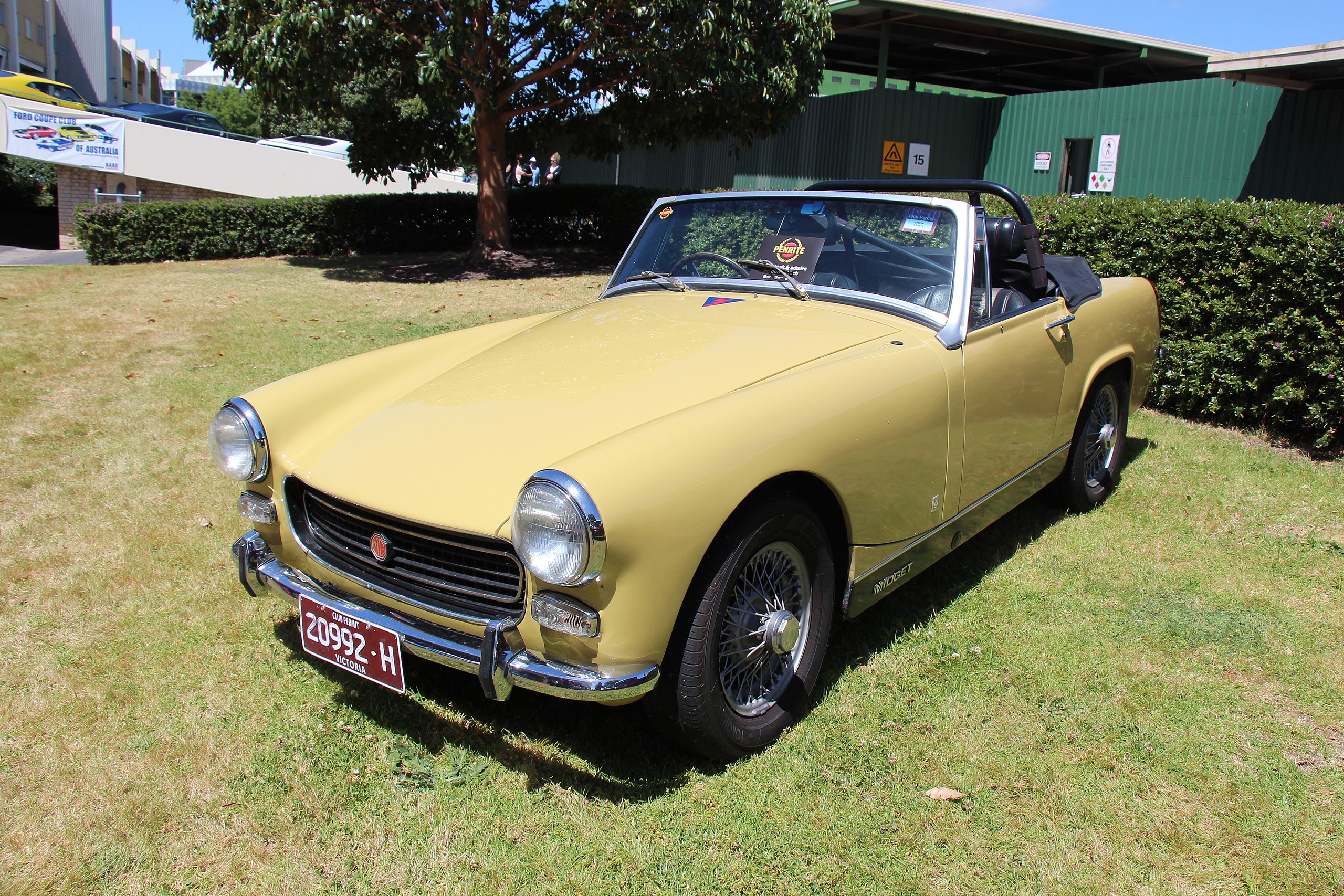
5. MG Midget
The MG Midget shares much of its engineering with the Austin Healey Sprite, which enhances its reputation as an easy-to-maintain roadster. Its compact engine bay allows good access to all service points, making routine tasks like spark plug replacement, oil changes, and carburetor adjustments relatively simple. Even with its small size, mechanics find the layout logical, with minimal obstructions and clear component positioning.
The Midget’s small displacement engine is straightforward and economical, featuring carburetors that are easy to clean and adjust. Replacement parts are widely available, thanks to its shared heritage with the Sprite and the MGB. Engine rebuilds and upgrades are feasible for home mechanics, and the car responds well to careful tuning, making it a reliable and enjoyable classic to maintain.
Suspension and braking systems are uncomplicated and lightweight, which reduces stress on components. The front uses simple coil springs, while the rear features a leaf spring setup. Bushings, shocks, and brake components are inexpensive and easily replaced, allowing owners to restore or upgrade handling without specialized tools or professional assistance.
The Midget’s electrical system is basic and largely easy to trace. Many owners install modern upgrades such as fuse boxes or alternators to improve reliability without affecting originality. Wiring issues are generally limited to connection faults, which are simple to repair.
Documentation, including repair manuals and guides, is widely available, giving hobbyists confidence in tackling even electrical work themselves.
With its light weight, engaging driving experience, and approachable mechanical design, the MG Midget remains a favorite for enthusiasts seeking a hands-on British roadster. A strong community provides support for parts sourcing, restoration techniques, and technical advice. These factors combine to make the Midget a practical, enjoyable, and accessible choice for both novice and experienced classic car owners.
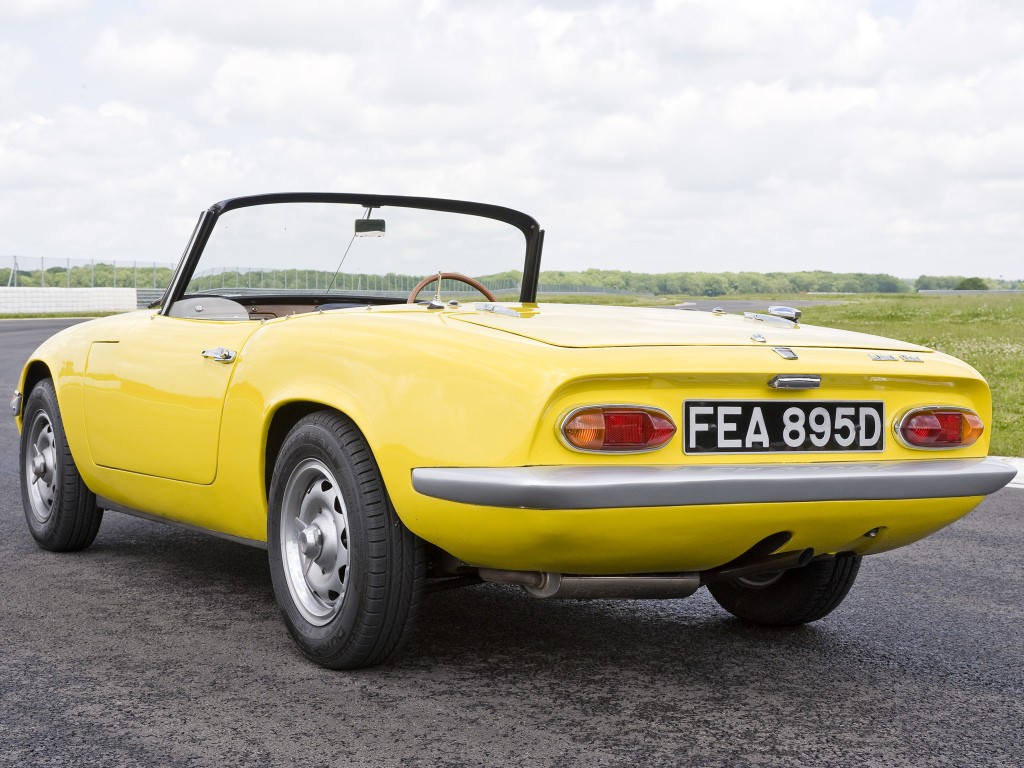
6. Lotus Elan
The Lotus Elan is celebrated for combining lightweight design with innovative engineering while remaining surprisingly serviceable for a classic car. Its fiberglass body prevents rust issues common in steel-bodied roadsters, reducing the long-term maintenance burden.
The backbone chassis provides a rigid platform while isolating structural repairs to the central spine. This design makes bodywork and mechanical servicing more manageable, as many components can be removed or repaired individually without dismantling the whole car.
Its 1.6-liter twin-cam four cylinder engine is compact but lively, producing impressive performance for its era. While tuning a twin-cam engine requires more precision than a standard single-cam setup, access to spark plugs, carburetors, and the cooling system is excellent.
Many aftermarket parts and replacement components exist, ensuring that enthusiasts can rebuild or maintain the engine without excessive difficulty. Proper maintenance of the engine results in remarkable reliability and consistent performance.
The suspension system is innovative yet modular, featuring independent double wishbones at the front and a Chapman-designed rear setup. Although more complex than basic coil-and-leaf designs, each component is accessible for inspection and replacement.
Upgrades and adjustments are straightforward, and replacement parts are widely available through specialists. Handling improvements can be made without extensive modification, maintaining the Elan’s legendary nimbleness while simplifying restoration.
Electrical systems in the Elan are minimal by modern standards, mainly powering lights, gauges, and the ignition system. Wiring faults are usually simple to trace, and replacement harnesses exist for those seeking an original configuration. Upgrades, such as electronic ignition or modern fuses, can be added to improve reliability without affecting originality.
Owners often find electrical work to be one of the simpler aspects of Elan maintenance, making it an approachable project for enthusiasts.
The Lotus Elan remains a sought-after roadster because it balances performance with maintainable engineering. Clubs and enthusiast networks provide step-by-step technical guides, advice, and parts sourcing support.
For those willing to invest in careful mechanical work, the Elan offers both a rewarding driving experience and a classic car that can be maintained successfully in a home garage. Its blend of design, simplicity, and driver engagement continues to captivate collectors and hobbyists alike.
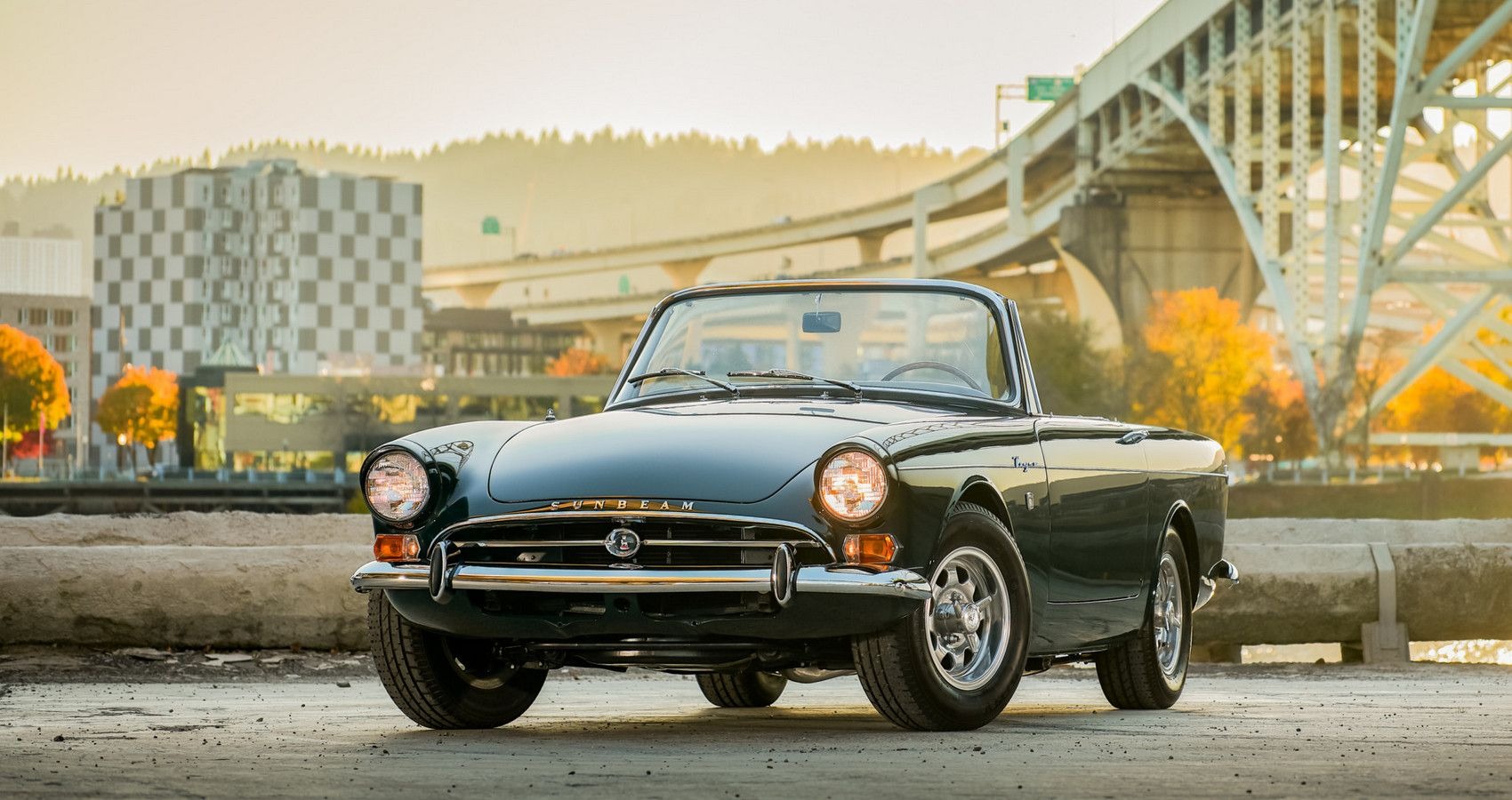
7. Sunbeam Alpine
The Sunbeam Alpine is admired for its sturdy construction and straightforward mechanical layout, which makes it practical for home maintenance and restoration. Its engine bay is spacious and logically arranged, allowing easy access to spark plugs, carburetors, and the cooling system.
Its simple design means that owners can perform most mechanical tasks without the need for professional tools. Restoration and routine repairs are approachable even for hobbyists attempting their first classic car project.
Its 1.6-liter and later 1.7-liter engines are reliable and uncomplicated, featuring twin SU carburetors that are easy to service and tune. Replacement parts, including gaskets, pistons, and carburetor components, are widely available due to the Alpine’s long production run and enthusiastic following. The engine responds well to careful maintenance and tuning, offering spirited performance while remaining user-friendly for DIY repairs.
The Alpine’s body-on-frame construction simplifies structural repair and restoration. Rust can be addressed in specific panels without dismantling the car entirely. Lightweight panels are easier to work with, and aftermarket replacement sections are available for doors, sills, and floors.
Suspension components, including coil springs at the front and leaf springs at the rear, are conventional and accessible, reducing the time and cost of repairs.
Electrical systems in the Sunbeam Alpine are basic, involving standard switches, fuses, and wiring. Troubleshooting is straightforward, and minor upgrades such as improved fuse boxes or alternators are easily installed without altering the original design. Gauges and interior switches are simple to remove and repair, making this car particularly accessible to those learning classic car maintenance.
Strong club support and parts availability ensure that the Alpine remains a practical choice for enthusiasts. Owners benefit from detailed guides, shared technical advice, and community knowledge about common issues. Its combination of approachable mechanical systems, classic styling, and enjoyable driving dynamics makes it a reliable, rewarding, and relatively low-stress British roadster for hobbyists.
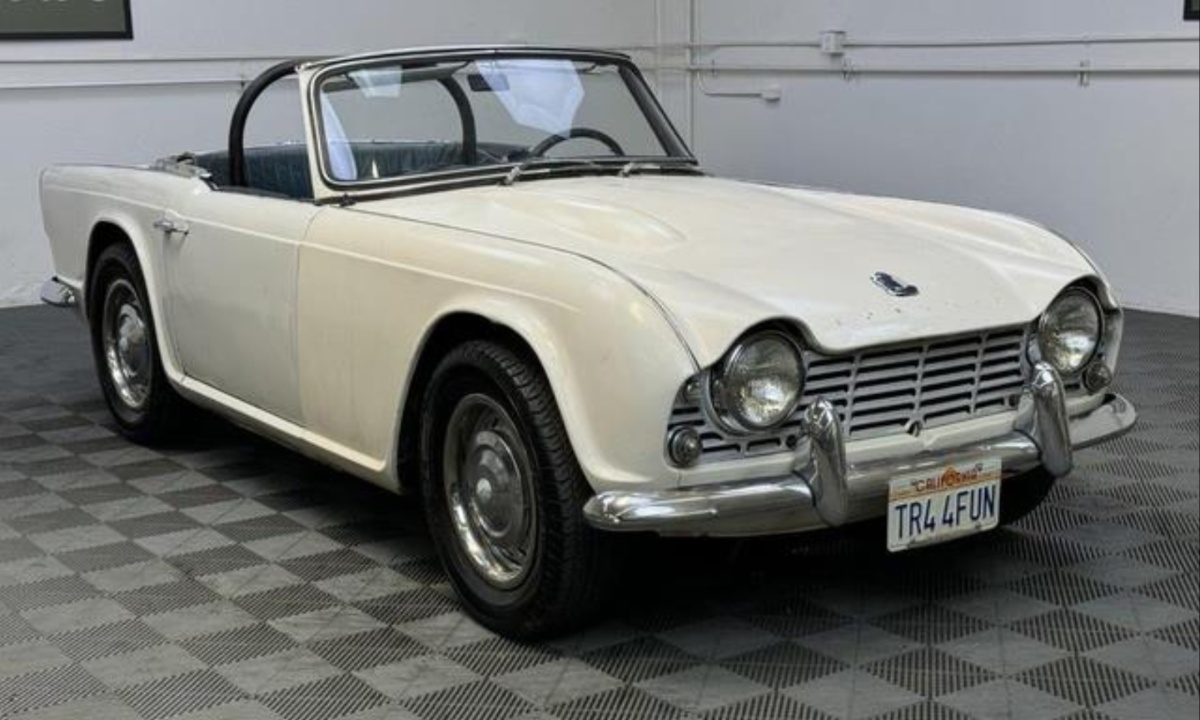
8. Triumph TR4
The Triumph TR4 is a larger British roadster with mechanical accessibility that appeals to both beginner and experienced restorers. Its engine bay is well laid out, giving clear access to carburetors, ignition components, and the cooling system. Maintenance such as valve adjustments, carburetor tuning, and oil changes can be accomplished without specialized tools. The straightforward design ensures that hobbyists can comfortably perform many repairs at home.
The TR4 features a 2.1-liter inline four cylinder engine that produces reliable performance and is straightforward to service. Carbureted versions are easy to tune, and the mechanical fuel system is simple compared to modern vehicles.
Replacement components are widely available, including pistons, gaskets, and carburetor parts. With proper care, the engine provides dependable service and responds well to careful DIY restoration work.
Its ladder frame construction supports focused body and chassis repairs. Panels can be replaced individually in case of rust, and aftermarket parts are abundant. Suspension components are robust and conventional, with simple front coil springs and rear leaf springs. Brakes are conventional and can be serviced using basic tools, making the TR4 highly approachable for restoration enthusiasts.
The electrical system is minimal, largely powering the ignition, lights, and gauges. Wiring is simple to trace, and common issues usually involve connections or switches. Many owners upgrade fuse boxes and alternators for better reliability without compromising originality. Detailed service manuals and diagrams make electrical maintenance a straightforward task for hands-on owners.
The TR4 is supported by a strong enthusiast community that provides restoration tips, parts sourcing information, and technical advice. Its combination of style, mechanical accessibility, and driving engagement makes it a practical and enjoyable classic British roadster. For those looking for a project that balances performance with approachable repair work, the TR4 remains a solid choice.
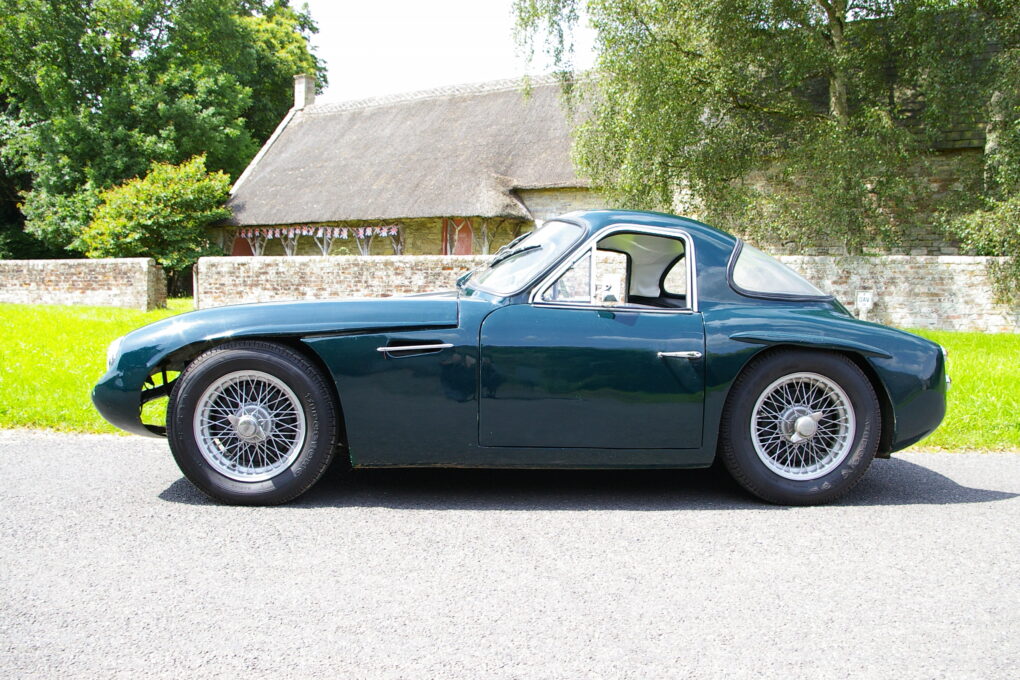
9. TVR Grantura
The TVR Grantura is a lightweight British sports car that combines simplicity with performance-oriented design. Early models used engines sourced from familiar British manufacturers such as Coventry Climax or Ford, which makes engine maintenance easier.
Its compact size allows convenient access to the engine bay and ancillary components, which simplifies servicing, carburetor adjustments, and cooling system work. Despite being less common than other British roadsters, its design encourages hands-on maintenance.
Fiberglass bodywork reduces corrosion concerns, and structural repairs focus primarily on the chassis rather than panels. The chassis is simple and allows partial disassembly if needed, reducing the complexity of major repairs. Replacement mechanical components can often be sourced from other common British cars, providing a cost-effective approach for restoration.
The engine access is generally good, even though layouts vary depending on the specific Grantura model. Carbureted engines are easy to tune, and the mechanical fuel system is approachable for home mechanics. With careful maintenance, the Grantura provides reliable performance while remaining mechanically friendly.
Suspension and brake systems are conventional and uncomplicated. Front and rear suspension components can be replaced individually, and basic upgrades are easy to implement. Brake servicing is straightforward, requiring only standard tools and basic knowledge.
The simplicity of these systems makes the Grantura an approachable sports car for enthusiasts who enjoy working on their own vehicles.
Although less widespread than other British roadsters, the TVR Grantura has a dedicated following of enthusiasts and clubs. Technical guidance, parts sourcing, and restoration advice are shared within the community. Its combination of accessible mechanics, lightweight construction, and engaging driving experience ensures that the Grantura remains a rewarding project for classic car enthusiasts willing to invest in hands-on care.
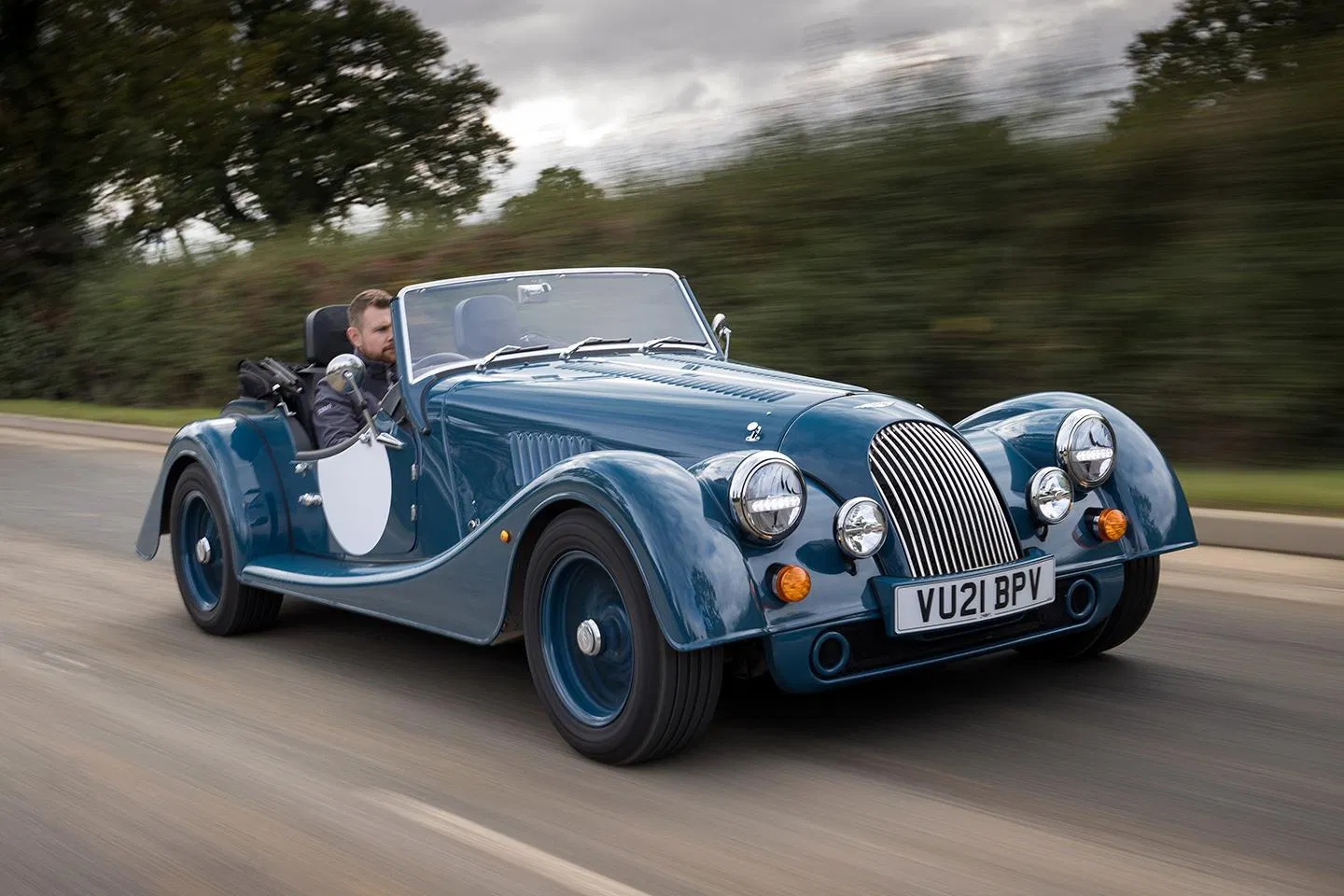
10. Morgan Plus 4
The Morgan Plus 4 retains a traditional British roadster design that emphasizes simplicity and craftsmanship. Its body-on-frame construction allows targeted repairs without disassembling the entire vehicle, and its wooden frame elements can be repaired or replaced individually. Fiberglass and aluminum panels are manageable for restoration, making this car suitable for owners who enjoy hands-on mechanical work.
The four cylinder engine is mechanically straightforward, providing excellent accessibility for carburetor adjustments, ignition service, and general maintenance.
Many engines used in the Plus 4 were sourced from reliable British manufacturers, and parts remain available from both original suppliers and aftermarket sources. Engine rebuilds and minor modifications are feasible for skilled enthusiasts without requiring professional intervention.
Suspension systems follow a simple design, typically with solid axles or independent setups depending on the year. Components such as shocks, springs, and bushings are inexpensive and replaceable with basic tools. Brake systems are conventional and easily serviced. The straightforward mechanical approach encourages owners to maintain and restore the car themselves, preserving the traditional driving feel.
Electrical systems are limited in complexity, primarily powering ignition, lighting, and gauges. Wiring is easy to trace, and minor faults are simple to correct. Upgrades such as electronic ignition or improved fuse boxes can be installed for reliability without altering the car’s classic character. Service manuals and community knowledge make troubleshooting accessible even for less experienced enthusiasts.
The Morgan Plus 4 offers a blend of classic styling, engaging driving dynamics, and accessible mechanics. Strong factory support, combined with active clubs and enthusiast networks, ensures that owners can source parts, get advice, and follow restoration guidance.
Its enduring design philosophy makes it one of the most maintainable traditional British roadsters, appealing to enthusiasts who value craftsmanship and hands-on ownership.
