
Classic American cars hold a special place in automotive history because they represent design, performance, and cultural identity from different eras of the twentieth century. For many enthusiasts, owning a vintage vehicle once seemed like a distant dream reserved for collectors with enormous budgets.
However, not every desirable classic demands six figures at auction. A number of well built, stylish, and historically significant models remain within reach for buyers who are patient and informed. These cars provide the charm of chrome, the sound of carbureted engines, and the pride of mechanical simplicity without completely draining savings accounts.
Affordability in the classic car market depends on several factors, including production numbers, parts availability, brand reputation, and demand. Vehicles that were produced in large quantities or that share components with other models often remain reasonably priced because maintenance is easier and supply is stronger.
At the same time, cars that may have once been overlooked are now gaining appreciation as younger enthusiasts search for authentic driving experiences. The appeal of analog dashboards, bench seats, and naturally aspirated V8 engines continues to resonate with people who value character over modern complexity.
The following ten American classics demonstrate that it is still possible to own a piece of history without spending a fortune. They span different decades and body styles, from muscle cars and pony cars to full size cruisers and compact sports cars. Each one reflects the era in which it was built, offering distinctive styling cues and mechanical personality.
These vehicles are not only attainable, but also practical for hobbyists who enjoy working on their own machines and participating in local car shows or weekend drives.
By choosing wisely and focusing on condition rather than hype, buyers can find solid examples that offer both enjoyment and long term value.
While prices can vary depending on originality and location, the models listed here generally remain accessible compared to their more famous siblings. For enthusiasts ready to step into classic American motoring, these cars offer an inviting starting point.
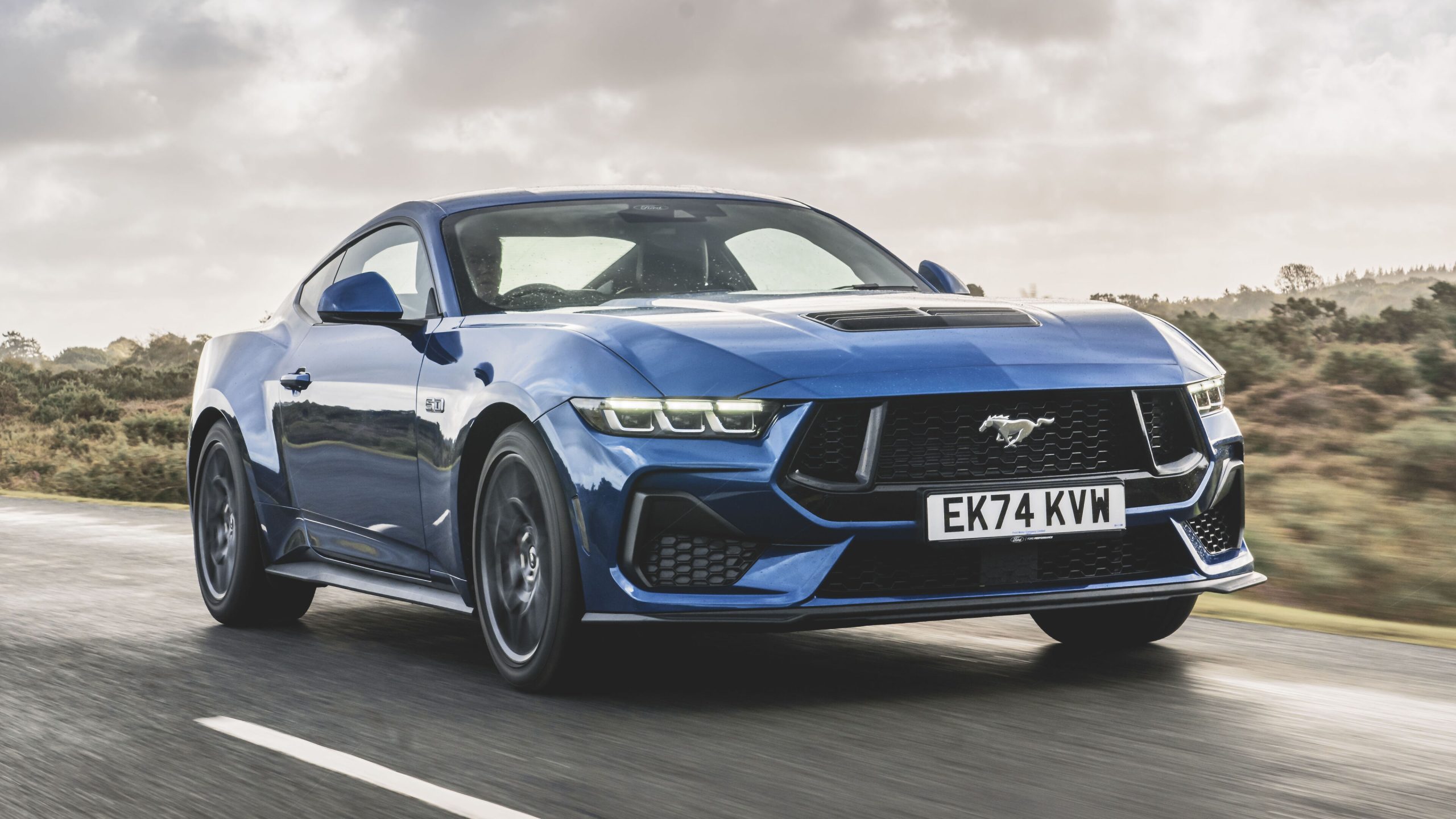
Ford Mustang ($35,000)
The 1965 Ford Mustang introduced the pony car concept and immediately became a symbol of American automotive style. Its long hood and short deck proportions created a sporty, timeless silhouette. Early models offered engines ranging from the economical inline six to small block V8s, providing options for a variety of buyers. Production numbers were extremely high, which keeps solid examples relatively affordable today.
Inside, the Mustang featured a simple but functional layout, with bucket seats, optional center console, and clear instrumentation. The straightforward design makes it easy for first time restorers to work on the car. A vast aftermarket and parts availability ensure that repairs and customizations are cost effective. These factors allow enthusiasts to restore or maintain the car without extreme expense.
The driving experience is a major part of the Mustang’s appeal. Steering and throttle feedback are direct, offering an analog connection that modern cars rarely provide. Even the six cylinder models provide an engaging ride, and V8 variants deliver classic American muscle sound. Many owners enjoy enhancing suspension and brakes while preserving the original look of their cars.
Insurance and routine maintenance are generally affordable, especially for six cylinder or early base models. Community clubs and online forums provide guidance for newcomers, helping them navigate common issues and source replacement parts.
This support network increases confidence among first time buyers. Because of large production numbers, enthusiasts can select from different trims and options depending on budget and preference.
The Mustang’s cultural significance adds to its appeal without making it prohibitively expensive. It played a key role in shaping the pony car segment, and its legacy endures in modern models. Well maintained examples from 1965 offer both historical value and practical enjoyment. The balance of affordability, style, and driving character ensures the Mustang remains a popular classic choice.
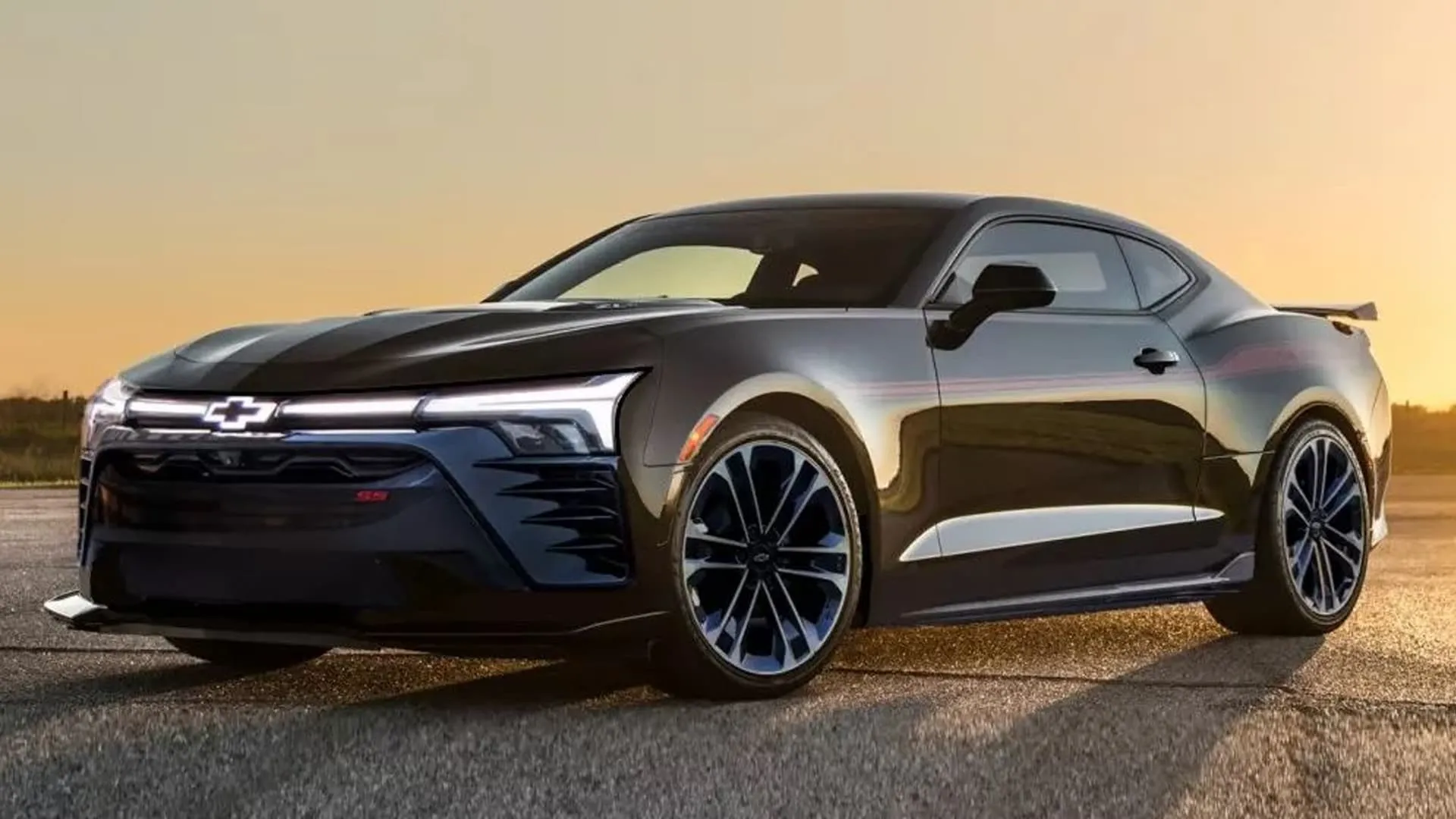
Chevrolet Camaro ($45,000)
The 1967 Chevrolet Camaro was Chevrolet’s answer to the Mustang, entering a rapidly growing pony car market. Its aggressive front grille and muscular stance created an instantly recognizable presence.
Engine choices ranged from inline six cylinders to small block V8s, allowing buyers to balance performance with cost. Base models remain very attainable, while high performance Z/28 and SS trims command higher prices.
Styling was aggressive yet elegant, featuring sculpted body panels and a balanced proportion. The interior is functional, with driver oriented controls and comfortable seating. Many mechanical components are shared with other GM vehicles of the era, reducing restoration costs. This combination of reliability and parts availability makes it appealing to new collectors.
Driving the Camaro emphasizes classic American muscle characteristics. Even the lower horsepower engines provide lively acceleration, and the V8 options deliver classic performance. Suspension tuning can improve cornering without sacrificing originality. Owners can personalize their cars while retaining period authenticity, making each Camaro unique.
Market availability is strong because Chevrolet produced a significant number of units. Coupes and convertibles exist in various conditions, giving buyers flexibility. Rust inspection is critical, as corrosion can dramatically affect value. Nevertheless, solid driver quality examples remain attainable for a broad audience.
The Camaro’s combination of style, history, and performance ensures that it continues to attract interest. Entry level trims provide a gateway into classic car ownership without extreme cost. Its enduring presence in pop culture reinforces the car’s significance and popularity. Collectors appreciate both affordability and heritage.
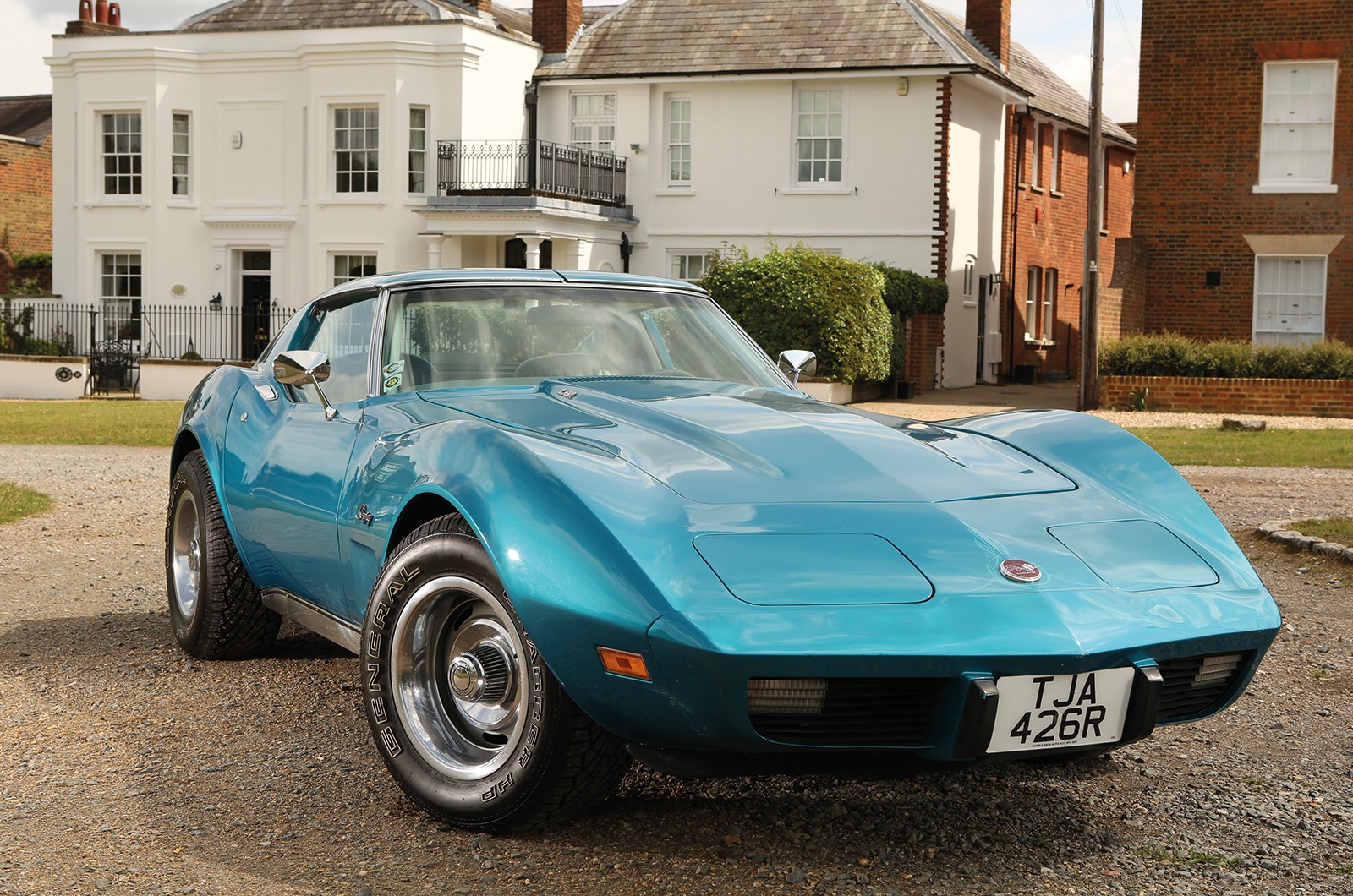
Chevrolet Corvette C3 ($35,000)
The third generation Chevrolet Corvette, introduced in 1968, was known for its futuristic styling and dramatic curves. Its long hood and sweeping fenders created a strong visual impact. While high performance early models with big block engines are expensive, later production years remain accessible. The C3 generation remains one of the most attainable Corvettes for enthusiasts.
Fiberglass body construction prevents rust issues common in steel bodied vehicles, although careful inspection of frame components is still necessary. Interiors feature a driver oriented cockpit with digital inspired gauges and supportive bucket seats. Mechanical components share compatibility with other GM platforms, making parts easier to source. Restoration costs are more manageable than many European sports cars from the same era.
Performance varies across the C3 generation, particularly during emissions restricted years. Even lower output V8s provide classic acceleration and a characteristic exhaust note. Many owners restore engines to earlier specifications to enhance performance. Suspension and brake upgrades improve drivability without changing the car’s visual authenticity.
The C3 Corvette remained in production until 1982, resulting in a wide range of options for buyers. Later models from the 1970s typically cost less while retaining the Corvette’s signature styling. Insurance and maintenance are affordable relative to European competitors. This combination of style, reliability, and cost keeps the C3 attractive for new collectors.
The C3 Corvette offers an American sports car experience with a distinctive personality. Its bold appearance and engaging V8 performance continue to attract attention at shows and events. For those seeking a Corvette with lower entry cost, the C3 remains a practical and iconic choice. It embodies the classic American balance of design, performance, and accessibility.
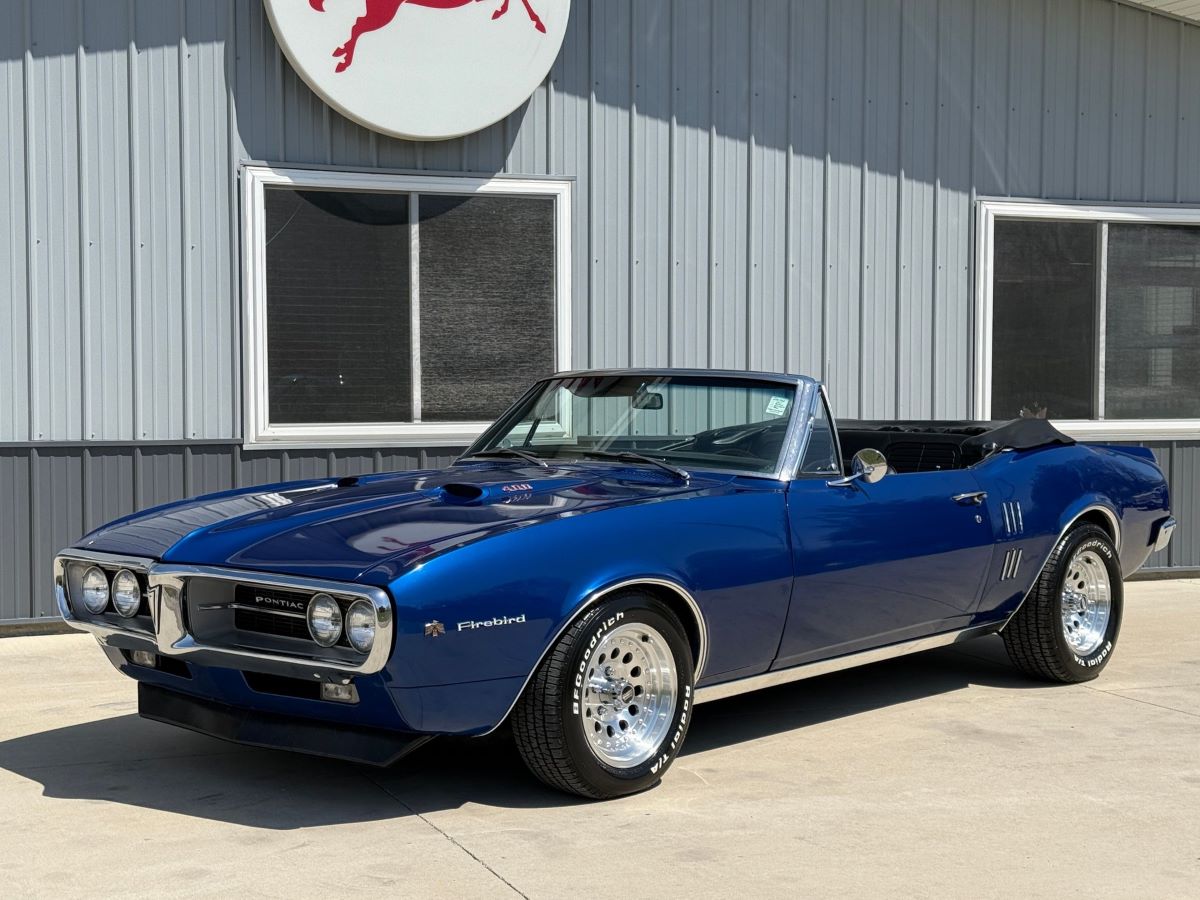
Pontiac Firebird ($40,000)
The 1969 Pontiac Firebird was introduced as a performance oriented companion to the Chevrolet Camaro. While sharing the same F-body platform, it featured distinctive split grilles and unique badging. Base models and six cylinder options remain affordable, offering collectors a chance to own a classic without extreme cost. High performance Ram Air versions are much rarer and more expensive.
Styling emphasized aggressive yet elegant lines, with a slightly more refined appearance than its Camaro sibling. Interiors were driver focused, with clear gauges and supportive seating. Many mechanical parts are compatible with other GM models, which reduces restoration challenges and keeps costs reasonable. The Firebird benefits from strong aftermarket support.
Driving the Firebird offers classic American muscle dynamics. Suspension and steering provide a responsive feel, and V8 engines deliver satisfying acceleration and sound. Owners often upgrade brakes and suspension for improved handling. The car strikes a balance between everyday drivability and classic character.
Because the Firebird did not achieve the same immediate fame as certain muscle car icons, many examples remain reasonably priced. This relative obscurity is an advantage for collectors looking for a good entry point. Solid driver quality models remain available at accessible values in many markets. Rust and structural condition should always be carefully evaluated.
The 1969 Firebird captures the late 1960s American performance spirit with distinctive styling. Its combination of availability, design, and classic V8 performance ensures it remains appealing to enthusiasts. For buyers seeking a stylish pony car that won’t break the bank, the Firebird offers an attractive option. Its uniqueness and heritage make it a standout among attainable classics.
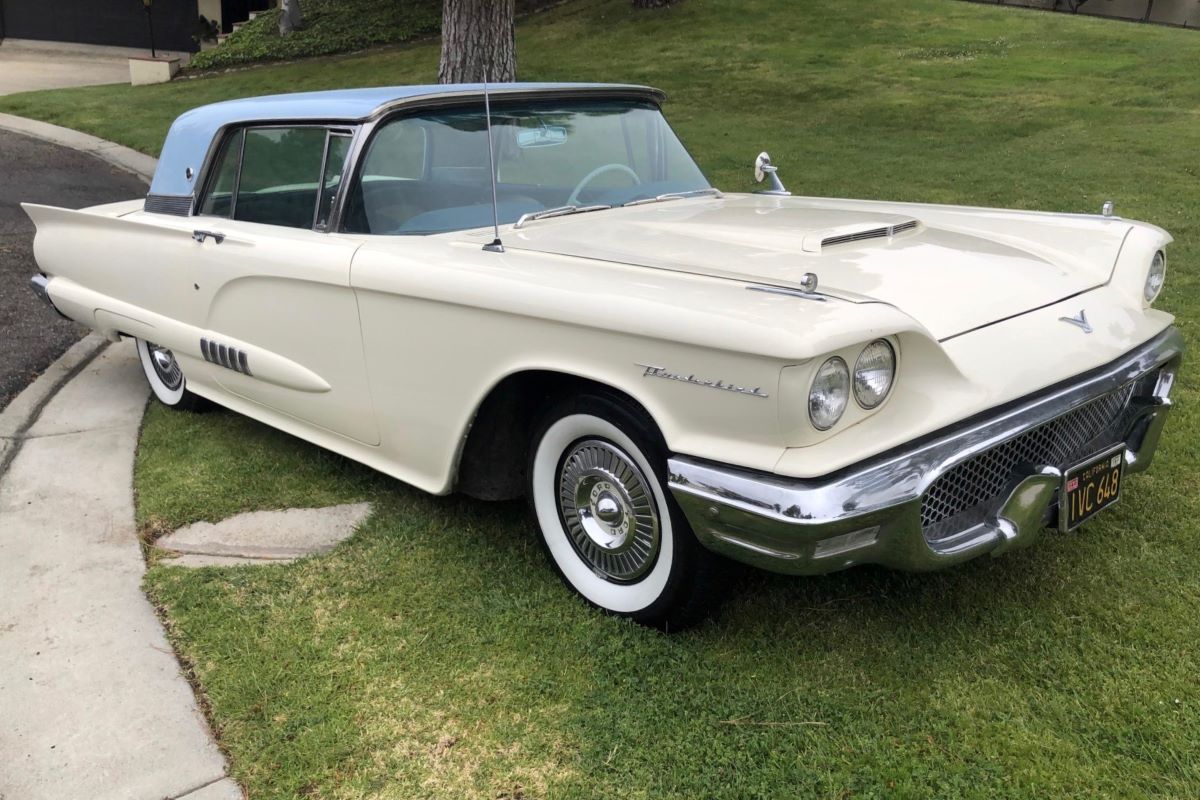
Ford Thunderbird ($30,000)
The 1961 Ford Thunderbird introduced a striking new design with clean lines and sharp edges. Unlike earlier two seat versions, this generation offered four seats, making it a more practical and widely appealing luxury car. Its futuristic design and relatively high production numbers keep many examples affordable today. Collectors can find coupes and convertibles at reasonable prices.
Inside, the Thunderbird featured luxury touches such as wraparound dashboards, chrome accents, and comfortable seating. Power windows and optional air conditioning were advanced features for the era. Mechanical components were robust and simple to maintain, helping to keep restoration costs under control. The car combines elegance with practicality, appealing to both classic and everyday driving enthusiasts.
On the road, the 1961 Thunderbird prioritizes smooth, comfortable cruising over raw performance. Its V8 engine delivers consistent power for highway driving. Steering and suspension are tuned for comfort, making it an ideal touring car. Owners often preserve original features to maintain historical authenticity.
The Thunderbird’s high production numbers ensure availability across a range of conditions. While convertibles may command slightly higher prices, coupes remain attainable for moderate budgets. Buyers should pay attention to electrical systems and frame condition, but routine maintenance is straightforward. Well maintained examples offer reliable enjoyment for daily or occasional use.
This generation Thunderbird reflects early 1960s American automotive optimism, combining style and comfort in a practical package. Its timeless design and attainable price make it appealing for collectors who value both aesthetics and driving experience. The car continues to offer a unique entry into classic American luxury ownership.
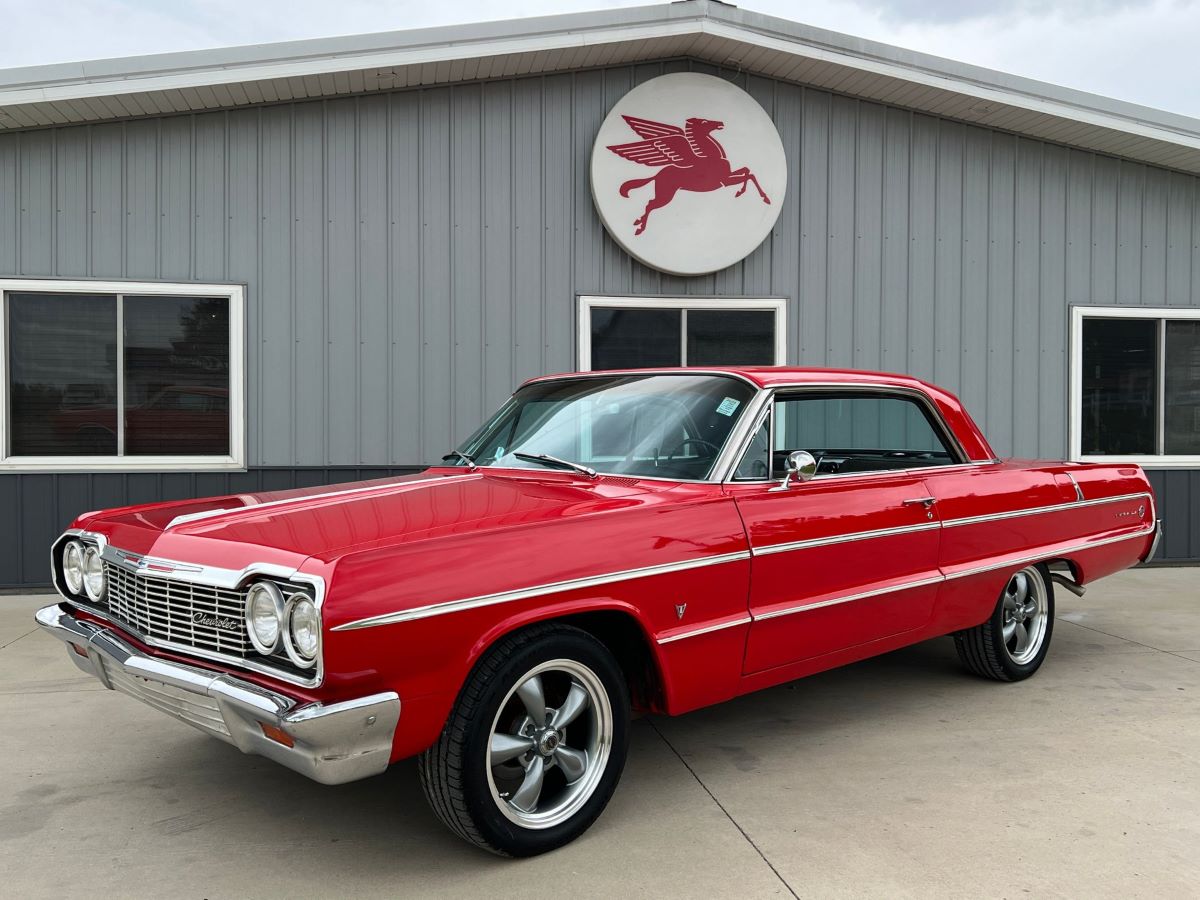
Chevrolet Impala ($35,000)
The 1964 Chevrolet Impala is widely regarded as a symbol of mid 1960s American full size cars, known for its graceful lines and impressive presence. It was offered in multiple body styles including two-door hardtops, convertibles, and four-door sedans, giving buyers a variety of options.
Engine choices ranged from inline sixes to small and big block V8s, making the car accessible to many budgets. Despite popularity, base models remain affordable and provide the classic American cruising experience.
Chrome trim and wide, sweeping body panels characterize the Impala’s exterior, creating a sense of elegance and scale. Interiors featured spacious seating with bench options and a large dashboard, emphasizing comfort and style. Parts remain widely available due to strong enthusiast support, simplifying restoration projects. Buyers can select vehicles suitable for either casual driving or more ambitious restoration efforts.
Driving the 1964 Impala emphasizes smooth and comfortable performance over outright speed. Smaller engines provide adequate acceleration for city and highway use, while V8s deliver classic American power and rumble. Steering is light and forgiving, making it enjoyable for long drives. Many owners appreciate the relaxed and roomy interior, ideal for weekend cruises and car shows.
High production numbers contribute to stable prices and availability in the market today. Condition, originality, and trim level affect pricing, but even solid driver-quality examples remain attainable. Rust inspection is critical for older Impalas, especially on floor pans and rear quarters. Insurance and upkeep are manageable for most enthusiasts, enhancing its accessibility.
The 1964 Impala embodies the mid 1960s automotive design philosophy of scale, comfort, and elegance. Its enduring popularity ensures it remains a respected and attainable classic. For collectors seeking a stylish full size car without excessive expense, it represents an ideal entry point. Its combination of charm, drivability, and historical significance makes it highly desirable.
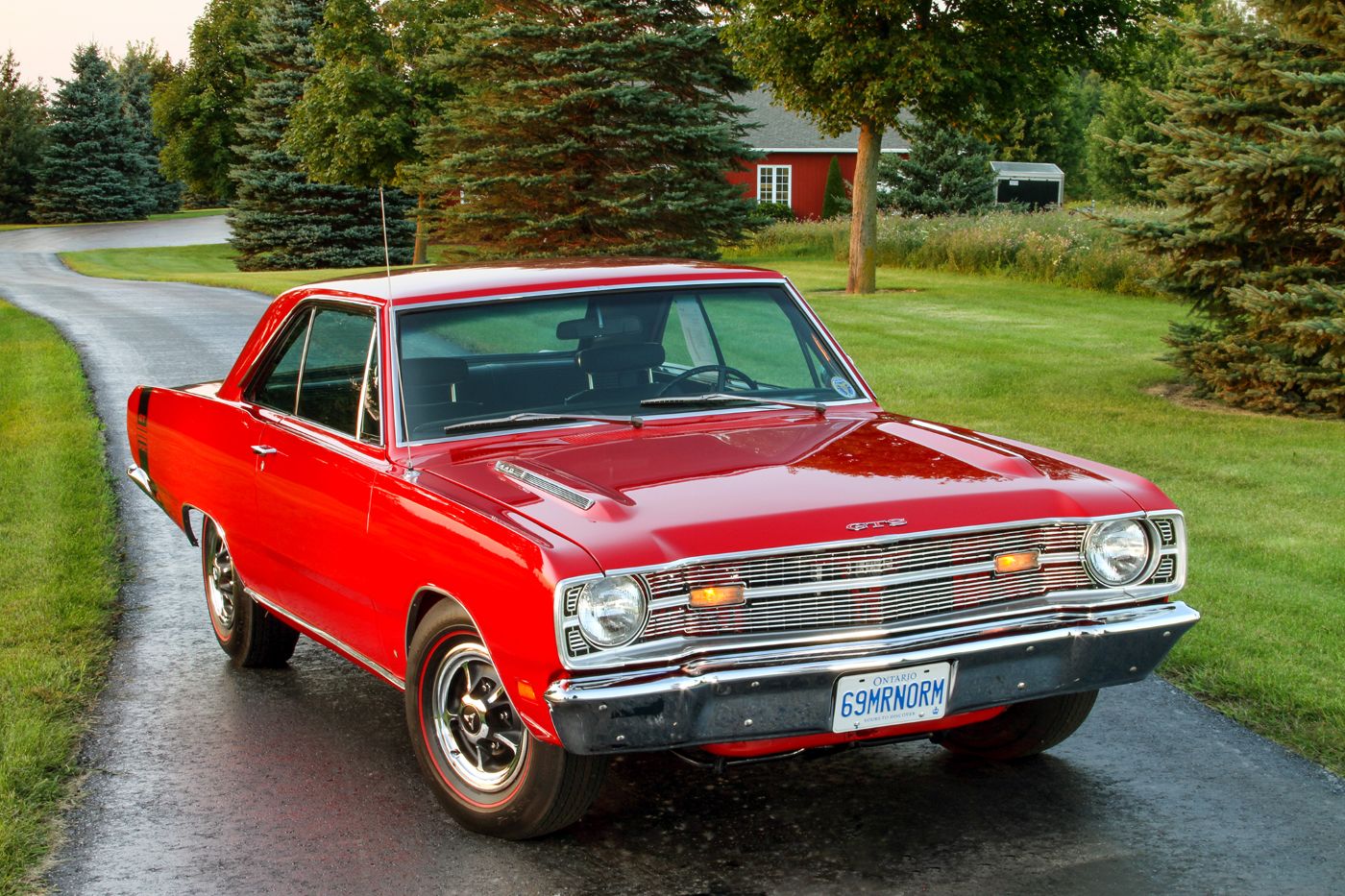
Dodge Dart ($28,000)
The 1970 Dodge Dart was a compact car that could be tailored for economy or performance depending on engine selection. The base six cylinder engines provided reliable and affordable motoring, while small block V8s and the high performance 340 and 383 options offered true muscle car excitement.
The Dart’s smaller size made it nimble and easier to drive than larger muscle cars of the era, making it appealing for first time enthusiasts and city drivers.
The exterior design featured clean, simple lines with subtle aggression, distinguishing it from the larger Dodge models. Interiors were functional and durable, with bucket seats offered on sportier trims. Dashboard layouts were straightforward, simplifying repairs and replacement of mechanical or electrical components. This simplicity has made the Dart popular among enthusiasts seeking a manageable project car.
Driving the Dart emphasizes lightness and responsiveness, particularly with smaller V8 or six cylinder engines. Acceleration is lively, and suspension components provide a balance of comfort and control. Many owners upgrade brakes and shocks to enhance cornering while preserving the car’s original feel. The Dart allows a satisfying hands-on driving experience without the intimidation of larger cars.
Because the Dart was overshadowed by larger Mopar muscle cars, it avoided extreme price inflation. This relative obscurity benefits modern buyers looking for affordability. Rust inspection remains important, particularly in floor pans and rocker panels. Solid examples, especially coupes and sedans, continue to appear at approachable prices.
The 1970 Dodge Dart embodies early 1970s compact muscle energy. Its combination of manageable size, engine variety, and distinctive styling makes it appealing. For enthusiasts seeking Mopar heritage without spending a fortune, it remains a compelling choice. Its affordability and usability contribute to its lasting popularity among collectors.
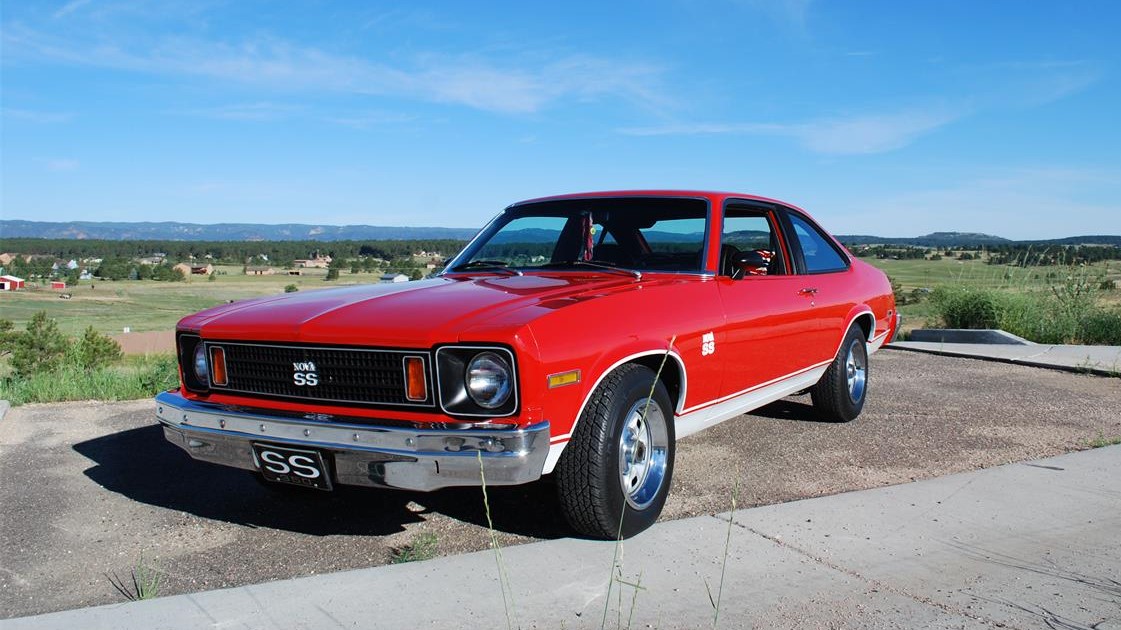
Chevrolet Nova ($25,000)
The 1972 Chevrolet Nova was a compact, rear wheel drive car that blended practicality with potential for performance. Engine options ranged from economical inline six cylinders to small block V8s, making it suitable for budget conscious buyers and enthusiasts alike. High performance SS versions command higher prices, while standard models remain affordable. Its size and simplicity appeal to collectors seeking an easy-to-maintain classic.
Exterior styling was understated yet clean, with straight body lines and simple chrome trim. Interiors prioritized durability over luxury, featuring bench or optional bucket seats. The engine bay offered ample space for mechanical work and upgrades. Strong aftermarket support ensures replacement parts for most components remain available and affordable.
Driving the Nova provides a straightforward and engaging experience. Rear wheel drive balance, responsive steering, and smooth acceleration make even base models enjoyable. Suspension upgrades are common among enthusiasts seeking improved handling. Its combination of simplicity and reliability makes it a practical choice for classic car driving.
Production numbers were substantial, ensuring a good supply of vehicles today. Project cars are often found at reasonable prices, though buyers should inspect floors and frames carefully for rust. Originality, condition, and trim level influence value, but driver-quality examples remain attainable. Maintenance and insurance are manageable compared to larger or more exotic models.
The 1972 Nova represents an accessible performance platform from early 1970s America. Its compact dimensions, affordability, and tuning potential make it popular for first-time collectors. It combines practicality with a subtle muscle car image, offering enthusiasts an attainable entry point into classic ownership.
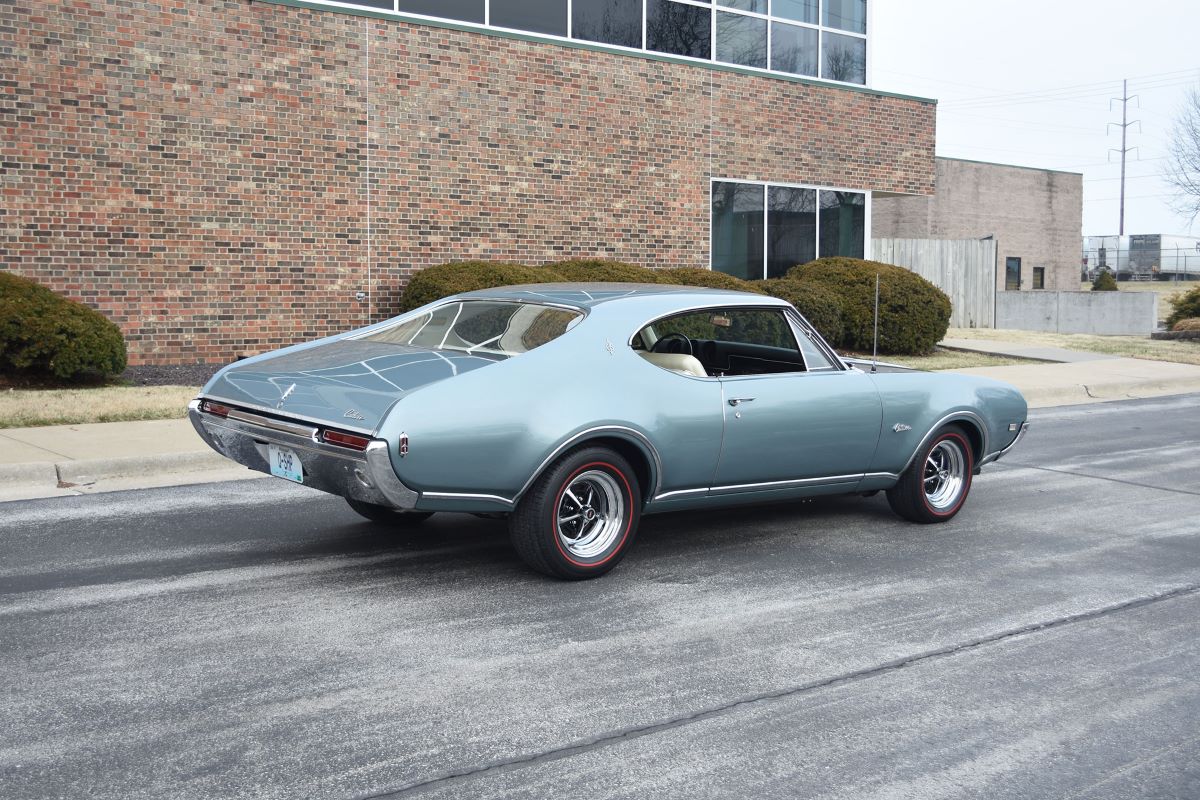
Oldsmobile Cutlass ($30,000)
The 1970 Oldsmobile Cutlass enjoyed strong sales and mainstream appeal during its debut year. While certain high performance 442 editions can be costly, standard Cutlass models remain attainable. Its balanced styling and comfortable interior made it popular with families and enthusiasts alike. Production numbers ensure that a wide range of examples is still available today, keeping prices reasonable.
Interior features focused on comfort and functionality, with straightforward gauges, supportive seating, and optional luxury features like air conditioning. Engine choices ranged from small displacement units to capable V8s. Shared mechanical components with other General Motors models simplified parts sourcing. This combination of reliability and accessibility has preserved the Cutlass’s appeal.
Driving the Cutlass emphasizes smooth power delivery and stable handling. The V8 engines provide effortless acceleration while maintaining a relaxed cruising experience. Suspension tuning allows comfortable long distance travel, and owners often preserve original trim and mechanical configurations. Its size and balance make it easy to drive in modern traffic conditions.
Availability remains strong due to its production numbers and relative popularity. Solid examples can often be purchased at reasonable prices, though condition and originality affect value. Rust inspection is essential, particularly on frames and floor pans. Routine maintenance is straightforward, helping to maintain affordability over time.
The 1970 Cutlass represents mainstream American muscle with a practical and refined approach. Its blend of style, performance, and comfort ensures lasting appeal. For collectors seeking a vehicle that is both attainable and historically significant, the Cutlass remains a practical classic choice.
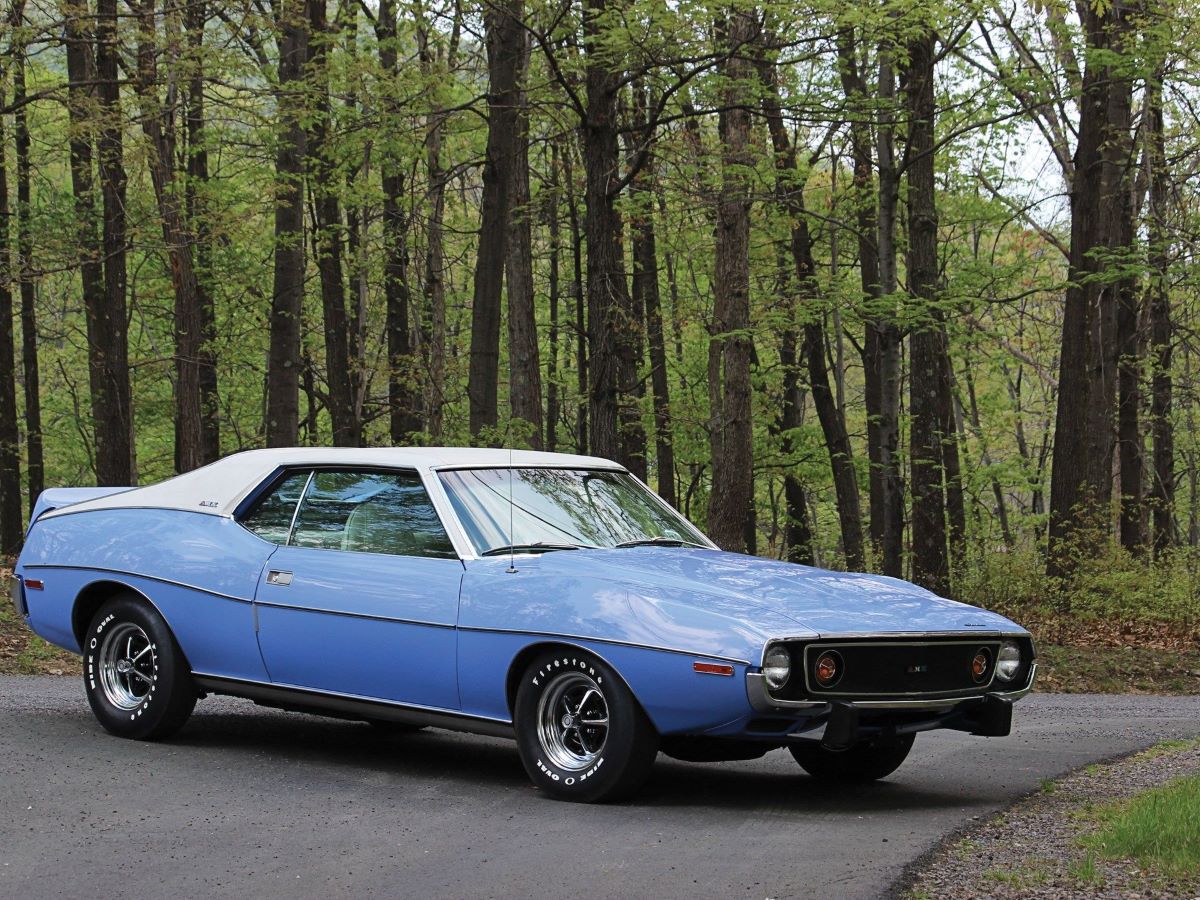
AMC Javelin ($30,000)
The 1971 AMC Javelin was a distinctive pony car alternative to more mainstream options, produced by American Motors Corporation. Its bold styling, including pronounced fender arches and unique grille design, set it apart from competitors.
Engine choices ranged from inline six cylinders to powerful V8s, with performance trims remaining relatively affordable. AMC’s smaller market share contributes to modern pricing that is accessible for collectors.
Exterior styling emphasized individuality and sportiness, giving the Javelin a presence that stood out among other pony cars. Interiors combined practicality with sporty touches, including bucket seats and clear gauges. Mechanical components were robust, though sourcing rare parts may require extra effort compared to GM or Ford counterparts. Enthusiast communities continue to provide valuable restoration support.
Driving the Javelin provides classic pony car dynamics, with rear wheel drive balance and responsive acceleration. Even modest engines deliver lively performance, while suspension tuning improves handling for a more modern feel. Its rarity and distinctive design appeal to owners seeking a unique classic experience. The Javelin offers both driving enjoyment and collector interest.
Because AMC models were less prominent than Ford and Chevrolet competitors, pricing remains lower for standard models. Condition and originality should be carefully considered when evaluating examples. Despite occasional scarcity, solid driver-quality cars remain within reach for moderate budgets. Rust and structural inspection are particularly important for longevity.
The 1971 Javelin embodies independent American automotive design and performance. Its uniqueness, affordability, and visual impact make it a strong option for collectors seeking something different from typical muscle cars. The Javelin remains a compelling classic that balances style, performance, and accessibility.
