
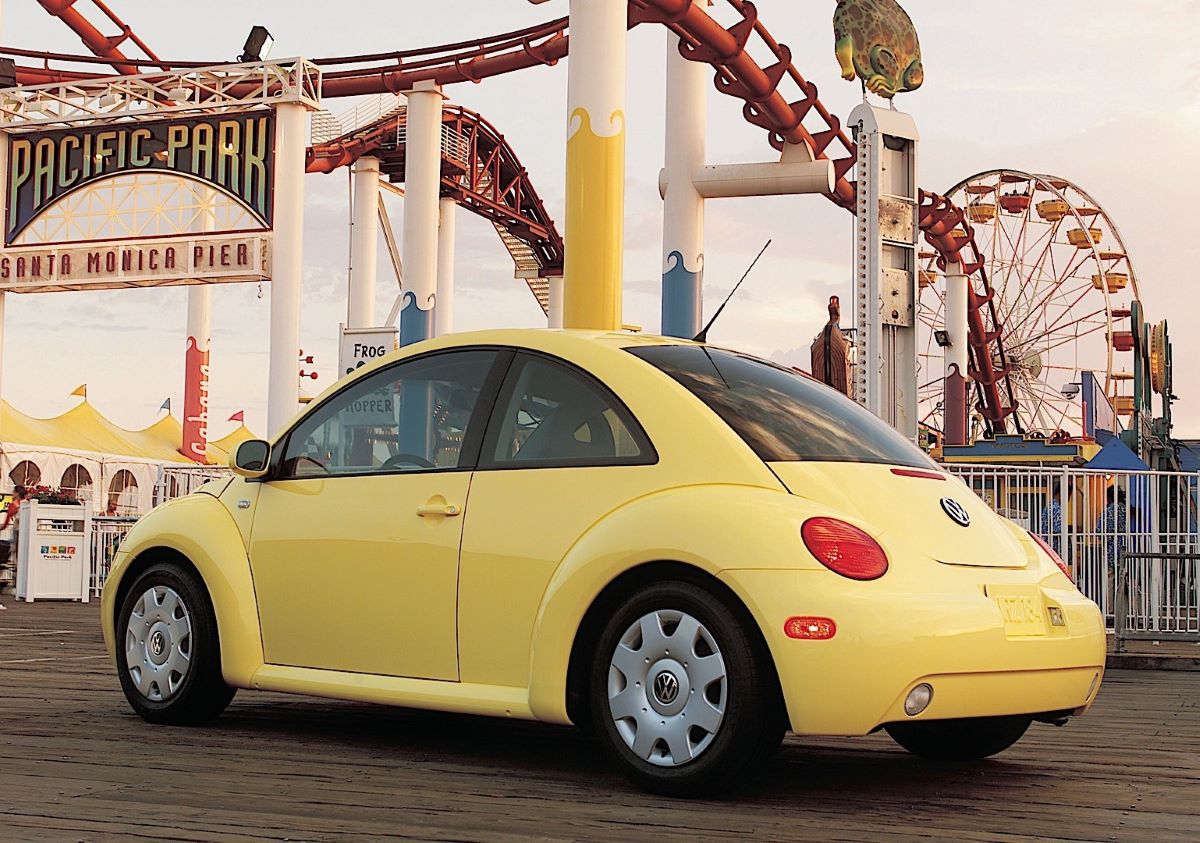
The automotive industry has always moved in cycles, where bold futurism eventually gives way to nostalgia and heritage. In recent decades, manufacturers have realized that blending classic design language with modern engineering creates vehicles that resonate deeply with enthusiasts and everyday drivers alike.
Retro inspired cars are not simple replicas of older machines, but thoughtful reinterpretations that borrow proportions, silhouettes, and iconic cues from the past while integrating contemporary safety, technology, and performance standards. This balance between memory and innovation gives these vehicles a unique emotional weight that purely modern designs sometimes lack.
Design trends often age quickly when they lean too heavily on contemporary styling gimmicks. Sharp creases, oversized grilles, and exaggerated lighting elements can feel dated within a few short years. By contrast, retro styled modern cars anchor themselves to design philosophies that have already stood the test of time.
When a shape has been admired for decades, refining it with modern materials and engineering tends to extend its appeal rather than limit it. This timeless foundation is one of the key reasons such cars are likely to age gracefully.
Another important factor is cultural continuity. Many retro inspired vehicles revive nameplates that carry decades of history, competition success, or pop culture significance.
Buyers are not just purchasing transportation; they are buying into a story that has already proven its relevance. When a car channels an earlier era while meeting current performance and comfort expectations, it becomes both a tribute and a progression. That layered identity gives it lasting relevance beyond short lived market trends.
Technology also plays a role in ensuring longevity. Modern powertrains, improved reliability, and advanced manufacturing methods eliminate many of the compromises associated with classic cars. Owners can enjoy vintage aesthetics without sacrificing daily usability, fuel efficiency, or safety. This practicality encourages long term ownership, which in turn strengthens the vehicle’s reputation and collectability over time.
The following ten vehicles represent some of the most compelling examples of retro styled modern cars that are likely to age well. Each one successfully bridges past and present, offering design purity, strong brand identity, and mechanical substance. These cars demonstrate that when nostalgia is handled with intention and engineering integrity, the result can endure for decades.
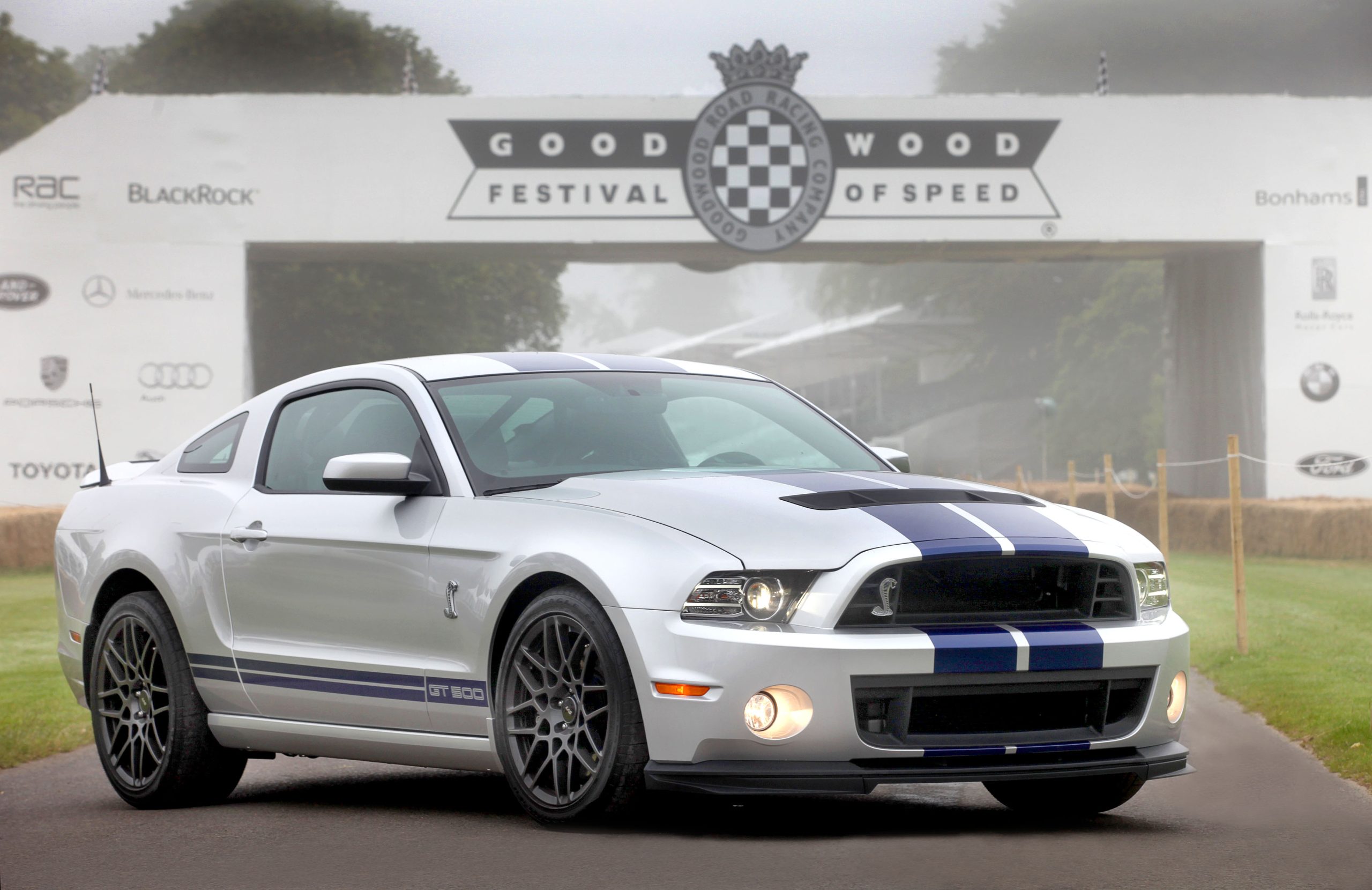
1. Ford Mustang
The sixth generation Ford Mustang (S550) marked a major transition for the pony car when it debuted for the 2015 model year, built on a thoroughly revised platform to celebrate the Mustang’s 50th anniversary. It was developed with a focus on global markets and became the first Mustang officially sold in right‑hand drive countries.
The exterior styling retained a long hood and fastback roofline that echoed earlier Mustangs while becoming slightly wider and lower for a more modern stance. These refinements helped it strike a balance between heritage proportions and contemporary presence.
Under the skin, the S550 was an important technical leap thanks to its fully independent rear suspension across all trims, a departure from the traditional live rear axle of previous generations. This improved handling, ride comfort, and dynamics without sacrificing muscle car character.
The engine lineup reflected this breadth, with a 2.3‑liter EcoBoost turbo inline‑four as the more efficient option, a 5.0‑liter Coyote V8 for classic muscle car feel, and high‑performance engines in Shelby variants. Enthusiasts appreciated that performance was enhanced without losing authenticity.
Inside, the Mustang embraced a driver‑centric layout with modern amenities while incorporating stylistic nods to earlier models.
The instrument cluster featured hooded gauges reminiscent of past Mustangs, and optional features included selectable drive modes, advanced infotainment with Apple CarPlay and Android Auto, and electronic line‑lock for precision starts. These details ensured it felt both familiar and up‑to‑date inside the cabin, helping it appeal to legacy fans and new buyers alike.
The generation also saw standout models like the Shelby GT350 with its high‑revving flat‑plane crank 5.2‑liter V8 and the supercharged 5.2‑liter Predator V8 in the GT500.
Limited editions like the Bullitt and Mach 1 brought further personality and performance depth to the lineup, with each variant telling a distinct chapter of Mustang’s long performance history. These efforts strengthened the S550’s reputation and helped it age well among collectors and drivers.
Finally, the S550 represents more than just a nostalgic nod; it bridges classic American muscle with global sports car sensibilities. Its refined dynamics, versatile powertrain options, and continued relevance in today’s automotive industry make it a model likely to be appreciated years from now. With production ending before the introduction of the newer S650 generation, the S550’s blend of tradition and innovation gives it enduring appeal.
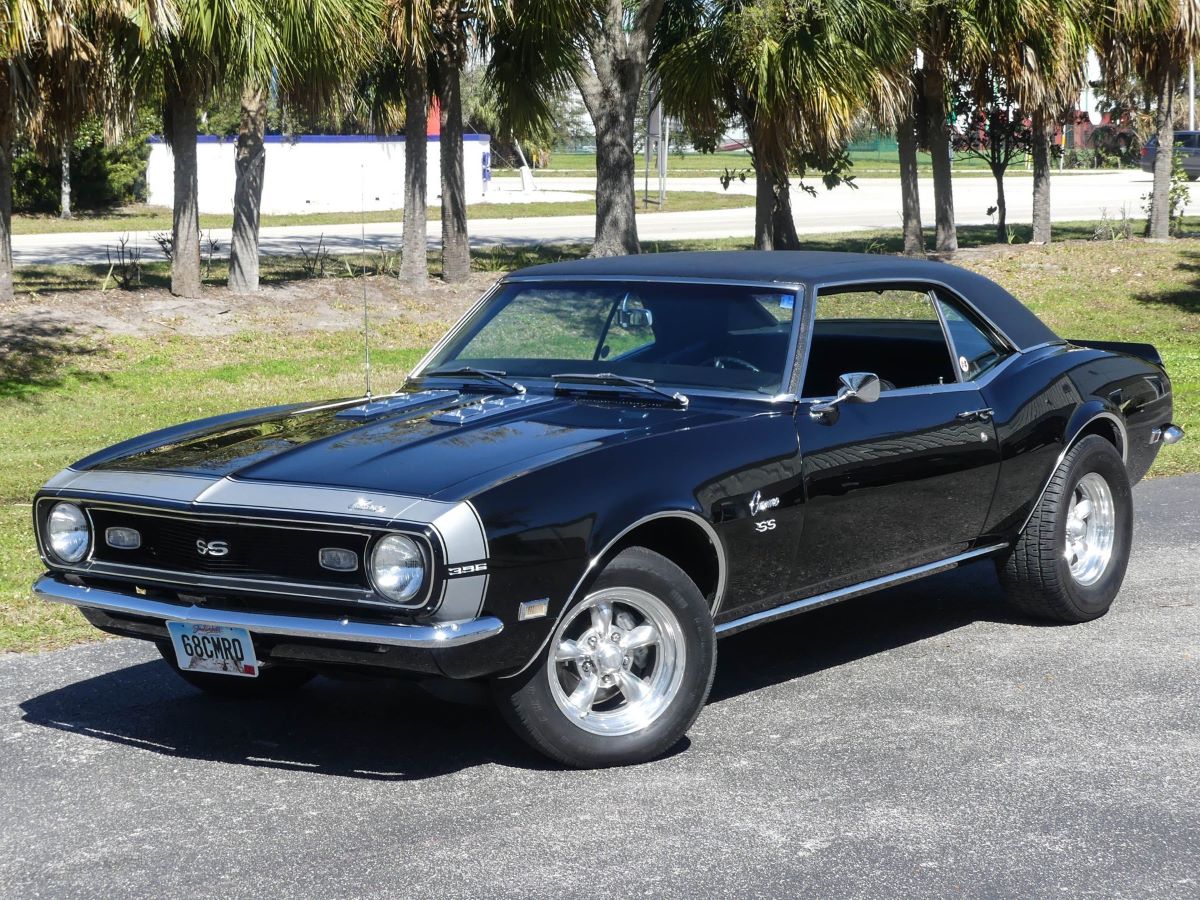
2. Chevrolet Camaro
The sixth generation Chevrolet Camaro revived the pony car’s heritage with a design that took inspiration from classic models while adopting modern aerodynamic efficiency.
Introduced for the 2016 model year at Detroit’s Belle Isle Park, this Camaro used the GM Alpha platform shared with luxury sedans, bringing reduced weight and improved agility compared with the prior generation. It maintained the wide stance and sculpted fenders that defined earlier Camaro styles but modernized them for current tastes.
This generation was shorter, lighter, and more refined than its predecessor, with redesigned bodywork that cut up to hundreds of pounds from the curb weight. The platform change also helped tighten chassis rigidity and allowed more spirited handling without diluting the model’s iconic muscle car essence. Multiple trims were offered, including both coupe and convertible body styles, allowing the Camaro to suit a range of tastes and driving environments.
On the performance side, the Camaro offered a spectrum of engines tailored to different buyer priorities. The entry‑level available engine was a turbocharged 2.0‑liter inline‑four producing competitive output for its segment, while a 3.6‑liter V6 filled the midrange role.
More performance‑oriented buyers gravitated toward the naturally aspirated 6.2‑liter V8 in SS trims, and the ZL1 model’s supercharged 6.2‑liter LT4 engine delivered some of the most potent factory outputs of the era. These options ensured the Camaro could be both daily‑friendly and enthusiast‑focused.
Technology inside improved significantly over previous generations, with driver assistance features, updated infotainment systems, and modern connectivity making the cabin more refined.
The interior quality enhancements helped the Camaro feel like a complete package rather than just a retro throwback. Even design updates throughout the production run kept it feeling fresh rather than locked into a single era’s style.
Production of the sixth generation ended in 2023, marking the end of an era for the Camaro lineage. Its ability to offer potent performance, versatile powertrain choices, and a modern interpretation of classic pony car design helps it remain appealing and relevant. Enthusiasts looking back on this version in years to come will likely appreciate its effort to bridge heritage aesthetics and contemporary engineering.
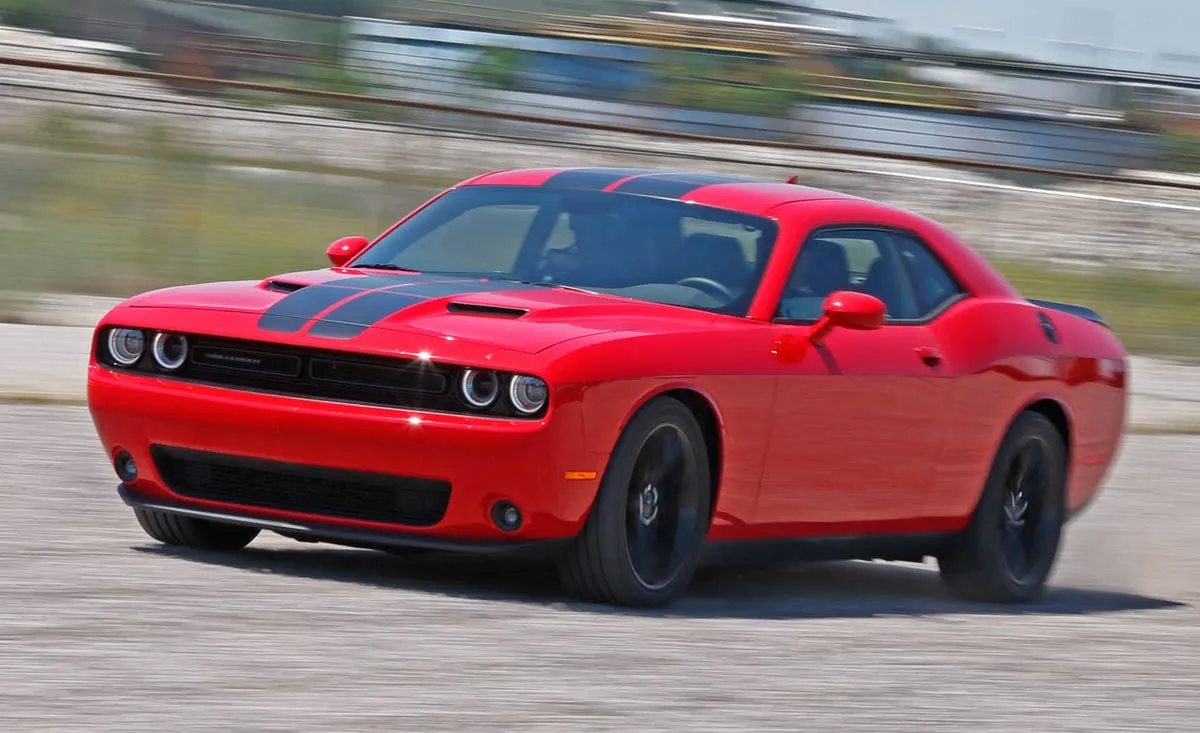
3. Dodge Challenger
The third generation Dodge Challenger, introduced in 2008, revived an iconic nameplate that had been dormant for decades and quickly became one of the most enduring examples of a retro‑styled modern muscle car.
Its design was deliberately reminiscent of the original early 1970s Challenger, with a long hood, broad shoulders, and distinctive C‑pillar shape that evoked the classic silhouette while embracing contemporary proportions and safety standards. The result was a vehicle that looked powerful even at a standstill.
At its launch, the Challenger offered multiple engine options that ranged from a V6 base model to larger HEMI V8 engines. Enthusiasts gravitated toward the V8‑equipped variants from the beginning, which delivered robust torque and the characteristic rumble associated with American performance cars.
Over the years, high output variants like the Hellcat and Demon dominated headlines with staggering horsepower figures that pushed the boundaries of factory performance and captured wide public attention.
Inside, the Challenger combined modern amenities with retro touches, including a gauge cluster and dashboard layout that nodded to the car’s heritage. Comfort features such as touchscreen infotainment, premium seating, and advanced safety systems helped make the Challenger more livable on a daily basis than many classic muscle cars of old. This blend of function and character broadened its appeal beyond traditional enthusiasts.
The third‑gen Challenger maintained its retro cues throughout its long production run because Dodge continued to update and refine it rather than drastically altering its fundamental design.
This long continuity of style helped affirm it as a modern classic and one of the most recognizable muscle cars of the 21st century. The fact that production ended in late 2023 gives it an added chapter in the history of gasoline‑powered performance cars.
Its cultural significance also stems from its broad range of performance trims, including limited editions that pushed performance boundaries or celebrated heritage. Collectors and enthusiasts often look back at special variants as markers of the era, further boosting its long term relevance as not just a car, but a statement of modern muscle car evolution.
4. Toyota GR86
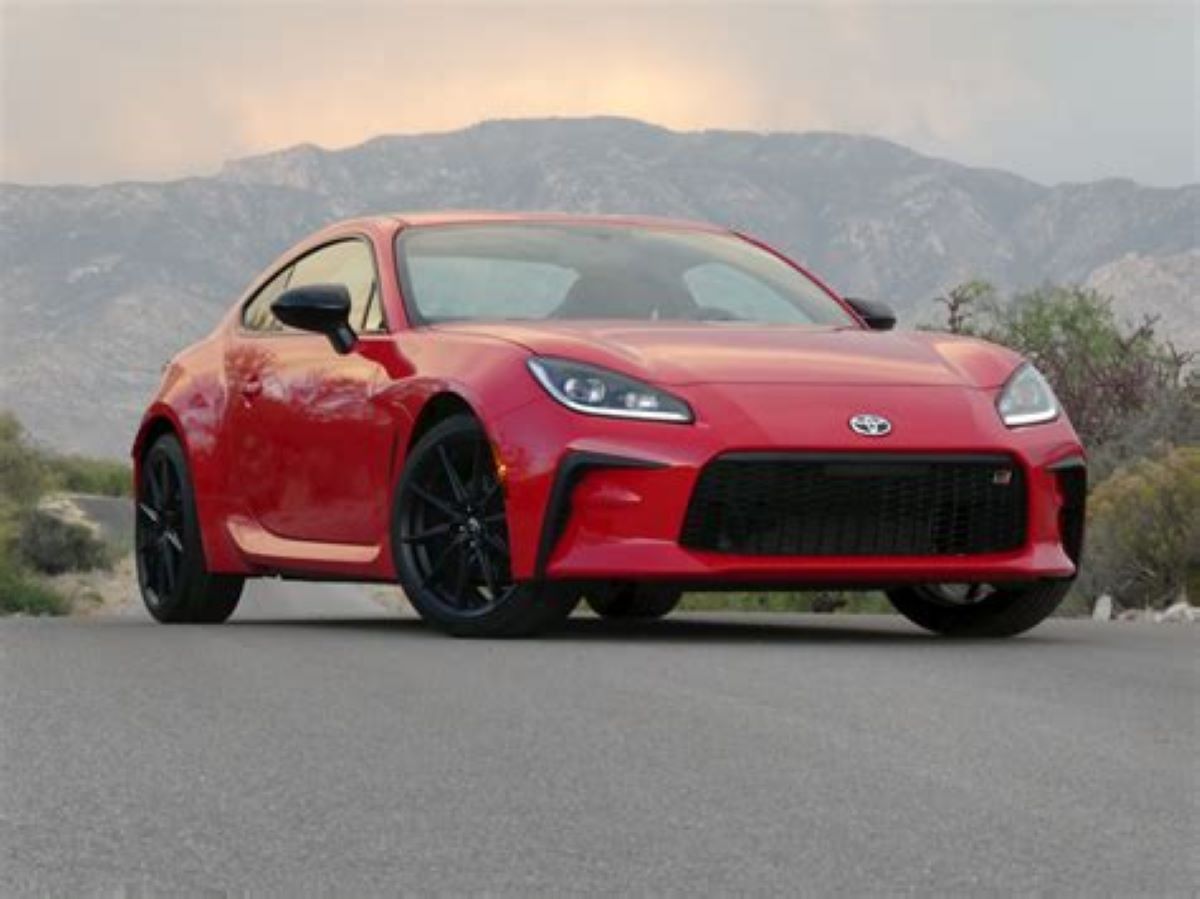
The second generation Toyota GR86 represents a dedicated enthusiast sports coupe that prioritizes driver engagement and balanced performance. Built in collaboration with Subaru, the GR86 arrived as an evolution of the original 86 concept, offering a flat‑four boxer engine and a lightweight rear‑wheel‑drive platform.
This architecture, shared with the Subaru BRZ, delivers near‑equal weight distribution and a low center of gravity that enhances steering response and cornering stability.
The 2.4‑liter flat‑four engine produces around 231–234 horsepower teamed with a choice of six‑speed manual or six‑speed automatic transmission. These power figures and the engine’s willing rev‑happy nature give the GR86 brisk performance that feels natural and engaging, and while it may not rival high‑end sports cars in sheer power, its character is defined by connection and responsiveness.
The engine’s torque delivery in the mid range boosts everyday usability without compromising the spirited feel expected in a driver‑centric coupe.
Beyond raw numbers, the GR86’s chassis dynamics stand out, featuring double wishbone rear suspension and MacPherson struts up front to balance grip and agility. This layout, combined with a balanced curb weight, gives the car a playful personality that rewards precise inputs from the driver. The GR86 feels nimble and sure‑footed, whether navigating winding roads or cruising on highways.
Inside, the cockpit emphasizes driver engagement with supportive seats, a clear gauge cluster, and a layout that minimizes distractions. Modern technology like infotainment systems and safety features are integrated subtly so as not to overwhelm the focused driving environment. This clarity helps ensure the driving experience remains centered on connection rather than gimmicks.
The GR86’s role as part of a shrinking segment of affordable, rear‑wheel‑drive sports cars strengthens its long term appeal. As automotive trends evolve toward electrification and crossover dominance, enthusiast‑oriented coupes like the GR86 stand out as reminders of pure driving pleasure, likely contributing to its desirability years down the road.
5. Mazda MX-5 Miata
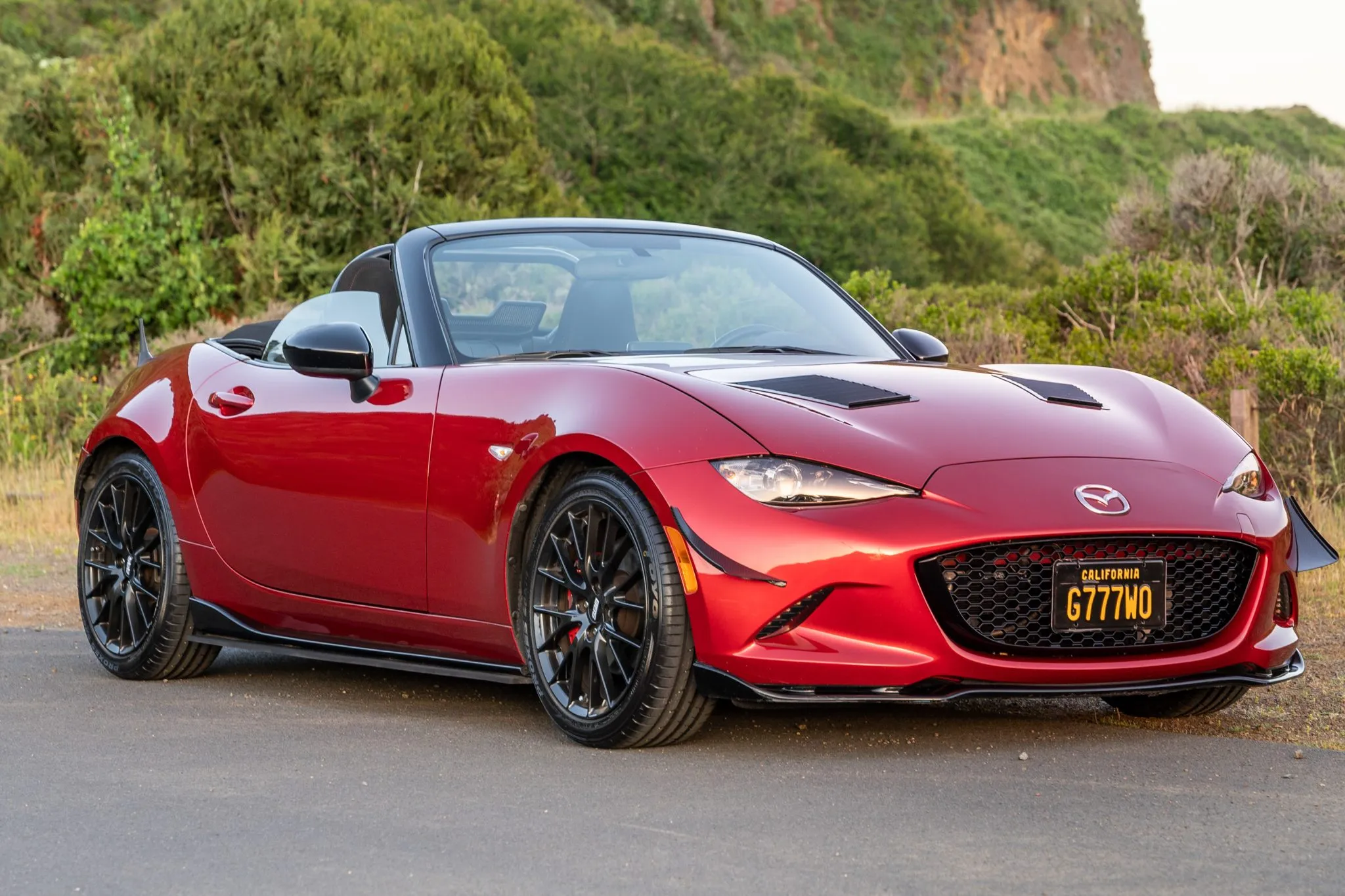
The ND generation Mazda MX‑5 Miata continues the storied legacy of the lightweight two‑seat roadster with a design focus on simplicity, balance, and engagement. This generation returned the MX‑5 to compact proportions, shedding weight compared to its predecessors and adopting a classical roadster form that stays true to the model’s origins. The soft‑top convertible body and timeless silhouette help the Miata maintain visual appeal far beyond transient styling trends.
The ND MX‑5 features Skyactiv technology to achieve remarkable lightness and efficiency, with naturally aspirated engines that emphasize responsiveness rather than brute force.
Depending on market and year, the available engines range from a 1.5‑liter variant focused on tractability to a 2.0‑liter option delivering spirited performance while retaining nimble dynamics. Six‑speed manual and automatic transmissions ensure the car caters to traditionalists and casual drivers alike.
Chassis dynamics are a defining strength, with finely tuned suspension and precise steering fostering confidence in corners and a sense of connection rarely matched by modern alternatives. The electric power assisted steering system balances feel with comfort, providing an engaging response whether on a mountain road or a city street. This mechanical purity reinforces the Miata’s reputation as a driver‑focused machine.
Inside, the cockpit remains straightforward and functional, with seating calibrated for support during spirited driving. Infotainment and comfort features are present without dominating the experience, and the manual roof allows for tactile involvement that many enthusiasts cherish. This simplicity appeals to those who value automotive experience over mere specifications.
The ND Miata’s impact as an affordable, fun‑to‑drive roadster has grown with time, often being celebrated in enthusiast circles and even popular culture. Its success inspires ongoing special editions and aftermarket engagement, further solidifying its status as a timeless classic. With its deep community and pure driving ethos, it will likely remain admired for years.
6. Fiat 500 (Modern Version)
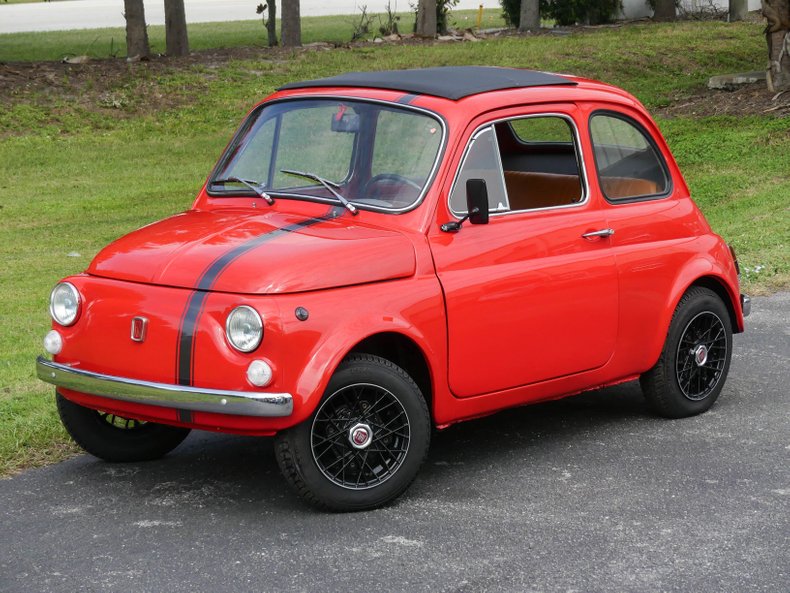
The modern Fiat 500 was reintroduced in 2007 as a compact city car that directly referenced the original 1957 Cinquecento’s cheerful and rounded silhouette. Its circular headlights, compact proportions, and high‑roof profile conveyed a friendly and retro personality while embracing modern safety standards and daily usability.
European buyers especially appreciated its efficient packaging, which made parking and maneuvering in tight urban environments effortless and fun.
Under the hood, early modern 500 models offered small, efficient gasoline and diesel engines, including the popular 1.2‑liter and 0.9‑liter TwinAir turbo variants. These powerplants prioritized fuel economy and low emissions without completely sacrificing peppy performance in city driving.
Over the years, the range expanded to include mild sporty trims and performance‑oriented versions like the Abarth, which added stronger power and a more aggressive sound.
Inside, the Fiat 500 blends retro styling elements, such as a body‑colored dashboard panel and circular instrument motifs, with modern technology like touchscreen infotainment systems and advanced driver‑assistance features. This combination gave it an interior that feels both nostalgic and practical for everyday use. Seats are upright and supportive, and the cabin maintains a cheerful atmosphere reflective of the car’s external charm.
Customizability became a core part of the 500’s appeal, with a wide array of paint colors, roof options, and trim packs that let owners personalize their cars. Limited editions and special trims often referenced historical Fiat colors or cultural themes, further enhancing emotional connection. This ability to reflect personal style contributed significantly to the 500’s cultural resonance beyond simple transportation.
As Fiat shifted toward electrification, a fully electric version of the 500 (sometimes called the 500e) emerged with zero‑emission driving and modern battery technology. This EV version retained the classic 500 charm while offering a forward‑looking drivetrain that suits future mobility trends.
By embracing both heritage design and electrified technology, the modern Fiat 500 has carved out a place in automotive history that looks likely to age gracefully.
7. Mini Cooper (BMW Era Hatchback)
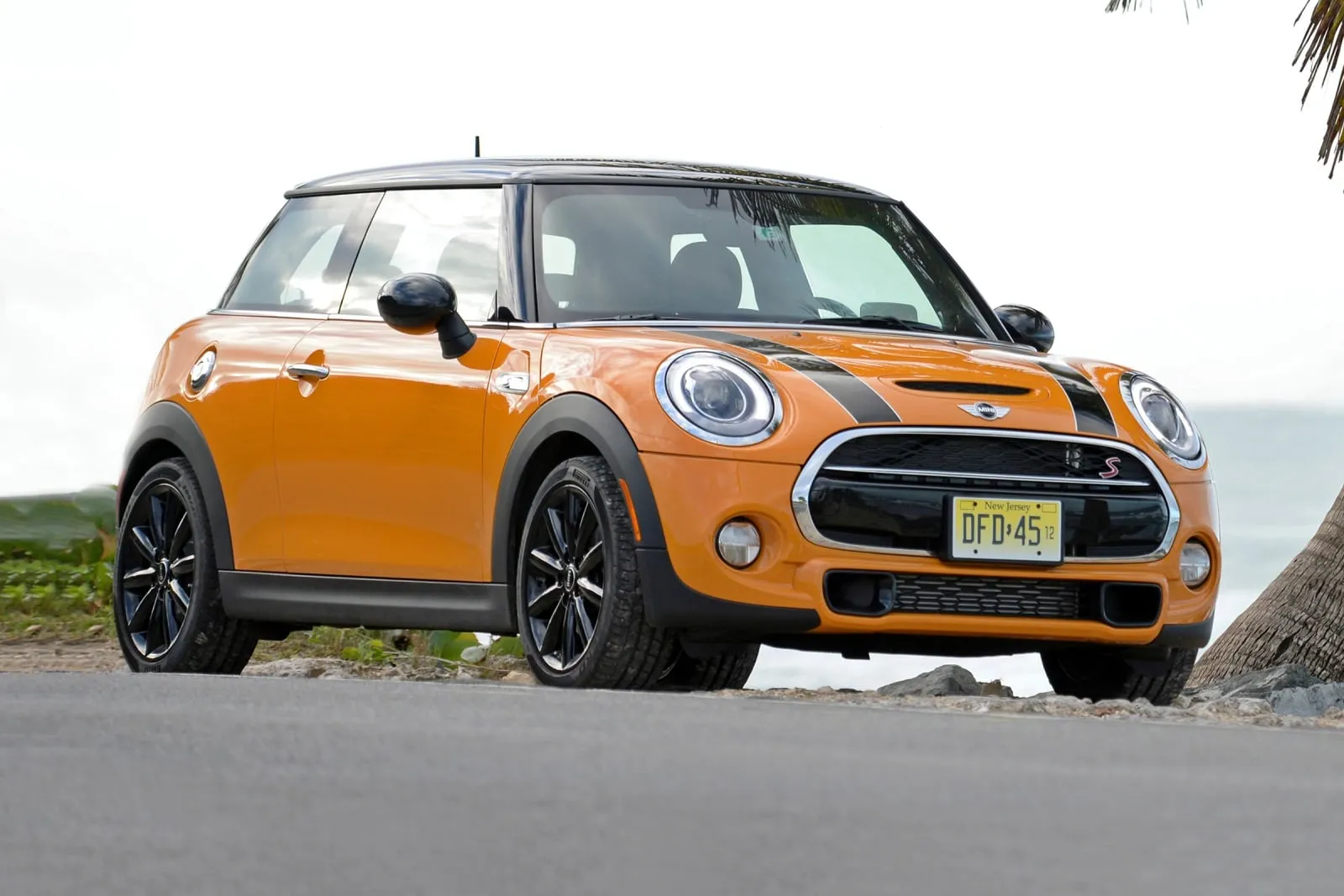
The Mini Cooper that emerged under BMW ownership from 2001 onward revived one of the most recognizable small cars in the world with a fresh yet respectful reinterpretation. The modern Mini preserved the tiny footprint, contrasting roof colors, and bold round headlights that made the original Minis iconic while integrating contemporary engineering and safety standards. Its stance remained playful, with short overhangs and a taut greenhouse shape that suggested agility.
BMW’s involvement improved build quality, structural rigidity, and refinement, giving the Mini a solid feel unmatched by tiny cars of previous eras.
Engines for these generations included efficient turbocharged three‑ and four‑cylinder units with spirited performance that belied the car’s small size. Sportier JCW (John Cooper Works) variants took the performance further, adding tuned suspensions and stronger power outputs, making the Mini not just cute but legitimately fun to drive.
The interior of the modern Mini is famous for its large central speedometer and toggle switches that evoke runway switches and instrument panels, integrating retro flavor into a modern cockpit. Infotainment screens, digital driver displays, and connectivity features ensure the cabin remains functional and enjoyable by current standards.
High‑quality materials and thoughtful ergonomics made longer drives comfortable, expanding the car’s appeal beyond inner‑city errands.
Driving dynamics became a defining strength of the Mini Cooper lineup, with sharp steering and a low center of gravity making it feel lively on curvy roads.
Enthusiasts often praised its go‑kart‑like handling, which made even base models entertaining on backroads or urban circuits. This engaging character elevated the Mini beyond a simple nostalgic design exercise into a credible performance hatch.
Over time, the Mini brand expanded into SUVs and electric cars, but the classic three‑ and five‑door hatchback remains a standout thanks to its distinctive identity. The enduring juxtaposition of retro charm with modern capability gives the Mini Cooper a timeless quality that will keep it admired as automotive tastes evolve and mature.
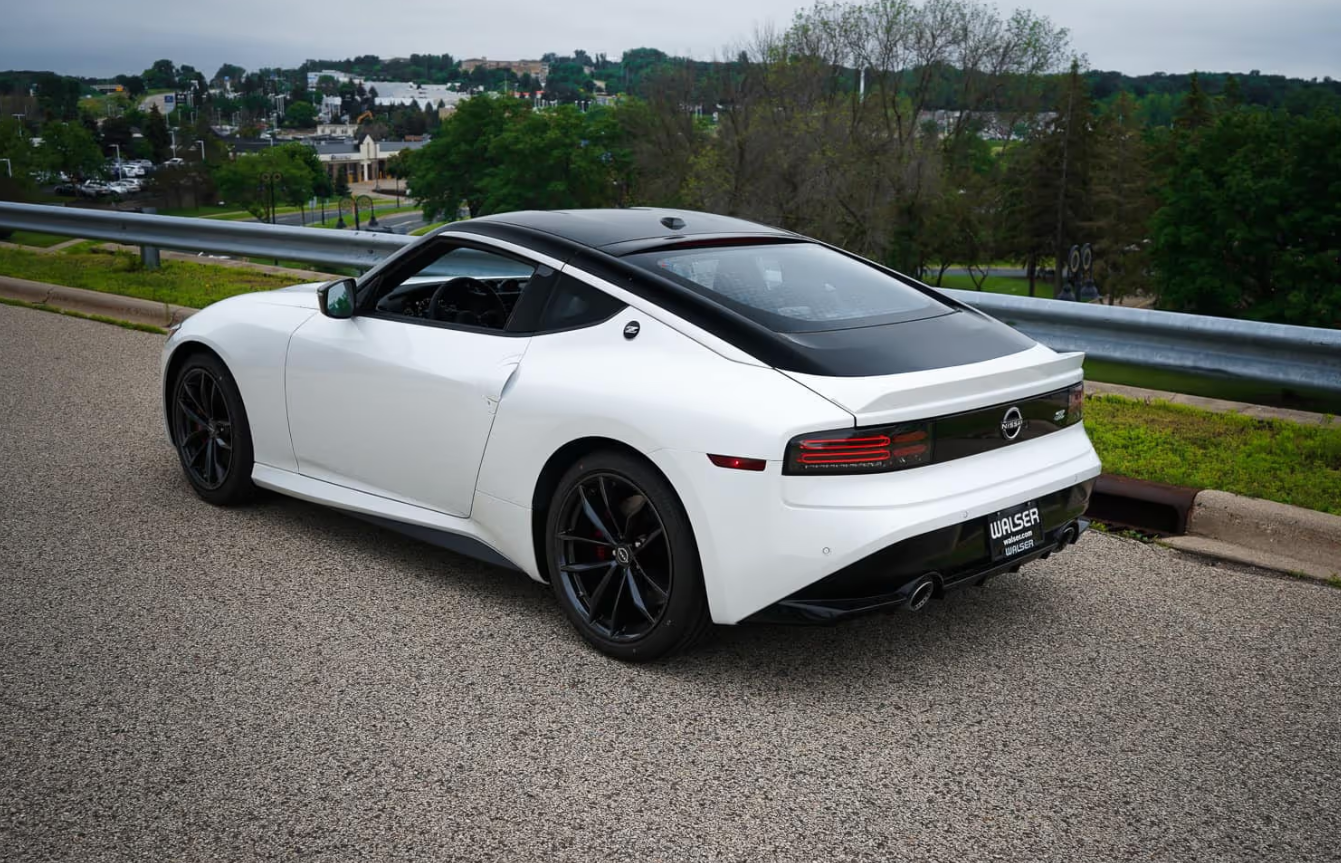
8. Nissan Z (RZ34 Generation)
The Nissan Z sports car has been a staple of the affordable performance segment since the original 240Z debuted in 1969, and the RZ34 generation continues that tradition with a fresh interpretation rooted in heritage. When it was introduced, the RZ34 revived many cues from classic Z cars, such as the long hood, compact greenhouse, and simple yet purposeful proportions. These cues made the car instantly recognizable as part of a lineage respected by enthusiasts around the world.
Powering the RZ34 is a twin‑turbocharged V6 engine that delivers robust horsepower and torque figures competitive with other modern sports cars. This modern engine balances daily usability with performance credentials suitable for spirited driving.
Rear‑wheel‑drive dynamics and a well‑tuned chassis provide the engaging feel Nissan Z lovers have come to expect, connecting driver inputs directly to the road without undue electronic intrusion.
Inside, the Nissan Z blends sport‑oriented design with contemporary conveniences. The dashboard includes retro‑styled triple gauge pods reminiscent of earlier Z models, while current technology like digital displays, touchscreen infotainment, and driver‑assistance systems keep the interior relevant by modern standards. Supportive seating and thoughtful ergonomics help ensure the cabin feels driver‑focused rather than dated.
Transmission options typically include a slick manual gearbox and an automatic with paddle shifters, appealing to both purists and those who prefer convenience without sacrificing performance. The availability of a manual transmission in a performance car is increasingly rare today, which boosts the appeal of the Z among enthusiasts who value shifting engagement.
The RZ34 sits comfortably between honoring its heritage and embracing modern performance needs. Its design avoids overcomplication while preserving unmistakable Z identity, and its engineering reflects a commitment to driving enjoyment. These qualities combine to give the Nissan Z lasting appeal as an accessible, characterful sports car that will continue to be admired and appreciated as automotive culture evolves.
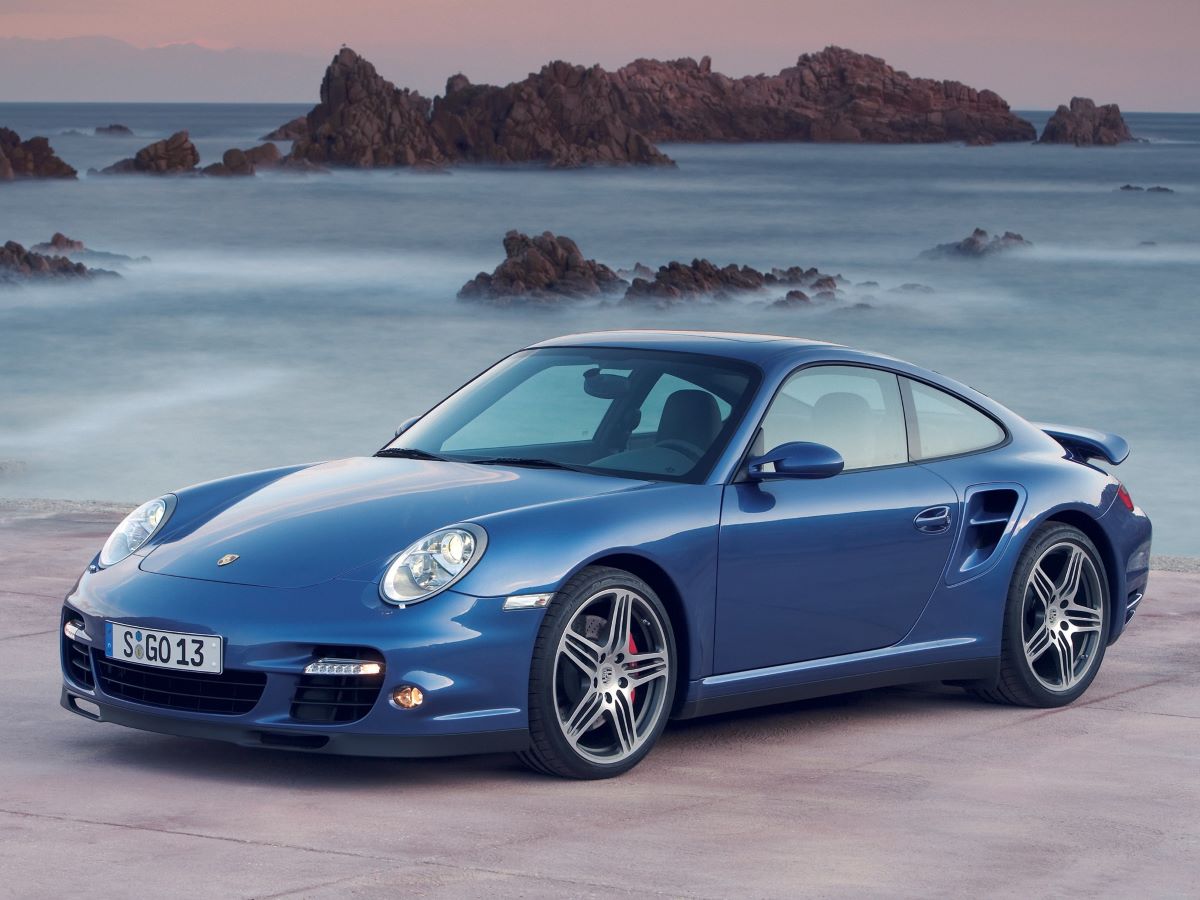
9. Porsche 911 (992 Generation)
The Porsche 911 has one of the longest continuous production histories of any sports car, with the 992 generation standing as the latest chapter in a lineage that began in the 1960s.
The 992 retains the classic rear‑engine layout and instantly recognizable silhouette that have become automotive design icons. Its smooth curves, flared rear haunches, and rounded headlight form give it continuity with its forebears, while refined detailing and proportions bring it into the modern era.
Underneath that familiar shape, the 992 benefits from advanced engineering including wider tracks, improved aerodynamics, and chassis enhancements that refine handling and stability.
Turbocharged flat‑six engines produce strong power across the model range, from Carrera to Turbo S variants, combining blistering acceleration with usable torque delivery. These performance traits ensure the 911 remains relevant and competitive among contemporary sports cars.
The interior of the 992 blends tradition with technology, featuring a driver‑oriented cockpit framed by quality materials and a digital‑analog instrument cluster design that nods to classic gauges. Infotainment systems and connectivity features are seamlessly integrated without overwhelming the driver, keeping the focus on driving experience. Comfortable seats and premium finishes give the cabin an upscale yet familiar feel.
Porsche continues to innovate with the 911 platform through performance packages, wheel designs, and lightweight variants, each adding nuance while preserving core identity. Special editions, such as GT models, push performance further and become particularly sought after. This layer of variation gives the 911 range depth that caters to both collectors and everyday drivers.
As automotive tastes shift, the 911’s continuous evolution while staying true to its defining characteristics stands as a testament to timeless design. Its ability to blend heritage cues with technological progress has kept it relevant across decades, and the 992 generation is widely expected to age gracefully and remain respected for years to come.
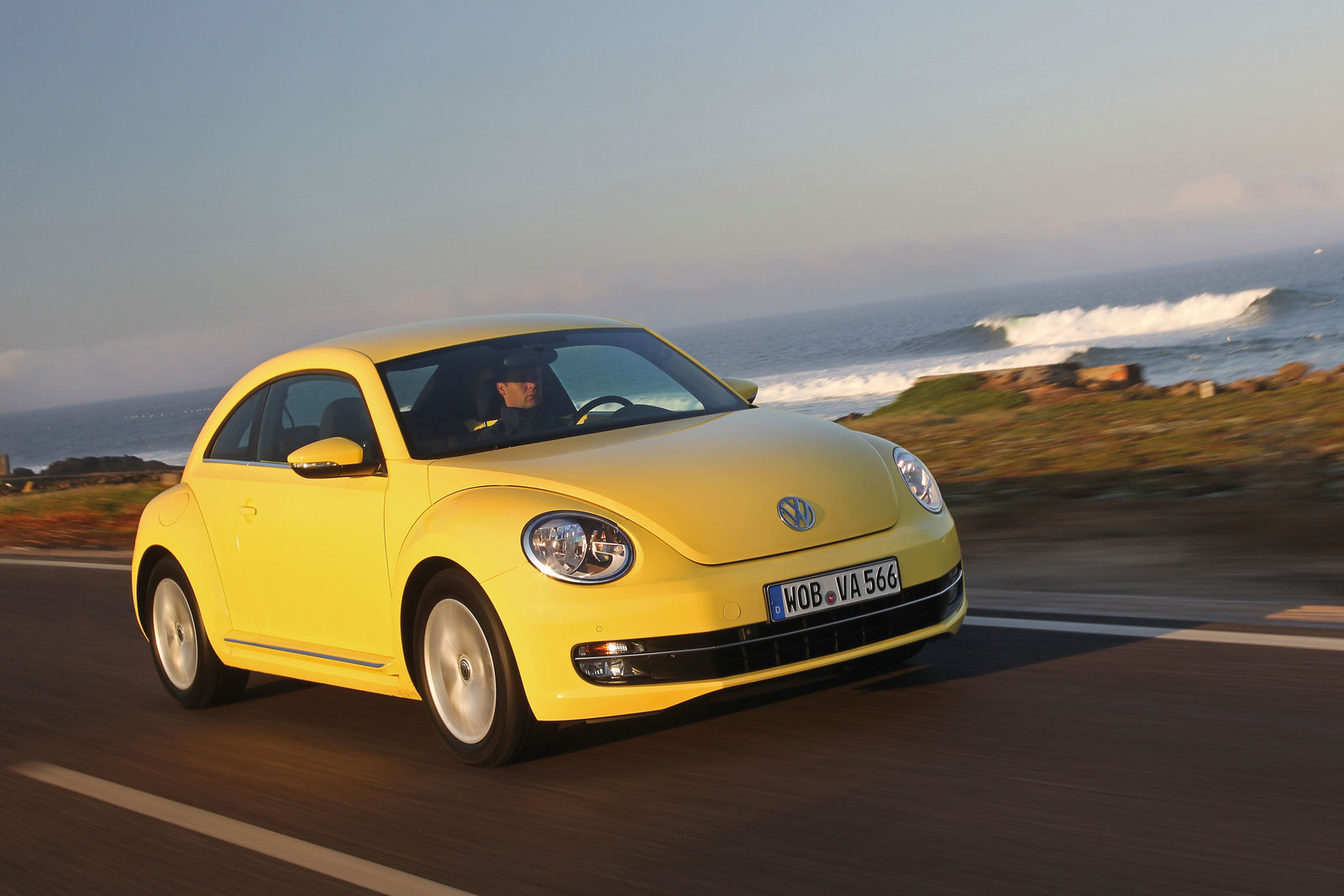
10. Volkswagen Beetle (A5 Modern Version)
The Volkswagen Beetle that launched in the late 1990s and continued into the 2010s was a deliberate and affectionate modern reinterpretation of the original air‑cooled Beetle that became one of the best‑selling cars in history.
Its rounded roof, circular headlights, and friendly face invoked the classic “Bug” while adopting a wider, more stable stance suitable for modern traffic and safety standards. This design strategy embraced familiarity without resorting to mere imitation.
Built on Volkswagen’s contemporary platforms of its era, the Beetle offered reliable front‑wheel‑drive dynamics and a range of efficient gasoline engines. Early versions included 2.0‑liter four‑cylinder engines, with sportier turbocharged options arriving in later trims. These engines provided adequate performance for daily use while maintaining fuel efficiency, making the Beetle a practical choice without losing its character.
Inside, the Beetle’s cabin balanced retro touches like rounded vents and simple instrument layouts with modern comforts such as touchscreen displays, climate control, and connectivity interfaces. The interior design respected the Beetle’s heritage while delivering features expected by contemporary buyers. Comfortable seats and an intuitive layout made city driving and longer journeys alike enjoyable.
Special editions with unique color schemes and trim levels became part of the Beetle’s appeal, giving owners a chance to express individuality while celebrating the car’s iconic identity. Limited production models often referenced historic Beetle colors or themes, further cementing emotional attachment among fans. This personalization contributed to the Beetle’s cultural footprint beyond mere utility.
When production of the Beetle ended, it marked the close of a long and beloved automotive story that spanned decades. This final modern chapter helped preserve the Beetle’s place in automotive consciousness, giving it sentimental significance that extends beyond its years on the road. As a symbol of joy and design continuity, the Volkswagen Beetle’s modern era is likely to be remembered fondly for generations.
