
Classic cars often carry a reputation for being fragile weekend toys that belong in garages, museums, or carefully curated shows. Many enthusiasts admire them from a distance, assuming they are too temperamental, too slow, or too uncomfortable to survive the fast pace of modern highways and crowded city streets.
However, not every vintage machine is a carbureted relic that overheats in traffic or struggles to keep up with today’s vehicles. Some classics were engineered with such solid foundations that they remain surprisingly usable decades later. With the right maintenance and thoughtful upgrades such as improved brakes, modern tires, and electronic ignition, these cars can handle daily commuting duties with confidence and style.
Driving a classic car every day is about more than transportation. It is about connection, mechanical feedback, and the simple pleasure of turning a key and hearing an engine come alive without layers of digital filters. Older cars often offer better visibility, slimmer pillars, and intuitive controls that make city driving less stressful.
Many were built with strong steel bodies and straightforward mechanical systems that are easier to repair than the complex electronics found in modern vehicles. Parts availability for popular classics has also improved significantly, thanks to strong enthusiast communities and reproduction support.
Reliability is often the biggest concern for potential daily drivers. While it is true that some exotic or rare models demand constant attention, many mass produced classics were designed for ordinary people who depended on them every single day.
Cars like the Volkswagen Beetle and the Volvo 240 earned reputations for durability across harsh climates and long distances. Their mechanical simplicity can actually work in their favor in heavy traffic, where fewer sensors and modules mean fewer potential failures.
Comfort and safety also matter when sharing the road with modern SUVs and electric crossovers. While no classic will match the crash protection of a new vehicle, many later models from the 1970s and 1980s offer disc brakes, power steering, air conditioning, and strong chassis construction.
These features make them far more practical for commuting than older prewar automobiles. By choosing wisely, drivers can enjoy vintage character without sacrificing basic usability.
The following ten classic cars strike a balance between charm and practicality. They are stylish enough to turn heads at a stoplight yet sturdy enough to handle traffic, errands, and even highway cruising. Each one proves that daily driving a classic is not just possible but genuinely rewarding.
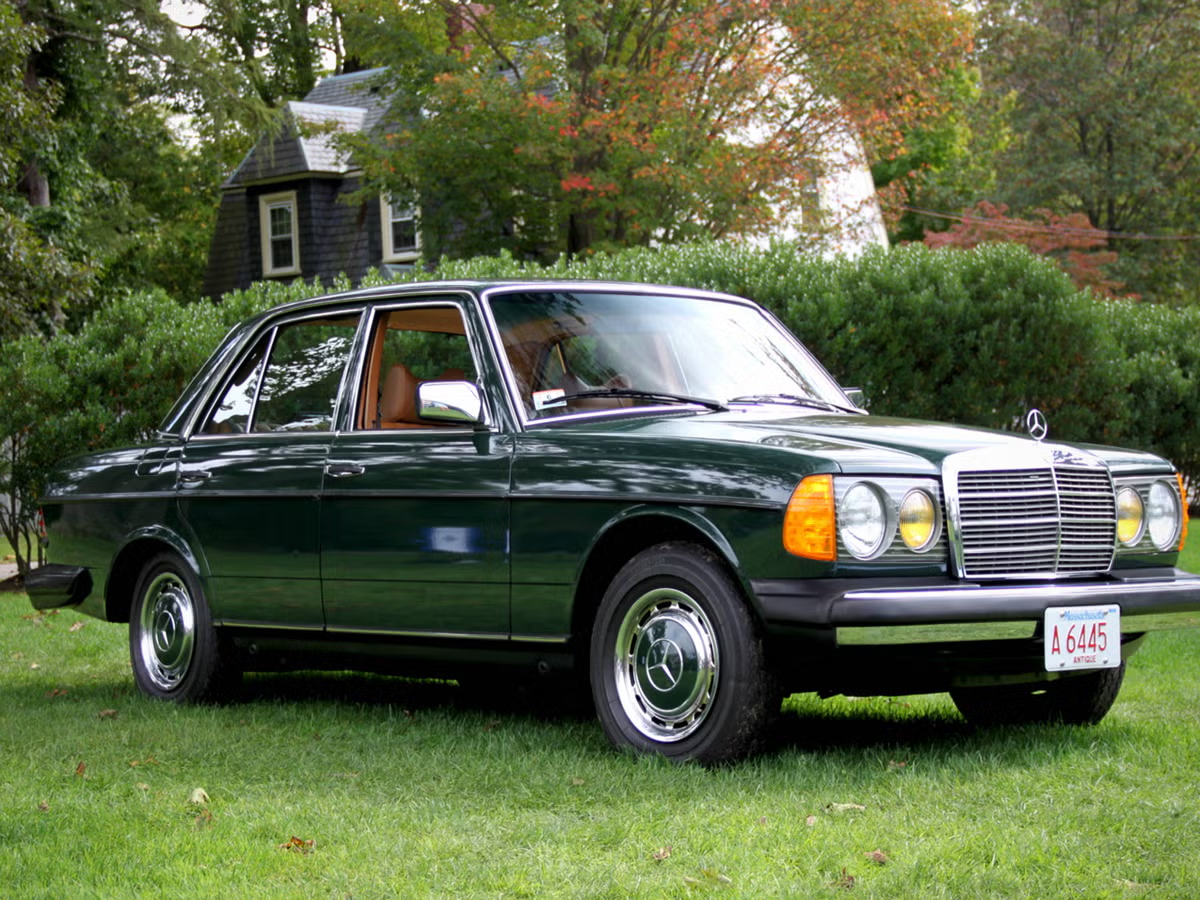
1. Mercedes-Benz W123
The Mercedes-Benz W123 is often regarded as one of the most durable and well-engineered sedans in automotive history. Produced between 1976 and 1985, it was designed to withstand high mileage and harsh conditions, making it ideal for both city streets and long-distance travel.
Its build quality was exceptional, with thick steel panels, reinforced doors, and a chassis designed to last decades without major structural issues. Many examples are still on the road today, a testament to Mercedes’ commitment to longevity.
Under the hood, the W123 offered a range of gasoline and diesel engines. The diesel variants, especially the 240D and 300D, are legendary for running over 500,000 miles with proper care.
Gasoline inline six engines provide smooth power delivery suitable for highway speeds, while the smaller four-cylinder units offer reliable daily driving with modest fuel consumption. The engines are robust and relatively simple compared to modern electronic systems, reducing the likelihood of sudden failures in traffic.
The W123’s suspension design balances comfort and stability. Front independent suspension combined with a solid rear axle ensures a smooth ride over potholes, speed bumps, and uneven pavement. Steering is precise, particularly for a car of its age, and power-assisted brakes give drivers confidence when braking in city traffic.
The car also features supportive seats and cabin insulation, which reduces fatigue on longer commutes and makes it a surprisingly comfortable daily driver.
Maintenance and parts support for the W123 are strong, thanks to its popularity worldwide. Enthusiast communities provide tips for everything from engine tuning to rust prevention, and replacement parts are widely available.
Upgrades like electronic ignition, modern tires, and disc brake conversions make these cars even more practical for contemporary driving conditions. Reliability combined with easy maintenance makes the W123 a classic that can genuinely handle daily use.
The W123 also scores well in fuel efficiency for its era, particularly the diesel models. Even though it lacks modern technology, its conservative styling blends with current traffic, avoiding the attention-grabbing appearance of some vintage cars.
With proper maintenance and thoughtful upgrades, the W123 offers a rare combination of elegance, comfort, and durability, proving it can be enjoyed as a functional vehicle decades after its production ended.
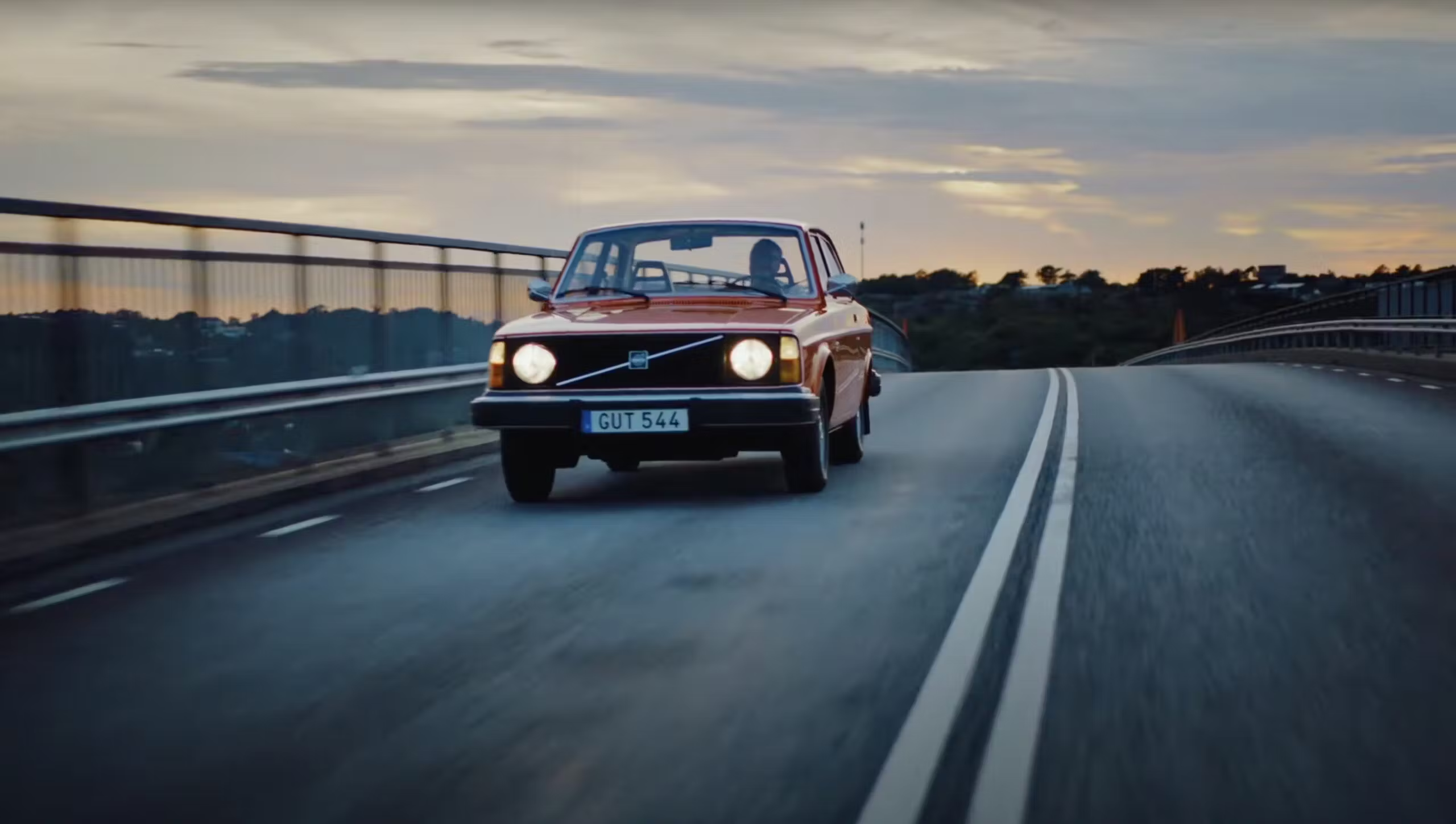
2. Volvo 240
The Volvo 240 is widely celebrated for its safety, simplicity, and remarkable durability. Produced from 1974 to 1993, it became a symbol of Swedish reliability and practicality. Its robust steel body, boxy design, and high-quality assembly make it resistant to minor collisions and corrosion when properly cared for. Many examples have surpassed 300,000 miles while remaining functional, and the car is known for its mechanical honesty and predictable handling.
Mechanically, the 240 features straightforward engines and drivetrain components that are easy to service. Its inline four-cylinder engines, ranging from carbureted to fuel-injected units, are durable and forgiving, making them ideal for commuting.
Rear-wheel drive provides predictable behavior in both dry and wet conditions, while suspension geometry keeps handling stable at highway speeds. These traits make the Volvo 240 one of the most approachable classics for drivers who want reliability without complexity.
Visibility is one of the car’s strongest points, thanks to large windows, slim pillars, and upright seating. Drivers can navigate tight urban streets, crowded parking lots, and highway merges with confidence. Steering is light but communicative, while braking is reliable even by modern standards.
Comfort features such as supportive seats, heating, and later models’ power windows contribute to usability during daily driving in diverse conditions.
The Volvo 240’s interior is functional, roomy, and well thought out, particularly in wagon form. Ample cargo space, fold-flat rear seats, and a straightforward dashboard layout make errands, commuting, and small cargo transport straightforward. The simplicity of the controls reduces driver distraction, which is an advantage compared to some modern cars with more complex infotainment systems.
Parts availability and aftermarket support for the Volvo 240 remain strong. Replacement suspension parts, brakes, and engine components are easy to find, and enthusiast networks provide detailed maintenance guides. Many owners also upgrade tires, brakes, and lighting to meet modern standards.
This makes the 240 a rare classic that combines safety, practicality, and enduring reliability in a package that can handle daily use with minimal stress.
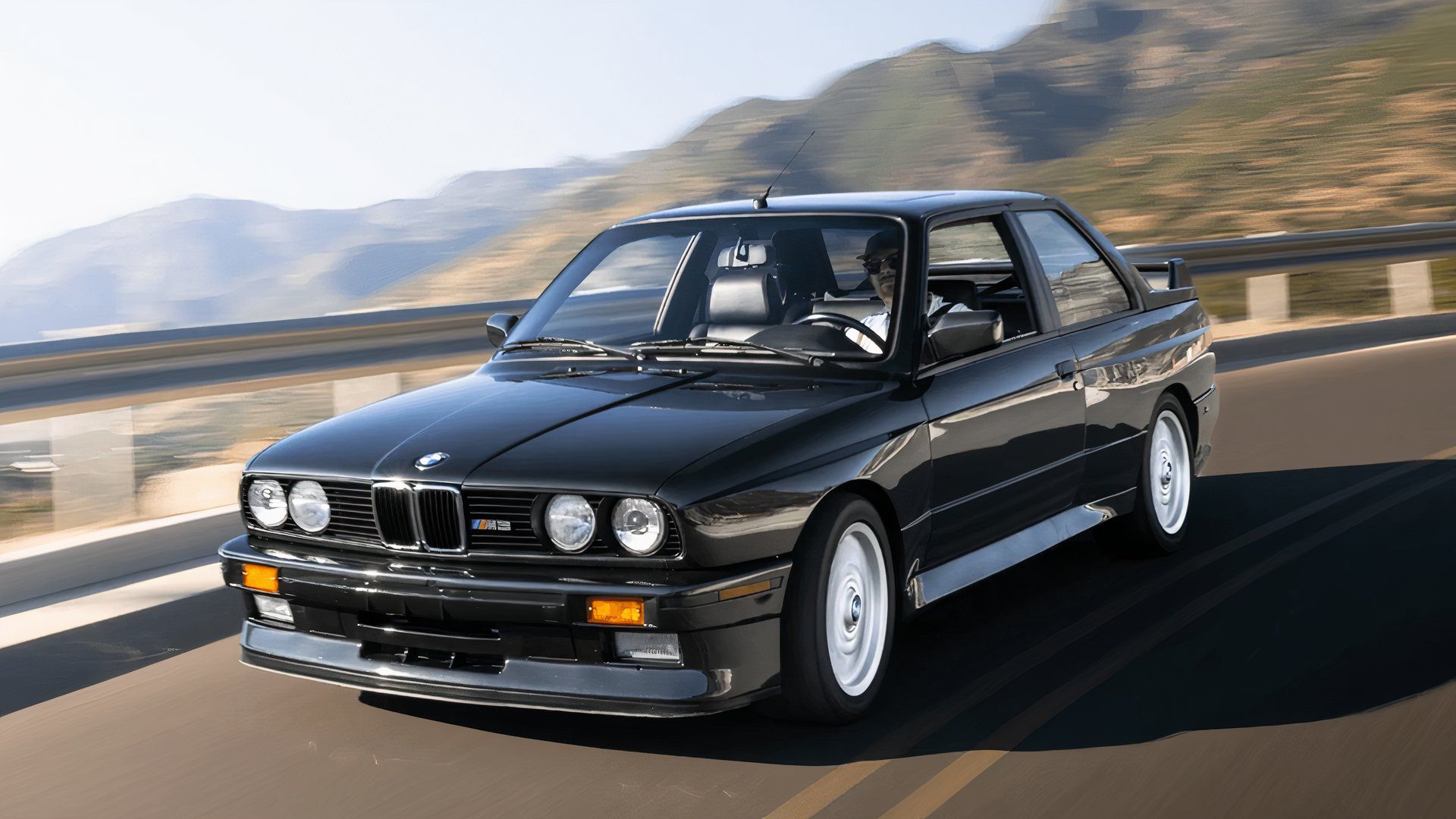
3. BMW E30 3 Series
The BMW E30 3 Series is a compact executive car praised for its driving dynamics, reliability, and timeless styling. Produced between 1982 and 1994, it was designed with a balance of performance, comfort, and durability. Its rear-wheel drive chassis, near 50/50 weight distribution, and well-engineered suspension make it agile in both city traffic and highway driving, a rarity among older sports sedans.
Engine options for the E30 include economical four-cylinder units and robust inline six-cylinder engines. The M20 and M42 inline-six engines provide smooth acceleration and responsive throttle control, suitable for modern traffic conditions. Even the base four-cylinder engines are reliable and efficient, offering adequate power while being simpler to maintain.
The interior layout of the E30 is functional and driver-focused. Visibility is excellent, and controls are straightforward and tactile. Ergonomically designed seats offer support during long drives, and the dashboard provides essential information without distractions. Later models include power windows, air conditioning, and other comfort options, making the car more suitable for modern driving expectations.
The E30’s suspension is a combination of MacPherson struts in front and semi-trailing arms in the rear, providing a smooth yet controlled ride. Brakes are capable and responsive, and modern radial tires can improve grip significantly. Combined with predictable handling, this makes the E30 both safe and enjoyable for daily driving, even in heavy traffic conditions.
Parts support is extensive thanks to the E30’s lasting popularity. Replacement engines, suspension components, and cosmetic parts are widely available. Enthusiast forums provide step-by-step guidance for upgrades and maintenance, helping owners keep their cars reliable. The E30 remains one of the few classics that can combine practicality, style, and engaging driving without constant compromise.

4. Toyota Corolla
The E70 generation Toyota Corolla, produced from 1979 to 1983, is a classic that emphasizes simplicity, reliability, and fuel efficiency. These sedans and wagons were designed during an era when the Corolla was becoming known as a dependable, low-maintenance vehicle. Their lightweight design, efficient engines, and durable chassis make them suitable for commuting and navigating modern traffic without stress.
Engine options for the E70 included small four-cylinder units that were fuel-efficient yet reliable. While performance is modest, the engines are easy to maintain and parts are widely available. This makes the Corolla inexpensive to keep on the road. Many owners report that properly maintained engines can run smoothly well past 200,000 miles, making it ideal for daily driving.
The Corolla’s compact footprint is a major advantage in urban environments. Narrow streets, tight parking spaces, and heavy traffic are easy to navigate due to the car’s small size. Steering is light, handling predictable, and suspension comfortable enough to manage potholes and uneven road surfaces. Drivers can feel confident without needing high horsepower or advanced electronics.
Interior space is practical and comfortable for its class. Controls are simple and intuitive, making it easy to operate without distraction. Visibility is excellent, allowing drivers to spot hazards in traffic quickly. The wagon versions offer generous cargo space, making them versatile for errands and occasional hauling.
Parts support and community knowledge are strong for this generation Corolla. Replacement components, maintenance tips, and repair manuals are widely accessible. With minimal investment, the E70 Corolla can remain a dependable daily driver that is efficient, reliable, and practical, proving that a classic can still meet modern commuting needs.
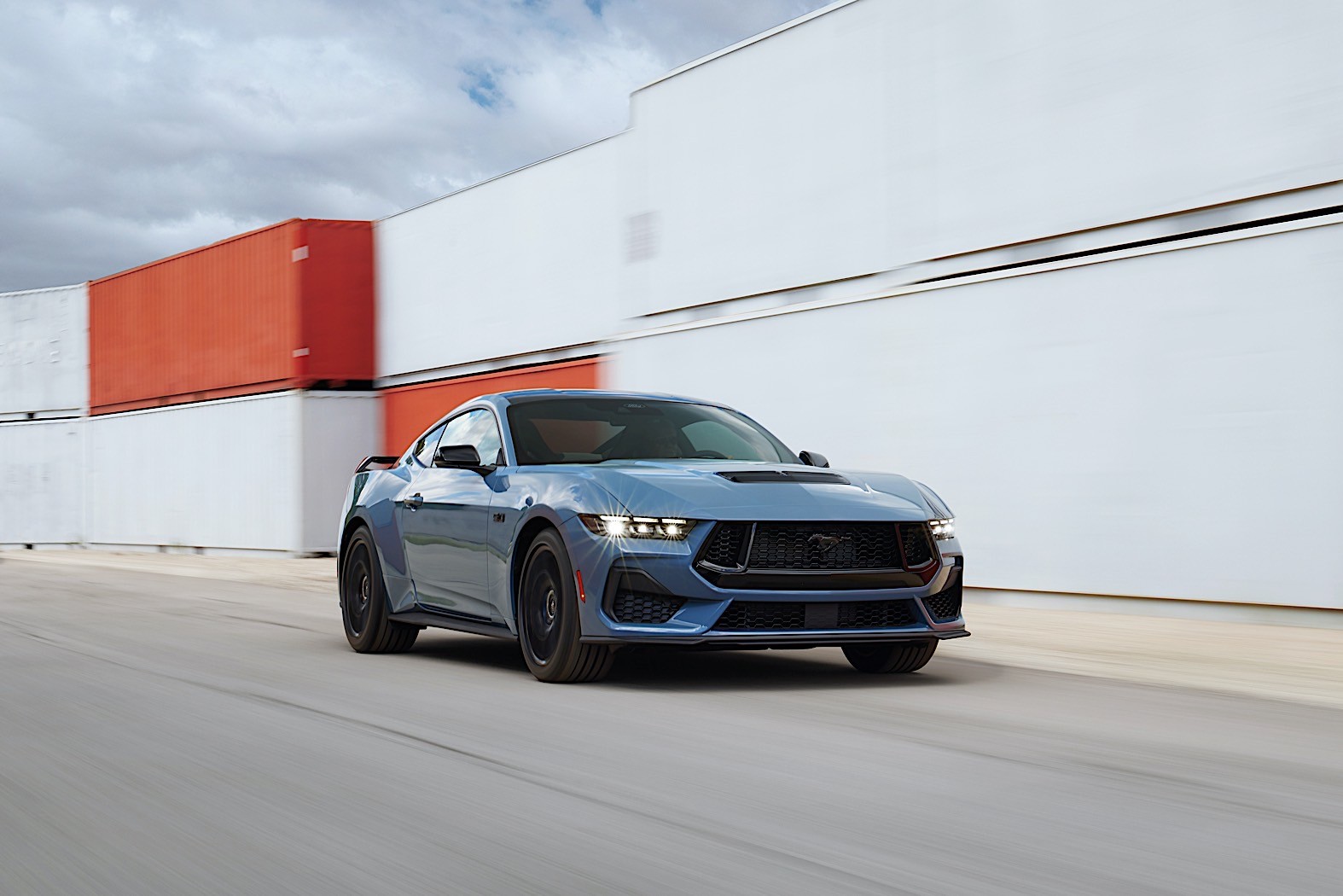
5. Ford Mustang
The first generation Ford Mustang, produced from 1964 to 1973, is a cultural icon and a surprisingly practical classic for daily driving. Its relatively compact size for a muscle car allows for manageable handling in modern traffic. While many people assume early Mustangs are fragile, the smaller displacement engines and lightweight chassis can be surprisingly dependable if maintained properly.
Engine options ranged from the economical inline six-cylinder to powerful small-block V8s. The V8 versions offer plenty of highway power for merging and overtaking, while the six-cylinder engines provide adequate performance with lower running costs. Modern upgrades like disc brake conversions and power steering installations make driving smoother and safer in everyday situations.
The Mustang’s interior is simple and functional. The driving position provides good visibility, and controls are intuitive. Early Mustangs often feature comfortable seats for their era, and aftermarket upgrades like air conditioning or modern seatbelts can improve usability. Despite being a classic, the cabin remains suitable for daily commuting or longer drives.
Suspension and handling are tunable, and modern tires significantly enhance grip and braking. Combined with the car’s lightweight design, this makes the Mustang surprisingly competent in stop-and-go traffic. The classic styling continues to attract attention without creating the burden of excessive maintenance when properly cared for.
Parts availability is exceptionally strong due to the Mustang’s massive popularity. Replacement engines, trim, brakes, and other mechanical components are easy to source. This reduces maintenance anxiety, making the car a viable daily driver. For enthusiasts seeking both style and practicality, the first generation Mustang provides a unique blend of heritage, charm, and functionality.

6. Honda Civic
The first-generation Honda Civic, launched in 1972, immediately gained a reputation for practicality, fuel efficiency, and reliability. Its small size and lightweight design make it ideal for city driving and congested roads.
Despite being nearly 50 years old, many well-maintained examples remain capable of consistent daily performance without excessive mechanical attention, a testament to Honda’s early engineering focus on simplicity.
Power comes from modest air-cooled or water-cooled four-cylinder engines, depending on the model year, which are both durable and economical. These engines are straightforward to repair, and many replacement parts are still available due to Honda’s strong support network. Fuel economy is remarkable, even compared to some modern subcompact vehicles, making it practical for commuting and errands.
Front-wheel drive offers predictable handling in wet or slippery conditions. The steering is light, suspension forgiving, and the small footprint makes it easy to navigate tight urban streets and parking spaces. Ride quality is simple but effective, prioritizing control over luxury, which suits daily driving environments well.
The interior is functional and minimalist, yet it provides sufficient space for two adults comfortably. Visibility is excellent, thanks to large windows and thin roof pillars. Controls are intuitive, which reduces driver fatigue during stop-and-go traffic. While not luxurious, it excels in usability and practicality.
The Civic’s strong mechanical reputation ensures that maintenance costs remain low. Enthusiasts and parts suppliers provide support for both cosmetic and mechanical repairs. With proper care, this car offers an easy and dependable driving experience, demonstrating that classic economy cars can thrive in modern traffic without compromise.
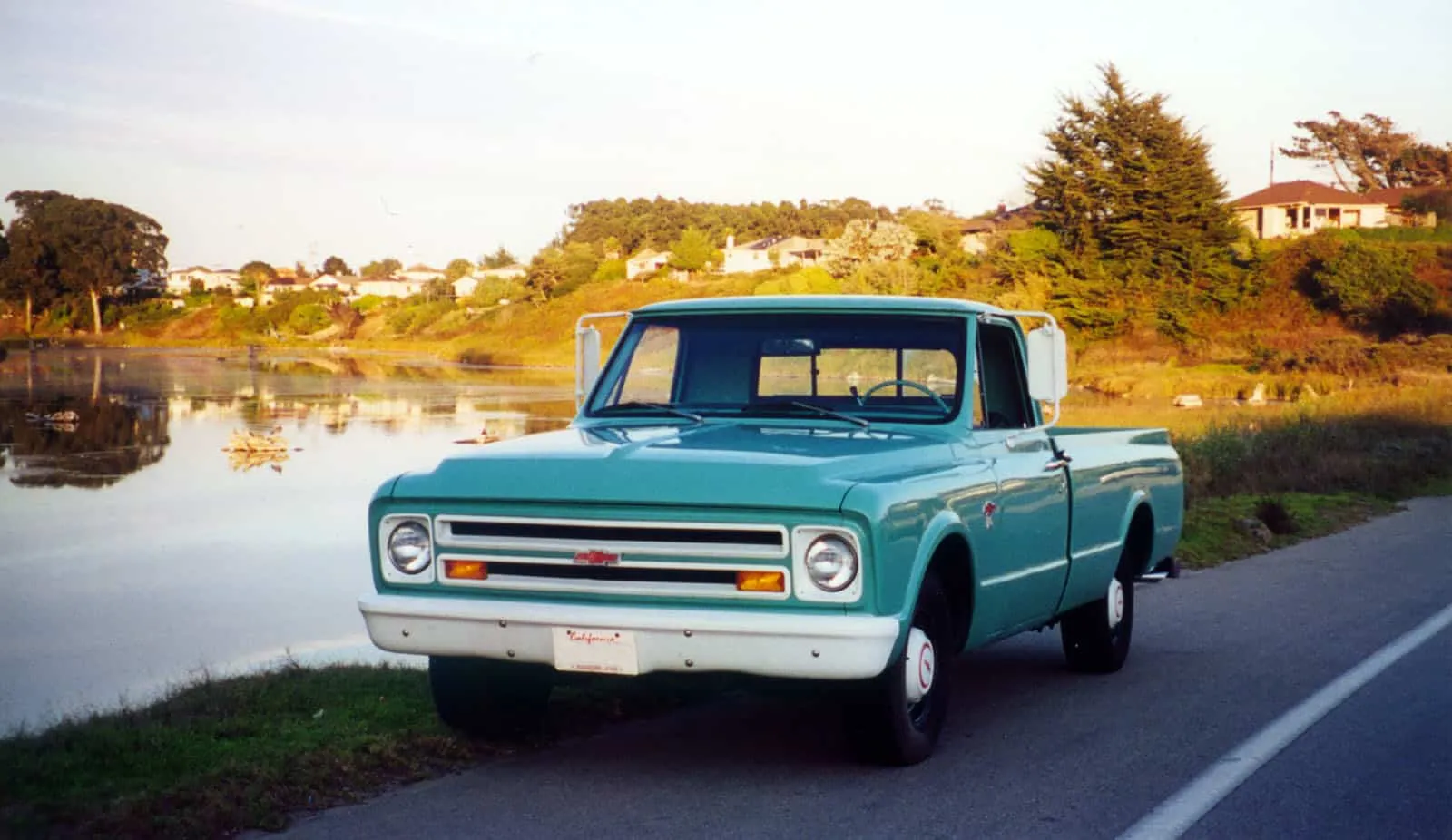
7. Chevrolet C10
The Chevrolet C10 pickup from 1967 to 1972 is a classic American truck that combines vintage style with functional reliability. Its simple body-on-frame construction makes it extremely durable and relatively easy to repair. Despite its age, many examples still handle urban driving and highway speeds with confidence, especially when modern tires and brake upgrades are installed.
The engine lineup included small-block V8s and inline six-cylinder options, which provide a range of power levels for different needs. V8 models deliver sufficient torque for highway acceleration and light towing, while the six-cylinder versions prioritize fuel economy. With proper maintenance, these engines are known for longevity and straightforward serviceability.
The truck’s cabin is simple yet practical, with excellent forward visibility and a commanding view of the road. Early C10s often had bench seating, which can comfortably accommodate three passengers. Safety features were minimal by modern standards, but upgrades like seat belts and improved brakes increase usability for daily commuting.
Suspension components are basic, but the ride remains surprisingly comfortable on city streets and highways. Modern radial tires improve grip, while upgraded shocks reduce body roll. The truck’s wide stance and solid construction provide a sense of stability, making it easy to maneuver even in dense traffic.
Parts support for the C10 is extensive due to the truck’s enduring popularity among collectors and restorers. Body panels, engine components, and suspension parts are widely available. This ensures that daily driving does not become a logistical challenge, making the C10 a classic that is both nostalgic and practical for everyday use.
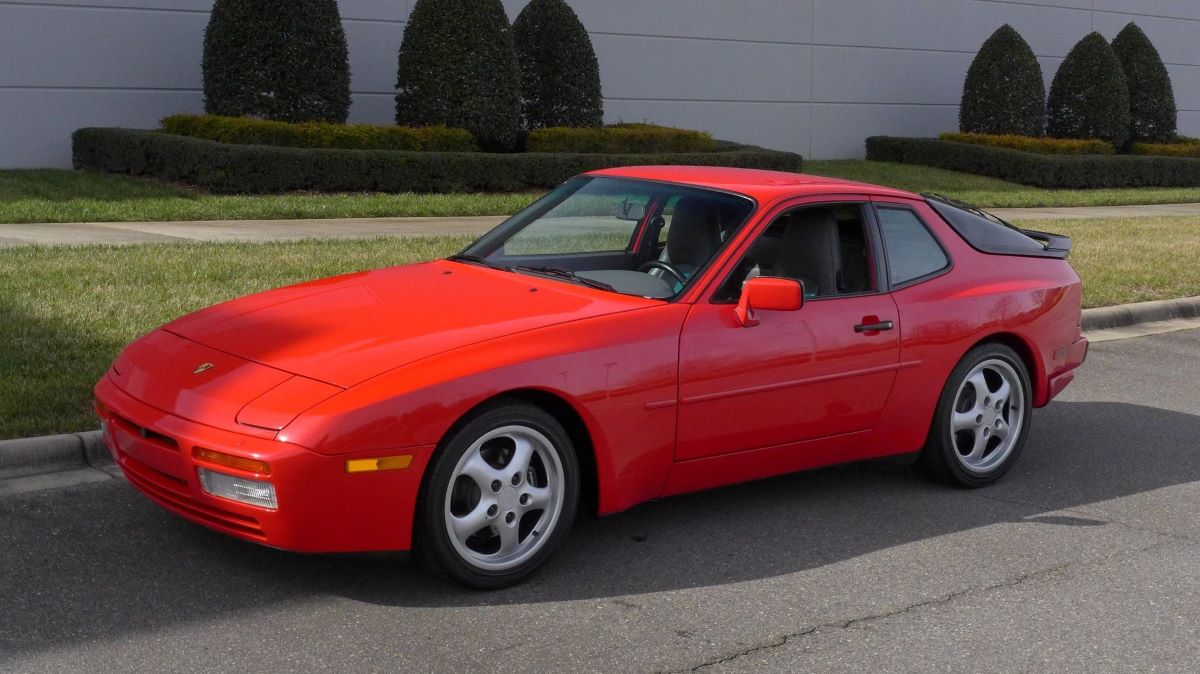
8. Porsche 944
The Porsche 944, produced from 1982 to 1991, offers a rare combination of sports car performance and everyday practicality. Its front-engine, rear-wheel-drive layout provides predictable handling and excellent weight distribution. Unlike many exotic cars of its era, the 944 was engineered for consistent usability, making it suitable for commuting as well as spirited driving.
The 2.5- to 3.0-liter inline-four engines deliver smooth, reliable performance. Naturally aspirated versions provide adequate power for daily driving, while turbo models increase acceleration without excessive complexity. Engine maintenance is straightforward for enthusiasts familiar with Porsche systems, and timing belt service is key to long-term reliability.
The 944’s hatchback design adds practicality, offering cargo space and flexibility uncommon in sports cars. Rear seats are small but usable for children or occasional passengers, enhancing the car’s versatility. Ergonomics are strong, with driver-focused controls and comfortable seating for long drives in city or highway conditions.
Braking, suspension, and steering are responsive and well-balanced, especially when modern tires and upgraded brake pads are applied. The car remains stable at highway speeds and is precise in city maneuvers. Many owners retrofit modern lighting and minor comfort features to improve usability further.
Parts availability remains reasonable, supported by Porsche specialist shops and enthusiast communities. Routine maintenance, including timing belt and clutch services, keeps the car reliable. For drivers seeking performance without sacrificing practicality, the Porsche 944 remains a compelling choice as a daily classic.
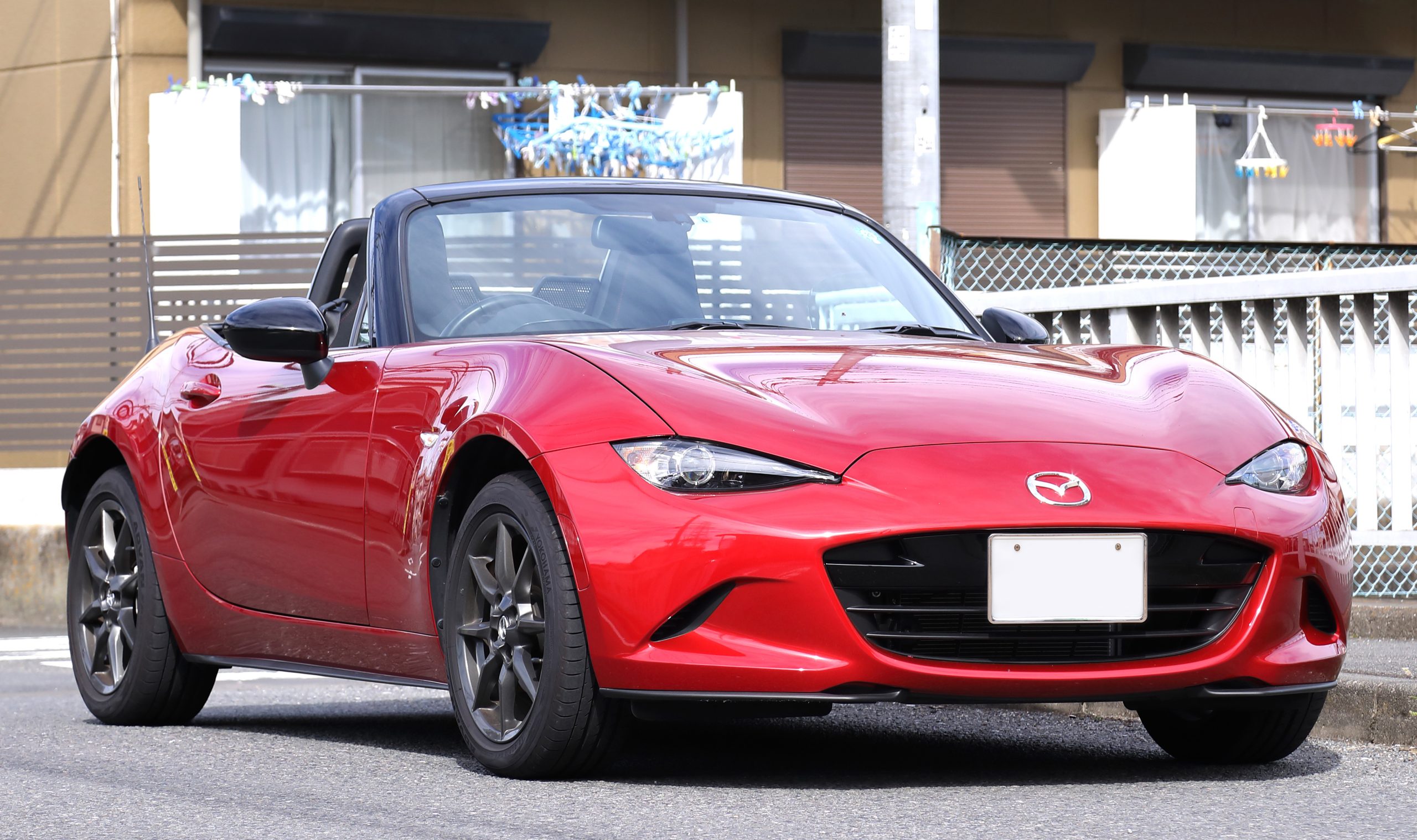
9. Mazda MX-5 Miata
The first-generation Mazda MX-5 Miata, launched in 1989, was designed as a lightweight, fun, and reliable roadster. Its small size and nimble handling make it ideal for city streets and winding roads alike. Despite being a sports car, the NA Miata was engineered with simplicity and mechanical reliability in mind, allowing it to thrive as a daily driver decades later.
The 1.6- and later 1.8-liter inline-four engines offer peppy performance with excellent fuel economy. The naturally aspirated engines are forgiving, with a reputation for long life when properly maintained. Manual transmissions provide a connected driving experience, and they are mechanically straightforward to service.
The interior is minimal yet functional. The driver-focused layout and convertible top enhance visibility and situational awareness, particularly in traffic. Seats are supportive for daily use, and controls are intuitive, reducing fatigue on longer commutes. The small cabin size contributes to the car’s nimbleness in urban environments.
Suspension geometry and weight distribution make the Miata responsive and predictable in both slow city traffic and high-speed conditions. Modern radial tires, upgraded shocks, and brake pads enhance safety and grip, allowing the car to feel confident in everyday scenarios. It delivers performance without intimidation.
Parts support for the NA Miata is excellent, with a global network of suppliers and aftermarket upgrades. From brake kits to engine components, replacements are affordable and accessible. Combined with the car’s reliability and fun character, the MX-5 Miata remains one of the most approachable and practical classic sports cars for daily driving.
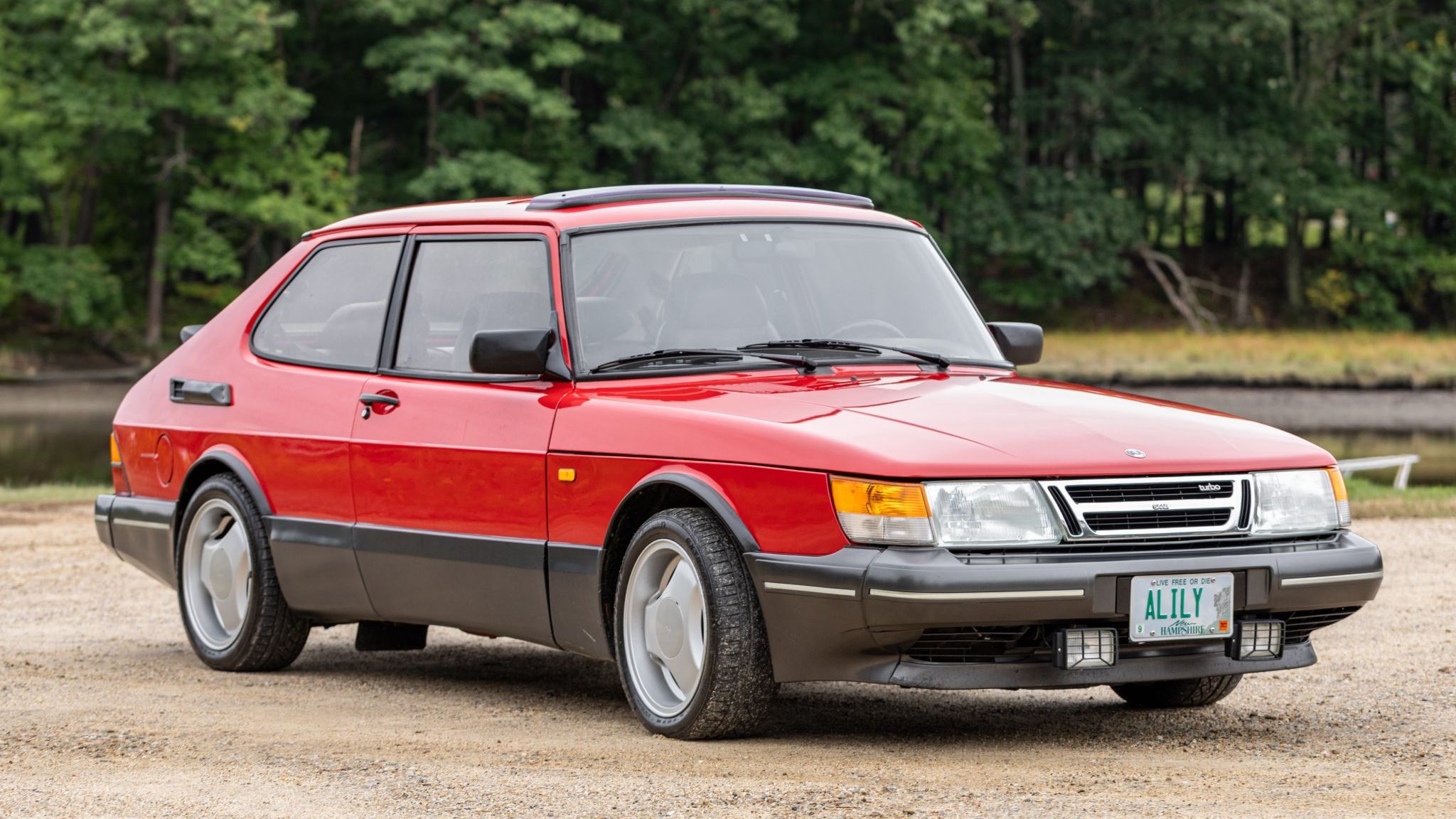
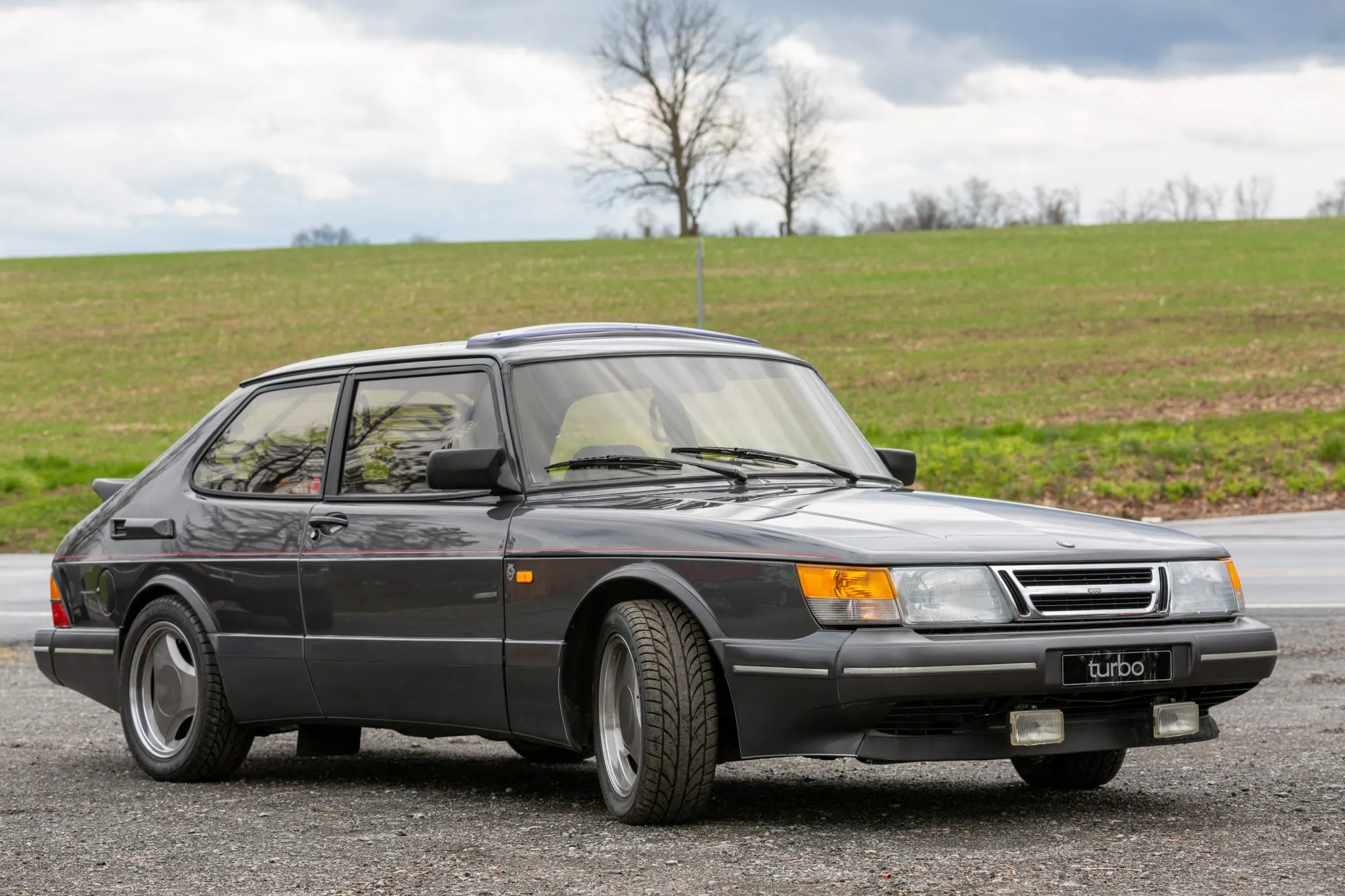
10. Saab 900
The classic Saab 900, first produced in 1978, is known for its distinctive design, turbocharged performance, and strong safety focus. Its tall, aerodynamic profile and sturdy construction make it both recognizable and practical. With proper maintenance, the Saab 900 remains capable in modern traffic, blending comfort, safety, and a unique driving experience.
The turbocharged engines, available in 1.8-, 2.0-, and later 2.1-liter versions, provide strong midrange torque ideal for highway driving. Front-wheel drive ensures predictable traction, and the cars are known for excellent handling in rain or snow. With timing and turbo maintenance performed, the 900 is reliable for daily commuting.
The interior emphasizes ergonomics, comfort, and practicality. Large windows and an upright seating position offer excellent visibility. Hatchback designs provide significant cargo capacity, while options like heated seats improve usability in colder climates. Controls are logically arranged, minimizing driver distraction.
Suspension tuning and braking systems are strong for a car of its era. Many owners upgrade tires, shocks, or brakes to meet modern performance standards. Even in traffic or tight urban conditions, the Saab 900 handles predictably, with stable steering and controlled body motion.
Parts support remains good, thanks to a dedicated Saab enthusiast community. Mechanical and cosmetic replacements are still produced or available from specialists. For drivers seeking something different from mainstream classics, the Saab 900 offers reliability, character, and everyday practicality in one distinctive package.
