
Vintage cars carry a sense of history and craftsmanship that often transcends the passage of time. While their exteriors might reflect the design trends of their respective eras, it is the interiors that often reveal the true ingenuity of automotive designers.
Some vintage vehicles manage to maintain a timeless quality inside, with layouts, materials, and controls that would not feel out of place in a modern car. This sense of enduring style is remarkable because most cars from decades ago now appear dated, with interiors that seem cluttered, impractical, or overly ornate.
However, certain models showcase a balance of simplicity, elegance, and functionality that keeps them relevant even today. The combination of ergonomics, aesthetic harmony, and quality materials in these interiors makes them feel fresh and contemporary despite their age.
Designers from the past sometimes employed principles that modern automotive manufacturers now strive to achieve. Clean lines, minimalistic dashboards, and thoughtful placement of gauges contribute to an experience that aligns with modern expectations.
Leather, wood, and brushed metal finishes were used with precision, creating a sense of luxury without overwhelming the senses.
Some vehicles even introduced innovative features ahead of their time, such as well-integrated climate controls, intuitive switchgear, or driver-focused layouts.
The choice of colors and textures in these cars also played a significant role in their lasting appeal. While fashion trends in car interiors tend to change rapidly, certain combinations of muted tones, contrasting trims, and natural materials have retained their elegance across generations.
Beyond aesthetics, these interiors often prioritized comfort and visibility, anticipating ergonomic research that only became standard decades later. Many modern cars aim to provide a sense of spaciousness and openness, which some vintage models achieved naturally through design.
The feeling of quality and durability inside these cars is another reason they continue to impress enthusiasts today. Unlike mass-produced vehicles that may have prioritized cost over refinement, these classic interiors reflected an era when attention to detail was a central focus.
They inspire admiration not just for their beauty but also for their ability to remain practical and user-friendly. This article will highlight ten vintage cars whose interiors have defied time, showcasing designs that could still compete with contemporary vehicles.
Each model demonstrates a unique approach to layout, materials, and styling, proving that great design transcends decades.
From luxurious grand tourers to compact classics, these interiors reveal the vision and foresight of designers who created spaces that continue to resonate.
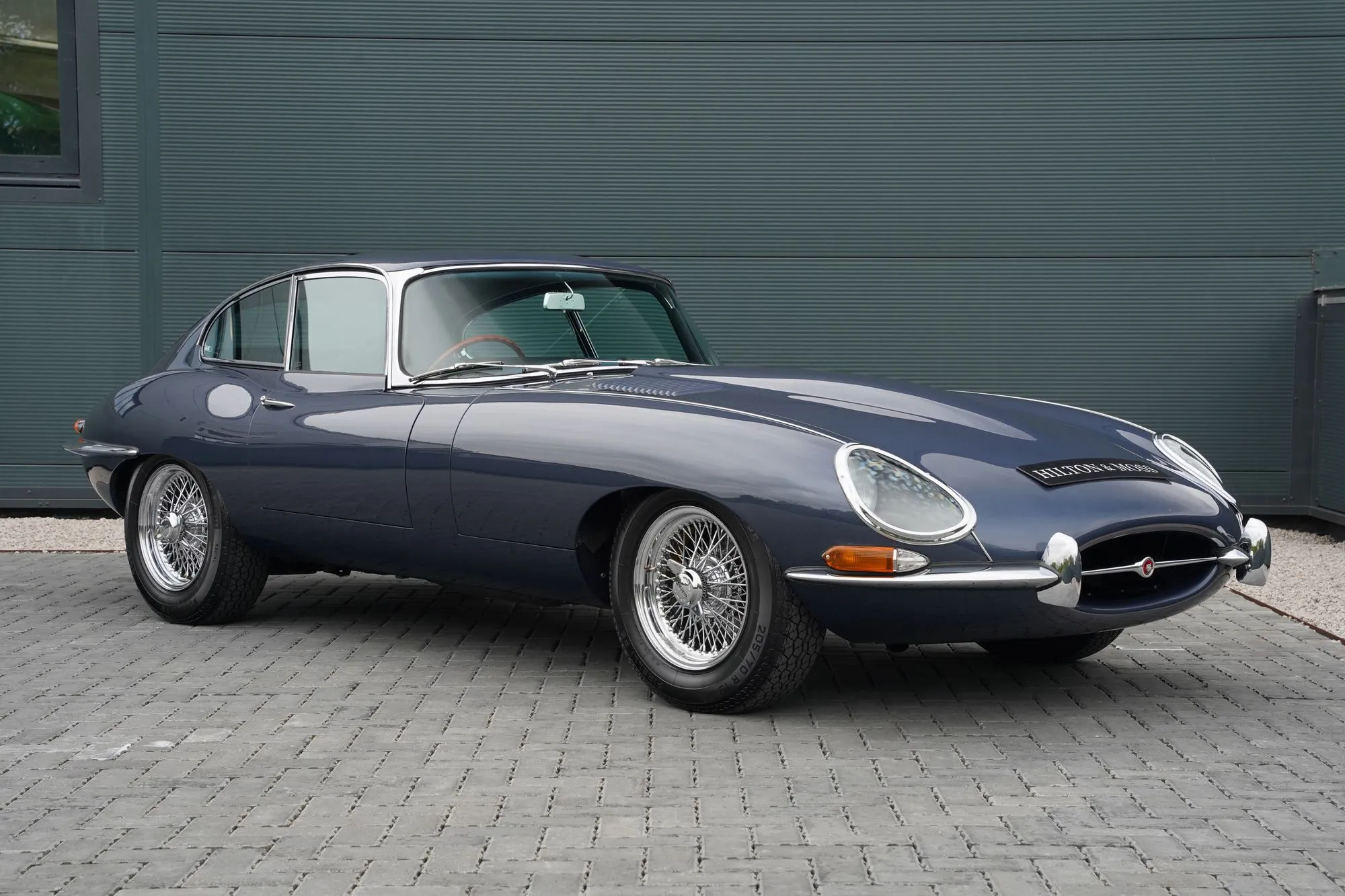
1. Jaguar E-Type Series 1 (1961–1968)
The Jaguar E-Type Series 1 is often celebrated for its sleek exterior lines, yet its interior embodies sophistication that remains appealing today. Its dashboard is elegantly curved, with a combination of polished wood and leather that enhances the sense of craftsmanship.
The instruments are symmetrically arranged, providing clarity and ease of use, which many modern sports cars aim to achieve. The minimalist yet functional layout ensures that the driver can focus on the road without distraction.
Leather seats in the E-Type provide both comfort and support, with stitching patterns that highlight attention to detail. The use of aluminum toggle switches gives tactile satisfaction and a premium feel, a feature still admired in contemporary vehicles.
Controls are logically positioned, giving an intuitive user experience long before ergonomics became a central design concern. The interior avoids unnecessary clutter, maintaining a clean and timeless appeal that works well even by today’s standards.
Visibility was prioritized in the E-Type, with large windows and a low dashboard line that enhances the connection between driver and road. This openness contributes to the feeling of space, making the cabin feel larger than its actual dimensions.
The driving position and steering wheel placement are carefully designed, providing a sense of control and engagement. Even modern enthusiasts find the seating arrangement and pedal layout surprisingly well-suited for spirited driving.
Materials in the E-Type interior are carefully selected to resist wear and age gracefully. The wooden dash retains warmth and character, while leather surfaces develop a patina that enhances the car’s vintage charm.
Aluminum trim adds a metallic contrast that prevents the cabin from feeling heavy or outdated. These thoughtful material choices give the E-Type interior a sense of refinement that persists decades after its production.
Every detail, from the shape of the gear lever to the curvature of the instrument cluster, contributes to an interior that feels cohesive and modern.
Unlike many vehicles of its era that appear overly ornate or cluttered, the E-Type achieves harmony through simplicity and elegance. Its interior serves as a benchmark for sports car design, proving that timeless appeal comes from both form and function.
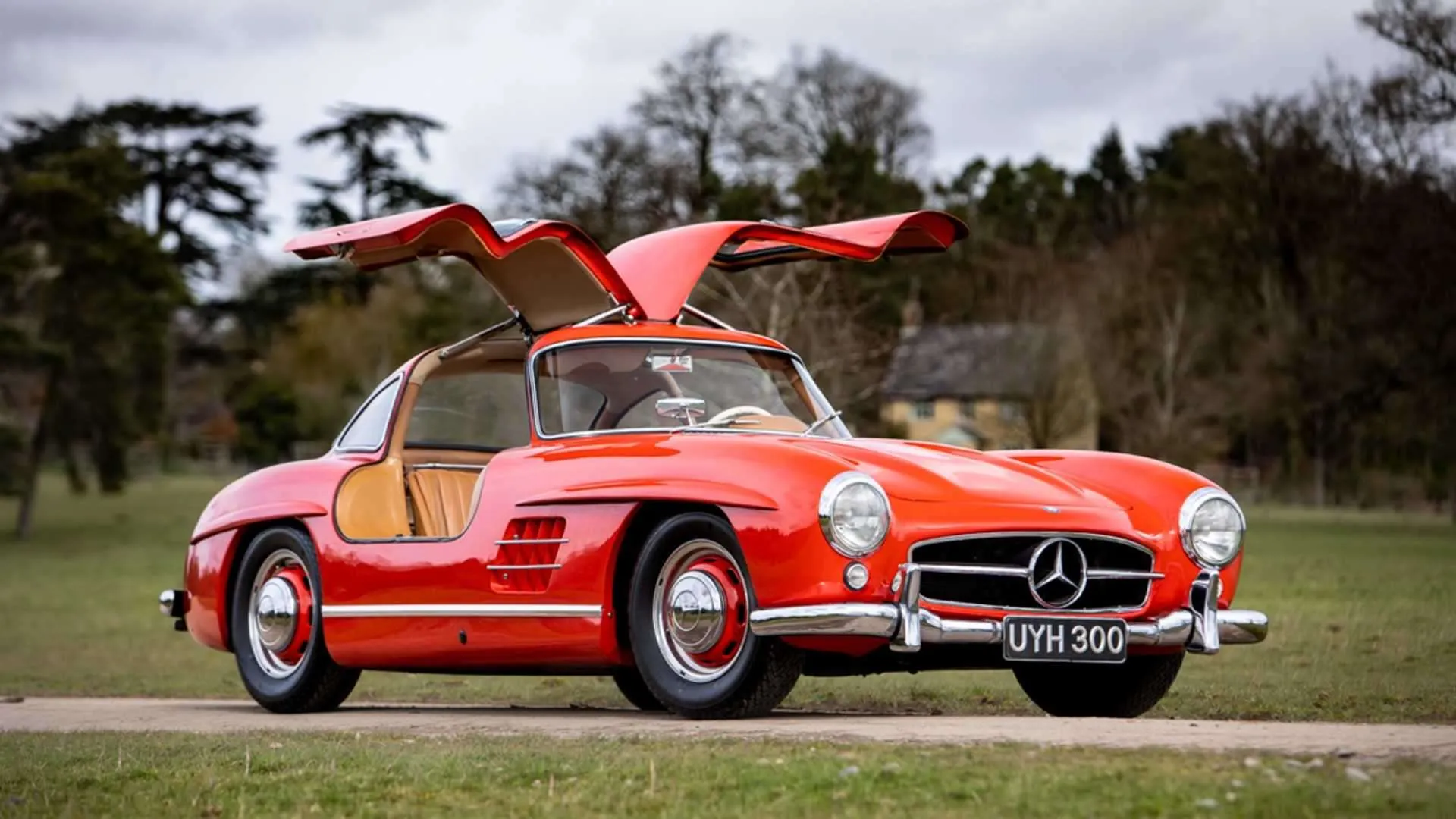
2. Mercedes-Benz 300SL Gullwing (1954–1963)
The Mercedes-Benz 300SL Gullwing is instantly recognizable for its unique doors, but the interior exudes sophistication beyond its iconic exterior. The cabin combines leather, chrome, and simple gauges to create a clean and elegant environment.
Its layout prioritizes the driver, with instruments directly in line of sight and controls easily reachable. This foresight in design makes the 300SL feel surprisingly modern inside despite being over half a century old.
Seats are contoured to support the body comfortably during spirited driving, using materials that remain soft and durable. Leather surfaces are often paired with subtle piping, creating contrast without overwhelming the eye.
The steering wheel is large but ergonomically friendly, giving precise feedback to the driver. Every control, from window cranks to toggle switches, is designed with tactile satisfaction in mind.
The dashboard is uncluttered, featuring only essential instruments with clear fonts and markings. This approach ensures readability while maintaining elegance.
Chrome accents and polished metal bezels provide visual interest without creating a sense of chaos. The interior proportions are well balanced, avoiding the cramped feel typical of many 1950s sports cars.
Storage and practicality were considered, with glove compartments and small cubbies placed conveniently. While not luxurious by today’s standards, the thoughtful integration of functional elements enhances the experience.
Visibility is excellent, with low sills and large glass surfaces. This design promotes driver awareness and contributes to the sense of spaciousness in the cabin.
The combination of materials, layout, and ergonomics ensures the 300SL interior remains visually appealing and functional even today.
It is a testament to Mercedes-Benz’s commitment to quality and design foresight. Modern sports cars still draw inspiration from this harmonious blend of simplicity, luxury, and driver-centric functionality.
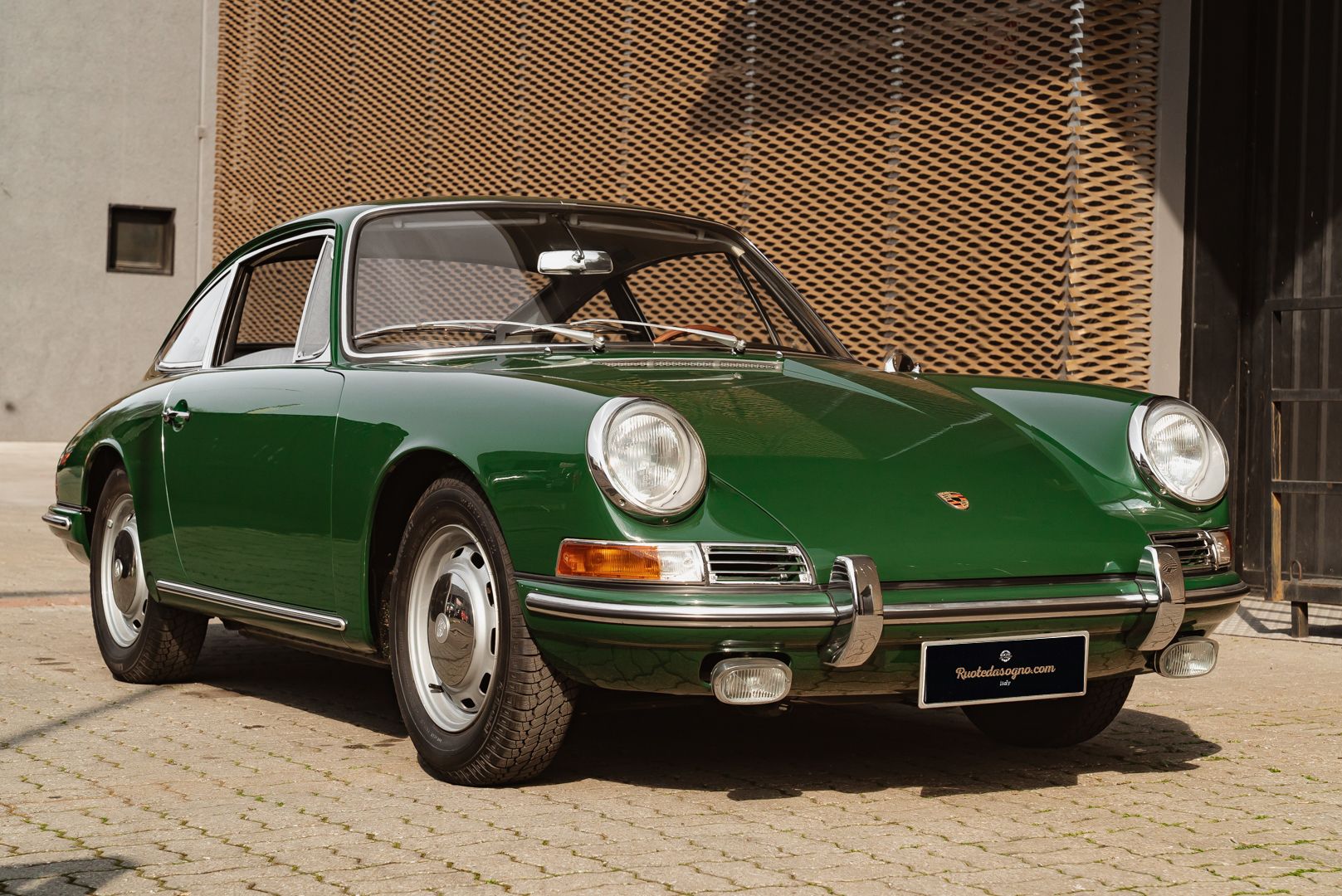
3. Porsche 911 (1964–1973)
The early Porsche 911 is a sports car icon, and its interior has retained an understated modernity. The dashboard features a simple horizontal layout with five circular gauges, providing all necessary information at a glance.
The steering wheel is elegantly proportioned, while the center console offers minimal distractions. This clean and logical design continues to influence Porsche interiors to this day.
Seats in the 911 are designed to support the body during aggressive cornering while remaining comfortable for daily use.
High-quality materials, including leather and durable vinyl, contribute to a cabin that ages gracefully. The combination of black trim with subtle accents ensures a timeless aesthetic. Even after decades, the interior maintains a purposeful and coherent character.
Switchgear is minimal yet intuitive, reflecting a focus on the essentials of driving. Climate controls, levers, and buttons are positioned for accessibility, allowing the driver to remain engaged with the car.
The simplicity reduces cognitive load, a principle now central to modern automotive design. This makes the 911 interior feel surprisingly contemporary.
Storage and passenger comfort were modestly considered, with small compartments and well-shaped seats. Visibility is excellent for a sports car, and the low dashboard enhances the sense of control.
The driving environment is practical without sacrificing style, showing Porsche’s emphasis on function alongside beauty.
Material quality is key to the enduring appeal of the 911 interior. Leather surfaces develop a rich patina, and metal trim retains a subtle shine. These elements create a luxurious yet understated atmosphere.
The harmonious combination of function and aesthetics makes the 911 a standout example of a vintage interior that still feels relevant.
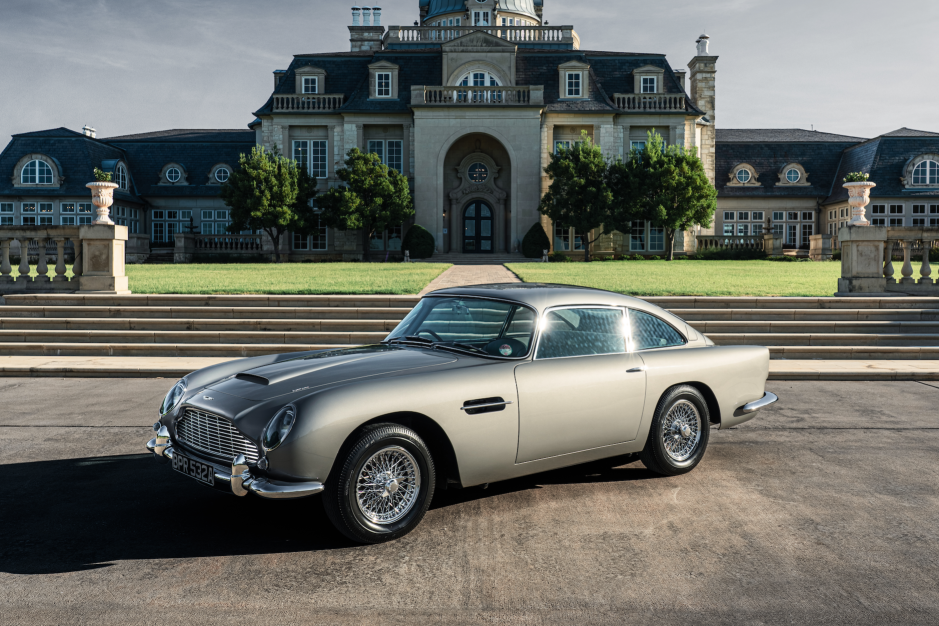
4. Aston Martin DB5 (1963–1965)
The Aston Martin DB5 is often remembered for its elegance and association with luxury, and its interior still exudes a refined modernity. The cabin is spacious, featuring supple leather upholstery that feels luxurious while aging gracefully over time.
Dashboard elements are neatly organized, with polished wood veneer adding warmth and contrast against chrome details. Each control is thoughtfully placed, emphasizing both accessibility and visual appeal.
Instrumentation in the DB5 is precise and clearly arranged, reflecting a careful consideration of driver needs. The central console houses essential gauges and switches, avoiding the clutter seen in many cars of its era.
This clean approach ensures that the driver can focus on the road while enjoying a sense of sophistication and craftsmanship. Ergonomics were ahead of their time, with thoughtfully placed levers and knobs for effortless operation.
Comfort in the DB5 is enhanced by seats designed for long journeys without fatigue. Padding is firm yet supportive, while leather surfaces retain their supple texture.
Interior proportions give a sense of openness uncommon in 1960s vehicles, making the cabin feel both airy and intimate. The combination of materials, layout, and functionality ensures that passengers enjoy an experience comparable to modern luxury cars.
Chrome accents and polished wooden trim are applied with restraint, providing elegance without excess.
Door panels, steering wheel, and gear shift reflect a cohesive design philosophy that balances style and usability. Even decades later, the interior feels timeless, proving that understated refinement often surpasses more elaborate designs.
The DB5’s interior embodies a harmony of luxury, practicality, and aesthetic restraint. Its ability to feel current even today demonstrates the foresight of its designers. Every element, from gauge placement to seat design, contributes to an experience that remains highly desirable to enthusiasts and collectors alike.
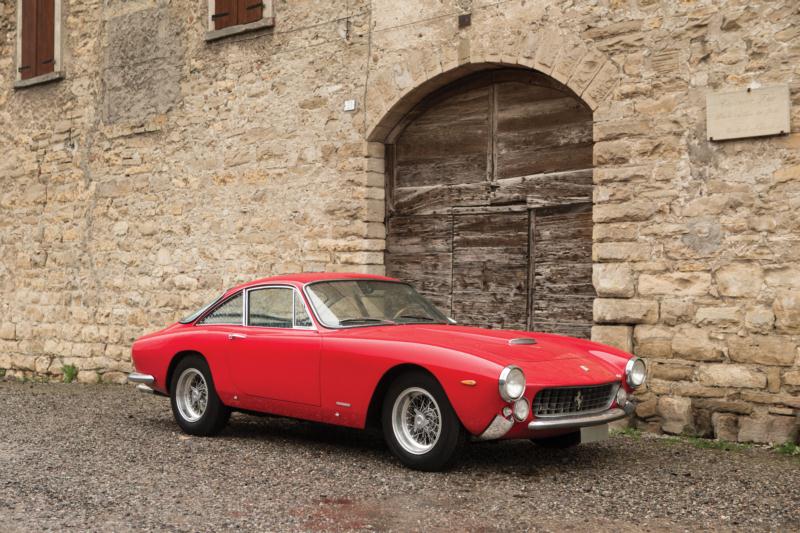
5. Ferrari 250 GT Lusso (1962–1964)
The Ferrari 250 GT Lusso combines classic Italian styling with a sense of interior sophistication that endures. Leather seats are finely stitched and contoured for comfort, while the dashboard features wood veneer and a set of chrome-rimmed gauges that remain visually striking. Every control is positioned with precision, emphasizing the driver’s relationship with the car and the surrounding cabin space.
The center console is minimalistic yet functional, housing essential switches and levers in a coherent arrangement. This simplicity ensures that operation is intuitive, even for drivers accustomed to modern vehicles.
Visibility is excellent, with low dashboard lines enhancing sightlines and creating a spacious feeling inside the cabin. The interior design demonstrates how restrained luxury can surpass trend-driven aesthetics.
Materials throughout the Lusso were chosen for their longevity and tactile appeal. Polished wood, high-quality leather, and brushed metal trim combine to create an interior that feels cohesive and durable.
These elements continue to age gracefully, developing a patina that adds character without compromising elegance. The cabin achieves a balance between luxury and driver-focused utility.
Ergonomic considerations were subtle but effective. The seating position, pedal layout, and steering wheel placement encourage an engaged driving experience.
Small details, such as toggle switches and the arrangement of ventilation controls, reflect careful thought and a desire to combine style with practicality. The Lusso interior does not overwhelm the senses, instead offering a serene and purposeful environment.
The Ferrari 250 GT Lusso proves that Italian design can remain timeless when executed with clarity and precision. The interior embodies a harmony of aesthetics, comfort, and functionality that many modern supercars still aim to achieve. Its enduring appeal lies in simplicity, material excellence, and an intuitive layout that feels relevant even decades after production.
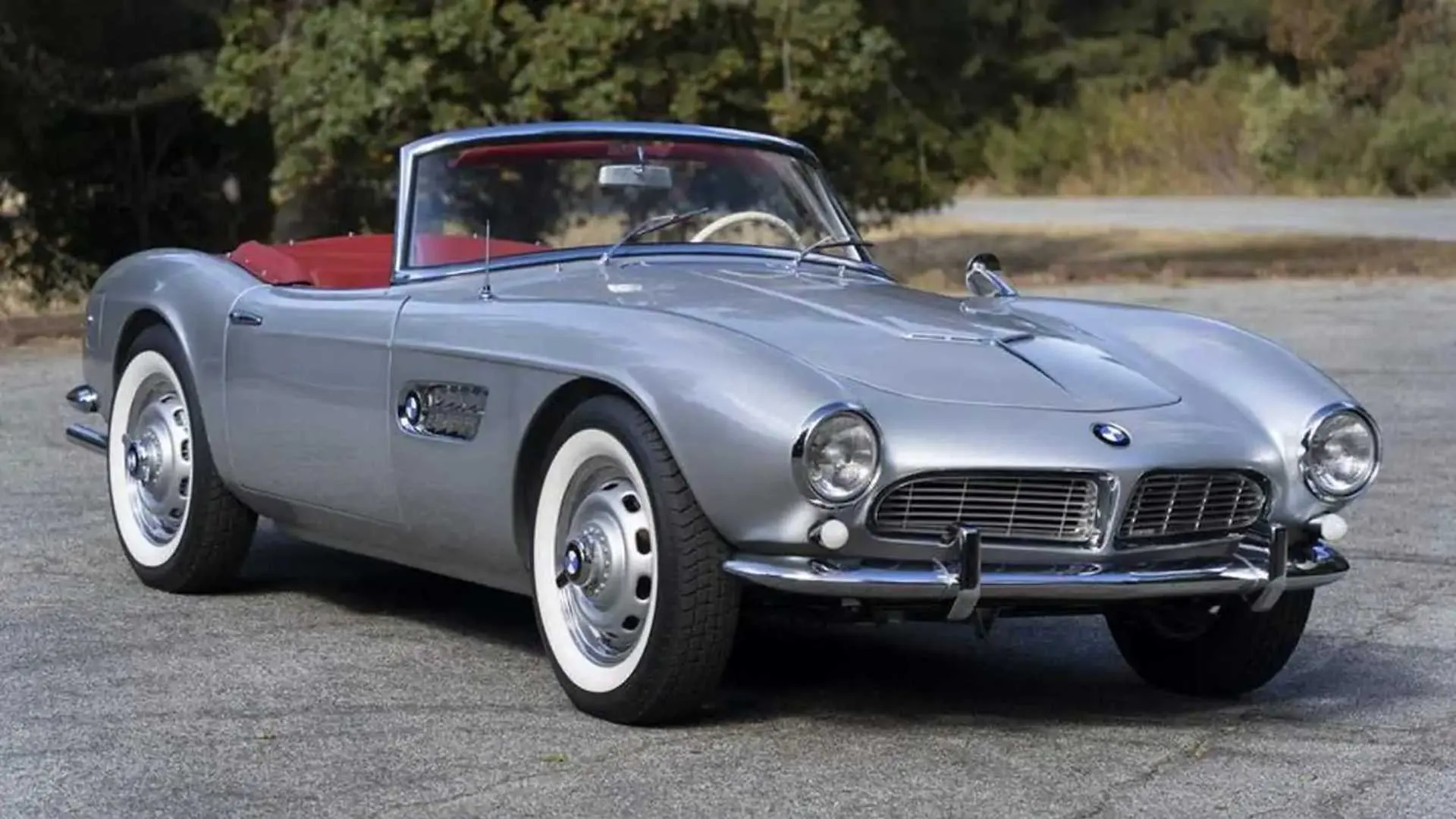
6. BMW 507 (1956–1959)
The BMW 507 is an iconic roadster with an interior that reflects a sense of timeless modernity. Its dashboard layout is elegantly simple, combining aluminum accents with leather surfaces for a sophisticated appearance.
Instruments are clustered directly in front of the driver, allowing quick and effortless reading. The minimal center console ensures that the focus remains on driving rather than distractions, a principle that aligns with contemporary car design.
Seats in the 507 are well-padded yet supportive, offering comfort on long journeys while maintaining a sporty feel. The combination of leather upholstery and subtle stitching creates a luxurious texture without appearing ostentatious.
Interior dimensions are carefully considered, giving passengers ample legroom and a sense of openness. Even today, the cabin feels inviting and thoughtfully designed.
Switchgear and controls are ergonomically positioned, with toggle switches and dials placed for tactile satisfaction. The use of chrome highlights around gauges and knobs enhances visual appeal without cluttering the space.
The dashboard is clean yet functional, allowing drivers to operate the vehicle intuitively while enjoying a sense of refinement.
The BMW 507 interior also emphasizes proportion and balance. The long hood and compact cabin are mirrored in a low-slung seating arrangement, creating a sense of connection between driver and machine.
Material choices reinforce this experience, as the leather and aluminum remain aesthetically pleasing decades later. This contributes to a cabin that continues to feel contemporary despite its vintage origin.
Every detail, from the curvature of the dashboard to the design of the steering wheel, demonstrates a focus on simplicity and elegance. The 507 shows that sports cars can combine performance and style without compromising interior sophistication. Its cabin remains an enduring example of design that transcends the limitations of its era.
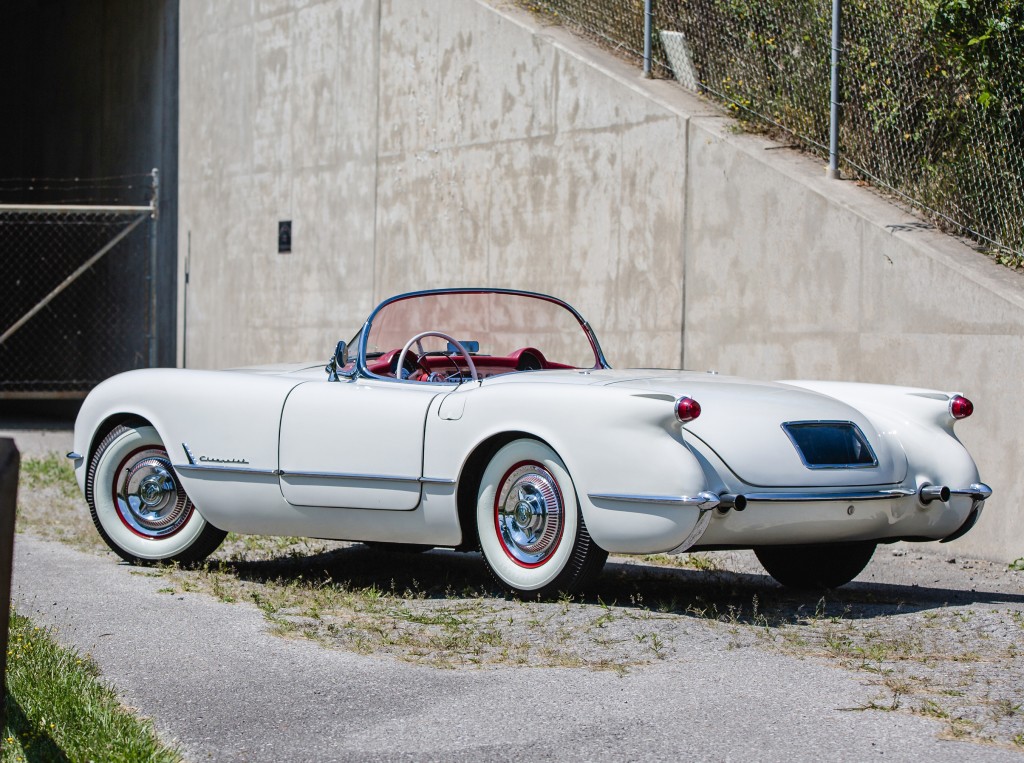
7. Chevrolet Corvette C1 (1953–1962)
The Chevrolet Corvette C1 was America’s first mass-produced sports car and featured an interior that combined innovation with clean design.
The dashboard layout is symmetrical, with instruments grouped logically for the driver’s convenience.
Metal accents and leather surfaces provide a sense of quality, while the use of contrasting colors adds visual interest without excess. The cabin design feels balanced and purposeful, a trait that continues to resonate today.
Seats are comfortable yet supportive, with upholstery that holds up over time. The design emphasizes functionality while still providing a stylish environment.
Switches and knobs are tactile and logically positioned, allowing drivers to operate the car without distraction. This thoughtful approach to ergonomics enhances both comfort and usability.
The Corvette C1 interior emphasizes visibility and openness. Large windows, a low dashboard, and a compact steering wheel create a sense of space. The cabin feels airy and connected to the surrounding environment, a characteristic often sought after in modern roadsters. The layout prioritizes the driving experience while maintaining a degree of elegance.
Material quality in the C1 is impressive for its era. Leather, metal, and well-finished trim combine to create a cabin that ages gracefully. The interior exudes a sense of durability and luxury that many contemporary vehicles strive to emulate. Its simplicity and coherence contribute to a timeless aesthetic.
The Chevrolet Corvette C1 demonstrates how an interior can remain stylish and functional decades after production.
Its careful balance of comfort, visibility, and design clarity makes it a lasting example of American sports car interior excellence. The combination of materials, layout, and driver-focused elements continues to impress enthusiasts today.
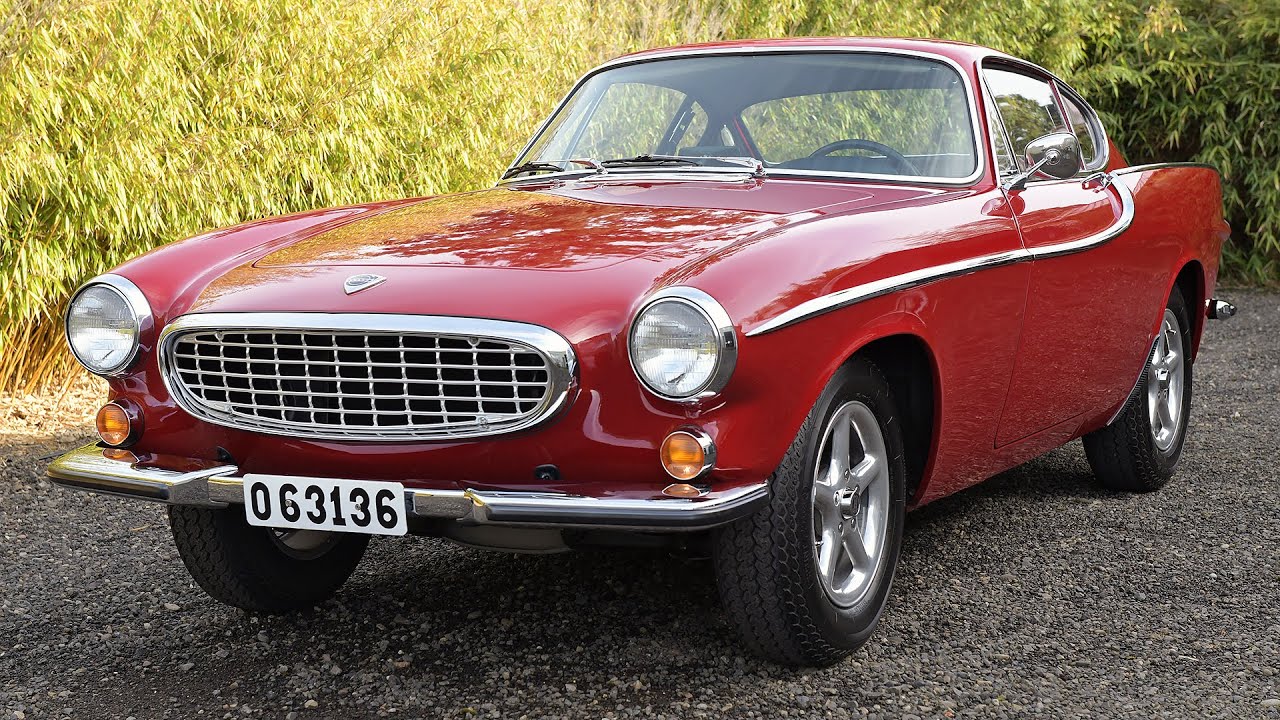
8. Volvo P1800 (1961–1973)
The Volvo P1800 is admired not only for its elegant exterior but also for an interior that has aged gracefully. Its cabin features clean lines and a driver-oriented dashboard, with gauges clearly visible and intuitively arranged.
Wood trim adds warmth, contrasting beautifully with the muted tones of the seats and door panels. The layout emphasizes simplicity while maintaining an inviting, premium feel that feels relevant even today.
Seats are comfortable and supportive, designed to accommodate both daily drives and longer journeys. Upholstery quality remains impressive, as leather and vinyl have a durability that allows them to retain their original texture over decades.
Ergonomics were well considered, with the placement of controls and switches allowing easy access without overcomplicating the cabin. The driving experience is both engaging and relaxed, showing foresight in interior design.
Switchgear in the P1800 is minimalistic yet functional, with knobs and levers that are tactile and satisfying to operate. The layout avoids unnecessary clutter, giving the driver a sense of focus and control.
Even features that were advanced for the time, such as integrated ventilation controls, are seamlessly incorporated into the design. This balance of functionality and aesthetics contributes to a timeless impression.
The cabin proportions emphasize openness and visibility, with large windows and a low dashboard line enhancing the sense of space.
The design encourages a connection between driver and surroundings, which is a quality sought after in many modern cars. Materials such as brushed metal accents and polished wood provide subtle sophistication without appearing excessive.
The Volvo P1800 demonstrates that simplicity, attention to detail, and quality materials create interiors that endure. Its cabin has a coherence and elegance that make it feel surprisingly modern, despite its vintage heritage.
It is a testament to thoughtful Scandinavian design and the lasting appeal of well-executed automotive interiors.
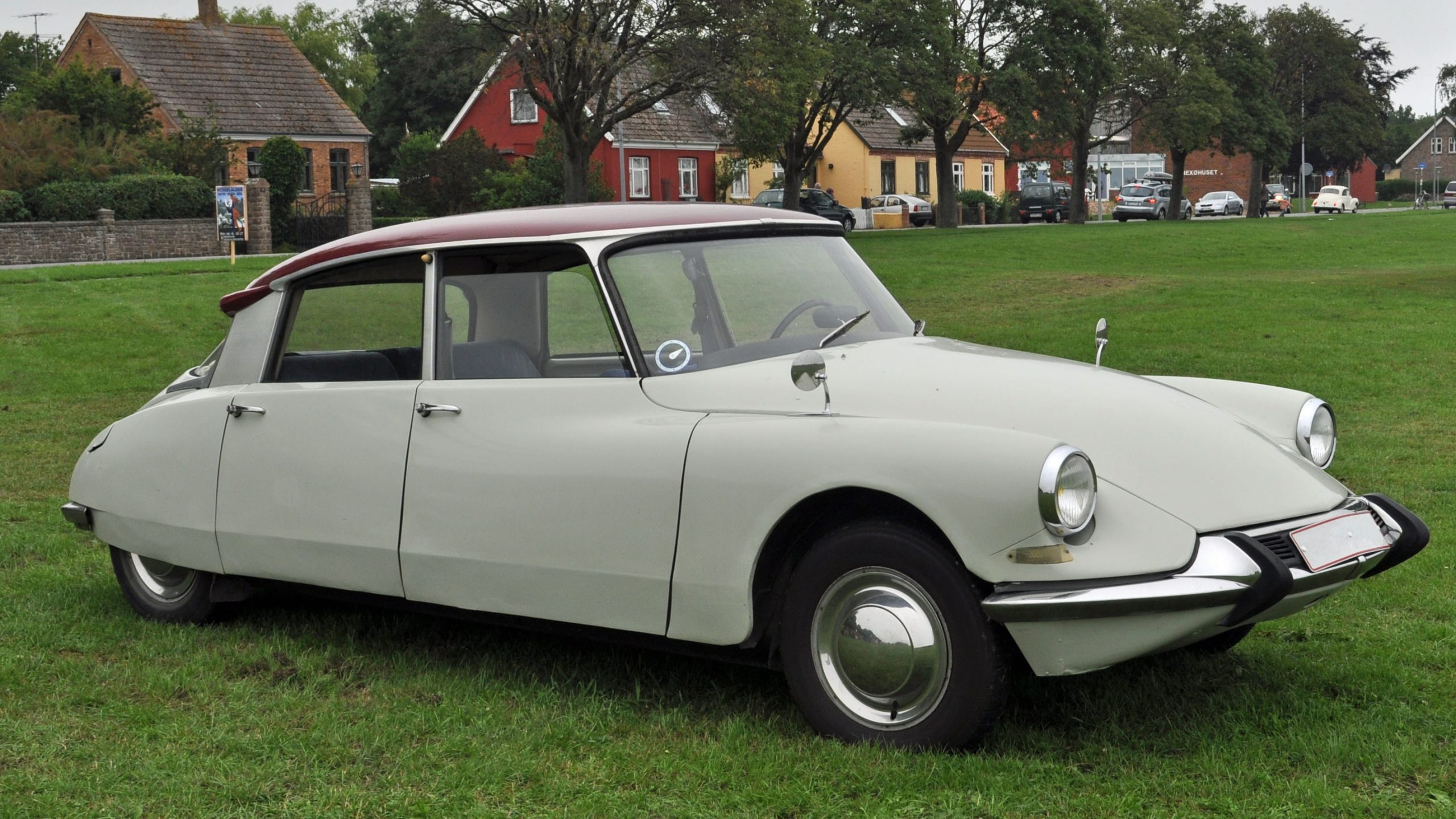
9. Citroën DS (1955–1975)
The Citroën DS is often regarded as revolutionary, particularly for its interior design that still resonates today. The dashboard is smooth and flowing, avoiding sharp angles, and houses controls in an intuitive arrangement.
Gauges are easily readable, and the inclusion of advanced features for its time, such as hydraulic controls, adds a modern sense of innovation. The cabin combines functionality with a unique aesthetic that feels futuristic even decades later.
Seats in the DS are unusually comfortable for a car of its era, featuring ergonomic shapes that support the body effectively. Upholstery was typically high-quality fabric or leather, contributing to a luxurious atmosphere.
The driver’s environment is organized for easy reach of essential controls, reflecting thoughtful design principles that prioritize usability and comfort simultaneously.
The DS interior emphasizes open space, with low sills and wide windows that enhance visibility and the perception of roominess. Controls are clearly differentiated and logically positioned, allowing for effortless operation. This intuitive layout reduces distraction and improves the driving experience. The cabin encourages engagement without overwhelming the senses.
Materials were chosen to age gracefully, with wood accents, brushed metal trim, and durable upholstery providing both aesthetic and tactile satisfaction.
Even the smaller details, like switches and knobs, are crafted with precision to balance form and function. The interior maintains a sense of coherence, demonstrating how innovation can be combined with timeless elegance.
The Citroën DS proves that forward-thinking design can remain relevant for decades. Its interior successfully blends style, ergonomics, and functionality in a way that feels surprisingly modern. The combination of comfort, intuitive layout, and innovative features makes it one of the most enduring examples of vintage automotive interior design.
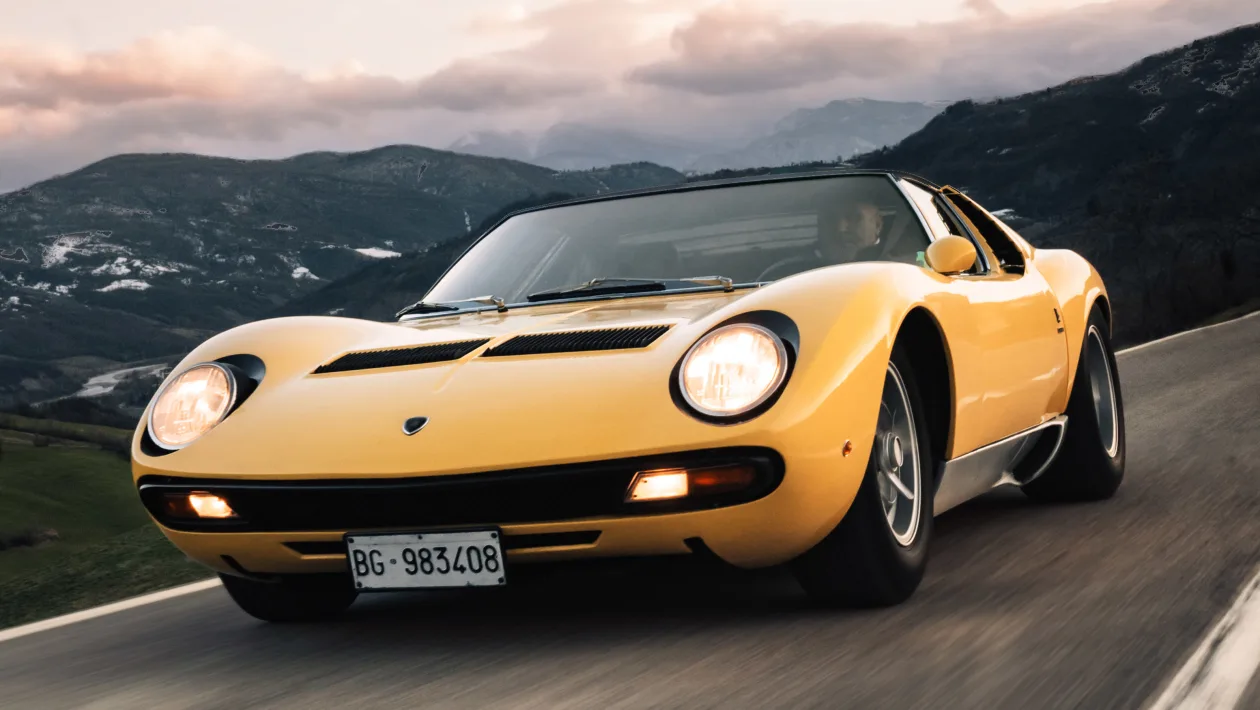
10. Lamborghini Miura (1966–1973)
The Lamborghini Miura is legendary for its design, and its interior complements the exotic exterior with a sense of timeless sophistication. The dashboard features a symmetrical, driver-focused layout with clear instrumentation and tactile toggle switches.
Leather seats are deeply contoured, providing support during spirited driving while remaining comfortable for longer journeys. The combination of materials and ergonomic thought gives the cabin a modern sensibility even decades after production.
The center console is clean and purposeful, with controls logically arranged to reduce distraction. Chrome trim and polished metal accents highlight details without overwhelming the senses.
The steering wheel and pedal positions are designed to provide a connection between driver and machine, reflecting principles now considered essential in performance cars.
Visibility and cabin proportion were carefully considered in the Miura, with a low seating position and wide windscreen contributing to a sense of space.
Interior ergonomics were remarkably advanced for the era, ensuring that operation of controls felt natural. This thoughtful design emphasizes both comfort and engagement, showing a forward-thinking approach to automotive interiors.
Materials used in the Miura emphasize both luxury and durability. Fine leather, aluminum accents, and polished knobs provide tactile satisfaction while aging with character.
The interior maintains a clean, cohesive appearance, avoiding the visual clutter common in many sports cars from the same period. This contributes to a lasting sense of modernity.
Every detail in the Lamborghini Miura interior reinforces a commitment to elegance, ergonomics, and driver experience. From gauge arrangement to seat design, the cabin reflects a balance of function and style that continues to inspire designers today.
It remains a prime example of a vintage car whose interior feels strikingly contemporary, despite its age.
