
The automotive industry has undergone a remarkable transformation over the past few decades, moving from prioritizing performance and luxury to considering environmental impact and sustainability. One of the most significant shifts has been the emphasis on designing vehicles that can be recycled easily at the end of their life cycle.
Automakers have recognized that reducing waste, minimizing hazardous materials, and reusing components are essential steps toward reducing the ecological footprint of vehicles. This approach has influenced the choice of materials, assembly processes, and even vehicle design aesthetics, ensuring that each component can be disassembled, sorted, and processed efficiently.
Recycling-friendly design not only benefits the environment but also offers economic advantages. By reusing metals, plastics, and other materials, manufacturers can reduce production costs and reliance on raw materials. Additionally, consumers increasingly value sustainability, and vehicles designed with recyclability in mind meet this growing demand while promoting corporate responsibility.
The concept of recycling in automobiles extends beyond simply recovering scrap metal; it involves designing interiors, electronics, and even fluids in ways that facilitate safe and thorough processing. Cars with modular components, standardized fasteners, and easily separable materials are prime examples of how design decisions can improve recyclability.
Governments and regulatory bodies around the world have also played a significant role in encouraging these practices. Policies often require vehicles to meet specific recycling targets or adhere to standards that limit hazardous substances, pushing automakers to innovate in materials science and manufacturing techniques.
Through thoughtful design and careful planning, manufacturers have produced vehicles that not only perform well on the road but also leave a lighter footprint when their operational life ends. This article highlights ten cars that exemplify the principle of being specifically designed for easy recycling.
Each model reflects a combination of environmental foresight, engineering innovation, and attention to material recovery, demonstrating how the industry can merge sustainability with functionality. By studying these vehicles, we gain insight into the ways in which car design can evolve to meet the demands of both the market and the planet.
1. Toyota Prius
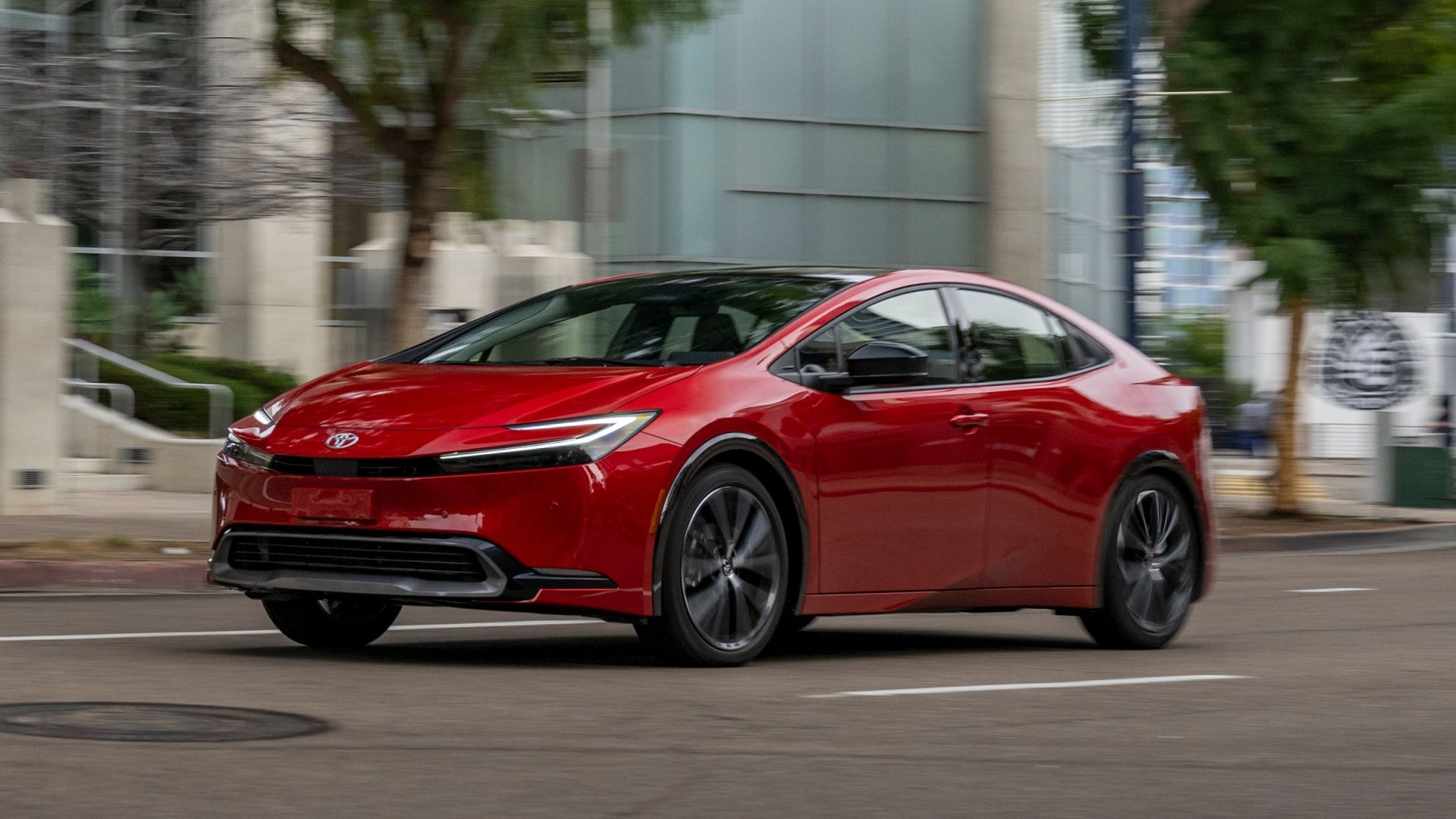
The Toyota Prius has long been a symbol of hybrid technology and environmental consciousness. Beyond its fuel efficiency, the Prius was designed with recyclability in mind, using materials that could be easily separated at the end of its lifespan.
Its interior plastics were labeled and standardized, simplifying the recycling process and reducing contamination. The body panels were made from lightweight metals that could be melted down and reused without significant loss of quality.
Battery components were another focus, with Toyota implementing recycling programs for hybrid batteries to recover valuable metals. This approach set a standard for other hybrid vehicles and showcased how sustainability could be integrated into mainstream car design.
The use of modular components made disassembly straightforward, reducing labor and cost during recycling processes. Electrical wiring harnesses were grouped logically to minimize environmental hazards when dismantled.
Paints and coatings were selected for their minimal environmental impact, allowing easier removal during shredding operations. Interior fabrics were chosen to avoid toxic dyes or treatments, further supporting safe recycling. Even small details like fasteners and clips were standardized to facilitate part removal. The design strategy ensured that almost 90 percent of materials could be recovered efficiently.
Toyota’s commitment to environmental sustainability extended beyond recycling into the production phase. The use of recycled steel and plastics in manufacturing reduced the need for raw materials.
Manufacturing plants also adopted processes to minimize emissions and waste, aligning with the vehicle’s recyclability goals. Consumer education programs encouraged owners to return hybrid batteries to authorized facilities.
The Toyota Prius demonstrated that mainstream cars could combine fuel efficiency, performance, and environmentally friendly design. Its success inspired other automakers to prioritize recyclability in hybrid and electric vehicles. By incorporating materials that are easy to disassemble, separate, and reuse, the Prius remains a benchmark in sustainable automotive design.
2. Ford Focus
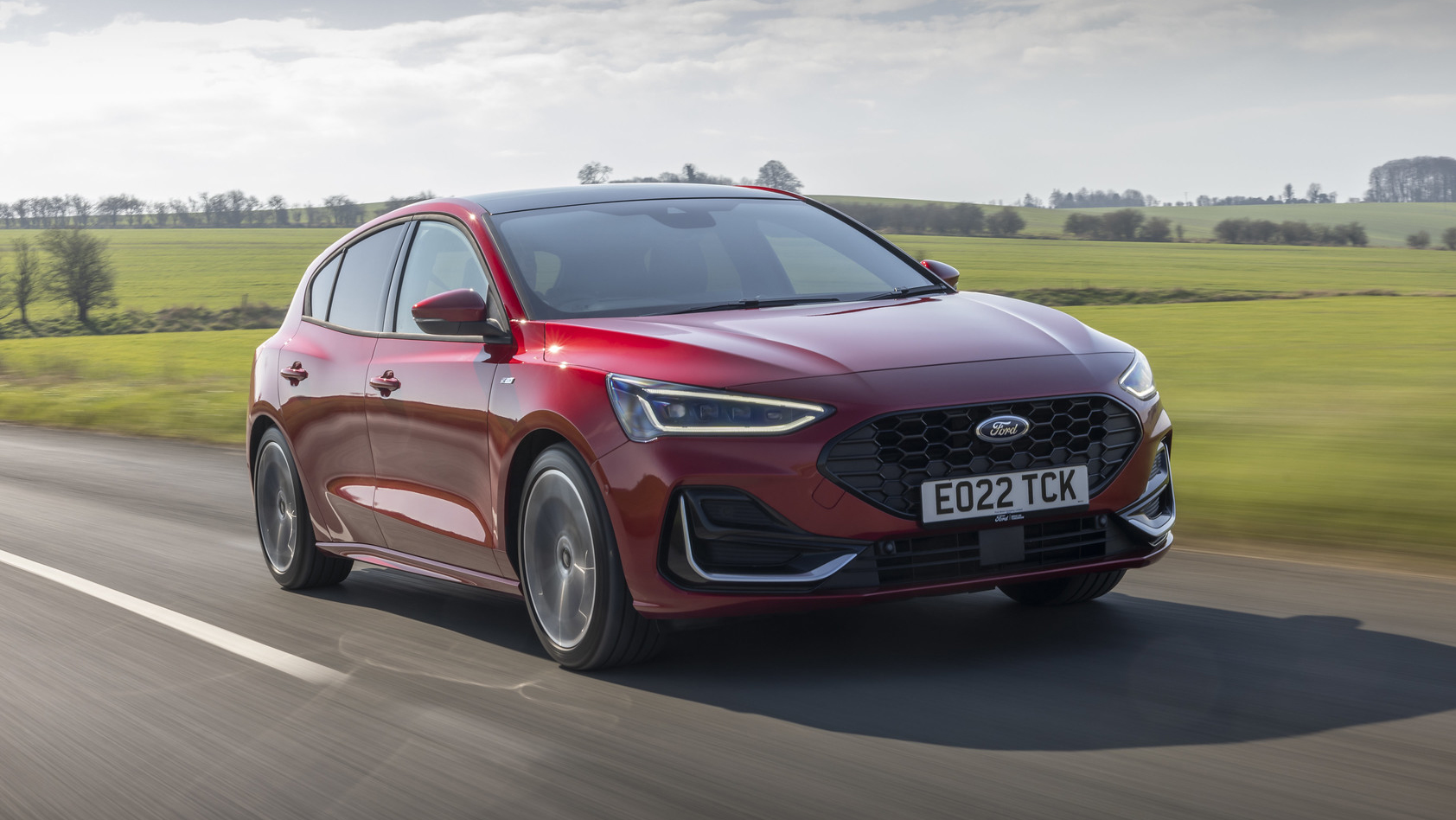
The Ford Focus compact model introduced several design features that supported recycling efforts. Its lightweight construction relied on high-strength steel and aluminum alloys, which could be melted down and reused with minimal processing. Plastics and composite materials were labeled clearly to reduce contamination during recycling. Interiors were designed for modularity, allowing easy removal of seats, dashboards, and trim components.
Ford paid close attention to electronic components, grouping wires and connectors to facilitate safe extraction and reduce environmental risks. Fluids such as coolant and brake fluid were centralized in accessible locations, simplifying recovery and disposal.
The assembly process avoided mixed-material bonding wherever possible, ensuring that panels and trim could be separated efficiently. Manufacturing plants also implemented recycling loops, allowing leftover materials to reenter production.
Paint systems were optimized to minimize heavy metal content and facilitate stripping in recycling facilities. Tires and rubber components were produced with fewer chemical additives, supporting eco-friendly disposal. The interior fabrics were chosen to resist degradation but remain recyclable after removal. Plastic fasteners and clips were standardized across models to minimize labor during dismantling.
Consumer awareness programs encouraged proper disposal and return of batteries, electronics, and other hazardous components. The car’s design reflected a balance between cost efficiency, performance, and environmental responsibility. Recycled metals and plastics reduced dependency on virgin materials while maintaining quality standards.
The Ford Focus provided a practical example of how compact vehicles could incorporate recycling-focused design principles. By prioritizing material recovery, modularity, and reduced toxicity, the Focus represented an environmentally conscious option without compromising on functionality or affordability.
3. BMW i3
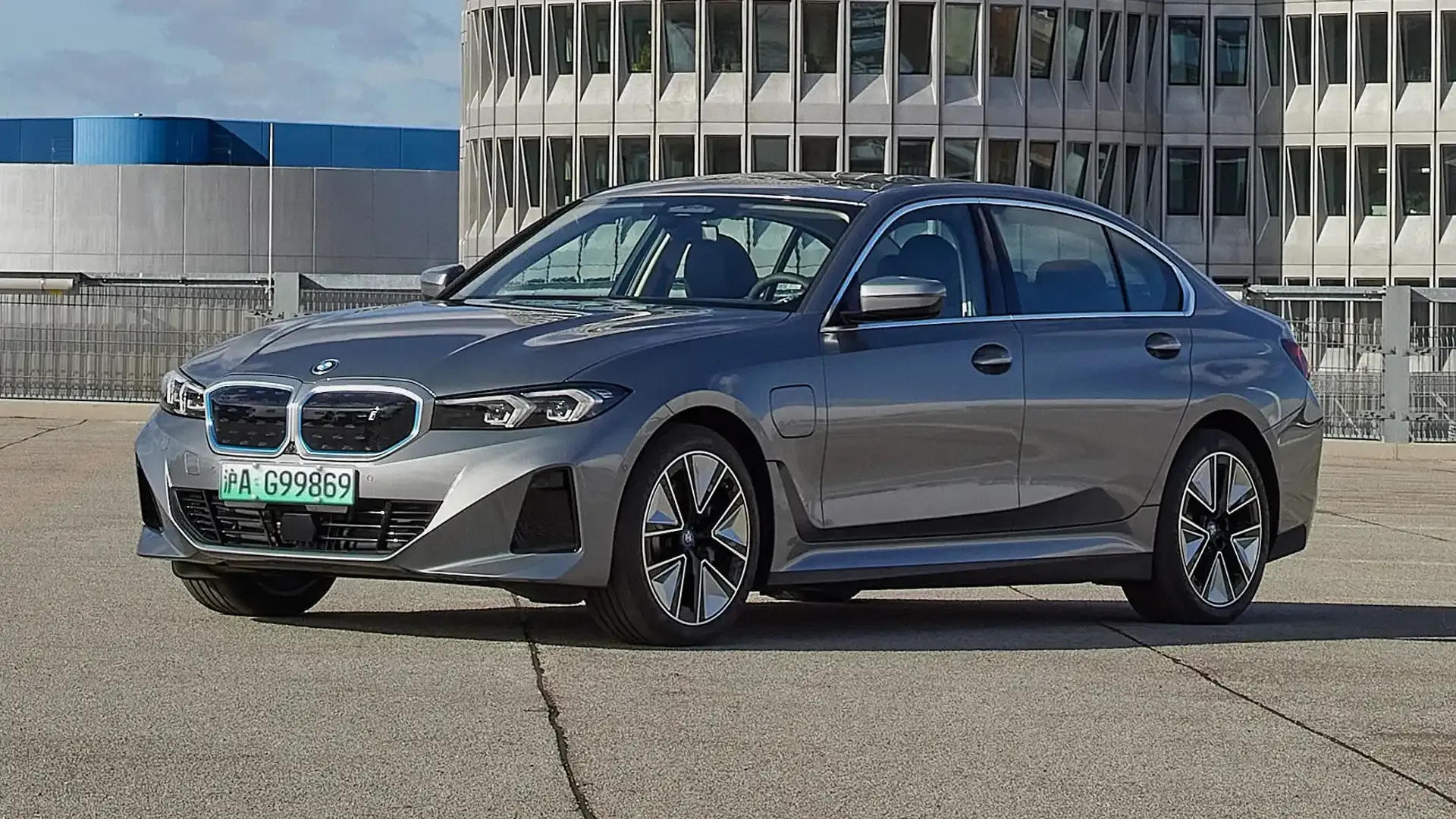
The BMW i3 electric car was revolutionary in both design and sustainability. BMW integrated carbon fiber-reinforced plastic in a way that allowed recovery of fibers for reuse. Interior materials were largely renewable or recyclable, with natural fibers and fabrics replacing conventional plastics in several components. Electronics were modular, allowing easy extraction and recycling at the end of life.
Battery recycling was a major focus, with BMW partnering with specialized facilities to recover lithium, cobalt, and nickel efficiently. Lightweight aluminum subframes could be separated from other materials, supporting metal recycling programs. The body structure emphasized easy disassembly without compromising safety. Fluids and adhesives were selected to minimize environmental hazards.
The interior featured easily removable panels and seating, allowing components to be repurposed or recycled. Fasteners and clips were standardized, and many plastics were marked with recycling codes. The roof module was made from natural fibers, which could be composted or processed into new materials. Paint systems avoided toxic compounds, simplifying end-of-life processing.
BMW implemented recycling loops during production to reuse scrap metals and plastics. Supply chains were optimized to minimize waste and emissions. Consumer education programs encouraged proper disposal and battery return, supporting circular economy goals. This approach combined luxury, performance, and environmental stewardship.
The i3 proved that electric vehicles could lead in sustainable design. Its use of innovative materials, modular components, and battery recovery programs set a standard for other EV manufacturers. The car demonstrated that recyclability could coexist with advanced technology and premium features, creating a blueprint for the future of eco-conscious automotive design.

4. Volvo XC60
The Volvo XC60 incorporated sustainable design principles that focused on recyclability from the ground up. The SUV’s body panels used a mix of high-strength steel and aluminum alloys that could be separated and recycled efficiently.
Volvo carefully avoided combining incompatible materials, making the disassembly process faster and less labor-intensive. Interior plastics were clearly labeled with recycling codes to ensure proper processing at recovery facilities.
Volvo’s approach extended to electronic systems, where wiring harnesses and modules were organized for easy removal. Fluids were centralized in accessible locations, allowing recovery without complex disassembly. Components such as airbag modules, sensors, and control units were designed to be returned to specialized recycling centers. Adhesives and coatings were selected to minimize environmental contamination when materials were shredded.
The interior employed modular panels and seating systems, allowing seats, dashboards, and trim to be removed and processed separately. Carpets, fabrics, and insulation were selected for durability and recyclability, avoiding toxic treatments. Fasteners, clips, and screws were standardized across models, reducing the time needed for part extraction. Volvo also implemented labeling systems to guide recycling plants on material separation.
In production, Volvo used recycled steel and aluminum to reduce reliance on raw metals. Plastics and composites were collected from the assembly line for reuse in non-critical components. Paint systems avoided heavy metals, making stripping and shredding safer. Volvo partnered with specialized recycling facilities to ensure responsible battery and electronics handling, particularly in hybrid variants.
The XC60 demonstrated that large vehicles could meet high safety standards while being environmentally conscious. By emphasizing material separation, modularity, and recyclability, Volvo showed that sustainability could be integrated into a premium SUV. This approach encouraged consumers and competitors to recognize the benefits of environmentally responsible vehicle design.
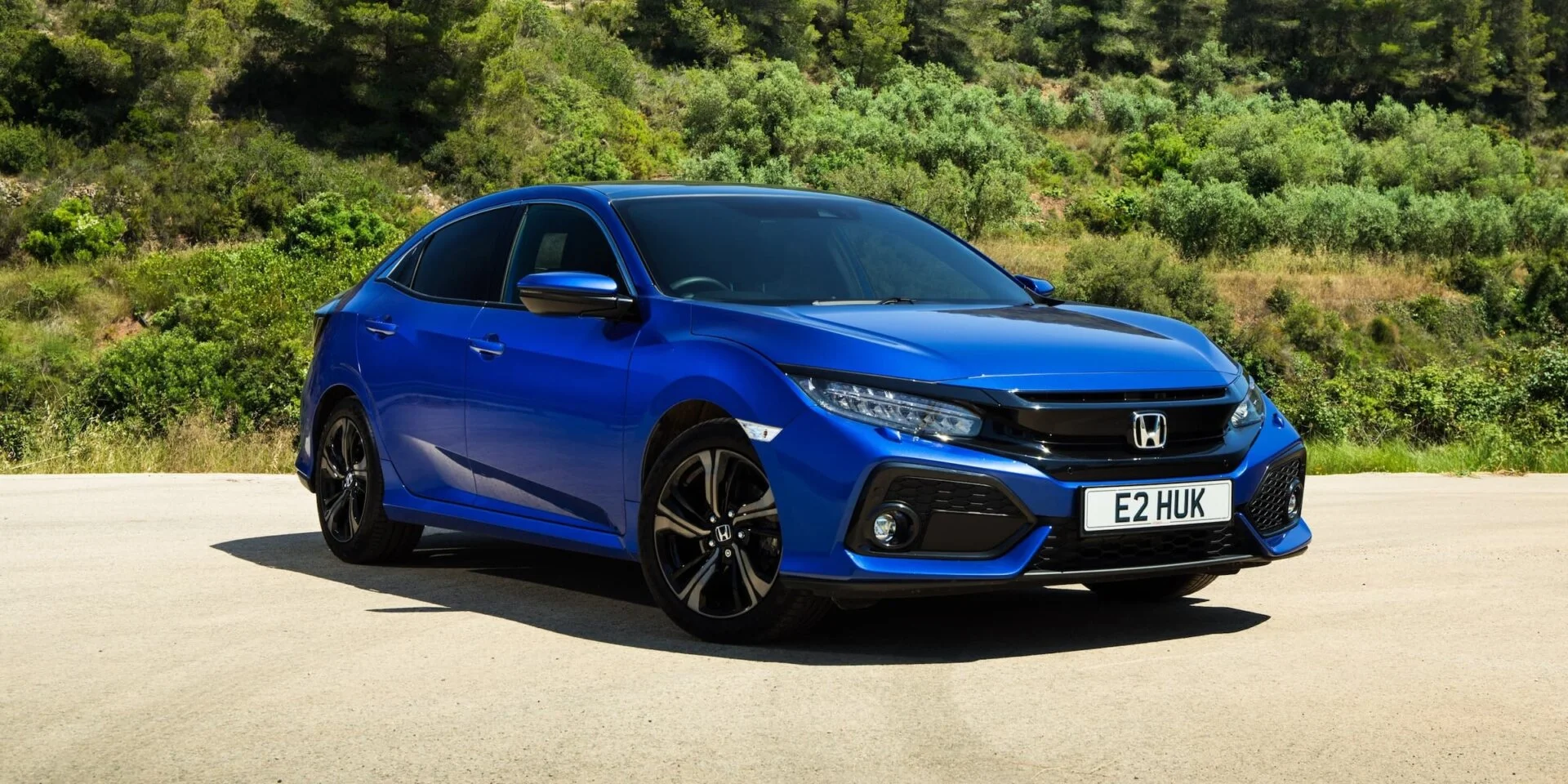
5. Honda Civic
The Honda Civic was designed with materials and construction methods that facilitated recycling at the end of its life. Steel and aluminum alloys were used in body panels, ensuring they could be melted down efficiently.
Plastics in the interior were coded for recycling, and composite parts were minimized to simplify separation. Modular seats, dashboards, and trim panels made component recovery straightforward.
Electronic modules were centralized, with wiring harnesses organized to avoid environmental hazards during dismantling. Fluids such as oil, coolant, and brake fluid were positioned for safe extraction and proper disposal.
Adhesives were minimized or replaced with mechanical fasteners where possible, supporting more efficient separation. Honda also considered the recyclability of smaller parts, including rubber seals and fasteners.
The interior materials focused on longevity and recoverability, avoiding chemical treatments that could interfere with recycling. Carpets, seats, and plastics were designed to be removed in large sections for processing. Fasteners were standardized, and clips were designed for quick removal, reducing labor time. All components were labeled to guide recycling centers in sorting materials.
Honda implemented production processes to reuse scrap steel and aluminum, reducing raw material consumption. Plastics leftover from assembly were collected and repurposed. Paints were formulated to be easier to remove, minimizing the release of hazardous substances. Batteries and electronics were returned to authorized facilities for proper recovery.
The Civic proved that mid-size sedans could combine practicality, performance, and recyclability. Honda’s focus on modular components, standardized materials, and material labeling made the Civic an environmentally conscious option. This approach demonstrated that sustainability could be incorporated without affecting the car’s functionality or appeal.

6. Mercedes-Benz C-Class
Mercedes-Benz approached the C-Class with a focus on environmentally friendly design and recycling efficiency. Lightweight steel and aluminum alloys formed the main structure, designed to be disassembled and melted down at specialized recycling centers.
The car’s plastic components were labeled with clear recycling codes, while composite parts were reduced to facilitate easier separation. Interior trim and panels were modular for efficient recovery.
Electronic systems were centralized, with connectors and wiring grouped logically to reduce hazards. Fluids were easily accessible for extraction, and hazardous materials were minimized through careful component selection. Adhesives were replaced with mechanical fasteners wherever possible, simplifying disassembly. Small components, including fasteners, rubber seals, and brackets, were designed for easy removal and recycling.
The interior featured carpets, upholstery, and plastics chosen for longevity and minimal environmental impact. Seats and dashboards could be removed as large sections, allowing rapid processing. Fasteners were standardized, and clips were designed for easy extraction. Paint systems avoided heavy metals and toxic chemicals to improve recycling safety.
Mercedes implemented production practices to recycle steel, aluminum, and plastics from assembly lines. Recycled materials were reintegrated into non-structural components to reduce raw material usage. Batteries and electronics were returned to specialized facilities for recovery. Consumer programs promoted responsible disposal of hazardous components.
The C-Class demonstrated that luxury sedans could integrate sustainability without compromising design or performance. Through careful material selection, modular assembly, and production recycling loops, Mercedes set an example for environmentally responsible automotive engineering. The car reflected a balance between premium quality and ecological awareness.
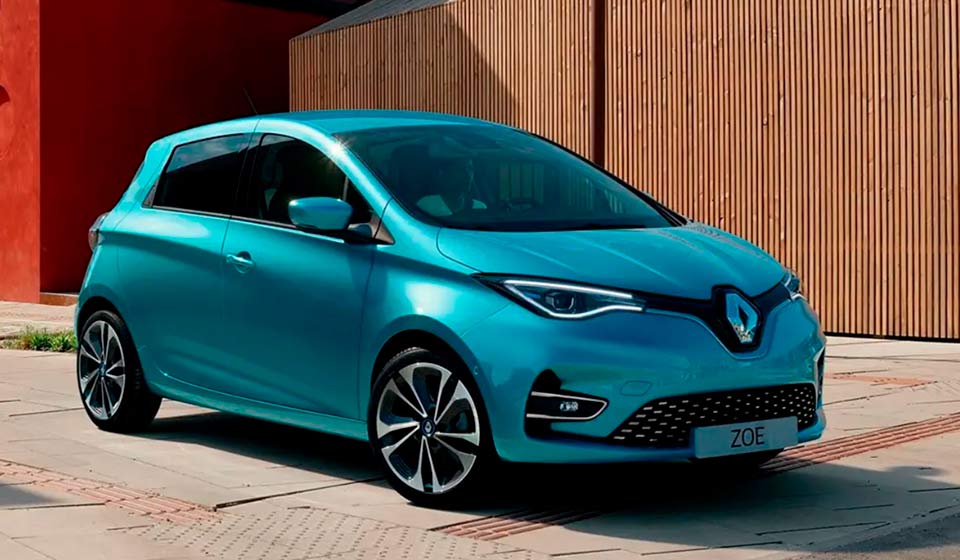
7. Renault Zoe
The Renault Zoe electric vehicle emphasized recyclability alongside zero-emission driving. Lightweight body panels used aluminum and steel alloys that were easy to separate and recycle. Interior plastics were labeled for recovery, while composite materials were minimized to simplify disassembly. Seats, dashboards, and trim panels were modular, allowing them to be removed and processed efficiently.
Battery modules were designed for safe extraction and recycling, with lithium and cobalt recovered at specialized facilities. Electronic systems were grouped and organized to avoid hazards during dismantling. Fluids were positioned for easy collection, and adhesives were minimized to facilitate material separation. Fasteners, clips, and small components were standardized to reduce labor during recovery.
The interior used sustainable fabrics and carpets, avoiding chemical treatments that could hinder recycling. Panels could be removed in large sections, and plastics were coded for proper sorting. Paint systems were optimized to minimize heavy metals and environmental impact during shredding. Renault also implemented labeling systems to guide recycling centers on material handling.
During production, scrap steel and aluminum were reused in non-critical components, while leftover plastics were collected and repurposed. Paints and coatings were applied to reduce hazardous residue. Battery recycling programs ensured responsible recovery of critical materials. Consumer education encouraged proper vehicle end-of-life handling.
The Renault Zoe demonstrated that small electric vehicles could combine efficiency, performance, and sustainability. Its focus on material separation, modularity, and battery recovery made it a benchmark for eco-friendly EV design. Renault showed that environmental responsibility could be achieved without compromising practicality or technology.
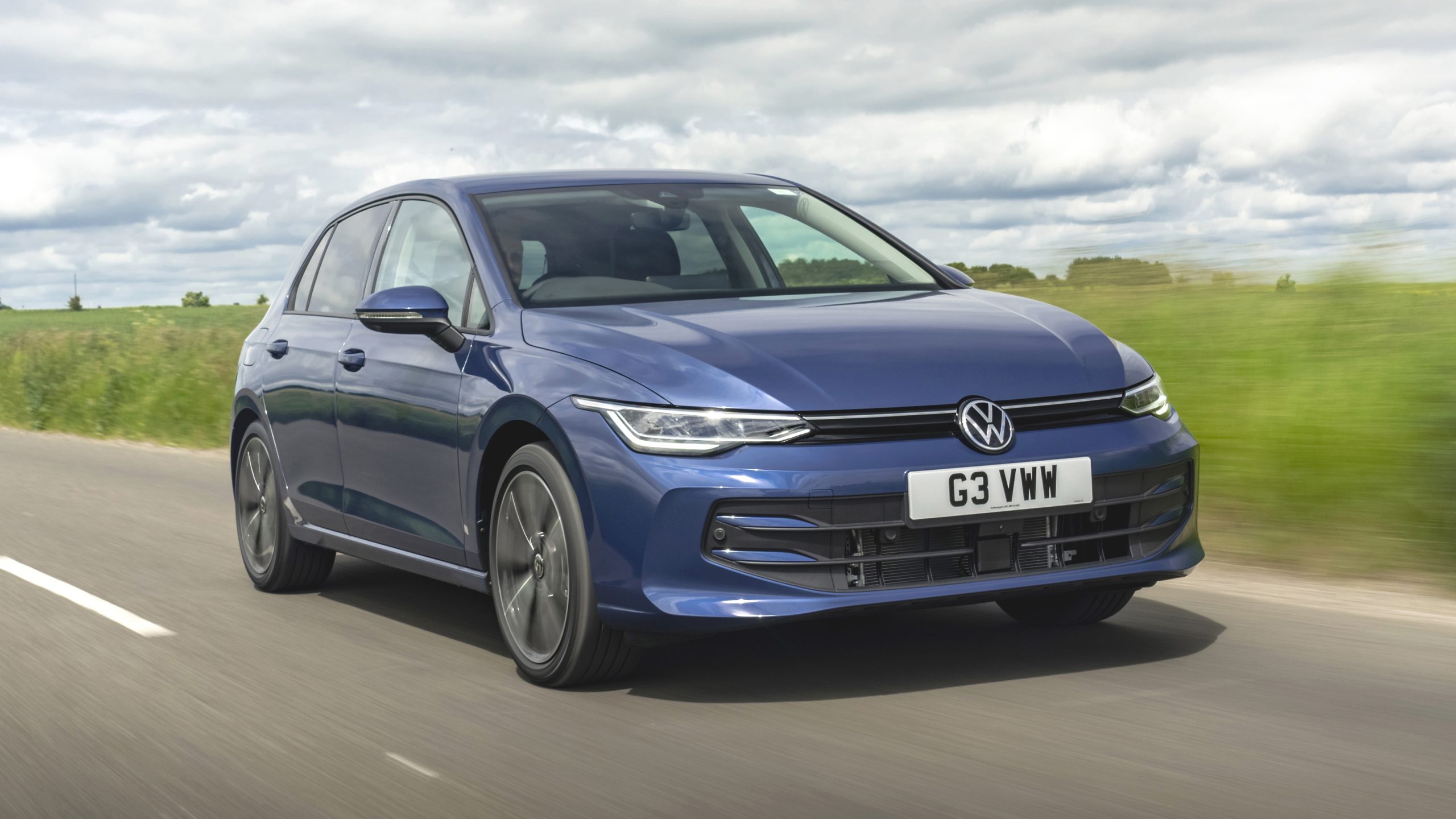
8. Volkswagen Golf
The Volkswagen Golf hatchback incorporated recyclable materials and modular design for easier end-of-life processing. Body panels were constructed from steel and aluminum alloys, which could be separated and melted down efficiently. Interior plastics were coded for recycling, and composite materials were minimized to simplify disassembly. Seats, trim, and dashboards were designed to be removed quickly and efficiently.
Electronic systems were centralized and modular, allowing safe extraction and recycling. Wiring harnesses were grouped logically, and fluids were positioned for easy recovery. Adhesives were minimized, and mechanical fasteners were used to facilitate disassembly. Small components, including clips, seals, and brackets, were standardized to reduce labor during recycling.
Interior fabrics and carpets were selected for durability and recyclability. Panels could be removed as large sections, improving processing speed. Paints were formulated to avoid heavy metals and simplify removal. Volkswagen implemented labeling systems to guide recycling facilities in sorting materials accurately.
During production, scrap metals were collected and reused, and leftover plastics were repurposed. Battery and electronic components were returned to authorized facilities. The company promoted consumer awareness about proper vehicle disposal and recycling practices. These practices reflected Volkswagen’s commitment to reducing environmental impact.
The Golf demonstrated that compact hatchbacks could integrate sustainable design features. By prioritizing material separation, modularity, and recyclability, Volkswagen provided an eco-conscious option without compromising performance or comfort. The model became a reference for recycling-friendly automotive engineering.

9. Nissan Leaf
The Nissan Leaf was designed with a focus on sustainability and recycling efficiency. Its body incorporated steel and aluminum alloys that could be separated and melted for reuse. Plastics were labeled for recycling, and composites were minimized to simplify disassembly. Interior panels, dashboards, and seats were modular to allow rapid removal and processing.
Battery systems were designed for extraction and recycling, recovering lithium, nickel, and cobalt. Electronics were grouped and modular, reducing environmental hazards during dismantling. Fluids were centralized for safe collection. Adhesives were minimized, and mechanical fasteners were standardized to support recycling efficiency.
Interior fabrics, carpets, and trim were chosen for durability and recyclability. Panels could be removed in large sections, and plastics were clearly coded for sorting. Paint systems avoided toxic metals and chemicals, simplifying processing. Nissan partnered with specialized facilities to ensure battery and electronics recovery.
Production processes incorporated recycled steel and aluminum, and leftover plastics were collected for reuse. Consumer programs encouraged responsible end-of-life disposal. Batteries and electronics were returned to recycling partners for material recovery. Nissan integrated sustainability at every stage of the Leaf’s lifecycle.
The Leaf showed that electric vehicles could merge high performance with environmental responsibility. Modular design, standardized materials, and effective battery recycling created a vehicle with a minimal ecological footprint. Nissan demonstrated that eco-conscious design could become mainstream in electric cars.
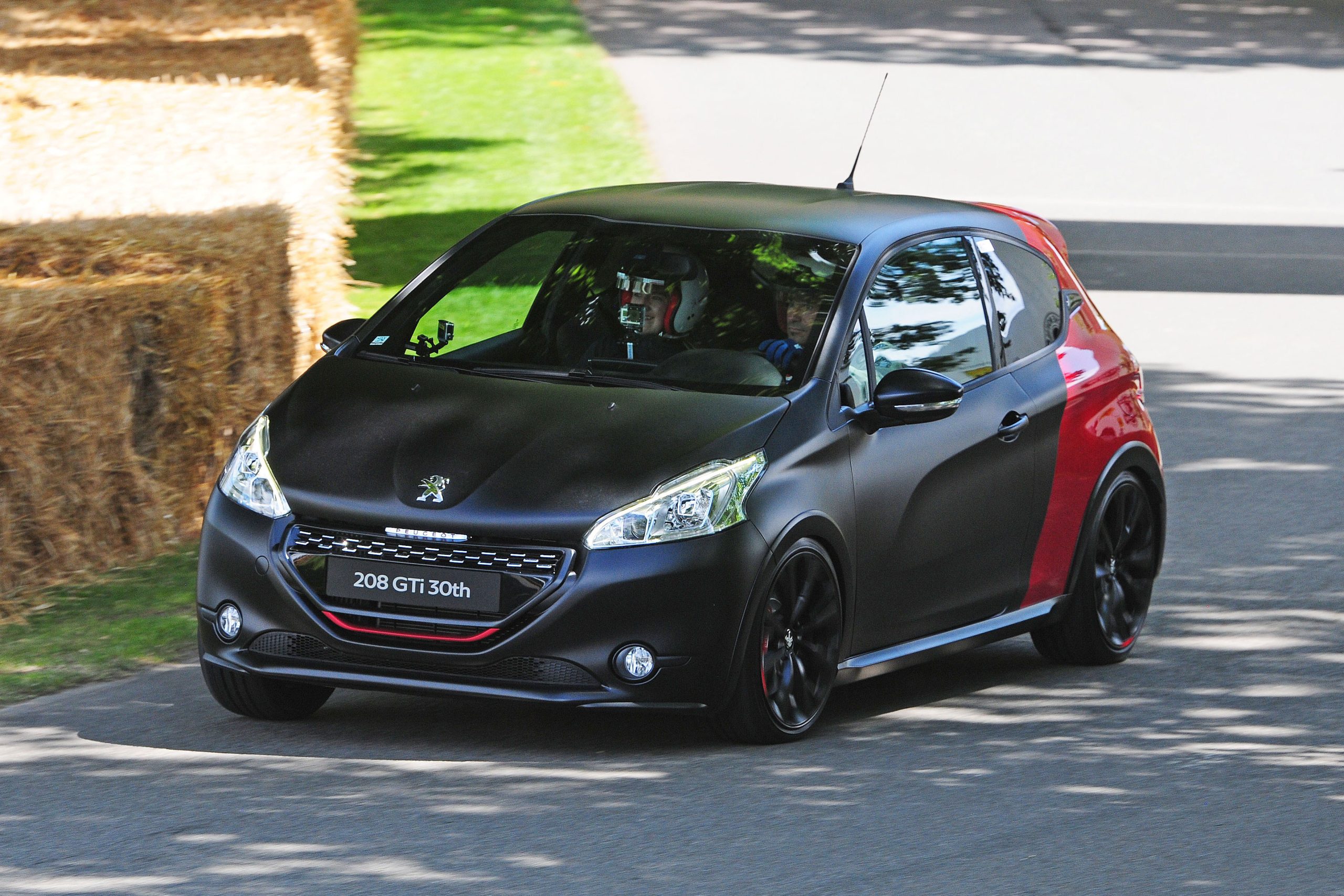
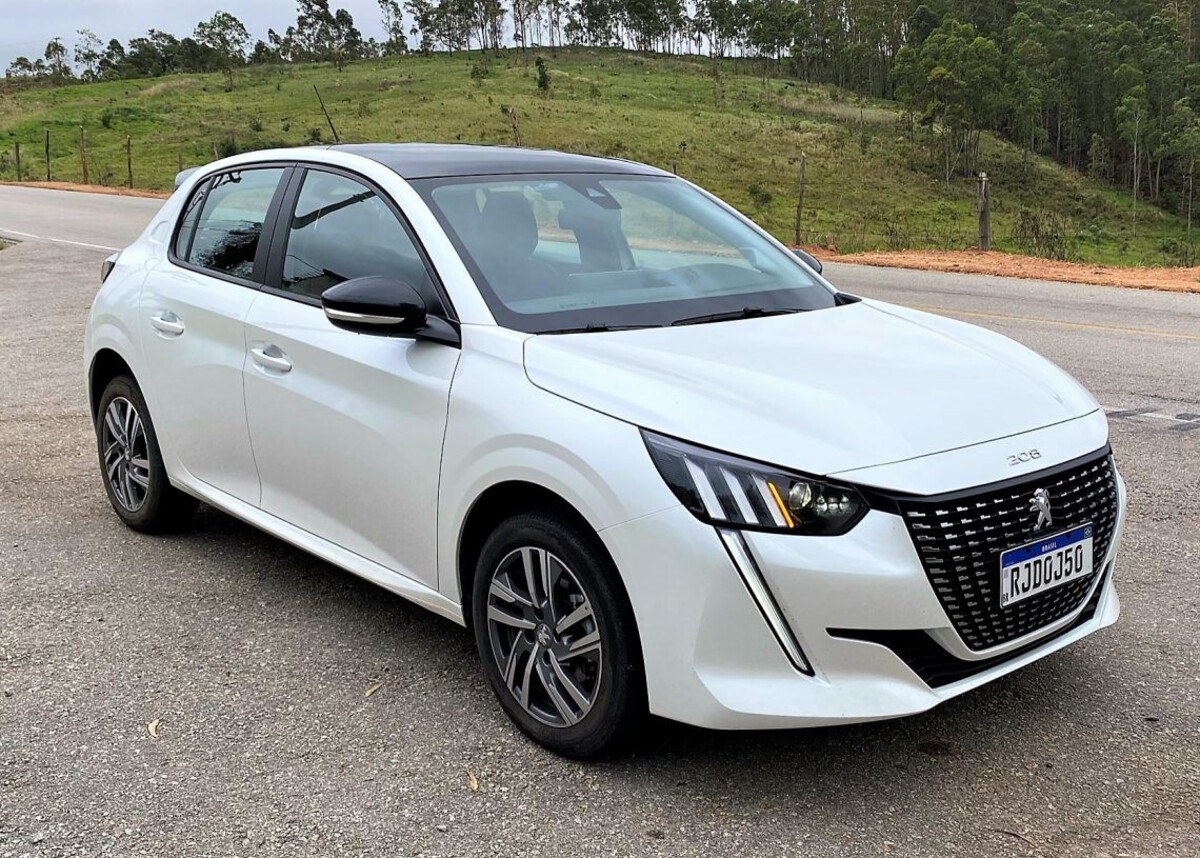
10. Peugeot 208
The Peugeot 208 incorporated recyclable materials and modular design for improved sustainability. Steel and aluminum alloys formed the body panels, which could be separated and melted down efficiently. Plastics were labeled and coded for recycling, while composite materials were minimized to simplify disassembly. Seats, dashboards, and interior panels were modular for quick removal.
Electronic systems were centralized, with wiring harnesses grouped logically for safe extraction. Fluids were positioned for easy recovery, and adhesives were minimized to allow separation. Small components, fasteners, and clips were standardized to reduce labor during recycling. Panels and trim were designed for efficient processing, improving material recovery rates.
Interior fabrics and carpets were selected for durability and recyclability, avoiding chemical treatments. Panels could be removed in large sections, and plastics were coded for sorting. Paint systems avoided heavy metals, simplifying recycling. Peugeot implemented labeling to guide recycling centers in sorting and processing materials correctly.
Production reused scrap steel and aluminum in non-critical components. Leftover plastics were collected and repurposed, reducing raw material use. Battery and electronic recycling programs ensured proper recovery. Consumer education encouraged responsible disposal and return of materials for processing.
The Peugeot 208 demonstrated that small hatchbacks could prioritize sustainability without compromising design or functionality. Modular construction, material labeling, and recyclability-focused components made it an environmentally friendly option. Peugeot showed that even compact vehicles could meet recycling-focused design standards.
