
Driving on wet and icy roads is one of the most challenging experiences for any motorist. The risk of losing control increases significantly when the tires cannot maintain proper traction. Tire technology has evolved tremendously to provide better safety and performance in extreme weather conditions.
Modern tire manufacturers focus not only on comfort and durability but also on the ability to grip slippery surfaces, preventing accidents. Selecting the right tire can make the difference between a safe journey and a dangerous situation. Wet conditions can lead to hydroplaning, where the tire loses contact with the road surface, while icy conditions reduce friction almost entirely.
Tires designed for these environments use specialized compounds that remain flexible at low temperatures, combined with tread patterns engineered to channel water away and maintain contact. Understanding which companies produce tires that consistently perform well in such situations helps drivers make informed decisions.
Grip on ice requires micro-level attention to the tire’s surface structure, often incorporating sipes that provide thousands of tiny edges to bite into the ice. On wet roads, deep grooves and asymmetric tread patterns enhance water displacement, reducing the chances of skidding.
Leading tire companies invest heavily in research and development to combine these features without compromising ride quality or wear resistance. Consumer demand for reliable performance in rain, snow, and freezing temperatures has driven innovation in tire materials.
Some tires feature a silica-enhanced rubber that improves adhesion on slick surfaces, while others have specialized tread blocks for better snow handling. The best companies continually test their tires under simulated winter conditions and real-world scenarios to validate performance claims.
Reviews from independent automotive organizations and user feedback often highlight brands that outperform competitors in both wet and icy conditions. For those who drive in areas with seasonal snow or frequent rain, choosing a tire from a top-performing company ensures better stability, confidence, and safety.
The combination of advanced engineering, precise manufacturing, and rigorous testing defines the brands that stand out. Investing in high-quality tires is an investment in security on the road, reducing the likelihood of accidents and improving driving comfort.
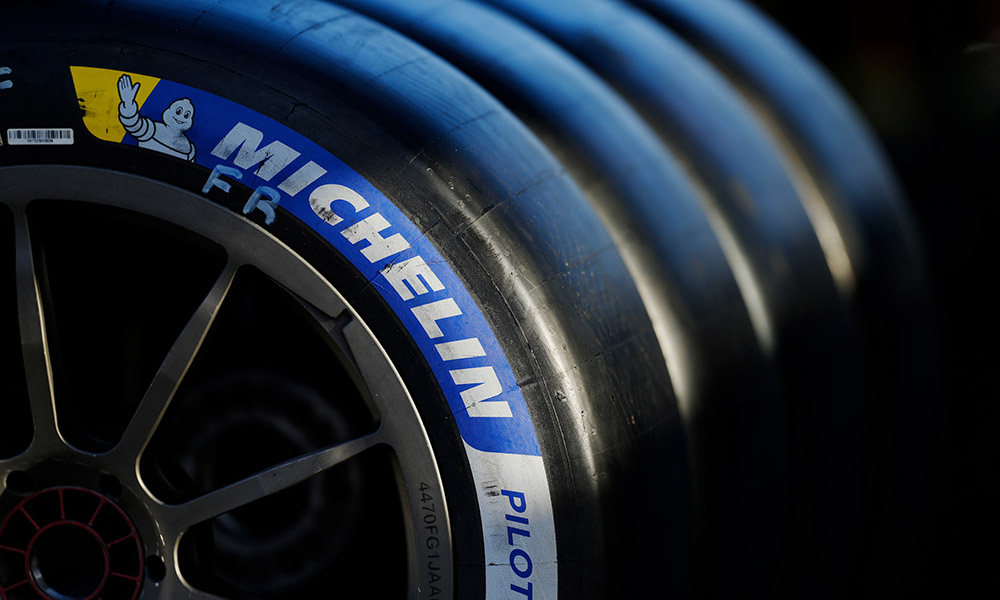
1. Michelin
Michelin has long been recognized for producing high-quality tires that prioritize safety and performance. Their winter tires are engineered with advanced rubber compounds that maintain flexibility even at subzero temperatures. Tread patterns are designed to evacuate water efficiently, reducing the risk of hydroplaning on wet roads. This attention to detail ensures drivers maintain control in both rain and snow.
The company invests heavily in research and testing, often simulating extreme weather conditions to evaluate tire performance. Michelin’s innovative technologies, such as EverGrip, enhance traction as the tire wears, prolonging safety over time.
Their tires are often praised for consistent grip, even during heavy rainfall. Consumers report that Michelin tires provide a stable and predictable driving experience in slippery conditions.
In addition to winter tires, Michelin offers all-season options with enhanced wet and icy traction. These tires balance performance and comfort, ensuring year-round reliability. The brand’s commitment to quality materials contributes to their reputation for durability and longevity. Michelin tires are frequently recommended by automotive experts for drivers in challenging climates.
Drivers often notice improved braking distances when using Michelin tires on wet or icy surfaces. The combination of advanced rubber compounds and precise tread designs enhances both starting and stopping performance. Michelin continues to innovate, ensuring that their tires meet evolving safety standards. Their dedication to excellence makes them a top choice for drivers prioritizing traction.
Michelin remains a trusted brand for those who encounter frequent rain and snow. Their focus on grip, stability, and long-lasting performance sets them apart. Choosing Michelin can provide peace of mind during hazardous driving conditions. The consistent performance across multiple models reinforces their reputation in the tire industry.
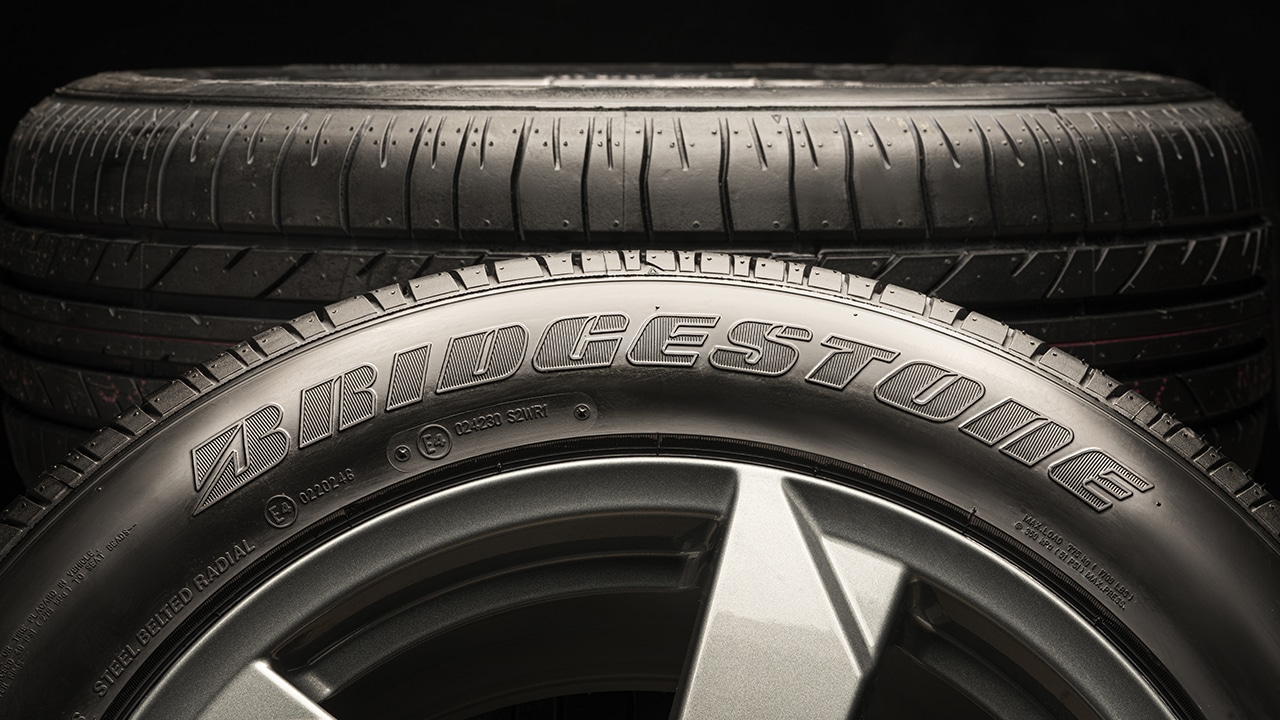
2. Bridgestone
Bridgestone is a global tire manufacturer known for producing durable tires with exceptional traction in wet and icy conditions. The company incorporates advanced rubber compounds that improve grip at low temperatures. Their tires often feature deep tread patterns that channel water away efficiently. This design helps prevent hydroplaning and enhances control.
The Blizzak line is particularly popular for winter driving, offering superior performance on snow and ice. Bridgestone engineers focus on creating tires that maintain flexibility in cold weather. Drivers frequently praise the precise handling and predictable responses. Their tires excel in braking and cornering on slippery surfaces.
Bridgestone invests significantly in research and development to continually improve tire performance. Testing includes both laboratory simulations and real-world driving conditions. This ensures that the tires perform reliably across a wide range of environments. Their commitment to safety and innovation has earned them recognition worldwide.
Many of their tires are designed for all-season use, providing dependable traction without sacrificing comfort. Bridgestone’s technologies allow the tires to adapt to changing conditions seamlessly. Consumers often report high satisfaction in winter performance and wet-road handling. The balance of grip, durability, and ride quality makes them a preferred choice.
Bridgestone’s reputation for quality and reliability is well-established. Their focus on wet and icy road performance ensures that drivers can maintain confidence in challenging conditions. The company continues to innovate, introducing new compounds and tread designs. This dedication keeps Bridgestone at the forefront of the tire industry.
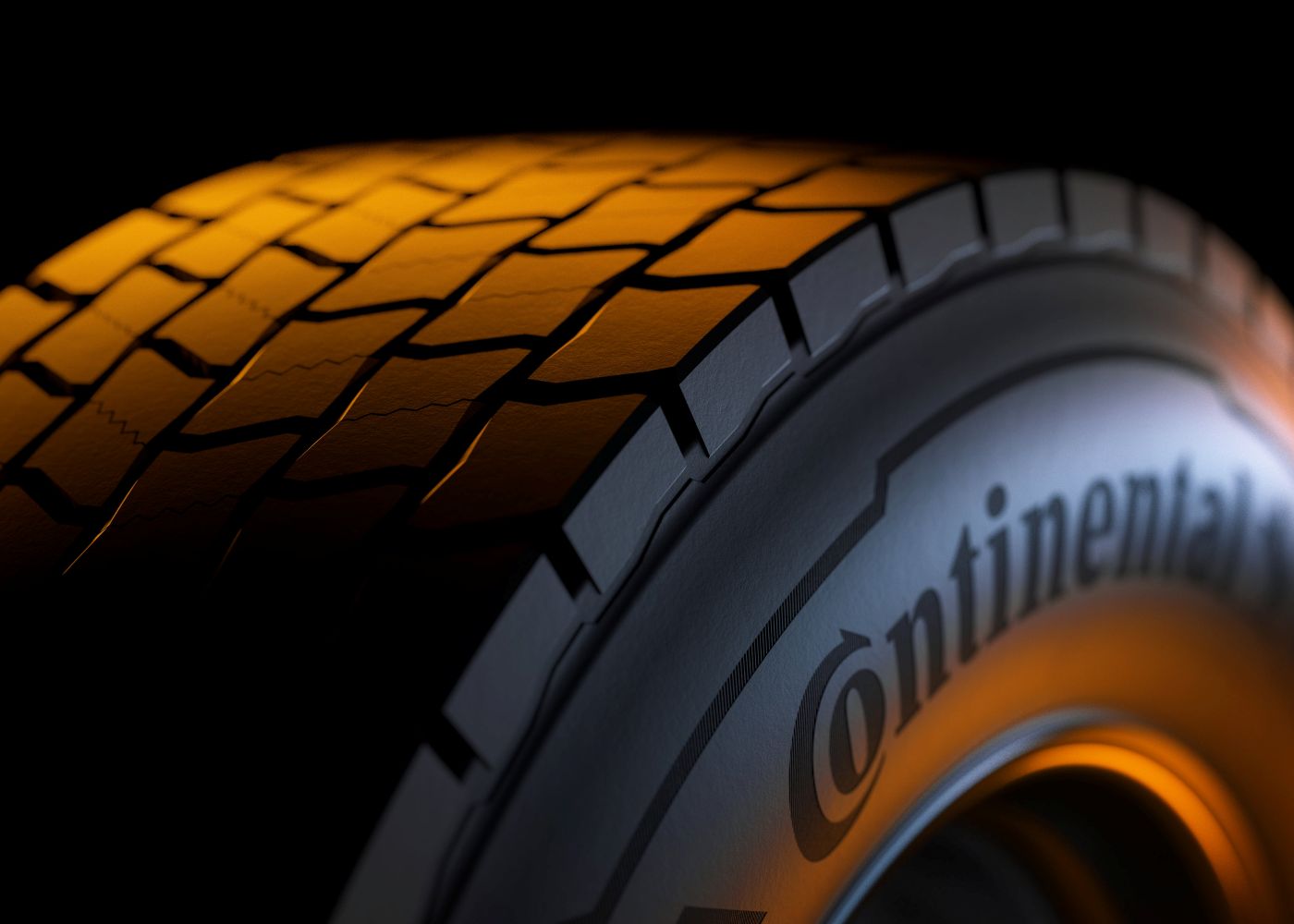
3. Continental
Continental tires are renowned for their innovative designs and safety-oriented performance. Their winter tires incorporate advanced silica compounds that maintain flexibility at low temperatures. Deep grooves and specialized tread blocks enhance water displacement on wet roads. These features combine to deliver exceptional grip in challenging weather.
The company emphasizes safety, investing in technologies that reduce braking distances. Continental tires are engineered for predictable handling on snow, ice, and rain. They frequently outperform competitors in independent testing and consumer reviews. Drivers benefit from stable and reliable performance year-round.
Continental’s WinterContact series is particularly effective on icy roads, offering high levels of traction and stability. The tires provide confident acceleration and cornering even in freezing temperatures. This makes them a popular choice for drivers in cold climates. The combination of innovation and testing ensures consistent results.
The company also focuses on noise reduction and ride comfort without compromising performance. Their tires strike a balance between safety, longevity, and drivability. Consumers often praise the responsive handling and excellent wet-road control. Continental continues to set standards for high-performance winter tires.
Tire durability is another key aspect of Continental’s engineering. Their products maintain traction over time, ensuring long-lasting safety benefits. The brand’s commitment to quality materials and precise construction strengthens their reputation. Continental remains a reliable option for drivers facing wet and icy roads.
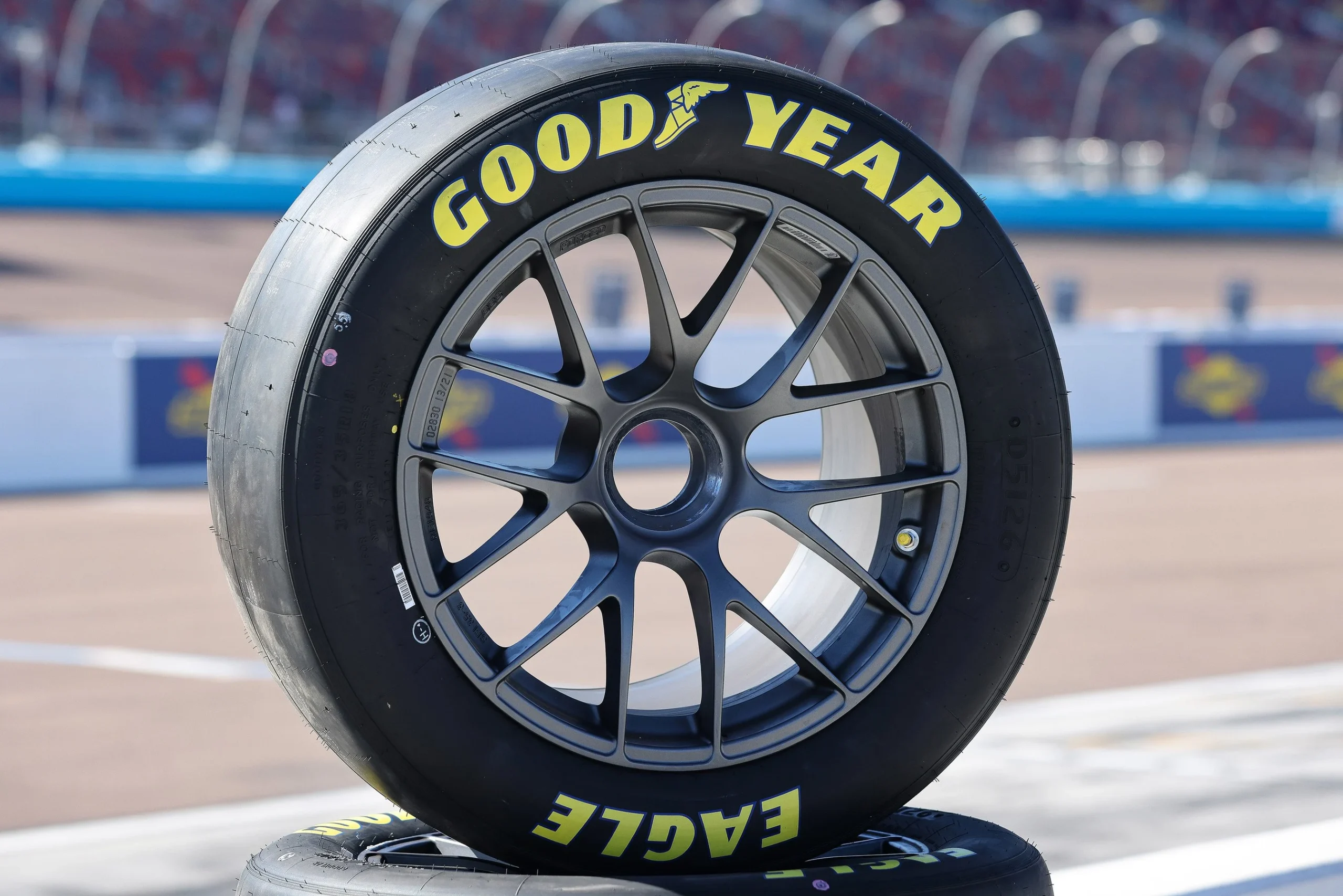
4. Goodyear
Goodyear is widely respected for producing tires that perform reliably in wet and icy environments. The company integrates advanced tread compounds that remain pliable in freezing temperatures, helping maintain traction when roads become slick. Their directional tread patterns are engineered to push water and slush away from the contact patch. This careful design supports stability and reduces the likelihood of hydroplaning during heavy rain.
The Ultra Grip series stands out for winter performance, offering strong control on snow covered and icy roads. Goodyear uses high density sipes that create biting edges for improved traction. These sipes enhance braking and cornering, especially when temperatures drop below freezing. Drivers often report increased confidence when navigating winter highways and city streets.
In wet conditions, Goodyear tires are designed to provide short braking distances and predictable steering response. Wide circumferential grooves help clear standing water effectively. This promotes consistent road contact even during sudden downpours. Many independent tests highlight Goodyear’s ability to balance wet grip with tread longevity.
The company also invests in advanced testing facilities that simulate extreme cold and slippery road surfaces. Engineers refine tread block stiffness to ensure proper grip without sacrificing ride comfort. Their all season options are often suitable for regions with moderate winter conditions. This flexibility appeals to drivers who prefer year round solutions.
Goodyear continues to refine rubber chemistry to improve wear resistance and performance consistency. Their focus on innovation ensures that new models respond effectively to changing climate demands. Customers frequently choose Goodyear for its strong reputation and dependable traction. This commitment to safety keeps the brand among the top choices for challenging road conditions.
5. Pirelli
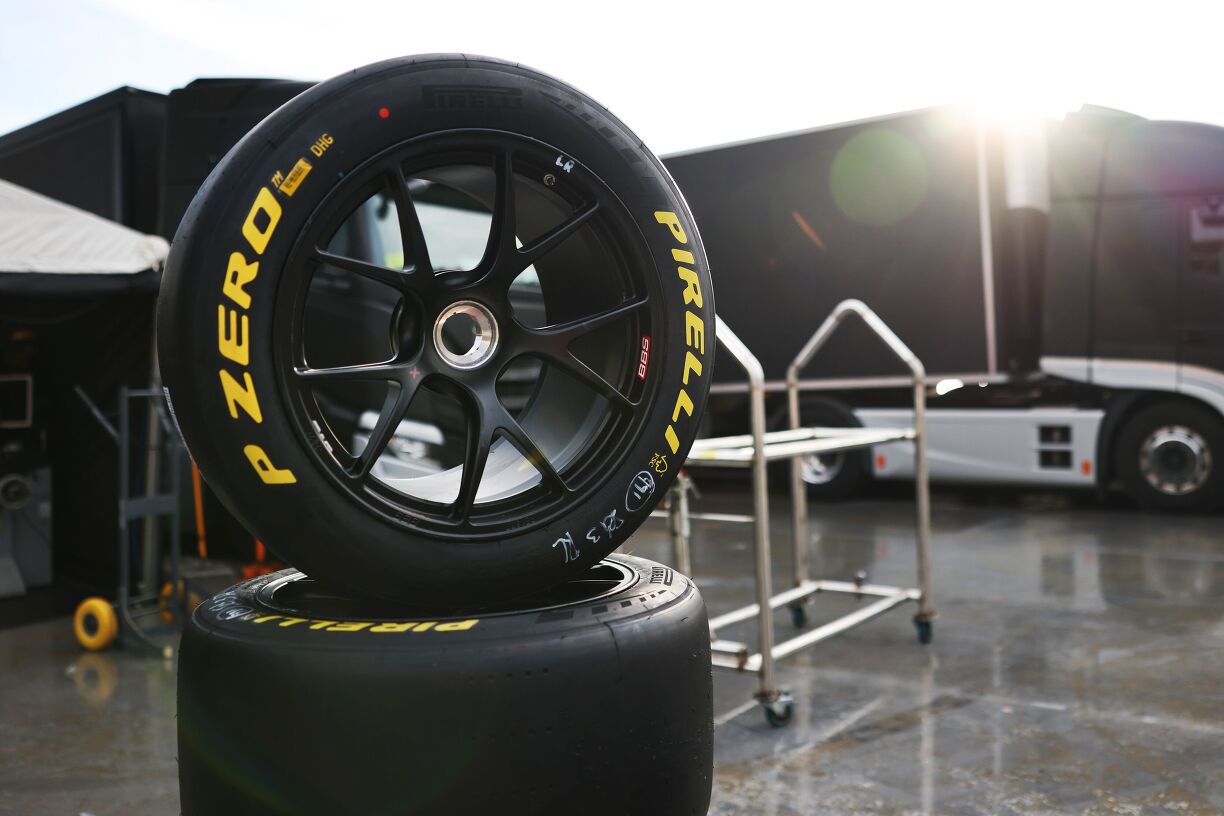
Pirelli is known for combining performance engineering with reliable winter traction. The company develops winter tires that use specialized compounds capable of maintaining flexibility in extreme cold. These materials enhance grip on icy surfaces where standard tires would stiffen. Their tread patterns are crafted to optimize water and slush evacuation.
The Winter Sottozero line is designed for drivers who demand both performance and safety. Pirelli incorporates dense siping and variable tread blocks to increase contact edges. This results in improved traction during acceleration and braking on slippery roads. Many performance vehicle owners rely on Pirelli during colder months.
Wet road performance is another strength of Pirelli tires. Asymmetric tread designs enhance cornering stability and reduce the risk of hydroplaning. Deep grooves disperse water efficiently from beneath the tire. Drivers often notice improved control when driving through heavy rainfall.
Pirelli balances winter traction with high speed stability, making their tires popular among luxury and sports car owners. Even in icy conditions, steering response remains precise and controlled. The combination of safety and performance defines the company’s engineering philosophy. This makes Pirelli a trusted name for demanding driving environments.
Durability and consistent performance are key factors in Pirelli’s development process. The company tests its tires extensively in real winter climates to validate results. Consumers appreciate the predictable handling and reduced stopping distances. Pirelli remains a strong competitor in the market for wet and icy traction.
6. Nokian Tyres
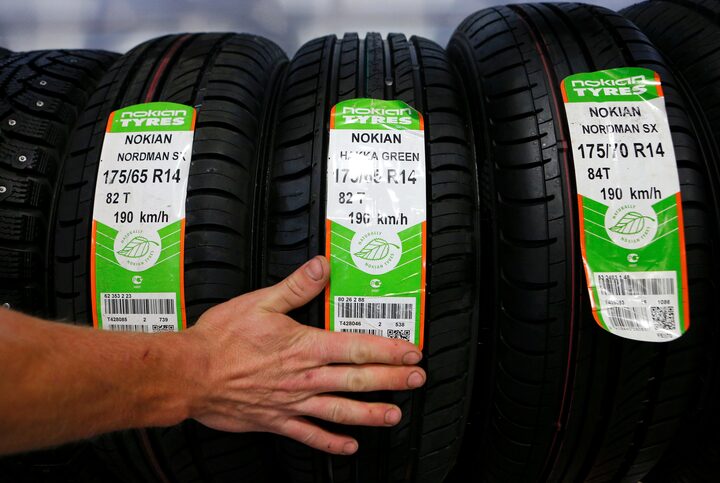
Nokian Tyres has built its reputation in harsh Nordic winters, where icy roads are common. The company focuses almost exclusively on producing tires that excel in cold climates. Their winter models use advanced rubber compounds that maintain elasticity at extremely low temperatures. This flexibility allows for superior grip on frozen surfaces.
The Hakkapeliitta series is particularly respected for its performance on ice and packed snow. Nokian engineers incorporate aggressive tread patterns and specialized sipes. These elements create thousands of biting edges that grip slippery terrain effectively. Drivers frequently report excellent braking performance on icy roads.
In wet conditions, Nokian tires use wide grooves to channel water away quickly. This helps maintain consistent contact with the road surface during rain. The company’s focus on safety results in tires that reduce hydroplaning risk significantly. Many winter driving experts recommend Nokian for severe weather regions.
Nokian also emphasizes environmental sustainability in tire production. Their compounds are designed to be both effective and eco conscious. Despite this focus, performance is never compromised. The tires maintain high standards for traction and durability.
Drivers in regions with long winters often choose Nokian for dependable performance. The brand’s expertise in snow and ice conditions sets it apart. Continuous innovation ensures improved grip and reliability. Nokian Tyres remains a leader for drivers facing extreme cold and slippery roads.
7. Yokohama
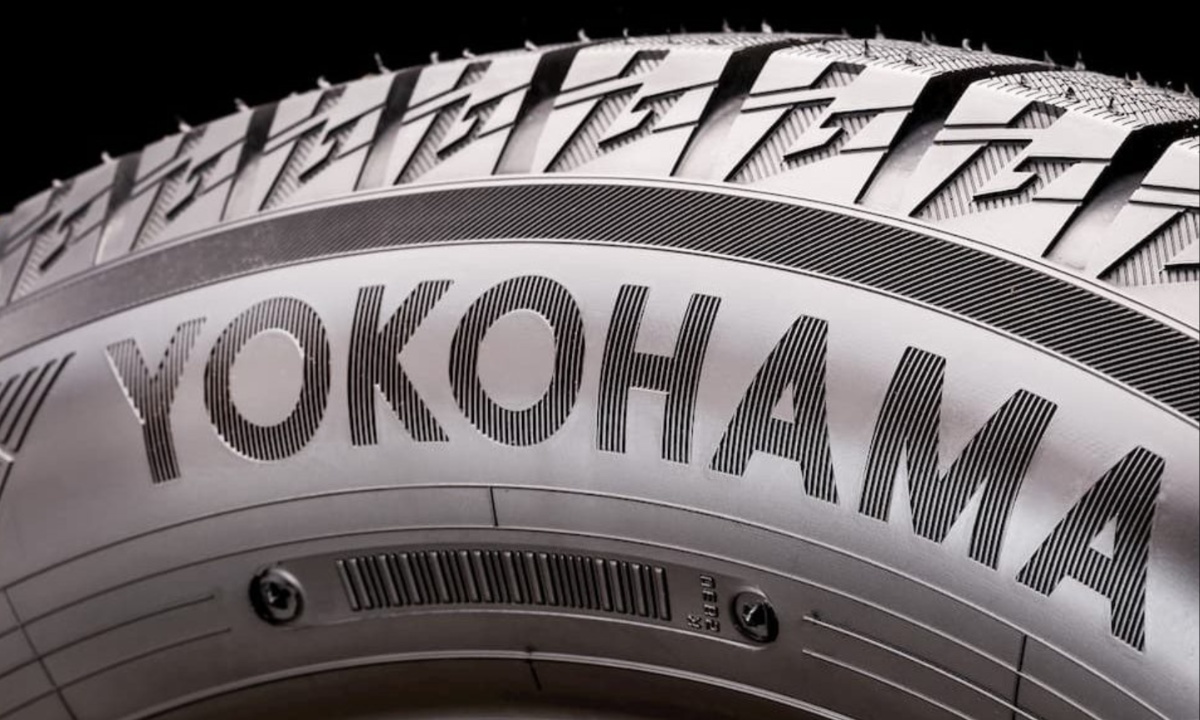
Yokohama produces tires that emphasize both innovation and reliability in challenging weather. Their winter and all weather models feature advanced silica based compounds. These materials enhance traction on wet surfaces and prevent hardening in cold temperatures. The result is improved stability on icy roads.
The iceGuard series is specifically engineered for winter performance. It includes absorbent tread technology that helps remove the thin water layer on ice. This increases direct contact with the surface, improving grip. Drivers often praise the secure handling during snowy commutes.
Yokohama tires perform well in wet conditions due to their directional tread patterns. These designs allow for rapid water evacuation and enhanced cornering stability. Reduced hydroplaning risk contributes to safer driving in heavy rain. Many customers appreciate the balanced ride comfort and traction.
The company continuously refines tread block geometry to maximize contact with slippery surfaces. Testing under controlled winter conditions ensures dependable results. Yokohama’s approach blends advanced research with practical driving needs. This ensures strong performance across various road situations.
Yokohama remains a competitive option for drivers seeking reliable winter traction. Their focus on grip and safety contributes to growing global recognition. Many users report consistent performance over multiple seasons. The combination of technology and affordability strengthens their appeal.
8. Dunlop
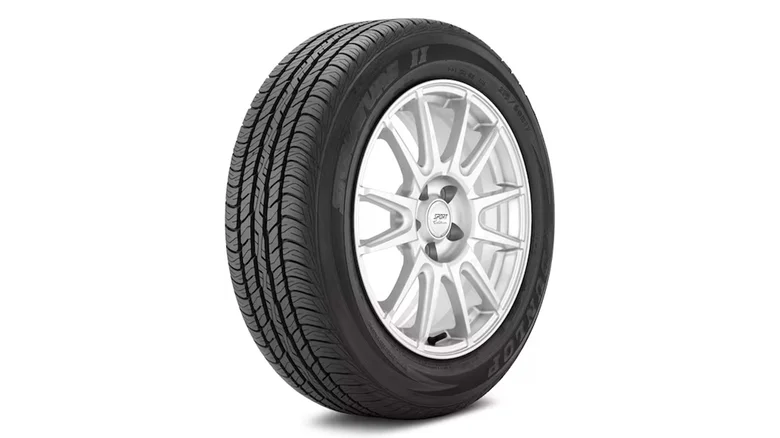
Dunlop has developed a strong presence in the winter tire market through continuous innovation. Their tires use advanced tread compounds that adapt to low temperatures. This helps maintain grip on icy and wet surfaces alike. The tread designs are optimized for water dispersion and snow traction.
Winter Sport models from Dunlop are designed for responsive handling in cold climates. The inclusion of numerous sipes increases biting edges for improved control. Drivers often notice stable cornering and confident braking on slippery roads. This reliability enhances safety during winter travel.
On wet pavement, Dunlop tires provide strong hydroplaning resistance. Wide grooves quickly channel water away from the contact patch. This promotes consistent steering response and shorter stopping distances. Many automotive reviewers commend Dunlop for wet weather reliability.
Durability is another focus of Dunlop’s engineering philosophy. Their tires are built to maintain traction even as they wear down. Careful compound selection ensures long term performance consistency. Drivers appreciate the balance of grip and longevity.
Dunlop continues to refine its winter technologies to meet evolving driver expectations. Real world testing validates their claims of superior traction. Customers in colder regions frequently recommend Dunlop for dependable winter performance. This sustained commitment to quality secures its place among top tire brands.
9. Hankook
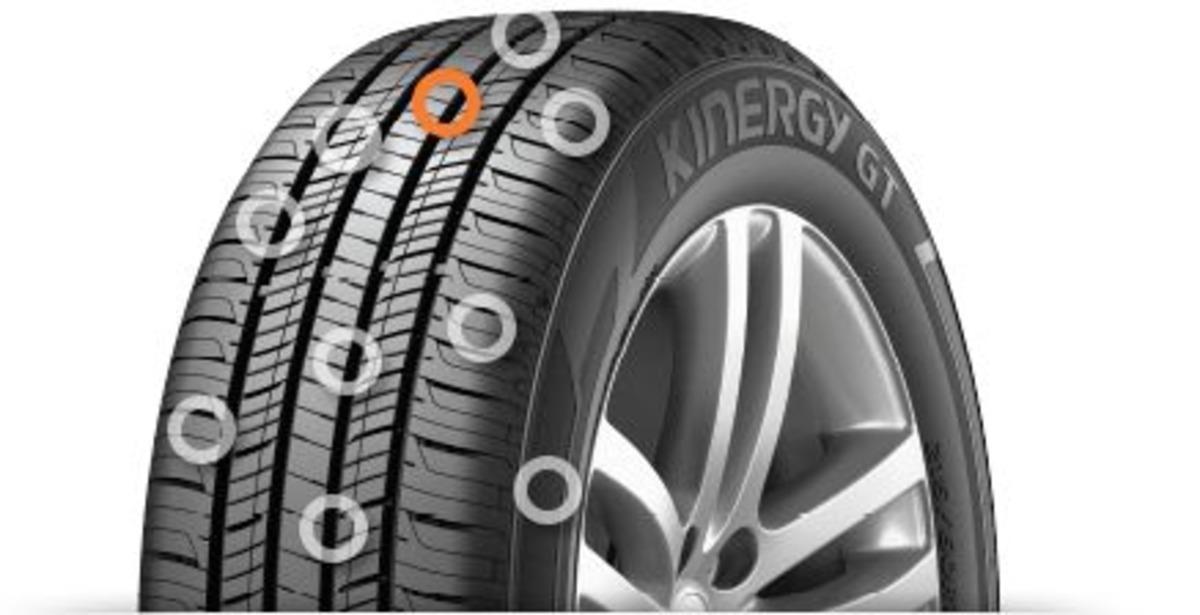
Hankook has grown rapidly in the global tire industry by prioritizing safety and innovation. Their winter tires feature silica enriched compounds that remain flexible in freezing conditions. This flexibility enhances traction on both ice and wet pavement. Carefully engineered tread patterns assist in water and slush evacuation.
The Winter i Pike series is known for strong performance in snowy climates. High density siping increases surface grip on icy roads. Drivers often report improved braking stability during sudden stops. The consistent traction makes winter driving less stressful.
In wet conditions, Hankook tires offer solid hydroplaning resistance. The tread channels are designed to move water efficiently away from the tire. This supports steady handling during heavy rainfall. Many consumers find Hankook to be a reliable and cost effective option.
The company invests heavily in research and global testing facilities. This ensures that tires perform consistently across diverse climates. Engineers refine compound formulas to optimize both grip and wear life. The result is dependable performance throughout the winter season.
Hankook continues expanding its presence in the premium tire segment. Drivers seeking strong wet and icy traction often consider the brand. Positive user experiences reinforce its growing reputation. Hankook remains a competitive choice for winter safety.
10. BFGoodrich
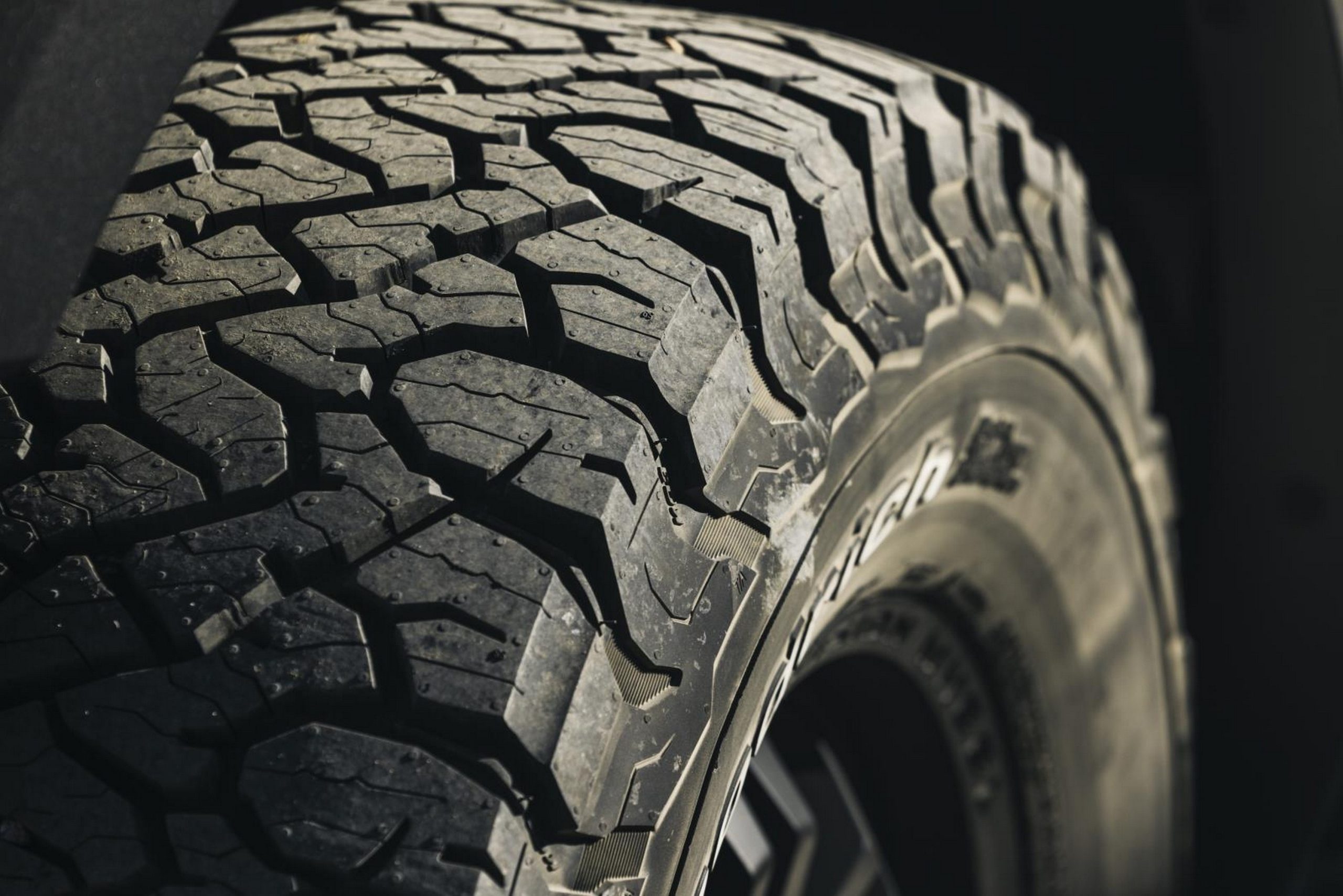
BFGoodrich is recognized for producing rugged tires with reliable traction in harsh conditions. Their winter and all terrain models are designed to handle snow, ice, and heavy rain. Specialized tread compounds help maintain flexibility in low temperatures. This enhances grip when roads become slippery.
The Winter T A KSI line provides strong control on icy surfaces. Aggressive tread blocks create multiple contact edges for better traction. Drivers often praise the stable braking performance. The tire’s construction supports confident handling in cold climates.
Wet road performance is reinforced by wide grooves that clear water effectively. This reduces hydroplaning risk during storms. Steering response remains steady even in challenging weather. Many drivers appreciate the durable construction and dependable grip.
BFGoodrich designs its tires to withstand tough driving environments. The company emphasizes both strength and performance. Testing ensures that winter models meet high safety standards. Consumers frequently note long lasting reliability.
For drivers who face a mix of rain, snow, and ice, BFGoodrich offers practical solutions. The brand’s commitment to traction and durability strengthens its standing in the industry. Consistent innovation supports improved safety on slippery roads. BFGoodrich completes this list of leading tire companies for wet and icy grip.
