
Performance cars are often associated with speed, precision, and the thrill of driving. They provide an experience that ordinary vehicles cannot match, giving drivers a connection to the road that few other cars can offer. However, along with their allure comes maintenance challenges that can be surprisingly costly.
One of the most frequent issues that owners of certain high-performance cars face is expensive clutch replacement. Clutch systems in performance vehicles are generally built to handle higher power output and aggressive driving, but they also wear out faster and require parts and labor that carry a high price tag.
While some enthusiasts view this as part of the ownership experience, it is a serious consideration for anyone looking to purchase a used model. Clutch replacement costs can vary depending on the brand, engine layout, and drivetrain, but for many performance cars, a job that might cost a few hundred dollars in a standard car can easily exceed a thousand or more.
This makes it especially important for buyers of used cars to research the specific models they are considering and understand the potential for clutch-related repairs. The cars on this list are known not just for their performance but also for the significant costs associated with maintaining their clutches.
Some of these vehicles have manual transmissions that are integral to the driving experience, while others are highly tuned machines where the clutch wears faster due to increased torque and horsepower. Owning one of these cars can be a rewarding experience, but it requires awareness of the maintenance realities.
By knowing which cars are notorious for expensive clutch jobs, potential buyers can plan ahead, budget properly, and make informed decisions about which vehicles are right for them. Even with careful driving, certain cars seem to have clutch systems that demand attention more often than others.
Understanding the factors that contribute to these costs, such as specialized components, labor-intensive procedures, and limited availability of replacement parts, is essential for anyone entering the market for a used performance car. This article outlines ten cars that have gained a reputation among enthusiasts and mechanics alike for their costly clutch replacements.
Each entry includes insight into why the clutch tends to be expensive and what buyers should be aware of. While the thrill of driving these cars may outweigh the maintenance costs for many enthusiasts, the financial implications are an unavoidable part of ownership.
The list is not meant to discourage ownership but to provide clarity for those looking to enjoy performance driving without unexpected financial strain. Recognizing which cars fall into this category allows for better planning, whether it involves setting aside funds for future repairs or evaluating alternatives that provide similar performance with lower maintenance costs.
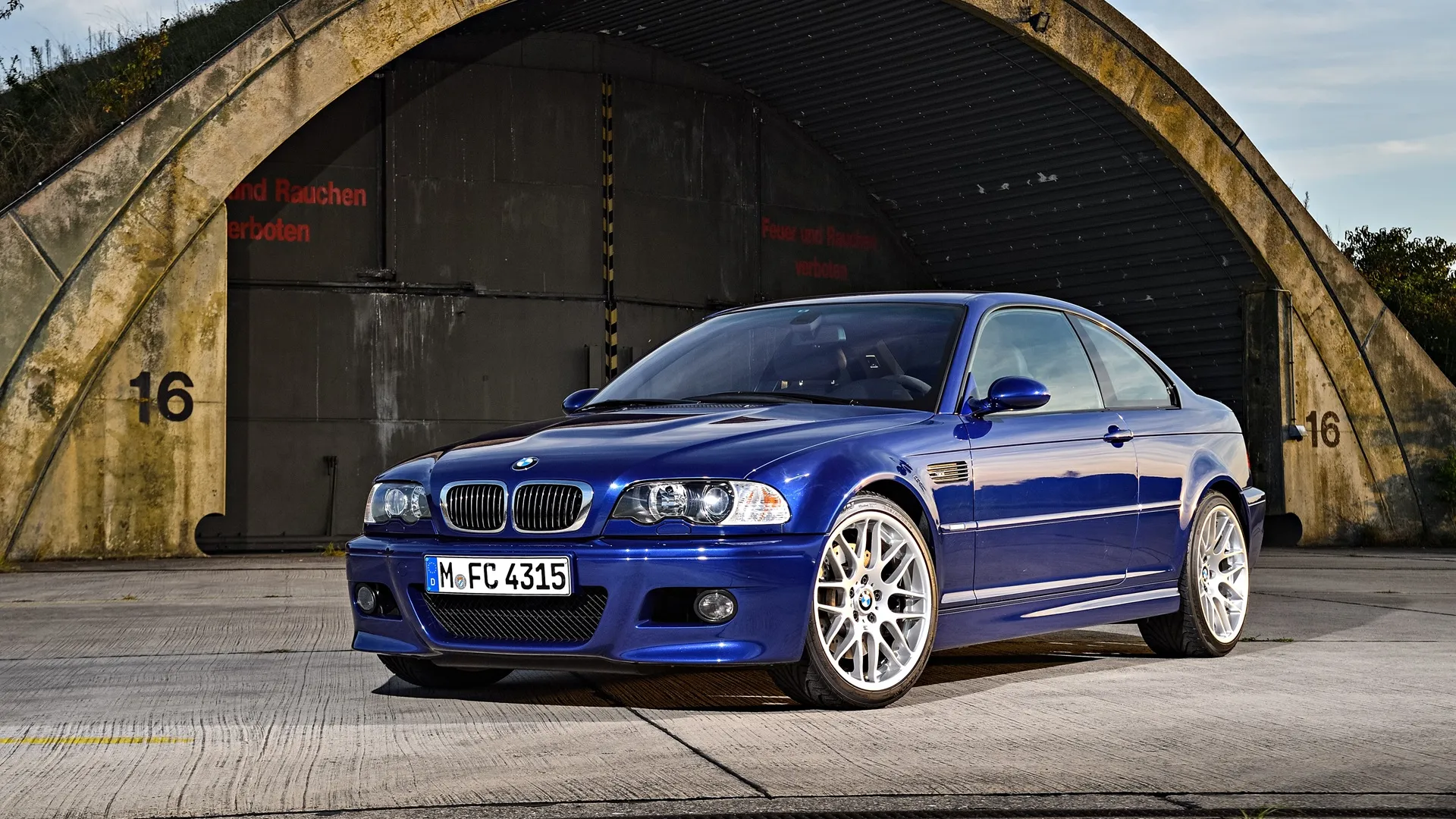
1. BMW M3 (E46)
The E46 BMW M3 is widely regarded as one of the finest driving machines of its era, known for its balanced chassis and responsive inline-six engine. Its naturally aspirated 3.2-liter S54 engine produces thrilling power but puts extra stress on the clutch system, especially for drivers who enjoy high-revving performance.
The clutch components, including the pressure plate and flywheel, are designed for durability but are expensive to replace once worn. Enthusiasts often report that even moderate spirited driving can cause noticeable wear over time, making maintenance a major consideration for potential buyers.
Replacing the clutch on an E46 M3 is a labor-intensive process because the transmission must be removed to access the clutch assembly, which can take several hours in a professional shop. Original BMW replacement parts, especially the dual-mass flywheel and reinforced clutch discs, carry a premium price, often totaling well over a thousand dollars for both parts and labor.
Aftermarket performance clutches are available but can further complicate installation and sometimes require additional modifications. Many owners find that having a trusted mechanic familiar with BMW M3s is essential to avoid costly mistakes during replacement.
Driving style has a direct impact on clutch longevity in the E46 M3. Frequent launches, aggressive shifting, or track use can accelerate wear significantly, sometimes leading to replacement in less than 30,000 miles. In contrast, gentle city or highway driving can extend clutch life considerably, though even careful drivers often face the expense sooner than in ordinary vehicles.
Some owners invest in performance-oriented clutches designed for higher torque, which can improve durability but at an even higher upfront cost. Understanding these dynamics is critical when considering a used example.
The E46 M3’s clutch issues are compounded by the car’s popularity, which drives up parts prices and labor costs. High demand for this model means shops that specialize in BMW maintenance often have higher rates, especially for skilled technicians capable of handling the S54 engine.
In addition, sourcing parts from BMW dealers or reputable suppliers can lead to long wait times, adding indirect costs to the repair process. Owners often recommend budgeting not just for the clutch itself but for associated components like the flywheel, throwout bearing, and hydraulic system, all of which may require attention simultaneously.
Despite the maintenance challenges, the E46 M3 remains one of the most desirable performance cars in the used market due to its driving dynamics, engine responsiveness, and overall build quality. The expensive clutch is often seen as a reasonable trade-off for the joy of driving one of the most engaging manual sports cars of the 2000s.
Buyers who understand the potential costs and plan accordingly can enjoy many years of spirited driving. For enthusiasts, the combination of a high-revving engine, precise handling, and a manual transmission outweighs the maintenance considerations, making it a beloved model for collectors and weekend drivers alike.
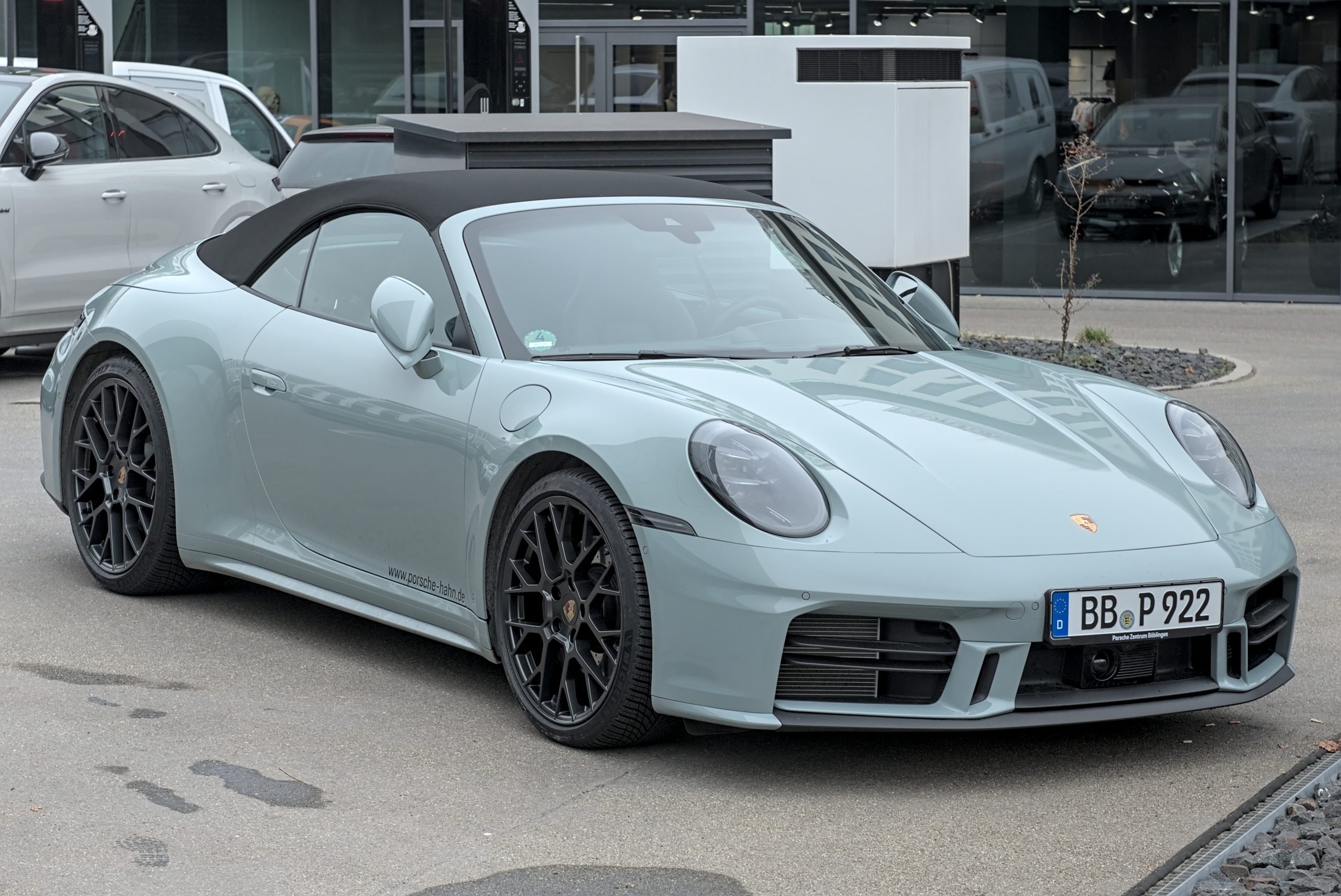
2. Porsche 911 (997)
The 997-generation Porsche 911 is praised for blending timeless design with modern performance, offering an engaging rear-engine experience for driving enthusiasts. Its manual transmission variants provide a rewarding connection to the road but are well-known for costly clutch jobs, especially as mileage increases.
The high torque and weight distribution of the rear-mounted flat-six engine put significant stress on clutch components. A worn clutch can lead to slipping or difficulty shifting, which can affect both performance and safety if not addressed promptly.
Replacing the clutch on a 997 requires removing the transmission from a compact engine bay, a labor-intensive and precise operation that adds substantially to the total cost. OEM Porsche clutches, including dual-mass flywheels, are expensive due to the precision engineering required for high-performance use.
Labor costs are often higher than average because not all mechanics are familiar with the intricacies of Porsche drivetrains. Additionally, the availability of genuine parts can vary depending on the model year and transmission type, sometimes requiring special orders that increase overall expense.
Driving habits play a major role in the lifespan of the 997’s clutch. Enthusiastic acceleration, frequent gear changes, or track use can drastically reduce its service life, sometimes requiring replacement before 40,000 miles.
In contrast, moderate use with smooth shifting and careful clutch engagement can extend longevity, but eventually, even cautious owners face replacement costs. Upgrading to performance-oriented clutch kits is an option, but these kits tend to be more expensive and sometimes produce a stiffer pedal feel, which may not suit all drivers.
The complexity of the 911’s rear-engine layout means that many related components must be inspected or serviced during a clutch replacement. Parts like the throwout bearing, pilot bearing, and hydraulic lines may need attention alongside the clutch itself. Ignoring these can lead to premature wear or additional repairs down the line.
High labor hours and expensive parts make clutch jobs a significant portion of overall maintenance budgets for 997 owners. Many enthusiasts factor these costs into ownership planning to avoid unexpected financial strain.
Despite these factors, the 997 911 remains one of the most sought-after modern classic sports cars. Its precise handling, responsive engine, and manual transmission appeal to purists who prioritize driving experience above cost.
The expensive clutch is often seen as a minor inconvenience compared to the joy of owning and driving one of Porsche’s most celebrated models. Informed buyers understand the maintenance requirements and embrace the costs as part of the ownership experience, ensuring their car remains a thrilling companion for years.
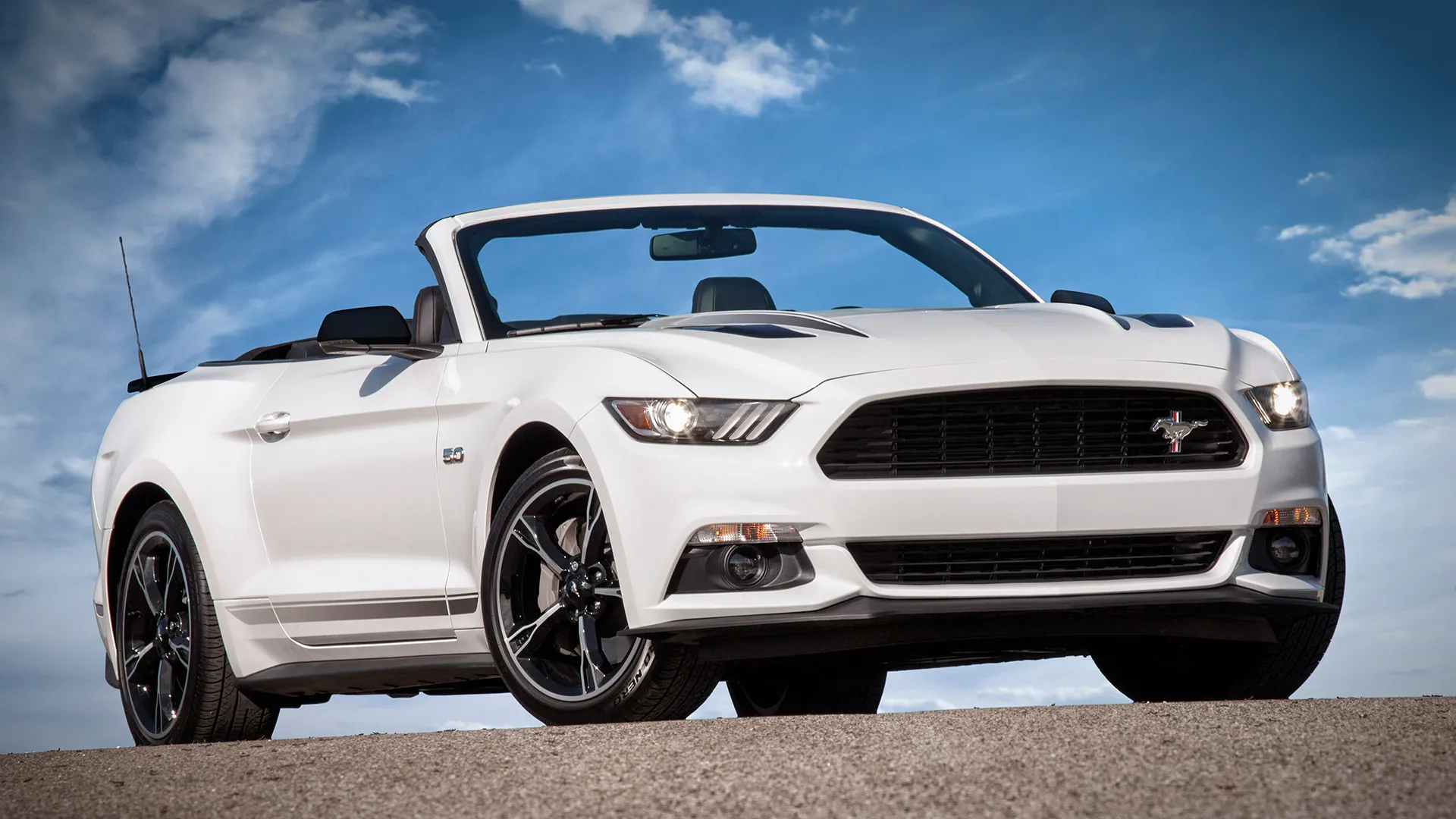
3. Ford Mustang GT (2005–2010)
The fifth-generation Ford Mustang GT is celebrated for its muscular V8 engine and accessible performance, offering a classic American driving experience. However, manual versions of the GT are notorious for their clutch replacement costs.
The 4.6-liter and 5.0-liter engines produce substantial torque, which places heavy demands on clutch components, especially for drivers who enjoy aggressive launches or spirited driving. Over time, the stock clutch can wear more quickly than some buyers expect, leading to expensive replacement jobs.
Replacing the Mustang GT’s clutch involves removing the transmission, which can be a moderately complex procedure due to the vehicle’s suspension and drivetrain layout. OEM clutches are designed to handle the stock engine output but are costly, and labor charges can increase depending on the shop’s experience with performance cars.
Aftermarket options exist, including heavy-duty and racing clutches, but these tend to be more expensive and may affect daily drivability. Many owners report that both parts and labor together can exceed a thousand dollars for a complete replacement.
Driving style has a direct impact on clutch longevity for the Mustang GT. City driving with frequent stop-and-go shifts, combined with occasional aggressive accelerations, can accelerate wear. Track use, drag racing, or “launch control” scenarios further shorten clutch lifespan.
Conversely, highway driving and gentle gear changes can prolong the life of the clutch, though even careful owners usually need replacement at some point. Awareness of these factors helps buyers manage expectations and maintenance budgets effectively.
The Mustang GT’s clutch replacement costs are also influenced by the availability of specialized parts and labor. Shops familiar with muscle cars may charge more due to the technical expertise required, and sourcing OEM components from dealerships can add both time and expense.
Owners often combine clutch replacement with inspection or servicing of the flywheel, pressure plate, and hydraulic system to prevent future failures. This comprehensive approach ensures reliable performance but increases total costs. Knowing these considerations is essential for anyone purchasing a used GT.
Despite the potential expense, the Mustang GT remains one of the most popular American performance cars on the market. Its combination of V8 power, rear-wheel-drive fun, and classic styling appeals to a wide range of drivers.
For enthusiasts, the thrill of driving outweighs the cost of clutch replacement, though proper budgeting is crucial. Buyers who understand these maintenance realities can enjoy the Mustang GT’s performance for years, with a clear plan for when clutch service becomes necessary.
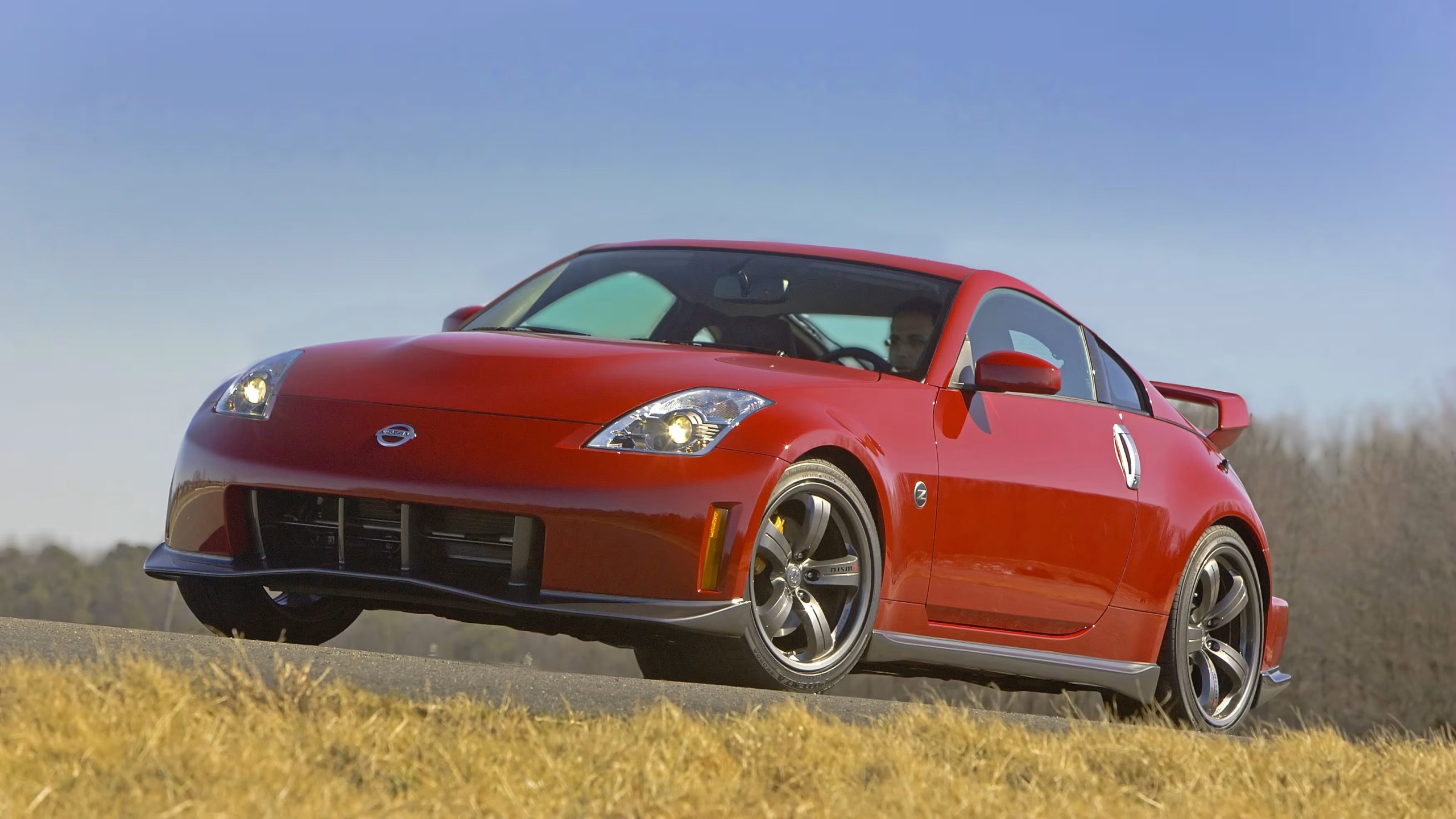
4. Nissan 350Z
The Nissan 350Z delivers a balanced and engaging sports car experience, with a V6 engine that responds quickly to throttle input and precise steering for cornering. Its manual transmission variants are particularly popular among enthusiasts, but clutch replacements are known to be frequent and expensive.
The combination of a high-revving engine and lightweight flywheel means the clutch experiences more wear, especially during aggressive driving or track days. Many owners are surprised by the speed at which the clutch can deteriorate under spirited use.
Replacing the 350Z’s clutch requires removing the transmission, which is a labor-intensive process due to the tight fit in the engine bay. OEM Nissan clutches are designed for performance but are costly, particularly the dual-mass flywheel models, which are prone to wear over time.
Aftermarket performance options exist but may require additional modifications and careful tuning to maintain smooth operation. Labor often exceeds the cost of the parts themselves, making this a significant service event for owners.
Driving habits play a crucial role in how long the 350Z’s clutch lasts. Frequent revving, hard launches, and spirited cornering accelerate wear, often necessitating replacement sooner than typical road cars.
Even moderate use can eventually lead to slippage or difficulty shifting, particularly in older models. Owners who understand how to manage torque and shift smoothly can extend clutch life, but replacement is inevitable with high-mileage or aggressive driving.
The cost of labor is further increased by the need to inspect or replace related components during a clutch job. The throwout bearing, pilot bearing, and hydraulic components often require service alongside the clutch itself. Ignoring these parts can lead to further damage and more expensive repairs.
Many owners choose to combine these services into a single, comprehensive replacement to save money in the long term. This makes planning and budgeting for clutch service essential for anyone owning a 350Z.
Despite these challenges, the 350Z remains a desirable sports car for its handling, engine responsiveness, and driver engagement. The expense of clutch replacement is considered part of the ownership experience by enthusiasts.
Buyers who are aware of the maintenance requirements can enjoy the car’s performance without unexpected surprises. For those seeking a fun, manual-driven vehicle, the 350Z offers an experience that few other cars in its price range can match.
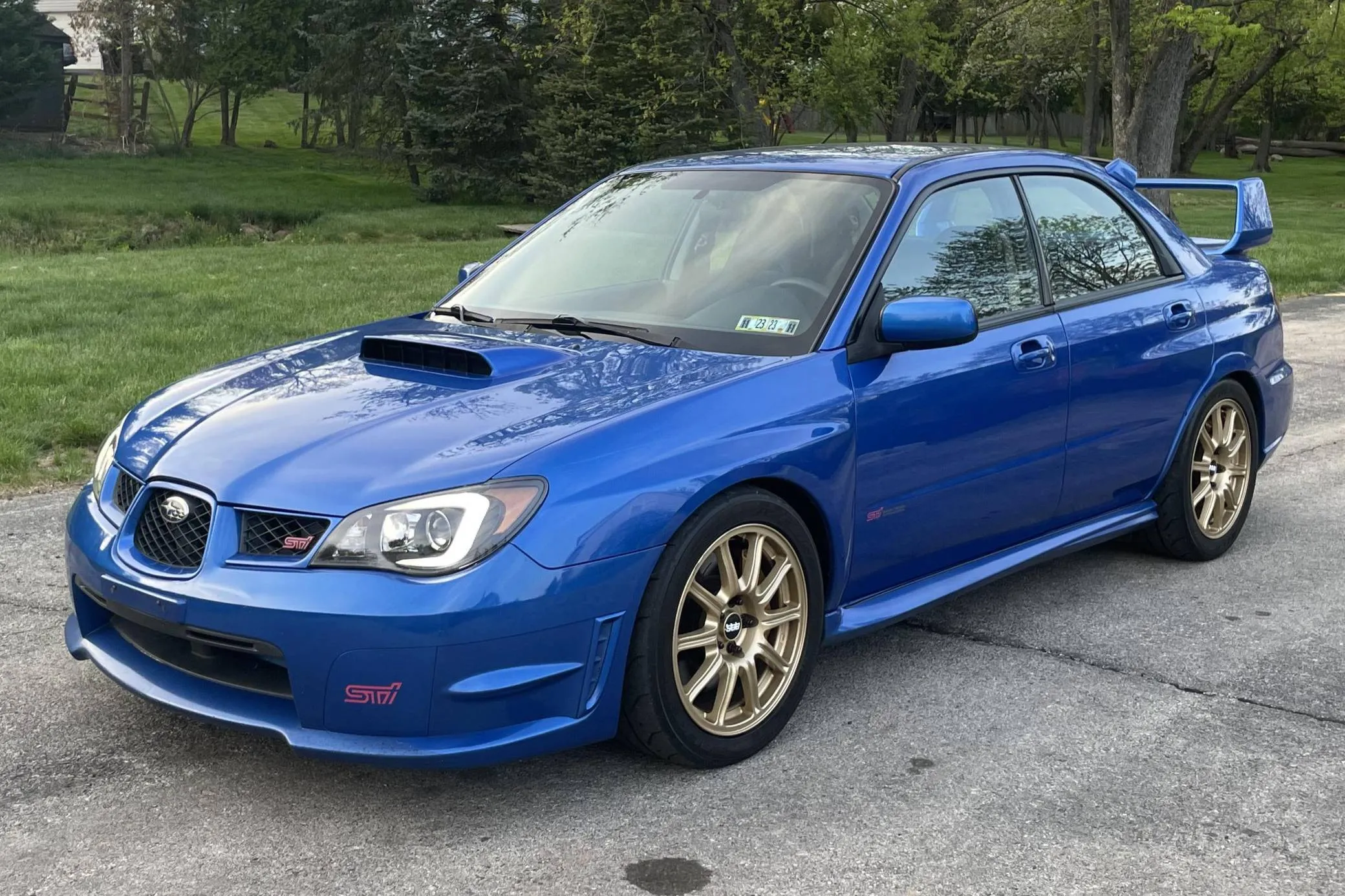
5. Subaru WRX STI (2004–2014)
The Subaru WRX STI is renowned for its rally-inspired all-wheel-drive system and turbocharged performance, making it a favorite among performance enthusiasts. Manual transmission models provide a direct connection to the car’s engine and drivetrain, but their clutch systems are known for expensive replacement costs.
The turbocharged engine produces high torque, which can wear the clutch quickly, especially under aggressive driving or track conditions. Even street driving with frequent launches can shorten clutch lifespan compared to standard vehicles.
Replacing the STI’s clutch is labor-intensive due to the all-wheel-drive layout and the need to remove the transmission assembly. OEM STI clutches are built for performance but are expensive, and dual-mass flywheels or reinforced pressure plates add to the cost.
Aftermarket performance clutches are available and offer increased durability, but they tend to be stiffer and may compromise comfort for everyday driving. Labor charges for transmission removal and installation are significant and should be factored into maintenance planning.
Driving habits greatly influence clutch longevity in the WRX STI. Aggressive launches, spirited driving, and occasional track use accelerate wear, while careful, smooth driving can extend service life. Even with careful operation, clutch replacement is inevitable at high mileage or after years of spirited use.
Many owners recommend monitoring clutch behavior closely and performing regular inspections to avoid sudden failures. Proper driving technique and timely maintenance can help mitigate the high costs associated with this repair.
The all-wheel-drive system adds complexity to clutch replacement. Removal of the transmission involves additional steps compared to rear-wheel-drive cars, which increases labor time. Components such as the throwout bearing, pilot bearing, and hydraulic system often require attention simultaneously.
Owners who combine these services save long-term costs but face a higher upfront expense. Understanding this complexity is essential for buyers considering a used STI.
Despite the potential maintenance costs, the WRX STI remains a highly sought-after performance car. Its combination of turbocharged power, rally-inspired handling, and all-wheel-drive capability delivers a unique driving experience.
Enthusiasts accept the high cost of clutch replacement as part of the ownership experience. Buyers who plan ahead and understand the car’s mechanical demands can enjoy its thrilling performance while avoiding financial surprises.
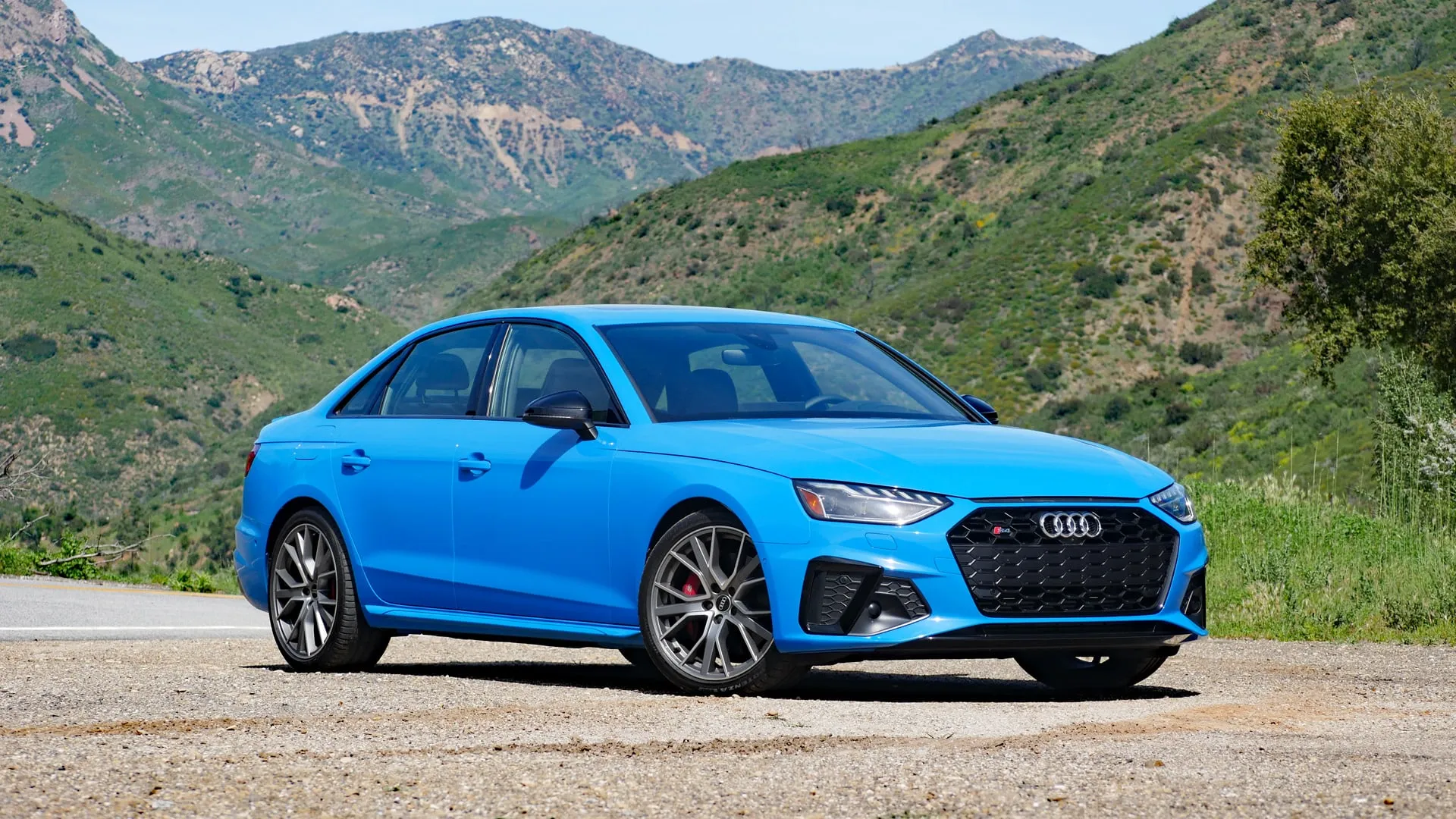
6. Audi S4 (B6/B7)
The B6 and B7 generations of the Audi S4 are known for their naturally aspirated 4.2 liter V8 engines, delivering smooth yet forceful acceleration. These models combine luxury with performance, creating a refined driving experience that still feels aggressive when pushed.
However, manual transmission variants have developed a reputation for expensive clutch replacements due to the engine’s substantial torque output. The added weight of the V8 and quattro all wheel drive system increases strain on the clutch assembly during both daily driving and spirited use.
Replacing the clutch in the S4 is not a simple procedure, as the tight engine bay and complex drivetrain layout require extensive labor to access the transmission. The quattro system adds mechanical complexity, meaning more components must be carefully removed and reinstalled during the process.
Labor hours can quickly climb, often surpassing the cost of the clutch kit itself. This makes even a routine clutch service a significant financial commitment for owners.
OEM Audi clutch kits and dual mass flywheels are priced at a premium, reflecting the car’s performance orientation and European engineering standards. Many owners also choose to replace the flywheel simultaneously, as wear in that component can lead to vibration or reduced smoothness.
Aftermarket performance clutches are available, but they can increase pedal stiffness and reduce comfort in daily driving situations. Choosing between factory and upgraded parts often depends on whether the car is used for commuting or spirited weekend driving.
Driving style plays a critical role in determining clutch lifespan in the S4. Frequent stop and go traffic, aggressive launches, and quick shifting can all accelerate wear, particularly given the engine’s torque curve.
Owners who drive conservatively may see longer intervals between replacements, but the inherent design of the car means that clutch wear is almost inevitable over time. High mileage examples often require a full clutch and flywheel service before resale.
Despite the costly maintenance, the B6 and B7 S4 remain desirable among enthusiasts who appreciate their unique V8 sound and balanced chassis. The combination of luxury interior features and strong performance keeps them competitive in the used market.
Buyers who understand the clutch replacement costs and plan accordingly can still enjoy a rewarding ownership experience. Proper budgeting and mechanical awareness are essential when considering one of these models.
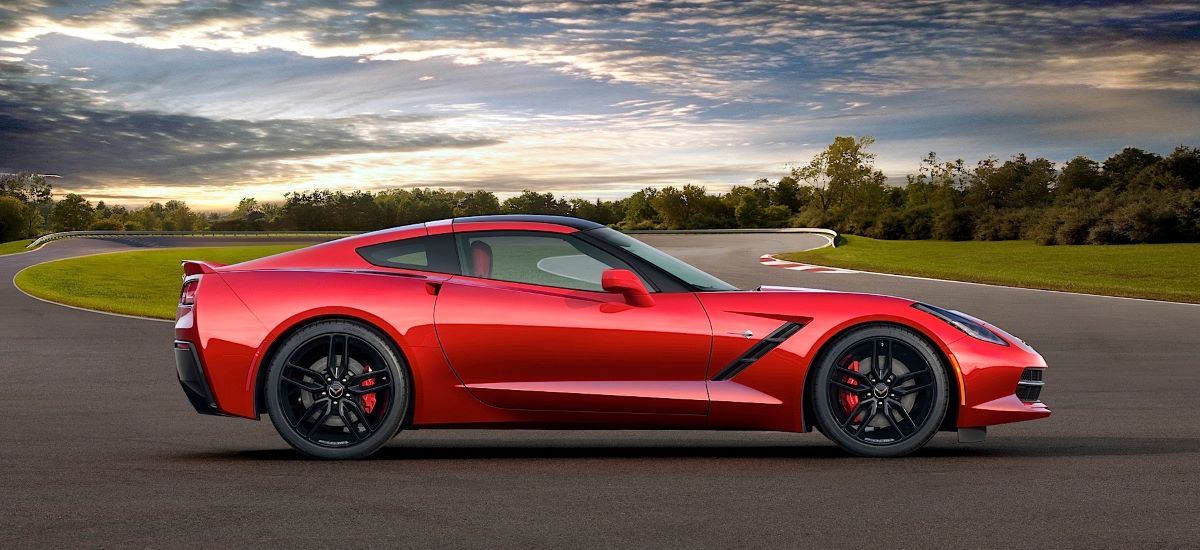
7. Chevrolet Corvette (C6)
The C6 Corvette delivers strong performance through its lightweight chassis and powerful LS series V8 engines. Manual transmission models provide a raw and engaging driving experience that appeals to purists. However, the high torque output of the LS2 and LS3 engines places significant stress on the clutch system. Over time, this stress can lead to premature wear, especially in cars that have seen aggressive use or modifications.
Clutch replacement in the C6 often requires removal of the rear mounted transaxle system, which is more complex than a traditional front engine transmission layout.
The Corvette’s design distributes weight for better handling, but it also increases labor time for drivetrain service. Specialized knowledge is often required, and not all repair shops are experienced with Corvette transaxle systems. As a result, labor charges can be higher than expected.
OEM clutch components for the C6 are designed to handle strong torque loads, but they come at a considerable cost. Many owners also replace the slave cylinder and inspect the flywheel during the same service interval. Performance upgrades such as heavier duty clutch kits are common, especially for cars used on track or with engine modifications. These upgrades can improve durability but usually increase overall expense.
Aggressive driving habits significantly shorten clutch lifespan in the C6. Hard launches, rapid gear changes, and drag racing events all contribute to accelerated wear. Even spirited street driving can gradually degrade clutch performance over tens of thousands of miles.
Owners who prioritize smooth engagement and controlled acceleration may extend clutch life, though replacement remains a normal part of long term ownership.
The C6 Corvette continues to attract enthusiasts because of its performance value and iconic styling. Its relatively affordable purchase price on the used market makes it appealing, but maintenance costs such as clutch replacement must be considered. With proper planning and realistic expectations, ownership can remain enjoyable and manageable. Understanding the mechanical layout helps buyers make informed financial decisions.
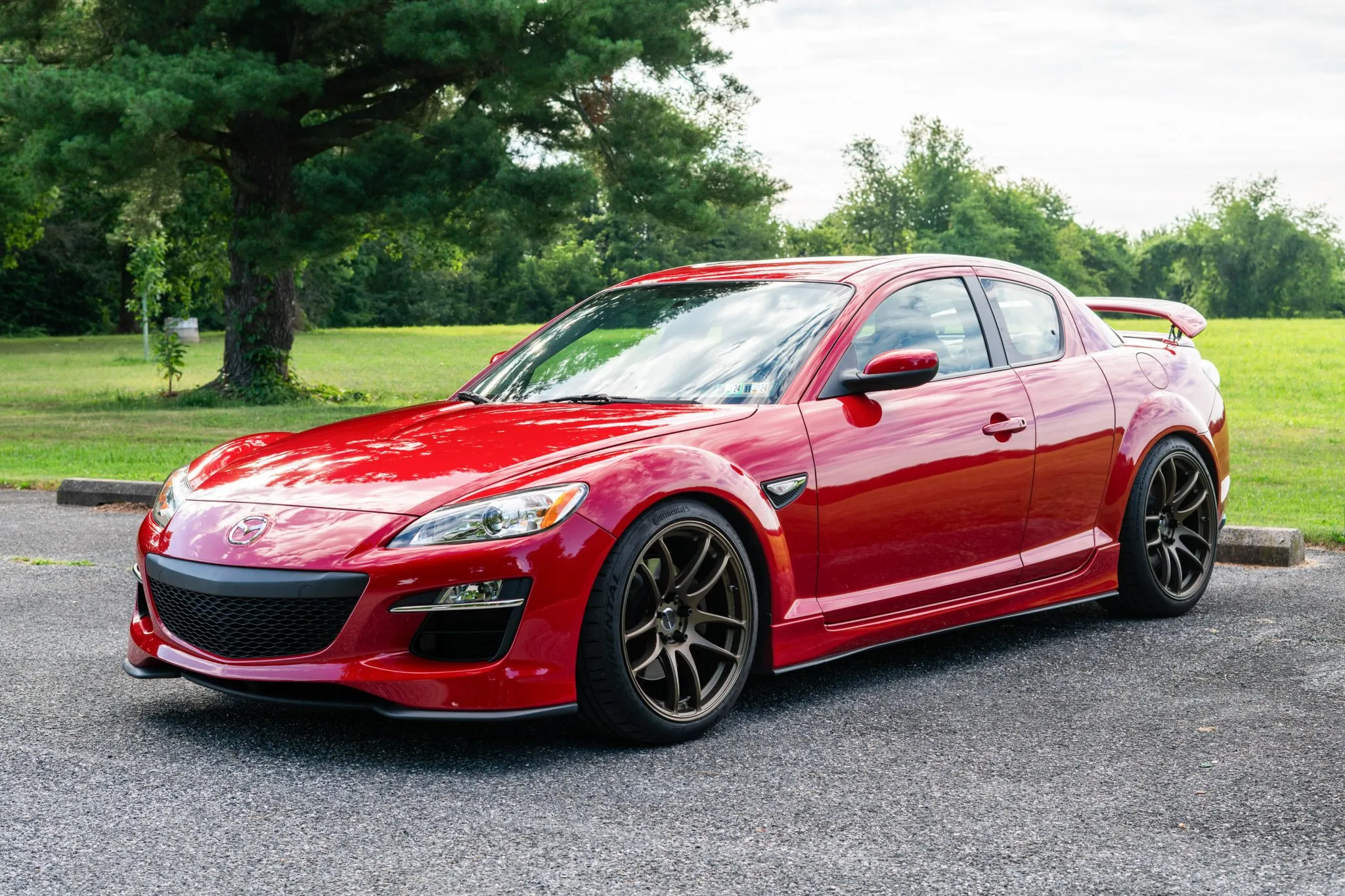
8. Mazda RX-8
The Mazda RX-8 stands out due to its rotary Renesis engine, which delivers power in a high revving and smooth manner unlike traditional piston engines. This unique power delivery encourages drivers to operate at higher RPM ranges, which naturally increases clutch wear.
Manual transmission versions are particularly engaging but demand attentive maintenance. The lightweight flywheel and engine characteristics place consistent stress on the clutch assembly.
Clutch replacement in the RX-8 can be costly because of the vehicle’s design and the need for careful alignment during installation. Removing the transmission requires time and precision, particularly when working around the rotary engine configuration. Labor costs often reflect the specialized knowledge needed to properly service this platform. While the clutch parts themselves may not always be excessively priced, the total bill can still be substantial due to labor.
Many RX-8 owners report that spirited driving quickly reduces clutch lifespan. The engine’s ability to rev freely encourages aggressive acceleration and frequent shifting. Over time, this driving style can lead to slipping, chatter, or difficulty engaging gears. Replacing related components such as the throwout bearing and pilot bearing during service is commonly recommended to avoid repeat labor costs.
Aftermarket clutch kits are available for the RX-8, offering varying levels of performance and durability. Some drivers choose upgraded kits for track use or higher reliability under stress. However, more aggressive clutch setups may result in a firmer pedal and reduced comfort in everyday traffic. Selecting the appropriate kit requires balancing driving goals with practicality.
Despite the clutch concerns and general maintenance demands of the rotary engine, the RX-8 remains appreciated for its balanced chassis and sharp handling. It offers a unique driving feel that few other cars replicate. Buyers who understand its mechanical needs can still find satisfaction in ownership. Awareness and preparation are key factors in managing long term costs.
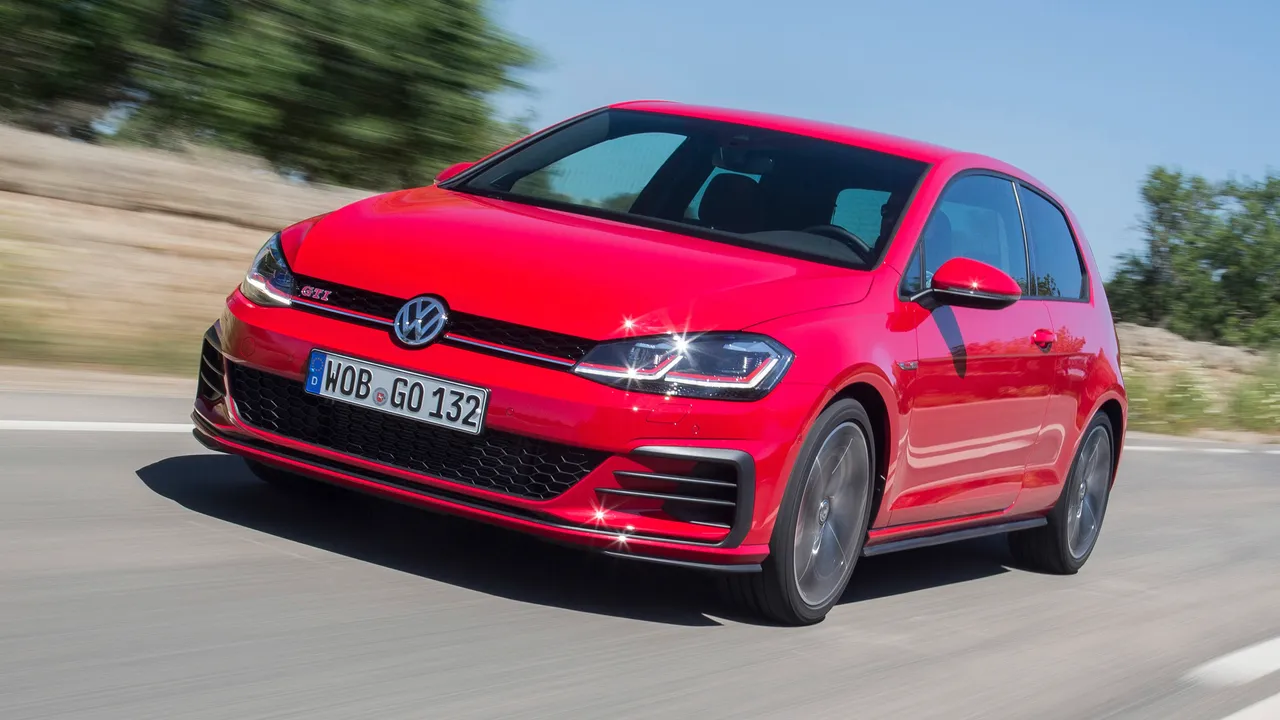
9. Volkswagen Golf GTI (Mk5/Mk6)
The Mk5 and Mk6 generations of the Volkswagen Golf GTI combine turbocharged performance with everyday practicality. Their 2.0 liter turbo engines deliver strong mid range torque, which makes the cars feel quick and responsive. However, this torque output places considerable stress on the clutch system in manual models. Many owners discover that clutch replacement becomes necessary sooner than anticipated.
Replacing the clutch in these GTI models requires removal of the transmission, a task that can involve several hours of labor. The transverse engine layout and compact engine bay increase the complexity of the job. Labor costs vary by region, but they often represent a large portion of the final expense. Owners who rely on dealership service centers may face even higher charges.
OEM clutch kits are engineered to balance performance and comfort, yet they may not handle additional power from common aftermarket tuning upgrades. Many GTIs receive engine software modifications that increase torque output, accelerating clutch wear significantly. As a result, upgraded clutch kits are often recommended for tuned vehicles. These kits improve durability but add further expense to ownership.
Stop and go urban driving, combined with occasional spirited acceleration, can shorten clutch life in the GTI. Drivers who practice smooth engagement and avoid unnecessary slipping can extend service intervals.
Nevertheless, high mileage examples frequently require full clutch replacement. Performing preventative inspections helps identify early signs of wear before complete failure occurs.
The Golf GTI remains one of the most popular hot hatchbacks due to its blend of performance and practicality. Its refined interior and versatile cargo space make it suitable for daily use. Even with the potential for expensive clutch jobs, many enthusiasts consider it worth the investment. Proper budgeting ensures that maintenance does not overshadow the driving enjoyment.
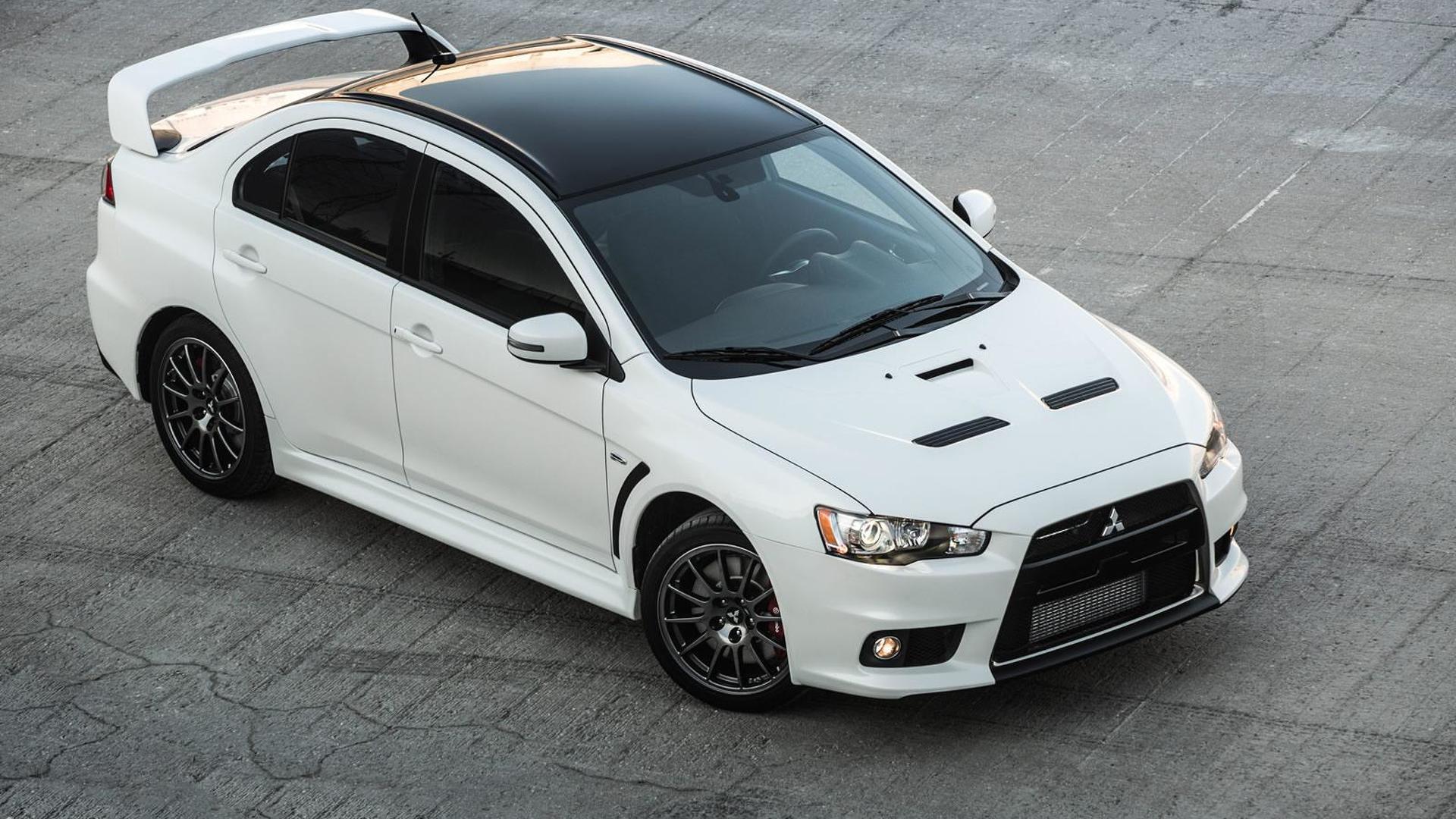
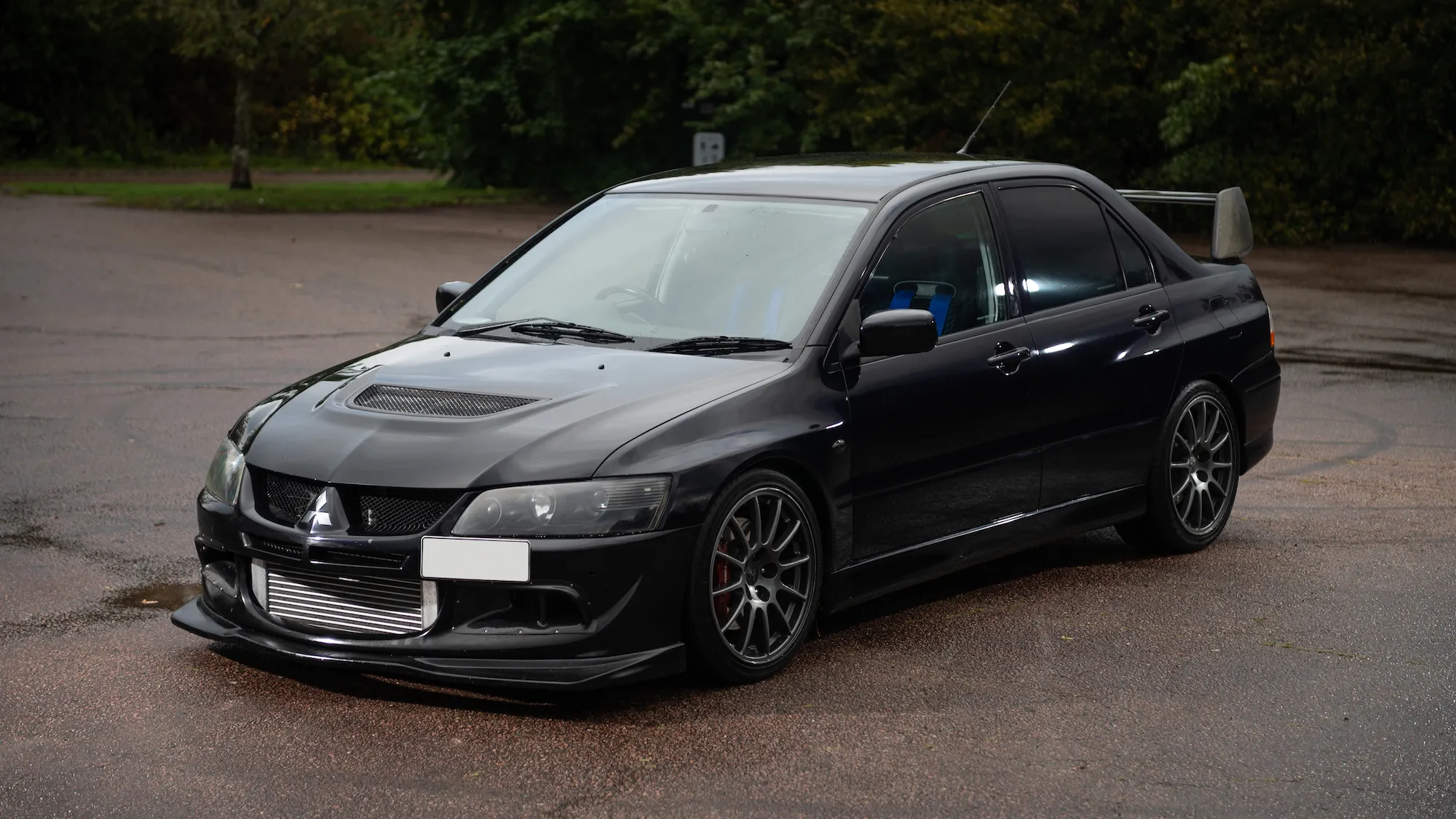
10. Mitsubishi Lancer Evolution (Evo VIII/IX)
The Mitsubishi Lancer Evolution VIII and IX are celebrated for their rally heritage and turbocharged 4G63 engines. These cars produce strong torque and rapid acceleration, particularly when modified. Manual transmissions are standard, providing a direct and engaging driving experience. However, the high output and all wheel drive system create demanding conditions for the clutch assembly.
Clutch replacement in the Evolution is labor intensive due to the AWD drivetrain configuration. Removing the transmission involves disconnecting multiple components, increasing service time and cost. Many Evo models have been modified for higher boost levels, further increasing clutch stress. As a result, clutch wear is common, especially in performance oriented examples.
OEM clutch components are durable but expensive, and many owners opt for reinforced aftermarket kits. Performance clutches designed for high torque applications can significantly increase durability. However, these upgraded systems may introduce heavier pedal feel and more abrupt engagement. Choosing the right setup depends on whether the car is primarily street driven or used for competition.
Aggressive driving habits such as hard launches and rapid shifting are particularly common among Evolution owners. These behaviors accelerate clutch wear and may lead to premature failure. Regular inspection and early replacement of worn components can prevent further drivetrain damage. Planning financially for clutch service is widely considered part of responsible Evo ownership.
Despite the maintenance demands, the Evolution VIII and IX remain icons among performance enthusiasts. Their precise handling and turbocharged power delivery offer a thrilling experience. Buyers who recognize the potential cost of clutch replacement can approach ownership with realistic expectations. With preparation and care, the Evo continues to deliver rewarding performance.
