
For a new driver, choosing the right car is one of the most important and stressful decisions a person can face. The cost of insurance is often one of the largest financial burdens new drivers encounter, on top of the price of the vehicle itself. Because they lack a driving history, insurers see new drivers as higher‑risk, which can lead to steep premiums.
Choosing a vehicle with insurance costs that are easier to manage can make a significant difference to a young driver’s budget. The good news is that there are many cars and SUVs that combine safety, reliability, and low insurance categories, making them ideal for someone getting behind the wheel for the first time.
This article provides a detailed look at ten vehicles that are known for affordable insurance rates, along with explanations of why they are cost‑effective for new drivers.
When selecting a vehicle for low insurance costs, several factors come into play. Insurers look at the safety features, repair costs, theft rates, and historical accident data for each model. Cars with strong safety ratings and advanced safety equipment generally result in lower premiums because they are less likely to be involved in serious accidents.
Similarly, vehicles with modest engines and lower top speeds are perceived as less risky to insure. Models that are common and easier to repair also often come with reduced insurance costs. For new drivers with tight budgets, selecting one of these vehicles can yield substantial savings over time.
The vehicles listed below span a range of styles, including small sedans, compact SUVs, and reliable hatchbacks. Each has been chosen for attributes that tend to reduce insurance costs, such as high safety ratings, modest performance, and affordable maintenance.
While price and insurance rates do vary by location and individual circumstances, these options are consistently seen as favorable choices for young and inexperienced drivers based on general industry trends. In addition to insurance affordability, these cars are noted for reliability and practicality, offering value beyond just low premiums.
As a new driver, focusing on total ownership costs rather than just the sticker price of a car ensures financial stability. Insurance savings can free up resources for fuel, maintenance, and savings for future needs. The cars chosen here balance both financial considerations and everyday usability.
Some are small and economical, while others provide additional space and versatility. Regardless of personal preference, there is a suitable choice on this list for most new drivers who want to minimize insurance costs without compromising on safety.
Understanding the interplay between vehicle choice and insurance costs empowers new drivers to make informed decisions. Rather than being overwhelmed by options, it helps to focus on vehicles with proven track records for low insurance premiums.
The following sections provide a closer look at ten vehicles that consistently rank well for new drivers seeking affordable insurance. Each entry includes a thoughtful explanation of its strengths and why it is a smart financial choice for people entering the world of driving.
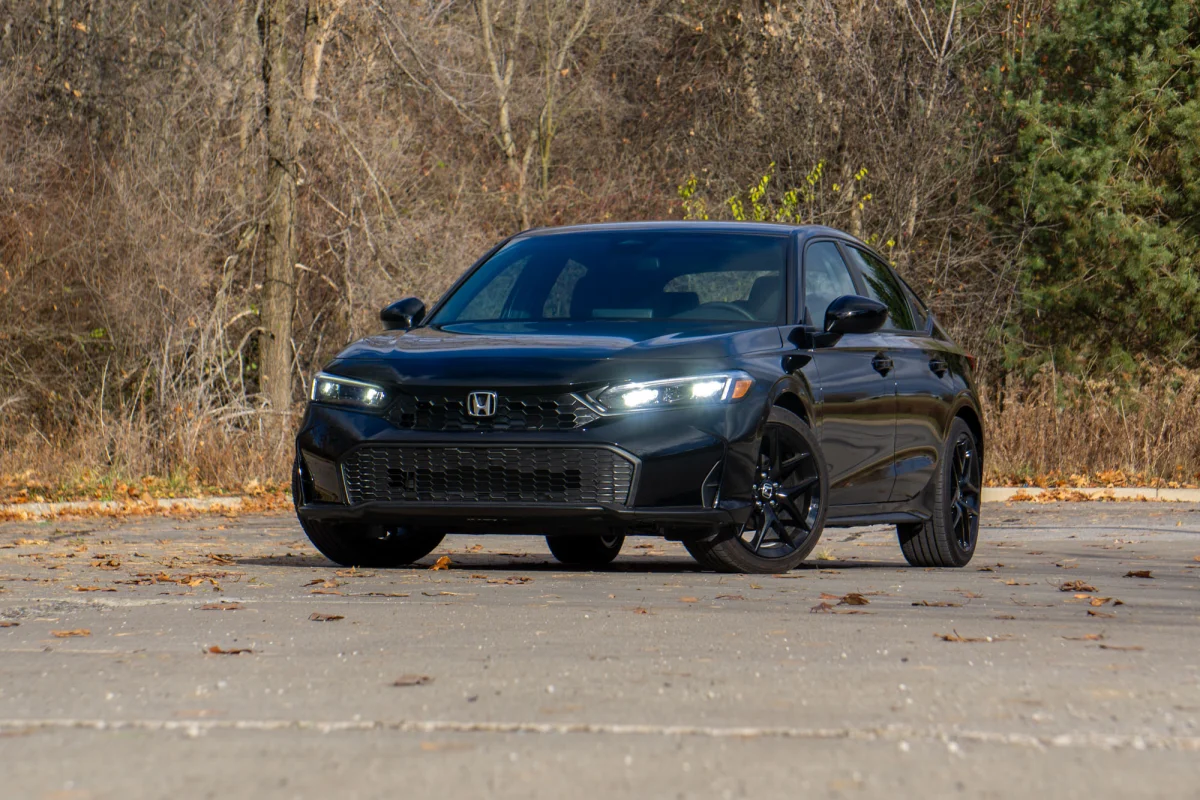
1. Honda Civic
The Honda Civic has long been recognized as a dependable and economical choice for drivers of all ages. This compact car is often recommended for new drivers because it combines fuel efficiency with solid safety credentials.
The Civic’s design prioritizes stability and predictability on the road, which contributes to lower insurance classifications. Insurers tend to view it as a reliable option that is less likely to be involved in costly claims. With its moderate engine sizes and excellent safety ratings, the Civic helps new drivers avoid premium spikes.
One of the reasons the Civic often falls into lower insurance brackets is its strong performance in crash tests. Reliable safety systems like airbags and anti‑lock brakes are standard across many trims, reducing the risk of severe injuries.
The availability of driver‑assistance features on newer models can also translate into additional discounts with some insurance providers. These attributes make the Civic a practical choice for someone concerned about keeping long‑term costs down. Maintenance and repair costs are generally affordable, further lowering the total cost of ownership.
In addition to its safety and reliability, the Civic’s popularity means parts and servicing tend to be widely available and competitively priced. For new drivers who might be on a tighter budget, this ease of service adds peace of mind.
Because the Civic is so common, insurers have decades of data that show consistent performance in minimizing high‑cost claims. This historical track record often results in more favorable insurance group placements. For many families and young drivers, these characteristics make the Civic a top choice.
Despite its widespread use, the Civic continues to evolve with thoughtful engineering. Newer models offer modern infotainment and connectivity features without sacrificing the simplicity that many first‑time drivers appreciate.
The balance between comfort and practicality helps it stay relevant in a market full of options. For new drivers who want a car that is easy to live with on a daily basis and inexpensive to insure, the Honda Civic remains a strong and sensible contender.
The Honda Civic stands out as one of the most insurance‑friendly vehicles available to new drivers. Its combination of safety, affordability, and reliable performance makes it a wise financial choice. This balance has solidified its reputation as a go‑to option for those entering the driving world and looking to manage insurance costs effectively.
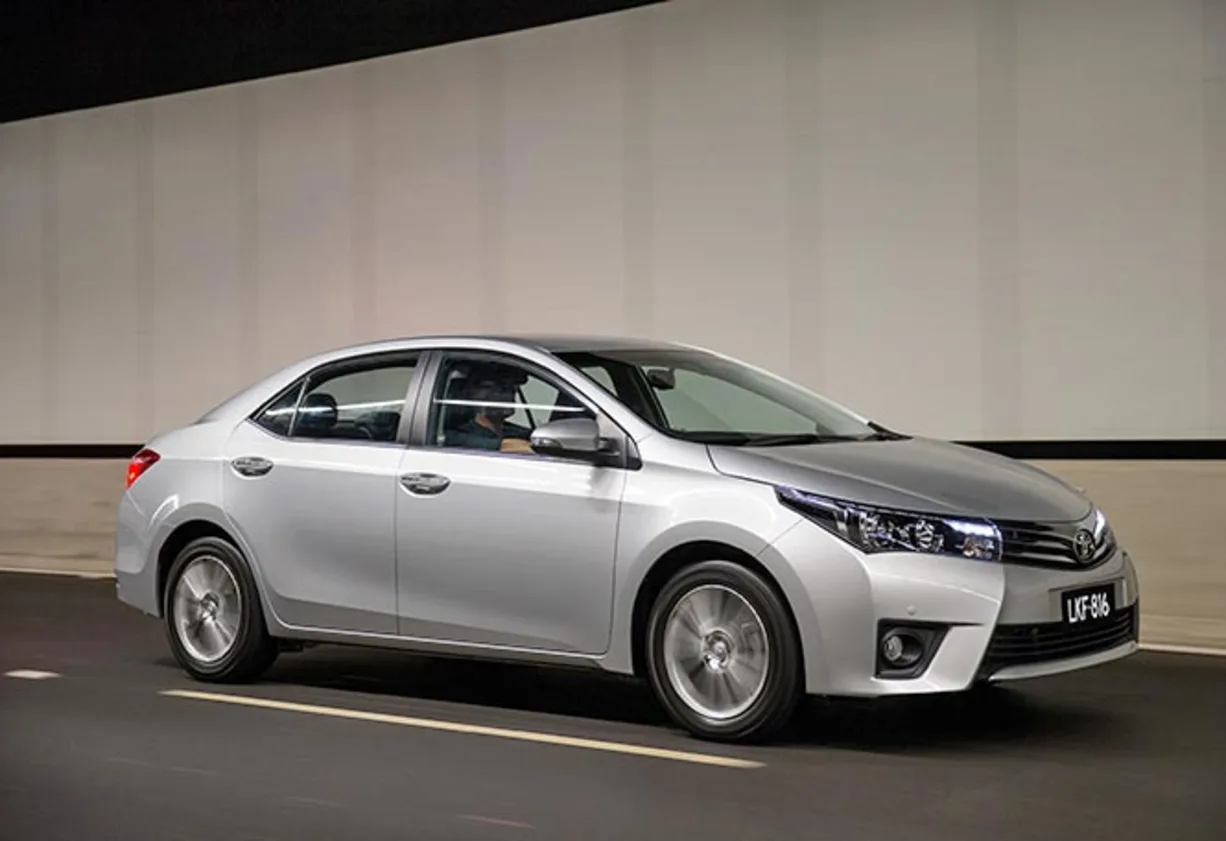
2. Toyota Corolla
The Toyota Corolla has earned a reputation for being one of the most sensible and practical vehicles for new drivers. Its design focuses on dependable performance, fuel efficiency, and strong safety credentials. These traits appeal to insurance companies, which often translate into lower premiums for drivers.
For those just starting out with limited driving experience, choosing a vehicle like the Corolla can help ease the financial burden associated with insurance coverage. Its moderate specifications allow it to fall into favorable insurance categories.
A key aspect of the Corolla’s appeal is its safety record. Toyota has consistently equipped the Corolla with advanced safety systems across many model years. Features such as stability control, multiple airbags, and electronic braking support help protect occupants and reduce the risk of serious collisions.
Insurance providers closely consider crash test results when determining rates, and the Corolla has delivered strong outcomes in these assessments. Lower risk of major injury claims typically supports more manageable insurance costs for young drivers.
Aside from safety attributes, the Corolla’s cost of ownership is an important benefit. Toyota’s widespread network of service centers and readily available parts make maintenance and repairs more affordable. This can be a positive factor in insurance evaluations, as extravagant repair bills can lead to higher premium calculations.
For new drivers working with limited financial resources, choosing a model with affordable upkeep can help ease ongoing expenses. The Corolla’s reliability further strengthens its suitability for daily use.
Fuel economy is another component that adds to the Corolla’s practicality. Urban commuters and students alike can appreciate its ability to deliver solid mileage without frequent trips to the gas station.
When compounded over time, savings at the pump contribute to reduced total ownership costs, complementing the insurance advantages. Efficiency and simplicity have made the Corolla a favorite choice among new drivers who want sensible transportation without excess cost.
For many young motorists, the Toyota Corolla represents a balance of affordability, accessibility, and peace of mind. Its consistent performance and reputation for durability contribute to confidence when selecting a first vehicle.
The Corolla’s ability to maintain strong insurance group placements makes it a reliable choice for managing expenses. As new drivers look for ways to keep insurance manageable, the Toyota Corolla continues to be one of the most broadly recommended vehicles.
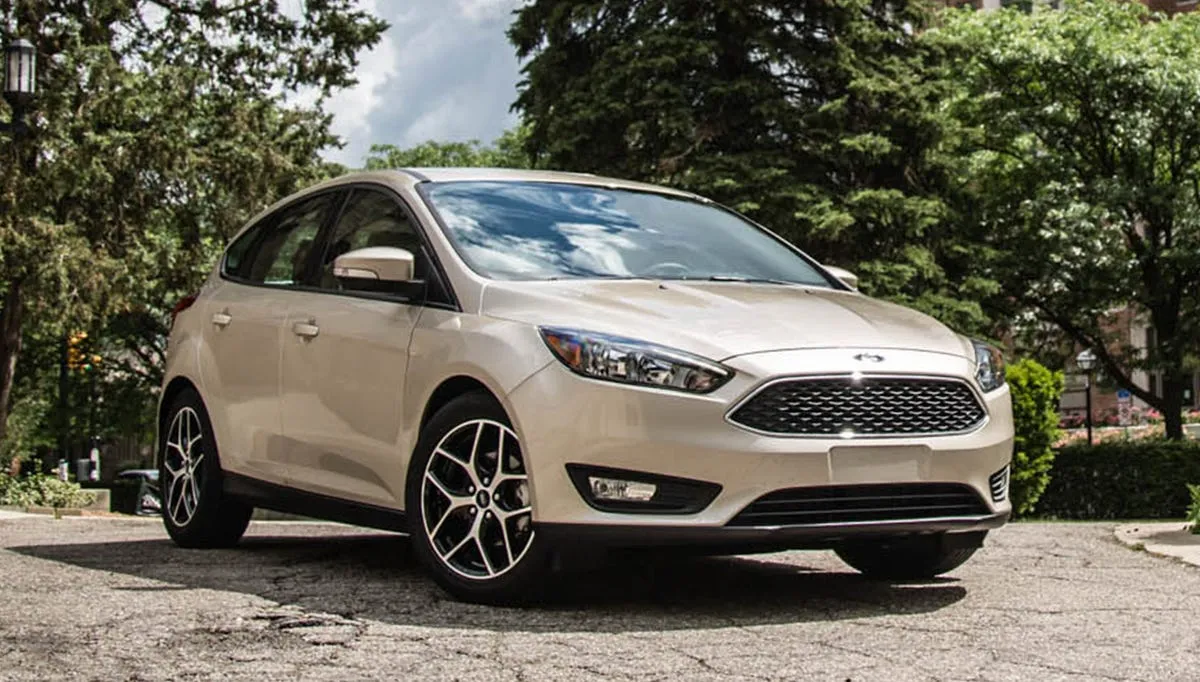
3. Ford Focus
The Ford Focus has been a popular choice in the compact car segment for many years, particularly among younger drivers. Its combination of size, performance, and practicality makes it suitable for everyday commuting while keeping insurance in check.
Insurance companies often assess the Focus as a vehicle with moderate performance and good safety ratings. As a result, it frequently places in insurance categories that are forgiving for novice drivers. For those concerned about premium costs, the Focus presents a compelling option.
One of the strengths of the Focus lies in its solid safety features. Standard components such as anti‑lock braking, stability control, and multiple airbags help reduce the severity of crashes and thereby limit potential claims. Insurance providers take such features into account when calculating risk, typically rewarding cars that have demonstrated safety advantages.
This contributes to more favorable insurance rates for drivers who choose this vehicle. For new drivers, this can be particularly valuable when establishing an insurance history.
The Focus also benefits from reasonable maintenance costs in many markets. Parts and servicing tend to be accessible and competitively priced, which helps reduce the financial burden of ownership.
Because insurers consider repair costs as part of their evaluations, a vehicle with affordable service components is often seen as less risky. This factor plays into how premiums are determined and can help keep rates down for new drivers. The Focus’s status as a common and well‑understood model further supports its insurance positioning.
Performance in both urban settings and on highways makes the Focus versatile for different driving needs. Its balanced handling and decent fuel economy contribute to a positive daily driving experience, reinforcing its appeal for first‑time car owners.
Practicality and comfort add to the value, making it a sensible option for young people who need reliable transportation without excess expense. The combination of features and cost consideration makes the Focus a noteworthy pick.
Considering its well‑rounded attributes and generally favorable insurance classification, the Ford Focus stands out among compact cars for new drivers. Its established reputation, balanced performance, and accessible ownership costs provide reasons why many people select it as a first vehicle.
With insurance costs in mind, the Focus remains a strong candidate for those entering the driving world and seeking to manage their financial commitments.
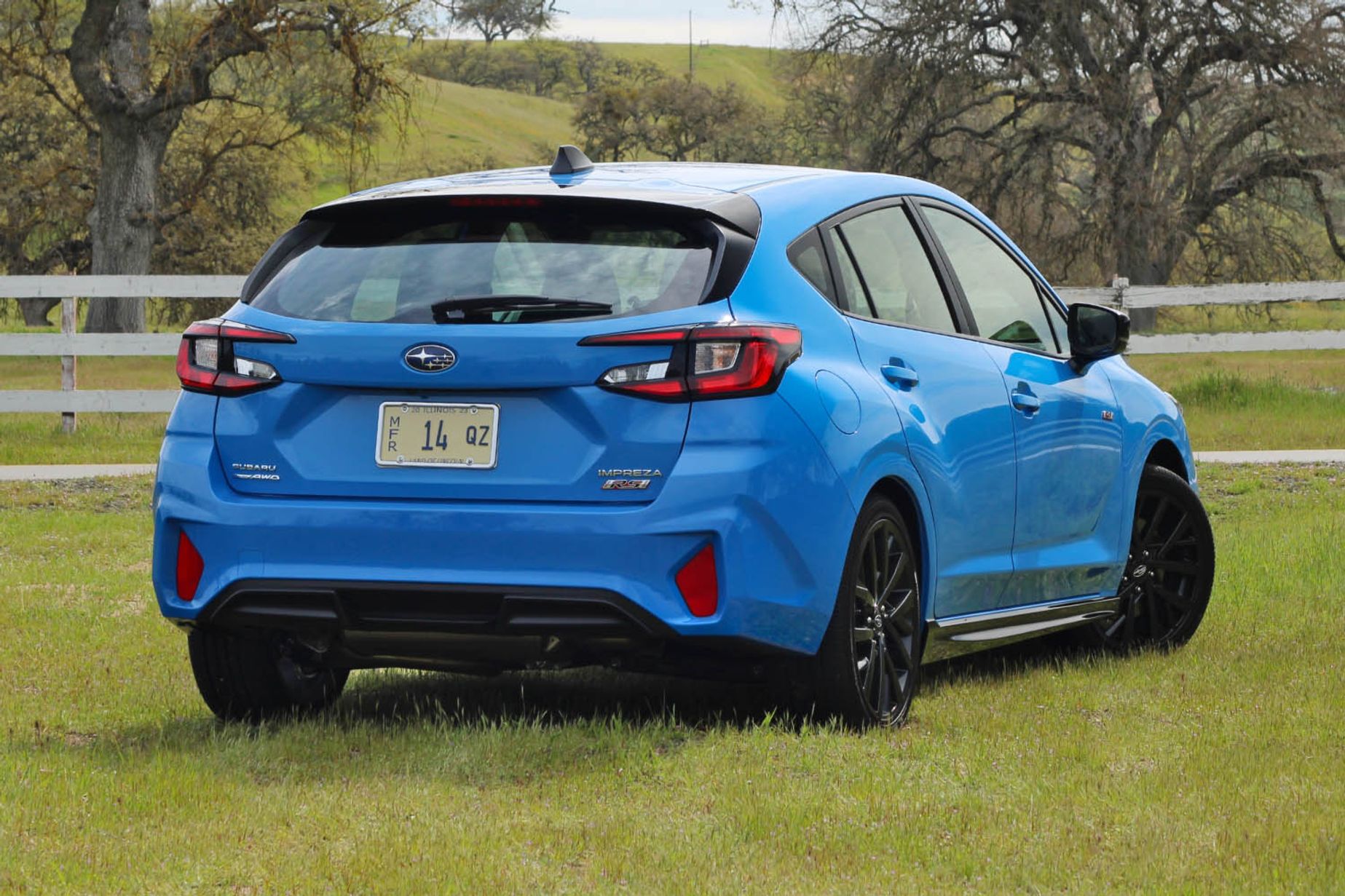
4. Subaru Impreza
The Subaru Impreza offers a unique option in the list of inexpensive vehicles to insure for new drivers, mainly due to its impressive safety performance and all‑wheel‑drive capability. Unlike many compact cars, the Impreza includes full‑time all‑wheel drive as standard, providing enhanced traction and stability in various driving conditions.
This can be a meaningful advantage in areas with challenging weather. While the all‑wheel‑drive system raises the vehicle’s utility, strong safety outcomes help balance insurance considerations.
Crash test results and safety credentials play a significant role in determining insurance rates, and the Impreza performs well in these areas. Subaru has equipped many of its models with driver assistance and safety technology that aid in avoiding collisions.
These features not only protect the occupants but also serve as positive signals to insurance companies. For new drivers, having a vehicle that actively supports safer driving can be a financial advantage over time.
Despite its all‑wheel‑drive system, the Impreza remains reasonably economical in terms of fuel consumption and maintenance when compared to larger SUVs or performance vehicles.
This balance between utility and practicality is appealing for young drivers who value versatility without excessive cost. Insurance providers often consider the ownership profile, including the likelihood of costly repairs, when setting premiums. The Impreza’s build quality and reliable performance help position it fairly in insurance categories.
The Impreza’s hatchback and sedan options provide flexibility for different lifestyles. Whether a student needs room for gear or a commuter wants a comfortable daily ride, the Impreza caters to a variety of needs.
Its comfortable interior and smooth handling contribute to an engaging yet controlled driving experience. Such well‑rounded characteristics make it a relatable and trustworthy choice for those concerned about both cost and capability.
Taking into account its safety ratings, all‑weather capability, and practical design, the Subaru Impreza is a compelling pick for new drivers seeking insurance‑friendly vehicles. Its reputation for reliability and consistent performance provides reassurance to both drivers and insurers alike. For young motorists living in areas with diverse weather conditions, this model offers a blend of dependability and balanced ownership costs.
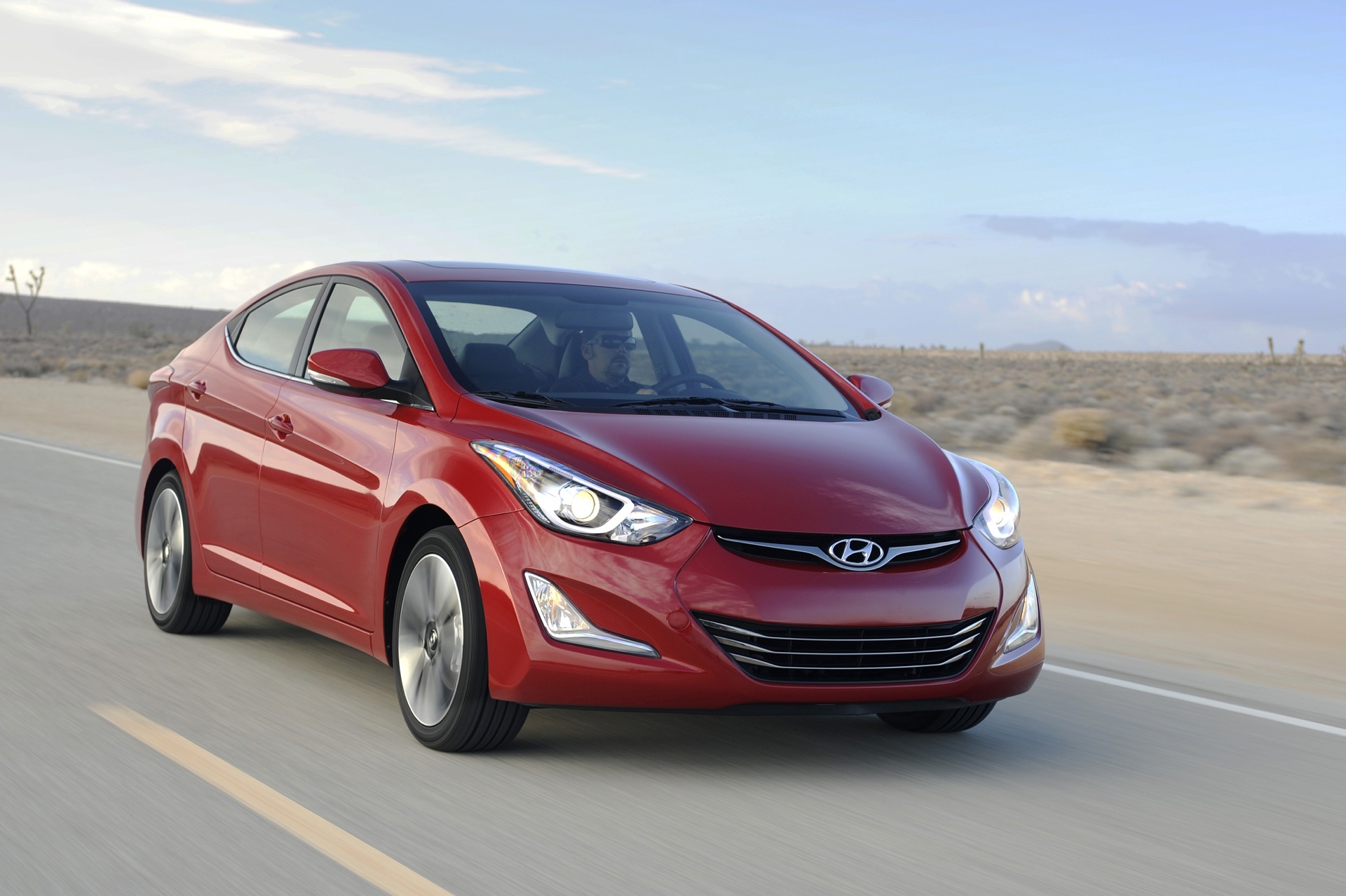
5. Hyundai Elantra
The Hyundai Elantra is widely recognized as a compact car that combines affordability with a strong safety profile. Its moderate engine options and well‑engineered structure make it appealing to insurance providers evaluating risk for new drivers. Standard safety equipment, including airbags and electronic stability control, reduces the likelihood of severe accidents. These factors typically contribute to lower premiums, making the Elantra a practical option for someone entering the driving world.
One of the Elantra’s advantages lies in its balance of performance and efficiency. While it provides sufficient power for city and highway driving, it is not overly aggressive, which insurers often view favorably.
Its reliability over time also helps reduce the frequency of costly repairs. For new drivers who want to avoid the stress of unexpected expenses, this combination is reassuring. Insurance companies take these practical features into account when assessing rates.
The cost of maintenance and availability of parts is another point in the Elantra’s favor. Hyundai has established a strong service network with competitively priced components, which can keep ownership costs manageable.
Insurers consider potential repair expenses when calculating premiums, and the Elantra’s history of affordable upkeep contributes to its favorable insurance placement. For young drivers with limited budgets, this factor can be crucial.
Fuel efficiency further enhances the Elantra’s appeal. Its economical engines mean fewer trips to the gas station, which translates into tangible savings over time. New drivers often appreciate a vehicle that is easy to manage in daily life without consuming excess resources.
This practical aspect, combined with insurance advantages, makes the Elantra a well-rounded choice. Comfort and usability reinforce its suitability for a first vehicle.
The Hyundai Elantra blends affordability, safety, and reliability, resulting in an insurance-friendly profile for new drivers. Its thoughtful engineering and solid crash test performance create confidence for both drivers and insurers. For those entering the world of driving, the Elantra provides a cost-conscious yet dependable option.
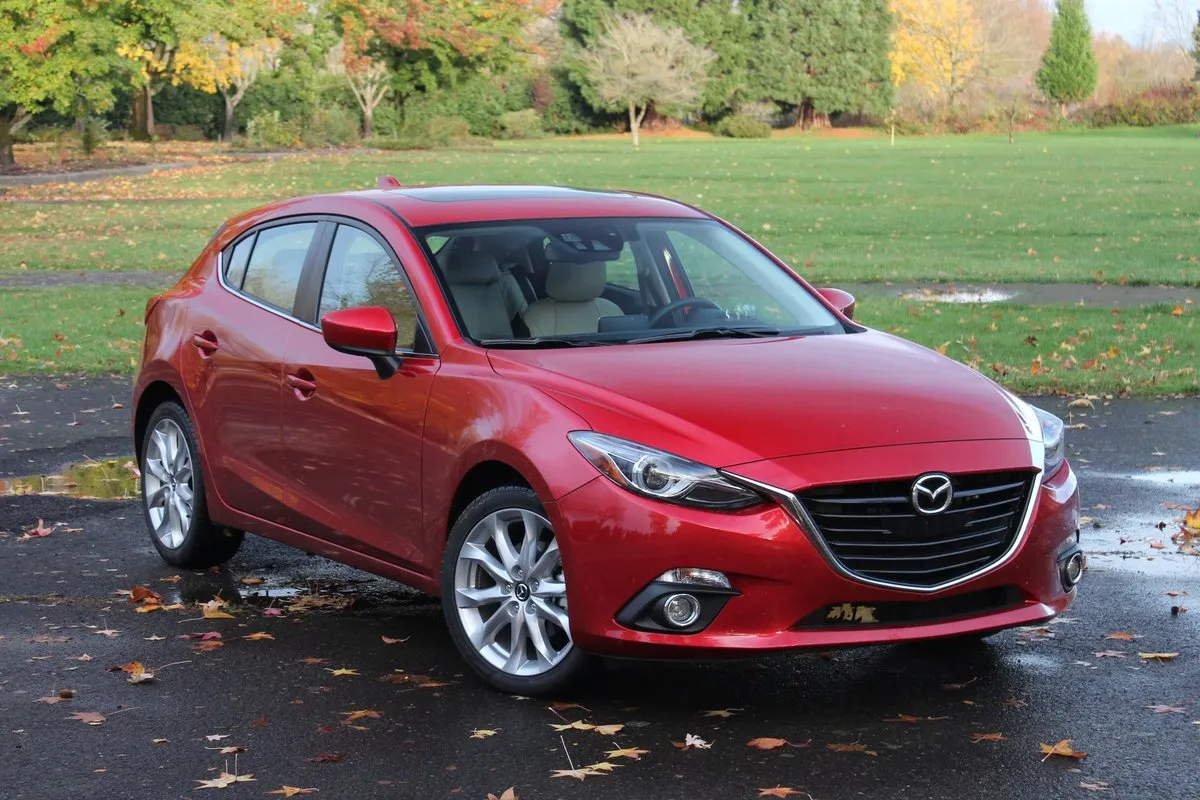
6. Mazda3
The Mazda3 is a compact car that balances style, efficiency, and safety, making it an attractive choice for new drivers concerned about insurance costs. Insurers often place it in favorable categories because of its moderate engine power and strong crash-test history.
With standard safety features including airbags and stability control, the Mazda3 demonstrates reliability and risk reduction. This reputation can contribute to more affordable premiums for those just starting their driving journey.
Mazda has emphasized driving dynamics without overemphasizing speed, which benefits insurance assessments. The Mazda3 offers responsive handling and a controlled driving experience, which is less likely to result in high-cost claims.
These characteristics, along with practical maintenance and repair considerations, help keep total ownership costs manageable. For new drivers, such predictability in performance is a positive factor when considering insurance.
Maintenance affordability plays a role in the Mazda3’s appeal. Parts are widely available and service is relatively straightforward, reducing the likelihood of expensive repairs. Insurance providers often take into account the potential cost of repairs when setting rates.
For a young driver who is budget-conscious, this combination of reliability and manageable upkeep can make a significant difference. The Mazda3’s reputation for long-term durability further supports its insurance-friendly status.
The Mazda3 also offers a range of trims and body styles, allowing drivers to select between a sedan or hatchback depending on lifestyle needs. Its compact dimensions make it suitable for city driving, while still offering adequate comfort for longer trips. Practicality and versatility complement its insurance advantages, making it an accessible option for first-time drivers. Efficiency, reliability, and safety combine to provide reassurance.
The Mazda3 is a practical, safe, and manageable vehicle that is often easier to insure for new drivers. Its balanced combination of features, reliability, and affordability provides peace of mind. For young drivers seeking a car that reduces the financial burden of insurance while delivering practical usability, the Mazda3 continues to be a strong contender.
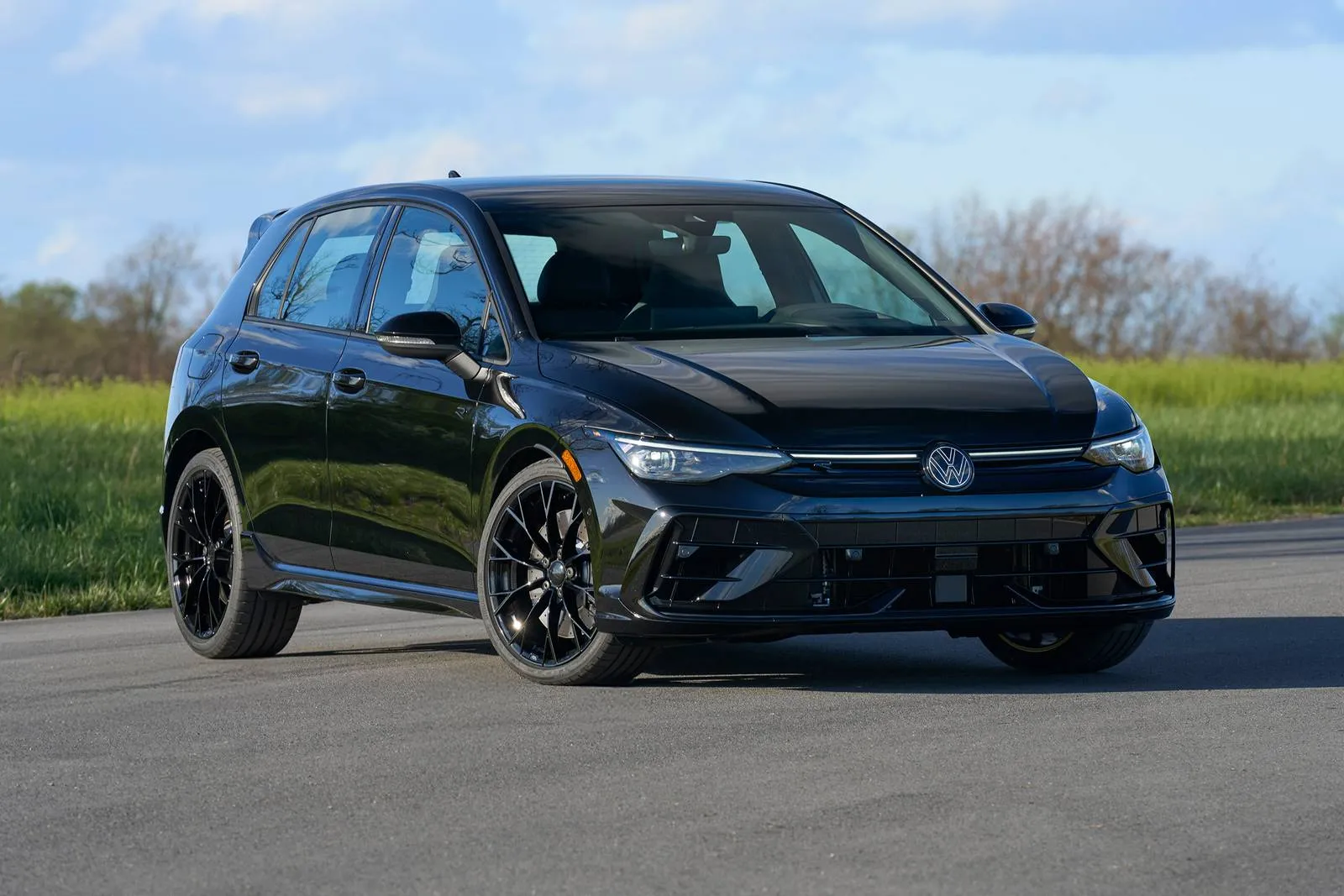
7. Volkswagen Golf
The Volkswagen Golf is a compact hatchback that is known for solid construction and long-term dependability. Its moderate engine performance and strong safety ratings make it a sensible choice for new drivers seeking affordable insurance.
Insurance companies frequently consider factors like crash-test results and repair costs, both of which are favorable for the Golf. The car’s practical size and reputation for reliability also contribute to manageable premiums for young motorists.
Safety is one of the Golf’s defining strengths. Features such as multiple airbags, anti-lock brakes, and stability control help protect occupants and reduce the likelihood of serious injuries.
Insurance providers often consider these attributes when determining rates. For new drivers who are just beginning to establish a driving record, this can lead to lower insurance costs. The Golf’s attention to occupant safety provides reassurance for both parents and young drivers alike.
Repair and maintenance costs are typically reasonable for the Golf, particularly for base models. Parts availability and the widespread understanding of the car’s engineering by mechanics help reduce service expenses. Insurance companies often favor vehicles with predictable repair costs, as this lowers potential claim payouts. For new drivers, selecting a car with these characteristics can reduce stress and improve affordability.
The Golf also provides practical interior space without being overly large. Its hatchback design offers flexibility for transporting groceries, school supplies, or sports equipment. This usability combined with solid fuel economy makes it appealing for students and city commuters. When insurance costs are a consideration, choosing a car that is both practical and low-risk provides a balanced solution for new drivers.
The Volkswagen Golf combines practicality, safety, and insurance affordability in a compact package. Its moderate performance, reliability, and manageable repair costs create an insurance-friendly profile. For new drivers seeking a dependable and versatile vehicle, the Golf represents a strong choice that balances cost and usability.
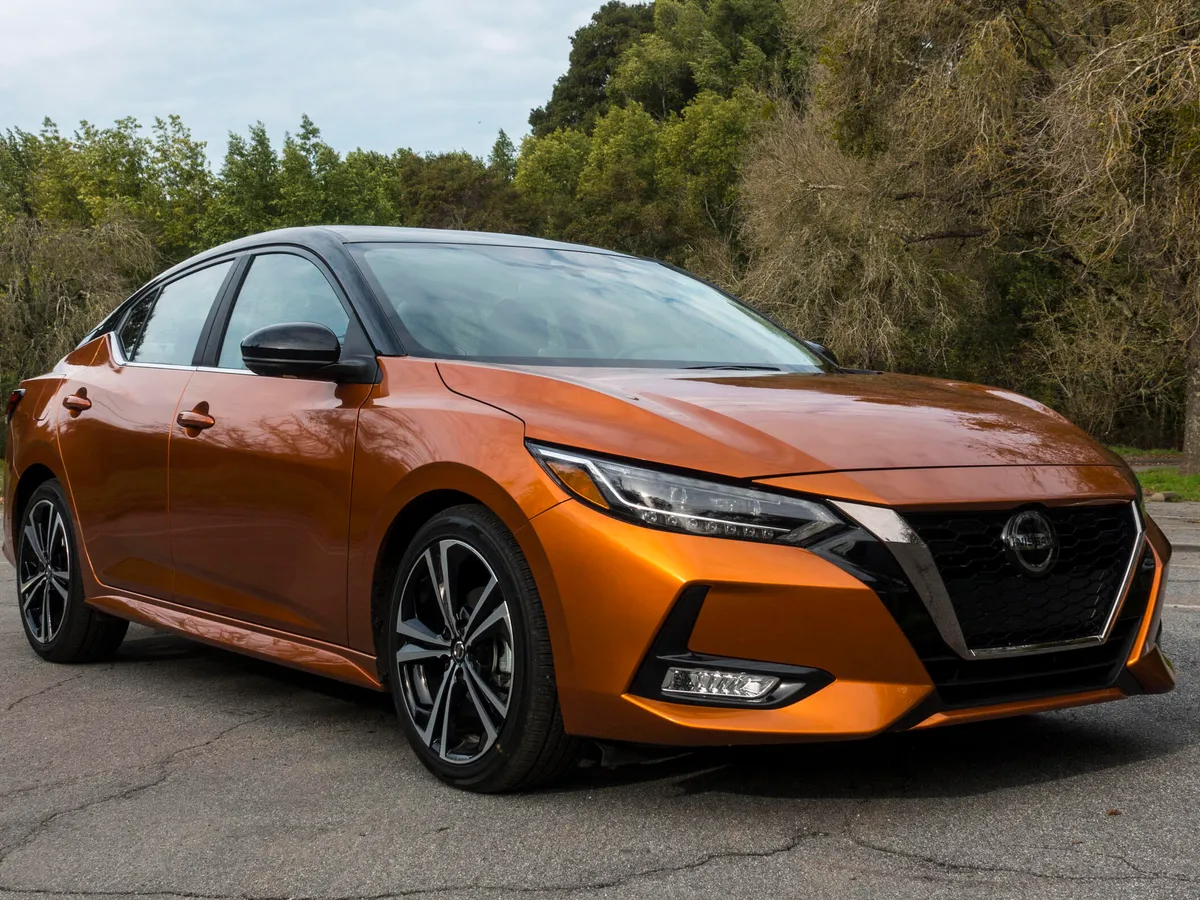
8. Nissan Sentra
The Nissan Sentra is a compact sedan that has consistently offered value for new drivers in terms of both price and insurance costs. Its moderate engine options, modest size, and history of dependable performance appeal to insurers evaluating risk. Safety features such as airbags, stability control, and anti-lock brakes contribute to favorable crash-test results, which can translate into lower premiums. For a young driver, the Sentra represents a practical and cost-conscious option.
The Sentra’s reputation for reliability makes it a solid choice for those concerned about maintenance expenses. Affordable parts and accessible service reduce the potential for costly repairs, which insurers factor into their calculations.
New drivers benefit from this combination, as it minimizes unexpected financial burdens while keeping insurance rates reasonable. Consistency and predictability in repair needs improve the ownership experience.
Fuel efficiency is another advantage of the Sentra. Its economical engines allow for fewer stops at gas stations, helping reduce operating costs. Insurance providers consider vehicle practicality when setting premiums, and the Sentra’s affordability in both fuel and maintenance reinforces its favorable standing. Young drivers can enjoy a manageable cost of ownership while maintaining a safe driving experience.
The Sentra also provides sufficient comfort and convenience for everyday driving. Its interior is simple yet functional, and it accommodates passengers comfortably. This combination of practicality and insurance-friendly characteristics makes it an appealing choice for students, new workers, or anyone just starting to drive independently. Cost-conscious drivers can find peace of mind with a vehicle that offers both reliability and reasonable insurance rates.
The Nissan Sentra is a compact, safe, and insurance-conscious vehicle suitable for new drivers. Its balance of low-risk features, affordable maintenance, and fuel efficiency contributes to manageable premiums. For those seeking a first car that combines value and practicality, the Sentra remains a popular and sensible option.
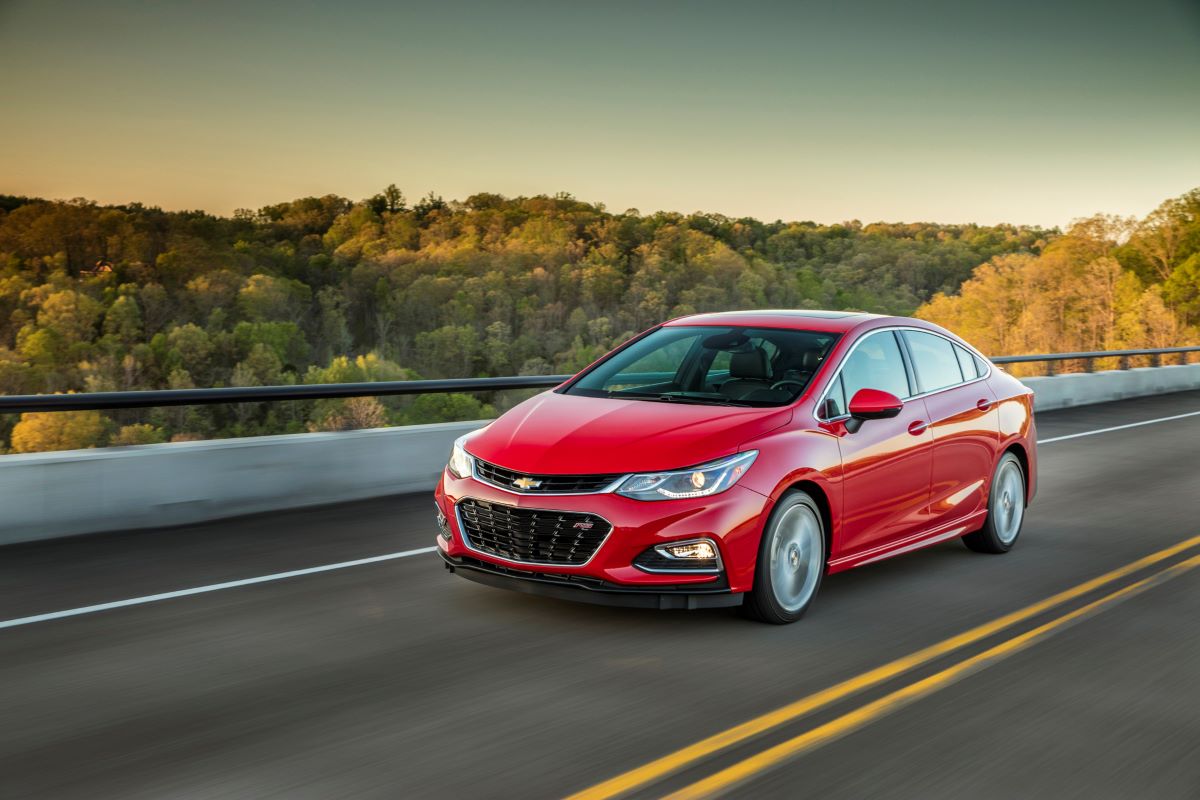
9. Chevrolet Cruze
The Chevrolet Cruze is a small sedan that has gained popularity among new drivers due to its affordability and safety features. With moderate engine performance and a reputation for reliable handling, the Cruze is often placed in insurance categories that are favorable to young drivers.
Standard safety equipment, including airbags, stability control, and anti-lock brakes, reduces the likelihood of severe accidents. These factors help insurers offer competitive rates for new drivers.
One of the Cruze’s strengths is its favorable crash-test performance. High ratings in safety assessments signal to insurance providers that the vehicle is less likely to be involved in serious claims. For new drivers who have limited experience on the road, this is a valuable consideration. It not only helps reduce potential costs from accidents but also reassures parents or guardians about the driver’s safety.
Maintenance costs and parts availability also contribute to the Cruze’s insurance advantages. Common components, accessible servicing, and competitive labor costs help keep the total cost of ownership manageable.
Insurers take these practical factors into account when calculating premiums. A young driver choosing a car with predictable repair costs can avoid surprises and keep insurance expenses under control.
The Cruze provides a comfortable interior with adequate space for passengers and cargo. Its compact size makes it suitable for city driving while still accommodating everyday needs. Fuel efficiency adds to its practicality, providing further savings over time. The combination of comfort, reliability, and insurance-favorable characteristics makes it a well-rounded choice for a first car.
The Chevrolet Cruze offers an attractive blend of safety, practicality, and manageable insurance costs. Its moderate performance, solid crash-test results, and reliable maintenance profile appeal to new drivers. For young motorists looking for a first car that balances cost and usability, the Cruze provides a thoughtful and practical option.

10. Kia Soul
The Kia Soul is a small, boxy crossover that offers both practicality and affordability for new drivers. Its distinctive design and manageable engine options make it less likely to be placed in high-risk insurance categories.
Standard safety equipment, including airbags, stability control, and anti-lock brakes, contributes to strong safety ratings. Insurance companies often consider these features when determining rates, making the Soul a sensible choice for novice drivers.
The Soul’s reputation for reliability and low maintenance costs adds to its appeal. Affordable parts and widespread service availability help keep repair expenses in check.
Insurers factor in these costs when calculating premiums, and the Soul’s history of dependable performance typically results in favorable insurance placements. For a young driver working with a limited budget, these advantages are particularly significant.
Fuel efficiency and interior space are additional benefits. Despite its crossover shape, the Kia Soul maintains reasonable mileage, which reduces ongoing expenses. Its roomy cabin and practical layout make it versatile for daily commuting or carrying extra cargo.
This combination of usability and cost-consciousness contributes to its appeal for new drivers who need a vehicle that supports both their lifestyle and budget.
Safety technology further enhances the Soul’s insurance profile. Standard features help prevent accidents and reduce the risk of injury, positively influencing premium calculations. New drivers benefit from the peace of mind provided by a vehicle that actively supports safe driving habits. Insurance savings combined with practical ownership make the Soul a balanced and reliable choice.
The Kia Soul stands out as a practical, affordable, and insurance-friendly vehicle for new drivers. Its combination of safety, reliability, and manageable maintenance costs helps young drivers control insurance expenses. For those seeking a first car that is versatile and cost-conscious, the Kia Soul remains a competitive option.
