
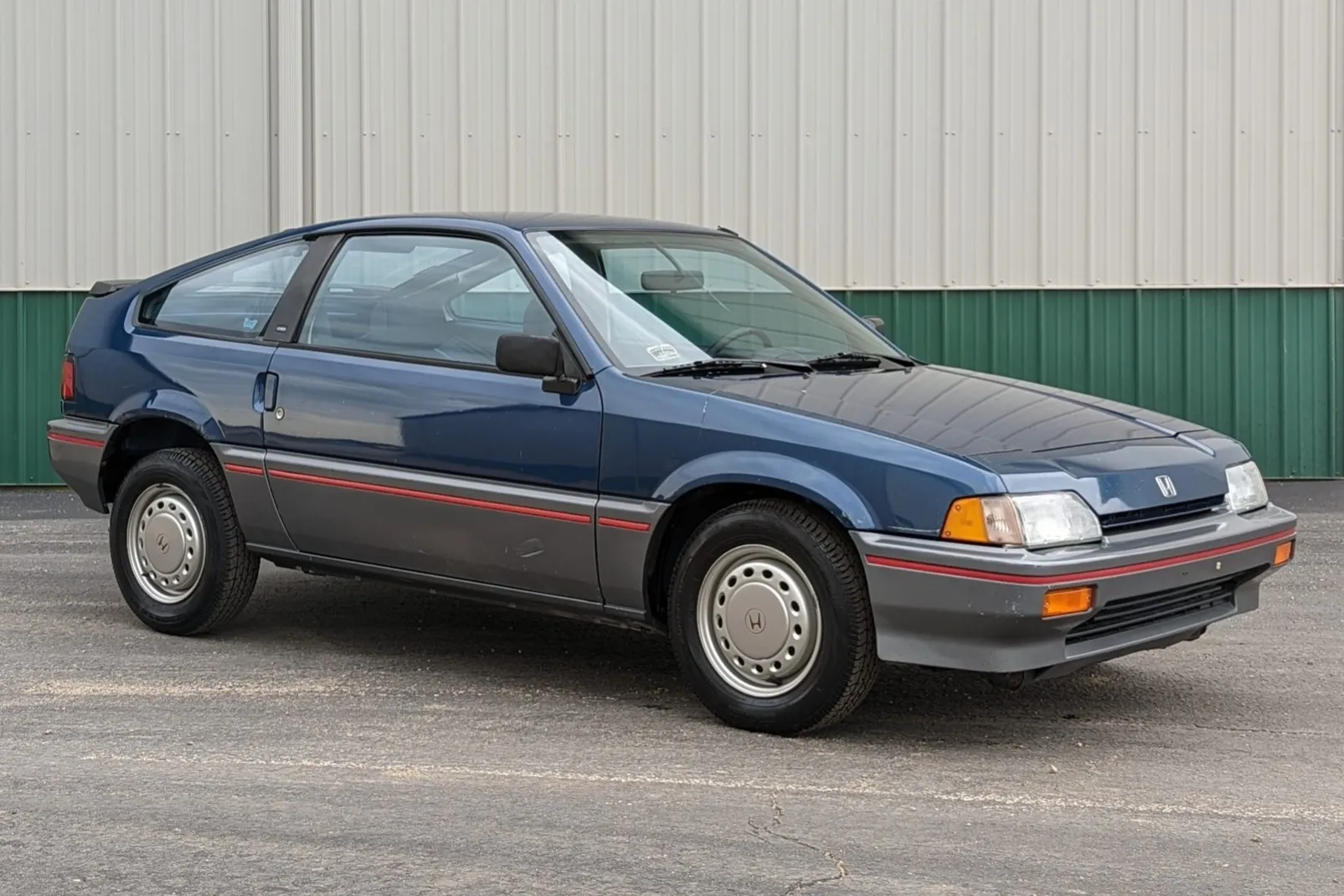
The 1980s marked a pivotal era in automotive design, where technology and style began merging into the driver’s cockpit. Car dashboards transformed from simple functional panels to statements of innovation, reflecting the bold design trends of the decade.
Manufacturers started focusing not only on the arrangement of controls but also on the integration of electronics, digital displays, and ergonomic layouts.
This period saw the rise of digital speedometers, LED indicators, and futuristic instrument clusters that gave drivers a sense of advanced control. The aesthetics of dashboards became a central point of identity, with each brand attempting to offer a unique driving experience while maintaining functionality.
Automakers began experimenting with modular designs, combining analogue gauges with new digital elements. Buttons, switches, and levers were strategically placed for ease of use, while steering wheel controls began to emerge. Designers paid attention to materials, choosing textures and colors that conveyed luxury, sportiness, or technological advancement.
The dashboards were no longer just a place to display speed or fuel levels but a reflection of the driver’s relationship with the vehicle. This decade also witnessed a growing emphasis on safety, with dashboards being designed to minimize injury during collisions and provide intuitive access to emergency controls.
Another feature of 1980s dashboards was their variation across vehicle classes. Sports cars often featured cockpit-style panels with driver-oriented layouts, while family sedans had broader, symmetrical designs that focused on comfort and visibility. Luxury cars experimented with wood trims, soft plastics, and digital readouts, giving a premium feel that was ahead of its time.
Meanwhile, economy models showcased efficiency, durability, and simple, uncluttered designs. Across all segments, the era reflected a balance between emerging electronic innovations and the timeless need for clarity in essential vehicle information.
Technology and fashion influenced each other during this decade, resulting in dashboards that were not only functional but visually engaging. LED lighting, segmented digital displays, and bold color contrasts added personality to interiors, making the car feel futuristic.
Instrument clusters became more than a means to communicate data; they became central elements of the driving experience. The layout of gauges, knobs, and warning lights evolved to reduce driver distraction while enhancing interaction. Even the arrangement of air vents, audio systems, and climate controls was carefully considered to combine comfort with a forward-looking aesthetic.
This article highlights ten iconic dashboards that defined the automotive interiors of the 1980s. Each design reflects its manufacturer’s philosophy, technological ambition, and response to the era’s trends. From digital-first sports cars to meticulously crafted luxury sedans, the decade showcased a diversity of approaches.
By examining these dashboards, one can appreciate the creativity and foresight of 1980s car designers, as well as the lasting influence these interiors have on modern vehicles. These ten dashboards were not only instruments for driving but also statements of character, style, and technological prowess that continue to resonate with enthusiasts today.
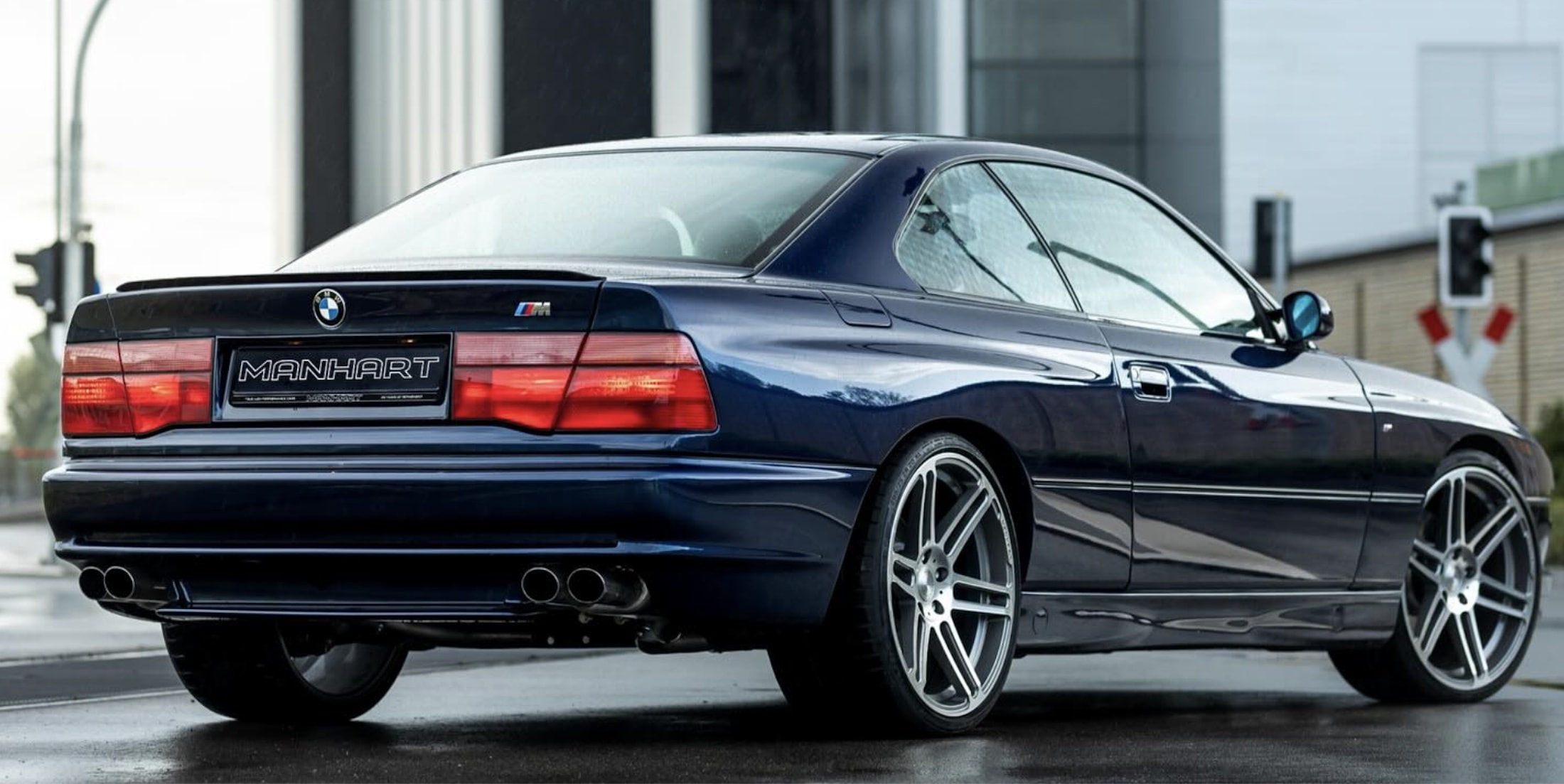
1. BMW 8 Series E31
BMW’s 8 Series E31 dashboard combined elegance and advanced technology, setting new standards for luxury coupes in the late 1980s. The layout emphasized driver orientation, placing essential controls within easy reach.
High-quality materials, including soft-touch plastics and leather trims, created a premium tactile experience. Its instrument cluster included both analogue and digital elements, providing a bridge between classic and futuristic design.
The center console was angled toward the driver, reinforcing the cockpit-like feel, with climate and audio controls neatly grouped. The digital clock and fuel readouts added subtle sophistication without overwhelming the panel.
LED indicators for safety and warning functions were introduced, offering quick visual feedback. The steering wheel incorporated horn controls while maintaining a clean design that complemented the overall interior.
Ergonomics played a key role, with the positioning of gauges ensuring minimal eye movement from the road. Switches were tactile and logically arranged, supporting intuitive operation. Air vents featured horizontal louvers that integrated seamlessly into the console.
Attention to ambient lighting created a soft glow that highlighted important elements. The dashboard reflected BMW’s commitment to blending technology with driving pleasure.
Innovative materials were not limited to aesthetics; they improved safety during impact. Padded surfaces reduced injury risk while maintaining visual appeal. The instrument cluster employed anti-reflective surfaces for daytime visibility. Each button and dial was designed to resist long-term wear, ensuring longevity. This balance of form, function, and safety distinguished the E31 from competitors.
BMW 8 Series dashboard remains an icon of the late 1980s, inspiring subsequent designs. Its combination of analogue charm and digital innovation resonated with both drivers and automotive journalists.
By harmonizing ergonomics, materials, and technology, BMW crafted an interior that was both timeless and forward-looking. Collectors today value the E31 not only for performance but also for its pioneering interior design.
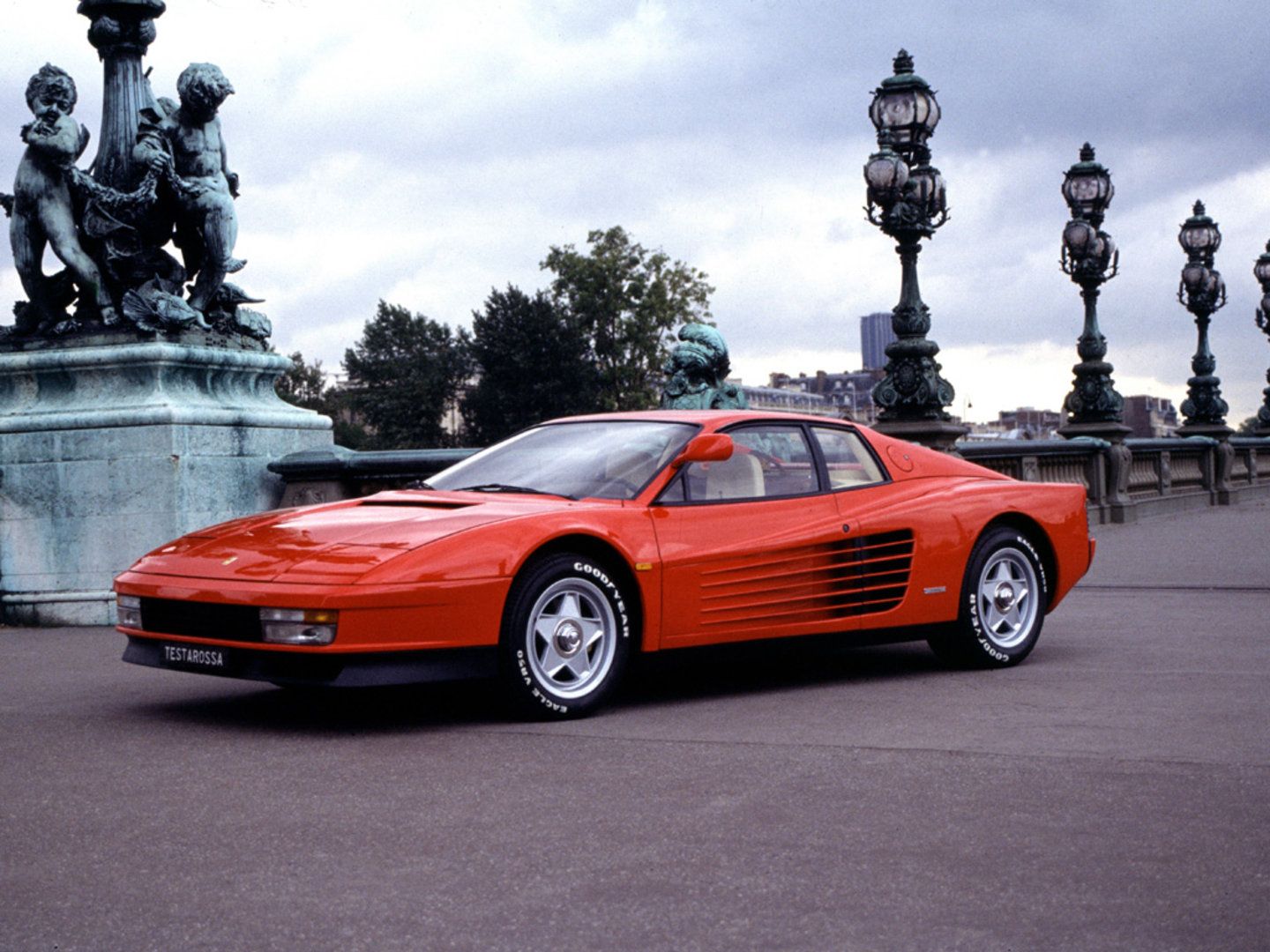
2. Ferrari Testarossa
The Ferrari Testarossa dashboard embodied the spirit of Italian sports cars, emphasizing driver engagement and style. It featured a minimalist instrument cluster with large, readable gauges. The black panel contrasted sharply with red accents, highlighting Ferrari’s signature design language. Controls were positioned for quick access during spirited driving.
The centre console housed the gear shifter and essential switches, angled to remain within the driver’s reach. Air conditioning and audio systems were integrated without disrupting the clean look. Warning lights used bright LEDs to signal critical functions immediately. The steering wheel remained simple yet functional, allowing full focus on driving.
Analog gauges were prioritized for speed, RPM, and fuel, reflecting Ferrari’s commitment to precise feedback. Digital elements were minimal but functional, supporting only essential information.
The use of high-quality leather and textured plastics enhanced both comfort and durability. Proportions of the dashboard created a balanced, sporty environment.
Lighting design focused on readability under varying conditions. Red-tinted gauges reduced glare while emphasizing Ferrari’s dramatic aesthetic. Instrument illumination and warning lights were carefully tuned for nighttime driving. Switches were clearly labeled and offered precise tactile feedback. Even small design choices contributed to a sense of exclusivity and performance.
The Testarossa dashboard remains one of the most recognizable interiors of the 1980s. It exemplified the combination of performance orientation with aesthetic flair. Ferrari successfully translated speed, elegance, and Italian style into a functional cockpit. Today, enthusiasts admire its simplicity and driver-focused layout as a hallmark of 1980s automotive design.
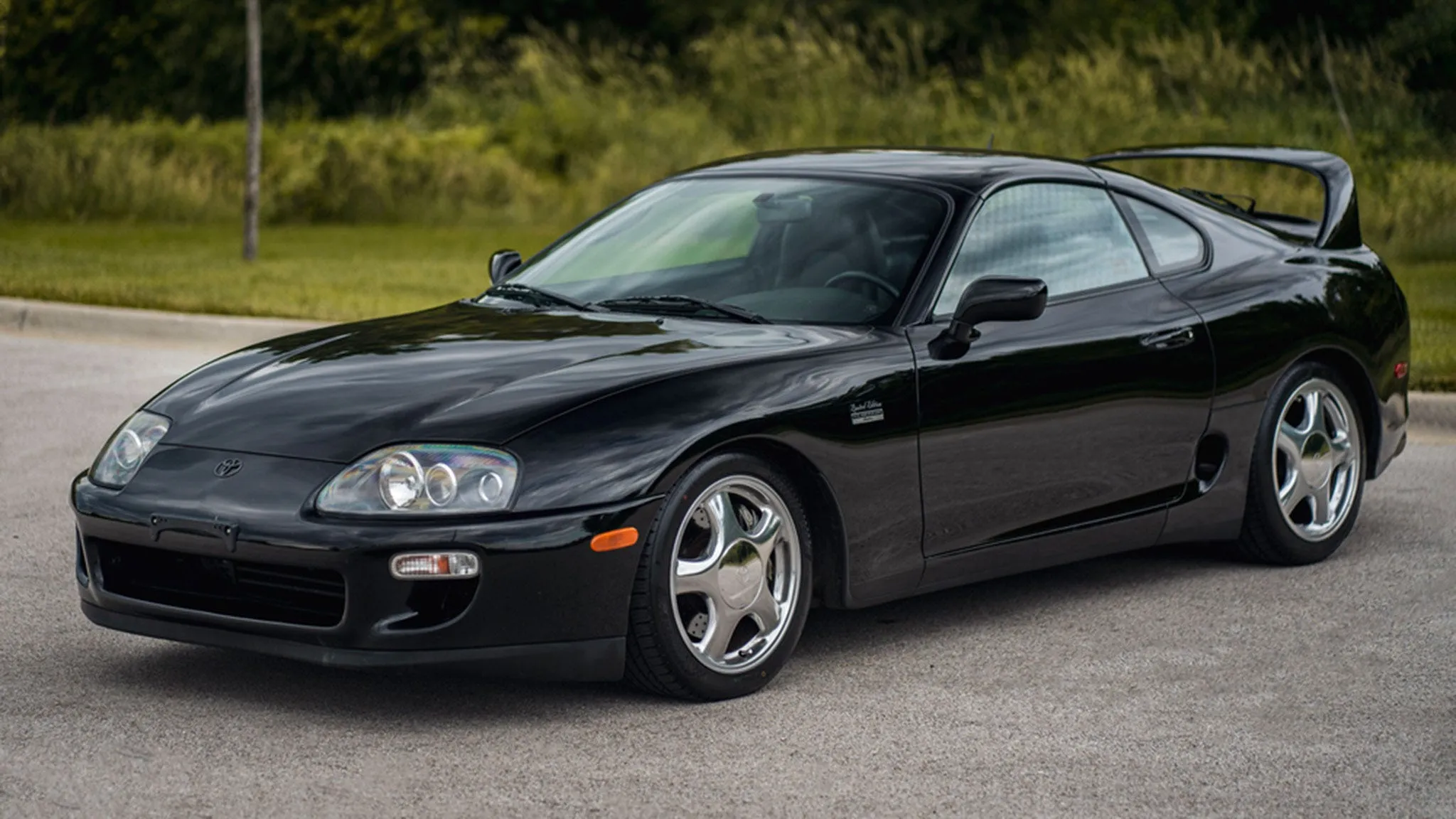
3. Toyota Supra Mark III
The Toyota Supra Mark III dashboard combined practicality with subtle innovation, reflecting Japan’s approach to sports coupes. Controls were clearly arranged, emphasizing functionality over flashy design. The combination of analogue gauges and early digital readouts provided balanced information. The layout promoted ease of use and visibility, enhancing the driving experience.
The center console featured audio, climate, and optional navigation controls, all within comfortable reach. Switchgear was simple yet precise, allowing confident operation during high-speed driving. The instrument cluster was backlit for clear visibility at night. Textured plastics and synthetic leather created a modern but durable feel.
Driver ergonomics were central to the Supra’s interior philosophy. Seating and dashboard alignment ensured optimal sightlines for both gauges and the road. Steering wheel placement complemented hand positioning during maneuvers. Pedal layout and footrest integration added to comfort and control. These elements reinforced the car’s sporting intent.
Material choice highlighted durability without compromising style. Soft-touch surfaces reduced fatigue during long drives. The dashboard included subtle storage compartments to improve convenience. Ventilation outlets were designed to maintain airflow without interrupting visual symmetry. Overall, the interior felt cohesive and functional.
The Supra Mark III dashboard remains respected for blending practicality with sporty design. It offered a driver-focused experience without excessive complexity. Its combination of analogue and digital instruments reflected the era’s transitional design trends. Today, collectors value the interior as a thoughtful balance of technology and usability.
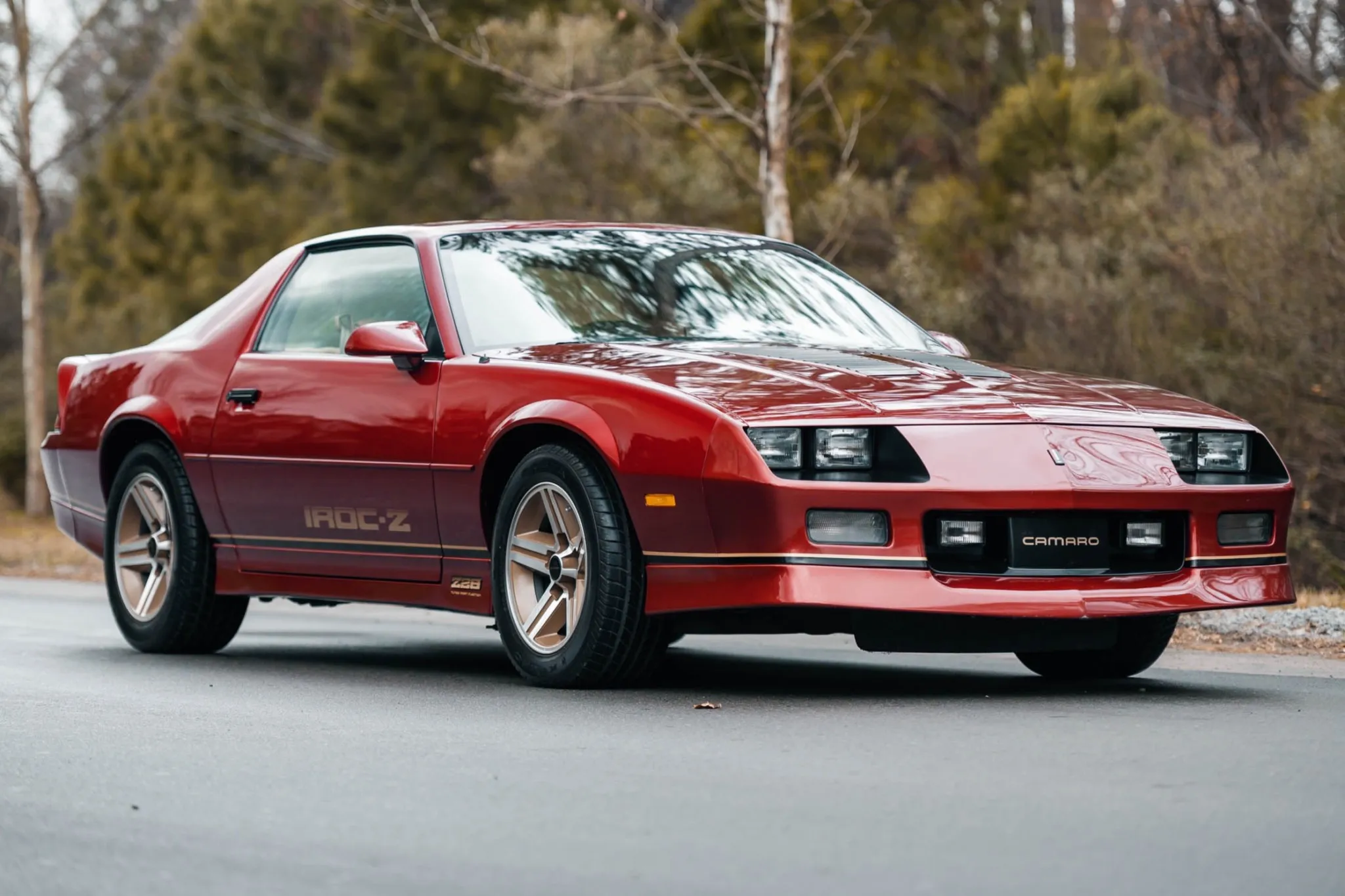
4. Chevrolet Camaro IROC-Z
The Chevrolet Camaro IROC-Z dashboard reflected the bold American muscle car spirit of the 1980s, emphasizing a low-slung, driver-focused layout.
Its design prioritized readability and aggressive styling, with wide analogue gauges for speed, RPM, and fuel prominently displayed. Black matte surfaces reduced glare while providing a sporty aesthetic. The use of angular lines and wraparound panels conveyed motion even when the car was stationary.
The center console featured climate and audio controls grouped together for intuitive operation. Red accents on the gauge needles and warning lights highlighted critical information at a glance. Switches were large and easy to operate, catering to both performance driving and everyday usability. The shifter was positioned for comfortable reach, reinforcing the car’s performance-oriented character.
The Camaro’s dashboard combined durability with style, using hard plastics and textured materials that resisted wear over time. Padded areas reduced impact risk while adding a subtle sense of luxury. Air vents were horizontally aligned, maintaining symmetry and airflow efficiency. The instrument cluster’s illumination used soft yellow backlighting for nighttime readability.
Ergonomics played an important role, with the driver’s seat and dashboard positioned to optimize visibility of the road and gauges. Steering wheel placement complemented hand-eye coordination during spirited driving.
Footrest and pedal spacing allowed for responsive control without discomfort. Even small details, like the contour of the dash edges, contributed to a cohesive driving environment.
The IROC-Z dashboard remains a symbol of mid-1980s American performance interiors. Its combination of clarity, bold styling, and driver orientation captured the muscle car ethos. Enthusiasts value the design for its straightforward functionality and aggressive personality. Decades later, it continues to influence retro-inspired Camaro models and muscle car enthusiasts around the world.
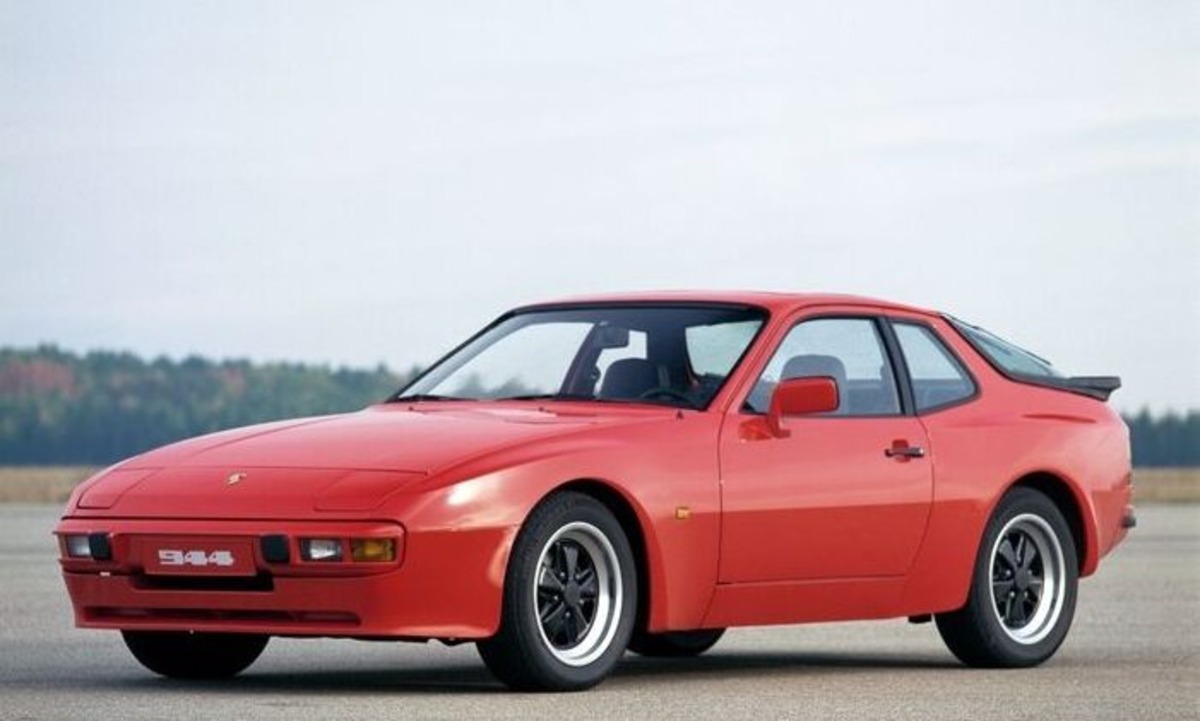
5. Porsche 944
The Porsche 944 dashboard offered a refined blend of sportiness and precision engineering, showcasing a symmetrical layout centered on the driver’s needs. Analogue gauges dominated the instrument cluster, with speedometer, tachometer, and fuel indicators carefully proportioned for quick reading.
Black panels contrasted with bright needles and dials, ensuring visibility at all times. The dashboard’s clean lines reflected Porsche’s commitment to functional minimalism without sacrificing style.
The center console housed climate controls, a basic audio system, and optional extras, all neatly integrated into the overall design. Switches and levers were tactile and logically arranged, reinforcing driver confidence. Warning lights used simple icons with bright illumination, reducing distraction. Ventilation outlets were rectangular, matching the angular design of the dashboard while maintaining efficient airflow.
Ergonomics emphasized comfort and driver engagement. The placement of gauges, controls, and switches minimized the need for eye movement away from the road. Steering wheel reach and tilt adjustments allowed personalized positioning. The dashboard’s low profile provided an unobstructed view of the road, enhancing both performance and safety.
Material choice reinforced quality, with durable plastics, soft-touch vinyl, and leather trims creating a balanced tactile experience. Padded areas added safety without compromising style. The instrument cluster utilized anti-reflective surfaces for daytime clarity, while backlighting improved nighttime readability. These thoughtful touches reflected Porsche’s meticulous attention to detail.
The 944 dashboard remains an example of how performance, ergonomics, and aesthetics can coexist. It conveyed the essence of Porsche’s engineering philosophy during the 1980s, where form followed function while maintaining visual appeal. Collectors today value the design for its clarity, simplicity, and driver-focused orientation. Its timeless layout continues to inspire modern sports coupe interiors.
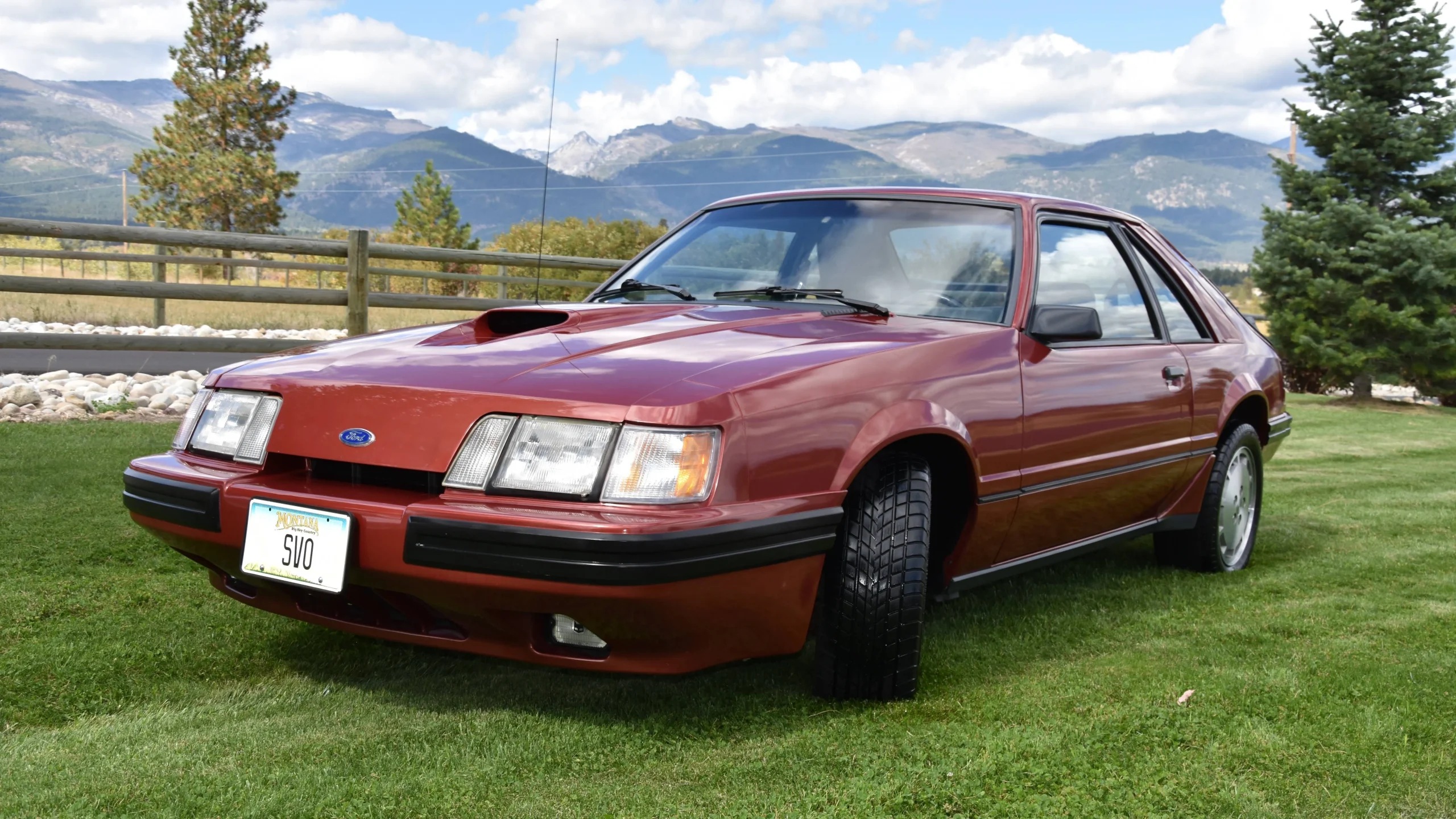
6. Ford Mustang SVO
The Ford Mustang SVO dashboard reflected a unique combination of American muscle and European-inspired precision. Its instrument cluster featured large, easy-to-read gauges with a mixture of analogue and early digital displays.
Black panels were accented with red trim to highlight the sporty character. Controls were angled toward the driver, creating a cockpit-like experience in a car known for both comfort and performance.
The center console integrated audio, climate, and turbo boost gauges, reflecting the car’s high-performance nature. Switches were placed logically for rapid access, especially under spirited driving conditions. Warning indicators utilized bright LED illumination for immediate attention. Horizontal air vents maintained symmetry while directing airflow efficiently across the cabin.
Ergonomics focused on driver engagement, ensuring that essential information was always within clear view. Steering wheel reach, pedal spacing, and seat positioning allowed precise control during acceleration or cornering. The layout balanced accessibility with a clean design, emphasizing both comfort and performance orientation. Small details, such as contouring around the instrument cluster, enhanced the overall aesthetic.
Material selection reflected durability and style. Hard plastics were paired with soft-touch surfaces to create a balanced tactile experience. Leather-wrapped steering wheels and shift knobs added refinement, while padded areas provided safety. Backlighting was tuned for visibility without causing glare, supporting night driving.
The Mustang SVO dashboard captured the spirit of mid-1980s performance interiors. It blended functionality, style, and driver focus, appealing to enthusiasts seeking both comfort and excitement. Its distinctive layout and combination of analogue and digital elements remain highly regarded among collectors and automotive historians.
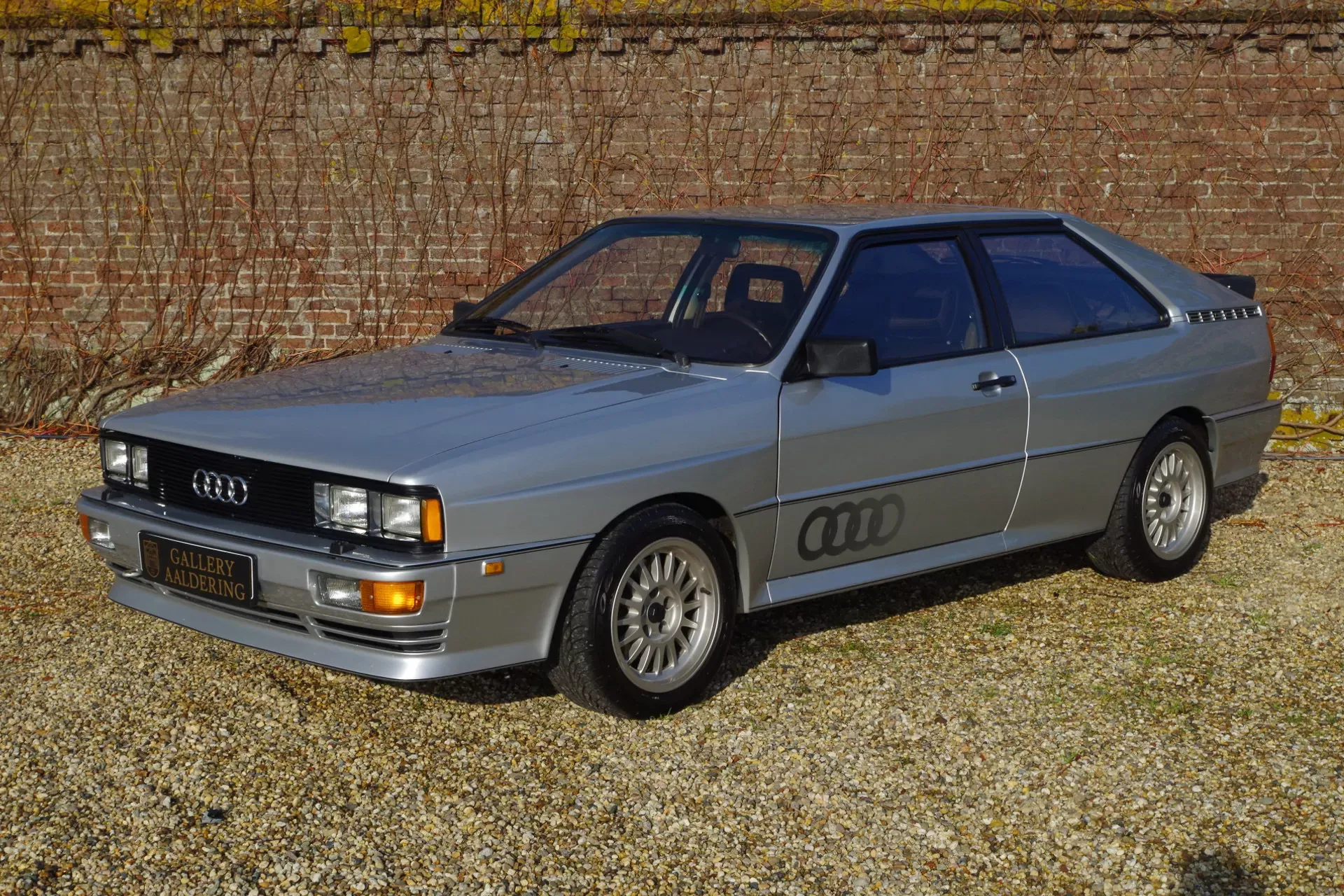
7. Audi Quattro
The Audi Quattro dashboard reflected a marriage of rally-inspired functionality and German precision, emphasizing a clear and organized driver interface. Analogue gauges dominated the panel, including speedometer, tachometer, fuel, and temperature indicators. The dashboard used matte black surfaces to reduce glare, while the arrangement of controls reinforced a logical flow for both performance and everyday use.
The center console incorporated climate controls, audio, and optional instrumentation without cluttering the cockpit. Switches were designed to provide precise tactile feedback for reliable operation during spirited driving. Warning lights used clear icons and were positioned for immediate recognition. Horizontal vents maintained airflow consistency while integrating neatly into the dash layout.
Ergonomics played a crucial role, with driver positioning, steering wheel placement, and seat alignment optimized for both comfort and performance. Gauges were arranged for minimal distraction, and control placement allowed quick access during high-speed maneuvers. The dashboard’s proportions supported visibility while maintaining a compact interior footprint.
Material choices emphasized durability and refinement, combining soft-touch plastics with leather and vinyl accents. Padded surfaces enhanced safety while adding comfort for long drives. Anti-reflective gauge faces and subdued backlighting improved clarity under all conditions. Even minor details, such as trim finishes and tactile textures, reflected Audi’s engineering philosophy.
The Quattro dashboard remains a benchmark for functional performance interiors of the 1980s. It combined German precision, rally-inspired usability, and subtle style in a compact design. Enthusiasts value its clarity, durability, and the seamless integration of performance-focused elements that defined the vehicle’s reputation both on the road and in rally competitions.
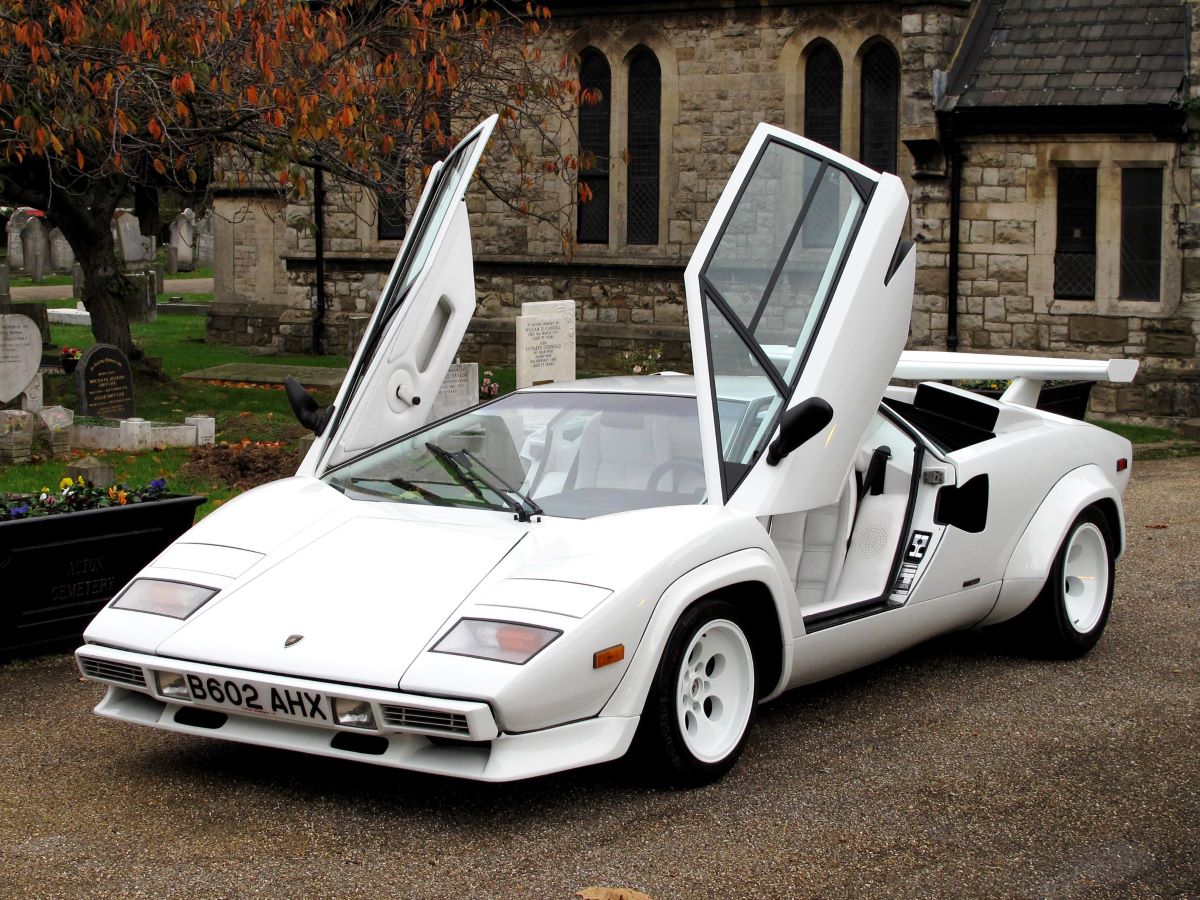
8. Lamborghini Countach 5000 Quattrovalvole
The Lamborghini Countach 5000 Quattrovalvole dashboard embodied the dramatic and angular design philosophy that defined the brand during the 1980s. Its interior layout reflected the sharp exterior lines, with geometric forms and a distinctly driver-centered orientation.
The instrument cluster combined large analogue gauges with smaller auxiliary dials, creating a layered visual effect. Black surfaces and contrasting white markings ensured that critical information remained readable even within the exotic styling.
The center console was elevated and angled, housing switches, climate controls, and secondary instrumentation in a stacked configuration. Toggle switches were prominent and deliberately mechanical in feel, reinforcing the raw personality of the car.
The gated shifter sat proudly within reach, becoming both a functional component and a visual centerpiece. Each control required deliberate input, reminding the driver of the machine’s performance-focused nature.
Ergonomics in the Countach prioritized engagement over comfort, resulting in a tight cockpit that wrapped around the driver. Gauges were positioned to minimize distraction while still delivering essential performance data. The steering wheel was compact, allowing clear visibility of the tachometer and speedometer. Despite the dramatic styling, the layout maintained logical placement of critical controls.
Material selection reflected the exclusivity of the vehicle, incorporating leather upholstery, metal accents, and durable plastics. Padded surfaces were present but secondary to the aesthetic intensity of the design.
Illumination of the gauges used subtle backlighting to preserve night visibility without overwhelming the cabin. Even the smallest details, such as the font style on the dials, contributed to the car’s unmistakable identity.
The Countach dashboard remains one of the most recognizable interiors of the decade, symbolizing excess, ambition, and mechanical purity. Its design captured the imagination of enthusiasts and represented the height of supercar theater during the 1980s. Collectors today appreciate the unapologetic character and bold geometry that defined its cockpit. It stands as a testament to Lamborghini’s fearless approach to automotive interior design.

9. Honda CRX
The Honda CRX dashboard reflected efficiency, clarity, and youthful energy, aligning with the car’s lightweight and agile personality. Its instrument cluster featured clean analogue gauges with clear markings for speed, RPM, and fuel levels. The layout emphasized simplicity, avoiding unnecessary clutter while maintaining a sporty character. Black and gray tones dominated the interior, providing a neutral yet modern aesthetic.
The center console integrated audio and climate controls in a compact arrangement that maximized cabin space. Switches were straightforward and easy to operate, enhancing daily usability. Air vents were positioned for effective airflow without disrupting the dashboard’s symmetry. The manual shifter was placed conveniently within reach, reinforcing the car’s engaging driving experience.
Ergonomics were carefully considered despite the CRX’s small footprint, ensuring that drivers of varying heights could access controls comfortably. The dashboard height allowed clear forward visibility, enhancing safety and awareness. Gauge placement required minimal eye movement, reducing distraction during city or highway driving. Even the steering wheel design supported a natural hand position for confident maneuvering.
Material choices emphasized durability and cost-effectiveness while maintaining visual appeal. Hard plastics were textured to resist wear and reduce glare under sunlight. Instrument backlighting provided clear nighttime visibility without excessive brightness. Subtle contouring of the dashboard added visual interest without compromising functionality.
The CRX dashboard became an icon of practical yet sporty design during the 1980s. It demonstrated that affordability and simplicity could coexist with thoughtful engineering and engaging aesthetics. Enthusiasts continue to praise the interior for its straightforward layout and driver-focused orientation. Its lasting popularity reflects Honda’s commitment to efficiency and intelligent design.
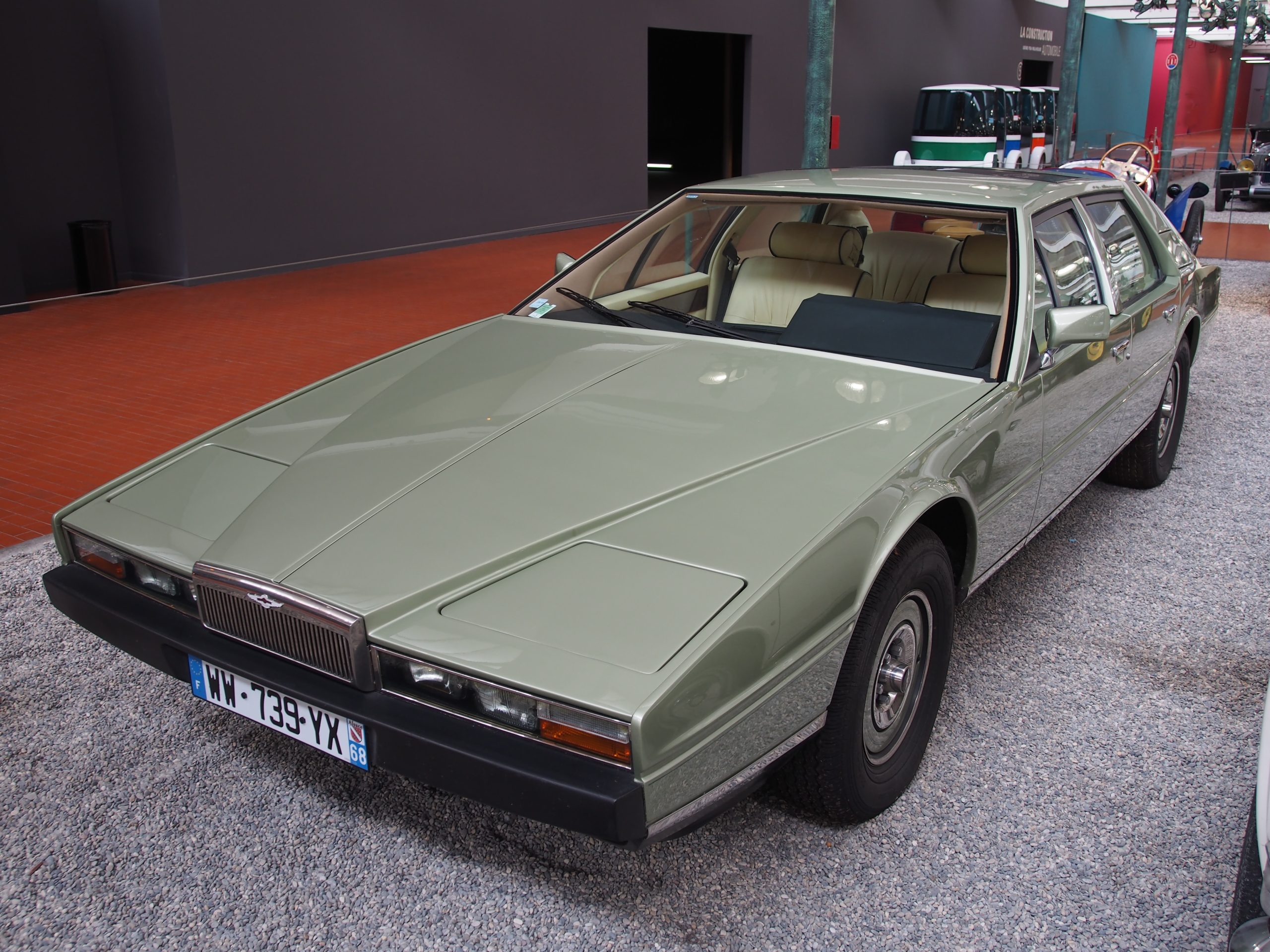
10. Aston Martin Lagonda
The Aston Martin Lagonda dashboard represented one of the most technologically ambitious interiors of its time, introducing advanced digital instrumentation during the late 1970s and influencing the 1980s.
Its futuristic display replaced traditional analogue gauges with LED and digital readouts, creating a sci-fi atmosphere inside a luxury sedan. The layout featured a wide, flat instrument panel that stretched across the cabin, emphasizing modernity. Drivers were greeted with illuminated graphics that seemed decades ahead of their era.
The center section integrated touch-sensitive controls and electronic displays for climate, audio, and vehicle functions. These early digital interfaces demonstrated bold experimentation with emerging technology.
Although complex, the arrangement aimed to centralize control within a sleek and unified panel. The absence of conventional dials gave the interior a distinctive identity unmatched by competitors.
Ergonomics focused on maintaining accessibility despite the radical design, positioning primary readouts directly in the driver’s line of sight. Steering wheel placement allowed clear viewing of digital speed and system indicators. The wide dashboard layout provided a spacious feel, contrasting with the compact cockpits of sports cars. The Lagonda’s interior emphasized comfort alongside technological spectacle.
Material selection blended traditional luxury with futuristic ambition, incorporating leather upholstery, wood trim, and electronic displays. Soft surfaces ensured passenger comfort while housing complex digital components beneath.
Illumination of the LED displays created a glowing effect at night, reinforcing the car’s advanced character. Even minor elements, such as button shapes and display fonts, contributed to its forward-looking identity.
The Lagonda dashboard remains one of the most daring interior designs associated with the 1980s automotive industry. It pushed boundaries by prioritizing digital technology at a time when most manufacturers relied on analogue systems. Collectors admire its ambition, innovation, and willingness to redefine what a luxury car interior could be. Its legacy endures as a bold experiment that helped pave the way for modern digital dashboards.
