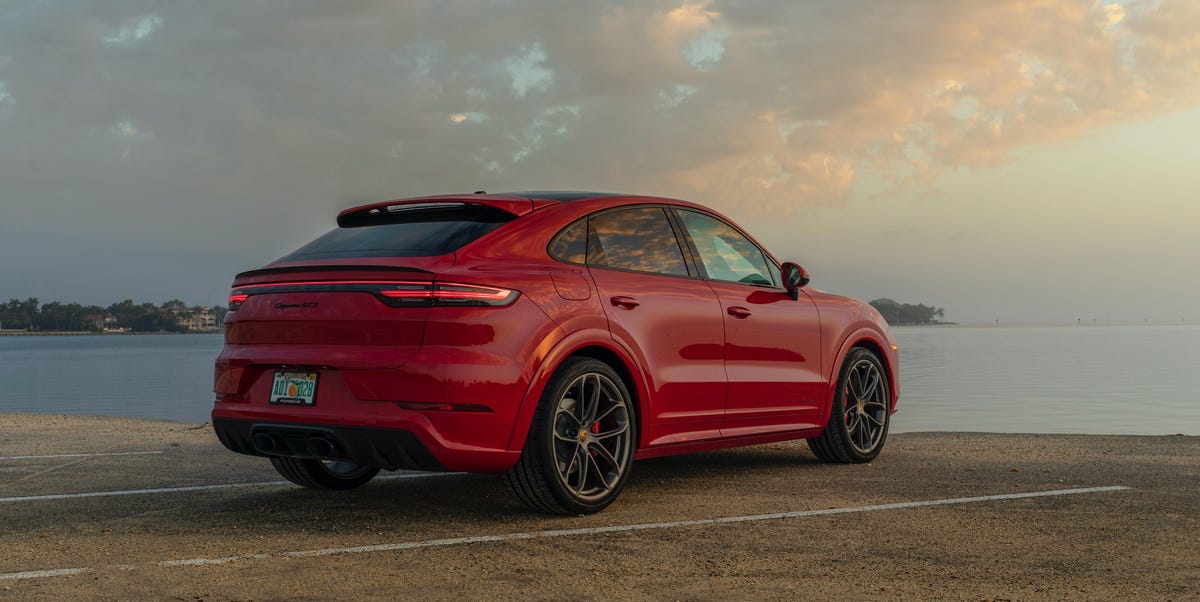
Initially conceived as an EV-exclusive model, Porsche’s forthcoming three-row SUV is now expected to offer V6 and V8 gasoline engines.
Porsche is moving forward with plans to introduce a third SUV badge, broadening its portfolio into a fresh segment as it seeks a foothold in the profitable three-row luxury SUV category. The vehicle, currently identified by the codename ‘K1’, represents the brand’s entry into a larger and more family-oriented space than its existing offerings.
Prototype sightings have surfaced steadily over the past couple of years. Although the K1 was originally intended to be an electric-only model, slower-than-anticipated growth in the EV sector prompted Porsche to reassess that strategy last year. The company subsequently prioritized gasoline and hybrid variants instead.
A recent report now indicates that the K1 will be closely related to the forthcoming Audi Q9, which is poised to become Audi’s largest model to date and was quietly confirmed for a 2026 debut.
Autocar reports, citing individuals familiar with Porsche’s plans, that combustion-powered versions of the K1 will utilize the Volkswagen Group’s scalable Premium Platform Combustion (PPC). This architecture already underpins several new-generation internal-combustion Audis, including the latest A5 and RS5, as well as the A6 and Q5.
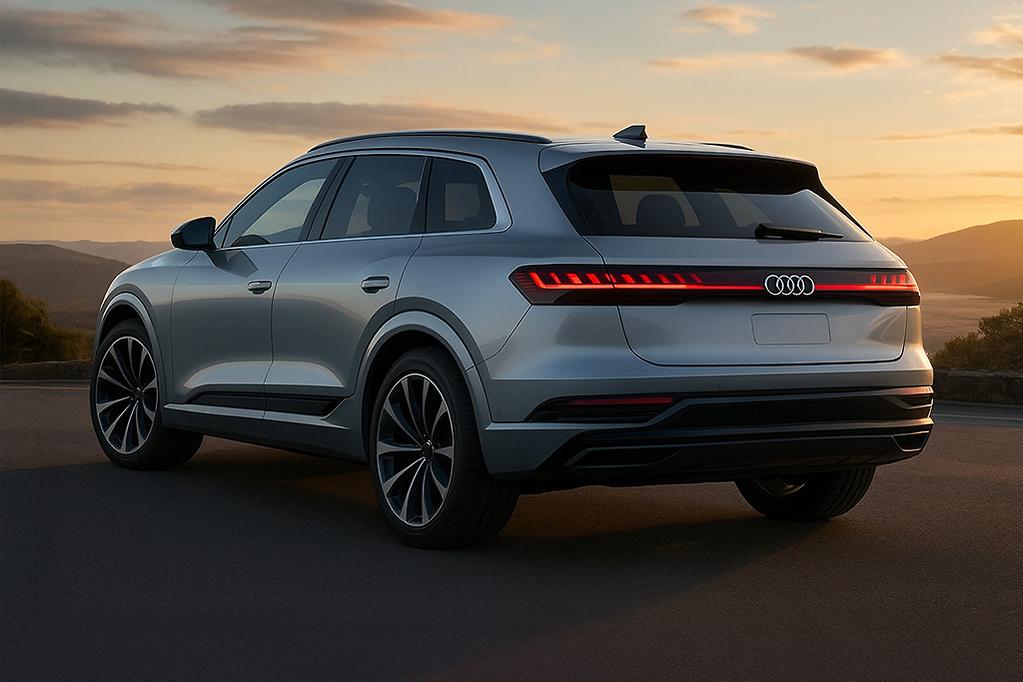
Both the K1 and the Audi Q9 will represent the largest implementations of this modular platform so far. The same foundation is also expected to support the upcoming next-generation Audi Q7, due later this year, along with a smaller combustion-powered Porsche SUV that will sit alongside the second-generation all-electric Macan.
According to the same report, the K1 will be offered with a lineup of 3.0-liter twin-turbocharged V6 and 4.0-liter twin-turbocharged V8 engines. These are likely to be evolutions of the established powertrains used widely across the Volkswagen Group’s portfolio. A “next-generation” plug-in hybrid variant is also expected to join the range.
Although Porsche has postponed the fully electric version of the K1, despite ongoing testing, the source maintains that the EV remains part of the plan. By advancing both combustion and electric versions, Porsche is responding to softer demand for EVs, a trend that has also influenced its evaluation of the all-electric 718 sports car project.
As a result, Porsche’s future SUV lineup will likely feature both electric and combustion-powered options across three distinct segments. The gasoline-powered Cayenne is set to remain in production alongside its new electric counterpart, while a midsize combustion SUV is being developed to complement the Macan EV.
The internal-combustion K1 is expected to arrive first, with industry speculation pointing to a full reveal sometime in 2027 or 2028.