
Concept cars have always represented the imagination of the automotive industry. Automakers design these vehicles to showcase bold ideas, futuristic styling, and experimental technologies that may shape the next generation of production cars.
For decades, most concept vehicles were simply design studies that appeared at international auto shows and then disappeared without ever reaching showrooms.
In recent years, however, the gap between concept and production has become smaller than ever. Advances in electric powertrains, digital dashboards, and modular vehicle platforms have made it easier for manufacturers to turn experimental designs into real vehicles.
Instead of building concepts purely for display, companies now use them to preview upcoming models that will soon reach customers.
Another factor driving this shift is competition. With electric vehicles and advanced driver technology evolving quickly, automakers want to demonstrate innovation while also bringing those ideas to market faster. When a concept receives strong public reaction, manufacturers increasingly choose to refine the design rather than abandon it.
The result is an exciting moment for car enthusiasts and buyers alike. Vehicles that once seemed too futuristic for everyday roads are now being prepared for dealerships.
Dramatic lighting signatures, minimalist interiors, large touchscreens, and new battery technology are no longer limited to concept displays. They are becoming part of the cars people can actually purchase.
This article explores eight concept vehicles that are finally becoming reality this year. Each one began as a design statement meant to capture attention at major auto shows. Now those same ideas are evolving into production models arriving at dealerships around the world.
Some have changed very little from their concept form, while others have been refined to meet safety regulations and manufacturing requirements. Regardless of those adjustments, these vehicles represent the exciting moment when imagination turns into something drivers can experience on real roads.
Also Read: Top 10 Vehicles That Stayed in Production for Over 20 Years
1. Kia EV9
When Kia first revealed the EV9 concept, the reaction was immediate. The vehicle looked more like a futuristic design experiment than a typical family SUV.
Sharp geometric surfaces, bold lighting patterns, and an upright stance gave it a presence that stood out from almost every production vehicle on the road. Many observers assumed the design would be toned down significantly before reaching dealerships.
Instead, Kia made a surprising decision. The production EV9 retained much of the dramatic styling introduced by the concept version. The squared body lines, distinctive front lighting signature, and tall profile all remained intact. This approach reflects the brand’s growing confidence in bold design language.
The EV9 also represents an important milestone in Kia’s transition toward electric mobility. Built on the company’s dedicated electric platform, the vehicle offers a large battery pack and the capability for rapid charging. That architecture allows the SUV to combine long driving range with the practicality expected from a three row family vehicle.
Inside the cabin, the concept originally showcased an extremely futuristic interior with rotating seats and lounge style layouts. While the production model does not include every experimental feature, the influence of the concept remains clear.
The dashboard uses a wide digital display layout, minimal physical controls, and a clean horizontal design that emphasizes space and technology.
Another notable aspect of the EV9 is its focus on sustainability. Kia has introduced recycled materials and environmentally conscious interior components as part of the vehicle’s design philosophy. These elements were initially highlighted in the concept version as a preview of the brand’s long term environmental strategy.
Performance and practicality also play an important role. The EV9 is expected to offer multiple powertrain options, including dual motor all wheel drive versions designed to deliver strong acceleration while maintaining efficiency.
Combined with the spacious interior and modern driver assistance systems, the SUV aims to compete in a rapidly expanding electric vehicle market.
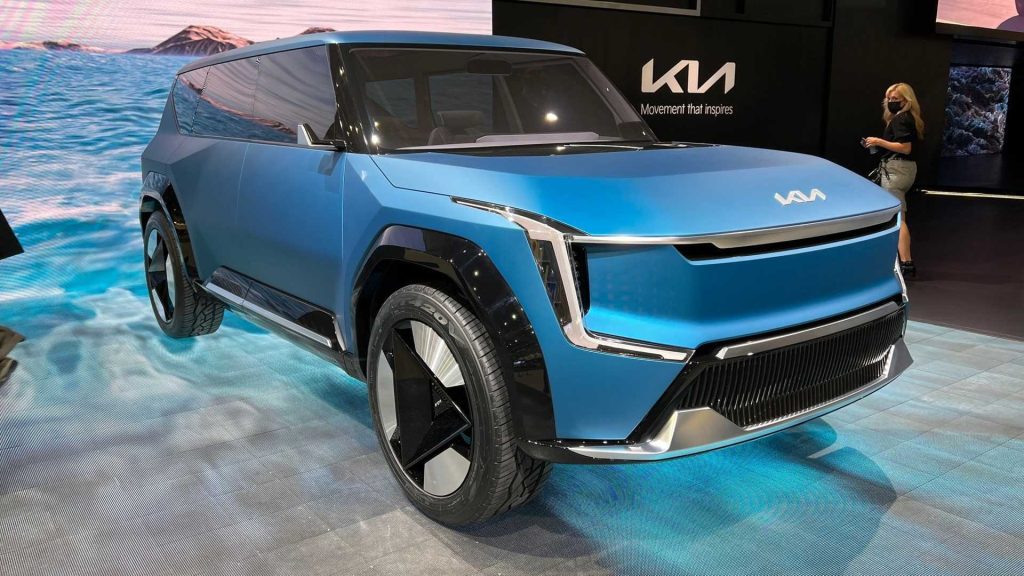
What makes the EV9 particularly interesting is how faithfully it translated concept design into production reality. Many concept cars lose their identity when they reach the showroom floor. In contrast, Kia preserved the bold visual identity that made the concept memorable in the first place.
As dealerships begin receiving the EV9, customers will have the chance to experience a vehicle that feels remarkably close to the futuristic machine first shown on the auto show stage.
The journey from concept display to production model has rarely been this direct, and it signals how confident manufacturers have become in bringing daring ideas to real world buyers.
2. Cadillac Celestiq
Luxury brands often use concept vehicles to demonstrate what the future of their design language might look like. Cadillac followed that tradition when it introduced the Celestiq concept, a vehicle intended to redefine the brand’s flagship position in the electric era.
At the time, many people believed the design would remain a showpiece rather than a production car.
Cadillac proved otherwise. The Celestiq is moving from concept stage to a real production model, and it is doing so with remarkably few compromises. Instead of becoming a toned down sedan, it remains an ultra premium electric fastback designed to showcase advanced technology and craftsmanship.
One of the most striking elements of the Celestiq is its silhouette. The vehicle uses a long, flowing roofline that blends the elegance of a luxury sedan with the sleekness of a grand touring coupe. This design gives the car a distinctive profile that stands apart from traditional three box luxury sedans.
Lighting technology also plays a major role in the vehicle’s identity. The front fascia features intricate LED lighting elements that create a dramatic visual signature. These details were first seen on the concept model and have carried over into the production version, reinforcing Cadillac’s shift toward a more futuristic aesthetic.
Inside the cabin, the Celestiq introduces a new level of digital integration. A massive display stretches across the dashboard, providing separate viewing zones for the driver and passenger. The interface blends entertainment, navigation, and vehicle controls into a single digital environment.
Cadillac has also emphasized customization as a core part of the Celestiq experience. Each vehicle is expected to be built with a high degree of personalization, allowing buyers to select materials, colors, and design elements that match their preferences.
This approach echoes traditional coachbuilding practices, where luxury vehicles were tailored specifically for individual owners.
Another highlight is the advanced glass roof system. The Celestiq includes a smart glass roof divided into multiple sections, allowing each passenger to adjust the transparency level independently. This feature transforms the interior atmosphere and adds a layer of personalization rarely seen in production vehicles.
Performance is equally significant. Built on General Motors’ dedicated electric platform, the Celestiq is designed to deliver strong acceleration while maintaining the smooth driving experience expected from a flagship luxury vehicle. Electric propulsion allows for instant torque and quiet operation, enhancing the refined character of the car.
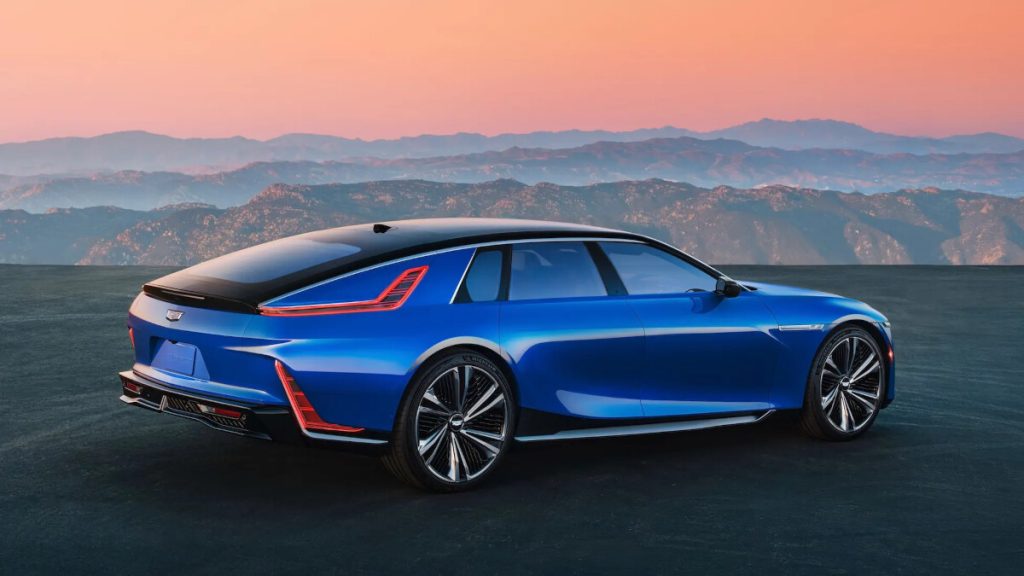
The transition from concept to production for the Celestiq demonstrates Cadillac’s ambition to lead in the electric luxury segment. Rather than using the concept purely as a design exercise, the company chose to bring its bold vision directly to customers.
As the Celestiq begins appearing at select dealerships, it represents more than just a new model. It signals a transformation in Cadillac’s identity, blending advanced electric technology with handcrafted luxury in a way that few production vehicles attempt.
3. Hyundai Ioniq 6
Few concept vehicles have generated as much curiosity as the Hyundai Prophecy concept that eventually evolved into the production Ioniq 6. When the concept first appeared, its flowing aerodynamic shape immediately sparked debate.
Some viewers described it as futuristic and elegant, while others compared its profile to classic streamlined cars from decades ago.
Hyundai chose not to abandon that daring design. Instead, the company refined the concept and transformed it into the Ioniq 6, a production electric sedan that keeps much of the original vision intact. The result is one of the most distinctive electric vehicles currently entering dealerships.
Unlike many electric cars that rely on sharp angles and aggressive styling, the Ioniq 6 focuses on aerodynamic efficiency. The body shape is smooth and curved, allowing air to flow over the vehicle with minimal resistance. This design philosophy helps improve driving range, which remains one of the most important factors for electric vehicle buyers.
The front of the car features slim lighting elements that create a modern visual signature. Pixel inspired lighting graphics appear in several areas of the exterior, connecting the vehicle to Hyundai’s broader electric design identity. These details first appeared in the concept version and now serve as a recognizable feature of the production model.
Moving to the interior reveals another area where concept influence is clearly visible. The cabin layout emphasizes simplicity and digital interaction. Dual screens dominate the dashboard, combining the instrument display and infotainment system into a seamless visual arrangement.
Hyundai has also paid attention to sustainability inside the Ioniq 6. Various interior components incorporate recycled materials and environmentally conscious fabrics. The idea behind this approach is to align the vehicle’s design with the broader environmental benefits associated with electric mobility.
Another interesting feature is the vehicle’s lighting environment. Ambient lighting within the cabin can change colors depending on driving conditions or driver preferences. This subtle detail helps create a more personalized atmosphere during long journeys.
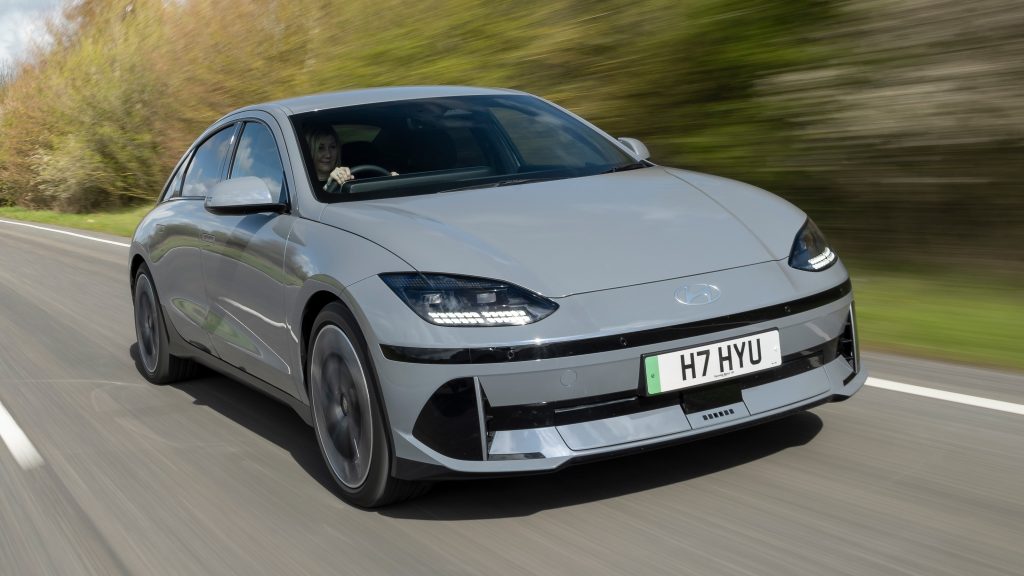
From a performance perspective, the Ioniq 6 benefits from Hyundai’s electric platform that supports fast charging and multiple battery configurations. Buyers can choose versions focused on maximum driving range or models offering stronger acceleration with dual motor all wheel drive capability.
What makes the journey from concept to dealership particularly fascinating is how little the core design philosophy changed along the way. Hyundai resisted the temptation to reshape the car into a conventional sedan. Instead, it preserved the flowing silhouette that made the concept memorable.
As the Ioniq 6 arrives in showrooms, it stands as proof that unusual ideas from auto show stages can successfully become everyday vehicles.
Drivers looking for something visually different from traditional sedans may find that the production version retains much of the futuristic charm that first captured attention when the concept was revealed.
4. Volkswagen ID. Buzz
Not every concept car represents a completely new idea. Sometimes the most exciting concepts are those that revive something familiar in a modern form. The Volkswagen ID. Buzz fits perfectly into that category because it reimagines one of the most iconic vehicles in automotive history for the electric age.
The original inspiration comes from the classic Volkswagen Microbus that became a cultural symbol during the 1960s and 1970s. When Volkswagen introduced the ID. Buzz concept, it was designed as a tribute to that heritage while also demonstrating the company’s future electric platform.
At first, many observers assumed the concept would remain a nostalgic show vehicle. The styling was playful, colorful, and unusually retro for a modern electric car. However, strong public interest encouraged Volkswagen to move forward with production.
The production ID. Buzz arriving at dealerships stays remarkably faithful to the original concept. The two tone paint schemes, the short front overhang, and the tall body shape all echo the design language of the historic Microbus while incorporating modern proportions.
One of the most recognizable visual elements is the large front panel combined with a prominent Volkswagen badge. This design feature mirrors the classic van while also creating a friendly and approachable appearance. In an era when many vehicles look aggressive, the ID. Buzz stands out with a more welcoming personality.
The interior highlights the advantages of an electric platform. Because electric motors require less space than traditional engines, designers were able to create a spacious cabin with flexible seating arrangements. Passengers benefit from a flat floor and generous headroom that make the vehicle practical for families and travel.
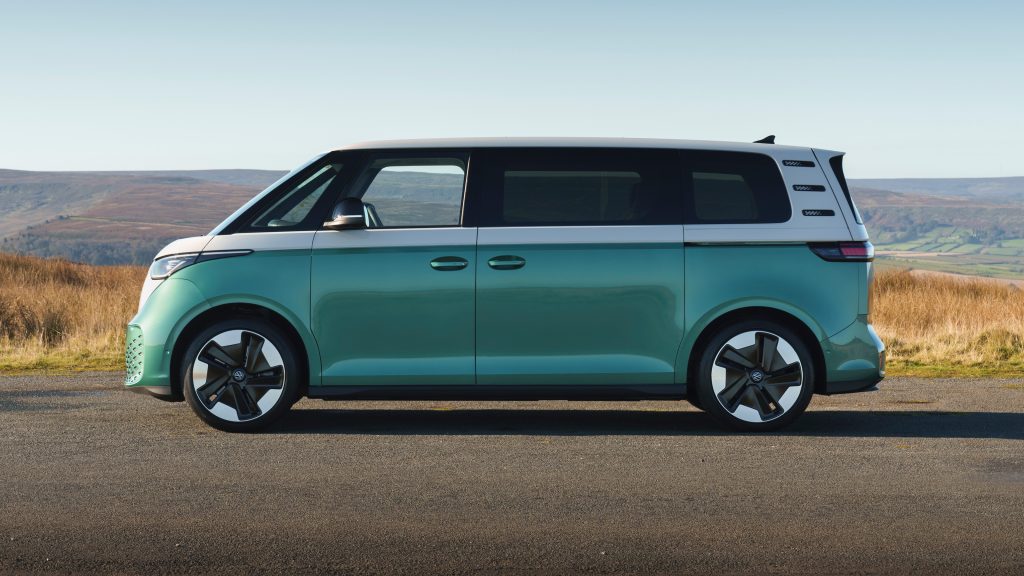
Technology inside the cabin reflects modern expectations rather than retro nostalgia. Digital displays, advanced driver assistance systems, and connected infotainment features ensure that the ID. Buzz functions like a contemporary electric vehicle despite its vintage inspiration.
Another interesting aspect of the vehicle is its versatility. Volkswagen plans multiple versions designed for different purposes. Passenger models focus on comfort and interior space, while cargo variants are intended to serve commercial and delivery applications.
This flexibility mirrors the role that the original Microbus played decades ago. It was used as a family vehicle, a camper, and a work van depending on the owner’s needs. The ID. Buzz continues that tradition while adding the benefits of electric propulsion.
From a broader perspective, the ID. Buzz demonstrates how concept cars can blend emotional design with practical engineering. Instead of simply creating a futuristic shape, Volkswagen tapped into nostalgia while delivering a vehicle that fits modern mobility trends.
When customers see the ID. Buzz at dealerships, they are not just looking at another electric van. They are seeing a piece of automotive history reborn with new technology.
The journey from concept stage to production vehicle has preserved both the spirit of the original Microbus and the innovation expected from today’s electric vehicles.
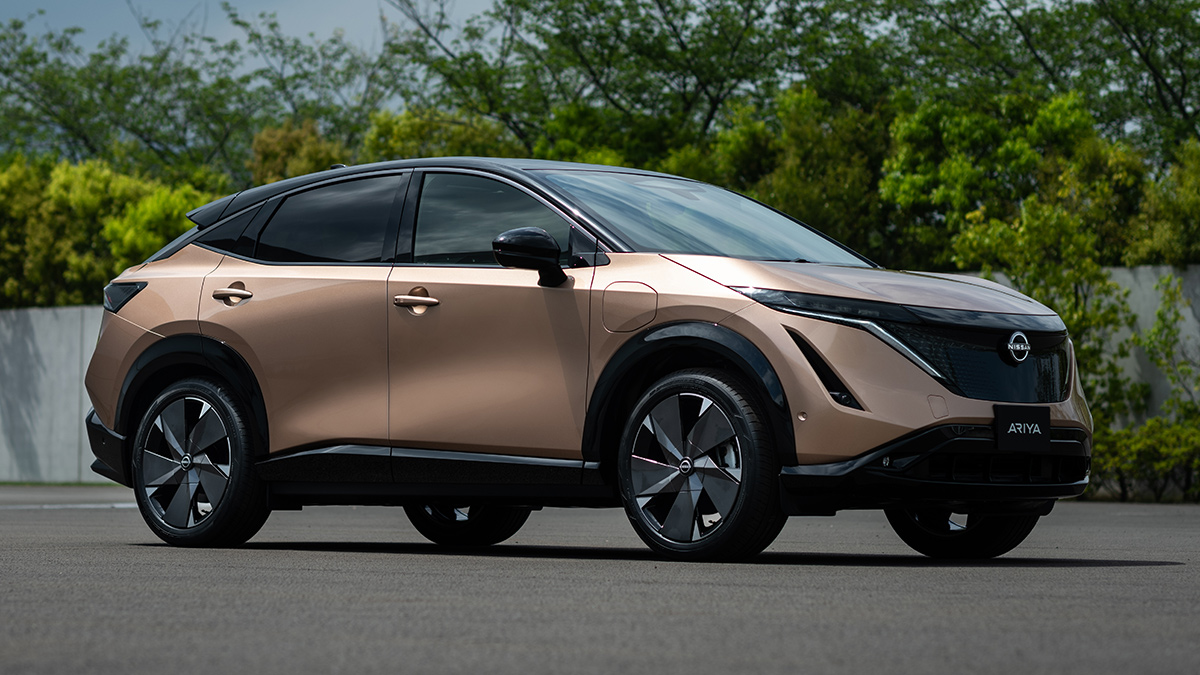
5. Nissan Ariya
When Nissan introduced the Ariya concept several years ago, it represented a turning point for the brand’s electric strategy.
Nissan had already gained experience with electric vehicles through the Leaf, but the Ariya concept suggested something more ambitious. It hinted at a future where electric vehicles would combine advanced technology with a more refined design philosophy.
The concept immediately stood out because of its clean, minimalist appearance. Instead of relying on large grilles or complex body lines, the vehicle emphasized smooth surfaces and balanced proportions. This approach created a modern and calm visual identity that differed from many aggressive looking SUVs.
As development progressed, Nissan decided to bring that concept vision directly into production. The Ariya arriving at dealerships maintains much of the same design language that made the concept appealing. The front fascia features a shield like panel rather than a traditional grille, reflecting the cooling requirements of an electric powertrain.
Lighting design plays a key role in the vehicle’s personality. Thin LED elements stretch across the front and rear sections, creating a sleek appearance while improving nighttime visibility. These details contribute to a futuristic style without appearing overly complicated.
Inside the cabin, the Ariya introduces a layout that focuses on simplicity and comfort. The dashboard uses a wide digital display arrangement that blends the instrument cluster and infotainment screen. Instead of overwhelming drivers with buttons, the design integrates touch sensitive controls within wooden trim surfaces.
This interior philosophy was inspired by the concept vehicle’s emphasis on open space. Because the electric platform allows engineers to position components more efficiently, the floor remains flat and the seating area feels more spacious than traditional SUVs of similar size.
Nissan also incorporated several advanced driver assistance technologies into the Ariya. Systems designed to support highway driving and adaptive cruise control aim to reduce fatigue during long journeys. These technologies reflect the broader shift toward semi autonomous features that many modern vehicles now include.
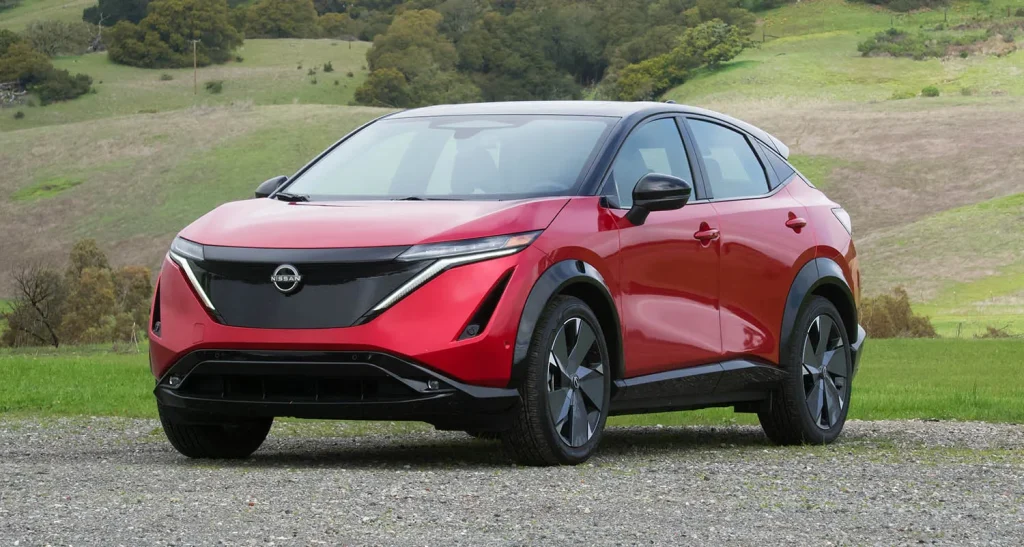
Performance options provide flexibility for different types of drivers. Some versions of the Ariya prioritize efficiency and driving range, making them suitable for daily commuting and longer trips. Other versions feature dual motor all wheel drive configurations designed to deliver stronger acceleration and improved traction.
The transition from concept to dealership model demonstrates Nissan’s effort to reposition itself within the electric vehicle market. Rather than producing a purely experimental concept, the company used the Ariya concept as a preview of a practical and competitive electric SUV.
For customers exploring electric vehicles, the Ariya represents a balance between innovation and usability. It carries the futuristic character of a concept car while offering the reliability and functionality expected from a production vehicle.
6. Toyota bZ4X
Toyota is widely known for pioneering hybrid technology, yet for many years the company moved cautiously when it came to fully electric vehicles. That approach began to change when Toyota introduced the bZ4X concept, a vehicle that signaled the brand’s commitment to a new generation of battery powered mobility.
The name itself carries meaning. The letters “bZ” represent “beyond zero,” a phrase Toyota uses to describe its broader environmental goals. The number four identifies the vehicle as part of the midsize SUV category, while the letter X highlights its crossover design.
When the concept version first appeared, it attracted attention because it looked quite different from traditional Toyota vehicles. The front design featured sharp angles, slim headlights, and an unusual grille structure that emphasized the futuristic identity of the electric platform.
As the vehicle moved toward production, Toyota kept many of those bold styling elements. The bZ4X that is now arriving at dealerships still carries the distinctive front lighting design and sculpted body panels introduced by the concept. These visual details help distinguish it from conventional gasoline powered SUVs.
The interior reveals another shift in Toyota’s design philosophy. The dashboard layout places the digital instrument display higher than usual, allowing drivers to read important information without lowering their gaze significantly. This arrangement aims to improve visibility and driving focus.
Another notable element is the spacious cabin created by the electric platform. Without a traditional transmission tunnel running through the center, passengers benefit from a flatter floor and improved legroom. This design choice contributes to a more open and comfortable seating environment.
Toyota has also equipped the bZ4X with a variety of modern safety technologies. Advanced driver assistance systems assist with lane keeping, collision prevention, and adaptive cruise control. These features reflect Toyota’s long standing emphasis on safety while integrating new electronic capabilities.
Battery technology plays a central role in the vehicle’s development. Toyota focused on durability and reliability, aiming to ensure the battery maintains strong performance over many years of use. This focus reflects the brand’s reputation for building long lasting vehicles.
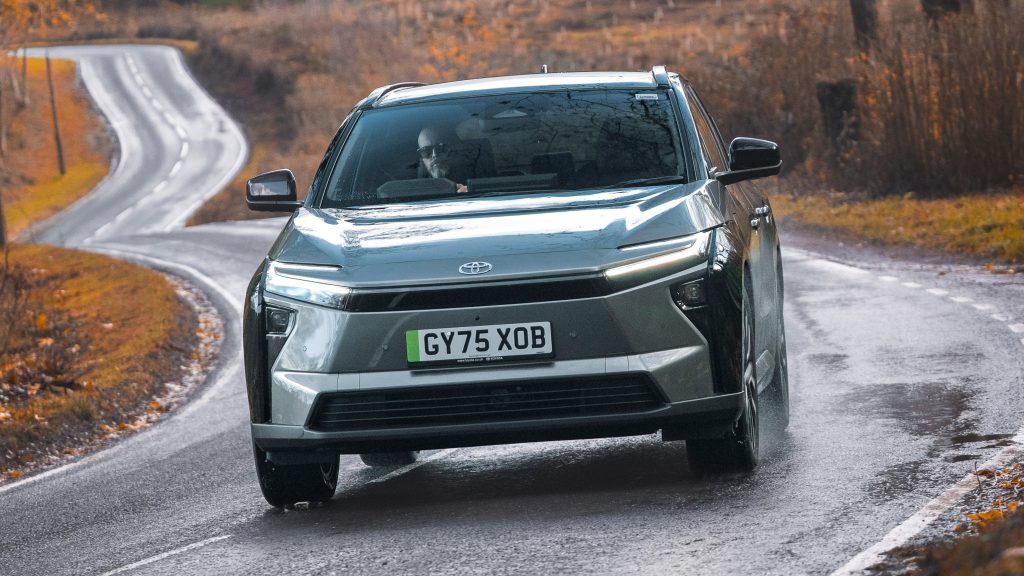
Buyers will find different drivetrain configurations available depending on their needs. Front wheel drive models prioritize efficiency and driving range, while all wheel drive versions provide additional traction for challenging road conditions.
The bZ4X represents a major milestone for Toyota because it marks the company’s deeper entry into the fully electric vehicle segment. Instead of creating a limited production experiment, Toyota designed the vehicle as a practical crossover intended for everyday use.
The journey from concept display to dealership model shows how quickly the electric vehicle landscape is evolving. With the bZ4X now available to customers, Toyota has transformed what was once a futuristic concept into a realistic option for drivers interested in electric mobility.
7. Polestar 3
When the Polestar Precept concept appeared, it signaled that the brand intended to challenge traditional luxury manufacturers with a different approach to electric design.
Instead of focusing only on performance, Polestar emphasized sustainability, digital technology, and modern Scandinavian styling. That philosophy later influenced the development of the Polestar 3.
The concept stage introduced many ideas that looked ambitious for a production vehicle. Clean body surfaces, advanced sensors integrated into the exterior, and an interior filled with sustainable materials suggested a bold future direction. Many observers wondered how much of that vision would survive once the vehicle reached dealerships.
Polestar decided to preserve the spirit of the concept while adapting it for real world production. The Polestar 3 now entering the market reflects a strong connection to the earlier design language. Its proportions follow the shape of a modern electric performance SUV, combining elegance with a confident road presence.
The exterior design avoids unnecessary complexity. Smooth surfaces dominate the body, creating a refined appearance that contrasts with the aggressive styling seen on many modern SUVs. At the same time, aerodynamic elements are carefully integrated into the structure to improve efficiency.
Lighting design contributes significantly to the vehicle’s identity. The front lighting arrangement uses a distinctive horizontal pattern that instantly identifies the brand. These elements are both functional and symbolic, reinforcing the minimalist design philosophy that defines Polestar vehicles.
Step inside the cabin and the influence of the concept becomes even clearer. The interior prioritizes sustainability alongside luxury. Materials such as recycled fabrics and responsibly sourced components are used to reduce environmental impact while maintaining a premium feel.
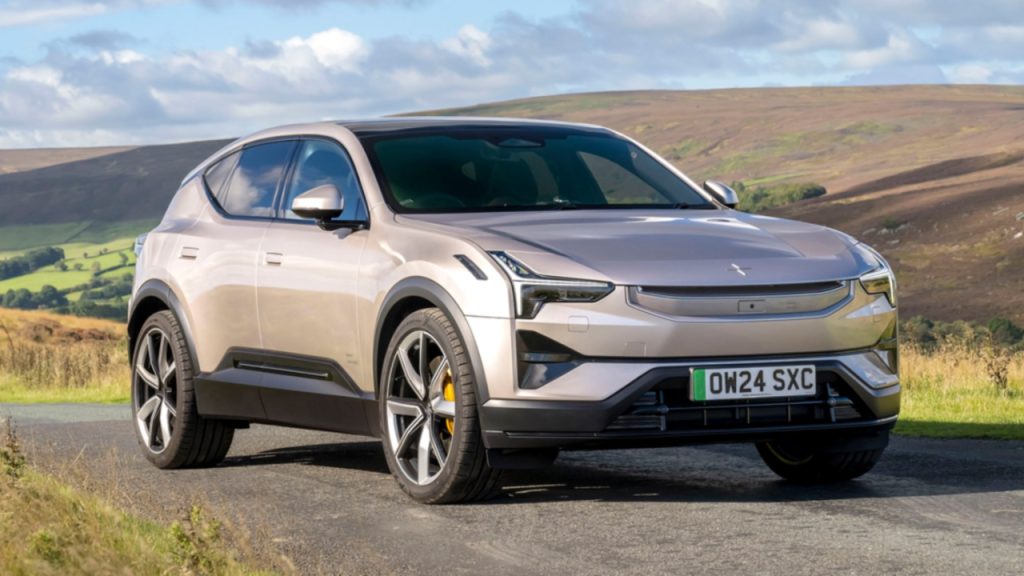
Technology also plays a central role in the Polestar 3 experience. The vehicle includes a large central touchscreen powered by a software system built around a familiar digital ecosystem. This approach allows drivers to access navigation, entertainment, and vehicle functions through an interface designed to feel intuitive.
Driver assistance systems represent another major focus. Advanced sensor technology supports features that assist with highway driving and help monitor surrounding traffic conditions. These systems are intended to increase safety while gradually introducing higher levels of automated capability.
Performance remains an important part of the vehicle’s character as well. Electric motors provide strong acceleration, while the battery platform delivers a driving range suitable for both daily commuting and longer journeys. The combination of power and efficiency reflects the brand’s effort to balance excitement with practicality.
The transition from concept vision to production model demonstrates Polestar’s confidence in its design principles. Rather than abandoning experimental ideas, the company refined them until they could meet safety and manufacturing requirements.
As the Polestar 3 arrives at dealerships, it represents more than a new electric SUV. It showcases how modern automotive design can merge sustainability, technology, and performance without losing the distinctive identity first introduced in the concept phase.
Also Read: 10 Iconic Cars That Were Almost Named Something Very Different
