
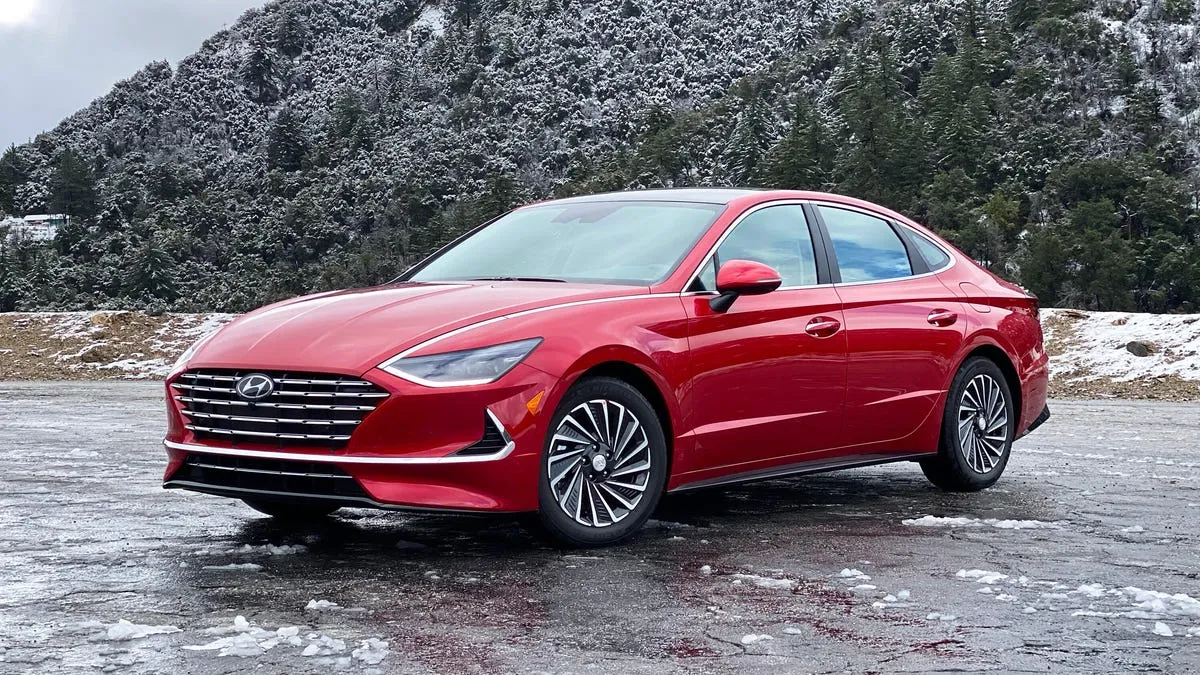
Hybrid vehicles have become a significant part of the automotive industry, combining traditional internal combustion engines with electric powertrains to improve fuel efficiency and reduce emissions. These vehicles attract buyers seeking both performance and environmental responsibility, as they offer a bridge between gasoline engines and fully electric models.
The technology behind hybrid cars relies heavily on the reliability of electrical systems, which govern battery management, regenerative braking, and the seamless transition between electric and combustion power.
A dependable hybrid ensures a smooth driving experience, minimal maintenance issues, and consistent energy efficiency, making it a wise investment for long-term ownership.
However, not all hybrid models are created equal when it comes to electrical reliability. Some models exhibit exceptional performance with stable battery systems that last for many years without major faults. These vehicles tend to have well-engineered battery packs, efficient cooling systems, and electronic control units that carefully monitor energy flow.
On the other hand, certain hybrid models are more prone to battery failures or electrical glitches, which can cause reduced fuel efficiency, sudden power loss, or costly repairs. Identifying these strengths and weaknesses is essential for potential buyers, as the cost and inconvenience of battery replacement can be substantial.
Beyond mechanical engineering, the software and management systems in hybrid vehicles play a crucial role. Advanced monitoring systems ensure that energy is distributed effectively between the engine and the battery, maintaining optimal performance under various driving conditions.
A hybrid with reliable electrical systems provides reassurance that these controls function correctly over time. Conversely, hybrid models with faulty batteries or weaker electrical systems may struggle to maintain proper voltage, overheat, or fail prematurely.
Understanding these differences can influence purchase decisions and long-term satisfaction for owners who rely on hybrid vehicles for daily commuting, road trips, and fuel-conscious driving.
This comparison focuses on two categories: hybrid models with consistently dependable electrical systems and those with reported battery faults. By examining specific models in each category, it becomes possible to highlight design strategies that improve reliability and identify patterns of issues that lead to faults.
Factors such as battery chemistry, manufacturing quality, maintenance requirements, and system design are key to this analysis. Potential buyers can use this information to prioritize models that align with their expectations for reliability and efficiency.
The following sections will explore five hybrid models known for their reliable electrical systems and five models that have experienced battery-related faults. Each model will be analyzed based on performance, durability, and owner feedback, providing a balanced view of the advantages and risks associated with each.
This discussion aims to guide consumers toward making informed decisions while acknowledging the complexities and evolving technology in the hybrid vehicle market. The goal is to present a thorough understanding of hybrid reliability, highlighting the importance of electrical system integrity for long-term ownership satisfaction and vehicle performance.
5 Hybrid Models With Reliable Electrical Systems
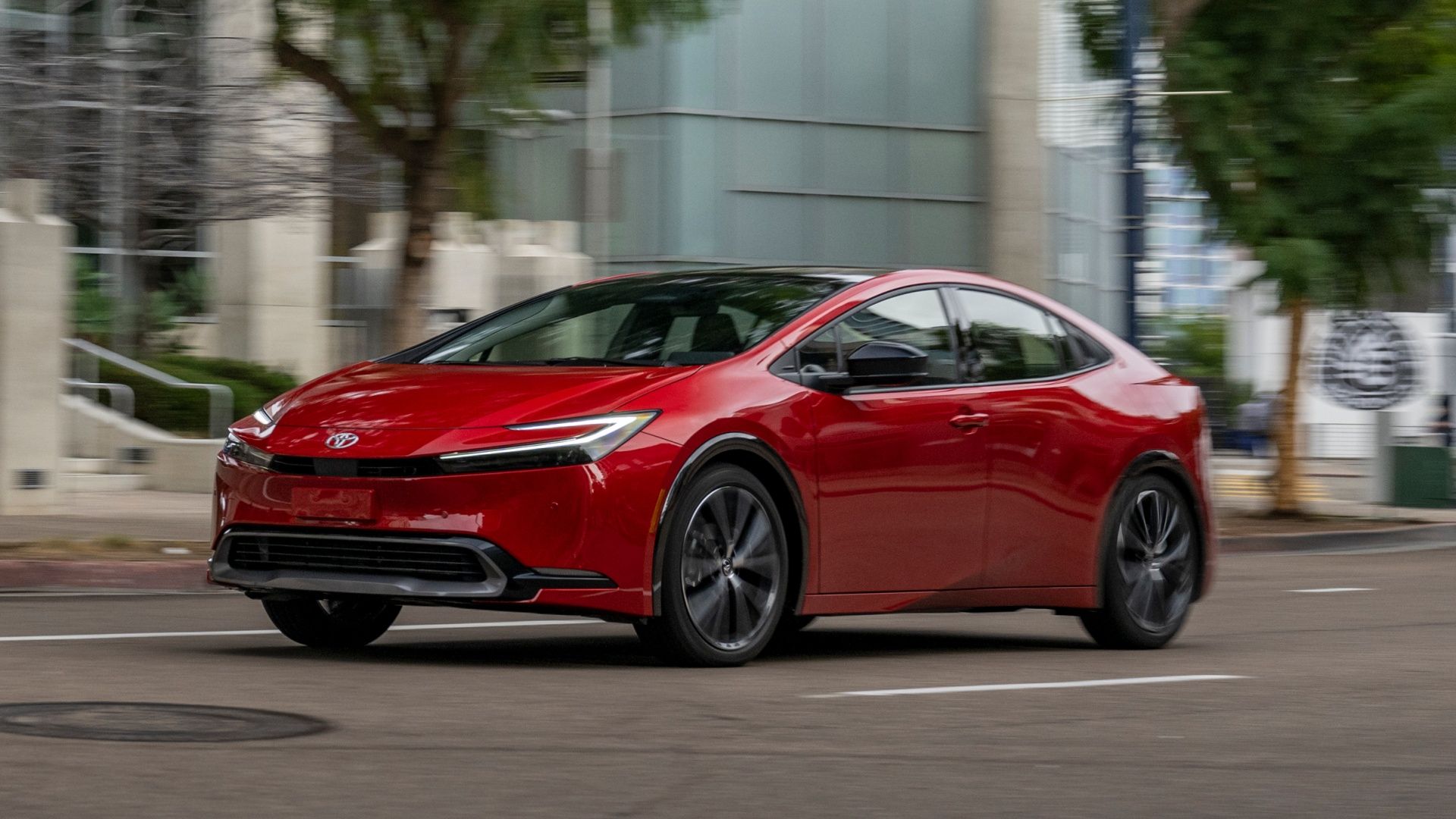
1. Toyota Prius
The Toyota Prius has established itself as a benchmark in hybrid technology. Its electrical system combines proven battery management with efficient regenerative braking to ensure consistent performance.
The lithium-ion and nickel-metal hydride batteries used in various Prius models maintain stable energy output even after years of driving. Owners often report minimal electrical issues, demonstrating the reliability of Toyota’s engineering and extensive testing protocols.
In addition to its strong battery management, the Prius benefits from a hybrid synergy drive that coordinates engine and electric motor output seamlessly. The system automatically adjusts power distribution based on driving conditions to maximize fuel efficiency. The integration of software and hardware ensures that energy flows without overloading any component, protecting the battery and motor.
Long-term studies of Prius ownership reveal low rates of hybrid-related repairs compared to other vehicles. Its cooling systems prevent overheating, and software updates have consistently improved battery life. The combination of dependable electronics and mechanical durability makes it a safe choice for drivers seeking a hybrid with a reliable electrical system.
Maintenance for the Prius remains relatively simple, with battery checks incorporated into regular service schedules. Toyota has also established a reputation for supporting owners with warranty coverage and replacement programs. The widespread adoption of the Prius provides an additional benefit of a large network of knowledgeable service centers, further enhancing reliability.
Fuel efficiency remains high across different models, largely due to the efficiency of its electrical system. The Prius continues to be a leader in hybrid technology, setting standards that competitors often aim to meet. Its balance of reliability, performance, and cost-effectiveness makes it a top choice for buyers seeking a trouble-free hybrid experience.
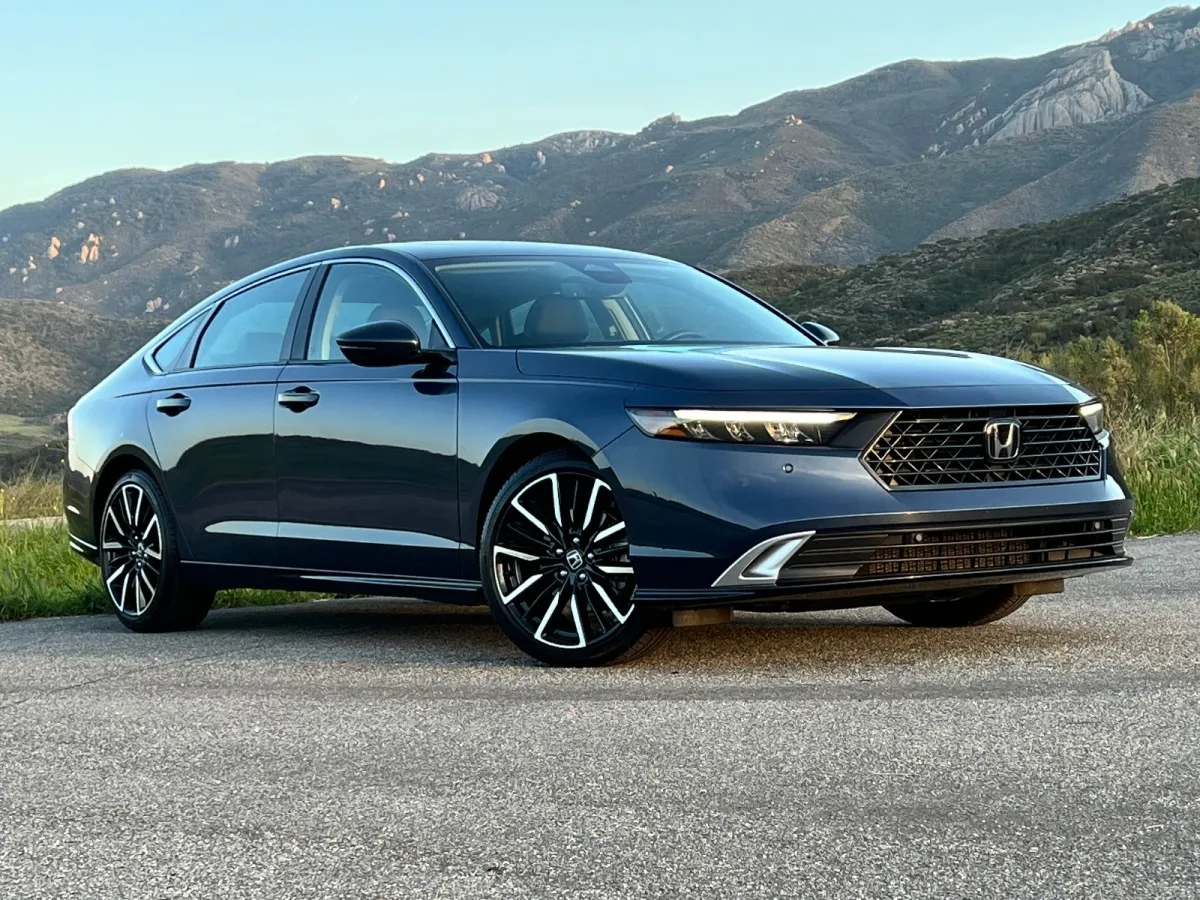
2. Honda Accord Hybrid
The Honda Accord Hybrid combines a responsive gasoline engine with a robust electric motor. Its battery system is designed for longevity and consistent performance under varied driving conditions.
Reports from owners highlight minimal electrical failures, showing that Honda’s hybrid engineering prioritizes durability. The Accord Hybrid uses intelligent energy management to ensure efficient use of power.
The system seamlessly switches between gasoline and electric power, reducing stress on the battery and extending life. This hybrid approach provides a smooth driving experience while maintaining impressive fuel economy. Advanced software monitors battery health and energy consumption, alerting drivers to any potential issues before they escalate.
Reliability extends to the cooling and thermal management systems, which keep battery temperatures within safe limits. This prevents the common causes of electrical faults such as overheating or voltage fluctuations. Owners appreciate the consistency of performance, especially during long-distance travel.
The hybrid components are integrated into the vehicle architecture, resulting in fewer points of failure. Maintenance is straightforward, and Honda provides comprehensive documentation to help owners manage the battery effectively. The combination of design, monitoring, and support ensures long-term dependability.
The Accord Hybrid demonstrates that comfort, power, and efficiency can coexist with electrical reliability. Its proven track record has made it a trusted choice for families and commuters seeking hybrid advantages without the risk of frequent repairs or unexpected battery faults.
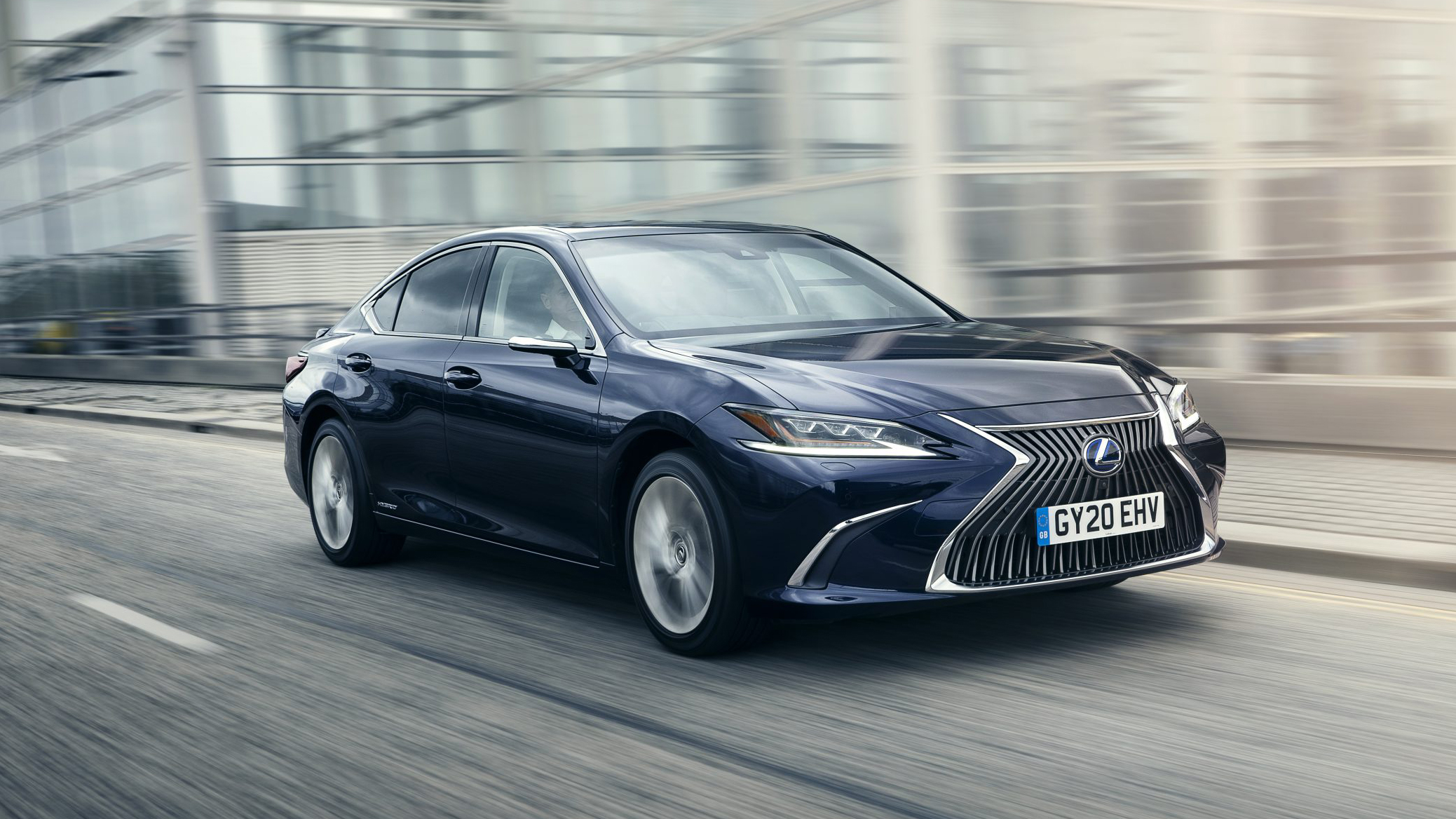
3. Lexus ES 300h
Lexus has positioned the ES 300h as a luxury hybrid that prioritizes reliability and comfort. Its battery system operates efficiently under various driving conditions, supported by a sophisticated hybrid management system.
The integration of electric and gasoline power is smooth, providing both performance and fuel savings. Owner feedback consistently highlights long-term reliability and minimal electrical issues.
The hybrid system in the ES 300h includes regenerative braking and adaptive energy distribution. This ensures that the battery charges efficiently without overtaxing its components. Lexus engineers have focused on creating a system that minimizes wear and maximizes durability, with software updates improving efficiency over time.
Thermal management is a crucial aspect of reliability, and the ES 300h maintains optimal battery temperature even during heavy use. The design reduces risks of degradation or sudden voltage drops, which can compromise hybrid performance. This attention to engineering detail contributes to a consistently reliable driving experience.
Routine maintenance is straightforward, with scheduled inspections keeping battery performance optimal. Lexus also offers extensive warranty options for hybrid components, providing additional peace of mind for owners. The vehicle is supported by a large service network that ensures access to expert care.
Luxury and technology are combined in the ES 300h without sacrificing reliability. Its electrical system is a core strength, making it a desirable option for buyers who want premium features and confidence in long-term hybrid performance.
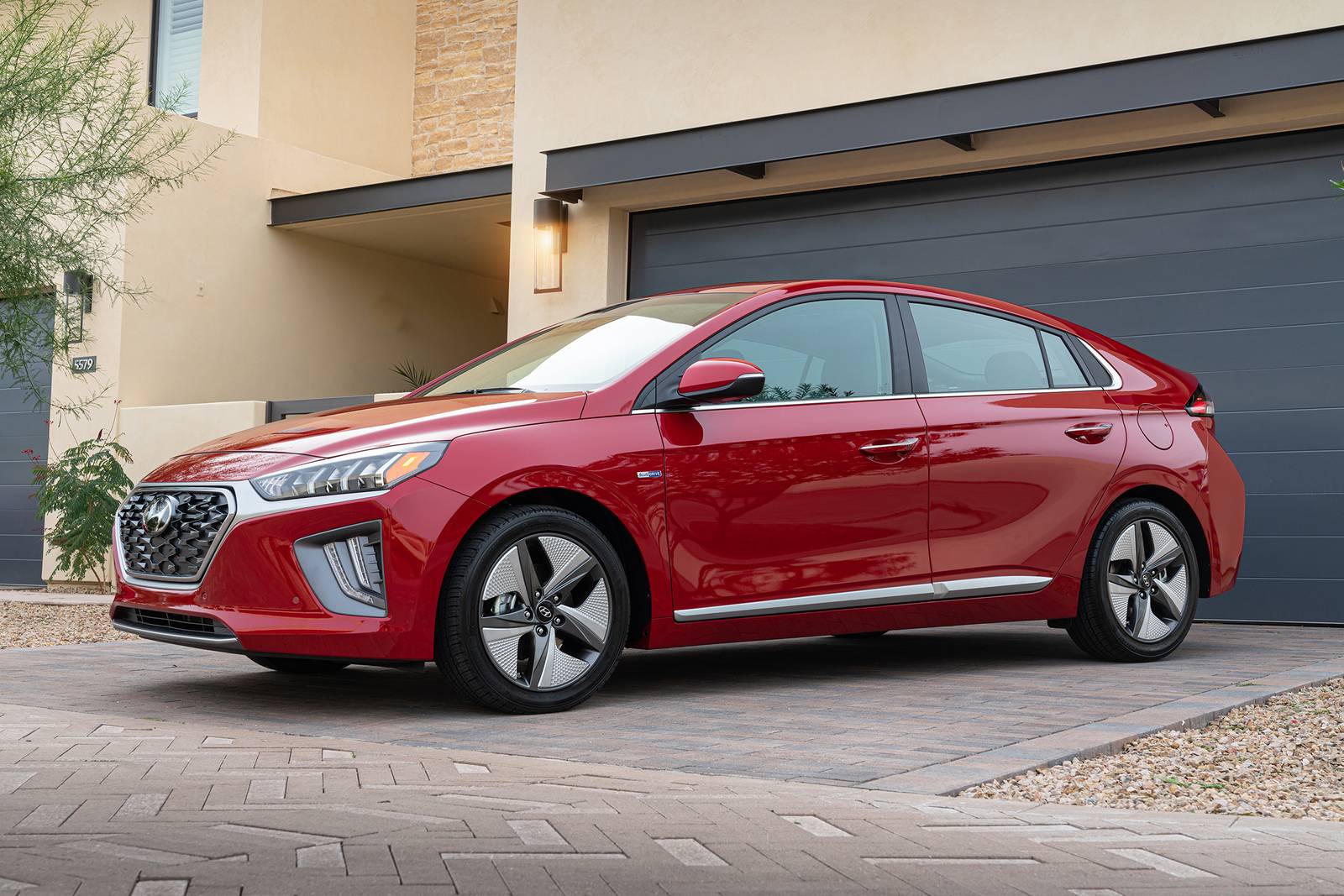
4. Hyundai Ioniq Hybrid
The Hyundai Ioniq Hybrid offers a practical and efficient approach to hybrid technology. Its electrical system is designed to provide stable performance over extended periods. The battery pack is well-cooled and monitored, reducing the likelihood of failures or electrical faults. Owners report consistent reliability and smooth operation in daily driving conditions.
Energy management in the Ioniq Hybrid ensures that both electric and gasoline power are used efficiently. The system adapts to driving habits, balancing performance with fuel economy. Advanced monitoring software tracks battery health and alerts drivers if maintenance is required, extending the life of the system.
The design of the electrical system includes protections against overcharging and overheating. This proactive approach reduces the risk of damage and helps maintain optimal battery function. Owners benefit from fewer unexpected repairs and lower long-term costs.
Maintenance requirements are manageable, with service intervals clearly defined by Hyundai. The hybrid components are accessible and supported by warranties that provide coverage for battery and electronic issues. This support network contributes to confidence in the vehicle’s reliability.
The Ioniq Hybrid demonstrates that dependable hybrid technology can coexist with affordability. Its stable electrical system ensures consistent performance, making it a practical choice for those who value efficiency without compromising reliability.
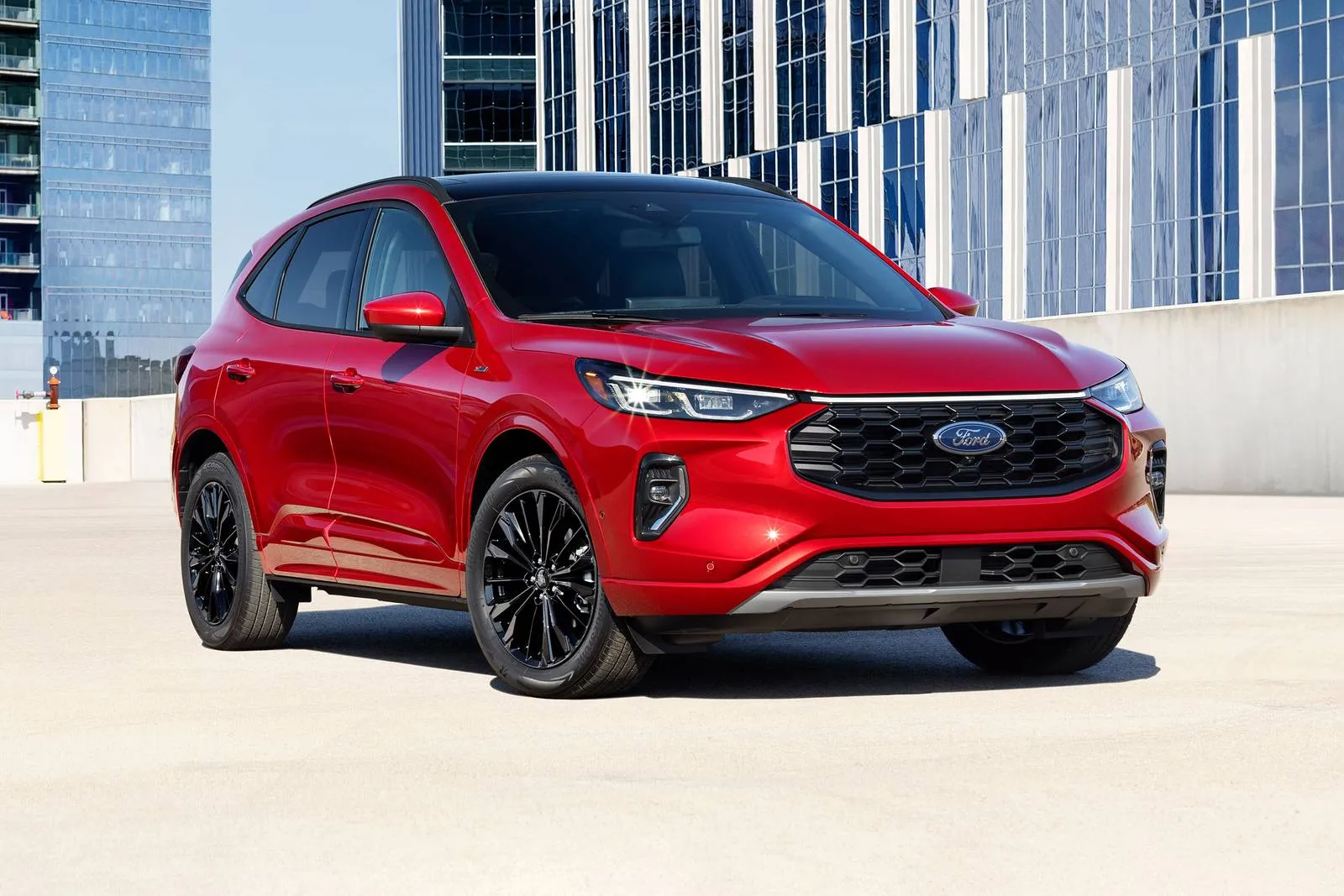
5. Ford Escape Hybrid
The Ford Escape Hybrid provides a versatile and efficient hybrid SUV experience. Its battery system is engineered for consistent performance, even under the demands of daily commuting or long trips. Owners report few electrical problems, reflecting the reliability of Ford’s hybrid technology. Intelligent energy management helps maximize fuel efficiency and maintain battery health.
The hybrid system coordinates the gasoline engine with an electric motor, allowing smooth transitions and responsive power delivery. The software monitors battery voltage and performance to prevent overloading and extend lifespan. This ensures reliable operation and minimizes the risk of unexpected failures.
Cooling systems play an important role in maintaining battery integrity. The Escape Hybrid includes thermal management features that prevent overheating, one of the leading causes of hybrid battery faults. This design contributes to long-term stability and dependable performance.
Routine maintenance is straightforward, and Ford provides warranties that cover hybrid components. Access to a wide service network ensures that owners can maintain the system effectively over time. This accessibility enhances reliability.
The Escape Hybrid balances utility, performance, and hybrid efficiency while maintaining a reliable electrical system. It appeals to drivers seeking a larger vehicle without sacrificing confidence in the technology that powers it.
5 Hybrid Models With Battery Faults
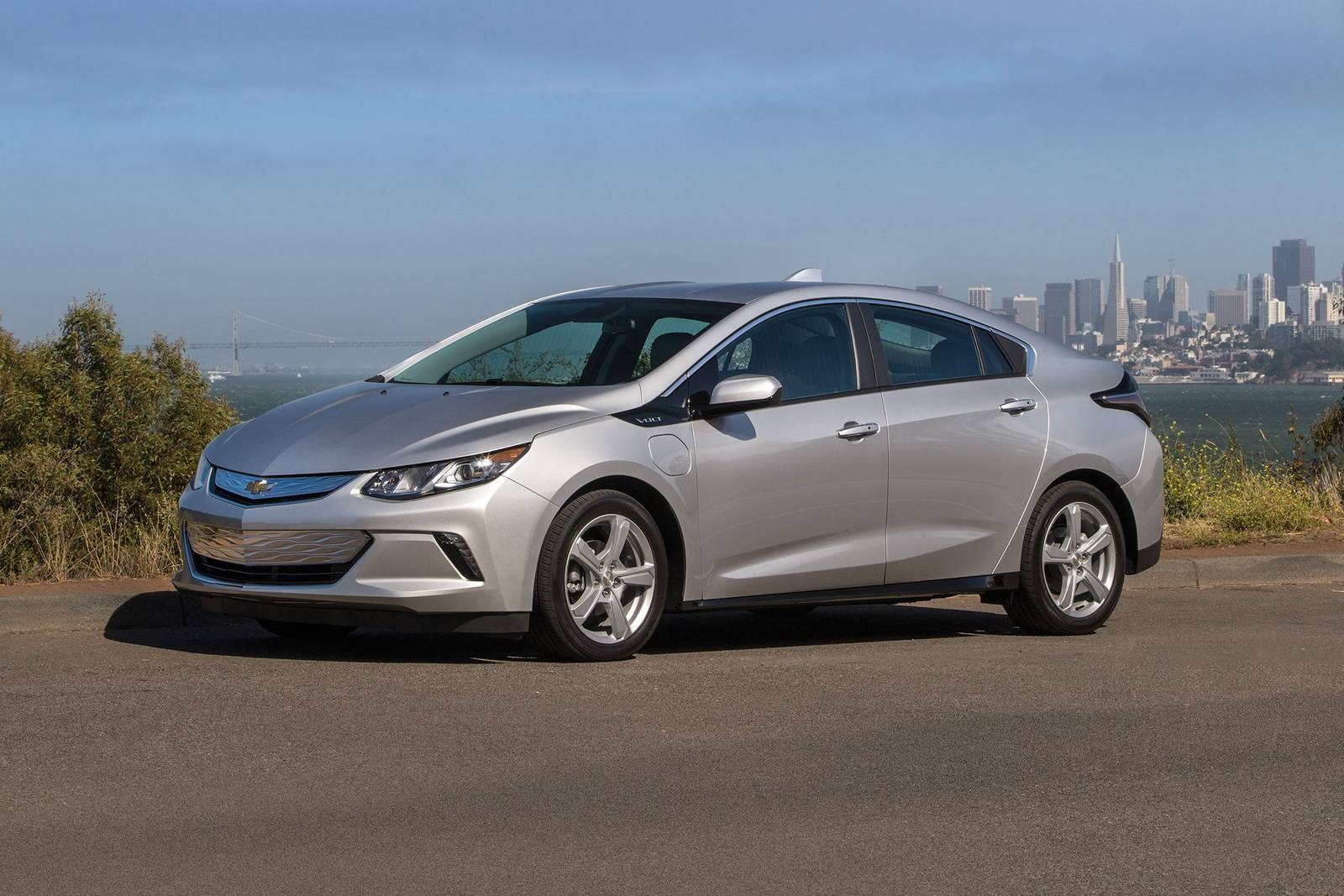
1. Chevrolet Volt
The Chevrolet Volt has faced criticism for battery reliability despite its innovative plug-in hybrid design. Some owners have reported issues with battery degradation and unexpected voltage drops. While the vehicle performs well when new, certain battery packs fail prematurely, leading to costly replacements. The management system sometimes struggles to balance energy distribution effectively.
Software updates have addressed some of the initial issues, but not all vehicles benefit equally. Temperature management in older models can allow overheating, reducing battery longevity. Drivers have noted reduced electric range as early as three to five years in certain climates.
Maintenance can become expensive when battery faults appear, as replacement parts are not inexpensive. The hybrid components are complex, requiring specialized service that may not be widely available. This can inconvenience owners who rely on dependable performance.
Despite these challenges, some Volt owners report satisfactory performance if the vehicle is carefully monitored. Driving habits and climate play a role in how quickly battery faults develop. However, the variability in reliability makes it less predictable than other hybrid models.
The Volt’s battery issues illustrate that innovative design does not always guarantee longevity. Buyers must weigh the benefits of electric range against potential long-term repair costs.
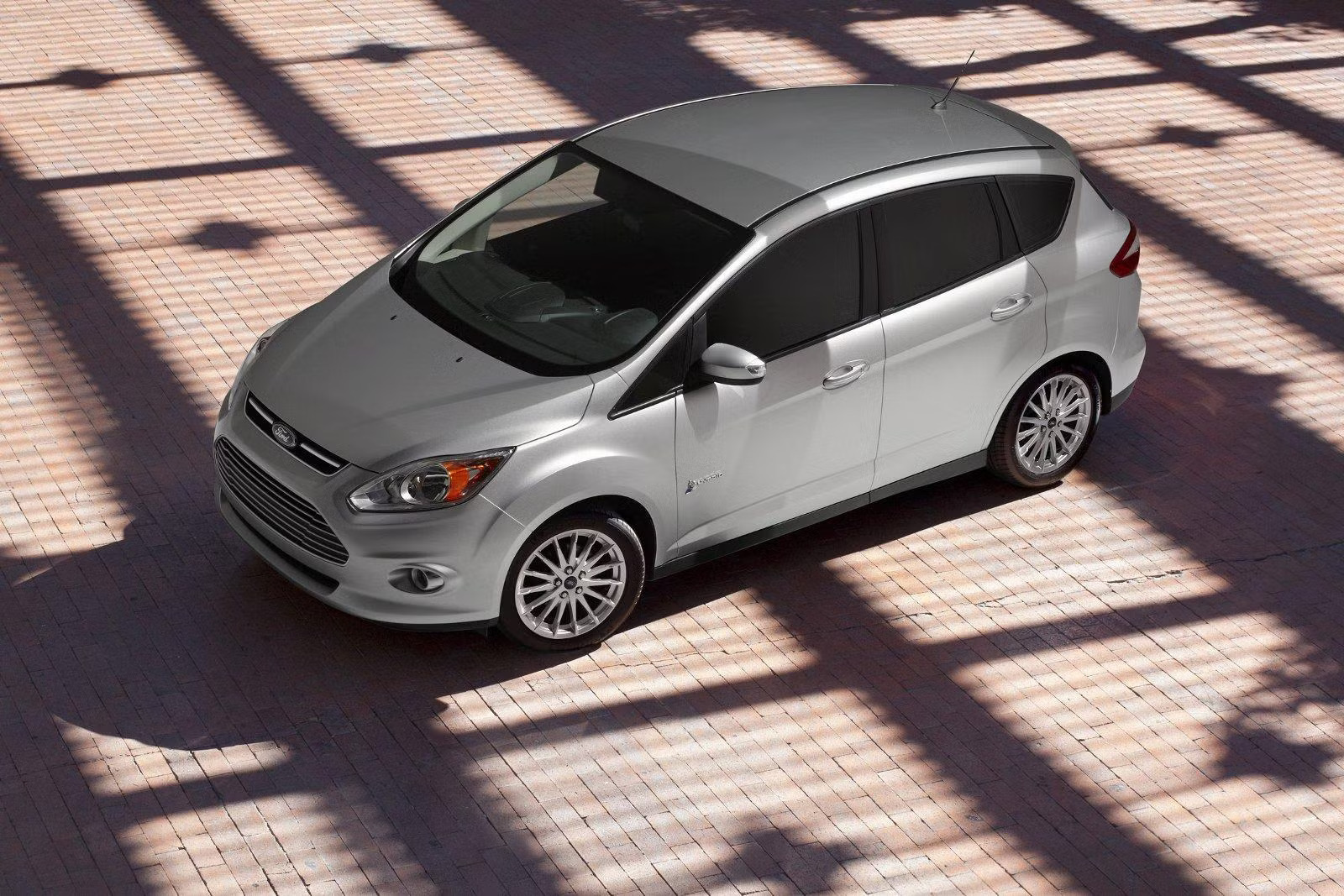
2. Ford C-Max Hybrid
The Ford C-Max Hybrid has had a mixed reputation due to electrical and battery faults. Some vehicles experience rapid battery degradation, which reduces efficiency and triggers warning lights. Cooling systems in earlier models were insufficient, causing some packs to overheat during heavy use. Owners have reported frequent trips to service centers for battery-related problems.
Software controls are sometimes slow to detect potential failures, allowing issues to progress unnoticed. This can lead to reduced performance and increased maintenance costs. Replacement batteries are expensive and require specialized installation.
Reports indicate that problems are more common in vehicles driven in extreme climates or with aggressive acceleration habits. Owners who drive primarily in moderate conditions may see fewer issues, but the risk remains higher than in other hybrid models.
The combination of electrical complexity and inconsistent battery quality contributes to the perception of unreliability. Ford has issued recalls and updates, but they do not fully eliminate the risk for all owners.
Long-term ownership requires vigilance and proactive maintenance. While the C-Max Hybrid offers fuel savings, these must be weighed against potential inconvenience and repair costs.
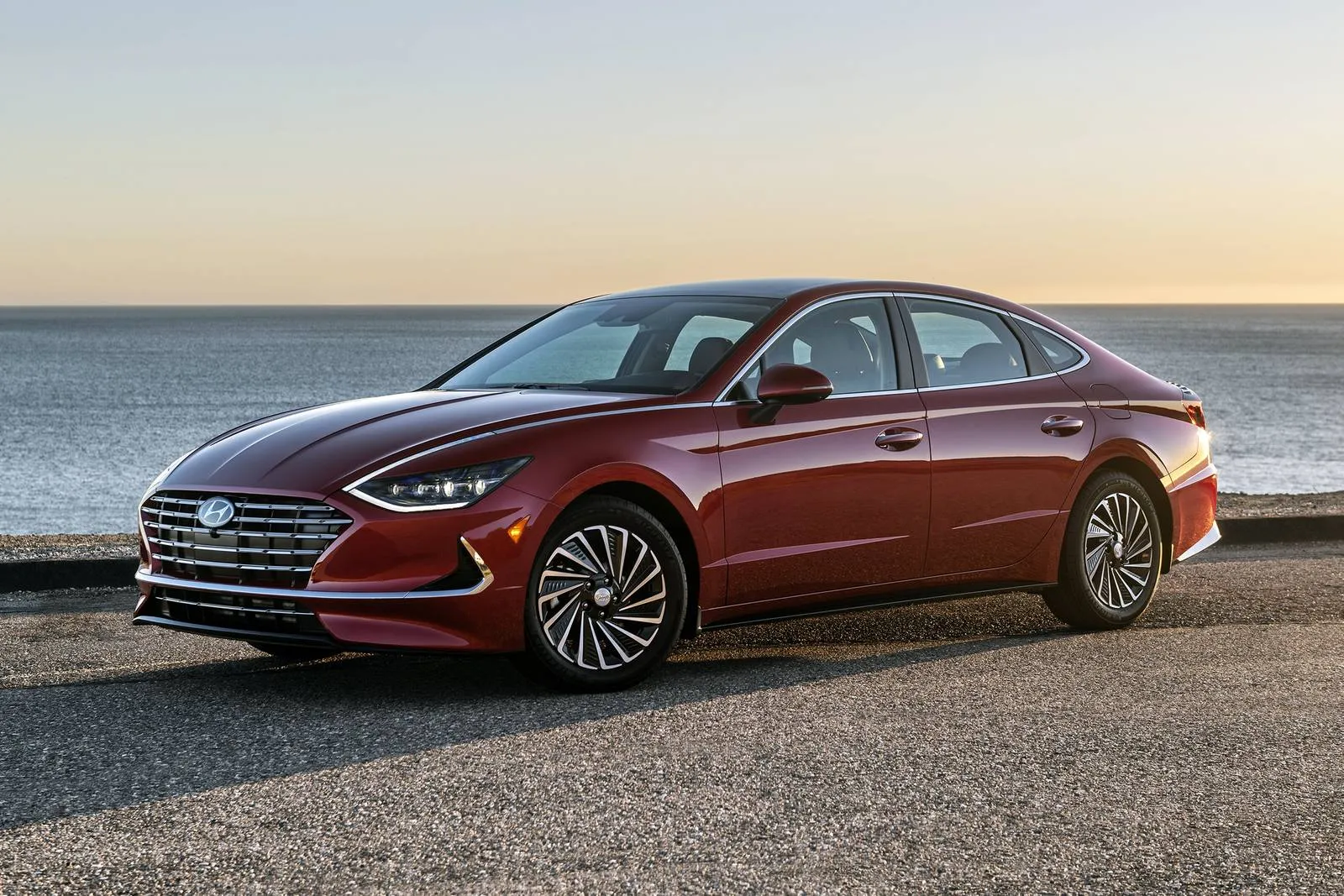
3. Hyundai Sonata Hybrid
Older models of the Hyundai Sonata Hybrid have faced battery-related reliability issues. Some units experience premature battery capacity loss, which affects electric assist performance. Owners report that warning lights often appear without clear guidance, indicating management system inconsistencies. Repairs can be expensive due to battery replacement requirements.
Thermal management in earlier models was less sophisticated, making batteries more prone to overheating in hot climates. Some owners have reported reduced fuel efficiency after a few years of use. This inconsistency has impacted the vehicle’s reputation for reliability.
Software updates have improved battery performance in later models, but older vehicles may not benefit from these improvements. Replacement parts are available but costly, and installation requires certified technicians.
Drivers who experienced battery faults often needed to modify driving habits to protect the system. Frequent monitoring and careful charging routines helped mitigate further degradation. However, this adds a layer of inconvenience compared to more reliable hybrids.
Despite these challenges, the Sonata Hybrid remains a capable vehicle when its electrical system is functioning. Buyers must carefully consider the model year and maintenance history to minimize the risk of battery faults.
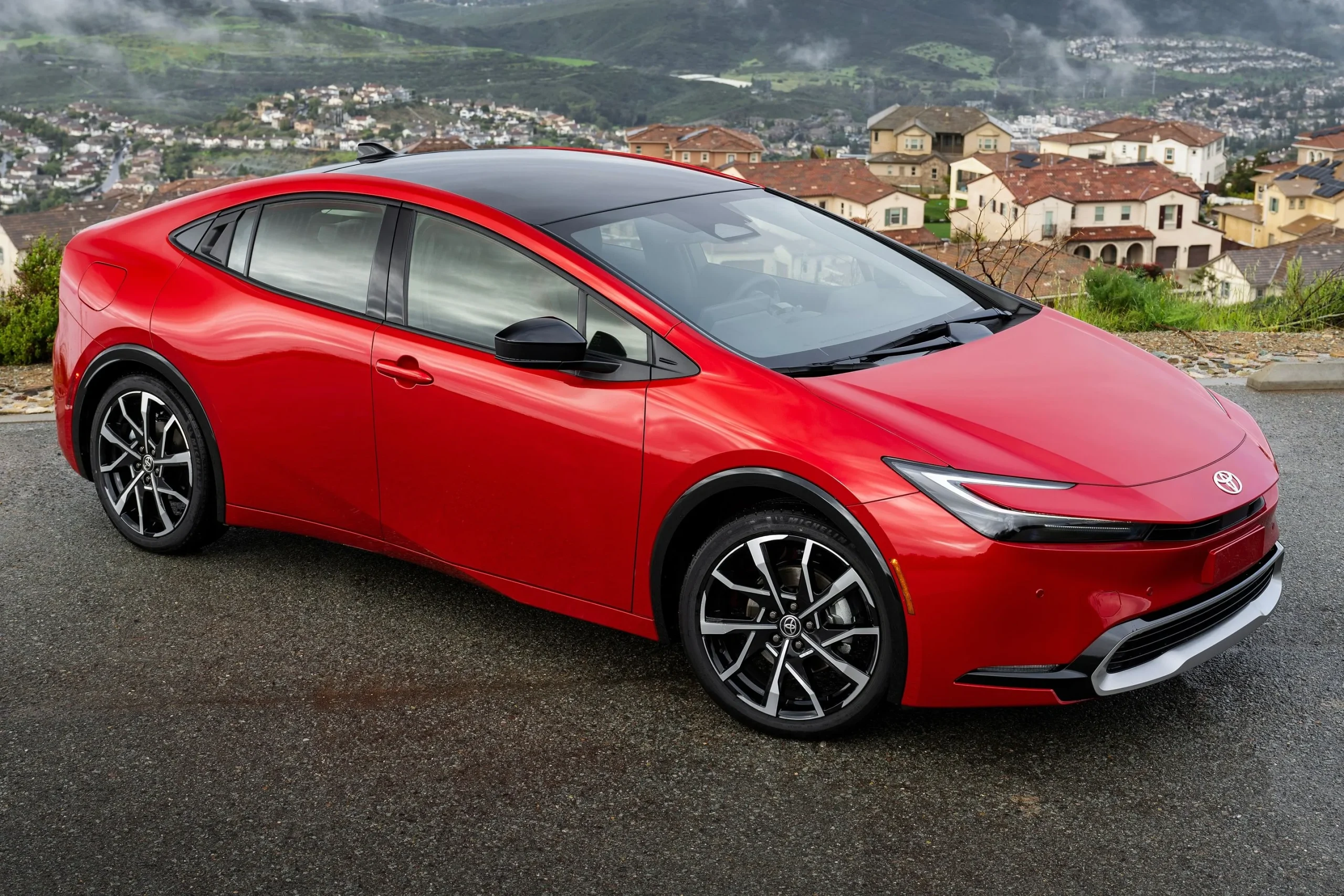
4. Toyota Prius Prime
The Toyota Prius Prime has been praised for innovation but faced early battery reliability issues. Some early units showed signs of reduced capacity, limiting electric-only driving range. Battery management software initially struggled to balance power delivery in extreme temperatures. This led to inconsistent performance and occasional warning lights.
Cooling systems were improved in later production years, but older units remain at higher risk for battery degradation. Owners reported that full replacements were expensive and sometimes required dealer intervention. The electric motor continued to function, but fuel efficiency suffered.
The hybrid system itself remained mechanically sound, but battery faults overshadowed vehicle reliability. Some drivers adapted by relying more heavily on the gasoline engine, reducing the electric benefit.
Warranty coverage helped mitigate financial impacts, yet the inconvenience of reduced range remained a concern. Buyers seeking dependable electric performance needed to verify production year and battery condition before purchase.
Early Prius Prime models highlight that even vehicles from brands known for hybrid reliability can experience battery faults. Careful assessment is essential for potential owners.
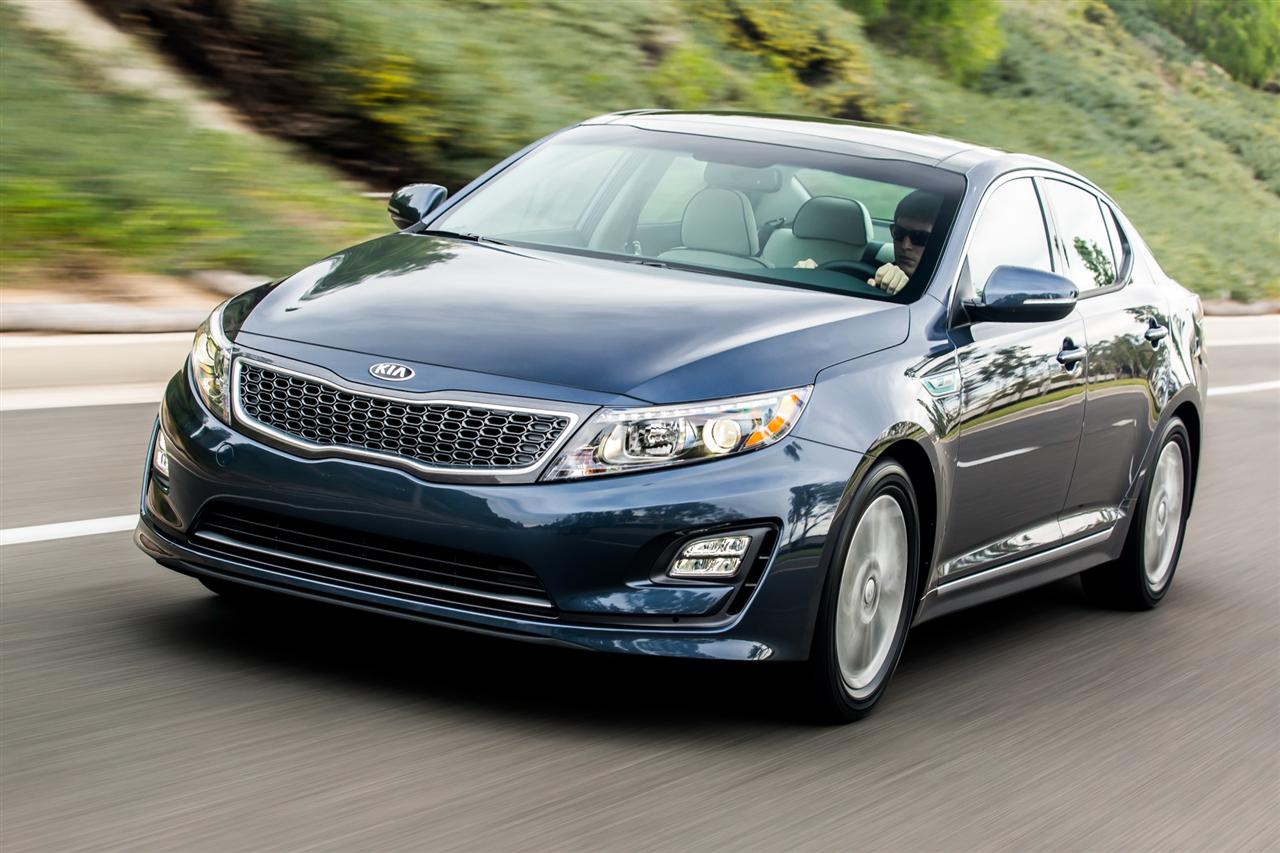
5. Kia Optima Hybrid
The first-generation Kia Optima Hybrid faced battery reliability challenges similar to other early hybrid models. Battery packs sometimes lost capacity prematurely, limiting hybrid efficiency. Electrical issues occasionally triggered system warnings, requiring dealer diagnosis and repair. Owners reported high costs for replacement batteries, which were integral to hybrid functionality.
Cooling and temperature regulation were less robust in early models, increasing the likelihood of battery degradation. Vehicles operated effectively when new, but prolonged use revealed weaknesses in battery design and management.
Software systems were less responsive in monitoring battery health, allowing problems to progress unnoticed. This contributed to inconsistent performance and occasional drivability issues. Repairs required specialized knowledge, adding complexity for owners.
Despite these faults, the Optima Hybrid offered strong performance and comfort, making it appealing when fully functional. The risk of battery failure, however, reduces confidence in long-term reliability compared to more dependable hybrids.
Owners who maintained proper charging practices and adhered to recommended service schedules experienced fewer issues. Nevertheless, the variability in electrical performance makes early Optima Hybrid models less desirable for buyers prioritizing reliability.
