
Pickup trucks have always held a unique place in the minds of drivers and vehicle enthusiasts because of their ability to serve multiple roles in daily life, work, and adventure. These rugged machines are more than transportation; they are a tool that must perform under pressure, carry heavy loads, and travel long distances under varying conditions.
The backbone of any good pickup truck is its chassis, which supports the body, carries the load, and provides stability, strength, and durability on and off the road. Customers often assume that bulk and size alone determine strength, yet what lies beneath the exterior panels is equally important when evaluating long‑term performance.
When buyers look at vehicles, they often focus on engine power, towing capacity, and interior features, while the importance of chassis design can be overlooked. A well‑engineered chassis distributes stress, resists bending, and enhances handling, all of which contribute to vehicle safety and lifespan.
In contrast, trucks with suboptimal chassis performance may suffer from premature wear, alignment problems, and structural defects that impact reliability. The distinction between reliable pickups and those with recurring issues is often traced back to the foundations of their design.
Global truck manufacturers use a variety of frame materials and construction techniques, from traditional ladder frames to advanced boxed and hydroformed components. Steel grade, weld quality, and assembly precision are critical in preventing frame twists, cracks, and deterioration under stress.
The trucks covered here include models known for their steadfast performance alongside others that have developed reputations for frame‑related troubles. Some issues arise only after years of use, while others become apparent early in ownership, influencing resale value, customer satisfaction, and brand reputation.
This article provides a comprehensive comparison, offering insights into the strengths and weaknesses of chassis engineering across a selection of worldwide pickup trucks. Whether a reader is in the market for a tough workhorse or evaluating long‑term reliability concerns, understanding these differences matters.
The following sections list five trucks recognized for robust structural integrity followed by five that have encountered frame issues. Each entry includes detailed explanation and context to help readers grasp the reasons behind the reputation of each vehicle.
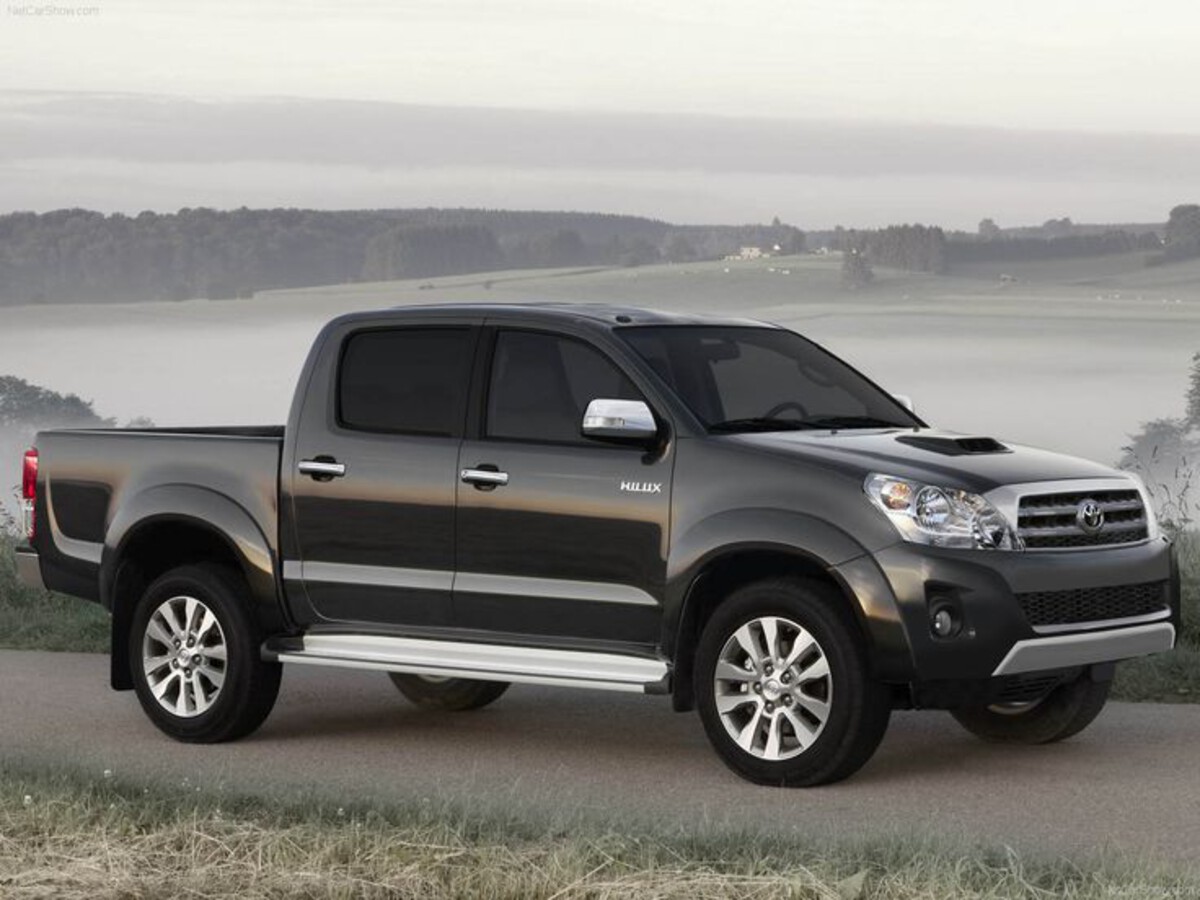
1. Toyota Hilux
The Toyota Hilux has earned a reputation across many continents for consistent durability and structural strength. Its chassis is designed to tolerate intense use across rough terrain and heavy loads without showing rapid wear or fatigue.
Long before other trucks ventured into complex suspension systems, the Hilux relied on a straightforward and reliable ladder frame. Many owners report exceptionally high mileage with minimal frame distortion or structural problems over years of service.
The frame on the Hilux is constructed using high‑strength steel that handles repetitive stress with confidence. In hot climates and harsh conditions, this toughness becomes particularly valuable, with many units operating for decades in commercial fleets.
Toyota’s engineering philosophy emphasizes reliability and proven design over experimental chassis changes that can introduce untested stress points. This consistency benefits owners who require dependable performance over long ownership horizons.
Online owner communities often share stories of Hilux vehicles enduring extreme off‑road conditions, from desert dunes to mountainous terrain. Even when subjected to heavy modifications, such as lift kits and reinforced accessories, the fundamental chassis continues to perform reliably.
Repair shops commonly report fewer frame repair cases compared to other vehicles of similar age and mileage in regions with heavy Hilux usage. This ongoing feedback reinforces the perception of a solid structural foundation.
Another advantage of the Hilux chassis lies in its simplicity, making repairs and maintenance more straightforward and cost‑effective. In remote regions with limited resources, operators appreciate that the frame does not require intricate reinforcements or sensitive adjustments to maintain performance.
Over time, this balance of strength, simplicity, and longevity has made the Hilux a benchmark among pickups with a reputation for solid structural design.
The Hilux chassis endures heavy use with fewer reports of bending, cracking, or excessive corrosion. Owners in agricultural, industrial, and recreational sectors often choose it specifically because they trust the chassis to hold up. As a result, the Hilux remains a frequent recommendation for those who prioritize long‑term structural reliability over other attributes.
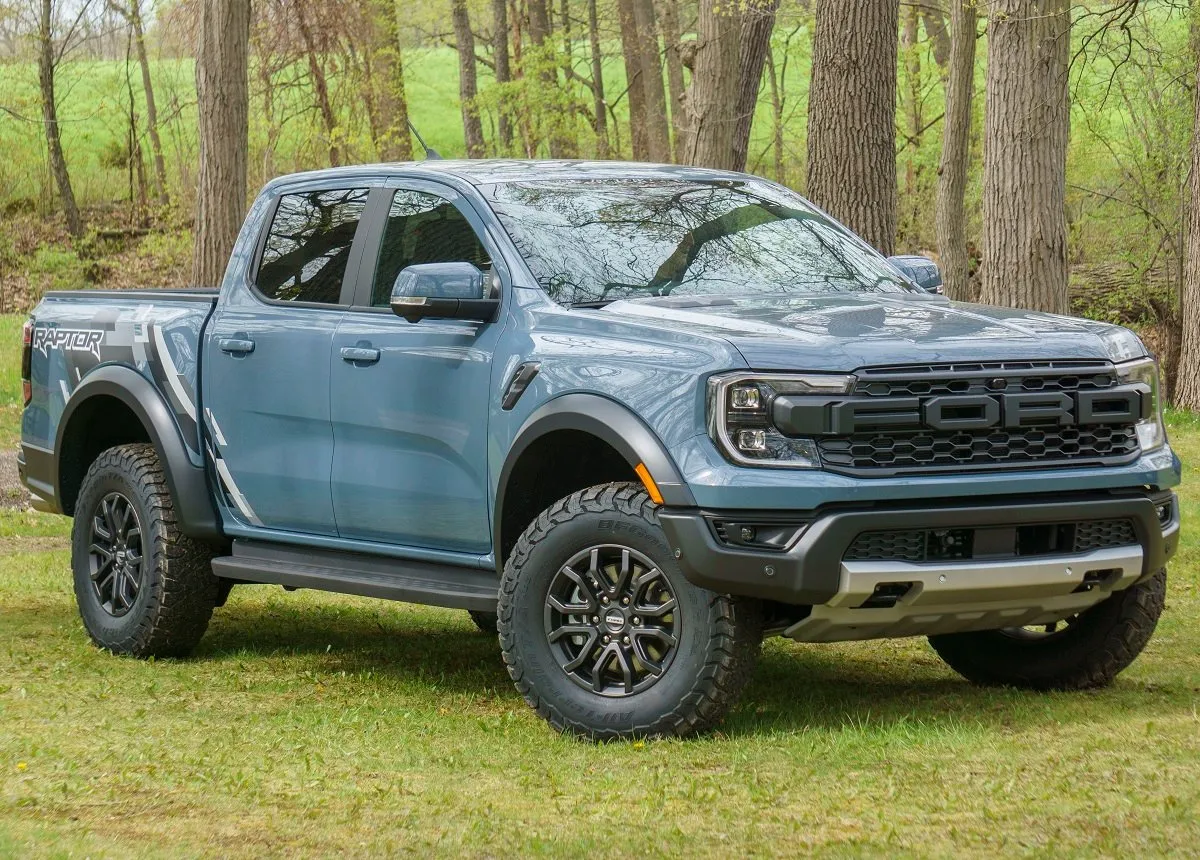
2. Ford Ranger
The Ford Ranger has built a strong name for itself among mid‑size pickup trucks with a chassis engineered to manage both urban challenges and off‑road excursions. Its frame uses a robust steel ladder configuration that supports heavy payloads and towing demands while maintaining good balance between strength and weight.
Designed to withstand repetitive stress without rapid fatigue, the Ranger’s chassis performs consistently even under demanding conditions.
Engineers integrated cross‑members and reinforcements into the Ranger’s frame to enhance rigidity and reduce flex when driving over uneven surfaces.
The result is improved handling stability that drivers notice especially when hauling loads at highway speeds or traveling rough trails. Many fleets and daily drivers rely on the Ranger because it balances strength with maneuverability, a quality often missing in heavier full‑size trucks.
Users often point to consistent performance in towing and payload applications as evidence of a sturdy underlying structure. Whether towing a trailer or carrying gear in the bed, the Ranger’s chassis provides a secure foundation that resists harmful distortion and reduces the risk of alignment issues over time. This resilience also extends the service life of suspension components by reducing undue stress from frame flex.
In various international markets, the Ranger competes with other mid‑size trucks and often receives praise for its controlled ride quality. The chassis design plays a key role in dampening vibrations that can otherwise exacerbate chassis stress and lead to premature wear. Mechanics routinely note fewer frame‑related repairs compared to older competitors when assessing long‑term fleet data.
The Ranger’s structural build quality complements its reputation for dependability and consistent performance. Owners who use the truck for both daily commuting and intensive work assignments find the chassis holds up without frequent interventions. This balance of durability and everyday usability has contributed to its status as one of the pickups known for a solid chassis globally.
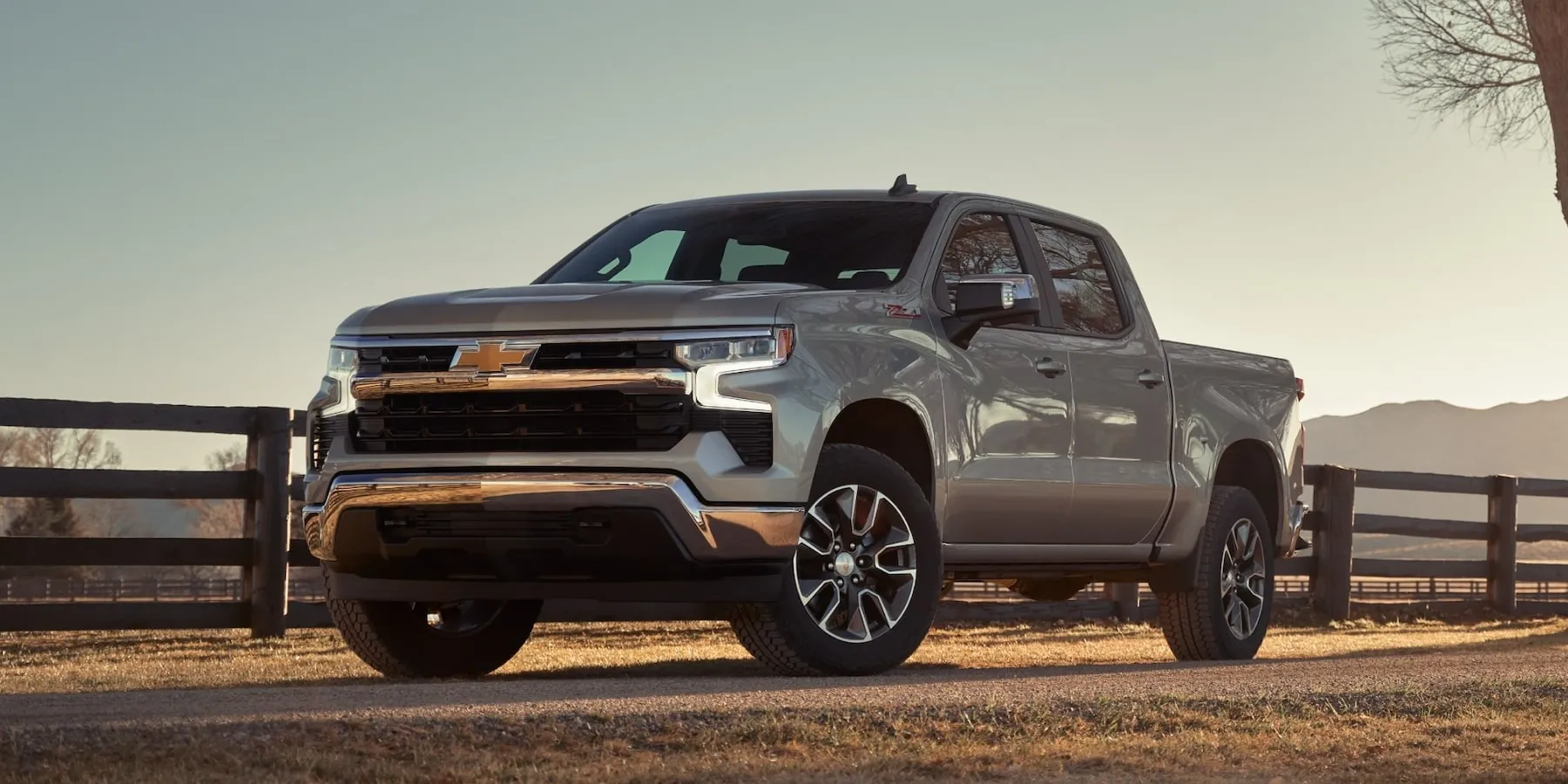
3. Chevrolet Silverado 1500
The Chevrolet Silverado 1500 is widely regarded as a full‑size pickup with a sturdy frame capable of handling demanding towing and hauling tasks with confidence. Its chassis incorporates high‑strength steel and engineered reinforcements that provide a solid platform for the vehicle’s engine, cab, and suspension.
This structure forms the backbone of a truck designed to perform in both commercial and personal use without compromising strength.
Many owners choose the Silverado for its balance of power and reliability, trusting the frame to tolerate heavy loads without showing early signs of bending or weakness.
The Silverado’s chassis design minimizes flex under stress, which helps maintain wheel alignment and protects suspension components from accelerated wear. This stability becomes especially noticeable on long highway journeys with heavy trailers attached.
The truck’s longevity often correlates with the resilience of its chassis, as many older Silverados continue to perform with acceptable structural integrity. Well‑maintained examples from years past still serve active duty without serious frame issues. The Silverado’s reputation has made it a mainstay in fleets, rental services, and industries where reliability is a key concern.
In addition to strength, engineers designed the Silverado chassis to distribute forces effectively throughout the frame. This thoughtful engineering reduces stress concentrations that could lead to cracks or damage under repeated heavy usage.
Many owners report consistent performance in adverse weather, high temperatures, and challenging terrain without noticing chassis deterioration.
The Silverado’s capacity to pair power and structural endurance has solidified its place among trucks known for a robust chassis. Drivers who require a dependable vehicle for towing, construction, or frequent travel appreciate a platform that holds up over time.
In many regions, the Silverado continues to be recommended for those who prioritize a combination of strength, performance, and long‑term reliability.
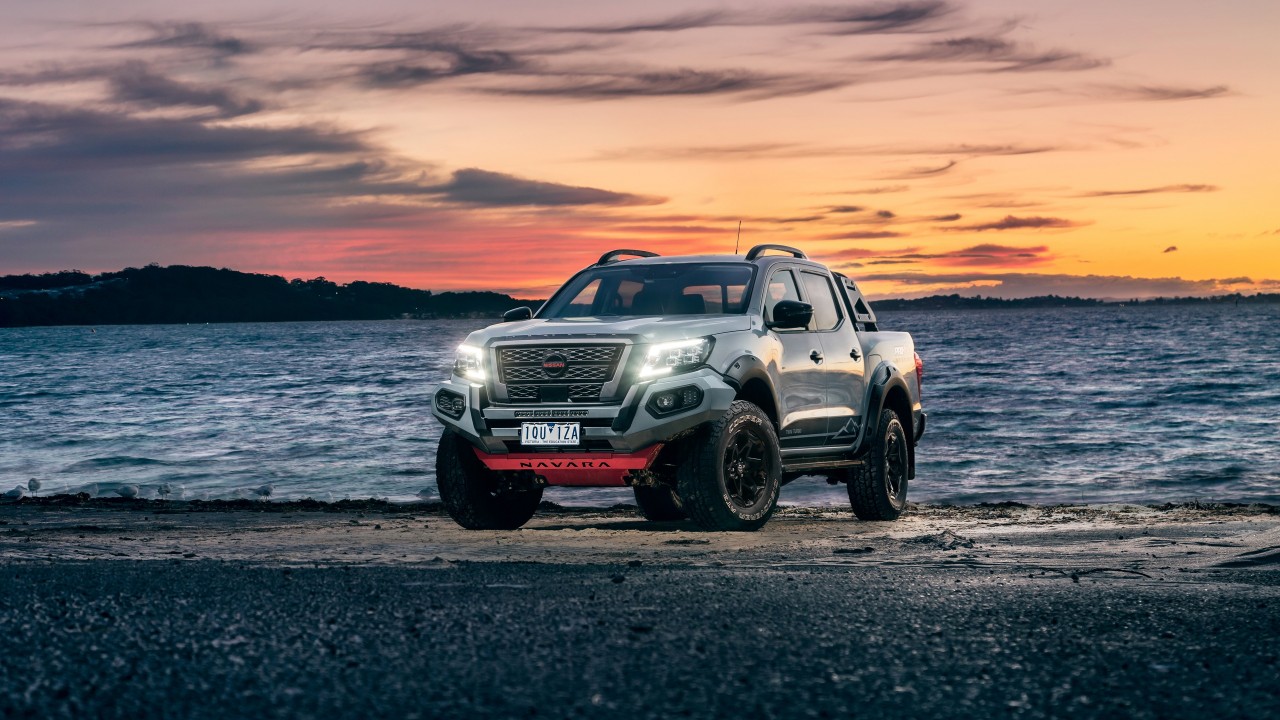
4. Nissan Navara
The Nissan Navara is recognized in international markets for its ability to handle rough roads and heavy tasks without severe chassis degradation. Engineered with a reinforced ladder frame, this pickup supports robust load capacities while maintaining good handling dynamics.
The use of quality materials and reinforced sections allows the Navara to tolerate the pressures of hard work and off‑road use with fewer structural complaints.
Many drivers report that the Navara delivers consistent performance even when regularly loaded near capacity. The chassis maintains alignment and resists visible bending or stress patterns that plague weaker frames. Its design focuses on distributing forces from payloads and suspension activity in a way that preserves frame integrity over many miles of use.
Off‑road enthusiasts also praise the Navara’s ability to handle uneven trails and obstacles. The sturdy chassis works in harmony with the vehicle’s suspension to absorb impacts while maintaining structural stability. This combination enhances driver confidence on challenging terrain and reduces the risk of frame fatigue from repeated shock events.
Fleet operators often favor the Navara because of its balance between structural strength and operational economy. Routine maintenance does not typically reveal issues related to frame warping or cracks, even after extended service life. Mechanics working in regions with heavy Navara usage rarely cite chassis failure as a frequent source of repair work.
The Nissan Navara stands out as a pickup with a reliable and resilient chassis platform. Its capacity to sustain loads and travel harsh roads without excessive structural wear makes it a viable choice for diverse applications. Drivers seeking a dependable truck with long‑term value can consider the Navara’s strong chassis as a noteworthy asset.

5. Isuzu D‑Max
The Isuzu D‑Max has earned strong praise in markets around the world for its enduring build quality and rugged chassis design. Known for handling continuous work tasks, this pickup uses a ladder frame with strategic reinforcement points to resist bending and frame fatigue. The truck’s foundation supports both heavy cargo and extended off‑road travel with a balance of strength and flexibility.
Isuzu engineers focused on creating a reliable structural platform that tolerates stress from towing, hauling, and uneven terrain. The chassis design channels loads away from critical areas, helping prevent early distortion or stress fractures. Users who operate D‑Max trucks in commercial fleets often report consistent structural performance over long periods of use.
Maintenance professionals frequently note that chassis complaints are less common for the D‑Max compared to competitors with similar duty profiles. This contributes to lower lifecycle costs and fewer disruptions due to frame‑related issues. The D‑Max’s ability to endure heavy work cycles without significant structural interventions boosts its reputation for dependability.
Off‑road capability further highlights the D‑Max’s chassis resilience, as the truck absorbs jolts and impacts while maintaining axial alignment. Drivers appreciate that the vehicle manages rugged routes without causing undue stress on the frame or suspension connections. This stability enhances both comfort and safety when driving beyond paved roads.
Because of these qualities, the Isuzu D‑Max is often recommended for buyers seeking a dependable pickup with structural strength. Its chassis handles routine and challenging tasks with minimal adverse effects, contributing to a strong performance record. The truck remains a solid choice for those who emphasize frame durability in their selection process.
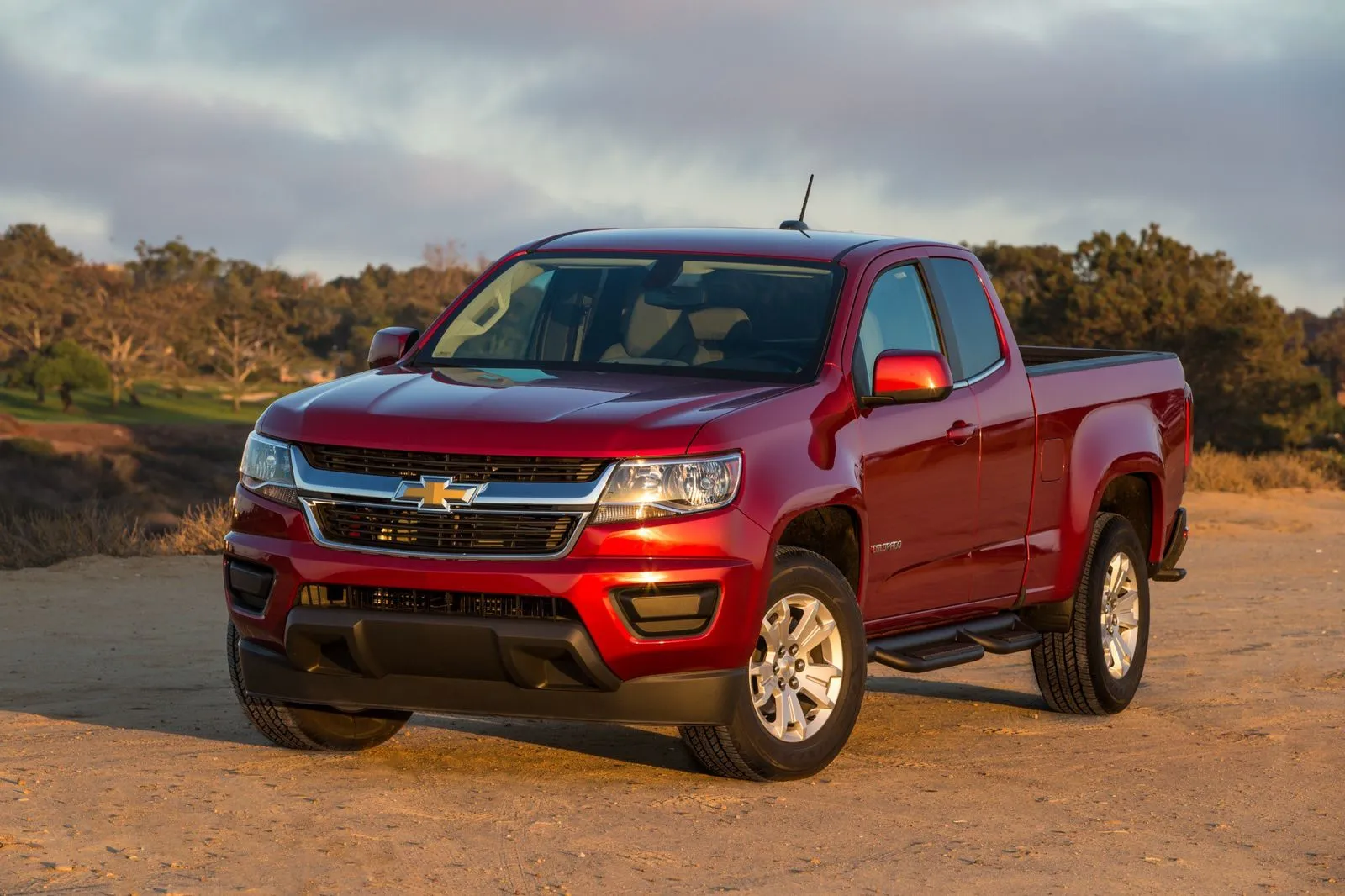
6. Chevrolet Colorado
The Chevrolet Colorado has encountered challenges with frame integrity in certain model years, particularly when exposed to heavy use over extended periods.
Some owners have reported early signs of corrosion and stress cracks, especially in regions with high humidity or road salt exposure. These issues undermine confidence in long‑term durability and can increase maintenance expenses for individuals and fleets.
Mechanics working on older Colorado models have noted uneven wear patterns along the frame rails, which can lead to alignment problems as the truck accumulates miles.
Corrosion in critical areas weakens structural components, making them more vulnerable to bending under load. Trucks used for towing or off‑road driving may exhibit symptoms sooner than those used in light duty.
Another concern cited by owners is the prevalence of rust developing under the vehicle within a few years of service. This surface deterioration can progress deeper into the frame if left unchecked, compromising load‑bearing surfaces and reducing chassis strength. Repairs often require significant time and expense because of the extent of the corrosion.
Some Colorado users also mention vibration and unusual handling behaviors that point to frame instability. These symptoms typically appear after the vehicle has been driven hard or loaded near its capacity. The cumulative stress on vulnerable areas of the frame can exacerbate structural weaknesses and reveal design limitations under real‑world conditions.
Despite its many positive attributes in performance and comfort, the Colorado’s reputation for occasional frame issues cannot be ignored. Prospective buyers should consider these concerns when evaluating long‑term ownership costs and reliability expectations. Careful inspection and preventive maintenance are advisable to mitigate potential problems.
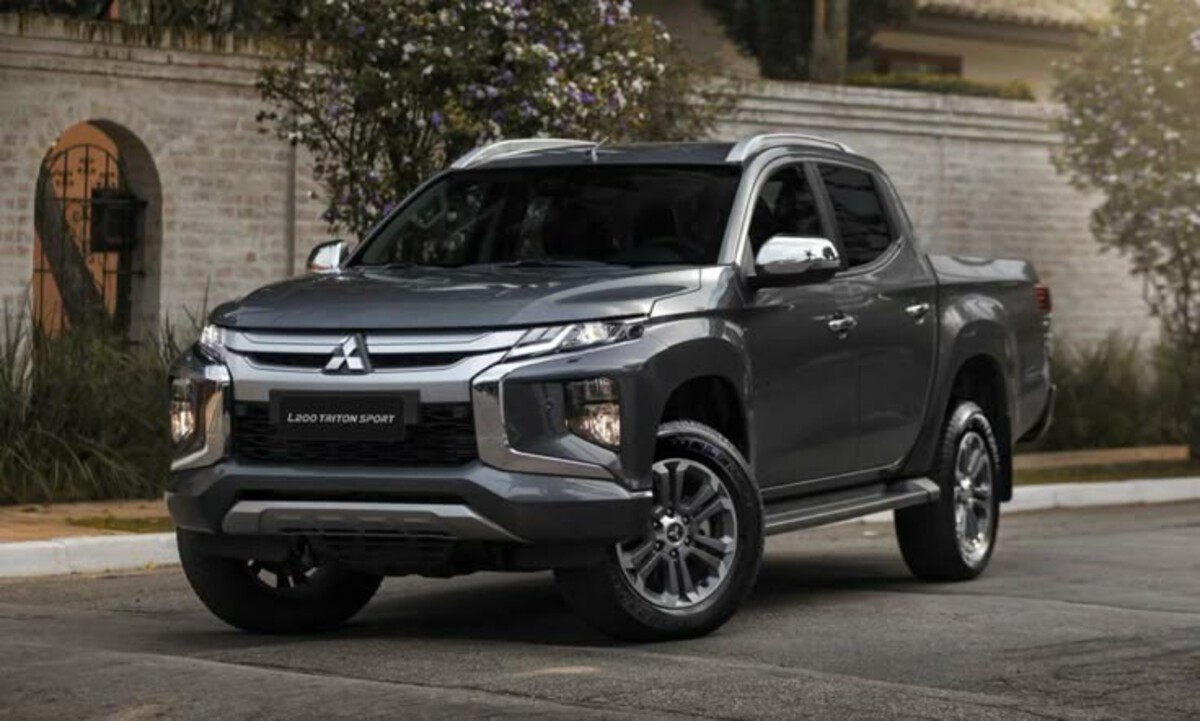
7. Mitsubishi Triton / L200
The Mitsubishi Triton, also known as the L200 in certain markets, has been associated with frame problems in specific production years. The core issue tends to involve susceptibility to corrosion and degradation of frame components exposed to environmental stressors. This condition can negatively impact structural strength when the truck operates in demanding or corrosive environments.
In areas where road salt and moisture accelerate rusting, the Triton’s frame has shown early onset of surface corrosion that can progress to deeper structural layers. Left untreated, this deterioration may reduce load capacity and contribute to uneven handling. Owners have raised concerns about requiring frequent attention to underbody protection and rust prevention measures.
Stress cracks have also been mentioned in connection with older Triton models, especially where repeated load cycles occur. While not universal, these cracks can appear near suspension mounting points, which are critical to the vehicle’s stability. Once cracks develop, they can grow and require welding or reinforcement to prevent more serious damage.
Service technicians sometimes observe frame looseness or alignment shifts during inspections of higher‑mileage Triton vehicles. These symptoms are indicators that the structural elements may not be coping well with prolonged stress in real‑world usage.
Repairs can be labor‑intensive because addressing underlying corrosion often involves removing affected sections and replacing them.
The Mitsubishi Triton still offers many strengths, but owners and buyers should be aware of potential frame issues that may arise over time. Recognizing early signs and performing preventive maintenance can help mitigate problems, yet the reputation for chassis degradation persists in some regions. Prospective owners often weigh these concerns before committing to long‑term use.
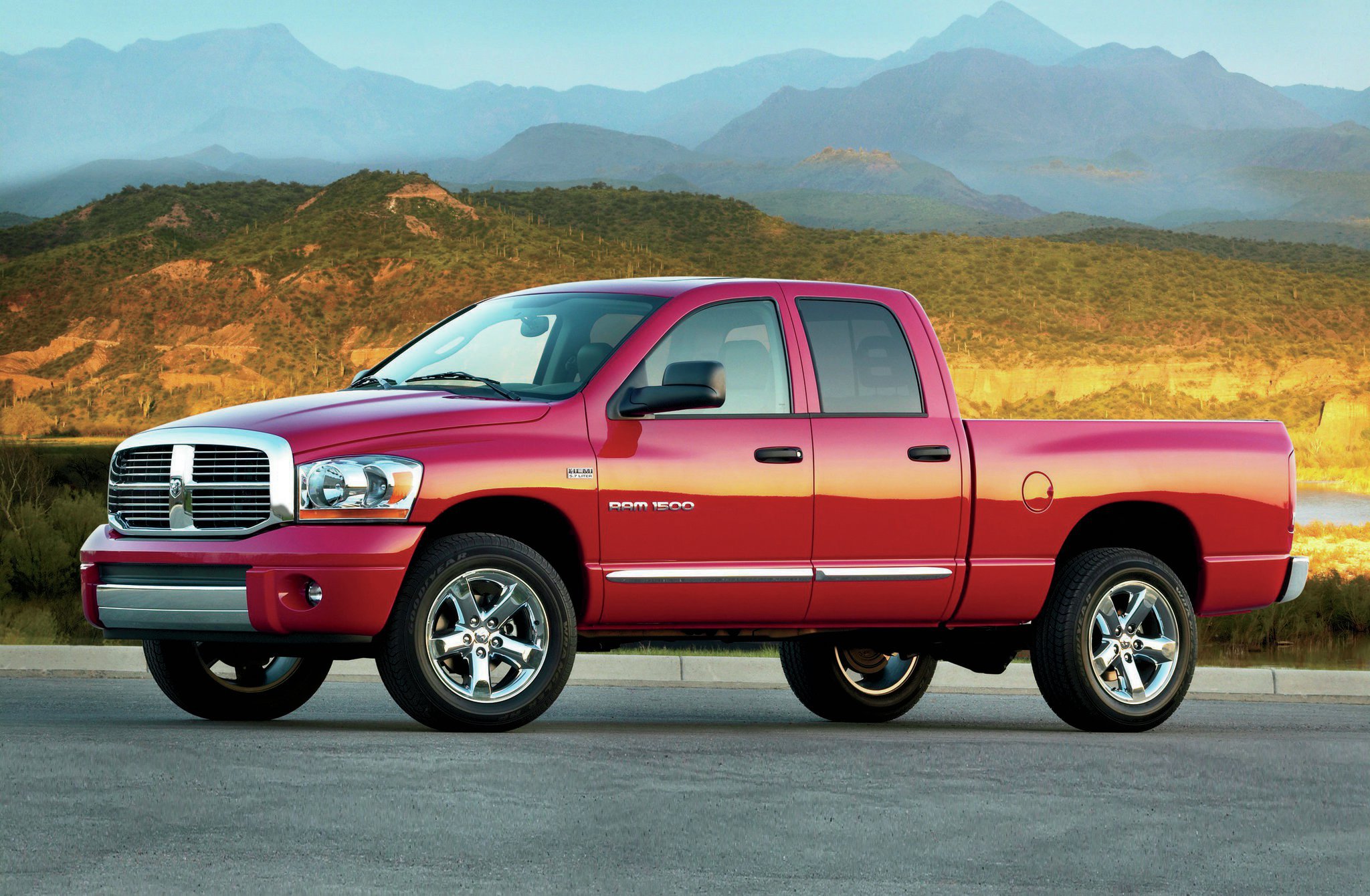
8. Dodge Ram 1500
The Dodge Ram 1500 has experienced chassis concerns in specific model years, with reports of early frame corrosion and structural weaknesses. In some climates, the use of lower corrosion‑resistant materials in early production frames led to accelerated rusting. This problem became more noticeable as these trucks aged, particularly when exposed to salt and moisture.
Owners have reported that corrosion tends to concentrate around the rear frame sections and suspension mounting points. As rust penetrates deeper into the metal, structural integrity diminishes, leading to potential issues with towing, load distribution, and handling. These symptoms often become most visible after several years of service.
Frame stress and related alignment problems have been a concern for some Ram 1500 users, especially those who routinely tow heavy trailers. Uneven frame deterioration can result in subtle shifts that affect steering response and ride quality. Repairing or reinforcing these areas requires substantial effort due to the extent of the affected metal.
Although the Ram 1500 has many appealing features, its chassis history for certain years requires careful consideration before purchase. Prospective buyers may want to prioritize corrosion protection and inspect frames thoroughly, especially in older trucks. Those who keep vehicles long term often invest in undercoating and frequent inspections to prevent issues.
The reputation for early frame corrosion does not apply to all Ram 1500 years, yet the pattern has influenced consumer perception. Today’s models may have addressed many concerns, but buyers evaluating used options are well advised to check frame condition closely and seek professional inspection before acquisition.

9. Land Rover Defender
The Land Rover Defender has gained legendary status for its off‑road capability and adventurous spirit, but some older models have documented frame problems that surfaced over time.
While the vehicle was engineered for rugged terrain, early frame materials and corrosion protection measures were not always sufficient for extended use in certain climates. This led to rust piercing through sections of the chassis on vehicles that had significant mileage.
Defenders used regularly in wet, coastal, or winter road conditions show accelerated frame degradation. Rust often appears on the underside and around bolt locations where water and debris accumulate. As corrosion spreads, the frame can lose rigidity, increasing the risk of structural compromise during heavy off‑road use or when carrying loads.
Owners seeking to preserve their Defenders often invest heavily in protective coatings and regular inspections. However, these preventive actions are necessary precisely because of the underlying susceptibility of the chassis to corrosion. Mechanics in areas with high moisture exposure have encountered numerous cases where substantial frame repair or replacement was needed.
Frame cracks have also been reported in some older Defenders that experienced repeated flexing on rough terrain. These cracks typically develop around stress concentration areas such as suspension mounts. Repairing them often requires cutting and welding new sections, which becomes costly and time‑consuming.
Despite its iconic status, the Defender’s legacy of frame issues in earlier years illustrates that reputation and capability do not always guarantee structural longevity. Enthusiasts often accept these trade‑offs, but potential buyers should be aware that robust off‑road performance may come with increased maintenance demands on the chassis.
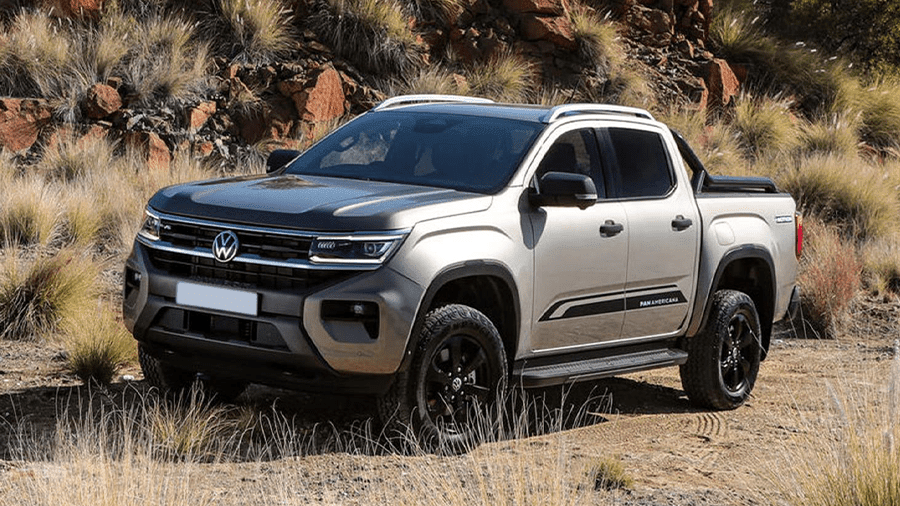
10. Volkswagen Amarok
The Volkswagen Amarok has been praised for many aspects of performance, yet certain owners have reported frame weaknesses that emerge under heavy use. In some climates, chassis corrosion has been a recurring complaint, with rust developing on key structural members exposed to moisture and road chemicals. This affects load‑bearing surfaces and can diminish long‑term durability if not addressed.
Instances of frame fatigue have also been reported after repeated towing or hauling near the truck’s limits. These occurrences appear more frequently on older units that have seen extensive use in work environments. As the frame wears, drivers may notice alignment shifts or uneven wear on tires, both signs of underlying structural changes.
Mechanics working on Amarok vehicles in regions with harsher environmental conditions have encountered rust and stress points that require reinforcement. The need for welds or additional protective coatings becomes more common as these trucks age. Addressing such weaknesses early can help, but it adds to the total cost of ownership.
Owners who prioritize frequent maintenance and proactive rust prevention often manage to preserve Amarok frames in satisfactory condition. Still, the pattern of reported chassis concerns has influenced perceptions among buyers who need a long‑lasting structural platform. The Amarok’s performance strengths may not fully offset these concerns for some users.
When considering the Amarok, buyers should inspect frame conditions carefully, especially on used models with high mileage. A thorough assessment can reveal early signs of corrosion or wear before purchase. Being aware of these potential issues allows owners to plan preventive measures and maintain the truck’s structural health.
