
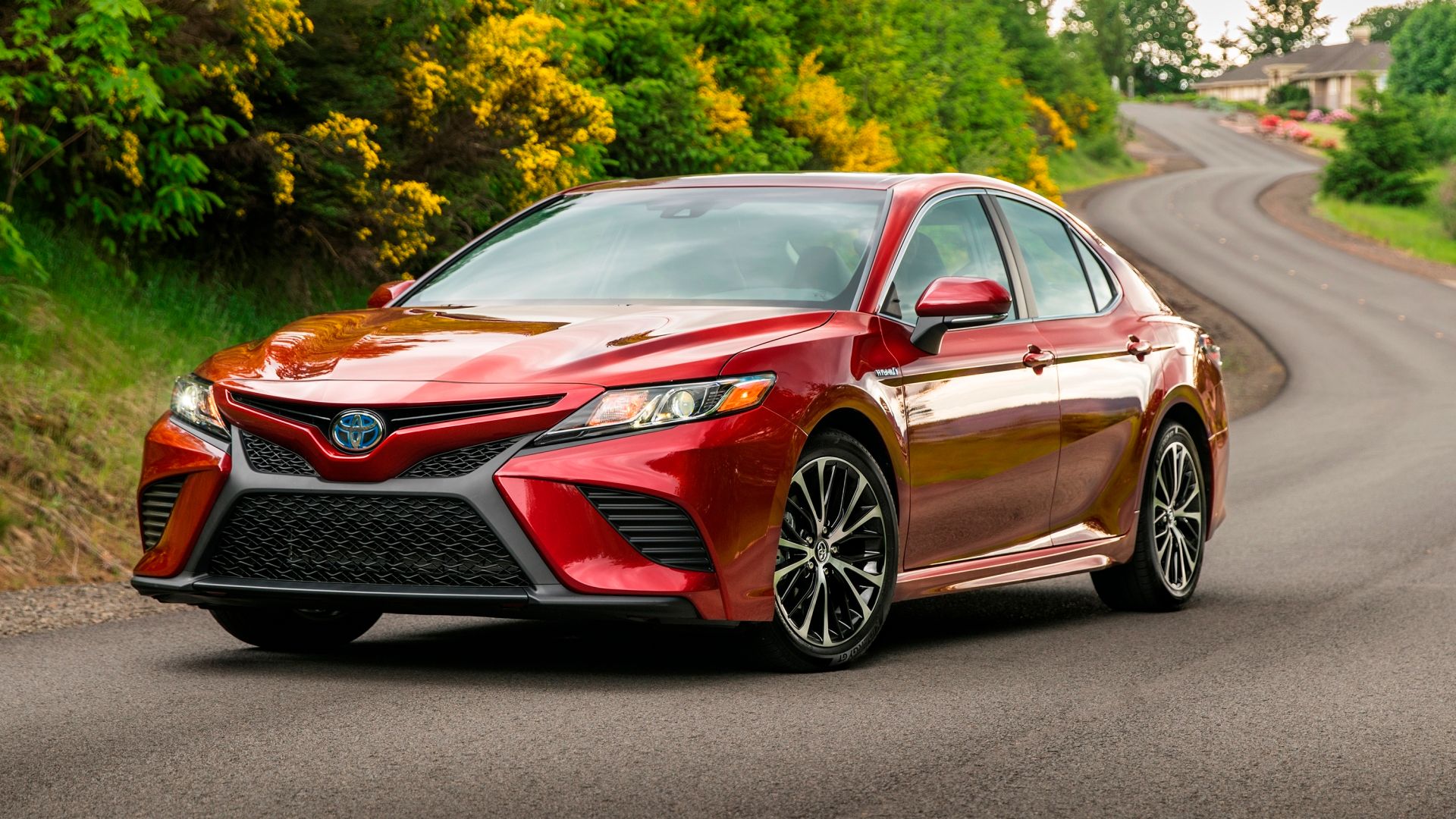
The value a midsize car retains over time can make as much difference to a careful owner as the initial purchase price. Some models hold onto their market worth decades after first sale, reflecting solid reliability, strong demand in the used market, and a reputation that instills confidence in buyers.
Others suffer from rapid drops in value due to shifting consumer preferences, perceived maintenance issues, or simply a lack of brand loyalty that erodes pricing potential. In this comparison, we look at five midsize cars that consistently retain higher resale value, and five that tend to lose value quickly.
By understanding the factors behind these trends, a buyer can make a more informed decision that may benefit them financially, particularly if they plan to resell or trade in the vehicle later.
Resale value affects total cost of ownership in ways that go beyond monthly payments or insurance costs. A car that retains its value well can reduce depreciation losses, which are often the single largest expense after fuel and maintenance. Prospective buyers examine historical data, owner satisfaction surveys, and market desirability to gauge what makes a model stand out or falter.
Understanding resale value is not just for those who plan to sell their car within a few years. It can influence financing decisions, lease terms, and even insurance rates. A buyer who anticipates strong resale potential might be willing to pay a bit more upfront, knowing that the cost will be recouped later.
Conversely, recognizing a model that depreciates quickly can steer a buyer toward options that may be stronger in long‑term value. With that context in mind, we now turn to the first group of vehicles with the best resale value in the midsize class and explore what helps them maintain desirability over time.
Best Resale Value Midsize Cars
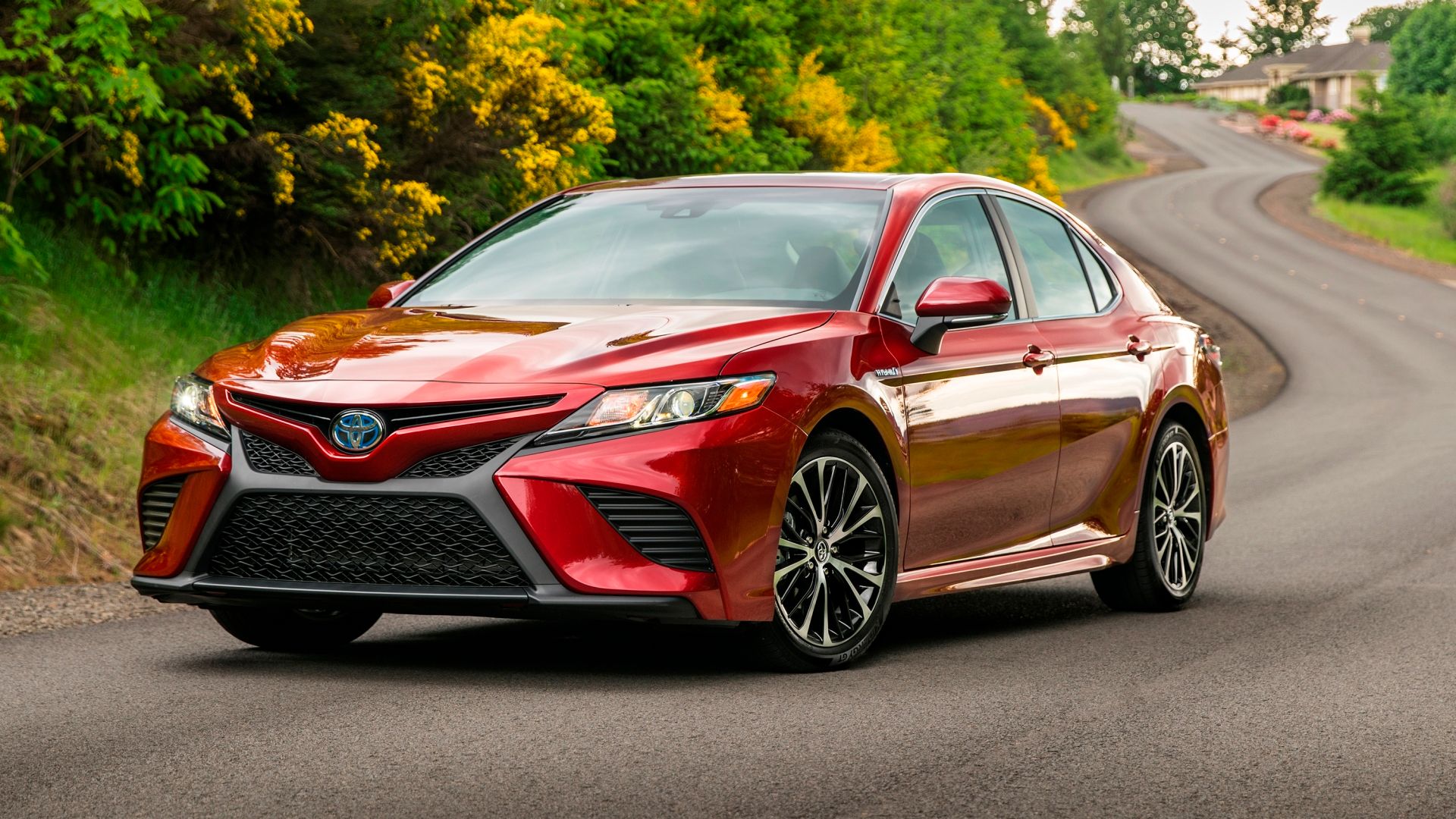
Toyota Camry
The Toyota Camry has built a reputation as one of the most dependable midsize sedans on the road, and this reputation fuels its strong resale value year after year. Buyers in the used market consistently seek out Camry models because they are seen as long‑lasting and easy to maintain. A history of solid reliability ratings, along with widespread dealer support, encourages confidence in prospective second‑hand owners.
Fuel efficiency across multiple engine options, from four‑cylinder to V6, offers buyers flexibility that keeps demand high in both city and highway driving scenarios. Camry’s balanced ride quality appeals to commuters and families alike, and this broad appeal contributes to its ability to hold on to value. Even models with higher mileage often retain impressive prices compared to competitors.
Innovations over successive generations have kept the Camry fresh in the eyes of buyers, while not sacrificing the consistency that makes it a favorite in resale auctions. When a vehicle is known for requiring fewer unexpected repairs and having a lower cost of ownership, its second‑hand pricing is naturally stronger. Many used car lots highlight Camry models prominently for this reason.
The large presence of Camrys on the road also means a robust aftermarket for parts and accessories, which further supports used values. Buyers know that if repairs are ever needed, parts are easy to source and relatively affordable. This accessibility bolsters confidence in holding resale value strong over time.
Finally, the Camry’s reputation is reinforced by loyal buyers who return to the model with each new purchase. Brand loyalty and repeat ownership play a significant role in maintaining demand in the used car market. Toyota’s longstanding reputation for durability makes the Camry a steady performer in resale scenarios.
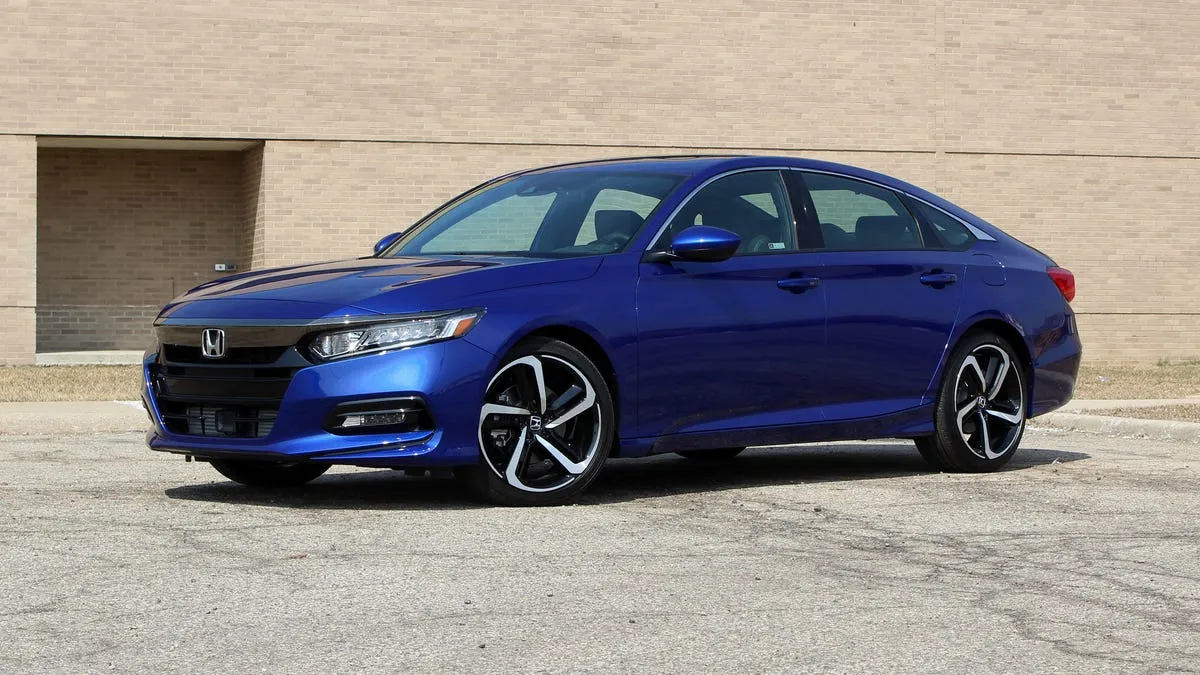
Honda Accord
Comparable to the Toyota Camry in many respects, the Honda Accord combines engaging driving dynamics with reliability that helps sustain robust resale pricing. Buyers often praise the Accord for its combination of comfort and sportiness, which broadens its appeal. That dual nature makes it a sought‑after choice among used car buyers who want more than just basic transportation.
Accords have generally strong reliability ratings, and this perception translates into confidence among potential resale buyers. The Accord’s engine options, including efficient four‑cylinders and more powerful alternatives, give consumers choices that align with their priorities. This flexibility adds to the model’s desirability over time.
Honda’s reputation for solid engineering ensures that even older Accords can remain competitive in the resale market. Many owners report long service lives with minimal major issues, which encourages buyers to consider them as dependable options. A used Accord with full service records can command higher pricing compared to rivals.
The Accord’s interior space and comfort also contribute to its lasting appeal. Families looking for a dependable used car often find that the Accord ticks many boxes for practicality and comfort. This broad set of desirable traits enables the Accord to maintain higher resale values compared to peers that may lack in one or more areas.
Moreover, strong brand loyalty for Honda reinforces the Accord’s standing in the resale market. Enthusiasts and everyday buyers alike recognize the model’s strengths, which in turn keeps used demand healthier than many competitors. This sustained demand helps sustain resale values across model years.
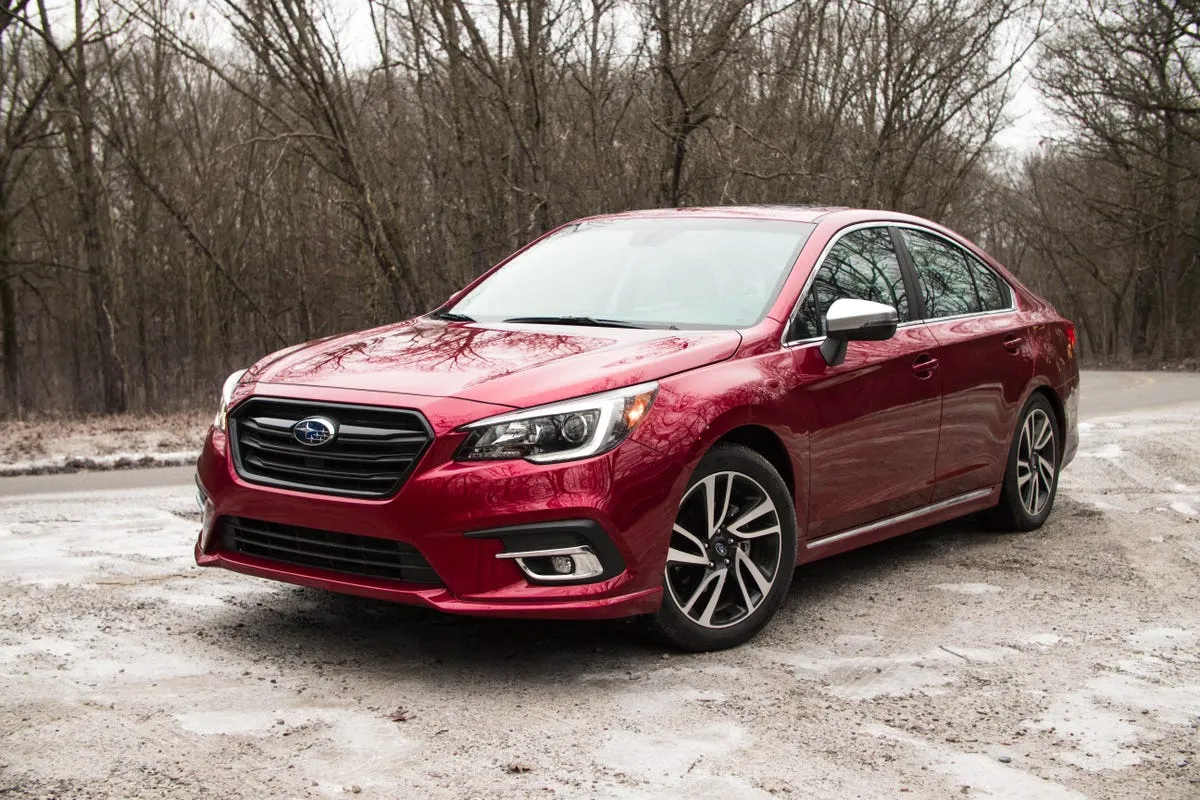
Subaru Legacy
The Subaru Legacy stands out in the midsize segment due in part to its standard all‑wheel drive configuration, which appeals to buyers in climates that experience inclement weather. This distinctive feature sets the Legacy apart from many competitors that offer all‑wheel drive only as an option or not at all. As a result, demand in used markets within regions that value traction and stability remains strong.
Legacy’s reputation for ruggedness, combined with the versatility of all‑wheel drive, drives a steady interest in both urban and rural environments.
Buyers who plan to drive through snow, rain, or uneven terrain often prioritize this configuration, bolstering resale values in areas where these features are valued. Subaru’s brand identity is closely associated with outdoor lifestyles, and the Legacy fits into that ethos.
The cabin experience in the Legacy also holds up well over time, providing a comfortable ride and ample space for passengers and cargo alike. Practicality and utility are strong selling points in the resale market, where families and commuters alike look for vehicles that meet everyday needs without compromise. The balance of comfort and capability helps keep the Legacy competitive.
Another factor that supports the Legacy’s resale strength is Subaru’s reliability track record. Owners often report satisfaction with long‑term durability, especially when regular maintenance is performed. A well‑maintained Legacy can attract buyers who see value in a vehicle that may last well beyond initial ownership.
Finally, the Legacy’s resale retention benefits from a community of loyal buyers who appreciate its unique offerings. Whether it’s the standard all‑wheel drive or the combination of generous features at a competitive price, this midsize sedan remains a compelling option for used car buyers, contributing to its strong presence in the resale market.
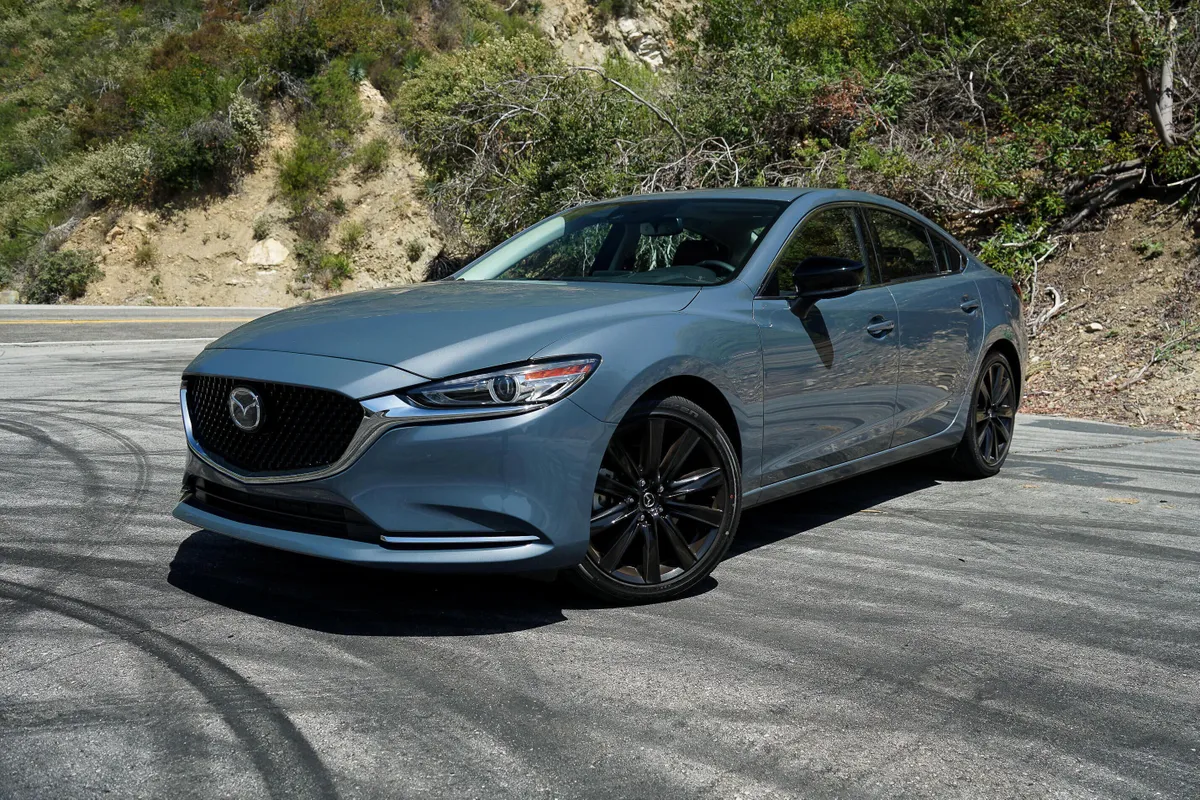
Mazda6
The Mazda6 has earned praise for its engaging driving dynamics, which differentiate it from many other midsize sedans that emphasize comfort over sportiness.
This engaging character resonates with buyers who want a more spirited experience behind the wheel, and such appeal boosts interest in the used market. Enthusiasts and everyday drivers alike often seek out Mazda6 models for their balance of performance and practicality.
Mazda’s focus on quality materials and design elevates the interior experience, making the cabin feel more premium than its price might suggest. When a used vehicle offers a refined interior that stands the test of time, buyers are more willing to pay closer to retail values. The Mazda6’s attention to detail and driver‑centric layout help it stand out.
Another factor in the Mazda6’s resale strength is its reputation for reliability. Owners frequently report solid performance over many miles, which boosts confidence among used buyers. A vehicle with a strong track record of dependability naturally commands stronger pricing in resale scenarios.
The fuel efficiency and technological features of the Mazda6 further support its appeal in the second‑hand market. Practical considerations like good mileage and modern conveniences make it attractive to a broad audience, enhancing demand. As midsize sedans become less common, models that combine desirability and usefulness maintain stronger pricing.
Lastly, the Mazda6 benefits from brand perception as a thoughtful, well‑engineered choice. While not as ubiquitous as some rivals, its distinctive character and consistent quality help it retain value better than many competitors that lack similar attributes. This places the Mazda6 among the stronger midsize options when considering long‑term worth.
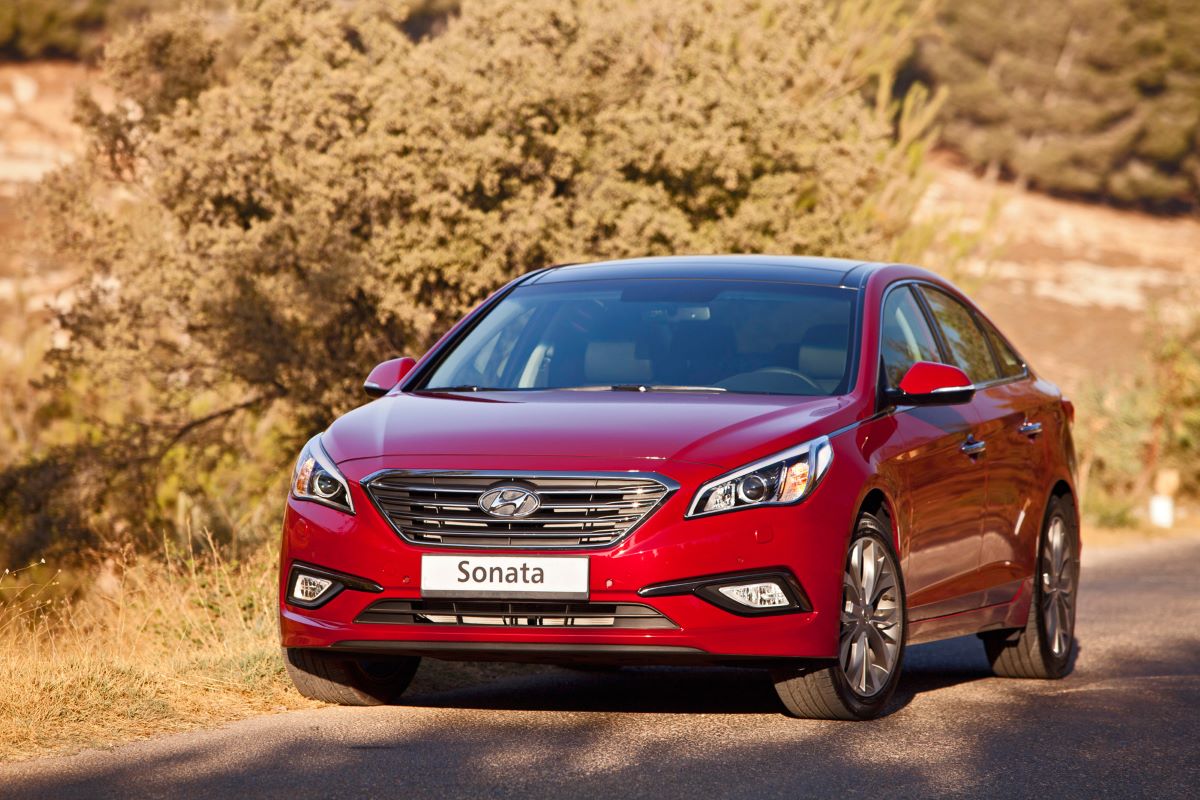
Hyundai Sonata
The Hyundai Sonata has undergone significant improvements over recent generations, elevating its status in terms of design, features, and perceived quality.
These enhancements have contributed to stronger resale values as buyers recognize the vehicle’s modern amenities and competitive performance. The Sonata’s evolution has helped change perceptions, encouraging more robust demand in the used market.
One of the Sonata’s assets in resale terms is its long list of standard features, which often includes advanced safety technology and connectivity options. Buyers in the used market are drawn to vehicles that offer more without a steep price tag, and the Sonata frequently fits that criterion. This broad appeal helps maintain its value.
The ride comfort and interior space in the Sonata also appeal to families and commuters alike. Practicality is a key driver of resale demand, and a comfortable midsize sedan with room for passengers and cargo holds its worth better than counterparts that feel dated or cramped. The Sonata’s comfortable experience enhances its used desirability.
Reliability and warranty reputation play supporting roles in the Sonata’s resale story. Hyundai’s long warranty coverage gives original owners peace of mind, and this confidence can transfer to the used buyer when maintenance records are available. A vehicle perceived as reliable will retain value more effectively.
Finally, the Sonata’s distinctive styling and continuous refinement position it as a competitive option in the midsize resale market. While it may not always match the resale strength of segment leaders like Toyota or Honda, the Sonata’s combination of features, comfort, and quality help it hold value better than many others in its class.
Midsize Cars That Depreciate Instantly
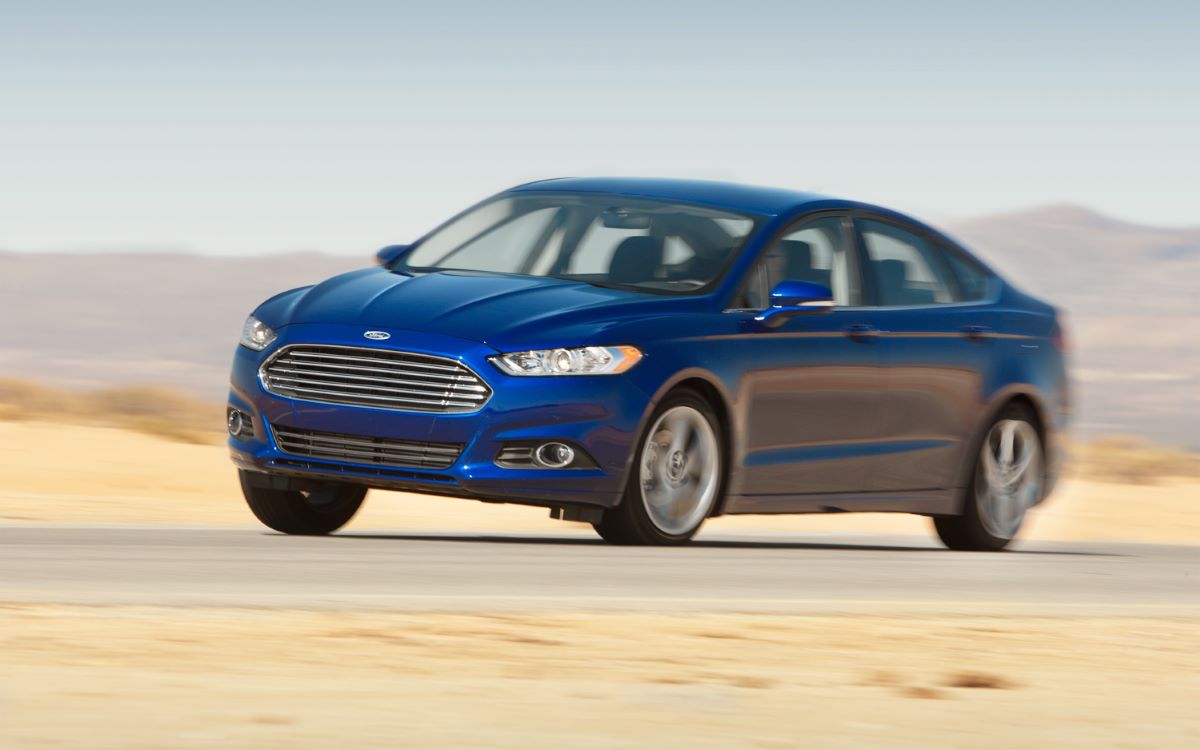
Ford Fusion
The Ford Fusion once stood as a popular choice in the midsize segment, yet over time its resale value has suffered compared to many competitors. Despite offering a range of powertrains and all‑wheel drive options, the Fusion’s demand in the used market has lagged behind stronger rivals. Buyers often prioritize models with more established reputations for long‑term reliability.
Some of the depreciation challenges facing the Fusion stem from perceptions about maintenance costs and parts availability, which can influence buyer interest when shopping for used options. Even though many owners report satisfactory experiences, broader market sentiment plays a large role in pricing. A model seen as less desirable naturally loses value more rapidly.
The Fusion’s interior design and feature set also fell behind newer competitors as automotive technology advanced. Buyers looking for modern connectivity, safety features, and cabin refinement often gravitate toward more recent rivals. As a result, older Fusion models may struggle to command higher pricing in resale scenarios.
Brand loyalty can influence resale trends, and in the case of the Fusion, many buyers gravitate toward Japanese alternatives known for reliability and longevity. The stronger follow‑on demand for models like the Camry or Accord pushes down residual values for vehicles like the Fusion. This imbalance contributes to the Fusion’s quicker depreciation.
Finally, the discontinuation of the Fusion in certain markets reduced its visibility and support, which influences buyer confidence in the used market. When a model is no longer actively sold new, some buyers worry about future parts support or resale prospects, further weakening its value retention. These combined factors have led to the Fusion’s reputation as a model that depreciates swiftly.
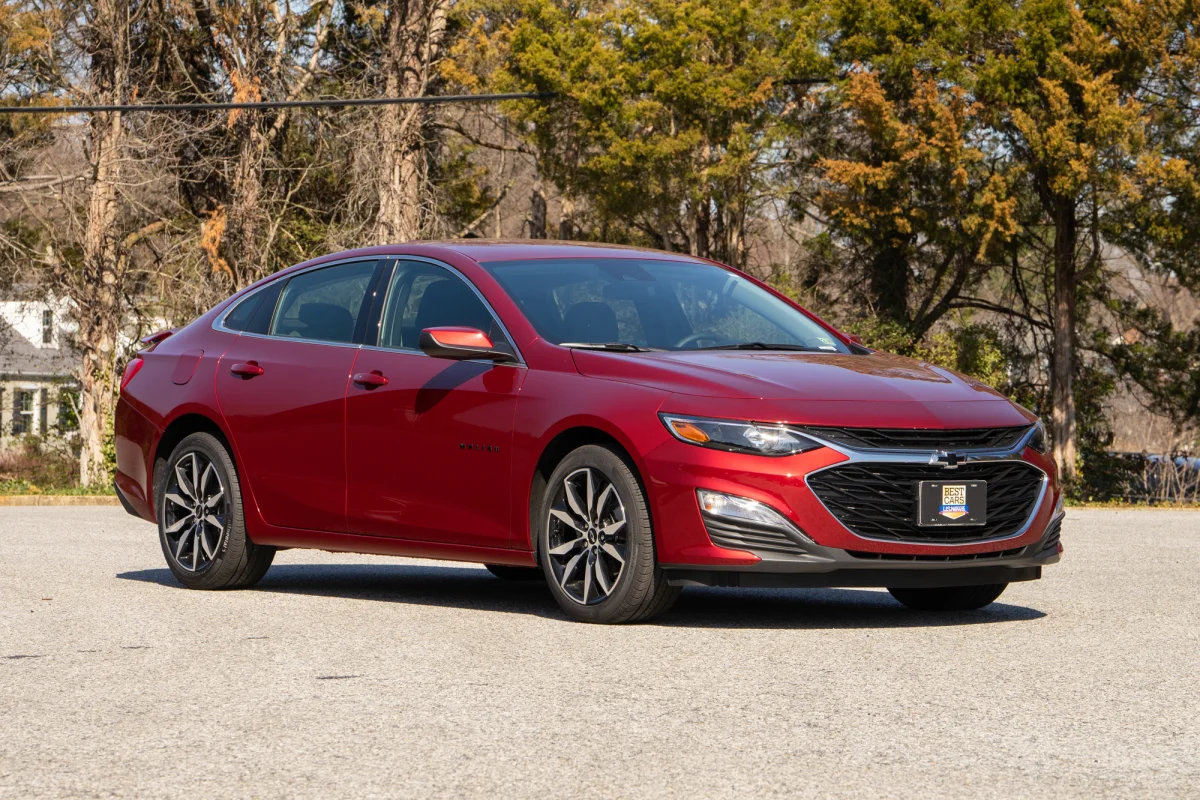
Chevrolet Malibu
The Chevrolet Malibu has been a recognizable name in the midsize field, yet it often falls short in terms of holding resale value compared to stronger competitors. While the Malibu offers a comfortable ride and decent fuel economy, it struggles to generate the same enthusiasm in used markets that some other models enjoy. Demand influences pricing heavily, and Malibu’s secondary demand has generally been modest.
Market perceptions around long‑term reliability influence resale trends, and for the Malibu, mixed owner reviews have affected its desirability. Even with improvements in recent iterations, past reputations can linger and dampen enthusiasm among buyers looking for dependable used options. A cautious buyer may opt for models with more consistent histories.
Interior space and technology offerings have improved over time, yet many competitors seem to outshine the Malibu in these areas. Used buyers often seek vehicles that feel modern and fully equipped, and vehicles that don’t deliver standout features may face steeper depreciation. This dynamic places additional pressure on Malibu’s pricing.
Brand competition also plays a role, as sedans from Japanese manufacturers often dominate midsize resale searches. Strong histories of durability and broad appeal make models like the Honda Accord or Toyota Camry more attractive on used lots, leaving the Malibu at a disadvantage. This competitive market environment weakens Malibu’s resale position.
Additionally, fluctuations in consumer preference toward crossovers and SUVs have impacted traditional sedans disproportionately. While this trend affects many models, sedans with less distinct value propositions have borne the brunt, and the Malibu is no exception. The combined influence of shifting tastes and competing strengths contributes to rapid depreciation.
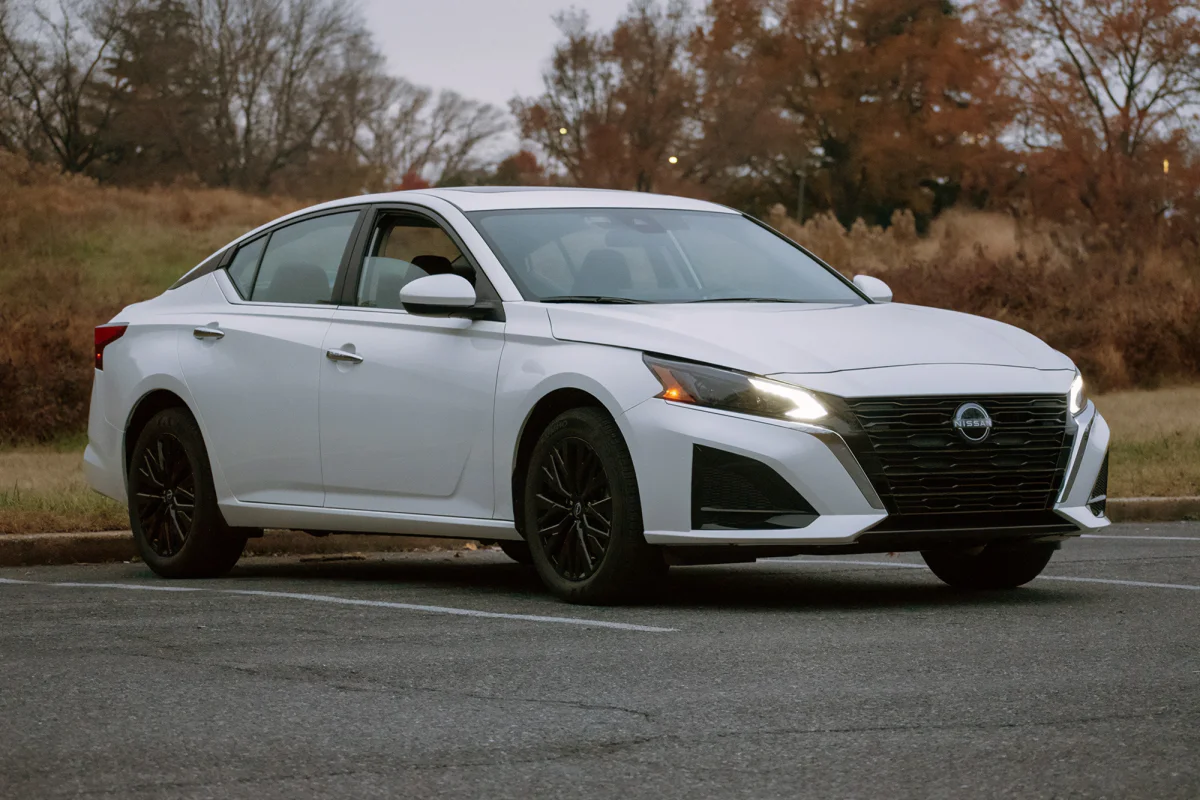
Nissan Altima
The Nissan Altima offers a range of appealing features and a comfortable driving experience, yet its resale value often declines more sharply than some rivals. Factors influencing this trend include perceptions around long‑term reliability and ownership costs, which can temper buyer interest in used examples. A vehicle that is less trusted by potential owners will face pricing pressure.
The Altima’s value retention also suffers due to a crowded midsize segment, where competition from brands with stronger resale histories makes it harder for the Altima to stand out. Buyers may prioritize models with more established reputations, reducing demand for the Altima in the used market. This dynamic accelerates depreciation.
In addition, some Altima models require more frequent maintenance or have higher parts costs compared to competitors, which can influence total cost of ownership considerations. Prospective second‑hand buyers often weigh these factors heavily when budgeting, leading them to alternatives perceived as cheaper to maintain. This affects resale pricing.
Interior design and feature sets, while generally adequate, may not feel as refined or up‑to‑date as those found in other midsize options. In used markets, buyers seek both comfort and modern amenities, and vehicles that fall short risk losing interest quickly. This contributes to weaker resale values for the Altima.
Lastly, shifting consumer preferences toward crossovers and larger vehicles have hit traditional sedans hard. In a segment where some models manage to buck trends thanks to strong brand loyalty, the Altima often struggles to maintain traction. Combined with competitive headwinds, these factors lead to quicker depreciation.
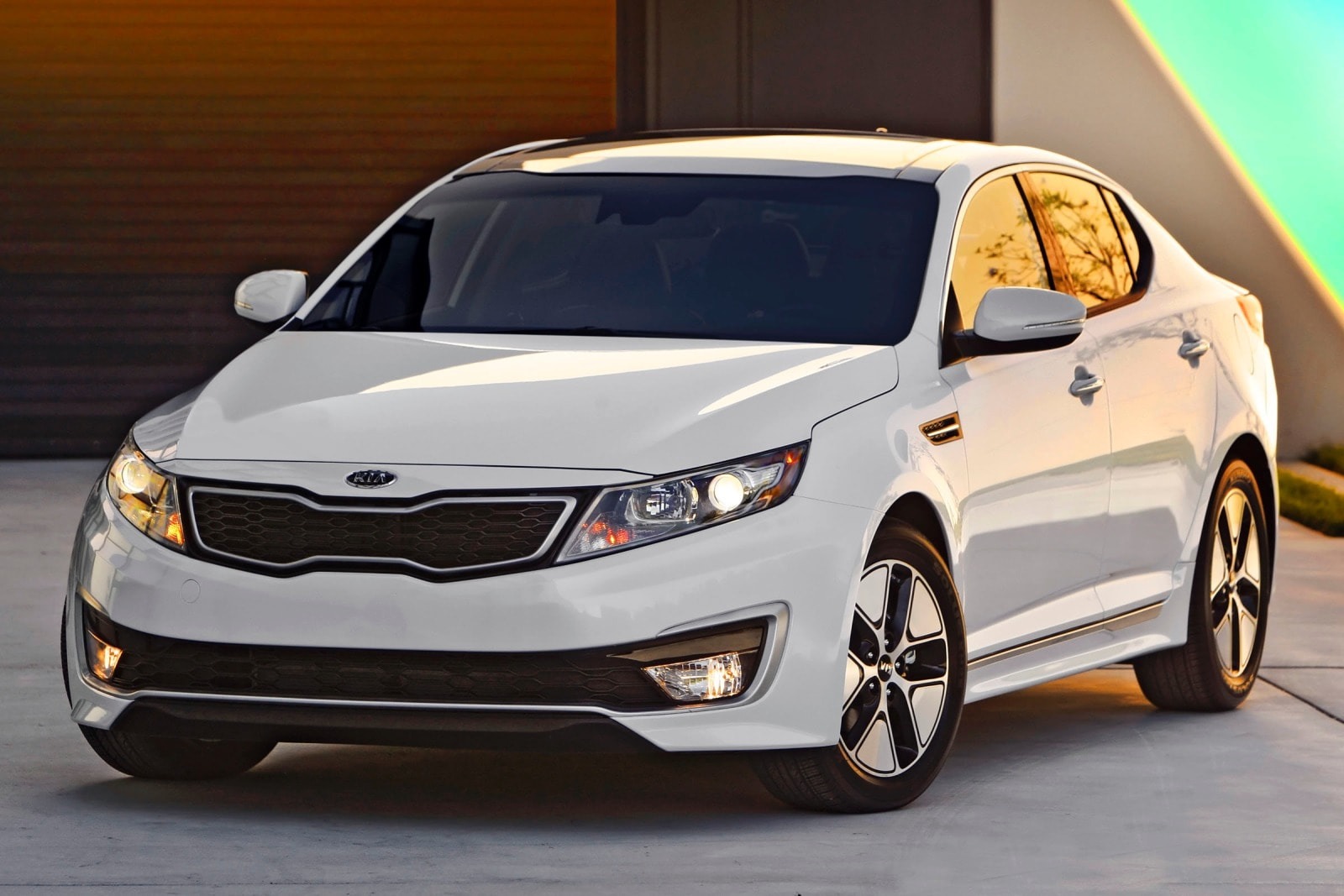
Kia Optima
The Kia Optima, despite offering a compelling list of standard features and a competitive price when new, tends to depreciate faster than many rivals in the midsize sedan category. Buyers in the used market can be hesitant due to perceptions that the model does not hold up as strongly over time. In a segment where resale reputation matters greatly, this puts pressure on pricing.
One factor is that while the Optima often includes advanced tech and safety features, other models couple those attributes with stronger reputations for durability. Consumers weigh both aspects when selecting a used vehicle, and the lack of a deeply established reliability history for the Optima can work against it. This affects resale value.
Brand loyalty is a significant force in resale trends, and while Kia has made strides in quality and perception, it historically lagged behind some competitors in brand trust. Buyers seeking long‑term peace of mind may lean toward names with longer track records, leaving the Optima with weaker resale demand. This contributes to depreciation.
Maintenance costs and parts availability also influence buyer decision‑making, and when these factors seem less favorable, resale value can suffer. Used buyers often look for predictability in ownership costs, and uncertainties around these elements reduce appeal. Rapid depreciation follows when demand softens.
Shifts in consumer interest toward crossovers and SUVs also play a role. As sedans compete not only with each other but with other body styles, models without a standout value proposition lose ground. The Optima, despite its strengths, faces these headwinds and often experiences steeper declines in resale worth.
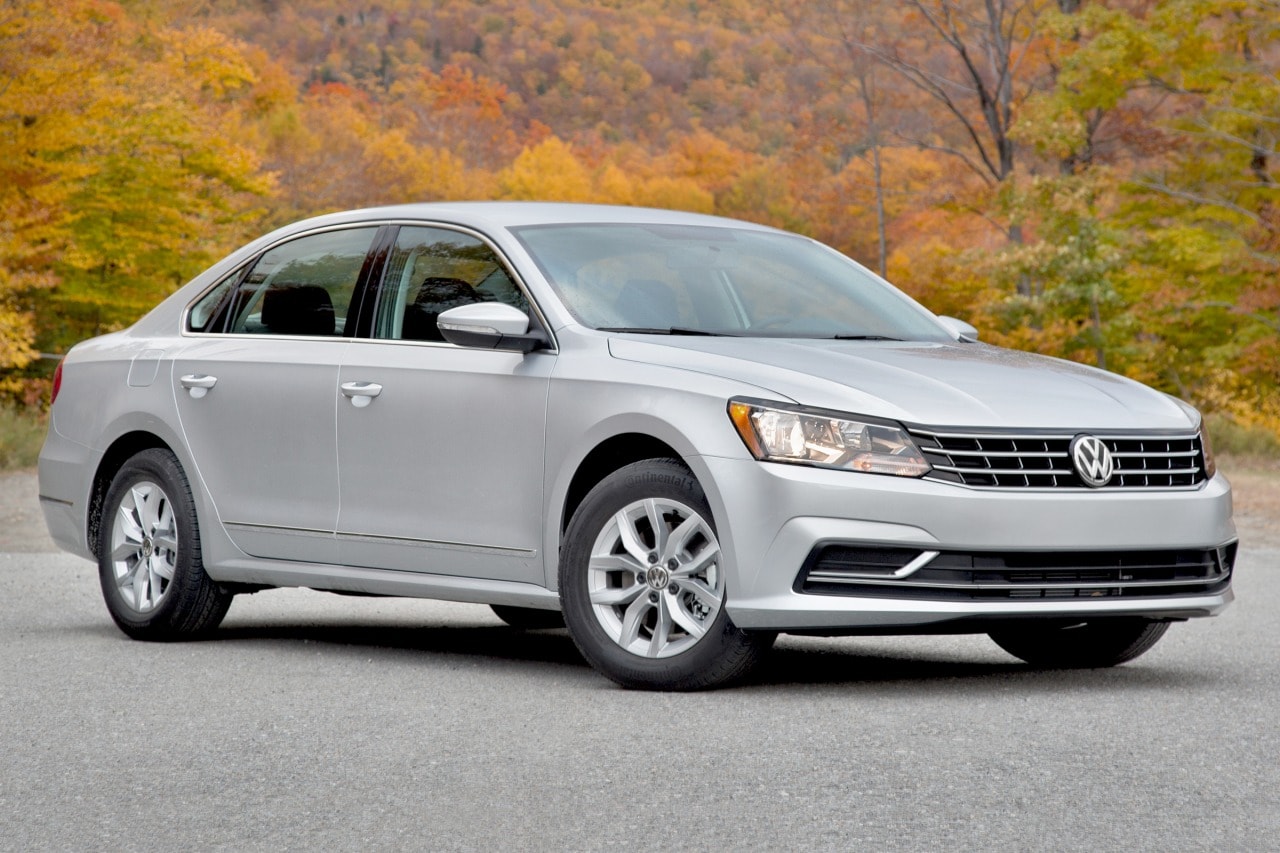
Volkswagen Passat
The Volkswagen Passat brings German engineering heritage to the midsize segment, yet in practice its resale value can decline sharply compared to many Japanese and American rivals. Buyers in the used market often weigh reliability perceptions heavily, and the Passat’s history of mixed reliability ratings affects confidence among potential owners. This influences pricing downward.
Some Passat models have encountered higher than average maintenance costs, which prospective used buyers consider when estimating total cost of ownership. When repairs are perceived as more expensive or frequent, buyer interest softens. Lower demand directly correlates to lower resale value over time.
The interior and driving characteristics of the Passat have strengths, including comfort and refined handling, yet these positive aspects alone may not outweigh concerns about long‑term dependability. Used buyers often seek a balance of comfort and low running costs, and where that balance feels tilted unfavorably, depreciation increases. This reflects in resale pricing.
Brand perception also plays a role, with some consumers associating European brands with complexity and higher ownership costs. Even when actual experiences vary, these perceptions influence resale appeal. Buyers who prioritize simplicity and predictable costs often choose alternatives, reducing demand for Passats.
Additionally, broader shifts away from sedans amplify these effects. In a market increasingly dominated by crossovers and SUVs, sedans that do not have exceptionally strong resale reputations struggle more. The Passat, despite its qualities, faces this challenge, contributing to its tendency to lose value quickly.
