
Throughout automotive history, there have been vehicles that captured the imagination of designers and engineers, presenting ideas that seemed revolutionary. These cars often pushed boundaries in technology, safety, or style, offering features that would later become commonplace.
Despite their innovation, many of these vehicles failed in the market. The reasons were varied: high costs, poor timing, consumer skepticism, and infrastructure limitations all played a role. Automakers would sometimes release a car that was decades ahead of what buyers were ready for.
These cars often introduced ideas that became industry standards years later. From aerodynamic designs to advanced electronics, they showcased the potential of future mobility. Yet, initial reception was often harsh. Buyers were not prepared for drastic changes, and traditional expectations shaped their purchasing decisions.
Engineers who invested in advanced concepts sometimes saw their work ignored, with the vehicles becoming commercial flops despite critical acclaim.
Another factor that led to failure was pricing. Innovative technologies often required expensive materials, specialized manufacturing, or unique components.
This pushed retail prices higher than what the average consumer was willing to pay. In some cases, manufacturers misjudged the market’s readiness, assuming people would accept premium prices for futuristic features. The result was slow sales, eventual discontinuation, and a reputation for being too ambitious.
Cultural perception also influenced outcomes. A vehicle that challenged design norms or defied traditional aesthetics could be considered unattractive or impractical. Some cars appeared unconventional, with shapes, materials, or layouts that deviated from what buyers associated with quality or comfort.
While enthusiasts might have appreciated the creativity, mainstream markets often rejected them, leaving these cars as niche curiosities rather than commercial successes.
Despite their failures, these vehicles remain important in automotive history. They inspired engineers, influenced later models, and demonstrated what was possible when visionaries pushed limits.
They remind us that innovation is not always rewarded immediately. The following list highlights ten cars that were ahead of their time, showcasing ambition, creativity, and the complex interplay between innovation and market acceptance.
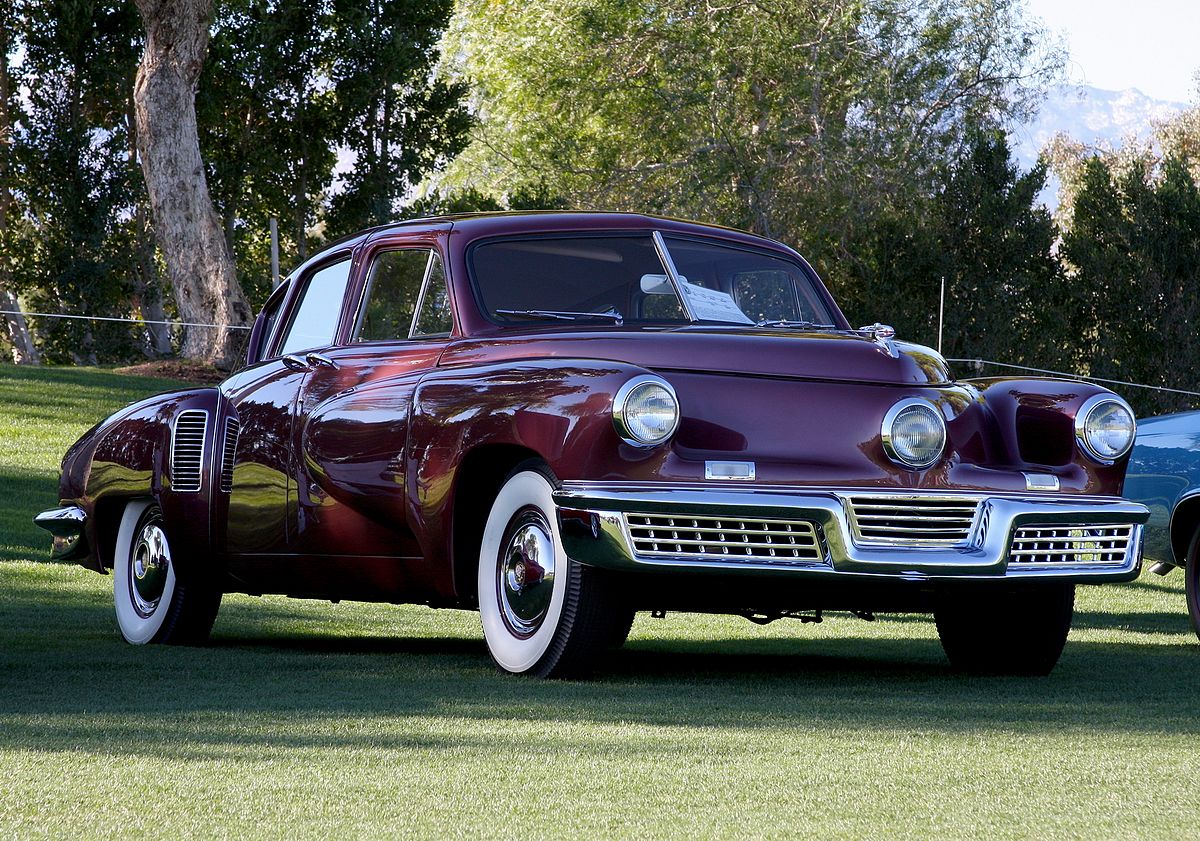
1. Tucker 48
The Tucker 48 was born from a vision of safety and performance rarely seen in the 1940s. Its design included features like a rear engine, disc brakes, and a safety-driven padded dashboard.
Despite the technical achievements, it struggled with production delays and financial instability. Investors were wary of the company’s untested methods, contributing to its early demise.
Innovations such as the center-mounted headlight, which turned with the steering wheel, reflected a focus on driver visibility. The car was equipped with a four-speed manual transmission and advanced suspension systems that promised smoother rides.
These engineering ideas would become common in later decades. Yet, contemporary consumers found the styling and unconventional layout unusual.
Legal and political challenges further complicated Tucker’s efforts. Allegations of stock fraud, mostly unfounded, drained the company’s resources.
Production never exceeded 50 vehicles before operations ceased. The combination of market skepticism and external pressures made the car a rare collector’s item rather than a mass-market solution.
Despite failure, the Tucker 48 remains a symbol of post-war automotive ambition. Its safety-oriented features were revolutionary for the time, demonstrating what was possible when innovation drove design.
Today, it is celebrated for its bold engineering and the dream it represented. The car has inspired modern designers to focus on safety and driver-centric solutions.
Collectors value the Tucker 48 for its story as much as its mechanics. Its rarity and the legend surrounding its creation have cemented it in automotive history.
The car is remembered as a visionary attempt to reshape the industry and challenge conventional thinking. Its legacy illustrates that being ahead of the market can be as risky as it is admirable.
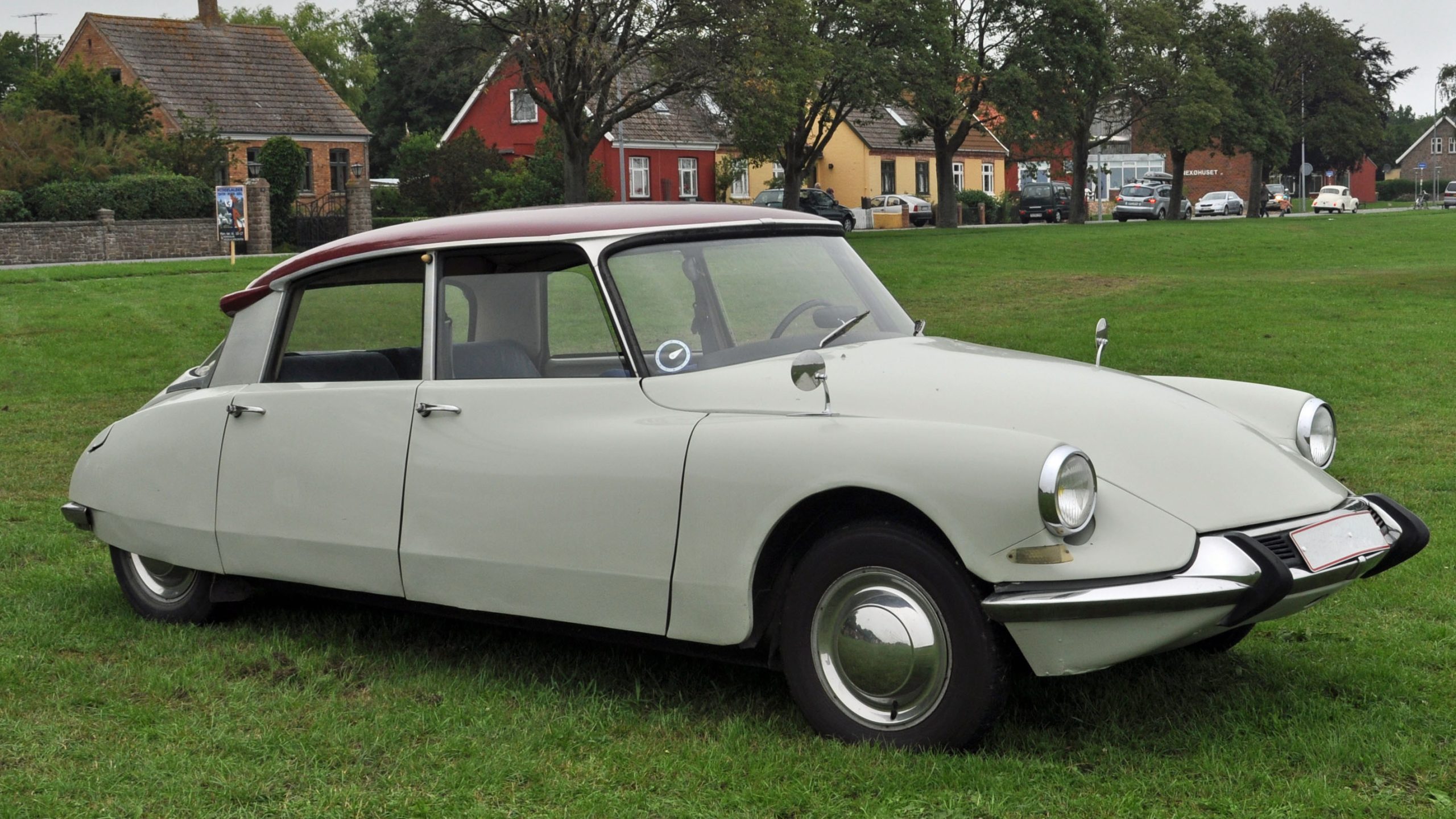
2. Citroën DS
The Citroën DS debuted in 1955, presenting a combination of elegance, innovation, and comfort unseen at the time. Its aerodynamic body and futuristic styling immediately set it apart from competitors.
Hydropneumatic suspension offered unparalleled ride quality and automatic leveling. Buyers were impressed, but the car’s complexity made it expensive to maintain.
Advanced features included power steering, disc brakes, and swiveling headlights that followed road curves. These elements represented significant leaps in automotive technology, far ahead of what other manufacturers were offering.
Yet, potential customers were cautious about reliability and repair costs. Service networks were not prepared for such a technologically complex vehicle.
The DS also introduced safety-conscious designs, such as a semi-monocoque body structure that provided better crash protection
. These innovations would become standard decades later, influencing global automotive engineering. Its forward-thinking design challenged conservative tastes, making it polarizing for buyers accustomed to traditional styling.
Production issues occasionally hindered availability. The hydraulic system, while brilliant, required specialized maintenance. Early owners sometimes faced malfunctions that deterred broader adoption. Despite its impact on automotive design, these challenges contributed to slower sales in some markets.
Today, the Citroën DS is admired as a masterpiece of engineering and style. Its influence on later vehicles is evident in suspension systems, braking technology, and even design philosophy. The car’s bold approach to technology and aesthetics makes it a lasting icon for those who appreciate vehicles that dared to be different.
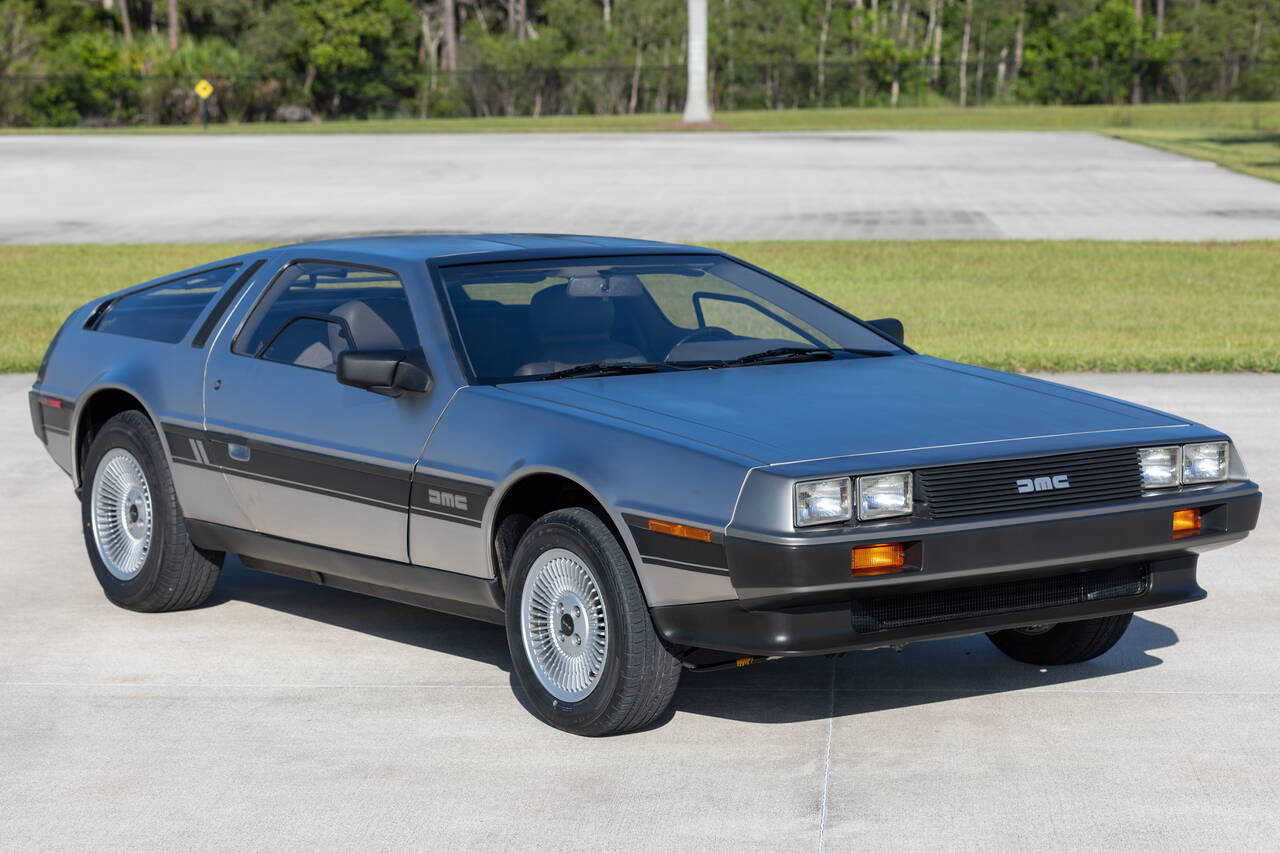
3. DeLorean DMC-12
The DeLorean DMC-12 became famous for its gullwing doors and stainless steel body, which created a distinctive, futuristic appearance.
Its launch in 1981 was marked by excitement, but the market was not ready for such a bold statement. Production problems and financial instability hampered the company’s ability to sustain momentum.
Technological features were moderate but stylishly presented. The stainless steel exterior resisted rust and required minimal maintenance.
Interior design emphasized sleek lines, although the engine performance was modest compared to expectations. Consumers were divided between admiration and skepticism about practicality.
Economic conditions also played a role in the DMC-12’s struggles. A recession and rising oil prices limited buyer interest in niche sports cars. While the car appealed to enthusiasts, it never achieved mass-market success. The company’s inability to expand production compounded these challenges.
The DeLorean also became entangled in legal issues, including the founder’s arrest for unrelated crimes, which negatively affected public perception. Despite these setbacks, the car gained cultural significance after appearing in popular media. Its fame eventually overshadowed its initial commercial failure.
In retrospect, the DeLorean DMC-12 is celebrated for daring to defy convention. Its design and material choices influenced automotive styling, proving that a car could be both futuristic and iconic. The DMC-12’s story demonstrates how market timing can determine success as much as technical achievement.
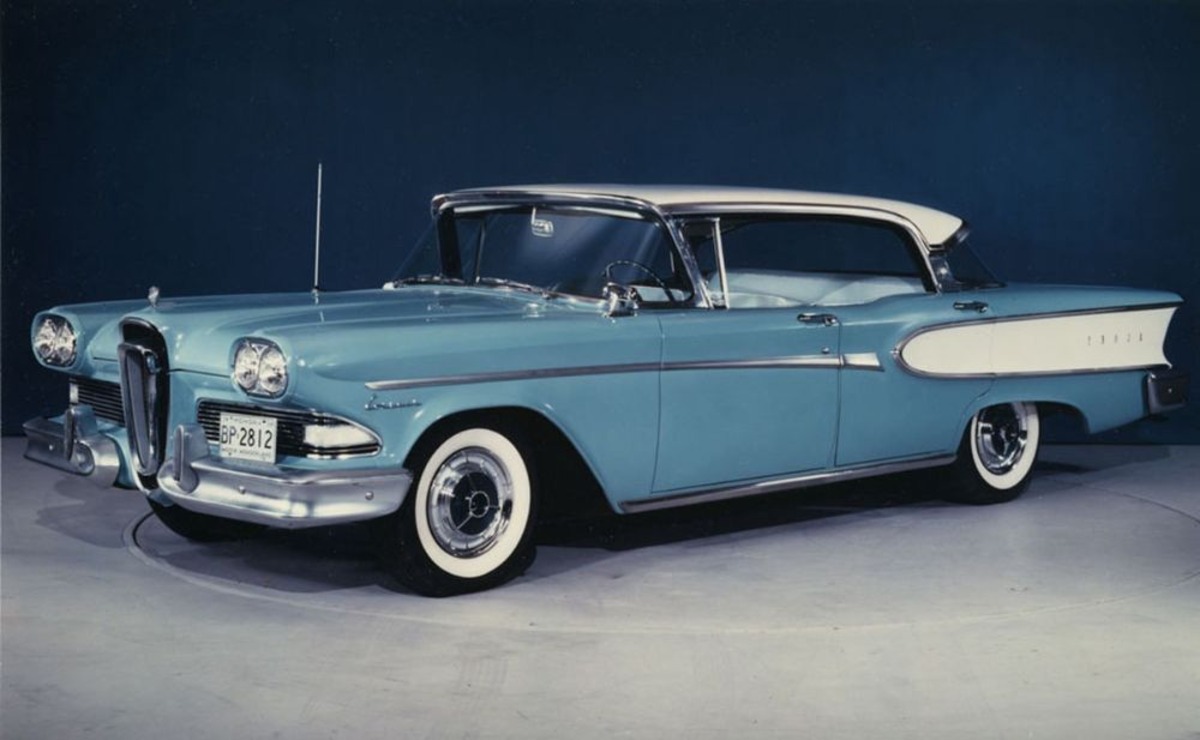
4. Ford Edsel
The Ford Edsel was introduced in 1957 with high expectations, marketed as a revolutionary family car. Its design included features like push-button transmission and advanced suspension systems. Despite these innovations, the car’s styling polarized consumers, and it failed to capture the public’s imagination.
Marketing missteps played a crucial role in the Edsel’s failure. Advertising promised features and reliability that were not consistently delivered.
Buyers felt disappointed when expectations were not met, creating negative word-of-mouth. Production quality also suffered due to rushed manufacturing processes.
Economic factors contributed to its struggles. A recession limited discretionary spending, and the Edsel was priced higher than comparable models. Competitors offered reliable alternatives with traditional styling, attracting cautious buyers. Consumer hesitation proved insurmountable.
Despite poor sales, the Edsel featured technology that would become standard in later vehicles. Its suspension and safety concepts influenced Ford’s future models. Engineers who worked on the car left a legacy of innovation that persisted beyond commercial failure.
Today, the Edsel is remembered as a cautionary tale of overambition and misaligned marketing. Its design remains unique, and enthusiasts value it as a symbol of risk-taking in the automotive industry. The Edsel’s story highlights the challenge of balancing creativity with consumer readiness.
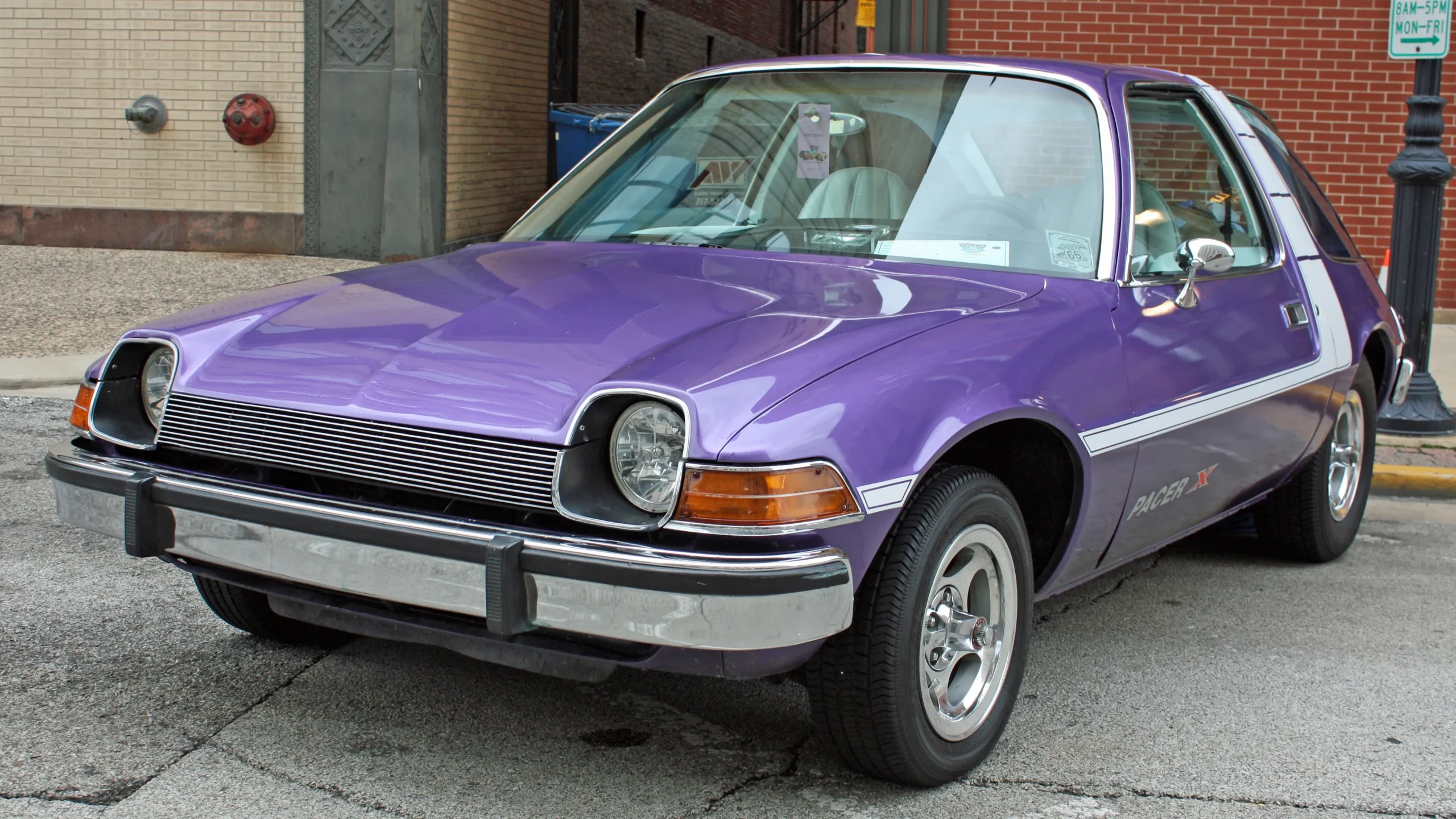
5. AMC Pacer
The AMC Pacer appeared in the 1970s with an unusual wide-body design and large glass areas. It aimed to combine interior comfort with a compact footprint, anticipating trends in urban mobility. Consumers were intrigued but often unsure how to categorize it, creating hesitation at dealerships.
Its design allowed for a spacious interior and excellent visibility. Engineers focused on passenger experience, including wider doors and generous seating. The Pacer represented a forward-thinking approach to space utilization, predating similar ideas in modern hatchbacks and minivans.
Performance and handling were modest, leaving some buyers disappointed. While innovative in design, the car lacked the refinement expected from more conventional sedans. Fuel efficiency was another challenge during an era of rising gas prices.
The Pacer also struggled with branding. Its appearance was unconventional, and marketing campaigns failed to resonate. Consumers sometimes saw the car as quirky rather than practical, limiting sales and affecting long-term perception.
Despite these issues, the AMC Pacer remains an iconic example of 1970s creativity. Its focus on comfort, visibility, and interior space influenced later compact car designs. The vehicle is now remembered as a bold attempt to redefine small car priorities, even if it was not commercially successful.
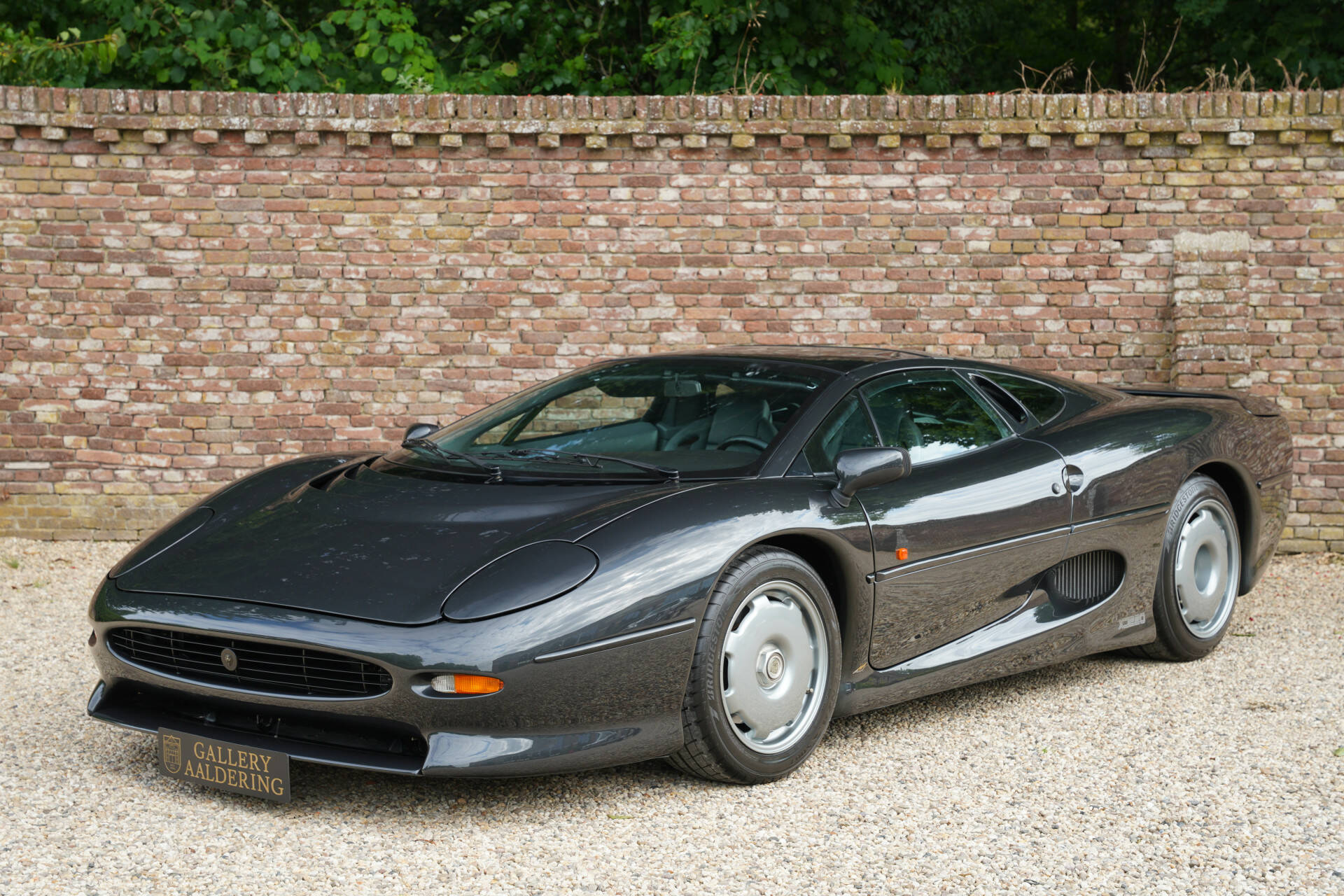
6. Jaguar XJ220
The Jaguar XJ220 was introduced in the early 1990s as the fastest production car of its era, featuring a top speed over 210 miles per hour. Its sleek aerodynamic design reflected intense attention to airflow, while the mid-engine layout maximized balance and handling.
Advanced materials were used in construction, including aluminum for weight reduction. Despite its groundbreaking engineering, the XJ220 was prohibitively expensive for most buyers, limiting its market reach and ensuring low sales numbers.
Under the hood, the car was initially designed to have a V12 engine, but production models used a turbocharged V6 due to cost and emissions constraints.
This disappointed some enthusiasts who expected a roaring V12 sound and unmatched power, creating a mismatch between marketing promises and reality. The car’s handling and acceleration were exceptional, but critics noted that its practicality for everyday driving was minimal.
Jaguar also faced production challenges that delayed deliveries and complicated maintenance. Each XJ220 required highly specialized attention, which limited dealerships’ ability to provide adequate support.
Owners had to rely on manufacturer-trained mechanics, making ownership a commitment not everyone could manage. Even with these challenges, the car became a symbol of 1990s engineering ambition.
Despite low sales, the XJ220 influenced the design of future supercars. Its aerodynamic efficiency, chassis design, and use of lightweight materials informed later vehicles in the high-performance segment. Engineers and designers learned valuable lessons about balancing cutting-edge technology with customer expectations and market realities.
Today, the XJ220 is revered by collectors and automotive historians as a vehicle that pushed the limits of speed and innovation. It remains an example of how even the most advanced technology cannot always overcome pricing, timing, or market readiness. Its story reflects the tension between ambition and commercial viability.
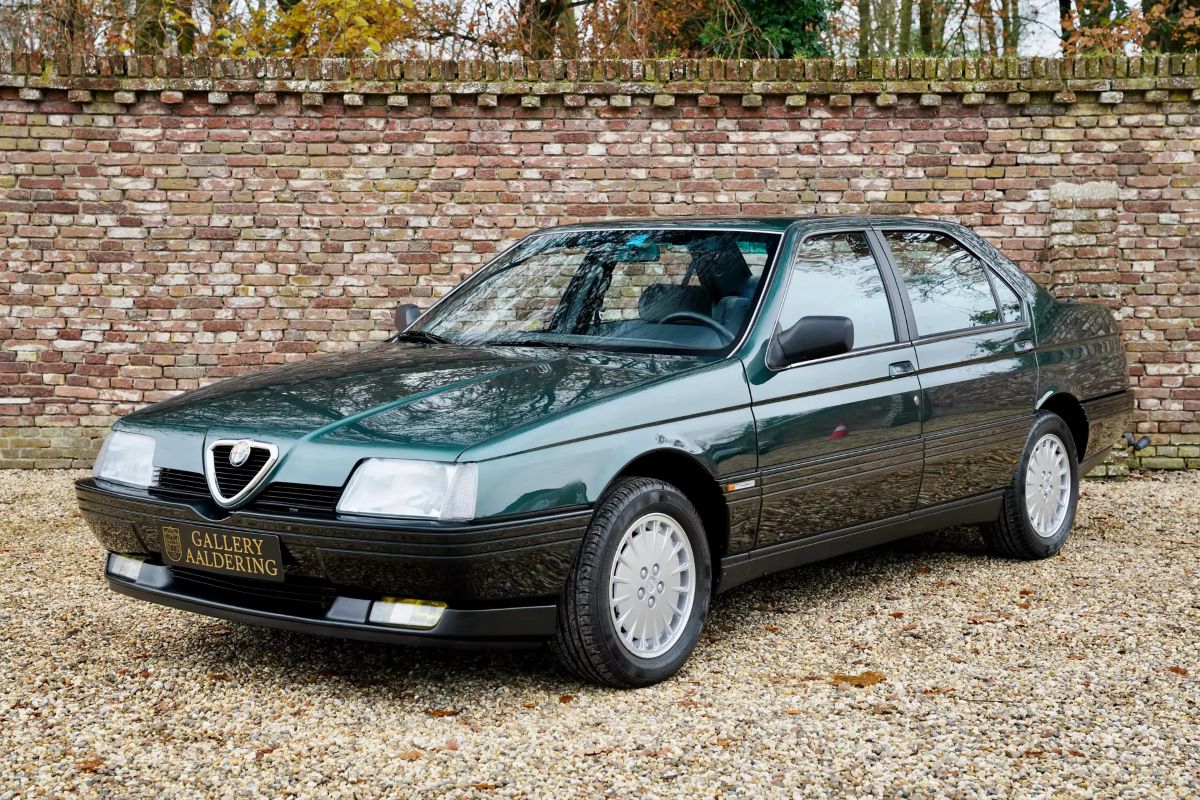
7. Alfa Romeo 164
The Alfa Romeo 164 debuted in 1987, combining Italian styling with technological ambition. Its sharp yet elegant lines reflected a European aesthetic ahead of its time, while the car incorporated electronic fuel injection and advanced suspension for smoother rides.
Alfa Romeo emphasized driving experience over mere practicality, appealing to enthusiasts who wanted both comfort and performance. The luxury market, however, was dominated by German brands, and consumers were hesitant to adopt a brand with less global visibility.
Safety features were integrated thoughtfully, including reinforced structures and advanced braking systems that exceeded many competitors.
Electronics controlled multiple vehicle functions, from engine management to climate control, but these systems were prone to occasional reliability issues. Consumers often found these features impressive yet intimidating, which slowed adoption among less technically inclined buyers.
Interior design focused on driver engagement and ergonomic layout. Leather seats, intuitive controls, and supportive cushioning created a premium feel uncommon in cars at this price point. Yet, Alfa Romeo’s reputation for maintenance complexity deterred some buyers, as potential owners feared costly repairs or specialized service needs.
Marketing challenges further limited sales. Alfa Romeo positioned the 164 as a combination of performance and luxury, but it struggled to compete with the prestige associated with BMW and Mercedes-Benz. Consumers often opted for established brands, leaving the 164 overlooked despite its engineering sophistication.
Today, the 164 is remembered as a stylish and technologically innovative car that highlighted Alfa Romeo’s ambition. Its features foreshadowed future developments in luxury sedans, particularly in driver-focused electronics and safety systems. Enthusiasts celebrate it as a hidden gem of 1980s automotive design.
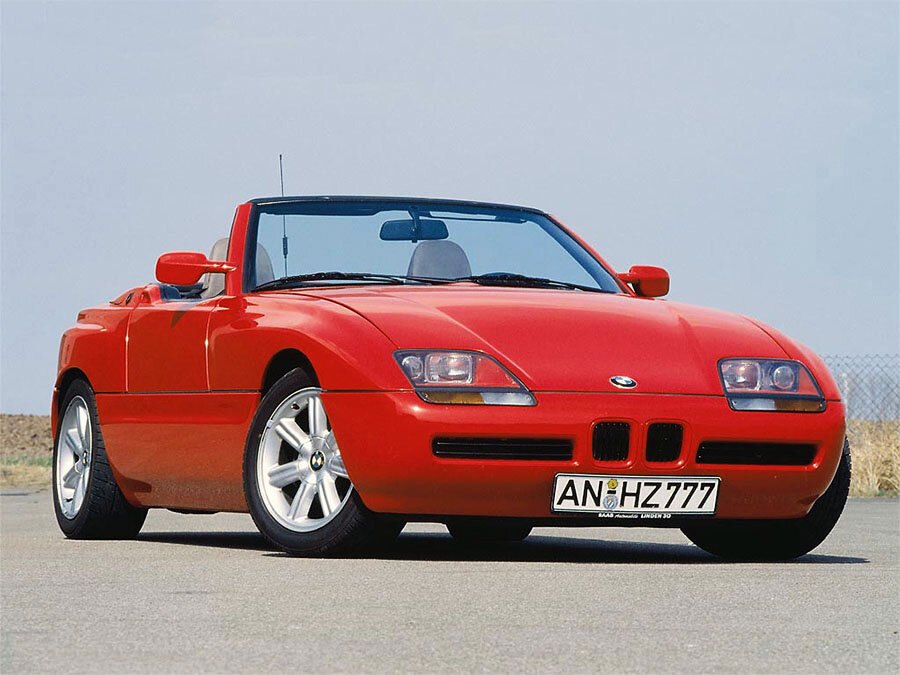
8. BMW Z1
The BMW Z1 was a compact roadster that showcased daring engineering and unique design in 1989. Feature was its vertically sliding doors that retracted into the body, creating a striking visual effect and enhancing accessibility.
The car also featured a lightweight chassis and sophisticated suspension for a responsive driving experience. Despite these innovations, production was limited, and the roadster’s high cost prevented mainstream adoption.
The Z1 also experimented with modular body panels made of plastic, allowing for easier replacement and customization.
This material choice was revolutionary at the time, offering durability and corrosion resistance not common in traditional steel-bodied vehicles. Consumers appreciated the concept, but some questioned the car’s long-term maintenance and repair viability.
Performance was sporty yet approachable. BMW designed the Z1 with a 2.5-liter inline-six engine, delivering adequate power for spirited driving without compromising reliability.
Handling was precise, and the low center of gravity made cornering engaging, reflecting BMW’s commitment to the driving experience. However, practical concerns such as limited storage space and two-seat configuration constrained its market appeal.
BMW’s marketing emphasized the Z1 as a futuristic, exclusive roadster for enthusiasts, but the niche positioning limited widespread interest.
While the car attracted attention from media and automotive fans, its unconventional doors and styling alienated more conservative buyers. The Z1 was thus a commercial curiosity rather than a mass-market hit.
Despite limited sales, the BMW Z1 influenced future roadster design, particularly in door mechanisms and lightweight construction. It remains a collector favorite and a reminder that innovation can sometimes be appreciated only decades later. Its story illustrates how creativity and exclusivity can sometimes clash with commercial success.
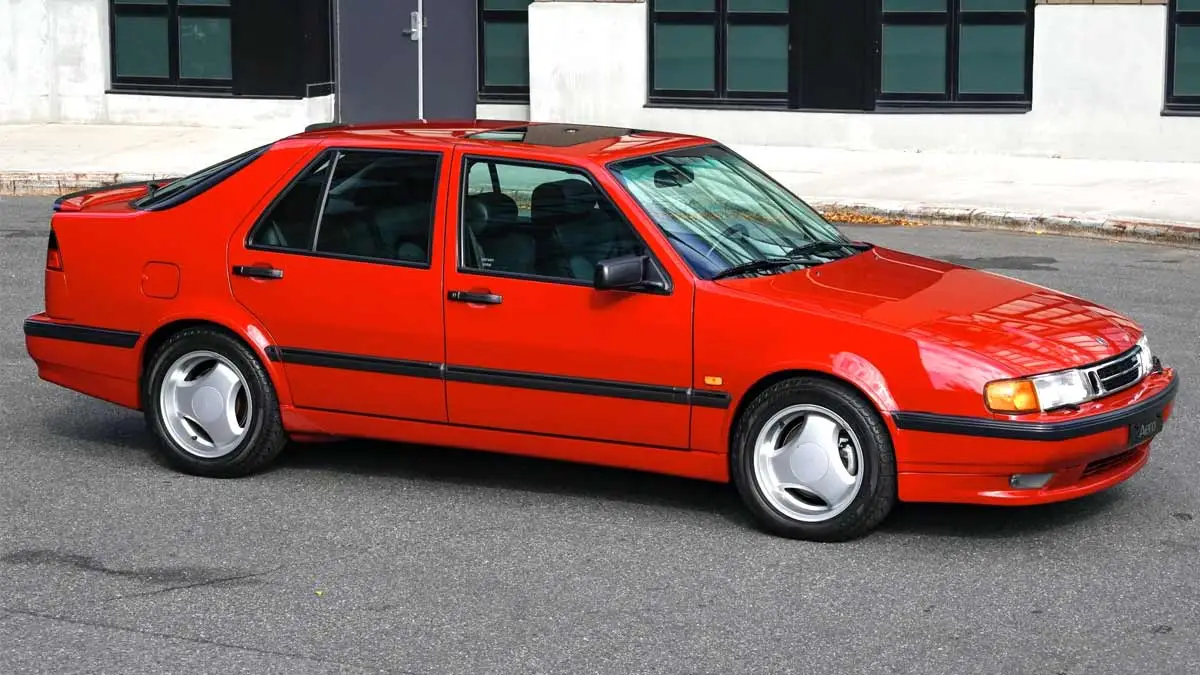
9. Saab 9000
The Saab 9000 was introduced in 1984, emphasizing safety, practicality, and aerodynamic design in a segment dominated by conservative sedans. Its engineering focused on crash protection, including a strong passenger cell and innovative seatbelt designs.
The car also featured turbocharged engines and front-wheel drive, offering both performance and efficiency ahead of competitors. Despite critical acclaim, mainstream buyers often overlooked it for more familiar executive cars from German manufacturers.
Its interior emphasized ergonomics and driver comfort. Controls were logically placed, visibility was excellent, and materials were durable.
Saab prioritized human-centered design, offering a driving experience that balanced safety with engagement. Many features, like heated seats and advanced dashboard layouts, would become standard in later vehicles across the industry.
Reliability and maintenance were generally strong, but limited dealership networks made servicing difficult in some regions.
Buyers unfamiliar with Saab’s approach sometimes hesitated, fearing high repair costs or scarcity of parts. These factors prevented the 9000 from achieving widespread market penetration despite strong engineering credentials.
Aerodynamic efficiency contributed to fuel economy and high-speed stability, showing foresight in an era before widespread environmental regulations.
The 9000 combined performance, safety, and comfort in a way that few competitors matched, foreshadowing modern executive car priorities. However, its understated design limited its visual appeal among buyers seeking status symbols.
Today, the Saab 9000 is recognized as a pioneering vehicle that influenced safety standards and turbocharged performance in executive sedans. Collectors and enthusiasts appreciate its balance of innovation and practicality, seeing it as an example of forward-thinking design that was not fully appreciated at the time.
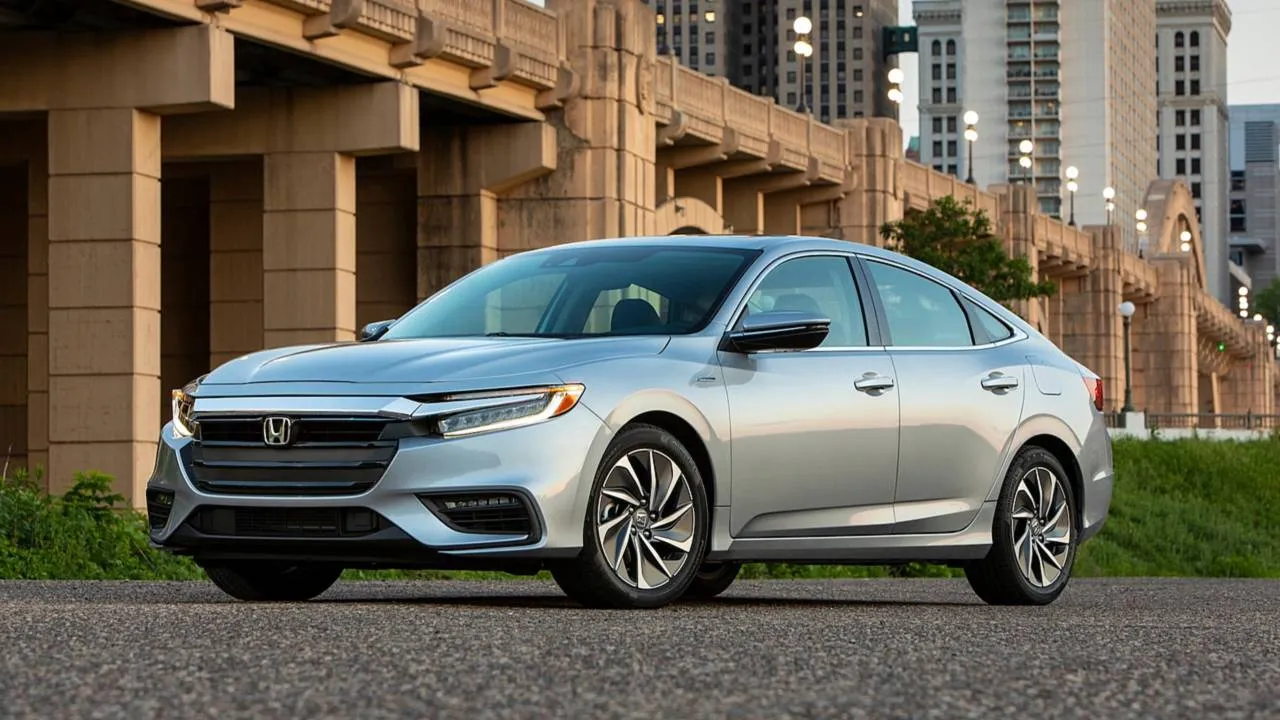
10. Honda Insight
The Honda Insight, released in 1999, was one of the first mass-produced hybrid vehicles, combining a small gasoline engine with an electric motor to achieve exceptional fuel efficiency.
Its aerodynamic body and lightweight construction were designed to maximize mileage, reflecting environmental concerns that would only become mainstream in the following decade. Despite its innovation, the car’s styling and limited interior space alienated some buyers.
The Insight featured advanced technology, including regenerative braking and electronic engine management, which were groundbreaking for the era.
Its hybrid system demonstrated the feasibility of low-emission vehicles and influenced the development of future hybrid and electric cars. Yet, consumers were initially skeptical about reliability, performance, and long-term costs, limiting adoption.
Market conditions also contributed to its modest sales. Gas prices were relatively low, reducing urgency for fuel-efficient vehicles.
Mainstream buyers preferred conventional compact cars with familiar designs, leaving the Insight to appeal primarily to environmentally conscious early adopters. Honda’s pricing strategy reflected the high cost of hybrid technology, creating another barrier to widespread acceptance.
Despite these challenges, the Insight paved the way for hybrid vehicles in the 2000s. It proved that electric-assist technology could be integrated into everyday cars and influenced competitors to develop their own hybrid models. Its success as a concept exceeded its initial sales performance, showing the importance of vision in automotive innovation.
Today, the Honda Insight is remembered as a pioneer that anticipated the hybrid revolution. Its design and engineering inspired later models, including more mainstream hybrids that would achieve commercial success.
The car remains a symbol of environmental foresight and technological ambition, showing that being first does not always mean immediate triumph.
