
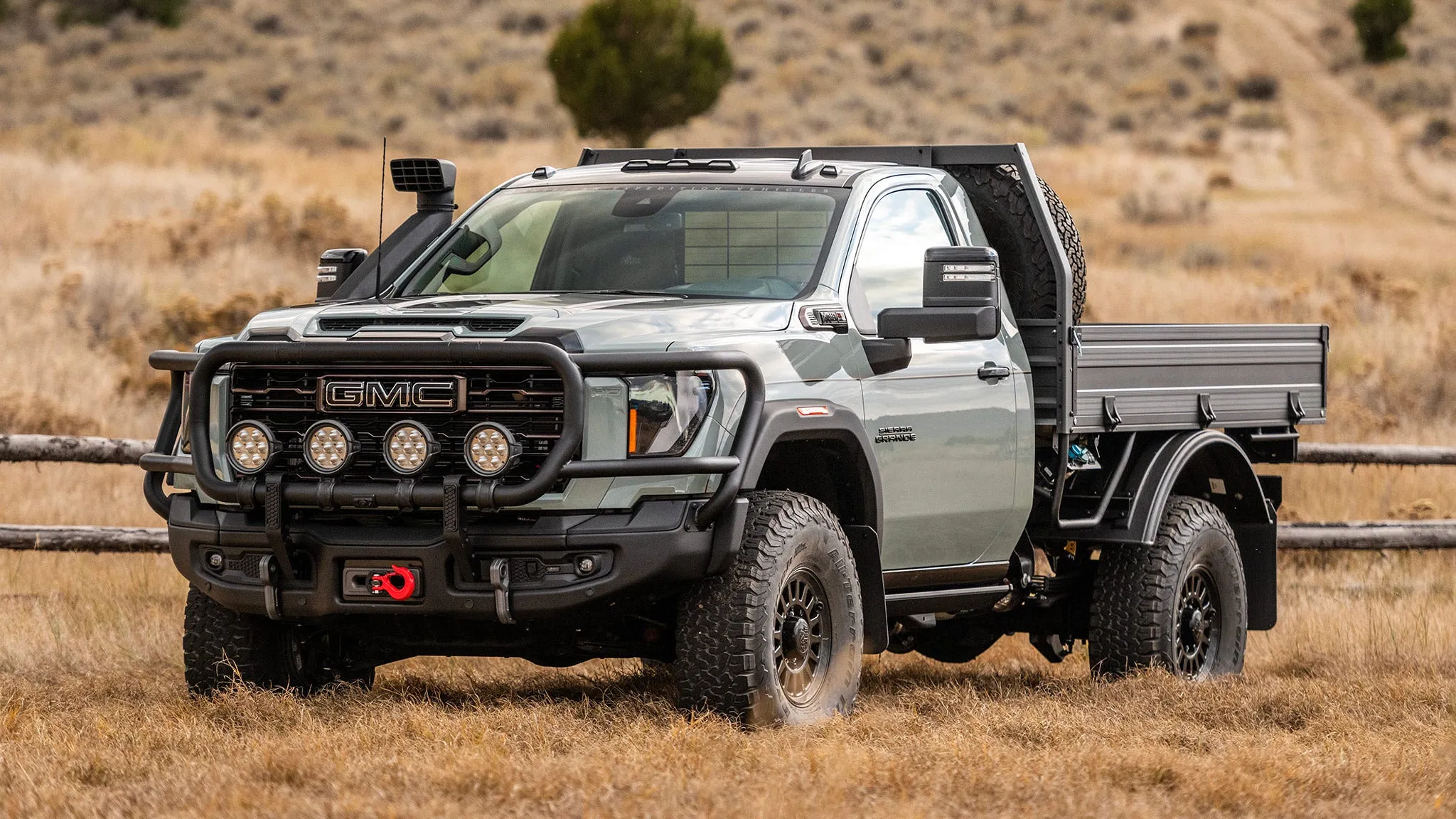
Work trucks are essential tools for those who need durability, power, and reliability every single day. The choice of a truck can mean the difference between completing projects on time and facing constant maintenance issues.
A vehicle that can endure repeated heavy loads, rough terrain, and long hours without faltering becomes more than transportation, it becomes a partner in business. These machines are expected to perform under pressure, hauling materials, towing equipment, and often surviving conditions that would disable ordinary vehicles.
Selecting the right truck requires understanding not only the horsepower and payload capacity but also the design, build quality, and reputation for longevity. Some trucks have earned their reputation by consistently proving they can handle years of abuse, maintaining performance and safety despite the demands placed on them.
Others, while appearing capable on paper, fail to meet expectations when pushed beyond light daily use, leading to costly repairs and downtime that can disrupt work schedules. Evaluating trucks based on durability is not always straightforward, as factors like engine quality, frame construction, and suspension play crucial roles.
For businesses and individual operators, reliability translates directly into profitability, safety, and peace of mind. Beyond the mechanical components, driver experience matters greatly; a truck that absorbs shocks, reduces wear on parts, and maintains stability under load contributes to less fatigue and a safer work environment.
Over time, these factors accumulate, turning a well-chosen truck into an investment that saves money and frustration. In contrast, fragile trucks may look modern and stylish but often fail under pressure, showing weaknesses in transmission, frame strength, or even electrical systems.
Understanding which trucks fall into each category can help buyers make informed decisions, balancing initial cost against long-term performance. In this article, we will examine five trucks that are renowned for their toughness and five that tend to be less durable under heavy use.
Each entry will provide insight into why these trucks perform or fail when subjected to daily abuse, allowing readers to assess their options carefully. By the end, you will have a clearer picture of what defines a work truck that can survive harsh conditions and what features or designs tend to lead to fragility.
5 Work Trucks That Can Handle Daily Abuse
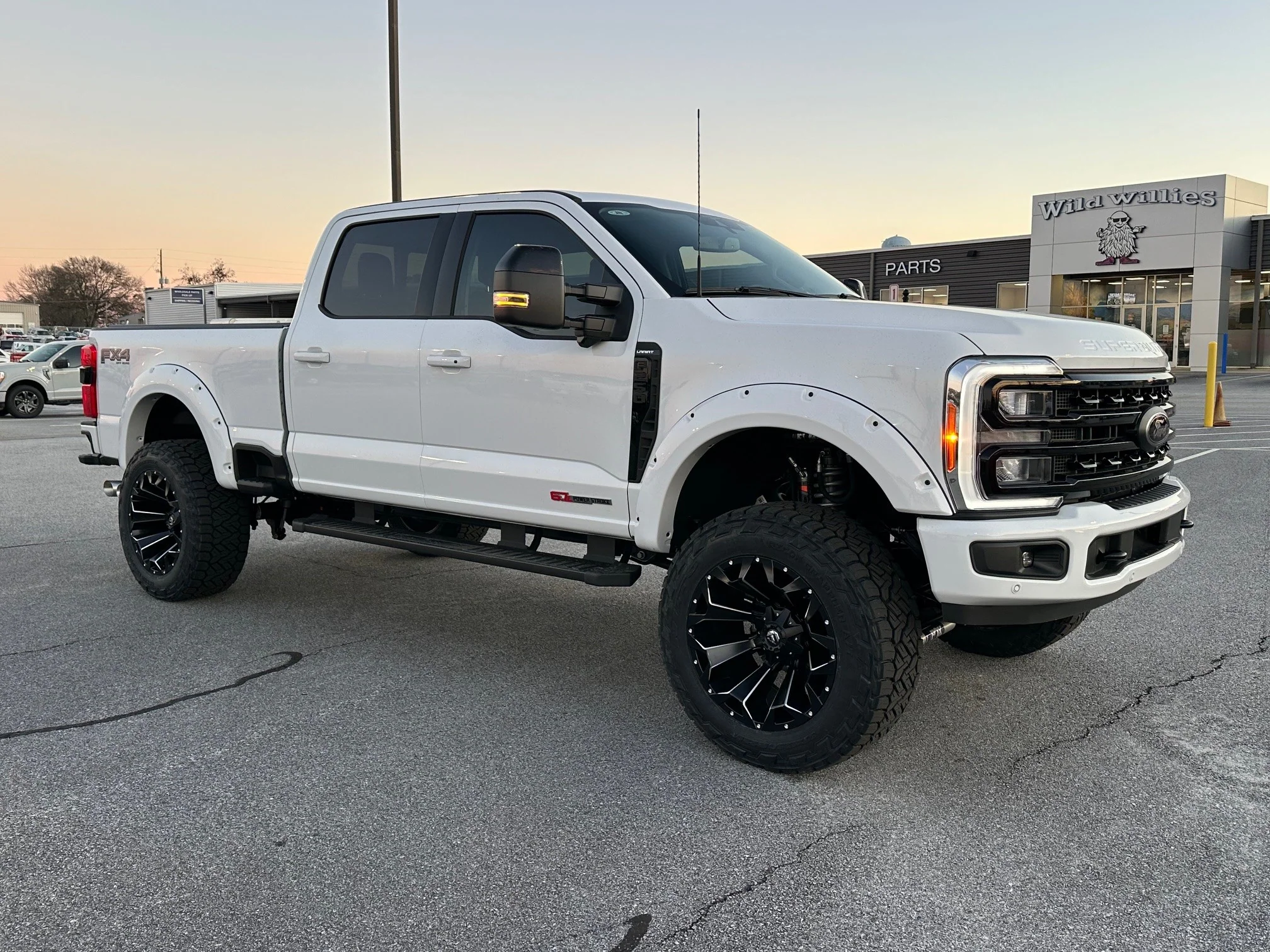
1. Ford F-250 Super Duty
The Ford F-250 Super Duty has earned a reputation for reliability under extreme workloads. Its high-strength steel frame and reinforced suspension allow it to carry and tow heavy loads consistently.
The engine lineup, including the powerful turbo diesel options, provides torque and horsepower suitable for long-term work scenarios. Operators report that even under frequent hauling and construction tasks, the truck maintains stability and performance without major mechanical failures.
Maintenance intervals are manageable, and parts availability is widespread, reducing downtime for repairs. The interior, though utilitarian, is designed for durability and ease of cleaning after dirty workdays.
Advanced towing technology assists with safety, making it easier to maneuver large trailers under challenging conditions. The F-250 also has strong aftermarket support for upgrades that can further increase longevity and functionality.
Owners often highlight the truck’s resilience to harsh weather, whether extreme heat, snow, or rain. Its drivetrain is engineered to absorb the stress of repeated towing and payload pressure. Suspension components, particularly the leaf springs and shock absorbers, are designed for longevity under strain. This reliability makes the F-250 a popular choice for construction companies and ranchers.
The truck’s braking system is another asset, allowing operators to stop safely even when fully loaded. The durability of its components minimizes the risk of sudden failures during work. Fuel efficiency is not its strongest point, but the trade-off is acceptable for businesses that prioritize dependability over economy. Long-term owners often report trucks surpassing 300,000 miles with regular maintenance.
Finally, the resale value of the F-250 reflects its reputation for toughness. Buyers know that a used Super Duty still has many years of service left if it has been maintained properly. This combination of strength, reliability, and practicality makes it a top choice for anyone needing a truck that survives daily abuse.
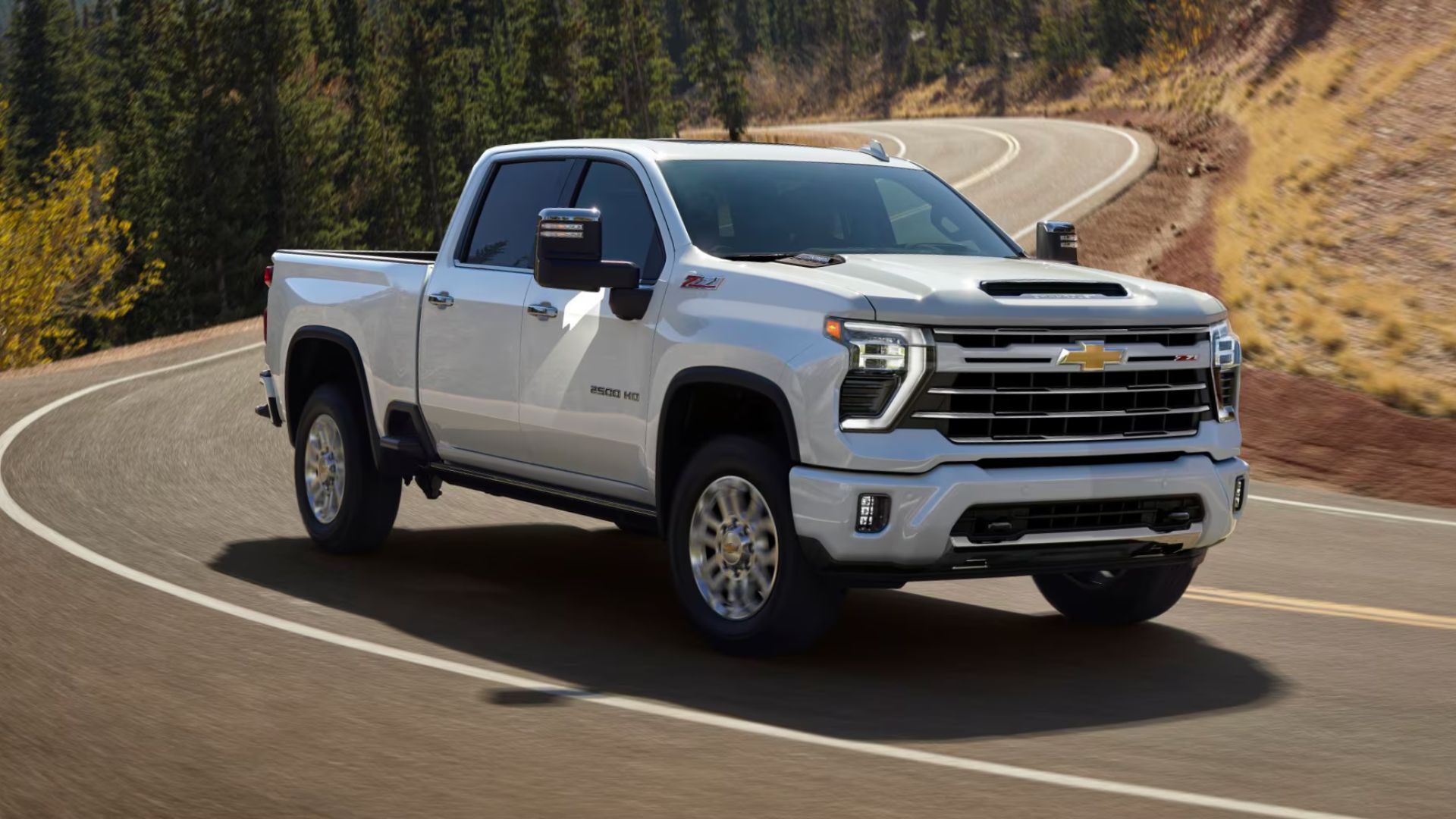
2. Chevrolet Silverado 2500HD
The Chevrolet Silverado 2500HD is built to tackle heavy workloads without compromising durability. Its frame construction is reinforced for high-stress tasks, and the engine options deliver impressive towing power.
Drivers praise its ability to maintain stability and traction under full loads. The truck handles rough terrain with confidence, which is critical for off-site construction or rural applications.
High-capacity suspension systems contribute to a smoother ride even under extreme conditions. Components are engineered to last, with attention to corrosion resistance for longevity. The interior is designed to withstand repeated use, making it easier to clean after muddy or dusty jobs. Its robust electrical systems reduce failures that often plague less durable trucks.
Chevrolet includes advanced towing features to support heavy trailers safely. Load distribution and trailer sway control help operators maintain control during critical maneuvers.
Brake systems are designed for stopping heavy loads efficiently, reducing wear and extending service life. Regular maintenance is straightforward, and parts are widely available, minimizing downtime.
Owners highlight its engine durability, particularly with the turbo diesel option. The truck can handle consistent towing without overheating or damaging components. The Silverado 2500HD also resists frame twisting and chassis flex, even in demanding environments. Its combination of strength and technology ensures a dependable work vehicle.
The long-term value is reinforced by strong resale and the availability of aftermarket accessories. Modifications for heavy-duty work or off-road tasks are common and add to its versatility. The Silverado 2500HD is respected among tradespeople for its toughness, reliability, and ability to endure daily abuse.
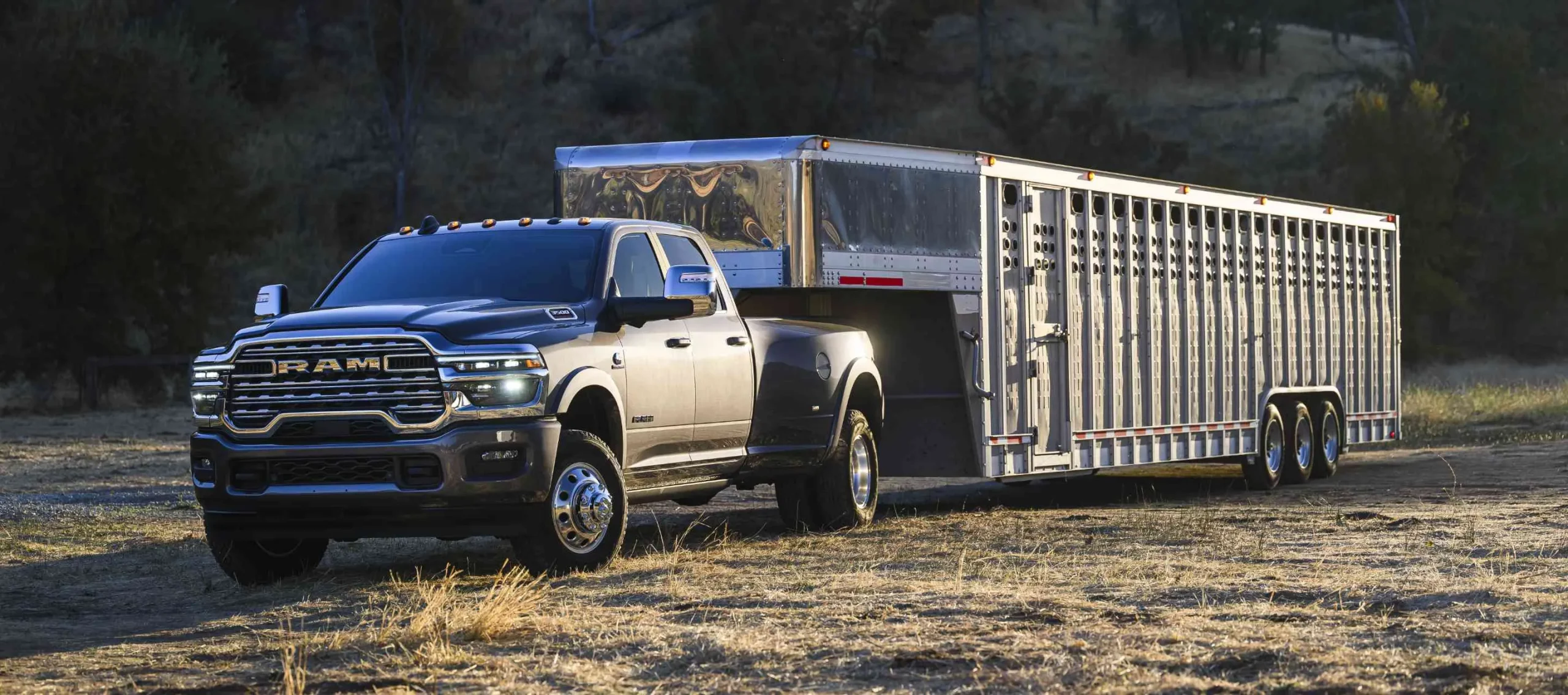
3. Ram 3500
The Ram 3500 is recognized for its robust build and heavy-duty capabilities. With an optional high-output diesel engine, it delivers exceptional torque for hauling and towing demanding loads. The reinforced frame and suspension ensure the truck maintains stability under extreme conditions. Operators frequently report that it can handle years of daily wear without major mechanical issues.
Suspension components are designed to absorb shocks from rough terrain, preserving the truck’s structural integrity. The cabin materials are durable, able to withstand harsh conditions and continuous use. Advanced towing features enhance safety when handling oversized trailers or equipment. Its drivetrain is engineered for longevity, reducing the likelihood of failures during extended operation.
The Ram 3500’s braking system is optimized for heavy-duty use, allowing safe stopping under extreme load conditions. Engine cooling systems are designed to prevent overheating even during prolonged periods of towing. Transmission components are robust, handling torque stress reliably over time. Regular maintenance ensures the truck maintains peak performance for years.
Durability extends to the electrical and fuel systems, which are less prone to failures than competing models. Owners appreciate its combination of power and resilience, particularly in commercial and construction applications. This reliability contributes to reduced downtime and increased productivity.
The truck’s resale value reflects its reputation for toughness, making it a wise investment. Accessories and aftermarket support provide flexibility for additional work-specific needs. The Ram 3500 remains a top choice for anyone needing a dependable, long-lasting work truck.
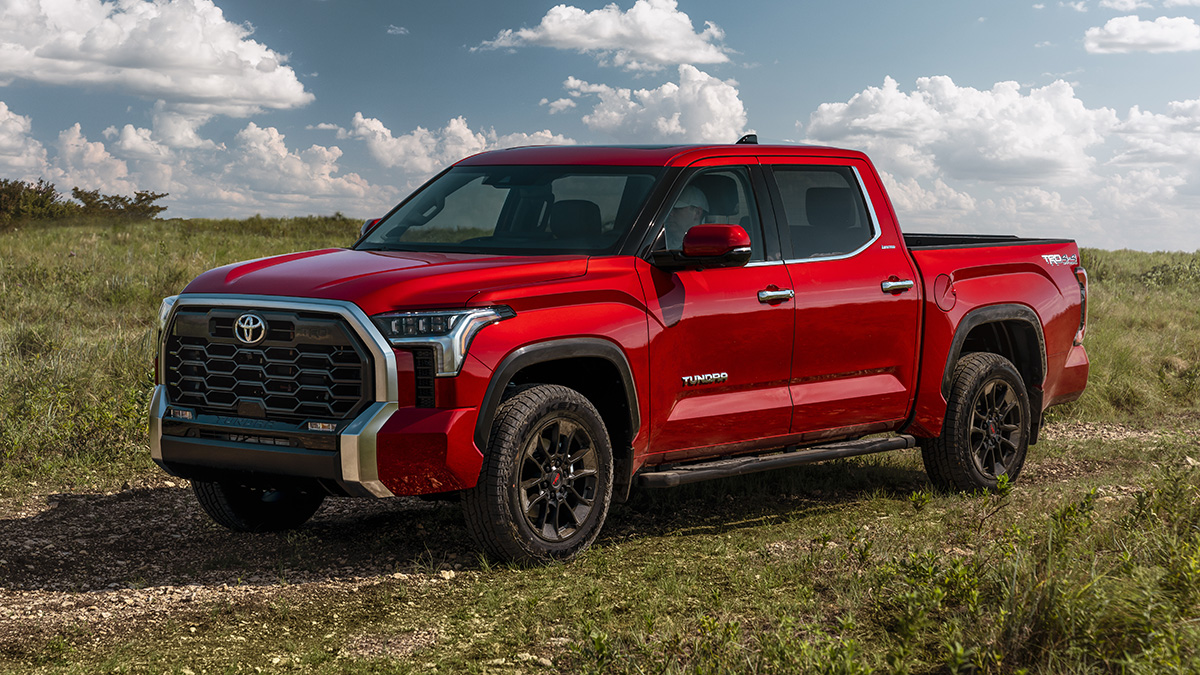
4. Toyota Tundra
The Toyota Tundra may appear smaller than some heavy-duty competitors, but it has a proven reputation for reliability. Its build quality is exceptional, and its components are designed to withstand years of harsh usage.
The V8 engine delivers consistent performance, even under heavy loads. Operators report that it maintains stability and performance over long periods.
Suspension systems are designed to absorb the impact of rough roads and off-road conditions. Corrosion-resistant materials contribute to long-term durability, particularly in climates with snow or salt exposure.
Interior components are built to survive repeated heavy use, ensuring the cabin remains functional. The Tundra’s drivetrain is engineered to endure constant stress without major failures.
Towing and hauling capacity is impressive, particularly given the truck’s mid-size classification. Advanced traction and stability controls enhance safety when handling heavy loads. Engine and brake cooling systems are optimized to maintain reliability under prolonged strain. Maintenance is straightforward, with parts widely available.
Owners emphasize that the Tundra resists common issues that plague other trucks, such as frame rust or transmission problems. Its reputation for longevity makes it a favorite among contractors and small business owners. Resale values remain high, reflecting the market’s confidence in its durability.
For daily abuse, the Tundra delivers consistently, making it a smart choice for anyone needing a tough, reliable truck. Its combination of strength, longevity, and low-maintenance design sets it apart in its class.
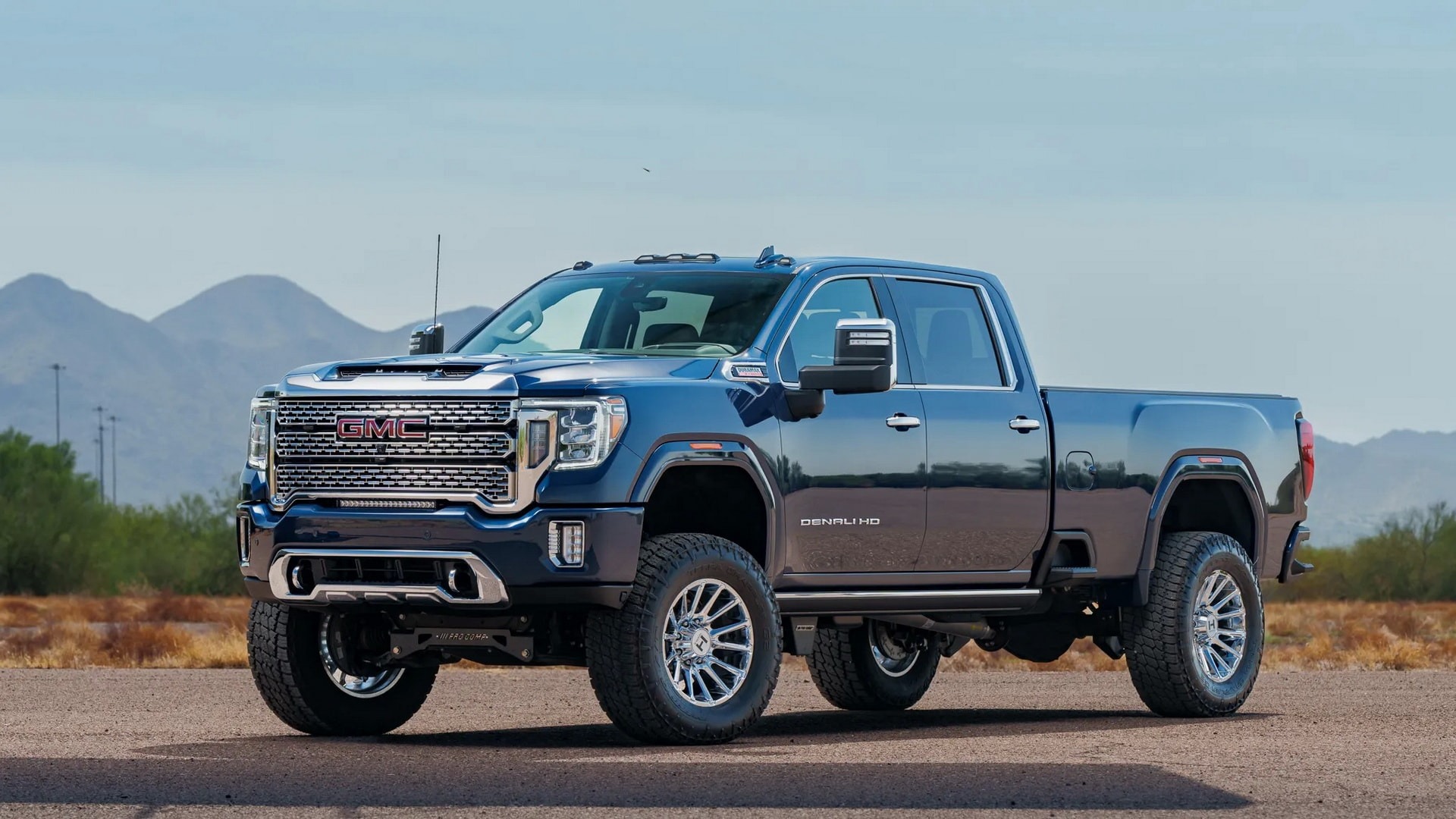
5. GMC Sierra 3500HD
The GMC Sierra 3500HD is a heavy-duty truck built to withstand constant demanding work. Its reinforced chassis and high-strength steel frame support substantial payloads and towing requirements.
Engine options provide high torque and horsepower suitable for commercial and industrial tasks. Operators find it capable of enduring long hours of work with minimal mechanical issues.
The suspension system is engineered for durability, maintaining stability over rough terrain. Components are designed to resist wear and corrosion, extending the truck’s lifespan.
Interiors are practical, durable, and easy to maintain, surviving heavy use without significant damage. Advanced towing and load management features improve safety and control during heavy-duty tasks.
Braking systems handle large loads efficiently, reducing wear and enhancing operational safety. Engine and transmission cooling systems are designed for long-term performance under stress.
The drivetrain is engineered for repeated heavy use, minimizing breakdowns in high-demand situations. Parts availability and serviceability contribute to reduced downtime.
Owners report that the Sierra 3500HD maintains performance even after years of rigorous use. Its combination of power, stability, and durability makes it a trusted choice for contractors, farmers, and fleet operators. Resale values remain strong due to the reputation for toughness.
The truck is versatile, capable of handling worksite demands, long-distance hauling, and harsh road conditions. Its engineering prioritizes longevity and reliability, ensuring that it survives daily abuse with minimal intervention.
5 Trucks That Are Too Fragile
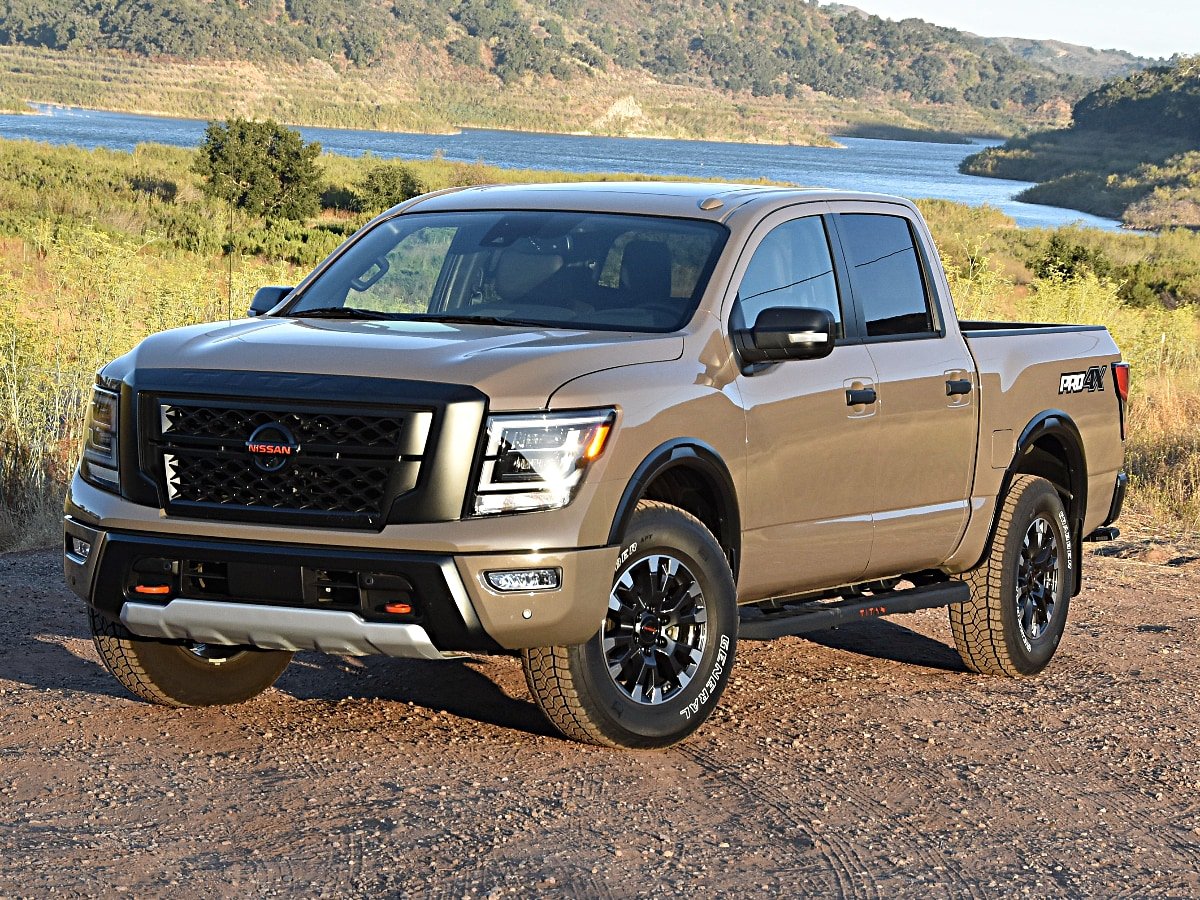
1. Nissan Titan
The Nissan Titan has often struggled to maintain durability under heavy workloads. While it offers a modern design and comfortable cabin, its frame and suspension are not as robust as competitors.
Drivers report issues with sagging under heavy payloads and uneven handling when towing. Components such as the transmission and drivetrain are prone to early wear, leading to frequent maintenance.
Engine performance is adequate for light loads, but consistent heavy-duty tasks cause overheating and accelerated wear. Brake components also wear faster than expected when used under full load conditions.
Electrical and sensor systems occasionally fail, affecting safety features and towing reliability. Owners often experience costly repairs that reduce the truck’s effectiveness for daily work.
Rust and corrosion can appear sooner than expected, particularly in regions with high humidity or salted roads. The underbody protection is limited, making it vulnerable to damage from rough terrain.
Suspension components lack the resilience needed for repeated stress, causing noisy and uncomfortable rides. These factors make the Titan less suitable for contractors or heavy-duty use.
Interior materials, while visually appealing, tend to show wear quickly under harsh conditions. Seats, trim, and controls may degrade faster than in trucks designed for continuous abuse.
Additionally, aftermarket support for heavy-duty upgrades is limited compared to Ford or Chevrolet counterparts. Owners often find that the Titan cannot match the longevity expected in a true work truck.
Despite its strong warranty and initial reliability, the Titan often falls short in long-term durability. Frequent trips to service centers are common for transmission, brake, and suspension repairs. The resale value reflects these weaknesses, as buyers remain cautious about purchasing heavily used models. The Titan is better suited for light use rather than repeated heavy-duty work.
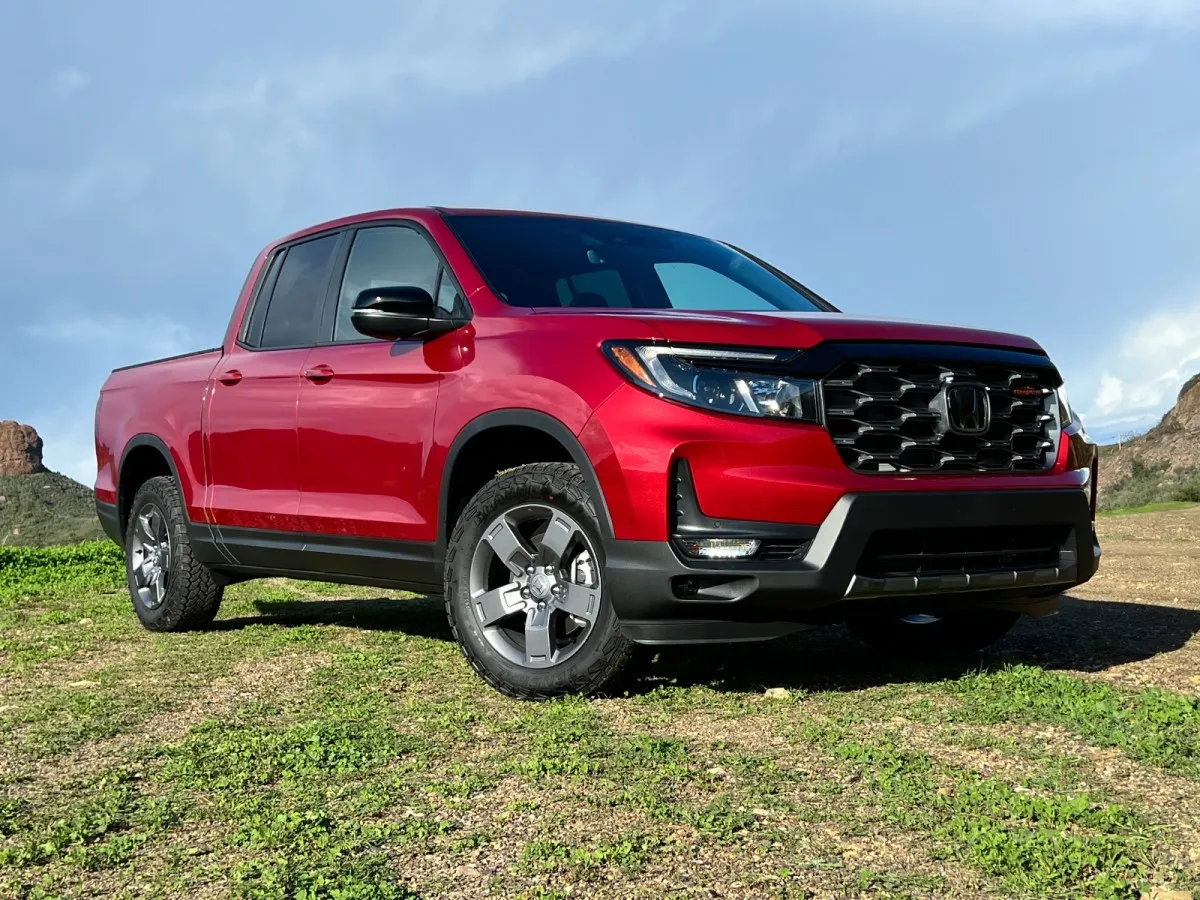
2. Honda Ridgeline
The Honda Ridgeline presents a smooth ride and refined interior, but it is not designed for extreme workloads. Its unibody construction reduces payload capacity and towing strength compared to traditional body-on-frame trucks.
Operators report frame flex and chassis instability when loaded near maximum capacity. Over time, stress on the drivetrain and suspension components can lead to mechanical issues.
Engine options are sufficient for everyday driving but struggle under continuous towing or heavy hauling. Brake performance diminishes when the truck is fully loaded, requiring more frequent maintenance.
Electrical systems are generally reliable but less robust under extreme conditions. The Ridgeline’s suspension lacks the heavy-duty design needed for rugged work sites.
Repeated exposure to rough terrain or construction environments accelerates wear on tires, shocks, and bushings. The truck does not absorb impacts well, transmitting stress to both the vehicle and the driver. Payload limitations restrict its usefulness for carrying tools, equipment, or heavy materials. Overloading the Ridgeline increases the risk of component failure.
Interior durability is good for everyday commuting, but constant exposure to dirt, debris, and moisture can lead to wear and staining. Seat fabric, carpeting, and control panels are not designed for industrial environments. While the Ridgeline excels as a lifestyle or recreational truck, it lacks the ruggedness required for long-term heavy use.
The Ridgeline’s design prioritizes comfort and handling over toughness. Frequent inspections and careful load management are required to prevent damage under heavier work demands. Businesses or individuals who expect a truck to endure abuse will likely face repeated repairs and limitations with this model.
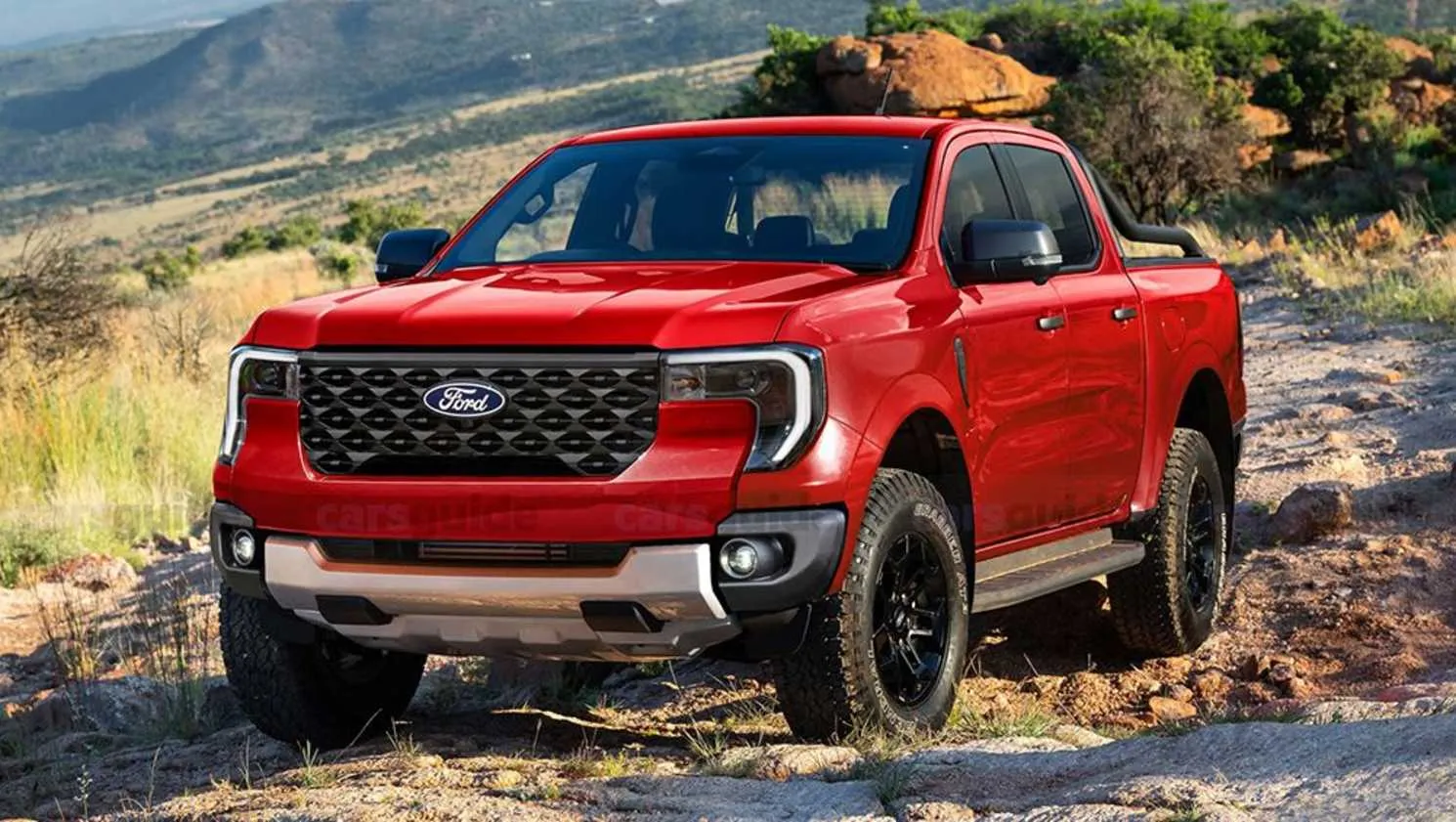
3. Ford Ranger (Current Generation)
The current generation Ford Ranger offers efficiency and maneuverability, but its components are often too light for heavy work. While it performs well in everyday driving, repeated towing or hauling can lead to accelerated wear.
Reports of transmission issues and suspension failures have emerged in demanding conditions. The frame does not match the rigidity of full-size trucks, contributing to flex under load.
Engine performance is moderate, and prolonged heavy-duty tasks can stress the cooling and drivetrain systems. Brake fade occurs more quickly under full loads, reducing safety in work scenarios.
Electrical components, including sensors and control modules, may fail when exposed to harsh environments. These weaknesses make the Ranger unsuitable for daily high-intensity work.
Repeated trips on rough terrain lead to premature suspension and steering wear. The shocks and struts are designed more for comfort than endurance, often resulting in uneven handling under load. The truck’s payload capacity is limited, restricting the volume and weight of materials it can carry safely. Operators frequently need to adjust their usage to avoid damage.
Interior durability is also a concern, as plastic panels and seats show wear more quickly under heavy use. Exposure to mud, water, and chemicals commonly found on job sites accelerates deterioration. Tools and equipment storage is limited, reducing practicality for professional tasks. Over time, these factors contribute to a decline in reliability.
The Ford Ranger is ideal for light to moderate duty, but its fragility becomes evident under consistent heavy workloads. Frequent maintenance and repairs are likely when the truck is pushed to handle larger projects. Businesses needing a tough daily workhorse may find it less dependable than heavier competitors.
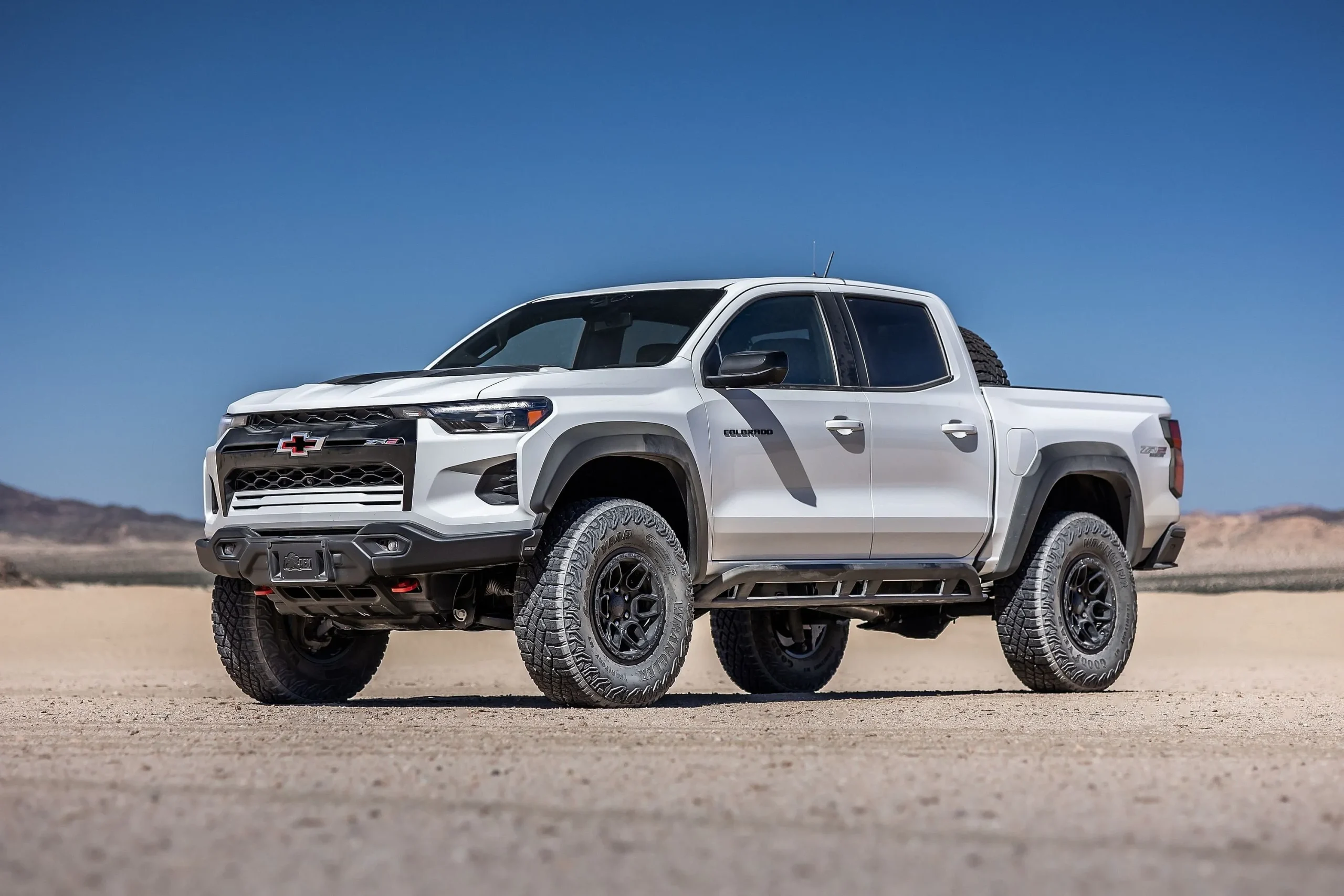
4. Chevrolet Colorado
The Chevrolet Colorado is often praised for its balance of size and comfort, but it struggles under sustained heavy workloads. Its frame and suspension are designed more for light-duty use, resulting in sagging and stress when loaded near maximum capacity.
Engine stress increases with prolonged towing, leading to overheating and accelerated wear. Transmission issues have been reported when the truck is used aggressively.
Brake components show signs of accelerated wear under full load conditions. The truck’s suspension lacks the heavy-duty reinforcement necessary for rough terrain, causing reduced stability and uncomfortable rides. Electrical components are prone to minor failures in harsh conditions. These design limitations reduce the Colorado’s long-term durability for demanding work.
Repeated exposure to rugged work sites accelerates wear on tires, shocks, and chassis components. Overloading increases the risk of structural damage, particularly in the bed and frame. Payload limitations restrict its usefulness for contractors or operators needing to transport heavy equipment. Regular maintenance becomes more frequent and costly under abuse.
Interior components are designed for comfort rather than rugged use. Seats, plastics, and trim degrade faster in work environments, especially when exposed to dirt, moisture, or heavy tools. While the Colorado excels in daily commuting and light hauling, it does not withstand continuous high-intensity workloads.
For professionals seeking a truck that endures daily abuse, the Colorado often falls short. Repairs to drivetrain, suspension, or frame components can be frequent under heavy use. Its resale value also reflects its lighter-duty design, as buyers prefer models with proven long-term toughness.
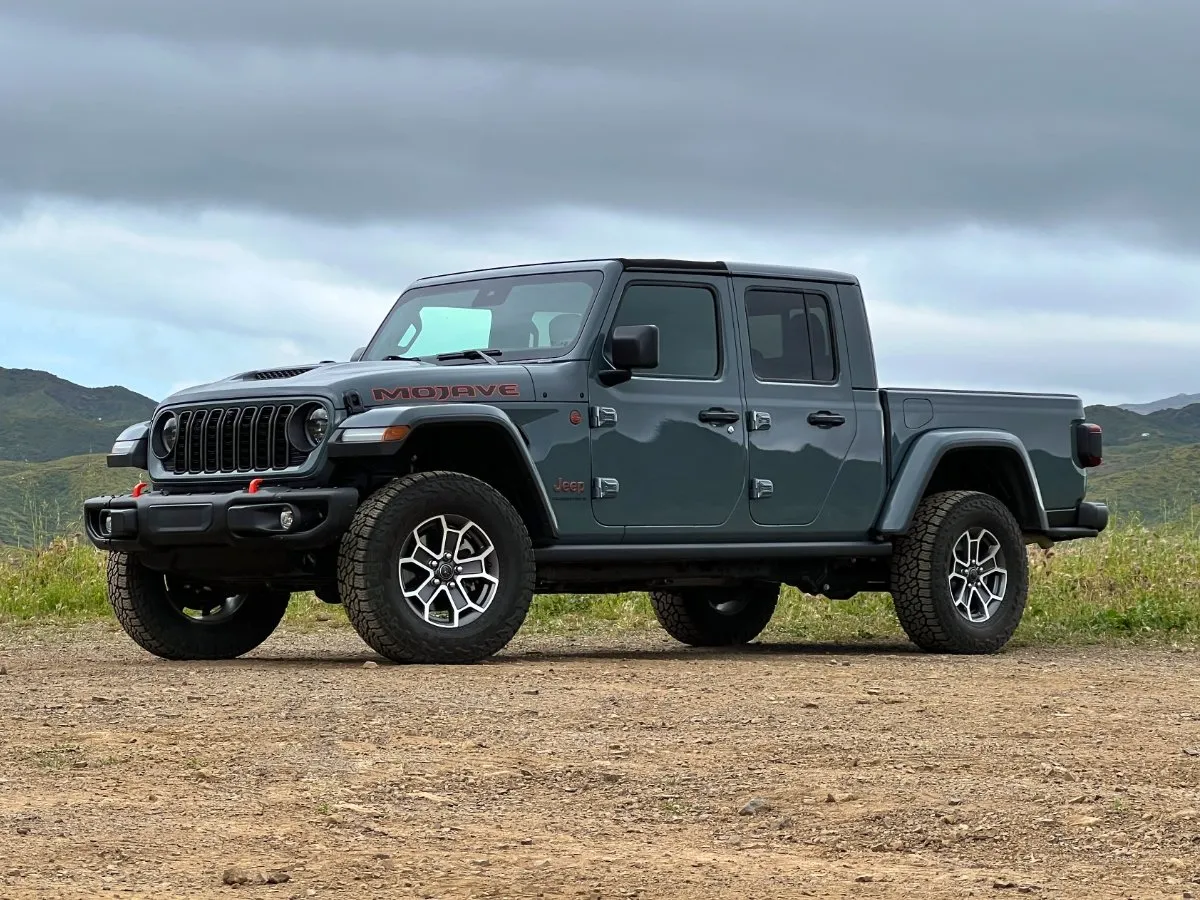
5. Jeep Gladiator
The Jeep Gladiator offers off-road capability and style but struggles with long-term work durability. Its frame and suspension are engineered primarily for recreational use rather than industrial workloads. Heavy payloads cause noticeable flex and strain on structural components. The drivetrain, while capable in light conditions, is prone to wear when used for constant hauling or towing.
Engines perform well for commuting or short trips, but prolonged heavy-duty operation leads to overheating and mechanical stress. Brake fade is common when carrying full loads repeatedly, reducing safety margins. Electrical and electronic systems, including traction and stability control, can fail under high-stress scenarios.
Suspension components are optimized for off-road comfort rather than repeated industrial work. Shock absorbers and springs wear quickly under frequent load cycles, reducing stability. The truck’s bed and body panels may develop cracks or deformation under sustained heavy use. Operators must take care to avoid overloading to prevent damage.
Interior durability is also limited, with seating and trim designed more for leisure than rugged environments. Exposure to mud, water, and dust common on job sites accelerates wear. Storage and utility options are constrained, reducing practicality for daily work tasks. Repairs and part replacement are more frequent compared to true heavy-duty trucks.
The Gladiator is ideal for recreation and light utility tasks, but daily abuse quickly exposes its limitations. Maintenance and repairs are more frequent under heavy use, and it does not match the reliability of trucks built for continuous industrial or construction work. Professionals needing a true workhorse often turn to heavier, proven competitors instead.
