
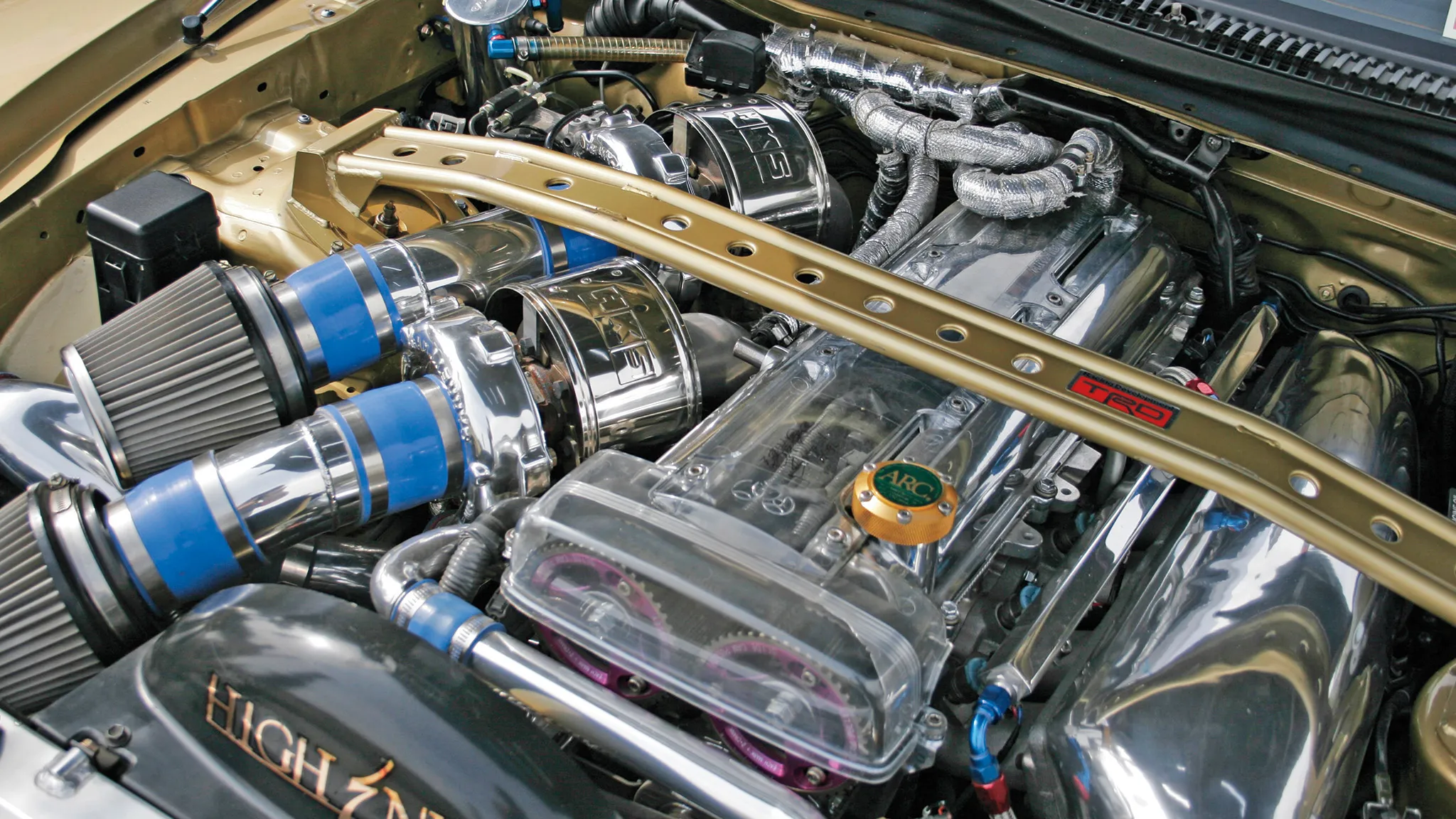
Engines are the heart of any vehicle, and their design dictates not only performance but also longevity. Some engines are constructed with extreme durability in mind, often for vehicles expected to operate under heavy loads, harsh conditions, or extended service intervals.
Overbuilt components in these engines allow them to withstand stress that would damage ordinary engines, providing reliability over hundreds of thousands of miles. While high-performance engines are often celebrated for speed and power, engines with reinforced components are praised for their ability to endure constant strain without failure.
These engines are typically found in trucks, SUVs, industrial equipment, and high-end sports cars where the demands exceed those of normal driving. Their blocks, crankshafts, pistons, and connecting rods are engineered with stronger metals, thicker sections, and better heat tolerance.
These design choices make them less susceptible to warping, cracking, or premature wear. Maintenance schedules may also be extended because the engines can tolerate longer intervals between oil changes, valve adjustments, or timing inspections.
Overbuilt engines are not only about materials but also about engineering principles. The layout of the engine, the strength of the fasteners, and the way components distribute stress all contribute to durability. Manufacturers often employ forged components instead of cast ones, use stronger alloys, and incorporate additional cooling or lubrication channels.
This ensures that engines remain functional even under extreme conditions, such as towing heavy loads, off-road driving, or continuous high RPM operation.
The advantages of overbuilt engines are seen in real-world applications. Heavy-duty trucks can routinely exceed 300,000 miles without major engine rebuilds. Industrial machinery equipped with these engines can operate for years in environments with high temperatures and dust without catastrophic failure.
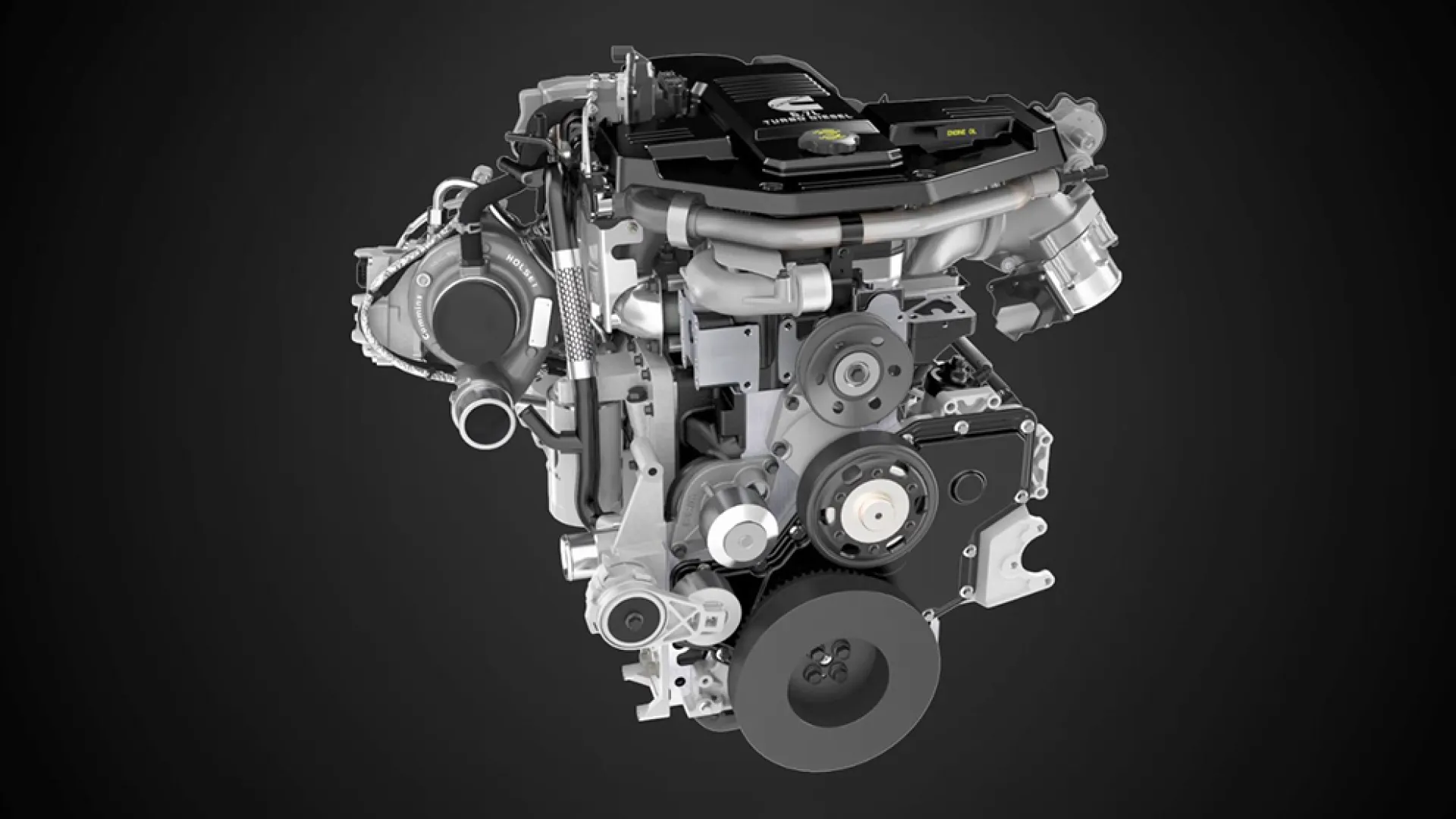
1. Cummins 6.7L Turbo Diesel
The Cummins 6.7L Turbo Diesel has earned a reputation for unparalleled longevity in heavy-duty trucks. Its engine block is cast from high-strength iron to resist cracking under extreme torque.
Each cylinder is treated with special liners to reduce wear, which is crucial for engines running thousands of miles annually. The crankshaft is forged and precisely balanced to handle heavy payloads without fatigue.
Another hallmark of this engine is its robust connecting rods. Forged steel rods reduce the risk of bending or breaking under high compression. Pistons are coated for thermal management and structural strength, allowing the engine to operate at high temperatures safely.
The turbocharger itself is designed to handle extreme boost pressures without failure. Even the valve train uses reinforced components to reduce timing chain stretch.
Cooling and lubrication are prioritized in the 6.7L Turbo Diesel. Multiple oil passages and a high-capacity oil pump ensure that all moving parts remain properly lubricated. The water pump and cooling system are oversized to prevent hotspots, even under heavy towing conditions. These measures extend engine life significantly compared to lighter-duty designs.
Maintenance intervals are designed to leverage the engine’s durability. With proper oil changes, fuel filtration, and scheduled inspections, these engines can last over half a million miles. The overbuilt nature allows for minor abuse that would cripple other engines. Many owners report these engines running strong with minimal rebuilds, making them a favorite for commercial operators.
In addition, aftermarket support enhances its longevity. The availability of heavy-duty replacement parts ensures the engine can be maintained or upgraded without compromising strength. These engines are widely used in trucks where failure is not an option, illustrating the effectiveness of overbuilt components.
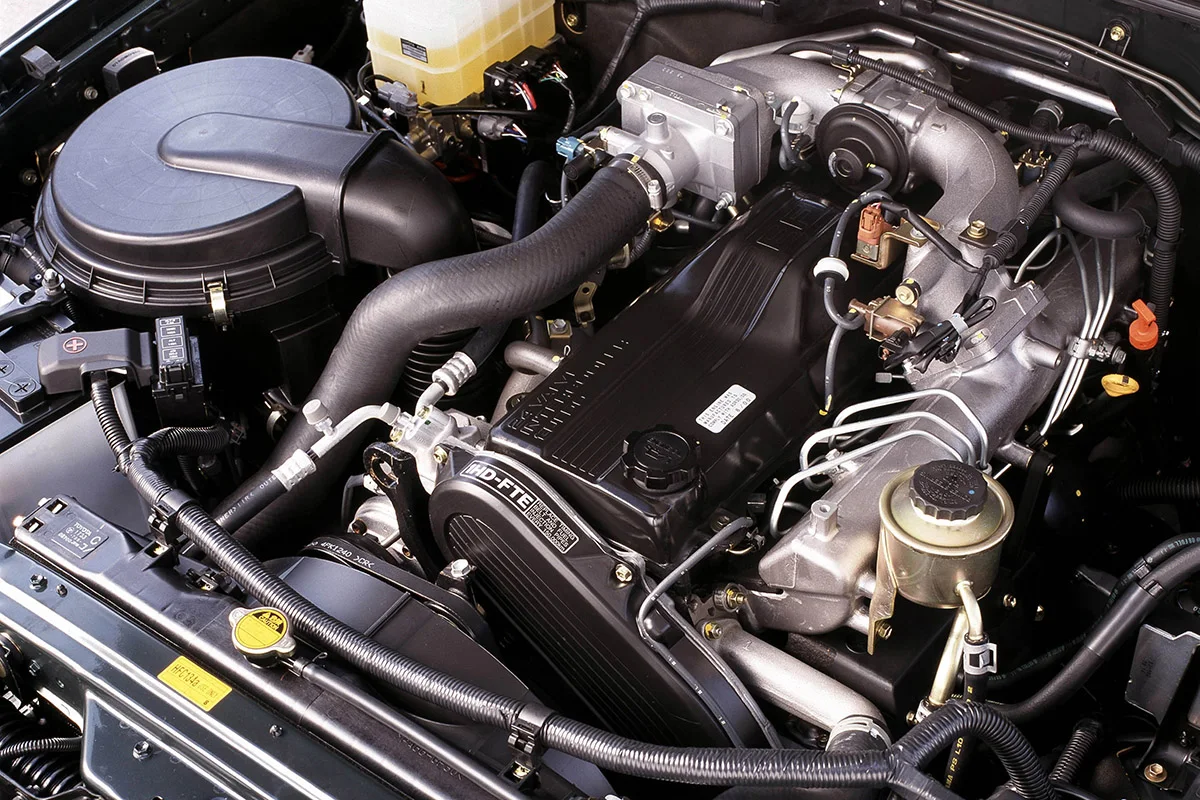
2. Toyota 1HD-FTE
The Toyota 1HD-FTE is a 4.2-liter turbocharged diesel engine used in Land Cruiser models. Its cast-iron block provides a strong foundation for off-road and long-distance driving. Cylinder heads are reinforced to withstand high compression and turbo boost. The pistons are designed with extra strength, often featuring oil cooling jets to manage heat during prolonged operation.
Forged connecting rods and a billet crankshaft contribute to its reputation for durability. The engine’s timing belt is built to last longer than standard belts, preventing catastrophic failure. Valve seats and guides are engineered for minimal wear, even under low-quality fuel conditions. This makes the 1HD-FTE a trusted choice in remote regions with limited maintenance infrastructure.
The engine’s cooling system includes oversized radiators and efficient thermostats. Heat management is critical, as diesel engines generate substantial energy over extended periods. The oil pump capacity is higher than average, ensuring proper lubrication under load. These features help the engine resist thermal stress and reduce the risk of component failure.
Its injection system is also built for reliability. The high-pressure pump and fuel injectors are constructed from hardened steel, reducing wear and maintaining performance over long lifespans. This engine is known to exceed 400,000 miles with routine maintenance, making it a favorite among off-road enthusiasts and long-haul travelers.
Finally, aftermarket support for the 1HD-FTE ensures replacement components match the original overbuilt standards. Reinforced parts are readily available for pistons, rods, and turbo components. Owners often report decades of use without major rebuilds, showing that the focus on durability has paid off in real-world performance.
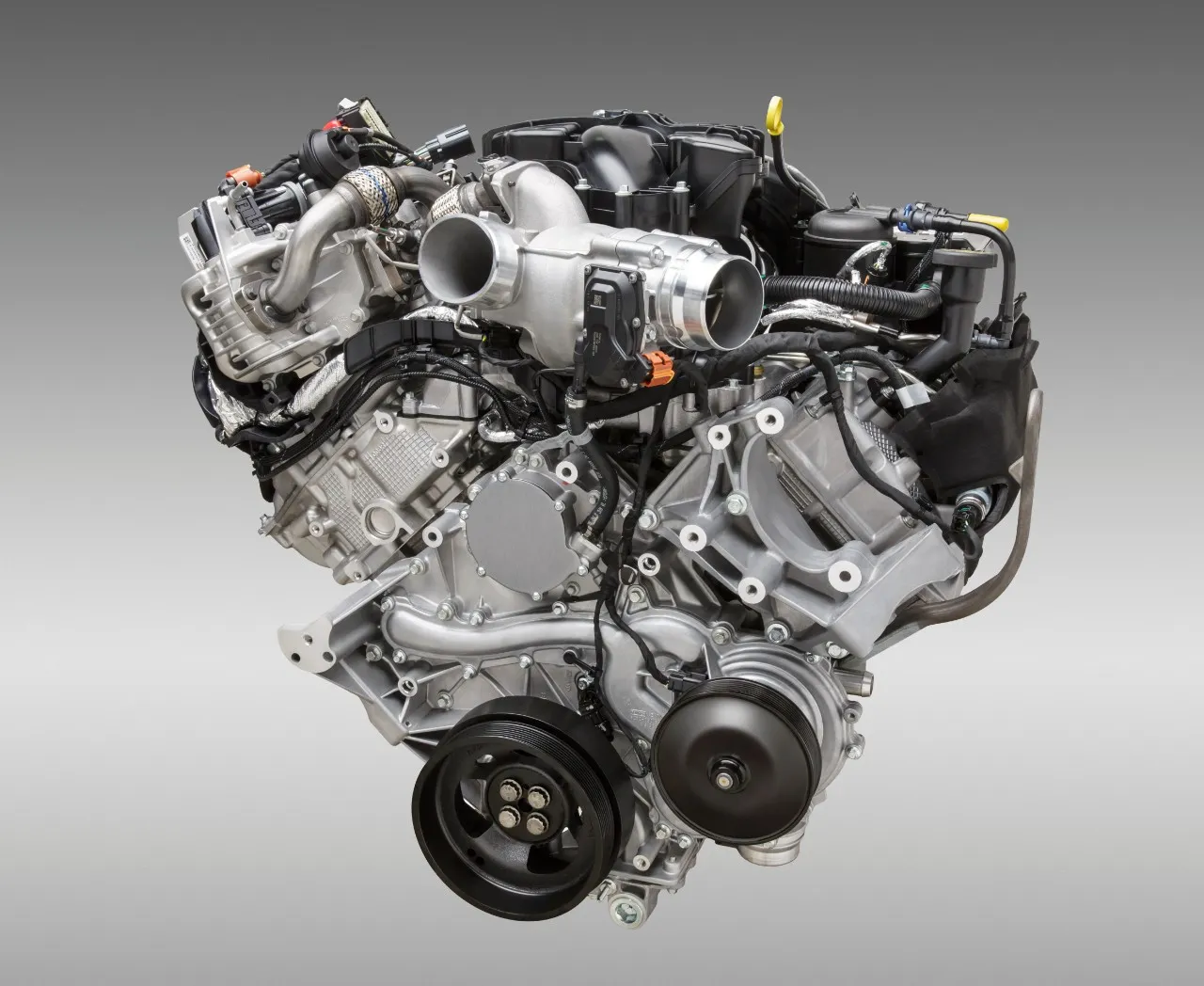
3. Ford 6.7L Power Stroke Diesel
The Ford 6.7L Power Stroke Diesel is engineered for maximum durability in Super Duty trucks. Its cast-iron engine block provides superior rigidity, while the forged steel crankshaft is capable of withstanding extreme torque.
Each piston is designed with reinforced skirts and advanced coatings to manage thermal expansion under heavy loads. The cylinder heads are strengthened to resist warping during prolonged high-temperature operation, ensuring long-term reliability.
High-pressure fuel injection contributes not only to performance but also to engine longevity. The fuel system components, including the injectors and pump, are built to endure sustained pressure cycles without degradation. Oversized oil passages provide continuous lubrication to critical areas, preventing accelerated wear of bearings and camshaft lobes. This careful engineering ensures that even under rigorous towing or hauling, the engine maintains its integrity.
The cooling system is another area where overbuilt components shine. Dual-flow water jackets, a high-capacity radiator, and a robust water pump work together to maintain stable operating temperatures.
Thermal stress on pistons, heads, and turbo components is minimized, which is especially important in high-load scenarios. Additional oil coolers and transmission fluid coolers further reduce the risk of overheating under severe conditions.
Durability also comes from reinforced internal components such as connecting rods and valve train elements. The rods are forged from high-strength steel, reducing the chance of bending under extreme compression.
Valve springs and retainers are over-specified to resist fatigue, while the timing system is engineered to handle extended service intervals. This combination of features allows the engine to operate well beyond normal expectations.
Owners report that the 6.7L Power Stroke Diesel consistently achieves over 300,000 miles with minimal internal maintenance. Its overbuilt nature allows it to tolerate towing heavy trailers or driving in extreme climates without major issues.
Aftermarket support for replacement turbochargers, pistons, and rods ensures that any maintenance can be completed without sacrificing the engine’s original durability. This reputation has made it a top choice for heavy-duty truck enthusiasts.
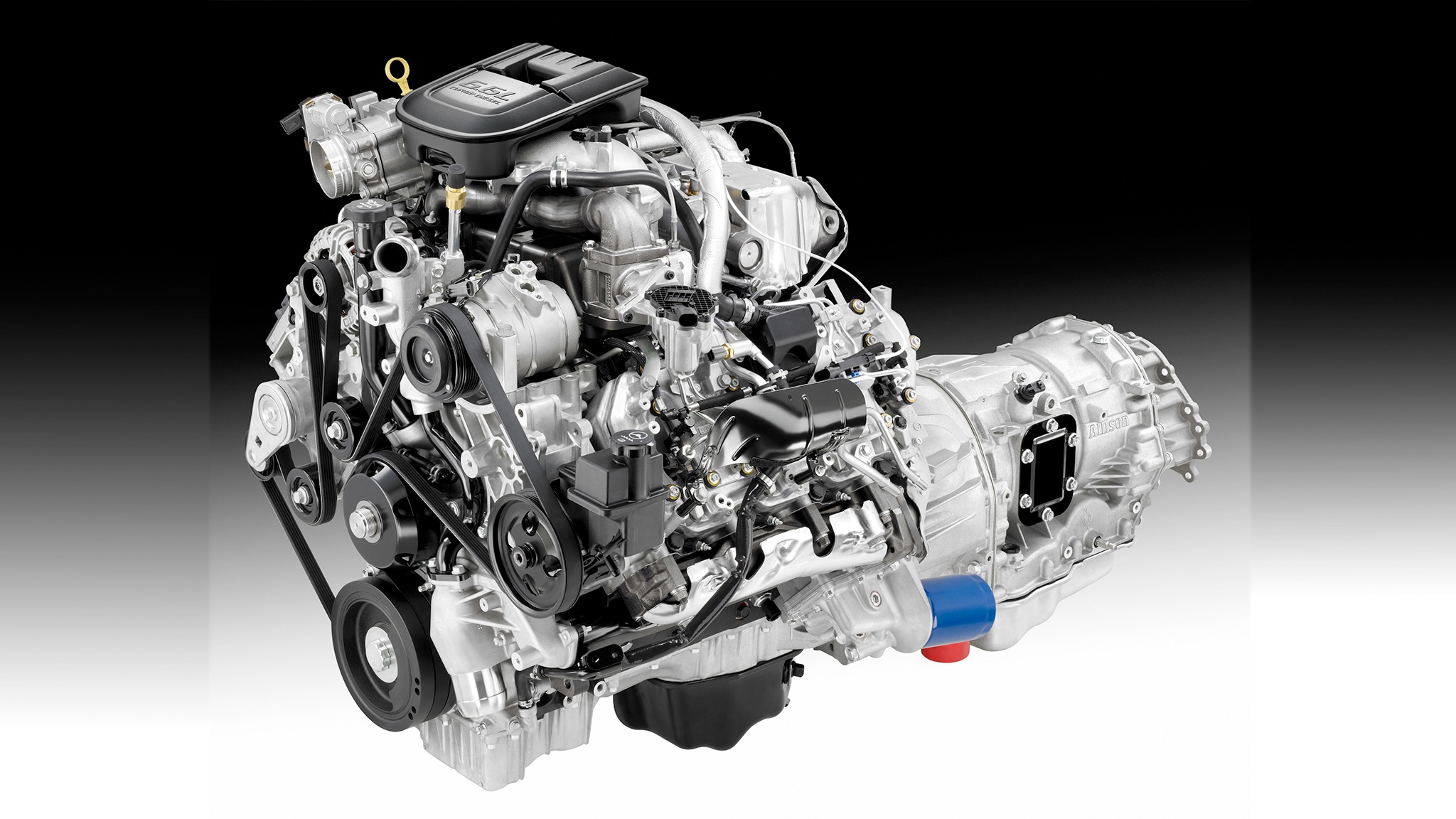
4. Chevrolet 6.6L Duramax L5P
The Chevrolet 6.6L Duramax L5P is a diesel engine designed for longevity under the most demanding conditions. Its cast-iron block and robust cylinder liners provide strength and wear resistance.
Forged steel crankshafts and connecting rods allow the engine to tolerate extreme torque without risk of failure. The pistons are reinforced and use advanced coatings to manage heat and friction during heavy-duty operation.
This engine’s injection system is engineered for both performance and durability. The high-pressure common rail system features hardened components capable of sustaining continuous operation at maximum pressures.
Fuel injectors are built from reinforced materials to prevent premature wear. Additionally, the turbocharger is made with strengthened turbine and compressor components to handle long-term high boost pressures.
Cooling and lubrication are critical for the Duramax L5P. An oversized oil cooler, high-capacity water pump, and dual-flow cooling system help maintain optimal temperatures under heavy towing or long-haul operation.
The lubrication system ensures that pistons, bearings, and camshaft components receive adequate oil, preventing wear even under sustained high RPMs. These design choices are essential for maintaining longevity.
The valve train also benefits from overbuilt components. Hardened camshaft lobes, reinforced rocker arms, and heavy-duty timing chains reduce the risk of failure over extended service intervals.
These measures allow the engine to operate reliably for hundreds of thousands of miles. Many owners of Duramax-equipped trucks report minimal internal repairs over several hundred thousand miles, illustrating the effectiveness of its durable design.
Aftermarket support reinforces the engine’s longevity. Replacement parts are widely available, from forged pistons to heavy-duty turbochargers. The combination of overbuilt components and accessible maintenance makes the Duramax L5P a popular choice for commercial operators, off-road enthusiasts, and anyone who needs a diesel engine that can endure prolonged heavy-duty use without compromise.
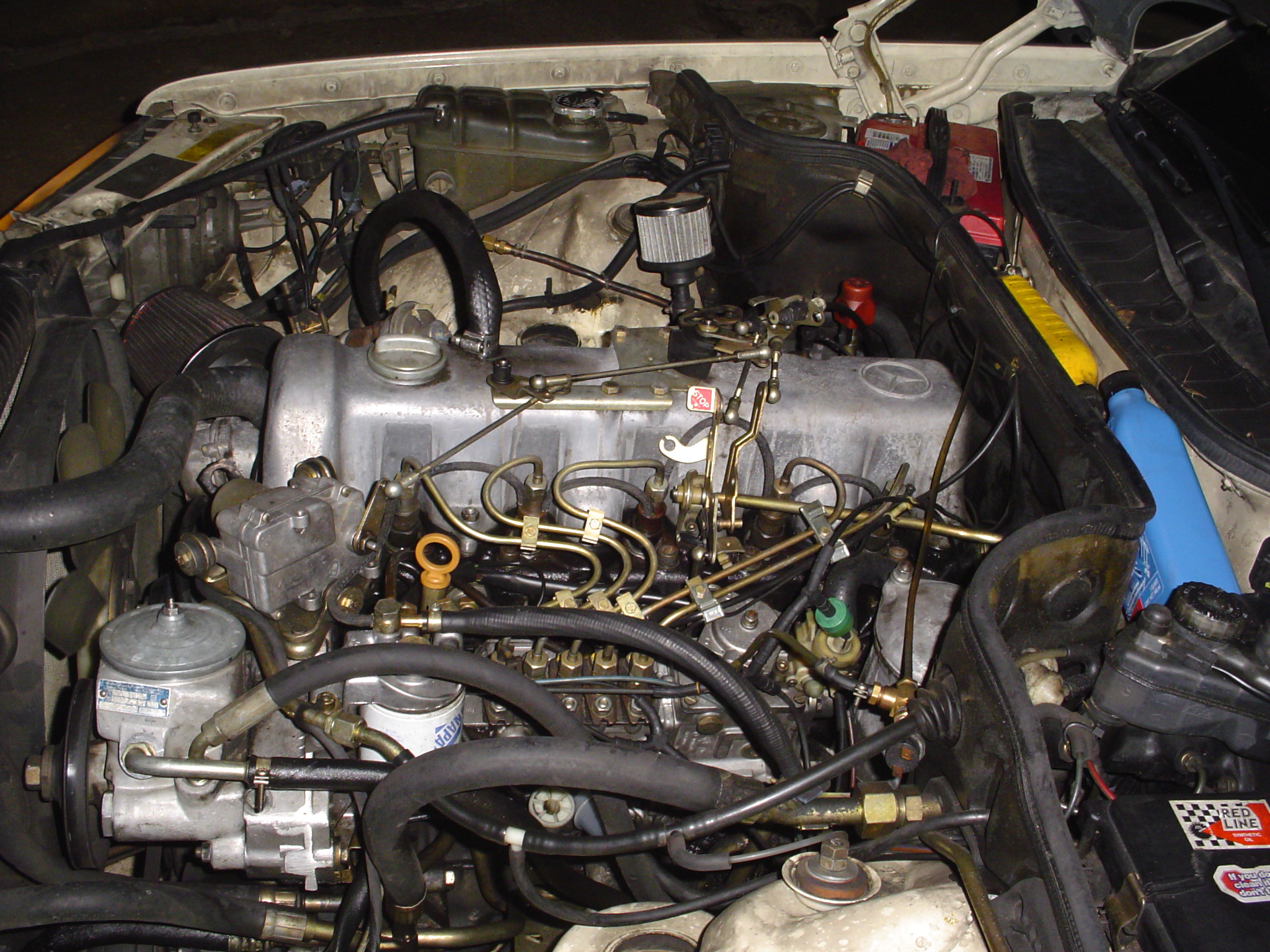
5. Mercedes-Benz OM617
The Mercedes-Benz OM617 is a naturally aspirated diesel engine famous for extreme reliability. Its cast-iron block is exceptionally robust, resisting cracking even after decades of use.
The crankshaft is forged and carefully balanced to manage high torque output. Pistons are designed with thicker skirts and precise tolerances, reducing the risk of premature wear even under poor lubrication conditions.
Valve train durability is another key feature. Hardened valve seats and guides withstand years of operation without excessive wear. The timing chain is reinforced and designed for long service life, unlike many lighter-duty engines that use belts. Cylinder liners are also carefully engineered to resist wear, ensuring that compression and efficiency remain high for hundreds of thousands of miles.
The OM617’s lubrication system is over-engineered for reliability. Generous oil passages feed all critical components, including main bearings, camshaft bearings, and piston skirts. Oil pumps are built to maintain stable pressure over long intervals, preventing metal-to-metal contact and extending engine life. This attention to detail allows the engine to endure neglect better than most.
Cooling in the OM617 is straightforward but extremely effective. A durable water pump, oversized radiator, and efficient thermostat maintain stable operating temperatures. The engine was built to run in varied climates without overheating, from hot summers to cold winters. Its simplicity also reduces the number of components that could fail, further enhancing durability.
Owners consistently report mileage exceeding 500,000 miles with the original engine components. Replacement parts, including forged rods, valves, and pistons, maintain the same overbuilt standards. The OM617 exemplifies how careful engineering and overbuilt components combine to create one of the most durable engines ever produced, suitable for decades of hard use with minimal internal repairs.
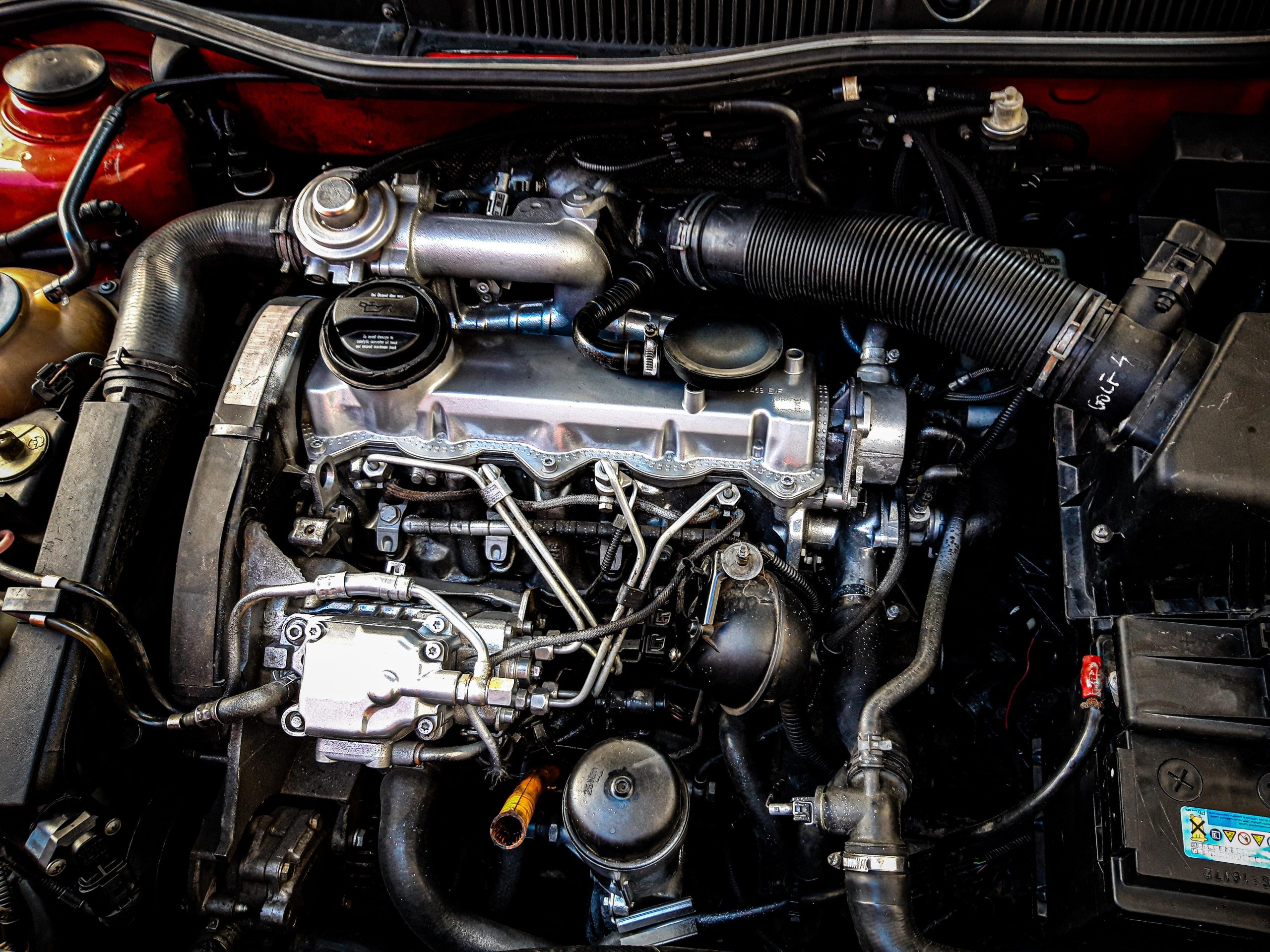
6. Volkswagen 1.9L TDI ALH
The Volkswagen 1.9L TDI ALH engine has earned a legendary reputation for long life, often exceeding 400,000 miles with proper maintenance. Its cast-iron block provides significant structural rigidity, preventing cracks under high-stress conditions.
Forged steel crankshafts and durable connecting rods resist fatigue, even during high-torque operation. Pistons are designed with minimal clearance, reducing blow-by and increasing engine longevity over decades of service.
The cylinder head is built from high-quality aluminum with reinforced valve seats. This combination allows it to endure continuous operation at elevated temperatures without warping.
Timing belts are robust and, when replaced at recommended intervals, prevent catastrophic engine failures. The engine also uses hardened camshafts and lifters, reducing wear even under high-mileage conditions.
Fuel injection components are specifically engineered for durability. The ALH uses a mechanically driven injection pump built from hardened metals, ensuring consistent fuel delivery over long periods.
Injectors are highly resistant to clogging or erosion, and the turbocharger, when fitted, is constructed with reinforced turbines. These features allow the engine to maintain both efficiency and longevity under demanding driving conditions.
Cooling and lubrication systems are oversized relative to engine displacement. Oil passages are precisely routed to feed critical components such as main bearings and camshaft journals.
A high-capacity water pump circulates coolant efficiently, preventing localized hotspots that could damage pistons or cylinder heads. The engine’s durability benefits greatly from these systems working in harmony.
Owners of vehicles with the 1.9L TDI ALH often report minimal internal repairs over hundreds of thousands of miles. Replacement parts, including forged rods, reinforced pistons, and durable turbochargers, maintain the engine’s original overbuilt specifications.
This engine’s combination of simplicity, precision engineering, and strong materials has made it a benchmark for reliability in small-displacement diesels worldwide.
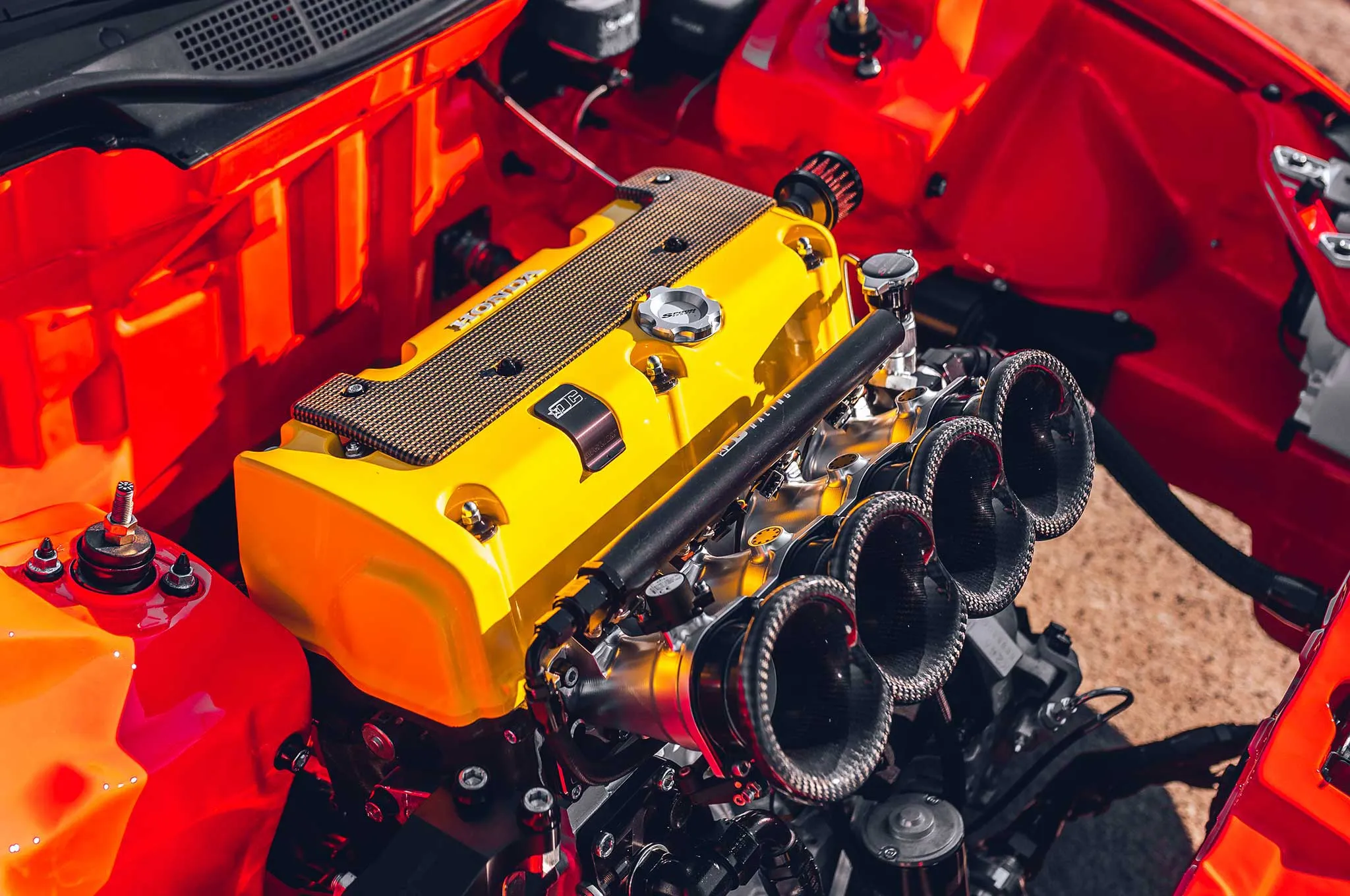
7. Honda K24
The Honda K24 engine is a robust inline-four gasoline engine designed for both performance and durability. Its block is made from high-strength aluminum with cast-in iron cylinder liners to resist wear under prolonged operation.
The forged steel crankshaft and durable connecting rods withstand high-rev operation without risk of failure. Pistons are reinforced and designed to maintain structural integrity under elevated thermal and mechanical stress.
Valve train components are engineered to resist fatigue. Hardened cam lobes and robust valve springs minimize wear over hundreds of thousands of miles.
Timing chains, rather than belts, provide extended service life and reduce the likelihood of catastrophic failure. The cylinder head is strengthened in critical areas to prevent warping under high temperatures or aggressive driving conditions.
Cooling is emphasized in the K24 design. Oversized radiators, high-capacity water pumps, and strategically placed coolant passages maintain stable operating temperatures.
Lubrication is also carefully managed with full-flow oiling to the crankshaft, camshaft, and pistons. These systems ensure minimal wear, even under prolonged high-load or high-RPM operation, which is crucial for both reliability and performance.
The K24’s balance between lightweight construction and overbuilt internal components makes it suitable for both daily driving and performance applications.
Engine enthusiasts often rely on its reinforced rods, pistons, and valve train when increasing horsepower, confident that the engine can withstand additional stress. Regular maintenance ensures that these overbuilt features continue to provide extended longevity.
Aftermarket support is extensive, with reinforced parts and upgraded components readily available. Many owners report mileage exceeding 250,000 miles with minimal repairs, which is a testament to Honda’s careful engineering. The K24 demonstrates that even smaller gasoline engines can achieve remarkable durability when overbuilt components are integrated thoughtfully.
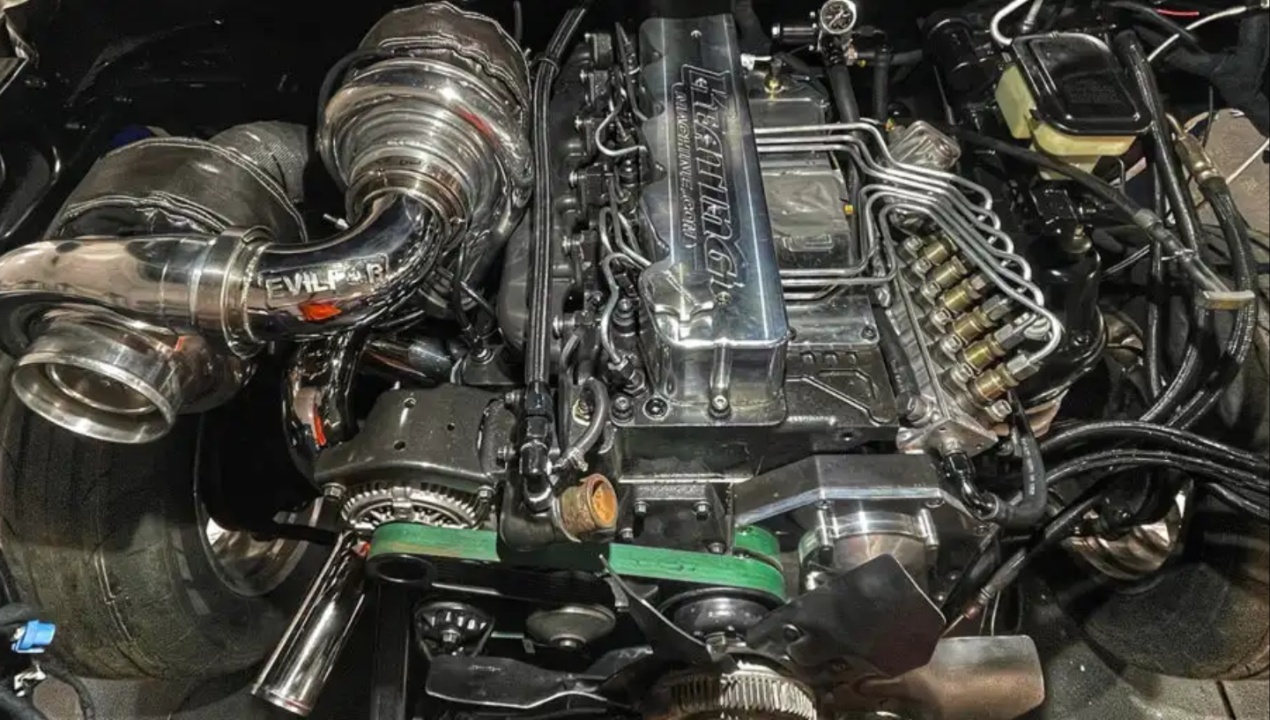
8. Cummins 5.9L 12-Valve
The Cummins 5.9L 12-Valve diesel engine is widely recognized as one of the most durable engines ever produced. Its iron block and forged crankshaft are designed to tolerate extreme torque and heavy-duty applications.
Connecting rods are overbuilt with high-strength steel, and pistons are engineered to endure high compression and heat without distortion. Cylinder heads are reinforced to maintain reliability under continuous operation.
The injection pump and fuel system are highly durable. Hardened steel components resist wear even after hundreds of thousands of miles. The mechanical injection system is simple yet effective, allowing for consistent fuel delivery in various operating conditions. Turbocharger components, when present, are reinforced to handle sustained high boost pressures without failure.
Cooling and lubrication systems are critical to the 12-Valve’s longevity. Oil passages are routed to critical components, ensuring that bearings, crankshaft, and pistons remain fully lubricated.
Oversized radiators and water pumps help maintain consistent temperatures during prolonged towing or high-load conditions. These design choices allow the engine to perform reliably in both commercial and recreational applications.
Owners often report engines reaching 500,000 miles without major internal repairs. Overbuilt components such as forged rods, durable pistons, and reinforced turbo systems allow the engine to tolerate modifications and increased loads.
The Cummins 5.9L 12-Valve is a prime example of how careful engineering and high-strength materials produce one of the most durable diesel engines in history.
Maintenance is simplified by the straightforward mechanical design. Replacement parts maintain the same durability standards as the original components, making it easy to preserve the engine’s long-term reliability. Its reputation continues to make it a sought-after engine in both new builds and restored trucks.
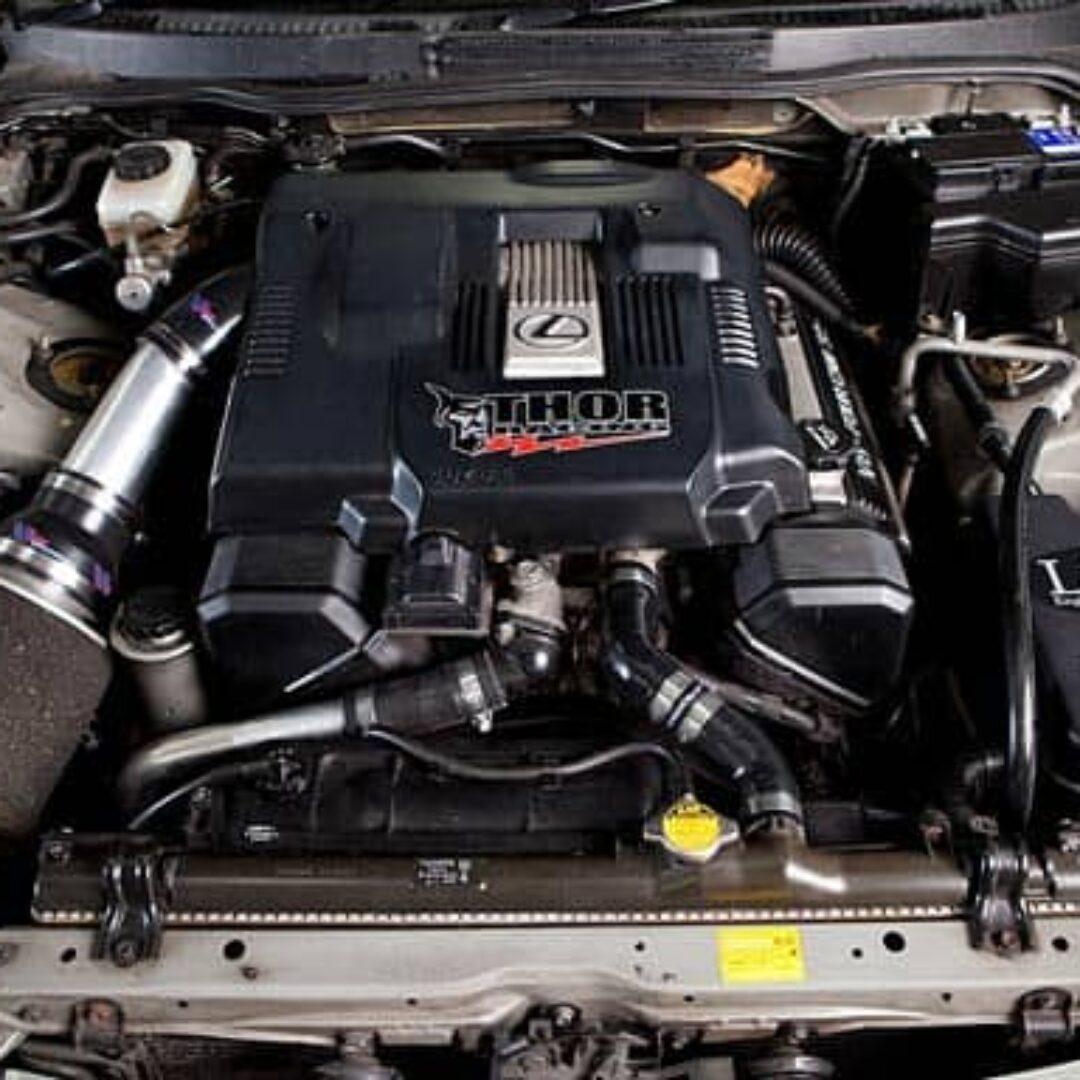
9. Lexus 1UZ-FE
The Lexus 1UZ-FE V8 is renowned for its combination of smooth operation and extreme durability. Its cast-iron cylinder block provides a solid foundation, while the forged steel crankshaft and connecting rods handle substantial torque loads without flexing.
Pistons are designed with extra material thickness and thermal coatings to withstand high operating temperatures. The aluminum cylinder heads are reinforced in critical stress areas to prevent warping over time.
Valve train components are exceptionally durable. Hardened camshafts, strong valve springs, and precision-machined rocker arms reduce wear, even under extended high-RPM use. The timing belt is engineered for long life, and regular maintenance can allow the engine to operate flawlessly for hundreds of thousands of miles. The engine’s architecture balances strength with smoothness.
Cooling and lubrication are designed for reliability. Oil passages feed all critical bearings and piston skirts, while high-capacity radiators and water pumps maintain consistent temperatures.
Heat management prevents premature wear on pistons, valves, and turbocharger components in modified versions. The engine maintains reliability in daily driving, high-performance use, and even light track applications.
Owners often report 300,000 to 400,000 miles without major engine repairs. The availability of reinforced replacement components ensures that longevity can be maintained without sacrificing the overbuilt design principles. This V8 exemplifies how thoughtful engineering and durable materials can create a gasoline engine that stands the test of time.
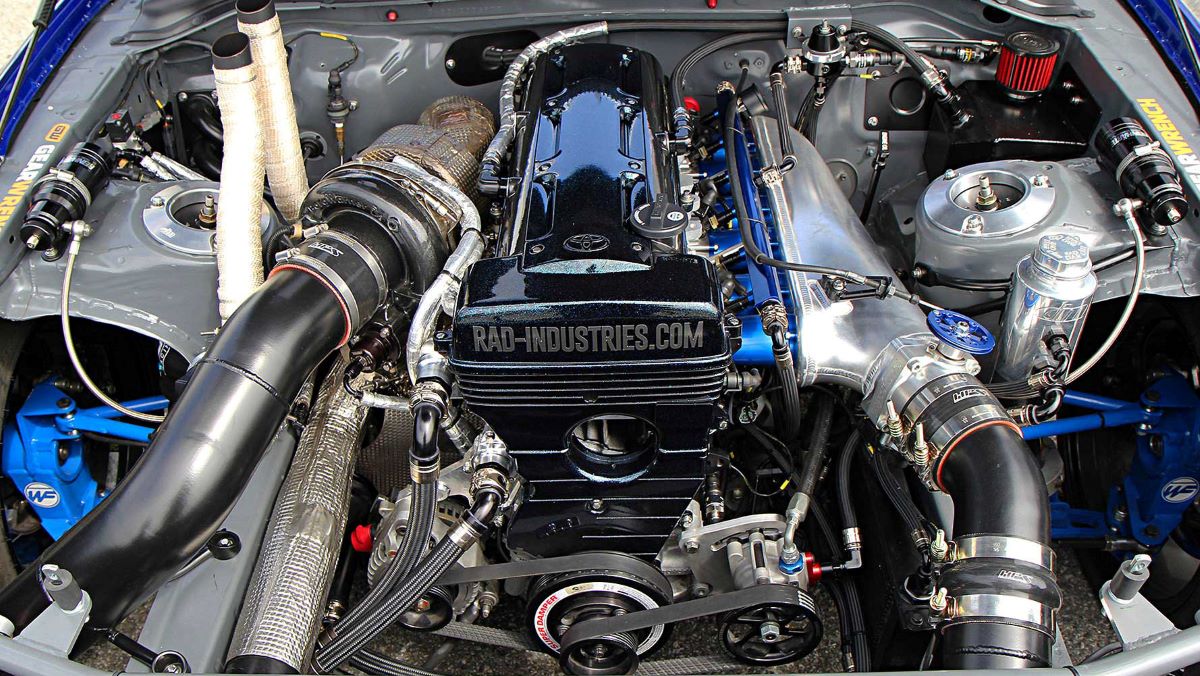
10. Toyota 2JZ-GTE
The Toyota 2JZ-GTE is a legendary inline-six engine famed for its strength and tuning potential. Its cast-iron block provides exceptional rigidity, while the forged steel crankshaft and reinforced connecting rods handle extreme power outputs.
Pistons are designed to withstand high combustion pressures, and cylinder walls are reinforced to prevent distortion under prolonged high-boost operation.
The cylinder heads are precision-machined with strengthened valve seats and guides. The valve train uses hardened camshafts and heavy-duty springs, ensuring reliability under high RPMs. The engine’s factory components were overbuilt to withstand significant turbo boost, allowing it to tolerate modifications that would destroy most other engines.
Cooling and lubrication are key to the 2JZ-GTE’s durability. Oil squirters, high-capacity oil pumps, and multiple coolant passages maintain optimal operating conditions. Even during high-performance use, heat and friction are managed to prevent premature failure. This engineering allows the engine to handle stress from both factory specifications and aftermarket enhancements.
Owners report engines exceeding 400,000 miles with minimal internal issues. Aftermarket support reinforces the original overbuilt components, from forged pistons to upgraded turbos. The combination of strong materials, precise engineering, and overbuilt components has cemented the 2JZ-GTE as one of the most durable and tunable gasoline engines in automotive history.
