
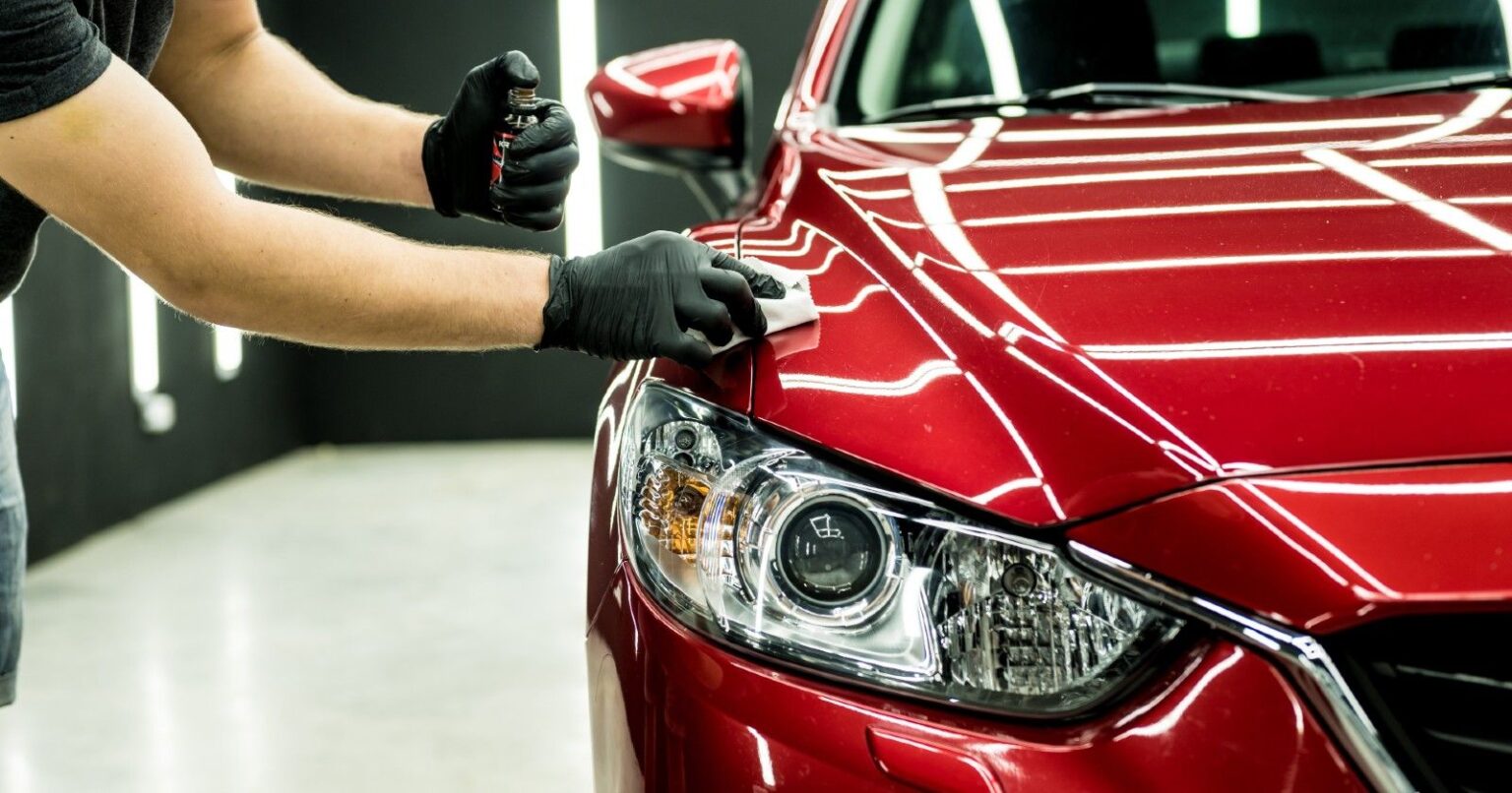
Ceramic coating has earned a reputation for transforming the way a vehicle looks and holding up against daily wear. That deep gloss, slick finish, and added resistance to grime can make any car feel freshly detailed long after it leaves the shop. Still, ceramic coating is not magic. It is a durable layer of protection, but it requires the right care if you expect it to look sharp for years instead of months.
Drivers often assume that once a coating is applied, maintenance becomes optional. That mindset leads to water spots, clogged surfaces, and fading hydrophobic performance. A ceramic-coated vehicle still faces UV rays, bird droppings, road salt, brake dust, and automatic car wash brushes. The difference is that the coating gives you an advantage, not immunity.
Protecting that investment calls for smart habits and a clear understanding of how ceramic coatings behave. Simple adjustments in washing technique, product selection, storage, and driving routines can extend the life of the coating and preserve that just-detailed shine.
Below are ten practical strategies you can apply right away. Each one is paired with a real-world example using a specific vehicle, showing how proper care keeps ceramic-coated paint performing at its best.
1. Wash by Hand Using a Proper Two-Bucket Method
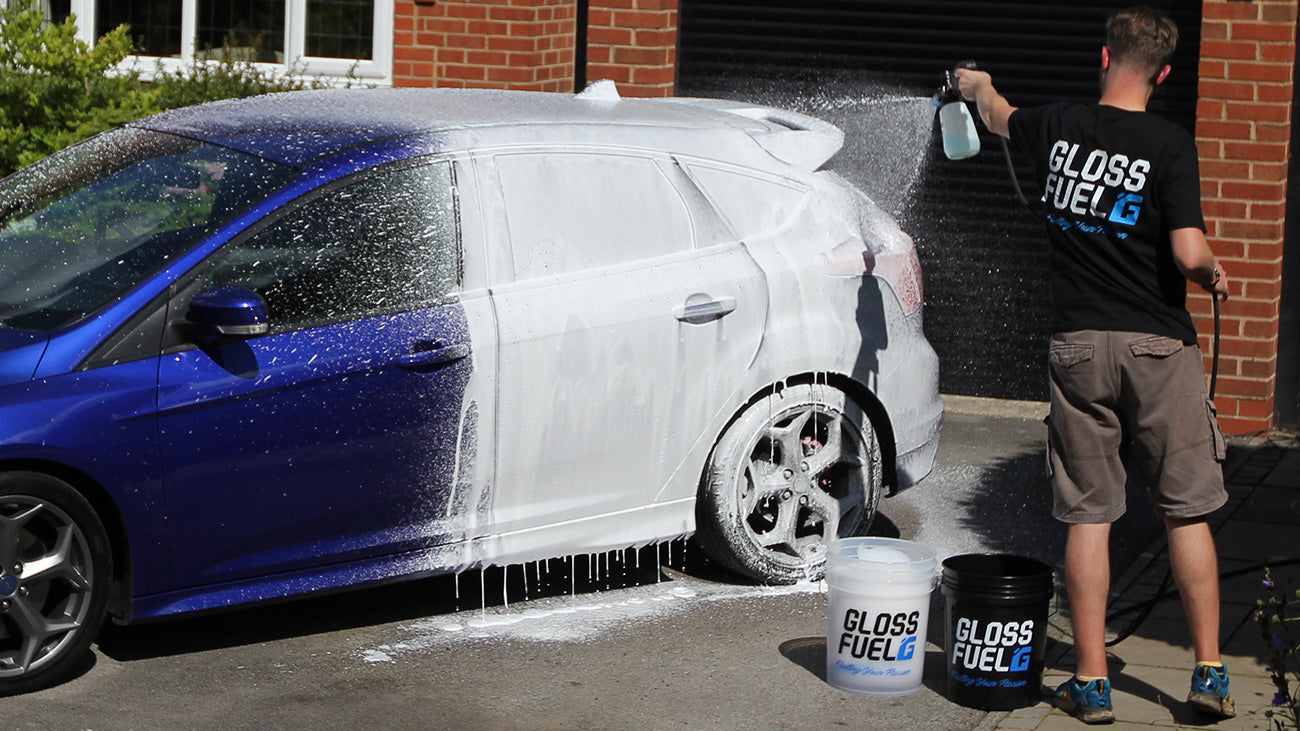
Picture a ceramic-coated Toyota Camry XSE V6 parked in a driveway after a week of commuting. Dust has settled across the hood, pollen clings to the roof, and light road film lines the doors. Grabbing a single bucket and a sponge might seem harmless, yet that shortcut is one of the fastest ways to degrade a coating.
A two-bucket wash method dramatically reduces the risk of grinding contaminants into the surface. One bucket holds clean, pH-neutral car shampoo mixed with water. The second bucket contains plain water for rinsing the wash mitt.
After each pass across a panel, the mitt should be rinsed in the clean water bucket to release trapped debris before dipping back into the soap solution. Grit guards placed at the bottom of each bucket add another layer of protection.
Ceramic coatings resist minor scratching better than unprotected paint, but they are not scratch-proof. Repeated micro-marring dulls the gloss and interferes with the hydrophobic effect. Over months, that damage can reduce the lifespan of the coating.
High-quality microfiber wash mitts should replace traditional sponges. Microfiber lifts dirt away from the surface rather than pushing it around. Start at the top of the vehicle and work downward since lower panels carry heavier contamination. Rinse thoroughly before washing to remove loose grit.
Automatic tunnel washes with rotating brushes may seem convenient, but those brushes often carry debris from previous vehicles. For a coated Camry or any car, hand washing remains the safest choice. Consistency matters. Washing every two to three weeks prevents buildup that forces you to scrub harder later.
Gentle, structured washing protects gloss, preserves slickness, and ensures the ceramic layer performs as intended.
2. Use a pH Neutral Shampoo Designed for Coated Surfaces
Harsh cleaners can undo months of protection in a single afternoon. Consider a Ford F-150 Lariat SuperCrew coated to withstand muddy job sites and unpredictable weather. Heavy-duty degreasers might remove grime quickly, yet they can also degrade the coating’s chemical structure if used regularly.
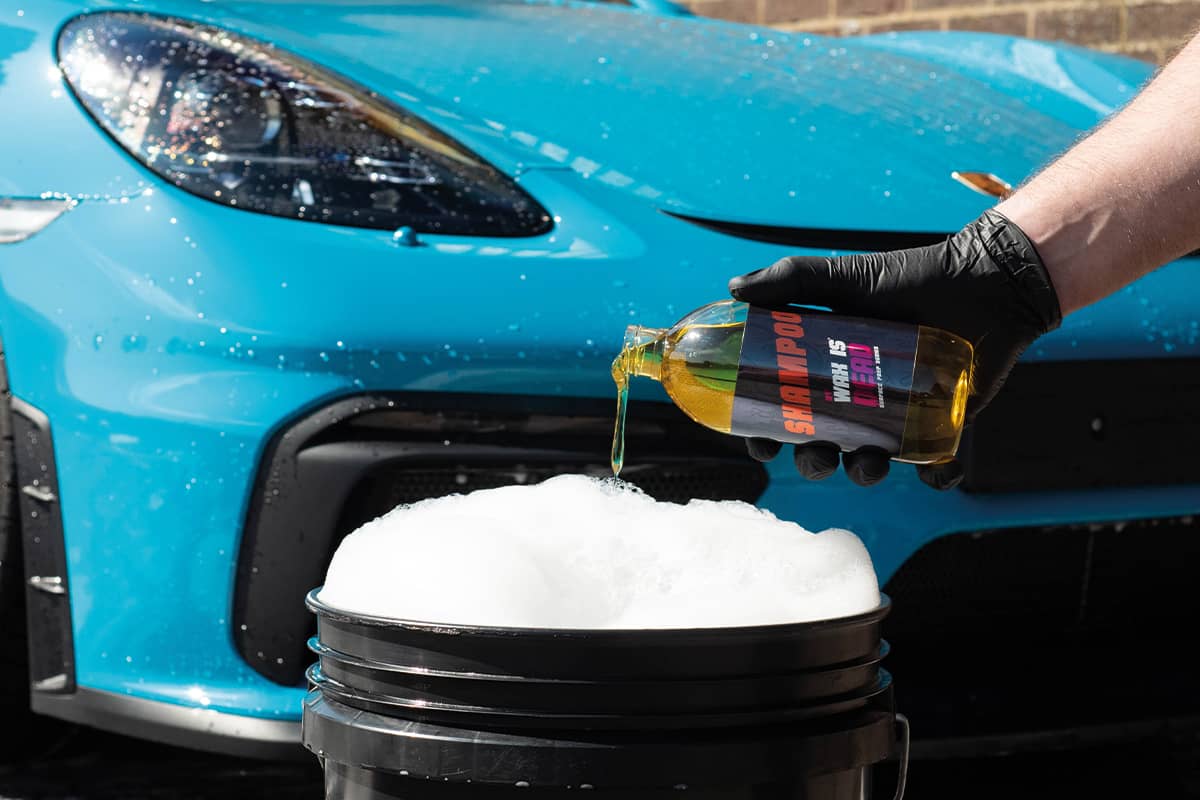
Ceramic coatings rely on tightly bonded molecules that form a protective shell over the clear coat. Strong alkaline or acidic soaps gradually weaken that structure. A pH-neutral automotive shampoo maintains balance. It cleans effectively without stripping protective properties.
Read product labels carefully. Household dish soap does not belong on coated paint. It is formulated to cut grease from cookware, not to preserve automotive finishes. Over repeated washes, dish soap can reduce water beading and gloss.
Foam cannons paired with safe shampoos offer a controlled way to lift dirt before touching the surface. Pre-foaming allows contaminants to loosen so you can rinse them away with minimal contact. For a truck like the F 150 Lariat SuperCrew, which accumulates road grime along rocker panels and tailgates, this step helps prevent friction-based damage.
Another smart habit involves avoiding soap that contains wax additives. Ceramic coatings do not require wax layers, and mixing products can clog the coating’s surface. When hydrophobic performance begins to feel weaker, use a silica-based booster spray specifically formulated for coated vehicles rather than traditional wax.
Protective coatings last longest when supported by compatible cleaning products. Thoughtful product selection is not marketing hype. It is a simple way to defend the chemistry behind your investment.
Also Read: 8 Tips for Organizing Your Truck Bed to Maximize Daily Utility and Storage
3. Dry with High Quality Microfiber Towels, Not Air Drying
Water spots can undermine even the most expensive coating. Imagine a freshly washed BMW 530i xDrive left to air dry in direct sunlight. Minerals in tap water settle as droplets evaporate, leaving faint circular stains across the hood and roof. Ceramic coatings resist contamination, but mineral deposits can still bond to the surface if ignored.
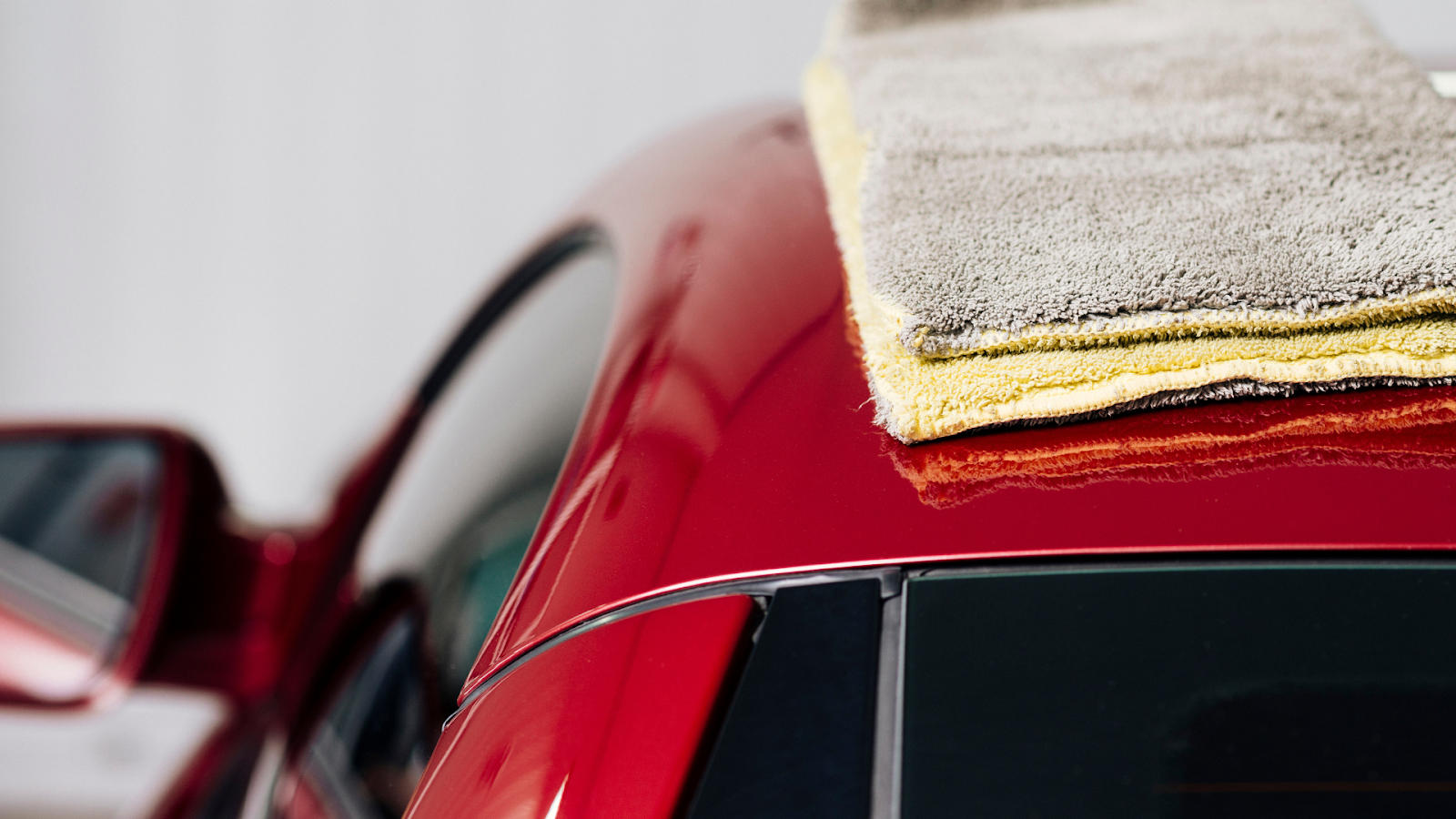
Drying promptly is essential. Large, plush microfiber drying towels absorb water quickly without dragging debris across the paint. Pat drying or light gliding motions reduce friction. Avoid bath towels or synthetic chamois cloths that may cause micro scratches.
Using a dedicated car dryer or leaf blower is another smart option. Forced air pushes water out of mirrors, door handles, and emblems. That approach works especially well for vehicles with complex body lines like the BMW 530i xDrive. It also reduces physical contact, which preserves gloss.
Hard water areas require extra caution. Installing a water filtration system or using deionized rinse water helps prevent mineral buildup. If water spots appear, remove them quickly with a coating-safe water spot remover. Allowing them to sit can etch into the coating and require professional correction.
Drying may seem like a minor step, yet it plays a central role in preserving appearance. Shiny, slick paint loses its appeal when dotted with stains. A ceramic coating enhances water beading, but it does not eliminate the need for attention.
Careful drying protects clarity, maintains hydrophobic performance, and prevents unnecessary polishing that can thin protective layers.
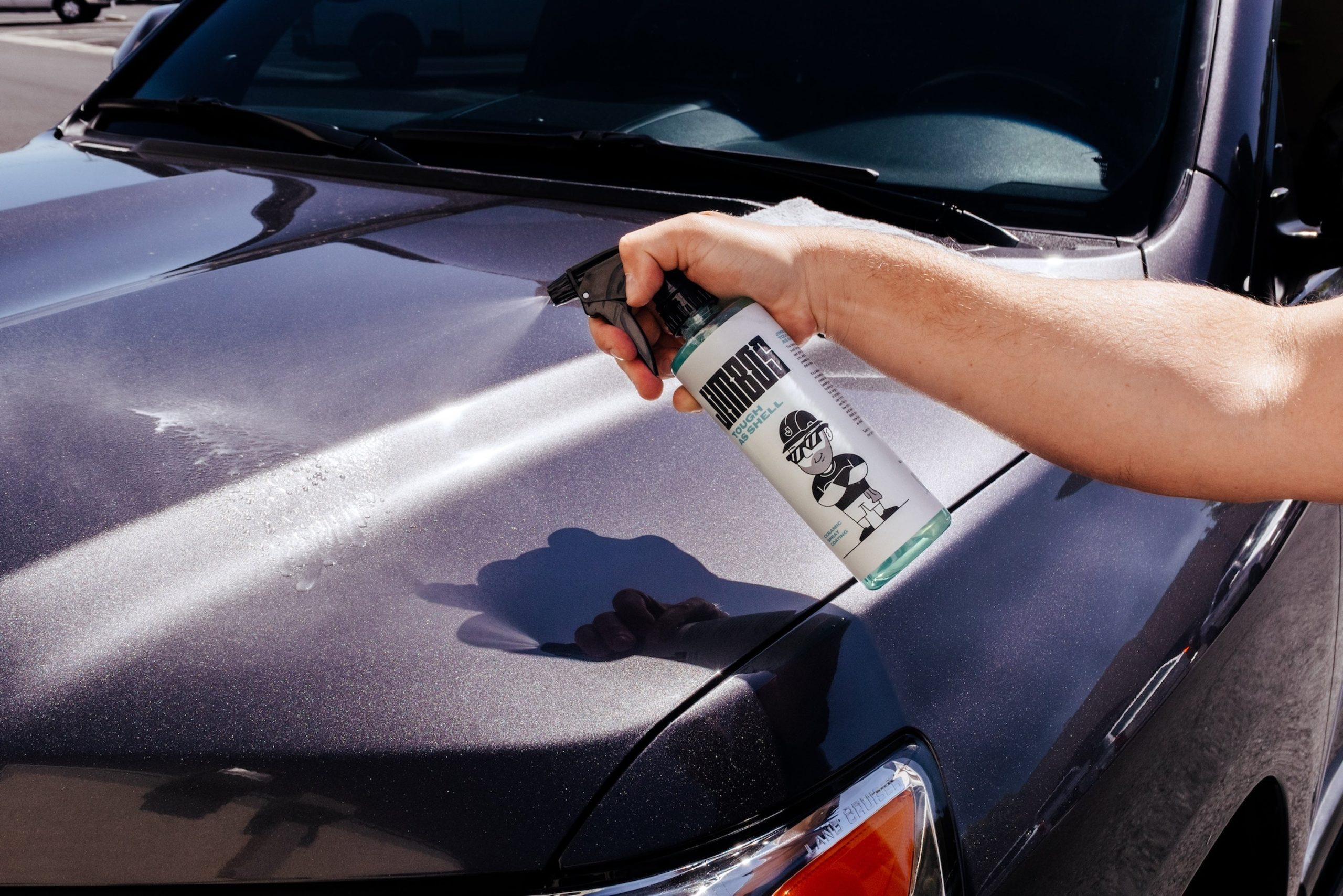
4. Apply a Ceramic Booster Spray Every Few Months
Ceramic coatings are designed to provide durable protection for automotive paint, yet their performance can gradually reduce with regular exposure to environmental conditions. A Honda Accord Touring 2.0T used for daily commuting is frequently exposed to sunlight, airborne contaminants, and road residue.
These factors can affect the coating’s surface properties, making periodic reinforcement an important aspect of maintenance. Ceramic booster sprays are formulated with silica-based components or similar materials that bond with the existing coating layer.
Their primary function is to restore surface smoothness and water-repellent behaviour without requiring a full reapplication of the coating. When applied at intervals of three to six months, these products help maintain protective qualities while also improving the visual clarity and gloss of the paint.
Proper application is essential for achieving the desired results. The vehicle should be thoroughly washed and dried before applying any booster product. A clean surface ensures that the spray bonds effectively without interference from dirt or residue.
The product can be applied either directly onto the panel or onto a microfiber towel. It should then be spread evenly across the surface and gently buffed with a separate clean towel. Working in smaller sections helps to prevent streaking and ensures uniform coverage.
Environmental conditions should also be considered during application. Direct sunlight and excessively hot surfaces can cause the product to dry too quickly, leading to uneven results. It is advisable to apply the booster in a shaded area where the surface temperature is moderate. This allows sufficient time for proper distribution and finishing.
A common misunderstanding among vehicle owners relates to the behaviour of water on the surface. Reduced water beading is often interpreted as a failure of the ceramic coating. In many cases, this effect is caused by contaminants that have settled on the surface rather than the deterioration of the coating itself.
Before applying a booster spray, it is recommended to carry out a gentle decontamination wash using products such as iron removers or coating-safe cleansers. This process removes embedded particles and restores the surface condition. Regular reinforcement through booster application reduces the likelihood of requiring intensive corrective procedures in the future.
Instead of waiting until the surface loses its visual appeal, maintaining a consistent schedule supports long-term durability. Consistent care ensures that a ceramic-coated Honda Accord Touring 2.0T retains its polished appearance for an extended period. Simple and repeated maintenance practices help preserve both protective qualities and aesthetic value.

5. Remove Bird Droppings and Tree Sap Immediately
Maintaining the condition of ceramic-coated paint requires prompt attention to contaminants that may affect the surface. For a vehicle such as the Audi A4 Premium Plus Quattro, exposure to bird droppings and tree sap can occur during routine parking or outdoor use. These substances present a risk to the coating if left unattended for extended periods.
Bird droppings contain acidic compounds that can react with the vehicle’s surface, particularly when exposed to heat. When allowed to remain on the paint, they may cause staining or permanent marks.
Tree sap presents a different challenge, as it tends to harden and adhere firmly to the surface. While ceramic coatings provide a degree of resistance, they cannot fully prevent damage from prolonged contact with such materials.
Immediate removal is essential in preventing long-term effects. Vehicle owners are encouraged to keep a basic cleaning kit within the car. This may include a microfiber towel and a waterless wash solution suitable for coated surfaces.
When contamination occurs, the affected area should be lightly sprayed to soften the residue. After allowing a short period for the solution to act, the surface can be wiped gently without applying excessive pressure.
Care must be taken to avoid improper removal methods. Scraping hardened debris with fingernails or rigid objects can damage the coating and introduce scratches. Where tree sap proves difficult to remove, a dedicated sap remover designed for use on coated surfaces should be applied according to the manufacturer’s instructions.
Parking habits also influence the level of exposure to such contaminants. Selecting spaces away from overhanging trees or areas with frequent bird activity can reduce the likelihood of contact. Where available, covered parking offers additional protection from both environmental debris and sunlight.
Attending to minor contamination promptly helps preserve the appearance of the vehicle. Maintaining a ceramic-coated surface depends largely on consistent habits rather than occasional intensive treatments.
With careful attention and timely cleaning, the Audi A4 Premium Plus Quattro can retain its refined finish. Simple preventive measures and appropriate cleaning techniques contribute to lasting protection and a well-maintained exterior.
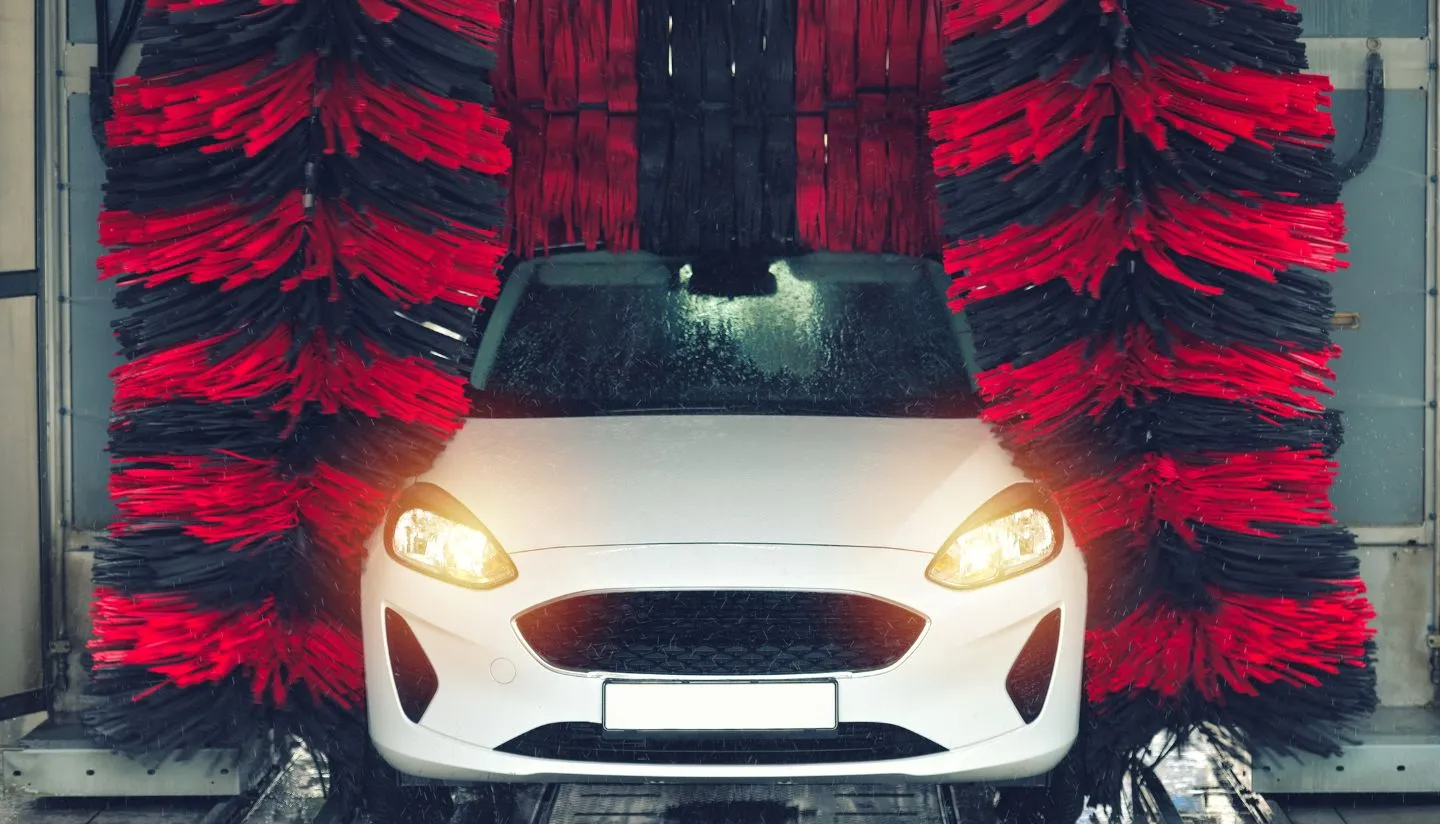
6. Avoid Automatic Brush Car Washes
Convenience tempts even the most careful car owner. A long day ends, the Mercedes-Benz C 300 4MATIC Sedan is dusty, and the drive-through wash promises a clean car in five minutes. That shortcut can quietly shorten the life of a ceramic coating.
Rotating brushes in many tunnel washes collect grit from hundreds of vehicles each week. Dirt, sand, and brake dust remain trapped in those bristles, turning them into abrasive tools.
Ceramic coatings resist light scratches better than bare paint, yet repeated friction from contaminated brushes can create swirl marks and dull the glossy finish.
Touchless washes present a safer option, though even those rely heavily on strong detergents. Some facilities use aggressive chemical formulas to compensate for the lack of physical contact. Regular exposure to harsh cleaners may weaken hydrophobic performance and reduce slickness.
Hand washing remains the most reliable method for preserving coated paint. When a professional detailer is needed, confirm that they understand ceramic care and avoid automated brush systems. Many detailing studios offer maintenance washes tailored for coated vehicles, using pH-balanced products and microfiber tools.
Think of ceramic coating as armor that still benefits from thoughtful treatment. Subjecting a C 300 4MATIC Sedan to spinning brushes might not cause visible damage after one visit, but repeated exposure compounds the effect. Fine swirls become visible under sunlight, and water no longer beads as tightly.
Choosing the right wash method is a decision made repeatedly throughout ownership. Consistency in avoiding abrasive systems protects clarity and keeps the coating performing the way it should.
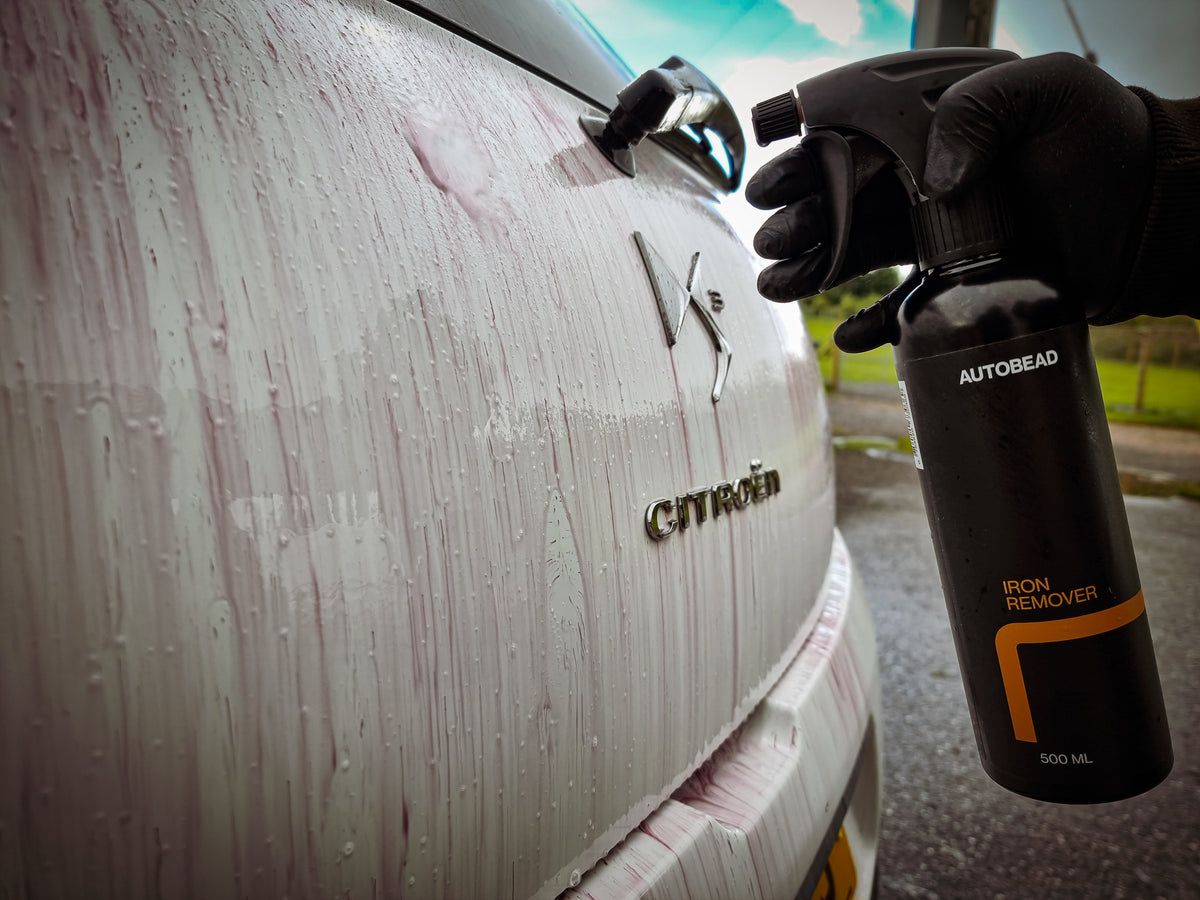
7. Decontaminate Periodically with Iron Remover
Brake dust and airborne industrial fallout settle onto paint even when a ceramic coating is present. A Tesla Model Y Long Range, often praised for low brake dust due to regenerative braking, still accumulates microscopic metal particles from surrounding traffic. These contaminants embed into the coating’s surface and interfere with water beading.
Iron remover products are designed to dissolve metallic particles safely. Applied to a cool, clean surface, the solution reacts with iron deposits and turns purple as it breaks them down. After a few minutes, a thorough rinse removes loosened contamination.
Skipping this step for months allows buildup that masks the coating’s true condition. Owners may believe their ceramic layer has failed when hydrophobic performance drops. In reality, the coating is often clogged rather than worn out. Clay bars are sometimes used for decontamination, but they must be handled carefully on coated vehicles.
Aggressive claying can introduce marring. Chemical decontamination through an iron remover is usually the safer first choice. Performing this process two or three times a year helps restore slickness and water behavior. It also prepares the surface for ceramic booster sprays, allowing them to bond properly.
A coating functions best when its surface remains clean and free of embedded debris. Decontamination keeps the Tesla Model Y Long Range looking sharp and ensures that protective properties remain active rather than obstructed by unseen particles.
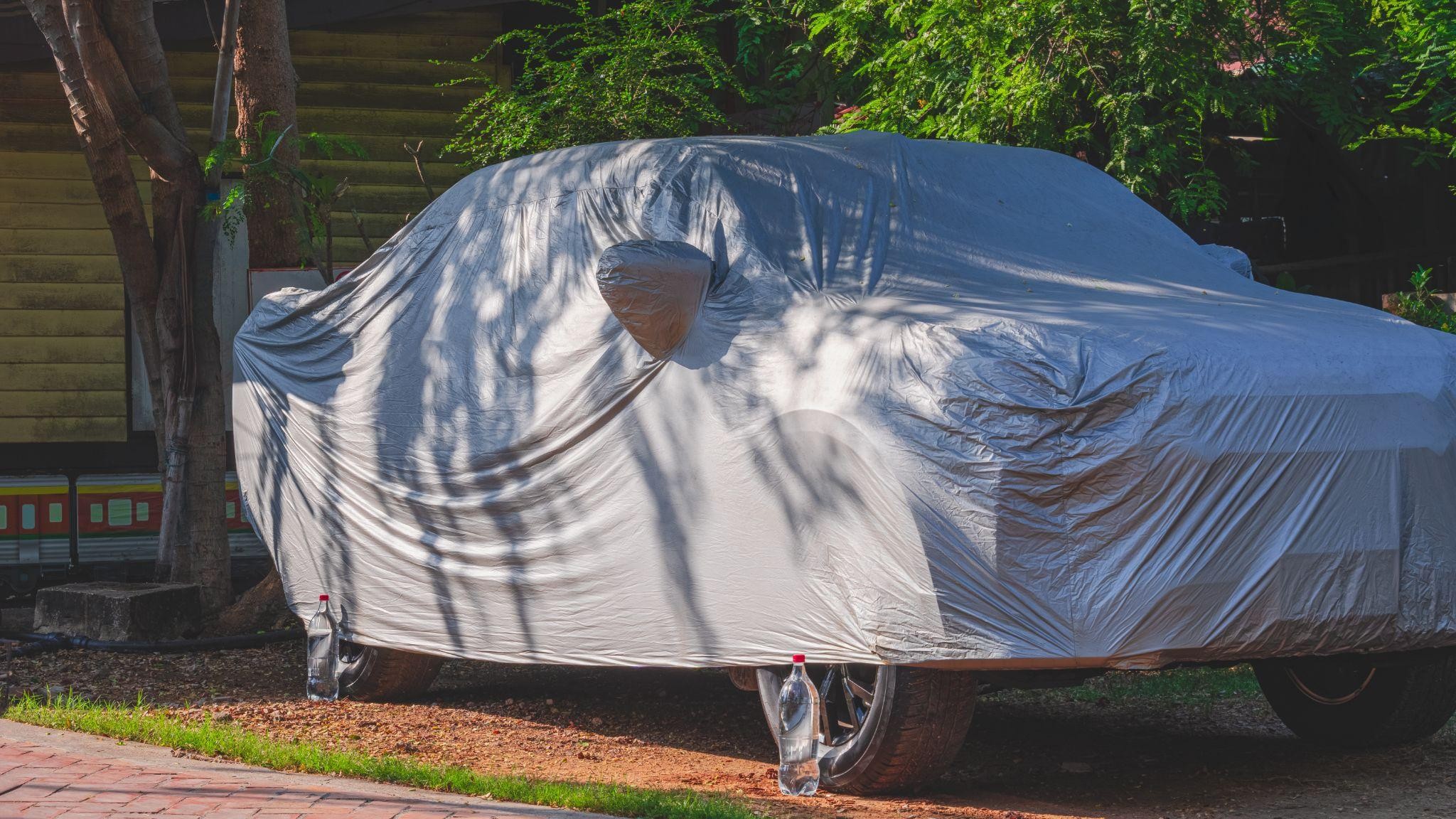
8. Park Smart to Reduce UV and Environmental Exposure
Sunlight, tree sap, and airborne pollutants do more damage than most drivers realize. A Lexus RX 350 F Sport parked outside daily faces intense UV radiation that gradually degrades both paint and coating. Ceramic layers offer UV resistance, yet constant exposure still takes a toll.
Covered parking dramatically reduces stress on coated surfaces. A garage shields the vehicle from sun, rain, pollen, and falling debris. If indoor parking is unavailable, consider shaded areas that minimize direct sun during peak hours. Car covers can help, but they must be clean and used correctly. A dusty cover dragged across a paint can creates scratches. Breathable, soft-lined covers designed for automotive use are essential.
Environmental awareness also matters. Parking under trees increases the risk of sap and bird droppings. Industrial zones may expose vehicles to chemical fallout. Choosing parking spots thoughtfully becomes part of protecting ceramic-coated paint.
Heat plays a role as well. High surface temperatures accelerate chemical reactions from contaminants. By reducing exposure, you slow the wear placed on the coating.
Small decisions repeated daily make a difference. Protecting a Lexus RX 350 F Sport from harsh conditions extends the lifespan of its coating and preserves the rich gloss that made the investment worthwhile.
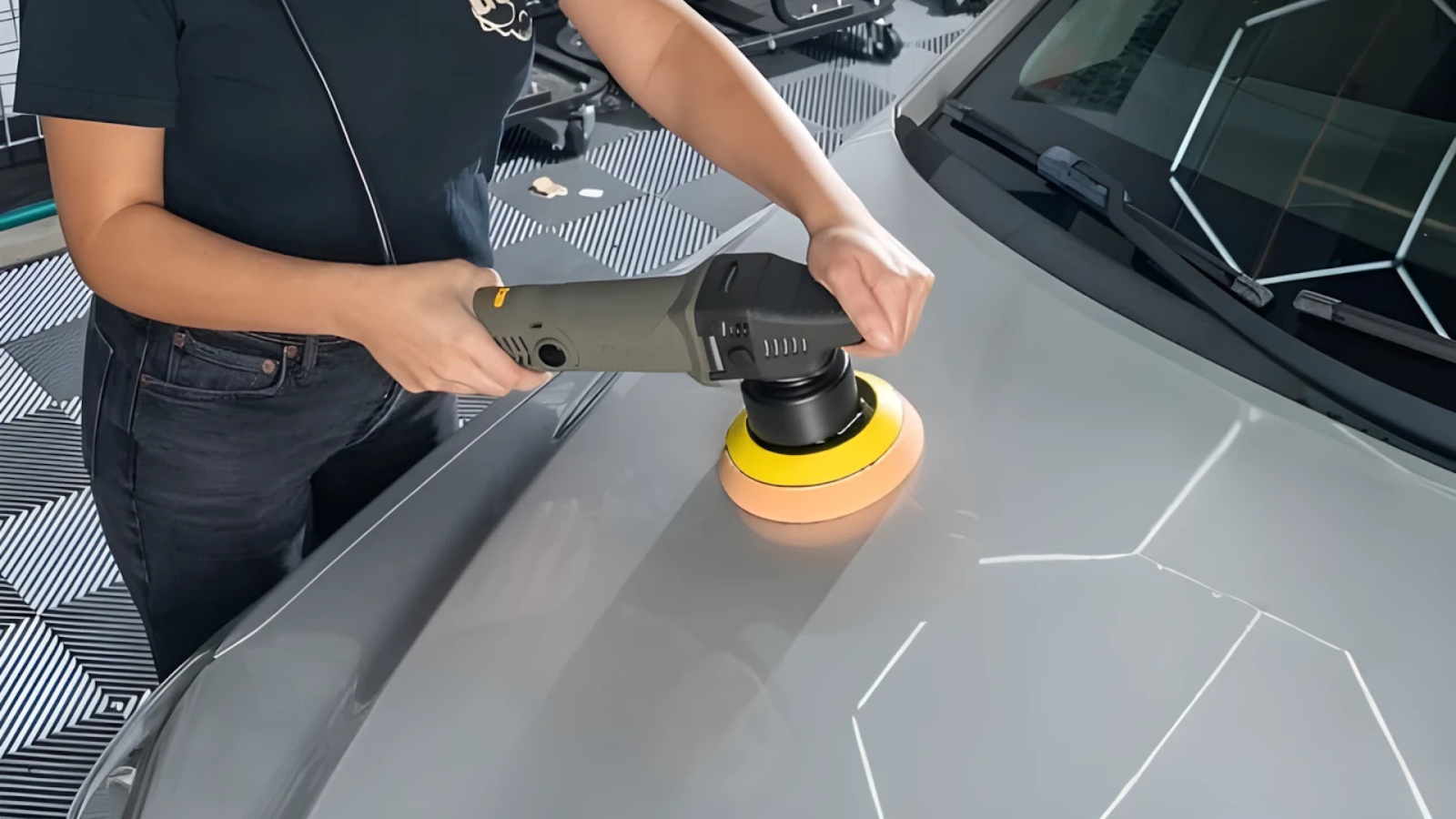
9. Avoid Abrasive Polishing Unless Absolutely Necessary
A well-finished vehicle surface often encourages owners to pursue a flawless appearance at all times. In the case of a Porsche Macan S protected with a ceramic coating, minor marks or faint surface imperfections may occasionally appear due to incidental contact during washing or daily use.
While the immediate reaction may be to correct such marks with machine polishing, it is important to understand that this process involves the removal of material from the coated surface. Ceramic coatings are applied to provide a protective layer that adds measurable thickness to the vehicle’s paintwork.
This layer acts as a barrier against environmental contaminants, light scratches, and chemical exposure. Machine polishing, especially when performed aggressively, reduces this protective layer.
In certain situations, it may remove a portion or even the entirety of the coating in the affected area, thereby exposing the underlying paint and making it necessary to reapply the protective treatment. Before any polishing work is undertaken, a proper assessment should be carried out to determine the depth and location of the imperfection.
Some marks exist only on the surface of the coating and can be addressed without heavy correction. In such instances, a trained professional detailer may use finishing polishes that are compatible with ceramic coatings. These products are designed to refine the surface gently without causing excessive removal of the protective layer.
There are also cases where the use of a ceramic booster spray may be sufficient. These products enhance surface gloss and restore hydrophobic behaviour without the need for abrasive correction. This approach preserves the integrity of the coating while improving the vehicle’s visual appeal.
When spot correction becomes necessary, it should be handled with a high level of care. Surrounding areas should be masked to prevent unintended contact, and only minimal pressure should be applied during the process. The aim is to correct the specific defect without affecting adjacent sections.
Once polishing has been completed, it is advisable to reapply a suitable coating or protective topper to restore protection in the treated area.
Also Read: 8 Tips for Negotiating the Lowest Interest Rate on a Car Loan in 2026
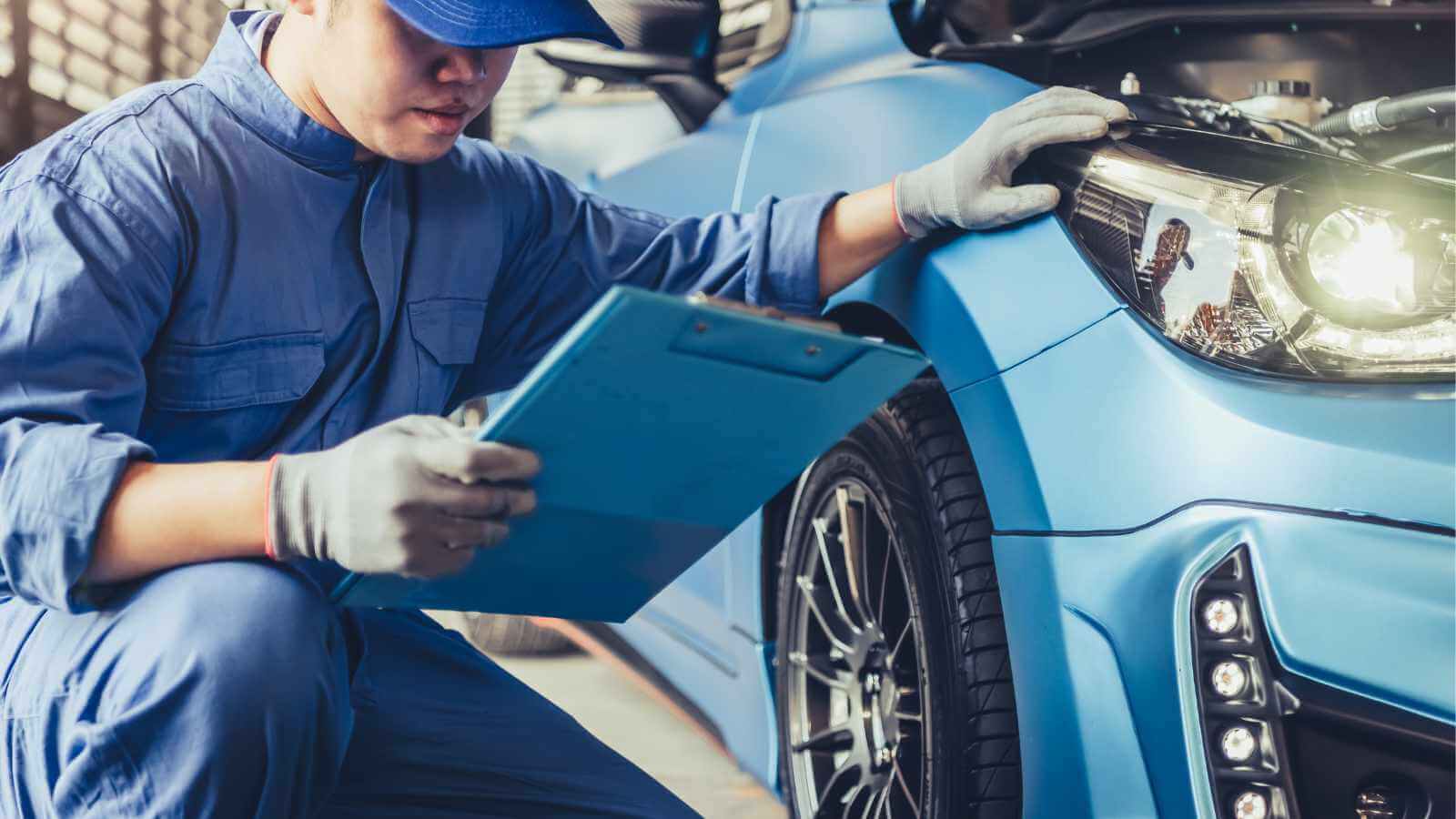
10. Schedule Annual Professional Inspections
Regular maintenance of a ceramic-coated vehicle extends beyond routine washing and basic care. Even a well-maintained Genesis G80 3.5T AWD benefits from periodic professional inspection, as trained detailers possess the expertise and tools required to identify early signs of wear that may not be visible to the average owner.
Annual inspections provide an opportunity for a comprehensive evaluation of the coating’s condition. During such assessments, professionals test the hydrophobic properties of the surface to determine whether water repellency remains effective.
They also check for the presence of bonded contaminants that may reduce performance or affect the smoothness of the finish. Where necessary, appropriate recommendations are made to address any identified concerns before they develop into more serious issues.
In addition to evaluation, professionals may carry out light decontamination procedures to remove embedded particles from the coating. They may also apply maintenance toppers designed to reinforce the protective layer and restore surface slickness. If isolated defects such as minor swirl marks or water spots are detected, these can be treated carefully without compromising the coating.
Professional-grade lighting and inspection tools allow for a more accurate assessment of the vehicle’s surface. These tools reveal imperfections that may not be visible under normal lighting conditions. Early detection of such issues enables timely intervention, reducing the likelihood of requiring extensive correction in the future.
Another important consideration relates to warranty requirements associated with certain ceramic coatings. Some manufacturers require periodic inspections to maintain the validity of their coverage.
Failure to adhere to these requirements may result in the loss of protection benefits provided under the agreement. Keeping a proper record of inspections ensures that such conditions are met.
