
Securing the lowest interest rate on a car loan in 2026 requires more than simply accepting the first offer presented at a dealership. With fluctuating market conditions, tighter lending standards, and more complex financing structures, borrowers need to be proactive and well-informed.
Even a small difference in interest rates can result in significant savings over the life of a loan, making negotiation an essential part of the car-buying process.
This guide, “8 Tips for Negotiating the Lowest Interest Rate on a Car Loan in 2026,” outlines practical strategies to help you gain control over your financing decisions. From improving your credit profile to comparing multiple lenders and understanding loan terms, each step is designed to strengthen your position and reduce your total borrowing cost. These methods not only help you qualify for better rates but also give you the confidence to challenge unfavorable offers.
Whether you are buying your first car or upgrading to a newer model, applying these tips can help you avoid common pitfalls and secure a more affordable loan.
1. Optimize Your Credit Profile
Optimizing your credit profile is one of the most important steps in securing the lowest car loan interest rates in 2026, as lenders rely heavily on credit scores to determine risk and pricing.
A credit score above 750 is generally considered “prime,” allowing borrowers to access significantly lower interest rates compared to standard or subprime offers. Even scores above 700 can improve your bargaining position, but higher scores unlock the best financial terms.
Before applying for a loan, it is essential to obtain your official credit report from agencies such as the Credit Information Corporation (CIC) or TransUnion Philippines.
Reviewing your report helps identify errors like incorrect late payments, outdated account statuses, or closed accounts still marked as active. Disputing and correcting these inaccuracies can quickly improve your score, strengthening your financial profile in the eyes of lenders.
A strong credit score directly influences the annual percentage rate (APR) you are offered, since lenders categorize applicants into risk tiers such as super-prime, prime, and subprime.
Higher-tier borrowers are viewed as low-risk, which allows lenders to offer lower interest rates, reduced down payment requirements, and more favorable loan terms. This makes credit optimization not just beneficial, but essential for cost savings over the life of a loan.
Improving your credit score is also achievable within a few months through targeted actions. Keeping credit utilization below 30%, maintaining a perfect record of on-time payments, and avoiding new credit applications before applying for a loan can all positively impact your score. Additionally, consolidating loan applications within a 14-day window helps minimize the impact of multiple credit inquiries.
In a tightening financial environment expected in 2026, lenders are likely to become more selective. This makes maintaining a clean, accurate, and well-managed credit profile one of the most powerful tools for securing prime interest rates and reducing long-term borrowing costs.
2. Shop Multiple Sources Simultaneously
Shopping for car loans from multiple lenders at the same time is one of the most effective ways to secure the lowest interest rate in 2026. Instead of accepting the first offer from a dealership, which often includes a hidden markup, borrowers should compare at least three different financing sources within a short period. This helps reveal the true market rate for your financial profile and reduces the risk of overpaying across the loan term.
Applying to a mix of lenders, such as major banks like BDO and BPI, credit unions, and digital banks, creates competition for your business. When lenders know you are comparing offers, they are more likely to provide their lowest possible rates and better terms. This competitive pressure improves your ability to negotiate, including requesting rate matching or asking one lender to beat another’s offer.
A major advantage of this approach is that it has minimal impact on your credit score when done properly. Credit scoring systems typically treat multiple auto loan inquiries within a 14 to 45-day window as a single inquiry. This allows you to shop around without significantly lowering your score, as long as you keep your applications within a short timeframe.
Another key benefit is avoiding dealer markups. Dealers often act as intermediaries and may increase the interest rate above the lender’s original offer for profit. By getting preapprovals directly from banks or credit unions, you can identify the base lending rate and avoid unnecessary extra costs.
Comparing multiple lenders also helps you evaluate more than just interest rates. You can assess processing fees, repayment flexibility, and prepayment penalties, which all affect the total cost of the loan. Credit unions and online lenders in particular may offer more favorable terms due to lower operating costs compared to traditional banks.
In 2026, when interest rates may continue to fluctuate, gathering multiple pre-approved offers within a short period strengthens your negotiating power, increases transparency, and helps ensure you secure the most affordable financing available.

3. Use Pre-Approval for Leverage
Using pre-approval is one of the most effective strategies for negotiating a car loan in 2026 because it shifts the advantage from the dealership to the buyer. A pre-approval letter from a bank such as Metrobank or Security Bank provides a confirmed interest rate and loan amount before entering the dealership. This gives you a clear financial framework and stronger control during negotiations.
With pre-approval, you are viewed more like a cash buyer instead of someone dependent on dealer financing. This is important because dealerships often earn profit through interest rate markups.
When you present a pre-approved offer, the finance and insurance manager must compete with your existing rate. In many cases, they are forced to reveal their base lending rate and reduce their markup to secure your financing agreement.
Pre-approval also gives you a reliable reference point for comparison. Instead of relying only on dealership offers, you already know the rate and terms you qualify for. This helps prevent inflated rates and reduces the likelihood of being guided toward more expensive financing options or unnecessary add-ons.
Another advantage is better financial planning. Pre-approval clearly shows your maximum loan amount and expected monthly payments. This helps you choose a vehicle that fits your budget and avoids committing to payments that may become difficult to manage later.
It also allows you to compare multiple financing options more effectively. With a pre-approved offer in hand, you can evaluate dealership financing against banks, credit unions, and digital lenders to find more favorable terms. Credit unions in particular may offer lower rates and flexible repayment conditions, making them useful benchmarks in negotiations.
In 2026, securing pre-approval before visiting a dealership is essential for gaining leverage, improving transparency, and reducing total borrowing costs throughout the life of the loan.
4. Increase Your Down Payment
Increasing your down payment is one of the most effective ways to secure a lower car loan interest rate in 2026. A down payment of 20% to 30% of the vehicle’s total price significantly reduces the lender’s risk, which often leads to more favorable loan terms. When you contribute a larger upfront amount, the loan-to-value ratio decreases, making you a less risky borrower in the eyes of financial institutions.
One of the main advantages of a higher down payment is the direct reduction in the total loan amount. Borrowing less means you will pay interest on a smaller principal, which can lead to substantial savings over the life of the loan. Even a small reduction in the interest rate, combined with a lower principal, can translate into tens of thousands of pesos saved over a typical five-year term.
A larger down payment also strengthens your negotiating position. Lenders are more willing to offer better interest rates and flexible terms when they see that you have a significant financial stake in the vehicle. This shows financial discipline and reduces the likelihood of default, which benefits both you and the lender.
Another important benefit is protection against negative equity. Vehicles depreciate over time, and a small down payment increases the risk of owing more than the car’s value. By putting more money down upfront, you reduce the chances of becoming “underwater” on your loan, especially in a market where interest rates may fluctuate.
Additionally, a higher down payment can improve your chances of loan approval, even if your credit score is not perfect. Lenders may be more willing to approve applications when the financing amount is lower and the borrower demonstrates commitment through a substantial initial payment.
In 2026, increasing your down payment is a practical strategy that lowers risk, strengthens negotiation power, and reduces long-term financing costs.

5. Shorten Your Loan Term
Shortening your loan term is a powerful strategy for reducing car loan costs in 2026. While longer terms such as 60 or 72 months may seem attractive due to lower monthly payments, they often come with higher interest rates and significantly greater total borrowing costs. Lenders charge more for extended terms because the risk of default increases over time as the vehicle depreciates.
Choosing a shorter loan term, such as 36 or 48 months, can help you qualify for lower interest rates. Lenders view shorter repayment periods as less risky since the loan is paid off more quickly. This reduced risk often results in more competitive annual percentage rates, making it easier to save money on interest.
One of the biggest advantages of a shorter loan term is the reduction in total interest paid. Even if the difference in interest rate seems small, paying off the loan faster means interest has less time to accumulate. Over the life of the loan, this can lead to substantial savings compared to longer-term financing options.
Shorter terms also help you build equity in your vehicle more quickly. As you pay down the loan faster, you are less likely to owe more than the car is worth. This is especially important if you plan to sell or trade in the vehicle in the future, as it reduces the risk of negative equity.
In addition, opting for a shorter term can strengthen your position during negotiations. It signals financial stability and commitment, which may encourage lenders to offer better rates or more favorable terms. When combined with other strategies such as pre-approval or a higher down payment, it can further improve your financing options.
Although monthly payments will be higher with a shorter term, focusing on the total cost of borrowing provides a clearer picture of the savings. In 2026, choosing a shorter loan term is an effective way to reduce interest expenses and manage long-term financial commitments.
Also read: 10 Reasons to Buy a 2026 Model Instead of an Overpriced 2024 Used Car
6. Time Your Purchase Strategically
Timing your car purchase is a highly effective way to secure lower interest rates and better financing terms in 2026. Financial institutions and dealerships operate on monthly, quarterly, and annual sales targets, which can directly influence the deals they are willing to offer. By aligning your purchase with these periods, you can take advantage of increased flexibility and stronger incentives.
One of the best times to apply for a car loan is during the last week of the month or near the end of a quarter or year. During these periods, dealerships are often under pressure to meet sales quotas and qualify for bonuses. As a result, they may be more willing to lower interest rates, reduce fees, or provide better financing packages just to close a deal.
Major sales events and auto shows also present valuable opportunities. Events such as the Manila International Auto Show often feature exclusive promotions, including discounted interest rates, waived processing fees, or special financing programs. These limited-time offers are designed to attract buyers and boost sales volume, making them ideal windows for securing better loan terms.
Seasonal promotions are another key factor to watch. During periods like the Christmas season or mid-year anniversaries, banks and dealerships frequently introduce deals such as low down payment options or even zero-interest financing. These promotions can significantly reduce the cost of borrowing if timed correctly.
Strategic timing also improves your negotiation power. When dealers are motivated to meet targets or clear inventory, especially older models, you are in a stronger position to request lower rates or additional incentives. This advantage becomes even more effective when combined with other strategies such as a strong credit profile, pre-approval, or a larger down payment.
In 2026, when market conditions and interest rates may fluctuate, choosing the right time to buy can make a meaningful difference. Careful timing allows you to access exclusive offers, reduce financing costs, and secure more favorable loan terms.

7. Leverage Existing Relationships
Leveraging your existing relationship with a bank is an effective way to secure lower car loan interest rates in 2026. If you have long-standing accounts such as savings, credit cards, or payroll arrangements with institutions like RCBC or PNB, you may qualify for loyalty or preferred rates. These rates are often 0.5% to 1% lower than what is offered to new customers, giving you a clear financial advantage from the start.
Banks tend to favor existing clients because they already have access to your financial history. This includes your income flow, spending habits, and payment behavior. With this information, lenders can assess your risk more accurately and may offer faster approvals along with better loan terms. A strong banking record shows reliability, which increases your chances of receiving favorable interest rates.
Another important benefit is the ability to avoid dealer markups. Dealership financing often includes additional charges built into the interest rate to generate profit. By working directly with your bank or a credit union, you can access more transparent pricing and reduce unnecessary costs tied to intermediary services.
You can further improve your loan terms by enrolling in an Automatic Debit Arrangement. This ensures that your monthly payments are made on time through automatic deductions. In exchange, many banks offer small interest rate reductions or waive certain fees, making the loan more manageable.
Existing relationships also make it easier to obtain pre-approval. Entering a dealership with a pre-approved loan strengthens your negotiating position and provides a clear benchmark for comparison. Dealers may be willing to match or beat your bank’s offer to secure your financing.
In 2026, as lenders increasingly use personalized data to determine rates, maintaining a solid relationship with your bank can help you access tailored offers, better terms, and a smoother loan process.
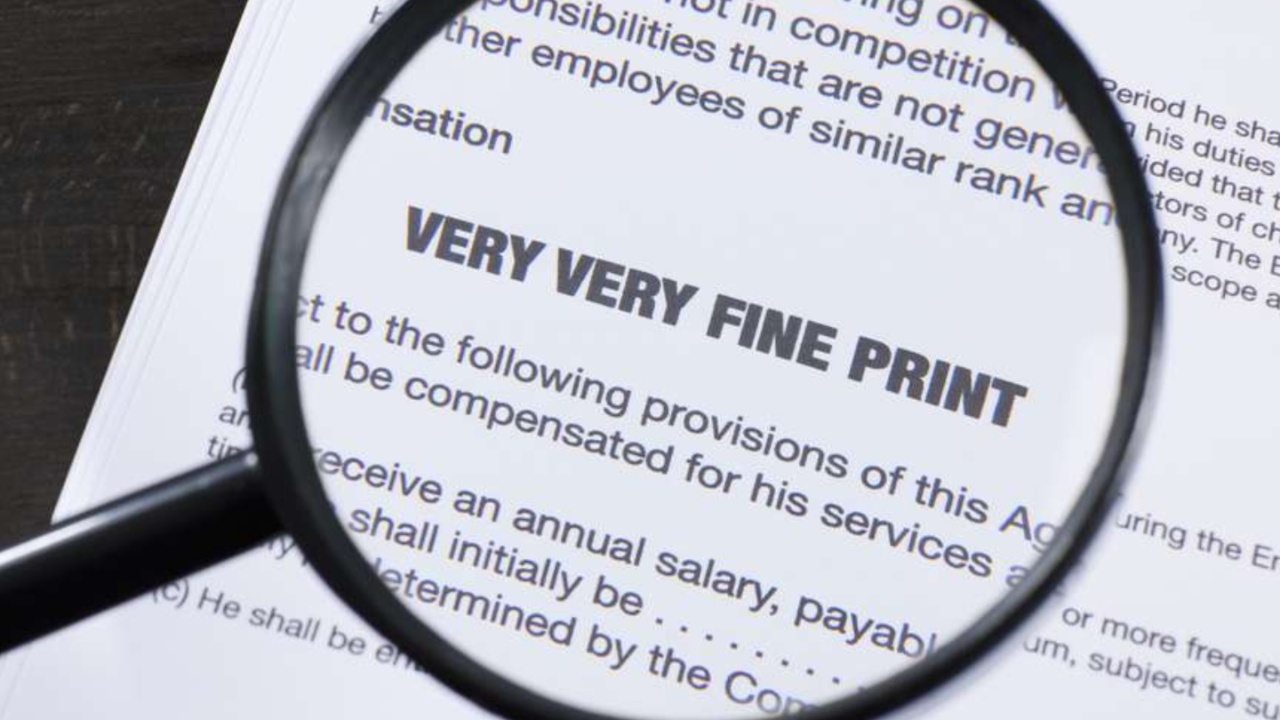
8. Audit the Fine Print
Auditing the fine print of a car loan agreement is a crucial step in securing the best financing deal in 2026. A low advertised interest rate can be misleading if it is paired with hidden charges that significantly increase the true cost of borrowing. Carefully reviewing all terms and conditions ensures that you are not paying more than expected over the life of the loan.
One of the main reasons to examine the fine print is to identify hidden fees. These may include charges such as chattel mortgage fees, documentary stamp taxes, processing fees, and handling costs. While some fees are regulated, others are discretionary and may be reduced or waived, especially if you have a strong financial profile. Recognizing these charges allows you to negotiate more effectively and avoid unnecessary expenses.
It is also important to focus on the annual percentage rate, rather than just the stated interest rate. The annual percentage rate reflects the total cost of the loan, including fees and other charges. This gives a clearer picture of what you will actually pay, making it easier to compare different loan offers accurately.
Another key factor to review is how interest is calculated. Some loans use an add-on method, which can result in higher total interest, while others use a diminishing balance method that reduces interest over time. Understanding this difference can help you choose a more cost-efficient option.
The fine print may also include add-ons such as extended warranties, insurance, or accessories that are bundled into the loan. These extras are often high-margin items, and financing them increases the total loan amount and interest paid. Removing unnecessary add-ons can significantly lower your costs.
In 2026, when financing conditions may vary, carefully reviewing every detail of your loan agreement ensures transparency, strengthens your negotiating position, and helps you secure a truly cost-effective deal.
Negotiating the lowest interest rate on a car loan in 2026 comes down to preparation, timing, and informed choices. Each of the eight strategies plays a role in helping you reduce costs, improve your approval chances, and gain stronger leverage when dealing with lenders and dealerships. When combined, these approaches create a clear advantage that can lead to better financing terms.
It is important to focus not only on monthly payments but also on the total cost of borrowing. Paying attention to interest rates, fees, and loan structure can prevent unnecessary expenses and help you maximize long-term savings. Taking the time to secure pre-approval, compare offers, and review contract details ensures that you are making a financially sound decision.
As lending conditions continue to evolve, borrowers who stay informed and strategic are better positioned to benefit. By applying these tips, you can confidently navigate the loan process, negotiate effectively, and secure a car loan that aligns with your financial goals.
Also read: 5 Reasons Why Buying a Car From a Private Seller Is Riskier in 2026
