
Automobiles have traditionally been associated with steel, aluminum, and other metals that offer strength and durability. Yet, some manufacturers and designers have experimented with unconventional materials to create vehicles that are unique both in appearance and function.
From early experimental models to modern concept cars, there are instances where wood, fabric, and even composite materials have been used in the frame or structure.
These choices often reflect a desire to combine art, craftsmanship, and innovation. Such cars challenge traditional engineering norms, sometimes improving flexibility or weight distribution, while also making a statement about creativity in automobile design.
Wood has appeared in automotive history in various ways. It was not uncommon for early cars to incorporate timber in body panels, supporting structures, or decorative elements. The natural aesthetic of wood can evoke craftsmanship and nostalgia, connecting modern vehicles to the past.
While wood may not match metals in pure strength, it can be surprisingly resilient when treated correctly. Similarly, fabric has been employed not only for seats or interiors but occasionally as part of structural elements.
Advanced woven composites can provide a strong yet lightweight alternative to traditional materials. Using such materials requires careful engineering to ensure safety, performance, and longevity, making these vehicles both fascinating and rare.
These unusual materials also reflect a broader philosophy in car design. Designers sometimes prioritize aesthetics, sustainability, or cultural significance over conventional expectations. Using fabric or wood can reduce environmental impact, enhance comfort, or create a unique driving experience.
For example, wooden frames may offer a warmer feel than metal, while fabric elements may reduce noise and vibration. These experiments often exist at the intersection of art, engineering, and lifestyle. They demonstrate that automobiles are not only machines for transportation but also expressions of human ingenuity.
Collectors and enthusiasts often seek these cars because they are distinct. A car with wooden structural elements or fabric panels stands out at a show or in a museum. Its rarity and craftsmanship become a topic of discussion, reflecting the skill and creativity of the designers and builders.
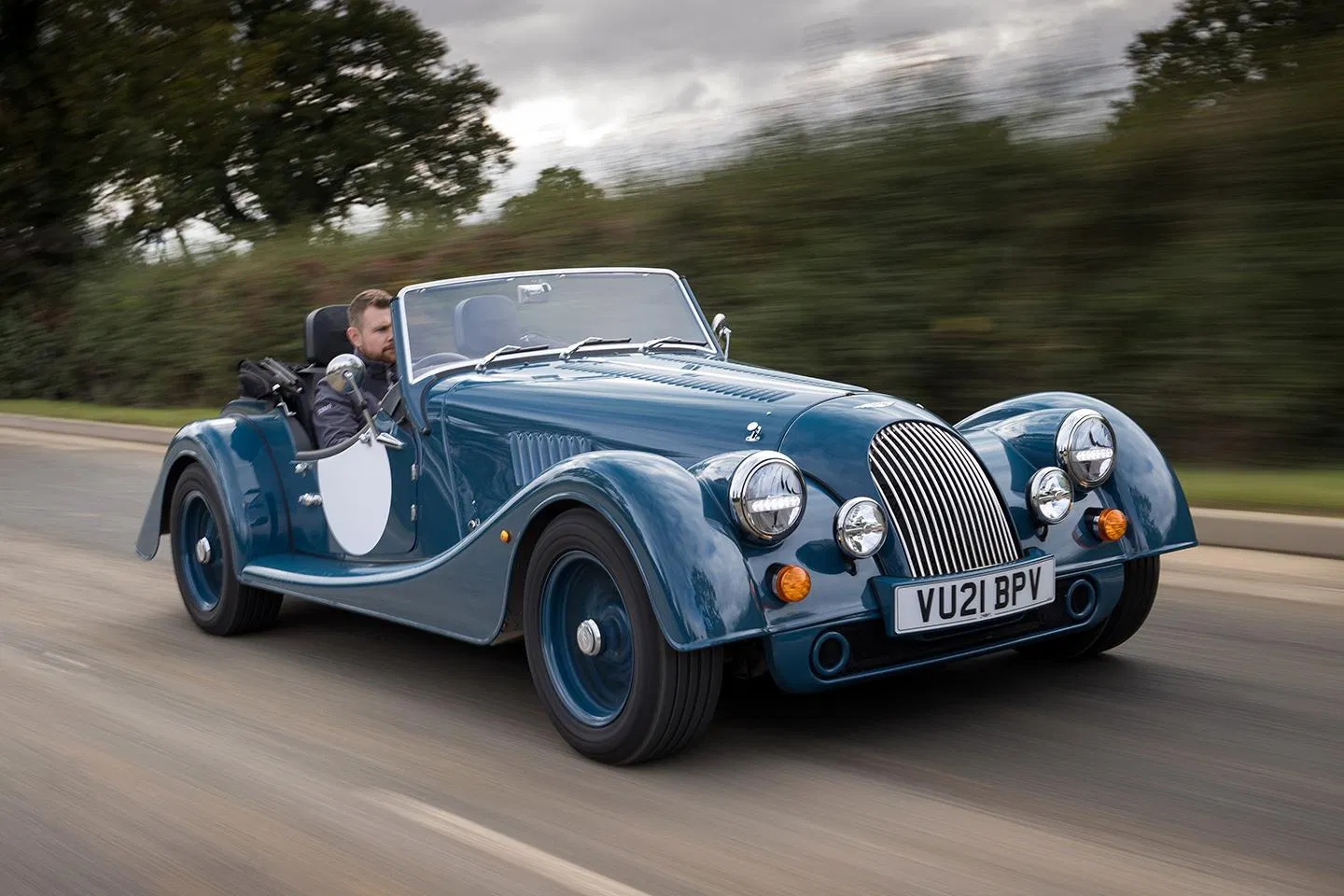
1. Morgan Plus 4
The Morgan Plus 4 has a wooden frame that forms the backbone of its chassis. Oak and ash are commonly used, providing both flexibility and durability. This approach allows the car to remain lightweight while maintaining strength. The craftsmanship required is meticulous, with each piece shaped by hand to fit precisely.
Wood is not just structural in the Morgan but also visible in some interior panels. This combination of function and form contributes to the vehicle’s unique character. The wooden frame requires regular inspections for wear or moisture. Despite this, owners appreciate the blend of tradition and performance.
The car’s suspension works well with the wooden frame, offering a smooth ride. Timber’s natural vibration damping enhances comfort compared to pure metal structures. The driving experience feels organic, with subtle feedback from the wooden chassis. This makes the car distinctive among sports vehicles.
Morgan has kept this approach consistent for decades, preserving its legacy. While many automakers moved entirely to metal and composites, Morgan retained wood as a defining feature. Each frame is handcrafted, meaning no two vehicles are exactly the same. This uniqueness appeals to enthusiasts.
The Plus 4 demonstrates that unconventional materials can meet modern performance demands. By combining wood with modern mechanical components, Morgan has created a car that is reliable yet charming. It is a testament to innovation rooted in tradition.
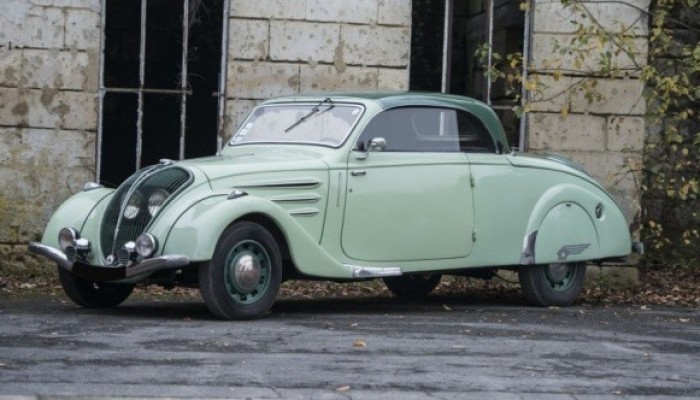
2. Peugeot 402 Éclipse Décapotable
The Peugeot 402 Éclipse Décapotable used fabric in its retractable roof system. The design allowed the roof to fold neatly without heavy metal components. The lightweight fabric reduced mechanical complexity and made operation smoother. This innovation set a precedent for modern convertible designs.
Fabric panels extended beyond the roof, providing flexible protection against weather. The material was reinforced with metal and wooden elements to maintain structure. This careful combination allowed the car to retain elegance while offering practicality. The convertible was praised for its engineering.
The fabric roof also contributed to weight reduction. Less weight improved acceleration and handling, which was important in an era of lower-powered engines. Designers balanced flexibility with durability, ensuring the roof could withstand repeated use. Maintenance involved regular cleaning and waterproofing.
Peugeot demonstrated how materials beyond steel could define function. By using fabric innovatively, the car achieved both style and utility. It influenced future generations of convertibles and soft-top vehicles. Its approach highlighted creative problem-solving.
Collectors today admire the car for its engineering and aesthetic appeal. The combination of fabric and craftsmanship makes it rare and highly valued. It stands as an example of how alternative materials can serve functional and design purposes simultaneously.
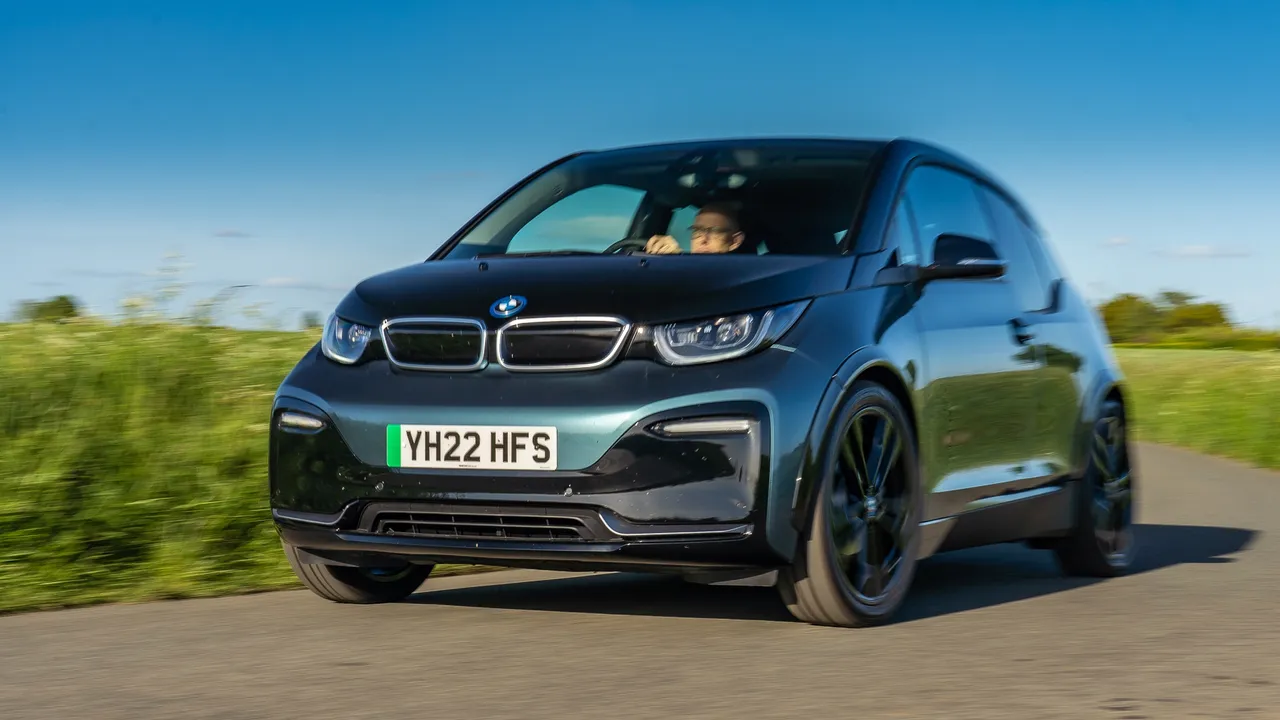
3. BMW i3
The BMW i3 features a passenger cell made from carbon fiber reinforced plastic. While not wood or traditional fabric, the composite is woven like fabric and offers extreme strength at low weight. This material allows the vehicle to be both safe and highly efficient.
The lightweight nature of carbon fiber improves electric range. Reduced mass means less energy is required for acceleration. The material also provides stiffness, enhancing handling and crash protection. BMW integrated modern materials seamlessly into the frame.
Construction involves layering carbon fiber sheets and bonding them with resin. This process resembles weaving fabric into a rigid structure. Engineers can control strength in specific areas, optimizing safety. The result is a remarkably strong yet light passenger compartment.
The use of this material demonstrates the evolution of fabric-like composites in car design. It moves beyond traditional uses, showing how woven materials can serve structural purposes. The i3 represents the future of lightweight vehicle frames.
Sustainability is another advantage. Carbon fiber allows for recyclability and reduced emissions during manufacturing. BMW paired the frame with eco-friendly interior materials, creating a holistic approach to modern car design.
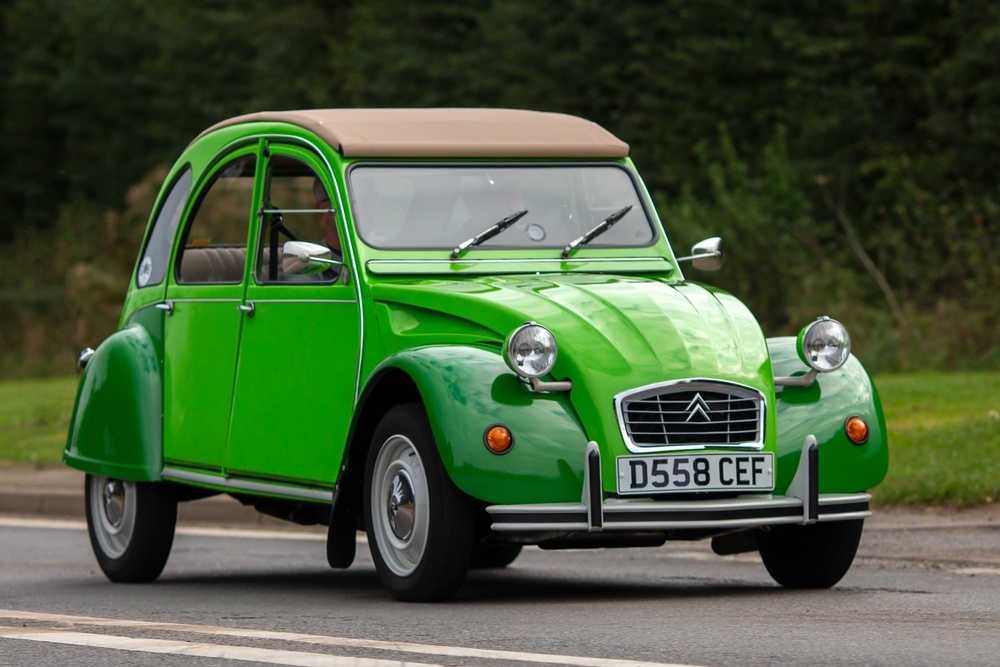
4. Citroën 2CV
The Citroën 2CV incorporated fabric elements in its body, particularly the retractable roof and side panels. The design allowed for easy adaptation to rural environments and lightweight construction. Fabric reduced costs while maintaining flexibility for repairs.
The roof could be rolled back entirely, giving the vehicle an open-air experience. Reinforced fabric maintained structural integrity when closed. This simple yet innovative approach made the car practical for farmers and city drivers alike.
Fabric also contributed to noise reduction. Compared to thin metal panels, it absorbed sound better. This improved comfort during long journeys, especially on uneven roads. The material proved surprisingly durable with proper care.
Citroën’s use of fabric influenced later soft-top designs. The combination of metal frame and textile panels allowed creative engineering solutions. It proved that unconventional materials could meet functional needs effectively.
The 2CV became iconic for its design philosophy. By embracing fabric, the car was lightweight, economical, and versatile. It remains a symbol of practical innovation in automotive history.
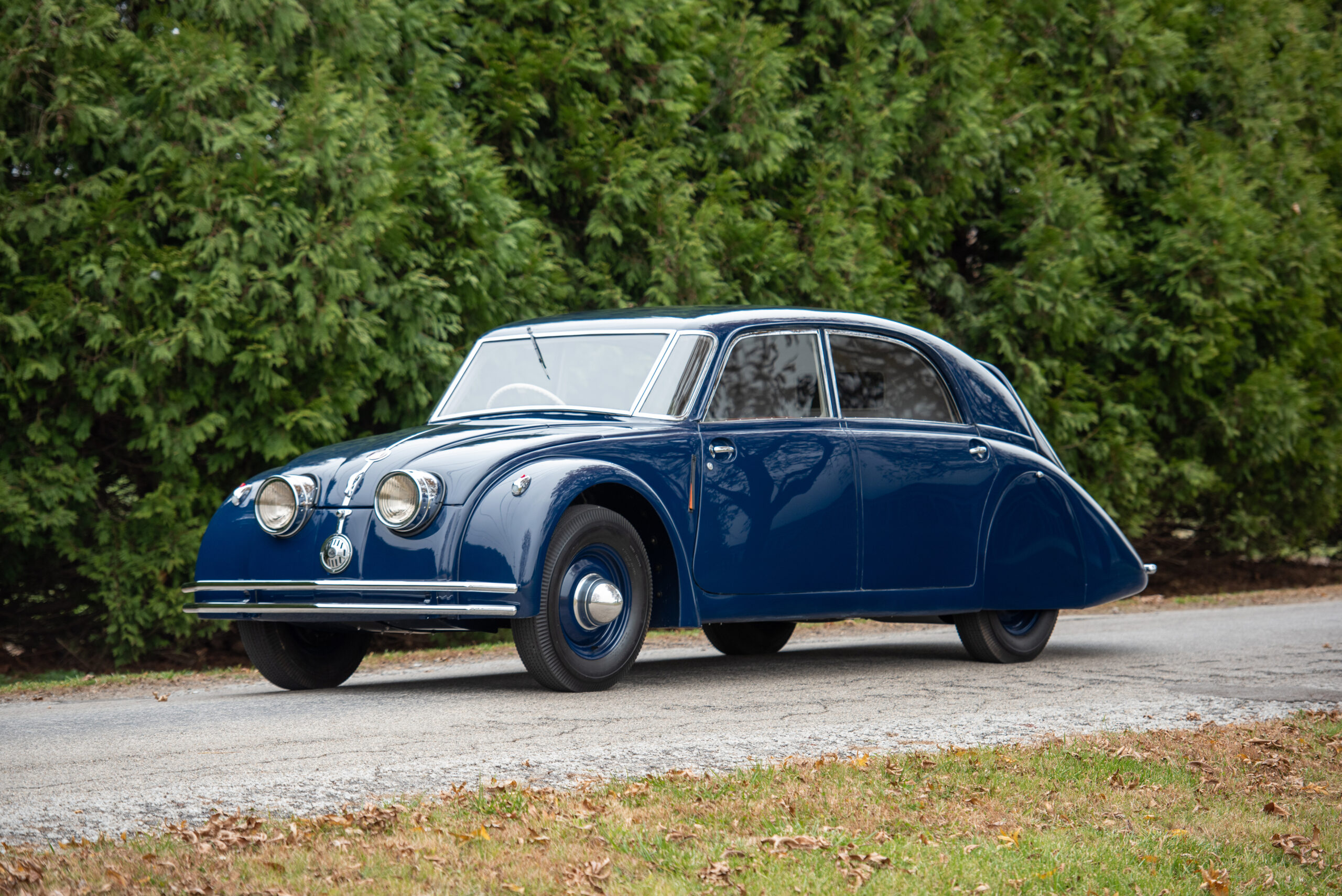
5. Tatra 77
The Tatra 77 featured aluminum and magnesium alloys combined with wood in certain structural elements. While metal formed the main chassis, wood was used in internal bracing. This approach helped balance weight and strength.
Engineers sought materials that offered vibration damping. Wood’s natural properties reduced harshness from the rear-mounted engine. This contributed to a smoother ride compared to fully metallic frames. It was an early exploration of mixed-material construction.
The combination also allowed intricate aerodynamic shaping. Wooden supports were easier to mold into complex curves than heavier metals. Designers could experiment with forms while maintaining structural integrity.
Tatra’s approach influenced future engineering practices. Mixing metals with timber elements showed that hybrid frames could offer both strength and comfort. This philosophy is still seen in some luxury vehicles today.
Maintenance involved inspecting wooden components for wear. Treated timber lasted for decades but required care, making ownership a more hands-on experience.
The Tatra 77 remains a rare example of innovation from the pre-war period. Its unusual combination of materials demonstrates creativity in automotive engineering that was ahead of its time.
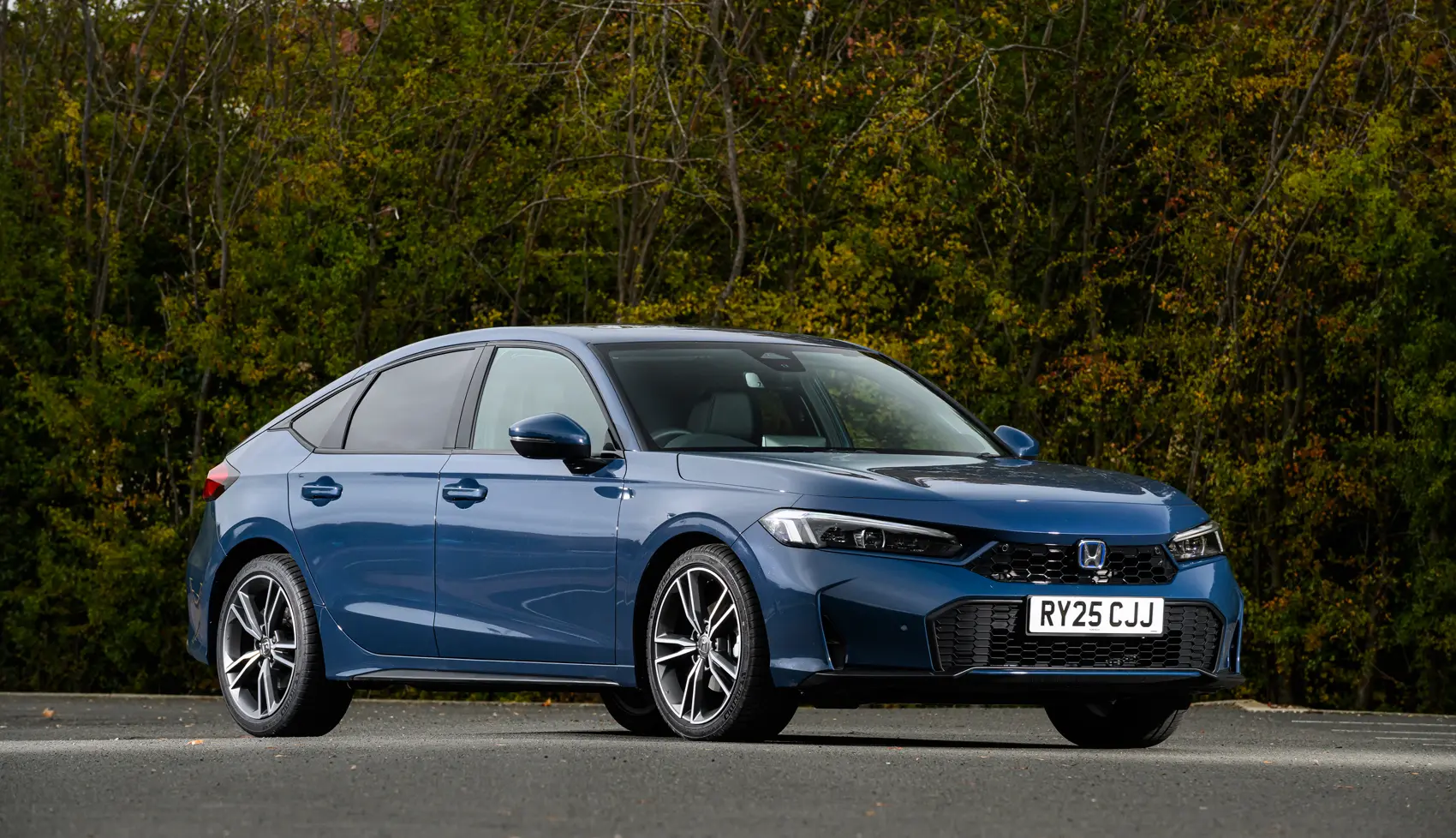
6. Honda Civic Hybrid (Early Models)
The early Honda Civic Hybrid used aluminum extensively in its frame, combined with reinforced fabrics in certain interior and dashboard structural supports. While most cars rely purely on steel, Honda experimented with composites that included woven materials for reinforcement.
This not only reduced vehicle weight but also improved fuel efficiency, which was a central goal for hybrid models. By integrating lightweight fabrics in critical areas, engineers could redistribute mass without compromising safety or rigidity, creating a car that felt both nimble and solid on the road.
Fabric components in these hybrids were not purely decorative; they played an essential role in vibration absorption and sound insulation. By layering high-strength woven textiles behind metal panels, Honda reduced noise transmission into the cabin.
Drivers and passengers noticed smoother acoustics, especially during city driving or on uneven roads. This thoughtful approach to using unconventional materials in structural elements reflected a broader engineering philosophy: small innovations could cumulatively improve comfort, efficiency, and performance.
The use of these woven materials also allowed for more flexibility during assembly. Unlike solid metal, fabric reinforcements could be molded into corners and crevices without adding significant weight.
This flexibility helped engineers manage the placement of batteries, electric motors, and other hybrid components while maintaining crashworthiness. By creatively combining materials, Honda proved that hybrid vehicles could achieve both structural integrity and practical functionality.
Safety testing confirmed that these fabric-reinforced areas did not compromise occupant protection. In crash simulations, the hybrid’s frame performed admirably, demonstrating that unconventional materials can be engineered to meet stringent standards.
The combination of aluminum and woven composites exemplifies how the automotive industry began rethinking the role of traditional metals in lightweight, environmentally conscious vehicles.
The early Honda Civic Hybrid represents a quiet but meaningful exploration of alternative materials. While visually it resembled a typical Civic, its frame and internal reinforcements were a subtle statement about engineering possibilities.
The success of this approach influenced later hybrid and electric models, encouraging continued experimentation with lightweight, high-strength materials.
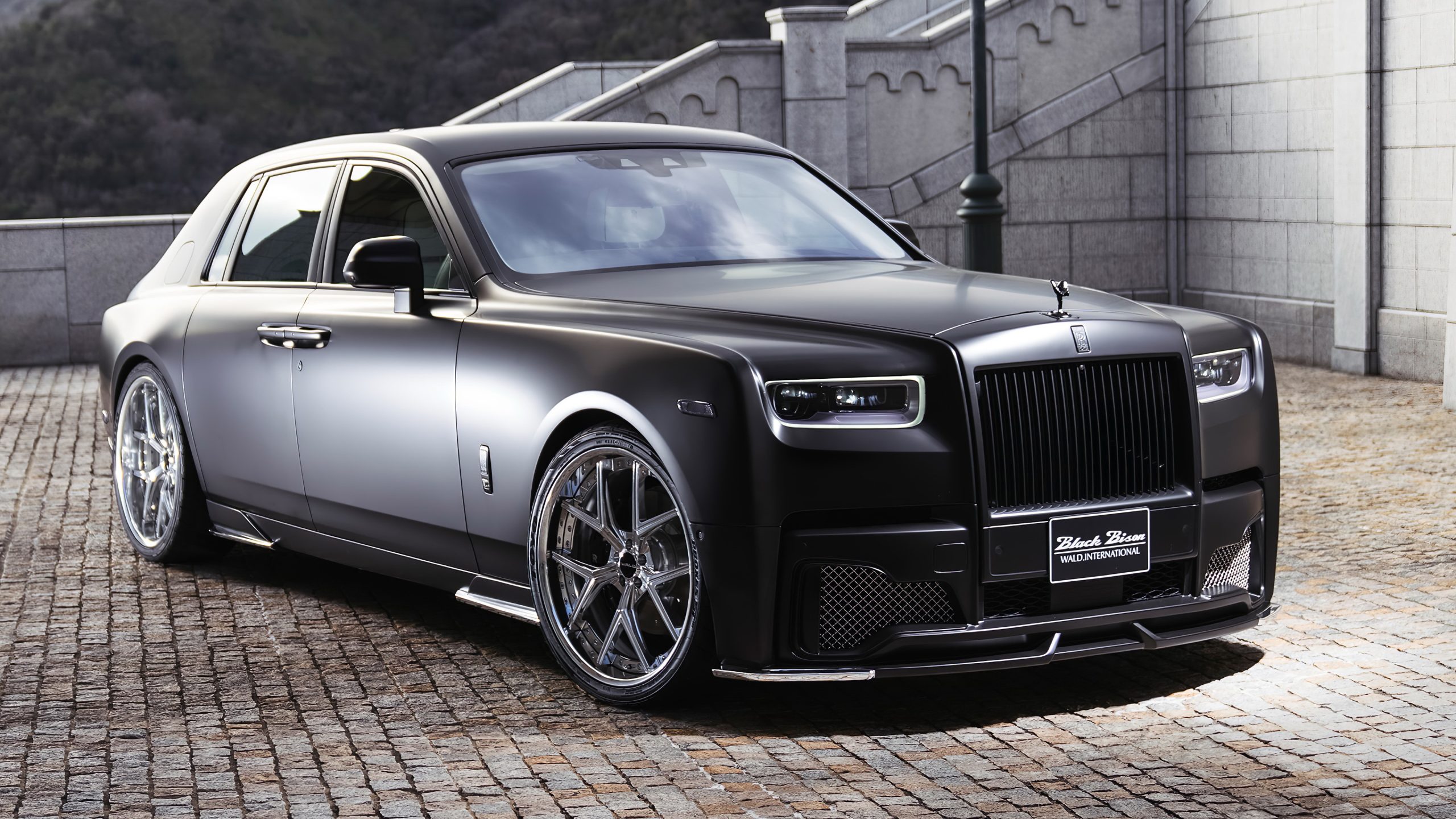
7. Rolls-Royce Phantom (First Generation)
The first-generation Rolls-Royce Phantom incorporated laminated wood into its body framing, particularly in the doors, roof supports, and dashboard structures. The wood was carefully selected and treated to resist moisture, warping, and decay, ensuring longevity.
In an era when full steel bodies were common, the use of wood provided a warmer, more luxurious feel inside the cabin while simultaneously reducing frame weight compared to all-metal constructions. Craftsmen hand-fitted each wooden element, making every Phantom a unique combination of engineering precision and artisanal skill.
Wood also served a functional purpose beyond aesthetics. It helped damp vibrations from the engine and road, creating a quieter, smoother ride.
Combined with thick steel panels and insulation, the laminated wood contributed to an unparalleled sense of solidity and comfort. Passengers experienced less rattling and a more refined environment, a key aspect of Rolls-Royce’s commitment to luxury and refinement.
The structural use of wood allowed designers to craft intricate interior shapes that would have been difficult with metal alone. Curved dashboards, ornate trim, and hidden compartments were more easily integrated when wood was part of the frame. This flexibility in design helped Rolls-Royce maintain its reputation for elegance and attention to detail.
Maintenance of these wooden elements required careful attention. Owners had to monitor for signs of moisture or wear and occasionally treat the wood to preserve its integrity. While this added to the car’s upkeep, it also reinforced its status as a vehicle for those who value craftsmanship and longevity over convenience.
The Rolls-Royce Phantom demonstrates how wood can play a crucial role in modern automotive design. Its frame showed that combining traditional materials with metal and modern technology could produce a vehicle that was both safe and extraordinarily luxurious. This philosophy continues in some contemporary Rolls-Royce models, though often replaced with modern composites for practicality.
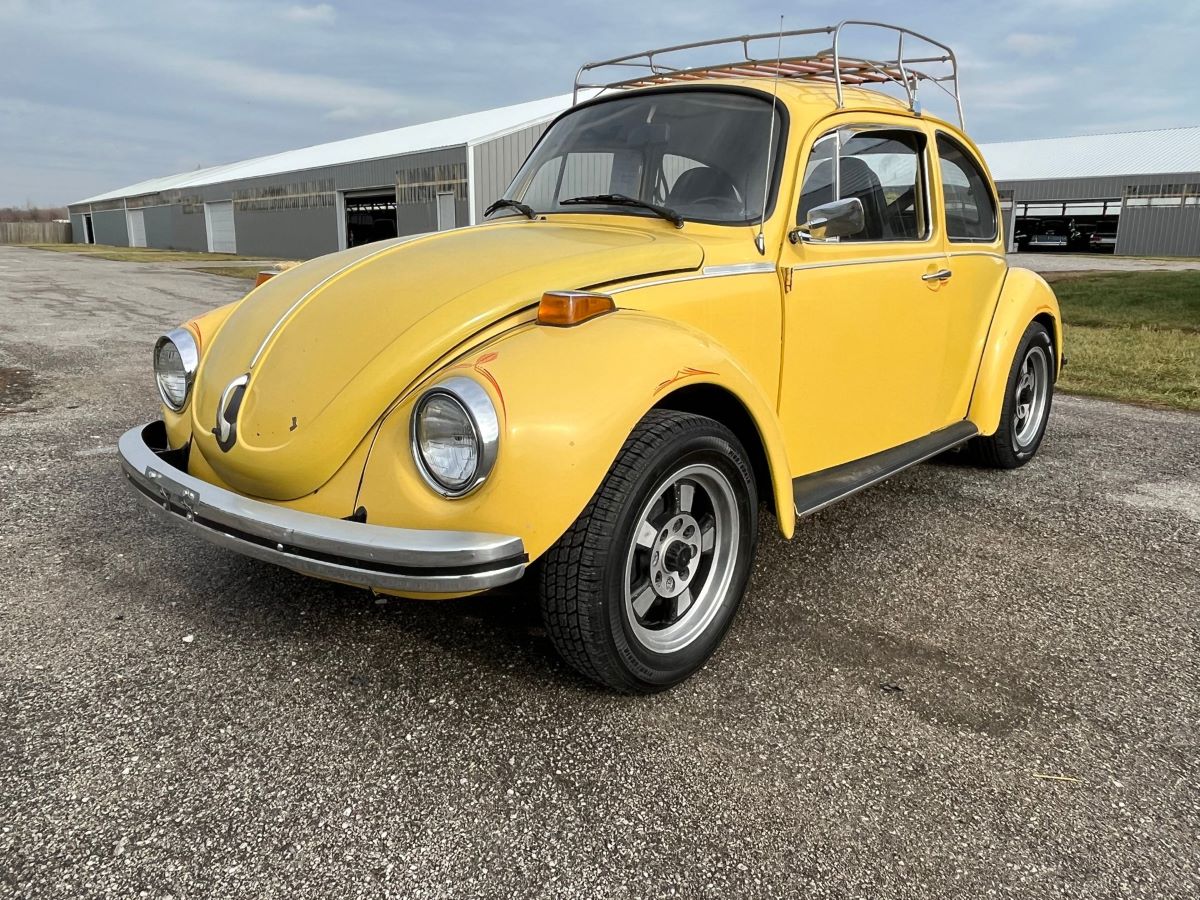
8. Volkswagen Beetle (Classic Convertible Variants)
Certain classic Volkswagen Beetle convertibles incorporated fabric as a structural element in their retractable roofs, which functioned both as protection from the elements and as a lightweight frame component.
Unlike metal convertible roofs, these fabric-based mechanisms were simpler, reducing weight and mechanical complexity. The fabric was reinforced with internal metal ribs, allowing it to fold neatly while maintaining tension when raised. This approach provided a durable, flexible solution that became a hallmark of the Beetle’s distinctive charm.
Fabric’s contribution to the vehicle’s performance went beyond ease of use. It reduced the top-heavy nature of a metal roof and allowed designers to keep the center of gravity lower. As a result, handling remained predictable and safe, even in windy conditions or during quick maneuvers. The material’s lightweight properties were crucial, especially for the Beetle, which relied on a small rear-mounted engine.
The fabric also offered acoustic and thermal benefits. Unlike rigid metal panels, the textile absorbed some engine and road noise, making the cabin quieter and more comfortable. In sunny or cold conditions, the fabric was treated to resist fading and retain insulation, demonstrating that alternative materials could meet functional requirements effectively.
Over decades, this design became iconic. The Beetle’s fabric roof was practical, stylish, and surprisingly durable. Owners and enthusiasts came to appreciate the unique combination of simplicity and engineering intelligence that made these vehicles stand out from more conventional metal-framed cars.
Today, classic Beetles with fabric roofs are highly collectible. Their enduring popularity demonstrates the lasting appeal of inventive material choices. The use of fabric in structural elements remains a compelling example of how unconventional materials can enhance both form and function.
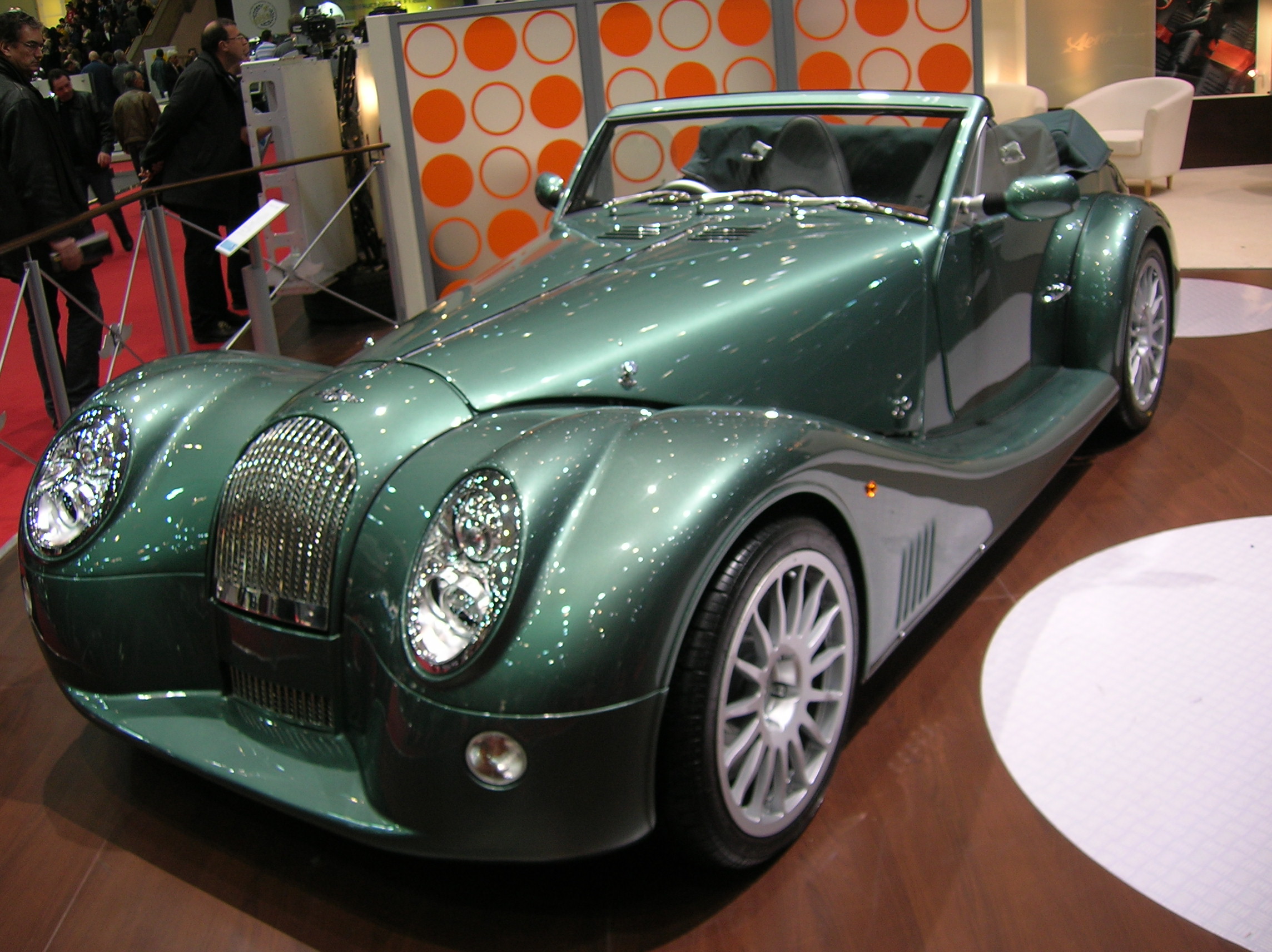
9. Morgan Aero 8
The Morgan Aero 8 is another modern vehicle that integrates wood in its frame alongside advanced aluminum and steel components. The car’s wooden frame provides a foundation for the chassis, supporting suspension points and body panels.
This hybrid approach combines the aesthetic warmth and flexibility of wood with the rigidity and strength of modern metals. Engineers carefully select timber types such as ash and elm, balancing weight, durability, and resistance to environmental factors.
Wood in the Aero 8 contributes to unique handling characteristics. The natural flex of the material absorbs some road irregularities, offering a ride that feels organic and responsive. Unlike fully metallic frames, the wooden elements allow subtle movement, giving drivers tactile feedback through the steering and chassis. This responsiveness enhances the connection between the car and its operator.
The integration of wood also enables aesthetic customization. Each frame can be finished and polished to showcase the natural grain, turning structural elements into visual highlights. Interior panels often echo the same wood species used in the frame, creating a cohesive design that links function and beauty.
Maintenance is essential for longevity. Morgan owners inspect wooden components for cracks or wear and apply treatments to prevent moisture penetration. This hands-on approach fosters a deeper connection between the owner and the vehicle, emphasizing craftsmanship over mass production.
The Morgan Aero 8 exemplifies how traditional materials can coexist with modern automotive technology. By blending wood with aluminum and steel, the vehicle demonstrates that material choices influence both performance and character, keeping the art of car making alive in a contemporary context.
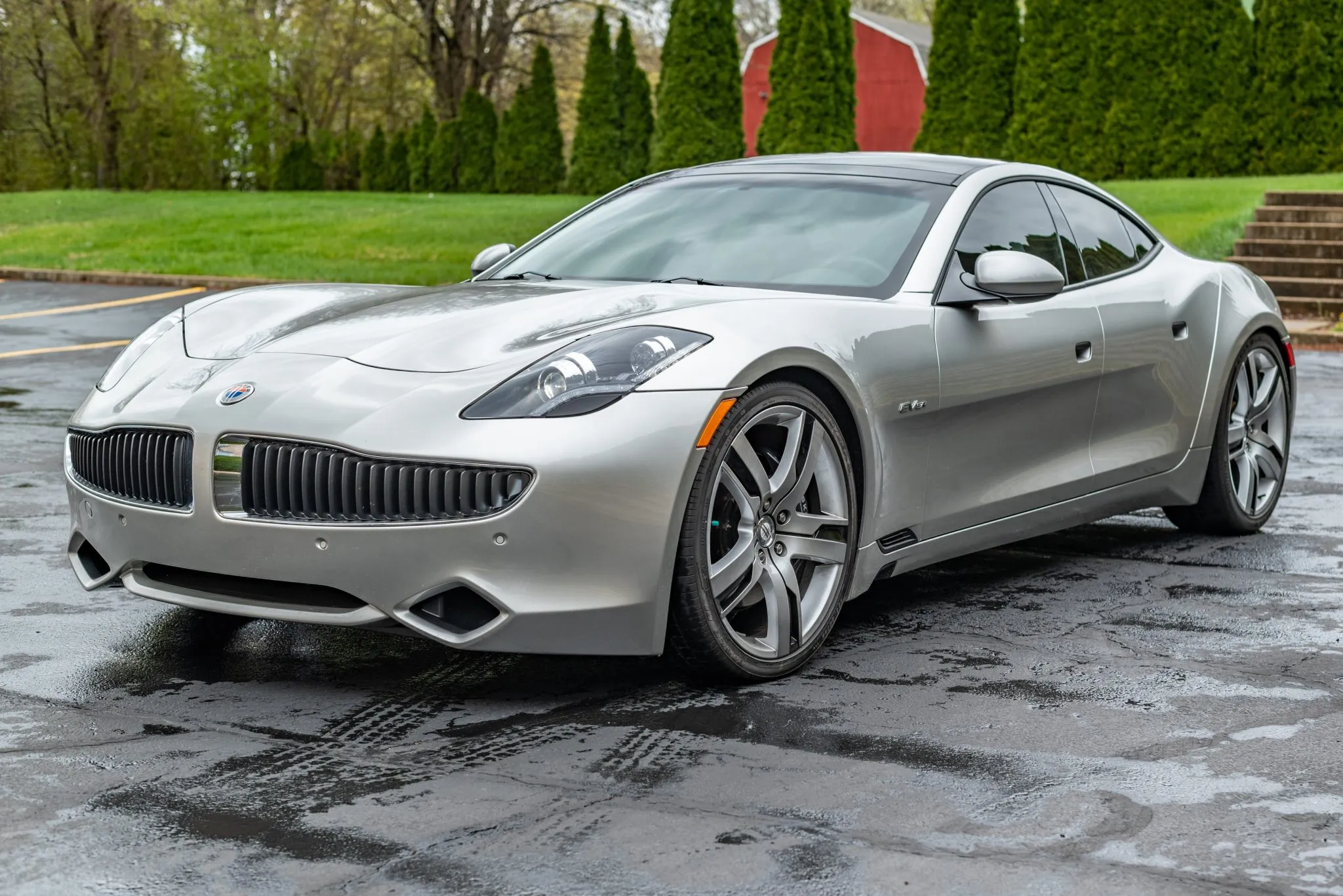
10. Fisker Karma
The Fisker Karma, a luxury electric vehicle, incorporates eco-friendly materials including carbon fiber, aluminum, and natural fibers in body panels and interior supports. While metal remains central to the frame, woven natural fibers provide reinforcement for certain non-load-bearing structures.
These fibers, similar to fabric composites, reduce weight and improve energy efficiency, which is critical for electric performance. The use of alternative materials also emphasizes sustainability, a core principle in the Karma’s design philosophy.
Natural fibers in the Karma are not purely decorative. They contribute to energy absorption during minor impacts and provide thermal insulation in key areas. Combined with modern composites, they enhance both comfort and safety. Engineers carefully designed the distribution of these materials to balance structural integrity with environmental responsibility.
The aesthetic appeal of these fibers adds to the car’s interior and exterior refinement. Visible panels showcase the textures of woven materials, blending modern technology with natural elements. This approach reflects a broader trend toward eco-conscious design without sacrificing luxury or performance.
From a performance perspective, reducing mass in the frame improves acceleration and handling. The Karma’s hybrid-electric system benefits from a lighter chassis, allowing more efficient energy use and extended driving range. This demonstrates how material choices can influence both sustainability and vehicle dynamics simultaneously.
Maintenance and durability considerations are addressed through protective coatings and engineered composites. The Karma’s designers ensured that natural fibers would withstand environmental exposure without compromising safety or aesthetics. This combination of practicality and innovation sets the vehicle apart in the luxury electric market.
