
The 1950s marked a period of transformation in automotive design, where luxury sedans embraced vibrant colors that reflected post-war optimism and American elegance. During this era, car manufacturers recognized the importance of color in creating a visual identity for their models, turning paint schemes into a signature aspect of style and status.
Luxury sedans of the 1950s were no longer just about comfort and engineering; they became rolling statements of sophistication and individuality. Bold pastels, rich jewel tones, and understated metallics offered buyers a palette that matched the sense of prosperity emerging after the hardships of the 1940s.
This decade also saw the integration of two-tone paint schemes, with contrasting roof and body colors becoming a hallmark of fashionable taste. Designers sought to balance elegance with flair, producing vehicles that could turn heads on the street while maintaining a sense of understated refinement.
Automotive paint in this period was not only a functional coating but also a critical part of marketing, as showrooms highlighted color options to appeal to the aesthetic sensibilities of the affluent. Consumers increasingly treated their cars as expressions of personal identity, selecting hues that reflected their aspirations, personalities, and social status.
Advances in paint technology allowed for more durable finishes and richer pigments, giving luxury sedans a lustrous shine that could endure the test of time. Many of these colors remain iconic today, symbolizing the glamour and optimism of mid-century automotive culture.
This article will examine ten luxury sedans from the 1950s that showcased the most memorable and distinctive paint choices. Each model not only demonstrated engineering excellence but also captured the spirit of its era through color, leaving a lasting impression on enthusiasts, collectors, and historians alike.
From subtle metallic tones to flamboyant pastel shades, these vehicles illustrate how color can define an automobile’s character and elevate its presence on the road. The following selection highlights cars that set the standard for elegance, innovation, and design expression, revealing the enduring influence of 1950s paint trends on the luxury sedan segment.
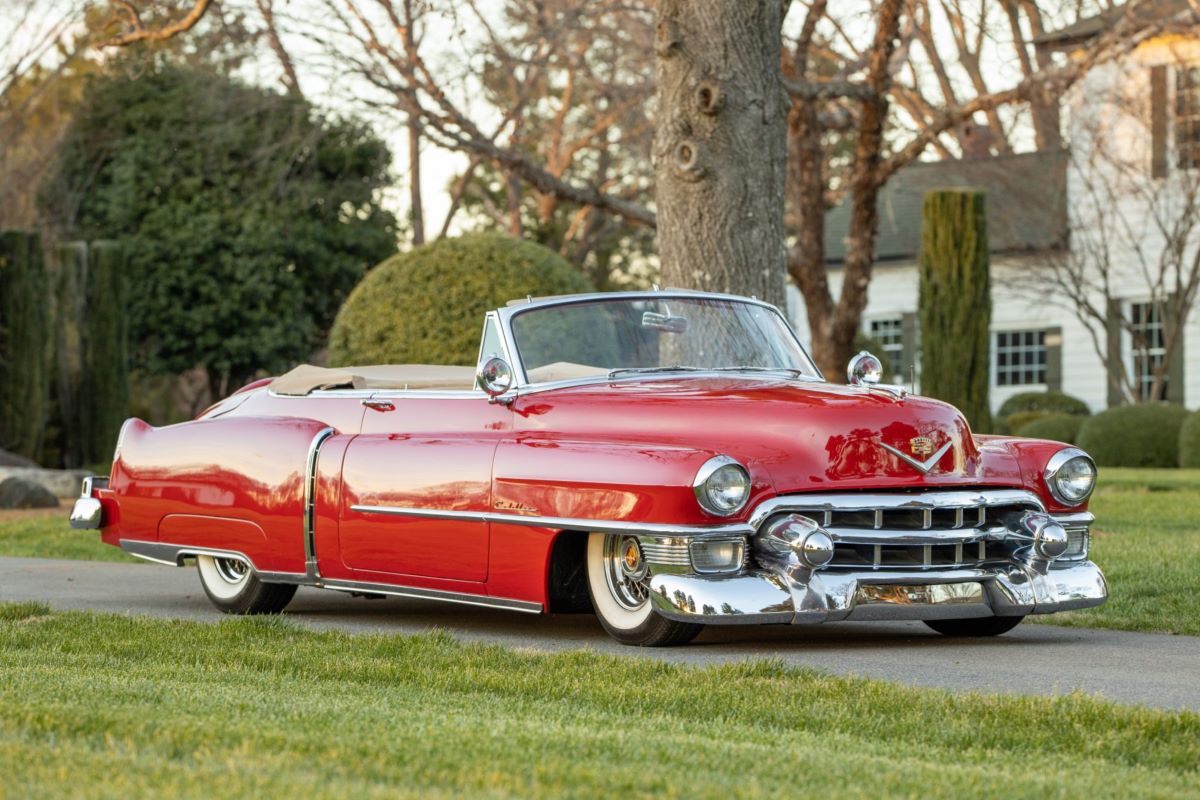
1. 1953 Cadillac Series 62
The 1953 Cadillac Series 62 was renowned for its stately presence and rich palette. Classic colors like turquoise and pastel green highlighted its sweeping curves and chrome accents.
These shades complemented the car’s elongated silhouette and emphasized its sophistication. Cadillac’s designers focused on combining subtlety with elegance, ensuring that each paint choice enhanced the model’s luxurious character.
Two-tone schemes were particularly popular, pairing softer pastels with cream or white roofs. This contrast accentuated the roofline and chrome trim while adding a sense of depth to the overall design. The Series 62 offered customers the ability to express their taste with a combination of refined shades and playful accents.
This approach helped solidify Cadillac’s image as a trendsetter in luxury automotive styling. The durability and finish of the paints also demonstrated advanced techniques for the time. The shimmering effect in certain metallic tones reflected light beautifully, creating a sense of movement even while the car was stationary.
The 1953 Series 62 embodied both technical craftsmanship and artistic vision, making it one of the most colorfully celebrated models of the decade.
Collectors today often seek original examples with the authentic 1950s paint, recognizing the impact it had on the car’s market presence. The turquoise and pastel green models are particularly rare and highly desirable. Cadillac’s careful attention to color coordination and presentation set the stage for future luxury sedans to consider paint as an essential aspect of identity.
These colors were more than aesthetics; they represented status, cultural optimism, and forward-thinking design. The combination of design, comfort, and iconic hues ensured the Series 62’s continued relevance among enthusiasts. Its reputation for luxurious charm and stylish color palettes makes it a definitive symbol of 1950s elegance.
Cadillac’s marketing emphasized the car’s color as much as its engineering, showcasing the Series 62 in advertisements that highlighted its refined shades. The vibrant yet tasteful options resonated with a clientele seeking both prestige and individuality.
Paint color became a differentiator, signaling sophistication in a period when automotive style was increasingly important. For many buyers, the Series 62 represented the pinnacle of American automotive design, where attention to detail extended to every surface.
The combination of polished chrome, flowing lines, and expertly chosen paint hues created a vehicle that felt both powerful and graceful. This model remains a testament to the importance of color in the luxury sedan segment.
The legacy of the 1953 Series 62 extends to modern automotive appreciation, as collectors admire its nuanced color choices. The balance between playful pastels and stately metallics reflects the 1950s fascination with optimism and refinement. Every curve, every chrome accent, and every shade tells a story of innovation in both design and aesthetics.
Its influence can be seen in subsequent Cadillac models, where paint continued to be an integral part of branding and identity. Today, the Series 62 serves as an inspiration for vintage enthusiasts and designers alike, demonstrating the enduring power of color in defining automotive elegance.
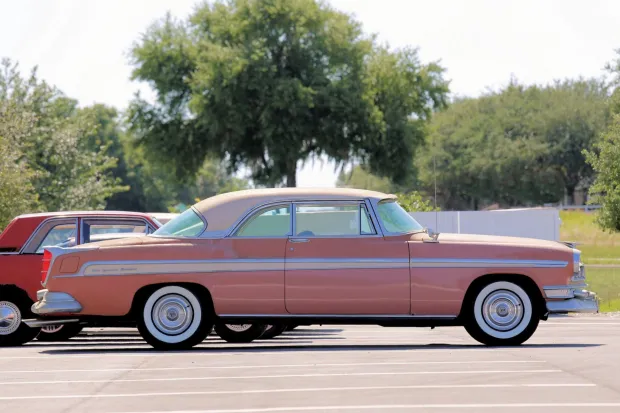
2. 1955 Chrysler New Yorker
The 1955 Chrysler New Yorker showcased sophistication through subtle, refined colors that emphasized its aerodynamic design. Popular shades included mint green, soft beige, and light blue, creating a visual harmony that matched the sedan’s luxurious interior.
Chrysler’s use of paint served as both decoration and a reflection of the era’s optimistic spirit. The New Yorker’s flowing contours benefited from these understated hues, allowing chrome trim and grille details to stand out.
Two-tone color combinations became a hallmark, often pairing pastel bodies with ivory or white roofs. This technique emphasized the car’s long, sweeping lines while adding visual interest. The color options appealed to buyers who wanted elegance without appearing ostentatious.
By presenting a balanced palette, Chrysler elevated the New Yorker as a stylish and aspirational vehicle. Each paint finish demonstrated meticulous attention to gloss, durability, and depth, ensuring that the car retained its allure over time. These shades were designed to catch sunlight, highlighting curves and edges with subtle sophistication.
The mint green variant became one of the most recognizable and cherished colors for the model. Its cool tone complemented the chrome accents and accentuated the sedan’s size and stature. Light blue and beige options added versatility, allowing owners to select a color that matched their personal taste.
Chrysler’s designers understood that color could communicate status and refinement, turning the New Yorker into a mobile statement of elegance. The paint selection reflected both fashion and cultural trends of the mid-1950s.
Collectors today value original paint for its historical accuracy and visual impact. Vehicles with preserved mint green or pastel blue finishes often command higher prices at auctions. These colors symbolize the era’s attention to design details and luxurious appeal.
The Chrysler New Yorker’s careful balance of subtlety and sophistication in paint choices reinforced its position among the elite luxury sedans of the decade. Its colors continue to inspire appreciation for mid-century automotive styling.
Marketing campaigns highlighted the New Yorker’s refined palette, demonstrating how even understated colors could enhance perception of wealth and taste. The vehicle’s paint and trim were presented as cohesive elements, reflecting Chrysler’s commitment to design excellence.
Owners experienced a sense of pride and identity when driving a New Yorker, knowing their choice in color conveyed refinement. These iconic shades remain associated with the prestige and elegance of the 1950s automotive industry.
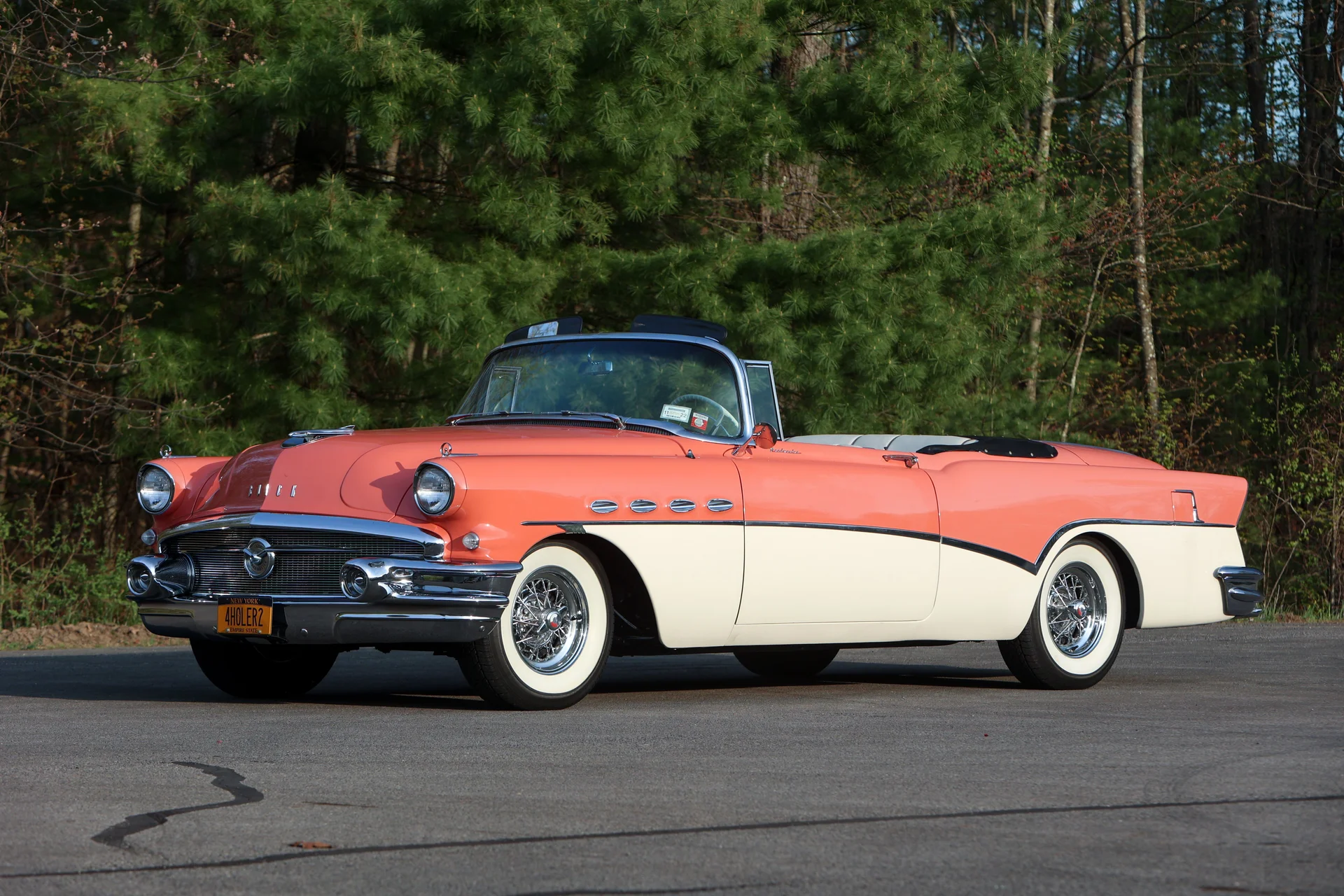
3. 1956 Buick Roadmaster
The 1956 Buick Roadmaster combined boldness and sophistication through its innovative use of color. Bright hues such as firemist red, azure blue, and sunburst yellow highlighted its curving fenders and elegant roofline.
Buick sought to attract buyers with a blend of excitement and luxury, using paint as a defining characteristic of style. The Roadmaster’s palette emphasized the car’s presence on the road while complementing its polished chrome details.
Two-tone schemes paired contrasting body and roof colors, enhancing the visual depth of the design. Combinations like deep red with ivory or blue with cream created a sense of movement and flair.
These choices allowed owners to reflect individuality while maintaining a refined image. The metallic paints introduced in 1956 reflected advances in chemical formulations, producing finishes with greater depth and shimmer. This innovation elevated the Roadmaster’s aesthetic appeal.
The firemist red model became particularly famous for its vibrancy, drawing attention at shows and on the streets. Azure blue and soft yellow offered more subtle options while still highlighting the car’s size and elegance. Buick understood that color could influence perception, making even a stationary car seem dynamic. The Roadmaster’s paint options symbolized confidence and modernity, appealing to a market eager for stylish sophistication.
Collectors often prioritize vehicles with original 1956 paint, particularly rare metallic shades. The Roadmaster’s palette represents a key moment in mid-century automotive design when color choices were bold yet carefully curated.
Its unique blend of exuberance and refinement cemented its reputation among luxury sedans. Each hue captured a sense of optimism that resonated with buyers and continues to attract enthusiasts today.
Marketing emphasized the Roadmaster’s colors as an integral part of its identity. Advertisements highlighted the shimmer and vibrancy of metallic finishes, associating the car with modern taste and elegance. The combination of carefully selected colors and chrome details allowed Buick to maintain a balance between excitement and sophistication.
The 1956 Roadmaster remains an enduring symbol of 1950s automotive artistry, demonstrating how paint can define the character and appeal of a luxury sedan.
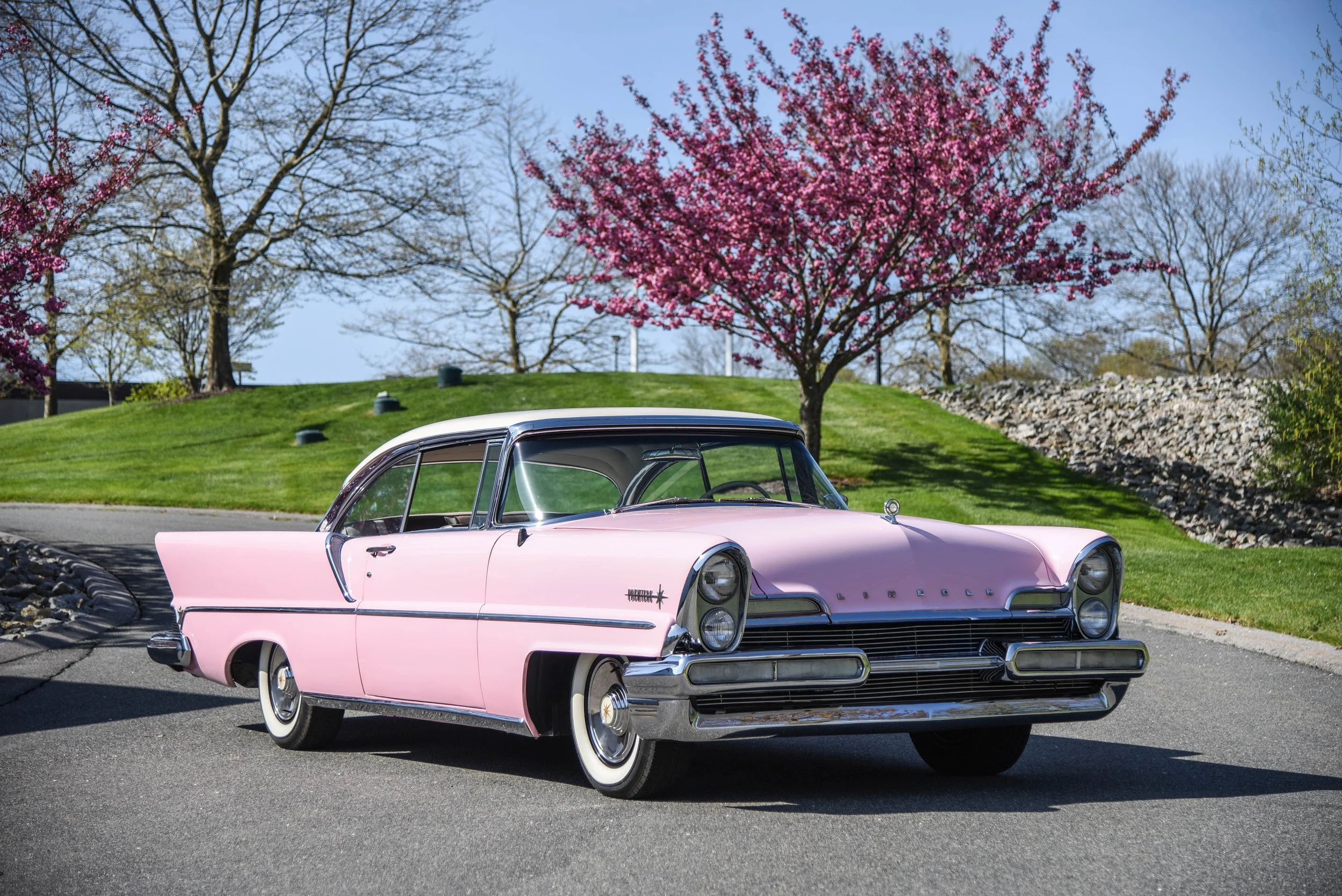
4. 1957 Lincoln Premiere
The 1957 Lincoln Premiere epitomized elegance and modern design, with paint colors that accentuated its streamlined body. Popular hues included champagne beige, pastel pink, and sky blue, emphasizing luxury without appearing garish.
Lincoln focused on selecting shades that highlighted the vehicle’s aerodynamic curves and long silhouette. These choices reinforced the Premiere’s image as a prestigious sedan for discerning buyers.
Two-tone combinations paired soft pastels with contrasting roofs, creating visual separation and enhancing the car’s stately proportions. The roofline became a canvas for subtle contrast, giving the sedan a more sculpted appearance.
Chrome trim interacted beautifully with these colors, reflecting light and adding depth. Lincoln’s careful attention to hue and finish elevated the Premiere above other models in its segment.
Champagne beige was especially favored for its understated elegance and ability to complement interiors of tan or cream leather. Sky blue offered a modern twist, appealing to buyers looking for color without sacrificing sophistication.
Pastel pink captured a sense of fashion-forward style that matched the optimistic 1950s cultural mood. Lincoln ensured that every color was carefully calibrated to preserve the sedan’s prestigious image.
Collectors value original paint on the 1957 Premiere because it reflects the era’s design priorities and cultural trends. Cars with preserved pastel shades or subtle metallic finishes are highly sought after.
The combination of design, luxury, and color made the Lincoln Premiere a defining example of 1950s American sedans. Each hue provided a visual narrative, conveying refinement, elegance, and a forward-looking spirit.
Marketing campaigns emphasized Lincoln’s palette as a symbol of modern luxury. Advertisements showcased the interplay of pastel and metallic tones, highlighting sophistication for the well-heeled buyer.
The 1957 Premiere became synonymous with style, grace, and prestige, with color choices that remain influential in the history of luxury sedans. Its legacy endures in both collector interest and design inspiration for subsequent generations.
5. 1954 Packard Clipper
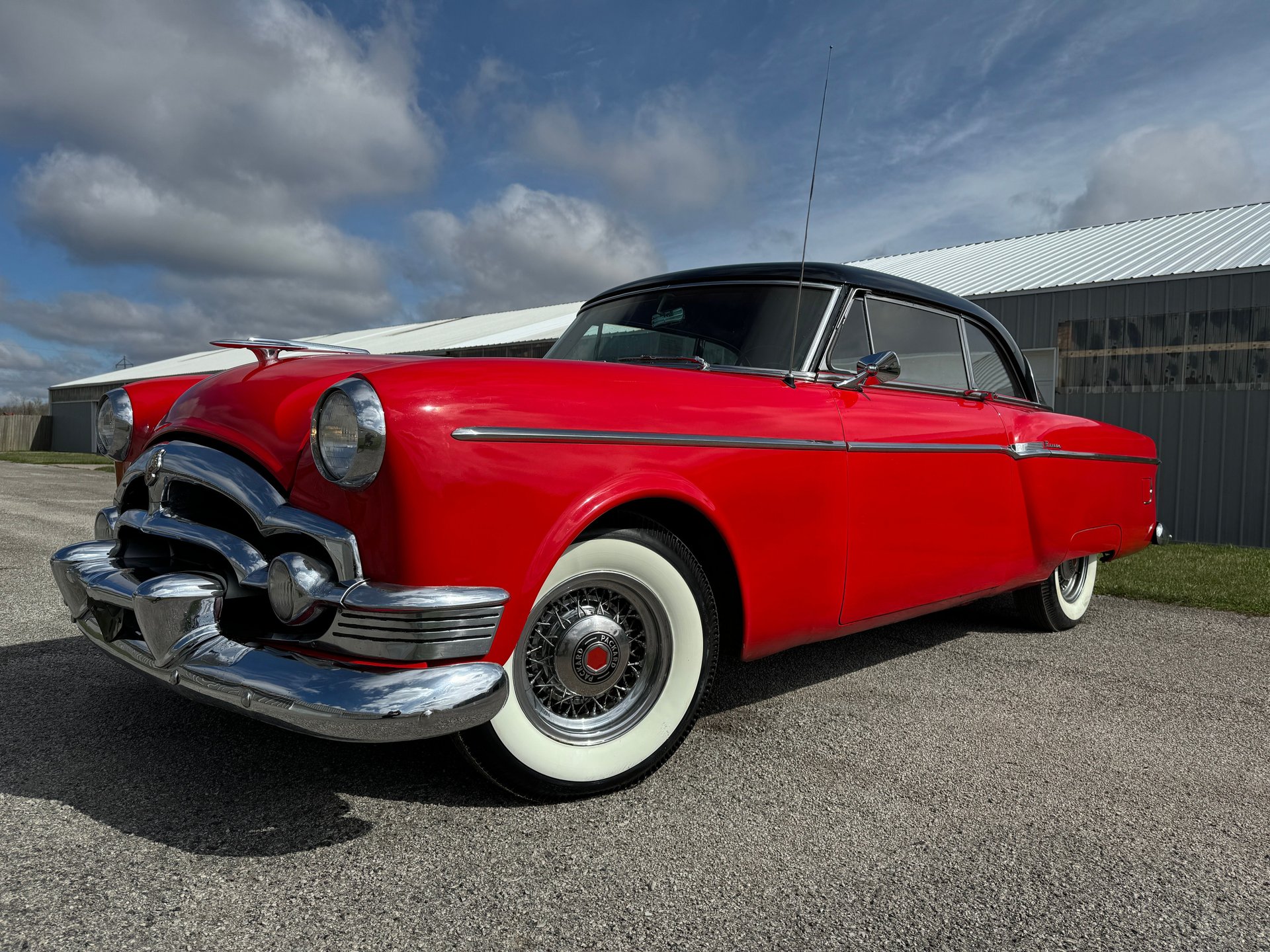
The 1954 Packard Clipper combined practical luxury with striking paint colors. Popular options included mint green, soft lavender, and ivory white, designed to attract buyers seeking style with understated refinement.
The vehicle’s elongated body and sweeping fenders benefited from colors that accentuated contours and highlighted chrome trim. Packard approached color selection as an integral part of design, creating harmony between aesthetics and craftsmanship.
Two-tone schemes were common, pairing darker bodies with lighter roofs to enhance visual appeal. This technique emphasized length and provided a sense of movement even when the car was stationary.
Packard’s focus on complementary shades allowed owners to choose colors that reflected their personal taste and sophistication. Metallic finishes began emerging, adding depth and luminosity to the Clipper’s exterior.
Mint green became one of the most desirable choices, offering a fresh and refined appearance. Soft lavender provided a subtle elegance, particularly for buyers seeking individuality. Ivory white highlighted the car’s graceful lines while maintaining a timeless presence. Each color was carefully matched with interior tones, ensuring a cohesive and luxurious presentation.
Collectors today prize original 1954 Clippers with preserved paint, especially pastel shades that are increasingly rare. The combination of soft colors and elegant design elements captures the essence of mid-century luxury.
Packard’s palette was designed to resonate with both tradition and modernity, reflecting optimism and style. These paint schemes remain influential, illustrating the enduring appeal of well-chosen hues in classic sedans.
Advertising emphasized Packard’s elegant palette, portraying colors as expressions of refinement and taste. The Clipper’s combinations conveyed status and subtle flair, appealing to buyers who valued both luxury and individuality. The attention to paint color ensured that the Clipper maintained a competitive edge in a crowded market, solidifying its legacy in automotive history.
6. 1958 Imperial Crown
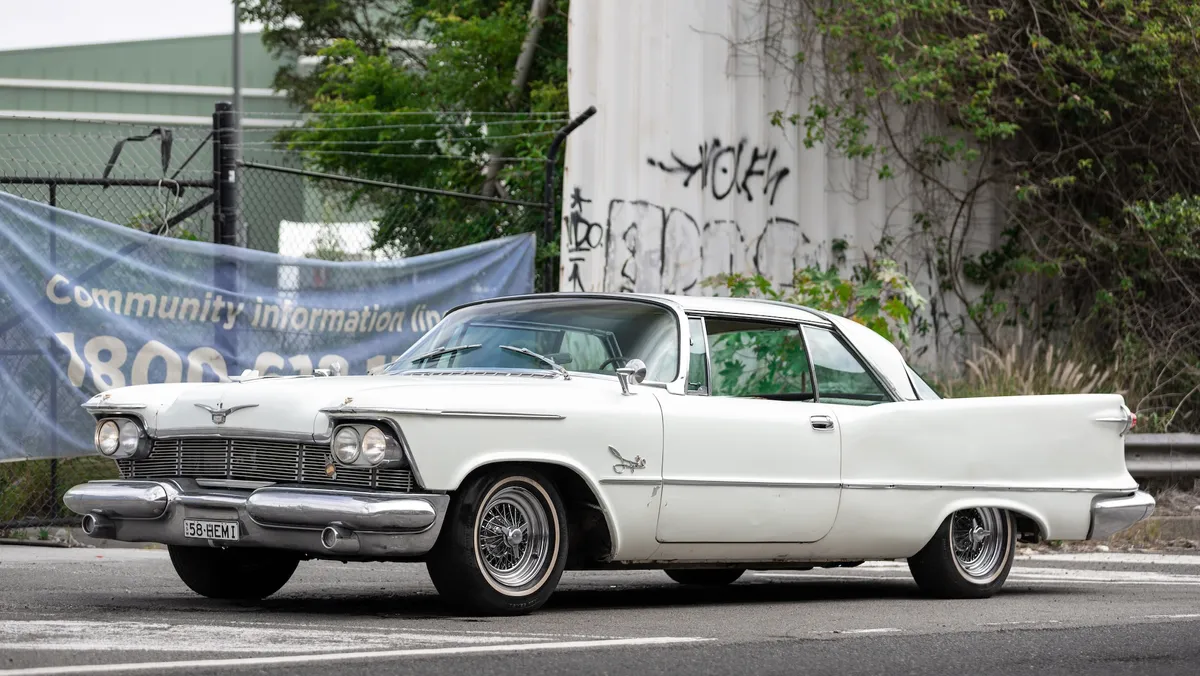
The 1958 Imperial Crown from Chrysler represented power and prestige, enhanced by bold and sophisticated paint choices. Popular hues included deep burgundy, royal blue, and silver metallic, each highlighting the car’s dramatic lines and imposing grille.
These shades reinforced the sedan’s commanding presence while remaining elegant and refined. Chrysler approached color as a central component of style, ensuring it complemented both form and interior detailing.
Two-tone schemes paired deep body colors with light roofs, accentuating height and length while providing a polished, sophisticated appearance.
Chrome trim and side moldings gleamed against darker tones, emphasizing geometry and design precision. Imperial Crown’s palette balanced vibrancy with elegance, making it appealing to buyers seeking visual impact without excess flamboyance.
Burgundy became synonymous with luxury, conveying a sense of power and refinement. Royal blue added modernity while maintaining dignified elegance, and silver metallic provided a contemporary, almost futuristic appeal. Each paint choice enhanced the vehicle’s visual dynamics, ensuring that the Imperial Crown stood out among competitors while maintaining classic sophistication.
Collectors prize original 1958 Imperial Crown sedans for their unique color schemes, especially metallic finishes that remain rare. The combination of bold tones and luxury design features created vehicles that were both visually striking and comfortable.
Chrysler’s careful selection of shades reinforced the brand’s reputation for innovation, elegance, and prestige. These colors continue to inspire enthusiasts and designers exploring mid-century luxury styling.
Advertising emphasized the power and sophistication of Imperial Crown paint schemes, portraying the sedan as a statement of status. Colors reinforced a sense of luxury, while design elements and chrome accents enhanced the visual narrative. The 1958 Imperial Crown’s paint options remain iconic, a testament to Chrysler’s commitment to style, technology, and consumer appeal.
7. 1955 Packard Patrician
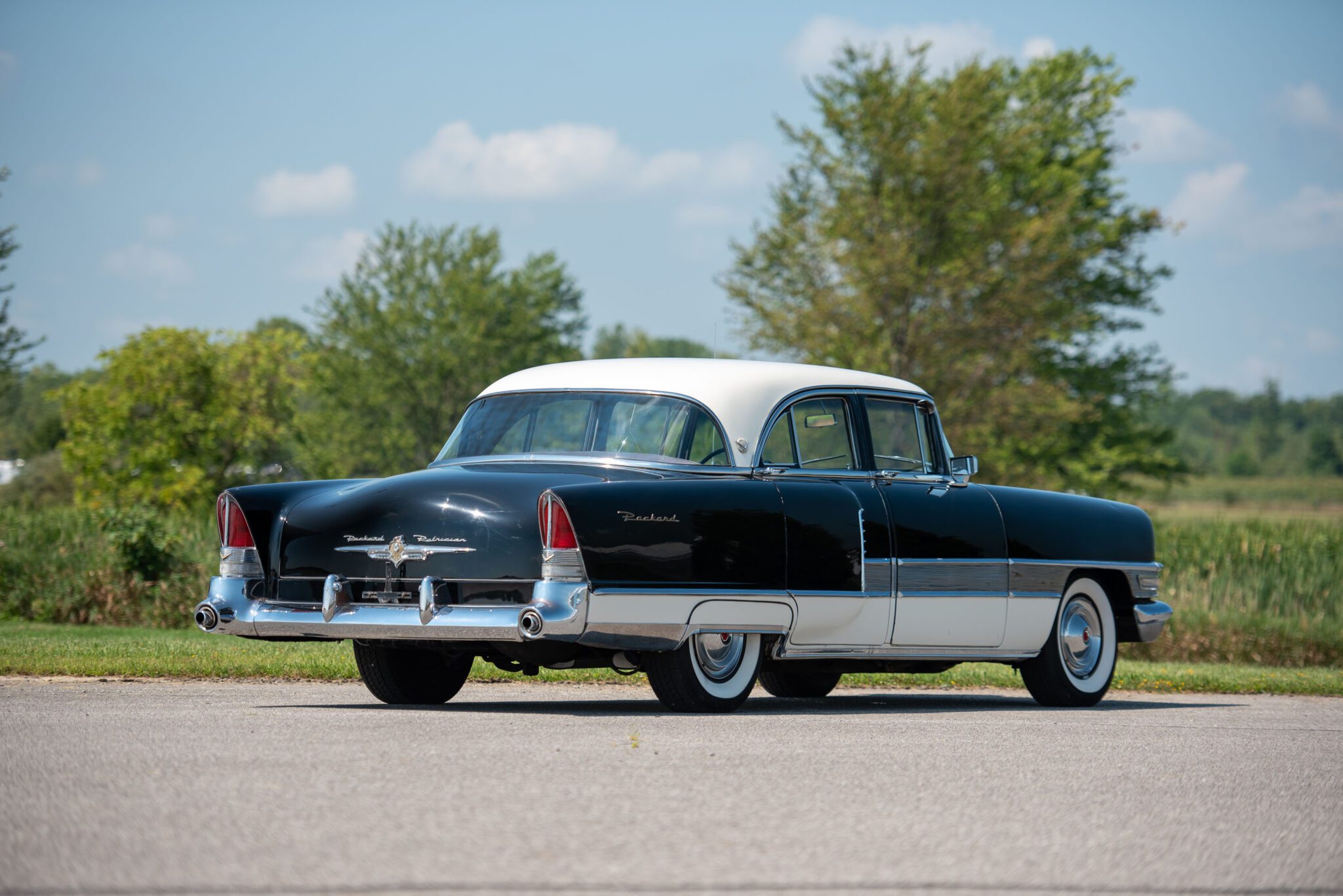
The 1955 Packard Patrician offered elegance through both design and carefully chosen paint options. Popular shades included cream, teal, and soft pink, which complemented the sedan’s flowing bodywork and prominent chrome features.
Packard prioritized color selection to enhance visual appeal and align with the aspirations of luxury buyers. The Patrician’s palette emphasized refinement without excessive extravagance.
Two-tone paint schemes were a signature feature, with lighter roofs contrasting against richer body hues. This technique accentuated the Patrician’s streamlined silhouette and provided depth to the overall design.
Metallic finishes began to appear, adding sophistication and visual dimension. Packard’s approach ensured that each vehicle communicated status and elegance while remaining approachable and stylish.
Cream was particularly popular for its understated elegance and ability to pair seamlessly with interior fabrics. Teal offered a fresh, fashionable alternative, providing subtle flair without overwhelming the vehicle’s refined presence. Soft pink captured mid-century optimism, creating a visually memorable appearance. The Patrician’s combination of shade and design resonated strongly with buyers seeking distinctive yet tasteful luxury.
Collectors highly value original paint on the 1955 Patrician, especially two-tone combinations. These colors illustrate the importance of aesthetic harmony in mid-century sedans and highlight Packard’s design philosophy. The Patrician’s palette reinforced its position as a luxury sedan that balanced elegance, individuality, and sophistication, contributing to its lasting legacy in automotive history.
Advertising emphasized the Patrician’s palette as an integral part of its appeal. Colors were presented as extensions of status, luxury, and cultural sophistication. Buyers recognized that paint could convey identity and taste, making the Patrician a vehicle that spoke to both personality and refinement. Its shades remain celebrated for their beauty, versatility, and historical significance.
8. 1956 DeSoto Fireflite
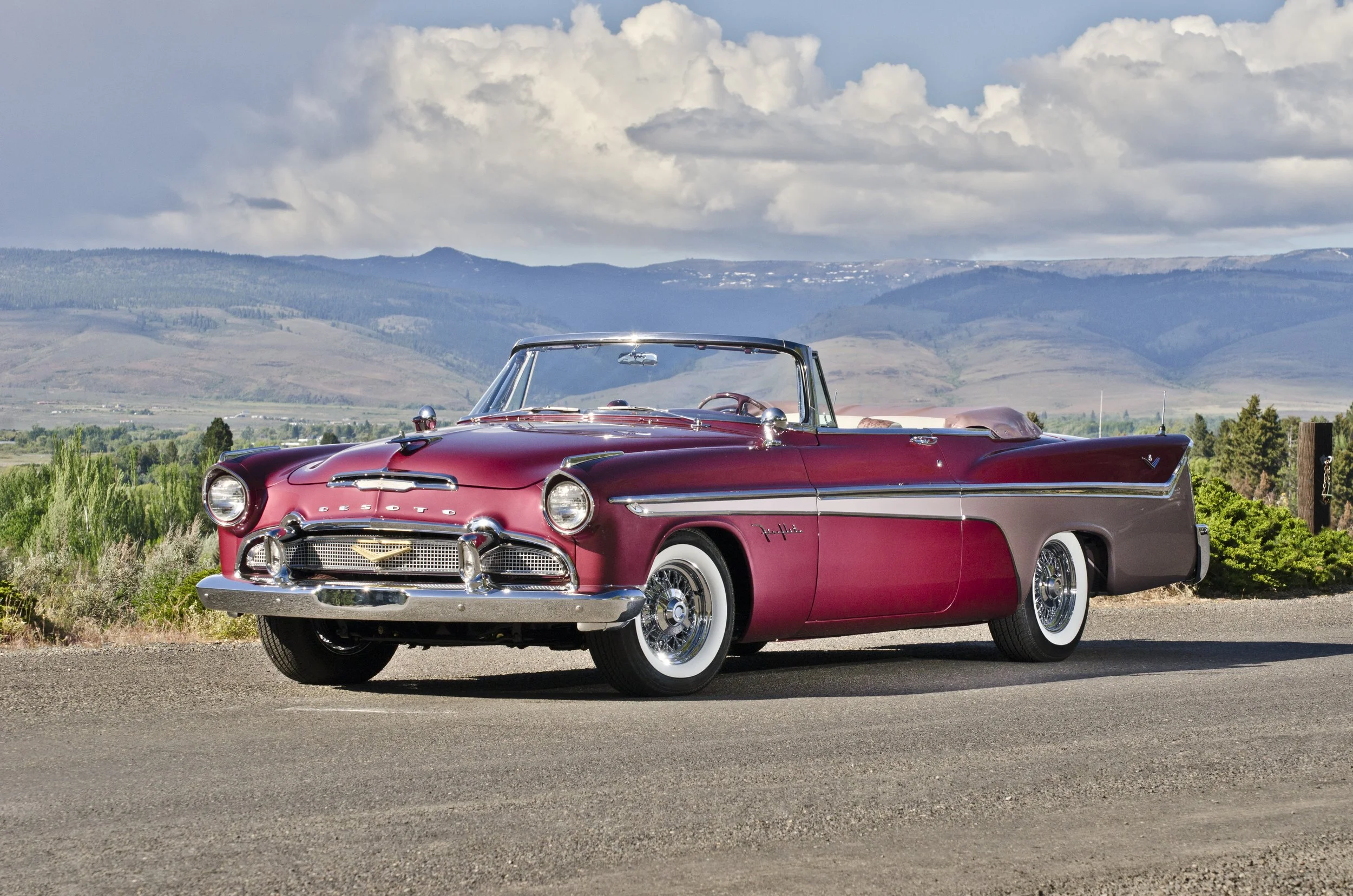
The 1956 DeSoto Fireflite was celebrated for its bold styling and playful yet sophisticated paint options. Popular colors included cherry red, mint green, and pale yellow, chosen to complement the sedan’s dramatic tailfins and chrome accents. DeSoto’s designers emphasized colors that highlighted movement and flair while maintaining a sense of refined elegance for luxury buyers.
Two-tone schemes paired vibrant bodies with lighter roofs, emphasizing the car’s height and sweeping lines. Metallic finishes reflected advances in paint technology, giving the Fireflite a shimmering, luxurious presence. Color was used strategically to define shape and contrast with chrome details, reinforcing the model’s dynamic visual appeal.
Cherry red became an instant favorite, commanding attention and symbolizing energy and style. Mint green provided a softer, more sophisticated alternative, while pale yellow offered a sunny, optimistic aesthetic. These colors illustrated DeSoto’s ability to balance playful exuberance with luxurious refinement, appealing to a broad range of buyers.
Collectors prize original Fireflites with well-preserved paint, especially rare pastel shades that highlight mid-century automotive taste. The sedan’s color palette reflected optimism and cultural trends of the 1950s, contributing to its status as a classic luxury vehicle. Fireflite’s combinations of hue, chrome, and design continue to attract admiration from enthusiasts and historians alike.
Advertising showcased the Fireflite’s vibrant palette, presenting the sedan as a stylish and forward-thinking choice for luxury buyers. Colors reinforced brand identity and highlighted design innovation, emphasizing how paint could define character and appeal. The 1956 DeSoto Fireflite remains iconic for its daring yet elegant use of color in the luxury sedan segment.
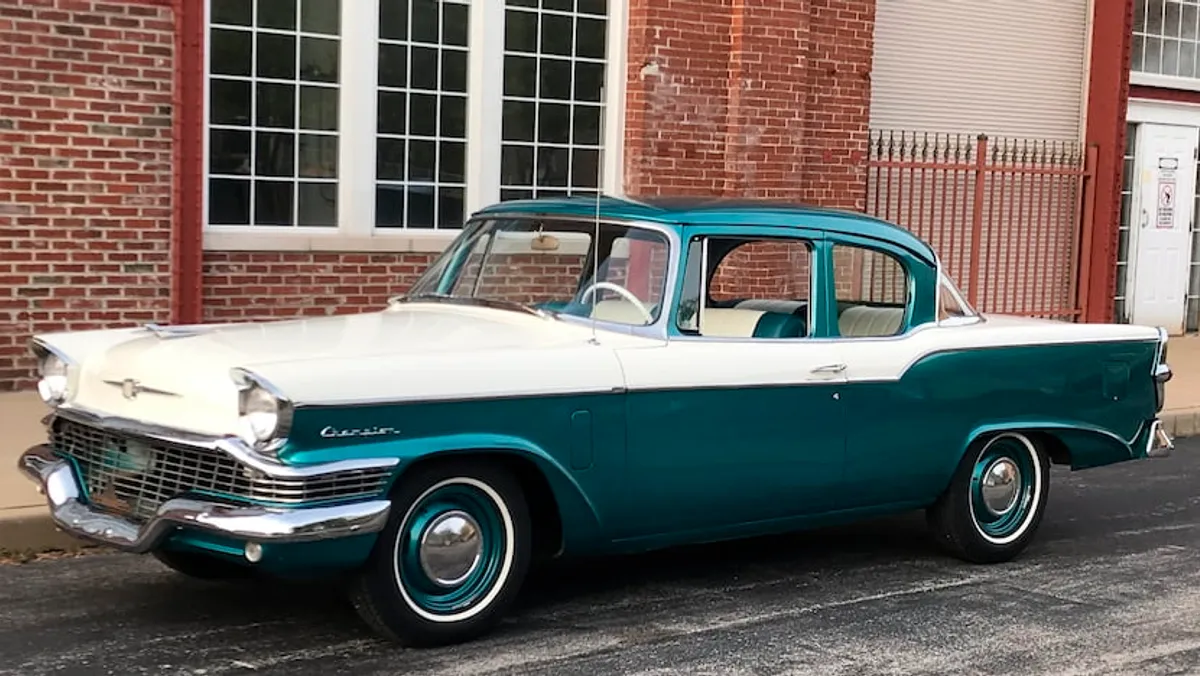
9. 1957 Studebaker Commander
The 1957 Studebaker Commander offered a unique approach to luxury, emphasizing distinctive paint choices that combined elegance with individuality.
Popular colors included teal blue, beige, and soft coral, selected to enhance the car’s compact yet luxurious lines. Studebaker focused on color as a critical design element, complementing the sedan’s streamlined profile and chrome detailing.
Two-tone schemes were prominent, pairing contrasting body and roof colors to emphasize geometry and visual balance. Metallic paints added depth and sheen, reflecting sunlight and highlighting contours. Studebaker’s palette ensured that the Commander was visually memorable without sacrificing sophistication. Each shade was carefully calibrated to appeal to buyers seeking understated luxury.
Teal blue became one of the most sought-after options, providing a modern, stylish aesthetic. Beige conveyed timeless elegance and versatility, while soft coral added warmth and visual interest. These colors illustrated the brand’s dedication to creating distinctive yet refined luxury sedans. Studebaker’s attention to paint reinforced identity and cultural appeal.
Collectors highly value original 1957 Commanders with preserved paint, particularly rare two-tone examples. The palette captures mid-century optimism and the importance of aesthetic expression in luxury automotive design. The Commander’s color choices remain significant, demonstrating how style, refinement, and individuality could coexist in a single model.
Advertising highlighted the Commander’s palette as a reflection of taste and sophistication. Colors were presented as integral to the vehicle’s character, enhancing both market appeal and cultural resonance. The 1957 Studebaker Commander remains celebrated for its elegant yet distinctive paint choices, securing its place in the history of luxury sedans.
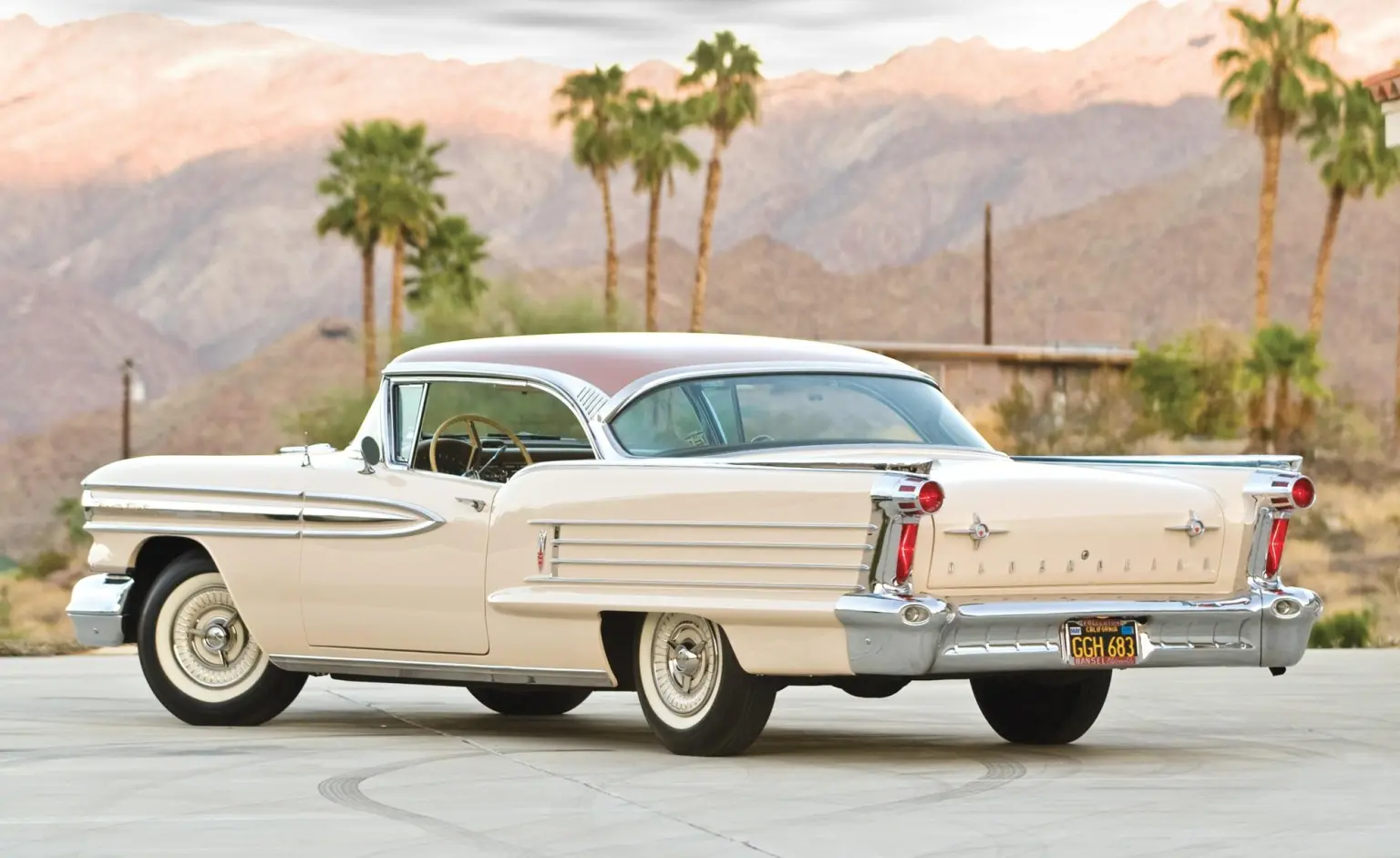
10. 1958 Oldsmobile 98
The 1958 Oldsmobile 98 represented the pinnacle of 1950s American luxury, enhanced by carefully chosen paint colors that highlighted its modern design. Popular hues included ivory white, sky blue, and ruby red, selected to complement the sedan’s flowing bodywork and chrome accents. Oldsmobile prioritized color to create vehicles that conveyed prestige and refinement.
Two-tone paint schemes emphasized rooflines and fender contours, adding visual interest and a sense of sophistication. Metallic finishes introduced shimmer and depth, reflecting advances in automotive coatings.
The palette allowed buyers to express individuality while maintaining a sense of timeless elegance. Oldsmobile’s approach ensured that the 98 stood out in both style and presence.
Ivory white conveyed understated elegance, pairing seamlessly with interior fabrics and chrome detailing. Sky blue provided a serene, modern appearance, while ruby red highlighted bold styling and cultural optimism.
Each color was chosen to enhance the car’s visual impact while reinforcing the luxury experience. The Oldsmobile 98’s paint options contributed to its identity as a refined, aspirational vehicle.
Collectors prize original 1958 Oldsmobile 98s with authentic paint, especially those with two-tone or metallic finishes. The sedan’s palette reflects mid-century trends in design, fashion, and automotive technology.
Oldsmobile’s careful curation of colors helped establish the 98 as one of the most iconic luxury sedans of the decade. These shades continue to inspire collectors and designers, demonstrating the enduring influence of 1950s aesthetics.
Marketing emphasized the Oldsmobile 98’s refined palette, highlighting both elegance and modernity. Colors were presented as essential to the vehicle’s character, reinforcing prestige and style. The 1958 Oldsmobile 98 remains celebrated for its striking yet tasteful use of color, cementing its place in automotive history as a model that defined luxury and sophistication in the 1950s.
