
Braking performance stands as one of the most essential factors in automotive engineering, shaping how a vehicle responds under pressure and protecting the occupants during sudden stops. Drivers who value safety, precision, and control often look beyond horsepower and acceleration figures to understand how quickly a car can reduce its speed and come to a halt.
The measure of this ability is known as braking distance, commonly expressed in meters or feet from a set speed down to zero. While many automotive enthusiasts debate various aspects of performance, braking distance remains a measurable and critical benchmark that directly influences real world driving confidence and crash avoidance.
In road testing environments, engineers and reviewers often assess braking distances from standardized entry speeds, such as 100 km/h or 60 mph, to zero, evaluating both consistency and performance under repeated stops. A short stopping distance can mean the difference between avoiding an unexpected obstacle and becoming part of a collision statistic.
Factors that influence braking distance include the quality of the brake pads, the design of the brake discs or drums, tire grip, vehicle weight, suspension tuning, and advanced electronic systems like anti‑lock braking and stability control. For this reason, vehicles with exceptional stopping power typically combine well‑engineered hardware with finely calibrated software to optimize performance across different surfaces and conditions.
Across different vehicle classes, from compact city cars to full‑size sports sedans, certain models have earned recognition for their superb braking performance. These models showcase how thoughtful design and meticulous engineering can enhance safety without compromising dynamics.
Drivers who navigate twisty roads, congested urban corridors, or high speed highways can benefit greatly from vehicles with shorter braking distances, reducing the risk of rear end impacts and improving confidence behind the wheel. The list that follows highlights ten cars that have distinguished themselves in their respective segments with exemplary braking performance, offering benchmarks that others aspire to match.
The vehicles featured here are not just about stop power, they also embody balanced performance attributes that make them compelling choices for discerning drivers. Some are compact, nimble cars that shine in city environments, while others are larger and more powerful machines designed to command the open road.
All share a common strength in how effectively they slow from speed, giving drivers a sense of reliability and responsiveness when it matters most. The focus of this article is to celebrate these achievements and provide insight into what makes each car stand out in terms of braking.
As you read through the following sections, you will gain a sense of how diverse engineering approaches can all yield remarkable results. From brake components and tires to weight distribution and electronic aids, this exploration highlights performance that places safety at the forefront of driving pleasure.
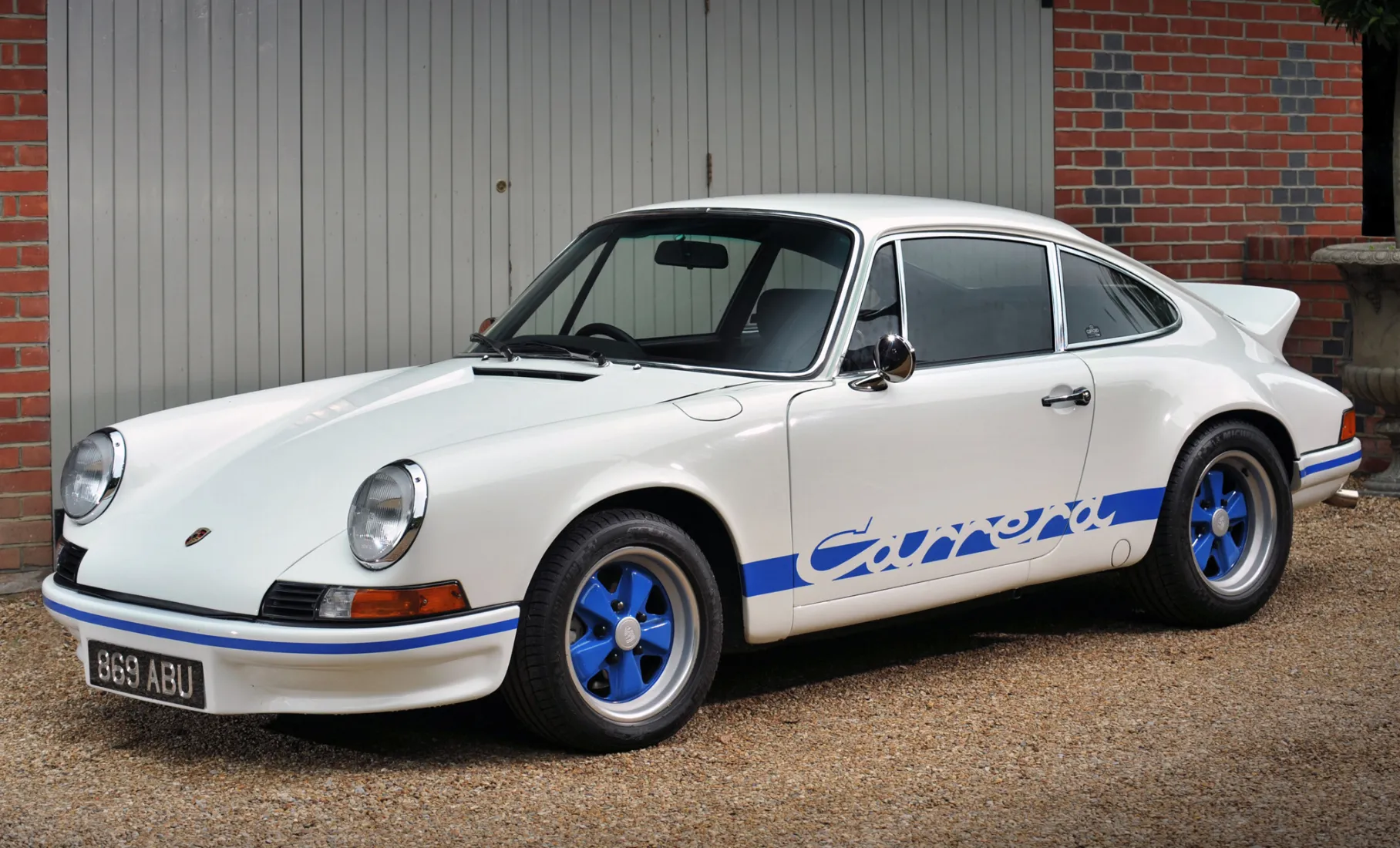
1. Porsche 911 Carrera S
The Porsche 911 Carrera S stands as a benchmark for stopping performance in its class. Its braking system features large ventilated discs and high friction pads that bite firmly under pressure. Inertia from its powerful flat six engine demands robust brakes, and Porsche delivers with equipment that resists fade. The result is consistent stopping distances that inspire confidence at high speed.
On winding roads, the Carrera S showcases how harmonizing chassis balance with brake bite can improve control. Engineers calibrate the anti‑lock and traction control to anticipate exigent braking scenarios. Brake pedal feel remains communicative and responsive, allowing drivers to modulate force with precision. At the limit, the car allows for aggressive deceleration without unsettling the vehicle.
Track tests often reveal the Carrera S stopping from high entry speeds with remarkable control. Repeat stops show minimal variance, a testament to thermal management in the braking hardware. Porsche includes features like brake cooling ducts to maintain performance over sustained use. Drivers who push hard can rely on this system to remain steadfast.
Tire choice further enhances braking efficiency, with performance rubber gripping firmly when the pads clamp down. The contact patch of these high speed tires contributes to shorter stopping distances. Suspension tuning also plays a part, keeping weight distribution favorable under deceleration. Together, these components make the Carrera S a leader in its segment.
The combination of engineering excellence and fine tuning allows the Porsche 911 Carrera S to deliver impressive braking performance. Both reviewers and owners often praise how quickly the car sheds speed on demand.
Whether confronting traffic or approaching a hairpin turn, the brakes respond without hesitation. This model exemplifies how premium sports cars can achieve short stopping distances without sacrificing everyday usability.
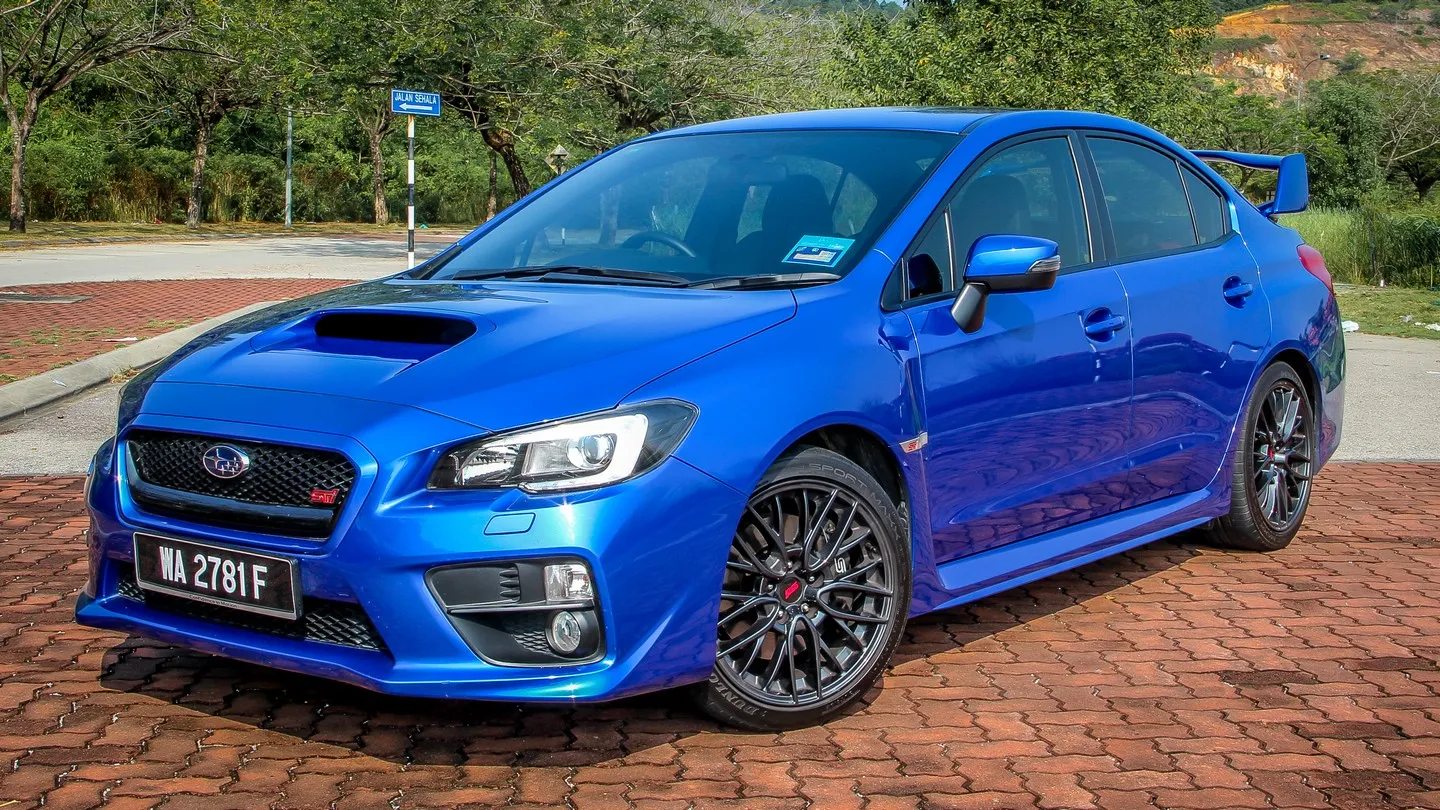
2. Subaru WRX STI
The Subaru WRX STI represents rally inspired performance, extending its capabilities to braking precision in its compact performance segment. Enthusiasts appreciate the STI’s ability to decelerate briskly from speed. It uses robust multi‑piston calipers paired with ventilated rotors to handle both street and spirited driving demands. The system is designed for heat resistance and reliable repeatability.
All wheel drive dynamics aid the WRX STI in maintaining stability under heavy braking inputs. This drivetrain distributes braking forces effectively across all four wheels. Combined with performance oriented tires, the STI can maximize friction with the road surface during deceleration. Drivers engaged in aggressive driving find this approach yields tangible safety benefits.
Driver aids such as anti‑lock braking work seamlessly to prevent wheel lockup, even on uneven or slippery terrain. Suspension geometry ensures that the car remains well composed, minimizing nose dive under abrupt stops. This blend of hardware and software aids makes braking feel natural and controlled. The STI’s braking prowess complements its high revving powertrain.
In testing scenarios, the WRX STI demonstrates shorter stopping distances than many rivals in its class. From elevated entry speeds common in highway driving, it brings velocity down with authority. The brake pedal offers firm feedback, which helps drivers judge stopping points accurately. Over multiple stops, brake fade remains limited, enhancing confidence.
The STI’s rally heritage shows in how it manages weight transfer and traction under braking. Drivers report that the sensation promotes both control and trust in intense situations. Whether negotiating tight corners or responding to unexpected hazards, the WRX STI delivers consistent stopping power. It remains a compelling choice for those seeking spirited performance with dependable brakes.
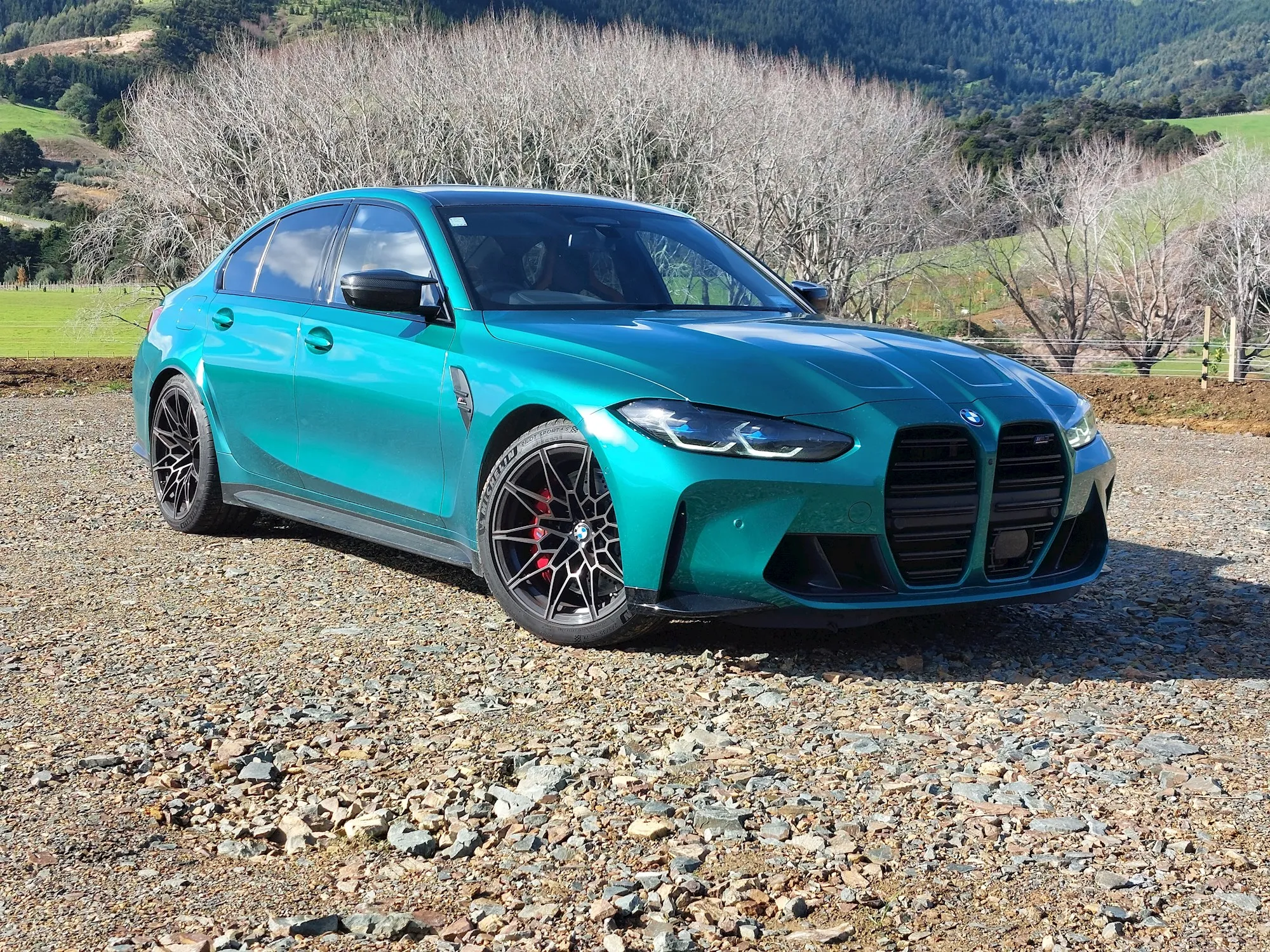
3. BMW M3 Competition
The BMW M3 Competition offers drivers a blend of raw power and refined braking technology in its high performance mid range segment. To balance its potent engine output, engineers fit large, high‑capacity brake rotors and multi‑piston calipers.
These components combine to create brakes capable of handling repeated high speed stops. Performance oriented pads and advanced cooling design contribute to sustained effectiveness.
BMW calibrates the brake system to work in harmony with adaptive suspension and chassis control systems. This integration enhances stability when slowing from speed, giving the driver confidence in varied driving conditions. The car’s weight is distributed to maintain balance under heavy brake load. This results in crisp, reliable stopping performance.
On both road and track, the M3 Competition demonstrates its ability to decelerate quickly while remaining composed. Brake pedal feel is engineered to provide progressive feedback and resist abrupt engagement. In situations requiring sudden stops, the system responds without unsettling the vehicle. Consistency over multiple high energy stops is a noted attribute in dynamic testing.
High performance tires fitted as standard equipment on the M3 amplify braking capabilities. These tires achieve impressive grip levels that allow the brakes to work nearer to their potential. Suspension geometry and electronic aids further ensure that deceleration forces are distributed effectively. The synergy between these systems aids shorter stopping distances.
Drivers often commend the M3 Competition for its balanced braking character. Whether pushing the car at the edge of its limits or navigating traffic, the brakes feel poised and controlled. BMW’s refinement of this system ensures that braking performance matches the car’s exhilarating acceleration. The M3 Competition stands out as a balanced performance car with exemplary stopping power.
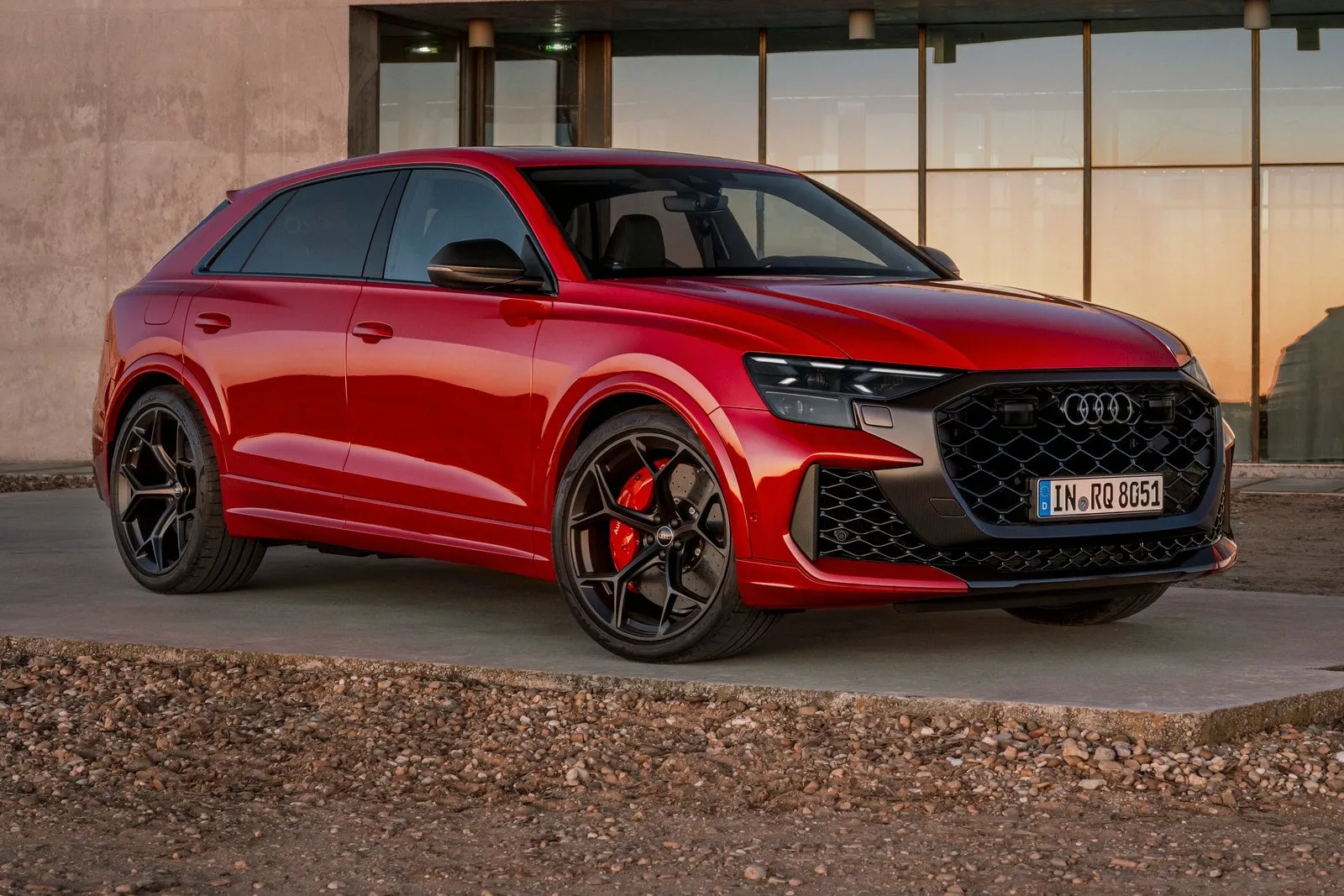
4. Audi RS Q8
The Audi RS Q8 combines the performance of a sport SUV with braking technology typically found in dedicated sports cars. Its size and mass make short braking distances even more impressive. Audi equips this model with expansive brake discs and powerful calipers tailored to its robust power output. This braking setup helps shed speed with authority when demanded.
Quattro all wheel drive contributes to secure stopping, especially on variable road surfaces. This system distributes braking forces intelligently to maintain traction and stability under hard deceleration. Performance oriented tires further enhance grip, enabling the SUV to achieve short stops that defy expectations for its class. Stability systems work unobtrusively to support the driver.
Brake cooling and thermal management remain critical in repeated high demand braking, and the RS Q8 addresses this with dedicated airflow paths. Drivers who employ the SUV on long highway runs or dynamic road routes benefit from durable brake performance. Consistency in stopping behavior remains high even after numerous stops in succession.
Electronic systems including anti‑lock and brake assist are finely tuned to work with the mechanical hardware. They ensure wheel control is maintained during aggressive braking maneuvers. Suspension tuning also mitigates forward pitch and keeps the vehicle balanced when shedding speed. This refined approach makes braking feel confident and direct.
Owners of the RS Q8 often highlight how its braking performance contributes to driving enjoyment. The SUV’s weight does not detract significantly from its ability to reduce velocity quickly. Combined with its potent engine and composed chassis, the braking system enhances both safety and performance. The RS Q8 sets a high standard in its segment for stopping prowess.
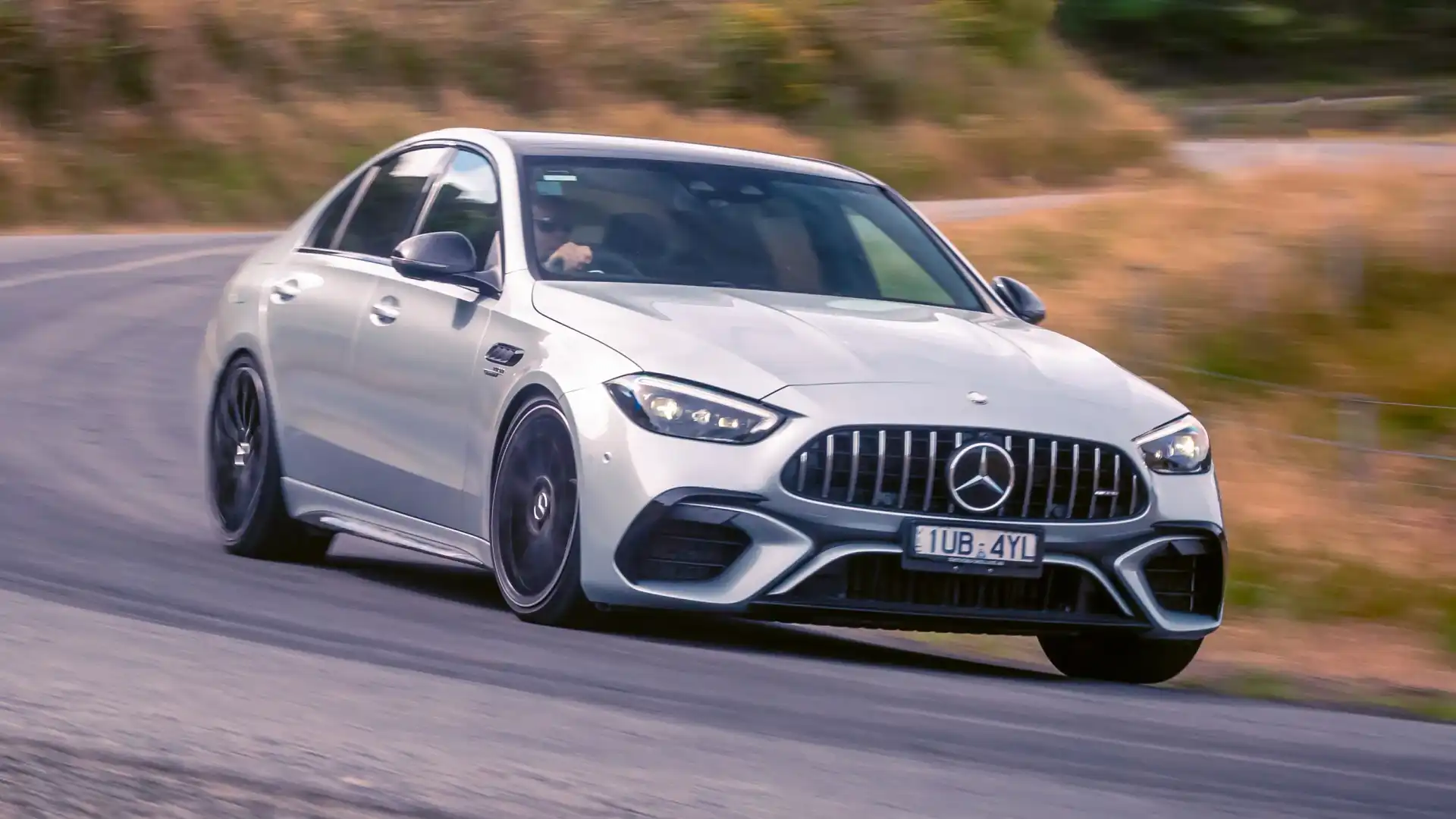
5. Mercedes‑AMG C63 S
The Mercedes‑AMG C63 S stands as a powerful performance sedan with braking systems designed to match its dynamic character. AMG engineers equip it with large brake rotors and multi‑piston calipers to handle intense deceleration. This hardware is paired with performance pads that resist fade during sustained use. The result is confident stopping power from elevated speeds.
Adaptive brake technology integrated with chassis systems helps the C63 S remain composed under hard braking. Electronic aids work with brake hardware to ensure wheel lock is prevented and stability is preserved. Suspension geometry reduces front end dive, allowing weight transfer to be managed effectively. Together, these systems enhance braking precision.
In testing environments, the C63 S often records shorter distances to stop from high entry speeds compared to peers. Drivers report that brake modulation remains smooth and intuitive, enabling precise control during abrupt stops. Heat management through well engineered cooling ducts ensures performance remains stable over repeated heavy use.
The choice of high performance tires complements the braking system by maximizing grip at the contact surface. These tires help the brakes perform near their potential, reducing stopping distances and improving road feel. Brake pedal feel is communicative and reassuring, giving drivers confidence when pushing the car hard.
The Mercedes‑AMG C63 S delivers braking capabilities that align with its powerful engine and agile chassis. Drivers appreciate how quickly the car can shed speed, enhancing both spirited driving and everyday responsiveness. In its class, the C63 S remains a strong contender thanks to its refined braking setup and dynamic balance.
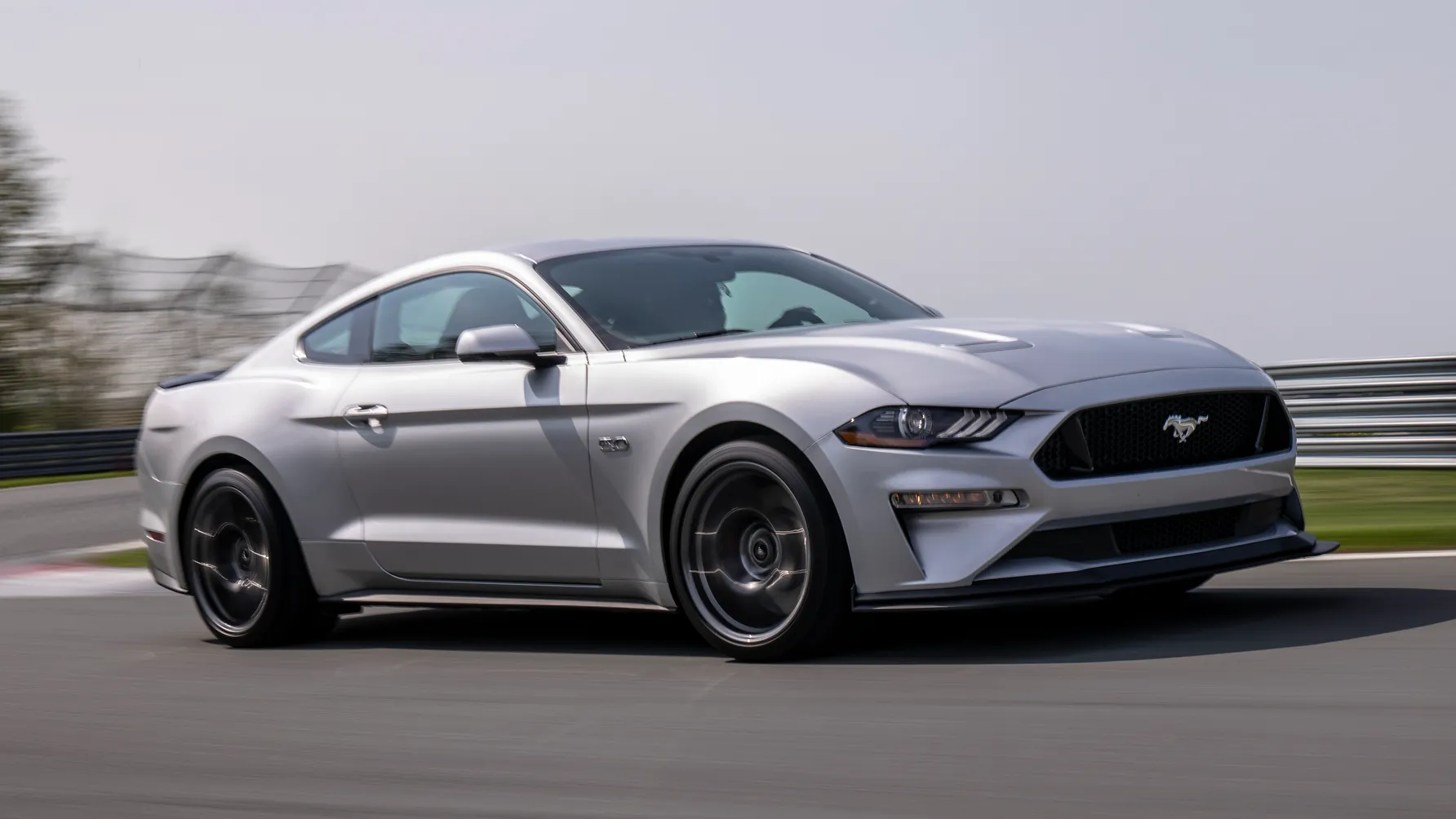
6. Ford Mustang GT Performance Pack
The Ford Mustang GT Performance Pack brings significant braking capability to the iconic American muscle segment. This package includes upgraded brake rotors and calipers designed for increased thermal capacity and force. Combined with performance brake pads, it allows the Mustang to decelerate rapidly from elevated speeds. Enthusiasts enjoy the strong bite and repeatable performance.
Suspension upgrades included in the performance pack aid braking by keeping weight distribution favorable. The car’s geometry under brake load helps maintain composure and reduces nose dive. Electronic stability and anti‑lock systems work with the hardware to ensure wheel control remains optimal. This coordination improves both safety and driver confidence.
High performance summer tires fitted in this package contribute to impressive traction during deceleration. The wide contact patch and compound help the brakes work closer to their capacity, reducing stopping distances. Drivers note that the pedals provide a satisfying level of feedback, helping them judge stopping points accurately in dynamic driving.
Repeat braking tests show the Mustang GT Performance Pack can handle multiple hard stops without significant fade, thanks to robust cooling and hardware design. This endurance makes it suitable for both track days and spirited road use. The balance between braking strength and chassis dynamics feels well calibrated for its class.
The Ford Mustang GT with this enhanced package delivers braking performance that complements its muscular character. It gives drivers reassurance that speed can be reduced quickly when needed. Combined with its distinct driving experience, this Mustang variant stands out for how it blends power with capable stopping ability.
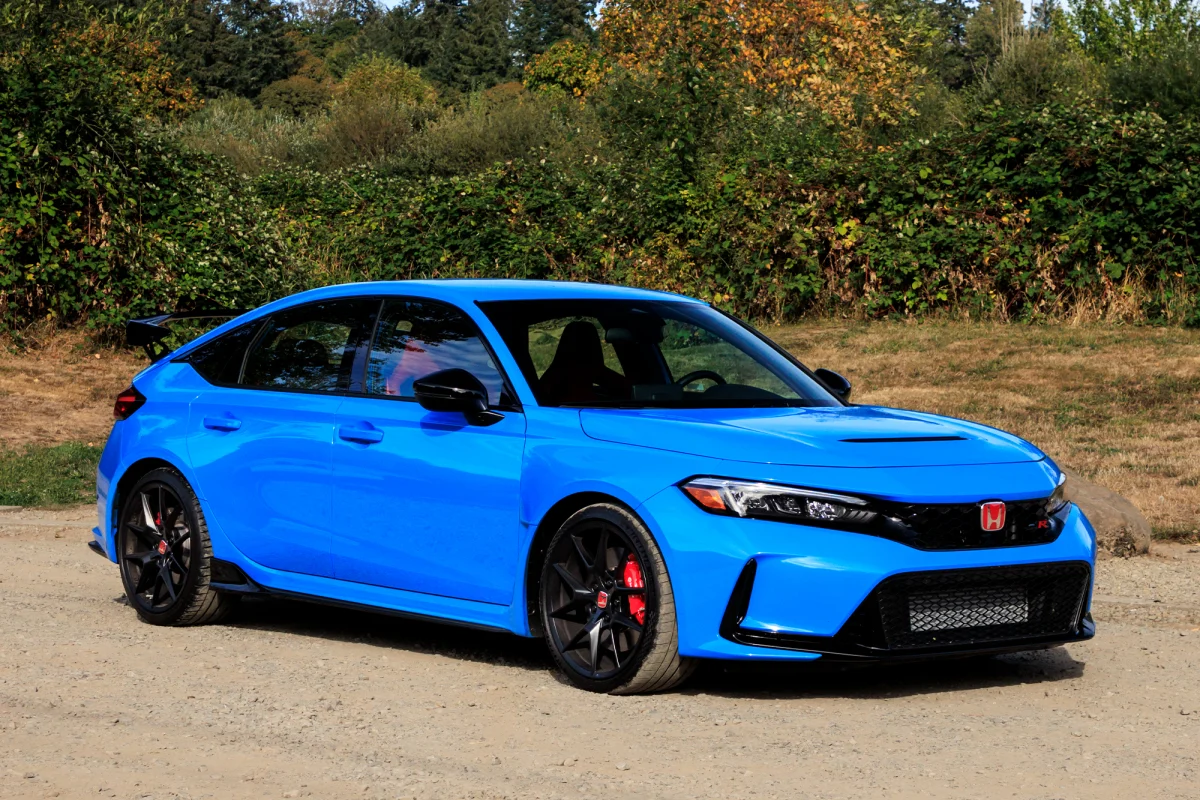
7. Honda Civic Type R
The Honda Civic Type R has earned respect in its class for dynamic handling and also for its braking performance. Engineers equip it with upgraded brake discs and multi‑piston calipers to provide strong stopping capability. The system is designed to be resistant to heat buildup, maintaining performance over repeated hard stops. This makes it ideal for both street and track use.
Front to rear weight balance and suspension geometry play a crucial role in how the Type R decelerates. When braking from speed, the car remains composed and predictable. Electronic systems like anti‑lock braking are tuned to complement driver input, preventing wheel lockup while maximizing grip. Tires contribute significantly to braking efficiency.
Testing often shows the Civic Type R achieving competitive stopping distances within its segment, impressing both reviewers and owners. The brake pedal feel is sharp yet smooth, enabling precise control in emergency and dynamic braking situations. This responsiveness enhances driver confidence, especially in spirited driving.
Cooling and thermal management for the braking system are well executed, ensuring that performance does not degrade quickly after multiple heavy stops. Suspension tuning helps maintain traction and reduce excessive forward pitch under braking. All these factors combine to create a well rounded stopping performance package.
For drivers who seek a performance hatchback that excels in handling and also stops with authority, the Honda Civic Type R offers an engaging experience. Its braking capabilities are among the best in its class, giving it an edge whether carving through twisty pavement or responding to sudden hazards. The balance of dynamics and stopping prowess makes it a standout choice.
8. Chevrolet Corvette Stingray
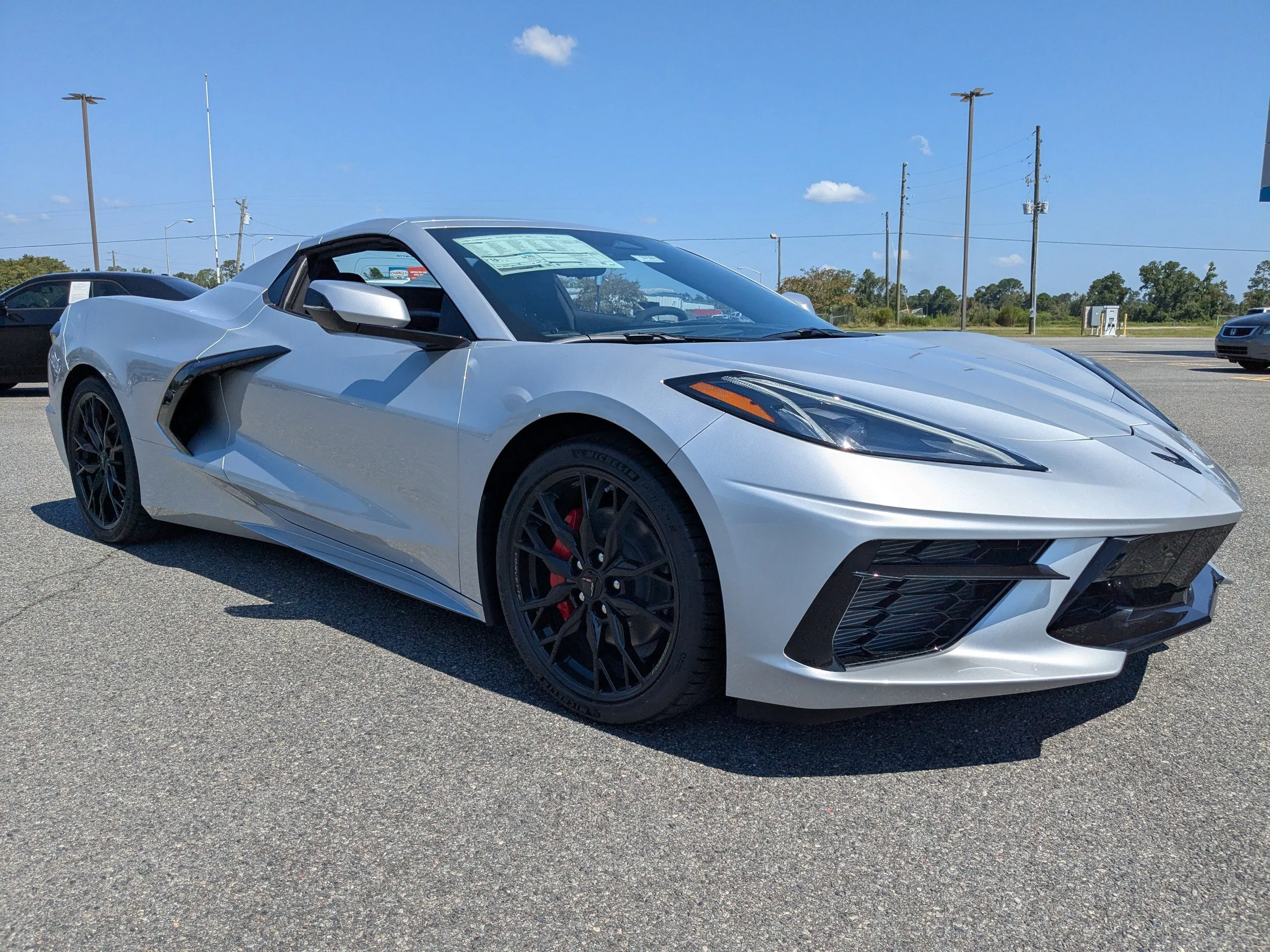
The Chevrolet Corvette Stingray merges supercar level performance with impressive braking capability for its class. Its braking system features large, ventilated rotors and high performance calipers engineered to handle intense deceleration demands.
This hardware works in tandem with advanced brake pads that resist fade even under repeated high speed stops. The results are short stopping distances that match the car’s strong acceleration.
Mid engine balance enhances how the Corvette Stingray manages weight transfer when braking. With the engine mounted behind the driver, weight distribution helps keep both front and rear tires engaged during deceleration. Electronic stability and anti‑lock systems are calibrated to complement the mechanical hardware, ensuring consistent wheel control. Tires further enhance grip to maximize braking performance.
On both road and track, the Corvette shows its ability to reduce velocity quickly while maintaining composure. The brake pedal feel is precise, allowing drivers to judge how much force is being applied easily. This clarity in feedback boosts confidence when approaching high speed corners or reacting to unexpected situations. Repeated stop tests reveal stable performance with limited fade.
Engineers have focused on brake cooling through carefully designed airflow paths, preventing excessive heat buildup during heavy use. This efficiency aids in sustaining braking power across multiple hard stops. Suspension tuning also mitigates forward pitch, keeping the car balanced and ensuring stability under intense deceleration. All components work together harmoniously.
The Chevrolet Corvette Stingray demonstrates how high performance sports cars can combine exhilarating speed with equally capable braking. This balance improves safety and driving enjoyment, making the Stingray a compelling choice for enthusiasts. Its stopping ability is among the best in its class, complementing its broader performance profile.
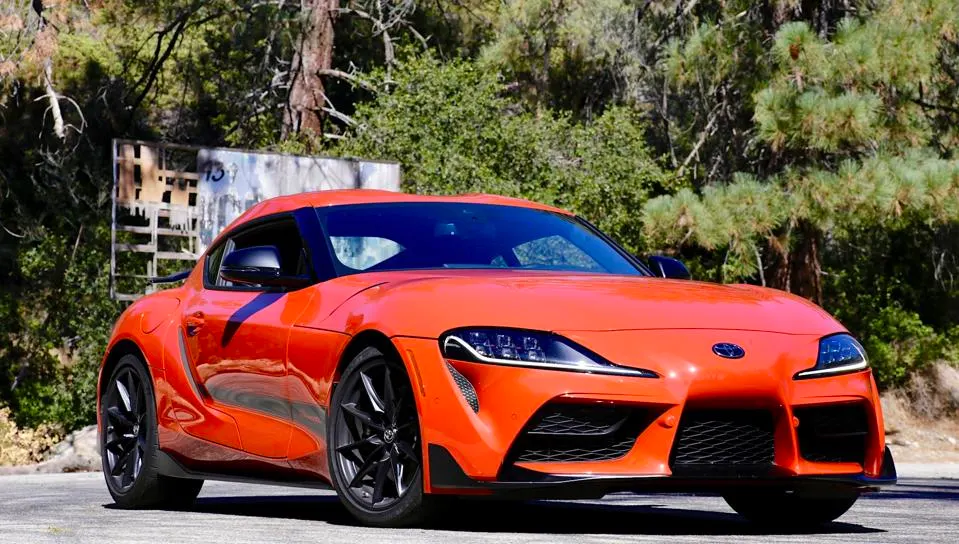
9. Toyota GR Supra
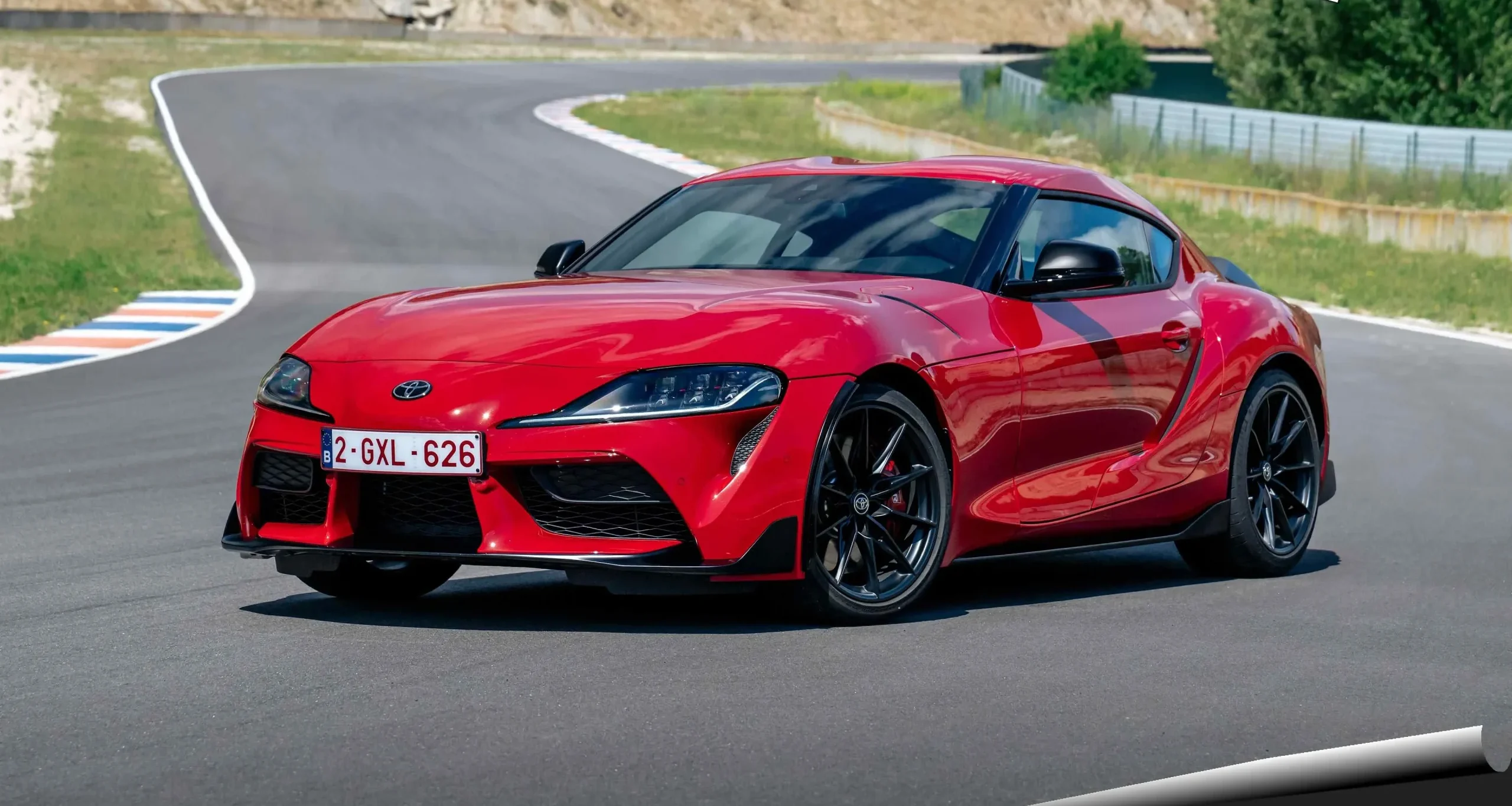
The Toyota GR Supra delivers strong braking performance befitting its sports car credentials. Its standard braking system includes ventilated rotors and multi‑piston calipers designed for powerful deceleration. Brake pads selected for this model provide consistent bite and resist fade. Together with performance tuned suspension, the Supra achieves responsive and confident stops.
When braking from speed, the GR Supra remains composed and predictable due to balanced weight distribution. The car’s electronics, including anti‑lock braking and stability control, assist in maintaining traction and direction. High performance tires provide necessary grip to maximize the braking system’s effectiveness. The combination creates a well integrated deceleration package.
In performance testing, the Supra records competitive stopping distances within its segment. The brake pedal feel is satisfying, offering drivers clear feedback and control. This enhances confidence when approaching tight corners or reacting to obstacles on the road. The system maintains stability even during intense braking efforts.
Engineers also accounted for heat management, ensuring that repeat stops do not significantly reduce braking effectiveness. Cooling ducts and rotor design help dissipate heat quickly, preserving performance. Suspension tuning minimizes body pitch, improving stability and reducing brake induced imbalance. These features make heavy braking feel natural and controlled.
Owners and critics alike praise the Toyota GR Supra for its balanced performance, with stopping ability that matches its lively acceleration and handling prowess. The braking package plays an important role in how the car behaves dynamically, enhancing both safety and driver enjoyment. In its class, it remains a noteworthy performer.
10. Tesla Model 3 Performance
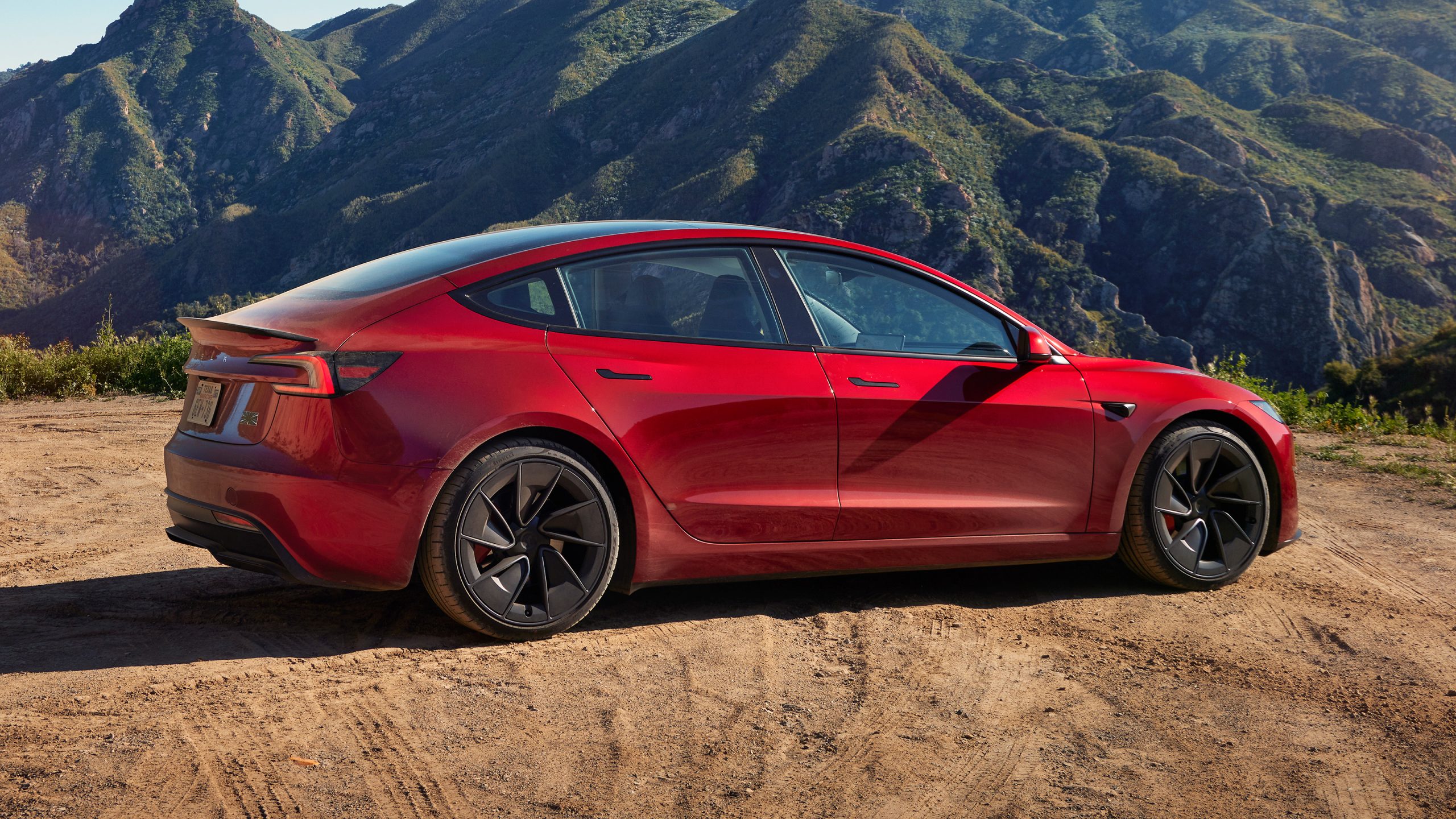
The Tesla Model 3 Performance offers surprising braking capability given its electric powertrain and weight characteristics. Engineers equip it with large front and rear ventilated rotors and performance calipers that manage strong deceleration effectively. Regenerative braking also contributes by slowing the car while recovering energy, which assists in reducing wear on mechanical brakes. This combination enhances stopping ability.
All wheel drive versions of the Model 3 distribute braking forces across all four wheels, helping maintain traction and stability during heavy stops. Electronic stability and anti‑lock systems monitor wheel speeds to maximize grip. Performance oriented tires provide significant contact with the road needed to shorten stopping distances. The car feels responsive and controlled during abrupt deceleration.
In testing scenarios, the Model 3 Performance exhibits short stopping distances relative to many vehicles in its category. The brake pedal provides predictable feedback, which helps drivers gauge how the car will react when slowing from speed. This confidence is important when navigating congested traffic or approaching sudden obstacles.
Thermal management of the braking system is supported not only by hardware design but also by regenerative braking reducing heat load. This electrical contribution helps maintain brake performance under repeated use. Suspension tuning also assists in keeping the vehicle balanced, so forward pitch is minimized when braking aggressively.
Owners appreciate how the Tesla Model 3 Performance merges electric propulsion with capable braking performance. The synergy of regen and traditional brakes provides a well rounded stopping experience that enhances safety. In its class, this model delivers compelling deceleration ability that complements its brisk acceleration and dynamic handling.
