
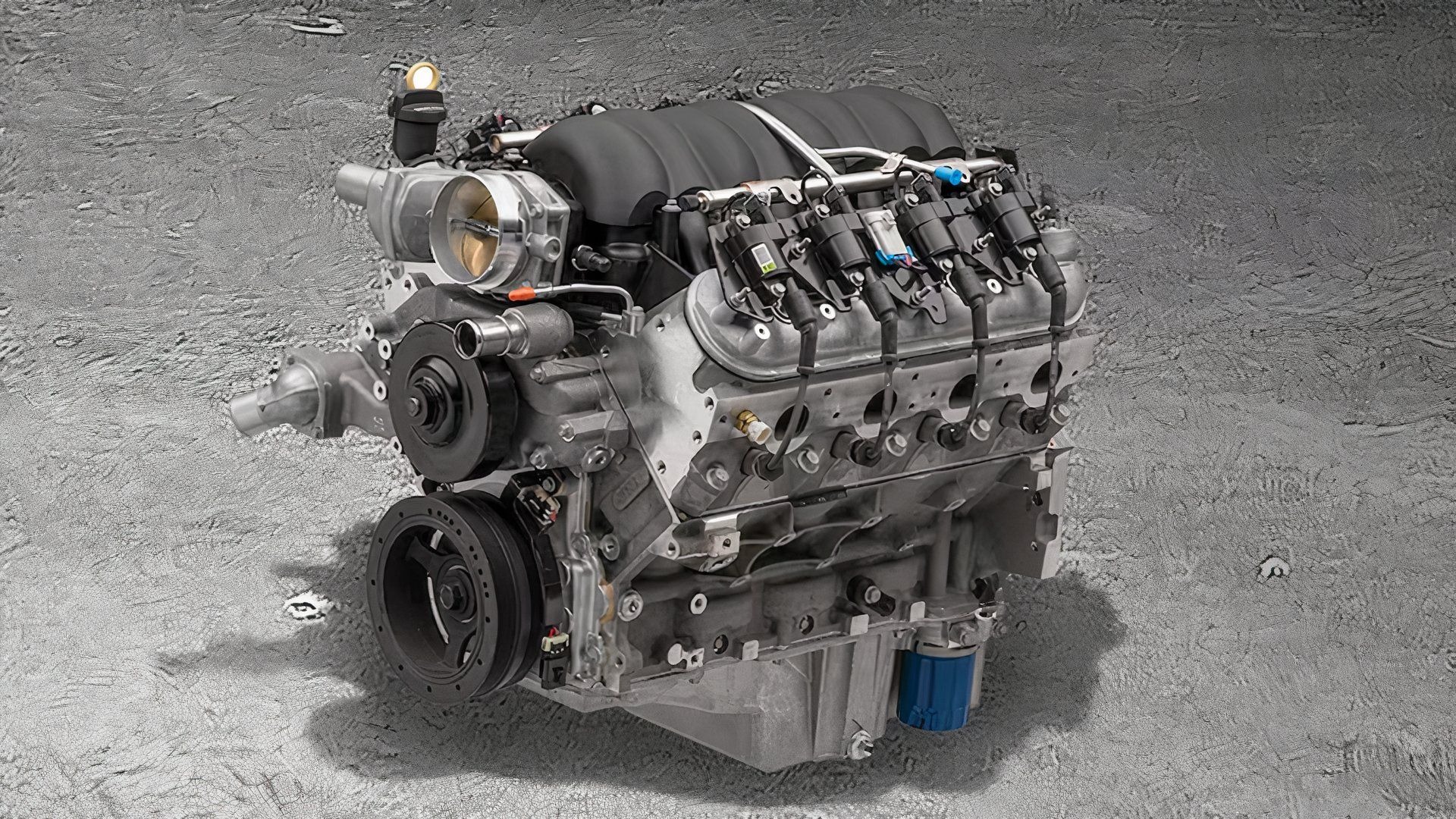
Performance enthusiasts are constantly looking for ways to get more power from their vehicles without spending excessively on internal engine modifications. One of the easiest ways to increase horsepower and torque is through forced induction, using turbochargers or superchargers to provide extra boost.
While most engines require internal reinforcements to handle significant increases in boost pressure, there are a select group of engines that are remarkably strong from the factory.
These engines can accept higher levels of boost without the need for forged pistons, upgraded rods, or stronger crankshafts. Understanding which engines can withstand additional boost can save both time and money for people seeking higher performance while keeping reliability intact.
The key factor in determining an engine’s ability to handle extra boost lies in its design, material strength, and tolerances. Engines that come from the factory with robust blocks, quality connecting rods, and well-engineered head gaskets tend to manage increased pressure better than engines built with cost-saving components.
Moreover, modern engines with precise fuel and ignition management systems can often compensate for the added stress from higher boost, making them more resilient than older designs. Knowledge of these engines allows enthusiasts to focus on upgrading supporting systems like intercoolers, fuel delivery, and exhaust without worrying about catastrophic engine failure.
Many automotive brands have developed engines that are inherently strong due to their intended use in performance models. These engines often feature aluminum or iron blocks with thicker cylinder walls, higher compression ratios designed for forced induction, and crankshafts capable of handling greater torque.
Some manufacturers even overbuild certain components, providing extra safety margins that allow enthusiasts to safely increase boost levels. As a result, these engines have become favorites for tuners who want to achieve significant power gains without resorting to a full internal rebuild.
In addition to mechanical strength, the engine’s cooling system and efficiency also play a crucial role. Engines with excellent thermal management can withstand higher boost because they maintain optimal operating temperatures, reducing the risk of detonation and overheating.
Paired with proper tuning, fuel upgrades, and supporting modifications, these engines can achieve impressive power outputs while maintaining longevity. For anyone considering forced induction upgrades, knowing which engines respond well to added boost is the first step toward a successful and enjoyable project.
This article will highlight ten engines known for their strength and ability to handle extra boost without internal upgrades. From turbocharged four-cylinders to larger V8 platforms, these engines demonstrate that significant power gains are possible without compromising reliability.
Each engine has been carefully chosen based on its factory design, proven aftermarket results, and widespread reputation among enthusiasts. By understanding these engines, readers can make informed decisions when building a high-performance vehicle capable of handling additional boost safely and efficiently.
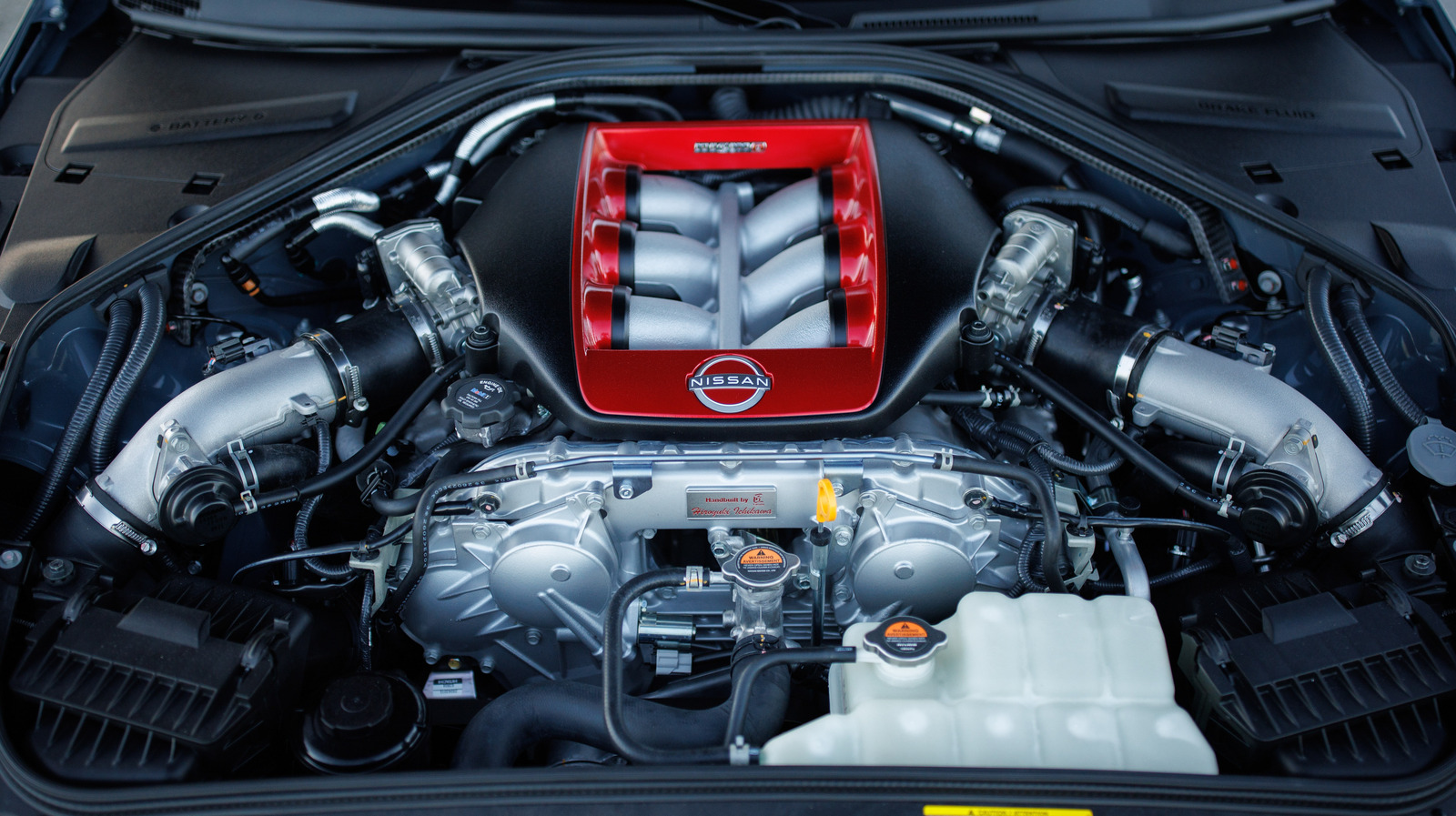
1. Nissan VR38DETT – GT-R Engine
The Nissan VR38DETT is famous for its performance in the GT-R. From the factory, it delivers massive horsepower with a twin-turbo setup. Enthusiasts have found it can handle significantly more boost without internal modifications. Its block is made of reinforced aluminum, providing strength and rigidity.
The engine’s forged pistons and strong connecting rods contribute to its durability under added pressure. Even with increased turbo boost, the engine maintains reliability when properly tuned. Many tuners have achieved over 700 horsepower on stock internals. Its twin-turbo layout distributes power efficiently, reducing stress on any single component.
Cooling is another strong point of the VR38DETT. It comes with an advanced cooling system that keeps temperatures stable. Heat management is critical when increasing boost, and this engine handles it exceptionally well. Intercooler upgrades complement the factory system for higher power levels. The engine’s design allows enthusiasts to push performance safely.
Fuel delivery is handled by high-capacity injectors that can support extra boost. Combined with proper engine management, the VR38DETT can run higher air-fuel ratios without detonation. Tuners often use software adjustments to safely increase boost levels. The stock turbochargers are also capable of supporting more airflow.
The VR38DETT exemplifies a modern engine designed with strength and performance in mind. Its components are robust enough to handle increased power. The combination of aluminum construction, strong internals, and advanced cooling makes it ideal for tuners. This engine consistently performs at high levels even without internal upgrades.
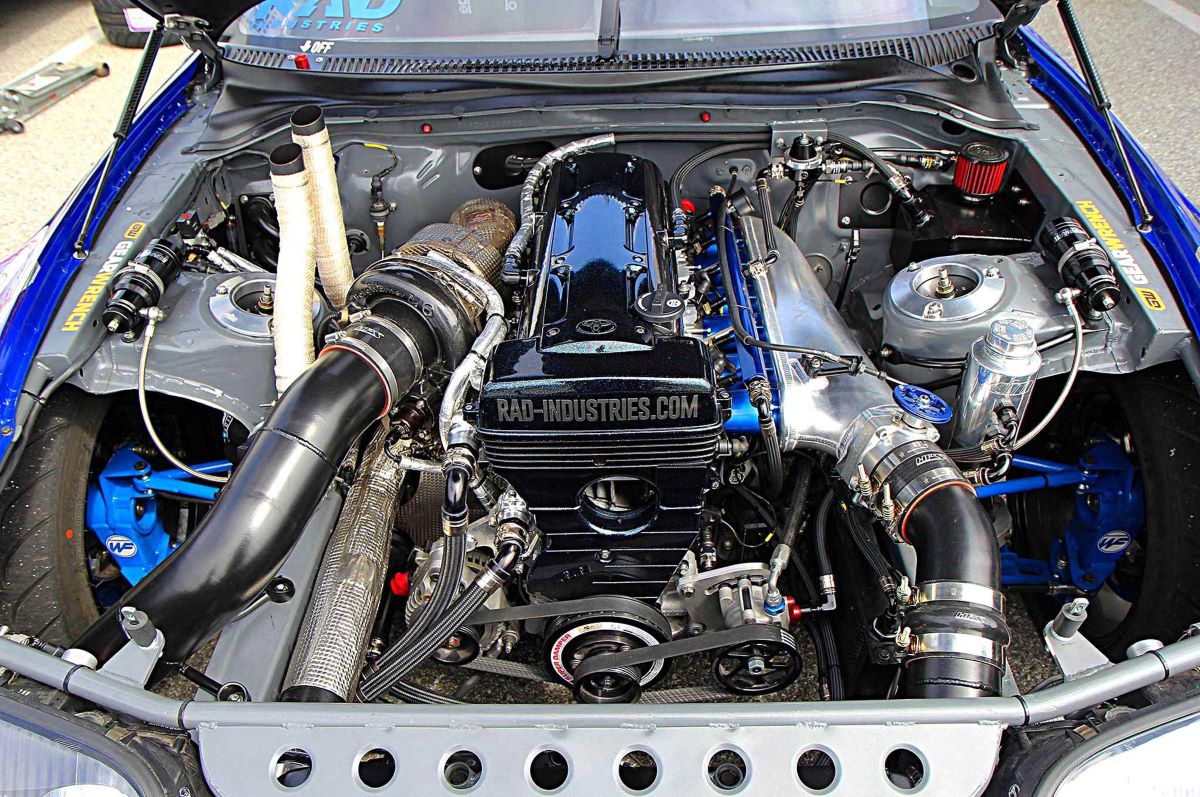
2. Toyota 2JZ-GTE – Supra Engine
The Toyota 2JZ-GTE has legendary status among performance enthusiasts. Known for its reliability, it is a 3.0-liter inline-six engine with twin turbos. The 2JZ-GTE is famous for handling high boost levels without internal modifications. Factory forged internals provide a strong foundation for tuning.
The engine block is made of cast iron, giving it exceptional strength. Connecting rods and pistons are designed to handle high cylinder pressures. Tuners have demonstrated over 1000 horsepower on stock internals with careful tuning. This robustness is rare for engines of its age.
Cooling and lubrication systems on the 2JZ-GTE are designed for extended performance. Oil and water flow efficiently to prevent heat buildup. Adequate cooling reduces the risk of detonation when boost is increased. Many tuners add aftermarket radiators and oil coolers to further enhance stability.
The engine also benefits from precise fuel management. Its factory fuel injectors can handle moderate boost increases without immediate upgrades. ECU tuning ensures proper ignition timing and air-fuel ratios. These adjustments allow safe gains in horsepower without compromising reliability.
The 2JZ-GTE has become a benchmark for tuners seeking forced induction power. Its combination of a strong iron block, forged internals, and proven aftermarket support makes it ideal. Many car enthusiasts still rely on this engine for high-boost builds without needing to rebuild the internals.
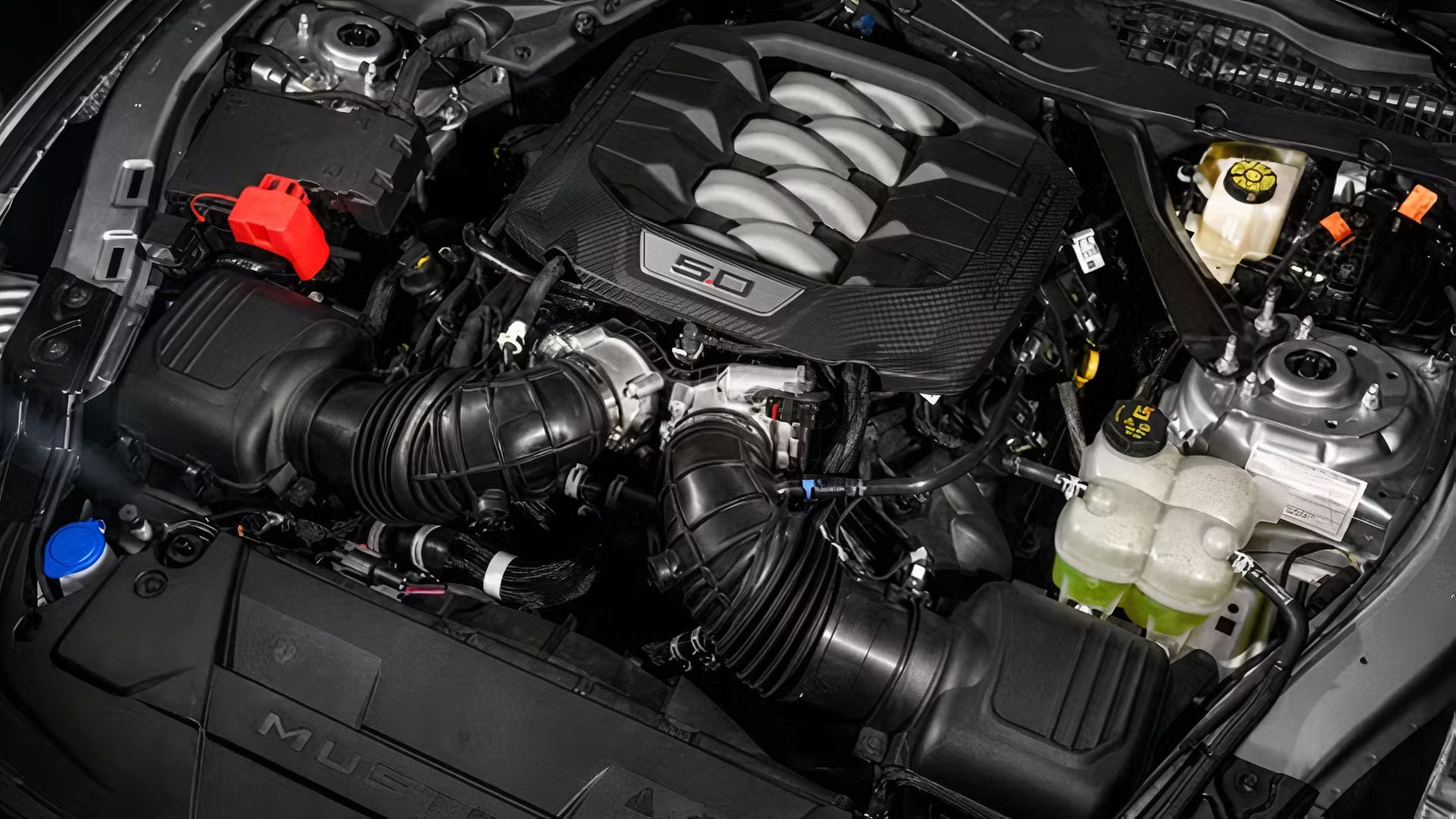
3. Ford 5.0 Coyote – Mustang Engine
The Ford 5.0 Coyote V8 has been praised for its durability. It is a naturally aspirated engine from the Mustang lineup that responds exceptionally well to forced induction. Stock components are engineered to withstand moderate boost increases. Its aluminum block balances light weight with structural strength.
Forged pistons and steel connecting rods provide a strong foundation for power upgrades. Tuners have successfully added superchargers or turbochargers with stock internals. Horsepower gains of 700 or more are achievable with careful tuning. The engine’s design reduces stress concentrations in critical areas.
The cooling system is effective at handling the extra heat generated by boost. Stock radiators and intercoolers can manage moderate upgrades. Efficient airflow through the engine bay prevents overheating under demanding conditions. Thermal stability is key for long-term reliability with added power.
Fuel delivery and ignition are flexible for tuning purposes. Stock injectors can handle modest increases in boost. Software tuning ensures timing and air-fuel ratios are optimized. Combined with aftermarket intakes or exhausts, these adjustments unlock significant performance safely.
The 5.0 Coyote engine offers a reliable platform for enthusiasts. It can handle additional boost without internal changes, making it a popular choice for Mustang owners. Its combination of light yet strong materials, effective cooling, and tuning potential ensures longevity and performance.
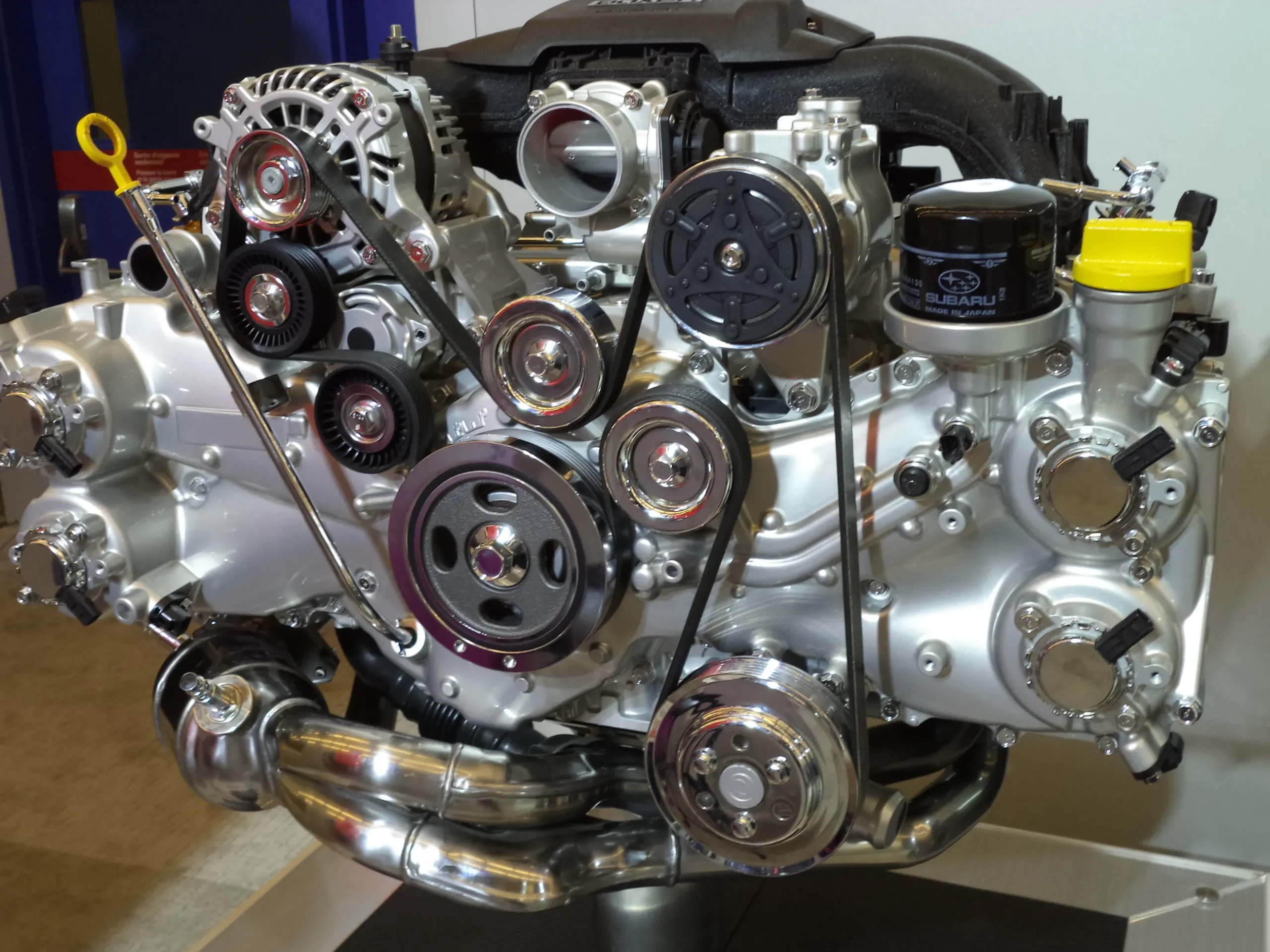
4. Subaru EJ257 – WRX STI Engine
The Subaru EJ257 is a 2.5-liter turbocharged flat-four engine used in the WRX STI. Its horizontally opposed layout provides a low center of gravity and excellent balance under stress. The engine block is reinforced and designed to withstand higher cylinder pressures, making it ideal for increased boost. Its factory components are already robust enough to handle moderate tuning without internal upgrades.
Forged pistons and high-strength connecting rods give the EJ257 an edge when managing additional boost. Many tuners have safely pushed this engine past 400 horsepower without compromising reliability. The stock turbochargers can support extra airflow with careful tuning. The engine’s design distributes forces evenly, reducing the risk of failure in critical areas.
The cooling system on the EJ257 is efficient, with dual oil coolers and strong water flow. Heat buildup is often a limiting factor in boosted applications, and Subaru accounted for this with extra capacity. When paired with aftermarket intercoolers, this engine can maintain stable temperatures even under increased boost levels. Its durability is well-known in rally and street applications alike.
Fuel delivery and engine management also contribute to its tuning potential. Stock injectors are capable of supporting moderate boost increases, and the ECU can be tuned to optimize ignition and air-fuel ratios. This makes the EJ257 very accessible for enthusiasts seeking power without a full rebuild. Boost adjustments and timing control can dramatically increase output while retaining reliability.
The EJ257 continues to be a favorite for Subaru fans. Its combination of durable internals, advanced cooling, and strong factory construction allows significant performance gains. Whether on a street car or a track vehicle, this engine proves that it can take additional boost without internal modifications. Its reliability under stress makes it an excellent candidate for tuners seeking efficiency and power.
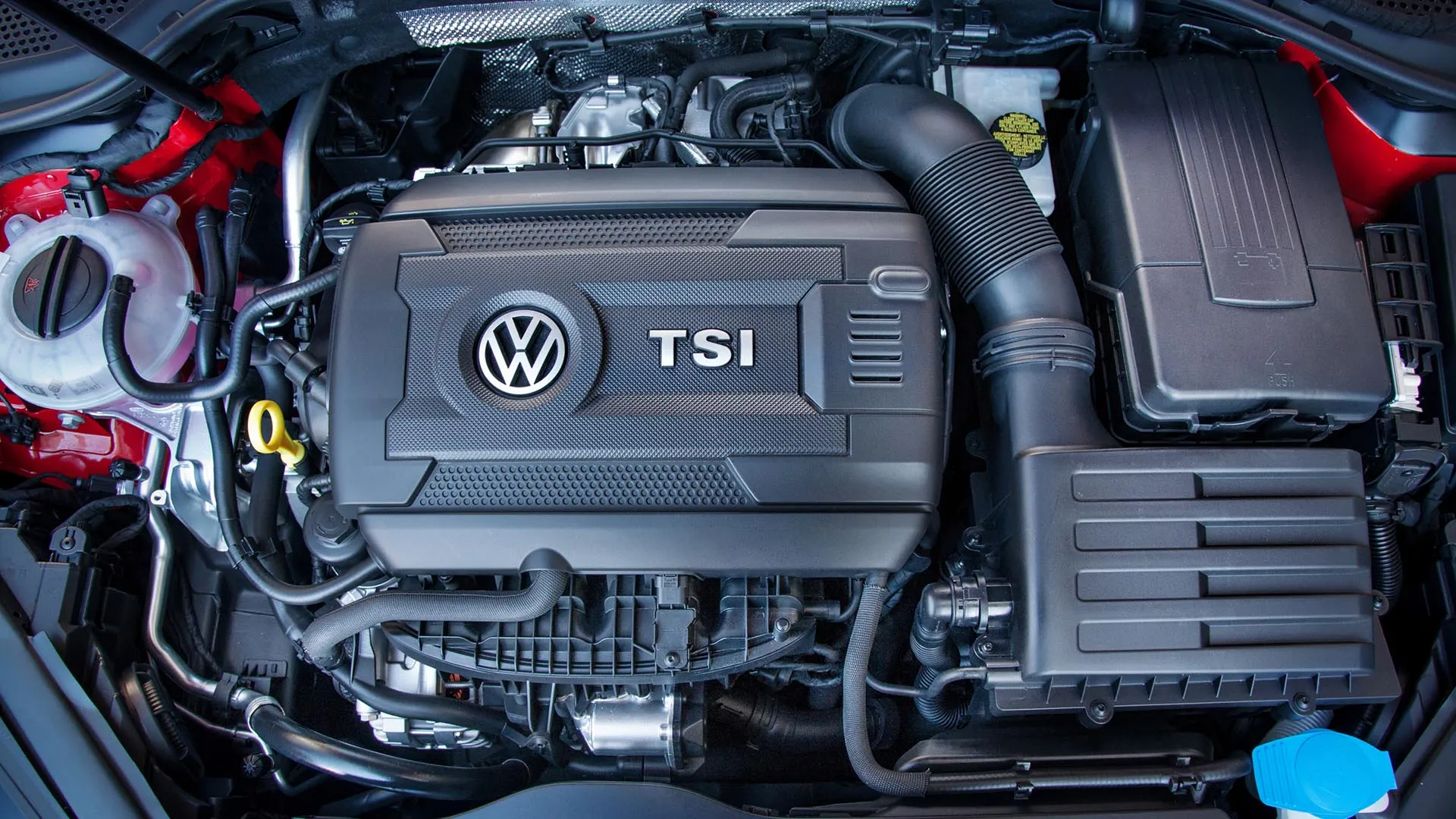
5. Volkswagen EA888 Gen 3 – Golf GTI Engine
The EA888 Gen 3 2.0-liter turbocharged four-cylinder engine powers cars like the Golf GTI and Audi A3. It is well-regarded for its strength and efficiency in handling extra boost. The engine features a high-strength aluminum block and forged components in critical areas, which allow it to manage increased pressure without major internal upgrades.
Turbocharging is a factory feature on this engine, and its design tolerates moderate to high boost increases. Stock internals, including pistons and rods, are engineered to withstand stress from elevated turbo pressure. Tuners commonly achieve power gains of 350 to 400 horsepower without rebuilding the engine. Careful tuning and upgraded supporting components further enhance reliability.
The EA888’s cooling system efficiently maintains temperatures under load. Intercoolers and radiators from the factory keep the engine within safe operating limits. Maintaining thermal stability is crucial for handling extra boost, and this engine handles it well with minimal modification. Consistent performance is achievable even during aggressive driving.
Fuel and ignition management are adaptable for tuning purposes. Stock injectors can support moderate increases in boost when paired with tuning software. ECU remaps allow precise timing and air-fuel ratio adjustments. This flexibility makes the engine ideal for enthusiasts seeking extra power without a full internal overhaul.
Due to its reliability and tuning potential, the EA888 Gen 3 is popular in the aftermarket scene. It demonstrates that a small displacement four-cylinder can achieve substantial performance increases safely. With strong factory construction, balanced cooling, and adaptable tuning, this engine continues to impress tuners seeking additional boost without internal upgrades.
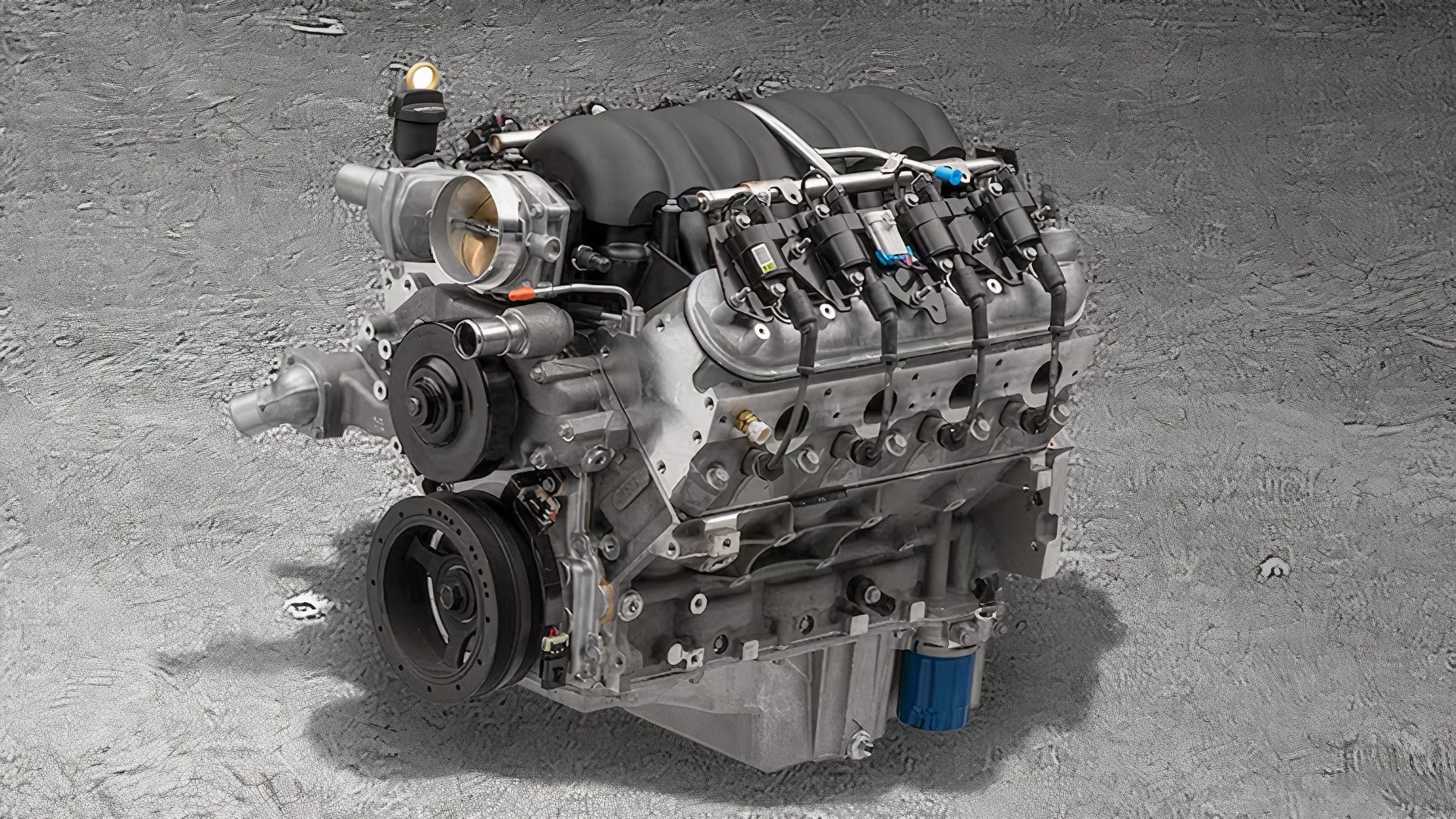
6. Chevrolet LS3 – Corvette Engine
The LS3 is a 6.2-liter naturally aspirated V8 engine from Chevrolet, used in vehicles like the Corvette and Camaro. Its iron block and forged components give it a reputation for strength. Many enthusiasts have successfully added superchargers or turbochargers without internal upgrades. Its factory engineering prioritizes durability alongside performance.
Forged pistons and connecting rods handle additional cylinder pressures efficiently. The engine’s design distributes forces evenly across the crankshaft. Tuners have safely achieved horsepower gains beyond 600 with careful tuning and proper cooling upgrades. Stock components rarely require reinforcement at moderate boost levels.
Cooling and oiling systems in the LS3 are designed to manage extra stress. The engine has sufficient flow to prevent overheating, even with forced induction. Aftermarket intercoolers or upgraded radiators enhance reliability. This ensures that additional boost can be applied without compromising engine health.
Fuel management is robust, and stock injectors can support moderate increases in boost. ECU tuning allows adjustment of timing and air-fuel ratios. Paired with forced induction, the LS3 responds well to added boost. These factors make it a reliable platform for tuners seeking high horsepower without opening the engine.
The LS3 engine is widely recognized for its reliability and tuning potential. Its combination of strong internals, effective cooling, and adaptable ECU settings allows significant power gains without internal modifications. For performance enthusiasts, it provides a solid foundation for high-boost builds while maintaining long-term durability.
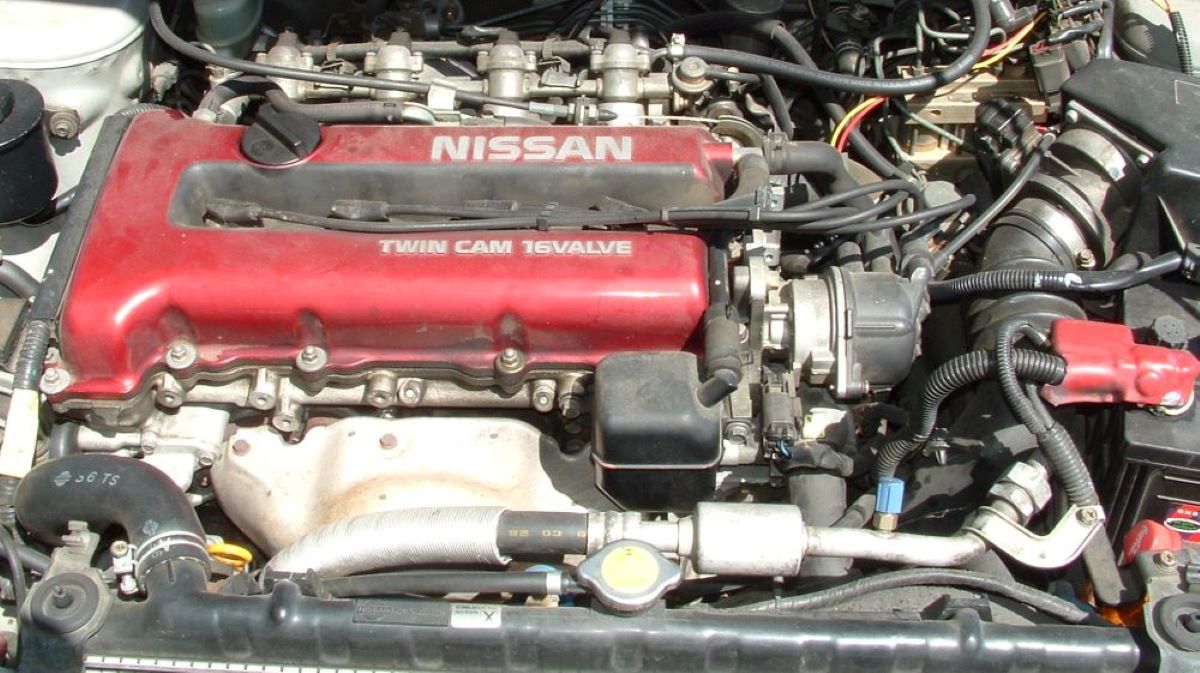
7. Nissan SR20DET – Silvia Engine
The SR20DET is a 2.0-liter turbocharged inline-four engine found in Nissan Silvia models. Its lightweight construction and durable components make it capable of handling additional boost. Many enthusiasts have successfully increased turbo pressure without changing internal parts. The engine has a strong reputation in the drift and tuner communities for its reliability.
Forged pistons and reinforced rods provide extra strength under stress. Factory tolerances are generous, allowing moderate increases in boost. Many builds reach 400 horsepower on stock internals with careful tuning and cooling upgrades. The engine’s compact size and balance reduce strain on critical components.
Cooling systems are adequate for forced induction applications. With proper intercooling and coolant flow, the SR20DET maintains optimal temperatures. Heat management is a crucial factor for high boost builds, and this engine responds well to careful tuning. Its durability under stress has made it a favorite among motorsport enthusiasts.
Fuel delivery is supported by stock injectors, allowing for moderate boost increases. ECU tuning is used to optimize ignition timing and air-fuel ratios. These adjustments make it possible to safely raise boost levels without internal upgrades. Combined with turbo upgrades, the SR20DET achieves significant power gains reliably.
The SR20DET remains an iconic choice for tuners worldwide. Its combination of strong internals, effective cooling, and precise fuel management allows high-performance builds without a complete rebuild. For anyone seeking extra boost on a small displacement turbo engine, the SR20DET continues to deliver proven results.
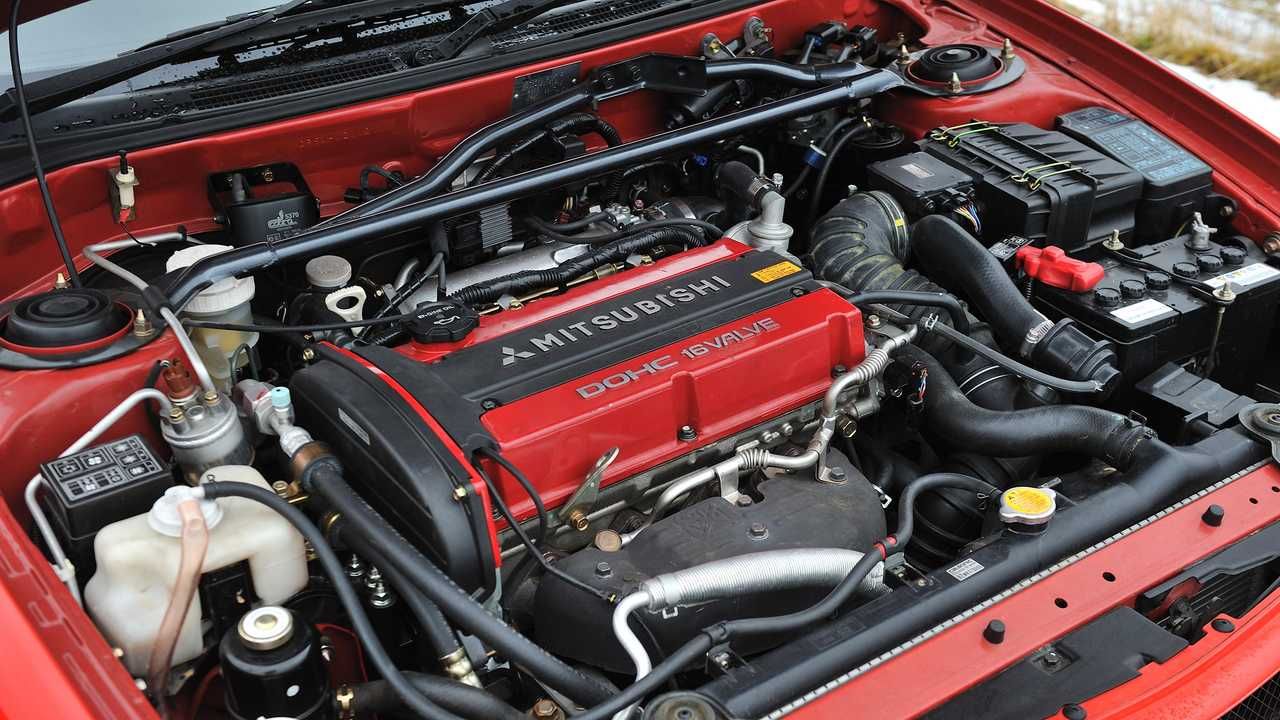
8. Mitsubishi 4G63T – Lancer Evolution Engine
The Mitsubishi 4G63T is a 2.0-liter turbocharged inline-four engine found in the Lancer Evolution models. It has earned a legendary reputation for handling high boost without internal upgrades. Its robust cast-iron block and well-engineered head design provide a strong foundation for performance tuning. Many tuners rely on this engine for its reliability under stress.
Forged pistons and reinforced connecting rods contribute to its ability to withstand additional boost. Stock internals can support moderate to high turbo pressures when paired with proper tuning. With upgraded intercooling and fuel management, horsepower gains well above 400 are achievable. The design distributes forces efficiently, reducing the likelihood of component failure.
Cooling is a key factor in the 4G63T’s performance. Factory oil and water flow systems maintain stable operating temperatures. The engine can handle repeated high-load scenarios without significant heat-related issues. Aftermarket support, such as larger radiators or enhanced intercoolers, further increases thermal efficiency.
Fuel delivery is supported by factory injectors that can handle moderate boost increases. ECU tuning allows adjustment of ignition timing and air-fuel ratios for higher performance. This flexibility makes the 4G63T highly adaptable for tuners who want more power without a full internal rebuild. The combination of stock reliability and aftermarket support ensures safe boost levels.
The 4G63T remains one of the most respected engines among Japanese performance enthusiasts. Its durable internals, strong block construction, and efficient cooling system make it ideal for high-boost applications. With proper tuning and supporting modifications, the engine achieves remarkable performance without compromising reliability. Its reputation continues to thrive in both street and motorsport communities.
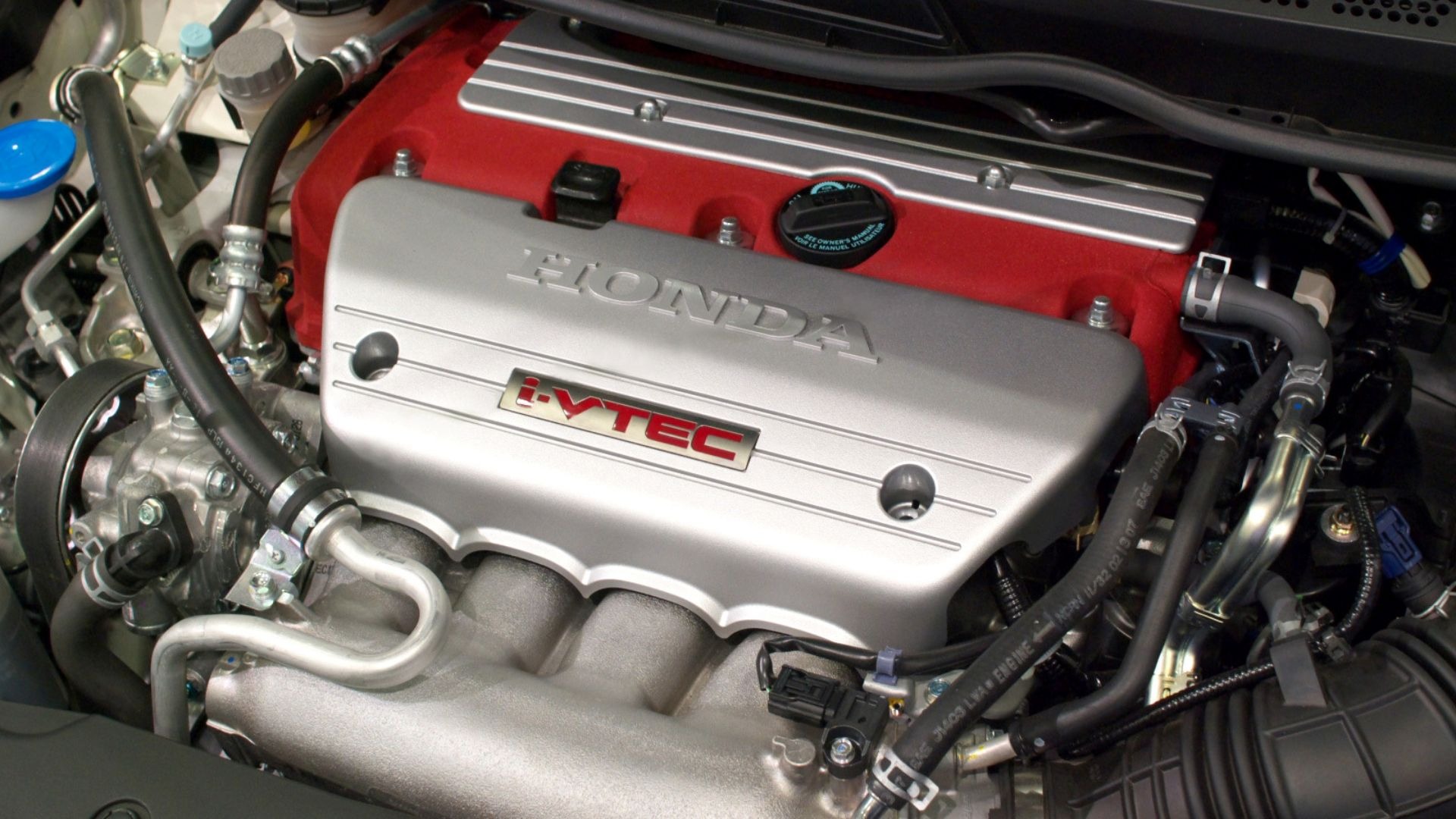
9. Honda K20 – Civic Type R Engine
The Honda K20 series, especially in the Civic Type R, is a naturally aspirated 2.0-liter inline-four engine that responds exceptionally well to turbocharging. Its lightweight and strong design allow it to handle additional boost with minor modifications. The block and head are engineered to withstand stress, making it a favorite among tuners looking for reliability under added pressure.
Stock internals, including high-quality rods and pistons, can tolerate moderate boost when carefully tuned. Many enthusiasts have successfully added turbochargers to the K20 without a complete rebuild. The engine’s compact layout and efficient design distribute stress evenly, reducing the risk of internal failure. Power gains of 400–500 horsepower have been achieved safely with proper tuning.
Cooling efficiency is a significant advantage of the K20. Its water and oil flow systems maintain optimal temperatures under high load conditions. Aftermarket intercoolers and radiators can enhance its capacity to manage heat. This ensures that added boost does not compromise long-term reliability, allowing enthusiasts to push the engine safely.
Fuel delivery is supported by precise stock injectors, while ECU tuning allows adjustments to timing and air-fuel ratios. With these tools, the K20 can handle moderate to high boost levels effectively. Careful tuning ensures the engine avoids detonation and maintains performance even under aggressive conditions.
The K20 engine has become synonymous with lightweight performance and tunability. Its strong internals, efficient cooling, and adaptability for forced induction make it an ideal choice for enthusiasts. With proper supporting modifications, the engine can achieve significant power gains without the need for a full internal rebuild, maintaining reliability and longevity.
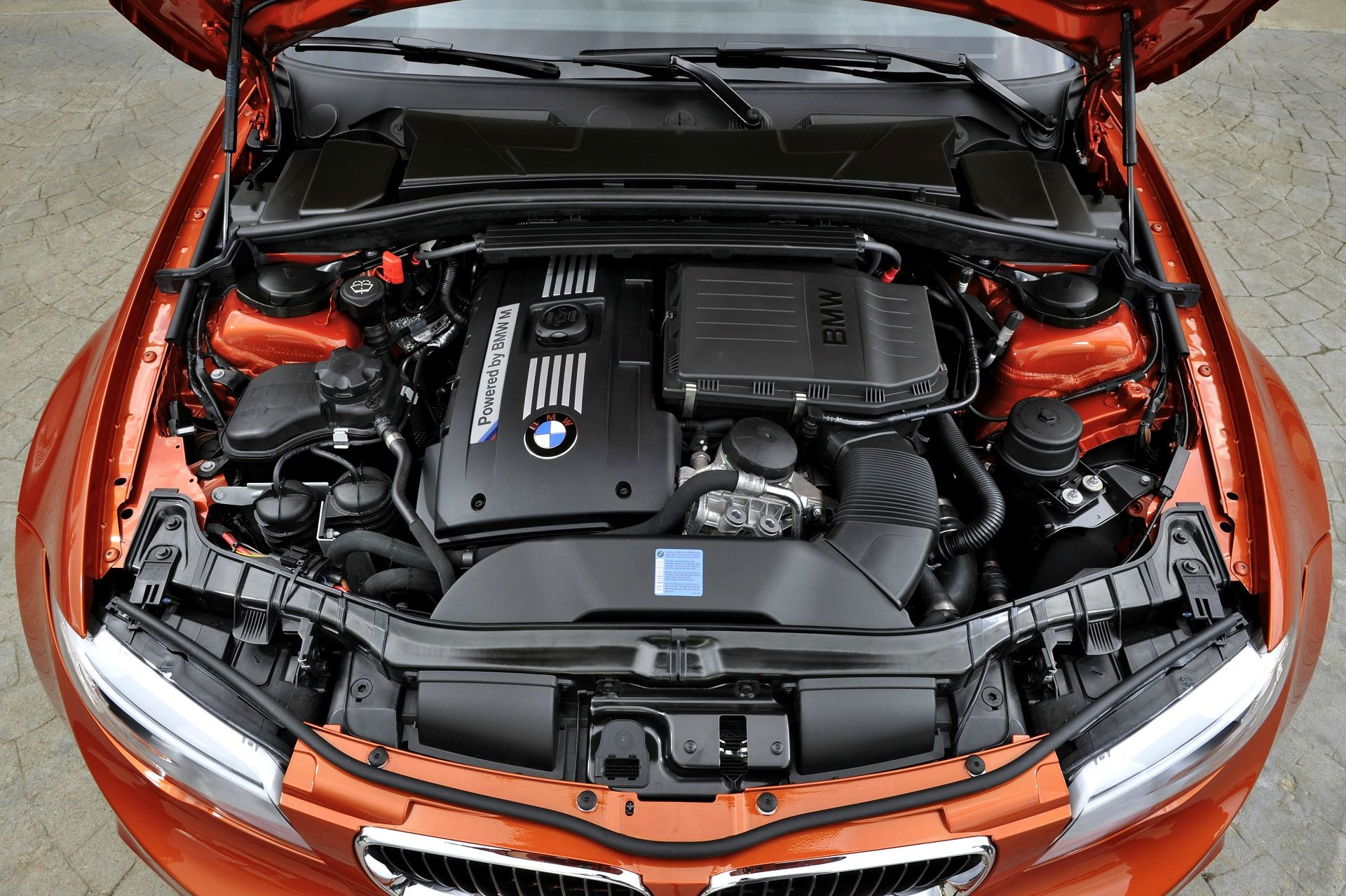
10. BMW N54 – 335i Engine
The BMW N54 is a 3.0-liter twin-turbo inline-six engine that powers vehicles like the 335i. It has gained a reputation for robustness and tuning potential. Its cast-iron cylinder liners and reinforced aluminum block provide the strength needed to tolerate additional boost without internal upgrades. Tuners frequently use this engine for high-output builds.
Stock internals, including pistons and connecting rods, are durable and can support moderate boost increases. The engine’s twin-turbo configuration distributes forces evenly, reducing stress on individual components. Many builds safely achieve 450–500 horsepower with careful ECU tuning. The engine design prioritizes reliability alongside performance.
Cooling is a critical component of the N54’s performance. Its factory water and oil systems maintain stable operating temperatures under forced induction. Aftermarket intercoolers can further reduce heat, allowing higher boost safely. Thermal stability ensures consistent performance even during extended high-load operation.
Fuel and ignition systems are flexible for tuning purposes. Stock injectors support moderate boost increases, while ECU adjustments optimize timing and air-fuel ratios. These capabilities allow the N54 to achieve impressive power gains without requiring internal modifications. Proper tuning is key to balancing performance and reliability.
The N54 continues to be a favorite among BMW enthusiasts and tuners worldwide. Its combination of strong internals, effective cooling, and adaptable software support makes it capable of handling significant boost safely. With careful planning, this engine demonstrates that high-performance forced induction builds can be achieved without compromising long-term durability.
