
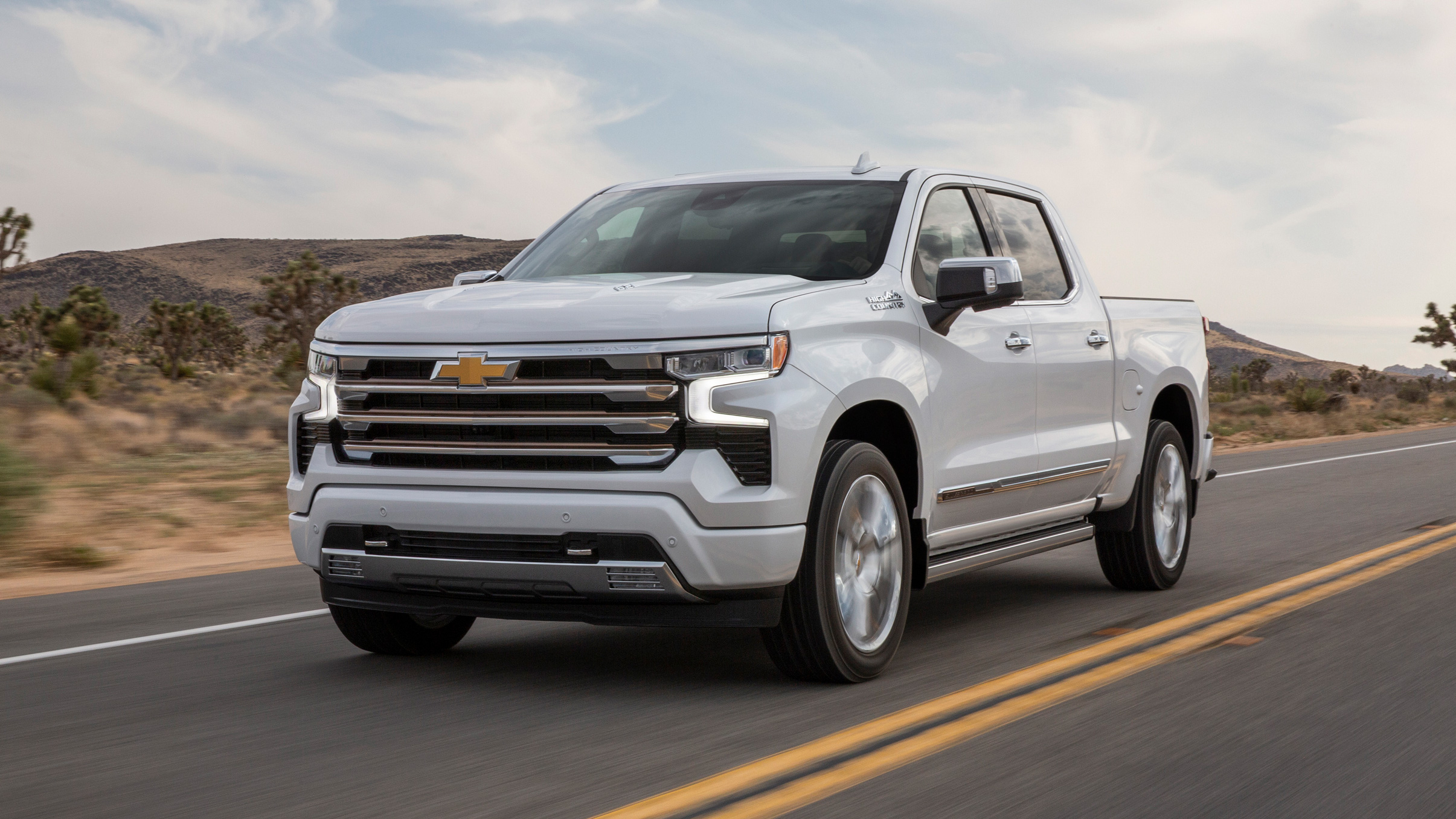
The 1970s marked an era when trucks were more than just workhorses; they began to reflect style, power, and performance. Manufacturers recognized the growing desire among drivers for vehicles that could haul heavy loads while delivering exhilarating speed.
These trucks combined brute force with refined engineering, and their performance capabilities often rivaled those of contemporary muscle cars. Unlike modern trucks designed primarily for comfort or utility, 1970s performance trucks focused on delivering raw power, aggressive looks, and an unmistakable presence on the road.
They were built with large V8 engines, heavy-duty suspensions, and durable transmissions, which allowed them to withstand high stress while maintaining impressive speed.
Many of these trucks featured design elements that highlighted their sporty nature. Raised hoods, wide tires, and chrome accents made them stand out in any setting. Their interiors, while often simple, emphasized functionality with added touches like sport steering wheels and unique gauges.
These trucks also showcased the engineering creativity of the time, as manufacturers experimented with various performance packages and optional upgrades. Collectors today still prize these vehicles not just for nostalgia but also for their mechanical excellence. Restored models can achieve acceleration and handling levels that surprise even experienced drivers, proving that speed was not limited to sports cars.
The performance trucks of the 1970s also reflected the cultural trends of the era. Muscle cars dominated streets and drag strips, and trucks began adopting similar performance philosophies. Enthusiasts demanded vehicles that could perform in drag racing, desert trails, and everyday driving without compromise.
Manufacturers responded by offering trucks with high-output engines, heavy-duty suspensions, and limited-slip differentials. This created a generation of vehicles that combined practicality with thrilling performance. Owners could drive their trucks to work, tow a trailer, and still enjoy impressive horsepower and torque during weekend drives or informal races.
Another factor that contributed to the lasting appeal of these trucks was their simplicity. Unlike modern vehicles filled with electronics and computerized systems, 1970s trucks relied on mechanical systems that were straightforward to modify or repair.
This simplicity allowed owners to enhance performance without specialized tools or expertise. Enthusiasts could upgrade carburetors, exhaust systems, and camshafts to squeeze additional power from already potent engines. This tunability made these trucks highly attractive to performance-minded drivers who enjoyed hands-on modifications.
Today, the surviving examples of these trucks continue to be modified and improved, keeping their performance spirit alive decades after their initial production.
1970s performance trucks represented a unique intersection of utility, speed, and style. They were designed to perform tasks typical trucks handled but with the heart of a sports car. Their durability, power, and mechanical simplicity have allowed many of these vehicles to remain fast and competitive even by modern standards.
Enthusiasts and collectors value them not only for their historical significance but also for the driving excitement they continue to provide. Examining these trucks today reveals a period in automotive history when performance was achievable without sacrificing the rugged characteristics expected from a pickup, making them icons of both speed and utility.
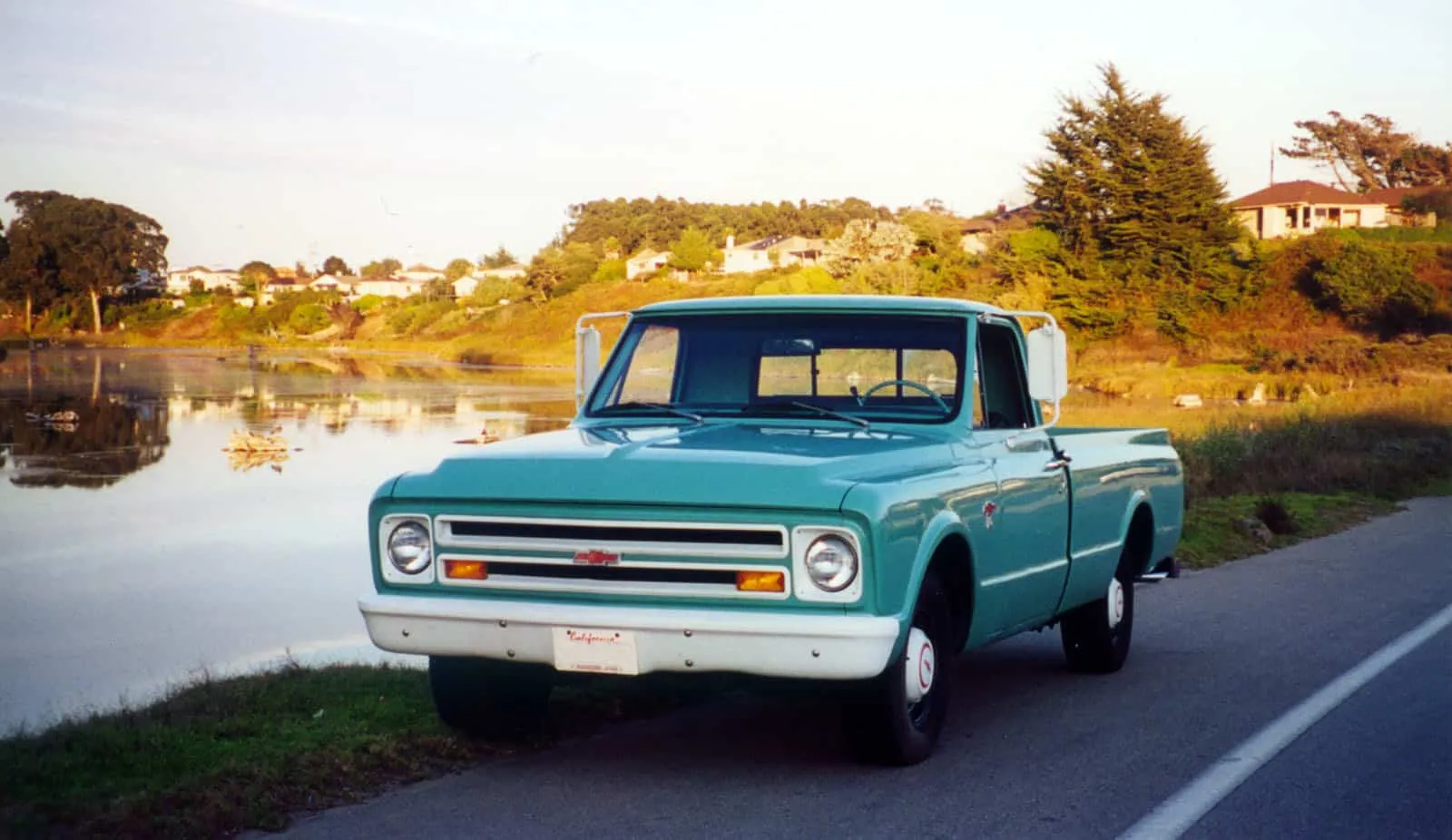
1. Chevrolet C10 SS
The Chevrolet C10 SS was a standout in the late 1970s for combining a lightweight frame with powerful V8 engines. Chevrolet offered a variety of engine options, including the legendary 350 and 454 cubic-inch V8s.
These trucks could achieve impressive acceleration while still carrying cargo efficiently. The suspension setup allowed for stable handling despite the vehicle’s heavy build, making it a favorite among enthusiasts.
Visually, the C10 SS exuded aggressive style. Dual headlights, chrome bumpers, and bold SS badging emphasized its performance heritage. Many models featured factory paint schemes with racing stripes or two-tone finishes.
The interior, while utilitarian, included sporty touches like bucket seats and a performance-oriented steering wheel. These design choices highlighted its dual purpose as a work truck and a performance vehicle.
The drivetrain options made the C10 SS versatile on the road. Paired with either a four-speed manual or automatic transmission, the truck delivered a thrilling driving experience.
Some owners further enhanced performance with aftermarket headers and exhaust systems. These modifications increased horsepower and provided the distinctive rumble that made the C10 SS instantly recognizable. Even today, restored examples maintain this raw power and character.
Durability was another key strength of the C10 SS. The robust chassis and reinforced frame allowed it to withstand repeated high-speed runs without compromising structural integrity. Enthusiasts appreciate how the truck maintains its performance capabilities decades after production.
Many modern collectors seek out C10 SS models because they represent a perfect balance of classic design, mechanical simplicity, and speed.
The C10 SS also holds a cultural significance among truck enthusiasts. It became a symbol of performance trucks entering mainstream popularity. Its presence in racing events, car shows, and street competitions cemented its reputation as a fast and reliable truck. Today, it remains a benchmark for evaluating other performance trucks from the same era. Its combination of style, speed, and durability ensures its lasting appeal.
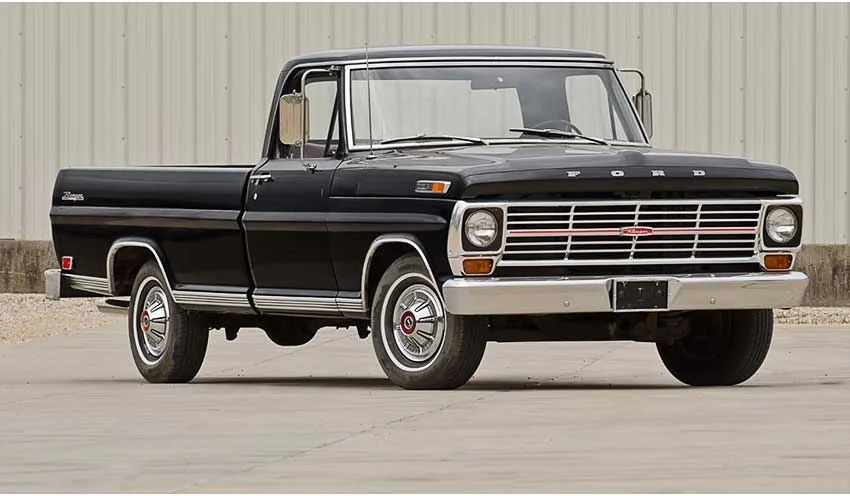
2. Ford F-100 Ranger
The Ford F-100 Ranger XLT gained popularity in the 1970s for its blend of utility and performance. Equipped with engines ranging from a 302 to a 460 cubic-inch V8, these trucks offered significant horsepower and torque.
Their lightweight design and responsive suspension made them faster than many of their contemporaries. Drivers appreciated how the F-100 could deliver both everyday practicality and spirited driving performance.
The styling of the Ranger XLT was sleek for its time. Its chrome accents, squared-off design, and optional sport packages gave it a muscular look. Interiors combined durability with comfort, including vinyl seats and straightforward dashboards. The design emphasized functional elegance, appealing to both truck buyers and performance enthusiasts.
Engine tuning options expanded the truck’s performance capabilities. Many owners installed upgraded carburetors, exhaust headers, and performance camshafts.
These modifications could significantly increase power without compromising reliability. The combination of a large engine, lightweight frame, and tuned components made the F-100 Ranger XLT a strong competitor in drag racing and street performance events.
Handling was another area where the F-100 Ranger XLT excelled. The independent front suspension and leaf-spring rear setup allowed it to corner better than heavier trucks. Stability at high speeds contributed to its reputation as a performance-oriented vehicle. Owners appreciated how the truck could maintain speed through turns while still delivering towing and hauling capability when needed.
Cultural impact played a role in the truck’s legacy. The F-100 Ranger XLT became a popular choice for enthusiasts seeking a vehicle that could perform as well on the streets as it could at the track. It influenced future generations of Ford trucks, shaping the idea of blending utility with speed. Today, it remains a sought-after model for collectors and performance truck fans alike.
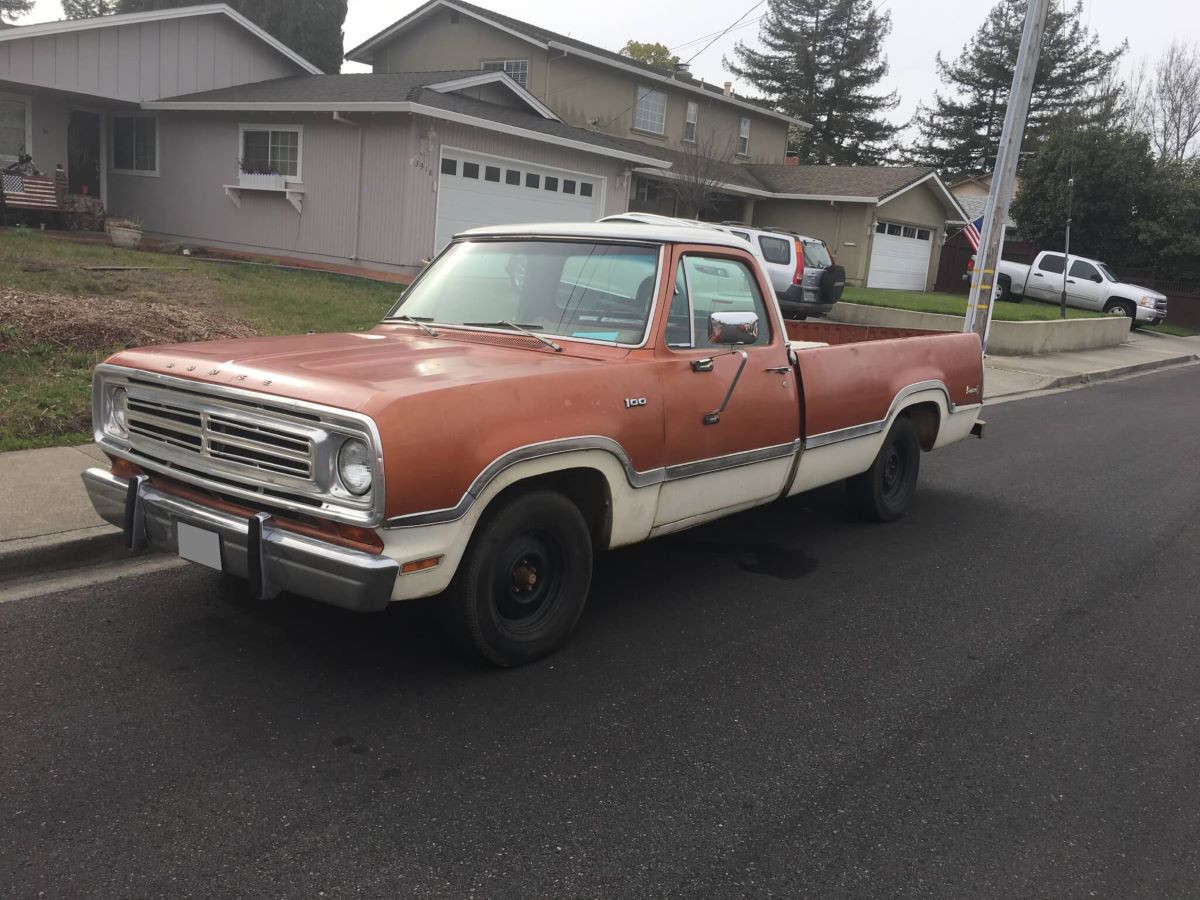
3. Dodge D100 Adventurer
The Dodge D100 Adventurer brought a distinctive blend of power and style to the 1970s truck market. Its engine options, including the 383 and 440 cubic-inch V8s, offered substantial horsepower.
These trucks were capable of impressive acceleration, surprising many drivers accustomed to slower pickups. Dodge focused on creating a truck that could serve both as a daily driver and a performance machine.
Design elements emphasized a sporty character. The Adventurer package included unique trim, racing stripes, and chrome accents. The interior often featured upgraded seats and a more refined dashboard. These touches signaled its higher-end performance intentions, distinguishing it from standard D100 models. The truck’s appearance alone communicated speed and capability.
Performance enhancements were widely adopted by enthusiasts. Swapping in aftermarket exhausts, ignition systems, and performance carburetors improved acceleration and responsiveness. The D100 Adventurer’s large V8 engines responded well to these modifications. As a result, many examples on the road today continue to deliver thrilling performance similar to their factory specifications.
Durability was integral to the truck’s design. The heavy-duty frame and robust suspension allowed it to handle high-speed runs without excessive wear. Even with years of use, many D100 Adventurers maintain their structural integrity. This long-lasting performance makes them popular among collectors who want both speed and reliability in a classic truck.
The D100 Adventurer also made a mark in truck culture. It became a symbol of 1970s American truck innovation, combining power, style, and versatility. Owners and enthusiasts value the model not just for its speed but also for its historical significance. Its presence at car shows and racing events continues to remind people of its performance legacy.
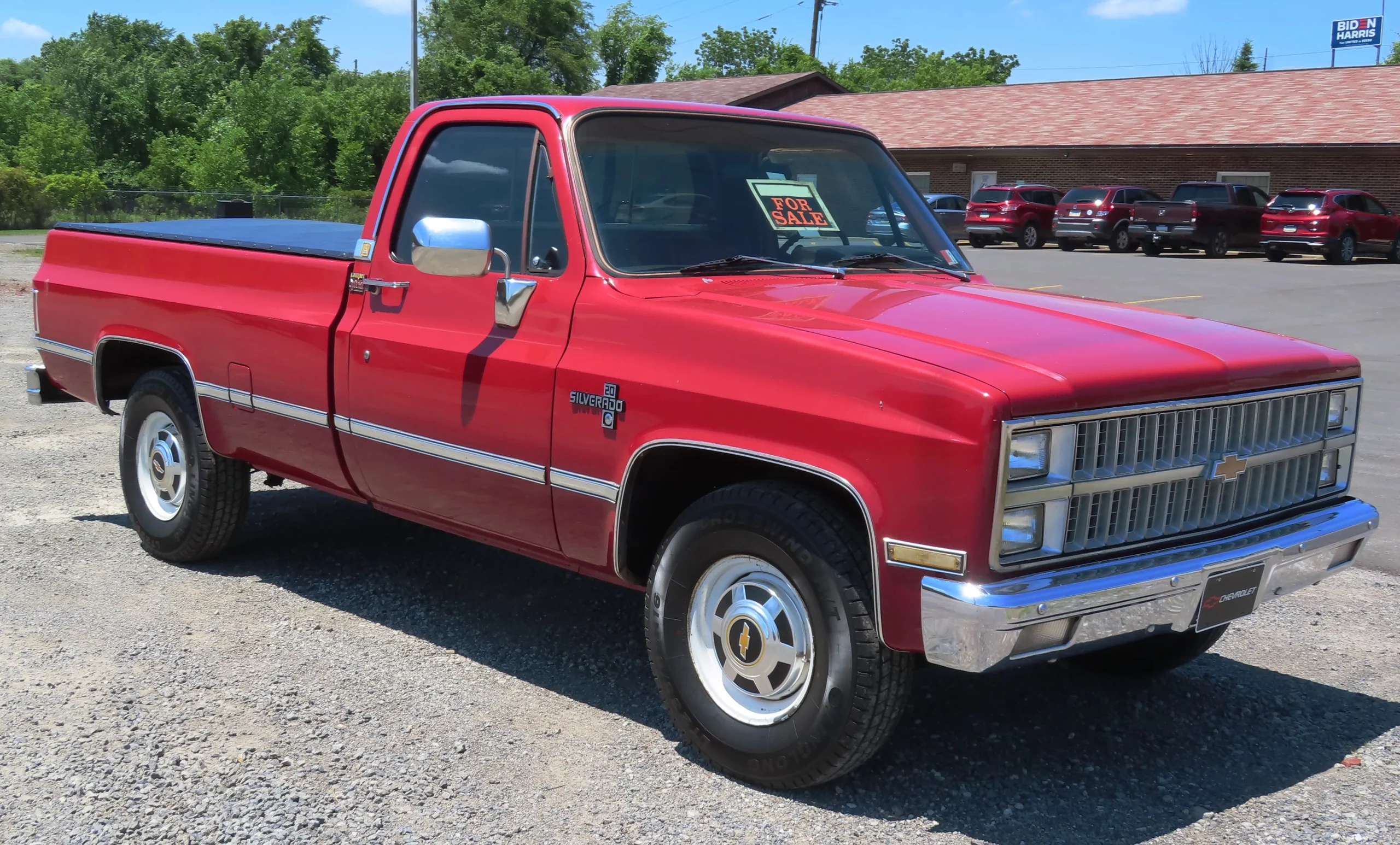
4. Chevrolet K10 Blazer
The Chevrolet K10 Blazer of the 1970s represented a unique combination of off-road capability and performance. Its V8 engine options, including the 350 and 454, allowed for rapid acceleration even in rugged conditions.
The four-wheel-drive system gave drivers confidence on dirt roads while maintaining strong highway performance. The K10 Blazer bridged the gap between sports trucks and off-road vehicles effectively.
The exterior design highlighted toughness and aggression. Chrome bumpers, wide fender flares, and optional sport stripes created a visually striking truck. The removable top added versatility for drivers seeking both open-air and enclosed configurations. Inside, the cabin combined functionality with simple comfort, emphasizing practicality without sacrificing style.
Performance tuning was a major appeal. Many owners upgraded carburetors, ignition systems, and exhausts to maximize engine output. The Blazer’s engine architecture handled modifications well, allowing enthusiasts to push it beyond factory specifications. With these upgrades, the K10 Blazer could rival muscle cars in terms of acceleration while remaining fully capable off-road.
Suspension and handling contributed to its performance. Heavy-duty leaf springs, shock absorbers, and four-wheel-drive mechanics provided stability during aggressive driving. Despite being a relatively tall vehicle, it maintained composure at higher speeds. Drivers appreciated the combination of rugged capability and quick acceleration in one package.
The K10 Blazer left a lasting impact on off-road performance trucks. Its versatility and speed influenced later generations of SUVs and trucks designed for both work and recreation. Collectors value it for its mechanical robustness and the fact that it can still perform at high levels decades later. Its mix of power, style, and capability remains impressive today.
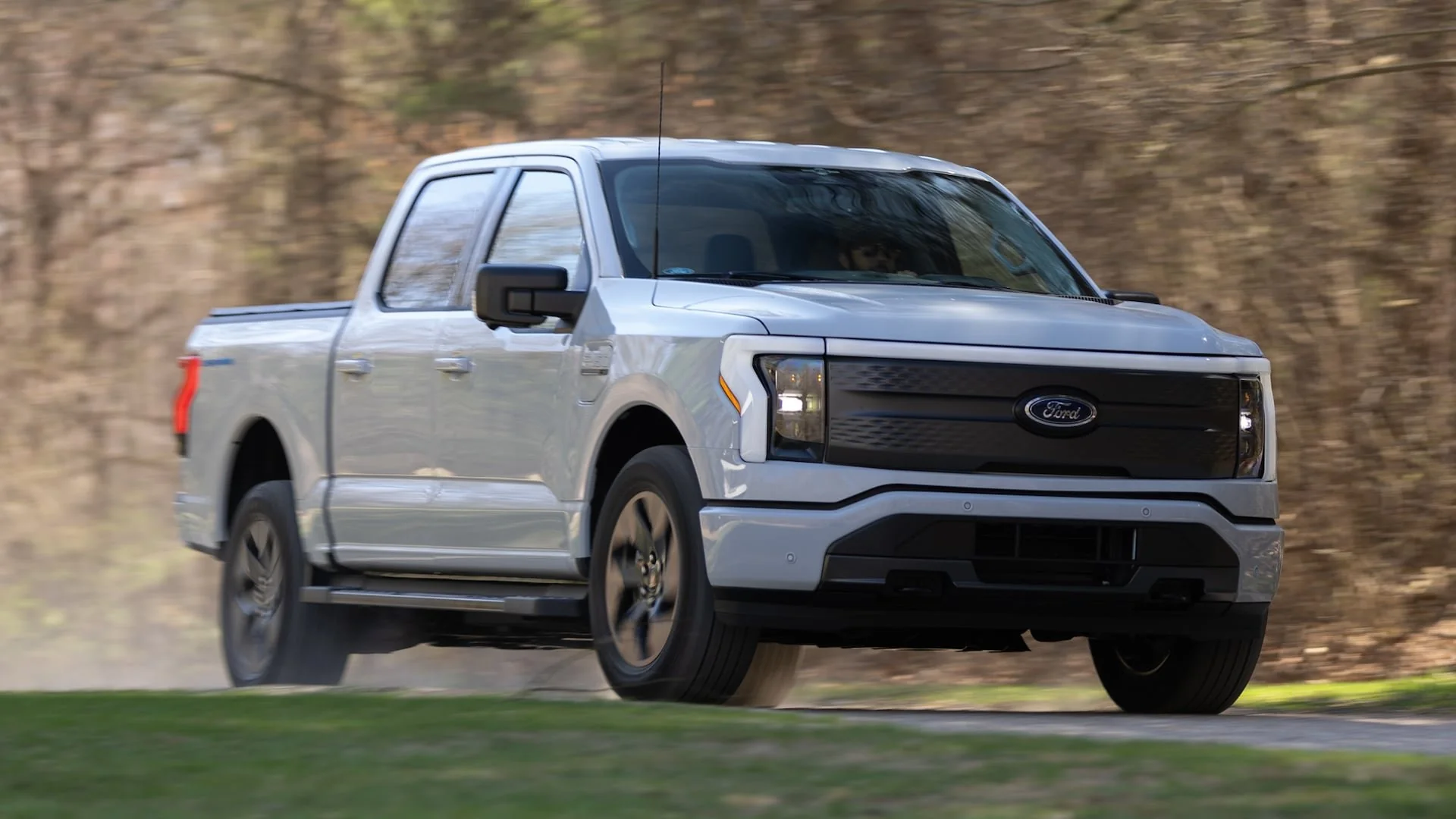
5. Ford F-150 Lightning
The Ford F-150 Lightning of the late 1970s set a benchmark for American performance trucks. Unlike traditional work-focused pickups, this model emphasized acceleration, handling, and aggressive styling, while retaining practical truck capabilities.
Powered by V8 engines ranging from 351 to 460 cubic inches, it produced significant horsepower and torque. These engines allowed the Lightning to accelerate quickly, making it a favorite among enthusiasts who wanted a fast, reliable truck without compromising hauling capacity.
Its drivetrain was paired with a responsive transmission, offering smooth gear changes and maximizing the engine’s performance potential, which allowed the truck to compete effectively on both streets and drag strips. The Lightning’s suspension system contributed to its agility, absorbing bumps while keeping the tires firmly planted during high-speed maneuvers, ensuring drivers could push its limits safely.
Visually, the F-150 Lightning projected authority and sportiness. Its bold front grille, dual headlights, and signature badging emphasized its high-performance pedigree. Many models featured optional racing stripes or two-tone paint jobs that highlighted the truck’s muscular lines and aggressive stance. Inside, the cabin provided a blend of utility and sportiness.
Bucket seats, a performance-oriented steering wheel, and straightforward instrumentation created a driver-focused environment while maintaining the practical aspects of a truck designed for work and recreation. The combination of aesthetics and function made the Lightning instantly recognizable and highly desirable during its era.
Performance modifications were widely adopted by enthusiasts seeking even greater speed. Aftermarket carburetors, high-flow exhaust systems, and upgraded ignition components allowed the V8 engines to reach higher horsepower levels.
These upgrades often enhanced throttle response and provided a distinct, throaty engine note that became a hallmark of the Lightning’s character. The truck’s lightweight chassis compared to modern trucks made it particularly receptive to performance tuning, allowing drivers to extract the maximum potential from its factory-built components while maintaining long-term reliability.
Durability and handling were key to the F-150 Lightning’s reputation. The truck’s heavy-duty frame supported aggressive acceleration and towing without sacrificing structural integrity. Paired with its leaf-spring rear suspension and reinforced front end, the Lightning managed high-speed cornering better than many heavier pickups of the era.
Drivers could confidently navigate both highways and twisty country roads, knowing the truck would respond predictably under stress. This combination of durability and performance established the Lightning as a benchmark for American performance pickups in the 1970s.
The Ford F-150 Lightning continues to hold cultural significance among enthusiasts today. Its legacy inspired modern iterations of high-performance trucks, blending speed and utility in ways few vehicles could at the time. Collectors value its historical importance as well as its enduring performance potential.
The Lightning represents a period when truck manufacturers challenged expectations, producing pickups capable of thrilling acceleration, stylish presence, and robust practicality, creating a vehicle that remains admired decades later.
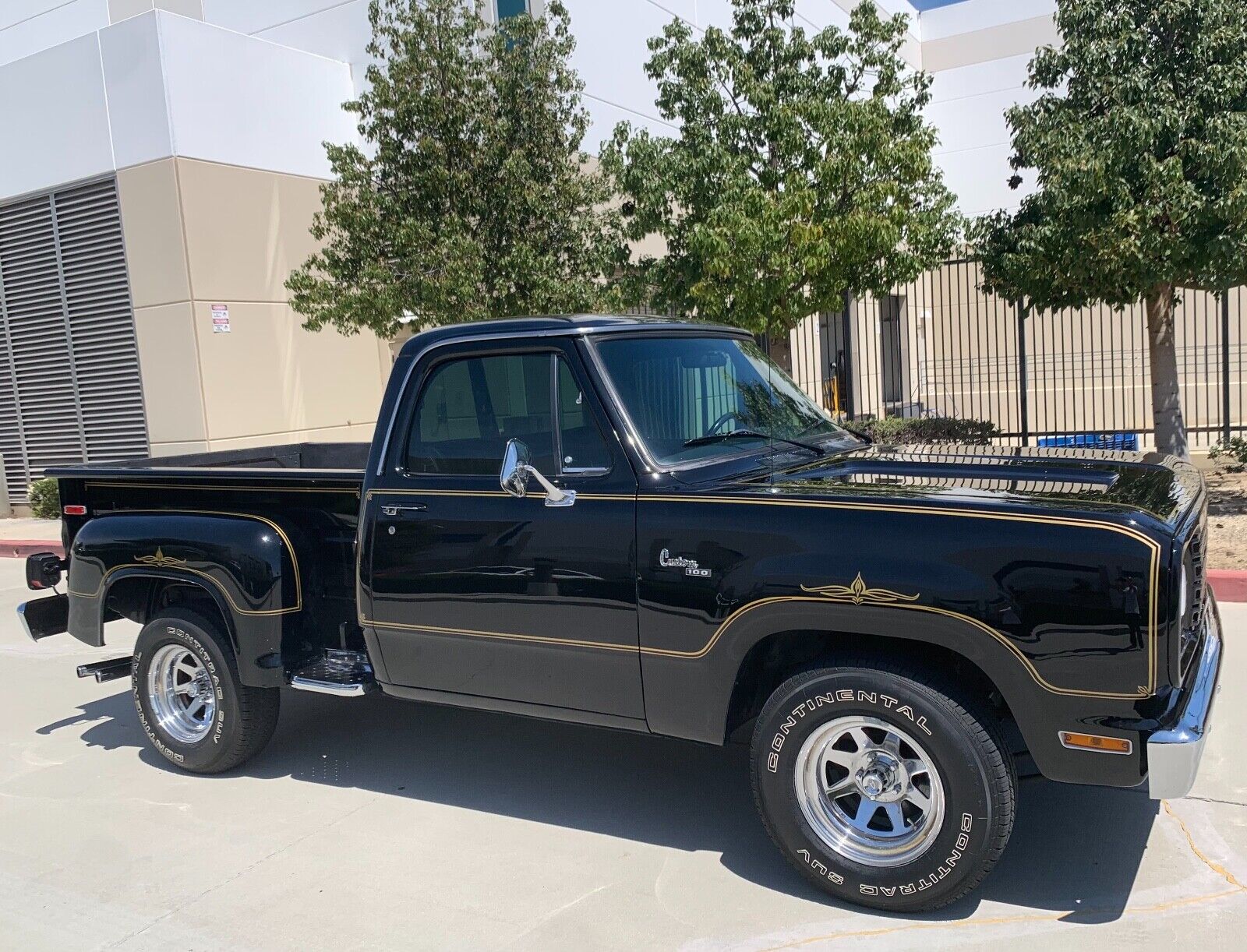
6. Dodge Warlock
The Dodge Warlock emerged as one of the most recognizable performance trucks of the 1970s. Its unique design and powerful engine options, including the 360 and 440 V8s, gave it remarkable acceleration for a pickup. The Warlock was part of Dodge’s “Tradesman” line but offered performance-focused styling and features that distinguished it from standard work trucks.
Drivers appreciated its ability to combine speed, durability, and everyday usability. The truck’s lightweight body allowed it to outperform heavier pickups, while its mechanical simplicity made it easy to maintain and enhance for higher performance levels.
The truck’s exterior styling was its signature trait. The Warlock featured bold paint schemes, unique striping, and aggressive grille designs. Its “Styled Package” included chrome bumpers and custom wheels that emphasized speed and flair. The interior reflected similar attention to detail, balancing ruggedness with comfort.
Sport-inspired seats, a performance-oriented steering wheel, and practical instrumentation made the cabin functional yet stylish. The truck’s appearance and interior design reinforced its identity as both a capable work vehicle and a performance machine.
Performance upgrades were common among Warlock owners seeking more speed. High-performance carburetors, exhaust headers, and upgraded ignition systems allowed drivers to push the V8 engines to new levels.
The truck’s suspension and rear differential handled these enhancements without compromising stability, ensuring a smooth and responsive ride even under aggressive driving. Many enthusiasts report that modified Warlocks can rival muscle cars in terms of acceleration, demonstrating the truck’s enduring appeal for speed-focused drivers.
Durability was another defining characteristic. The Warlock’s reinforced frame and sturdy suspension allowed it to manage both daily work and spirited driving. Unlike more delicate sports cars of the era, this truck could withstand towing, hauling, and high-speed runs without significant wear.
Its combination of ruggedness and performance made it a favorite for those who wanted a dual-purpose vehicle capable of delivering excitement on the road while performing practical tasks efficiently.
Cultural impact solidified the Dodge Warlock’s reputation. It became a symbol of 1970s American performance trucks, blending power, style, and utility into a single package.
Enthusiasts continue to restore and modify Warlocks, maintaining their speed and distinctive presence. The truck’s bold look, responsive engines, and enduring capabilities ensure that it remains a celebrated example of performance pickups from the golden era of muscle trucks.
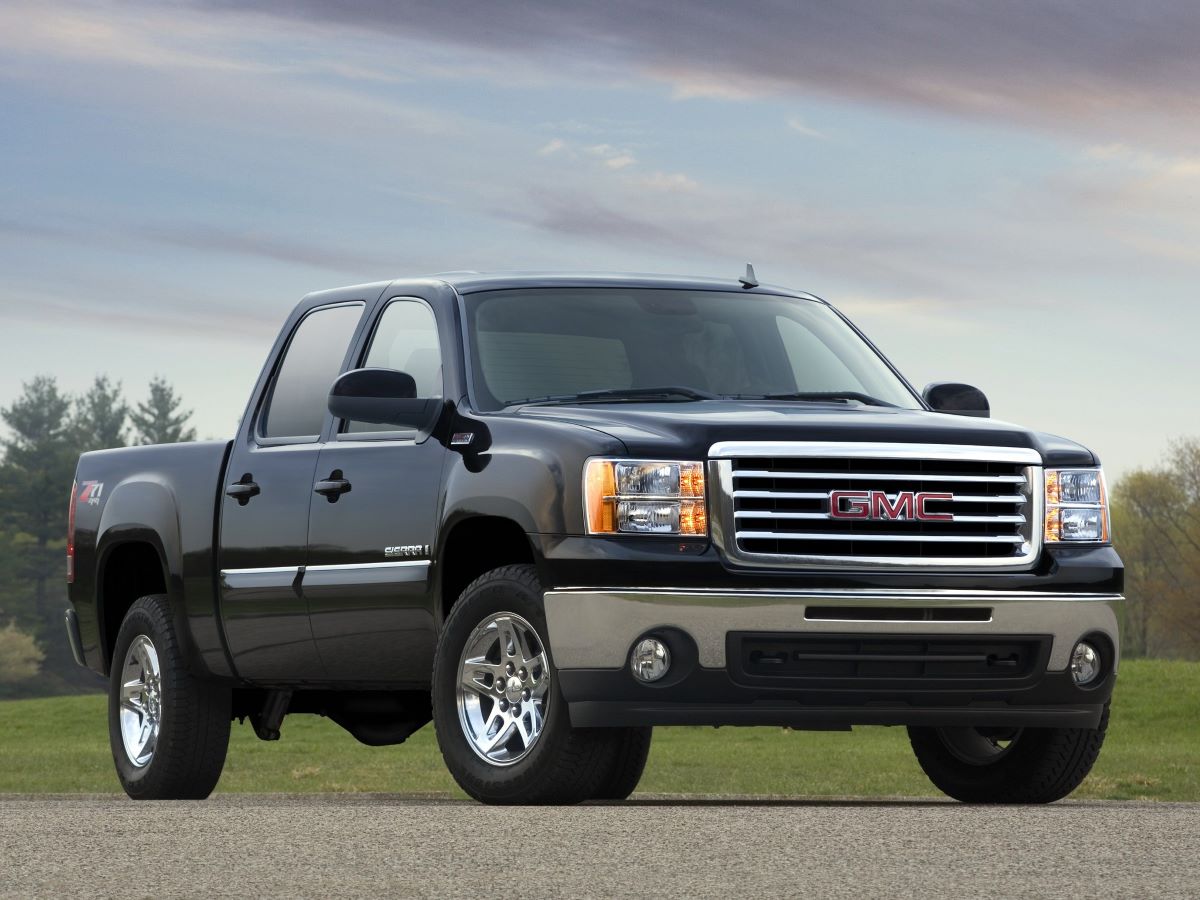
7. GMC Sierra 1500
The GMC Sierra 1500 of the 1970s combined classic truck functionality with performance-oriented engineering. Equipped with engines like the 350 and 454 V8s, it delivered substantial power and acceleration. Drivers valued its ability to handle cargo and towing while still offering impressive performance.
Its transmission and rear differential were engineered to maximize the V8’s output, making it competitive with other performance trucks of its era. The Sierra’s balance of size, weight, and power allowed it to maintain control during high-speed driving, distinguishing it from heavier, slower pickups.
The Sierra’s styling conveyed strength and authority. Chrome accents, rectangular headlights, and bold grille designs created a commanding presence. Optional packages added two-tone paint schemes and sporty striping, emphasizing its performance capabilities.
Inside, the cabin provided functional comfort with upgraded seats and driver-focused instrumentation. The interior design struck a balance between durability for work tasks and comfort for performance driving, appealing to a broad audience of truck enthusiasts.
Performance enhancements were common, as owners sought to maximize acceleration and power. Aftermarket exhausts, carburetor upgrades, and ignition modifications improved engine responsiveness.
Many Sierra 1500 trucks could be tuned to deliver muscle car-like acceleration while retaining their work capabilities. The suspension and chassis architecture were receptive to these modifications, allowing the truck to maintain stability and control even under increased horsepower.
Its leaf-spring rear suspension and reinforced frame allowed for consistent cornering performance and reliable braking. Unlike heavier trucks of the era, the Sierra could navigate turns at higher speeds with minimal body roll.
Drivers appreciated the confidence this offered, whether towing, hauling, or enjoying spirited drives on open roads. The truck’s durability under stress reinforced its reputation as a reliable performance pickup.
The GMC Sierra 1500 left a lasting impression on the truck market. Its blend of power, style, and practicality influenced later generations of pickup designs. Collectors continue to seek out original and restored models for their mechanical simplicity and performance potential. The Sierra’s enduring appeal reflects its position as a capable and fast truck that represented the best of 1970s American performance engineering.
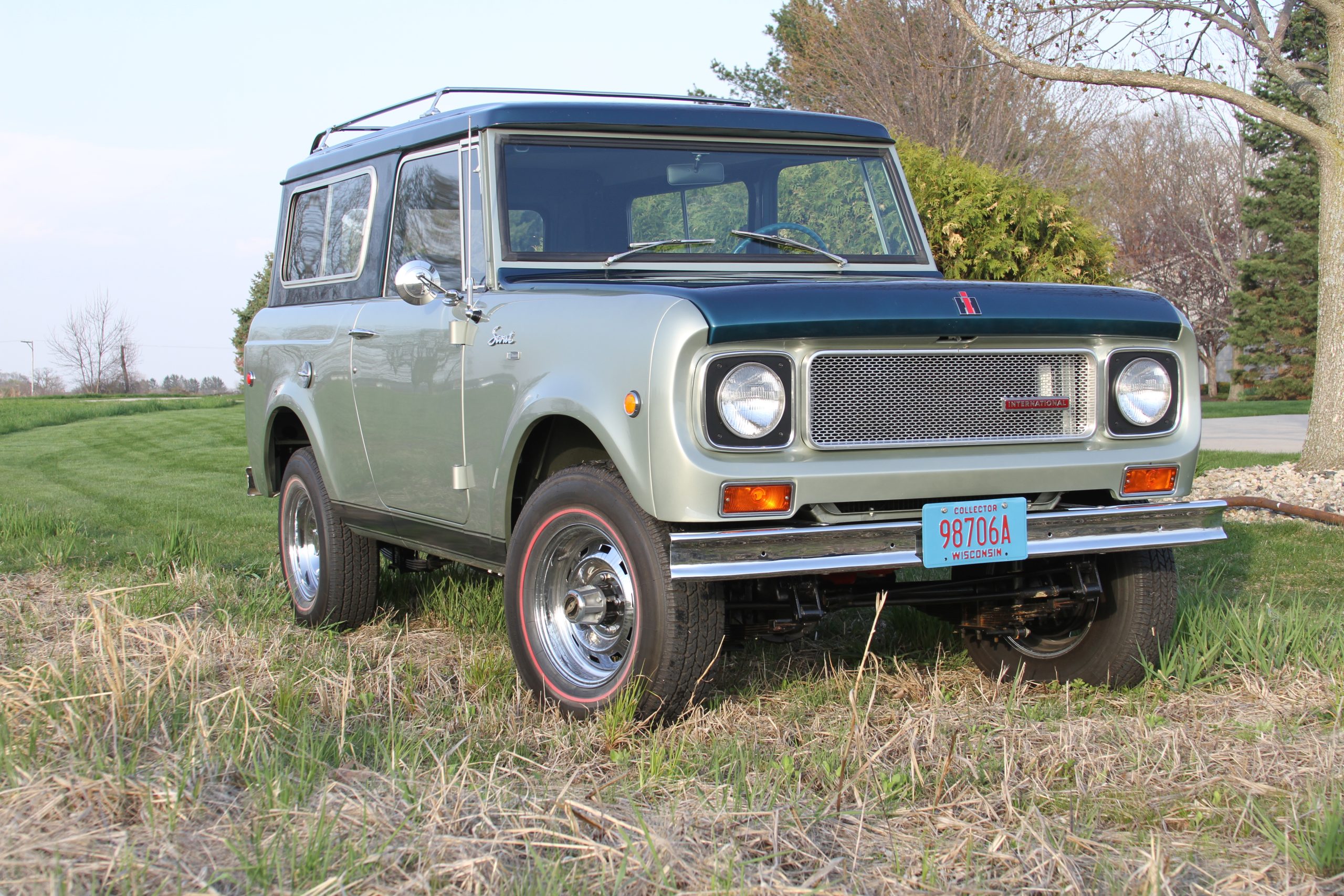
8. International Harvester Scout
While often considered an SUV, the International Harvester Scout of the 1970s functioned as a versatile off-road performance truck. Its V8 engine options, including the 304 and 345, provided significant acceleration and torque for both street and rugged terrain.
Lightweight construction combined with a four-wheel-drive system allowed the Scout to achieve impressive speed and agility. Enthusiasts appreciated its dual-purpose capability, able to navigate off-road trails while offering strong highway performance. Its mechanical simplicity allowed for extensive modifications, enhancing both speed and durability.
The Scout’s design emphasized rugged performance. Its boxy frame, removable hardtop, and wide stance communicated toughness and athleticism. Inside, the cabin combined simplicity with functionality, offering durable seating and clear instrumentation.
Optional trims included sportier elements such as bucket seats and upgraded steering wheels, catering to drivers who wanted more than utilitarian utility. The Scout’s appearance reflected its balance of style, durability, and performance capability.
Performance tuning was common among Scout owners. Upgrades to carburetors, exhaust systems, and camshafts could significantly improve acceleration and engine responsiveness. Many enthusiasts also upgraded suspension components to handle higher speeds on off-road trails.
These modifications transformed the Scout into a capable, fast vehicle suitable for racing, trail driving, or spirited street performance. Its adaptability made it a favorite among collectors seeking versatility and speed.
Durability and handling were hallmarks of the Scout’s engineering. Its reinforced frame and four-wheel-drive system allowed for aggressive driving without compromising structural integrity. Drivers could push the Scout on highways or rough terrain with confidence, knowing that suspension and drivetrain components were engineered for stress. The Scout’s ability to maintain composure during high-speed maneuvers contributed to its reputation as a capable performance vehicle.
The International Harvester Scout’s legacy endures among off-road and truck enthusiasts. Its combination of speed, ruggedness, and mechanical simplicity makes it a standout in the 1970s truck era.
Collectors continue to restore Scouts, appreciating both their historical significance and performance potential. The model represents a unique class of vehicles that successfully merged off-road capability with fast, responsive driving.
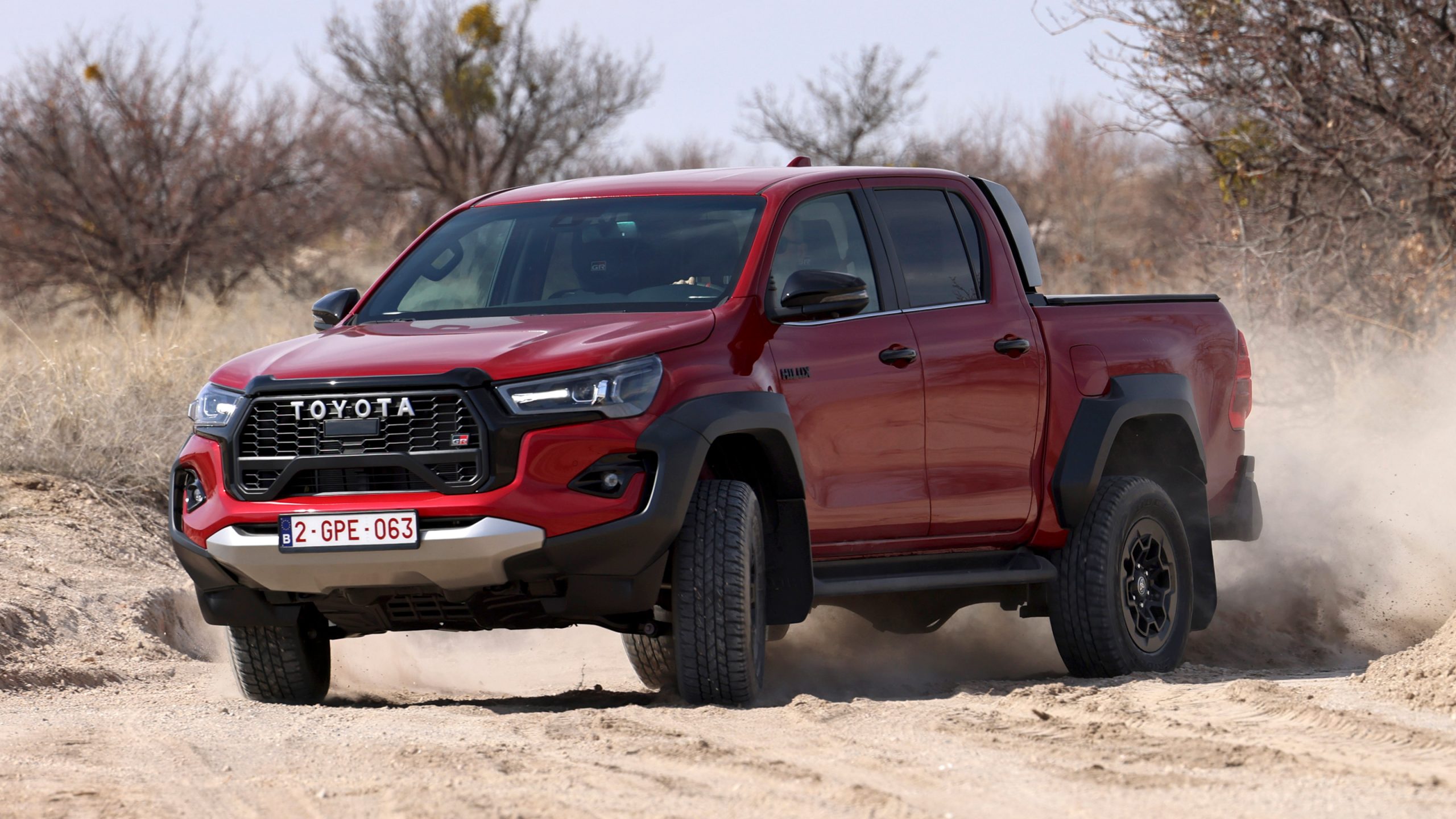
9. Toyota Hilux
The Toyota Hilux of the 1970s became famous for reliability and surprising performance. Although compact compared to American trucks, its lightweight frame and responsive four-cylinder and optional V6 engines allowed it to accelerate quickly. Drivers appreciated the Hilux for its durability, handling, and efficiency.
Its simplicity and robust mechanical design made it a favorite for modifications aimed at increasing speed and torque, while maintaining long-term reliability for both street and off-road use.
The Hilux’s design emphasized practicality with understated style. Its small, agile body allowed for nimble handling and easy maneuvering. Inside, the cabin was functional and straightforward, with essential gauges and durable seating.
Optional upgrades for sportier trims included upgraded steering wheels and seating, enhancing driver comfort during high-speed driving. Its compact size and clever engineering gave the Hilux a performance edge despite its modest displacement engines.
Performance upgrades were popular among enthusiasts. Turbocharging, high-performance carburetors, and improved exhaust systems increased horsepower and acceleration.
Its lightweight chassis responded well to modifications, making the Hilux competitive in off-road racing and street performance alike. Many owners praised the truck’s ability to handle aggressive driving without losing stability or reliability, making it a practical performance vehicle.
Handling and durability contributed to the Hilux’s lasting appeal. Its independent front suspension and solid rear axle allowed for responsive steering and strong road grip. The truck remained controllable under heavy loads or rough terrain, demonstrating remarkable resilience. Drivers could push the Hilux at higher speeds while trusting in its solid construction and reliable mechanical systems.
The 1970s Hilux set the stage for Toyota’s reputation for durable, reliable, and fast trucks. Enthusiasts continue to value early Hilux models for their simplicity, tunability, and performance potential. Its ability to combine practicality with exciting driving dynamics ensures that the Hilux remains a respected classic truck, admired for its engineering and longevity even decades after production.
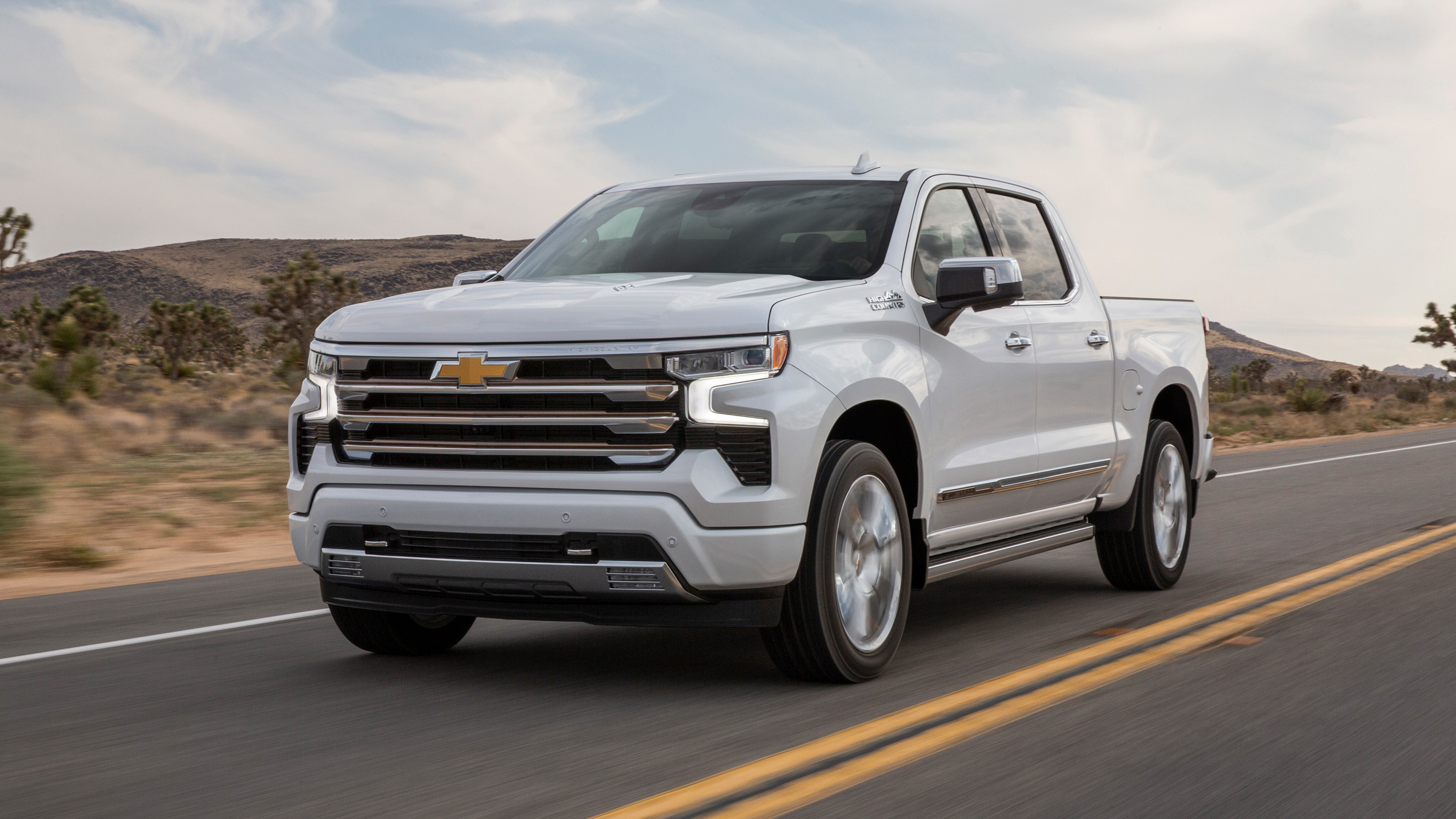
10. Chevrolet Silverado
The Chevrolet Silverado of the late 1970s built upon the C10 legacy, offering larger engines, stronger suspensions, and improved performance. Equipped with V8 options including the 350, 400, and 454, the Silverado could achieve impressive speeds while handling heavy loads.
Its reinforced frame and robust drivetrain allowed for spirited driving and competitive performance in street or informal racing scenarios. The Silverado became a symbol of speed combined with utility, appealing to enthusiasts who wanted a full-size truck that could perform.
Its design conveyed power and authority. Bold front grilles, chrome trim, and aggressive body lines created an imposing presence. Optional sport packages added stripes, dual headlights, and upgraded wheels to emphasize speed.
Inside, the cabin balanced practicality and comfort, with upgraded seats, steering wheels, and clear instrumentation enhancing the driving experience. The Silverado’s appearance reinforced its identity as a truck built for both work and performance.
Performance modifications were widely embraced by owners. Upgrading carburetors, exhaust systems, and ignition components allowed drivers to push the V8 engines beyond factory specifications.
The truck’s suspension and chassis accommodated these enhancements without sacrificing control or durability. Many restored Silverado models today continue to deliver exhilarating acceleration and responsive handling, proving the design’s long-lasting performance potential.
Handling and durability were key to the Silverado’s reputation. Its heavy-duty suspension, leaf springs, and reinforced frame allowed for high-speed stability while maintaining towing and hauling capability. Drivers could confidently push the truck in various scenarios, from highway cruising to spirited driving on country roads. This balance of performance and utility set the Silverado apart from other pickups of the era.
The Chevrolet Silverado remains a celebrated performance truck among collectors. Its combination of speed, reliability, and style embodies the best of 1970s truck engineering. Restored and modified examples continue to impress with acceleration and handling, proving that the Silverado was built to last and to perform. Its enduring legacy reflects the era’s focus on creating trucks capable of both hard work and exhilarating speed.
