
Classic cars have always held a unique place in automotive culture, bridging the gap between engineering excellence, historical significance, and personal passion. While some vehicles steadily appreciate in value due to rarity, desirability, or cultural influence, others are often misunderstood or overlooked, leaving them priced lower than their intrinsic worth.
Understanding which classics are undervalued or overpriced requires a careful look at their history, performance, collectibility, and market trends. Unlike new cars, where depreciation is predictable, classic cars can fluctuate dramatically based on shifts in collector demand, restoration availability, and cultural trends.
Many factors contribute to a car’s market perception. Sometimes, a vehicle’s design may have been ahead of its time, leading to a temporary lack of appreciation that only later corrects itself as enthusiasts recognize its significance.
Conversely, vehicles that have achieved a certain level of fame through movies, racing heritage, or limited production may command premiums that surpass practical or performance-based justification. For buyers and collectors, distinguishing these dynamics is crucial, particularly for those hoping to combine personal enjoyment with financial foresight.
Investment potential is not the only consideration. Driving experience, styling, mechanical reliability, and community support all play roles in whether a classic is truly undervalued or overpriced. A car may be financially undervalued but culturally celebrated among enthusiasts, offering a rewarding ownership experience that is not always reflected in price tags.
On the other hand, some cars carry high prices simply due to branding or nostalgia, yet may not offer the driving experience or long-term investment security one expects. Understanding both sides of the spectrum allows collectors to make informed decisions, whether they are looking to expand a collection, enjoy spirited driving, or consider future resale potential.
The following sections highlight ten classic cars split into two categories: five that are currently undervalued and five that are considered overpriced. Each example includes historical context, market trends, and insights into why the valuation may differ from general perception.
The goal is to provide a balanced view that informs, excites, and challenges assumptions about the classic car market. By reviewing both sides, enthusiasts can gain a more nuanced perspective on what defines true value in this dynamic and emotionally charged world.
5 Classic Cars That Are Currently Undervalued
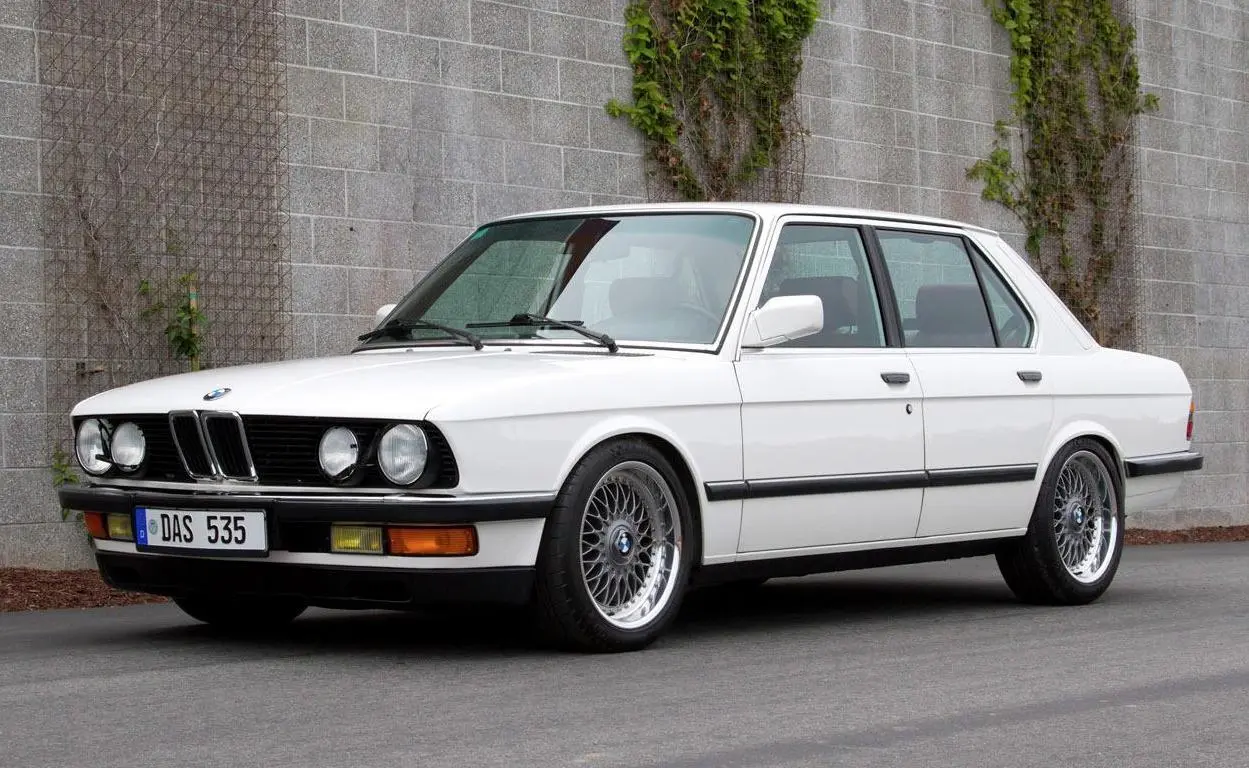
1. BMW E28 5-Series (1981–1988)
The BMW E28 5-Series represents a period when BMW was solidifying its reputation for precision engineering and driver-focused performance. Despite its age, many examples remain mechanically sound due to robust construction and straightforward technology.
Modern enthusiasts increasingly recognize the charm of this series, yet prices remain relatively modest compared to later generations. Collectors who prioritize originality and driving feel can find E28s at reasonable entry points.
One appealing feature is the smooth inline-six engine, which balances performance and reliability. Models with the M30 engine, in particular, offer a refined blend of power and longevity. Manual transmission examples are increasingly sought after, but they still do not command the steep premiums seen in other classic German sedans. Interior design is simple yet functional, avoiding the complexity that can make restoration costly.
The E28’s styling combines conservative elegance with subtle aggressiveness. Its boxy shape, distinct kidney grille, and sharp lines convey a sense of understated sophistication. Unlike flashier cars of the era, these sedans were not initially considered collector items, leaving many examples undervalued today. Enthusiasts now appreciate this restrained aesthetic, seeing it as a bridge between classic simplicity and modern performance.
Market data shows that E28s in good condition remain accessible for first-time collectors or budget-conscious enthusiasts. While well-maintained or fully restored cars can reach higher values, the general market still offers bargains compared to iconic contemporaries. These vehicles also benefit from active communities that provide parts, advice, and social opportunities, enhancing ownership value.
Finally, the driving experience remains a major draw. The chassis feels connected, steering is precise, and the ride offers a balance between comfort and sportiness. For buyers seeking a classic car that is both practical and enjoyable, the E28 5-Series presents an undervalued opportunity, combining historical importance, reliable engineering, and a rewarding driving experience.
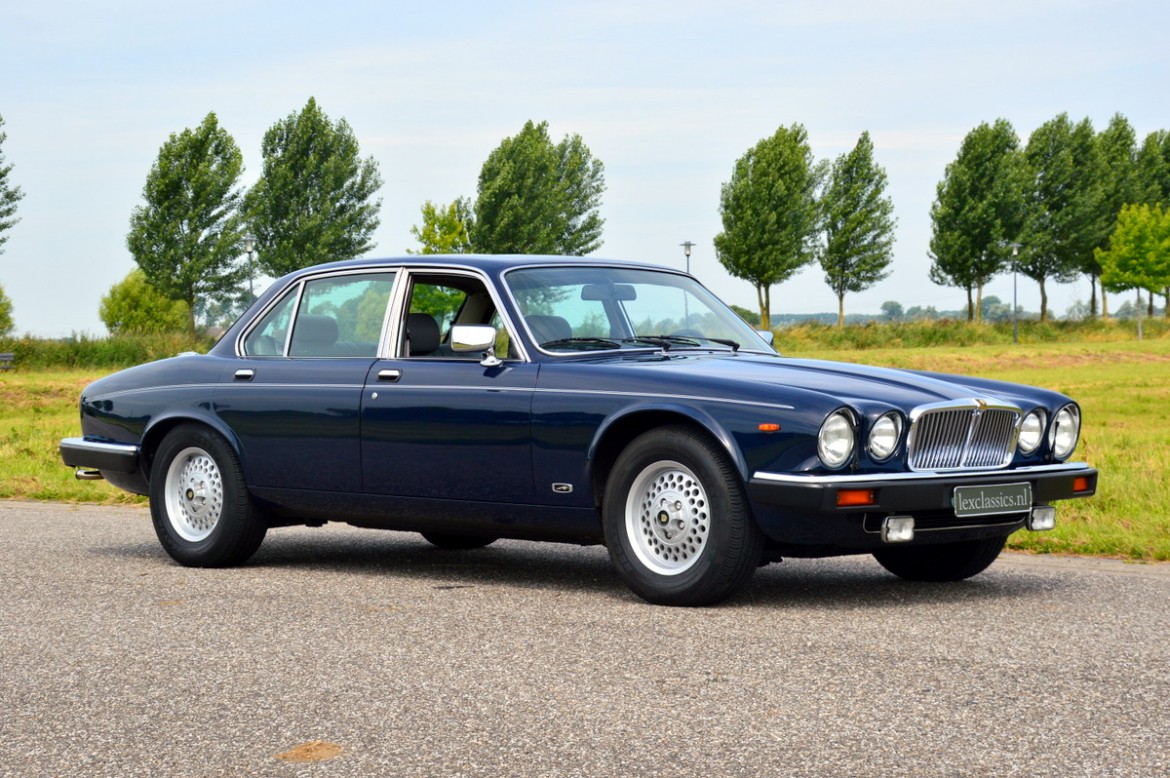
2. Jaguar XJ Series III (1979–1992)
The Jaguar XJ Series III, often overshadowed by earlier Series I and II models, is a large luxury sedan with significant historical and mechanical appeal. Its V12 engine, although sometimes viewed as finicky, offers smooth, linear power that can rival sports cars of the era.
Many Series III cars remain overlooked in valuation charts, making them accessible to collectors who want a prestigious badge without the financial commitment of earlier examples.
Body styling evolved with the Series III, adopting more aerodynamic lines while retaining traditional Jaguar elegance. Chrome detailing, spacious interiors, and leather upholstery showcase the luxurious nature of the car. While early Jaguar enthusiasts may prefer older models, the Series III provides an entry point into the brand’s V12 experience at a fraction of the cost.
Mechanical reliability is a consideration but manageable with care. Parts availability has improved over the years, and experienced specialists can maintain V12 examples without prohibitive expense. For enthusiasts willing to invest in routine upkeep, these cars combine grand touring comfort with classic British flair.
Market trends indicate gradual appreciation for Series III XJs as collectors recognize the value of a full-sized V12 sedan. Compared to more celebrated Jaguars, the pricing remains moderate, offering excellent potential for long-term investment. These cars attract attention at classic car shows, reflecting their enduring style and performance.
Ownership offers both prestige and pleasure. Drivers enjoy the spacious interior, comfortable ride, and the unique sound of a Jaguar V12. For buyers looking for a blend of luxury, performance, and relative affordability, the XJ Series III represents one of the more undervalued entries in the classic luxury market today.
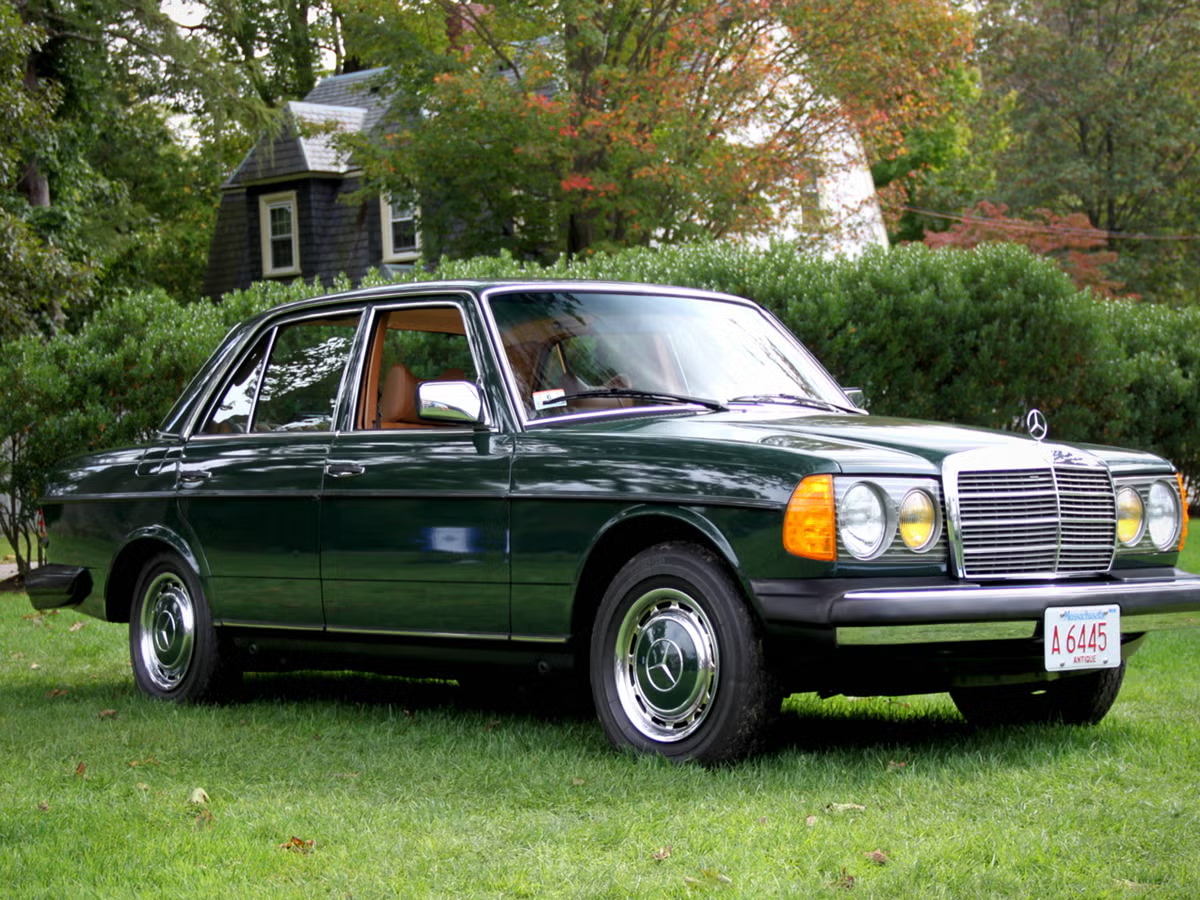
3. Mercedes-Benz W123 (1976–1985)
The Mercedes-Benz W123 is known for bulletproof engineering and enduring reliability. Its reputation for longevity has made it a favorite among enthusiasts who value mechanical durability and ease of maintenance. Despite these qualities, W123 prices remain lower than some comparable German luxury cars, making it a strong candidate for undervaluation.
Styling is conservative, yet timeless. Boxy proportions, understated chrome accents, and an elegant grille make the W123 immediately recognizable. Unlike flashier contemporaries, it avoids fashion trends that can depreciate a car’s appeal, contributing to long-term value retention.
Engines range from four-cylinder to six-cylinder units, with diesel variants noted for extreme durability. These powertrains provide dependable performance, low running costs, and strong resale potential. Enthusiasts appreciate their combination of practicality and classic charm.
The interior offers comfort and solid construction. Materials age well, and the layout is functional and ergonomic. Collectors often find well-preserved examples at reasonable prices, especially compared to other Mercedes classics that command premium valuations.
Finally, the W123 provides a rewarding ownership experience. Smooth ride quality, reliability, and ease of sourcing parts make it a practical classic. Enthusiasts seeking an entry-level classic with strong pedigree and potential appreciation often view the W123 as a rare undervalued gem in the collector market.

4. Ford Mustang (Fox Body, 1979–1993)
The Fox Body Mustang occupies a unique position in classic car culture. While early Mustangs from the 1960s carry historical fame, the Fox Body generation is often overlooked despite its remarkable performance potential. Lightweight design, a solid chassis, and a range of engines allowed enthusiasts to modify and personalize these cars extensively.
Today, many examples remain available at affordable prices, making it an ideal entry point for collectors seeking classic American muscle without extreme cost.
Design-wise, the Fox Body Mustang reflects the late-70s and 80s aesthetic with sharp angles, long hoods, and distinctive headlights. Unlike modern vehicles, its simplicity makes maintenance and restoration approachable, attracting enthusiasts who enjoy hands-on work.
The interior is functional and ergonomically straightforward, yet it retains the character and charm of its era. Clean examples have begun to gain attention, though they are still undervalued relative to their potential.
Performance is another major factor in its undervaluation. The modularity of engines and aftermarket support allow owners to enhance horsepower and handling significantly.
Naturally aspirated V8 models provide a classic muscle car sound and feel without the prohibitive costs associated with rare 60s models. Even turbocharged or higher-output variants can often be acquired at reasonable prices, offering incredible value for performance-oriented collectors.
Market trends show Fox Body Mustangs gaining gradual recognition, particularly among enthusiasts interested in tunability and lightweight performance. Yet, mainstream collector markets have not fully caught on, keeping prices relatively low.
This represents a unique opportunity for buyers who appreciate both driving enjoyment and potential long-term appreciation. Enthusiasts who purchase these cars now are positioned to benefit from a rising market without paying exorbitant premiums.
Ownership satisfaction is high due to community support, parts availability, and the car’s adaptable nature. Drivers can enjoy spirited drives, weekend track events, or casual cruising with a car that embodies classic American muscle without the overhead of more expensive collectibles. The Fox Body Mustang demonstrates that undervalued classics are not just about rarity, but about balancing affordability, performance, and cultural relevance.
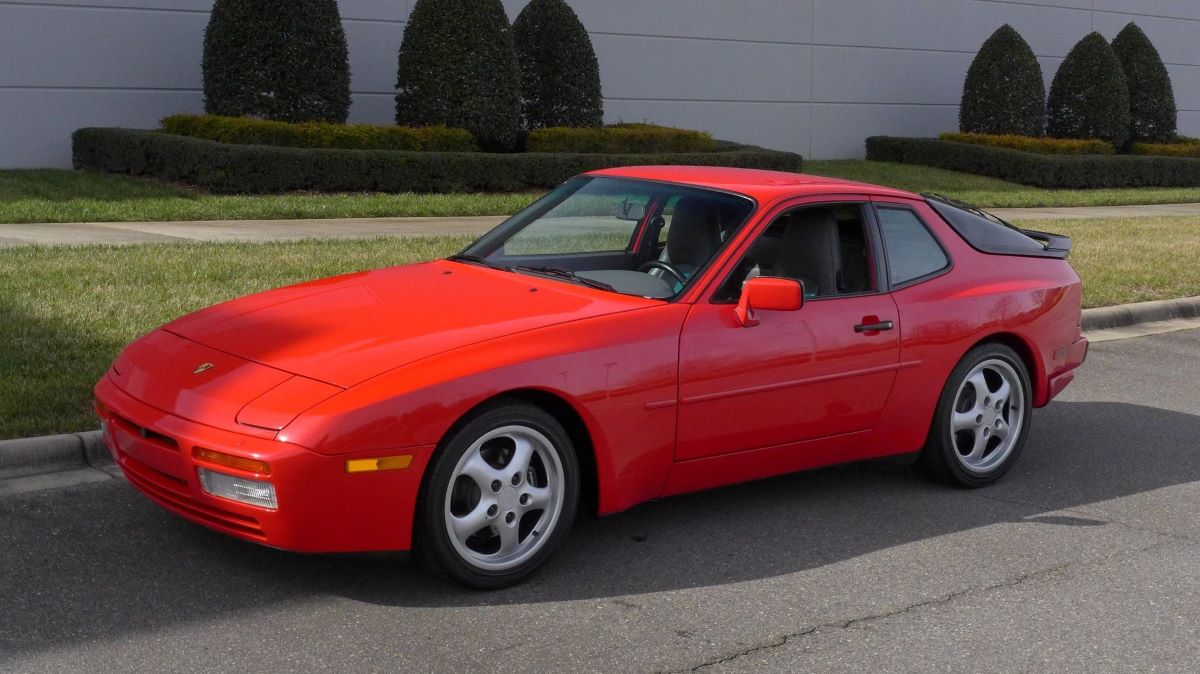
5. Porsche 944 (1982–1991)
The Porsche 944 is often overshadowed by the 911, yet it offers a compelling combination of driving dynamics, engineering sophistication, and approachable ownership costs. Lightweight front-engine design, near-perfect weight distribution, and a smooth four-cylinder engine make it exceptionally rewarding to drive.
Despite being a true sports car in handling and feel, prices for clean, well-maintained examples remain modest compared to the iconic 911, making it one of the most undervalued Porsches on the market.
Styling is sleek and purposeful, with pop-up headlights and a long, low hood contributing to its distinct profile. Unlike trend-driven sports cars, the 944 maintains a timeless appearance that continues to appeal to enthusiasts. Interiors, while minimalist by modern standards, provide comfort and functional ergonomics, ensuring enjoyable daily driving without sacrificing classic sports car ambiance.
Mechanically, the 944 is more accessible than many contemporaries. Routine maintenance and engine care are straightforward, and parts availability has improved with the growing recognition of the car’s value. The naturally aspirated and turbo variants offer diverse ownership experiences, from calm, enjoyable touring to spirited performance. Collectors seeking an entry-level Porsche often find the 944 to be a rewarding, practical choice.
Market trends show the 944’s appeal increasing steadily among enthusiasts who value handling over badge prestige. Its undervaluation is partly due to lingering perceptions of the 911’s dominance, but those in the know recognize the 944’s potential for appreciation. Cars in excellent condition are now considered rare finds, yet they remain far below the price levels of more celebrated contemporaries.
Finally, the 944 delivers a driving experience that rivals cars costing multiple times its market value. Responsive steering, balanced chassis, and the satisfying whine of its four-cylinder engine make it endlessly engaging. For collectors seeking a combination of performance, affordability, and style, the Porsche 944 represents one of the most compelling undervalued classics available today.
5 Classic Cars That Are Currently Overpriced
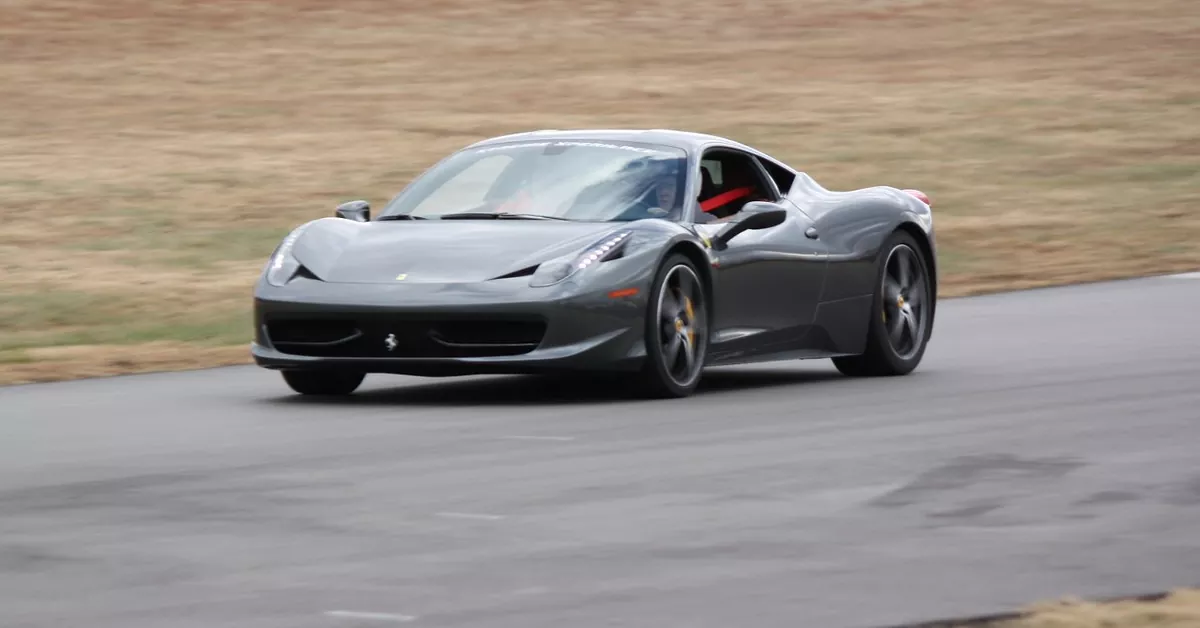
1. Ferrari 458 Italia (2009–2015)
The Ferrari 458 Italia represents a modern classic whose market value has surged beyond practical justification. Its naturally aspirated V8 produces thrilling performance, and the car’s design, attributed to Pininfarina, is visually stunning.
While the 458 is undeniably desirable among collectors, prices have escalated rapidly, fueled by Ferrari’s brand prestige and limited availability rather than intrinsic rarity relative to other supercars.
Ownership is expensive due to specialized maintenance and high insurance costs. Even minor repairs require expert attention, making the car costly to operate despite its age. Many potential buyers are motivated by brand recognition and investment speculation rather than actual driving enjoyment, inflating prices further. As a result, the 458’s market often reflects hype over substance.
Market demand is amplified by media exposure, celebrity ownership, and racing-inspired appeal. While these factors enhance desirability, they create pricing pressure that disconnects the car from practical performance or long-term collectibility. Comparisons to earlier Ferrari classics reveal that the 458, despite being technologically advanced, does not yet hold the same historical significance.
The driving experience is exceptional, but enthusiasts note that comparable or older Ferrari models may offer similar excitement at lower cost. The 458’s value is often influenced more by cultural perception than by tangible metrics, positioning it firmly in the overpriced category. Buyers seeking a balanced combination of investment and enjoyment may find better alternatives elsewhere.
Finally, while the 458 Italia is undeniably beautiful and thrilling, its market behavior highlights the risk of overpaying for modern classics. Prestige, style, and emotion drive prices beyond what objective assessment might suggest. For those entering the market now, caution is advised, as future appreciation may not justify the current premiums.
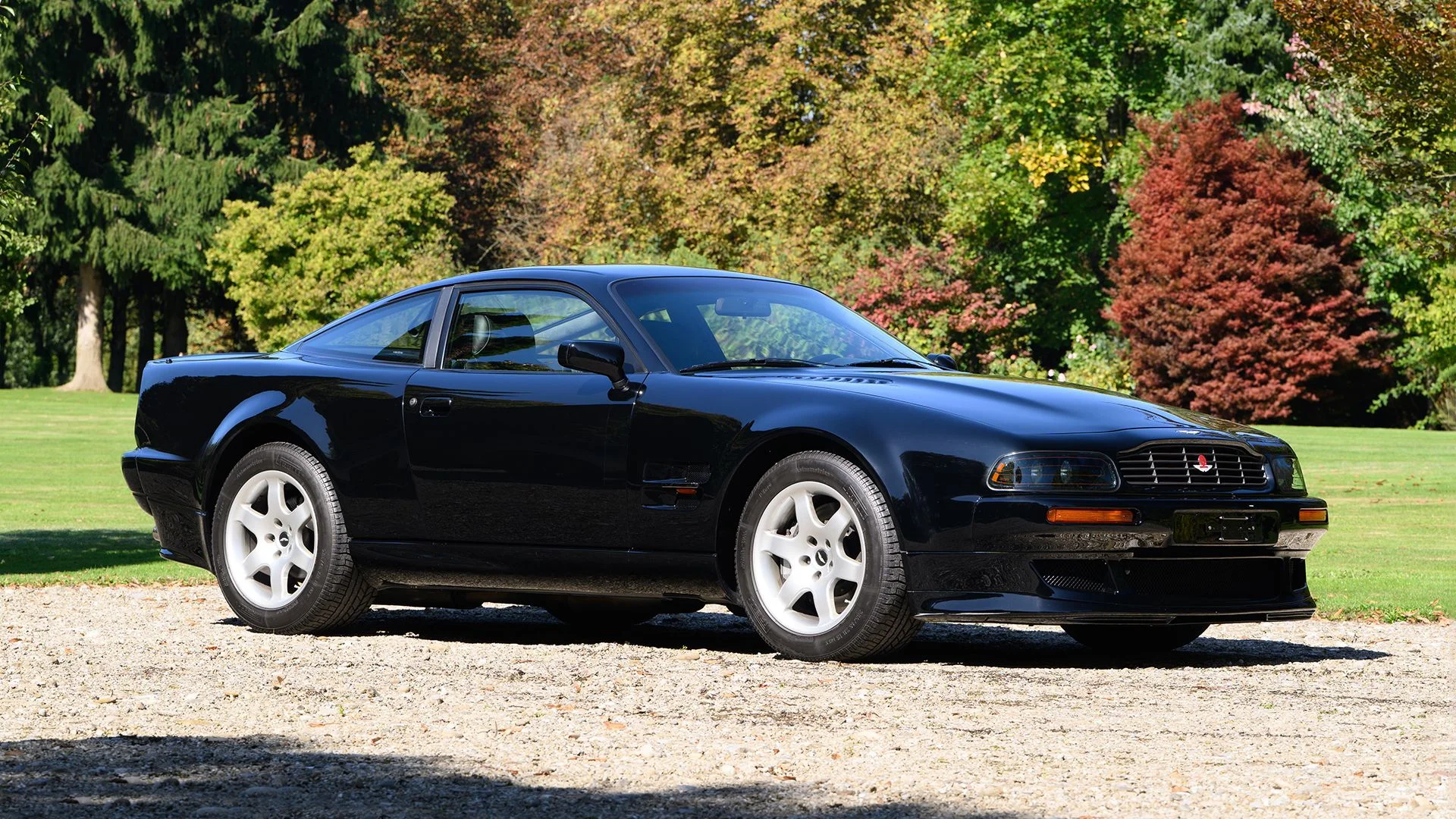
2. Aston Martin V8 Vantage (2005–2017)
The Aston Martin V8 Vantage is widely admired for its combination of British elegance and sports car performance, yet prices for well-kept examples have surged beyond practical value. The car offers a muscular V8, refined handling, and the signature Aston Martin design language, making it extremely desirable visually and emotionally.
Despite this, the market has consistently pushed valuations higher than what driving experience or collectibility alone would justify.
Ownership can be expensive due to complex mechanical systems and high maintenance costs. Parts, labor, and insurance are significant factors, and older examples can require frequent attention to prevent minor issues from escalating. While these factors contribute to prestige, they also inflate the effective cost of ownership, creating a disconnect between price and everyday usability.
Market demand is largely driven by brand image, rarity perception, and pop culture exposure. Many buyers are motivated by aesthetics, exclusivity, or investment potential, often overlooking practical aspects such as fuel consumption or long-term reliability. This focus has contributed to the V8 Vantage becoming a classic that is overpriced relative to comparable sports cars from other manufacturers.
Driving experience is undeniably enjoyable, with responsive steering, a throaty exhaust note, and a comfortable yet sporty interior.
However, when compared to similar performance cars from the same era, such as the Porsche 911 or BMW M-series coupes, the V8 Vantage’s price often exceeds performance metrics or market demand justification. Collectors may pay a premium simply for the badge and styling rather than the holistic driving experience.
While the Aston Martin V8 Vantage is visually striking and emotionally engaging, the market has elevated its value beyond reasonable expectations. Those purchasing for investment or driving enjoyment may encounter diminishing returns relative to cost, highlighting the disparity between emotional appeal and objective valuation.
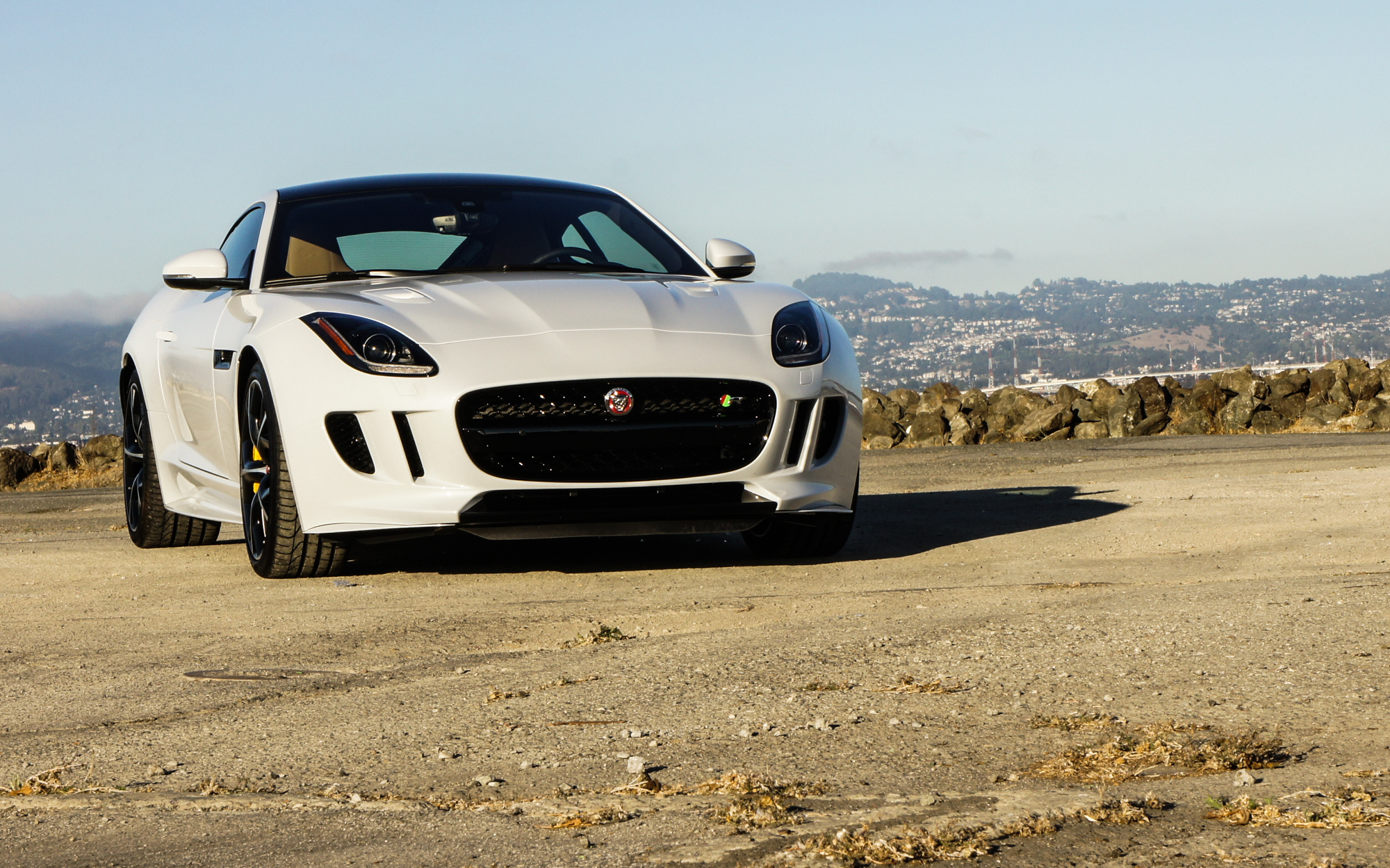
3. Jaguar F-Type (2013–2020)
The Jaguar F-Type reignited excitement in Jaguar’s sports car lineup, offering sleek styling, modern technology, and thrilling performance. However, the early models of the F-Type have rapidly become expensive due to limited production numbers, celebrity endorsements, and the mystique of modern British sports cars.
While visually and emotionally compelling, the market has arguably overvalued these models relative to their long-term collectibility.
Mechanical reliability and maintenance costs are critical considerations. The F-Type employs sophisticated electronics, turbocharged engines, and advanced drivetrains that require specialized servicing. Repairs can be expensive, and this cost factor often pushes total ownership beyond what the purchase price alone would suggest. Such realities make high-priced examples less appealing to practical collectors.
Market trends indicate that F-Type prices are sustained by perception rather than scarcity. High demand in the collector segment is driven by aesthetic appeal, media exposure, and social proof rather than historic importance. Unlike older Jaguar classics with proven long-term desirability, early F-Type models are still establishing their place in the collector hierarchy, yet their prices already reflect premium levels.
The driving experience is exhilarating, combining responsive handling with powerful engines. Yet, comparable modern sports cars deliver similar thrills at lower cost or with better reliability, which challenges the F-Type’s valuation logic. Many enthusiasts recognize this imbalance, but strong brand loyalty and visual appeal continue to support inflated prices.
The Jaguar F-Type exemplifies how modern sports cars can become overpriced quickly when hype, styling, and emotional appeal dominate rational market assessment. While ownership remains enjoyable, buyers should approach the F-Type with careful consideration of both costs and long-term value potential.
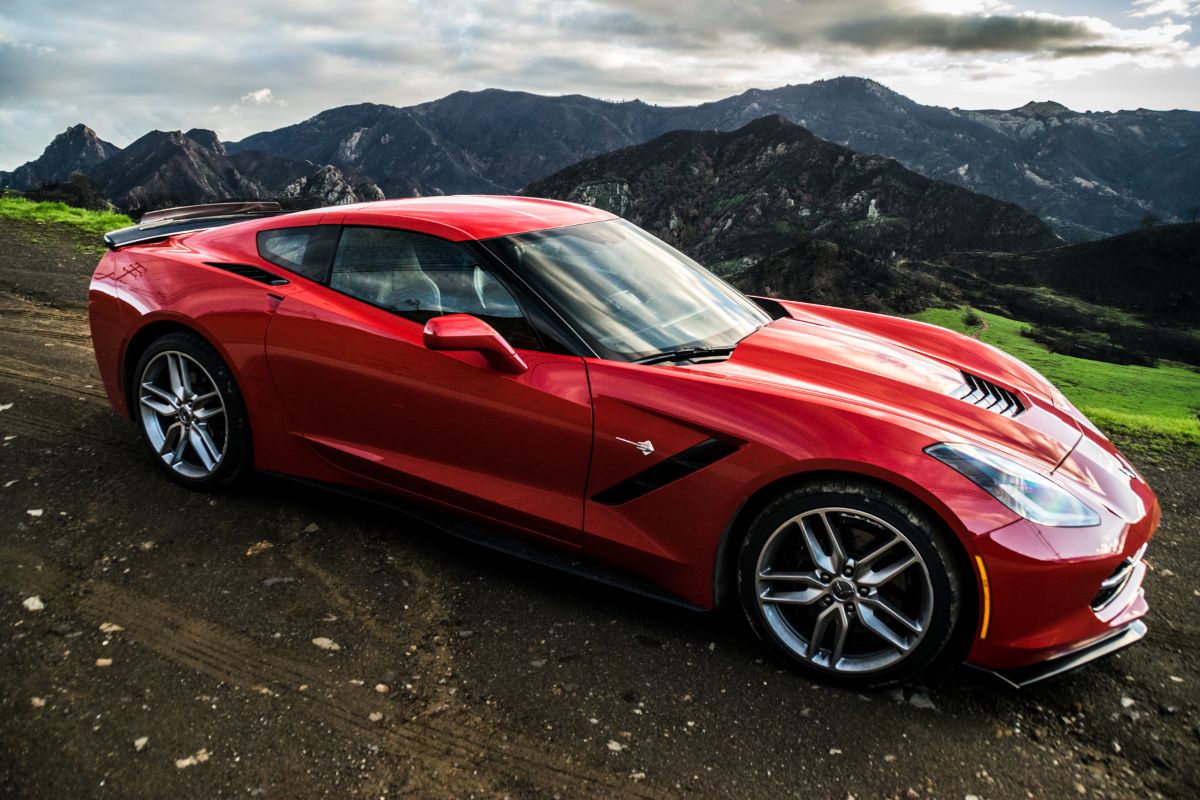
4. Chevrolet Corvette C7 (2014–2019)
The Chevrolet Corvette C7 is a performance-focused American sports car that combines advanced engineering with distinctive styling. While it offers a strong V8, sharp handling, and cutting-edge technology for its time, the market has positioned early examples at prices exceeding reasonable expectations.
Many collectors are willing to pay a premium due to the car’s reputation as “America’s supercar,” driving valuations higher than objective performance or rarity might warrant.
Ownership can be more demanding than anticipated. Although robust compared to some European exotics, the C7 still requires attention to maintain peak performance. Issues with electronics, suspension components, or cosmetic wear can add costs quickly, and these considerations are often overlooked by buyers fixated on brand prestige.
Market dynamics show that nostalgia, marketing, and a high-profile collector community have elevated the C7’s value. Compared to earlier Corvettes or contemporary sports cars, pricing is heavily influenced by perception of the Corvette as a cultural icon, sometimes exceeding what the car offers in terms of performance metrics or historical significance.
Driving the C7 remains exciting, with strong acceleration, responsive steering, and a confident chassis. However, when evaluated against competitors in the same era, such as Porsche or Audi performance models, the C7’s price is arguably inflated. Enthusiasts seeking cost-to-performance balance may find better alternatives without sacrificing enjoyment.
While the Corvette C7 provides thrills, design appeal, and a cultural connection, its pricing reflects emotional value more than practical or long-term investment logic. Buyers should weigh the experiential benefits against the high market valuations, as overpricing can distort expectations of future returns.
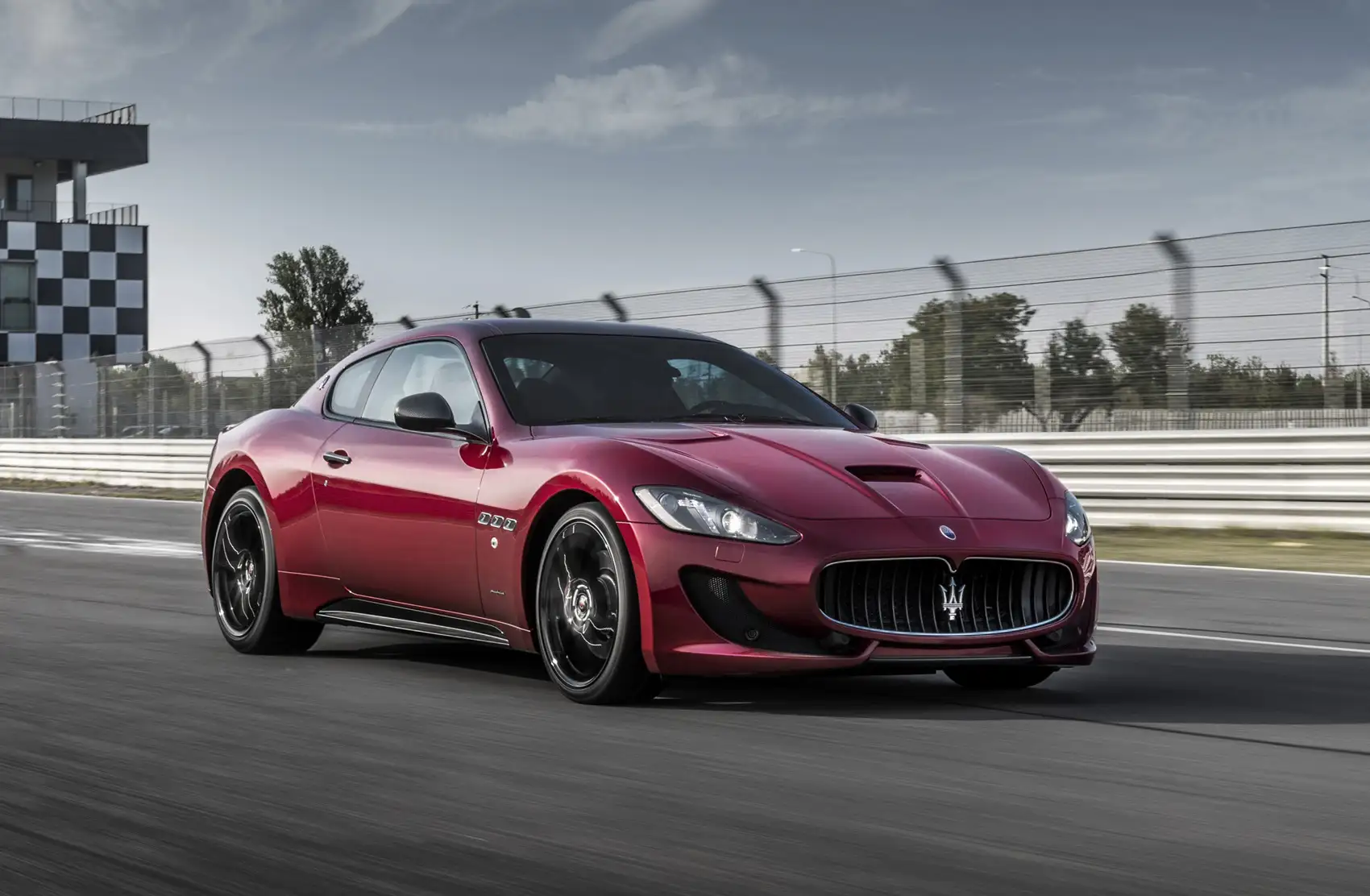
5. Maserati GranTurismo (2007–2019)
The Maserati GranTurismo is celebrated for Italian design, V8 power, and luxurious interiors. Despite these qualities, its market value has historically been inflated relative to reliability and long-term collectibility. Maserati’s limited production numbers and brand prestige contribute to emotional appeal, but mechanical complexity, high maintenance costs, and a less predictable collector market make it arguably overpriced compared to other luxury sports cars.
Maintenance and parts are significant factors in ownership. The GranTurismo’s intricate engineering requires specialist servicing, with replacement parts commanding premium prices. Even minor issues can escalate into costly repairs, meaning total cost of ownership often exceeds what buyers expect based on initial pricing alone.
Market valuation is heavily influenced by brand image, exotic appeal, and celebrity ownership. Unlike Ferrari or Porsche, the GranTurismo lacks consistent historical collectibility, yet market hype has placed early examples at elevated price points. This divergence between perception and intrinsic value is why the GranTurismo is frequently cited as overpriced.
Driving experience is refined, blending comfort with sportiness. The engine delivers a throaty soundtrack, and handling is engaging for its weight class. Yet, comparable vehicles often provide similar thrills with lower maintenance overhead or more predictable long-term value, challenging the GranTurismo’s pricing rationale.
The Maserati GranTurismo is a visually stunning, emotionally satisfying car, but its market value exceeds practical or performance-based expectations. For collectors and enthusiasts, careful consideration is essential before committing to a car whose emotional allure may overshadow rational investment logic.
