
Vintage automobiles have always carried a unique charm that modern vehicles struggle to replicate. They reflect a combination of technological experimentation, design philosophy, and cultural trends of their time. Among the many elements that define a car’s aesthetic and functionality, the windshield plays a subtle yet critical role.
Windshields not only provide visibility and safety but also contribute to the visual identity of the vehicle. In the early and mid-twentieth century, automotive designers experimented with various windshield shapes, leading to the introduction of wrap-around glass as a contrast to the conventional flat glass.
Wrap-around windshields create a sense of continuity with the body of the car, offering a panoramic view that flat glass windshields cannot match. These curved panes of glass became symbolic of progress, luxury, and aerodynamic consideration in automobile design.
Manufacturers aimed to balance the artistic appeal of the windshield with practical concerns such as driver visibility, structural integrity, and manufacturing complexity. While wrap-around designs represented an era of innovation and stylistic boldness, flat glass windshields continued to dominate the market due to their ease of production and robustness.
Each approach carries advantages and limitations, reflecting different priorities of designers and consumers. In addition to technical implications, the choice of windshield style also influenced other aspects of car design, such as the curvature of the roof, door shapes, and dashboard layout.
Wrap-around windshields often required more complex glass bending techniques and careful integration with chrome trim, whereas flat glass allowed for simpler installation and maintenance. Collectors and enthusiasts today often appreciate wrap-around windshields for their nostalgic appeal and elegance, associating them with a classic, futuristic look of the mid-century era.
On the other hand, flat glass vehicles evoke a sense of straightforward engineering, durability, and authenticity that many vintage car lovers admire. Understanding these two windshield styles provides insight into the evolution of automotive aesthetics, safety considerations, and the technological capabilities of manufacturers in the past.
Comparing vehicles that feature wrap-around glass with those that maintain traditional flat windshields highlights how a seemingly small design choice can significantly affect perception, comfort, and driving experience. This article examines five vintage cars with wrap-around windshields and five with traditional flat glass, analyzing their design elements, historical context, and enduring appeal.
By examining both categories, it becomes clear how innovation and convention coexisted in the automotive world and how each approach influenced the trajectory of car design through decades. The discussion also demonstrates the relationship between function, style, and cultural values that guided designers and consumers during the evolution of mid-century automobiles.
These vehicles continue to capture the imagination of collectors, historians, and enthusiasts, providing a visual and functional window into the past. Each car selected represents a meaningful example of its type, showing the choices designers made in shaping the windshield and how that decision affected the character of the automobile.
This exploration offers both technical and aesthetic perspectives, enriching appreciation for a feature that many might otherwise overlook.
5 Vintage Cars With Wrap-Around Windshields
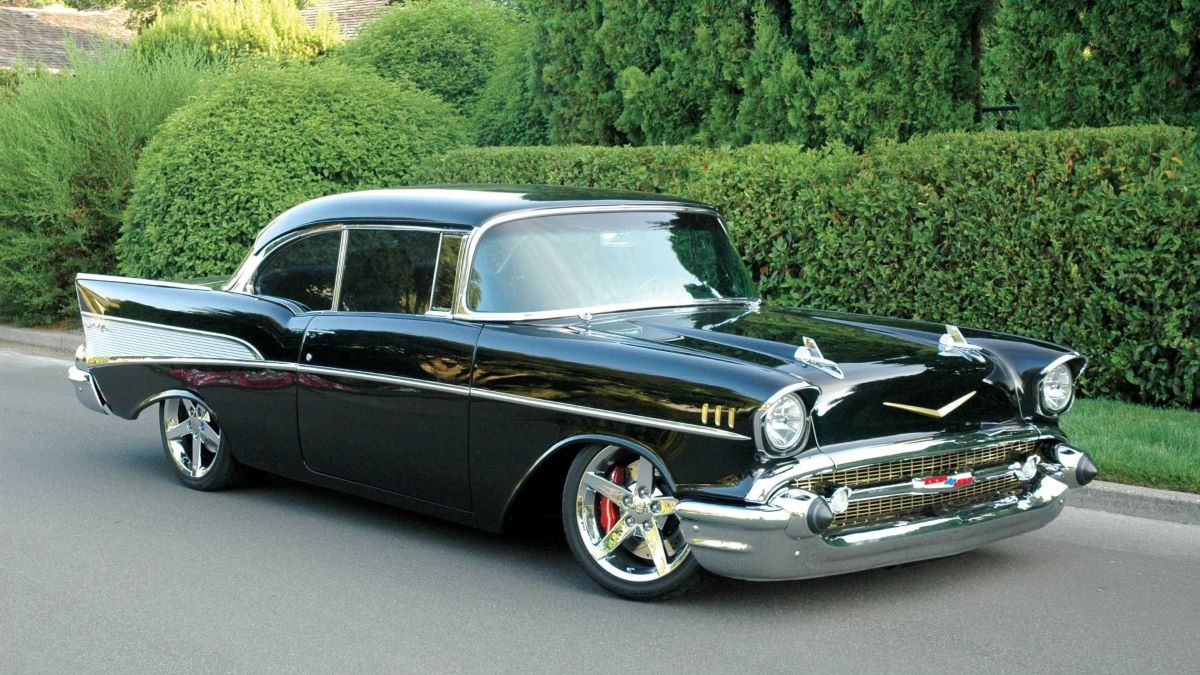
1. 1957 Chevrolet Bel Air
The 1957 Chevrolet Bel Air stands out as a symbol of 1950s American automotive style. Its wrap-around windshield contributed to the car’s wide and open visual stance, enhancing the feeling of spaciousness inside.
The curved glass complemented the sweeping lines of the hood and rear fins, creating a cohesive flow from front to back. Drivers enjoyed improved peripheral vision, which was particularly helpful in urban and suburban driving conditions of the era.
The integration of chrome accents along the edges of the windshield enhanced its visual impact, reflecting the era’s fascination with metallic finishes. These design choices gave the Bel Air a luxurious appearance without sacrificing practicality.
The curvature of the windshield also reduced glare and reflections, an unexpected functional benefit. The panoramic view encouraged social interaction inside the car, as passengers could see each other and the surroundings more easily.
Chevrolet’s engineering team had to address challenges related to glass strength and fit. The bending process used for wrap-around glass required precision to avoid stress points that could cause cracks over time. Despite these difficulties, the windshield added to the vehicle’s identity as a stylish yet functional family car.
Many restorers today prioritize original glass designs to preserve the authenticity and aesthetic charm of the Bel Air. The combination of bold styling, thoughtful engineering, and visual appeal makes this model one of the most celebrated in the history of wrap-around windshields.
Ownership of the Bel Air with a wrap-around windshield is often seen as a statement of taste. Collectors value its unique appearance, which stands apart from contemporaneous models with traditional flat glass.
The windshield acts as both a practical feature and a defining design element that immediately signals mid-century American automotive optimism. The blend of artistry and functionality represents a peak period of innovation, demonstrating how style and engineering could align successfully.
The 1957 Chevrolet Bel Air showcases the advantages of wrap-around windshields. They enhance visibility, complement design lines, and contribute to the car’s timeless appeal. Enthusiasts continue to admire these features for the combination of beauty, practicality, and historical significance.
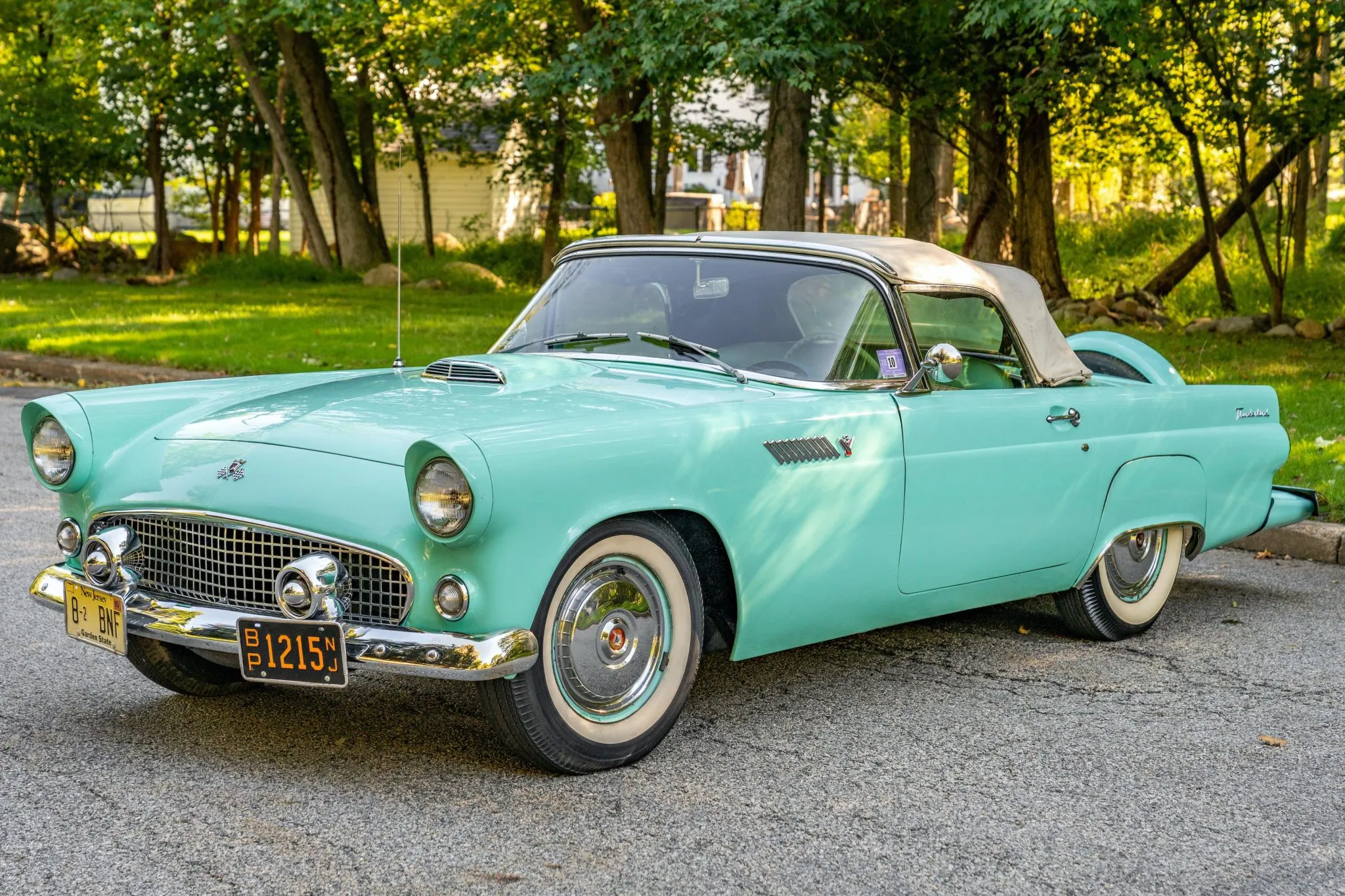
2. 1955 Ford Thunderbird
The 1955 Ford Thunderbird introduced the concept of a personal luxury car in the United States. Its wrap-around windshield was a key feature that differentiated it from more conservative designs. The curved glass helped create a sleek, aerodynamic profile that emphasized the car’s sporty personality. Inside, the windshield offered expansive visibility, making the driving experience feel open and connected to the environment.
The Thunderbird’s wrap-around design integrated smoothly with the low-slung body and elegant roofline. Its aesthetic appeal matched the growing demand for vehicles that combined performance with style.
The curvature also allowed for a smoother transition between body panels and window frames, reducing harsh edges and reinforcing the car’s refined appearance. Engineers balanced the desire for elegance with practical concerns, ensuring that the glass remained strong and resistant to environmental stressors.
Beyond visual appeal, the windshield improved driver comfort by reducing wind turbulence inside the cabin. Passengers experienced a quieter ride and better protection from external elements. The attention to both aesthetics and functionality exemplified the careful planning behind the Thunderbird’s design. Collectors today appreciate how these considerations contribute to the model’s enduring desirability.
The integration of wrap-around glass in the Thunderbird influenced other manufacturers to experiment with similar designs. It became a hallmark of mid-1950s American cars, representing technological capability and stylistic confidence. Maintaining the original glass is crucial for authenticity, and restoration projects often focus on preserving the integrity of the curved windshield.
The 1955 Ford Thunderbird remains a celebrated example of how wrap-around windshields can elevate a vehicle’s character. By offering improved visibility, aesthetic cohesion, and enhanced cabin experience, the glass serves as more than a simple functional component. It is a defining element that captures the spirit of mid-century automotive innovation.
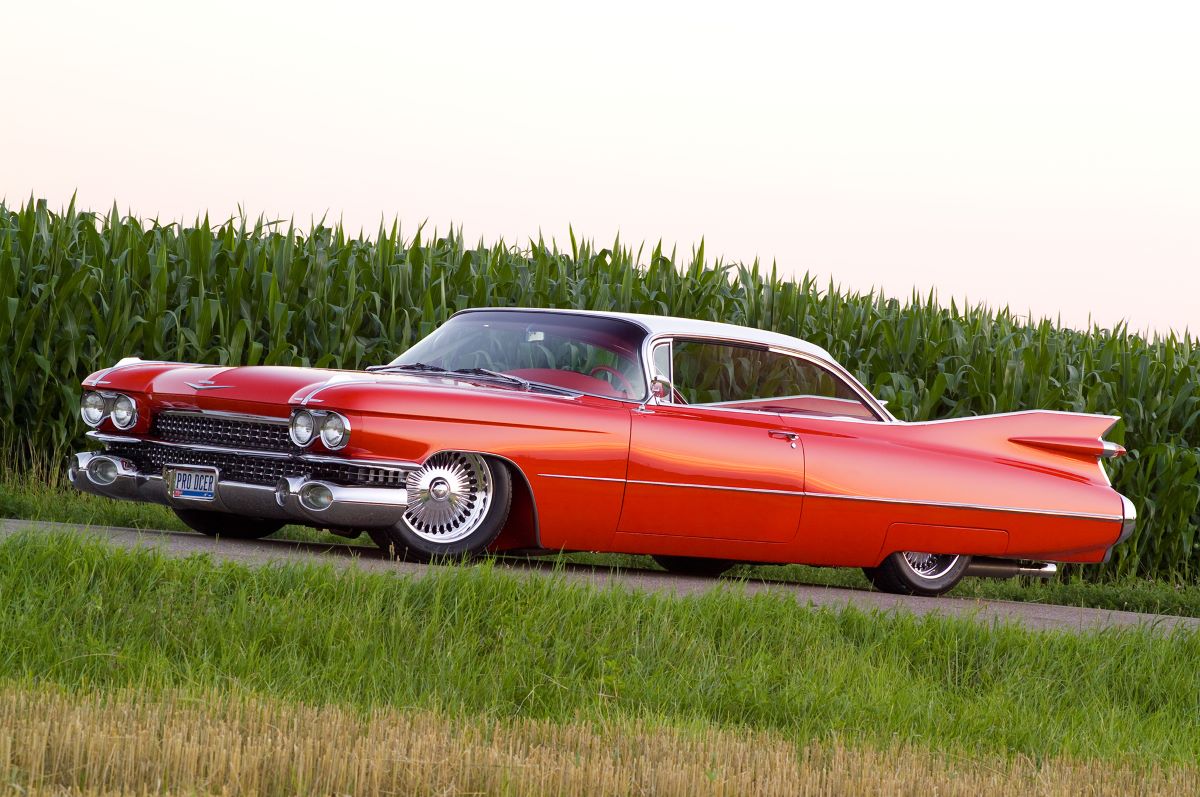
3. 1959 Cadillac Eldorado
The 1959 Cadillac Eldorado is remembered for its dramatic styling, particularly the iconic tailfins and luxurious interior. Its wrap-around windshield amplified the car’s presence, creating a sense of openness and sophistication.
The curvature allowed light to enter the cabin evenly, giving passengers a feeling of airiness that flat glass windshields could not provide. Designers carefully aligned the glass with chrome trim, achieving a flowing silhouette that emphasized elegance and modernity.
The windshield’s design also complemented Cadillac’s focus on aerodynamics, even if subtle by today’s standards. By wrapping around the front corners, the glass reduced visual blockages and enhanced peripheral awareness for the driver. This feature contributed not only to comfort but also to a safer driving experience, especially in city traffic. Cadillac engineers balanced style with functionality, ensuring the windshield maintained structural integrity under stress.
Inside the Eldorado, the panoramic view made the cabin feel expansive despite its relatively compact seating arrangement. Passengers could see the front fenders and surrounding road more clearly, enhancing their connection with the driving experience.
The wrap-around windshield contributed to the Eldorado’s reputation as a luxury vehicle that prioritized both comfort and style. Collectors today often seek original windshields to preserve this unique blend of visual appeal and historical authenticity.
Maintenance of these curved panes required care due to their complex shape and integration with metal trim. Any replacement needed precision, as improper fitting could compromise the aesthetic flow and create leaks or distortion. Enthusiasts admire how Cadillac managed to combine such a daring design with practicality, reflecting a period when automotive companies embraced ambitious visual statements.
The 1959 Eldorado’s wrap-around windshield remains an enduring symbol of 1950s luxury. It represents the era’s willingness to innovate with design while maintaining usability, a balance that defines the vehicle’s continued appeal among collectors and vintage car lovers. Its sweeping glass emphasizes Cadillac’s commitment to style, comfort, and technological progress.
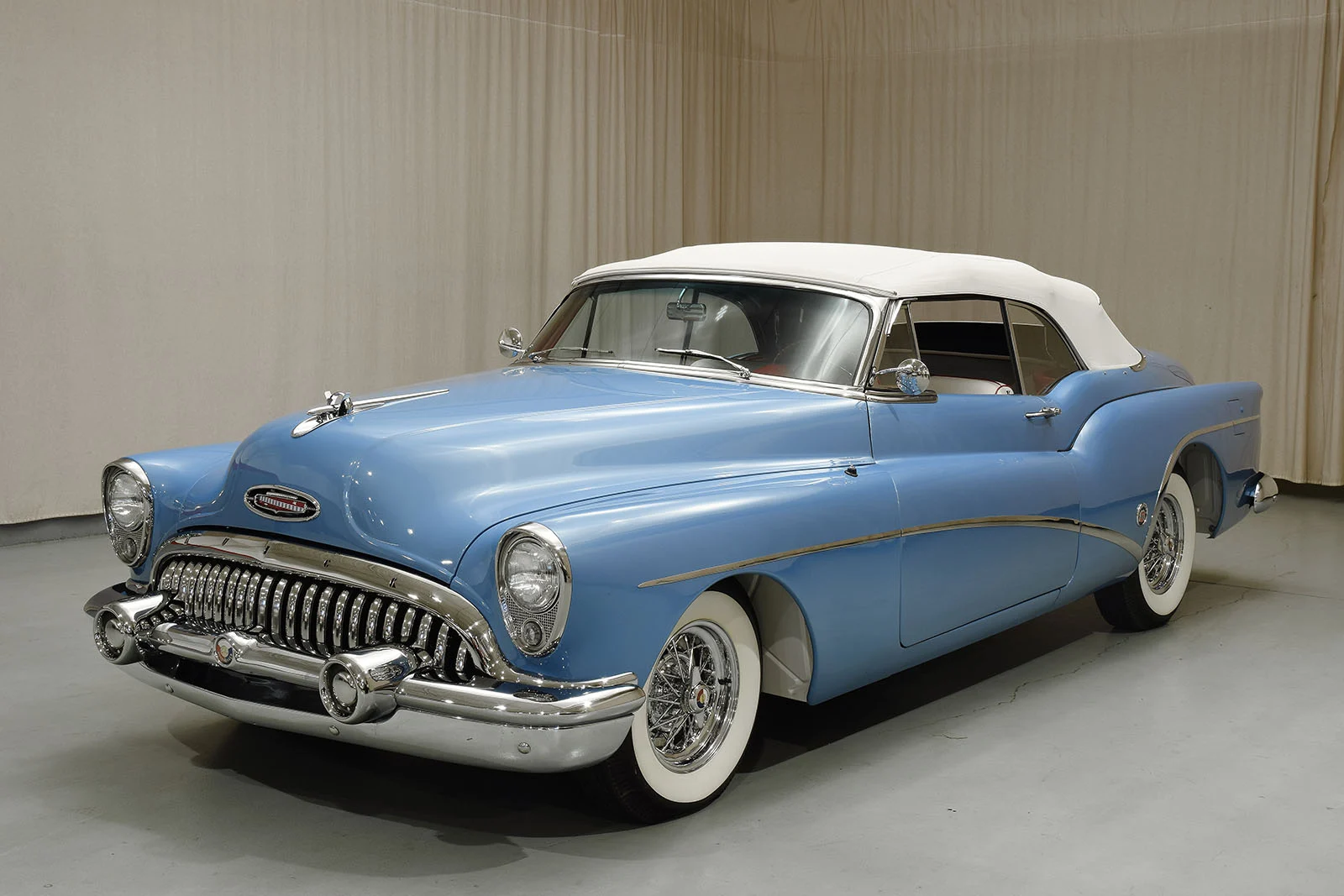
4. 1953 Buick Skylark
The 1953 Buick Skylark showcased elegance in a small, nimble package. Its wrap-around windshield contributed to the car’s charm, creating a visually cohesive front end. The curved glass allowed passengers to experience more of their surroundings, enhancing the sense of connection with the road. Designers highlighted the windshield with minimalistic chrome accents, emphasizing simplicity while retaining a luxurious feel.
Functionally, the wrap-around design reduced blind spots and improved visibility. Drivers benefited from better peripheral awareness, making navigation easier on narrow or winding roads. The glass’s curvature also minimized reflections and glare, contributing to both comfort and safety. Buick’s engineers balanced aesthetic appeal with practicality, ensuring that the vehicle retained structural stability.
Inside the Skylark, the windshield emphasized openness and light, making the cabin appear larger than its dimensions suggested. The panoramic view also encouraged social interaction among passengers, as everyone could maintain sightlines and share the experience of driving. This design choice reflected a growing trend toward incorporating passenger comfort into vehicle aesthetics.
The complexity of producing curved glass at the time meant that each windshield was carefully crafted. Restorers today prioritize originality to maintain the Skylark’s signature appearance. The wrap-around windshield is often cited as one of the defining elements of the vehicle, distinguishing it from similar models with flat glass.
The 1953 Buick Skylark illustrates how wrap-around windshields combined practicality with style. It remains a collectible example of mid-century design innovation, admired for its ability to enhance visibility, comfort, and aesthetic appeal without compromising structural integrity.
5. 1956 Lincoln Continental Mark II
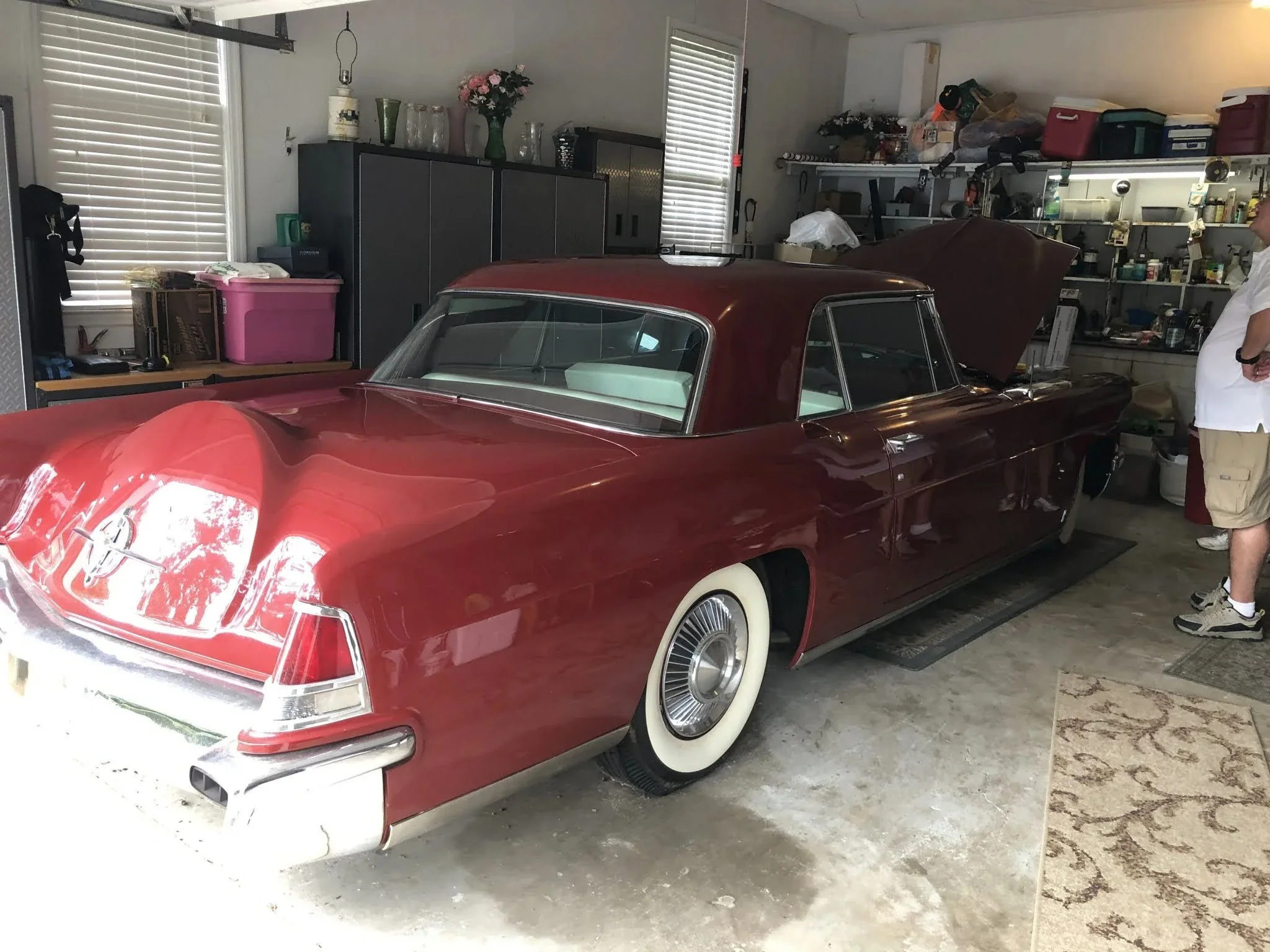
The 1956 Lincoln Continental Mark II is celebrated for understated luxury and refined proportions. Its wrap-around windshield played a pivotal role in its clean, continuous lines. The glass’s gentle curve extended visibility while integrating seamlessly with the car’s low roofline. Designers emphasized simplicity, avoiding excessive ornamentation, allowing the windshield to serve as both functional and stylistic centerpiece.
The curvature enhanced aerodynamics modestly, while also contributing to the vehicle’s serene interior atmosphere. Passengers enjoyed uninterrupted views of the road and surroundings, which made long drives feel more enjoyable. The integration with chrome trim highlighted the craftsmanship involved in assembling each windshield to exacting standards.
The wrap-around windshield also allowed Lincoln to achieve a balanced exterior profile. The smooth transition from hood to cabin reinforced the Mark II’s elegance. Functionally, it helped reduce wind noise and glare, contributing to a quiet and comfortable ride—a hallmark of Lincoln luxury at the time.
Maintenance and restoration required careful attention to the windshield’s curvature and seal. Any replacement needed precision to avoid distorting the car’s lines or compromising cabin protection. Collectors value original glass as it preserves the model’s authentic appearance and maintains its historic charm.
The 1956 Lincoln Continental Mark II exemplifies how wrap-around windshields combined technical innovation with visual sophistication. Its design enhanced driver and passenger experience, reinforcing the model’s reputation as one of the most elegant and luxurious vehicles of the 1950s.
5 Vintage Cars With Traditional Flat Glass
1. 1948 Cadillac Series 62
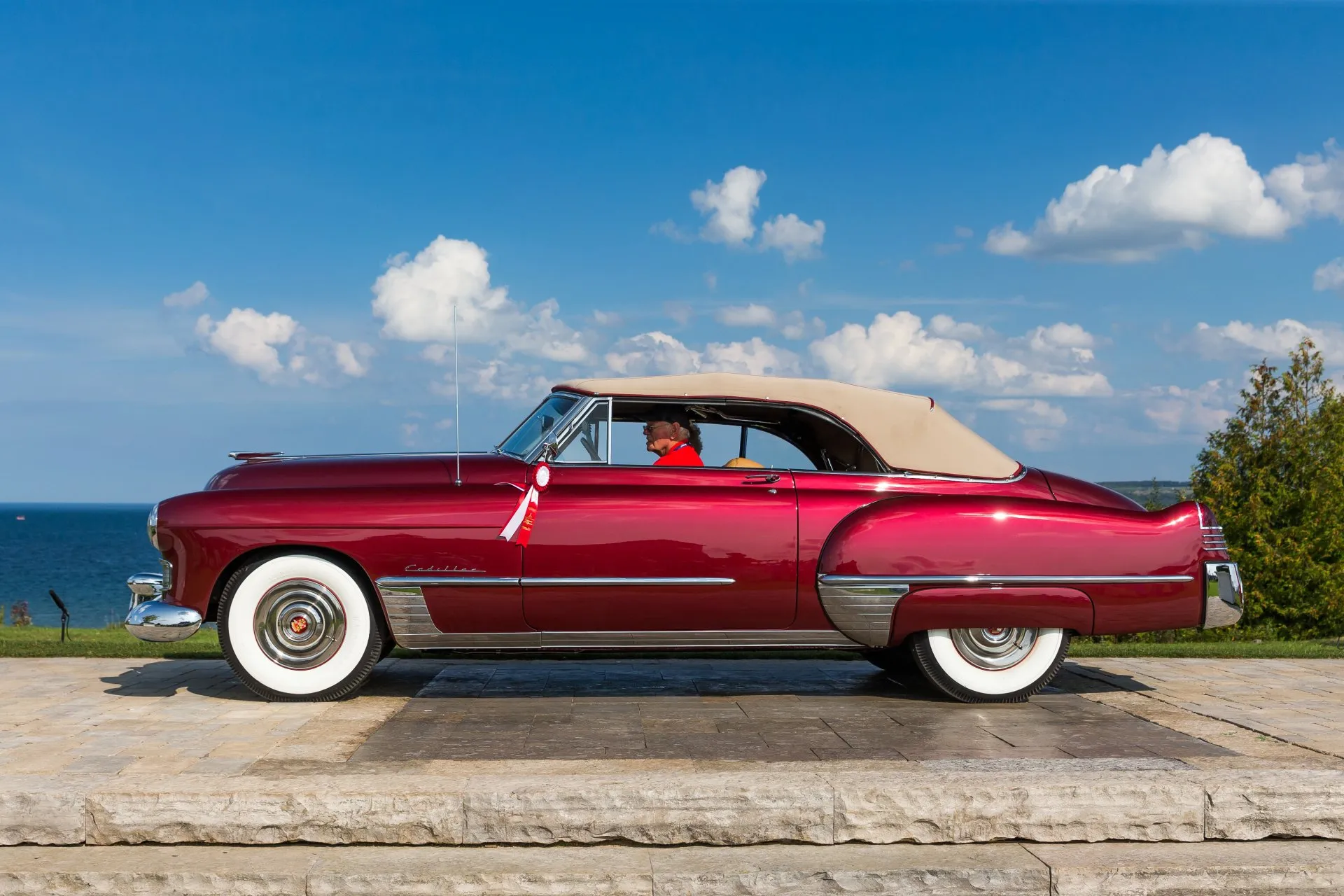
The 1948 Cadillac Series 62 retained a conservative approach with traditional flat glass windshields. While less visually dramatic than wrap-around designs, the flat windshield offered simplicity and durability. Its straightforward shape made replacement easier and more cost-effective, which was important for post-war car buyers. Drivers benefited from reliable visibility without the complexities of curved glass distortion.
The flat glass complemented the Series 62’s formal styling, emphasizing straight lines and classic proportions. Designers focused on symmetry and understated elegance rather than panoramic aesthetics. Chrome trim framed the windshield, highlighting craftsmanship while maintaining functional simplicity. This combination of practical design and visual refinement appealed to a wide range of consumers.
From an engineering perspective, flat glass was easier to produce with consistent thickness and minimal risk of defects. The windshield resisted warping and was less prone to cracking under stress, making it ideal for long-term ownership. Safety and maintenance considerations contributed to its enduring popularity among buyers of the era.
Inside the Series 62, the flat windshield provided a clear, undistorted view of the road. Though less immersive than curved glass, it created a reliable and comfortable driving environment. The simplicity of the design reinforced Cadillac’s reputation for durable and sophisticated vehicles.
Collectors today appreciate the flat glass of the 1948 Cadillac Series 62 for its historical authenticity. While lacking the flair of wrap-around windshields, it represents a practical, elegant solution that emphasized engineering reliability and classic styling.
2. 1947 Ford Super Deluxe
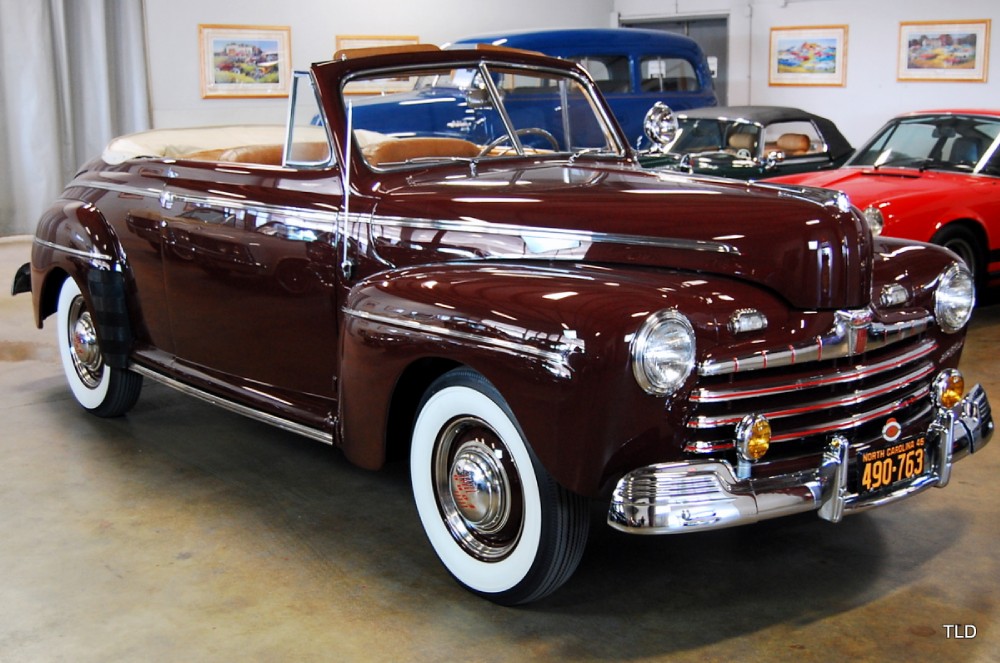
The 1947 Ford Super Deluxe maintained a traditional flat windshield design. Its simplicity reflected post-war priorities, focusing on economy and functionality. The flat glass offered clear visibility without manufacturing complexity, allowing Ford to produce cars efficiently for a growing market. Drivers appreciated the reliability and straightforward design, which required minimal maintenance.
The flat windshield integrated cleanly with the car’s upright styling and squared-off hood. It provided a balanced visual composition and reinforced the practical image of the Super Deluxe. Chrome framing added subtle decoration without distracting from the vehicle’s form. This approach highlighted an era when functionality often outweighed extravagant styling.
From a technical perspective, flat glass provided excellent durability and ease of repair. Cracks or damage could be addressed quickly without specialized tools or complex procedures. Ford’s commitment to practicality ensured that the Super Deluxe remained accessible to everyday consumers.
Inside, the windshield maintained unobstructed sightlines, allowing drivers to focus on the road. While lacking the panoramic appeal of wrap-around glass, it ensured clear vision and reduced distortion. Its straightforward form contributed to the cabin’s functional atmosphere.
Collectors value the 1947 Ford Super Deluxe for its authenticity and reliability. The flat windshield represents a practical design choice, emphasizing durability and clear lines while reflecting the economic and cultural priorities of the post-war period.
3. 1950 Mercury Eight
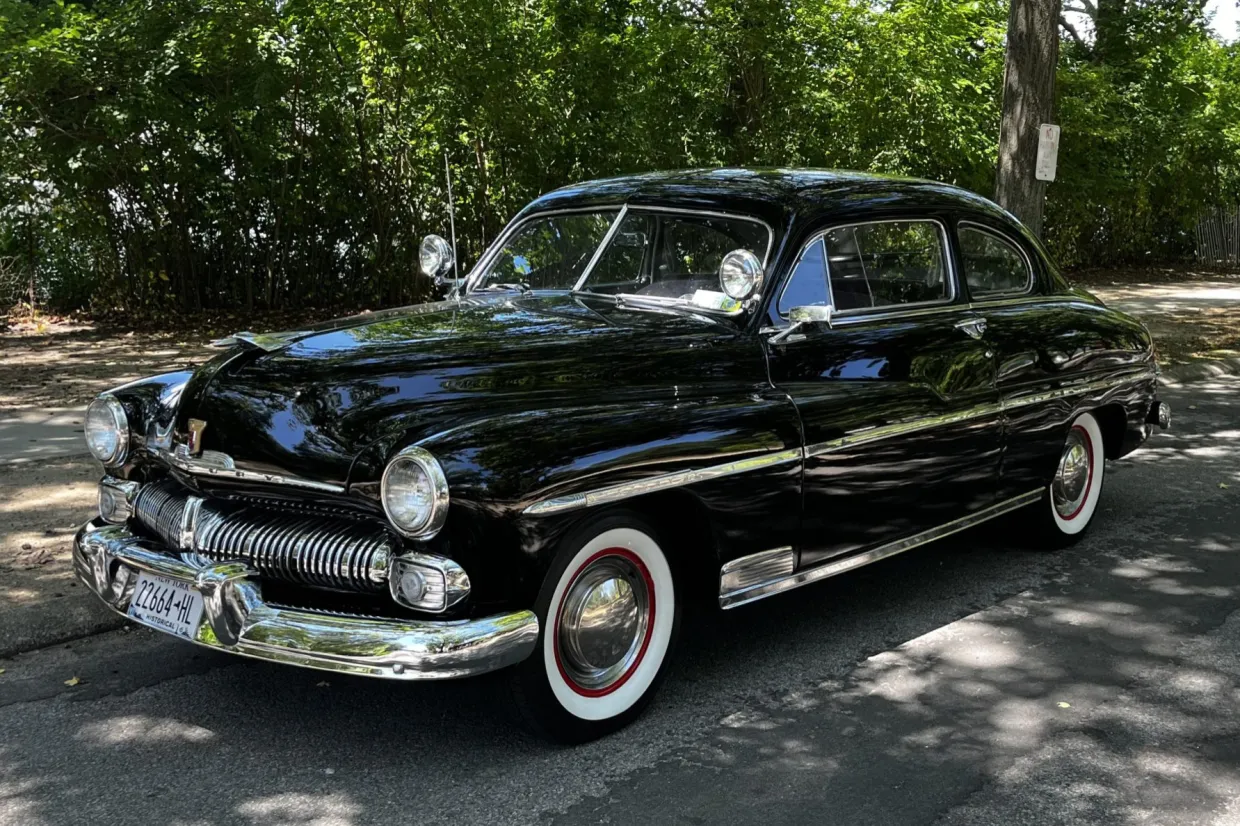
The 1950 Mercury Eight remained loyal to the traditional flat glass windshield, emphasizing practicality and straightforward design. Unlike curved windshields, flat glass simplified production while maintaining durability.
Drivers enjoyed consistent visibility with minimal distortion, which was particularly valuable in early post-war automobiles. The decision reflected Mercury’s focus on accessible engineering rather than flashy styling, appealing to a broad audience.
Visually, the flat windshield aligned with the Mercury Eight’s tall, upright hood and simple fender lines. The rectangular glass maintained the car’s symmetry and reinforced its solid, stable appearance. Chrome trim framed the windshield modestly, giving a subtle touch of refinement without complicating the design. This approach reflected a conservative aesthetic that prioritized clarity and composure over dramatic effect.
From an engineering perspective, flat glass was easier to manufacture in large volumes and required less specialized equipment. This allowed Mercury to meet consumer demand efficiently during a period of rapid automobile expansion. Flat panes were also less prone to warping or stress cracks compared to early attempts at curved windshields, ensuring a longer lifespan for the vehicle’s front glass.
Inside the cabin, the windshield offered a reliable, undistorted view of the road. Passengers could see the surroundings clearly, and drivers benefited from straightforward lines that minimized glare and reflection. The simplicity of the flat windshield contributed to Mercury’s reputation for practicality while maintaining comfort for both driver and passengers.
Collectors today often appreciate the Mercury Eight’s flat glass as a representation of post-war engineering sensibility. While it lacks the flair of wrap-around designs, the windshield embodies an era of durability, functionality, and balanced aesthetics, making it an enduring example of early 1950s American car design.

4. 1949 Plymouth Special Deluxe
The 1949 Plymouth Special Deluxe featured a flat windshield that reinforced its conservative styling and functional design. The rectangular glass provided consistent vision for the driver and passengers, with minimal optical distortion.
At a time when many manufacturers were experimenting with curved glass, Plymouth maintained a practical approach that emphasized cost-effectiveness and durability. The simplicity of the flat windshield contributed to the vehicle’s reliability and ease of maintenance.
Aesthetic considerations were carefully balanced despite the flat design. The windshield complemented the Special Deluxe’s rounded fenders and smooth roofline without appearing disjointed.
Modest chrome trim along the edges highlighted the windshield subtly, giving it a touch of elegance without overpowering the car’s visual harmony. This restrained approach appealed to buyers seeking dependable, stylish vehicles without unnecessary extravagance.
From a production standpoint, flat glass minimized errors and reduced manufacturing time. The ability to produce uniform, reliable windshields at scale allowed Plymouth to meet market demands efficiently. The simpler design also made replacement and repair more accessible for owners, a practical advantage in post-war America when service networks were expanding.
Inside the cabin, the flat windshield ensured clear visibility for all occupants. Its undistorted view allowed drivers to navigate with confidence and passengers to enjoy the ride without visual distractions. The simplicity of the windshield complemented Plymouth’s straightforward dashboard layout, reinforcing a sense of order and functionality within the vehicle.
Today, collectors value the 1949 Plymouth Special Deluxe for its authenticity and practicality. The flat windshield symbolizes an era of accessible automotive design, reflecting both the technological limitations and consumer priorities of the late 1940s. Its restrained elegance and reliability continue to make it a sought-after model among vintage car enthusiasts.
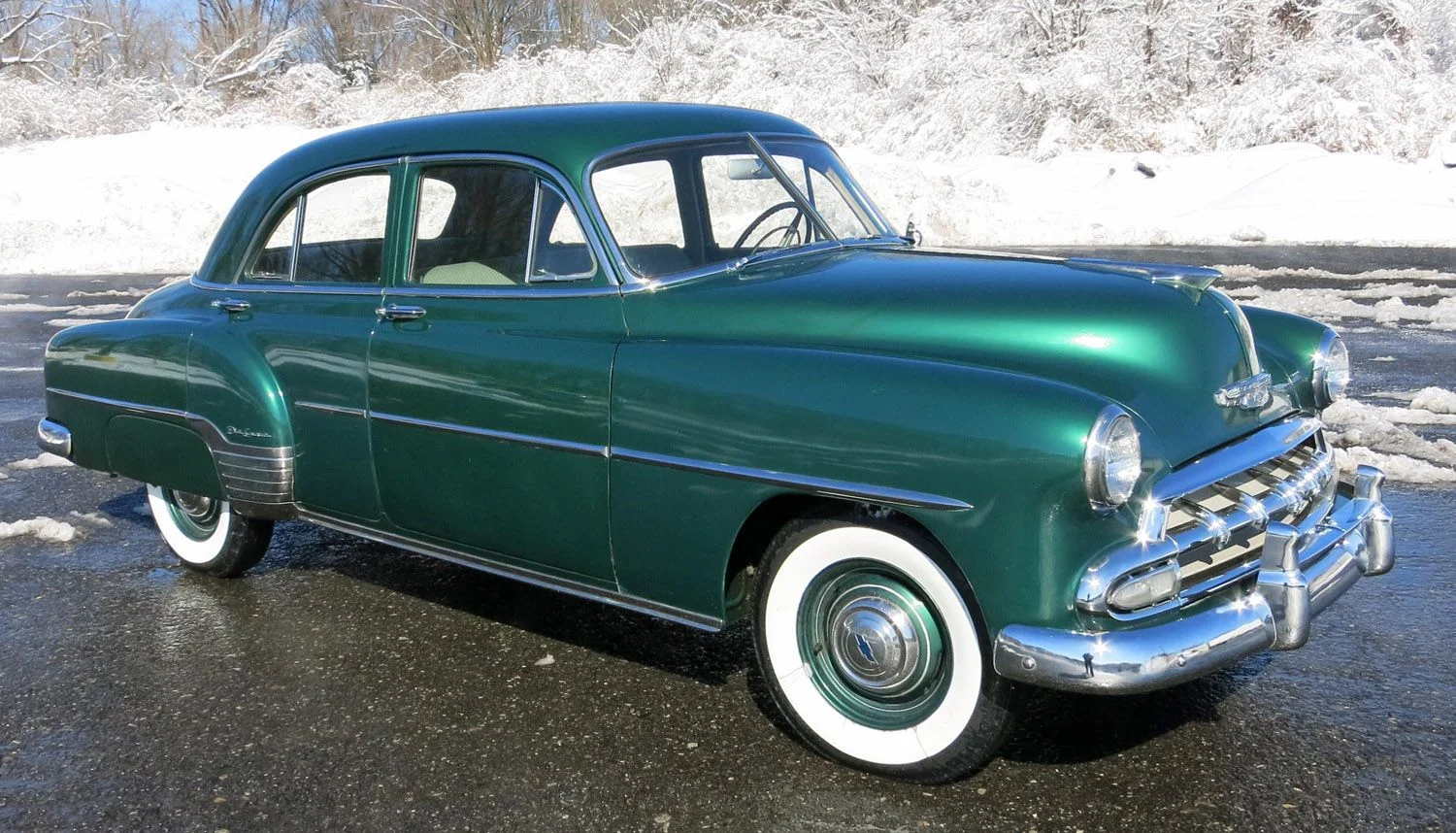
5. 1952 Chevrolet Styleline
The 1952 Chevrolet Styleline retained a traditional flat glass windshield, demonstrating a preference for straightforward design over stylistic experimentation. The windshield offered consistent visibility, reducing optical distortions and improving driving safety.
Chevrolet’s choice reflected a broader trend of balancing aesthetics with cost-effectiveness, allowing consumers to enjoy a stylish yet practical vehicle. The flat glass was robust, easy to replace, and compatible with Chevrolet’s mass production methods.
Designers integrated the flat windshield into the Styleline’s curving fenders and slightly rounded roofline, achieving a cohesive appearance without complex manufacturing. Chrome trim provided a subtle accent along the top and sides of the glass, emphasizing refinement while maintaining functionality. The windshield’s geometry reinforced the car’s sense of stability, complementing its broad stance and understated styling.
From a technical standpoint, flat glass was easier to produce and less prone to stress fractures than early curved panes. This reliability reduced maintenance costs and improved long-term ownership satisfaction. Chevrolet’s engineers also appreciated that flat glass allowed for precise alignment with door frames and roof panels, ensuring a seamless fit throughout the vehicle.
Inside the car, the flat windshield provided an unobstructed view of the road, minimizing reflections and glare. Drivers benefited from a practical field of vision, while passengers could enjoy the scenery without distortion. The windshield’s simplicity contributed to a functional, comfortable interior environment, supporting Chevrolet’s reputation for dependable mid-range vehicles.
Collectors today appreciate the 1952 Chevrolet Styleline’s flat windshield for its historical authenticity. While it lacks the dramatic flair of wrap-around glass, the flat design highlights a pragmatic approach to automotive design in the early 1950s. Its combination of functionality, durability, and understated elegance continues to attract vintage car enthusiasts worldwide.
