
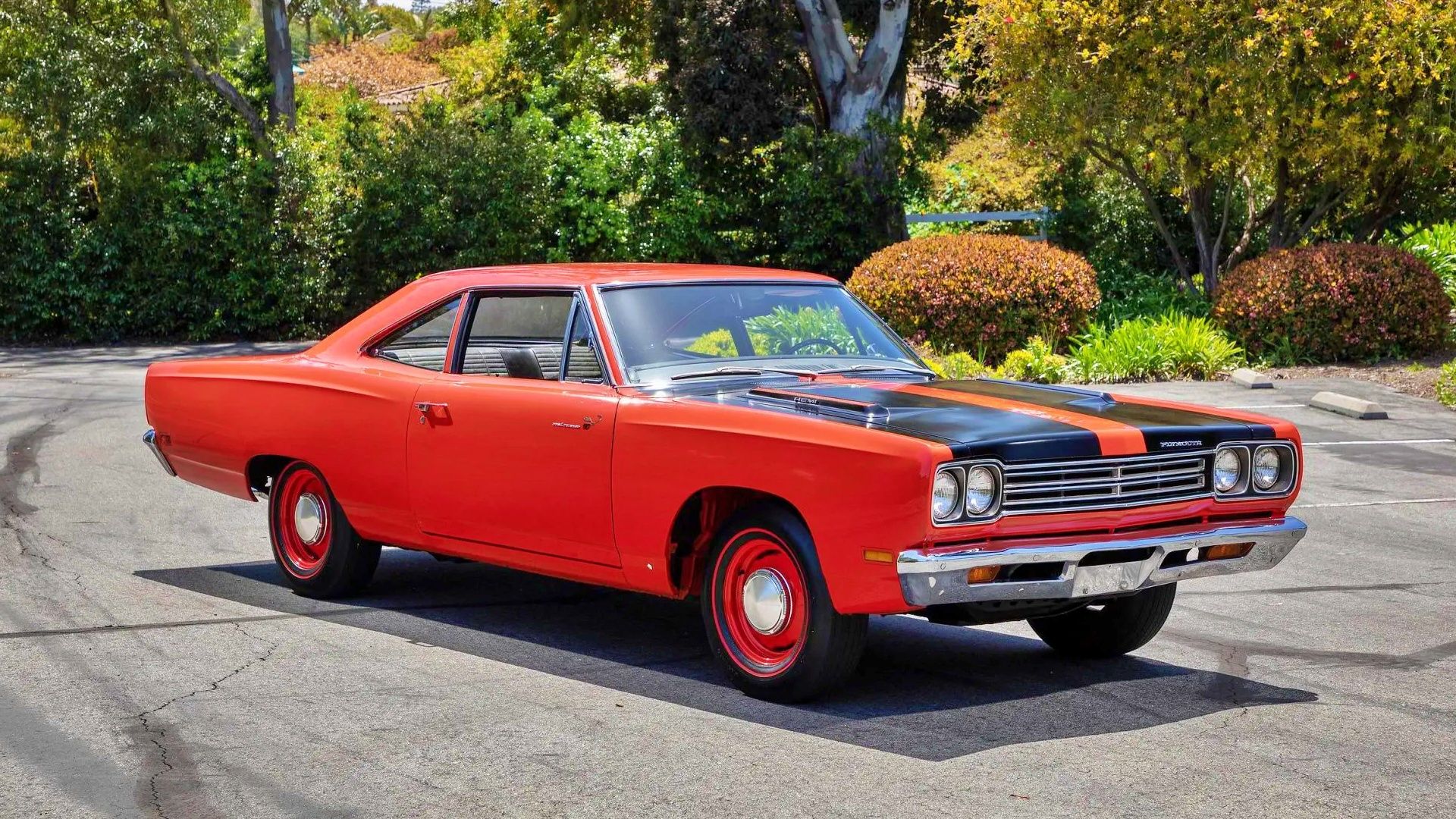
The 1960s marked a revolutionary era in American automotive history, as manufacturers began to focus not only on performance but also on bold, expressive designs. Muscle cars became a symbol of freedom, power, and innovation, capturing the imagination of enthusiasts and collectors alike.
During this period, headlights were more than functional components; they became integral elements of a car’s personality. Designers experimented with various layouts, creating vehicles with either hidden headlights, which added a sense of mystery and sleekness, or exposed units that emphasized aggressiveness and raw presence. Each style reflected the automotive culture of the decade, balancing aesthetics with practical considerations.
Hidden headlights often required mechanisms to retract or swivel the lights, creating a futuristic appearance while maintaining smooth body lines. Cars equipped with these features were sometimes seen as more elegant or sophisticated, appealing to buyers who wanted performance without compromising style.
In contrast, exposed headlights were simple, direct, and instantly recognizable, highlighting the muscular stance of the car. They often became signature design elements, giving the vehicles a commanding presence on the road. Manufacturers chose their headlight strategies based on marketing goals, engineering limitations, and customer preferences, resulting in diverse and memorable lineups.
The performance of these cars was equally noteworthy. Many models featured powerful V8 engines capable of impressive acceleration, with engineering focused on straight-line speed and road presence. Hidden and exposed headlights both found their place in cars that offered exhilarating drives, yet the styling differences created distinct impressions.
For collectors, these features serve as visual markers of the era and demonstrate how design innovation was intertwined with automotive culture. The decade’s muscle cars remain iconic, celebrated for both their performance and their unique aesthetics, including their approach to lighting.
Cultural factors also played a role. The 1960s were a time of social change, and muscle cars became symbols of youth rebellion, individuality, and aspiration. The way a car looked could make a statement as bold as the engine under its hood. Hidden headlights often suggested sophistication and subtlety, while exposed headlights communicated strength and defiance.
Both styles reflected broader trends in design, fashion, and even music, contributing to the legendary status these cars enjoy today. Their legacy persists not only in the vehicles themselves but also in how enthusiasts perceive automotive identity.
Today, muscle cars from the 1960s continue to influence design philosophy and collector value. Cars with hidden headlights often command attention for their clever engineering and distinctive appearance, while those with exposed headlights remain celebrated for their straightforward, aggressive character. Understanding these stylistic choices enhances appreciation for the era’s innovation and artistry.
Each headlight design tells a story, and studying these choices provides insight into the values and priorities of designers, engineers, and drivers from one of the most exciting periods in automotive history. The following sections highlight ten of the most iconic 1960s muscle cars, divided by headlight style, to illustrate the variety and creativity that defined the era.
5 Iconic 1960s Muscle Cars With Hidden Headlights
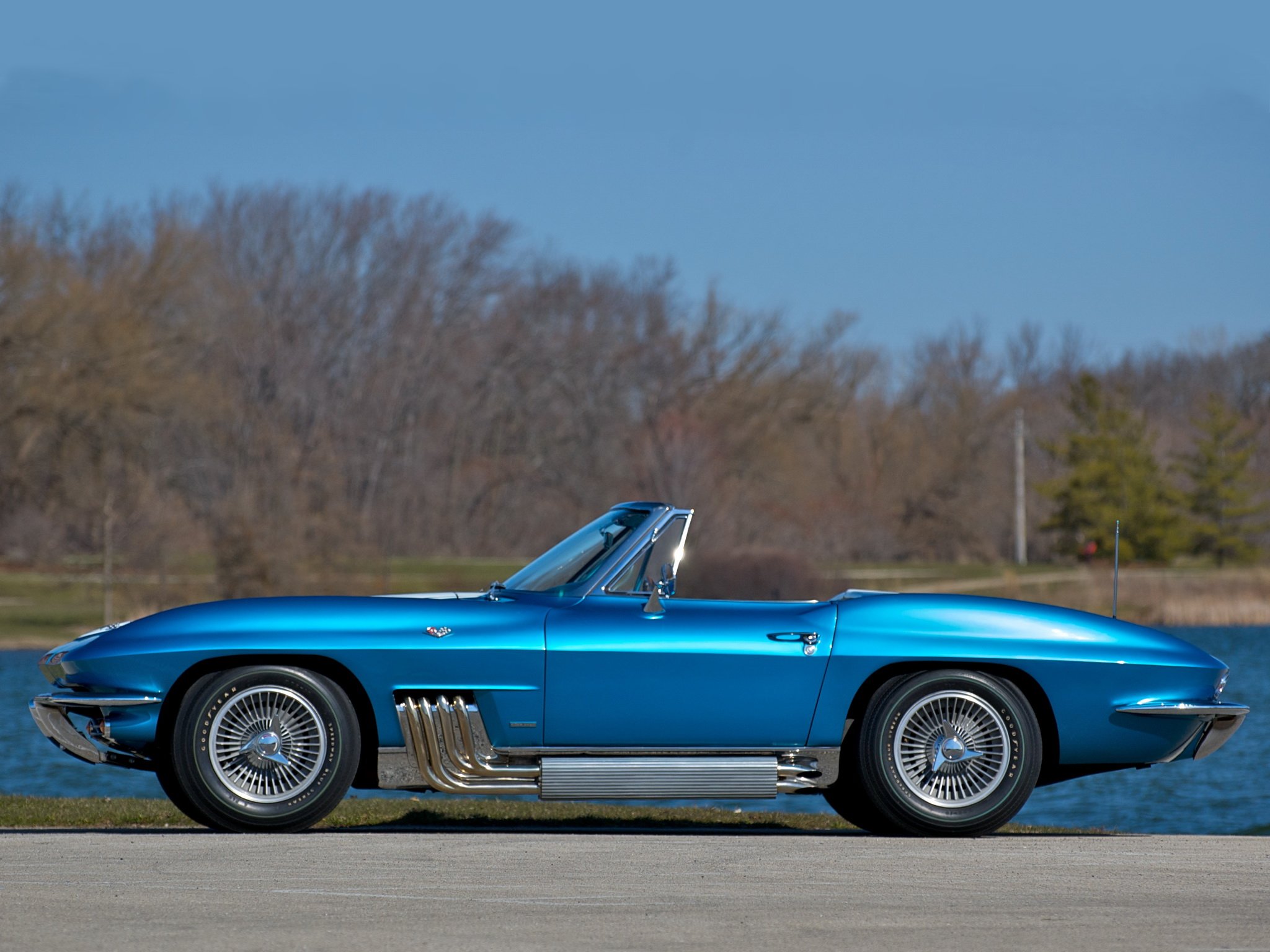
1. Chevrolet Corvette C2 (1963–1967)
The second-generation Corvette brought a dramatic shift in American sports car design. Its hidden headlights rotated into the fenders, creating smooth lines when off. This feature enhanced aerodynamics while giving the car a futuristic look. The Corvette C2’s styling became one of the most influential of the decade, combining elegance with muscle.
Beneath its stylish exterior, the C2 offered engines ranging from a 327-cubic-inch V8 to the legendary 427-cubic-inch powerplant. Acceleration and handling set new benchmarks for American cars. The hidden headlights emphasized the car’s streamlined form. They allowed designers to create a long, uninterrupted nose.
The retractable lights contributed to a sense of refinement. Many enthusiasts admired the contrast between the car’s raw power and its subtle, covered headlights. This balance made the Corvette both visually appealing and performance-oriented. Its sleek profile became a hallmark of American automotive ingenuity.
Collectors value the hidden headlight C2 for its combination of form and function. The mechanism itself showcased engineering sophistication of the 1960s. Smooth operation and durability were not always guaranteed but added to the car’s mystique. Owning one remains a status symbol.
The Corvette C2 influenced other models in its era. Designers observed how hidden headlights could complement aggressive styling. Its success demonstrated that innovative lighting could enhance identity without compromising practicality. The car remains celebrated for both speed and appearance.
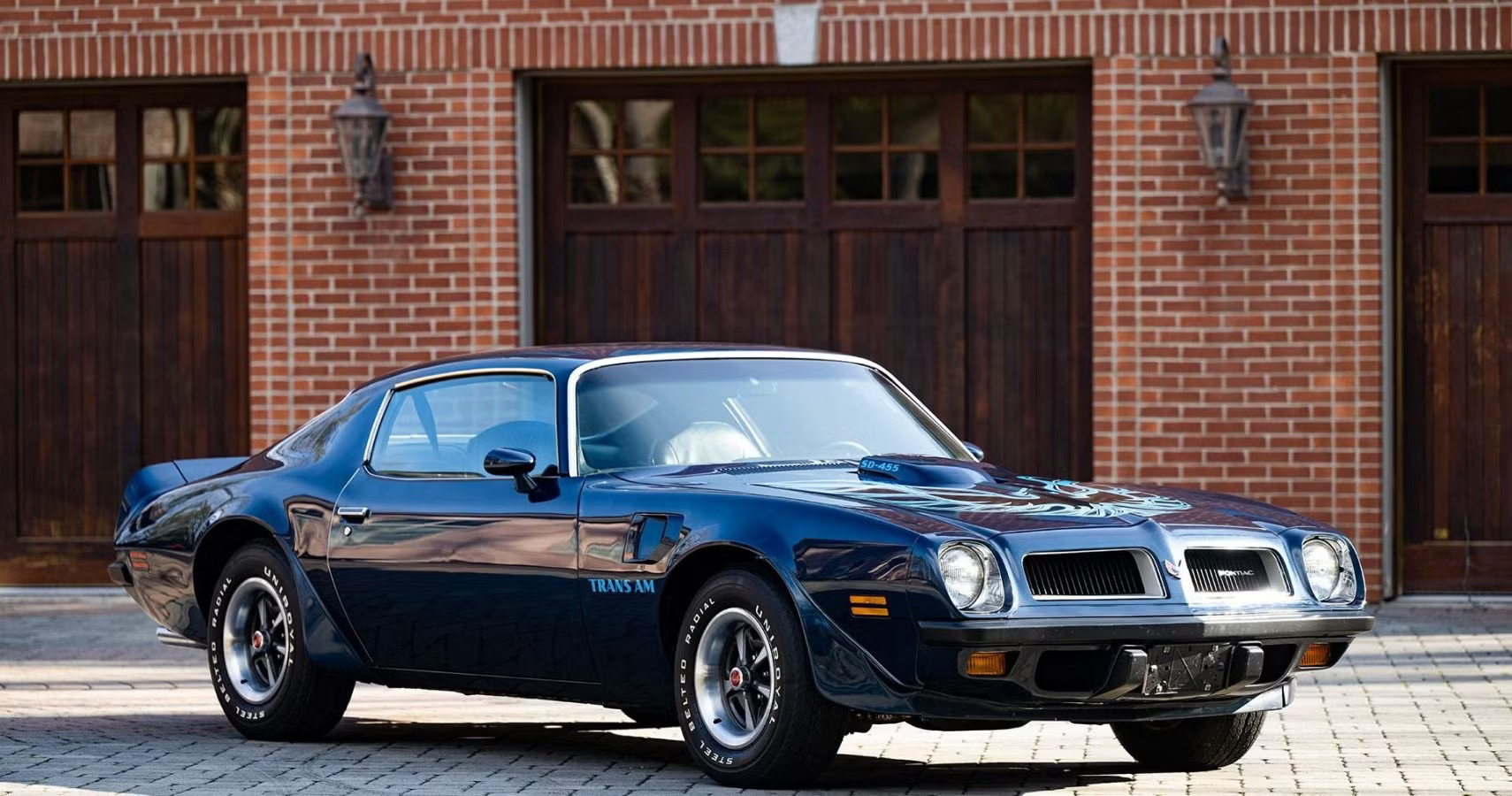
2. Pontiac Firebird (1967–1969)
Pontiac’s Firebird launched as a competitor to the Camaro and Mustang, featuring distinctive hidden headlights. The pop-up lights integrated seamlessly with the grille and hood design. They contributed to the Firebird’s aggressive yet refined appearance. Enthusiasts quickly recognized the model as a statement of style and performance.
Under the hood, the Firebird offered a variety of V8 options. These engines provided thrilling acceleration, matching the car’s bold looks. The hidden headlights reinforced its sporty aesthetic. They allowed a sleek front profile that enhanced both speed perception and visual appeal.
The retractable mechanism operated smoothly, adding a playful yet sophisticated touch. Owners appreciated the combination of practicality and style. It became an identifying feature, setting the Firebird apart from rivals with exposed units. This distinction helped it carve a niche in a competitive market.
The Firebird’s design reflected Pontiac’s desire to blend performance with flair. Hidden headlights complemented the long, sculpted hood and sharp fenders. These stylistic choices created a cohesive, aggressive presence on the road. They helped cement the Firebird’s legacy.
Today, the first-generation Firebird with hidden headlights remains a prized collector’s item. Its aesthetic appeal and performance capabilities make it an enduring favorite. The car represents the creative ambition of 1960s muscle car design.
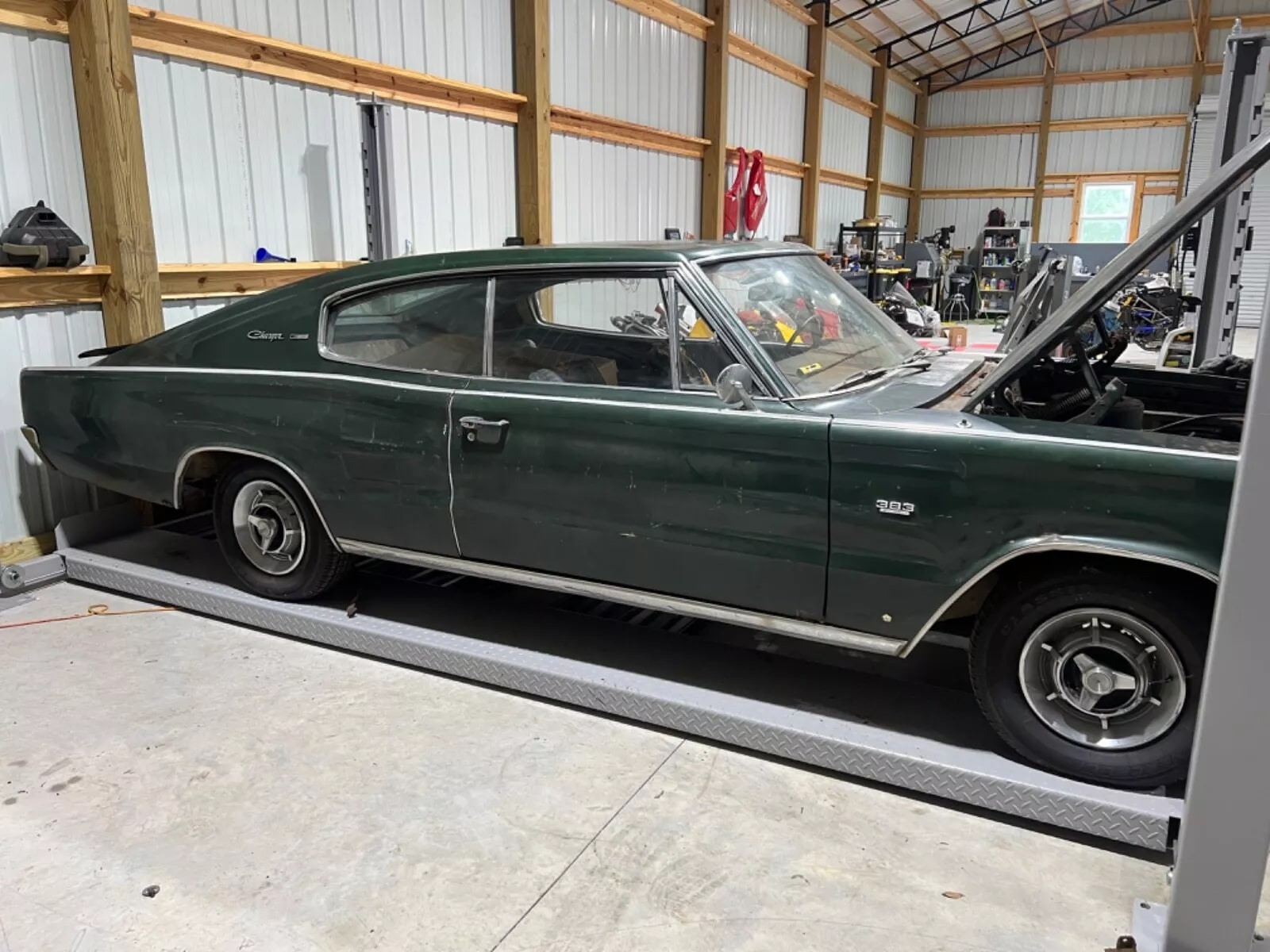
3. Dodge Charger (1966–1967)
The Dodge Charger introduced a new level of sophistication for the brand. Its hidden headlights rotated behind the grille, maintaining a clean front-end look. This design provided a subtle contrast to the car’s muscular frame. The Charger blended elegance and power in a way few competitors matched.
Its engine options ranged from the 318-cubic-inch V8 to the 426 HEMI. Performance was a priority, and the hidden headlights did not detract from aggressive styling. They enhanced the aerodynamic lines and emphasized the car’s wide stance. The Charger’s presence was both bold and refined.
Mechanically, the headlights were reliable, though occasionally temperamental. This feature added character and intrigue, making the car visually memorable. Drivers often appreciated the dramatic reveal when the lights emerged. It became a defining design element of the model.
The Charger’s hidden headlights complemented its styling philosophy. Designers aimed for balance between aggression and sophistication. The car’s silhouette benefited from the clean front, allowing the fenders and hood to dominate the visual impact. The result was a vehicle that turned heads effortlessly.
Collectors and enthusiasts still regard the Charger as one of the most iconic muscle cars. The combination of hidden headlights, performance, and styling makes it an enduring symbol of 1960s automotive ambition. Its legacy influences modern interpretations of classic design.
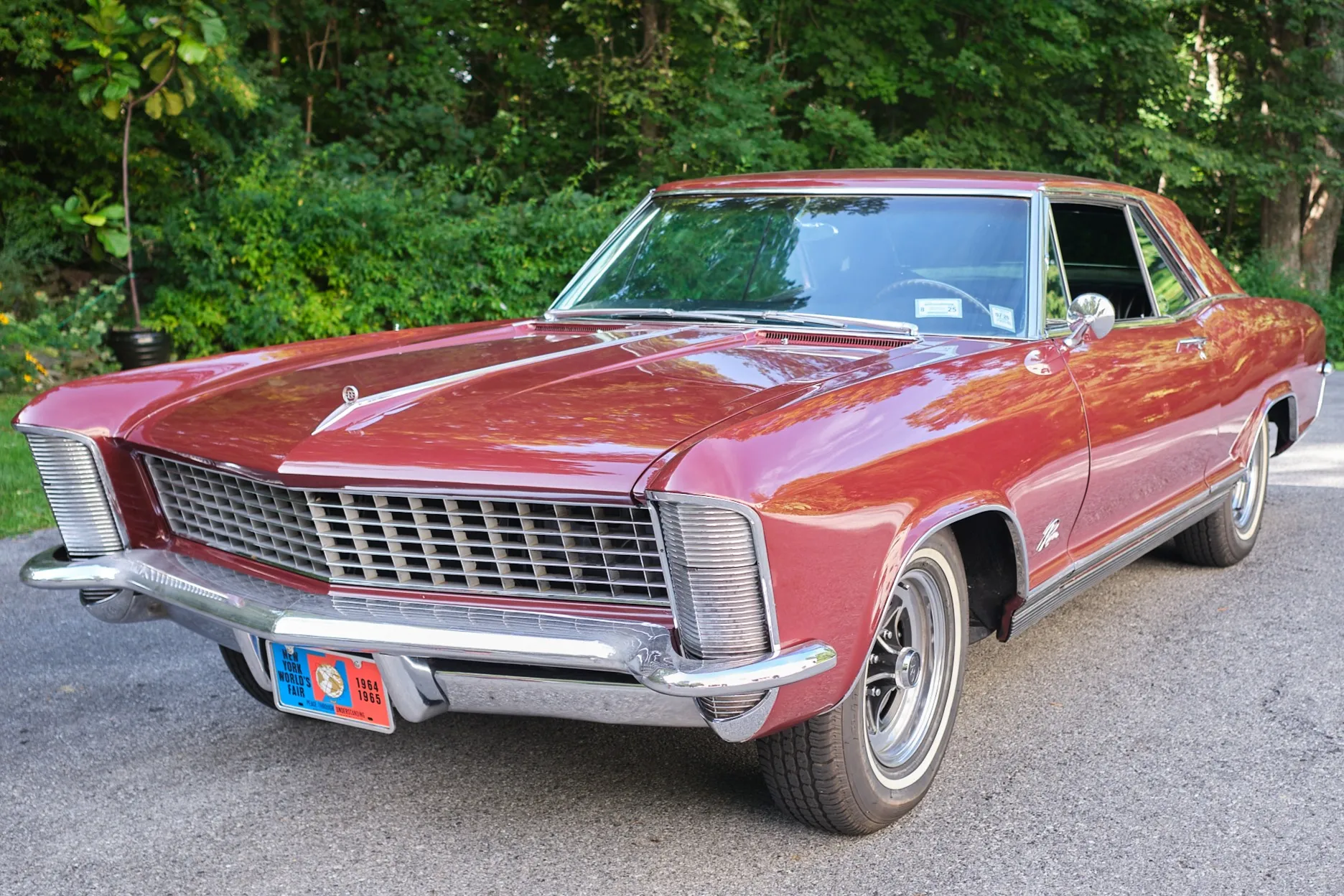
4. Buick Riviera (1963–1965)
The early 1960s Buick Riviera incorporated hidden headlights as part of a forward-thinking design. These pop-up lights integrated with the grille and emphasized the vehicle’s sweeping lines. The Riviera balanced luxury and performance, standing apart from more aggressive muscle cars. Hidden headlights enhanced the sophisticated image.
Performance came from V8 engines producing respectable horsepower. The car offered smooth acceleration and refined handling. Hidden headlights complemented the aerodynamic form. They allowed for a continuous, elegant hood line without interruption.
The mechanisms were engineering feats of the era. Reliability was generally strong, though some models required maintenance over time. The novelty and elegance of retractable lights drew attention from enthusiasts and casual observers alike. The Riviera’s design became a talking point.
The hidden headlights were part of a broader styling statement. The car emphasized curves, chrome, and subtle aggression. Designers sought harmony between boldness and refinement, creating a model that appealed to buyers seeking both comfort and style.
Today, the Riviera remains a celebrated example of innovative 1960s design. Its hidden headlights are a defining feature, adding to the car’s collectible appeal. The combination of style, luxury, and performance ensures its continued admiration.
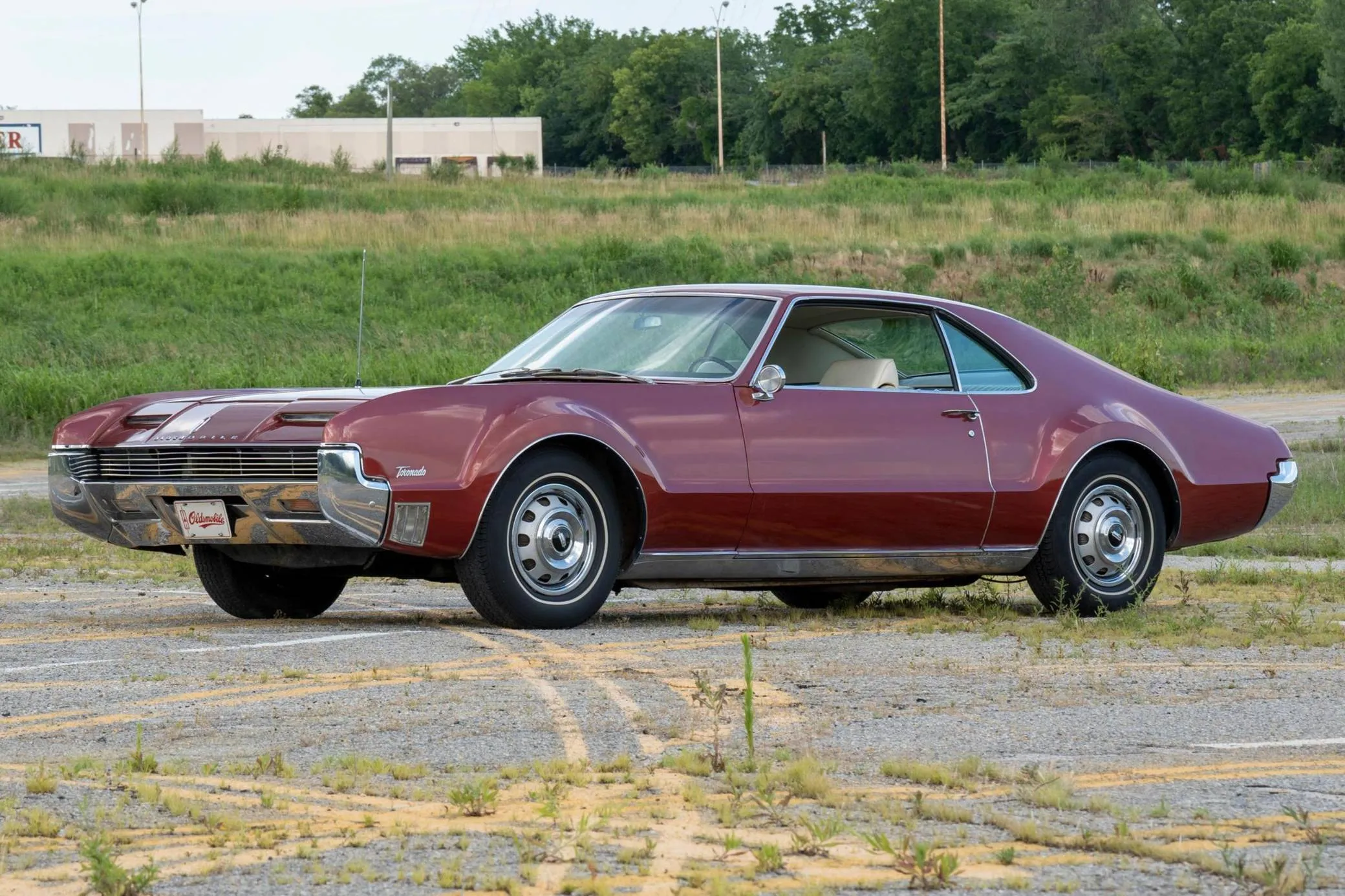
5. Oldsmobile Toronado (1966–1967)
The Toronado was a revolutionary vehicle, introducing front-wheel drive to American muscle cars. Its hidden headlights emphasized smooth, uninterrupted lines across the front fascia. Designers sought to blend innovation with visual sophistication. The retractable lights contributed to its futuristic presence.
Engines included powerful V8s delivering strong performance for its size. Acceleration and handling were impressive for the era. Hidden headlights supported the aerodynamic shape, enhancing the car’s ability to cut through wind. The design was both functional and attractive.
The retractable mechanism added charm and technical intrigue. Operating the lights became part of the driving experience. Buyers appreciated the combination of engineering and style, which reinforced the Toronado’s reputation as a forward-thinking vehicle.
Styling emphasized clean surfaces, minimal ornamentation, and bold proportions. Hidden headlights played a key role in achieving this aesthetic. They harmonized with the bodywork and highlighted the car’s unique front-wheel-drive layout.
The Toronado remains a landmark of 1960s design and engineering. Its hidden headlights symbolize a willingness to innovate. The car’s influence can still be seen in modern approaches to combining technology with distinctive styling.
5 Iconic 1960s Muscle Cars With Exposed Units

1. Ford Mustang (1964–1966)
The early Ford Mustang showcased exposed headlights as a central design feature. Positioned at the outer edges of the front fascia, they gave the car a bold, aggressive face. The Mustang’s combination of sporty lines and visible lights helped define its approachable yet powerful image.
Performance options ranged from inline-six engines to 289-cubic-inch V8s. The exposed headlights did not obscure styling or aerodynamics. Instead, they emphasized the car’s wide stance and aggressive front end. The design invited attention and admiration.
Exposed headlights offered simplicity and reliability. Drivers could replace bulbs easily, and the design required minimal mechanical complexity. The Mustang’s lighting became iconic, contributing to the car’s instant recognition and popularity.
The vehicle’s styling emphasized long hoods, short rear decks, and clean fender lines. Exposed headlights enhanced the symmetry and balance of the front end. They became an unmistakable signature element that complemented the car’s sporty profile.
Collectors value early Mustangs for their combination of performance and iconic styling. The exposed headlights remain a defining characteristic. They exemplify the 1960s philosophy of combining practicality with bold design statements.
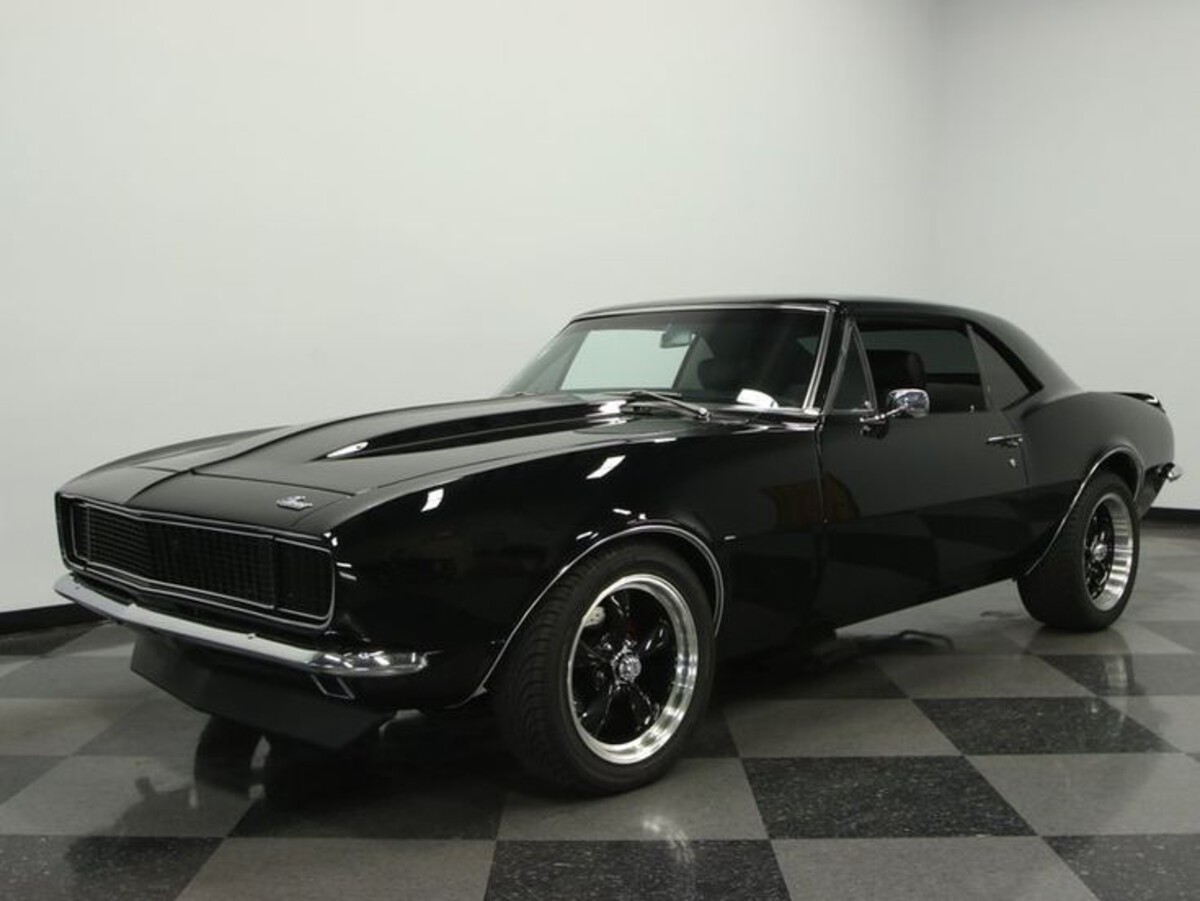
2. Chevrolet Camaro (1967–1969)
The first-generation Camaro featured exposed headlights that accentuated its sporty, aggressive design. Set within a sharply contoured front grille, they reinforced the car’s muscular presence. The Camaro’s design was meant to compete directly with the Mustang.
Under the hood, the Camaro offered V6 and V8 engines with significant horsepower. The exposed headlights contributed to an unmistakable visual identity. They emphasized symmetry and reinforced the model’s powerful, confident look on the road.
Simplicity was a hallmark of exposed units. The Camaro’s lights required no moving parts, minimizing potential mechanical issues. Their design prioritized reliability and bold aesthetics in equal measure.
Exposed headlights enhanced the car’s performance image. Along with the hood scoops, chrome trim, and sculpted fenders, they created a visual language of strength and speed. Buyers were drawn to the straightforward, commanding appearance.
Today, the early Camaro is a symbol of 1960s muscle car rivalry. Its exposed headlights are central to the design’s appeal. They capture the spirit of the era while reinforcing the car’s iconic status among enthusiasts.
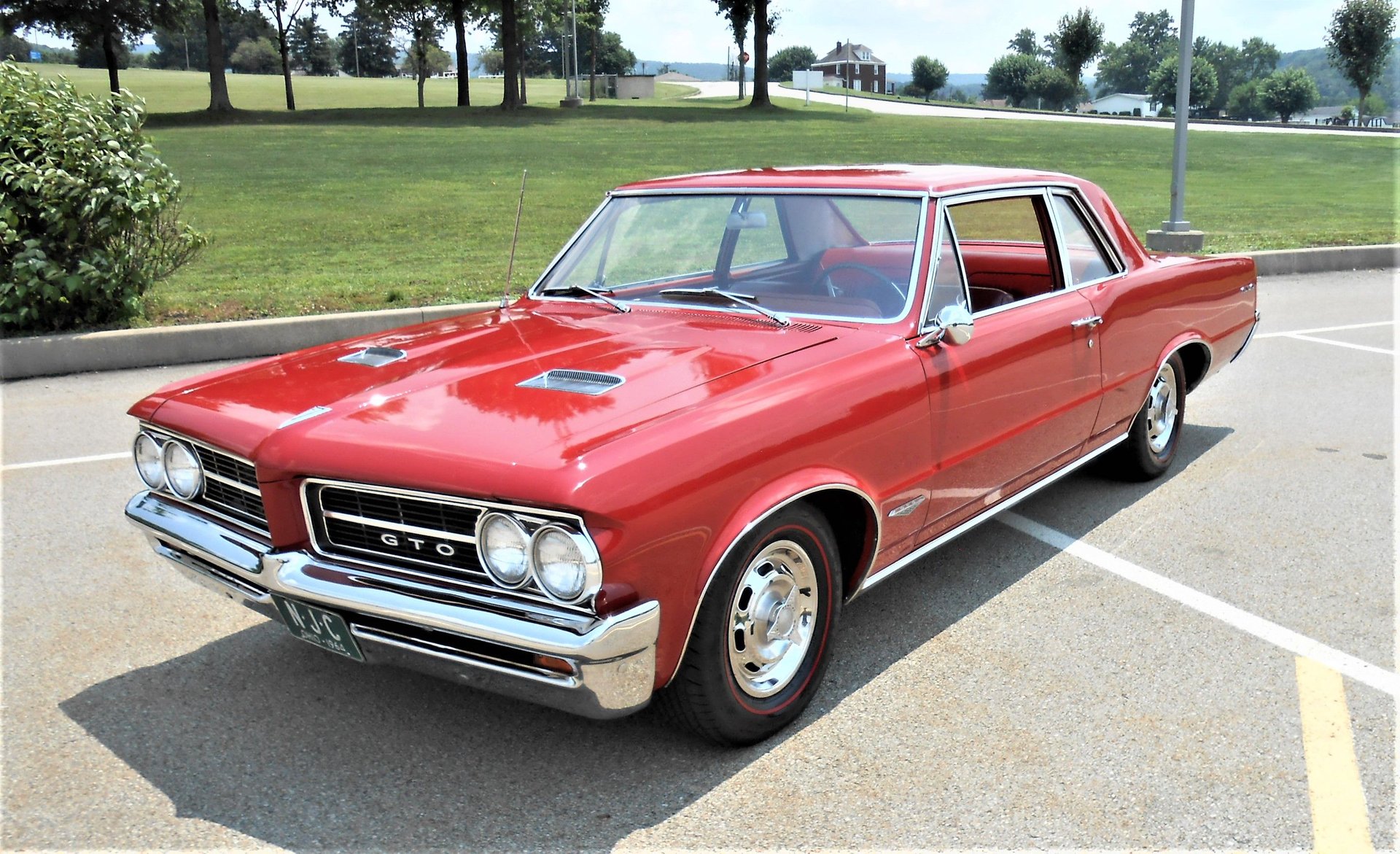
3. Pontiac GTO (1964–1967)
The Pontiac GTO is often credited as the car that launched the muscle car craze, and its exposed headlights were a bold visual statement. Positioned prominently in the grille, the lights complemented the wide stance and long hood.
Their design communicated strength and confidence while maintaining a classic American look. The GTO’s front fascia became instantly recognizable, and the exposed units helped establish a sense of purpose for the vehicle.
The performance of the GTO was equally impressive, featuring V8 engines with high compression ratios and substantial horsepower. The exposed headlights allowed designers to focus on airflow and engine placement without accommodating mechanical retraction. This simplicity contributed to the car’s reliability while enhancing its aggressive personality. Drivers could rely on both power and visual clarity.
Aesthetically, the exposed units harmonized with other design elements, including dual air scoops, sculpted fenders, and a prominent bumper. The lights reinforced symmetry and balance, drawing attention to the car’s muscular front profile. Enthusiasts appreciated the combination of performance cues and visual appeal, which made the GTO an enduring icon of the 1960s.
Collectors often seek first-generation GTOs for their historical significance and distinctive design. The exposed headlights are a signature feature that preserves the car’s authentic identity. They serve as a reminder of a time when American automakers prioritized immediate visual impact alongside engineering innovation.
The GTO’s influence extended beyond Pontiac, inspiring competitors to adopt similar styling approaches. Exposed headlights became synonymous with raw power and aggressive design. This approach contrasted with retractable units, providing an unmistakable sense of performance and accessibility that resonated with drivers.
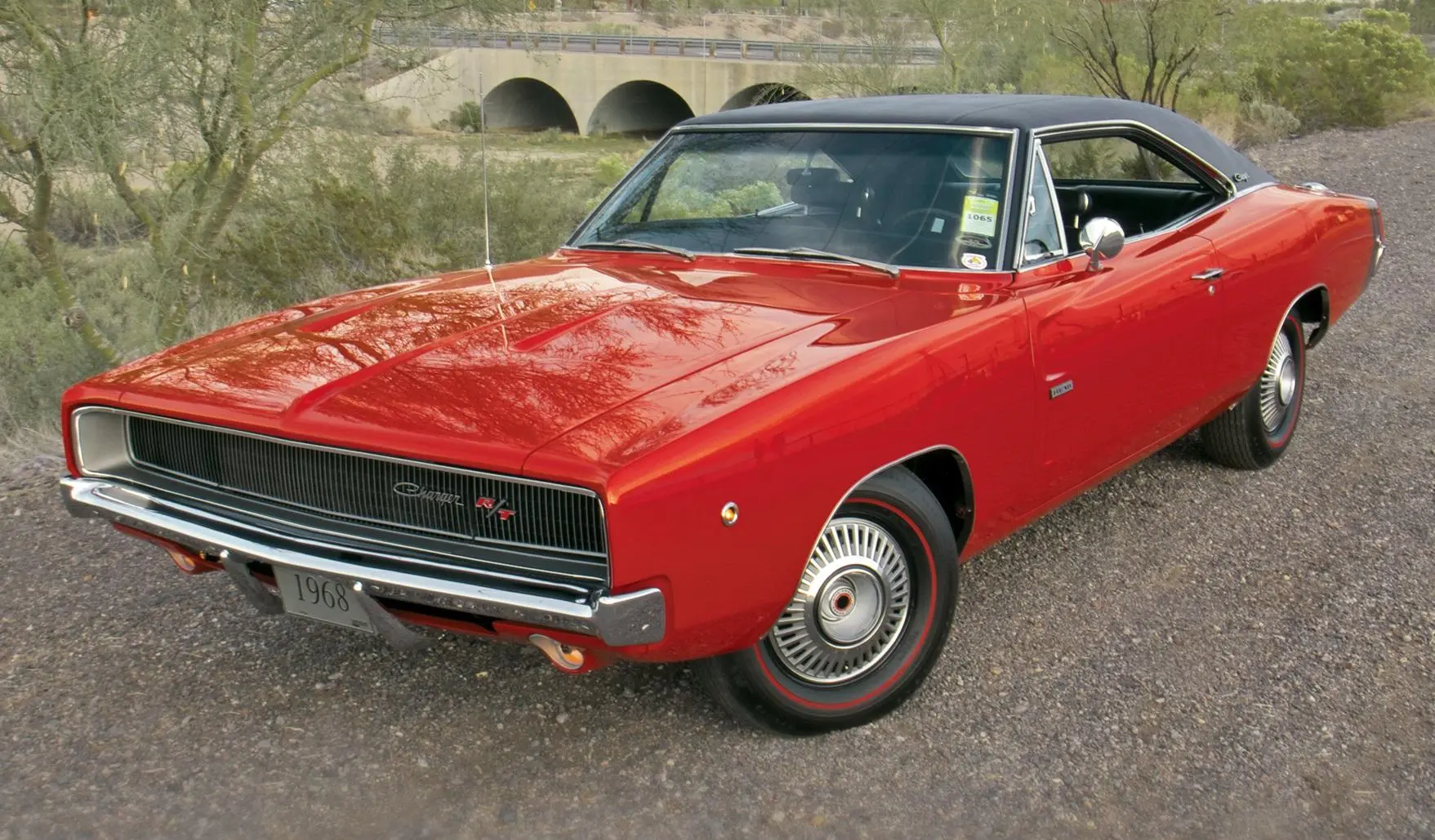
4. Dodge Charger (1968–1969)
Later-generation Dodge Chargers embraced exposed headlights as a defining characteristic, moving away from the hidden designs of earlier models. The quad-headlight configuration framed the grille, emphasizing the car’s wide, assertive front.
The exposed units highlighted the muscular contours of the hood and fenders, projecting strength and confidence. This design choice aligned with the Charger’s growing reputation as a performance powerhouse.
Under the hood, the Charger offered high-output V8 engines, including the famous 426 HEMI. The exposed headlights complemented the aggressive stance, ensuring the car looked as powerful as it felt on the road. The simple design of the lights reduced mechanical complexity while reinforcing the vehicle’s bold personality. Every angle emphasized dominance.
The aesthetic impact of the headlights extended to the profile. They worked in harmony with the fastback roofline, sculpted side panels, and chrome detailing. The front fascia became an unmistakable signature, signaling both speed and style. Drivers could identify a Charger immediately by its prominent, exposed lighting.
Exposed headlights also served practical benefits. They were easier to maintain than retractable units, providing durability and consistent illumination. This practical aspect enhanced the car’s appeal to buyers who wanted both performance and everyday usability. The design balanced function with iconic style.
Today, the 1968–1969 Dodge Charger remains a cultural symbol, immortalized in racing and media appearances. The exposed headlights continue to define its identity, representing a period when American muscle cars combined brute strength with unmistakable visual statements. The design remains influential in modern interpretations of classic performance cars.
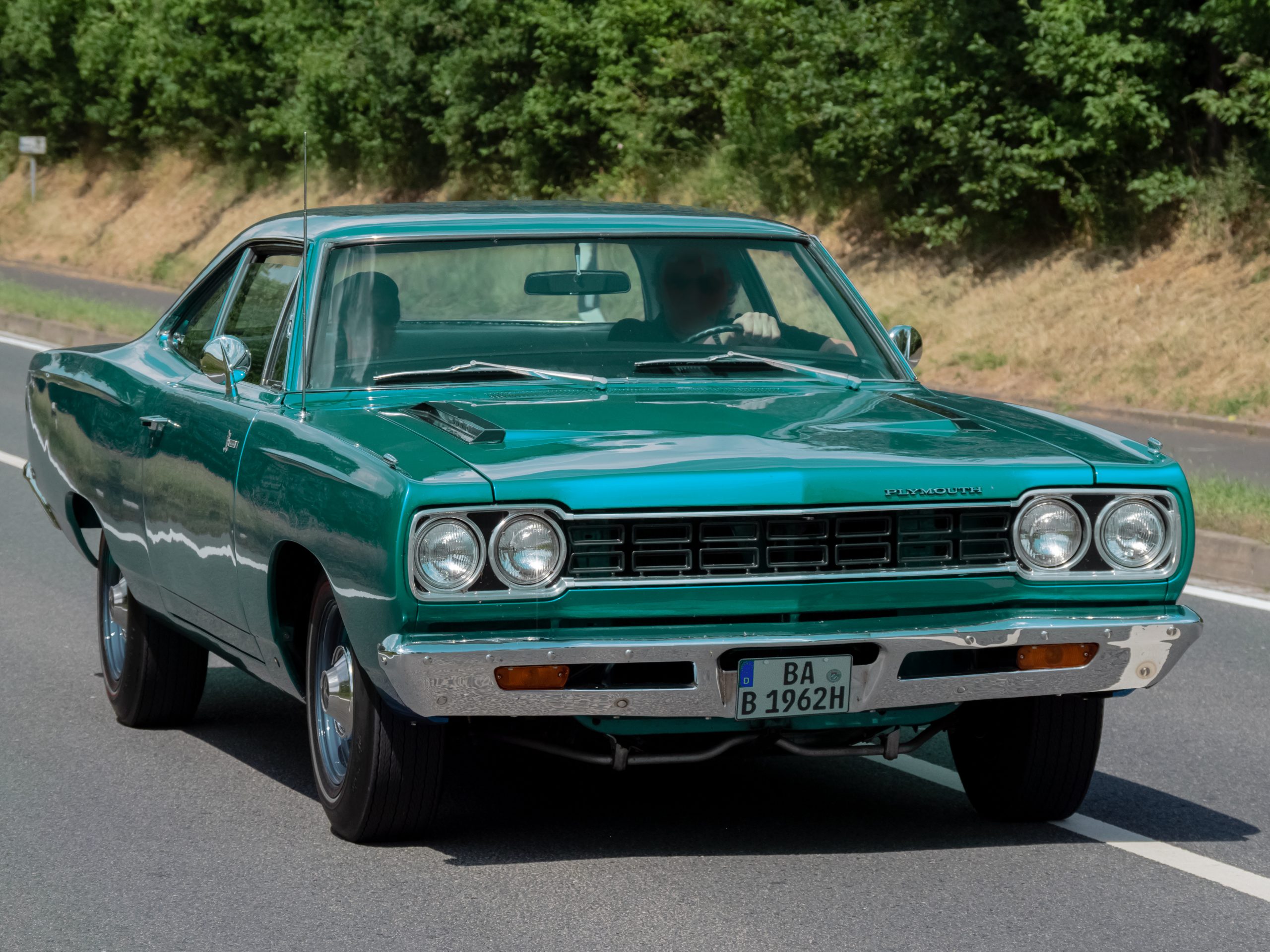
5. Plymouth Road Runner (1968–1969)
The Plymouth Road Runner featured exposed headlights that matched the car’s no-nonsense, performance-focused philosophy. Set in a simple grille design, the lights contributed to an unmistakable, aggressive look without unnecessary complexity. Their placement accentuated the wide stance and muscular proportions, reinforcing the Road Runner’s identity as a pure, affordable muscle car.
Beneath the hood, the Road Runner offered high-output V8 engines designed for speed and acceleration. The exposed headlights complemented the car’s lightweight structure, emphasizing performance over ornamentation. Buyers appreciated the simplicity of design, which focused attention on raw driving experience rather than decorative features.
Exposed headlights allowed Plymouth designers to highlight symmetry and proportion. The lights worked with hood scoops, side stripes, and prominent fenders to create a cohesive, visually appealing machine. The Road Runner’s appearance communicated speed and practicality simultaneously, appealing to both enthusiasts and everyday drivers.
Maintenance was straightforward, as the lack of moving parts reduced the risk of mechanical failure. Owners valued the reliability of exposed headlights, particularly on a performance-focused vehicle designed for spirited driving. Their simplicity became part of the car’s enduring charm and character.
Collectors today prize first-generation Road Runners for their combination of performance, affordability, and design clarity. The exposed headlights remain an essential element of the car’s identity, symbolizing the unpretentious, powerful spirit of 1960s American muscle cars. They are a visual testament to a philosophy centered on strength and reliability.
