
Classic cars have always held a special place in the hearts of automobile enthusiasts. They represent more than just a mode of transportation; they are symbols of style, engineering innovation, and cultural expression from their respective eras.
Among the many aspects that define these vehicles, the front end design stands out as one of the most recognizable and influential features. The grille, headlights, bumper, and hood all combine to create an identity that can often be recognized from across the street.
Designers of classic cars approached the front end with a sense of artistry and personality, crafting vehicles that could communicate elegance, power, or sophistication without needing to move a single inch. These designs were often bold, reflecting the optimism, technological advances, and cultural shifts of their time. They were statements of intent, showcasing not only the brand but also the taste and ambition of those who owned them.
Some classic cars became instantly iconic because of the way their front end captured attention. The curves of a hood, the symmetry of a grille, and the shape of the headlights could all create a lasting impression. Certain models became cultural touchstones, appearing in films, advertisements, and photographs that further cemented their status.
Car manufacturers often competed to produce the most distinctive and memorable front end, knowing that a recognizable face could elevate a vehicle’s appeal and market value. While performance, reliability, and comfort mattered, it was the first impression that mattered most in many cases, and nothing makes a first impression quite like the face of a car.
Over the decades, these designs have become benchmarks for automotive aesthetics, influencing generations of vehicles that followed.
Collectors and enthusiasts often seek out classic cars not only for their performance or rarity but also for their iconic styling. A front end that has endured the test of time represents a commitment to design excellence. It reflects the careful balance between functionality and beauty, where every curve and detail serves a purpose while maintaining visual appeal.
Even decades later, these designs continue to inspire admiration and evoke nostalgia. Many designers today study the front ends of classic cars to understand proportion, character, and visual impact, often drawing inspiration for modern reinterpretations of vintage themes.
This article examines ten classic cars that have achieved legendary status due to their front end designs. Each of these vehicles has contributed something unique to automotive history, whether it was an innovative grille, distinctive headlight arrangement, or aggressive stance.
The following sections provide a detailed look at each car, highlighting what makes its front end so memorable. This discussion emphasizes the design choices, historical context, and cultural significance that have elevated these vehicles above their peers.
By studying these classic cars, one gains a deeper appreciation for the creativity, vision, and craftsmanship that went into their construction. These front ends are not merely functional; they are works of art that represent the era in which they were built.
From bold chrome accents to elegant simplicity, each car reflects a philosophy and a time period that continues to resonate with enthusiasts around the world. The ten vehicles listed here exemplify what it means to combine mechanical engineering with visual storytelling, leaving a mark that transcends generations and continues to influence automotive design today.

1. 1957 Chevrolet Bel Air
The 1957 Chevrolet Bel Air is widely regarded as one of the most recognizable classic cars of the 1950s. Its front end features a wide chrome grille with a V-shaped emblem in the center that immediately commands attention. The dual headlight design gives it a sense of balance and symmetry, while the prominent hood ornament adds a touch of elegance. These design elements created a strong identity for Chevrolet, making the Bel Air a favorite among enthusiasts.
The bumper of the 1957 Bel Air is both stylish and functional, wrapping around the front to provide protection while enhancing the car’s bold appearance. Chrome accents extend from the grille to the fenders, highlighting the vehicle’s lines and emphasizing width. This integration of design and utility made the Bel Air stand out from competitors in its class. It became a symbol of postwar prosperity and automotive optimism.
The headlights, with their slightly recessed positioning, give the car a confident expression. They are paired with small chrome bezels that add sophistication without overcomplicating the design. This combination of headlights and grille creates a distinct face that is instantly recognizable even today. Chevrolet managed to blend flair with subtlety in a way that few other cars of the time could achieve.
Collectors value the 1957 Bel Air not only for its historical importance but also for the timeless quality of its front end design. The balance between chrome, paint, and structural form exemplifies the era’s love for bold styling. The car remains a favorite in classic car shows, often cited for its ability to capture attention with minimal effort. Its design principles continue to influence modern interpretations of vintage aesthetics.
The impact of the 1957 Bel Air’s front end goes beyond style. It represents an era when car design began to prioritize personality and brand recognition. Its bold yet elegant grille, paired with expressive headlights and chrome detailing, helped establish Chevrolet as a leader in automotive design. Enthusiasts today still admire the Bel Air’s ability to combine charm, power, and sophistication into a single, cohesive front end.
2. 1963 Chevrolet Corvette Sting Ray
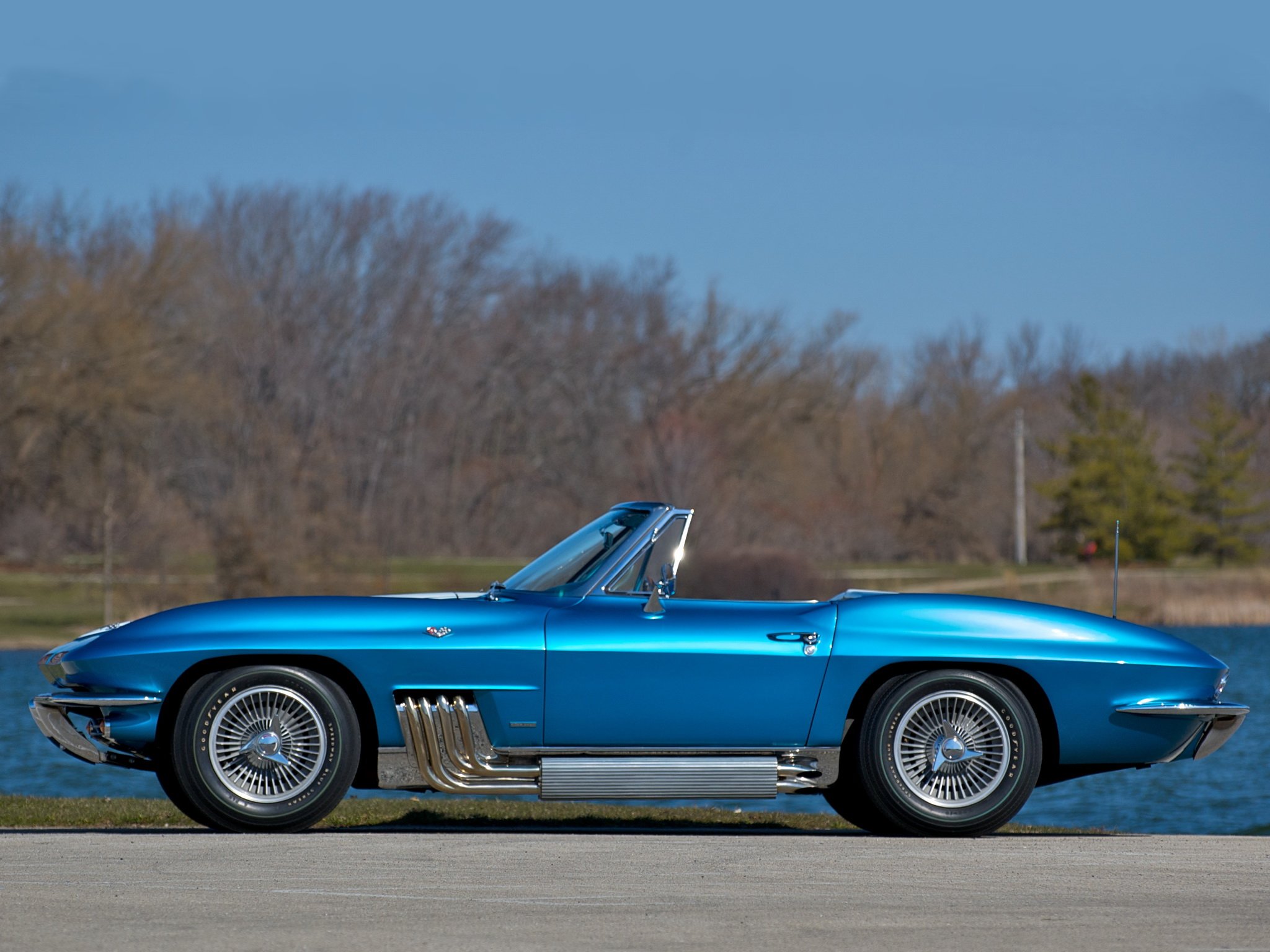
The 1963 Chevrolet Corvette Sting Ray introduced a new level of sophistication to the sports car segment. Its front end was marked by hidden headlights that retracted when not in use, giving the car a smooth and aerodynamic appearance. The pointed nose and sharply sculpted hood contributed to an aggressive yet elegant look that set the Corvette apart from competitors.
The front grille was narrow and understated, directing attention to the car’s angular body lines. This design emphasized speed and performance, reflecting Chevrolet’s desire to produce a true American sports car. The Sting Ray’s front end projected confidence without relying on excessive ornamentation, a departure from the more flamboyant designs of the era.
The headlights were a signature feature, concealed within the bodywork and revealed only when needed. This not only improved aerodynamics but also created an element of surprise and sophistication. Combined with the low-slung stance and pointed nose, the Corvette’s front end conveyed both power and elegance, making it a favorite among sports car enthusiasts.
Subtle chrome accents highlighted key features without overwhelming the design. The combination of sculpted lines, hidden headlights, and a minimalistic grille resulted in a front end that remains iconic in automotive history. Corvette designers achieved a balance between function and aesthetics that few other vehicles could match.
Collectors and admirers appreciate the 1963 Corvette Sting Ray for its innovative approach to design. Its front end continues to inspire automotive designers, demonstrating how thoughtful engineering and creativity can produce a vehicle that is both visually striking and performance-oriented. The Sting Ray remains a benchmark for front end design in classic sports cars.
3. 1961 Jaguar E-Type
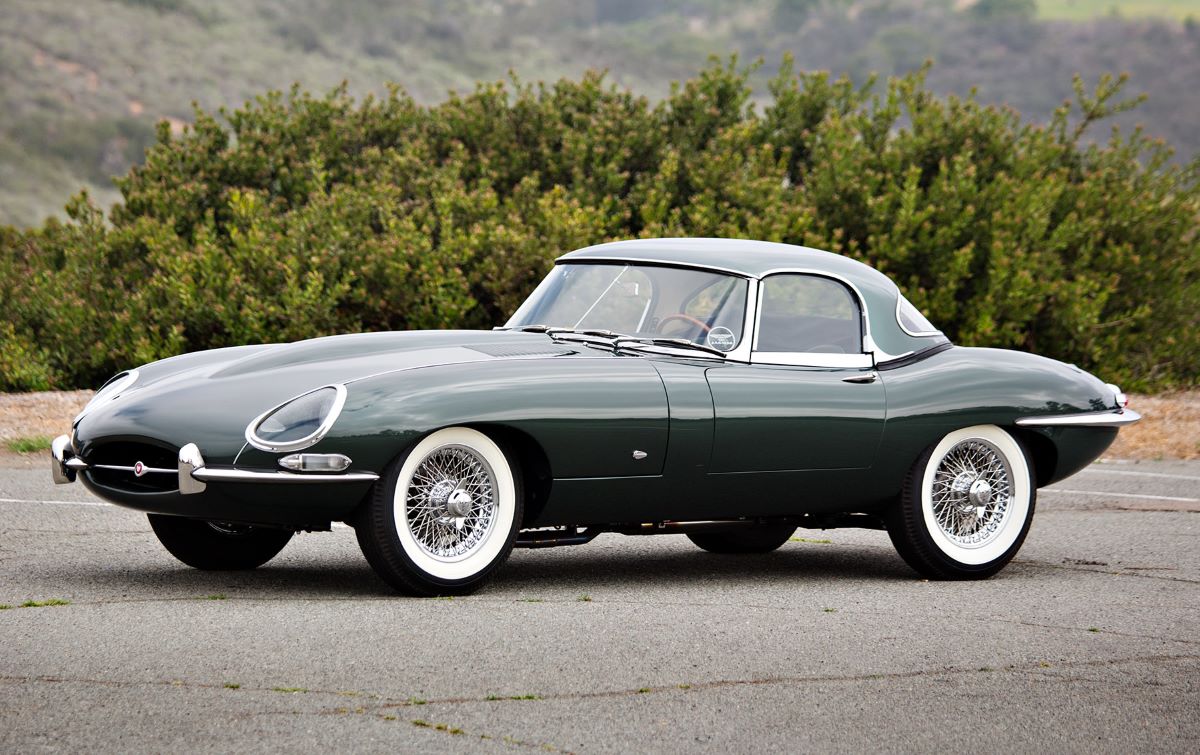
The 1961 Jaguar E-Type, often called the most beautiful car ever produced, is famous for its long, flowing front end. Its low-slung nose and oval grille give it a sense of elegance and aggression simultaneously. The covered headlights blend seamlessly into the curves, creating an uninterrupted visual flow. Jaguar’s design philosophy emphasized grace and performance in equal measure.
Chrome accents highlight the edges of the grille and headlights, providing subtle reflections that enhance the car’s presence. The hood features a gentle bulge, hinting at the power beneath while maintaining fluid lines. This combination of elements creates a front end that is both inviting and commanding.
The E-Type’s front end has an unmistakable profile, instantly recognizable to enthusiasts around the world. Its proportion and symmetry make it pleasing to the eye, while the subtle details convey craftsmanship and attention to design. Jaguar successfully merged elegance with athleticism.
Collectors value the 1961 E-Type for its timeless beauty. Its front end demonstrates that classic car design can be both functional and artistic, achieving a balance that few vehicles ever attain. The car remains a symbol of British automotive excellence and design innovation.
Even decades later, the E-Type’s front end continues to influence modern sports cars. Its combination of low stance, flowing lines, and integrated features serves as a template for designers aiming to create vehicles that are both stylish and performance-driven. The E-Type remains a benchmark for classic car aesthetics.
4. 1959 Cadillac Eldorado
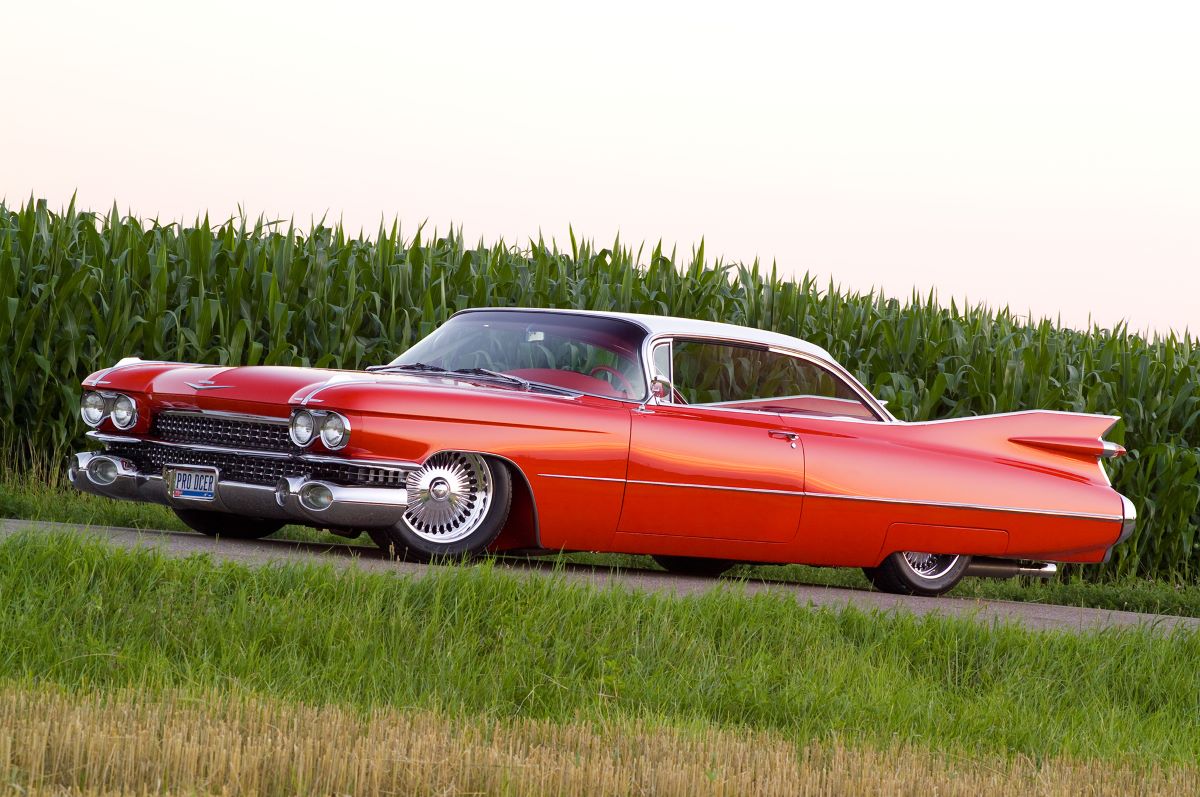
The 1959 Cadillac Eldorado is known for its bold and extravagant front end. It features a massive chrome grille and stacked dual headlights, creating a look of dominance and prestige. The pointed nose and sweeping fenders convey motion and elegance, making the Eldorado instantly recognizable. Cadillac’s designers aimed to project luxury and power through every detail of the front end.
The bumper wraps around the front, incorporating chrome fins that add to the car’s grandeur. The grille is adorned with a Cadillac emblem, serving as a focal point for the front fascia. These features combined to produce a statement vehicle, reflecting the cultural desire for opulence during the late 1950s.
Headlights are integrated into the fenders in a stacked formation, giving the car a futuristic and aggressive appearance for its time. The pointed nose draws the eye forward, emphasizing the length and presence of the Eldorado. This design approach made it a symbol of American luxury and extravagance.
Collectors prize the 1959 Eldorado for its daring front end, which exemplifies the high point of mid-century American automotive design. Its combination of chrome, elongated hood, and headlight arrangement continues to inspire admiration. The car embodies an era where visual impact was paramount.
The Eldorado’s front end represents a period when American cars were meant to be noticed. It remains an icon in classic car circles, demonstrating how styling choices can define a vehicle’s identity and legacy. The Eldorado’s face is as memorable today as it was over sixty years ago.
5. 1964 Ford Mustang
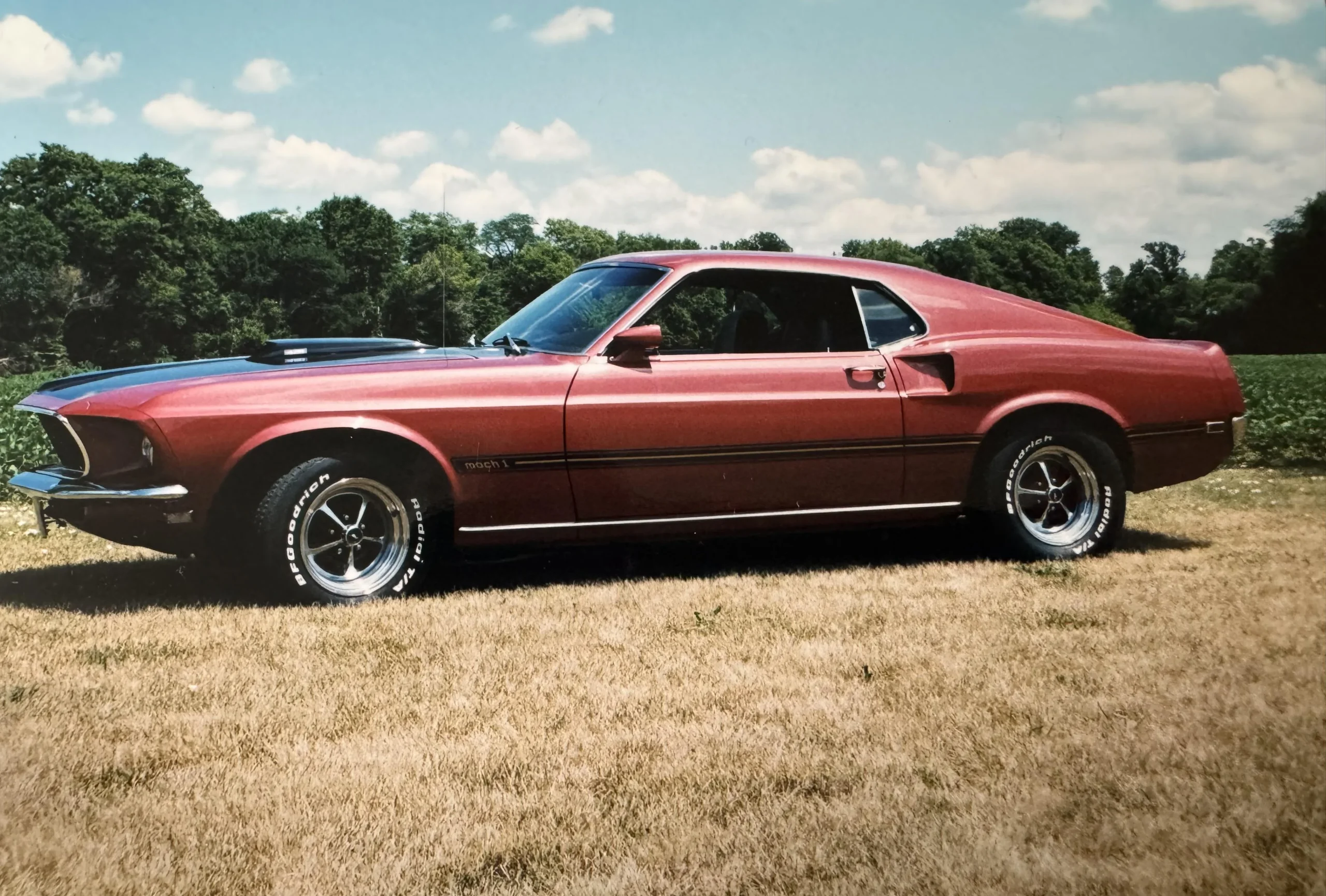
The 1964 Ford Mustang launched a new era of American muscle cars, and its front end played a major role in its success. It features a signature pony emblem centered in a simple yet striking grille. The headlights are round and positioned on either side, creating a balanced and approachable appearance. The Mustang’s front end combines aggression and accessibility in equal measure.
Chrome accents outline the grille and headlights, adding refinement without overshadowing the car’s sporty character. The hood’s subtle lines draw attention to the center, highlighting the emblem and grille. This understated approach allowed the Mustang to appeal to a wide audience while remaining stylish and bold.
The front end conveys performance through simplicity. Its clean lines and proportions create a face that is memorable without being overly complicated. Ford designers struck a balance between sportiness and practicality, producing a vehicle that resonated with young drivers in particular.
Collectors appreciate the 1964 Mustang for its timeless front end design. It has become an archetype for American muscle cars, combining clean lines, distinctive emblem placement, and classic proportions. Its aesthetic has influenced countless vehicles over the decades.
The Mustang’s front end reflects Ford’s commitment to style and accessibility. It created an identity that was instantly recognizable and continues to be associated with youthful energy and freedom. The vehicle’s face remains a symbol of American automotive innovation.
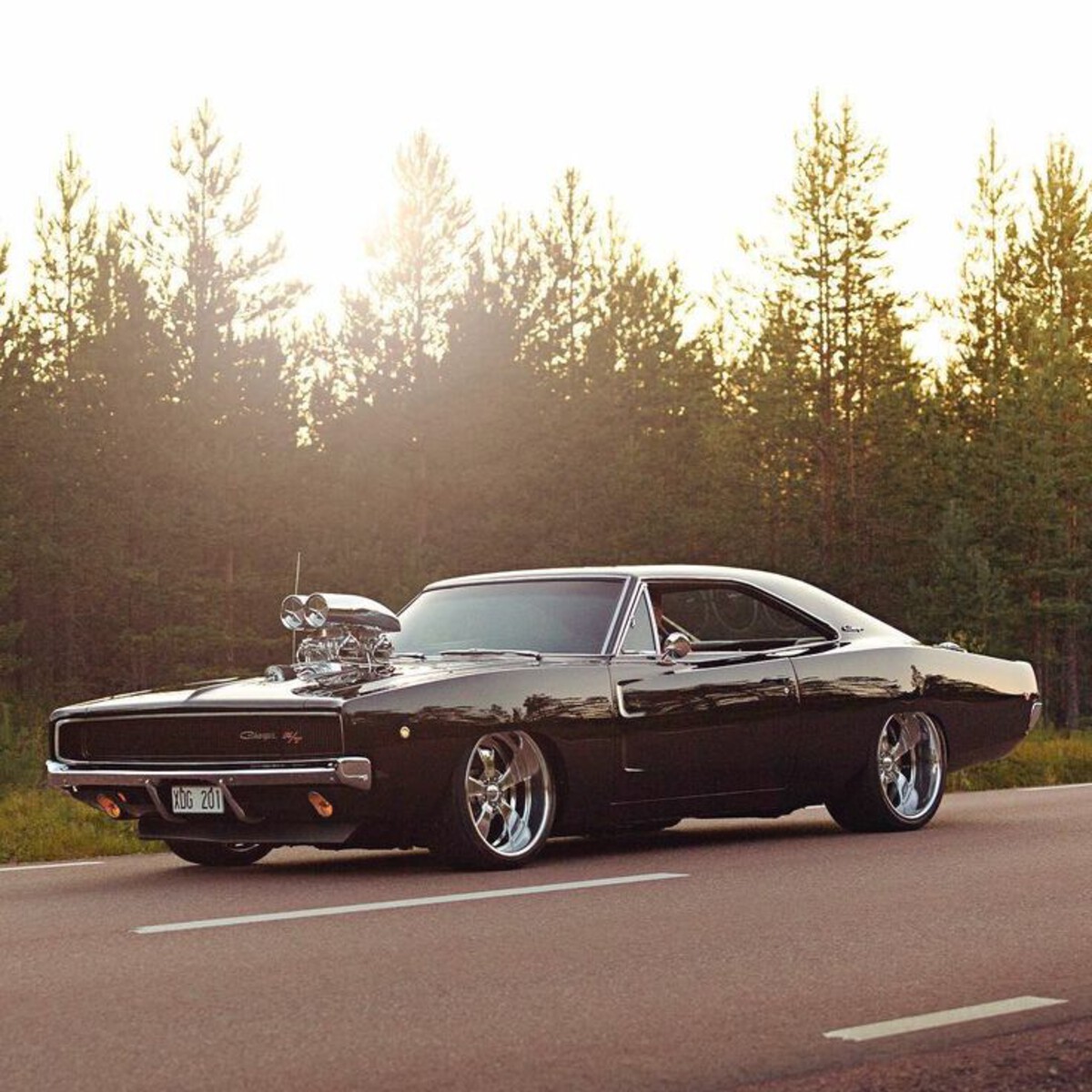
6. 1969 Dodge Charger
The 1969 Dodge Charger represents a bold statement in American muscle car design, and its front end perfectly exemplifies the aggressive and purposeful styling of the late 1960s.
Its recessed dual headlights, concealed behind a full-width grille, give the Charger a menacing and powerful expression, as though the car is ready to pounce even when stationary. The hood is long and sculpted, with subtle lines that hint at the performance lurking beneath, while the pointed front corners enhance the car’s streamlined, aerodynamic look.
This combination of design elements creates a sense of controlled aggression, balancing power with elegance in a way few cars of its era could achieve. The front end does not rely on excessive chrome or ornaments; instead, it communicates strength through geometry and proportion, emphasizing the Charger’s muscular stance while maintaining a level of sophistication that appealed to a broad audience.
The grille of the 1969 Charger is divided into sections by thin vertical and horizontal bars, creating a subtle yet visually impactful pattern that complements the hidden headlights. These design choices lend the car a stealthy appearance, as though its face conceals as much as it reveals.
Unlike the more flamboyant muscle cars of the era, Dodge focused on creating a cohesive and intimidating persona for the Charger’s front end. The low front fascia, paired with a slightly tilted nose, enhances the perception of speed even when the car is parked, giving it an almost predatory quality that has remained timeless among enthusiasts.
Chrome accents on the bumper and around the edges of the grille are applied sparingly, adding refinement without diluting the aggressive character. The front end design balances the hard edges of the grille with the flowing lines of the hood and fenders, resulting in a vehicle that appears powerful from every angle.
Collectors and automotive historians have long praised this Charger design for its clarity and coherence, noting that it manages to be bold, intimidating, and visually balanced all at once. Each element of the front end works in concert to convey the Charger’s performance-oriented identity, reflecting Dodge’s commitment to building vehicles that are as aesthetically compelling as they are mechanically capable.
The 1969 Dodge Charger’s front end remains influential in the muscle car community, inspiring modern designs that aim to recapture the same sense of aggressive elegance. Its combination of hidden headlights, sculpted hood, and wide grille set a precedent for how American performance cars could project confidence and presence.
The Charger exemplifies how a strong front-end design can define a vehicle’s character, making it instantly recognizable while reinforcing the impression of speed, strength, and attitude. For collectors, the Charger is not just a car but a statement about the era it represents, capturing the raw energy and boldness of late 1960s automotive design in a single, unforgettable face.
Even decades later, the 1969 Charger’s front end continues to resonate with enthusiasts, highlighting how proportion, geometry, and restraint in ornamentation can create an iconic identity. Its influence extends beyond its era, serving as a benchmark for designers aiming to evoke power and aggression without losing sophistication.
The Charger’s face is a perfect example of how thoughtful design can achieve lasting impact, making it a cornerstone in discussions of classic American muscle car aesthetics.
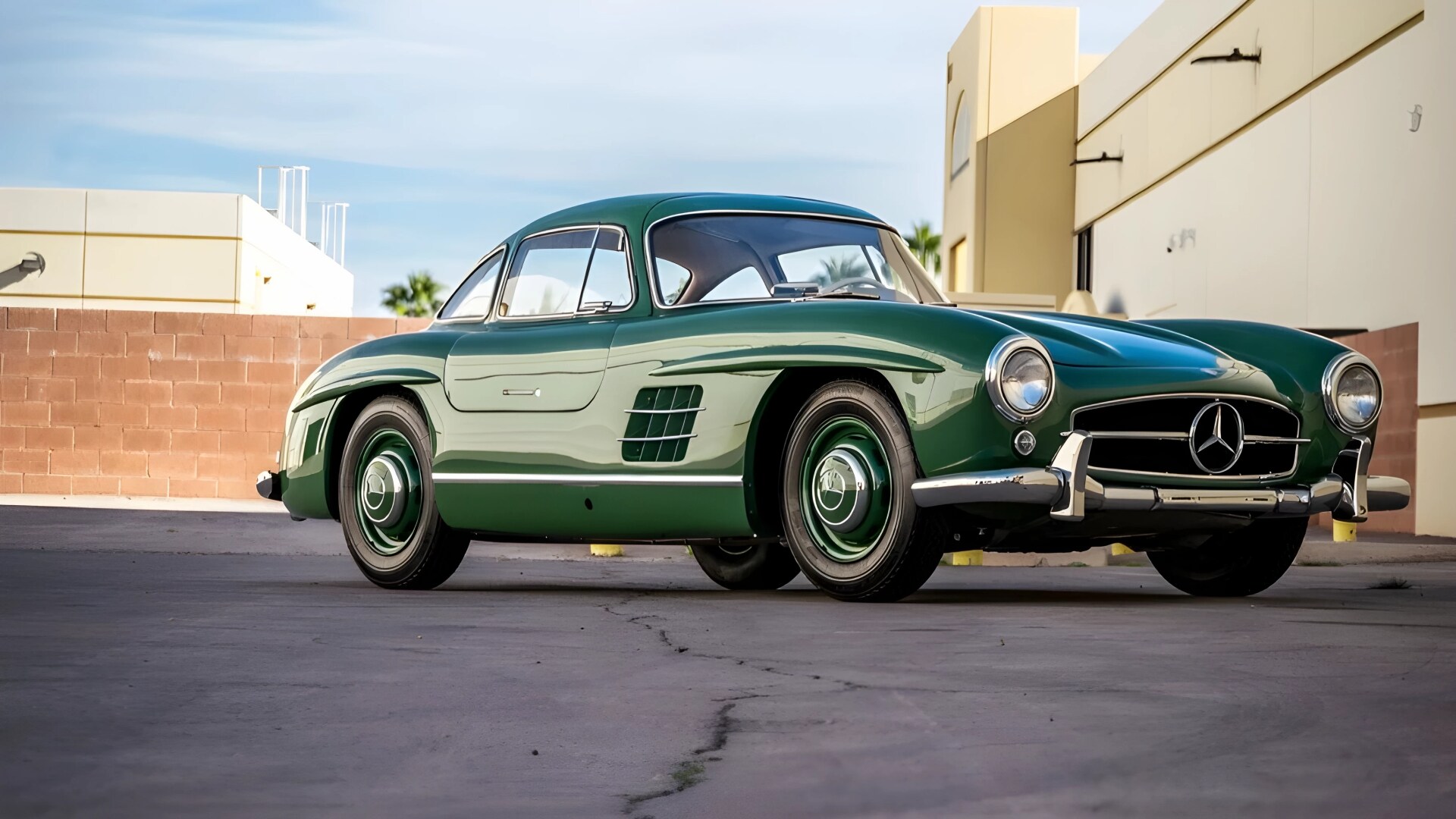
7. 1955 Mercedes-Benz 300SL Gullwing
The 1955 Mercedes-Benz 300SL Gullwing remains one of the most elegant and technically advanced classic cars, and its front end exemplifies the fusion of sophistication and performance.
The low, pointed nose features a wide, horizontally oriented grille flanked by rounded headlamps, giving the 300SL a poised and purposeful expression. The Mercedes star sits proudly in the center of the grille, signaling both luxury and engineering excellence.
Its aerodynamic lines, emphasized by a gently curved hood and flowing fenders, communicate speed even at a standstill. Every curve of the front end was carefully designed to minimize drag while maximizing visual impact, resulting in a vehicle that feels both futuristic and timeless. The Gullwing’s front face conveys restraint and elegance while retaining a sense of mechanical power, demonstrating that performance-oriented vehicles can be refined and beautiful.
The grille’s horizontal bars create a sense of width, complementing the car’s long hood and low profile. The headlights, slightly set back and integrated into the fender lines, avoid drawing unnecessary attention, allowing the shape to dominate.
This approach contrasts with many American cars of the same era, which often relied on bold chrome or oversized ornaments to capture attention. The 300SL achieves memorability through proportion, symmetry, and understated detailing, proving that simplicity can produce an unforgettable design. The front end conveys authority without aggression, reflecting the engineering precision and aesthetic restraint that were hallmarks of Mercedes-Benz design philosophy.
Additional details, such as the subtle air intakes below the grille, highlight the car’s performance intent without compromising elegance. The smooth hood transitions into the fenders, creating a cohesive flow that makes the Gullwing immediately recognizable from any angle.
Its front end exudes a quiet confidence, one that relies on design harmony and mechanical credibility rather than flamboyance. Collectors prize the 300SL not only for its rarity and innovation but also for how the front end communicates both elegance and intent. It embodies the idea that a car’s face can reflect character, performance, and brand identity simultaneously.
The 300SL Gullwing’s front end has influenced generations of luxury sports cars, setting a benchmark for proportion, minimalism, and elegance. Its combination of low stance, flowing fenders, and iconic grille placement creates a visual signature that has endured for decades.
Modern supercars often draw inspiration from these design principles, proving the enduring relevance of Mercedes’ 1950s engineering and aesthetic choices. Enthusiasts recognize the 300SL as more than a classic; it is an icon whose front end continues to define automotive beauty standards.
Even after more than seventy years, the 1955 Gullwing’s front end retains a sense of sophistication that few vehicles can match. The car demonstrates that design longevity comes from harmony, purpose, and a careful balance of aesthetics and engineering. Its face is not just memorable but emblematic of the ideals of mid-century European automotive design, inspiring admiration across generations.
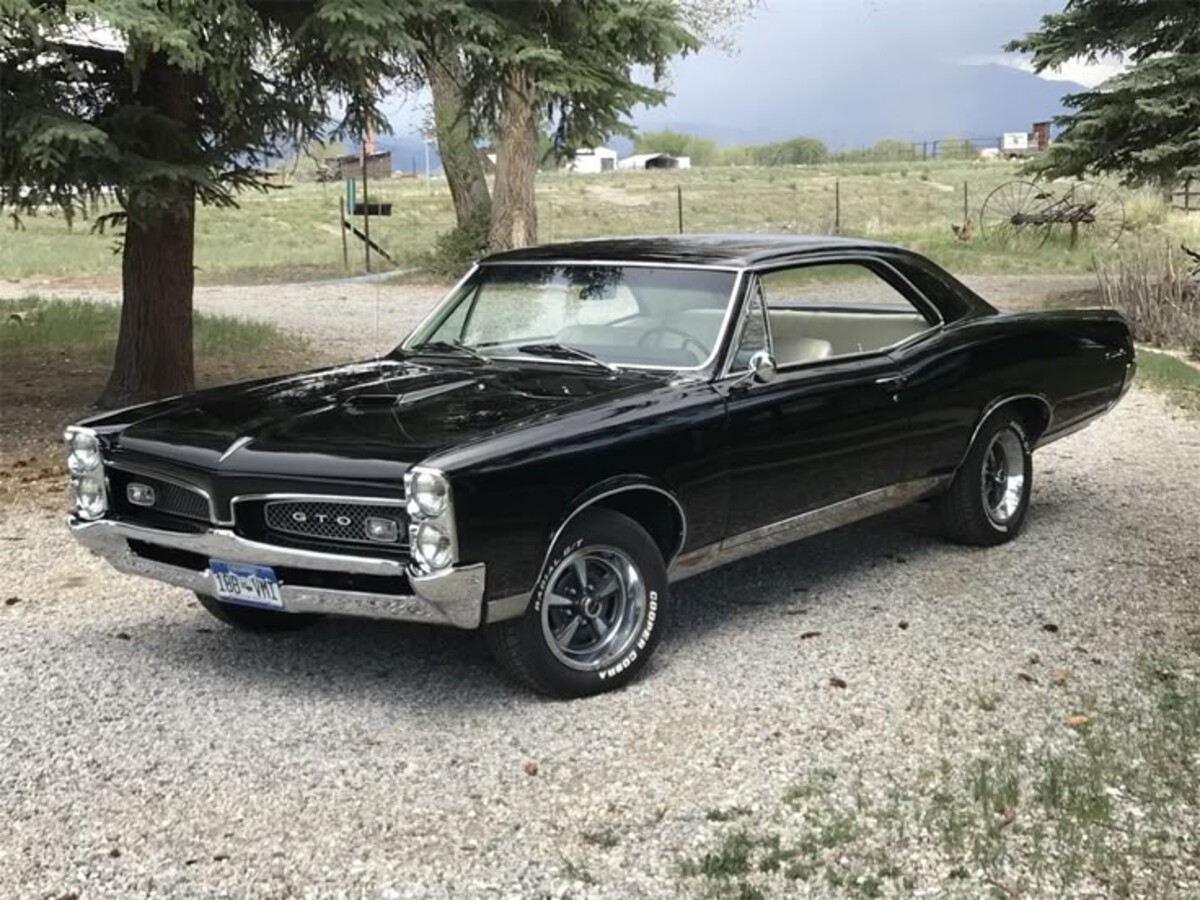
8. 1966 Pontiac GTO
The 1966 Pontiac GTO is often celebrated as the original muscle car, and its front end played a central role in defining that identity. A wide, split grille dominates the fascia, flanked by dual round headlights on each side, giving the car a bold, confident appearance.
The hood features a subtle bulge, hinting at the powerful V8 engine beneath, while chrome accents around the grille and headlamps emphasize width and visual impact. Every element of the GTO’s front face conveys performance and assertiveness, projecting a strong presence on the road without appearing overly ornate or aggressive.
The dual grille openings, separated by a central divider, create a distinctive pattern that became a signature feature for Pontiac. This design element combined with the chrome bumper to produce a face that was both approachable and intimidating.
The front end’s proportions are carefully balanced, allowing the car to appear wide and stable while maintaining a sense of speed and agility. Enthusiasts have long admired how the GTO’s face communicates the raw energy of a muscle car without losing compositional elegance.
Headlights are recessed slightly behind chrome bezels, drawing attention to the grille while maintaining the vehicle’s symmetry. The placement of these lights, combined with the hood’s central bulge, creates a visual rhythm that reinforces the car’s aggressive personality.
The GTO’s front end design was innovative for its time, providing a template for future muscle cars to combine practicality, performance, and style. Collectors often cite this balance as one reason the GTO remains an icon more than half a century after its introduction.
The Pontiac GTO’s front end represents a milestone in automotive design, bridging the gap between European-inspired styling and American muscle car sensibilities. Its design communicates speed, power, and confidence while remaining elegant and proportionate.
The GTO demonstrates that a vehicle’s face can define its character, turning a simple set of headlights, grille, and hood into a cohesive statement of intent.
Even today, the 1966 Pontiac GTO’s front end is a touchstone for enthusiasts seeking a combination of style and performance. Its bold yet balanced design principles continue to inspire collectors and designers, showing that classic muscle cars can achieve a timeless, recognizable identity without relying on extravagance.

9. 1967 Aston Martin DB6
The 1967 Aston Martin DB6 exemplifies British elegance and understated power, and its front end is a defining feature of its enduring appeal. The grille is a refined interpretation of the traditional Aston Martin oval, wider than its predecessor and featuring a subtle mesh pattern that exudes sophistication.
Flanked by rounded headlights that are slightly recessed, the DB6’s face conveys poise and authority without appearing aggressive. The hood features a gentle curve that integrates seamlessly into the fenders, creating a flowing line that gives the front end a sense of motion even when stationary.
Chrome trim around the grille and headlamps adds a subtle accent, highlighting the car’s premium character while avoiding overstatement. This front end achieves a balance of elegance and presence, projecting both luxury and performance simultaneously.
The DB6’s grille design is particularly noteworthy for its simplicity and symmetry, allowing the car’s proportions to shine. Unlike American muscle cars of the same era, the Aston Martin emphasizes subtlety, relying on fine detailing and careful shaping rather than flamboyant ornamentation.
The headlights, set within chromed bezels, reinforce the car’s visual harmony, creating a face that feels confident, refined, and deliberate. This careful attention to proportion and detail ensures that the DB6 remains instantly recognizable, reflecting the craftsmanship and design philosophy that defined Aston Martin during the 1960s.
Additional front-end features, such as the integrated bumper and low-mounted fog lights, demonstrate a balance between aesthetics and functionality. These elements complement the grille and headlights without disrupting the visual flow, producing a cohesive and elegant visage.
The DB6’s front end communicates a sense of controlled power, suggesting speed and performance while retaining composure and refinement. Collectors and enthusiasts admire how every line and detail works in concert to convey a timeless sense of luxury and sophistication.
The 1967 DB6 also represents a transitional moment in automotive design, where engineering innovation and aesthetic refinement were integrated seamlessly. Its front end foreshadows many modern luxury sports cars, demonstrating how subtlety, proportion, and symmetry can achieve a powerful visual impact without excess.
The vehicle’s face conveys character, prestige, and reliability, ensuring that it continues to command admiration decades after its debut.
Even today, the DB6’s front end serves as a benchmark for designers aiming to combine elegance with understated aggression. Its clean lines, harmonious proportions, and subtle detailing have earned it a place among the most iconic front-end designs in automotive history. The DB6 proves that restraint and refinement can create a visual signature as lasting and impactful as any flamboyant or aggressive design.
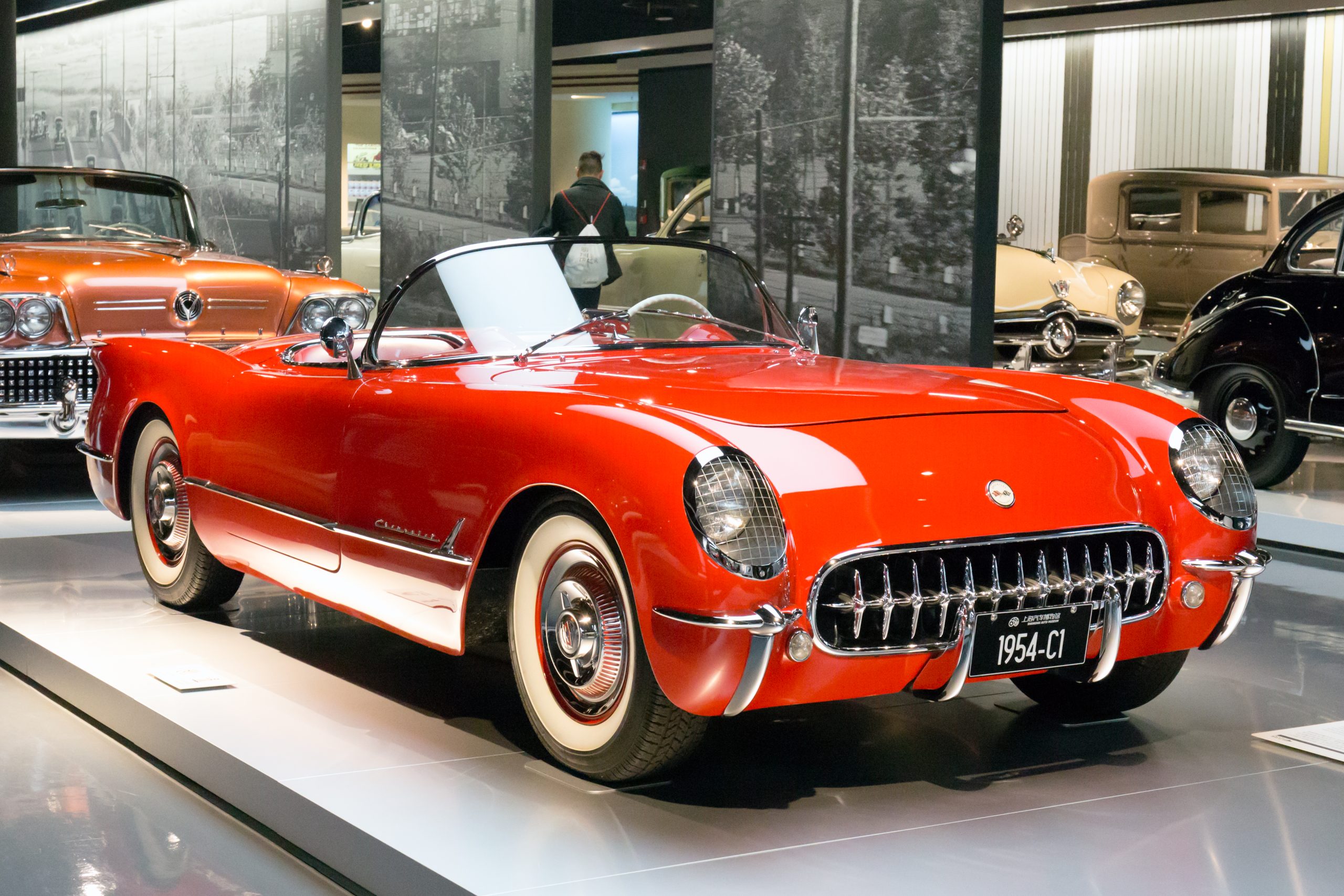
10. 1953 Chevrolet Corvette
The original 1953 Chevrolet Corvette holds a unique place in automotive history, and its front end helped establish the Corvette as a symbol of American sports car design. The grille consists of horizontal chrome bars that taper slightly at the ends, creating a distinctive, almost toothy appearance that conveys energy and character.
Round, prominent headlights are positioned above the fenders, giving the car a friendly yet purposeful expression. The hood is long and gently sculpted, emphasizing the car’s low profile while highlighting its athletic stance.
Every aspect of the front end reflects Chevrolet’s goal of producing a lightweight, stylish sports car that could compete with European competitors while retaining American identity.
The 1953 Corvette’s front end demonstrates careful attention to proportion and visual balance. The grille occupies a central position without overwhelming the vehicle’s face, while the headlights frame it symmetrically. Chrome trim is applied sparingly, accentuating the car’s curves and providing just enough shine to catch the eye.
This approach gives the Corvette an approachable but unmistakable presence, signaling speed, performance, and style in equal measure. Even in its first year of production, the Corvette’s front end established a recognizable identity that would evolve but remain iconic over the following decades.
Designers integrated aerodynamic considerations into the front end, with a slightly curved bumper that follows the vehicle’s shape and enhances visual flow. The low nose and wide stance communicate readiness and athleticism, ensuring the Corvette looks dynamic even while stationary.
Collectors appreciate how the front end balances charm and performance cues, setting the tone for a lineage of vehicles that would define the Corvette brand for generations. Its design conveys excitement and optimism, reflecting the postwar era’s fascination with speed, technology, and style.
The front end of the 1953 Corvette also set a precedent for American sports car aesthetics, influencing the design of numerous vehicles that followed. Its combination of chrome accents, distinctive grille, and balanced headlamp arrangement created a signature look that is both nostalgic and timeless. The Corvette’s face is instantly identifiable and continues to symbolize the spirit of American automotive innovation.
Even more than seventy years later, the 1953 Corvette’s front end maintains its status as a classic. Its design demonstrates how simplicity, proportion, and subtle detailing can create a vehicle identity that is memorable, desirable, and enduring.
The Corvette’s face is a testament to the idea that front-end design can define a car’s character and establish a legacy that lasts far beyond its production years.
