
Classic cars have a way of capturing attention that modern vehicles rarely achieve. Their designs reflect an era of craftsmanship, elegance, and unique character.
Among the many colors that enhance these vehicles, metallic silver stands out as particularly striking. Silver highlights the curves and angles of each car, emphasizing both subtle and bold design choices. The reflective quality of metallic silver creates a sense of movement, even when the vehicle is standing still.
Silver has long been associated with sophistication and technology, giving classic cars a timeless appeal. While some colors might emphasize power or sportiness, silver offers a balance of refinement and visibility. It works equally well on the smooth lines of a luxury sedan as it does on the aggressive stance of a sports car.
For collectors and enthusiasts, choosing silver can enhance the vehicle’s perceived value and aesthetic impact. The color’s neutrality allows it to complement chrome trims, leather interiors, and detailed bodywork, highlighting these features rather than competing with them.
The popularity of metallic silver has historical roots. During the 1950s and 1960s, automotive designers often used silver in concept cars to signify innovation. This trend carried over into production models, creating some of the most memorable classic cars in history.
Silver paints were developed to achieve a reflective shine without obscuring the lines of the car. This quality made it a favorite for models intended to be showcased at auto shows, exhibitions, and parades.
Silver also appeals to a wide audience, making it a versatile choice for classic car collectors. It does not easily clash with other colors, and it tends to look clean and polished with minimal maintenance. When sunlight strikes a metallic silver surface, it brings out shadows and highlights, enhancing the perception of depth. The finish can make even older cars appear newer, emphasizing their enduring design quality.
The combination of elegance, versatility, and visual impact ensures that metallic silver remains a top choice for classic cars. Whether the vehicle is a sleek sports coupe, a luxurious touring sedan, or a rare collectible, silver highlights its best features.
For automotive enthusiasts, understanding which cars are enhanced by this color can improve both display appeal and personal satisfaction. The following list examines ten classic cars whose design and charm are amplified by metallic silver, demonstrating how color can play a crucial role in automotive aesthetics.
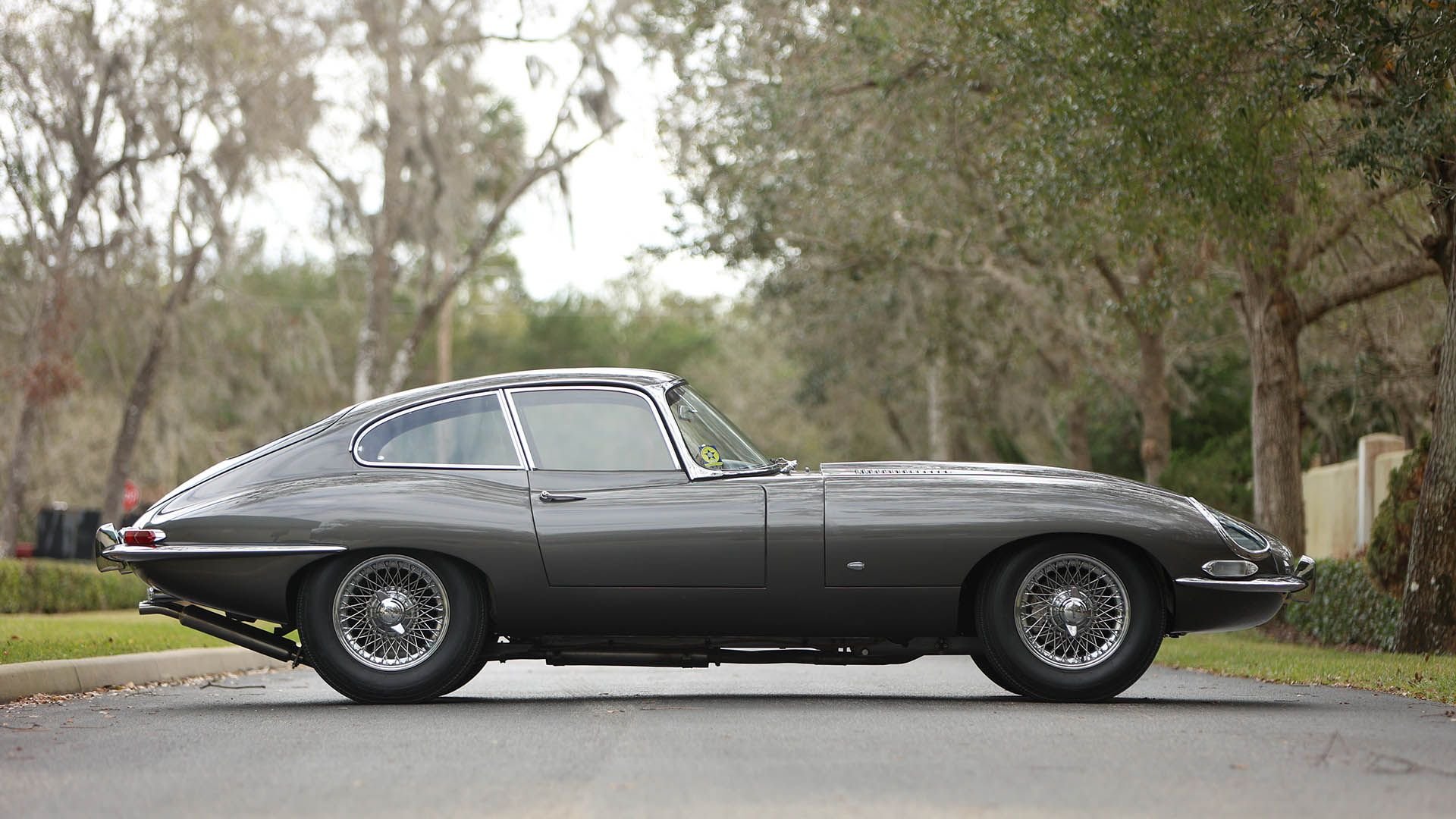
1. Jaguar E-Type Series 1
The Jaguar E-Type Series 1 is widely regarded as one of the most beautiful cars ever made. Its long bonnet and low, curving body create a distinctive silhouette that silver enhances perfectly.
The metallic finish emphasizes the smooth contours, making the vehicle appear sleek and almost aerodynamic even when stationary. Chrome accents along the grill, headlights, and bumpers contrast beautifully with the silver body, creating a refined visual balance.
Inside, the E-Type continues to impress with luxurious details that are complemented by the exterior color. The leather seats, wooden steering wheel, and polished dials gain prominence when paired with metallic silver.
The color creates a sense of light and openness, making the cabin appear brighter and more inviting. Collectors often prefer silver for this model because it accentuates the car’s iconic design without overpowering it.
Performance also matches the vehicle’s visual appeal. The inline-six engine produces a distinctive sound that echoes the sophistication of the design. When parked under sunlight, the metallic silver paint captures reflections from the environment, highlighting the subtle curves along the bonnet and fenders. This interplay of light and shadow adds depth to the vehicle, giving it a more dynamic presence on the road or in a collection.
The E-Type’s racing heritage contributes to its allure. Silver was often a favored color in motorsport for cars in Europe, making it historically significant for this model. Enthusiasts appreciate the connection between appearance and performance, noting that the silver finish brings a sense of authenticity. It makes the car suitable for both casual viewing and serious competitive settings, bridging the gap between elegance and aggression.
Finally, the E-Type in metallic silver represents the perfect balance of form and function. The color enhances every design element while maintaining the car’s classic identity. It is a testament to Jaguar’s design philosophy, demonstrating that attention to detail and thoughtful color choices can elevate a vehicle to an icon. For collectors and enthusiasts, the silver E-Type remains an aspirational classic that combines beauty, history, and engineering excellence.
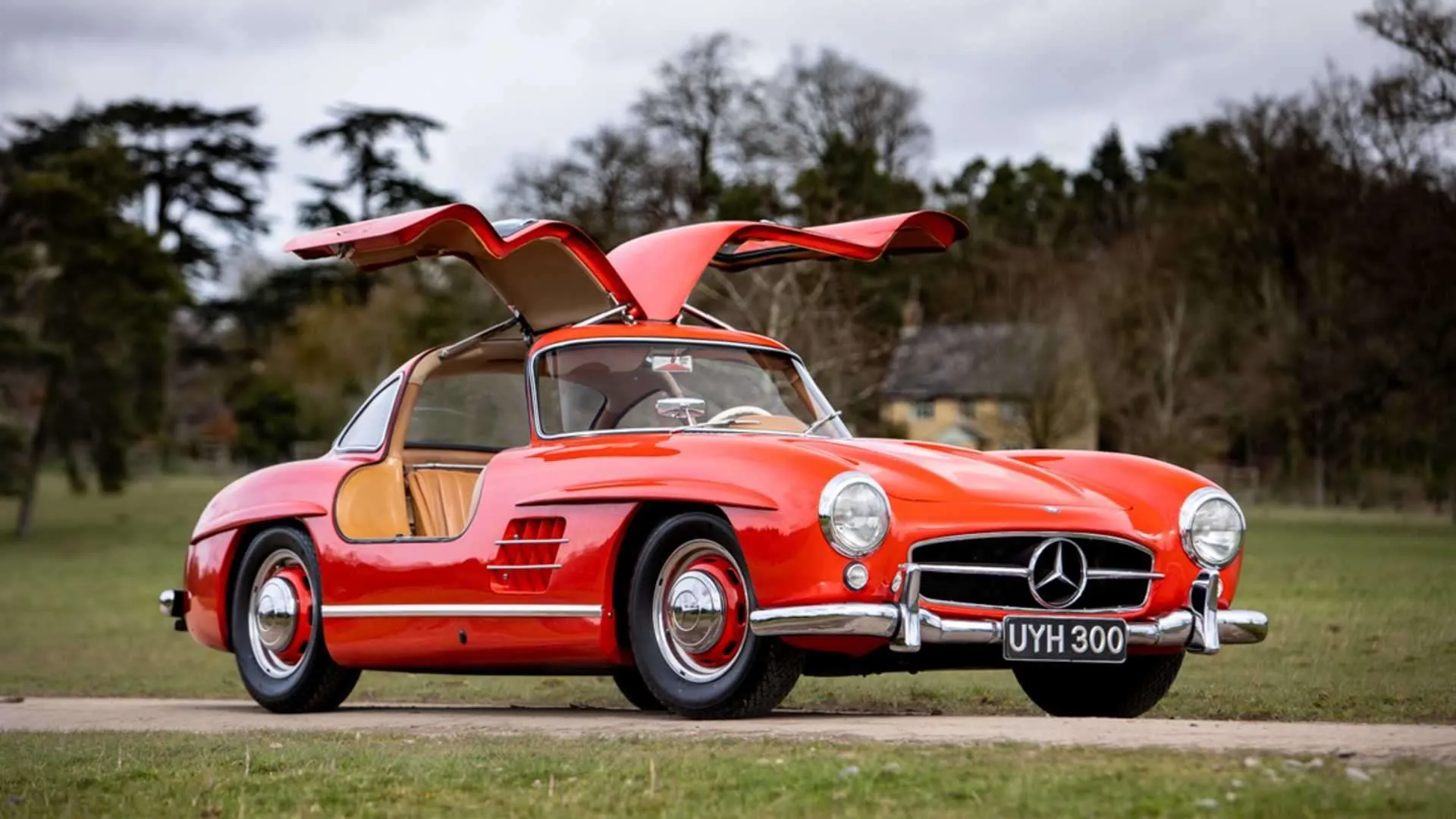
2. Mercedes-Benz 300SL Gullwing
The Mercedes-Benz 300SL Gullwing is one of the most instantly recognizable classic cars in history. Its upward-opening doors, smooth curves, and long hood define its unique character. Metallic silver enhances these features by highlighting the dramatic lines and reflecting light across the body. The color adds an air of sophistication that complements the car’s engineering excellence.
The Gullwing’s interior is equally impressive, with a minimalist design that emphasizes precision and luxury. Silver enhances the contrast between the exterior and the leather seats, polished dashboard, and chrome details. It gives the car a modern yet timeless aesthetic, maintaining the appeal that first made it famous. For collectors, silver is often considered the ideal choice to display the vehicle at shows and exhibitions.
Performance is another reason the 300SL remains iconic. Its inline-six engine was cutting-edge at the time, and the car’s lightweight body allowed for remarkable speed and handling.
The metallic silver paint accentuates the aerodynamic shape, making the car appear faster even when parked. Shadows along the curves give it a fluid motion quality, emphasizing its status as both a design and engineering masterpiece.
Silver also holds historical significance for the Gullwing. In the 1950s, Mercedes racing cars were often painted silver, a tradition that contributed to the reputation of German automotive excellence. Choosing silver for the 300SL pays homage to this heritage, connecting collectors to the car’s competitive and innovative past. This blend of aesthetics and history adds depth to the vehicle’s appeal.
The Mercedes-Benz 300SL Gullwing in metallic silver is an example of how color can enhance a car’s personality. The reflective surface draws attention to its iconic doors, curves, and proportions while maintaining elegance. For enthusiasts, it represents a perfect marriage of beauty, engineering, and tradition, making it one of the most desirable classic cars of all time.
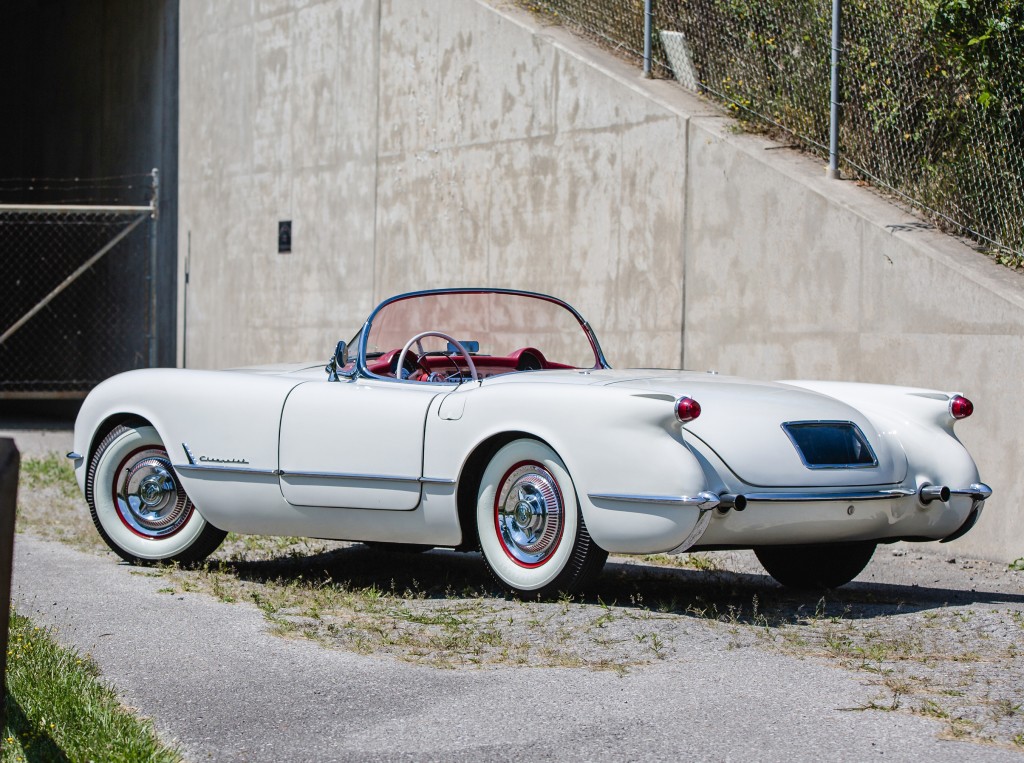
3. Chevrolet Corvette C1
The Chevrolet Corvette C1 was America’s answer to European sports cars of the 1950s. Its bold, sculpted body and dual headlights create a striking profile that metallic silver highlights effectively. The reflective paint accentuates the car’s curves and fender flares, giving it a polished and dynamic appearance. It is a color choice that balances the car’s sportiness with a touch of refinement.
Inside, the Corvette offers a driver-focused cockpit with retro styling. Silver complements the red or black interiors often seen in this model, creating visual contrast and highlighting details such as chrome bezels and the dashboard layout.
The finish gives the car a premium look that reinforces its status as a collector’s favorite. When viewed under sunlight, the metallic silver enhances the gleam of the exterior, making the car feel alive and energetic.
Performance for the C1 was impressive for its time, featuring small-block V8 engines capable of rapid acceleration. The metallic silver paint accentuates the aerodynamic body shape, creating a visual suggestion of speed even when parked. Reflections along the fenders and hood amplify the curves and highlight the aggressive stance, emphasizing the vehicle’s racing-inspired design.
The Corvette’s historical context makes silver an ideal choice. Many early models were raced or displayed in prestigious shows, and silver was often chosen for its ability to reflect light and draw attention. Collectors today continue this tradition, appreciating the combination of performance and aesthetics. The metallic finish bridges the gap between classic American muscle and visual elegance.
In the end, the Chevrolet Corvette C1 in silver is a testament to timeless design. It emphasizes the car’s best features while maintaining a balanced and elegant appearance. For enthusiasts and collectors, the color brings out both the car’s historical significance and its modern appeal, making it a standout classic that continues to turn heads.
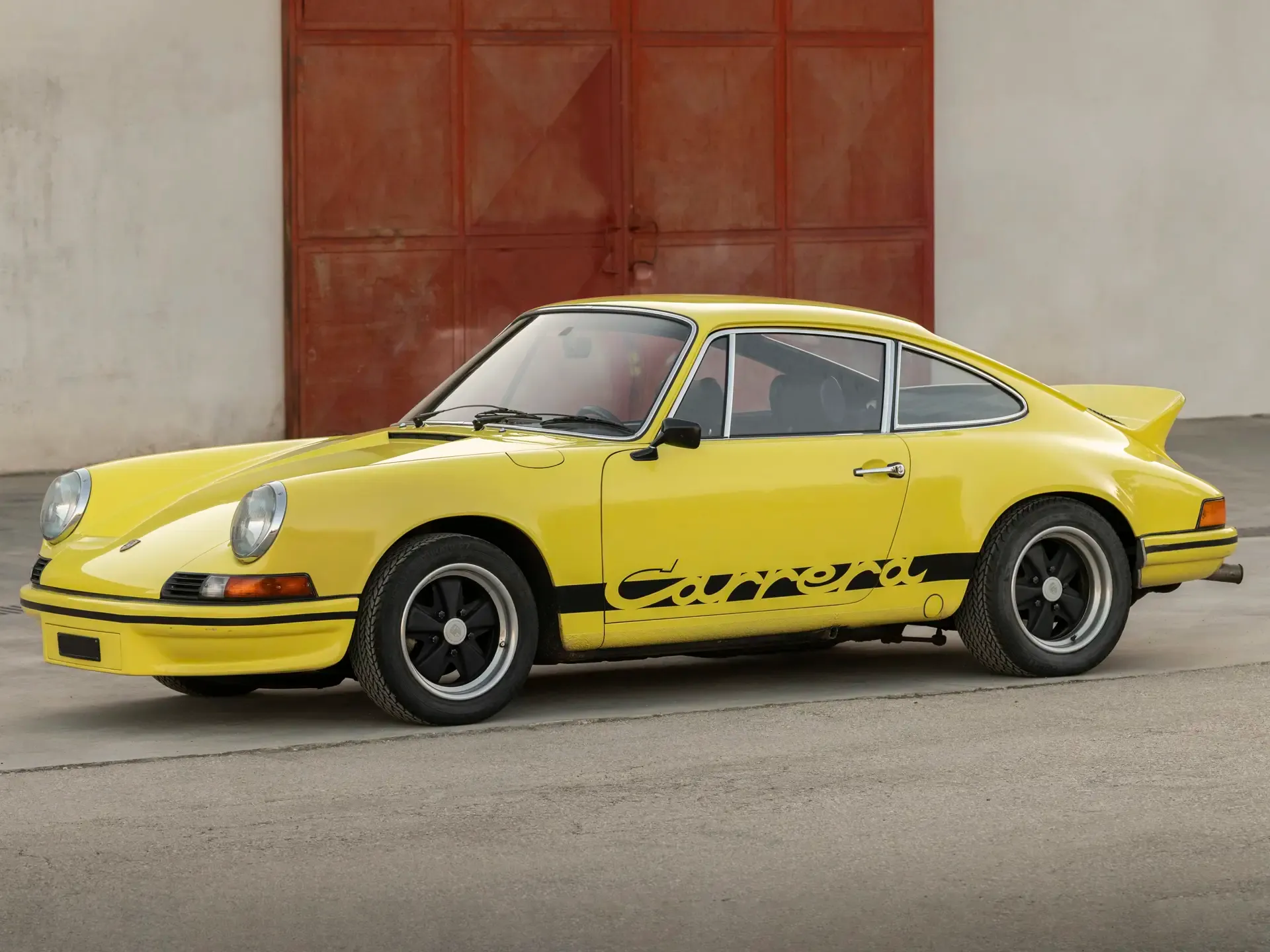
4. Porsche 911 (1964–1973)
The early Porsche 911 models set the stage for one of the most iconic automotive lineages. Their compact, rounded body and distinctive headlights make them instantly recognizable. Metallic silver highlights the smooth transitions between the hood, roof, and rear, enhancing the elegant silhouette. It creates a refined look while retaining the sporty character for which the 911 is known.
Inside, the cockpit of the 911 is designed for functionality and simplicity. The silver exterior complements classic interiors, including leather seats and minimalistic instrument panels. Reflections from the paintwork emphasize the car’s clean lines and create a sense of harmony between interior and exterior elements. Collectors favor silver for its ability to showcase the car’s engineering without distraction.
Performance is integral to the 911’s appeal. Its rear-engine layout and agile handling defined a new era in sports cars. The metallic silver paint accentuates the car’s curves and proportions, giving an impression of speed even when at rest. Light bouncing across the body creates a dynamic visual effect, underlining the timeless design and aerodynamic shape.
Historically, silver has always been associated with racing and precision in Porsche vehicles. Many early models that competed in endurance races were painted silver, enhancing visibility and recognition. The color reinforces the connection between aesthetics and heritage, appealing to both enthusiasts and collectors who value authenticity.
The Porsche 911 in metallic silver exemplifies the balance between elegance and sportiness. The finish accentuates design details while maintaining a cohesive look that complements performance. For classic car fans, it remains a top choice for both display and driving enjoyment, combining heritage, engineering, and visual appeal seamlessly.
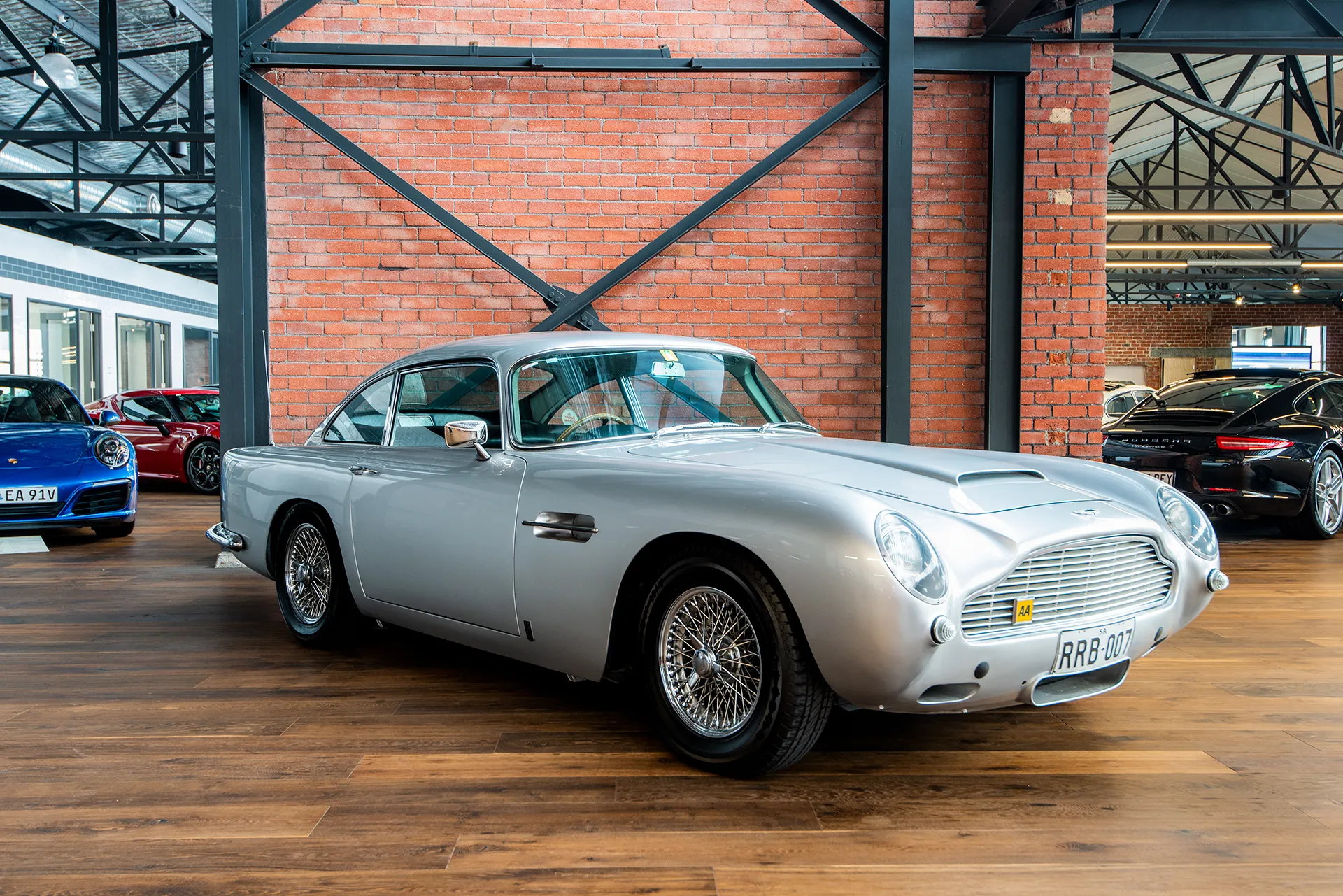
5. Aston Martin DB5
The Aston Martin DB5 represents the pinnacle of British luxury sports cars in the 1960s. Its long, graceful hood and compact rear create a balance between elegance and aggression. Metallic silver enhances the curvature of the body, reflecting light in a way that emphasizes its refined proportions. The color adds a sense of sophistication, highlighting the chrome details around the grill, headlights, and bumper.
Inside, the DB5 offers a blend of luxury and functionality. Plush leather seats, walnut dashboard panels, and polished instrumentation shine against the neutral silver exterior.
The metallic finish brings a quiet elegance that does not compete with the interior but enhances its appeal. For collectors, silver is often chosen for its timeless charm and ability to showcase the car’s impeccable craftsmanship.
Performance-wise, the DB5 was equipped with a powerful inline-six engine that delivered smooth acceleration and a refined driving experience. The silver paint accentuates the aerodynamic design of the vehicle, creating a sense of speed even when stationary. Reflections along the bonnet and side panels give the car depth and dimension, adding to its visual allure.
The DB5’s popularity skyrocketed due to its association with cinematic history. Appearances in classic films added an aura of glamour and prestige. Silver became a popular choice for owners seeking to capture that iconic look, as it conveys both elegance and sophistication. Collectors today continue to favor silver for its ability to combine heritage with visual impact.
The Aston Martin DB5 in metallic silver is a harmonious blend of style, performance, and cultural significance. The reflective finish enhances every design line, highlighting the car’s luxurious and sporty characteristics. For enthusiasts and collectors, the silver DB5 remains an aspirational classic, embodying timeless British elegance in automotive design.
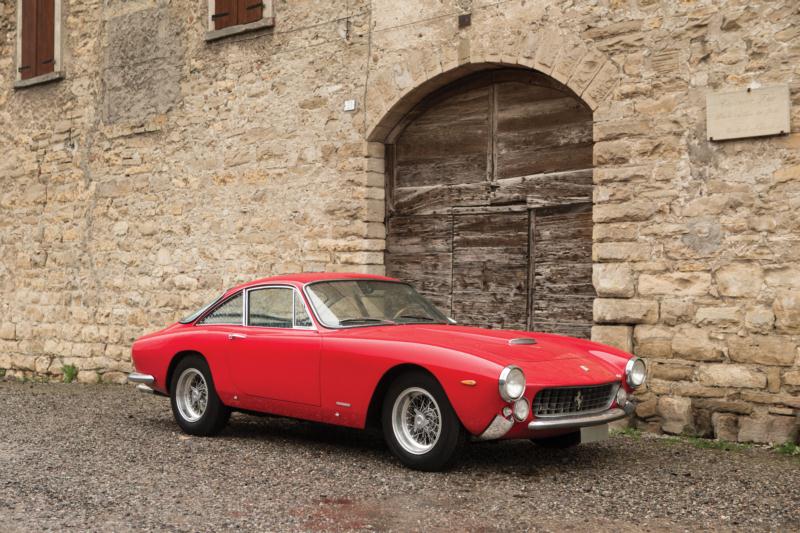
6. Ferrari 250 GT Lusso
The Ferrari 250 GT Lusso is one of the most elegant Italian sports cars ever produced. Its smooth, flowing lines and low stance create a presence that commands attention. Metallic silver accentuates these features, highlighting the sculpted fenders and sleek roofline. The reflective surface captures light in a way that emphasizes the Lusso’s graceful proportions, turning it into a moving work of art even while parked.
Inside, the Lusso showcases Ferrari’s commitment to driver comfort and luxury. Leather seats, precise gauges, and wooden steering wheels contrast beautifully with the neutral exterior. The silver color enhances the car’s elegance, making the interior feel cohesive with the exterior design. Collectors often choose silver to emphasize the car’s sophistication and understated beauty.
Under the hood, the Lusso houses a V12 engine that delivers smooth and responsive power. The metallic silver exterior complements the car’s performance-oriented design, emphasizing aerodynamic curves that contribute to speed and stability. Light reflections across the body highlight the proportions and craftsmanship, creating a visual narrative of precision and design mastery.
The 250 GT Lusso also carries historical significance as a representation of Ferrari’s golden era. Silver enhances this legacy, reflecting a sense of prestige and timelessness associated with classic Italian sports cars. The color allows enthusiasts to celebrate the car’s heritage while maintaining a modern visual appeal that remains relevant in collections today.
The Ferrari 250 GT Lusso in metallic silver perfectly blends elegance, performance, and historical significance. The paint accentuates the refined lines and classic Italian styling while maintaining the car’s inherent character. For collectors, it is a choice that reflects sophistication, tradition, and enduring appeal.
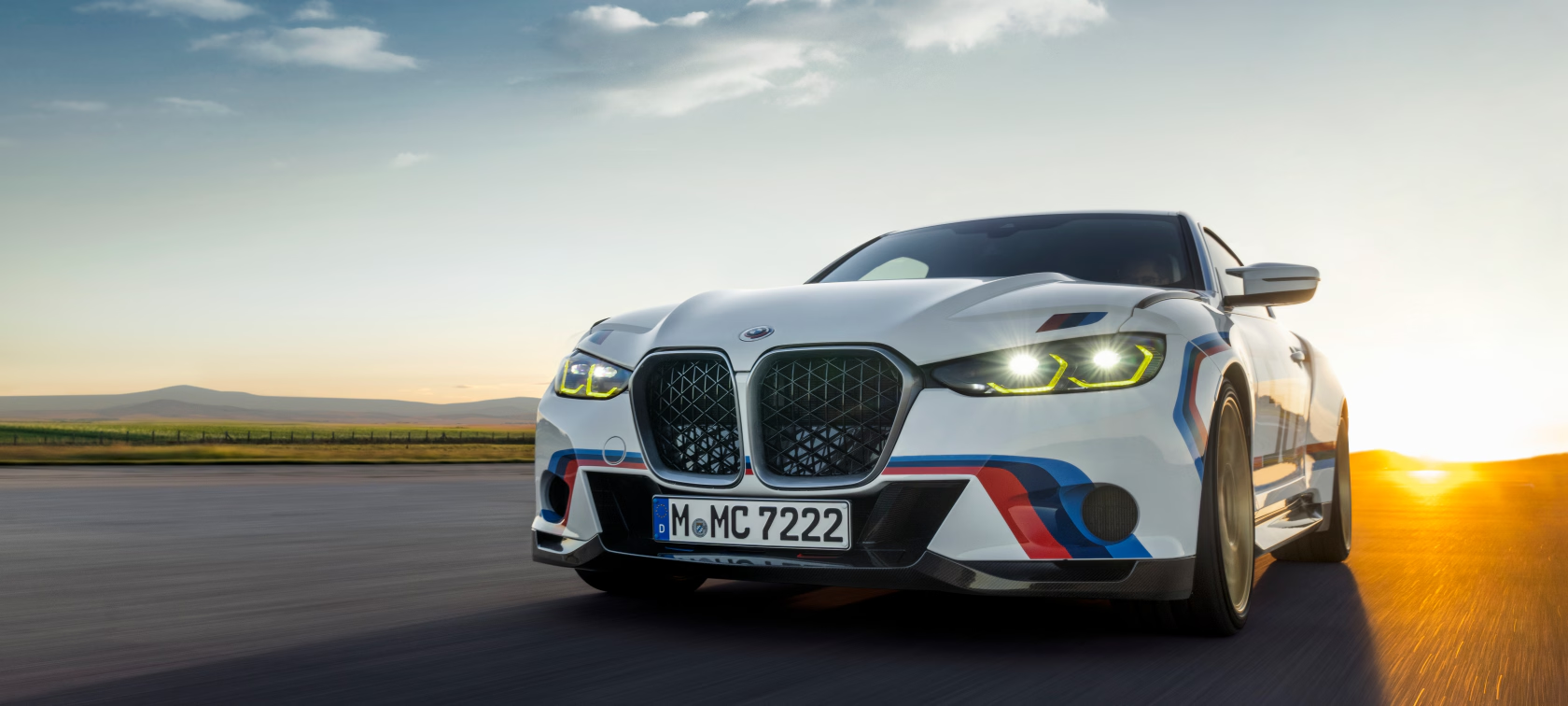
7. BMW 3.0 CSL
The BMW 3.0 CSL is an iconic German sports coupe renowned for its racing pedigree and lightweight design. Its sharp edges, long hood, and distinctive roofline create a dynamic stance that metallic silver enhances beautifully.
The reflective finish highlights contours and aerodynamic lines, giving the car a sense of movement even when at rest. Silver emphasizes the technical precision of the bodywork, enhancing its modern yet classic look.
Inside, the 3.0 CSL balances minimalism and function. Simple gauges, supportive bucket seats, and well-laid controls reflect the car’s focus on driving performance. Metallic silver complements these elements by allowing the body’s exterior to shine without overshadowing the interior. Collectors appreciate the color for its ability to emphasize precision and mechanical sophistication.
Performance played a crucial role in the CSL’s reputation. With a powerful inline-six engine and lightweight body panels, the car excelled on both track and road. Silver highlights aerodynamic curves, showing off the streamlined design while enhancing visual appeal. Every reflection along the roof, bonnet, and fenders adds depth, creating a sense of energy and purpose.
Historically, the 3.0 CSL dominated European racing circuits in the 1970s. Metallic silver pays homage to that legacy, reflecting a classic racing heritage while maintaining elegance. The color evokes the car’s competitive spirit while complementing its understated design, creating a balance between historical significance and aesthetic refinement.
For collectors, the BMW 3.0 CSL in silver represents a blend of performance, precision, and visual elegance. The metallic finish draws attention to the car’s racing-inspired details while maintaining its classic coupe identity. It is a symbol of German engineering excellence and a timeless addition to any classic car collection.
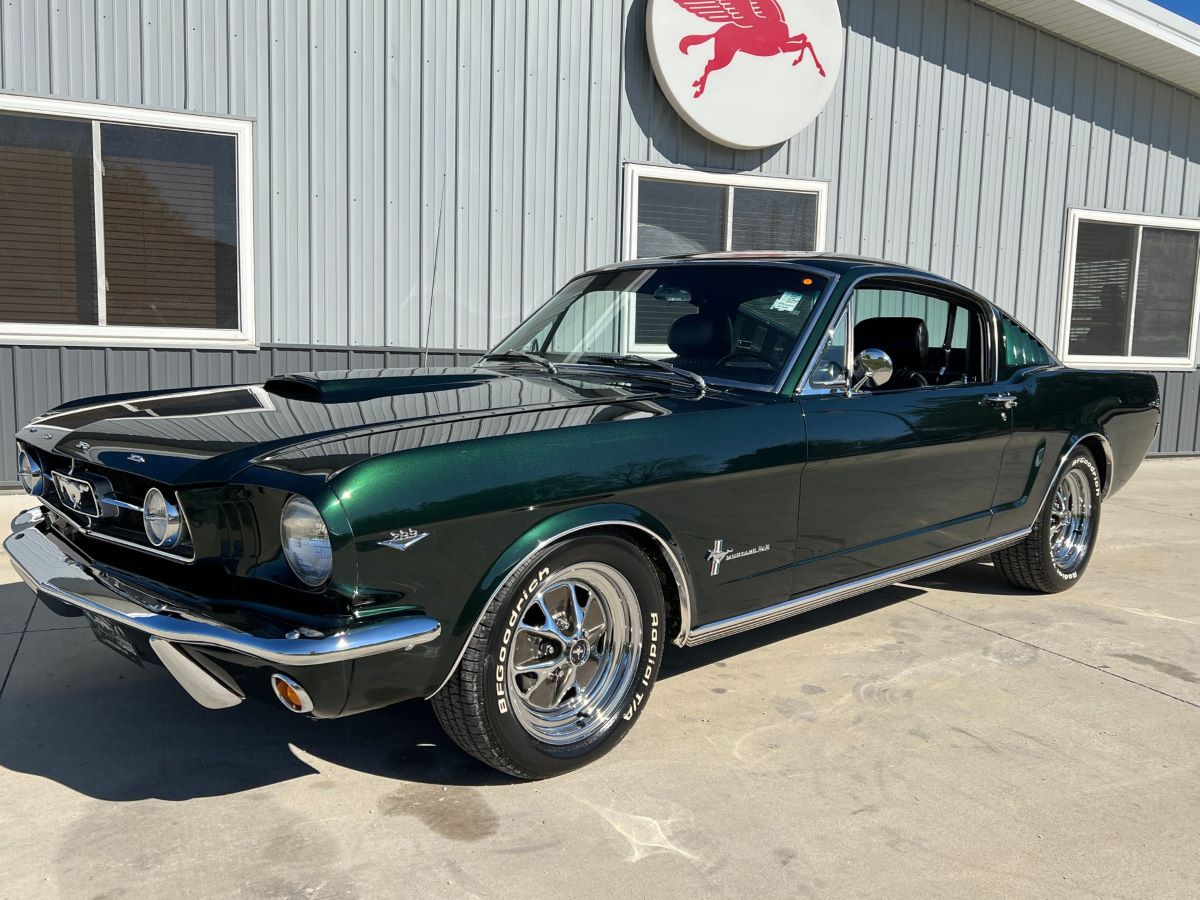
8. Ford Mustang Fastback (1967)
The 1967 Ford Mustang Fastback is a symbol of American muscle and style. Its long hood, sculpted side panels, and fastback roofline create a bold, aggressive silhouette. Metallic silver enhances the curves and angular features, reflecting light to give the car a commanding presence. The color balances the Mustang’s muscular design with a refined visual tone.
Inside, the Mustang offers a comfortable and functional cabin. The dashboard, steering wheel, and seats blend well with the silver exterior, emphasizing both performance and style. Silver highlights the car’s body lines and chrome details, making the interior feel cohesive with the exterior. Collectors favor metallic silver for its ability to accentuate the car’s timeless design.
Performance defines the Mustang Fastback, with V8 engines delivering thrilling acceleration and a distinctive exhaust note. The silver paint emphasizes the aerodynamic shape and wide stance, making the vehicle appear poised for motion. Light reflections across the body enhance the curves, highlighting the car’s muscular and sporty character.
Historically, the Mustang became an icon of American automotive culture in the 1960s. Silver enhances the vehicle’s enduring appeal, giving it a modern yet classic aesthetic. The color evokes sophistication while maintaining the aggressive charm of the original design, making it a popular choice for enthusiasts and collectors alike.
The 1967 Ford Mustang Fastback in metallic silver combines performance, style, and visual sophistication. The reflective finish enhances the car’s iconic design, emphasizing curves, contours, and details. It is a vehicle that balances American muscle with timeless elegance, making it a standout classic.

9. Alfa Romeo Spider (1966)
The Alfa Romeo Spider is a classic Italian roadster celebrated for its elegant design and driving pleasure. Its low, rounded body and long hood create a refined silhouette that metallic silver emphasizes effectively. The reflective finish highlights subtle curves and chrome accents, giving the car a polished, sophisticated appearance. Silver enhances the visual flow from the front grill to the rear bumper.
Inside, the Spider combines simplicity with comfort. Leather seats, a minimalist dashboard, and traditional gauges create a driver-focused cabin. The metallic silver exterior complements these elements, adding a sense of continuity between interior and exterior. Collectors favor silver for its ability to showcase the car’s refined proportions and timeless style.
Performance is central to the Spider’s charm. Lightweight construction and responsive engines allow for an engaging driving experience. Metallic silver highlights aerodynamic lines, making the car appear dynamic even when stationary. Reflections along the bonnet, sides, and fenders emphasize curves and create a sense of fluidity, enhancing the car’s visual appeal.
The Spider also holds historical significance as an emblem of Italian design. Silver enhances this legacy, reflecting both elegance and sophistication. It bridges the gap between classic automotive heritage and modern aesthetics, allowing enthusiasts to appreciate the Spider’s design fully while preserving its iconic identity.
The Alfa Romeo Spider in metallic silver represents a perfect blend of elegance, performance, and classic Italian style. The color emphasizes every curve, contour, and detail, enhancing the car’s visual and historical value. For collectors, it remains a highly desirable roadster that balances sophistication with driving enjoyment.

10. Rolls-Royce Silver Cloud
The Rolls-Royce Silver Cloud is a symbol of British luxury and refinement. Its long, stately body and rounded fenders convey elegance and sophistication. Metallic silver highlights the flowing lines, emphasizing every contour and chrome accent. The reflective paint adds prestige, reinforcing the vehicle’s reputation as one of the finest luxury cars of its era.
Inside, the Silver Cloud showcases opulent materials and meticulous craftsmanship. Leather upholstery, polished wood, and chrome detailing contrast beautifully with the exterior color. Silver complements this interior, enhancing the luxurious atmosphere and reinforcing the car’s timeless appeal. Collectors often choose metallic silver for its understated elegance and classic beauty.
Performance was smooth and refined rather than aggressive. The vehicle’s engineering emphasized comfort, with a soft suspension and quiet cabin. Metallic silver highlights the proportions and design elements, giving the car a graceful presence on the road. Reflections across the bonnet and bodywork emphasize the curves, adding to the car’s dignified aesthetic.
Historically, the Silver Cloud represents the height of postwar British automotive luxury. Metallic silver enhances this heritage, reflecting sophistication and prestige. The color allows enthusiasts to appreciate the car’s design while maintaining its classic identity. Collectors prize silver for its ability to emphasize elegance without overshadowing detail.
The Rolls-Royce Silver Cloud in metallic silver embodies a perfect combination of luxury, elegance, and craftsmanship. The paint emphasizes every curve and accent, enhancing the vehicle’s visual and historical significance. For collectors, it remains a top choice for displaying timeless British automotive excellence.
