
The 1950s marked a significant era in automotive history, with manufacturers experimenting with both performance and comfort. During this decade, sedans were no longer just practical vehicles; they became symbols of status, luxury, and technological innovation.
Among the features that distinguished these vehicles, air conditioning emerged as a revolutionary addition, transforming driving experiences for affluent owners.
At a time when many cars offered only basic ventilation, having a cooled interior became a hallmark of sophistication. Automakers recognized that comfort was not a luxury to be postponed but an essential element in appealing to discerning buyers.
Introducing air conditioning into sedans was no simple task. The technology had to be integrated into vehicles that were not originally designed for it, requiring innovations in engine placement, airflow systems, and cabin insulation. Manufacturers invested heavily in research and design to ensure that this feature did not compromise space, performance, or styling.
Consumers were willing to pay a premium for cars that offered relief from summer heat, particularly in regions where temperatures were extreme. For many, owning a luxury sedan with air conditioning became a status symbol, signaling both wealth and an appreciation for the latest engineering advancements.
These sedans were also part of a broader cultural shift. The 1950s was a period of post-war prosperity, and the automotive market reflected optimism, ambition, and modern design principles. Chrome accents, sweeping tailfins, and bold colors were paired with innovations like power steering, automatic transmissions, and advanced suspension systems.
Air conditioning fit perfectly within this space, enhancing the comfort of long drives and urban commutes alike. Families, executives, and celebrities all sought vehicles that could combine elegance with practical cooling, making certain sedans highly desirable and collectible today.
The integration of air conditioning also influenced interior design. Upholstery materials, dashboard layouts, and ventilation controls were developed with cooling in mind. Leather seats, plush carpeting, and wood accents were chosen not only for aesthetics but also for their ability to retain comfort in a climate-controlled environment.
These cars often represented the pinnacle of attention to detail, as manufacturers sought to provide an experience that was both visually striking and physically pleasant.
By the end of the decade, a select group of sedans had emerged as pioneers of comfort innovation. They combined performance, style, and the novelty of air conditioning, setting the stage for modern luxury vehicles.
While many of these cars were produced in limited quantities, their impact was profound, influencing subsequent designs and raising expectations for what a high-end sedan could offer. Collectors and enthusiasts today continue to celebrate these vehicles, recognizing them as symbols of a transformative period in automotive history.
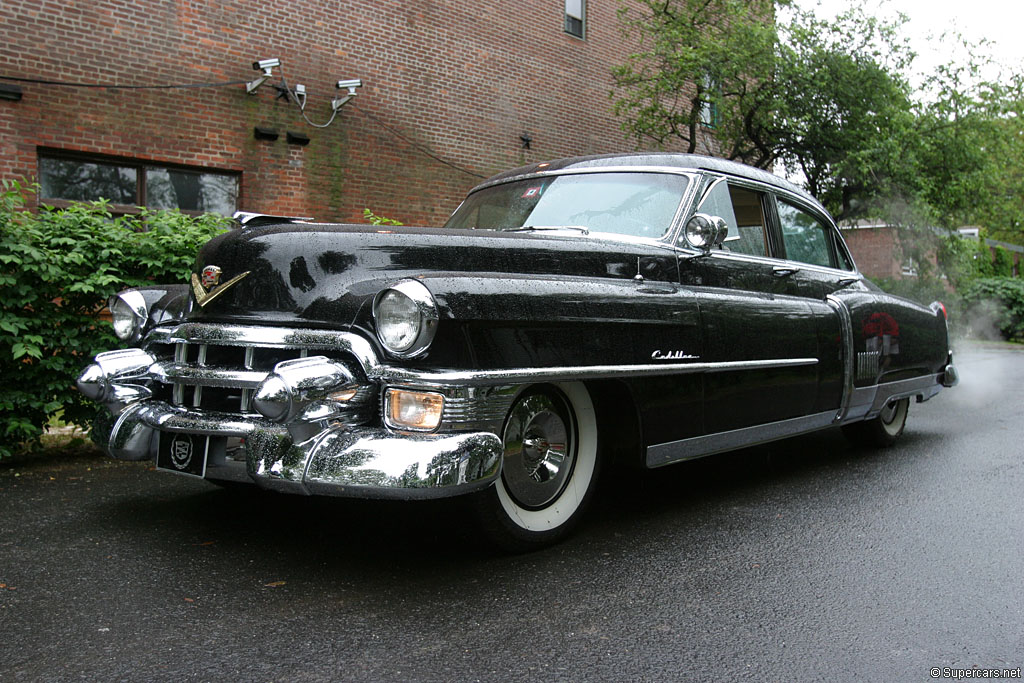
1. 1953 Cadillac Series 62 Sedan
The 1953 Cadillac Series 62 offered a combination of elegance and technological sophistication. Its air conditioning system was among the first to be integrated directly into the dashboard. This made the cooling system less intrusive while providing consistent airflow throughout the cabin. Cadillac’s approach highlighted how innovation could be seamlessly paired with luxury.
The exterior design of the Series 62 reflected contemporary tastes, with sweeping lines and chrome detailing. These stylistic choices complemented the car’s modern interior, creating a sense of cohesion. Leather upholstery and plush seating were standard, ensuring comfort for all passengers. The air conditioning added an extra layer of convenience, particularly during long drives in hot weather.
Mechanically, the Series 62 featured a V8 engine capable of smooth acceleration. Despite the added complexity of the cooling system, performance remained reliable. The integration of air conditioning did not interfere with engine efficiency or handling. Cadillac demonstrated that advanced comfort features could coexist with mechanical excellence.
Passengers enjoyed intuitive controls for the air conditioning, which allowed customization of airflow and temperature. This attention to usability reflected Cadillac’s focus on driver and passenger experience. The cabin remained quiet and spacious, further emphasizing the car’s luxury credentials. It became a benchmark for other manufacturers aiming to combine style and modern technology.
Collectors today view the 1953 Series 62 as an important milestone. Its air conditioning system represented one of the earliest practical applications in mass-produced sedans. Beyond functionality, the car’s design and craftsmanship made it a symbol of 1950s American automotive excellence. Its legacy continues to influence the perception of classic luxury sedans.
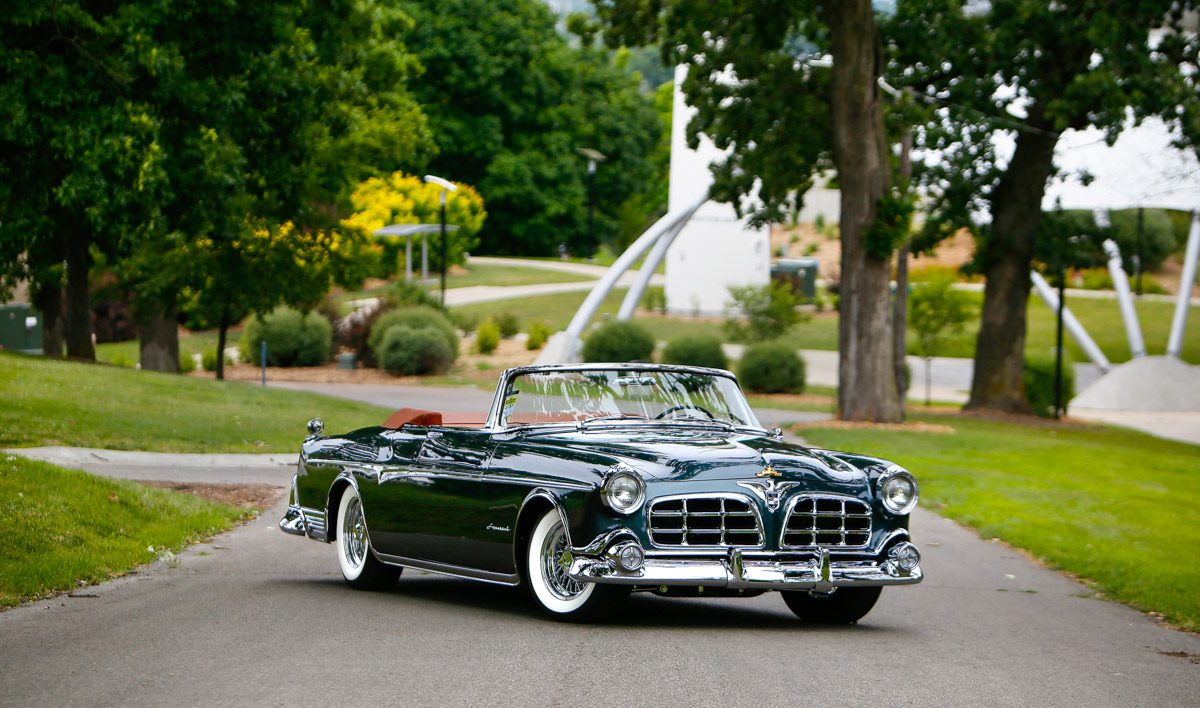
2. 1955 Chrysler Imperial Crown
The 1955 Chrysler Imperial Crown represented a bold step in automotive luxury, combining stately styling with advanced comfort features. Its air conditioning system was among the first in Chrysler’s lineup to provide a truly consistent cabin temperature, rather than sporadic cooling.
The system was integrated into the dashboard and hidden vents, creating a seamless experience for passengers. Chrysler engineers focused on minimizing noise and maximizing airflow, so even on long journeys, the cabin remained pleasant and inviting.
Aesthetically, the Imperial Crown showcased Chrysler’s flair for dramatic design. The long hood, sweeping tailfins, and two-tone paint schemes gave the sedan a commanding presence on the road. Inside, the cabin reflected careful craftsmanship with padded dashboards, leather seating, and chrome accents. The air conditioning system complemented this design, with vents positioned to reach every corner of the interior without disrupting the visual appeal of the luxurious appointments.
Performance was another strength of the Imperial Crown. The V8 engine delivered smooth power, and the suspension system absorbed road imperfections effortlessly.
Introducing air conditioning required careful calibration to ensure it did not sap engine power or affect handling. Engineers successfully maintained a balance between cooling comfort and driving dynamics, allowing the car to perform efficiently while keeping passengers comfortable in the hottest climates.
Passenger controls were designed with simplicity in mind. Adjustable vents and temperature dials allowed drivers to tailor the cooling experience without distraction. This thoughtful design helped establish Chrysler as a manufacturer that understood the importance of passenger comfort in conjunction with vehicle performance. The combination of style, power, and cooling innovation made the Imperial Crown a standout among 1950s luxury sedans.
Collectors and enthusiasts continue to celebrate the 1955 Chrysler Imperial Crown not only for its striking appearance but also for its pioneering approach to cabin comfort. Early adoption of air conditioning helped solidify its status as a symbol of 1950s automotive luxury. Its influence extended to future Chrysler models, establishing design and engineering principles that shaped the brand’s reputation for combining elegance, performance, and advanced features.
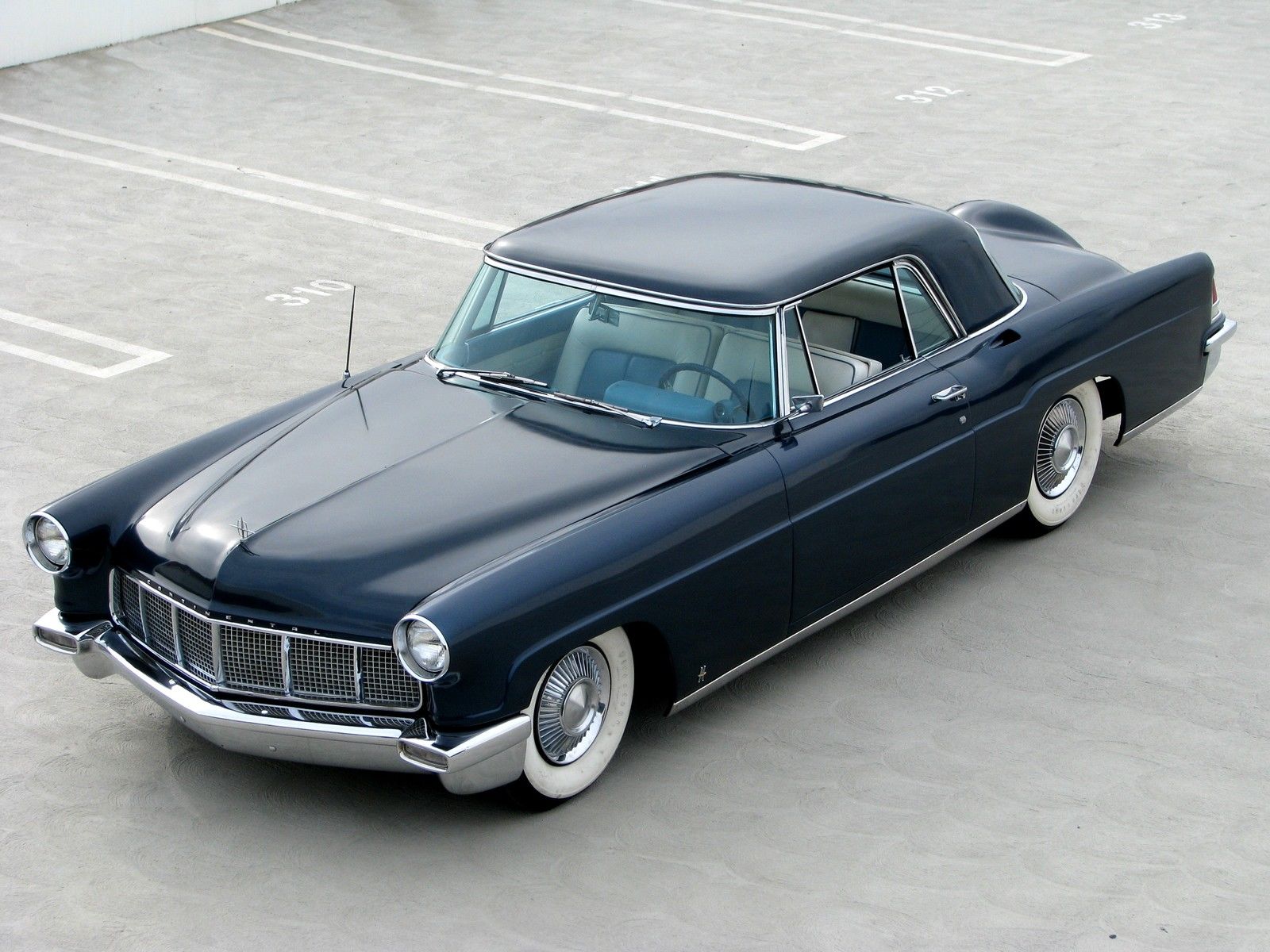
3. 1956 Lincoln Continental Mark II
The 1956 Lincoln Continental Mark II stood out for its understated elegance and meticulous attention to detail. Its air conditioning system was a feature, providing quiet and efficient cooling throughout the cabin.
The technology was considered advanced for its time, as the system maintained a stable temperature without drawing attention to its mechanical components. Passengers could enjoy comfort without compromising the refined appearance of the interior, a significant achievement in luxury automotive design.
The exterior styling of the Mark II was purposeful and restrained. Unlike some of its contemporaries with exaggerated tailfins, this Lincoln emphasized clean lines and balanced proportions.
Chrome detailing was subtle yet impactful, accentuating the car’s sophistication. Inside, rich leather seats, carefully chosen wood accents, and plush carpeting created a comfortable environment. Air conditioning complemented these materials, enhancing passenger experience without conflicting with the high-end finishes.
The Mark II’s performance was characterized by a powerful V8 engine and smooth ride quality. Engineers had to ensure that integrating the air conditioning system did not reduce the engine’s efficiency or compromise suspension tuning.
The successful incorporation of these features allowed the car to deliver both impressive performance and a luxurious, climate-controlled environment. Drivers could confidently navigate urban streets or long highways without sacrificing comfort or control.
Interior controls for the air conditioning were designed for both functionality and elegance. The dials and vents were integrated into the dashboard with precision, providing intuitive operation without distracting from the car’s aesthetic. This attention to detail reinforced Lincoln’s commitment to providing a seamless combination of engineering and luxury. It was clear that comfort was a priority alongside design, a hallmark of 1950s high-end sedans.
Today, the 1956 Lincoln Continental Mark II is celebrated as one of the most refined examples of mid-century automotive design.
Its early adoption of air conditioning set a precedent for future luxury vehicles, demonstrating that technological advancement and sophisticated design could coexist harmoniously. Collectors value the Mark II for both its performance and the enhanced comfort it offered, making it a standout in the history of luxury sedans.
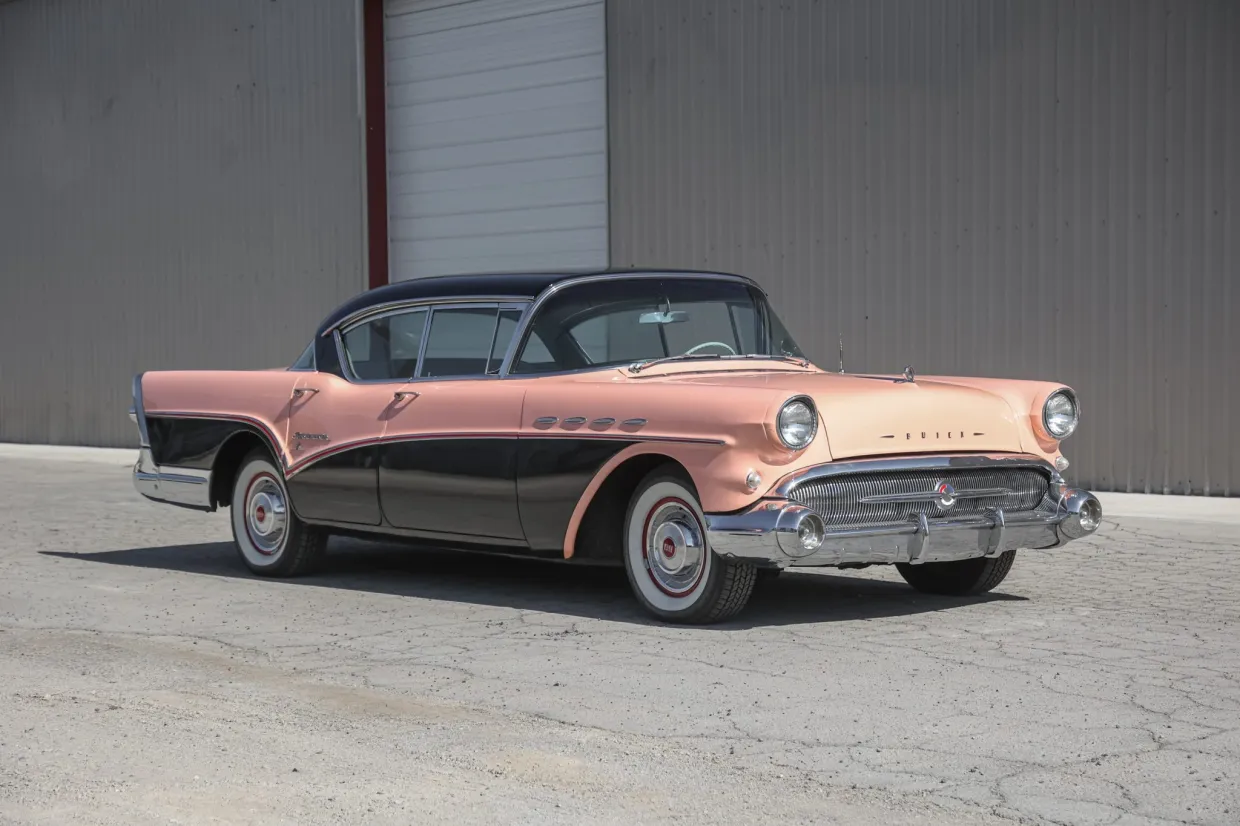
4. 1957 Buick Roadmaster Sedan
The 1957 Buick Roadmaster combined spacious interiors with forward-thinking technology, making it one of the most desirable luxury sedans of the decade. Its air conditioning system was integrated in a way that preserved both cabin space and interior aesthetics.
Unlike earlier bulky cooling units, Buick’s system provided evenly distributed airflow, allowing passengers in both the front and rear seats to enjoy a comfortable environment. The reliability of the system added to the vehicle’s appeal, as owners could count on consistent cooling even during long summer drives or extended trips across varied climates.
Styling played a critical role in the Roadmaster’s identity. Its long, sweeping body lines and signature chrome accents made it instantly recognizable on the road. Two-tone paint options were especially popular, reflecting the era’s enthusiasm for bold and elegant design.
Inside, plush seating with soft upholstery created a sense of luxury, while air conditioning ensured that passengers experienced these interiors without the discomfort of heat or humidity. The combination of design, space, and climate control elevated the Roadmaster beyond a typical sedan of its time.
The vehicle’s performance reinforced its reputation as a well-rounded luxury car. The Roadmaster was equipped with a robust V8 engine and a smooth automatic transmission that offered effortless acceleration.
Introducing air conditioning required careful engineering to prevent strain on the engine or reduction in power. Buick successfully managed this balance, ensuring the car remained responsive and comfortable, while passengers enjoyed the benefits of an advanced cooling system integrated directly into the cabin’s design.
Controls for the air conditioning system were user-friendly, featuring accessible dials and adjustable vents. Drivers could quickly regulate the airflow and temperature without compromising attention on the road.
This thoughtful design emphasized practicality alongside luxury, reinforcing the idea that advanced comfort features could coexist seamlessly with elegant design. The system’s quiet operation added to the serenity of the cabin, making the car ideal for long drives or daily city commutes.
Collectors today view the 1957 Buick Roadmaster as a classic example of mid-century luxury. Its combination of design sophistication, mechanical reliability, and early adoption of air conditioning makes it historically significant.
Enthusiasts value not only its visual appeal but also the comfort it offered during a period when air conditioning in sedans was still rare. The Roadmaster remains a testament to Buick’s ability to merge style, innovation, and passenger comfort.
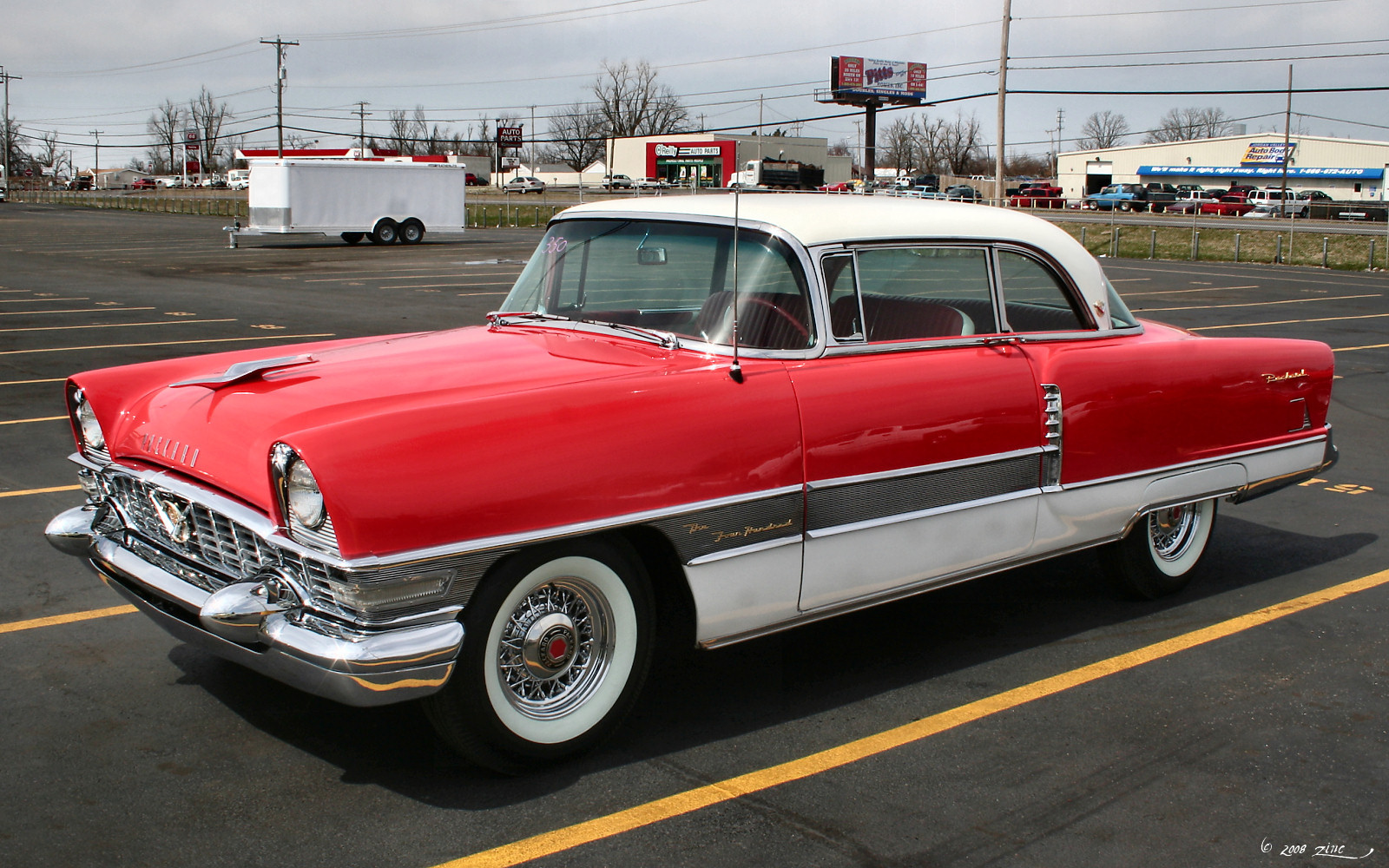
5. 1958 Packard Patrician 400
The 1958 Packard Patrician 400 represented the pinnacle of Packard’s luxury offerings, with air conditioning as a standout feature. Its system was advanced for its time, delivering consistent airflow throughout the cabin while minimizing mechanical noise.
This level of refinement made long-distance travel more comfortable for passengers, especially during the hotter months. Packard’s commitment to engineering excellence was evident, as the system was seamlessly integrated without compromising the car’s spacious interior or classic design lines.
The exterior design of the Patrician 400 conveyed elegance and authority. Bold chrome accents, carefully proportioned body panels, and signature Packard styling cues created a commanding presence. Inside, the interior reflected meticulous attention to detail, with high-quality materials and soft, cushioned seating.
The air conditioning system enhanced the comfort of these interiors, providing a luxurious environment that could be enjoyed in a variety of climates. This integration of technology and design helped distinguish the Patrician 400 from its competitors.
Performance was another area where Packard excelled. The vehicle’s V8 engine delivered smooth power and reliability, while the suspension absorbed road imperfections for a stable, comfortable ride. Installing air conditioning required careful calibration to avoid affecting engine output or performance.
Engineers managed to maintain the car’s dynamic capabilities while incorporating a cooling system that was both effective and unobtrusive, demonstrating the brand’s attention to both comfort and mechanical integrity.
User experience was a focus for the Patrician 400. The controls for the air conditioning system were intuitive and easy to reach, allowing passengers to adjust temperature and airflow effortlessly.
This practical design reinforced the car’s reputation as a thoughtfully engineered luxury sedan. The cooling system’s quiet operation added to the serene experience inside, making the cabin a retreat from the heat and hustle outside.
The 1958 Packard Patrician 400 remains an important symbol of mid-century luxury. Its early use of air conditioning, combined with classic styling and dependable performance, made it one of the most desirable sedans of the late 1950s.
Collectors and enthusiasts today value it not only for its beauty and craftsmanship but also for the innovation it represented in passenger comfort. The Patrician 400 exemplifies the era’s ambition to combine technological advancement with elegance.
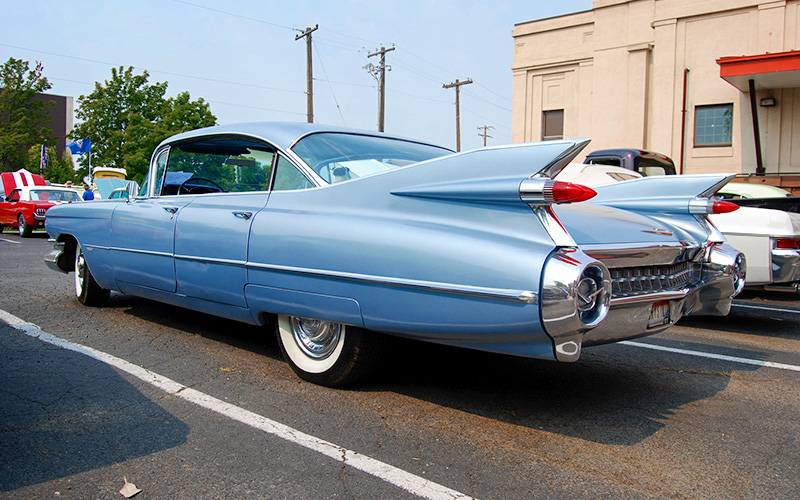
6. 1959 Cadillac Series 62 Sedan
The 1959 Cadillac Series 62 represented a striking combination of style, power, and comfort, setting a high standard for luxury sedans of its era. Its air conditioning system was designed to provide consistent cooling throughout the cabin, offering relief from the heat with remarkable efficiency.
Unlike some earlier attempts, Cadillac managed to integrate the system without compromising interior space or design aesthetics. Passengers could enjoy a pleasant climate without the distraction of visible mechanical components, making the experience refined and unobtrusive.
Designers gave the Series 62 a bold, unmistakable presence. The vehicle featured sweeping tailfins, large chrome accents, and a spacious, elongated body that emphasized grandeur and elegance. The interior matched this visual drama, with plush seating, premium leather upholstery, and a carefully arranged dashboard.
The air conditioning system worked in harmony with these materials, cooling the cabin efficiently while maintaining the luxurious feel of the upholstery and interior finishes.
Performance remained an essential aspect of the Cadillac experience. The V8 engine offered smooth acceleration, while the suspension system absorbed irregularities in the road, providing a comfortable ride.
Incorporating air conditioning required careful attention to the engine and mechanical layout to ensure no performance was lost. Cadillac successfully achieved this balance, demonstrating that advanced comfort features could coexist with powerful, smooth driving dynamics.
The system’s controls were designed for ease of use. Adjustable vents and temperature dials allowed passengers to manage airflow and cooling without distracting the driver. This intuitive design underscored Cadillac’s understanding that luxury meant more than visual appeal, it included the comfort and convenience of every passenger. Quiet operation further reinforced the sedan’s reputation as a serene, relaxing environment.
Collectors today regard the 1959 Cadillac Series 62 as a landmark in luxury automotive history. Its early air conditioning system, combined with powerful performance and bold design, made it one of the most celebrated sedans of the 1950s.
Enthusiasts value the vehicle for its technological innovation as well as its unmistakable styling, representing a period when American manufacturers were pushing the boundaries of automotive luxury.
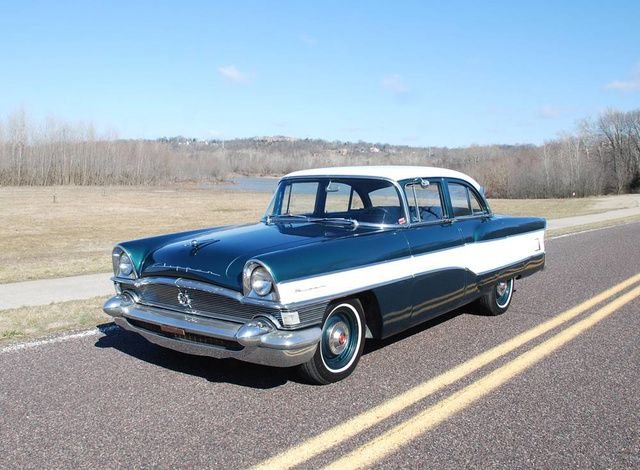
7. 1956 Packard Clipper
The 1956 Packard Clipper was recognized for combining understated elegance with innovative features, including one of the early implementations of air conditioning in a sedan. The system provided consistent cooling without overwhelming the cabin space or detracting from the car’s refined interior.
Packard carefully designed the unit to operate quietly, making the cabin a comfortable environment for both drivers and passengers. The integration reflected a thoughtful approach to luxury, where comfort, technology, and aesthetic appeal worked in harmony.
Visually, the Clipper maintained a refined presence on the road, avoiding exaggerated styling trends common in the 1950s. Its clean lines, subtle chrome trim, and balanced proportions created an impression of dignity and sophistication.
Inside, attention to detail was apparent through the use of high-quality upholstery, polished wood accents, and carefully padded seating surfaces. The addition of air conditioning enhanced these interiors, allowing passengers to enjoy the elegance of the cabin in a controlled and comfortable climate.
The vehicle’s engine and drivetrain were designed to provide smooth performance, even with the added demands of air conditioning. Engineers ensured that the system did not negatively impact power delivery or vehicle handling.
The Clipper successfully demonstrated that advanced comfort features could be included without compromising the performance expected from a luxury sedan. This balance of power and comfort helped establish the Clipper as a noteworthy model in Packard’s lineup.
Controls for the air conditioning system were simple and accessible. Dials and vents were thoughtfully placed so that adjustments could be made effortlessly, contributing to a stress-free driving experience.
This practical design choice reflected Packard’s understanding of user needs, emphasizing convenience and comfort alongside high-quality engineering and design. Passengers could maintain an optimal cabin environment regardless of external weather conditions.
Today, the 1956 Packard Clipper is appreciated by collectors for both its design and technological significance. Its early adoption of air conditioning in a luxury sedan highlights the brand’s commitment to innovation, even in a period when such features were far from standard. The Clipper remains a testament to mid-century efforts to combine elegance, reliability, and passenger comfort in a single, sophisticated vehicle.
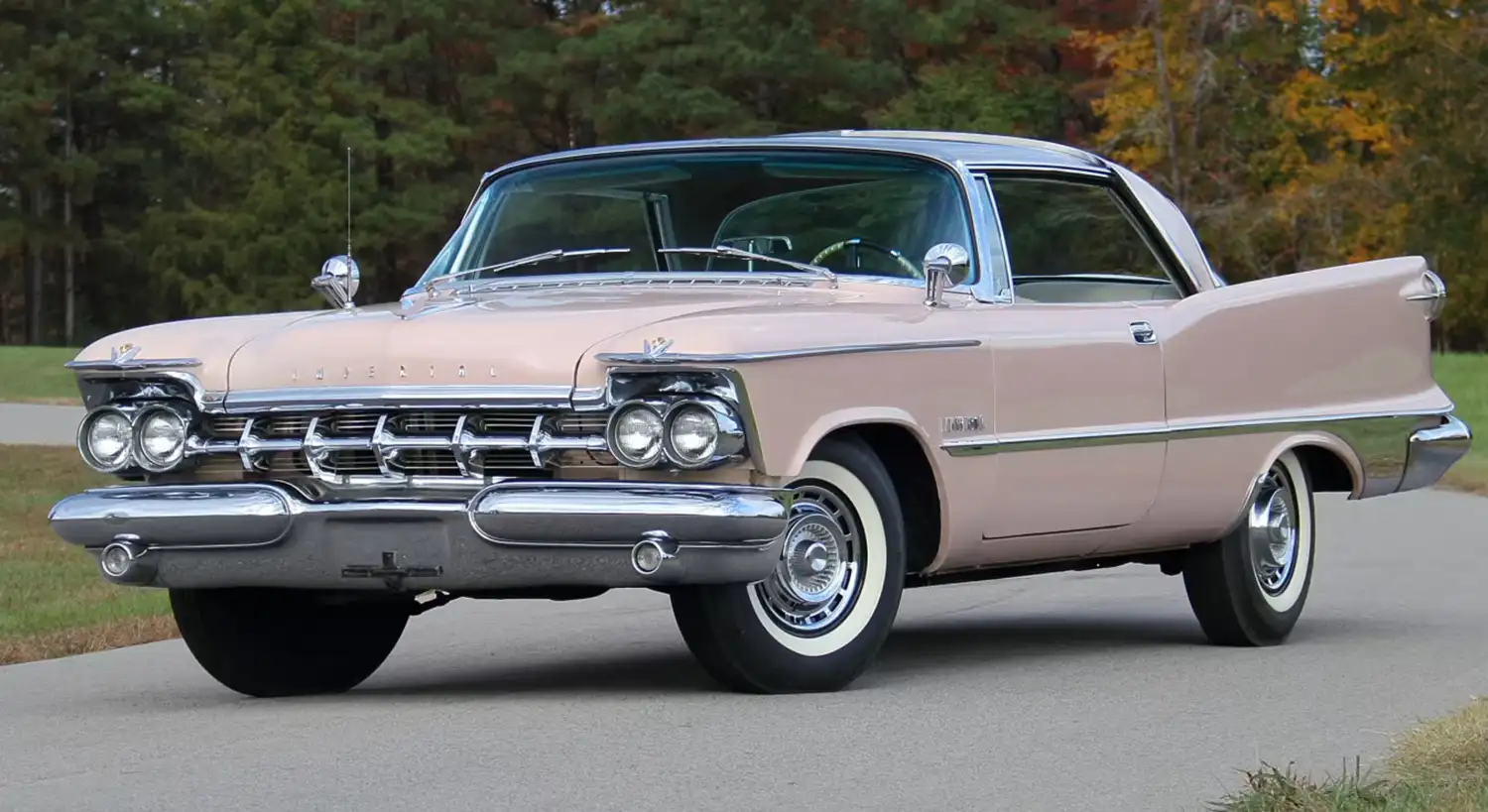
8. 1954 Imperial Crown Southampton
The 1954 Imperial Crown Southampton was an ambitious vehicle that brought advanced comfort features to the forefront of luxury sedans. Its air conditioning system was among the earliest in the market to provide a reliable and quiet cooling experience.
Designed to distribute airflow evenly across the cabin, the system offered a level of comfort previously unavailable to most drivers and passengers. This innovation elevated the car’s reputation and helped solidify its position as a leader in luxury automotive design.
The exterior styling of the Southampton was stately and elegant, with well-proportioned body panels and chrome trim that conveyed refinement. The long wheelbase enhanced interior space, allowing the air conditioning system to operate efficiently without restricting passenger comfort.
Inside, plush upholstery, detailed woodwork, and well-padded seats emphasized luxury. The integration of climate control further complemented these features, ensuring that passengers could enjoy an optimal environment regardless of external temperatures.
Mechanically, the car featured a powerful V8 engine capable of delivering smooth, responsive performance. The addition of air conditioning required careful design to ensure the engine and cooling system worked together without diminishing performance. Engineers succeeded in maintaining the vehicle’s responsiveness while providing a quiet, efficient cooling system, demonstrating a sophisticated approach to integrating advanced comfort features.
The cabin controls were designed with simplicity and elegance in mind. Passengers could easily adjust temperature and airflow, while the system operated quietly in the background. This combination of usability and refinement enhanced the driving and riding experience.
The air conditioning system became not only a functional innovation but also a symbol of the car’s luxurious and well-thought-out interior design.
Collectors value the 1954 Imperial Crown Southampton for its innovative approach to comfort, style, and engineering. The car represents an important step in the evolution of luxury sedans, demonstrating how climate control could be integrated seamlessly into a sophisticated vehicle.
Its combination of performance, elegance, and technological foresight makes it a sought-after classic among enthusiasts today.
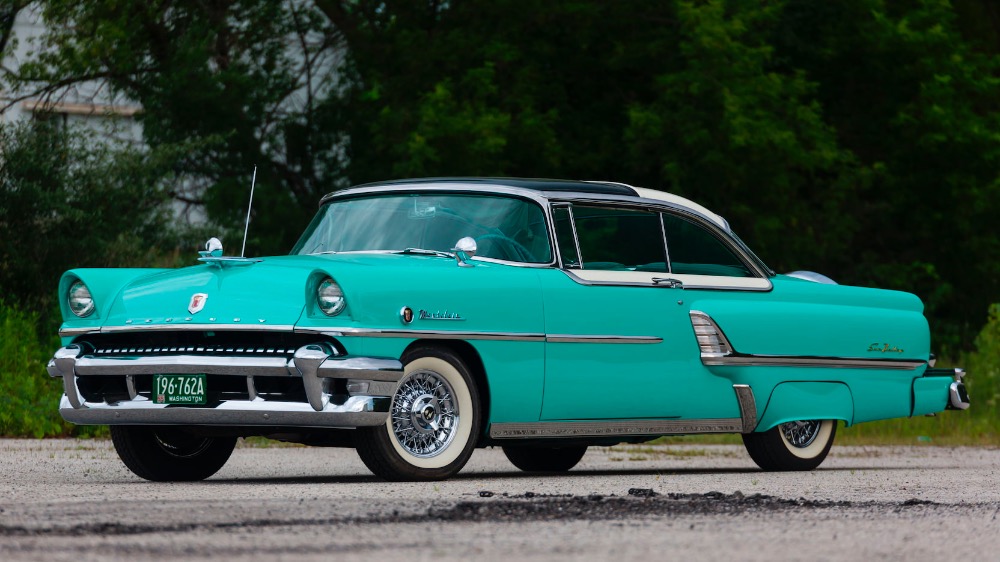
9. 1955 Mercury Montclair
The 1955 Mercury Montclair represented a balance between stylish design and technological innovation, with one of the first air conditioning systems available in mid-range luxury sedans. The cooling system was engineered to distribute airflow evenly across both the front and rear seats, ensuring that passengers experienced consistent comfort even during long drives.
The integration of air conditioning was carefully executed so that it did not intrude on cabin space or interfere with the Montclair’s elegant interior design. This made the car particularly appealing to buyers who desired both style and practicality in a single vehicle.
Designers gave the Montclair a commanding presence with sweeping lines, chrome accents, and distinctive two-tone paint schemes. Its exterior emphasized a modern aesthetic while remaining approachable, appealing to buyers who wanted sophistication without excessive flamboyance.
Inside, the cabin featured plush seats, rich upholstery, and refined trim materials. The air conditioning system complemented these design elements, enhancing comfort while maintaining a sense of understated luxury. Passengers could enjoy both style and practicality in a climate-controlled environment, a combination that few sedans offered at the time.
The Montclair’s V8 engine delivered dependable performance, while the suspension system ensured a smooth, comfortable ride. Incorporating air conditioning required careful consideration to avoid compromising engine efficiency or vehicle handling.
Mercury engineers succeeded in achieving this balance, allowing the Montclair to maintain its dynamic performance while offering a superior cooling system. This engineering accomplishment reinforced the car’s reputation as a well-rounded, thoughtfully designed sedan.
Air conditioning controls were positioned for convenience, allowing passengers to adjust airflow and temperature without distraction. The system’s quiet operation further enhanced the interior experience, providing a calm and comfortable environment that contrasted with the heat outside. This attention to usability and comfort reinforced Mercury’s commitment to creating vehicles that delivered both practical features and aesthetic refinement.
Today, the 1955 Mercury Montclair is appreciated for its early adoption of air conditioning, combined with its stylish design and reliable performance. Collectors value its ability to deliver comfort and elegance in a single package, making it a representative example of mid-century innovation in passenger vehicles. The Montclair remains a noteworthy vehicle in automotive history, demonstrating the growing importance of climate control in luxury sedans.
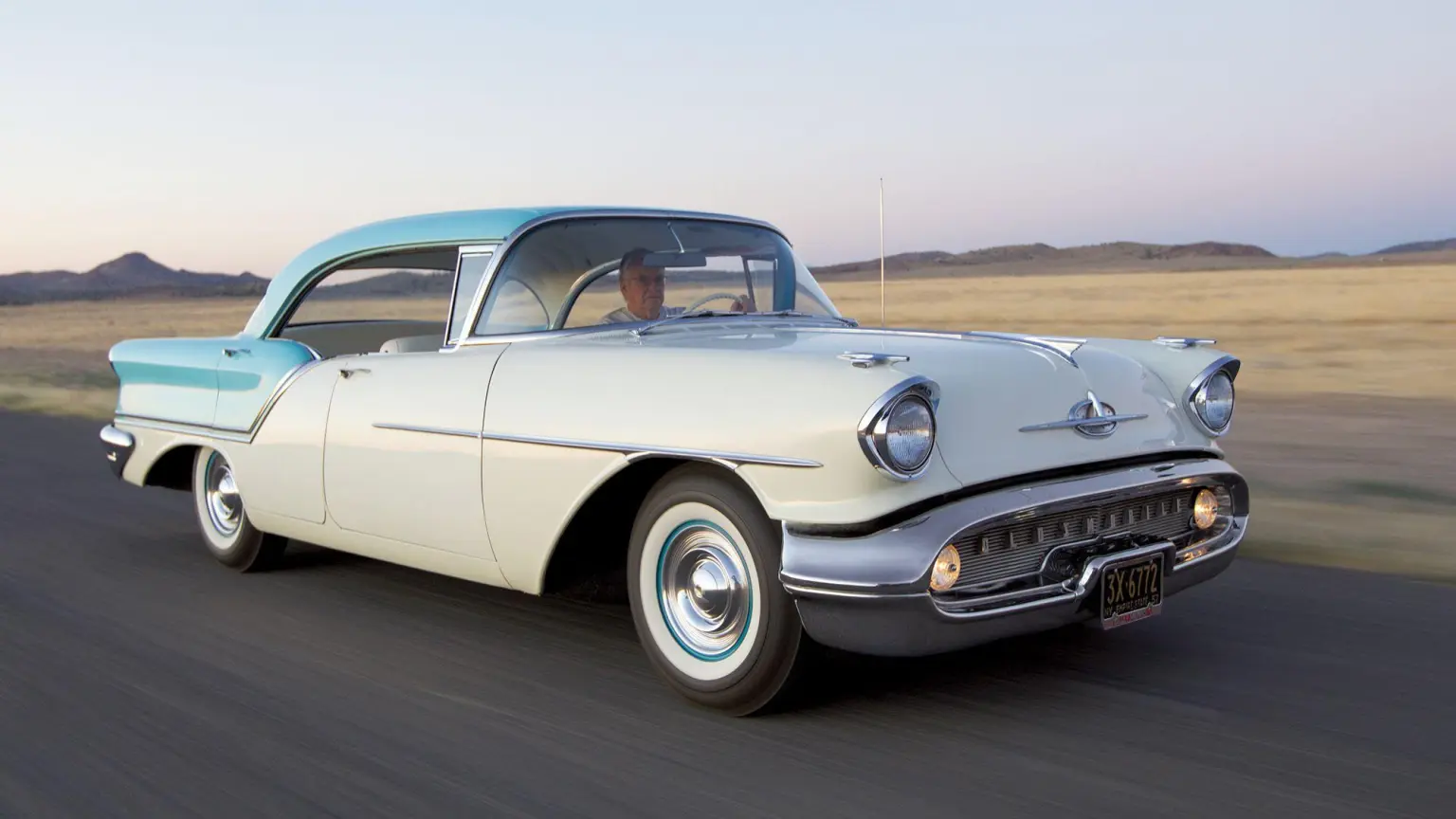
10. 1957 Oldsmobile Super 88 Holiday Sedan
The 1957 Oldsmobile Super 88 Holiday Sedan brought advanced comfort and style to a broader segment of the luxury market, featuring one of the earliest air conditioning systems in the brand’s lineup. Its system was designed for efficiency, providing consistent cooling throughout the cabin without requiring bulky equipment or compromising passenger space.
This attention to engineering detail ensured that both drivers and passengers could enjoy a refined and comfortable environment, even during the hottest months. The air conditioning system elevated the appeal of the Super 88, marking it as a standout vehicle for those seeking both style and convenience.
The exterior design emphasized sophistication and modernity, with clean lines, chrome accents, and distinctive tailfins that reflected the trends of the late 1950s. The Holiday Sedan offered spacious interiors, with comfortable seating for all passengers and high-quality upholstery that complemented the advanced climate control.
The integration of air conditioning enhanced the interior experience, ensuring that passengers remained cool without compromising the aesthetic appeal of the cabin. Every detail, from dashboard layout to vent placement, reflected Oldsmobile’s attention to both design and functionality.
Performance was an essential aspect of the Super 88’s appeal. The V8 engine provided smooth, reliable power, while the suspension delivered a stable and comfortable ride. Adding air conditioning required engineers to carefully balance the system with the engine’s performance to avoid any loss of power or efficiency.
The result was a sedan that offered both technological innovation and reliable driving dynamics, allowing owners to enjoy a climate-controlled interior without sacrificing the car’s responsiveness or handling.
Controls for the air conditioning system were intuitive and easily accessible, allowing passengers to adjust airflow and temperature as needed. The system operated quietly, enhancing the serene atmosphere of the interior.
This combination of functionality and subtlety emphasized the Super 88’s focus on user experience, ensuring that advanced technology enhanced comfort without drawing unnecessary attention to itself. It was a practical feature that reflected the brand’s dedication to thoughtful, passenger-oriented design.
The 1957 Oldsmobile Super 88 Holiday Sedan remains a valued example of mid-century automotive innovation. Its early adoption of air conditioning, coupled with strong performance and stylish design, made it a desirable luxury sedan of its time. Collectors and enthusiasts recognize the Super 88 as a vehicle that successfully combined technological advancement, comfort, and aesthetic appeal, making it an entry in the history of luxury sedans.
