
Vintage sports cars carry a timeless charm that extends far beyond their mechanical performance or sleek bodywork. They are a testament to the craftsmanship, style, and cultural trends of their eras. Among the features that define the character of these vehicles, the steering wheel often stands out as one of the most visually striking and tactile components.
Unlike modern cars where steering wheels are mostly standardized, vintage models present a wide variety of designs, materials, and techniques that evoke nostalgia and a sense of history.
The choice of a wood-rimmed steering wheel versus a metal-spoke design is not merely aesthetic; it reflects the philosophy of automobile engineering at the time and the intended experience for the driver.
Wood, with its warm, tactile surface and polished finish, conveys elegance and sophistication. It complements the flowing curves of classic dashboards and provides a physical connection to the car that feels organic and personal. Every turn of a wood-rimmed wheel can evoke the sensation of a bygone era when driving was as much about the journey as the destination.
On the other hand, metal-spoke steering wheels emphasize precision, strength, and a performance-oriented mindset. They were often featured in sports cars designed for speed, control, and racing, where feedback from the road and responsiveness of the vehicle were critical.
The cool, sleek feel of metal under the hands can be invigorating, reminding the driver of a car’s engineering prowess and focus on function. Both types of steering wheels carry their own stories.
Wood-rimmed designs often speak of luxury, craftsmanship, and the artistry of automotive interiors, while metal spokes highlight engineering efficiency, weight reduction, and the performance ethos of motorsports.
Collectors and enthusiasts frequently debate the merits of each style, and their preferences can reflect personal taste as much as historical appreciation. Examining specific examples of vintage sports cars with these features allows a deeper understanding of how these elements shaped the driving experience and contributed to each car’s legacy.
From iconic British roadsters to Italian thoroughbreds, the choice of steering wheel material often complemented the vehicle’s design philosophy, performance goals, and the emotional connection intended for the driver.
Considering these factors, it becomes clear that steering wheels are more than functional components; they are statements of style, engineering, and the driver’s relationship with the machine. In evaluating cars with wood-rimmed versus metal-spoke steering wheels, one can appreciate how even a single element of design can reflect an entire era of automotive history and influence the way these vehicles are remembered today.
The following sections examine five vintage sports cars from each category, providing insight into how their steering wheel designs align with their identity, heritage, and driving experience. By comparing these vehicles side by side, we gain a deeper appreciation for the artistry, performance, and thoughtful engineering that make vintage sports cars enduring symbols of innovation and style.
5 Vintage Sports Cars With Wood-Rimmed Steering Wheels
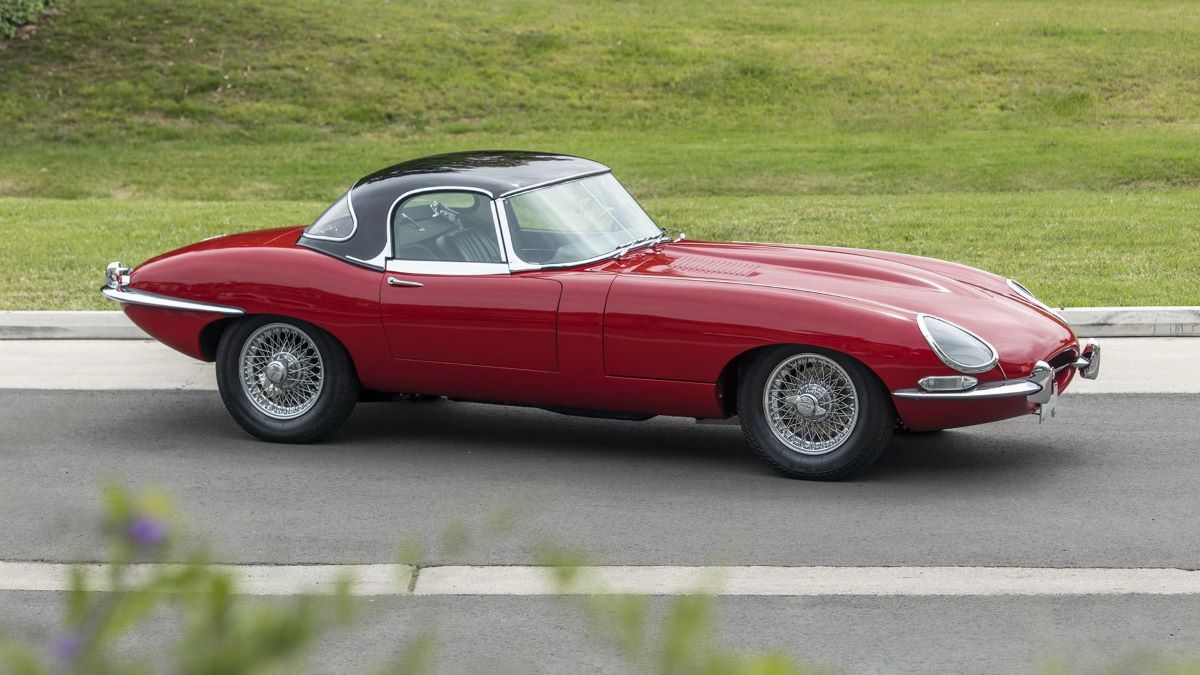
1. Jaguar E-Type Series 1 (1961–1968)
The Jaguar E-Type Series 1 is widely regarded as one of the most beautiful sports cars ever produced, often praised for its long bonnet, low profile, and flowing curves that defined an era of automotive elegance. Its interior complements the exterior beauty, with a polished wood-rimmed steering wheel that instantly draws attention, blending tactile warmth with visual sophistication.
Every time a driver grips the wooden rim, there is a distinct sense of connection, as the wheel communicates subtle feedback from the steering mechanism with a natural, organic feel. The combination of the smooth wood surface, chrome spokes, and soft leather seats creates an environment where the driver feels both in control and part of the car, a balance of performance and refinement that few vehicles achieve.
Beyond aesthetics, the wooden wheel enhances the driving experience by providing a comfortable and responsive interface, allowing for precision in cornering and effortless adjustments during long drives. Its tactile quality encourages a deliberate style of driving, emphasizing smoothness and engagement while evoking a nostalgic sense of connection to an era when cars were as much art as they were machines.
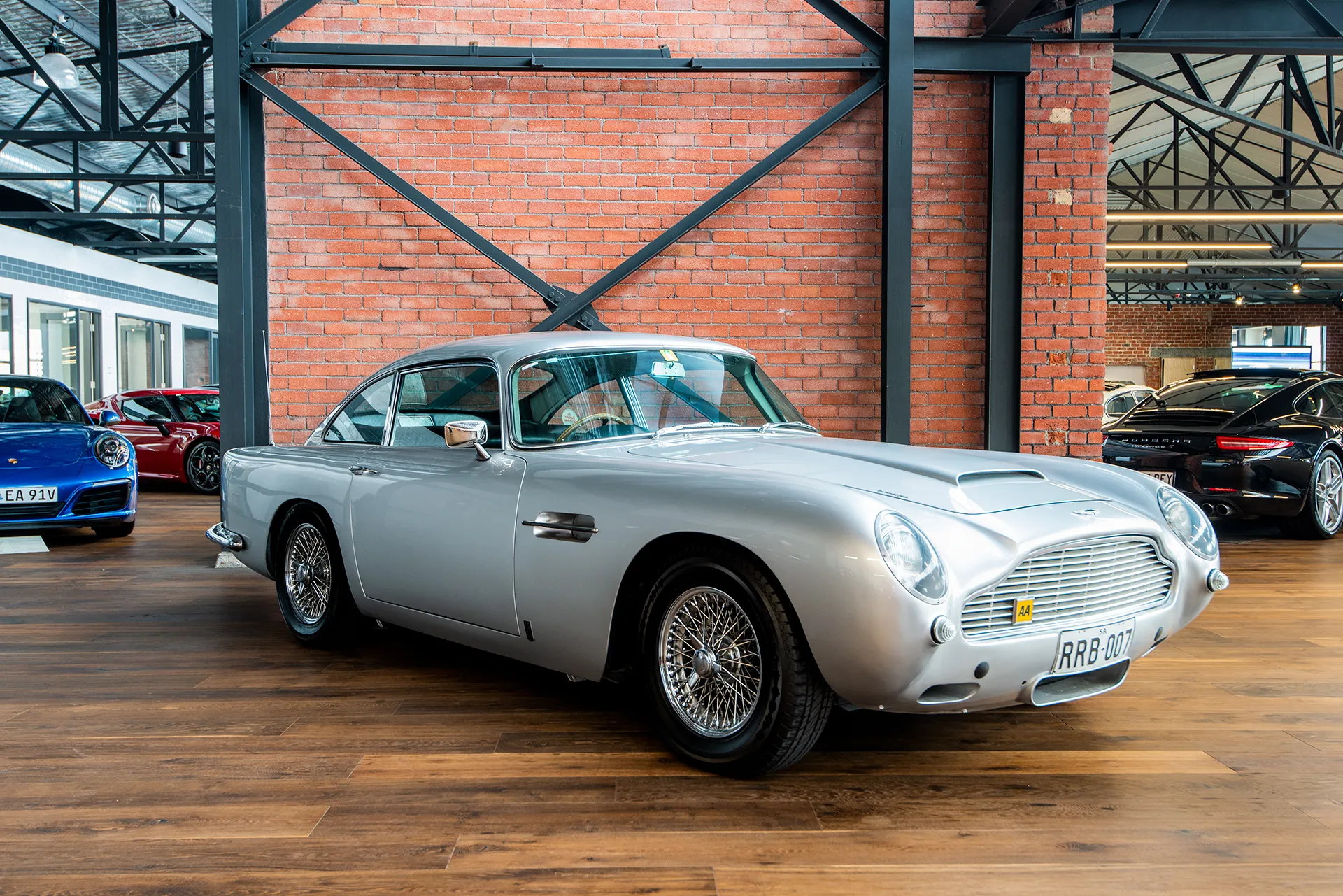
2. Aston Martin DB5 (1963–1965)
The Aston Martin DB5 has achieved legendary status due to its combination of understated elegance, mechanical excellence, and iconic cultural presence. Central to its interior charm is the wood-rimmed steering wheel, polished to perfection, which exudes craftsmanship and warmth that enhances the driving experience.
Drivers appreciate the tactile sensation of the smooth wood, which allows for a comfortable grip and subtle feedback from the steering column, making it easier to anticipate the car’s reactions on curves and straights alike. The wooden wheel is set against a backdrop of tan leather upholstery and a walnut dashboard, creating a cohesive, luxurious cockpit where every surface contributes to a sense of refinement.
In addition to providing functional precision, the wheel embodies the sophistication and style of 1960s British motoring, highlighting Aston Martin’s commitment to creating vehicles that were equally pleasing to the eye as they were engaging to drive. It also serves as a bridge between the driver and the engineering excellence under the hood, reminding that the DB5’s smooth inline-six engine and responsive suspension demand a careful yet rewarding driving touch.
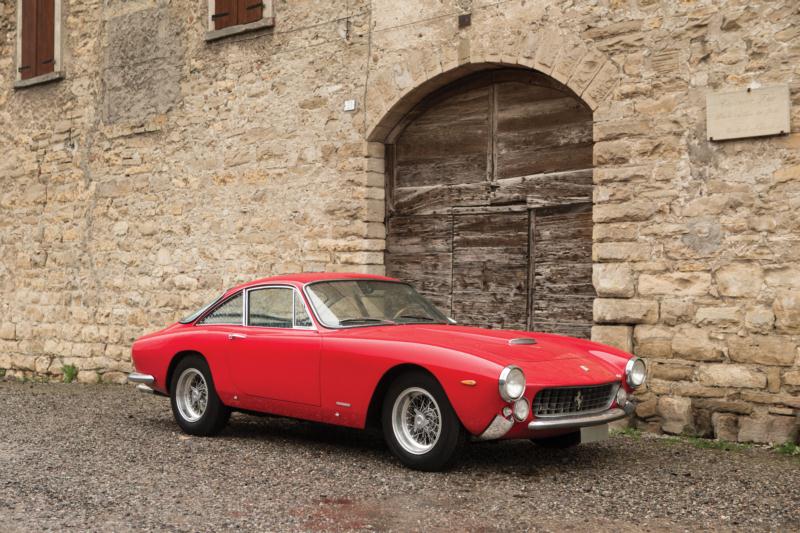
3. Ferrari 250 GT Lusso (1962–1964)
The Ferrari 250 GT Lusso stands out as one of Ferrari’s most elegant grand tourers, representing the perfect fusion of performance, Italian styling, and craftsmanship. Its wood-rimmed steering wheel is more than a design feature; it is a tactile extension of the driver’s intentions, providing a responsive interface that conveys subtle cues from the chassis, suspension, and tires.
The polished rim allows the driver to feel every nuance of the road, from gentle curves to more aggressive turns, enhancing the sense of engagement and control. This sensory connection is amplified by the aesthetic harmony between the wooden wheel, brushed metal spokes, and classic dashboard layout, creating an environment where performance and luxury coexist seamlessly.
The Ferrari’s wheel is also a symbol of attention to detail, reflecting the hand-crafted precision typical of 1960s Italian sports cars, where materials were chosen for both beauty and functional performance. Every drive in the 250 GT Lusso is a reminder of the artistry and technical sophistication behind the car, as the wheel encourages a driving style that is both precise and emotionally rewarding, making each journey an immersive experience.
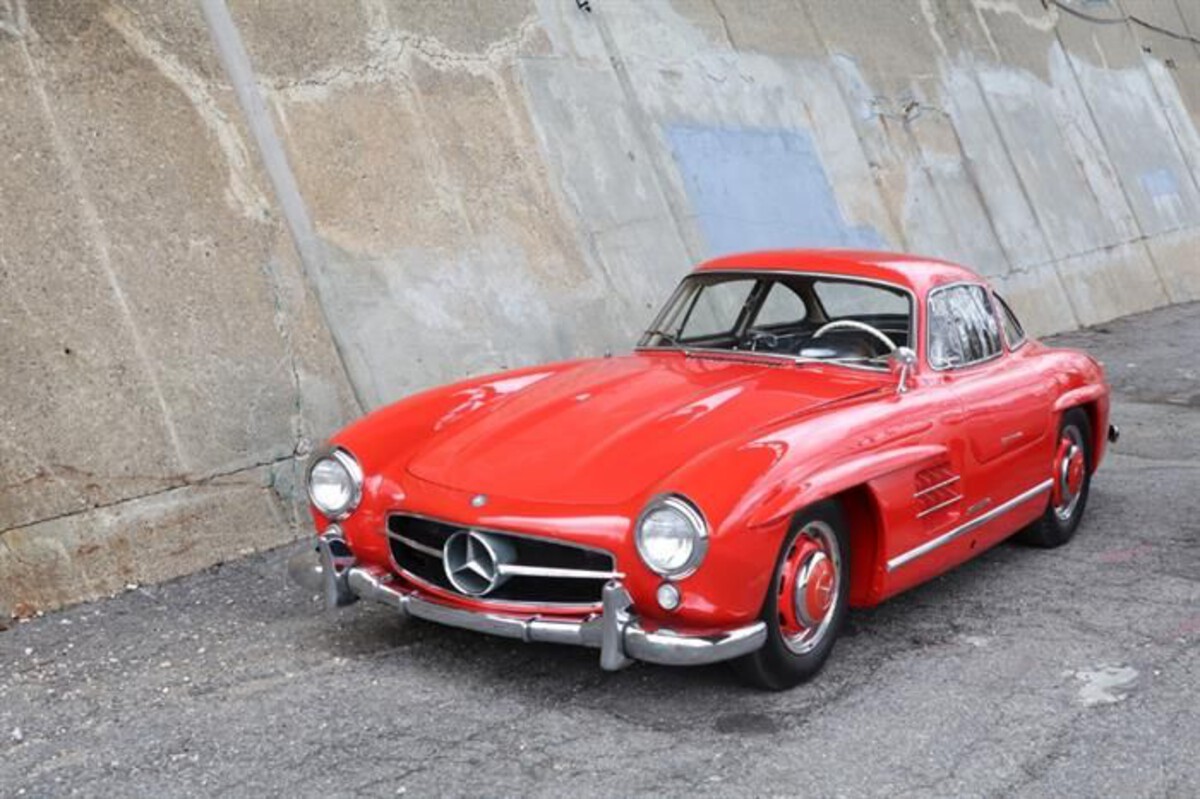
4. Mercedes-Benz 300SL Gullwing (1954–1963)
The Mercedes-Benz 300SL Gullwing is instantly recognizable for its striking upward-opening doors, but its interior craftsmanship is equally noteworthy, with a wood-rimmed steering wheel that captures both elegance and function.
The polished wooden rim provides a warm, tactile grip that contrasts with the metallic accents and leather trim, delivering comfort while allowing drivers to maintain precise control. The wheel’s size and construction were carefully engineered to complement the car’s responsive inline-six engine and advanced suspension, making it easier for drivers to navigate curves while maintaining smooth handling at higher speeds.
Beyond functionality, the wooden steering wheel reinforces the car’s status as a luxury icon, highlighting Mercedes-Benz’s dedication to blending engineering excellence with aesthetic refinement. The wheel’s surface absorbs subtle vibrations from the road, communicating detailed feedback without sacrificing comfort, allowing drivers to remain fully connected to the driving experience.
Its combination of visual appeal and tactile quality ensures that every drive feels intentional, sophisticated, and memorable, turning routine handling into an expression of craftsmanship and style.
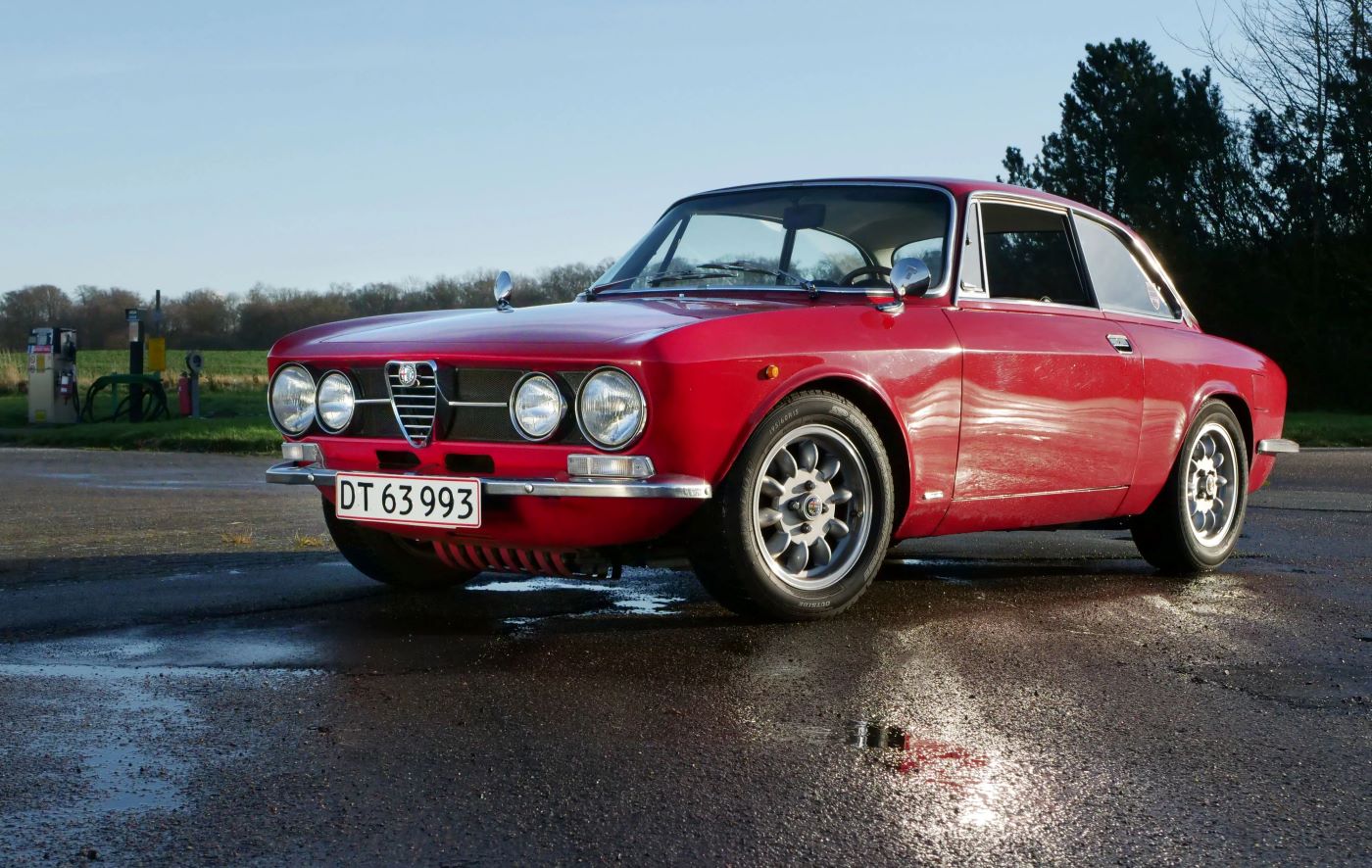
5. Alfa Romeo 1750 GTV (1967–1972)
The Alfa Romeo 1750 GTV exemplifies the spirited charm of Italian sports cars from the late 1960s, with design and performance carefully balanced to create a driving experience that is both enjoyable and engaging.
The wood-rimmed steering wheel is a central element of this experience, polished to a rich sheen that enhances grip and comfort while transmitting subtle feedback from the car’s suspension and chassis. Drivers feel a unique connection to the car through the wheel, as every maneuver, whether a sharp turn or gentle adjustment, is communicated with clarity and precision.
Its tactile warmth contrasts with the metallic instrument panel and classic leather seating, resulting in a cockpit that combines style, functionality, and emotion. Beyond performance, the wooden wheel embodies Alfa Romeo’s philosophy of creating vehicles that are as much about the pleasure of driving as they are about speed and handling, turning every journey into a multisensory experience.
The wheel’s design, balance, and responsiveness make it an essential element in the car’s identity, connecting driver and machine in a way that feels intimate, precise, and timeless.
5 Vintage Sports Cars With Metal-Spoke Steering Wheels
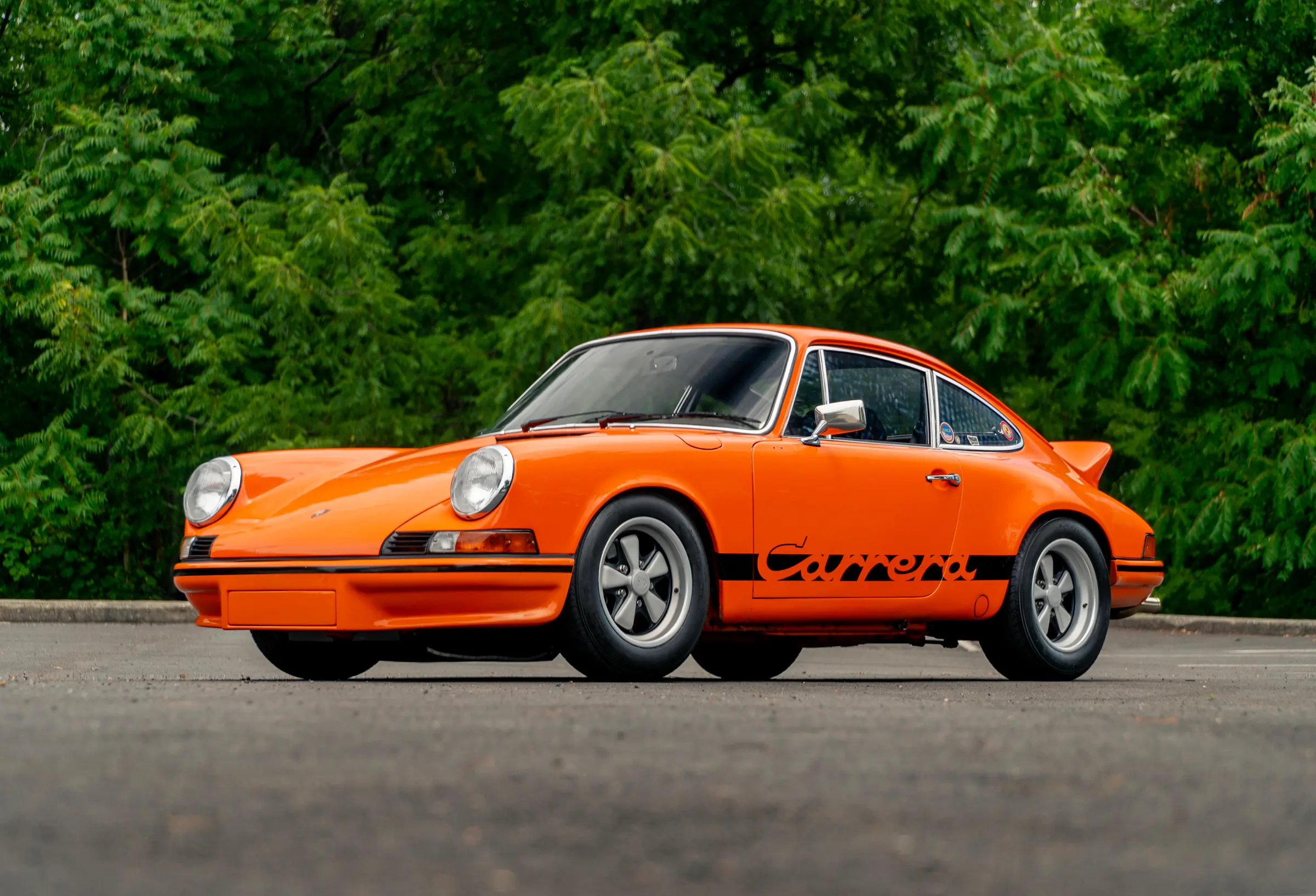
1. Porsche 911 Carrera RS (1973)
The Porsche 911 Carrera RS is widely recognized as one of the most iconic lightweight sports cars of the 1970s, celebrated for its balance of power, agility, and driving precision. Its metal-spoke steering wheel is an integral part of this driving experience, designed to provide maximum feedback and responsiveness to the driver’s input.
The thin, minimal rim allows hands to feel subtle changes in road conditions, conveying every nuance of the chassis and rear-wheel-drive dynamics. Unlike wood-rimmed wheels, the metallic surface remains consistent under varying temperatures, ensuring reliability and control during spirited driving.
Beyond its functional design, the polished spokes create a visual impression of mechanical sophistication, reinforcing the Carrera RS’s focus on performance rather than luxury. Drivers feel an immediate connection to the car, as every turn of the wheel translates directly into precision on tight corners or high-speed straights.
The 911’s steering system, paired with the metal wheel, communicates intention and response in a way that emphasizes skillful handling, rewarding drivers who appreciate the subtleties of classic sports car engineering.
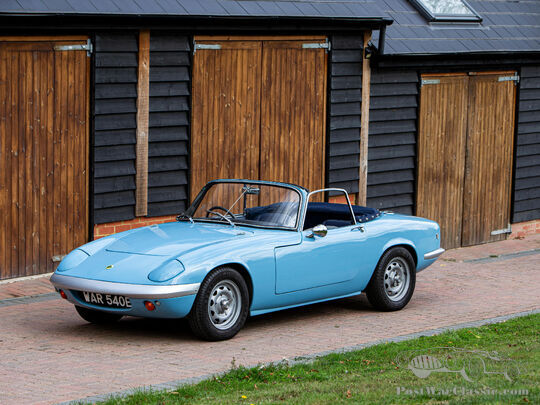
2. Lotus Elan S2 (1967–1970)
The Lotus Elan S2 represents a revolutionary approach to lightweight sports car design, combining nimble handling, innovative suspension, and minimalistic aesthetics. Its metal-spoke steering wheel embodies the philosophy of function over form, offering precise control and exceptional feedback for a car that was designed to respond instantly to driver input.
The polished spokes provide structural rigidity while ensuring that every subtle steering motion is conveyed to the front wheels without distortion. The thin rim encourages a responsive grip, enhancing the tactile experience of driving on winding roads, where agility and timing are critical.
The contrast between the metal spokes and the leather-wrapped rim reinforces the cockpit’s functional elegance, blending durability with visual appeal. This design allows drivers to feel fully connected to the car, as vibrations, weight shifts, and surface variations are communicated directly through the wheel.
The Elan S2’s metal-spoke steering wheel demonstrates how engineering precision can be combined with driver engagement, creating a vehicle that rewards attentiveness and skill while remaining exciting and intuitive behind the wheel.
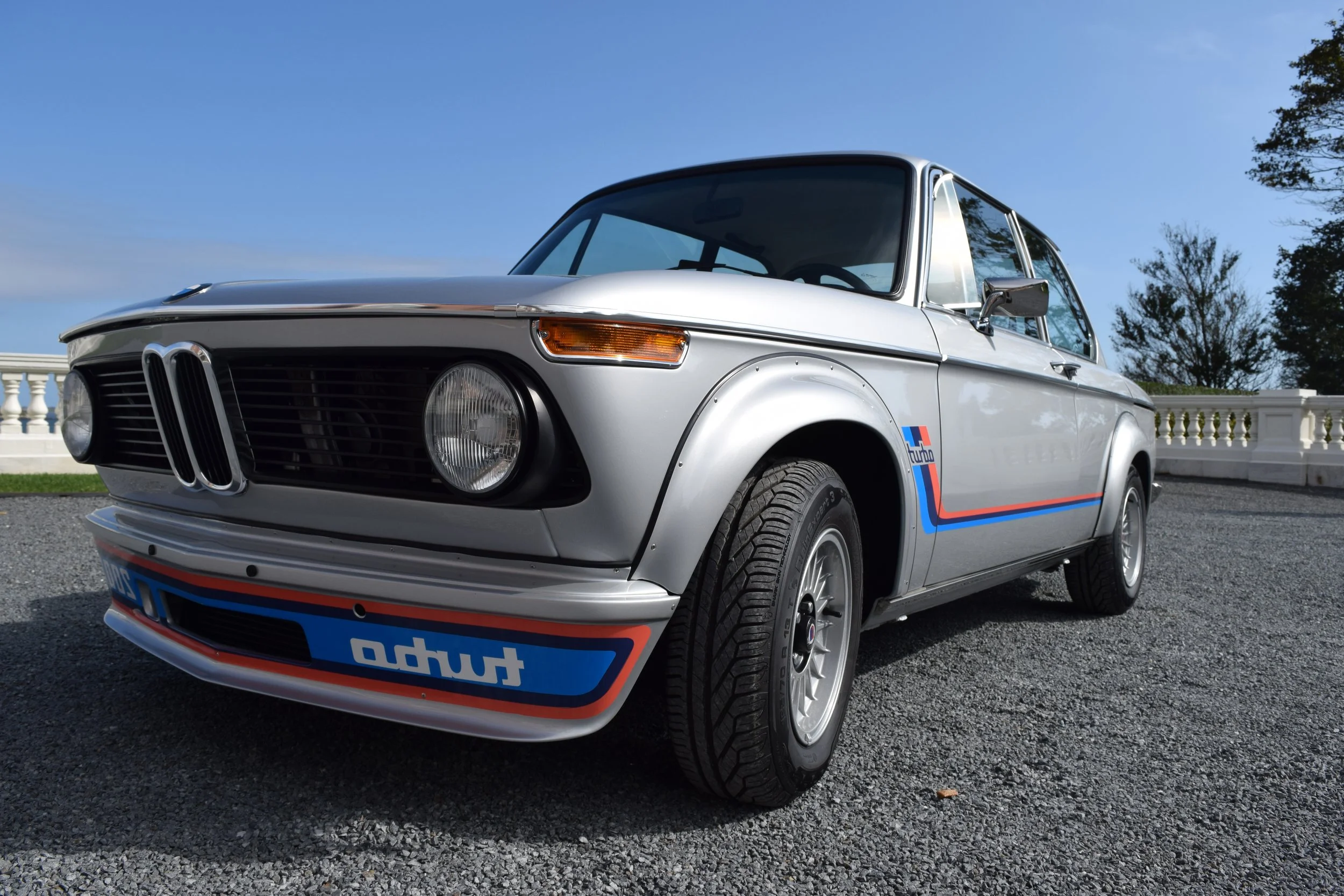
3. BMW 2002 Turbo (1973–1974)
The BMW 2002 Turbo is often considered the forerunner of modern performance sedans, combining turbocharged power with nimble handling and a focused driving experience. Its metal-spoke steering wheel reflects the car’s performance-oriented philosophy, emphasizing precision, consistency, and control over decorative appeal.
The wheel provides firm feedback that allows drivers to feel the effects of acceleration, cornering, and road imperfections, enhancing confidence in challenging driving conditions. The polished spokes offer a visual cue of technical sophistication, while the rim itself ensures that input translates immediately to the steering mechanism, a vital feature in a car with significant power for its time.
The 2002 Turbo’s wheel design encourages an engaged driving style, where every adjustment is deliberate, rewarding drivers who value skill and attentiveness. In addition, the metal construction ensures durability and reliability, crucial for a vehicle engineered to balance spirited driving with everyday usability.
The combination of tactile precision, visual design, and engineering integrity makes this wheel a defining component of the 2002 Turbo’s performance identity.
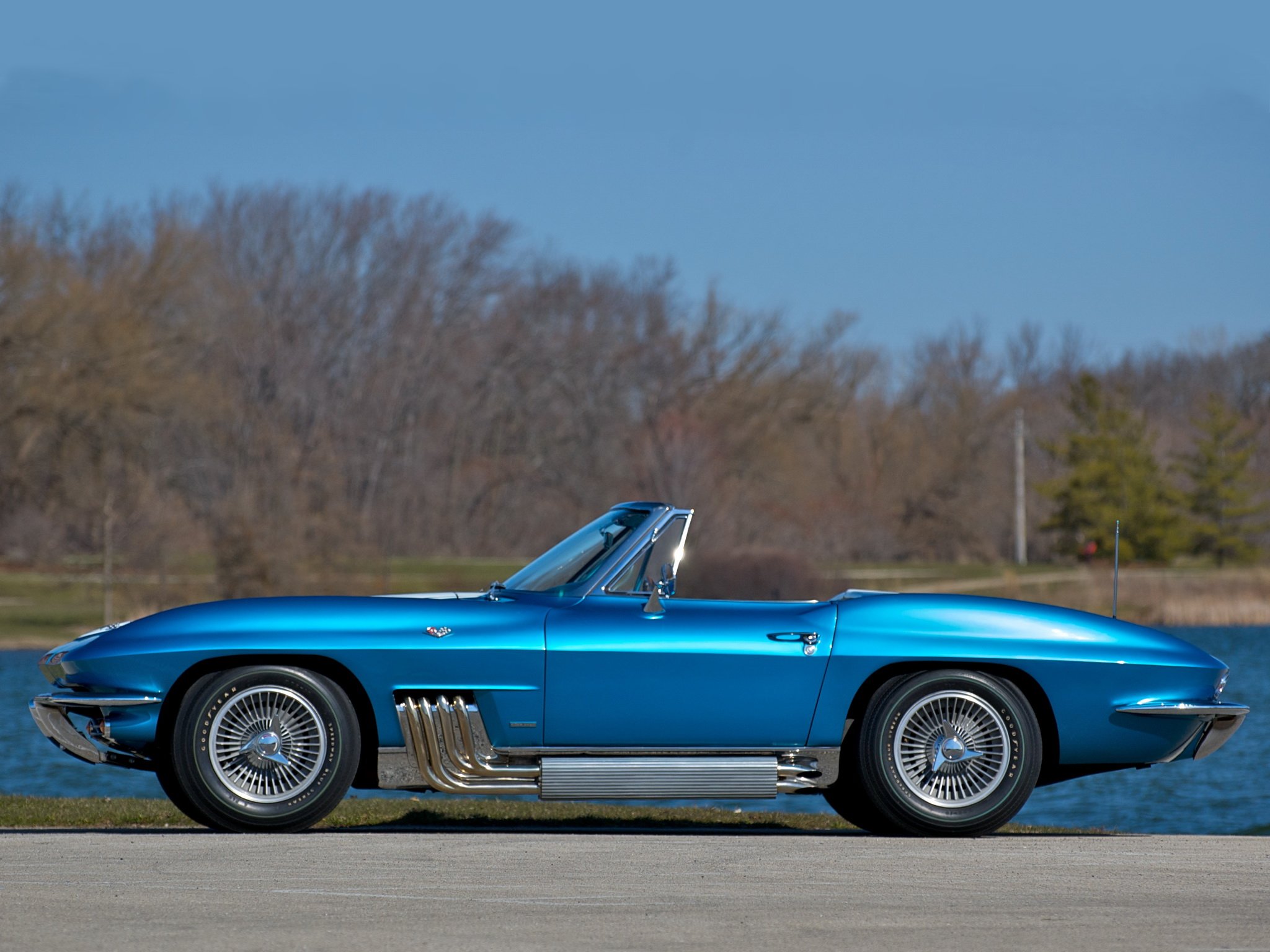
4. Chevrolet Corvette C2 Sting Ray (1963–1967)
The Chevrolet Corvette C2 Sting Ray is a hallmark of American sports car design, blending raw power with refined styling, and its metal-spoke steering wheel reinforces this performance-driven character.
The thin, polished spokes convey direct feedback from the front wheels, allowing drivers to feel every subtle movement of the chassis while maneuvering the Corvette’s muscular body. The rim’s metallic surface, combined with a slightly padded edge, balances durability and driver comfort, creating a tactile interface that is responsive yet controlled.
This steering wheel reflects the car’s intention for spirited driving, particularly at higher speeds, where the driver’s connection to the road is critical. Beyond function, the visual contrast of shiny metal spokes against the cockpit’s dashboard highlights the Corvette’s blend of performance and aesthetic boldness.
The steering wheel amplifies the car’s expressive character, communicating speed, responsiveness, and authority, while reinforcing the Corvette’s identity as an exhilarating American sports car that delivers both precision and thrill. Every turn feels deliberate and controlled, emphasizing that the driver is fully engaged in the mechanical orchestration of power, handling, and momentum.
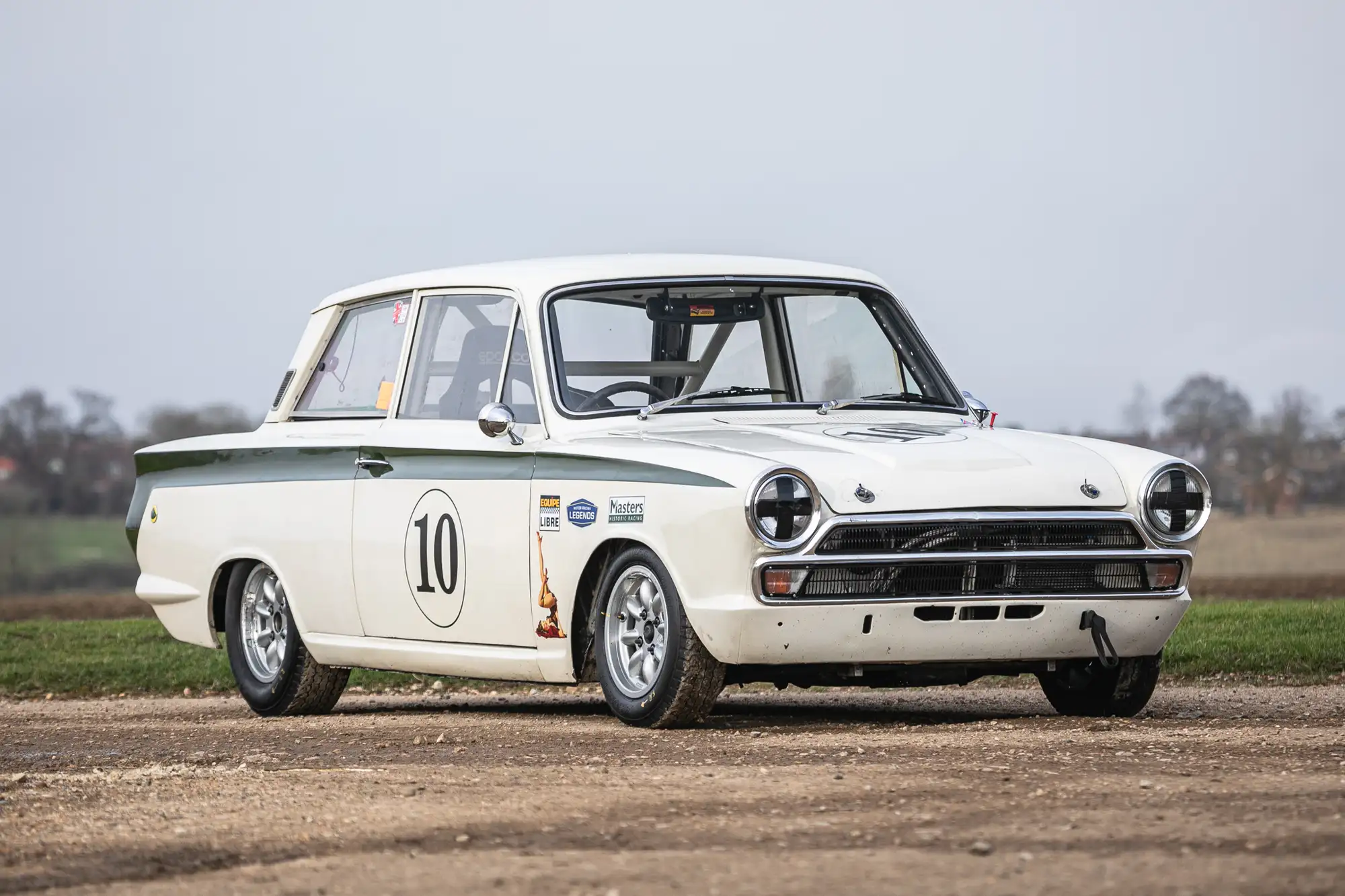
5. Lotus Cortina Mk1 (1963–1966)
The Lotus Cortina Mk1 is a classic example of collaboration between performance engineering and everyday usability, offering a lightweight sports sedan capable of racing and spirited road driving. Its metal-spoke steering wheel underscores the car’s racing pedigree, combining minimalism with functionality to enhance driver feedback and control.
The thin rim allows hands to feel the car’s subtle movements through corners, while the polished spokes maintain structural rigidity and a visual impression of precision. This wheel design encourages confidence during aggressive driving, as it communicates road conditions, weight shifts, and suspension reactions directly to the driver’s hands.
The metal construction also complements the cockpit’s mechanical aesthetic, reflecting Lotus’s philosophy that performance and simplicity outweigh decorative luxury. By providing a direct tactile connection, the Cortina’s steering wheel allows drivers to exploit the car’s agility and balance fully, making every maneuver feel precise and intentional.
Its design reinforces the sense of being part of a finely engineered machine, where skillful driving is rewarded with responsiveness, stability, and a heightened sense of engagement.
