
In the classic vehicle scene, trucks occupy a space that combines utility, nostalgia, and cultural significance. These machines were never manufactured simply as tools to transport cargo, they represent a moment in time when engineering was as raw and bold as the roads they traveled.
Unlike cars that became symbols of luxury or speed, classic trucks are grounded in ruggedness and character. Their value in the European classic market is not simply measured by resale figures or rarity, but by the emotions and memories they evoke.
These are machines that once worked farms, hauled goods across long distances, and served countless small businesses with pride and resilience. For collectors and enthusiasts alike, the worth of a classic truck is rooted as much in its story as in its mechanical integrity.
European classic trucks have grown in prominence among collectors because they tell a story that is distinct from their American and Asian counterparts. While classic cars often attract attention because of sleek lines and high performance, these vintage trucks are cherished for their simplicity and reliability.
Many of them were built with parts that were designed to be repaired easily in the field by someone with basic tools and a will to keep going. Their engines were typically robust, with plenty of torque rather than high horsepower, reflecting a philosophy of work rather than sport.
This characteristic makes them not only interesting to own but also satisfying to maintain. The sound of an old diesel engine turning over in the morning, the feel of a heavy clutch pedal, and the tall, commanding view from behind the wheel all contribute to an experience distinct to classic trucks.
Another reason these vehicles hold such strong appeal today is that they serve as a bridge between eras. For those who grew up watching their parents or grandparents working with these machines, owning a classic truck is a way to preserve and celebrate heritage.
For younger enthusiasts, it offers a chance to engage with mechanical history in a hands‑on way. Markets across Europe are seeing increased demand for trucks that were once ordinary workhorses but have now become beloved classics.
These include models that are practical for restoration as well as those that can be driven regularly without demanding high maintenance costs. The idea of value therefore extends beyond price tags, embracing longevity, availability of parts, and the joy of ownership.
Across the continent, certain trucks have stood out because they managed to remain accessible while also gaining recognition as important automotive artifacts. These models may not fetch millions at auction like some rare sports cars, but they often deliver a return on investment through long term appreciation and strong enthusiast support.
Parts suppliers, clubs, rallies, and events now exist to support classic truck ownership in ways that were unimaginable decades ago. This strong community helps sustain value and provides a network for owners to share knowledge, tools, and experiences. That collective backing is an important factor when evaluating which trucks represent true value in today’s classic market.
In this article, I offer a thoughtful opinion on the ten best value trucks in the current European classic vehicle market. The list focuses on models that remain reasonably priced relative to their historical significance, performance potential, and availability of parts.
Each of the trucks described has earned a place among enthusiasts not just because of what they are, but because of how they continue to connect generations through the joy of classic motoring and living history. What follows is a blend of personal reflection and market observation geared toward helping collectors and newcomers alike appreciate the richness of Europe’s classic truck heritage.
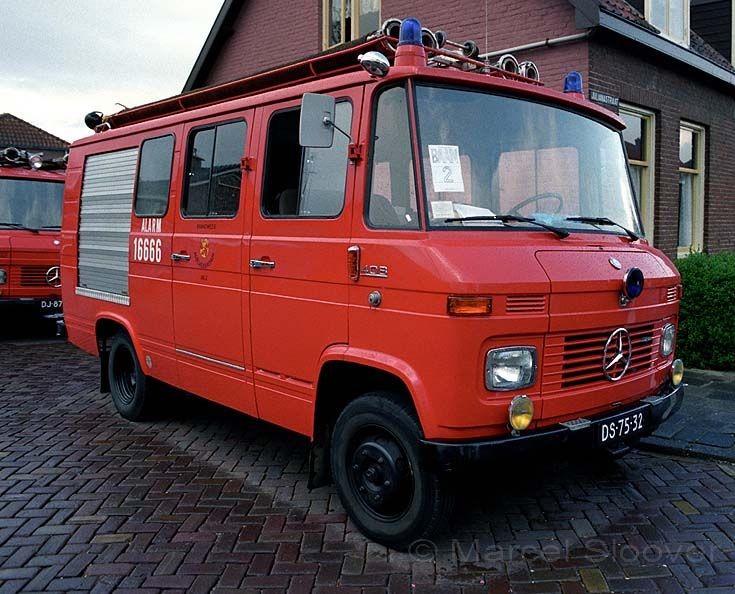
1. Mercedes‑Benz L408
The Mercedes‑Benz L408 has taken a firm place in the hearts of classic truck enthusiasts. Its unpretentious design belies a sturdy build quality that has allowed many examples to survive decades of use. The engine, typically a reliable four‑cylinder diesel, delivers torque in a range that makes both city and country driving manageable.
The value factor here is supported by strong parts availability thanks to Mercedes’ long history in commercial vehicle support. This means restorers rarely find themselves without options when replacing worn components.
Driving an L408 is a distinct experience rooted in simplicity. There are no modern electronic aids, just a tactile connection between driver and machine. Those who appreciate mechanical purity find this truck’s straightforward nature a delight.
It is a pleasure to park in a classic truck gathering and see people smile at its modest yet purposeful lines. For those entering the classic truck ownership scene, the L408 represents a gateway to enjoying utilitarian heritage without breaking the bank.
Throughout Europe, prices for decent L408 examples remain approachable, especially compared to larger classic trucks that command higher premiums. This pricing dynamic makes the L408 a top contender for anyone seeking value over speculation.
It holds its worth because owners use it, cherish it, and maintain it. The sense of camaraderie among L408 owners further enhances its appeal by offering a community that readily shares expertise and encouragement.
While it may not be the most powerful truck in this list, the L408 stands out for its blend of durability and day‑to‑day usability. Whether used for casual driving, weekend projects, or as a platform for light hauling, it continues to prove itself a practical and enjoyable classic. As collectors’ attention spreads beyond sports cars and luxury sedans, the appeal of trucks like the L408 grows stronger, establishing it as one of the best values on today’s market.
Owning an L408 offers a unique combination of accessibility, historical presence, and mechanical honesty. For those who want a classic truck that can be appreciated on multiple levels, it remains an exceptional choice. The truck’s enduring relevance is a tribute to thoughtful engineering and a testament to the enduring love for classic European commercial vehicles.
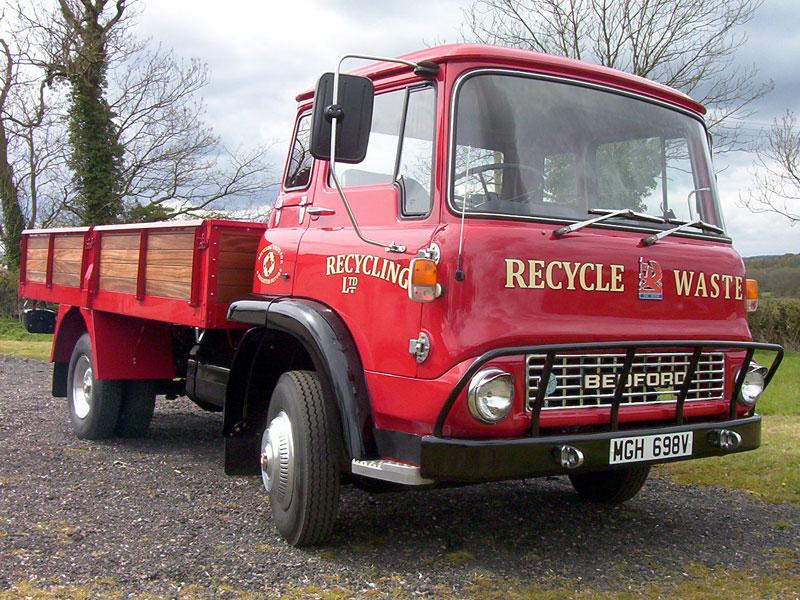
2. Bedford TK
The Bedford TK was once a ubiquitous sight on roads and building sites throughout the United Kingdom and beyond. Its broad range of configurations made it a true workhorse in agriculture, construction, and delivery sectors.
Today, the TK is cherished because it combines ruggedness with a character that resonates with enthusiasts who grew up watching these trucks shape the logistics of daily life. Its presence in the classic market is not merely nostalgic; it represents practicality that still holds up under modern ownership.
Part of the TK’s enduring value lies in its mechanical simplicity. Unlike later trucks that became reliant on electronics and complex systems, the TK’s components are accessible and often familiar to many mechanics.
This familiarity makes restoration projects more achievable for individuals and clubs. Also, thanks to its historical prominence, many parts have been reproduced or adapted from other compatible models. This readiness of support infrastructure makes the TK a particularly smart investment.
Every time a Bedford TK rumbles past at a classic event, it draws attention for its substantial yet unrefined personality. There is a distinct feeling that this truck earned every mile it ever travelled. Classic truck enthusiasts often remark that driving a TK feels like guiding a piece of industrial history. That tactile engagement with gears and throttle adds depth to the ownership experience that modern vehicles rarely provide.
Price points for solid Bedford TKs vary across Europe, but generally remain affordable within the classic category. This accessibility encourages a broader group of collectors to consider owning one.
Because the truck was so widely used, there are still good examples to be found, though conditioned models fetch higher interest because they require less initial restoration work. The community’s passion ensures that the TK maintains visibility at shows and meets, which supports demand and keeps values healthy.
Choosing a Bedford TK means embracing authenticity and purpose over glamor and speed. Its value comes from being a machine that meant something in its working life and now means something to owners in its retired life. For these reasons, the Bedford TK stands as one of the most compelling and best value trucks in Europe’s classic market.
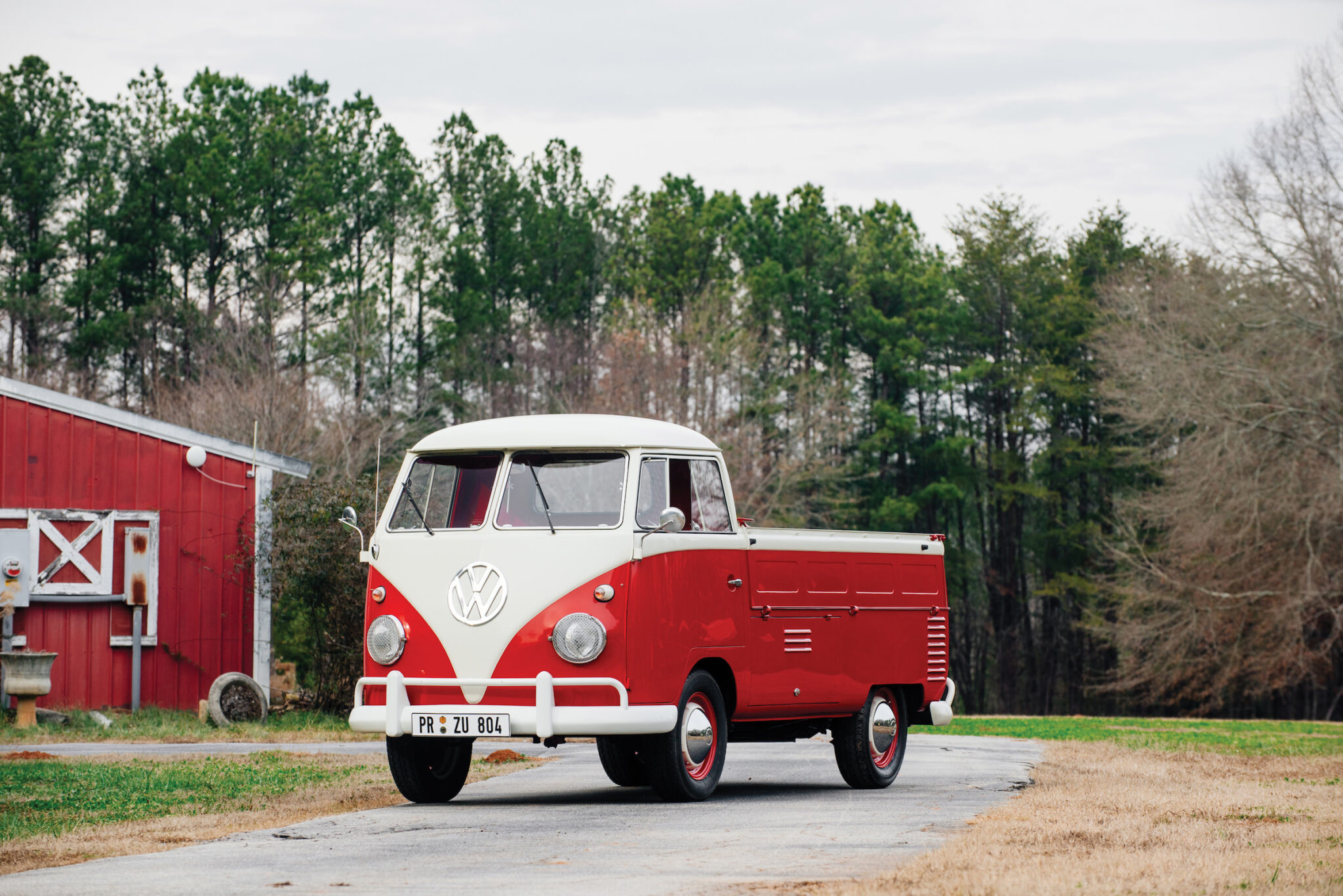
3. Volkswagen Type 2 Pickup (T2)
When thinking about classic trucks that combine charm with value, the Volkswagen Type 2 Pickup earns a top spot. Often associated with camper van culture, the pickup variant carries the same iconic shape but with an open bed that gives it genuine utility. Its air‑cooled engine and rear‑engine layout set it apart from most traditional truck designs, and this unique configuration has contributed to its enduring popularity among collectors.
The Type 2 Pickup is beloved not because it is the most powerful or fastest, but because it embodies a spirit of freedom and practicality.
Driving one along winding country roads evokes a sense of connection between machine and environment that few vehicles capture so vividly. Enthusiasts appreciate its simple mechanics, air‑cooled engine, and the fact that many repairs can be performed with modest tools on a weekend project.
Although prices for pristine Type 2 Pickups have risen in recent years, especially for fully restored or rare variants, there remain plenty of examples that offer excellent value relative to other classic trucks.
The supply of parts is one factor that helps maintain accessibility. Many suppliers around Europe provide components ranging from body panels to engine parts, thanks to the enduring popularity of air‑cooled Volkswagens. This ensures restorers can undertake long‑term projects with confidence.
The Volkswagen Type 2 Pickup’s combination of emotional appeal, historical significance, and relative market accessibility makes it one of the best values in the European classic truck market. It is a timeless choice for those who want more than a vehicle, seeking instead something that resonates deeply with personal stories and collective memory.
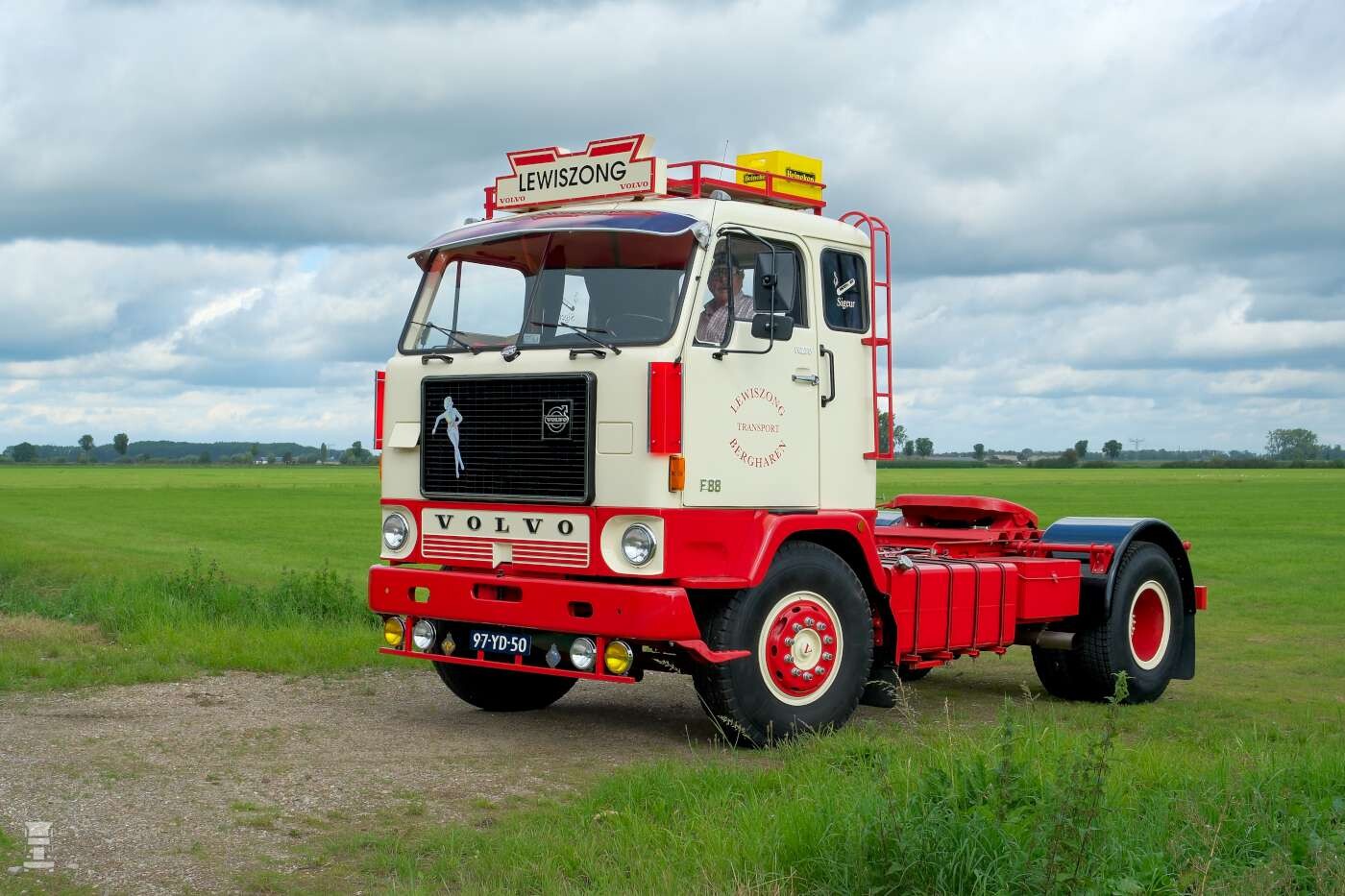
4. Volvo F88/F89
The Volvo F88 and its successor, the F89, represent the pinnacle of Scandinavian design in classic truck engineering. These trucks were conceived not just as workhorses, but as vehicles that combined comfort and durability for long-haul operations. The cabins are surprisingly spacious for their era, giving drivers a real sense of control and practicality on long routes.
From a collector’s perspective, the F88 and F89 are highly sought after because they maintain their structural integrity decades after they were built. Owners frequently comment on the quality of the steel and the precision of assembly, which is why even older examples often appear in better condition than competitors of the same era.
Mechanically, these trucks are straightforward but robust. Their engines deliver ample torque at low RPM, ideal for heavy loads, while the suspension absorbs rough European roads with a surprising level of comfort. Restoration or maintenance is feasible for both enthusiasts and semi-professional workshops, which makes the F88/F89 series highly attractive for collectors seeking value in longevity.
Parts are increasingly accessible because Volvo has a long tradition of supporting its commercial vehicles, which ensures restorers can keep these trucks operational without excessive expense. This combination of reliability, practicality, and nostalgic appeal sets them apart from other classic trucks that may be rarer but harder to maintain.
A key aspect of the Volvo F88/F89’s value is its historical importance. These trucks played a crucial role in modernizing freight transport across Europe, and their reputation for reliability has persisted for decades. Many collectors prize the F88/F89 because they are emblematic of an era when trucks were designed to endure extreme workloads while still offering reasonable driver comfort.
Driving one today is a reminder of the engineering mindset that prioritized function, longevity, and driver well-being in equal measure. This makes the ownership experience both educational and deeply satisfying for those who appreciate mechanical heritage.
Visually, the F88 and F89 stand out for their bold but clean lines. Unlike more ornate trucks, the Scandinavian design philosophy emphasizes simplicity and utility, which continues to attract enthusiasts who prefer understated elegance over flashy aesthetics.
Owners often take pride in preserving the original paint and decals, which reflect a time when branding was strong but subtle. This careful attention to appearance enhances resale value while simultaneously giving the trucks a presence at classic vehicle gatherings. Collectors appreciate that these trucks tell a story not only through mechanics but also through design, bridging the past and present with a quiet dignity.
The Volvo F88 and F89 combine historical significance, mechanical reliability, and aesthetic restraint. Their high value is not just a function of scarcity but of enduring usefulness, accessibility of parts, and the strong following they have among enthusiasts.
For anyone seeking a classic European truck that offers both emotional satisfaction and practical investment potential, the F88 and F89 are compelling choices that remain underappreciated in many markets. Their ability to deliver decades of engagement without extravagant upkeep makes them stand out as top contenders for value today.
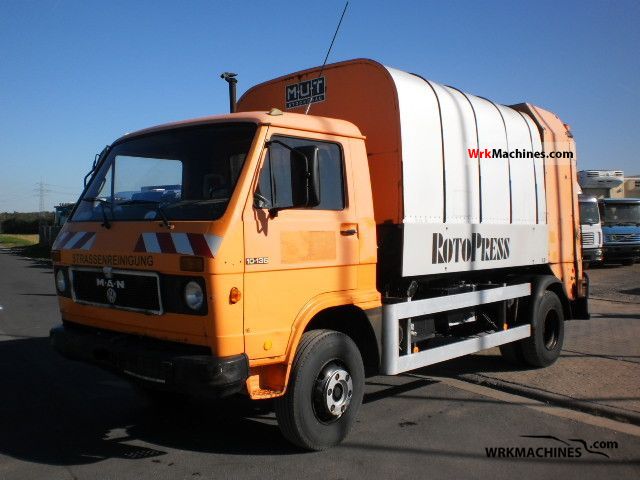
5. MAN 10.136
The MAN 10.136 is often overlooked by casual collectors, but those familiar with European commercial trucks recognize its significance and utility. Designed as a medium-duty work truck, it provides excellent versatility for both restoration projects and light transport activities.
Its engine and drivetrain are known for longevity, which means that a well-maintained example can remain operational even after decades of intermittent use. The truck’s historical contribution to European logistics, particularly in Germany and surrounding regions, also reinforces its collectible appeal, giving it weight in the classic truck market beyond mere rarity.
One of the key factors that enhances the 10.136’s value is accessibility. Parts for this model are surprisingly available due to MAN’s commitment to supporting older vehicles and a widespread presence in commercial transport networks. Enthusiasts who invest in the 10.136 rarely face insurmountable obstacles when sourcing replacement components or performing standard maintenance.
This practical reliability ensures that ownership remains affordable, which is a major consideration for collectors focused on long-term value rather than short-term speculation. It is a truck that invites hands-on interaction, which appeals to enthusiasts who enjoy working on their own vehicles.
Driving the MAN 10.136 is a rewarding experience, particularly for those who appreciate a strong connection to classic machinery. The cabin offers a commanding view of the road and a sense of robustness that few vehicles can replicate.
The steering and transmission provide tactile feedback, creating an immersive driving experience that rewards patience and attention. Owners often report that simply handling this truck, whether for show or light-duty tasks, delivers a satisfying sense of accomplishment. This hands-on satisfaction is a significant contributor to its perception as a top value truck in the European classic market.
From a visual standpoint, the 10.136 features clean, functional lines that prioritize utility without sacrificing character. Collectors often appreciate the understated aesthetic, which contrasts with more flamboyant models that dominate the classic scene.
Preserving original paint and decals is relatively straightforward, and restored examples hold strong appeal at truck shows and rallies. The combination of practicality, aesthetic restraint, and mechanical dependability reinforces the MAN 10.136’s position as a smart choice for collectors seeking long-term enjoyment and appreciation.
The MAN 10.136’s value is a product of both practicality and historical significance. It is not just a machine for display but a truck that continues to offer functional and emotional satisfaction. Its accessibility, durability, and understated presence make it a standout candidate for anyone looking to invest in classic European trucks without overpaying for hype. It exemplifies the principle that true value lies in balanced design, utility, and enduring appeal.
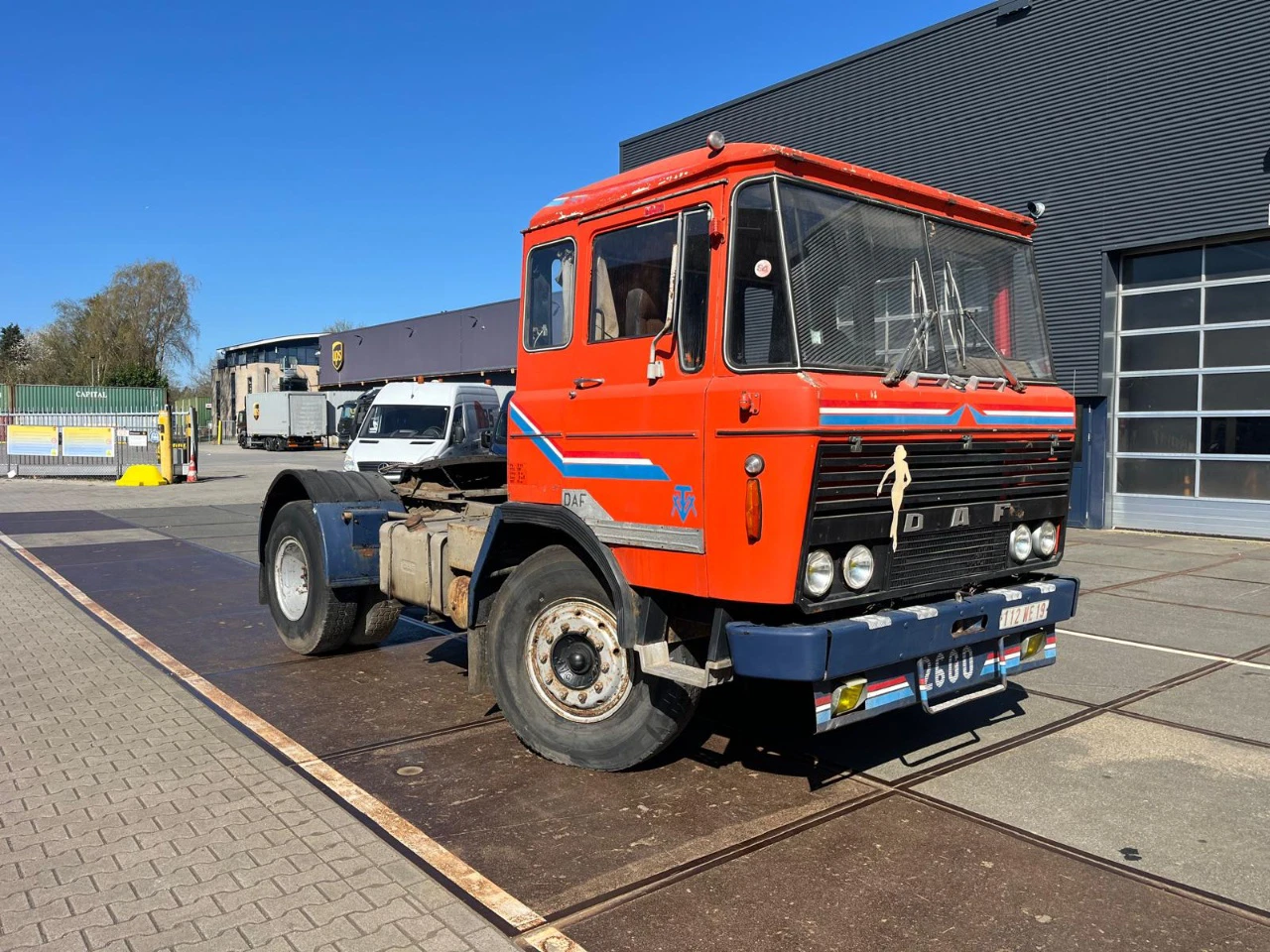
6. DAF 2600
The DAF 2600 occupies a special place in European classic truck culture, particularly in the Netherlands and surrounding regions. It was designed for long-distance haulage, featuring a spacious cabin, comfortable seating, and a reputation for reliability that has endured for decades.
The engine, typically a straight-six diesel, delivers torque in a smooth and controlled way, making the truck ideal for both collectors who want to drive regularly and those who want a visually striking display piece. Its value lies not only in performance but in its reputation as a truck that balances strength, comfort, and longevity.
One of the reasons the DAF 2600 is regarded as an excellent value is that it is relatively affordable compared to other trucks of similar size and vintage. This accessibility encourages new enthusiasts to enter the classic truck scene without feeling overwhelmed by cost or complexity
. Parts remain available through specialist suppliers and enthusiast networks, making restoration and maintenance achievable. Its mechanical simplicity ensures that even complex repairs are manageable, which adds to the appeal of the 2600 as a practical yet historic investment.
Visually, the 2600 stands out with clean, functional lines and a squared-off cabin design that communicates robustness and purpose. Collectors often focus on preserving the original paintwork and trim, which reinforces the truck’s historical authenticity.
Its understated yet distinct appearance has aged gracefully, making it a desirable option for those seeking a classic truck that combines historical significance with aesthetic appeal. The truck remains practical enough to use, ensuring it continues to attract attention and admiration without becoming overly delicate or impractical.
The DAF 2600’s combination of durability, comfort, and historical relevance makes it a compelling choice for collectors seeking value. Its legacy as a long-haul workhorse that is both manageable and historically important ensures that it will remain in demand.
Enthusiasts appreciate that it can be maintained and enjoyed without extravagant cost, while still commanding respect among peers. In the classic European truck market, the 2600 exemplifies the perfect balance of accessibility, charm, and investment potential.
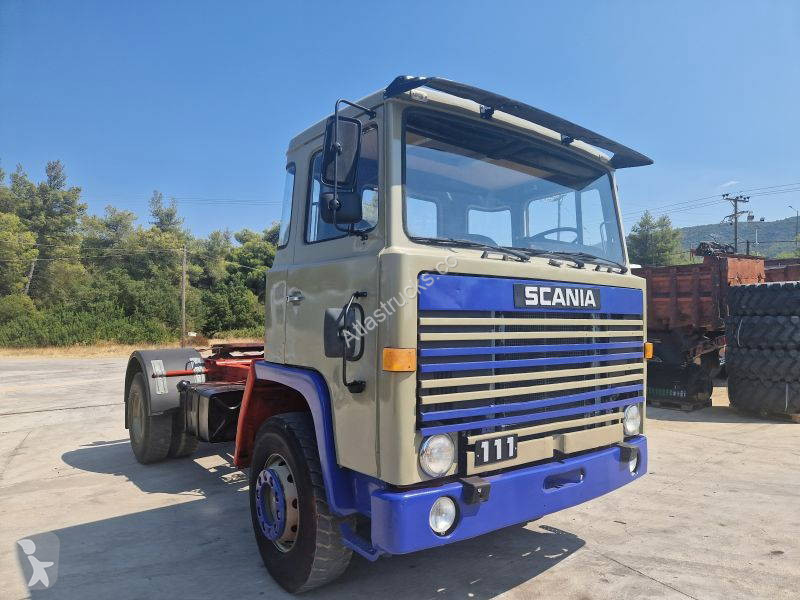
7. Scania LB111/141
Scania’s LB111 and its successor, the LB141, represent some of the most celebrated Swedish engineering in classic trucks. Known for reliability, heavy-duty performance, and innovative design for their time, these trucks were built to endure the rigors of freight transport across Europe.
Their cabins are spacious, and many models featured sleeper configurations that made long-distance journeys more comfortable. Enthusiasts particularly value the trucks for their robust construction, which often allows even original examples to survive in impressive condition. This combination of historical significance and durability makes them prime candidates for collectors seeking long-term value.
The trucks’ engines are strong and forgiving, offering a combination of torque and efficiency that makes them surprisingly versatile. Maintenance is accessible thanks to Scania’s reputation for building modular, repairable components.
Collectors benefit from a network of specialist suppliers and enthusiasts who actively preserve these trucks’ operational integrity. This support infrastructure ensures that owning an LB111 or LB141 is not just a sentimental choice, but also a practical one for those who enjoy driving their trucks or restoring them with confidence.
Driving a Scania LB111 or LB141 is a memorable experience. The steering and gearbox offer tactile feedback that strengthens the sense of connection to the machine. Unlike modern trucks with electronic aids that isolate the driver, these models require engagement, making each journey both challenging and rewarding.
Many classic truck owners describe driving a Scania as a ritual that combines respect for mechanical heritage with satisfaction derived from active participation. This driving enjoyment directly contributes to its perception as one of the best value trucks in the European classic market.
The visual presence of the LB series is distinct and commanding. With a tall, squared cab and straightforward lines, the trucks project authority and reliability. Their understated design reflects function first, yet their appearance is undeniably iconic, giving them collector appeal at shows and rallies.
Owners take pride in maintaining the trucks in near-original condition, preserving both historical accuracy and the inherent charm that makes Scania trucks stand out among European classics.
The LB111 and LB141 exemplify trucks that balance history, utility, and driver engagement. Their combination of accessible maintenance, durable design, and distinctive presence ensures they remain a sought-after option for collectors. Anyone entering the classic truck scene with these models can enjoy driving, restoring, and appreciating them without facing prohibitive costs, making them a top value choice.
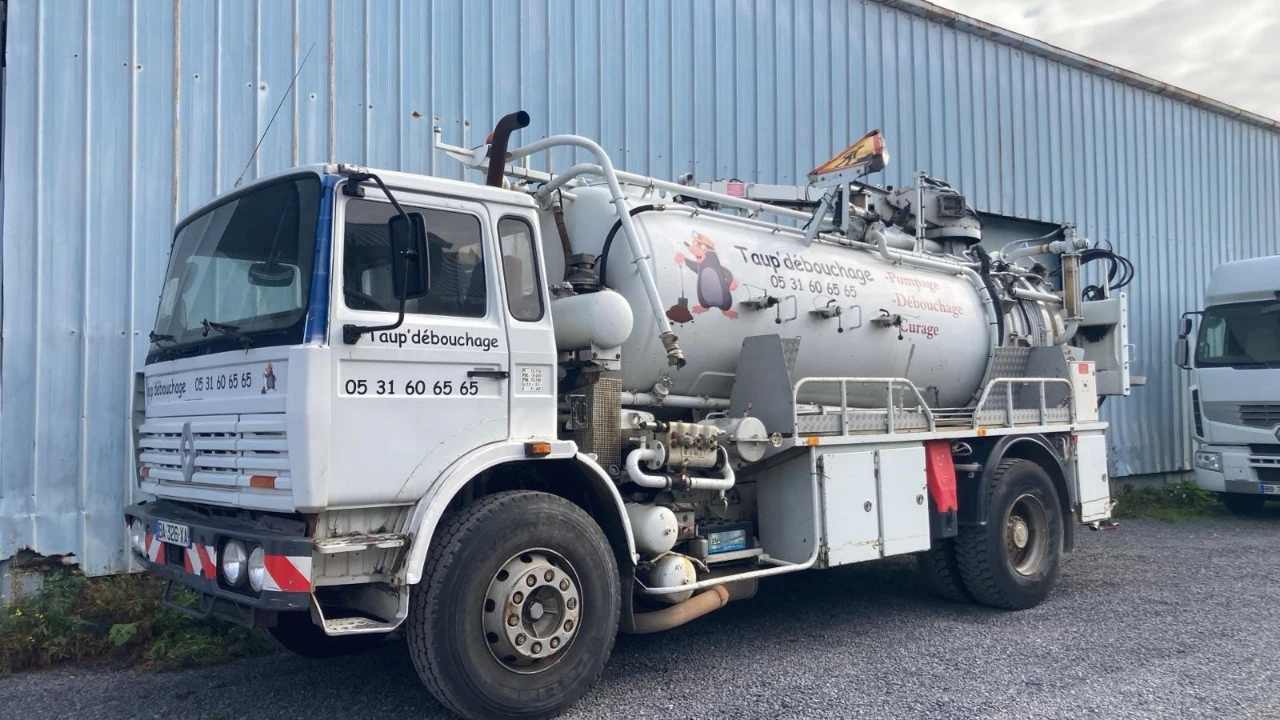
8. Renault G280/G340
Renault’s G-series trucks, particularly the G280 and G340, are recognized for their French engineering excellence and adaptability in medium to heavy-duty transport. Their engines are robust, and their cabins, though compact, provide a comfortable and functional workspace.
These trucks are frequently praised for their balance of durability and practicality, which allows collectors to enjoy ownership without excessive mechanical stress. In terms of market value, the G-series strikes a sweet spot where affordability meets historical relevance, making it one of the most attractive options in Europe’s classic truck scene.
Mechanical simplicity is a defining feature of these Renault trucks. Many owners find that routine maintenance and repairs are achievable with basic tools and reasonable skill. Replacement parts are available through both specialist suppliers and general European truck networks, which ensures long-term operability.
This accessibility is a significant reason why the G280 and G340 are considered good investments; enthusiasts know they can maintain and enjoy the truck without encountering prohibitively high costs.
Driving the Renault G-series offers a unique perspective on European truck design. The steering is precise, and the transmission feels solid and responsive, providing an enjoyable and engaged driving experience.
Unlike modern trucks that isolate the driver from the road, these classics require attentiveness, creating a sense of connection and satisfaction that many collectors find addictive. The engine delivers steady power and torque, ideal for both light hauling and leisurely weekend drives, which makes these models versatile and practical.
The design of the G280 and G340 is understated yet distinctive. Clean lines and functional aesthetics reflect Renault’s philosophy of combining practicality with visual appeal. Preserving the trucks’ original appearance is relatively straightforward, which adds to their appeal for collectors who value authenticity. This combination of functional beauty, mechanical durability, and collector interest ensures these trucks remain highly desirable and offer significant value relative to cost.
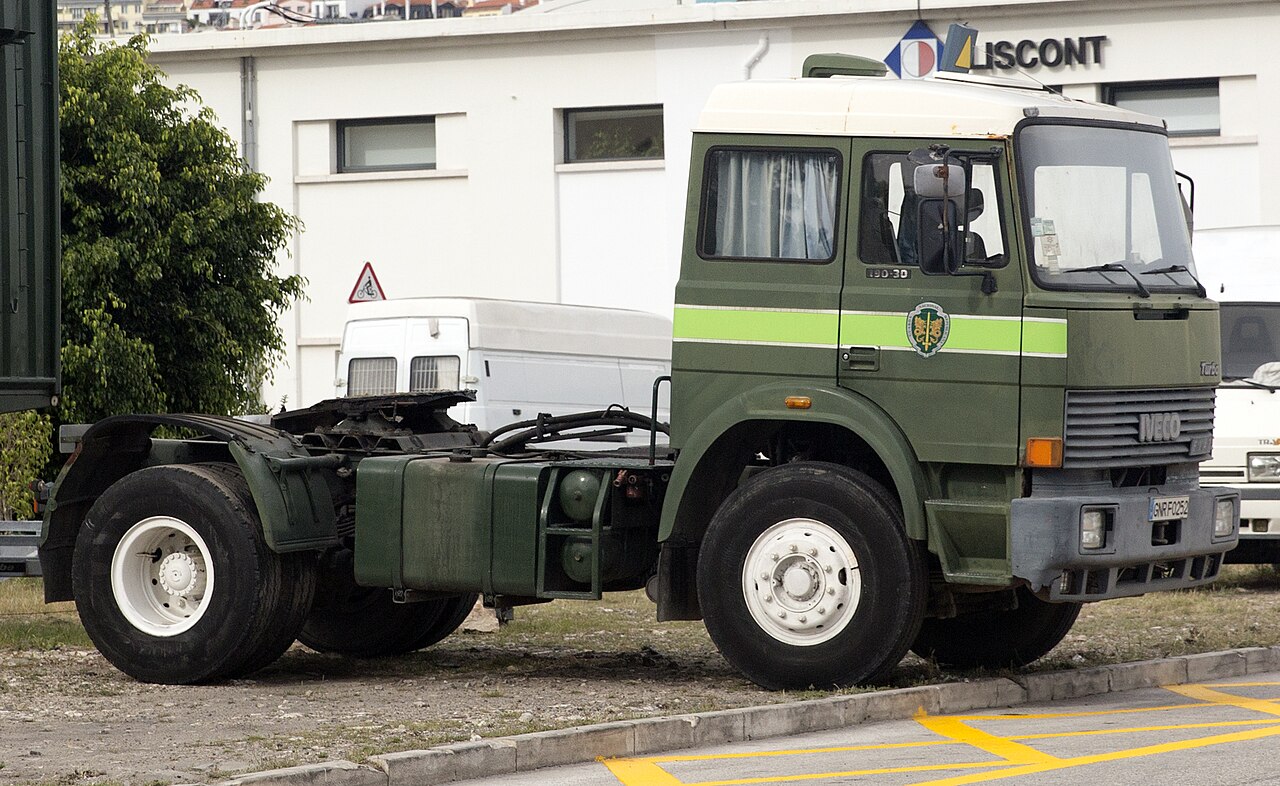
9. Iveco 190-30
The Iveco 190-30 is a robust example of Italian engineering tailored to medium and long-haul transport. Known for its powerful diesel engine and solid chassis, the truck was widely adopted across Europe for freight and logistics tasks.
Its value comes from its balance of performance, reliability, and historical importance, offering collectors a classic truck that is not only visually impressive but also capable of continued functional use. The cabin design is ergonomic for its era, providing reasonable comfort on long journeys while maintaining a purposeful, no-nonsense feel.
One of the strongest points in favor of the 190-30 is its mechanical resilience. Many trucks of this model remain operational decades after production, demonstrating Iveco’s commitment to durable design. Parts availability, while slightly more specialized than some competitors, is supported by active enthusiast communities and dedicated suppliers.
This combination of repairability and performance ensures that the 190-30 is a viable option for collectors who want a truck they can drive, restore, and maintain without excessive hassle.
Driving the Iveco 190-30 delivers a sense of control and connection to the road. The transmission and steering provide tactile feedback, creating an engaging experience that many modern trucks fail to replicate.
Owners often highlight the truck’s balanced handling and strong torque as aspects that make it both satisfying to operate and practical for weekend use. Its performance under load demonstrates the engineering principles of the time, emphasizing function, longevity, and ease of use over flash or speed.
Visually, the 190-30 is distinctive for its bold lines and slightly angular cabin shape. It communicates strength and purpose without appearing overly ornate, which enhances its collector appeal. Restored trucks maintain a presence at shows and rallies, admired for their historical significance and robust design. The balance between aesthetics and functionality contributes to the truck’s reputation as a high-value classic, suitable for both enthusiasts and practical owners.
The Iveco 190-30 remains an attractive choice in the European classic truck market due to its combination of reliability, mechanical simplicity, and historical importance. It provides a tangible connection to European freight heritage, offering both engagement and usability. Collectors benefit from a vehicle that delivers practical enjoyment and consistent market value, making it one of the best investments among medium to heavy classic trucks.
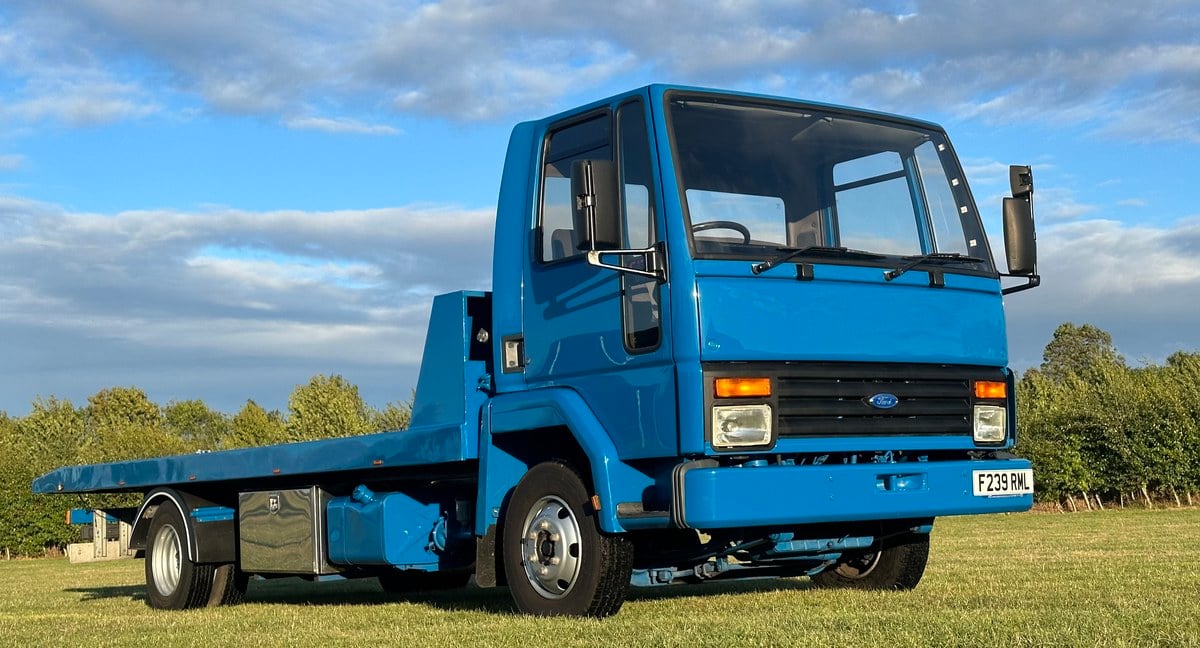
10. Ford Cargo 0813/0913
The Ford Cargo 0813 and 0913 series represent British engineering that gained popularity across Europe for their adaptability and functional design. These trucks were widely used for regional and urban transport due to their manageable size, efficient engines, and durable chassis.
Collectors now value these models for their practicality, reliability, and historical presence. Their accessible price point relative to other classic trucks makes them appealing for first-time collectors and enthusiasts seeking a rewarding, hands-on ownership experience.
The trucks’ mechanical simplicity is a key factor in their appeal. Routine maintenance is straightforward, and replacement parts are available through both Ford networks and specialist suppliers. This ensures that restoring or maintaining a Cargo 0813 or 0913 is both feasible and cost-effective. Many owners enjoy the satisfaction of working on the truck themselves, which reinforces the perception of these models as good value investments in terms of both money and effort.
Driving the Ford Cargo series provides an engaging experience. The cab offers good visibility and the steering and gearbox create a direct, responsive feel. While not built for speed or luxury, these trucks reward attentiveness and skill, creating a satisfying tactile connection to the road.
Enthusiasts often comment on the Cargo’s robust engine and smooth operation, which make it suitable for both light hauling and casual classic driving. This combination of usability and engagement enhances its appeal among collectors.
Aesthetically, the Cargo series is functional yet pleasing, with a design that emphasizes practicality without appearing dull. Its clean lines and recognizable profile make it easy to maintain and restore.
Many collectors take pride in preserving the original paintwork and signage, which reflects the truck’s working heritage while maintaining its appeal at events and rallies. The balance of practicality, history, and aesthetic appeal makes these trucks highly sought after among enthusiasts.
The Ford Cargo 0813 and 0913 exemplify value in the European classic truck market. They offer historical authenticity, manageable maintenance, and an enjoyable driving experience. Collectors benefit from trucks that are affordable yet rewarding to own, ensuring long-term satisfaction and continued relevance in a growing market of classic enthusiasts. For anyone seeking an approachable and historically significant classic truck, the Cargo series remains a top choice.
