
The early 1980s were a pivotal time for automotive design. With fuel efficiency becoming a growing concern and performance demands increasing, manufacturers turned their attention to aerodynamics. Cars were no longer just about raw engine power or flashy appearances; the way a vehicle cut through the air began to define its efficiency, speed, and stability.
Engineers focused on reducing drag, improving airflow, and minimizing lift to ensure vehicles could achieve higher performance while maintaining control. These changes were visible in both sports cars and family sedans, signaling a shift in how the industry approached vehicle design.
Aerodynamics in the early 1980s required careful consideration of shapes and surfaces. Smooth curves replaced boxy silhouettes, and designers studied airflow patterns with wind tunnels, a practice that was increasingly common among leading manufacturers. Even subtle features like recessed headlights, flush-mounted windows, and sloping rear decks were designed to reduce resistance.
Cars like the Audi 100 demonstrated that aerodynamic principles could dramatically reduce drag coefficients, setting benchmarks that influenced other manufacturers worldwide. The importance of aerodynamics went beyond speed and efficiency; it impacted fuel consumption and road noise, offering a more comfortable experience for drivers and passengers.
Consumer interest in aerodynamic cars grew rapidly, driven in part by rising fuel costs and stricter emissions regulations. Buyers sought vehicles that promised both style and efficiency, while engineers competed to create low-drag profiles without sacrificing handling or safety.
This period marked the emergence of some of the most iconic aerodynamic shapes, including wedge-like sports cars and streamlined family vehicles. The balance between form and function became critical, with designers considering airflow over the body, under the car, and around critical components such as mirrors, wheels, and spoilers.
While some of the most aerodynamic cars of the era were sports-focused, the innovations often trickled down to mainstream vehicles. Manufacturers experimented with new materials, lightweight panels, and carefully calculated angles to minimize turbulence.
Designers realized that small adjustments, like tapering the rear end or rounding the edges of the windshield, could make a measurable difference in drag coefficients. The collaboration between engineers and designers became essential, as aesthetic appeal had to be balanced with functional efficiency.
The cars that emerged from this era still influence design today. Many of the principles developed during the early 1980s, such as smooth body contours, integrated spoilers, and underbody panels, remain relevant. Vehicles that combined style, efficiency, and performance captured the imagination of enthusiasts and consumers alike, proving that aerodynamics could be both practical and exciting.
The following list highlights ten of the most aerodynamic cars from the early 1980s, reflecting the innovation and foresight of engineers and designers who recognized the importance of controlling airflow. Each vehicle not only represented a milestone in drag reduction but also illustrated how design and technology can work in harmony to improve the driving experience.
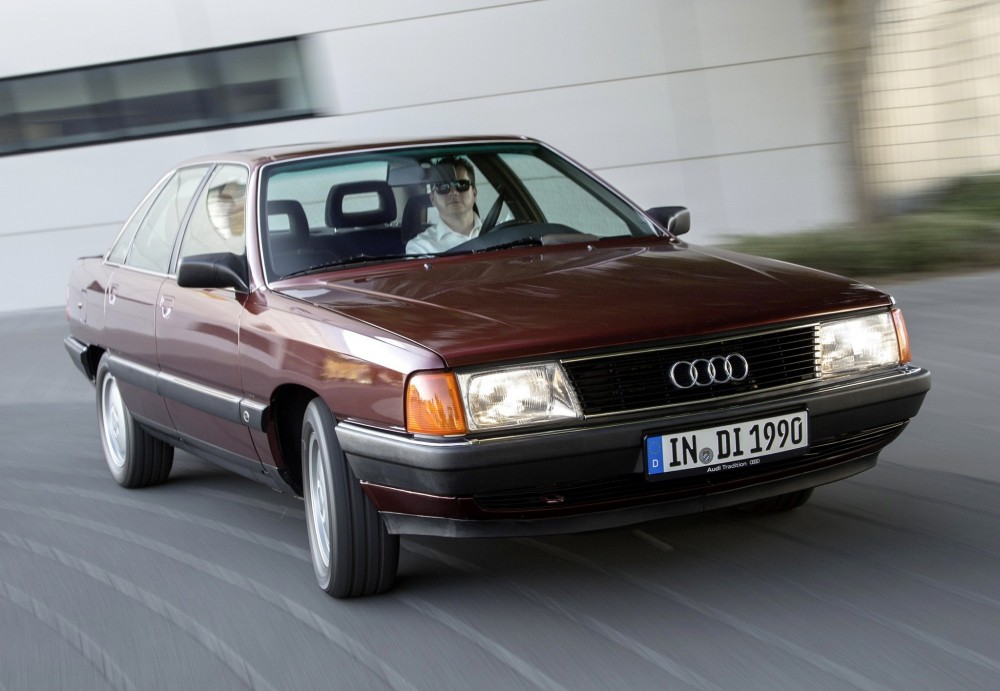
1. Audi 100 (C3, 1982)
The Audi 100 C3 introduced in 1982 set a new standard for aerodynamic efficiency. Its teardrop-shaped body and smooth surfaces helped achieve a remarkably low drag coefficient of 0.30, unheard of for production cars at the time.
Every line and contour was optimized to minimize airflow separation, from the gently sloping hood to the integrated rear bumper. The design reduced turbulence at high speeds, improving fuel economy and stability on highways.
The vehicle’s front end was carefully sculpted, featuring flush headlights and a slanted grille to guide air efficiently along the sides. Side mirrors were designed to reduce drag while maintaining visibility, and the wheel arches were subtly flared to allow air to flow smoothly.
Engineers paid particular attention to the underbody, adding panels to prevent air from catching beneath the car. The result was a combination of sleek aesthetics and tangible performance benefits.
Inside, the Audi 100 maintained practicality while its exterior highlighted aerodynamic principles. The roofline gently tapered towards the rear, reducing wake turbulence and lift.
This helped the car remain stable at high speeds and contributed to quieter cabin conditions. These design choices reflected the growing awareness that airflow management was critical not only for efficiency but also for driver comfort and safety.
The C3’s engineering extended beyond body shape. Weight distribution and suspension geometry were also adjusted to complement its streamlined form.
By balancing aerodynamics with mechanical stability, Audi achieved a vehicle that was predictable and responsive on the road. The integration of these principles represented a careful consideration of the relationship between form and function.
The influence of the Audi 100 C3 reached beyond its initial launch. Its success prompted competitors to reevaluate their designs, emphasizing drag reduction as a key metric in development. Manufacturers began investing more heavily in wind tunnel testing, and the C3 became a reference point for aerodynamic innovation. Its impact is still visible in modern sedans, which borrow the concept of smooth, continuous body lines to improve performance.
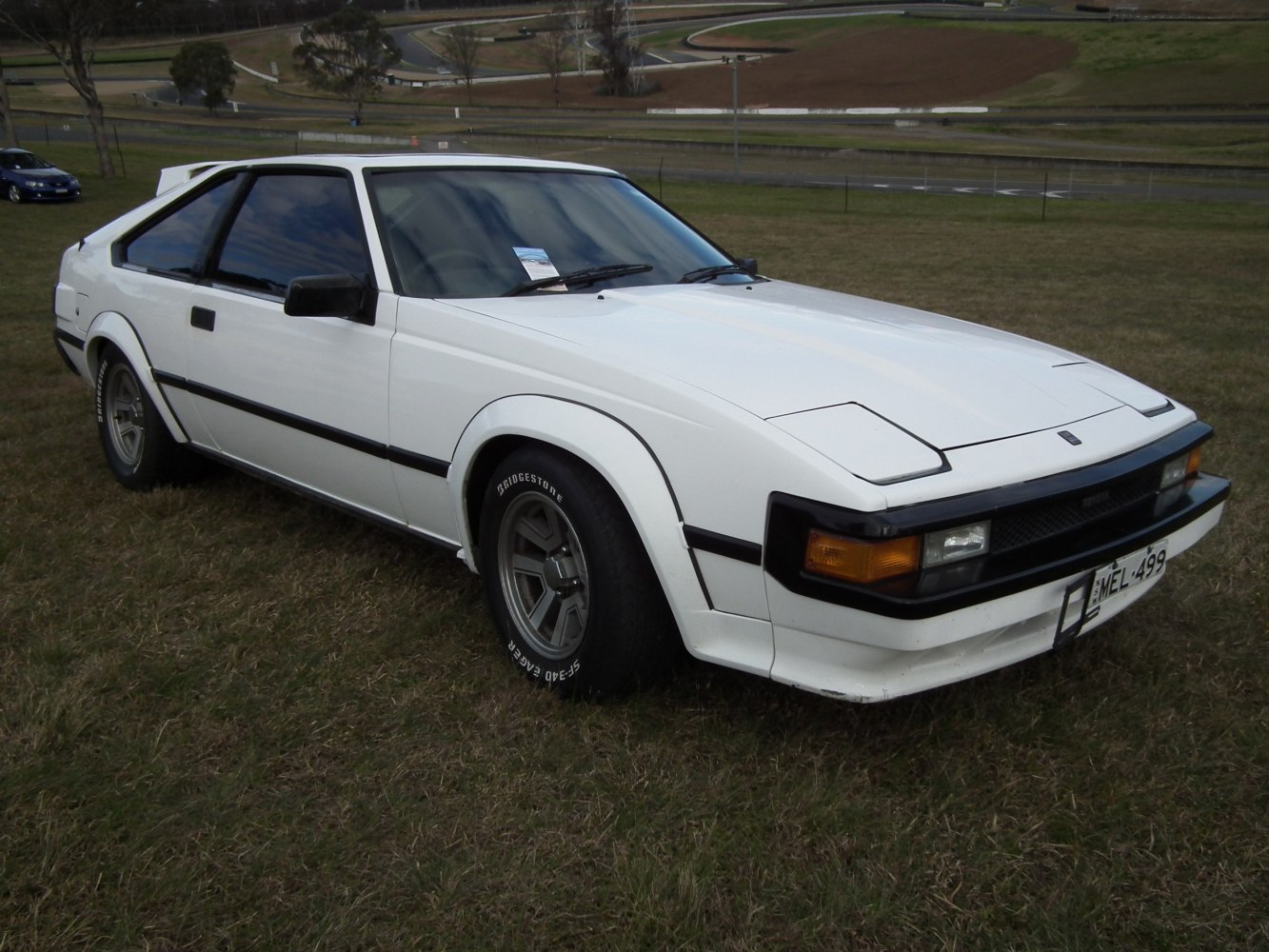
2. Toyota Supra (A60, 1981)
The Toyota Supra A60 was another example of aerodynamic progress in the early 1980s. Its wedge-shaped nose, sloping windshield, and carefully rounded edges allowed it to slice through the air with minimal resistance. Although primarily known as a sports coupe, its aerodynamic design contributed to stability at high speeds and reduced fuel consumption relative to other vehicles in its class.
Aerodynamic efficiency was evident in the front fascia, which included integrated headlamps and a slightly recessed grille. The smooth curvature of the hood directed airflow towards the windshield and roof, minimizing turbulence. Side skirts and tapered fenders helped manage airflow around the wheels, further improving stability. These refinements made the A60 Supra not only stylish but also functionally advanced for its time.
The rear of the vehicle featured a subtle lip spoiler, designed to reduce lift while maintaining a clean aesthetic. This attention to rear airflow management kept the car planted at higher speeds, a critical factor for sports driving. Combined with a relatively low drag coefficient, the design demonstrated Toyota’s commitment to merging performance and efficiency.
Internally, engineers considered weight distribution and chassis stiffness, which complemented the aerodynamic body. The A60 was not just about smooth airflow; its suspension and balance ensured that the benefits of aerodynamics translated to tangible driving advantages. Handling was responsive, and high-speed stability reinforced the car’s sporty character.
The Toyota Supra A60 influenced sports coupe design in Japan and abroad. Its low-drag, wedge-oriented silhouette inspired other models in the 1980s, including several turbocharged and naturally aspirated variants. The car demonstrated that aerodynamics could coexist with aggressive styling without compromising practicality or performance.
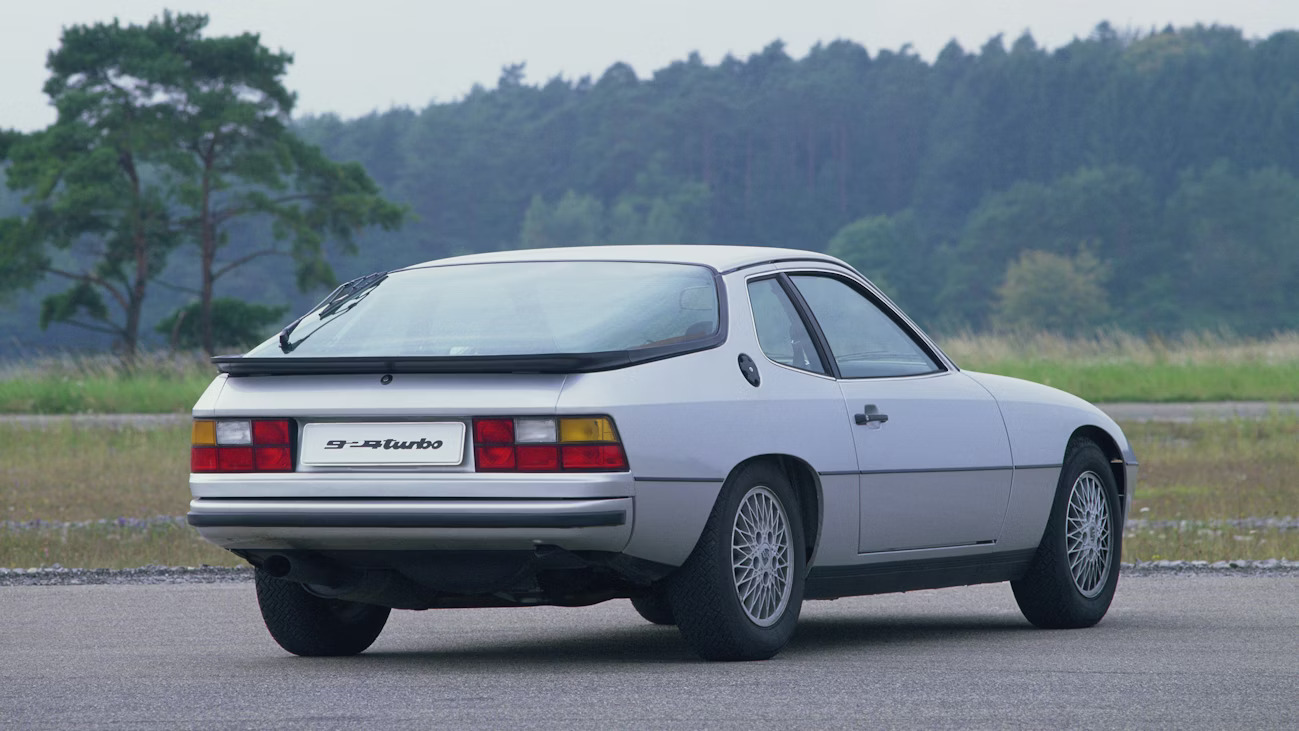
3. Porsche 924 (1976–1985)
Although introduced in the late 1970s, the Porsche 924 remained a highly aerodynamic contender throughout the early 1980s. Its long hood, smooth roofline, and rear taper contributed to one of the lowest drag coefficients among production sports cars of the period. The design allowed for a balanced distribution of air over the body, reducing lift at high speeds and increasing stability.
Porsche focused on minimizing protrusions that would disrupt airflow. Headlights retracted into the body, and door handles were flush, ensuring that air moved cleanly over the surfaces. The fenders were sculpted to guide air around the wheels, reducing turbulence and drag. Even minor details, such as side mirrors, were carefully positioned for maximum efficiency.
The rear of the 924 was designed with aerodynamics in mind, featuring a sloping hatch and integrated rear spoiler. This prevented the car from experiencing unwanted lift at high velocities, which could compromise handling. Engineers tested multiple angles in wind tunnels to determine the most effective shapes, demonstrating Porsche’s commitment to functional design.
The 924’s lightweight construction complemented its aerodynamic shape. By keeping mass low and evenly distributed, Porsche ensured that the car responded predictably to driver input. Aerodynamics and weight worked together to enhance handling, braking, and acceleration, proving that design efficiency could have practical driving benefits.
The Porsche 924’s influence extended to future models, showing that aerodynamic efficiency could coexist with brand identity. Its smooth, flowing form served as a blueprint for the next generation of Porsche sports cars, which continued to prioritize low drag and high stability while refining performance.
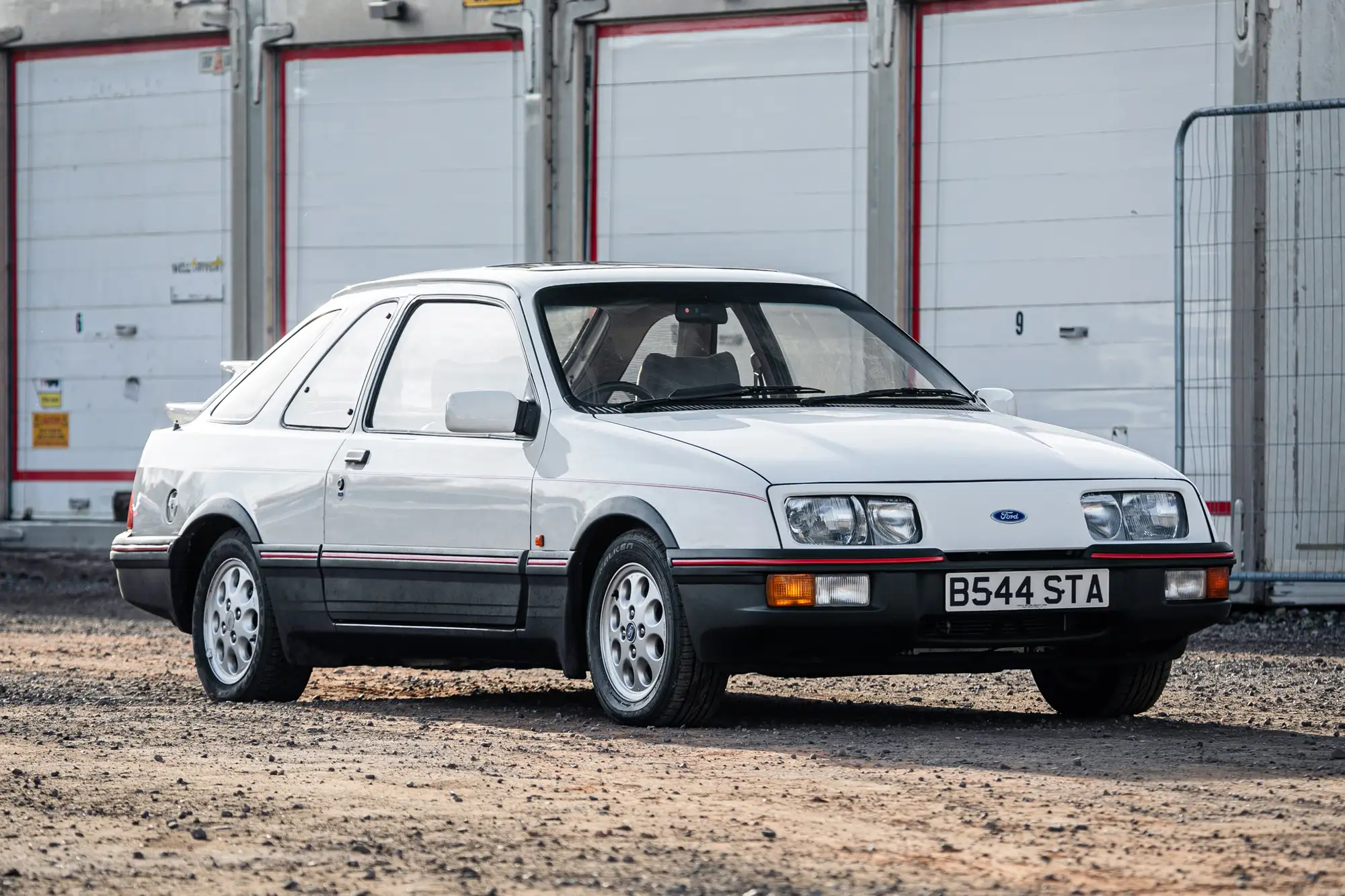
4. Ford Sierra XR4i (1983)
The Ford Sierra XR4i emerged as a revolutionary aerodynamic design in the early 1980s. Its wedge-shaped silhouette and sharply sloping rear window marked a departure from the boxy designs of previous Ford models. Engineers focused on reducing drag while maintaining the practical space of a family car. The XR4i’s sleek body allowed it to cut through air efficiently, improving fuel economy and performance at highway speeds.
The front end of the Sierra XR4i featured a narrow grille and flush-mounted headlights, guiding airflow smoothly along the sides. The hood and fenders were gently curved, reducing turbulence and maintaining stability. Side mirrors were designed to minimize resistance without compromising visibility, while subtle contours along the doors enhanced airflow management. These elements combined style with functional benefits.
The rear of the XR4i included a liftback design, which reduced wake turbulence and minimized drag. The rear window angle allowed air to flow over the car cleanly, preventing unwanted lift. Underbody panels also played a key role, smoothing airflow beneath the chassis. These measures contributed to a well-balanced, aerodynamic profile that set the Sierra apart from competitors.
Suspension tuning and weight distribution complemented the car’s aerodynamic design. The XR4i remained stable during cornering and high-speed travel, translating aerodynamic efficiency into improved handling. Drivers experienced reduced wind noise and greater predictability on highways, highlighting the importance of body design for comfort and control.
The Ford Sierra XR4i influenced European car design throughout the 1980s. Its aerodynamic shape encouraged other manufacturers to experiment with wedge-shaped profiles and integrated rear spoilers. The vehicle demonstrated that family-oriented vehicles could achieve aerodynamic efficiency without sacrificing practicality or passenger space.
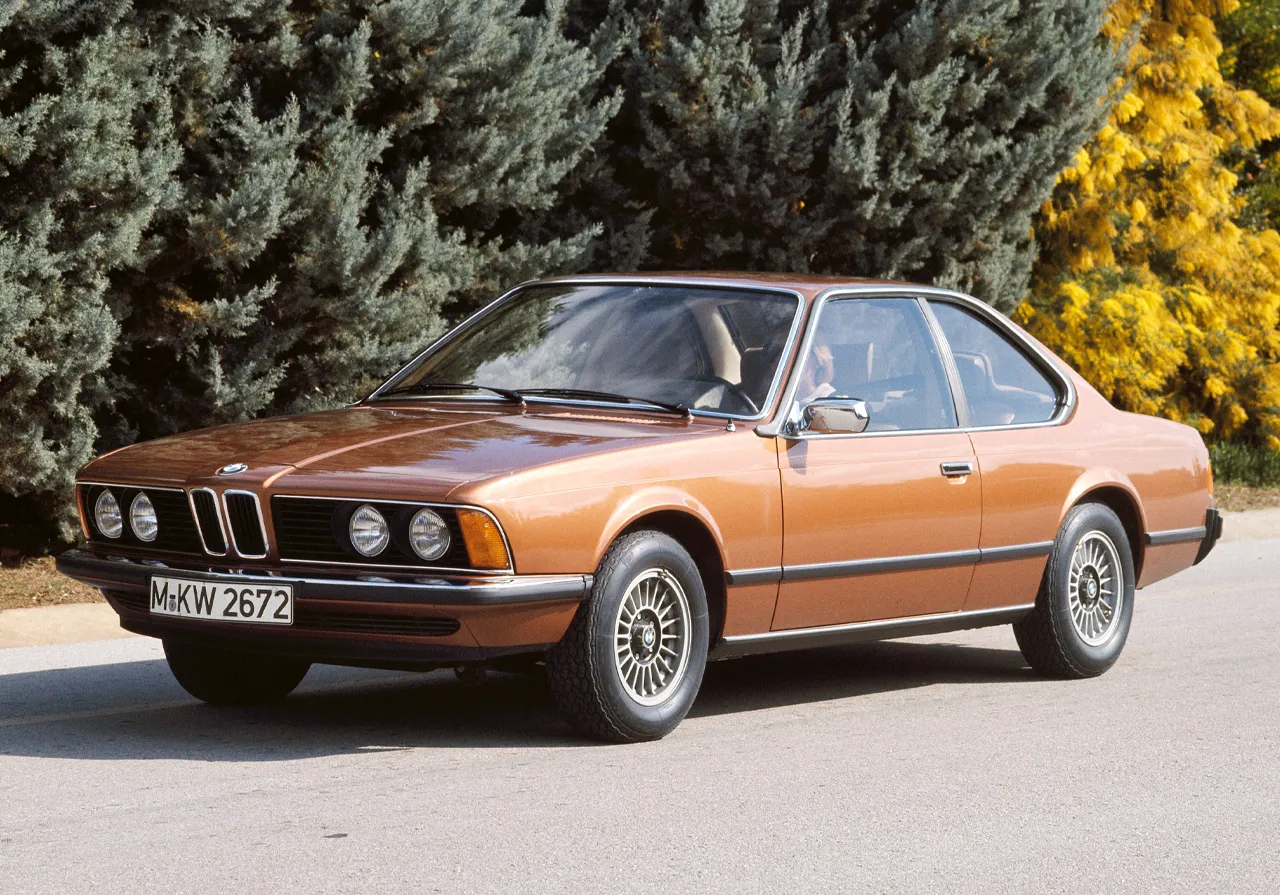
5. BMW 6 Series E24 (1976–1989)
The BMW 6 Series E24 was a symbol of aerodynamic sophistication among luxury coupes of the early 1980s. Its long hood, low roofline, and tapering rear created a streamlined profile that minimized drag and improved stability. BMW emphasized smooth lines and a balanced stance, ensuring that airflow over the car remained uninterrupted at high speeds.
Flush-mounted headlights and kidney grilles reduced resistance at the front, while gently curved fenders allowed air to flow smoothly around the wheels. The doors and side panels were sculpted with subtle angles, preventing eddies that could increase drag. Engineers also optimized the placement of mirrors and trim for maximum airflow efficiency.
The E24’s rear featured a sloping trunk with an optional integrated lip spoiler. This design reduced lift at highway speeds, maintaining traction and control. Underbody panels further contributed to aerodynamic efficiency, guiding air cleanly beneath the car while reducing turbulence near the rear axle. The result was a stable and responsive driving experience.
Inside, weight distribution complemented the aerodynamic design. Balanced chassis geometry and precise suspension allowed the car to respond predictably, while the smooth exterior reduced wind noise and enhanced comfort. The combination of aerodynamics and mechanical design gave the E24 a refined yet sporty character.
The E24 set a precedent for future BMW models, influencing the design of both coupes and sedans. Its aerodynamic efficiency, combined with luxurious styling and performance, demonstrated that engineering precision could enhance driving dynamics while maintaining brand identity and aesthetic appeal.
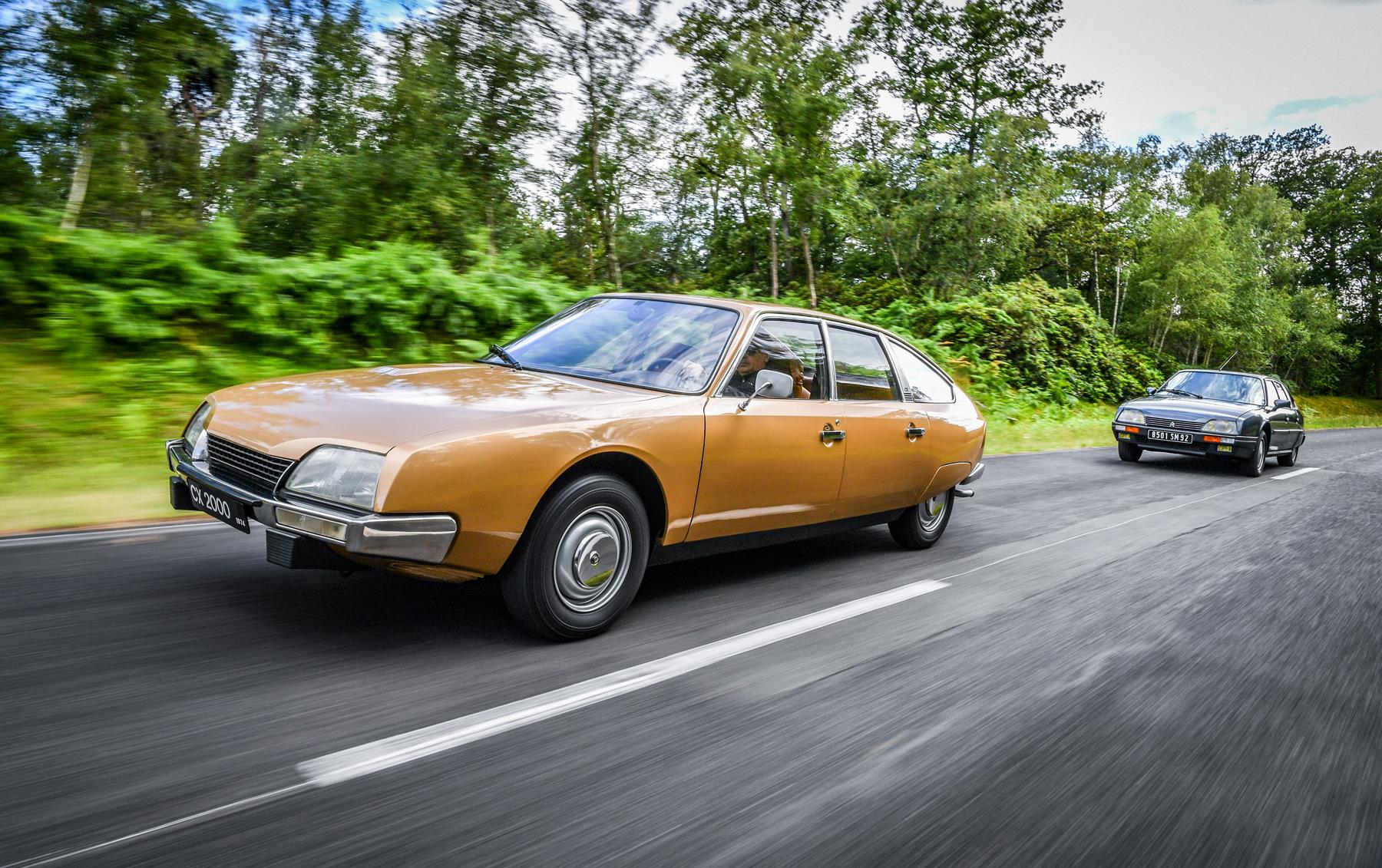
6. Citroën CX (1974–1989)
The Citroën CX continued its reputation for advanced aerodynamic design into the early 1980s. Its curvaceous body, streamlined roofline, and tapered rear end allowed air to flow smoothly, resulting in a remarkably low drag coefficient for a large sedan. The CX demonstrated that aerodynamics could coexist with unconventional styling and spacious interiors.
The front fascia featured covered headlights and a sloping hood that guided air over the car efficiently. Minimal protrusions along the body reduced turbulence, while sculpted side panels and fender shapes further improved airflow. Even the door handles were recessed, reducing drag without sacrificing usability. These elements reflected Citroën’s focus on function-driven design.
At the rear, the CX employed a fastback design with integrated spoilers to manage lift. The sloping rear allowed air to detach gradually, reducing turbulence and improving highway stability. Engineers also paid attention to the underbody, adding panels and shaping the chassis to enhance airflow and reduce drag-induced lift.
The CX’s suspension was equally innovative. Its hydropneumatic system worked in concert with the aerodynamic body, ensuring stability and comfort at all speeds. Reduced turbulence and low lift meant that the car felt planted, and the combination of airflow and suspension design improved handling and safety.
The influence of the Citroën CX extended globally, inspiring designers to explore flowing shapes and fastback profiles for larger vehicles. It proved that aerodynamics was not exclusive to sports cars, as practical sedans could achieve low drag coefficients while offering space, comfort, and advanced technology.
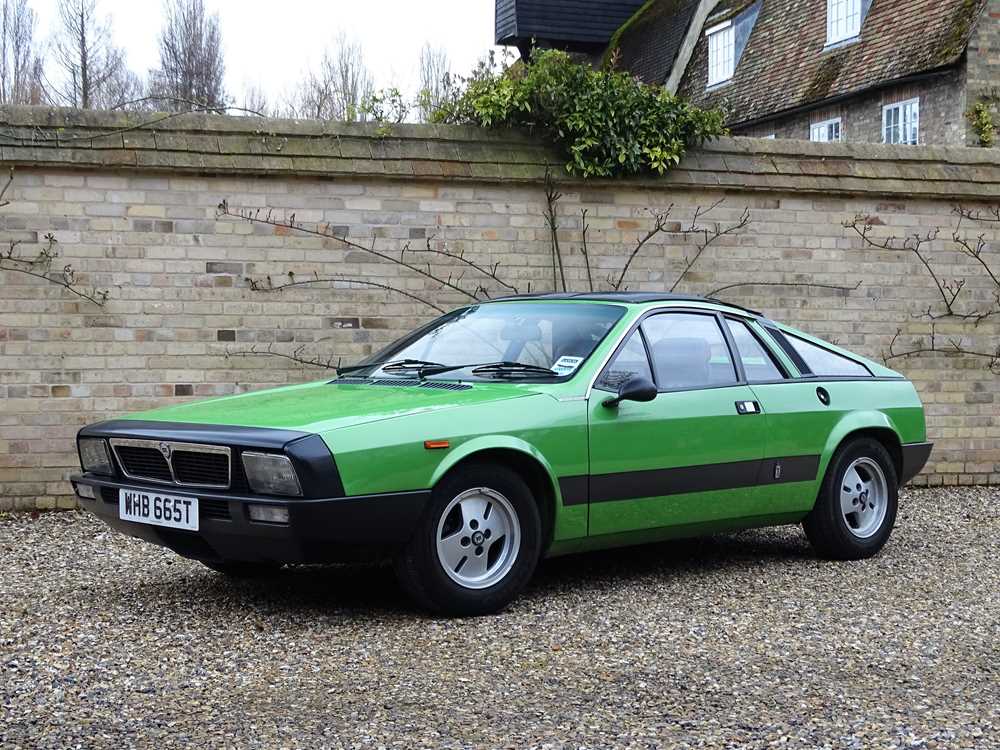
7. Lancia Beta Montecarlo (1975–1981)
The Lancia Beta Montecarlo was a mid-engine sports car that demonstrated impressive aerodynamic efficiency for its era. Its wedge-shaped design, compact dimensions, and low profile allowed it to slice through the air with minimal resistance. The Montecarlo combined aerodynamic form with agile handling, making it a standout in both performance and design.
The front end featured retractable headlights and a sharply angled nose to reduce drag. Curved fenders guided airflow over the wheels and along the sides of the car, while the roofline tapered towards the rear. Every element of the body was crafted to minimize turbulence, reflecting Lancia’s focus on achieving smooth airflow without compromising aesthetics.
The rear of the Montecarlo included a subtle integrated spoiler that reduced lift at high speeds. The tapering rear ensured gradual air detachment, preventing turbulence and maintaining stability. Underbody panels complemented the design by smoothing airflow beneath the chassis. These innovations enhanced driving confidence at high velocities.
Engine placement and weight distribution were also critical. The mid-engine layout allowed for better balance and reduced aerodynamic sensitivity to pitch changes. Combined with the wedge-shaped body, the car handled predictably in corners and maintained stability at top speed, demonstrating the integration of design and performance.
The Montecarlo influenced sports car design throughout Europe. Its aerodynamic wedge shape inspired other manufacturers to focus on low-drag profiles and integrated spoilers. Lancia showed that aerodynamic considerations could enhance performance, handling, and visual appeal simultaneously, setting a standard for small sports cars.
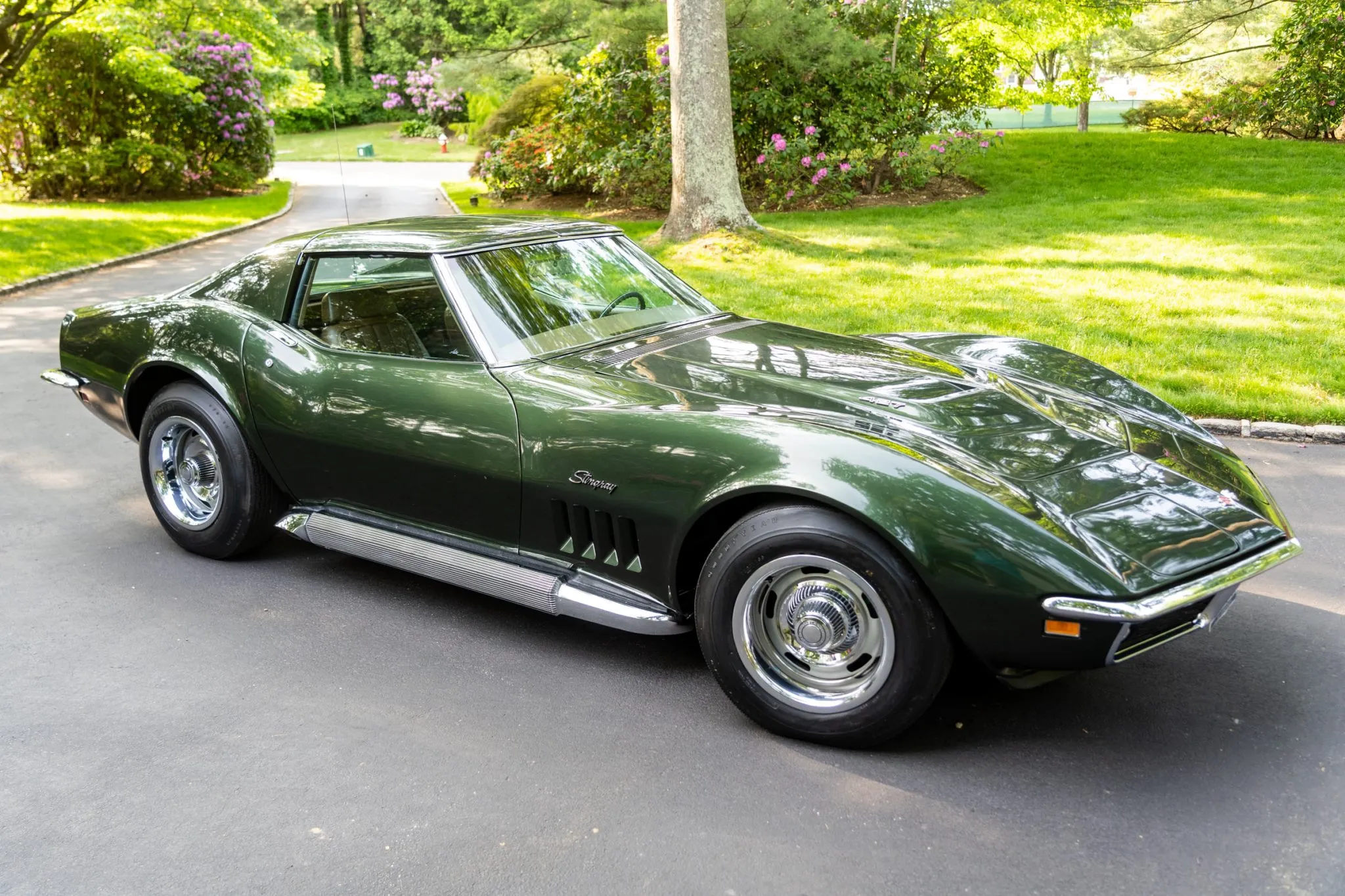
8. Chevrolet Corvette C3 (1968–1982)
The Chevrolet Corvette C3, particularly the later models of the early 1980s, achieved aerodynamic improvements. Its long hood, sloping windshield, and sharply tapered rear contributed to a smoother profile compared to earlier generations. Corvette engineers worked to balance aesthetics, drag reduction, and high-speed stability.
The front featured flush-mounted headlights and a sloped nose, directing airflow efficiently over the car. Sculpted fenders and doors guided air around the wheels, while side mirrors were designed to minimize turbulence. These refinements helped reduce drag while maintaining the Corvette’s aggressive, sporty character.
The rear included a tapered tail and optional integrated spoiler to manage lift. Air flowed smoothly off the back, reducing turbulence and improving stability during high-speed driving. Underbody enhancements further refined airflow, highlighting the Corvette’s commitment to aerodynamic efficiency without altering its recognizable shape.
Weight distribution and suspension geometry complemented the aerodynamic body. By keeping the car balanced and responsive, engineers ensured that the C3 remained predictable and stable at high velocities. Drivers benefited from improved handling, reduced lift, and lower wind noise, which enhanced both performance and comfort.
The C3 Corvette’s aerodynamic advancements influenced American sports car design, demonstrating that low drag could be achieved without compromising style or power. The lessons learned during this era informed future Corvette generations, which continued to emphasize streamlined shapes and integrated spoilers.

9. Saab 900 (1978–1993)
The Saab 900 became a benchmark for aerodynamic efficiency among practical vehicles in the early 1980s. Its steeply raked windshield, curved roofline, and carefully tapered rear allowed it to achieve a low drag coefficient for a family-oriented car. Saab combined aerodynamic principles with safety and utility, producing a vehicle that excelled in multiple aspects.
The front fascia featured slanted headlights and a smooth nose, directing airflow efficiently along the sides. Subtle body curves prevented turbulence, while recessed door handles minimized drag. Even the roof and fender transitions were designed to reduce separation and improve efficiency. These design choices reflected Saab’s engineering focus on functionality.
The rear included a fastback design with an optional integrated spoiler, reducing lift and enhancing stability at higher speeds. Airflow management ensured a smooth transition off the rear end, minimizing drag-induced disturbances. The underbody was carefully shaped to complement these aerodynamic improvements.
Inside, weight distribution and chassis geometry complemented the car’s streamlined design. Stability and predictable handling were enhanced by the combination of aerodynamics and mechanical design. Drivers experienced reduced wind noise, improved fuel efficiency, and consistent control at highway speeds.
The Saab 900 influenced compact and mid-size vehicle design, proving that aerodynamics could enhance everyday driving. Its combination of efficiency, safety, and practicality served as a model for manufacturers seeking to integrate advanced airflow management in family-friendly vehicles.

10. DeLorean DMC-12 (1981–1983)
The DeLorean DMC-12 became instantly recognizable not only for its gullwing doors but also for its aerodynamic form. Its stainless-steel body, wedge-shaped nose, and sloping rear were designed to reduce drag and lift. The DMC-12 exemplified how futuristic styling and aerodynamic efficiency could coexist in a production vehicle.
The front end was low and pointed, with flush-mounted components to allow air to flow smoothly. Curved fenders and sculpted doors guided airflow along the sides, reducing turbulence around the wheels. Side mirrors and minor trim elements were designed to maintain the sleek appearance while optimizing efficiency.
The rear of the DMC-12 featured a sharply tapered tail and subtle spoilers to reduce lift at high speeds. Airflow separation was minimized, improving stability and control. Underbody panels further contributed to smooth airflow beneath the car, demonstrating careful attention to detail in aerodynamic design.
Weight distribution and chassis setup complemented the aerodynamic form. Despite its futuristic appearance, the car handled predictably and remained stable at highway speeds. Aerodynamic principles were fully integrated with mechanical design, enhancing both driving confidence and fuel efficiency.
The DeLorean DMC-12’s influence extended beyond performance. Its aerodynamic wedge shape and attention to airflow management inspired designers seeking futuristic aesthetics and functional efficiency. The car became an icon, showing that aerodynamic design could be striking and practical at the same time.
