
Volkswagen has long been a brand synonymous with precision engineering, efficiency, and a distinct driving experience. Their engines have evolved over decades, incorporating cutting-edge technology while maintaining a reputation for reliability.
However, as with any automaker, not all engines are created equally, and the level of maintenance required can vary greatly between different models and generations. Some Volkswagen engines demand careful attention to oil changes, timing belts, and cooling systems, and neglecting these can lead to significant mechanical issues or even engine failure.
On the other hand, several Volkswagen engines are known for their robustness and can tolerate minor oversights in routine maintenance without immediate catastrophic consequences.
For enthusiasts and owners alike, understanding which engines require meticulous care and which are more forgiving is crucial for making informed purchasing decisions, planning maintenance schedules, and protecting long-term investment.
The complexity of engine design plays a critical role in determining its sensitivity to maintenance. Turbocharged engines, for example, often operate at higher pressures and temperatures, making them more susceptible to damage if oil or coolant maintenance is neglected.
Naturally aspirated engines, conversely, typically have simpler designs, with fewer components under stress, allowing them to endure occasional lapses in maintenance without severe consequences. Volkswagen has employed various engine architectures, including inline-4, V6, TSI, TDI, and VR configurations, each with its own set of strengths, weaknesses, and maintenance requirements.
Furthermore, technological innovations such as direct injection, variable valve timing, and turbocharging add both performance and complexity, impacting the durability of the engine in response to neglect or improper care. Understanding the nuances between different engines can prevent unexpected breakdowns, costly repairs, and the frustration of reduced vehicle lifespan.
For enthusiasts, it also provides insight into how driving habits and regular maintenance routines influence the performance of the car. By examining specific examples of engines that are demanding and those that are forgiving, one can gain a clear picture of the engineering considerations that influence reliability, resilience, and longevity.
This comparison also helps to highlight how Volkswagen has balanced performance, efficiency, and durability across its lineup, offering engines that cater to both high-performance enthusiasts and those seeking dependable everyday transportation.
Knowledge of these differences allows owners to make smarter choices, avoid common pitfalls, and enjoy the driving experience that Volkswagen engines are known to provide. This article will outline five Volkswagen engines that require strict maintenance, five that are more forgiving, and the reasons behind their respective reputations, offering a comprehensive guide for current owners and prospective buyers alike.
5 Volkswagen Engines That Require Strict Maintenance
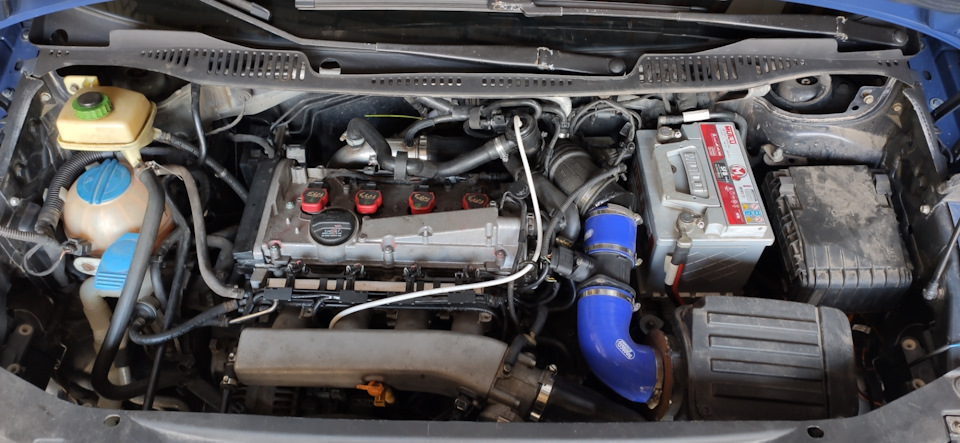
1. 1.8T Turbocharged Inline-4 (EA113)
The 1.8T engine gained fame for combining performance with efficiency, making it a popular choice in multiple Volkswagen models. Its turbocharged design pushes power output higher than naturally aspirated engines, but that performance comes with increased stress on internal components.
Oil quality and regular changes are critical because the turbo relies on constant lubrication to prevent overheating and bearing wear. Timing belt intervals must also be followed closely, as failure can lead to severe internal engine damage. Neglecting maintenance on this engine often results in costly repairs to the head gasket, camshaft, and turbo components.
Direct injection in the 1.8T contributes to fuel efficiency but increases the likelihood of carbon buildup on intake valves. This can reduce performance over time and may require specialized cleaning procedures. Turbocharged systems also depend on a functioning intercooler and well-maintained hoses to prevent boost leaks.
Owners who ignore small signs of wear or skip routine inspections risk accelerated degradation. This engine rewards diligence, as following manufacturer maintenance schedules keeps it performing well for hundreds of thousands of miles.
Coolant system maintenance is another critical factor, particularly for models with aluminum cylinder heads. Overheating due to neglected coolant changes can warp the head and damage internal components.
The turbo adds thermal stress that can exacerbate these issues, making radiator and thermostat checks essential. Even minor lapses in coolant upkeep can escalate into expensive repairs, highlighting the engine’s sensitivity. Preventive measures like monitoring temperature and replacing worn hoses can prevent sudden failures.
Fuel quality also impacts the longevity of the 1.8T. Using low-octane fuel or inconsistent grades can increase the risk of pre-ignition and knock, stressing pistons and connecting rods. For enthusiasts who increase boost pressure or modify the engine, strict maintenance becomes even more crucial. A minor lapse can result in catastrophic damage to expensive components. Following a disciplined maintenance routine is not optional for these engines.
Despite its sensitivity, the 1.8T is celebrated for reliability when cared for properly. Many examples have surpassed 200,000 miles with meticulous attention to oil, timing belts, turbo health, and coolant. Owners who respect the maintenance demands of this engine enjoy strong power delivery, smooth operation, and long-term durability. This combination of performance and complexity explains why it is considered demanding but rewarding for responsible drivers.
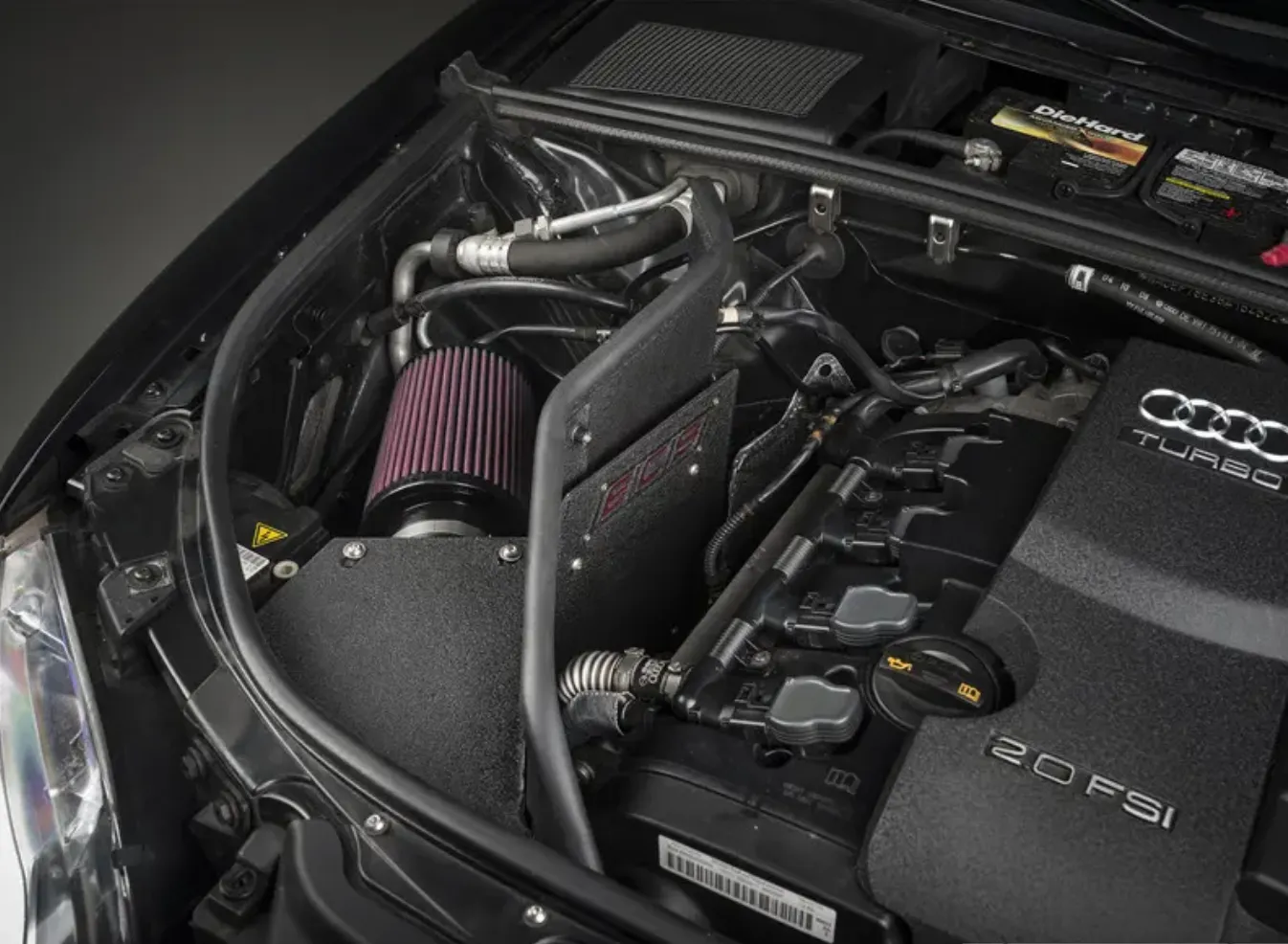
2. 2.0T FSI/TFSI (EA113 & EA888 Early Versions)
Volkswagen’s early 2.0T engines are known for their balance of performance and fuel efficiency, but they are highly sensitive to neglect. Timing chains, although more robust than belts, can develop stretch or failure if oil changes are delayed.
Carbon buildup is prevalent in direct injection engines, leading to misfires, rough idling, and reduced power. Regular cleaning and proper fuel additives are often necessary to prevent these issues from escalating.
Turbochargers in these engines require consistent oil pressure and clean oil to function correctly. Any lapses can cause premature wear or catastrophic turbo failure. Intercoolers, hoses, and sensors also require attention to prevent boost leaks and maintain efficiency. The engine’s compact design leaves little room for error, making inspection of hoses, belts, and seals a key part of responsible maintenance. Ignoring these areas increases the risk of sudden engine issues.
Cooling system maintenance is equally critical. Overheating can quickly damage the aluminum block and cylinder head, causing costly repairs. Even small deviations from recommended coolant intervals can create long-term reliability problems. For vehicles with high mileage, water pump replacement is often recommended proactively. Attention to temperature and coolant condition ensures that the engine continues to operate safely under stress.
Oil selection is another factor that cannot be overlooked. Using the wrong viscosity or low-quality oil can harm the turbo bearings, valves, and pistons. Owners must follow manufacturer recommendations precisely to avoid early failures. Neglect in this area is a common cause of engine issues for this model. Frequent monitoring and timely service maintain performance and extend the engine’s lifespan.
Owners of the 2.0T FSI/TFSI who adhere to strict maintenance schedules experience engines that are smooth, responsive, and reliable. Many vehicles have achieved high mileage without major repairs when cared for correctly. However, even minor lapses can lead to serious damage, emphasizing the importance of attention to oil, coolant, carbon buildup, and turbo health. This engine rewards diligence but punishes negligence.
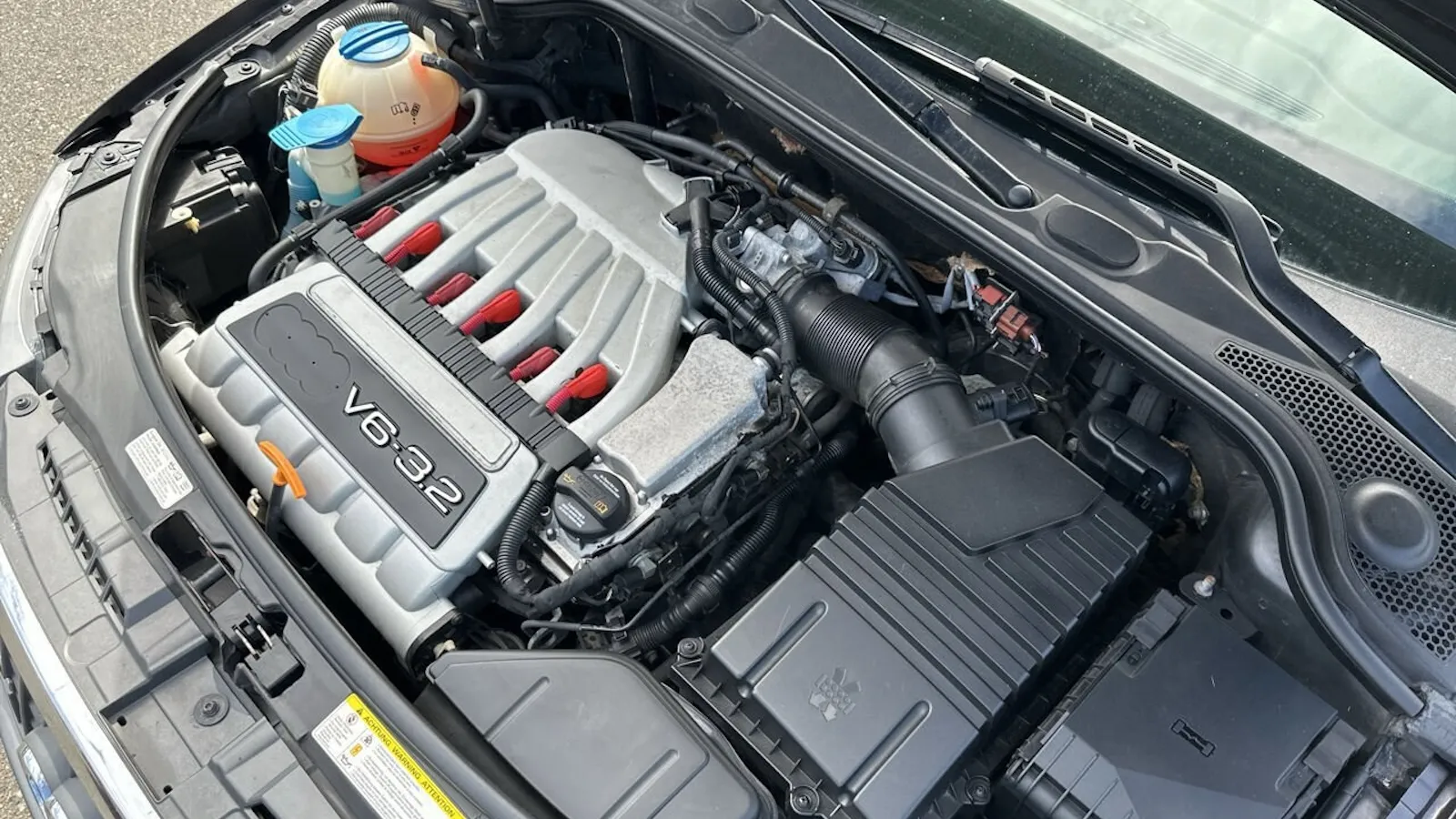
3. VR6 (3.2 & 3.6 Liter)
The VR6 engine is unique due to its narrow-angle V design, offering smooth power delivery in a compact package. However, it is complex and requires careful maintenance. Timing chains, cam followers, and tensioners must be inspected regularly to prevent misalignment or failure.
Any lapse can cause internal damage that is expensive to repair. Oil quality and regular changes are essential, particularly because the engine generates significant heat under normal driving conditions.
The VR6 also relies heavily on proper cooling. Its aluminum heads and high operating temperatures make it vulnerable to warping if coolant maintenance is neglected.
Radiator, thermostat, and water pump checks are critical to prevent overheating. Even short-term lapses in coolant replacement can escalate into serious problems, especially during summer or heavy load conditions. Owners must remain vigilant.
Spark plug replacement and ignition maintenance are important for performance and fuel efficiency. Fouled or worn plugs can lead to misfires, rough running, and long-term damage to catalytic converters. The intake and exhaust system must also be maintained to avoid carbon buildup, which affects airflow and reduces power output. Neglecting these systems diminishes the engine’s smoothness.
Fuel quality plays a significant role in the VR6’s durability. Using low-octane fuel or inconsistent grades can lead to pre-ignition and piston damage. Turbocharging is not present on most naturally aspirated VR6 engines, but the high compression ratio still requires attention to combustion quality. Responsible fuel choice ensures long-term reliability and consistent performance.
When maintained properly, the VR6 offers smooth, strong power and impressive longevity. Vehicles with careful attention to oil, timing components, coolant, and ignition can exceed 200,000 miles without major repairs. However, its complexity and sensitivity to neglect make it a demanding engine for owners who are not diligent with maintenance.
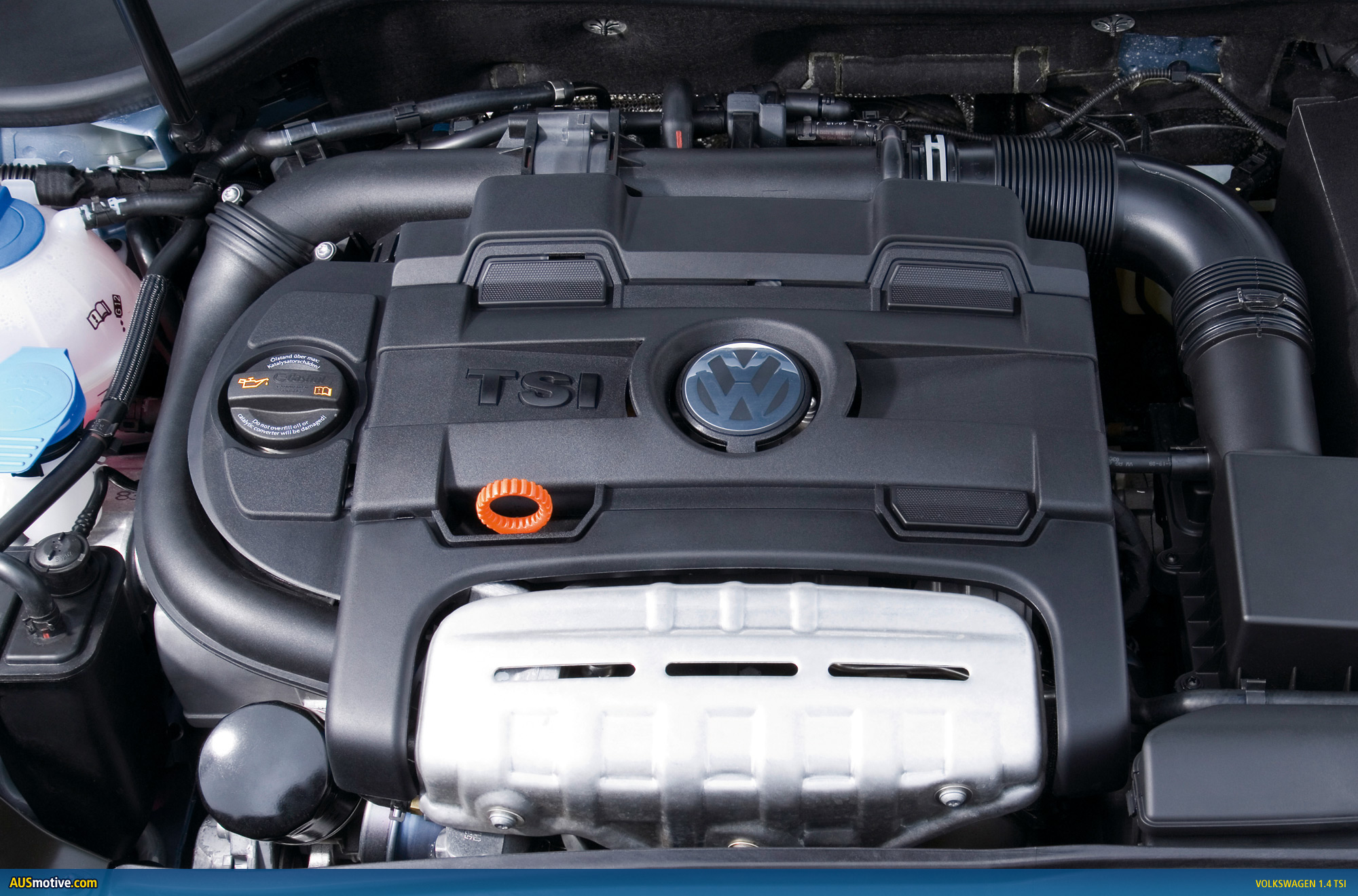
4. 1.4 TSI Twincharger (EA111)
The 1.4 TSI Twincharger combines a supercharger and turbocharger to deliver impressive power from a small displacement. While innovative, this engine is very sensitive to maintenance. Oil quality and frequency are critical, as both forced induction systems rely heavily on lubrication. Failing to follow oil change intervals can cause premature wear or complete failure of the turbo, supercharger, or bearings.
Timing chain tensioners have also been known to wear prematurely, especially under high mileage or delayed oil changes. Chain failure can result in valve damage and significant repair costs. Engine management sensors, including MAP and MAF, must be monitored and kept clean for proper air-fuel mixture. Any neglect in this area can lead to poor performance and engine stress.
Cooling is critical for the twincharged system. High heat generation can warp heads and damage the engine if coolant is not regularly replaced. Radiators, hoses, and pumps should be inspected to avoid leaks or overheating. Driving habits, especially aggressive acceleration, increase the importance of a well-maintained cooling system. Ignoring this system may shorten engine life significantly.
Fuel quality is another factor that affects the 1.4 TSI. Low-octane fuel can lead to detonation, stressing pistons and connecting rods. Direct injection requires clean fuel to prevent carbon buildup on valves, which otherwise reduces efficiency and power. Regular inspection and occasional cleaning of these components are crucial to maintain performance.
Owners who maintain the 1.4 TSI Twincharger properly enjoy impressive power, fuel efficiency, and long-term durability. High-mileage examples exist, but only with strict adherence to oil, coolant, timing chain, and fuel maintenance. Neglecting any of these areas often results in costly repairs, making this one of Volkswagen’s most demanding engines.
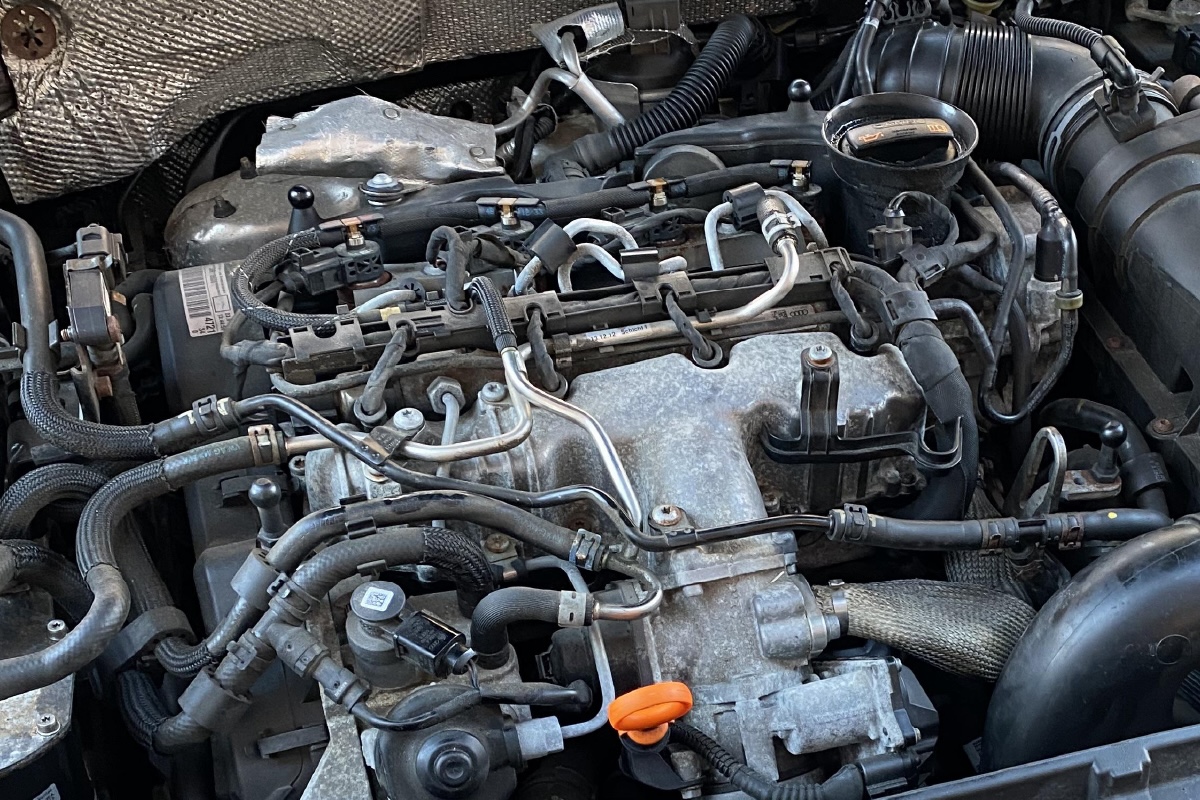
5. 2.0 TDI PD (Pump Düse)
Volkswagen’s 2.0 TDI PD engine is renowned for torque and efficiency but is unforgiving in terms of maintenance. The pump-jet injection system requires precise timing and fuel quality to prevent injector damage. Regular oil changes are crucial, as poor lubrication can lead to camshaft and lifter failures. Neglecting these elements often results in expensive repairs to both fuel and engine components.
Timing belt intervals must be observed strictly. Belt failure can result in catastrophic interference with pistons and valves. Many owners underestimate the importance of belt tensioners, water pumps, and idlers, which can cause premature failure. Proactive replacement according to schedule ensures longevity and avoids sudden breakdowns.
The turbocharger is another sensitive component. Proper oil flow, clean oil, and regular inspection are essential. Boost leaks, worn bearings, or delayed oil changes can reduce performance or cause total turbo failure. Cooling system maintenance is also critical, as overheating can warp aluminum heads or crack the engine block.
Fuel quality is particularly important for this engine. Contaminated diesel or improper additives can damage injectors and the pump system. Some owners perform additional filtration to prolong component life. Responsible fueling and regular maintenance are non-negotiable for long-term reliability.
Despite its strict maintenance needs, the 2.0 TDI PD delivers strong performance and excellent efficiency when cared for. Owners who follow the service schedule, use high-quality oil and diesel, and monitor components often report engines exceeding 300,000 miles. However, neglect in any of these areas can result in costly and complex repairs, underscoring the engine’s demanding nature.
5 Volkswagen Engines That Are More Forgiving
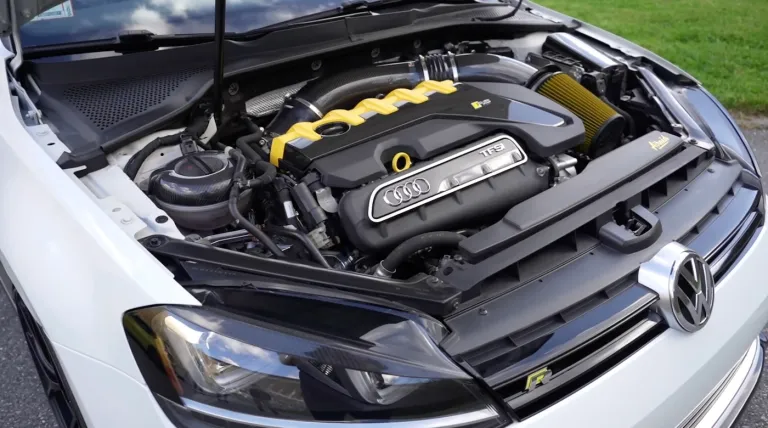
1. 2.5L Inline-5 (Naturally Aspirated)
Volkswagen’s 2.5L inline-5 engine is known for its durability and simplicity. Without the complexity of turbocharging, direct injection, or variable valve timing, it tolerates occasional lapses in maintenance better than many modern engines. Standard oil changes and periodic belt inspections are sufficient to maintain performance. Minor neglect rarely results in immediate catastrophic failure.
The cooling system is straightforward and less prone to overheating than turbocharged engines. Aluminum heads and iron blocks provide thermal resilience, and radiator maintenance is generally low-risk. The engine can tolerate occasional minor lapses in coolant replacement without severe consequences. This makes it ideal for owners seeking reliability over high performance.
Ignition and fuel systems are forgiving. Plugs and wires require replacement at standard intervals, and the fuel injection system is mechanically simpler than more modern direct injection engines. Minor delays in service rarely cause significant engine damage. The 2.5L encourages confidence for owners who may not be meticulous with every detail.
Oil quality is important, but the engine is not as sensitive to minor deviations from recommended viscosity. While synthetic oils are recommended, conventional oils can maintain adequate protection. Turbocharged engines do not stress this system, allowing longer intervals between oil changes without catastrophic risk.
The inline-5 provides smooth, reliable power with longevity. Many vehicles have surpassed 200,000 miles with basic maintenance and occasional minor lapses. It offers a balance between performance, reliability, and ease of care that is hard to match in Volkswagen’s more complex engines.
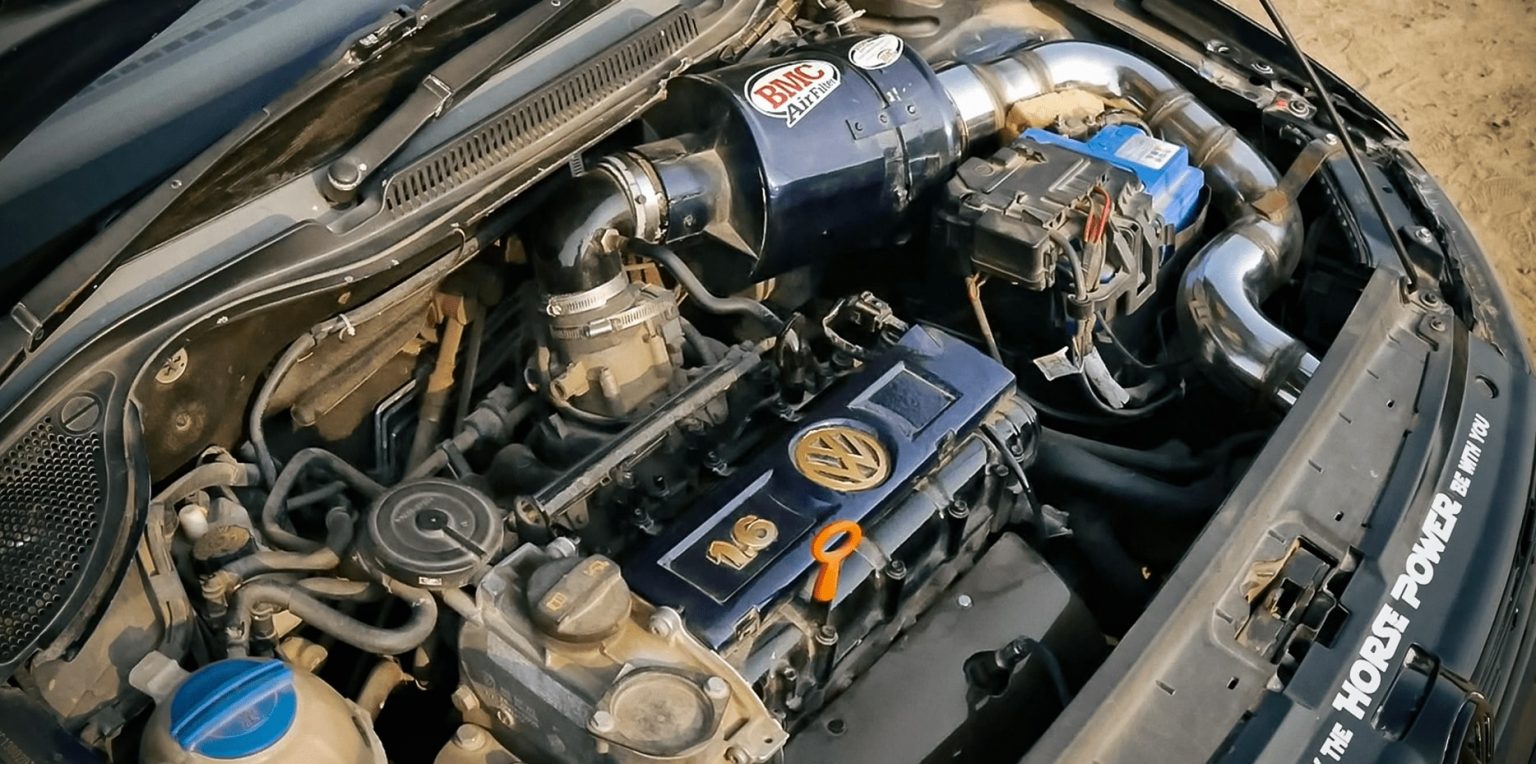
2. 1.6 MPI Naturally Aspirated
Volkswagen’s 1.6 MPI engine is a small, naturally aspirated engine that prioritizes simplicity over power. It has no turbocharger or direct injection, making it less vulnerable to maintenance lapses. Regular oil changes and periodic belt inspections keep the engine healthy for many years, even under moderate neglect.
Cooling system demands are low. Aluminum heads paired with an iron block tolerate minor overheating or coolant lapses better than turbocharged engines. Radiator and water pump inspections are straightforward, and small delays rarely result in serious engine damage. This simplicity makes it a practical choice for budget-conscious owners.
Fuel delivery and ignition are uncomplicated. Conventional port injection reduces the risk of carbon buildup, and spark plugs maintain performance even if replaced slightly later than recommended. Minor deviations from service intervals are rarely catastrophic. The engine’s tolerance is high relative to Volkswagen’s more complex modern engines.
Oil requirements are flexible. While quality is always important, minor lapses in oil changes or viscosity selection rarely threaten the engine. Lubrication needs are lower due to the absence of forced induction or high cylinder pressures. This makes the engine forgiving for drivers who occasionally miss intervals.
The 1.6 MPI is highly reliable for everyday driving. Vehicles often exceed 150,000–200,000 miles with minimal maintenance diligence. Its simplicity, low stress, and tolerance for minor neglect make it one of Volkswagen’s most forgiving engines.
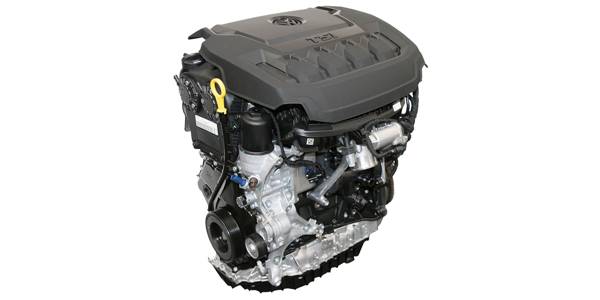
3. 2.0 Naturally Aspirated (Older Generation)
The older 2.0L naturally aspirated engines emphasize robustness over performance. Their iron blocks and aluminum heads tolerate moderate neglect, and the absence of turbocharging reduces stress on internal components. Regular oil and coolant changes maintain longevity, but minor lapses rarely cause immediate damage.
Timing belts are straightforward to replace, and slight delays in replacement generally do not result in catastrophic failure. The engine is mechanically simple, which allows for easy repair and routine maintenance without specialized tools. Owners benefit from reliability with minimal worry.
Fuel and ignition systems are conventional and forgiving. Carbureted or simple port injection versions of this engine tolerate occasional lapses in spark plug or injector maintenance without causing severe engine problems. Smooth operation is maintained even with minor oversights.
Oil pressure and quality are important but not overly sensitive. Without forced induction, the engine can endure short periods of lower-quality oil or delayed oil changes without damaging bearings or pistons. Cooling systems also tolerate occasional neglect.
The engine delivers adequate power and exceptional durability. High-mileage vehicles are common, and this engine has a reputation for lasting well beyond 200,000 miles with routine maintenance. Its forgiving nature makes it ideal for drivers prioritizing reliability over complexity.
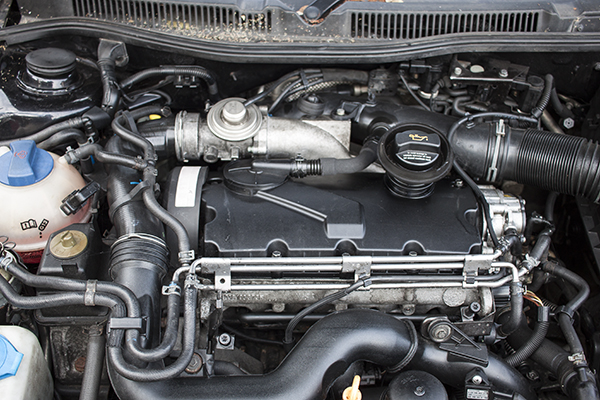
4. 1.9 TDI PD (Non-High Output Versions)
Some versions of the 1.9 TDI PD are known for durability and relative tolerance. Non-high-output models produce less stress on the internals, making them less sensitive to minor lapses in maintenance. Regular oil changes and belt replacements are still necessary, but small delays rarely result in immediate failure.
The fuel injection system is robust and can tolerate minor fuel quality variations. Turbochargers on these engines are simpler and more resilient than later TDI models, reducing the risk of catastrophic failure. Cooling systems are straightforward, with aluminum heads and iron blocks handling stress well.
Timing belt intervals should be followed, but minor extensions rarely cause catastrophic damage in well-maintained engines. Internal components are designed to endure years of normal driving with consistent but not obsessive care. Spark plugs, hoses, and belts are forgiving when replaced slightly late.
Oil and lubrication requirements are standard. Conventional oils of appropriate viscosity provide adequate protection. The absence of advanced turbo or direct injection features reduces the likelihood of sudden damage due to missed oil changes. Owners have more leeway with maintenance schedules.
With proper, though not obsessive, maintenance, the 1.9 TDI PD provides excellent fuel efficiency and longevity. Vehicles regularly exceed 300,000 miles. Its robust design makes it forgiving for owners who may not follow strict routines, earning a reputation as one of Volkswagen’s durable diesel engines.
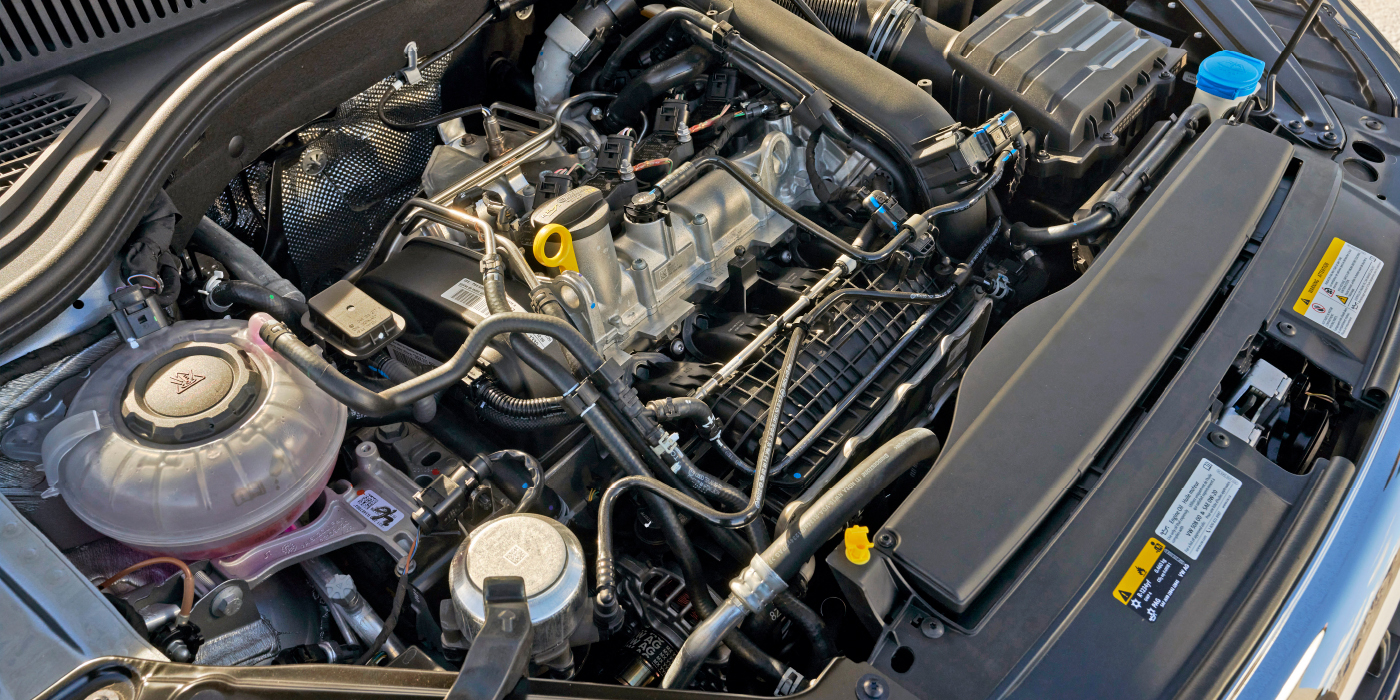
5. 1.4 Naturally Aspirated (Older EA111)
The naturally aspirated 1.4 EA111 engine is one of Volkswagen’s most reliable small engines. With no turbo, supercharger, or direct injection, it is extremely tolerant of minor lapses in maintenance. Regular oil and coolant changes keep the engine running well, but small oversights rarely result in major damage.
Cooling system demands are minimal, and the engine tolerates minor overheating or delayed coolant replacement without serious consequences. Radiator, hoses, and water pump inspections are simple and infrequent. This reduces the risk of costly repairs.
Fuel and ignition systems are simple and resilient. Conventional port injection keeps intake valves clean, and spark plugs maintain performance even when replaced slightly late. The engine operates reliably under a wide range of conditions.
Oil requirements are standard and forgiving. Lubrication needs are lower due to the absence of forced induction or high cylinder pressures. Minor delays or deviations from recommended oil viscosity rarely compromise engine health.
The 1.4 EA111 delivers modest power but exceptional reliability. Vehicles often surpass 200,000 miles with minimal maintenance diligence. Its simplicity, robustness, and tolerance for minor neglect make it an ideal engine for drivers seeking longevity and peace of mind.
