
Hybrid vehicles have steadily become a practical choice for drivers who want better fuel efficiency without fully committing to electric mobility, and the used car market now offers a wide selection of such vehicles at accessible prices. One of the main concerns buyers have when considering a used hybrid is the condition of the battery, as it is often perceived as expensive to replace or maintain.
However, not all hybrid systems are difficult or costly to refurbish, and many older models use battery designs that are modular, widely supported, and relatively simple to repair. With the right knowledge and a bit of patience, owners can restore battery performance without spending a fortune, making these vehicles far more appealing than they might initially seem.
In fact, a number of hybrid models from the past two decades have developed a reputation for durability and ease of maintenance, especially when it comes to battery refurbishment. These cars often rely on nickel metal hydride battery packs, which are less complex than newer lithium ion systems and can be reconditioned by replacing individual cells rather than the entire pack.
This opens the door for cost effective repairs and extends the lifespan of the vehicle significantly. For budget conscious buyers or enthusiasts who enjoy hands on work, these hybrids present an opportunity to own a reliable and efficient car without the high costs typically associated with advanced technology.
In the following sections, we will look at ten used hybrid vehicles known for having batteries that are relatively easy and inexpensive to refurbish, along with the reasons why they stand out in this regard and what makes them a smart choice for long term ownership.
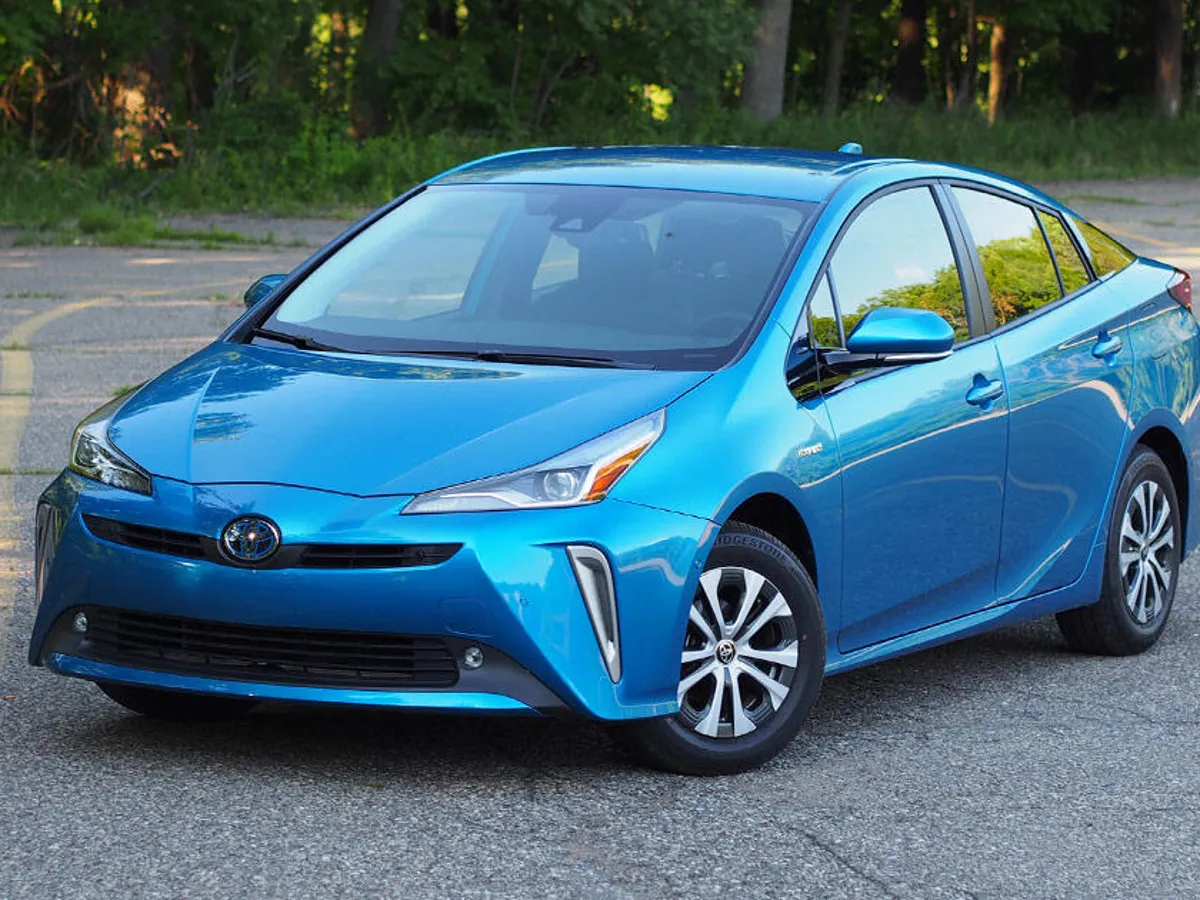
Toyota Prius (2004–2009)
The second generation Prius is often considered one of the most accessible hybrids for battery refurbishment due to its straightforward design and widespread availability of parts. Its battery pack is made up of multiple modules that can be individually tested and replaced, reducing the need for a full pack replacement.
This modular setup makes it ideal for those who want to restore performance without high costs. Additionally, the longevity of this model means many units are still on the road, creating a healthy used market.
Another advantage is the strong aftermarket support for this model, which means refurbished modules and repair kits are easy to find. Many independent mechanics are familiar with the system, and there are countless guides available for those who prefer to attempt repairs themselves.
This level of support significantly lowers the barrier to entry for hybrid maintenance. With a few hours of dedicated effort, even first-time owners can maintain a functional battery.
The battery chemistry used in this Prius is nickel metal hydride, which is known for its resilience and tolerance to partial degradation. Even when performance drops, the battery can often be revived through reconditioning techniques such as cycling or replacing weaker modules.
This makes it a forgiving system for first-time hybrid owners who may be learning the process of hybrid battery maintenance. Its forgiving nature has contributed to the model’s reputation for reliability.
Owners also benefit from the vehicle’s reliability, which complements the ease of battery refurbishment. When the battery is restored, the rest of the car often continues to perform well for many years.
The combination of mechanical durability and a serviceable battery creates a vehicle that can easily surpass 200,000 miles. Many owners report long-term satisfaction with minimal major repairs outside of the battery.
In addition, the cost of used battery modules has decreased over time, making repairs even more affordable. As more of these vehicles enter the used market, parts become more plentiful. This trend ensures that maintaining a second generation Prius remains budget-friendly. For anyone looking for a hybrid that is both practical and cost-efficient to maintain, this Prius remains a top recommendation.
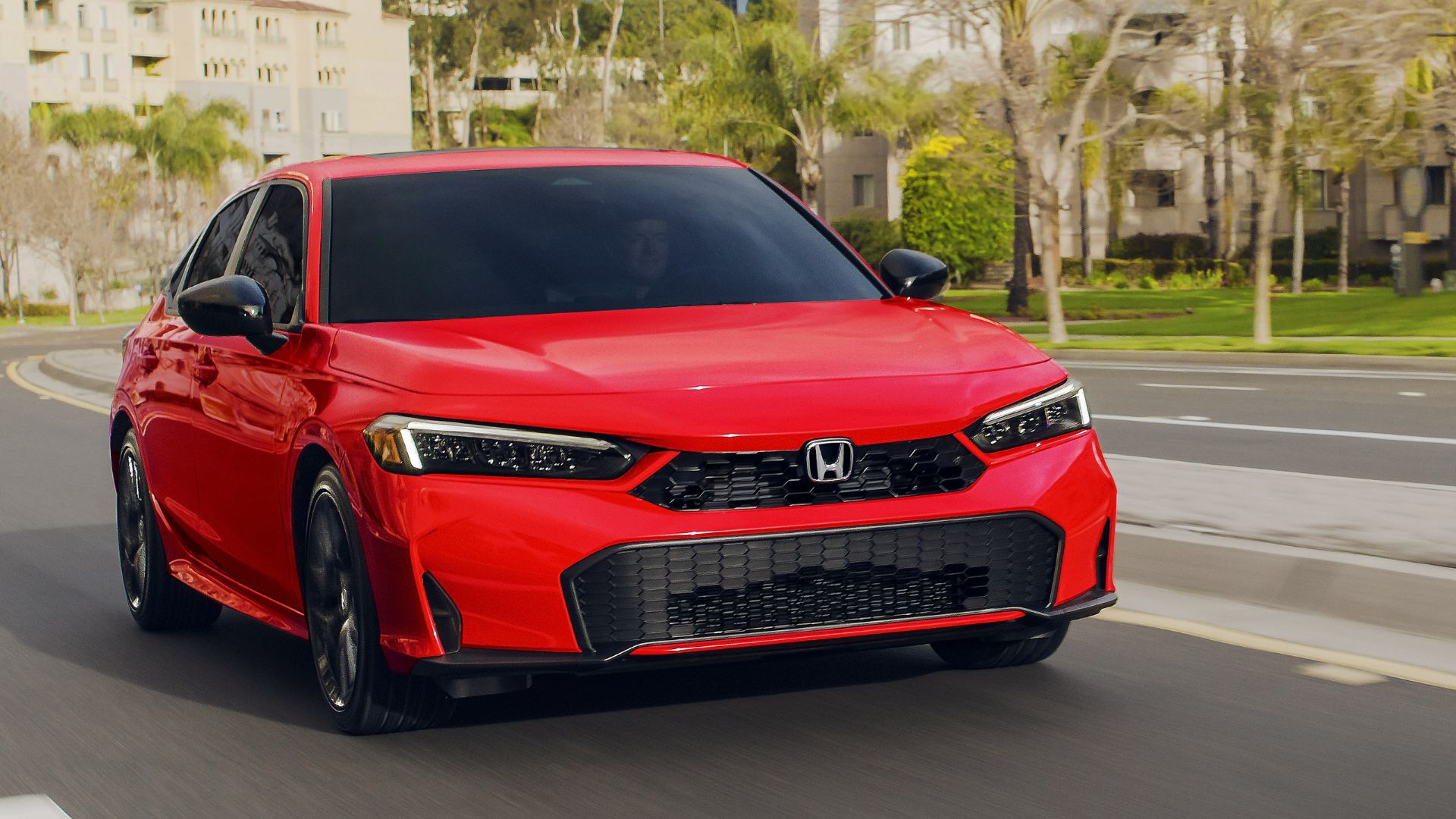
Honda Civic Hybrid (2006–2011)
The Honda Civic Hybrid from this era features a battery system that is relatively simple compared to more modern hybrids. Its integrated motor assist system uses a compact battery pack that can be accessed without excessive disassembly. This accessibility makes inspection and refurbishment easier for technicians and enthusiasts alike. Even routine maintenance like checking the cooling system is straightforward.
One of the key benefits of this model is the availability of replacement cells and refurbished packs at reasonable prices. Because of the car’s popularity, many suppliers specialize in parts for this specific hybrid system. This competition helps keep costs low. The abundance of resources also makes DIY refurbishment more feasible for dedicated owners.
The battery pack can often be restored by balancing or replacing weaker cells rather than swapping out the entire unit. This targeted approach reduces repair expenses and extends the life of the battery. Many owners report noticeable improvements in performance after such refurbishment, sometimes regaining a significant portion of original efficiency. Cell replacement can often be done in a single afternoon by a confident DIYer.
Despite some known issues with battery longevity, the system is still considered manageable in terms of maintenance. Many owners have successfully refurbished their batteries multiple times. This demonstrates the practicality of keeping the vehicle on the road without expensive dealer replacements. With routine maintenance, these hybrids remain reliable for years.
Another factor that makes this car appealing is its efficiency and reliability. When the battery is functioning properly, the vehicle delivers excellent fuel economy, often surpassing 40 miles per gallon. This makes the investment in refurbishment worthwhile over the long term. Its reputation as a durable and efficient vehicle continues to attract buyers in the used market.
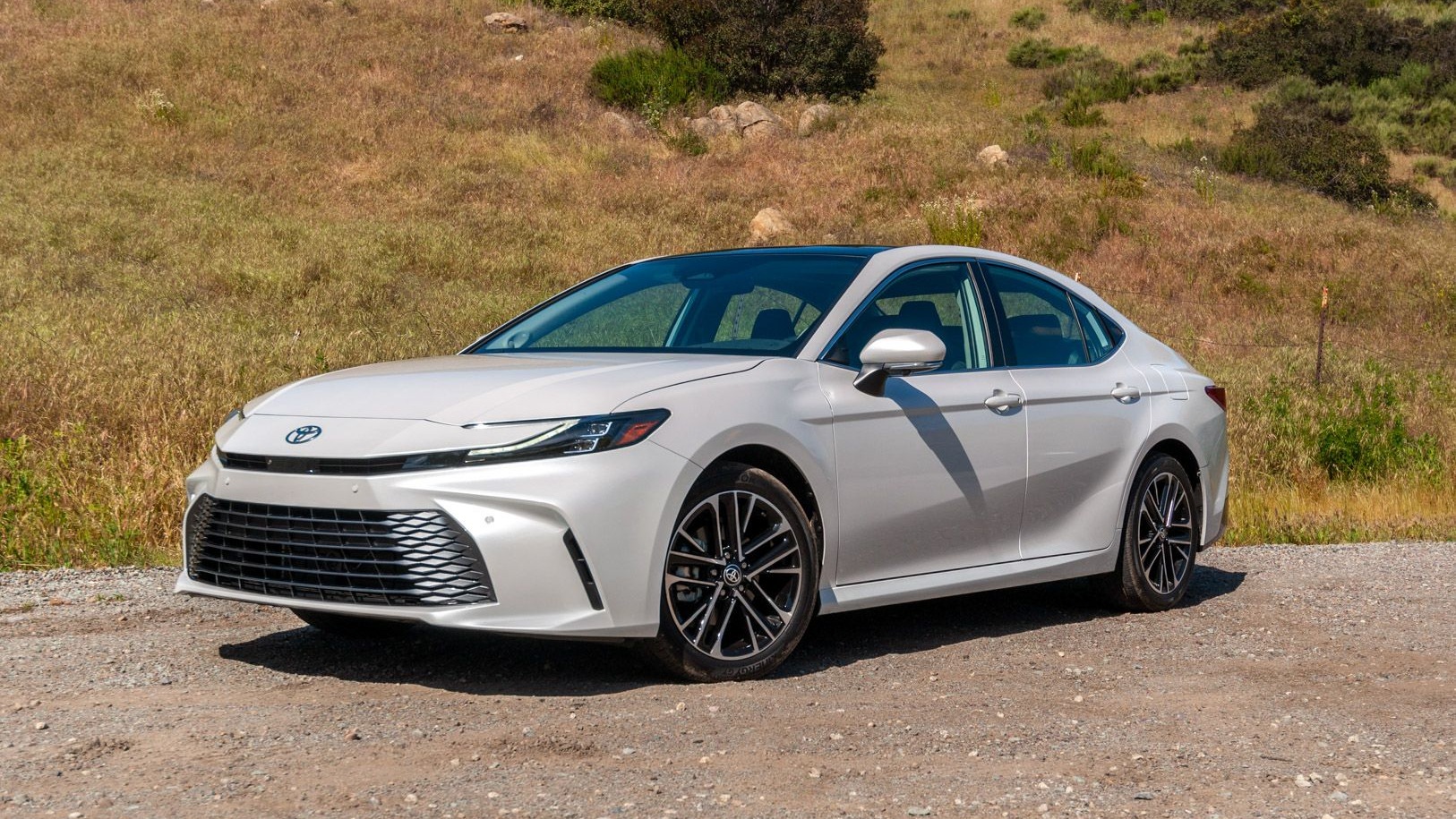
Toyota Camry Hybrid (2007–2011)
The Toyota Camry Hybrid from these years combines a familiar midsize sedan platform with a proven hybrid system. Its battery pack shares similarities with the Prius, which means many of the same refurbishment techniques can be applied. This compatibility is a major advantage for cost-conscious owners. The Camry’s comfortable ride adds to its appeal, making it suitable for both city and highway driving.
The battery modules are arranged in a way that allows individual testing and replacement. This modular structure reduces the need for complete battery replacement. It also simplifies diagnostics when performance issues arise. A technician or DIYer can pinpoint weak cells quickly and restore energy capacity efficiently.
Aftermarket support for this model is strong, with many companies offering refurbished modules and repair services. This availability ensures that owners have multiple options when it comes to maintenance. The widespread presence of parts suppliers also reduces wait times for repairs, keeping the vehicle on the road longer with minimal downtime.
The durability of the nickel metal hydride battery contributes to its ease of refurbishment. These batteries can often be reconditioned through charging cycles and cell balancing. This process can restore a significant portion of lost capacity. Many owners have extended battery life well beyond 150,000 miles with proper care and timely refurbishment.
In addition to its hybrid system, the Camry itself is known for reliability and comfort. This makes it a practical choice for families or commuters. When the battery is maintained properly, the car can provide years of dependable service. The combination of affordable refurbishment, mechanical reliability, and comfort makes this hybrid a wise long-term investment.
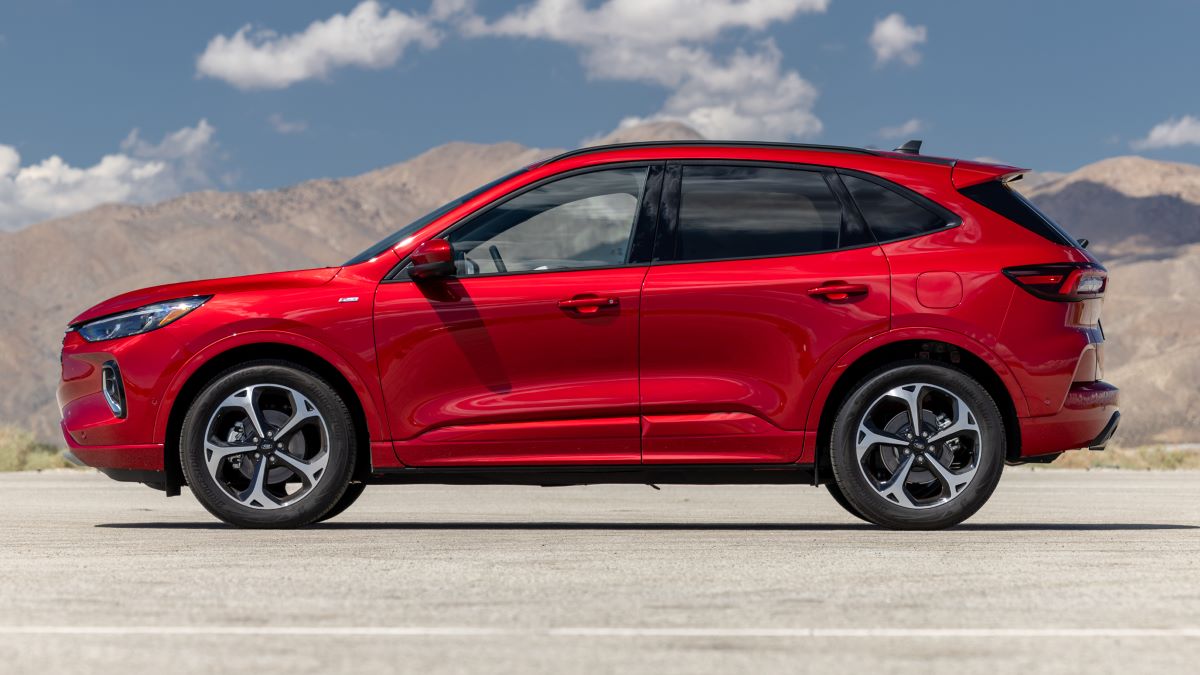
Ford Escape Hybrid (2005–2012)
The Ford Escape Hybrid stands out as one of the earliest hybrid SUVs, and its battery system is surprisingly approachable for refurbishment. The pack is relatively easy to access, which simplifies both inspection and repair. Owners appreciate the practicality of maintaining an SUV hybrid without requiring advanced technical knowledge. Its compact layout reduces labor time for battery work.
The battery uses nickel metal hydride chemistry, similar to many early hybrids. This makes it more tolerant of reconditioning techniques compared to newer lithium systems. As a result, it can often be restored without full replacement. Techniques such as module swapping and balancing are widely used among owners to keep costs low.
There is a growing market for refurbished battery modules for this vehicle, which helps keep costs down. Many specialists offer repair services specifically for this model. This support network makes it easier to maintain over time, and parts prices are more predictable thanks to competition among suppliers.
The modular design of the battery allows for targeted repairs, which is a major cost-saving factor. Instead of replacing the entire pack, owners can focus on the weakest components. This approach extends the life of the battery significantly. Many Escape hybrids have seen their battery life extended by several years through such refurbishment efforts.
Another benefit is the practicality of the vehicle itself, offering the space and versatility of an SUV. When combined with a maintainable hybrid system, it becomes a compelling option. Families and commuters alike benefit from the combination of efficiency and cargo capacity, making the Escape Hybrid a well-rounded choice for used hybrid buyers.
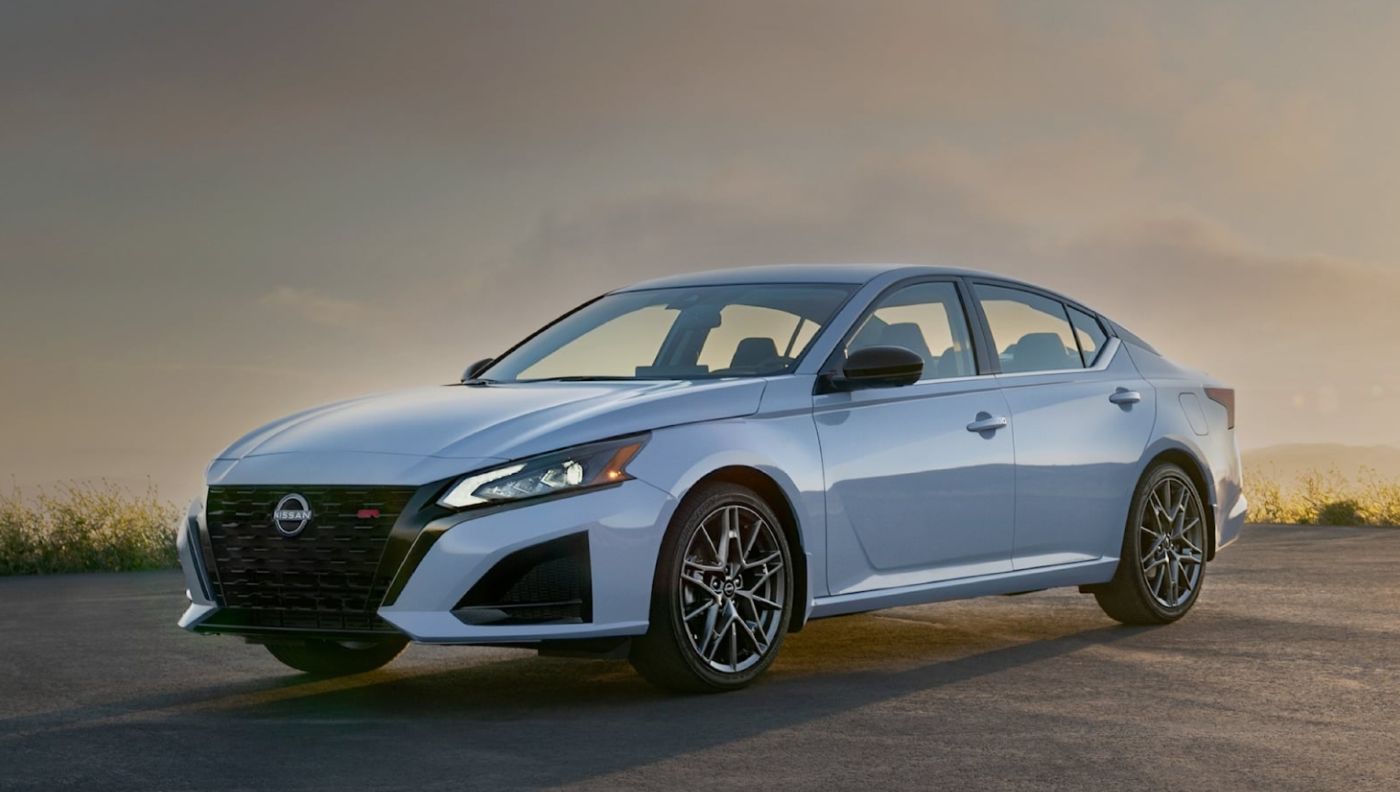
Nissan Altima Hybrid (2007–2011)
The Nissan Altima Hybrid shares much of its hybrid technology with Toyota systems, which makes its battery relatively easy to refurbish. This shared design means that many of the same parts and techniques can be used. It simplifies the process for mechanics familiar with Toyota hybrids, reducing repair complexity and cost.
The battery pack is modular, allowing individual cells to be tested and replaced as needed. This reduces the cost of repairs and makes maintenance more manageable. Gradual restoration is possible, which is a significant advantage over systems that require full pack replacement at first sign of trouble.
Availability of replacement modules is another advantage, as suppliers often stock parts compatible with this system. This ensures that repairs can be completed without long delays. Competitive pricing in the aftermarket also keeps the total refurbishment cost reasonable for owners.
The battery’s nickel metal hydride chemistry supports reconditioning, which can restore performance. Modules can be balanced and weak cells replaced, bringing capacity back to a functional level. Many owners report extended battery life after refurbishment, making the car efficient and reliable even after many years.
The Altima Hybrid offers a comfortable driving experience combined with manageable maintenance. When the battery is refurbished, the car remains efficient and reliable. For those seeking a used hybrid with an affordable battery solution and solid everyday usability, this model is an excellent choice.
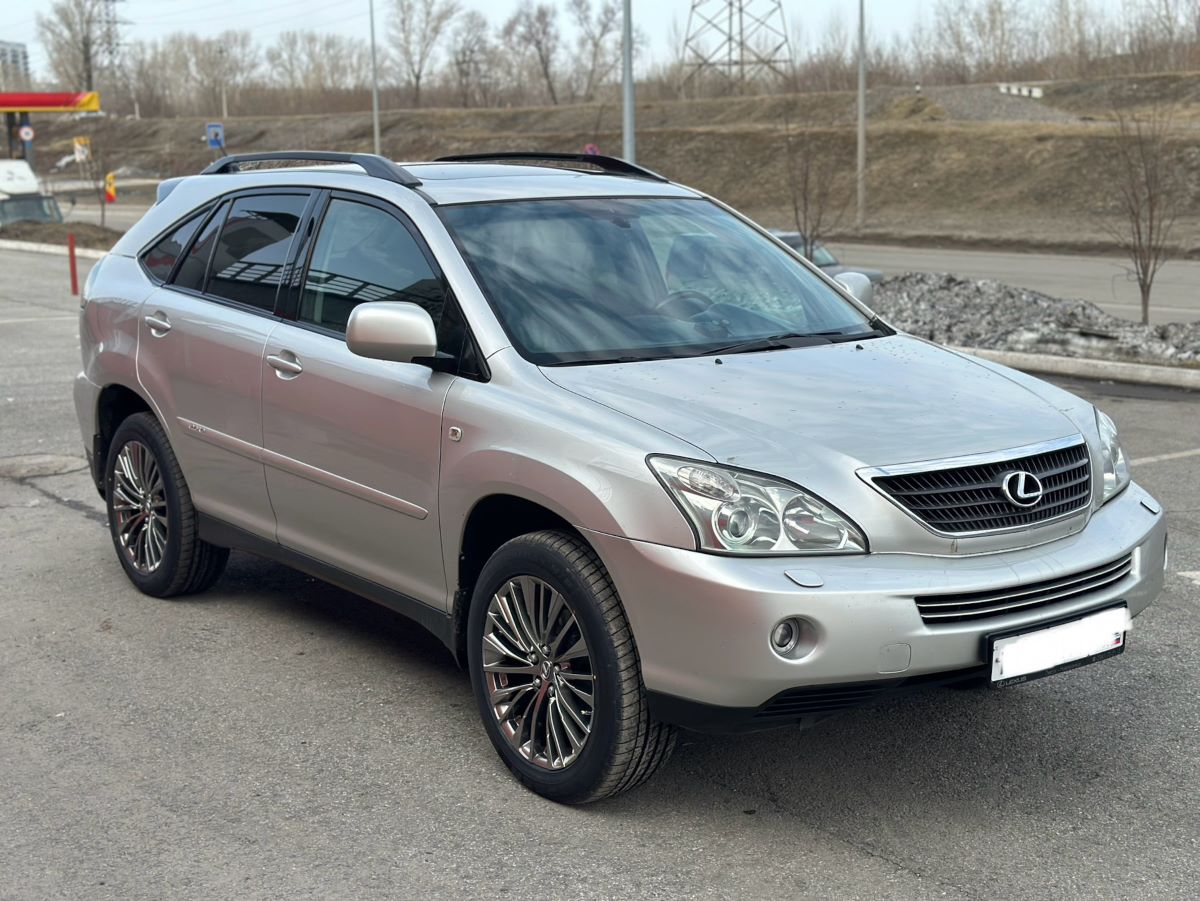
Lexus RX 400h (2006–2008)
The Lexus RX 400h offers a luxury hybrid experience while still maintaining a battery system that is relatively easy to refurbish. Despite its premium positioning, the underlying technology is similar to Toyota hybrids. This makes repairs more accessible than one might expect. Owners benefit from both the comfort of a luxury SUV and the practicality of a serviceable hybrid system.
The battery pack is modular and can be serviced by replacing individual cells. This reduces the need for full replacements and lowers maintenance costs. It also allows for precise repairs based on the condition of the battery. For those who prefer DIY work, this modularity provides a manageable approach to keeping the vehicle efficient.
Aftermarket support is strong due to shared components with other Toyota hybrids. This means parts are readily available and reasonably priced. Skilled technicians are often familiar with the system, making repairs straightforward. This widespread support increases the value and longevity of the vehicle.
The durability of the battery contributes to its refurbishment potential. Even after years of use, many packs can be restored through balancing and cell replacement. Proper maintenance can extend the battery’s lifespan by several years. This makes the RX 400h a practical option for luxury SUV buyers concerned about hybrid maintenance costs.
In addition to its hybrid system, the RX 400h offers comfort, reliability, and strong resale value. When the battery is properly maintained, it delivers a smooth and efficient driving experience. These qualities make it a unique choice in the used hybrid market, combining luxury, efficiency, and accessible maintenance.
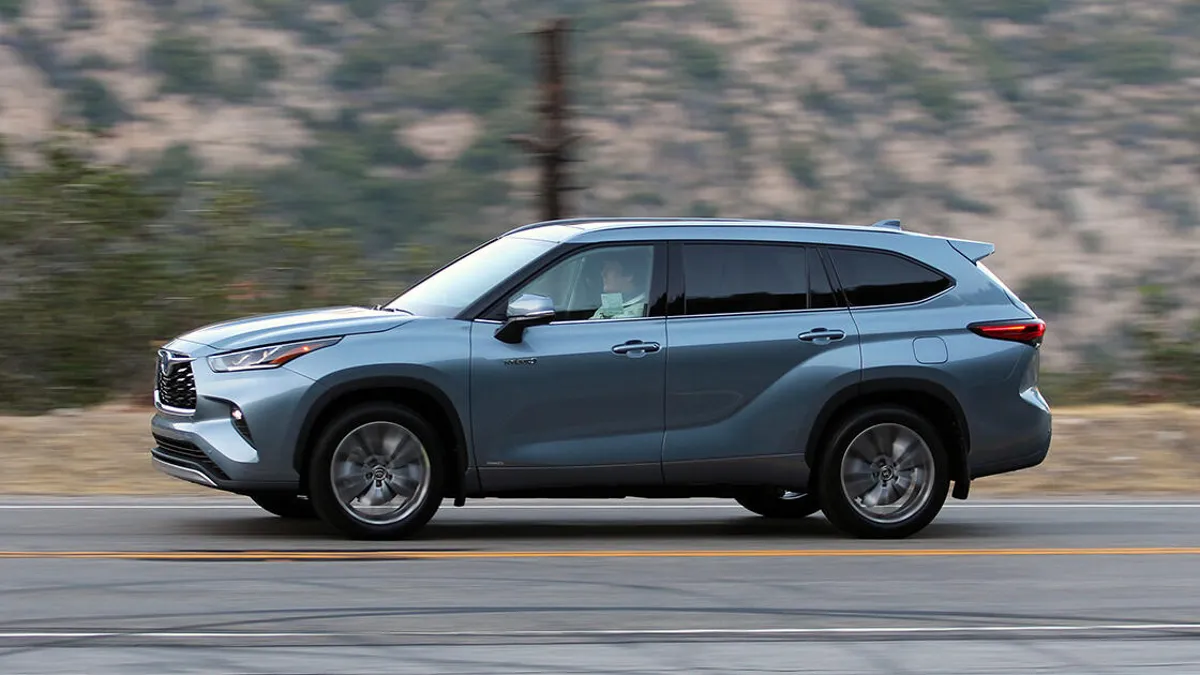
Toyota Highlander Hybrid (2006–2010)
The Toyota Highlander Hybrid is another SUV that benefits from a relatively simple and serviceable battery system. Its design allows for easier access compared to some newer hybrids. This accessibility makes refurbishment more practical and less intimidating for owners who want to maintain the vehicle themselves.
The battery modules can be individually tested and replaced, which reduces repair costs. This modular approach is a key factor in its affordability. Targeted replacement of weak cells is possible without removing the entire pack, making battery refurbishment manageable even for older vehicles.
There is strong aftermarket support for this model, with many suppliers offering refurbished modules. This ensures that parts are easy to obtain. Technicians and DIY enthusiasts alike benefit from the abundance of repair resources. Competitive pricing also keeps long-term ownership costs low.
The battery’s chemistry allows for reconditioning, which can restore performance. Proper cycling and cell balancing can bring a weakened battery back to near-original efficiency. This makes it possible to extend the life of the pack without major expense. Many owners successfully use refurbished batteries for years.
The Highlander Hybrid also offers the practicality of a larger vehicle. When combined with a maintainable hybrid system, it becomes a versatile choice. Families and long-distance commuters enjoy both the space and efficiency of the vehicle. Its balance of utility and low-cost maintenance makes it a popular used hybrid SUV.
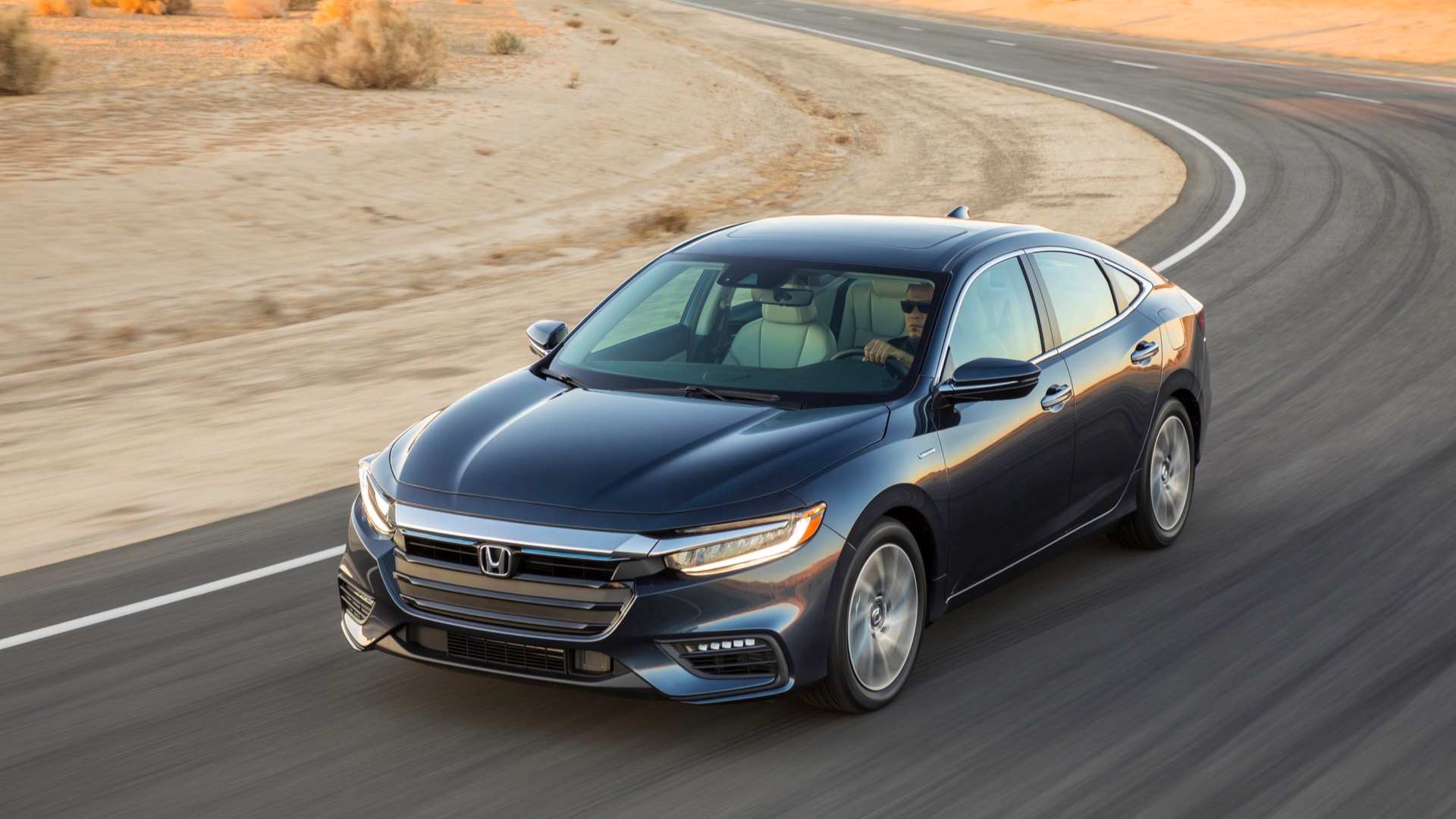
Honda Insight (2010–2014)
The second generation Honda Insight features a compact hybrid system that is relatively easy to work on. Its battery pack is smaller than those in larger hybrids, which simplifies handling and repair. This makes it a good option for beginners or those new to hybrid maintenance.
Replacement cells and refurbished packs are widely available due to the model’s popularity. This ensures that repairs can be completed without excessive cost. Access to affordable parts encourages long-term ownership and helps maintain the vehicle’s efficiency over time.
The battery can often be restored through balancing and partial replacement. This reduces the need for a full pack swap. Even minor refurbishment can restore significant energy capacity. Many owners report extended battery life when problems are addressed early.
Despite its simplicity, the hybrid system is effective in improving fuel efficiency. When the battery is functioning properly, the car delivers excellent mileage. This makes refurbishment a worthwhile investment for budget-conscious owners. Fuel savings can offset maintenance costs over the life of the vehicle.
The Insight’s design focuses on efficiency and practicality. With a maintainable battery system, it becomes an attractive choice for city driving or commuting. Affordable upkeep, combined with good fuel economy, makes it a smart option in the used hybrid market.
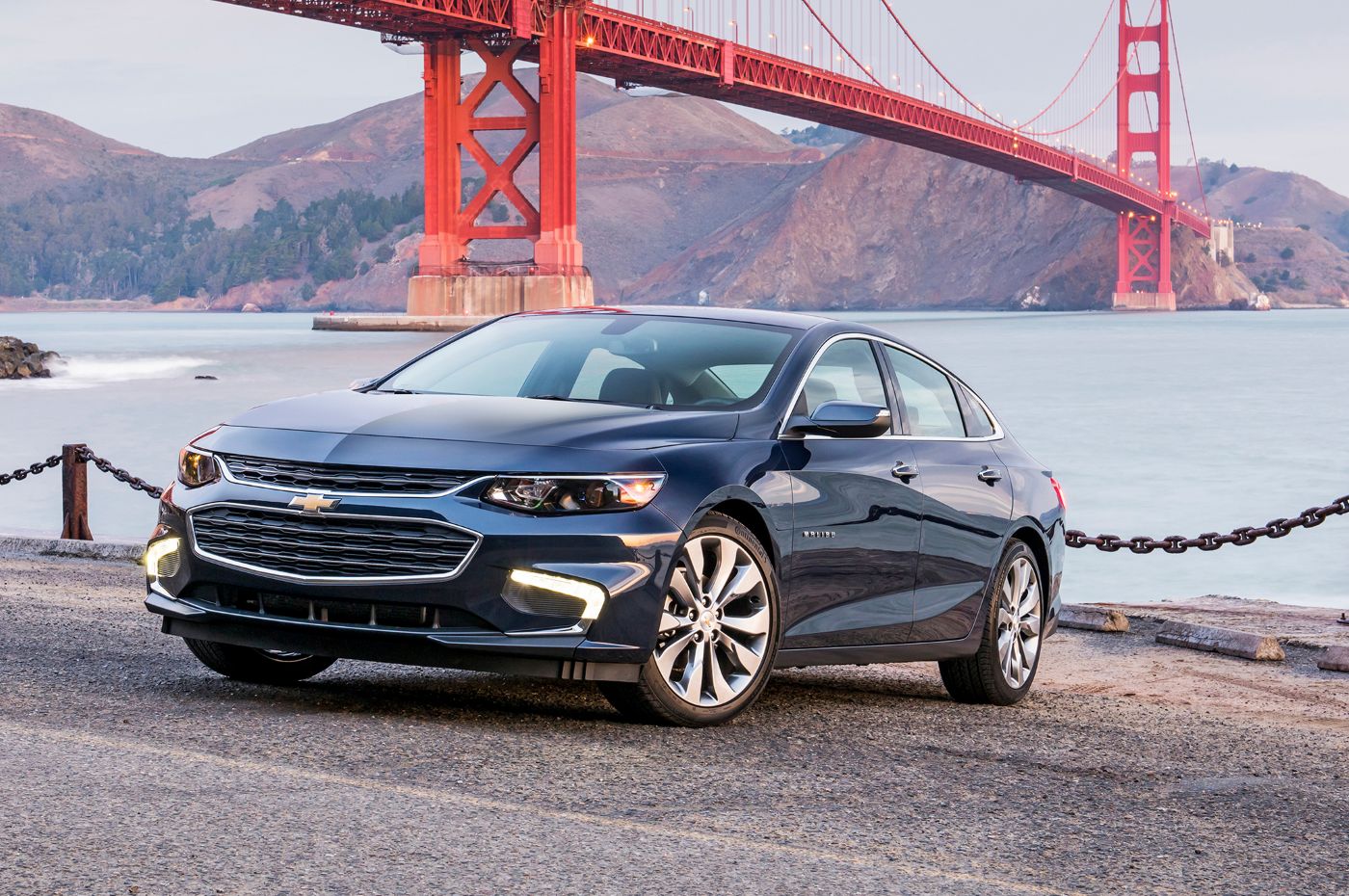
Chevrolet Malibu Hybrid (2008–2010)
The Chevrolet Malibu Hybrid from this period uses a mild hybrid system that is less complex than full hybrids. Its battery pack is smaller and easier to access. This simplifies both diagnosis and refurbishment. Owners benefit from a system that is approachable without specialized tools.
Because the system is less demanding, the battery experiences less stress over time. This can make refurbishment more straightforward. Modules can often be tested individually, and weaker cells replaced to restore performance. This approach avoids unnecessary replacement costs.
Replacement components are available at reasonable prices, and the system is relatively easy to understand. This makes it accessible to a wider range of mechanics. Labor costs can also be minimized, whether repairs are done professionally or as a DIY project.
The battery can often be restored through basic reconditioning techniques. This avoids the need for expensive replacements. Even partial refurbishment can extend the pack’s useful life. Many owners report reliable performance after minor battery work.
While it may not offer the same efficiency as full hybrids, it still provides noticeable fuel savings. When combined with easy maintenance, it becomes a practical option for commuters and families. The balance of low-cost upkeep and improved efficiency makes it appealing in the used car market.
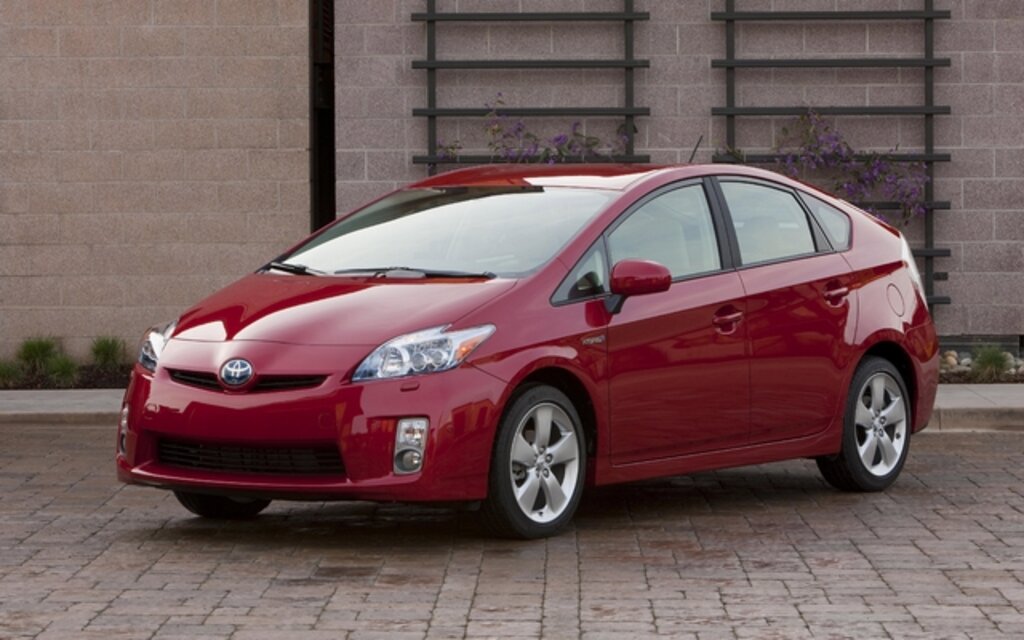
Toyota Prius C (2012–2017)
The Toyota Prius C is a smaller and more modern hybrid that retains a relatively simple battery system. Its compact design makes the battery easier to access and handle. This simplifies refurbishment efforts and makes the vehicle approachable for first-time hybrid owners.
The battery modules are similar to those found in other Toyota hybrids, which ensures compatibility with existing parts. This reduces costs and increases availability. DIY enthusiasts can leverage guides and kits developed for other Prius models. This familiarity improves the repair experience.
Reconditioning techniques can often restore battery performance, especially when issues are addressed early. This makes it possible to maintain the system without major expense. Many owners report regaining near-original capacity after balancing and replacing weak cells.
Aftermarket support for the Prius C is strong, with many suppliers offering replacement modules. This ensures that parts are easy to find and affordable. Technicians experienced with Toyota hybrids are common, which keeps maintenance simple. These factors reduce the long-term cost of ownership.
The vehicle itself is designed for efficiency and urban driving. When paired with a maintainable battery system, it becomes an excellent choice for city use. Its affordability, practicality, and serviceable battery make the Prius C a standout option among compact hybrids.
