
Hybrid vehicles have become an essential part of the automotive industry, combining fuel efficiency with technological innovation to create a more sustainable driving experience. Many hybrids utilize advanced powertrains that differ significantly from traditional gasoline engines, offering drivers a smoother and more efficient performance.
One key development in modern hybrids is the elimination of conventional transmissions, which have historically been points of mechanical failure. These vehicles rely on electric motors, planetary gear systems, or continuously variable transmissions that reduce wear and tear.
By removing the complexity of traditional gearboxes, manufacturers have improved reliability while maintaining performance. Drivers now have options that not only save fuel but also reduce the long-term maintenance costs associated with conventional transmissions.
The integration of these technologies allows hybrids to operate seamlessly between electric and gasoline power, offering quiet, responsive, and efficient driving in various conditions. This advancement is particularly valuable for those who prioritize both dependability and ease of use, as conventional transmissions often require attention and repairs over time.
Automakers have recognized the need for systems that minimize potential mechanical issues while maximizing energy efficiency. By using simplified and innovative drivetrain configurations, these hybrid vehicles achieve a balance between performance, reliability, and environmental responsibility.
The increasing availability of such models provides more choices for consumers seeking vehicles that perform consistently while requiring less maintenance. As technology continues to evolve, the trend toward eliminating traditional transmissions in hybrids is likely to expand, further shaping the automotive industry and redefining expectations for long-term vehicle reliability.
For buyers interested in sustainable options without sacrificing convenience, these modern hybrids represent a meaningful step forward. Their combination of electric and gasoline power sources ensures that efficiency and reliability coexist, offering drivers peace of mind and lower ownership costs.
The following vehicles exemplify this approach, showcasing how manufacturers have successfully implemented non-traditional transmission systems to improve the driving experience. These cars demonstrate that it is possible to maintain smooth performance, high efficiency, and reduced mechanical complexity through thoughtful engineering.
Each model on this list offers unique features, performance metrics, and design considerations that reflect the future of hybrid technology. By understanding the benefits of these systems, drivers can make informed choices and select vehicles that align with their expectations for reliability, sustainability, and convenience.
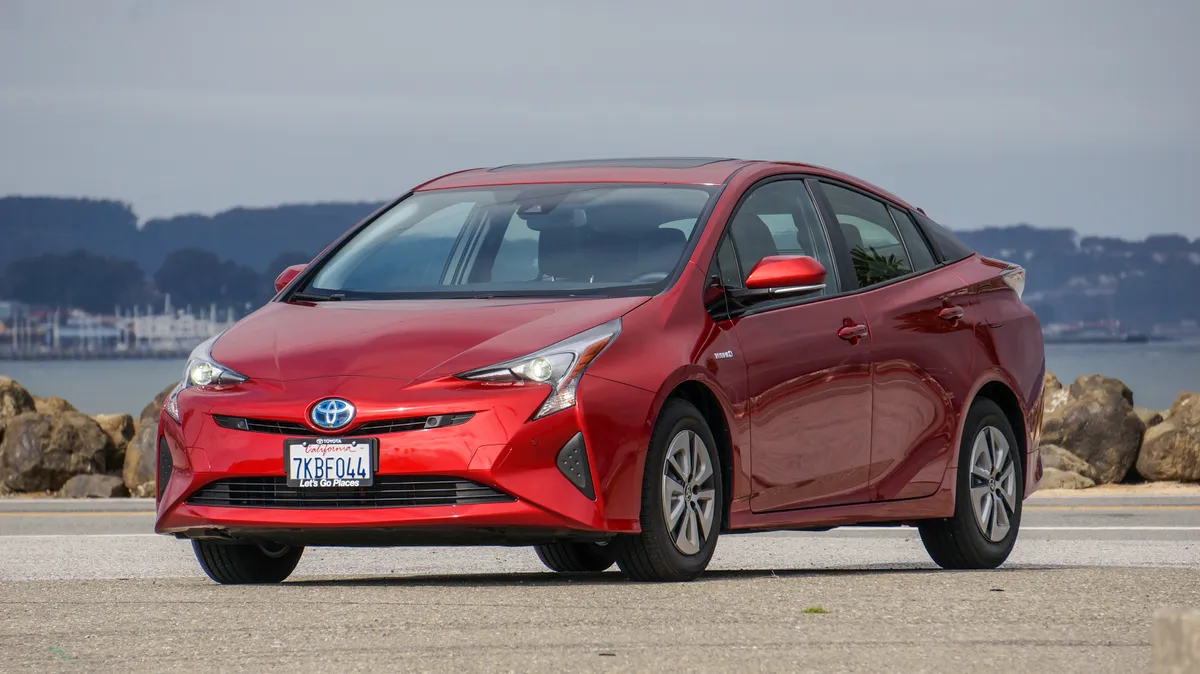
1. Toyota Prius
The Toyota Prius has long been a symbol of hybrid efficiency and reliability. Its hybrid system combines a gasoline engine with an electric motor that works seamlessly through a planetary gearset. By eliminating a traditional gearbox, it reduces points of mechanical failure while maintaining smooth acceleration. Owners experience a quieter and more consistent driving experience compared to conventional vehicles.
The planetary gearset allows both the electric motor and gasoline engine to operate together or independently. This flexibility improves fuel economy and reduces wear on mechanical components. It also allows the Prius to adapt to different driving conditions automatically. Drivers do not need to manage gear shifts, simplifying the driving experience.
The regenerative braking system captures energy during deceleration and stores it in the hybrid battery. This energy is then used to power the electric motor, improving efficiency. By avoiding a conventional transmission, the Prius reduces maintenance costs over the life of the vehicle. This system has proven reliability across millions of vehicles worldwide.
Toyota has continuously refined the Prius hybrid system over multiple generations. Improvements include better battery longevity, more efficient electric motors, and enhanced software control of the drivetrain.
These upgrades contribute to an even smoother and more predictable performance. Owners can rely on the Prius for both city commuting and longer highway trips without worrying about transmission issues.
The cabin offers features designed to complement the hybrid system, including energy flow monitors and efficiency feedback displays. Drivers can adjust habits based on real-time data to maximize fuel savings. The driving experience is quieter, smoother, and more relaxed than vehicles with traditional transmissions. The Prius sets a standard for hybrid reliability and long-term ownership satisfaction.
Safety and environmental sustainability are central to the Prius design. Lightweight materials, optimized aerodynamics, and low emissions contribute to reduced environmental impact. By eliminating the traditional transmission, Toyota has enhanced the car’s durability and reliability. Owners enjoy a low-maintenance vehicle that combines efficiency, comfort, and peace of mind.
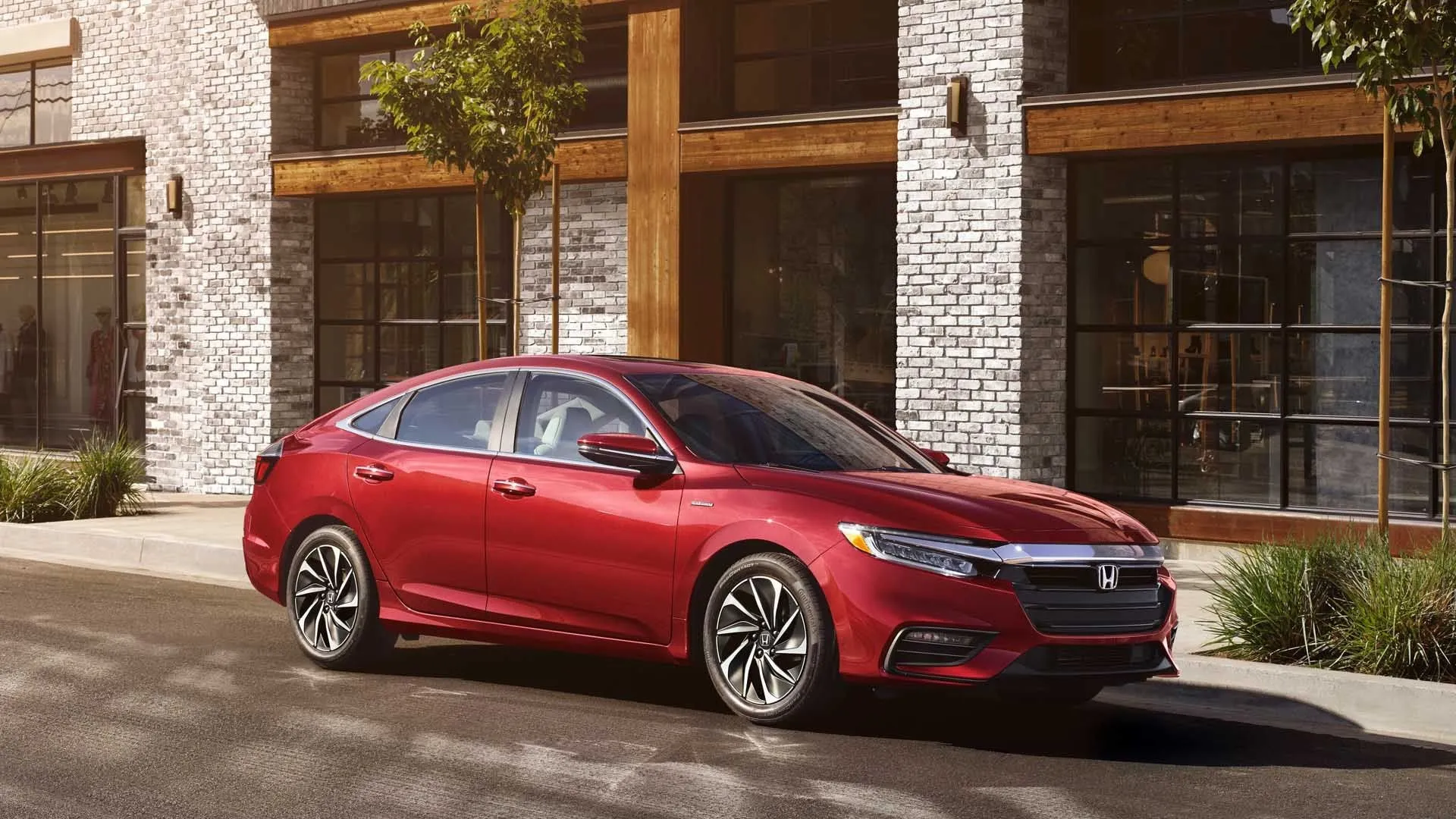
2. Honda Insight
The Honda Insight offers a hybrid experience that balances fuel efficiency with smooth performance. Its hybrid powertrain integrates a gasoline engine with an electric motor through a planetary gear system, avoiding a conventional transmission. This configuration reduces mechanical complexity and improves reliability over time. Drivers benefit from consistent acceleration and minimal maintenance.
The Insight uses intelligent energy management to seamlessly switch between gasoline and electric power. This ensures the engine operates efficiently under varying driving conditions. Without the need for gear shifting, mechanical wear is reduced, extending the system’s life. Noise and vibration are minimized, contributing to a comfortable ride.
The regenerative braking system recovers energy during deceleration and stores it for future use. This stored energy powers electric-only driving in city traffic. The absence of a traditional transmission allows the system to deliver power smoothly, without the interruptions caused by gear changes. This increases both reliability and driver comfort.
The Insight’s hybrid battery has been designed for long life, with cooling systems and management software to maintain performance. Drivers can expect predictable energy delivery and minimal maintenance over the life of the vehicle. Combined with fuel-efficient operation, this makes the Insight a dependable hybrid for daily commuting.
Inside, the Insight features displays showing energy flow and efficiency metrics. Drivers can observe how the hybrid system operates and make driving adjustments to improve fuel economy. The smooth, gearless driving experience reduces fatigue during long commutes. Reliability and performance are well balanced in this efficient vehicle.
Honda has prioritized safety and durability in the Insight, using high-strength materials and advanced safety systems. Combined with its simplified hybrid drivetrain, this ensures owners have a dependable and low-maintenance vehicle. The Insight demonstrates that careful engineering can deliver both reliability and efficiency in modern hybrids.
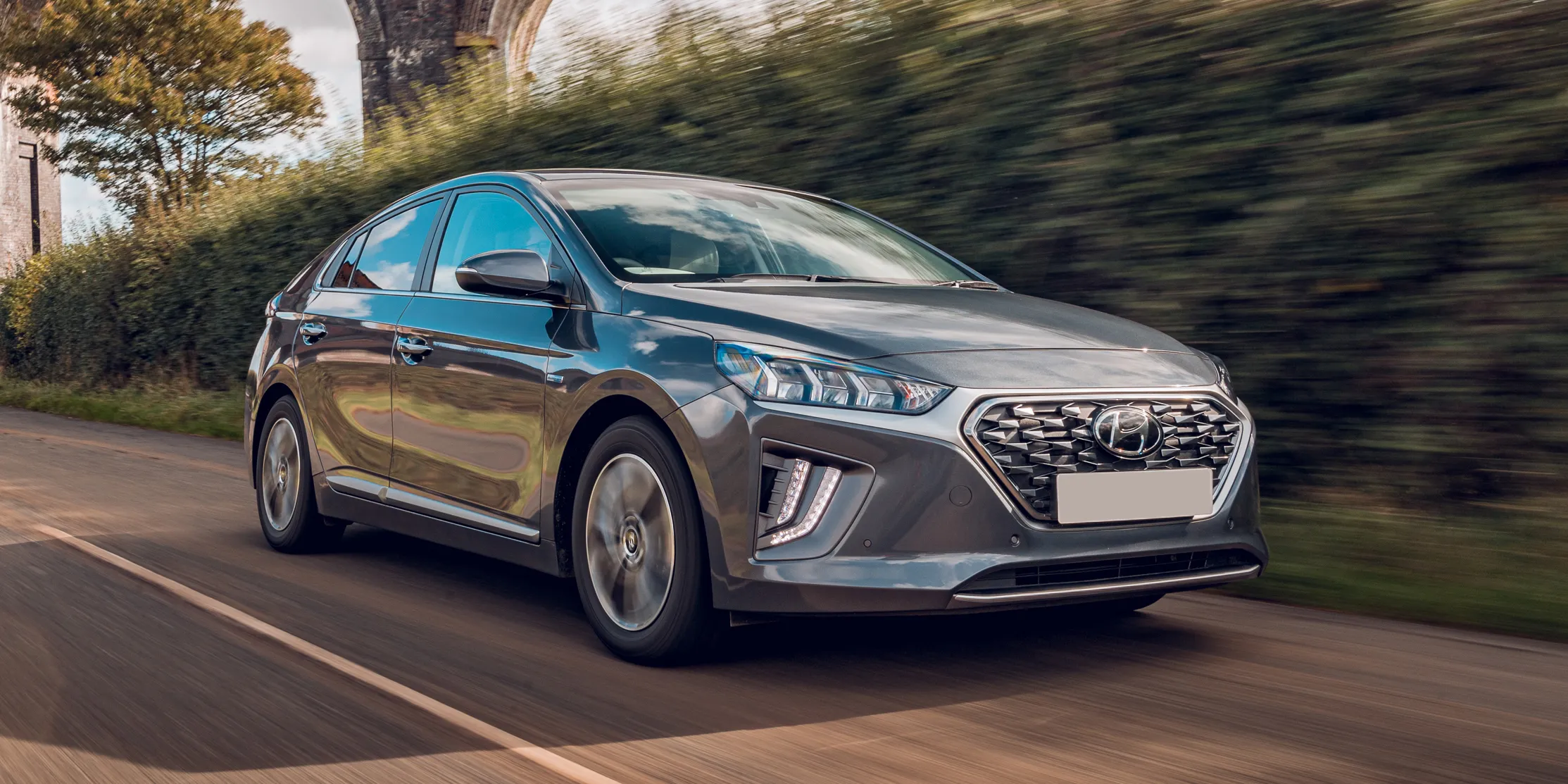
3. Hyundai Ioniq Hybrid
The Hyundai Ioniq Hybrid combines modern technology with reliability-focused engineering. Its hybrid system uses a gasoline engine paired with an electric motor, linked through a single-speed transmission. By avoiding a conventional gearbox, Hyundai has reduced mechanical complexity. Drivers enjoy smooth acceleration without interruptions caused by gear shifts.
The system automatically manages power distribution between the engine and electric motor. This ensures optimal performance while conserving energy. The simplified drivetrain reduces the potential for mechanical failures and extends vehicle lifespan. Its quiet operation also makes for a more comfortable ride.
Regenerative braking recaptures energy during deceleration and stores it in the hybrid battery. This energy powers short electric-only trips or assists the gasoline engine under higher demand. Without a traditional transmission, power delivery remains consistent and reliable. Owners can expect lower maintenance costs and minimal repairs.
The Ioniq’s battery management system monitors temperature and charging cycles to maintain long-term performance. Combined with Hyundai’s hybrid software, this ensures smooth operation under various conditions. The single-speed design eliminates many common mechanical issues associated with conventional transmissions.
Inside, the Ioniq provides energy flow displays and efficiency metrics to help drivers maximize fuel economy. Gearless acceleration creates a smoother experience, particularly in stop-and-go traffic. The vehicle emphasizes comfort, fuel efficiency, and reliable performance.
Hyundai has integrated safety and sustainability into the Ioniq, with lightweight materials and aerodynamic design improving both efficiency and durability. By removing a traditional transmission, Hyundai reduces mechanical stress and potential points of failure. This makes the Ioniq Hybrid a practical and long-lasting vehicle.
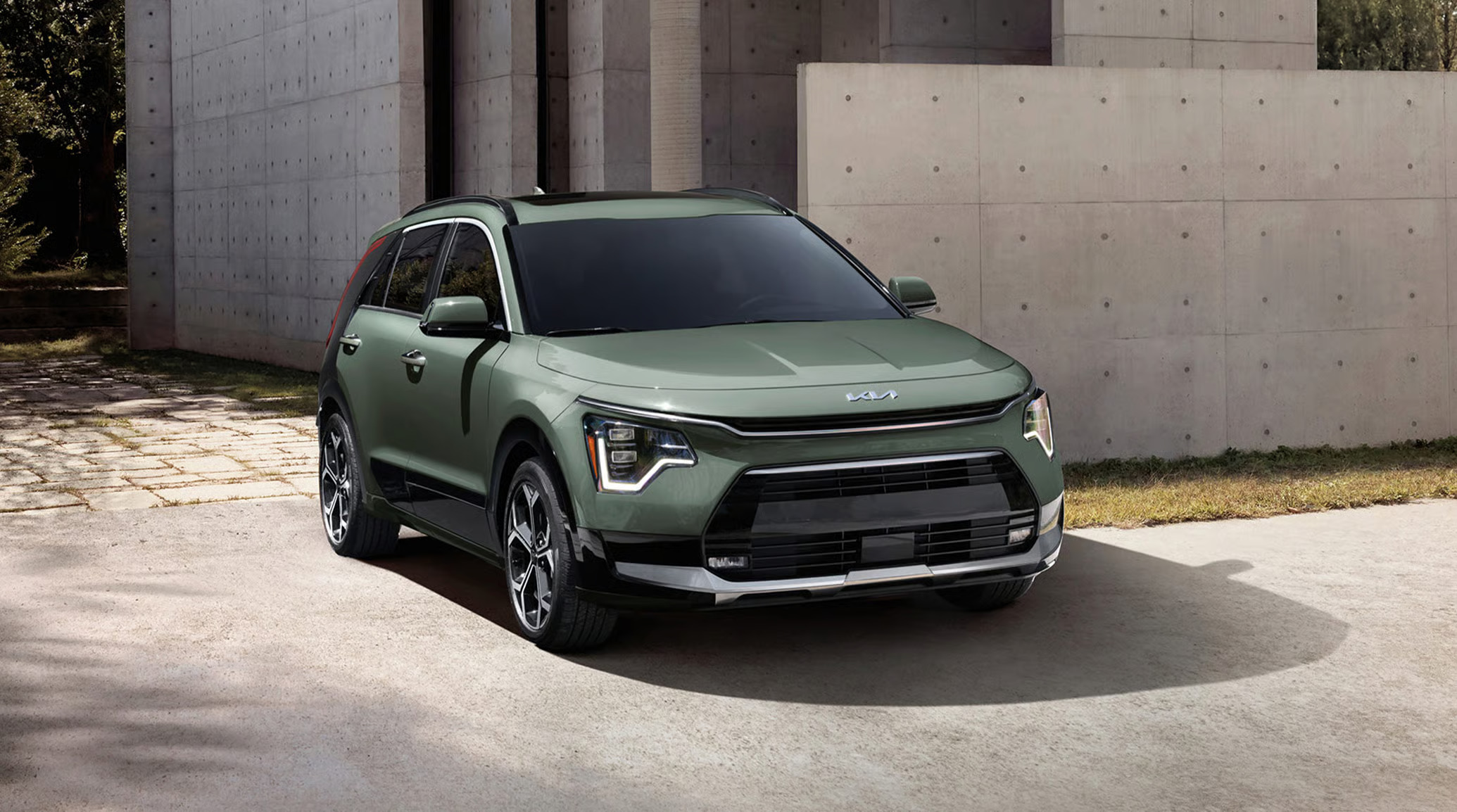
4. Kia Niro Hybrid
The Kia Niro Hybrid combines a gasoline engine and electric motor through a single-speed hybrid transmission. By removing the traditional gearbox, Kia has simplified the drivetrain, reducing mechanical complexity and increasing reliability. Drivers experience smooth and predictable acceleration in all driving conditions. Maintenance is simpler compared to conventional vehicles.
The hybrid system intelligently balances power between electric and gasoline sources. It automatically adjusts energy use for city or highway driving. Eliminating gear changes improves durability and reduces noise. Drivers can enjoy a stress-free experience, knowing that the system manages itself efficiently.
Regenerative braking captures energy that would otherwise be lost, storing it in the hybrid battery. This energy assists with low-speed driving and contributes to improved fuel efficiency. Without a traditional transmission, fewer mechanical failures occur over time. The system supports dependable, long-term operation.
The Niro’s battery and hybrid management systems are designed for longevity. Temperature control, optimized charging, and software monitoring contribute to smooth performance. The simplified design allows owners to focus on driving, not mechanical maintenance. Reliability and convenience are central to its design philosophy.
Inside, the Niro offers displays showing energy flow and efficiency, allowing drivers to monitor performance in real time. Smooth, gearless acceleration reduces stress in urban traffic and highway driving alike. Combined with a fuel-efficient hybrid system, the Niro is a dependable choice for daily use.
Kia has integrated safety features, aerodynamic design, and lightweight construction into the Niro. The absence of a traditional transmission reduces potential failure points, enhancing durability. The Niro demonstrates how hybrid efficiency and reliability can coexist effectively.
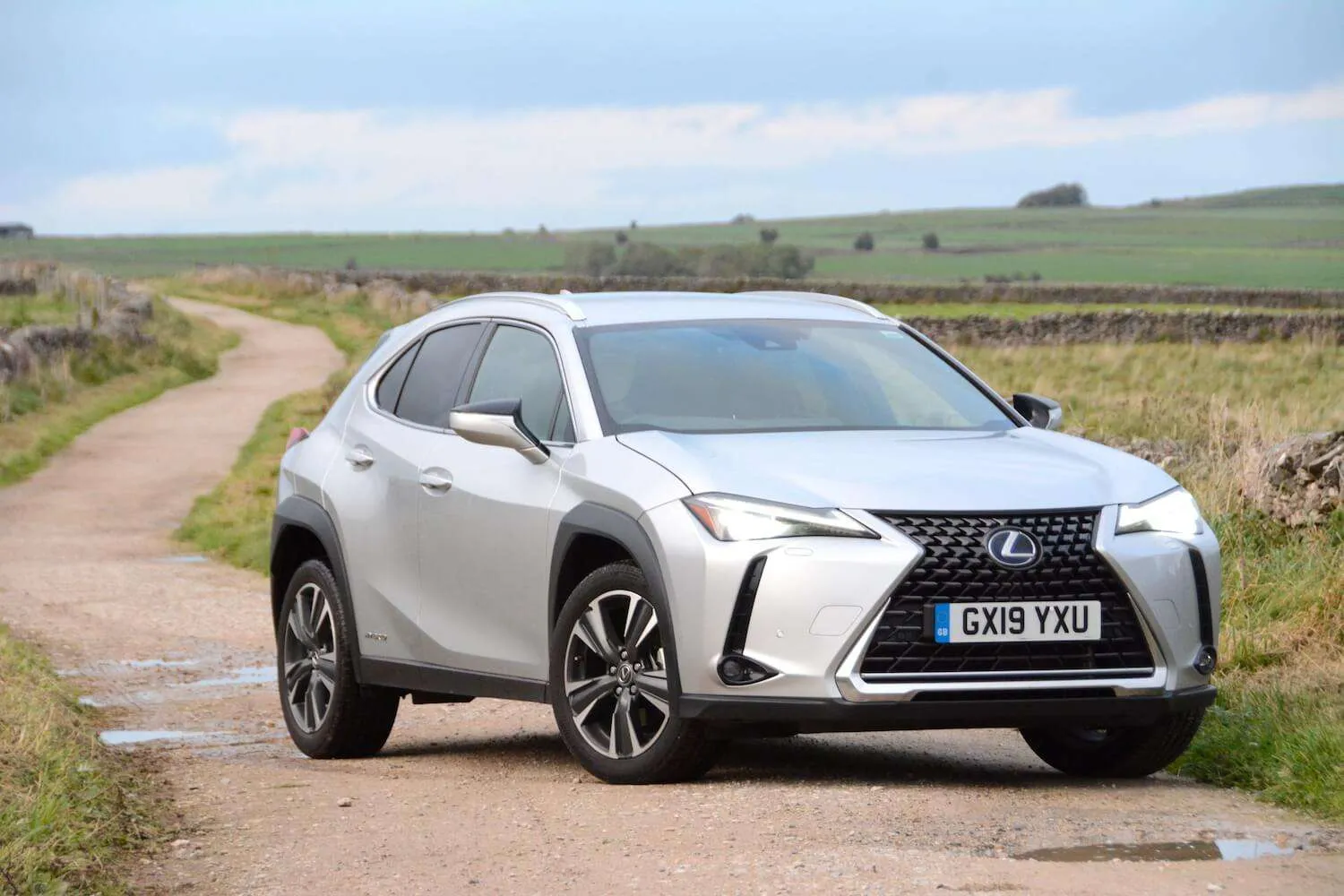
5. Lexus UX 250h
The Lexus UX 250h combines luxury and hybrid efficiency with a continuously variable transmission. This system eliminates conventional gear sets, reducing mechanical complexity and increasing reliability. Drivers experience seamless acceleration with a quiet cabin and responsive performance. The UX 250h balances performance, luxury, and durability.
Its hybrid system manages power between the gasoline engine and electric motor automatically. The continuously variable setup provides smooth energy delivery without gear changes. Maintenance focuses on hybrid components rather than transmission repairs. This ensures consistent performance and long-term reliability.
Regenerative braking captures energy during deceleration, storing it for electric-assisted driving. Short electric-only trips are supported in urban traffic. Removing conventional gears allows smooth, uninterrupted performance under different conditions. Drivers benefit from reliability, comfort, and predictability.
The hybrid battery is designed for longevity, with temperature management and advanced software. Combined with Lexus engineering, this ensures minimal maintenance and stable energy delivery. The gearless operation improves ride quality and reduces mechanical strain. Owners can trust the vehicle for years of consistent performance.
Inside, the UX 250h provides energy flow and efficiency displays to help drivers optimize hybrid use. Gearless acceleration contributes to a calm, enjoyable driving experience. Comfort, efficiency, and reliability are all prioritized, making this luxury hybrid a practical choice.
Lexus integrates safety systems, lightweight design, and environmental considerations into the UX 250h. By eliminating the conventional transmission, mechanical complexity is reduced. This contributes to long-term durability, lower maintenance, and a dependable hybrid experience.
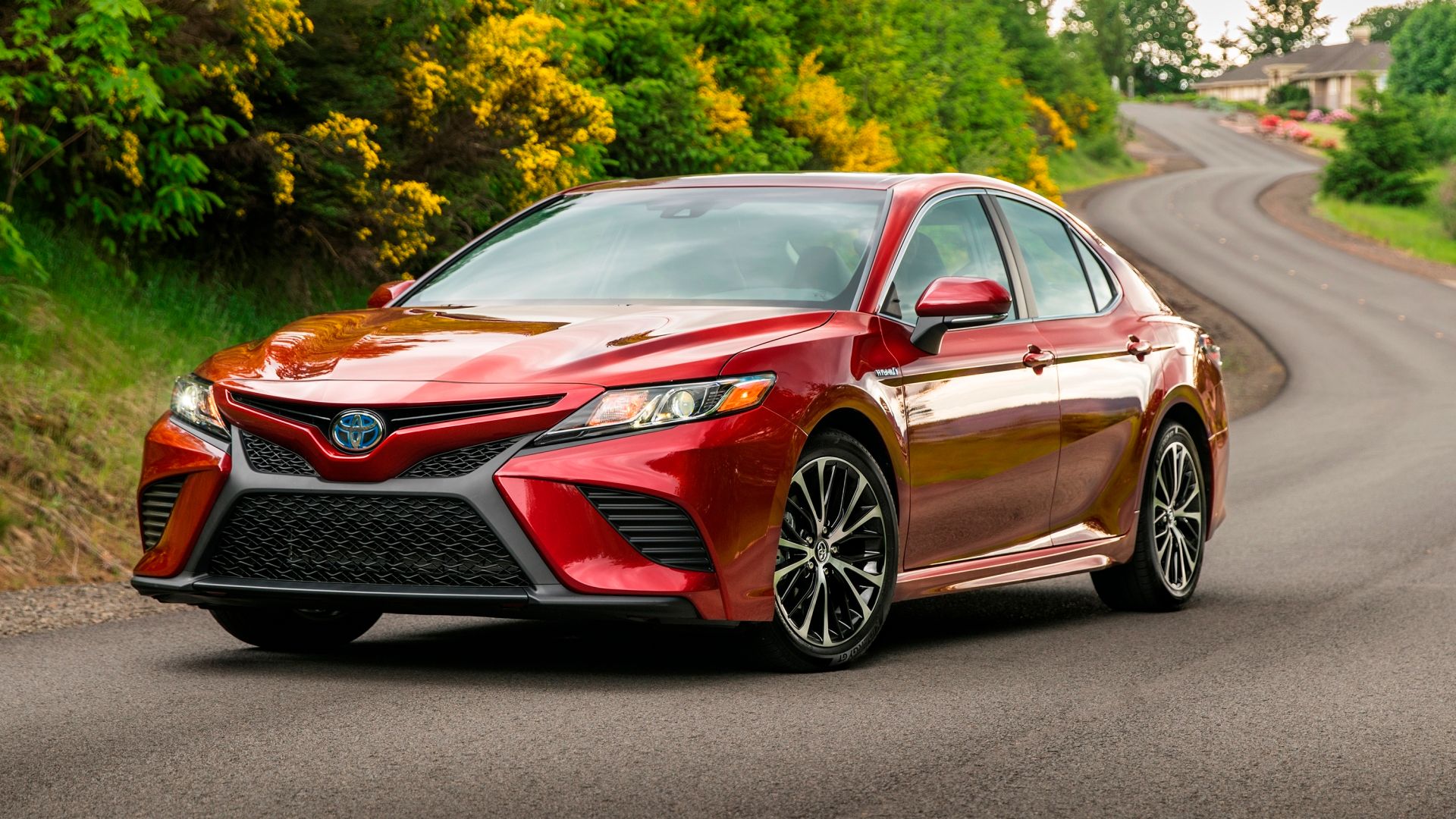
6. Toyota Camry Hybrid
The Toyota Camry Hybrid uses a refined hybrid system that avoids a conventional stepped transmission. Instead, it relies on an electronically controlled planetary gear system that blends engine and motor power. This setup reduces mechanical stress and improves long-term durability. Drivers experience smooth acceleration without noticeable gear changes.
The hybrid system intelligently distributes power between the electric motor and gasoline engine. This allows the vehicle to operate efficiently in both city traffic and highway cruising. Without traditional gears, there is less friction and fewer components that can wear out. This results in lower maintenance requirements over time.
Regenerative braking plays a key role in maintaining efficiency by capturing energy during deceleration. The stored energy supports the electric motor, reducing fuel consumption. The absence of a conventional transmission ensures consistent power delivery without interruptions. This contributes to a refined and predictable driving experience.
Toyota has engineered the battery system to last for many years with minimal degradation. Cooling systems and advanced software help maintain optimal performance. The simplified drivetrain reduces the risk of mechanical failures, making the Camry Hybrid a reliable option. Owners benefit from both efficiency and peace of mind.
Inside, the Camry Hybrid features displays that show energy flow and fuel efficiency data. Drivers can adjust their driving style to maximize savings. The smooth operation and quiet cabin enhance comfort during long journeys. Reliability and user-friendly technology are central to the design.
Safety features and structural design further enhance the vehicle’s appeal. Lightweight materials and aerodynamic shaping improve both performance and efficiency. By removing a traditional transmission, Toyota has created a system that emphasizes durability and ease of ownership. The Camry Hybrid stands as a dependable family sedan.
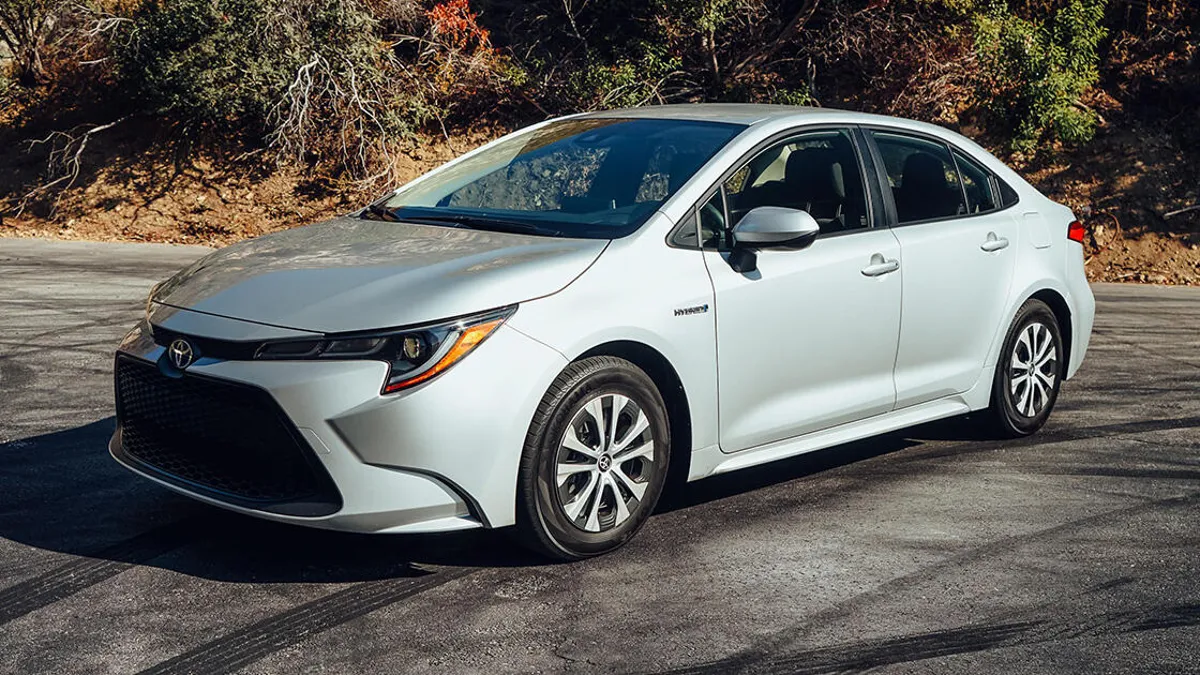
7. Toyota Corolla Hybrid
The Toyota Corolla Hybrid continues Toyota’s approach to eliminating traditional transmissions in favor of a planetary gear system. This design simplifies the drivetrain and enhances reliability. Drivers benefit from smooth and consistent power delivery in everyday use. The system operates quietly and efficiently in various driving conditions.
The hybrid system automatically balances power between the gasoline engine and electric motor. This ensures optimal efficiency without requiring driver input. By removing conventional gear shifts, the system reduces wear on internal components. This contributes to long-term dependability and lower maintenance costs.
Regenerative braking captures energy that would otherwise be lost and stores it in the battery. This energy is then used to assist the electric motor. The absence of a traditional transmission ensures uninterrupted acceleration. Drivers experience a seamless and comfortable ride in both urban and highway environments.
Toyota’s battery technology is designed for durability and consistent performance. Advanced monitoring systems maintain optimal temperature and charging levels. This helps extend the lifespan of the hybrid components. The simplified drivetrain further reduces potential points of failure.
The interior includes energy monitoring systems that provide real-time feedback. Drivers can track efficiency and adjust their habits accordingly. The quiet, gearless operation makes daily commutes more enjoyable. The Corolla Hybrid offers a practical and reliable solution for modern drivers.
Safety systems, efficient design, and proven hybrid technology make this vehicle a strong contender. By eliminating traditional transmissions, Toyota enhances both durability and performance. The Corolla Hybrid demonstrates how compact cars can deliver reliability and efficiency together.
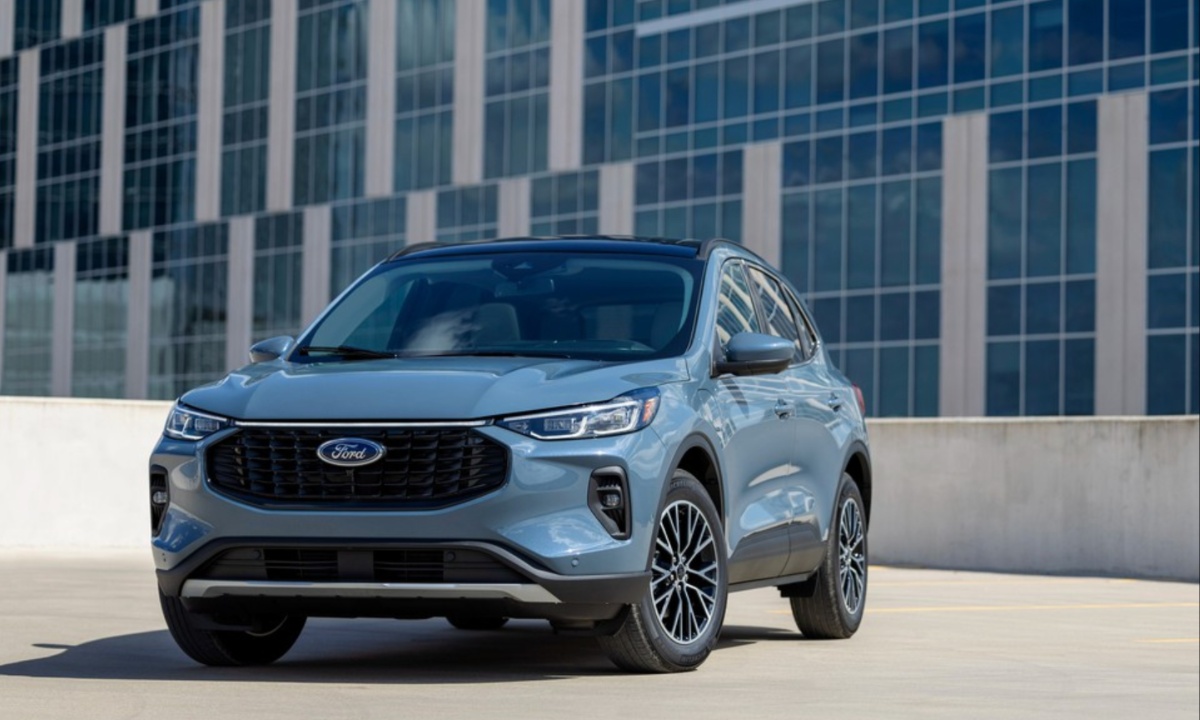
8. Ford Escape Hybrid
The Ford Escape Hybrid uses a power-split hybrid system that avoids a conventional transmission. This system combines a gasoline engine with electric motors through a planetary gear arrangement. The result is smooth power delivery and reduced mechanical complexity. Drivers benefit from consistent performance and improved reliability.
The hybrid system automatically adjusts power distribution based on driving conditions. This ensures efficient operation whether in city traffic or on highways. Without traditional gear shifts, the system reduces wear and tear on internal components. This leads to fewer maintenance concerns over time.
Regenerative braking enhances efficiency by capturing energy during deceleration. This energy is stored and used to support the electric motor. The absence of a conventional transmission ensures seamless acceleration. Drivers experience a smooth and predictable driving feel.
Ford has designed the hybrid battery and cooling systems for durability and long-term performance. Advanced software manages energy flow to maintain efficiency. The simplified drivetrain reduces potential mechanical failures. This makes the Escape Hybrid a reliable option for families and daily commuters.
Inside, the Escape Hybrid offers displays that show energy usage and efficiency data. Drivers can monitor how the hybrid system operates in real time. The quiet cabin and smooth acceleration contribute to a comfortable ride. Technology and reliability are well integrated.
Safety features, spacious design, and efficient engineering enhance the vehicle’s practicality. By eliminating a traditional transmission, Ford improves durability and reduces maintenance complexity. The Escape Hybrid is a versatile and dependable hybrid SUV.
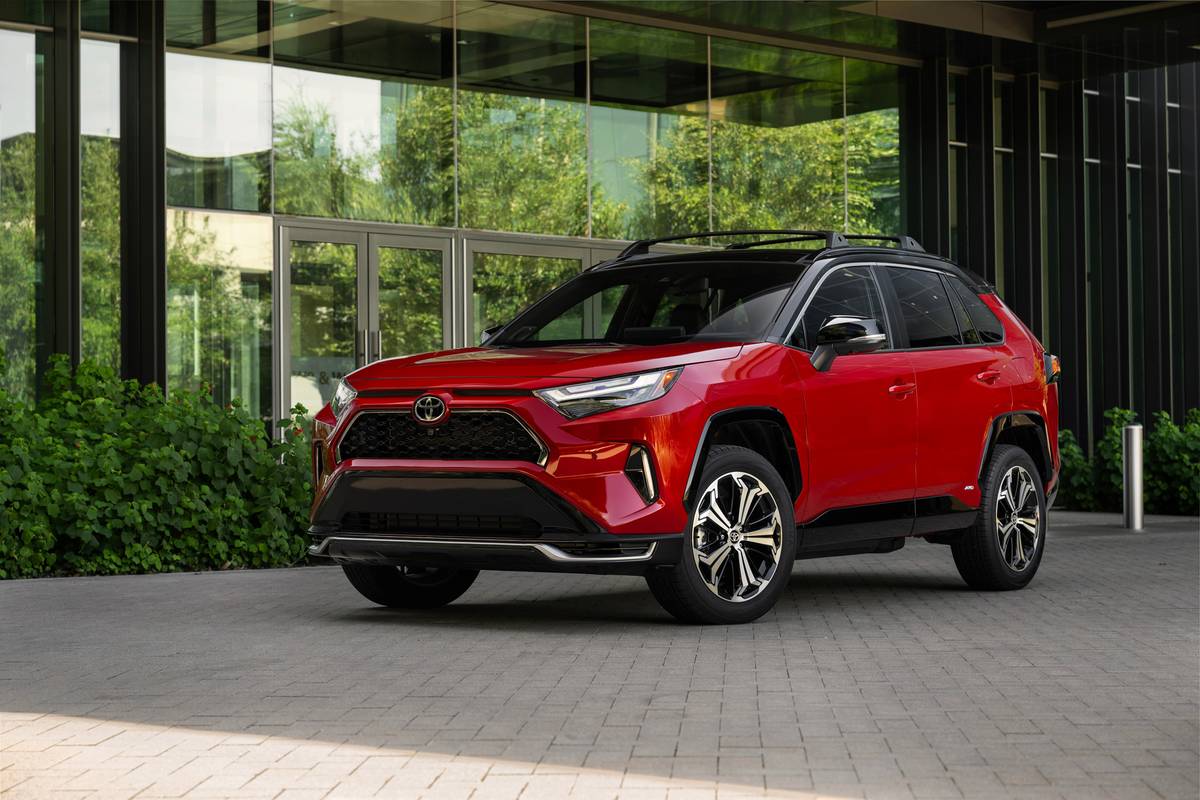
9. Toyota RAV4 Hybrid
The Toyota RAV4 Hybrid uses a hybrid system similar to other Toyota models, eliminating the need for a traditional transmission. It relies on an electronically controlled planetary gear system. This design improves reliability and ensures smooth power delivery. Drivers benefit from consistent performance across different terrains.
The system distributes power between the gasoline engine and electric motors efficiently. This allows for strong acceleration and improved fuel economy. Without conventional gears, the drivetrain experiences less mechanical stress. This contributes to long-term durability and reduced maintenance.
Regenerative braking captures energy and stores it in the battery for later use. This improves efficiency and supports electric driving when possible. The absence of a traditional transmission ensures uninterrupted power delivery. Drivers experience a refined and stable ride.
Toyota has designed the hybrid system to handle various driving conditions, including off-road situations. The battery and motor systems are built for durability and consistent performance. The simplified drivetrain reduces potential failure points. This makes the RAV4 Hybrid a reliable choice for diverse needs.
Inside, the RAV4 Hybrid provides energy monitoring and efficiency tracking features. Drivers can observe how the system operates and optimize fuel usage. Smooth, gearless acceleration enhances comfort and control. The vehicle combines practicality with advanced hybrid technology.
Safety, versatility, and efficiency define the RAV4 Hybrid. By removing the conventional transmission, Toyota improves reliability and reduces maintenance concerns. The RAV4 Hybrid stands out as a dependable SUV for modern lifestyles.
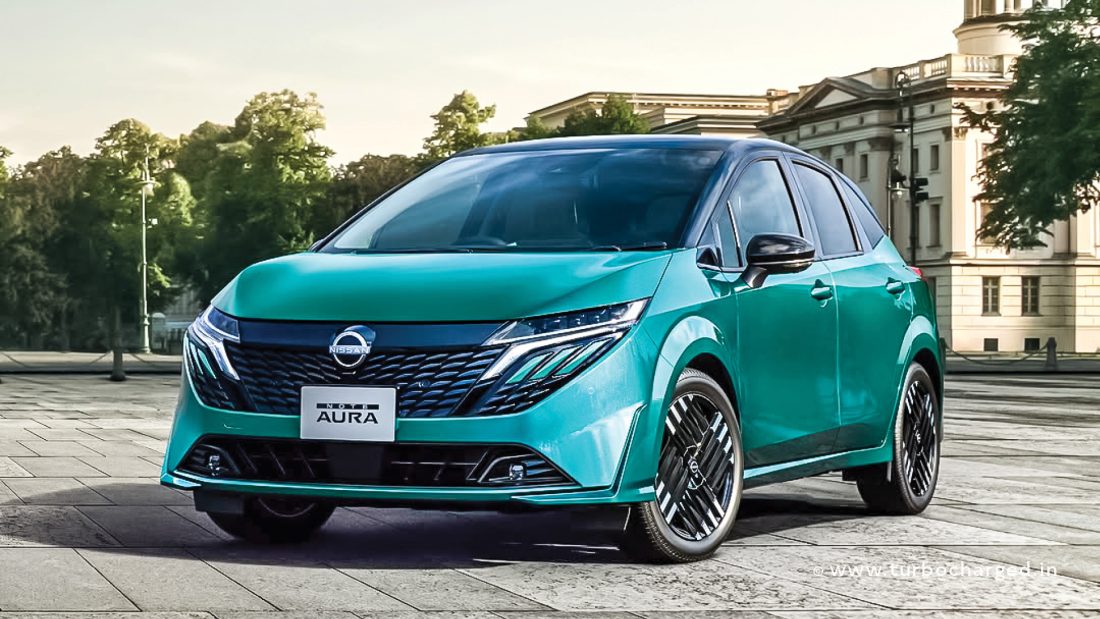
10. Nissan e-Power (Note / Kicks e-Power)
The Nissan e-Power system takes a different approach by eliminating a traditional transmission entirely. The gasoline engine acts only as a generator, while the electric motor drives the wheels. This removes the need for any conventional gearbox. Drivers experience instant torque and smooth acceleration.
The system operates like an electric vehicle, with the engine providing electricity when needed. This ensures consistent performance without gear changes. By removing mechanical connections between engine and wheels, wear is significantly reduced. This improves reliability and simplifies maintenance.
Regenerative braking captures energy and stores it in the battery. This energy powers the electric motor for efficient driving. The absence of a traditional transmission ensures a quiet and seamless experience. Drivers benefit from smooth and predictable performance in all conditions.
Nissan has engineered the system for durability, with advanced battery management and cooling systems. The simplified drivetrain reduces mechanical complexity and potential failures. This makes the e-Power system a practical and reliable option.
Inside, vehicles using this system provide energy flow displays and efficiency tracking. Drivers can understand how power is generated and used. The smooth, electric-like driving experience enhances comfort. Reliability and simplicity are key advantages of this design.
Safety features and efficient engineering complete the package. By eliminating the traditional transmission entirely, Nissan has created a system focused on durability and ease of use. The e-Power vehicles represent a unique and reliable approach to hybrid technology.
