
National parks across the United States cover millions of acres of forests, mountains, deserts, and wetlands, requiring a unique set of tools for those who protect them. Rangers are responsible not only for enforcing laws and regulations but also for ensuring visitor safety, maintaining trails, and managing wildlife populations.
Standard vehicles often cannot navigate the diverse terrain of these parks, which includes steep inclines, rocky paths, deep snow, and remote backcountry roads. Consequently, specialized vehicles have been developed or adapted to meet the rigorous demands of park work, providing rangers with mobility, safety, and the capacity to transport both equipment and people efficiently.
These vehicles are often rugged, reliable, and equipped with modifications that make them suitable for off-road travel, emergency response, and environmental monitoring. They are designed with practical features such as enhanced suspension, four-wheel drive, heavy-duty tires, and storage compartments that can carry essential gear.
In some cases, vehicles have been adapted to support wildlife research, including tracking equipment, GPS units, and first aid supplies for injured animals. Other vehicles are configured for water and snow conditions, allowing rangers to reach otherwise inaccessible areas. These innovations allow park personnel to respond quickly to accidents, fires, or poaching incidents, which can occur in areas far from conventional roads.
Beyond functional design, these vehicles also symbolize the role of the National Park Service in protecting natural resources. Some are painted with recognizable markings that establish authority and reassure visitors, while others are built to minimize environmental impact through fuel efficiency or hybrid engines.
The choice of vehicle often reflects the specific conditions of the park, whether it is the deserts of Joshua Tree, the snowy peaks of Yellowstone, or the dense forests of the Great Smoky Mountains. Rangers rely on these vehicles daily, and their presence ensures that conservation efforts can continue even in the most remote locations.
The combination of practicality, durability, and adaptability makes these vehicles an essential part of park operations. Many vehicles have gained recognition for their unique designs, showcasing engineering that balances performance with environmental stewardship.
They are tools for enforcement, rescue, research, and transportation, making them central to the mission of national parks. Their development has involved collaboration between vehicle manufacturers, park officials, and engineers who understand the needs of the terrain and the challenges of conservation work.
Over time, these vehicles have become part of the cultural image of park rangers, appearing in photographs, documentaries, and educational programs. Visitors often associate them with safety and assistance, while rangers depend on their reliability under demanding conditions.
As parks face increasing visitation and environmental challenges, the importance of these vehicles continues to grow, demonstrating how design and function come together to support the ongoing protection of America’s natural treasures.
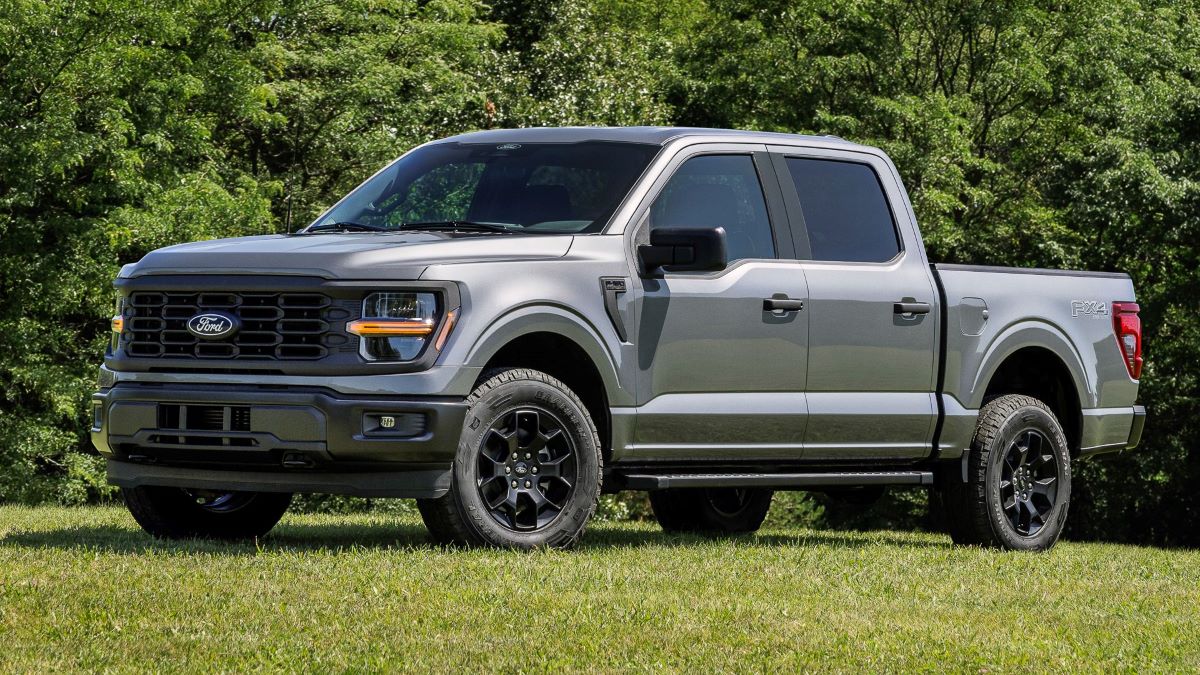
1. Ford F-150
The Ford F-150 has long been a staple for heavy-duty work, and the National Park Service version takes it further. This pickup features reinforced suspension to handle rough trails while maintaining stability with heavy loads. Its four-wheel-drive system allows rangers to access remote areas that standard vehicles cannot reach.
Specialized storage compartments have been added to carry first aid kits, rescue tools, and wildlife tracking equipment. Emergency lighting and communication systems are integrated without compromising the vehicle’s off-road capability. These features ensure that park rangers can respond to incidents quickly and safely.
The truck’s engine has been tuned for both power and efficiency, giving it the ability to tow trailers or transport injured animals if necessary. Its robust frame protects passengers and equipment from damage while driving on unpredictable terrain. Interior seating is designed to provide comfort during long patrols through vast parklands.
Maintenance of the vehicle has been optimized for longevity in demanding environments. Components such as brakes, tires, and suspension are reinforced to withstand continuous heavy-duty use. Rangers benefit from reliable performance, reducing downtime caused by vehicle failures.
Aesthetically, the truck is painted in forest green with National Park Service logos. This visual identification reassures visitors while signaling authority. The F-150 serves as both a practical work vehicle and a recognizable symbol of ranger presence in national parks.
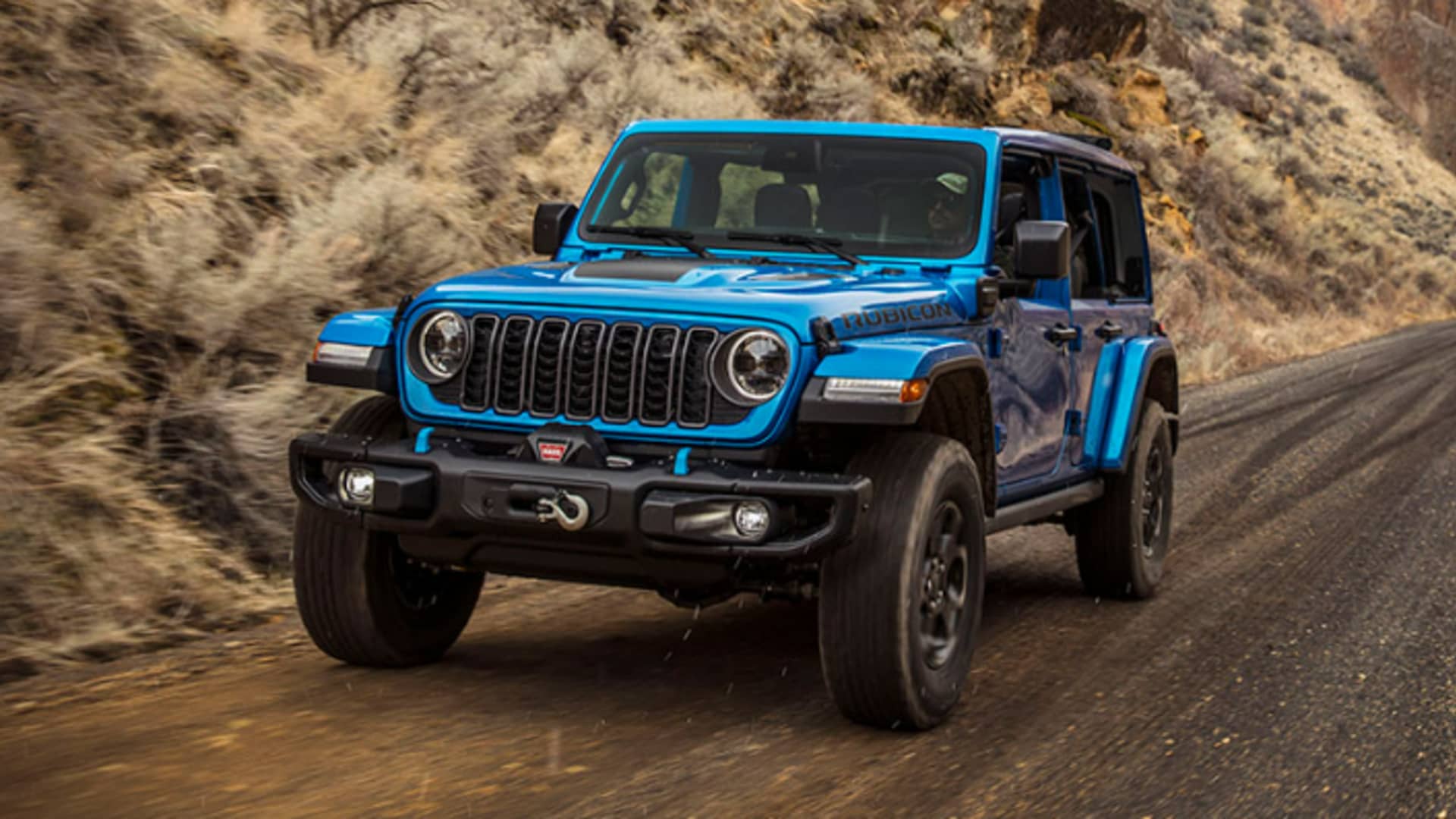
2. Jeep Wrangler
The Jeep Wrangler has been customized for park operations, combining maneuverability with rugged durability. Its compact size allows access to narrow trails and dense forest areas where larger vehicles cannot fit. Four-wheel drive and high ground clearance are essential for rocky or muddy paths.
Rangers rely on the Wrangler for wildlife monitoring, equipped with mounts for cameras and GPS tracking devices. Storage areas inside the vehicle are designed to hold gear securely without interfering with passenger space. Visibility has been enhanced through raised seating and additional lighting.
Engine modifications provide sufficient torque for climbing steep slopes, while the suspension absorbs shocks from uneven terrain. Off-road tires are standard, providing stability in wet, sandy, or snowy conditions. These features make the vehicle reliable during long shifts in isolated areas.
The Wrangler also includes safety adaptations, such as reinforced bumpers and roll cages. These modifications protect rangers when navigating unpredictable routes. Communication equipment is installed to maintain contact with park headquarters.
The exterior design features earthy tones and the National Park Service insignia. This helps visitors recognize official vehicles and ensures that the Jeep maintains a professional presence. The Wrangler combines utility and visibility, making it ideal for diverse park environments.
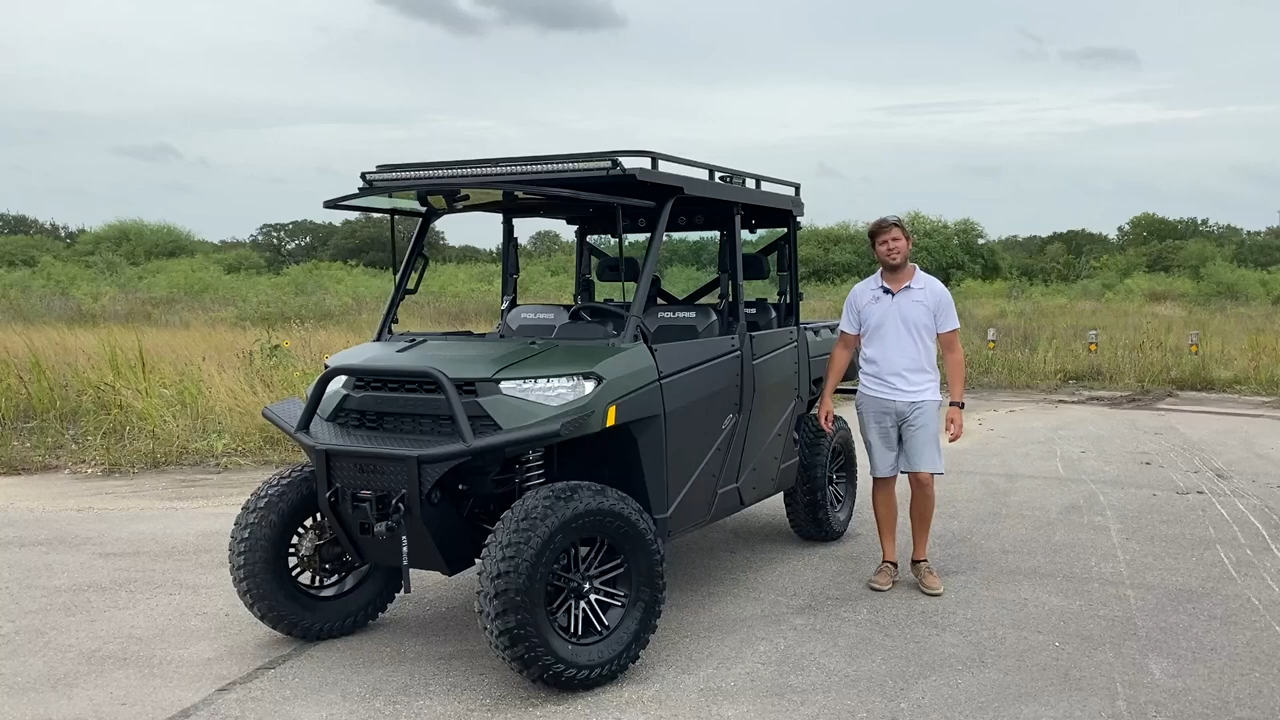
3. Polaris Ranger
The Polaris Ranger has become a versatile tool for rangers, particularly in backcountry operations. This utility vehicle is smaller than traditional trucks but provides robust off-road capabilities. Its low weight allows it to traverse fragile ecosystems without causing damage.
It features an open design that allows rangers to carry equipment, supplies, and small wildlife safely. The cargo bed is reinforced for heavy loads and equipped with tie-downs to secure gear. Custom racks can hold tools for trail maintenance or emergency response.
The Ranger’s suspension and drivetrain are designed for uneven terrain, including mud, rocks, and streams. Its compact frame makes it ideal for narrow or overgrown paths. Rangers can quickly maneuver through areas inaccessible to larger vehicles.
Environmental sensors and GPS systems can be installed to monitor park conditions. This makes the vehicle useful for research and conservation tasks. Its versatility ensures that it can be adapted for multiple purposes depending on park requirements.
The vehicle is often painted in muted green or brown tones to blend with natural surroundings. This reduces the visual impact while still signaling authority. It offers mobility, efficiency, and a low environmental footprint for daily ranger operations.
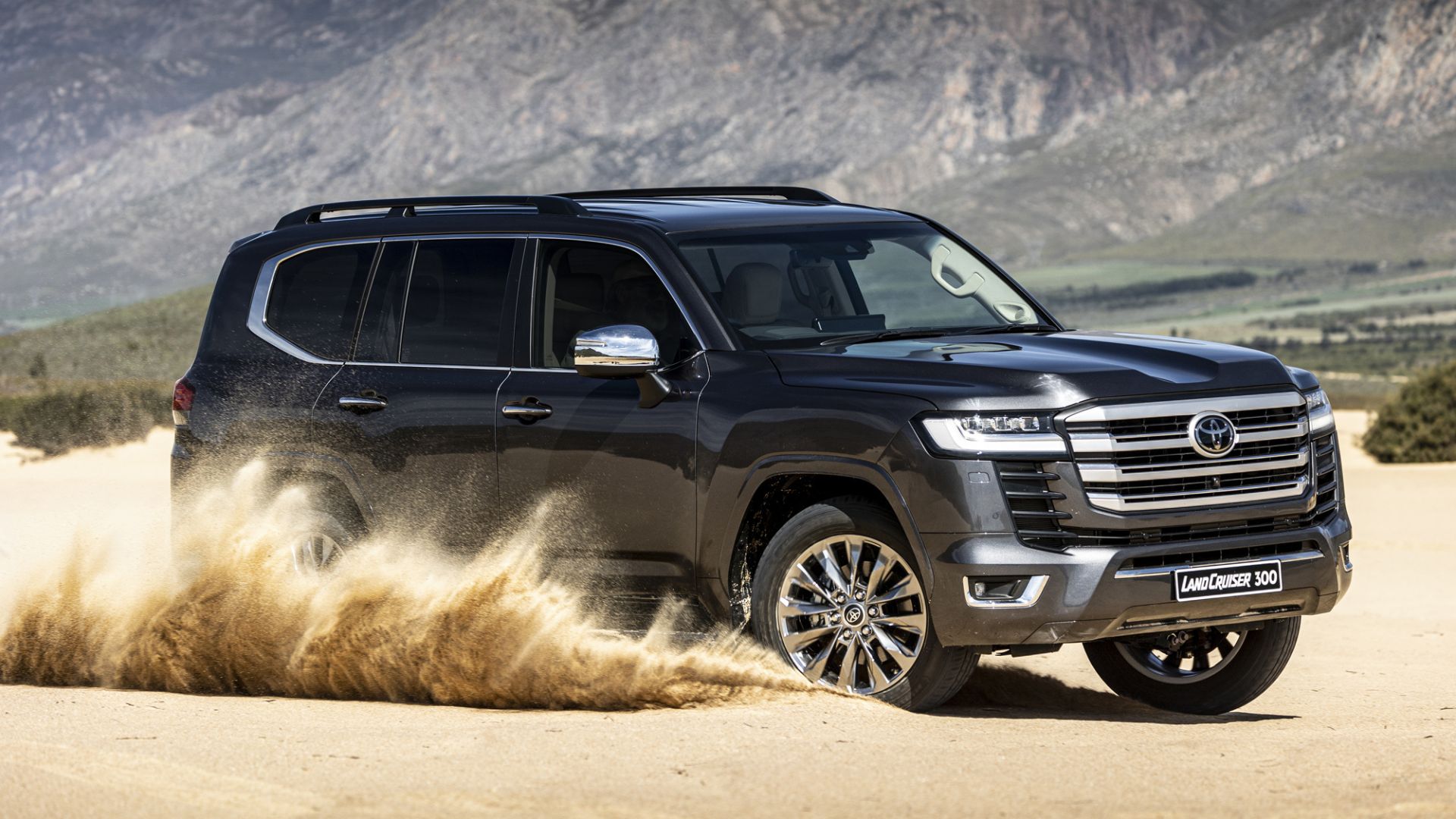
4. Toyota Land Cruiser
The Toyota Land Cruiser is renowned for durability and long-distance reliability, making it ideal for expansive parks. The NPS version includes reinforced undercarriage protection to handle rough terrain and steep inclines. Its four-wheel-drive system is optimized for soft soils and rocky paths.
Rangers use it for transporting personnel, visitors, and critical supplies over long distances. Interior modifications allow for comfortable seating and easy access to storage compartments. This ensures that rangers can remain operational throughout extended patrols.
Engine enhancements provide both power and fuel efficiency. The Land Cruiser can carry additional equipment, including emergency medical supplies, while maintaining performance in remote locations. Its robust design ensures minimal breakdowns in harsh conditions.
Safety features include reinforced doors, heavy-duty bumpers, and emergency lighting. These adaptations allow the vehicle to navigate safely while responding to incidents. Communication equipment maintains connectivity in areas with limited signal.
Its exterior displays the National Park Service emblem, increasing visibility and authority. The Land Cruiser combines long-range capability, off-road performance, and reliability, making it essential for large-scale park operations.
5. Chevrolet Tahoe
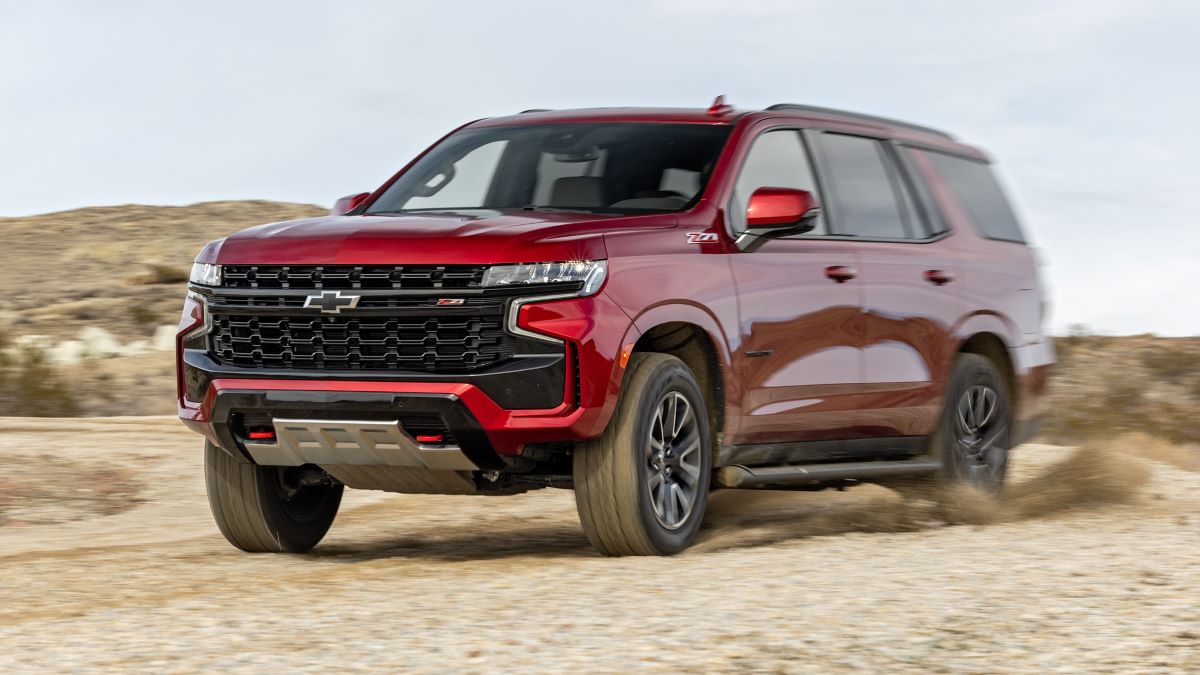
The Chevrolet Tahoe is adapted for park patrol with enhanced off-road capabilities and storage options. Its larger frame allows for carrying multiple passengers while transporting necessary equipment. Four-wheel drive and suspension modifications improve performance in uneven terrain.
Rangers use the Tahoe for visitor safety, transporting staff during emergencies, and patrolling larger park areas efficiently. Its engine power ensures that the vehicle can navigate steep inclines or towing requirements. Interior modifications prioritize comfort and accessibility.
Emergency systems, including sirens and lighting, are integrated without reducing cargo space. This allows rangers to respond quickly while maintaining storage for essential gear. Heavy-duty tires improve traction and reduce maintenance frequency.
The Tahoe also provides space for wildlife transport when necessary. Its interior can be configured to safely carry injured animals or research specimens. These adaptations make it versatile for a range of park operations.
Aesthetically, the vehicle is painted in forest tones with official insignia, providing authority and visibility. Its combination of space, power, and reliability makes it a key asset for ranger teams in larger parks.
6. Ford Transit
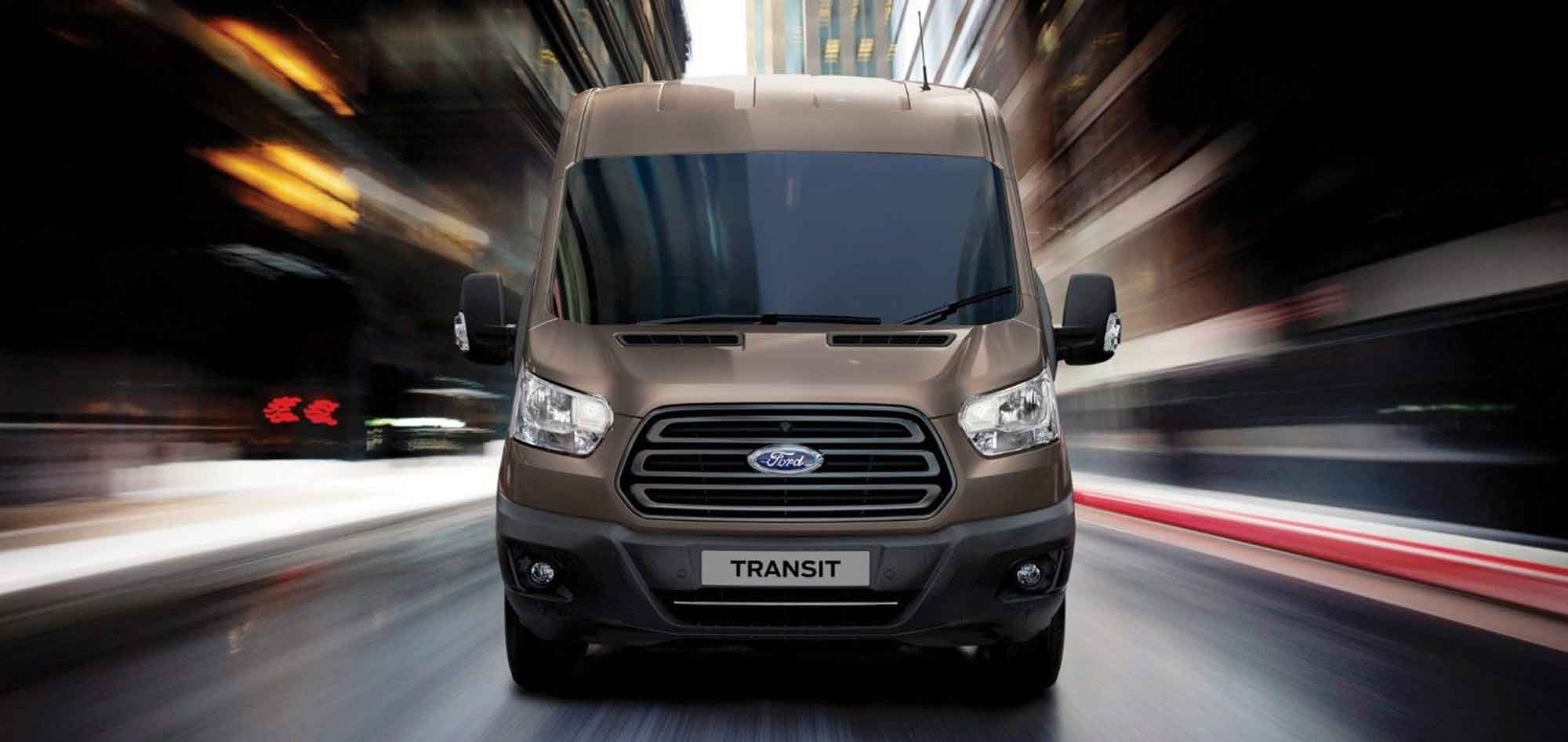
The Ford Transit adapted for National Park Service use functions as a mobile command center. It provides rangers with a base of operations during emergencies or large-scale events. Inside, the vehicle is equipped with communication systems, computers, and storage for essential documents and maps. Its interior layout allows teams to coordinate efficiently without returning to headquarters.
The Transit is modified with reinforced suspension and heavy-duty tires, allowing it to reach locations that standard vans cannot access. This is essential for areas affected by storms, fires, or other natural events where quick deployment is crucial. The vehicle’s elevated frame also improves visibility for personnel inside, helping rangers monitor surrounding areas effectively.
Storage compartments are designed to carry emergency supplies, including medical kits, rescue tools, and portable generators. The flexibility of the interior space allows for temporary workstation setups, making it easier to manage field operations. Rangers can use it as a hub for both rescue missions and wildlife research.
The van’s engine is optimized for carrying heavy loads while maintaining fuel efficiency over long distances. These modifications allow it to transport equipment to remote sites without frequent refueling. Additionally, the Transit’s design minimizes maintenance disruptions, ensuring continuous operational readiness in demanding environments.
The exterior is painted in recognizable green and white with the National Park Service emblem clearly displayed. This ensures visibility and authority, signaling to visitors that the vehicle is part of official park operations. The Transit combines mobility, functionality, and command capability in one versatile package.
7. Arctic Cat Prowler
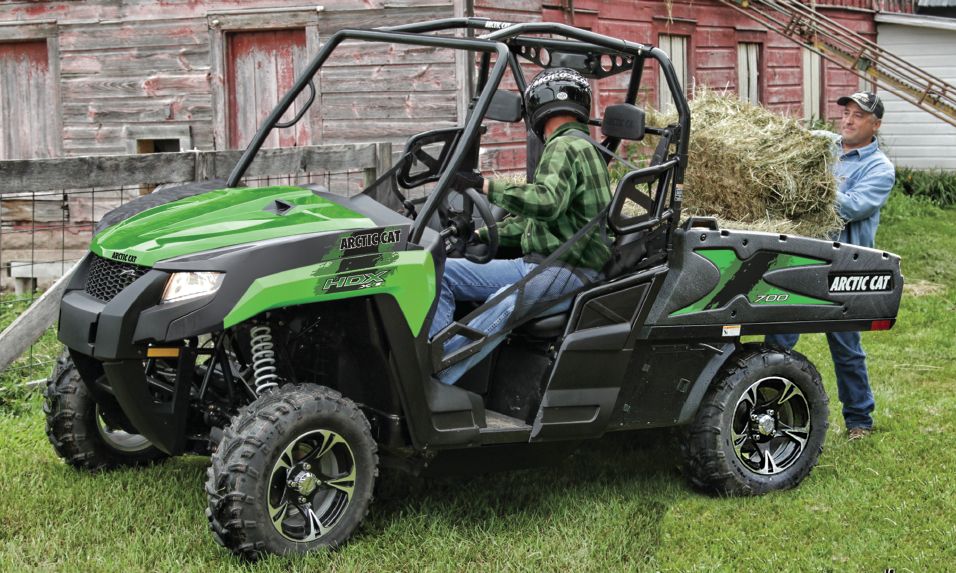
The Arctic Cat Prowler has been adapted for snow-heavy and winter park conditions. Its compact design allows it to navigate narrow trails that are inaccessible to larger vehicles when snow accumulates. Rangers rely on it for patrolling backcountry areas, performing rescues, and monitoring wildlife during the winter months.
Equipped with tracks or heavy-duty tires, the Prowler can travel over ice, deep snow, and frozen terrain without compromising stability. Its suspension is tuned to absorb shocks from uneven surfaces, making long patrols less physically demanding for rangers. The vehicle also includes heated seats and cabin features for extreme temperatures.
Cargo space is optimized for carrying emergency supplies, food, and medical equipment for both rangers and visitors. Some units also include mounts for sleds or snow transport attachments, allowing rangers to rescue stranded hikers or transport injured wildlife safely. Its small footprint allows it to maneuver through heavily forested areas or near frozen rivers.
Engine performance is enhanced for cold-weather reliability. The vehicle can start quickly in subzero conditions and maintain consistent operation throughout extended patrols. Rangers depend on this reliability, as delays in winter response can have serious consequences for visitor safety and conservation efforts.
The Prowler is painted in earth-tone colors with the National Park Service insignia to maintain authority while blending with winter routes. Its combination of agility, durability, and specialized equipment makes it indispensable for snow-covered parks.
8. Polaris Snowmobile
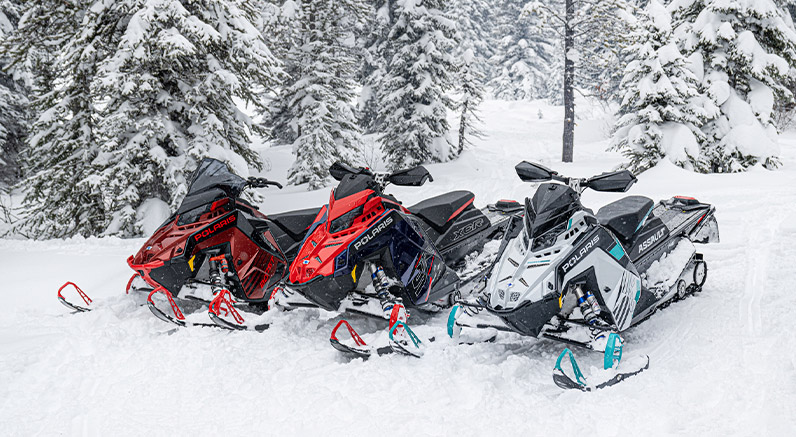
Snowmobiles play a critical role in parks with heavy snowfall or mountainous terrain. The Polaris Snowmobile NPS Edition allows rangers to travel over frozen lakes, snow-covered trails, and steep inclines efficiently. Standard vehicles cannot operate in these environments, making snowmobiles a necessity for winter operations.
The snowmobile is lightweight yet powerful, featuring reinforced tracks and suspension that absorb shocks from rough snow and ice. It can carry one or two passengers along with essential gear in compact storage compartments. Rangers rely on it to reach remote areas quickly, often during emergencies where every minute counts.
Many snowmobiles are equipped with emergency and communication equipment, allowing rangers to coordinate rescues or report conditions without returning to base. Mounting points for first aid kits, GPS units, and radios make the vehicle versatile for multiple tasks. Wildlife tracking devices can also be attached to assist in conservation research.
Engine modifications ensure consistent performance in freezing conditions. Reliability is critical, as mechanical failure in extreme environments can endanger both rangers and park visitors. Regular maintenance ensures the snowmobiles operate smoothly throughout the winter season.
The exterior is marked with the National Park Service logo, maintaining authority while still blending with snowy environments. Snowmobiles extend the reach of rangers in winter, allowing them to patrol, rescue, and conduct research efficiently even in the harshest conditions.
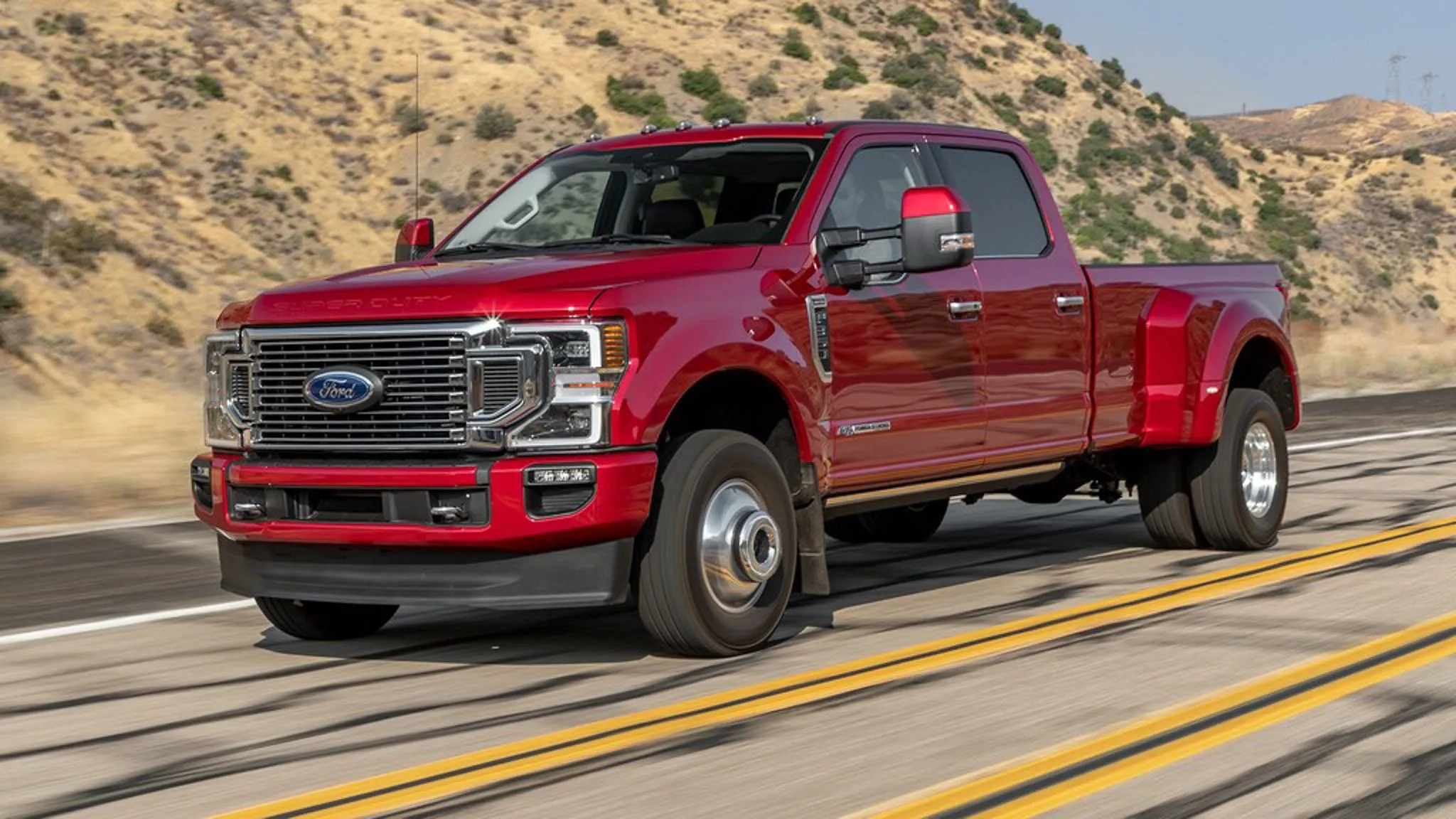
9. Ford F-350
The Ford F-350 Brush Truck is designed to tackle overgrown areas, rough trails, and wildfire-prone regions. Its heavy-duty frame supports off-road tires and reinforced suspension, allowing rangers to drive through dense vegetation or rocky terrain safely. These features are crucial for accessing remote areas quickly.
The truck’s cargo bed is designed to carry tools, firefighting equipment, and emergency supplies. Mounts and tie-downs ensure that heavy or awkwardly shaped items remain secure during transport. The F-350 also includes compartments for medical kits, water, and portable rescue equipment for extended field operations.
Engine power is increased for towing or pulling trailers with additional gear. Four-wheel drive and differential locks improve traction in muddy, sandy, or slippery conditions. These features allow the truck to operate reliably even during emergencies when rapid access is essential.
Safety modifications include reinforced bumpers, brush guards, and emergency lighting. The interior provides comfort for long hours spent on patrol or in fire suppression activities. Rangers can perform tasks effectively without fatigue or vehicle limitations affecting their work.
Painted in forest green with official National Park Service insignia, the F-350 Brush Truck stands out as a visible authority vehicle. Its combination of durability, storage capacity, and off-road performance makes it indispensable for challenging terrain and emergency operations.
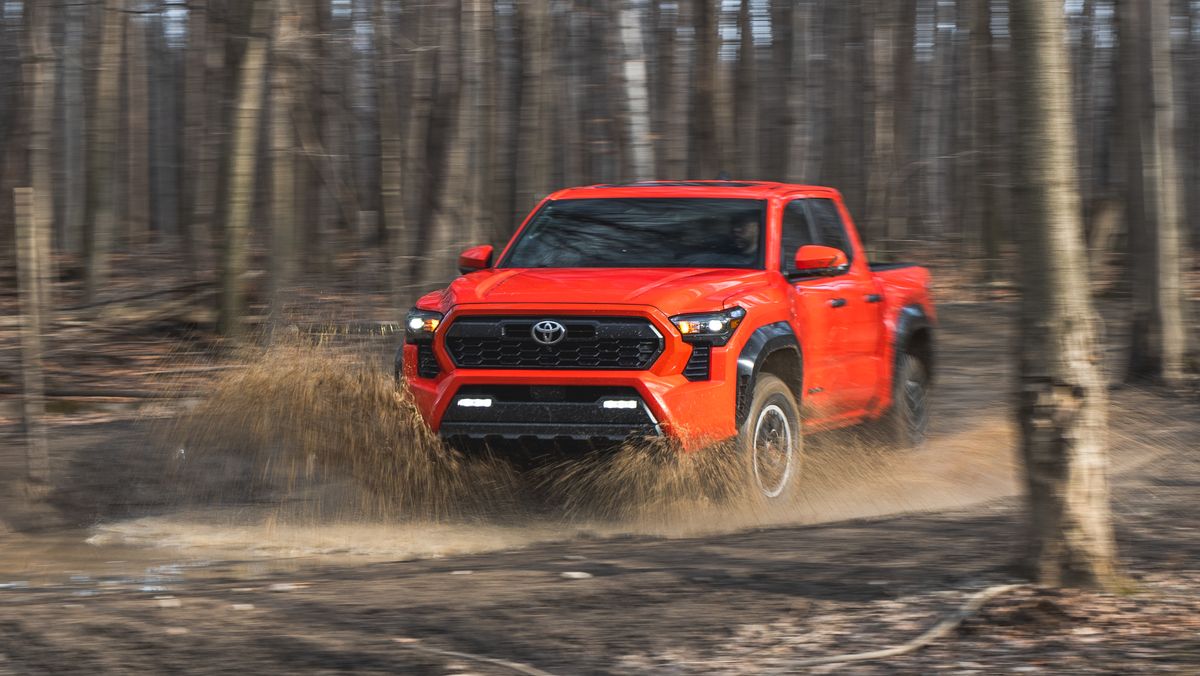
10. Toyota Tacoma
The Toyota Tacoma Off-Road Edition is a smaller pickup built for agility and versatility. Its size allows access to tight trails, steep inclines, and remote areas where larger trucks cannot operate. Rangers use it for daily patrols, transporting gear, and conducting research in challenging terrain.
The Tacoma’s suspension and four-wheel-drive system are enhanced for rocky paths, mud, and sand. Heavy-duty tires improve traction and reduce the risk of getting stuck. Its compact frame is ideal for parks with narrow or winding roads, allowing rangers to move efficiently through difficult terrain.
Cargo and storage areas are designed to carry essential tools, wildlife research equipment, and emergency medical supplies. Tie-downs and reinforced beds ensure safety during transport. Some units are also equipped with roof racks for additional gear, providing versatility for extended missions.
Engine tuning prioritizes both power and reliability. Rangers can rely on consistent performance while navigating difficult terrain for long periods. Regular maintenance ensures that the vehicle remains operational, even under continuous heavy-duty use.
Exterior paint in National Park Service colors and insignia provides authority while blending with natural surroundings. The Toyota Tacoma NPS Off-Road Edition combines durability, agility, and functionality, making it a dependable tool for ranger operations in diverse environments.
