
Vehicles used by US mail carriers and delivery drivers have always held a special place in transportation and logistics. These vehicles are designed to handle rigorous daily routines, carry heavy loads, and navigate diverse road conditions, all while ensuring timely delivery of mail and packages.
For decades, reliability has been a non-negotiable aspect for these vehicles because any mechanical failure can disrupt entire delivery networks. Unlike typical consumer vehicles, mail and delivery vehicles must endure frequent stops, continuous engine operation, and various weather conditions without compromise.
The choice of vehicle often reflects a balance between durability, maintenance costs, fuel efficiency, and ergonomic design for drivers. Postal workers and delivery professionals depend on vehicles that combine safety features with cargo capacity, making the decision to purchase or deploy these models a critical operational choice.
Across the United States, different regions demand unique vehicle capabilities. Urban areas with tight streets, high traffic, and numerous delivery points require compact yet robust vehicles. Rural regions demand vehicles capable of long drives over rough terrain, often carrying heavier loads over extended distances.
In addition to physical durability, these vehicles must support efficient route planning and handling of modern postal technology. Automation and electronic logging systems are increasingly integrated into vehicle dashboards, making compatibility with modern software another factor in vehicle selection.
Historically, manufacturers have focused on specialized delivery trucks and vans, fine-tuning them based on feedback from carriers and drivers. Many models gain a reputation for longevity because of their straightforward mechanical design, ease of repair, and availability of spare parts.
Fuel efficiency is another significant factor, as delivery routes can accumulate hundreds of miles in a single day, and operational budgets depend on minimizing costs without compromising performance. Drivers also need vehicles that reduce fatigue through ergonomic seating, ample cabin space, and easy ingress and egress, which can be particularly important in vehicles that are stopped and started repeatedly.
Therefore, reliability in these vehicles encompasses both mechanical endurance and driver usability, forming a key component of postal and delivery operations. Over time, certain vehicles have consistently outperformed others in longevity, efficiency, and driver satisfaction.
These models are preferred by organizations like the United States Postal Service, private courier companies, and logistics providers. This article highlights ten of the most reliable vehicles that have earned a strong reputation among mail carriers and delivery drivers.
By examining these models, one can understand the qualities that make a vehicle indispensable in the demanding field of postal and delivery services. Each vehicle listed demonstrates a unique combination of performance, practicality, and dependability, forming a benchmark for others in the category.

1. Ford Transit
The Ford Transit has become a mainstay for delivery drivers due to its versatility and robust construction. It offers multiple roof heights and wheelbase options, allowing customization for various cargo needs. Its engine options balance power and fuel efficiency, making long routes manageable without frequent refueling. Drivers appreciate the comfortable interior, which includes adjustable seating and ample cabin space for navigation and package management.
Maintenance for the Ford Transit is relatively straightforward, thanks to widespread availability of parts and familiarity among mechanics. The vehicle’s modular design ensures that repairs can be done quickly, minimizing downtime for critical delivery schedules. Its suspension is tuned for heavy loads, maintaining stability even on uneven roads. Reliability ratings consistently show the Transit performing well under sustained, daily use.
Ford has invested in safety features for the Transit, including stability control, airbags, and collision warning systems. These technologies protect both the driver and cargo during urban and highway driving. Advanced features like lane-keeping assist and blind-spot monitoring are optional but enhance operational safety. Drivers feel confident navigating tight streets or busy intersections because the vehicle responds predictably.
Cargo space is a highlight for the Transit, accommodating both small parcels and larger packages. Its rear doors open wide, and the sliding side door facilitates quick access during multiple stops. Some models even allow interior shelving for organized storage, improving efficiency for delivery runs. This adaptability has made it a popular choice among private couriers and government postal fleets alike.
Fuel economy is competitive for its class, especially in models equipped with the diesel engine option. The balance of power, capacity, and efficiency allows the Transit to serve a variety of delivery routes effectively. Its combination of features, reliability, and adaptability ensures that it remains one of the top choices for mail carriers and delivery professionals.
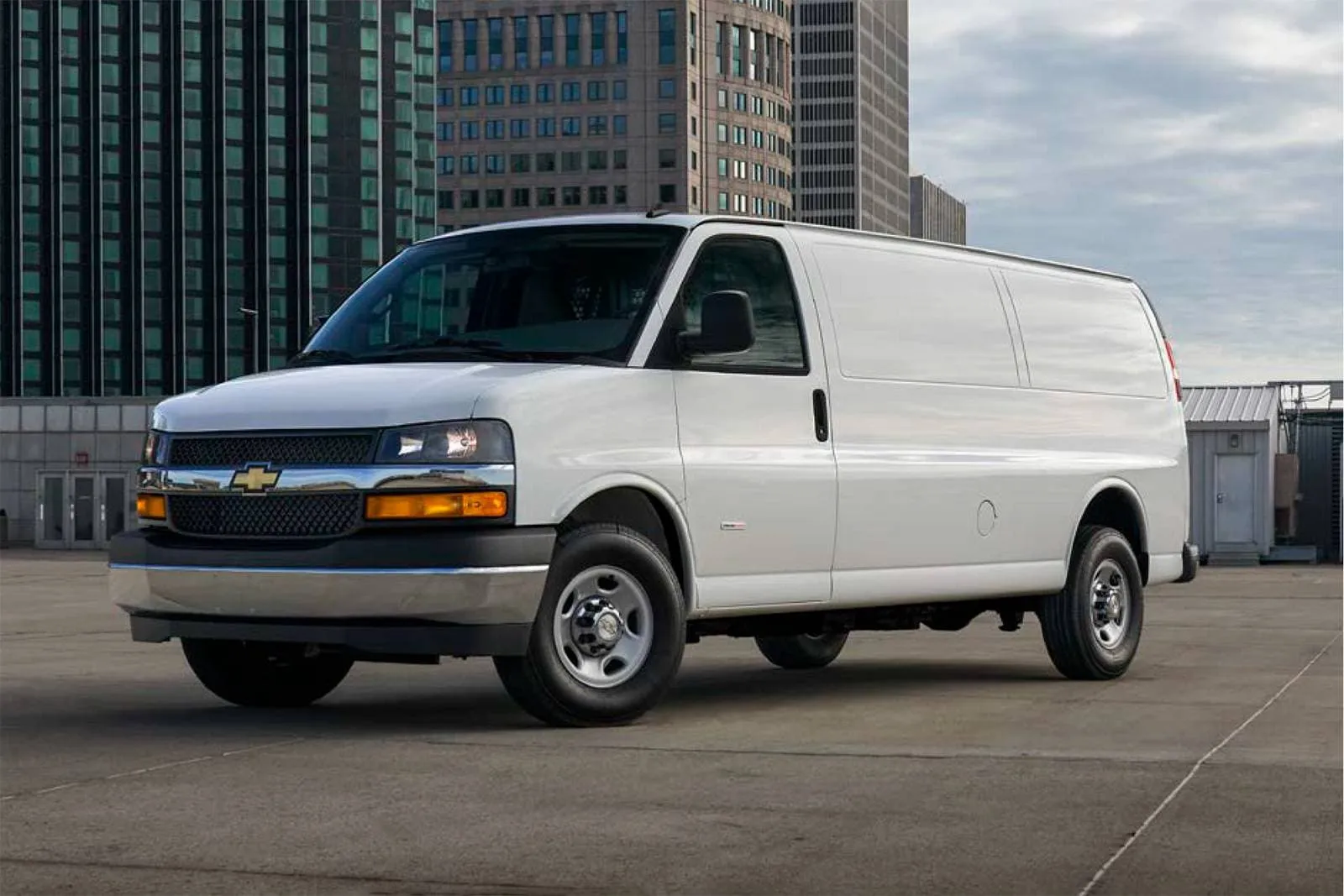
2. Chevrolet Express
The Chevrolet Express van is known for its rugged durability and proven mechanical reliability. Its body-on-frame construction provides a strong foundation for heavy cargo loads. Engines are designed for longevity, and the van can often reach high mileage before requiring major repairs. Its straightforward design appeals to fleet operators who prioritize function over flashy technology.
The interior of the Express focuses on utility, offering generous space for cargo and equipment. Drivers find the seating practical for long hours, with clear instrument layouts and minimal distractions. The sliding side door and rear access doors streamline package handling. Organizations that rely on high-volume deliveries often configure these vans with shelves and storage racks to maximize space.
Maintenance is relatively simple, with mechanics widely familiar with its components. Replacement parts are easy to source, keeping repair times and costs low. This reliability factor has made it a go-to choice for many postal carriers who operate under tight schedules. Even under heavy daily usage, the Chevrolet Express maintains consistent performance.
Handling is optimized for loaded conditions, with suspension systems that support weight without sacrificing stability. Brake performance is reliable, even in stop-and-go city driving. These factors reduce the risk of accidents and ensure packages remain secure during transport. The combination of stability, safety, and mechanical durability makes it a dependable delivery tool.
Fuel efficiency is moderate compared to newer models, but the reliability of the vehicle often offsets this consideration. Organizations prefer it for predictable performance and minimal downtime. Its long-standing presence in delivery fleets attests to its continued relevance in the modern logistics industry.
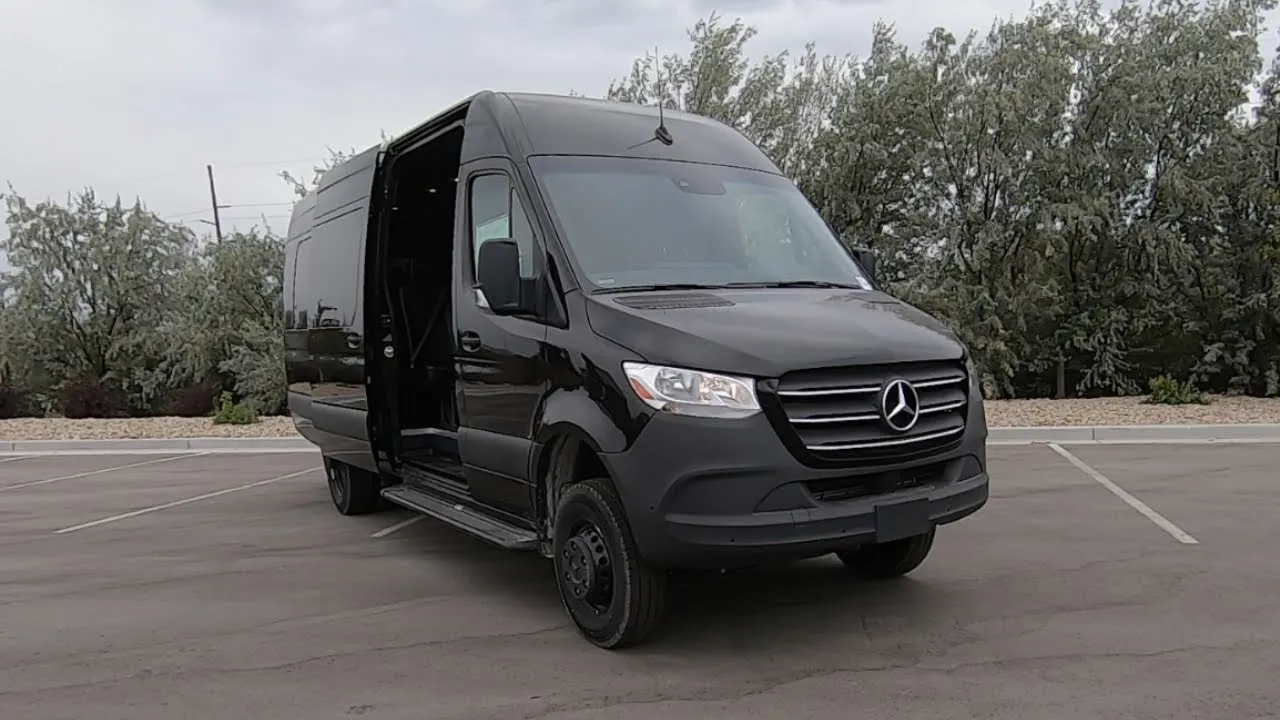
3. Mercedes-Benz Sprinter
The Mercedes-Benz Sprinter is recognized for its high-quality engineering and long-lasting performance. Its build emphasizes strength and load-carrying capability, making it suitable for both urban and rural routes. Advanced diesel and gasoline engine options provide reliable power for extended deliveries. The van’s aerodynamics also contribute to improved fuel efficiency over long distances.
Drivers appreciate the Sprinter’s ergonomic cabin, featuring adjustable seats and intuitive dashboard controls. Visibility is excellent, aiding in maneuvering tight city streets and crowded parking areas. Cargo accessibility is enhanced through wide rear and side doors, with options for high-roof configurations. This flexibility allows carriers to manage varying package volumes efficiently.
Reliability is one of the Sprinter’s defining traits, supported by a strong frame and durable components. Maintenance is straightforward for certified technicians, and the availability of replacement parts ensures minimal fleet disruption. Many fleets report that Sprinters consistently operate for hundreds of thousands of miles with limited issues.
Safety features are extensive, including stability control, adaptive braking systems, and collision prevention technology. These enhancements protect drivers and cargo during demanding routes. Fleet operators consider these safety options essential for compliance and risk management.
Fuel economy and performance balance is strong for a vehicle of its size. While initial costs may be higher than some competitors, the Sprinter’s longevity and efficiency reduce total operating expenses over time. Its proven reliability ensures it remains a preferred vehicle for delivery services.
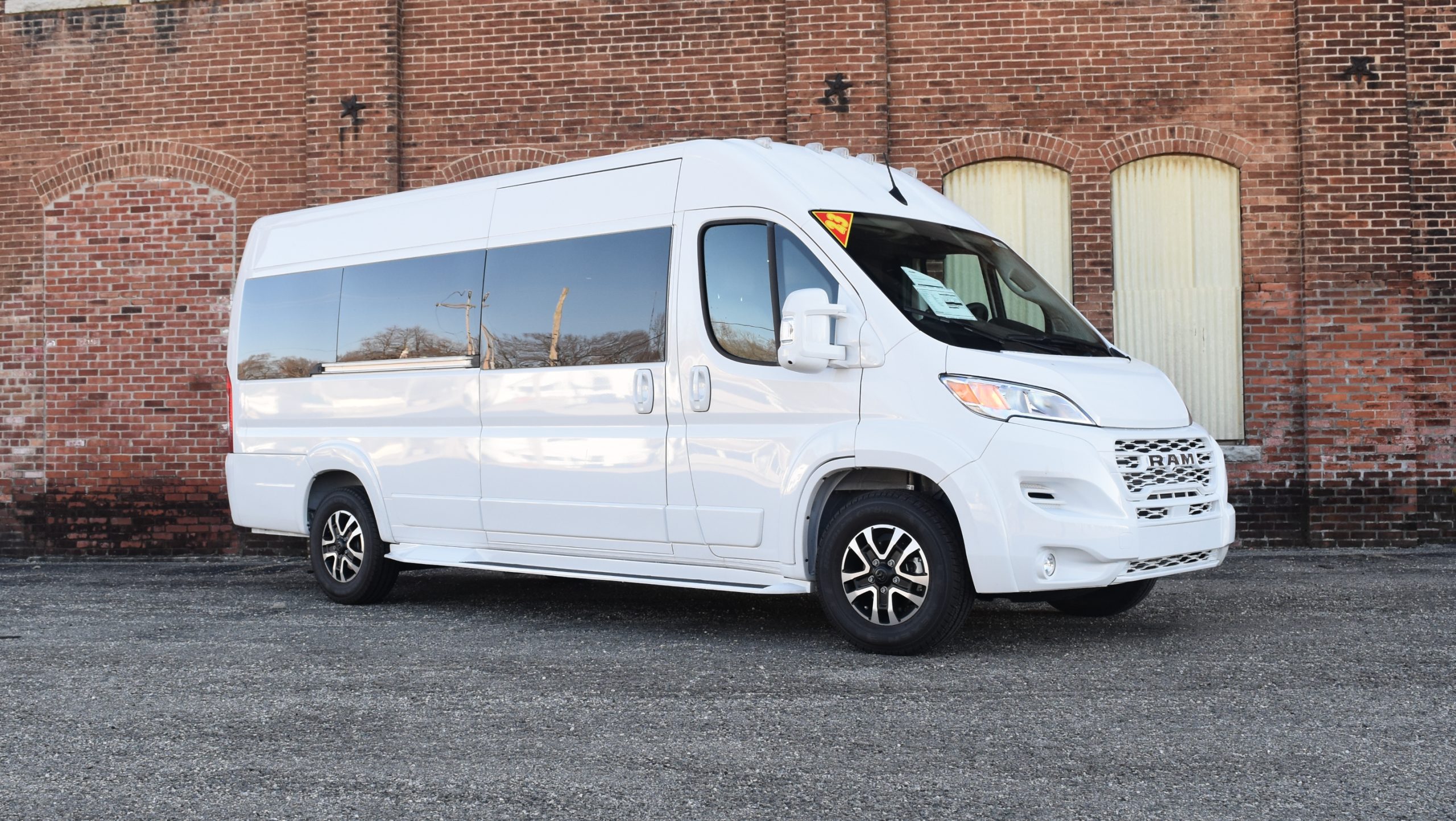
4. Ram ProMaster
The Ram ProMaster is appreciated for its front-wheel-drive system and maneuverability in city environments. Its wide cargo space and low load floor make it ideal for frequent stops and heavy package loads. The ProMaster offers multiple roof heights and lengths to suit diverse delivery needs. Drivers benefit from excellent visibility and a driver-focused cockpit layout.
Durability is enhanced by a reinforced frame and reliable engine options. The van performs consistently even when heavily loaded, and suspension design reduces wear on both vehicle and cargo. Maintenance routines are manageable, with parts widely available for fleet servicing. Many operators praise its dependable performance in continuous-use scenarios.
Safety features include stability control, rear-view cameras, and optional lane departure warnings. These technologies assist drivers in avoiding accidents while operating in congested urban areas. The ProMaster’s design emphasizes secure handling under various conditions.
Fuel efficiency is competitive in its class, particularly for diesel models. Operators seeking cost-effective solutions for high-mileage routes find the ProMaster to be a smart choice. Its adaptability, comfort, and performance combine to make it a reliable delivery vehicle.
Interior storage options allow fleet customization for maximum efficiency. Shelving units, partition walls, and tie-down points help organize cargo and prevent shifting. Drivers report that these features improve workflow and reduce fatigue over long delivery days.
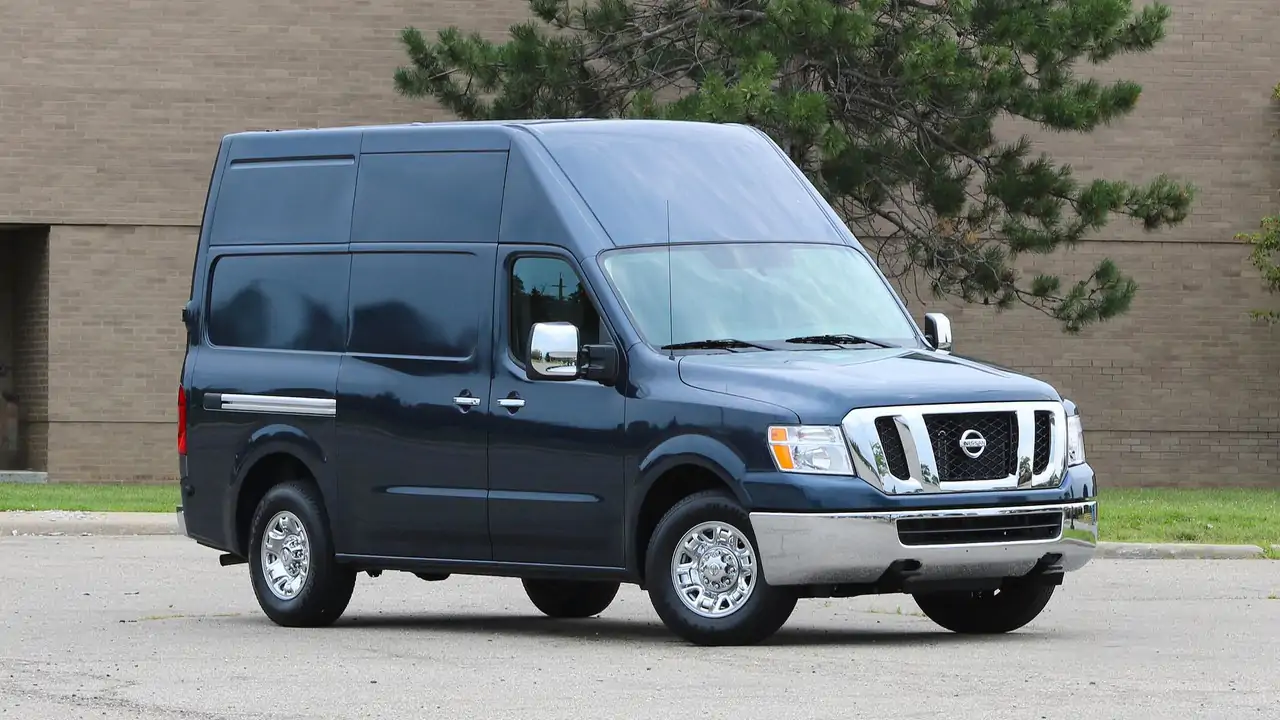
5. Nissan NV Cargo
The Nissan NV Cargo van is built with a focus on durability and low maintenance requirements. Its body-on-frame construction and powerful engine options make it suitable for demanding delivery schedules. Cargo space is generous, and configurations allow for different roof heights and lengths. Operators find it reliable for both short urban routes and longer regional deliveries.
Driver comfort is prioritized through adjustable seating, clear control layouts, and supportive cabin ergonomics. Entry and exit are simple, which is important for vehicles with frequent stops. Side and rear door access enhances efficiency, allowing quick handling of mail and packages.
Maintenance is straightforward, and parts availability is good, reducing downtime for busy fleets. Mechanical simplicity contributes to reliability, allowing the NV Cargo to withstand high-mileage operations. Many operators report extended service life without major repairs.
The van handles loaded conditions well, with suspension tuned to balance comfort and stability. Braking and steering performance remain consistent even under heavy cargo loads. Safety features are practical and designed for professional use rather than luxury enhancements.
Fuel economy is moderate but predictable, making route planning reliable. The combination of performance, durability, and interior space makes the Nissan NV Cargo a solid option for mail carriers and delivery drivers.
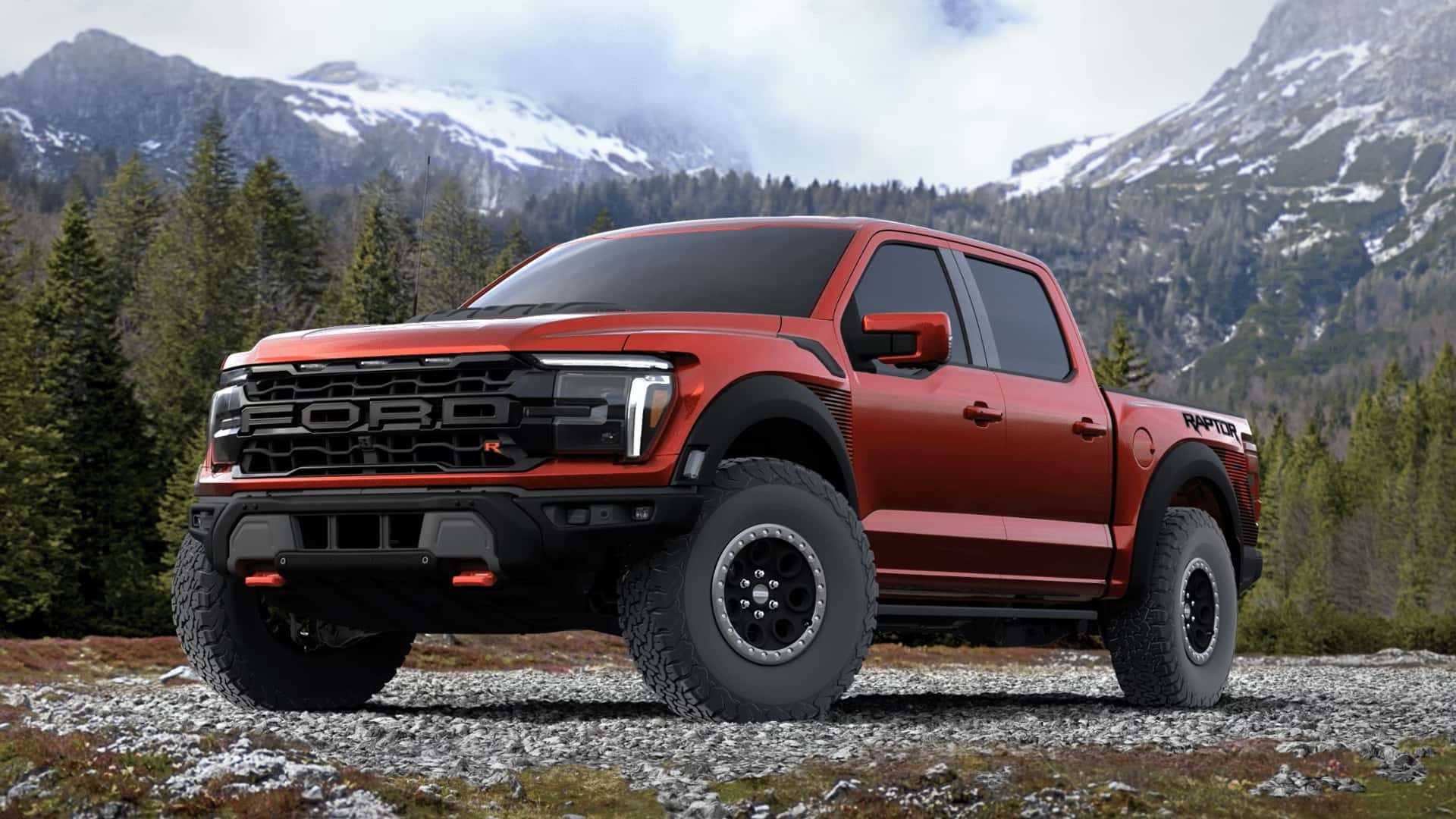
6. Ford F-150
The Ford F-150 has earned a reputation as one of the most versatile trucks for delivery and postal service needs. Its strength lies in its durable frame, high towing capacity, and consistent engine performance, which handle both urban and rural delivery routes effectively.
The wide range of trim options allows operators to select configurations that meet specific cargo or route requirements. Ergonomically, the cabin is designed to reduce driver fatigue, with well-placed controls, spacious seating, and excellent visibility on highways and city streets.
Maintenance is straightforward, and the F-150 benefits from the wide availability of parts and experienced mechanics nationwide. Routine servicing is manageable even under heavy operational use, making it a popular choice for fleets seeking reliability over long-term ownership.
Its engines, especially the V8 and EcoBoost options, balance power and efficiency, allowing for loaded deliveries without overtaxing the vehicle. Many operators report that their F-150s consistently perform at high mileage thresholds with minimal repairs.
The truck’s bed and cargo configurations make it ideal for larger packages, parcels, or bulk deliveries. Optional bed liners and tie-downs prevent cargo from shifting, preserving both packages and vehicle integrity. The F-150’s payload capacity allows drivers to transport heavier items safely, reducing the need for multiple trips and improving operational efficiency. Fleet managers often appreciate this flexibility, as a single vehicle can handle a variety of delivery demands.
Safety and driver assistance features enhance the F-150’s usability in demanding conditions. Lane departure warnings, automatic emergency braking, and adaptive cruise control are included in newer models, helping drivers navigate congested streets with confidence.
The vehicle’s stability and braking systems are designed for both city driving and highway performance, ensuring that the cargo remains secure during sudden stops or sharp turns.
Fuel efficiency remains competitive for a full-size pickup, especially in EcoBoost models. This efficiency, combined with the truck’s reliability and versatility, has made the F-150 a mainstay among delivery services, particularly in regions where package volume and road conditions require a durable, multi-purpose vehicle. Its proven track record demonstrates why it continues to be a favored choice for professional drivers and postal carriers alike.
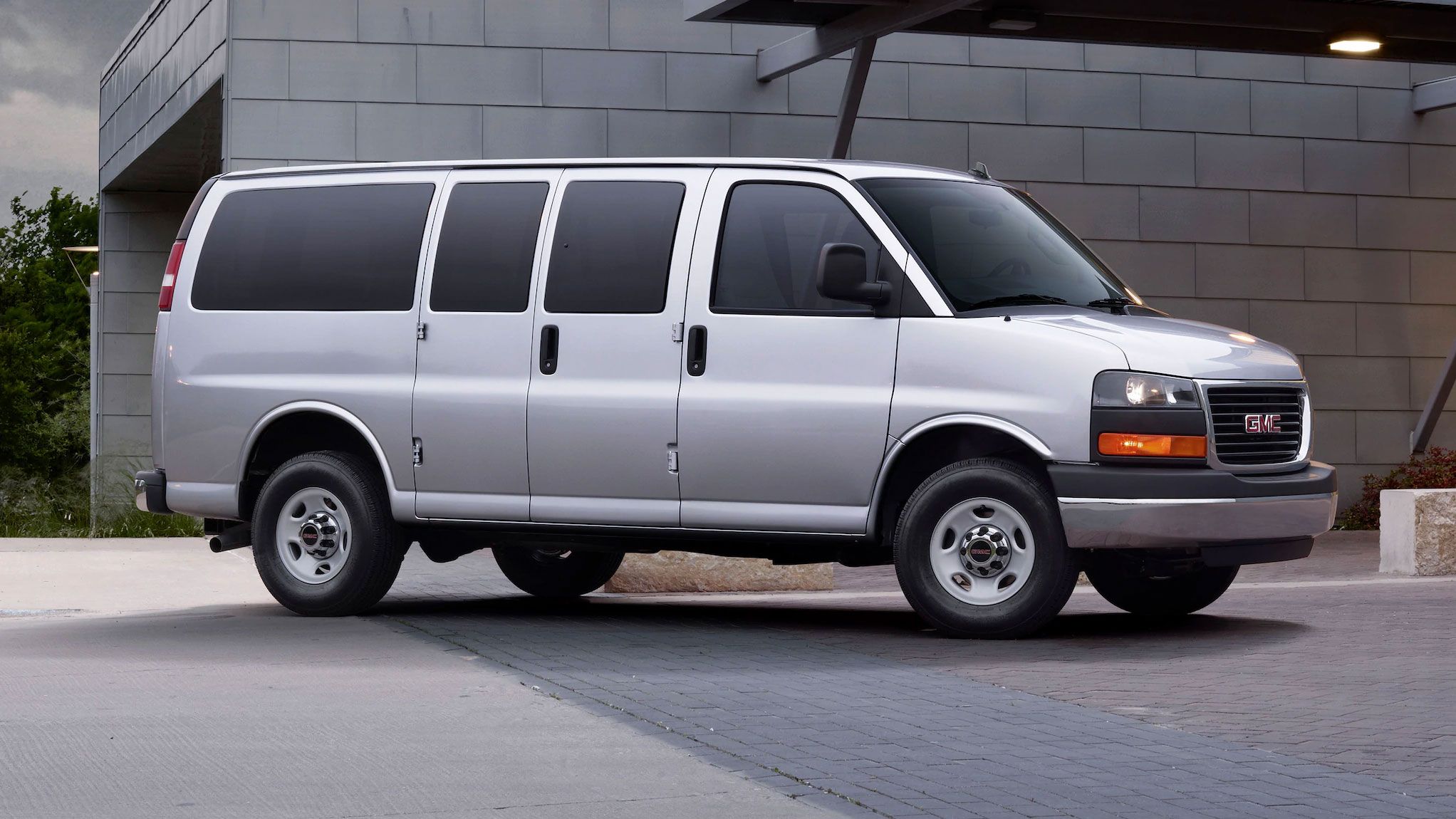
7. GMC Savana
The GMC Savana is a workhorse in the delivery vehicle category, offering a combination of durability, cargo capacity, and reliable performance. Its body-on-frame design ensures that it withstands heavy use, while its robust engine options provide the power needed for both city and regional deliveries.
The van’s modular cargo space can accommodate a variety of package sizes, making it adaptable for daily postal operations. Drivers value its straightforward dashboard and simple control layout, which reduce operational distractions.
Maintenance of the Savana is practical and cost-effective, supported by widespread availability of parts and the simplicity of its design. Fleet operators can easily manage repairs and routine servicing without disrupting delivery schedules. The van’s mechanical systems are known for longevity, even when subjected to heavy mileage and frequent stop-and-go driving. Its proven reliability contributes to predictable operational planning.
Handling and stability are key strengths, particularly when the vehicle is loaded to capacity. The suspension system is designed to balance comfort and load management, reducing driver fatigue and maintaining cargo security. Steering responsiveness and braking are consistent, ensuring that drivers can navigate urban congestion without compromising control. Many fleets rely on the Savana for long-term durability under demanding conditions.
Safety features are practical, including rearview cameras, stability control, and optional collision warning systems. These assist drivers in preventing accidents while maintaining the integrity of cargo and the vehicle. Its utilitarian design prioritizes function and safety over luxury, which is critical for daily postal operations.
Fuel economy is moderate, but the vehicle’s reliability and low maintenance costs often outweigh this factor for fleet operators. The combination of rugged construction, dependable performance, and practical cargo management makes the GMC Savana an enduring choice for mail carriers and delivery drivers nationwide.
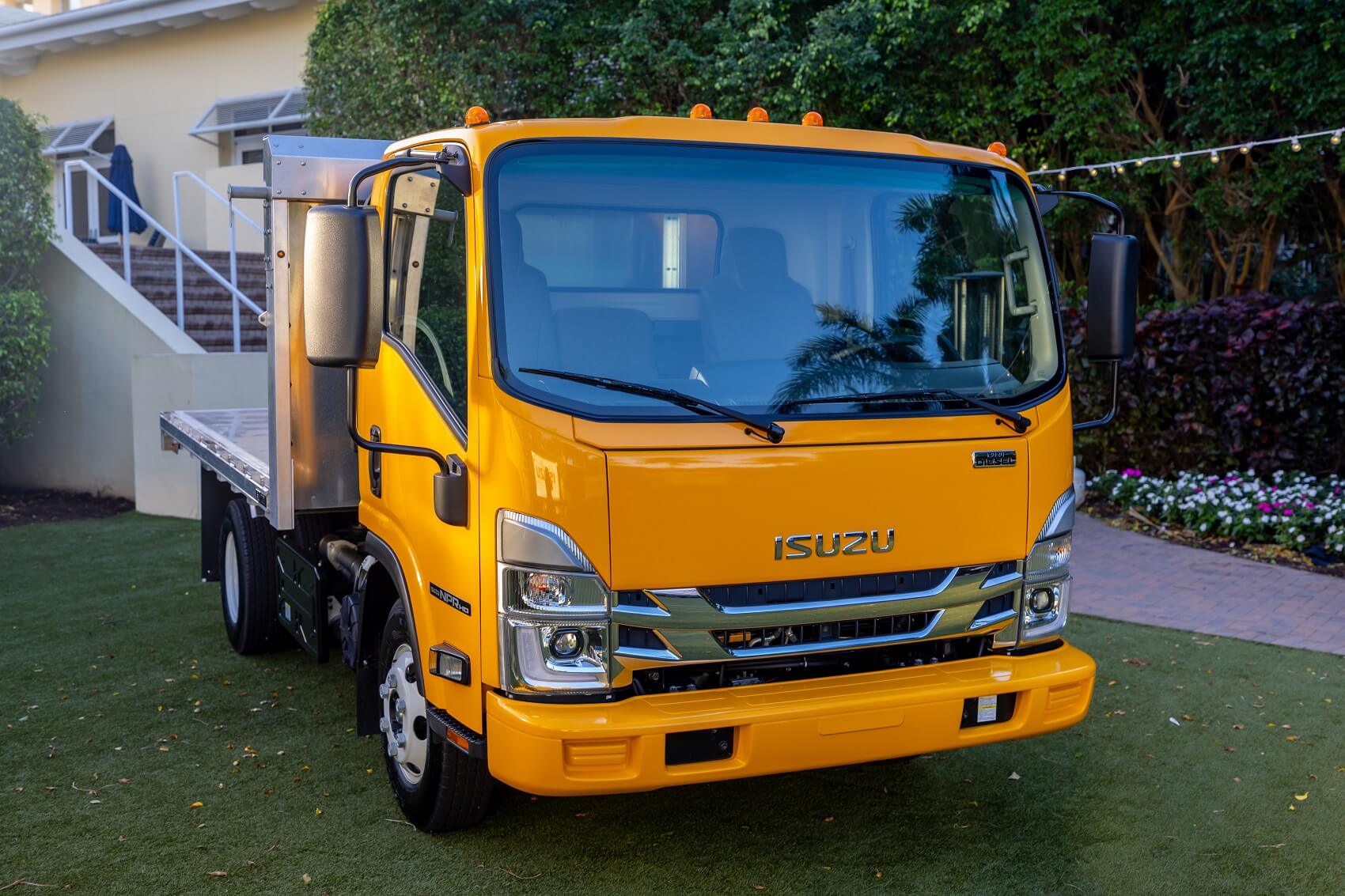
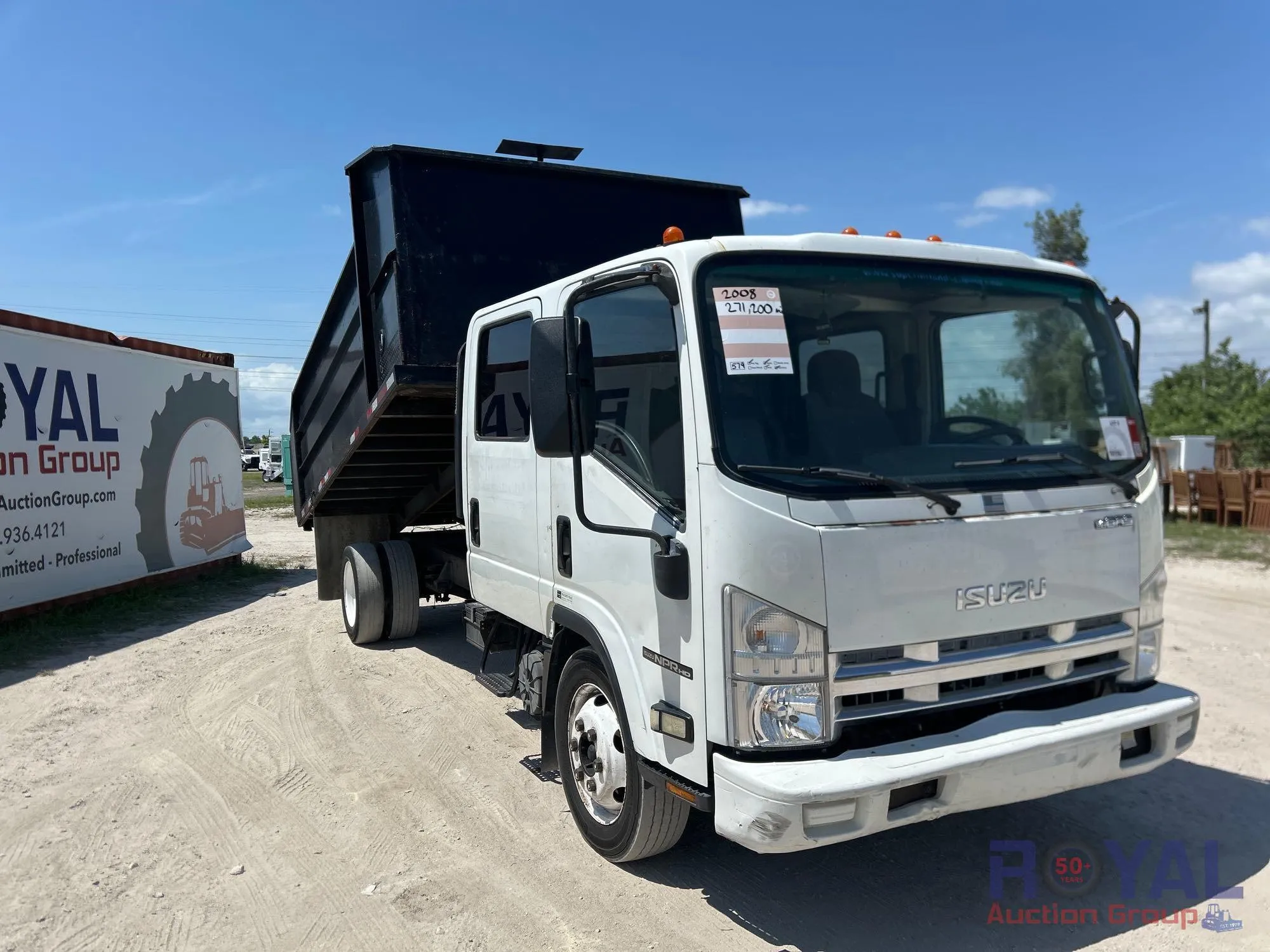
8. Isuzu NPR
The Isuzu NPR is a cab-over truck favored by many commercial delivery operations for its durability and maneuverability. Its compact design allows drivers to navigate tight city streets while still offering substantial cargo space in the rear.
Diesel engine options provide long-lasting performance, and the truck’s mechanical systems are designed for heavy, continuous use. Its low center of gravity and cab-forward configuration improve visibility, making it safer and easier for drivers to operate in congested urban areas.
Reliability is one of the NPR’s defining characteristics. Operators report that it consistently performs under high-mileage conditions, often requiring minimal major repairs. The truck’s design emphasizes straightforward mechanics, which simplifies maintenance and reduces downtime for essential deliveries. Fleet managers appreciate the predictability and low cost of ownership over several years.
Cargo management is efficient, with flatbeds, box trucks, and other configurations available to suit different delivery requirements. The interior is functional, with easy access to controls and storage solutions for tools, manifests, and paperwork. Drivers benefit from ergonomics designed for frequent stops and extended hours on the road.
Safety and stability are enhanced through reinforced frames, dual rear wheels, and reliable braking systems. These features prevent accidents during high-frequency stops and loaded trips. Optional features, such as rearview cameras and alarms, further protect drivers and cargo while maintaining compliance with commercial safety regulations.
Fuel efficiency is competitive for a medium-duty truck, particularly in diesel-powered models. When combined with long-term reliability and low maintenance costs, the Isuzu NPR offers an excellent return on investment for commercial fleets. Its combination of maneuverability, durability, and dependable performance makes it a top choice for postal and delivery drivers alike.
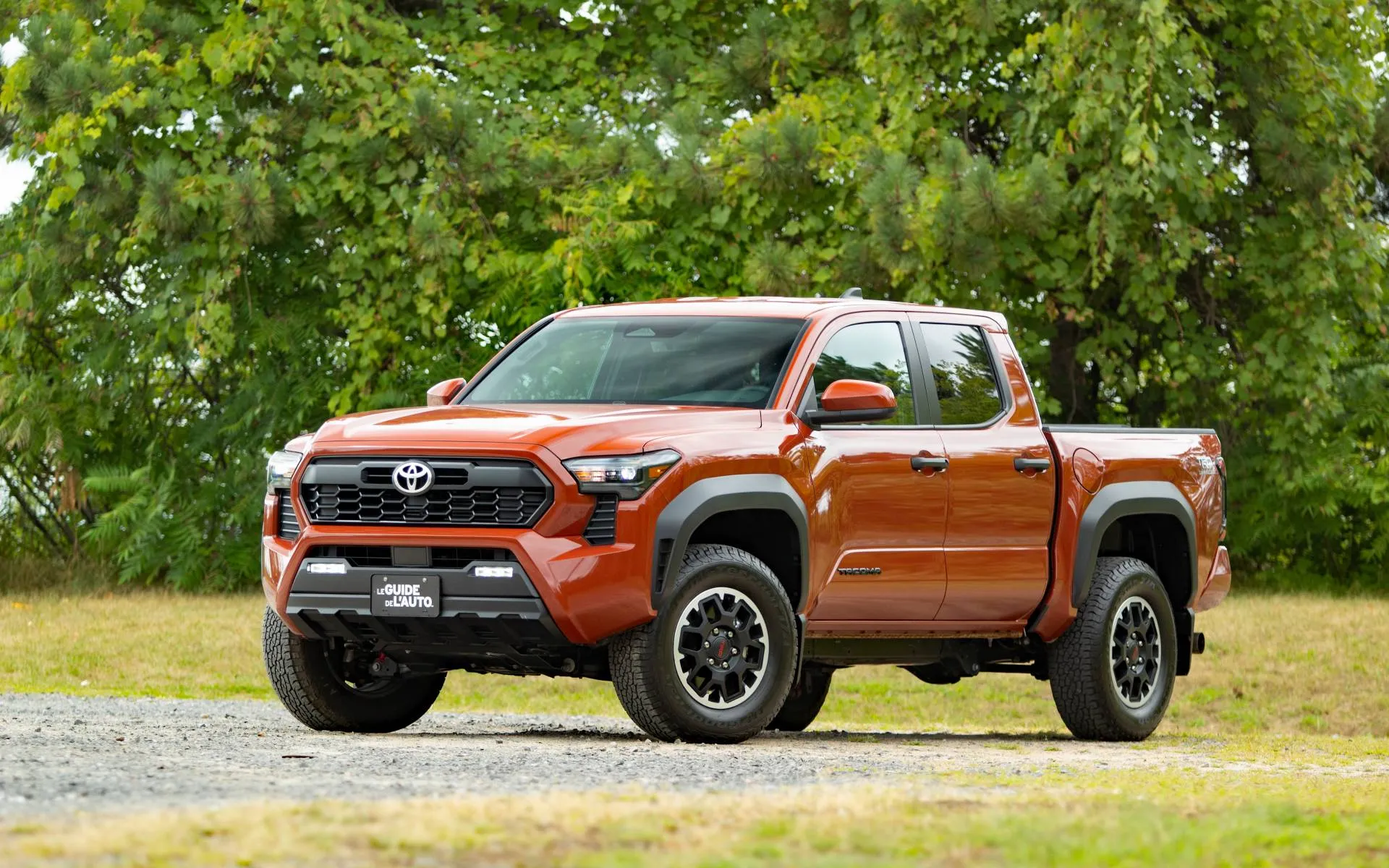
9. Toyota Tacoma
The Toyota Tacoma has found a niche among delivery drivers who require a smaller pickup with reliable performance. While compact compared to full-size trucks, the Tacoma offers impressive durability, off-road capability, and engine longevity.
Its cargo bed and cab configurations allow flexibility for carrying parcels, equipment, or specialized cargo. The truck’s compact size also makes it ideal for urban deliveries, where maneuverability and parking can be challenging.
Drivers consistently praise the Tacoma for its comfortable interior and user-friendly controls. Ergonomic seating and thoughtful layout reduce fatigue on long delivery routes. Access to the bed and storage areas is straightforward, making loading and unloading efficient. This practicality ensures that daily operations proceed smoothly and safely.
Reliability is a hallmark of the Tacoma, with engines and drivetrains known to handle high mileage and rigorous use. Maintenance costs are moderate, and parts are widely available, allowing fleets to keep vehicles operational without significant downtime. Many delivery companies rely on Tacomas for specialized routes and smaller-scale deliveries.
Safety is reinforced through modern features like traction control, stability systems, and multiple airbags. These features help drivers navigate challenging driving conditions while maintaining cargo security. The Tacoma’s predictable handling and solid construction reduce risk on congested city streets or rough rural roads.
Fuel efficiency is strong for a compact pickup, and the balance between performance and operational costs makes the Tacoma a reliable choice. Its combination of size, durability, and ease of handling ensures it continues to serve as a dependable vehicle for mail carriers and delivery drivers who require agility without compromising reliability.
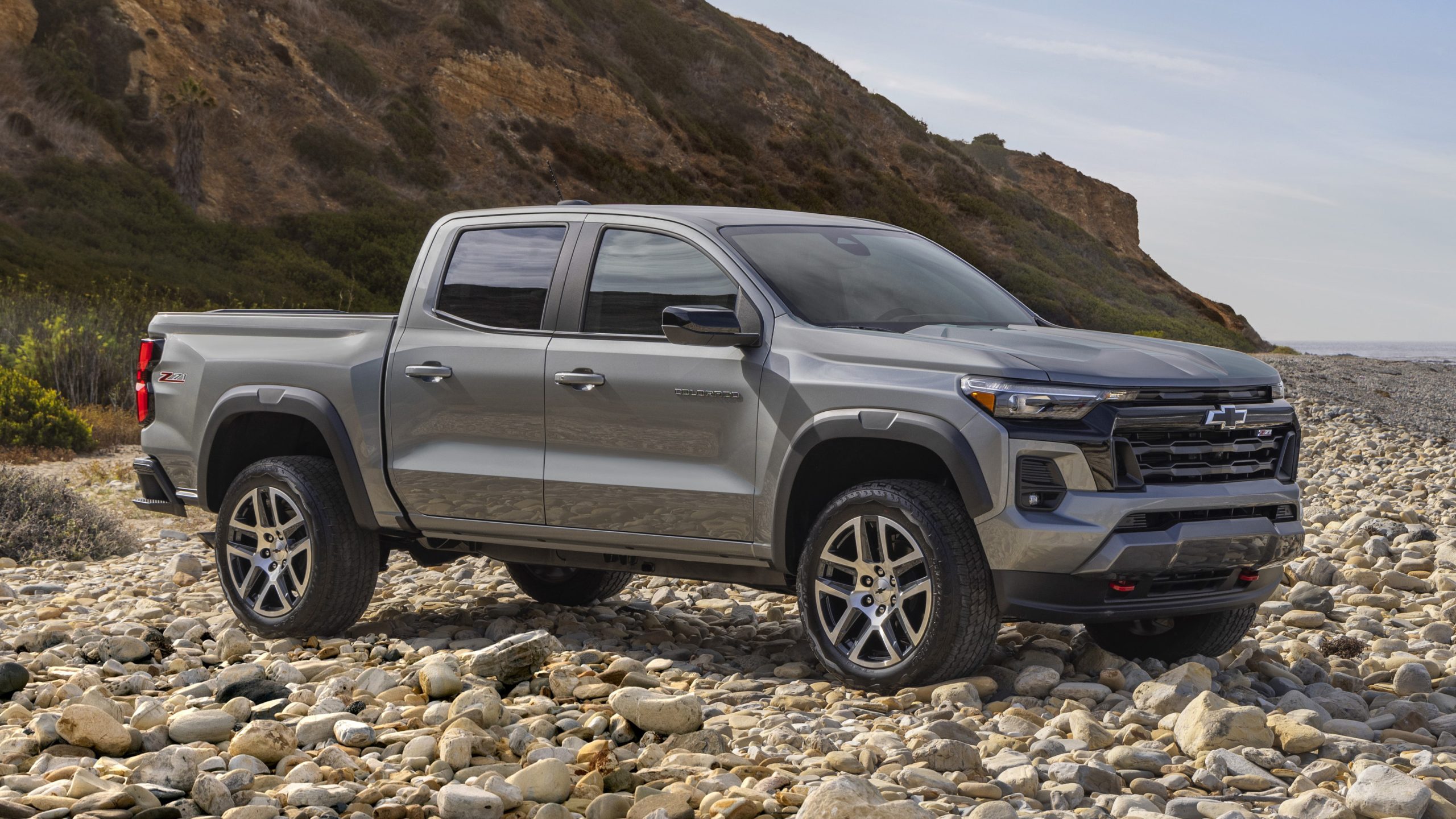
10. Chevrolet Colorado
The Chevrolet Colorado is another mid-size pickup that offers a balance of power, reliability, and practicality for delivery work. Its durable frame and efficient engine options allow it to carry moderate cargo loads while maintaining fuel efficiency. The truck is particularly valued in regions where deliveries involve mixed urban and rural routes. Drivers benefit from a comfortable and intuitive cabin, reducing fatigue during long hours on the road.
Maintenance and repairs are straightforward, with replacement parts widely available. Its mechanical simplicity compared to full-size trucks ensures predictable performance and lower operating costs. Fleet operators appreciate the Colorado for consistent reliability under daily use. Many vehicles remain operational for high-mileage routes with minimal mechanical issues, contributing to their popularity in commercial fleets.
Cargo management is flexible, with multiple bed lengths and cab configurations. Optional tie-down points and storage solutions allow for organized transport of parcels and equipment. The truck’s bed accessibility improves workflow efficiency for drivers who perform frequent stops. These features are critical for maintaining speed and accuracy in delivery operations.
Safety systems are robust, with stability control, traction management, and modern braking systems. These features enhance control under varying load conditions and ensure driver confidence. The combination of safety, reliability, and manageable size makes it suitable for diverse delivery scenarios.
Fuel economy is competitive for a mid-size pickup, particularly in four-cylinder models. When combined with durable construction and low maintenance costs, the Chevrolet Colorado proves to be a practical, long-lasting choice. Its versatility, reliability, and performance secure its place among the most dependable vehicles for postal and delivery drivers.
