
American car culture has always been unique in the way it combines engineering, style, and symbolism. For decades, automakers have drawn inspiration from nature to give their vehicles names that evoke power, speed, and elegance.
Mountains, animals, weather phenomena, and even plants have found their way into the automotive lexicon, creating an immediate image in the minds of drivers and enthusiasts alike. When a driver hears the name of a car, it often carries a story or an emotional connection that goes beyond mere specifications.
This practice is not just about marketing; it reflects a deep appreciation for natural forces and the desire to imbue machines with characteristics that transcend ordinary machinery. From the roar of a predator to the grace of a swift bird, natural elements provide metaphors that resonate universally.
Names borrowed from nature can suggest strength, resilience, or agility, qualities that car buyers subconsciously look for. Automakers also recognize that memorable names make their models more desirable. A car named after a storm, for instance, can hint at speed and unpredictability, while one named after a wild animal implies raw power and freedom.
Over the years, many American vehicles have adopted these natural inspirations, resulting in names that have become cultural icons. They are so embedded in popular imagination that the connection to their natural roots is sometimes forgotten.
Consumers may not immediately realize that their favorite muscle car or SUV shares its name with a bird of prey, a river, or a geological formation. Yet this subtle connection to nature adds a layer of depth to the automotive identity. Understanding these connections offers more than historical insight; it reveals the creative processes behind automotive branding.
The choice of a name is rarely accidental and often reflects the aspirations and ambitions of the company and its designers. By studying these connections, one can see how human fascination with the natural world continues to influence even the most mechanical aspects of daily life.
The following examples illustrate how iconic American cars carry nature in their names, merging engineering excellence with timeless symbols of the natural environment. These names capture imagination and inspire feelings that go beyond the ordinary, creating a lasting legacy in the automotive industry.
1. Mustang
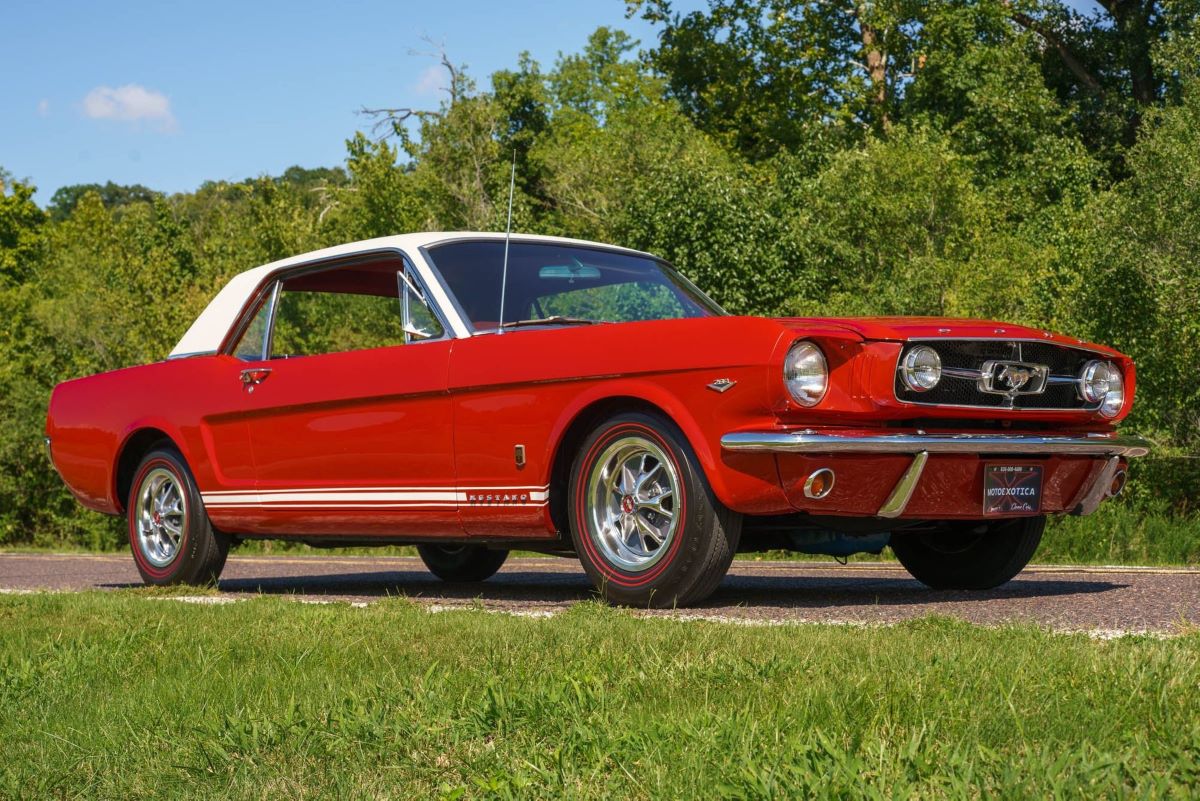
The Ford Mustang is perhaps the most famous example of nature influencing car names. Inspired by the free-roaming mustang horse of the American West, the car conveys speed, freedom, and untamed power. Its name evokes the spirit of open and unbounded horizons. Ford’s choice was deliberate, aiming to attract young drivers seeking excitement and individuality.
The Mustang’s design reflects its name through aggressive styling and dynamic performance. Sharp lines and powerful engines suggest movement and vitality similar to a galloping horse. Marketing campaigns reinforced this imagery, showing Mustangs racing across deserts and winding roads. Consumers immediately connected the name with a sense of adventure.
The Mustang also shaped American culture, appearing in movies, television, and music. Its natural inspiration made it more than a car; it became a symbol of rebellion and youthful energy. The connection to the wild horse created a unique identity that resonated with generations of drivers.
Collectors value Mustangs for their history and enduring appeal. Special editions often reference nature in subtle ways, from colors reminiscent of desert sands to trim names echoing wildlife. These choices reinforce the ongoing relationship between the vehicle and its natural namesake.
Today, the Mustang continues to honor its origins while evolving technologically. Hybrid and modern variants maintain the spirit of freedom and raw energy associated with the mustang horse. The name ensures that every generation experiences the thrill of the untamed West.
2. Thunderbird
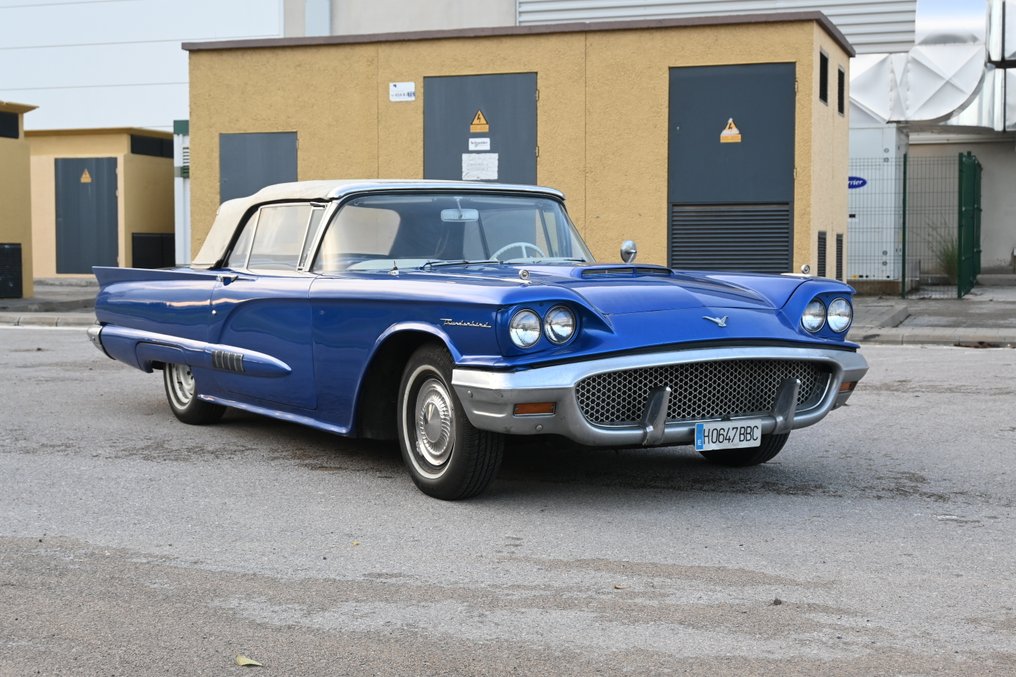
The Ford Thunderbird draws its name from a mythical creature believed to control storms and thunder. The name connects the vehicle to power, mystique, and an almost supernatural presence. It suggested elegance paired with strength, appealing to drivers who wanted luxury with excitement.
Designers emphasized smooth, flowing lines that mirrored the grace of a bird in flight. The car’s curves and aerodynamic profile hinted at speed without aggression. The Thunderbird was intended to convey sophistication while still evoking natural energy.
Marketing campaigns frequently highlighted the car’s name by showing it soaring across highways or against dramatic skies. These images reinforced the connection to its mythological and natural inspiration. Buyers felt a sense of control and majesty in owning such a car.
Over time, the Thunderbird developed a reputation for innovation in comfort and technology. Despite its luxurious features, the natural symbolism of its name kept it associated with strength and elegance. It became a classic example of how nature-inspired branding can elevate a vehicle.
Collectors often admire vintage Thunderbirds for their combination of performance and style. Each model retained a link to its original inspiration, blending American craftsmanship with the energy and grace of its mythical namesake. The name remains iconic in automotive history.
3. Cougar
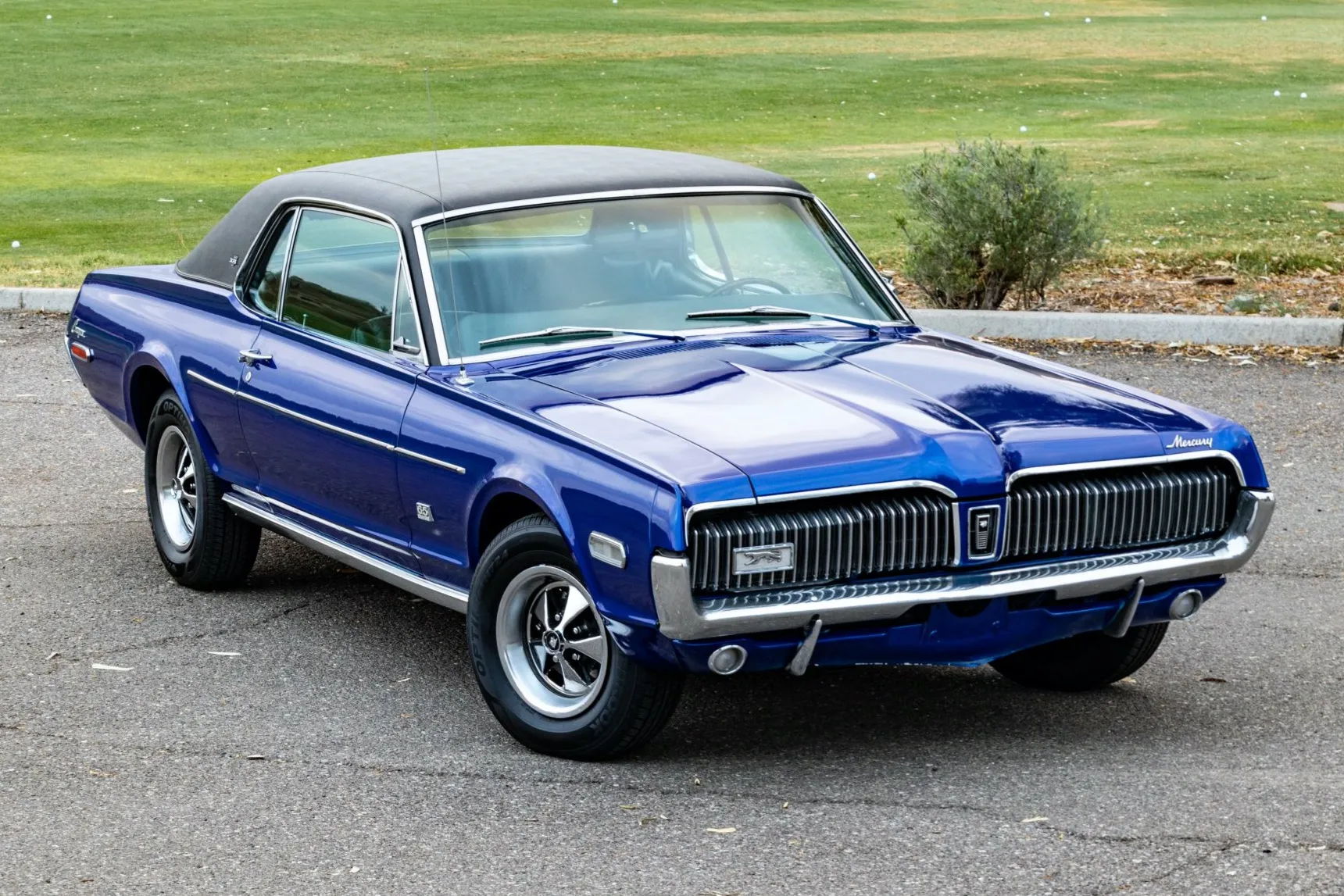
The Mercury Cougar takes its name from the mountain lion, a predator known for strength and agility. The choice reflects the car’s intended characteristics: muscular performance, sleek lines, and a sense of quiet danger. The Cougar was designed to appeal to drivers who wanted both luxury and excitement.
Its styling incorporated features meant to suggest motion and readiness. Long hoods and aerodynamic curves hinted at speed, while aggressive front grilles evoked a predator’s stare. The car’s presence on the road felt commanding, echoing the mountain lion’s dominance in the wild.
Mercury’s marketing reinforced the connection to nature through visuals and slogans emphasizing hunting prowess and boldness. Advertisements often placed the Cougar in untamed routes, highlighting the parallel between animal instinct and mechanical power.
Collectors value Cougars for their timeless appeal and innovative features. Special editions often referenced their natural inspiration, including trim lines and paint colors that evoked wilderness tones. The Cougar’s name strengthened its image as a vehicle that combined elegance with raw power.
Modern interpretations of the Cougar continue to emphasize performance while maintaining a sleek, commanding presence. The connection to the mountain lion remains central to the car’s identity, ensuring that its natural inspiration endures across decades.
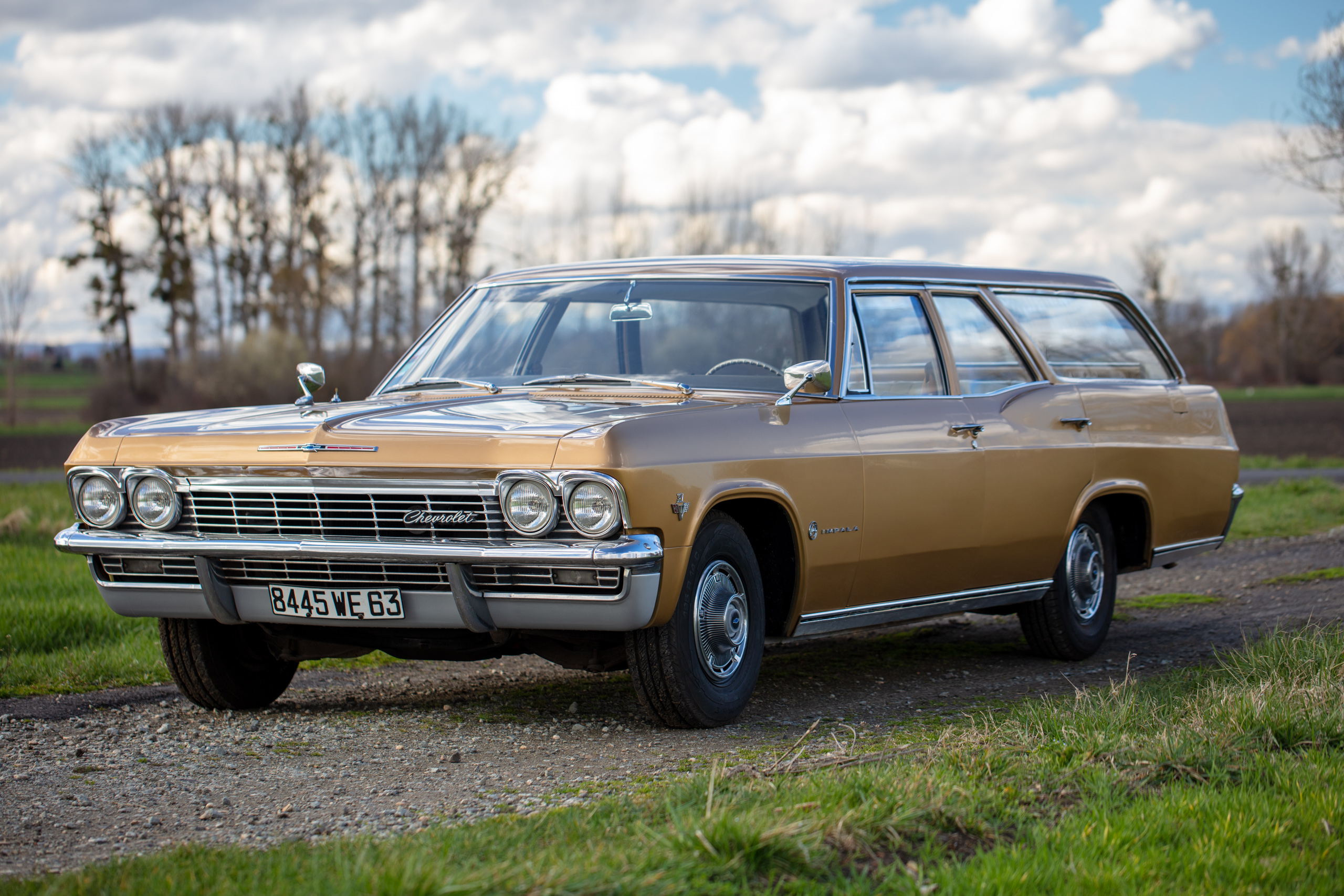
4. Impala
The Chevrolet Impala derives its name from the African antelope, known for grace, speed, and agility. Though the animal is not native to North America, its qualities aligned with the car’s image as stylish, swift, and elegant. The name suggested fluidity and motion, qualities valued by consumers seeking both performance and design.
Impala design emphasized smooth lines and balanced proportions. Exterior features were intended to convey motion even when the car was stationary. The vehicle’s elegance appealed to buyers who wanted sophistication with a hint of adventure.
Marketing often highlighted the Impala in dynamic settings, showcasing its ability to move effortlessly across urban streets and open highways. The name gave it a natural association with agility and beauty. Consumers felt a connection to the animal’s effortless motion.
Collectors prize vintage Impalas for their combination of style and practicality. Special editions incorporated colors and features reminiscent of the animal’s natural environment. The Impala name continues to evoke elegance and speed in American car culture.
Even modern Impalas carry the legacy of their namesake, balancing comfort with dynamic performance. The choice of a nature-inspired name ensures that the vehicle retains an aspirational quality, linking it to a world beyond mere machinery.
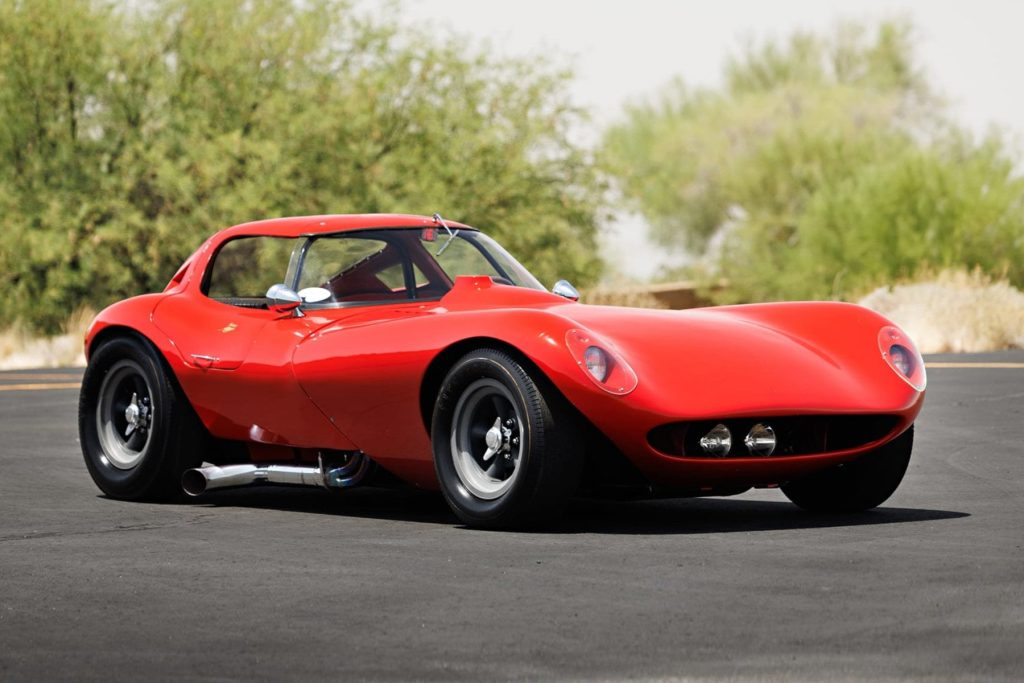
5. Cheetah
The Shelby Cobra Cheetah was explicitly named to reflect speed and agility, borrowing its inspiration from one of the fastest animals on the planet. The car was designed for performance, emphasizing acceleration and cornering ability. Its name immediately communicated its intended capabilities.
Designers focused on lightweight construction and aerodynamic lines to emulate the swiftness of a cheetah in motion. Every element, from the hood to the spoiler, contributed to a sense of controlled power. The car was engineered to feel fast even when standing still.
Marketing materials reinforced this symbolism, highlighting races and track performance. The cheetah metaphor made it easy for consumers to associate the car with elite speed and precision. Buyers sought vehicles that offered both thrills and prestige.
Collectors prize the Shelby Cobra Cheetah for its rare combination of power, design, and historical significance. The nature-inspired name contributes to its desirability and distinguishes it from other sports cars of the era. Every model retains an aura of urgency and grace.
Modern automotive designers continue to reference animal speed in naming sports cars. The Cheetah set a precedent for using natural inspiration to communicate performance, blending imagination with technical excellence.
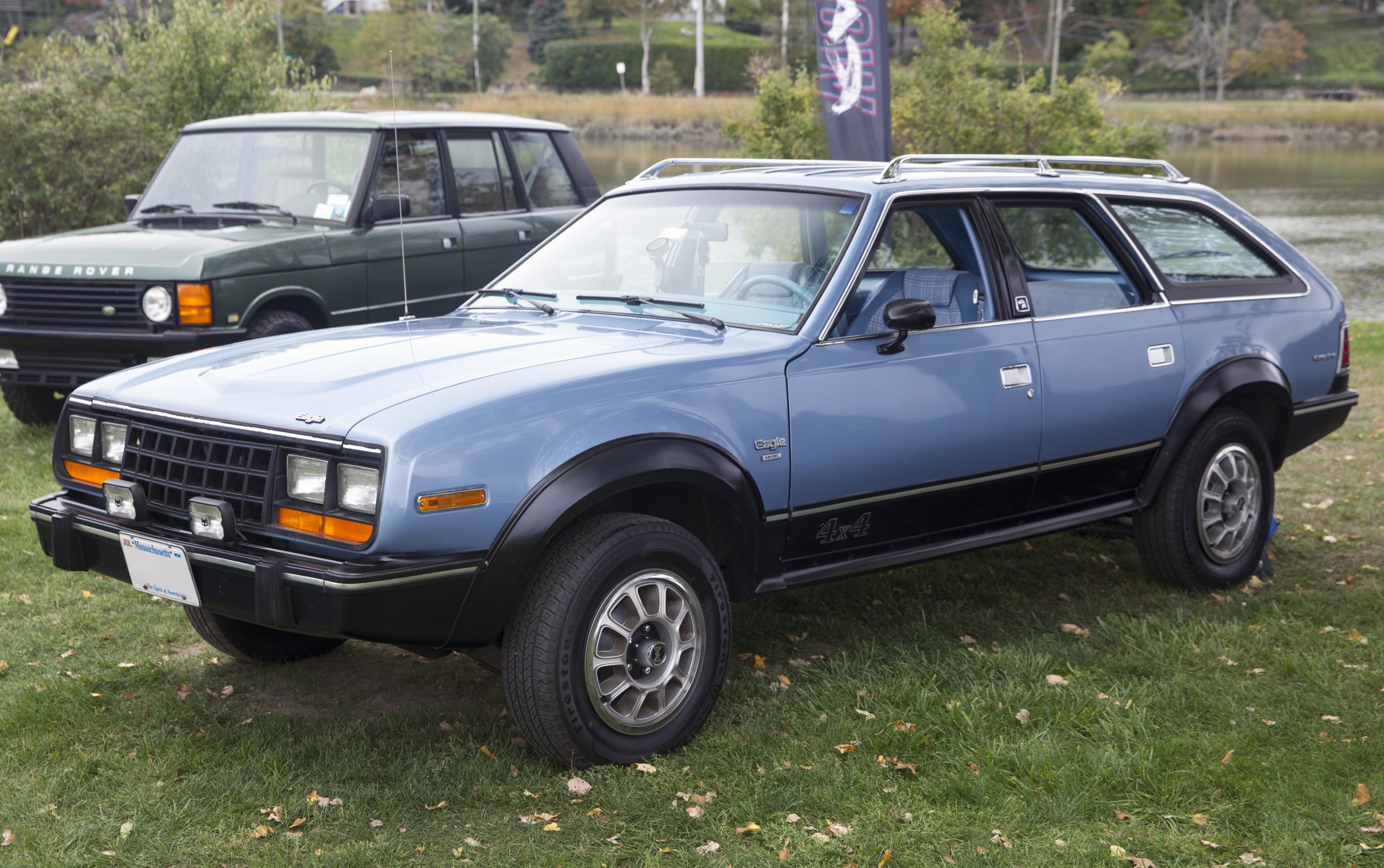
6. Eagle
The AMC Eagle borrowed its name from one of the most powerful birds in North America, symbolizing vision, strength, and dominance. The eagle conveys a sense of freedom and mastery over its environment, which suited the car’s identity as a pioneering crossover with all-wheel-drive capabilities. Drivers were meant to feel both elevated and confident, as if the road itself was conquered.
Its design combined rugged utility with a sleek silhouette, suggesting the bird’s aerodynamic form. The elevated stance and wide wheelbase reinforced stability and presence, reminiscent of an eagle soaring above varied routes. The car was positioned to appeal to adventurous buyers who valued practicality without sacrificing style.
Marketing campaigns highlighted rugged terrains and long highways, emphasizing the connection to nature’s predator. The name Eagle became synonymous with versatility and adaptability, blending off-road capability with city comfort. Consumers were drawn to a vehicle that promised confidence in every environment, much like the bird itself.
Collectors today value AMC Eagles for their unique position in automotive history as early crossovers. Limited production and distinctive styling make them memorable, while the natural symbolism continues to reinforce their image of strength and independence. Every design choice reflects the overarching theme of dominance and freedom.
Even modern interpretations of the Eagle inspire innovation in crossover design. By maintaining its nature-based identity, the vehicle demonstrates that natural inspiration can drive both aesthetic appeal and engineering excellence.
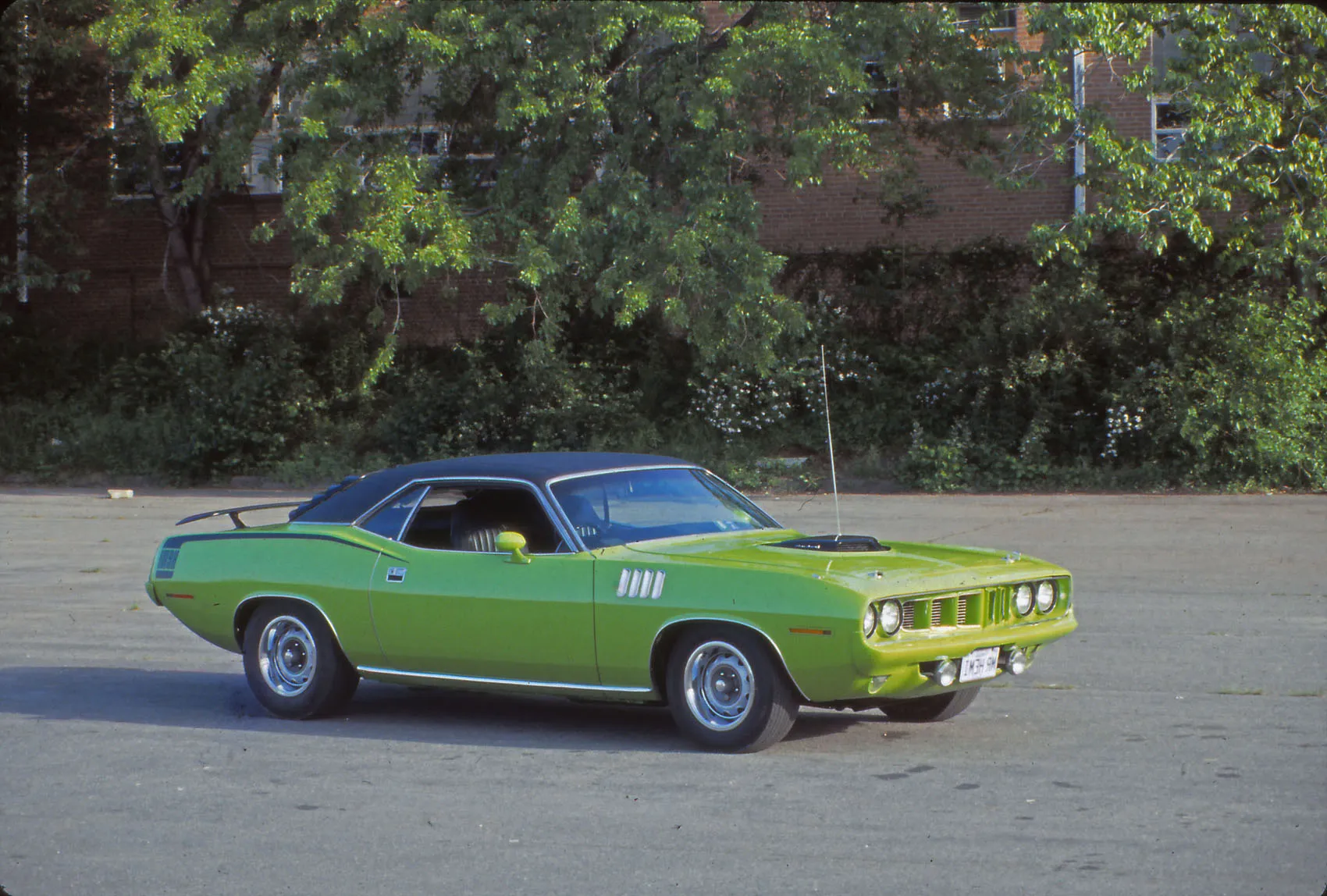
7. Barracuda
The Plymouth Barracuda took its name from a sleek, aggressive predator of the sea, conveying speed, sharpness, and a dangerous allure. The barracuda fish is known for sudden bursts of power, an attribute perfectly suited for a muscle car designed for high performance. Its name immediately suggested excitement, energy, and unpredictability.
Designers emphasized long hoods, muscular contours, and aggressive front profiles, evoking the predatory characteristics of the fish. These elements combined to create a vehicle that seemed ready to strike at any moment, mirroring the barracuda’s rapid and precise movements. Every visual line suggested motion and predation, reinforcing its namesake.
Marketing leveraged the aquatic predator imagery, placing the car in dynamic contexts that emphasized speed and performance. Buyers were drawn to a vehicle that promised both style and aggression, creating a strong emotional connection to the natural inspiration. The name Barracuda became synonymous with daring driving.
Collectors prize vintage Barracudas for their bold design and limited editions. Colors, stripes, and trim options often echoed the sleek patterns of the fish itself, enhancing the thematic connection. The car’s identity continues to embody power and agility in automotive circles, a tribute to its predatory inspiration.
Even today, the Barracuda represents a benchmark for American muscle cars. Its combination of performance, design, and natural symbolism ensures that the vehicle remains iconic, demonstrating how a powerful name can enhance a car’s legacy.
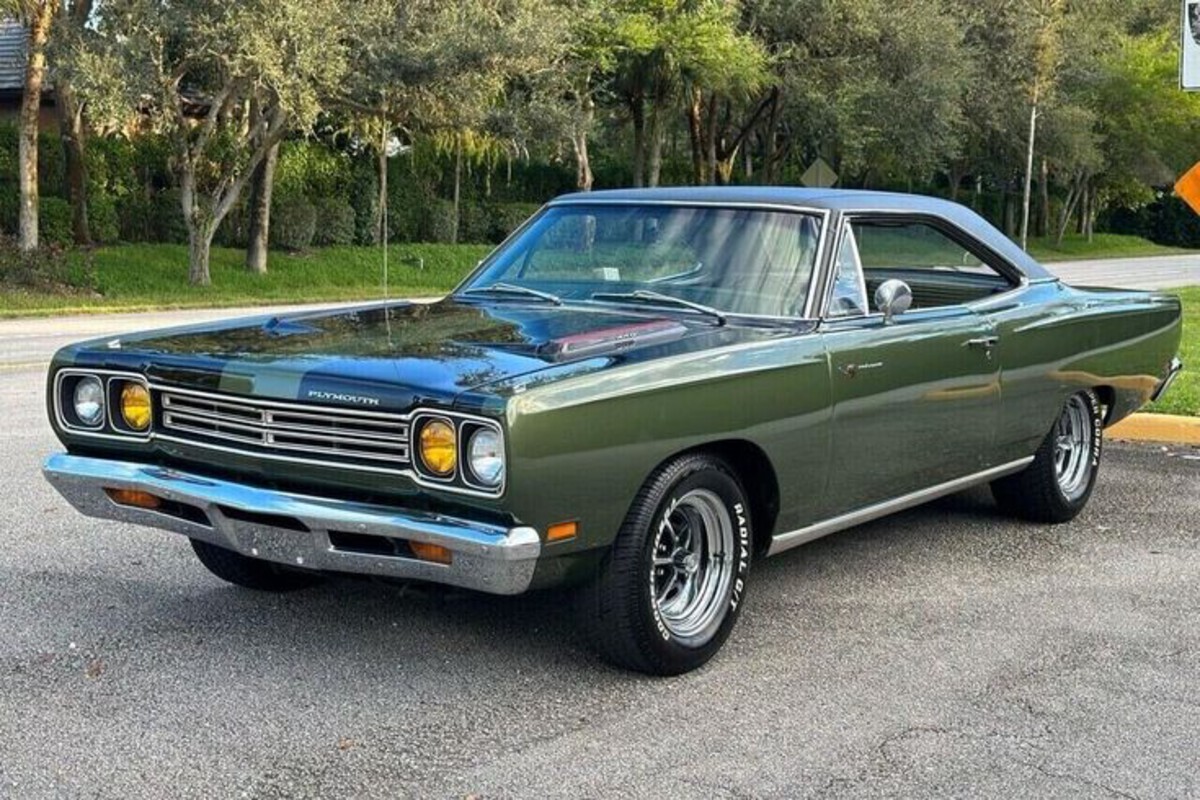
8. Road Runner
The Plymouth Road Runner borrowed its name from the fast-running bird famous in deserts, immediately conveying speed, agility, and playfulness. The name appealed to drivers seeking a combination of performance and personality, emphasizing practicality without sacrificing fun. Its natural inspiration made the car memorable and culturally iconic.
Designers kept the vehicle lightweight and focused on acceleration, echoing the quick, darting motion of the roadrunner. Minimalist styling ensured efficiency while emphasizing performance. Its design language communicated energy and movement, turning every glance into a reminder of its avian inspiration.
Marketing campaigns incorporated humor and liveliness, showing the car outpacing competitors in both performance and style. The connection to the roadrunner bird added an element of charm, making it appealing to a younger audience. The name reinforced speed, agility, and a carefree attitude on the road.
Collectors value Road Runners for their combination of affordability, performance, and historical significance. Each model captures the essence of the bird’s motion, from trim lines to paint colors. The natural symbolism continues to resonate, reinforcing the playful and dynamic spirit of the vehicle.
Modern car designers still reference the Road Runner’s approach by combining efficiency and personality. Its enduring legacy demonstrates how nature-based inspiration can transform a practical vehicle into a cultural symbol with lasting appeal.
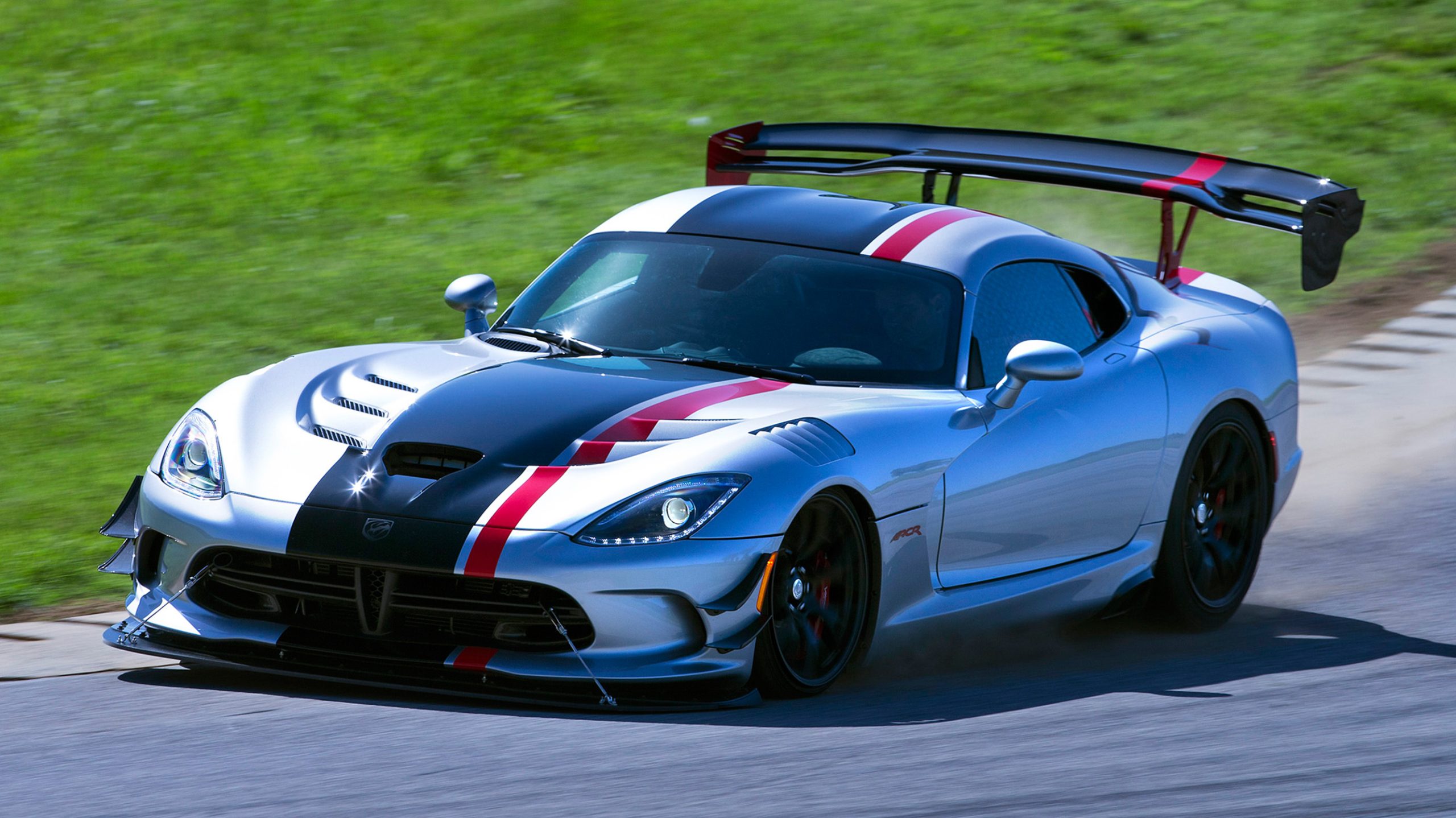
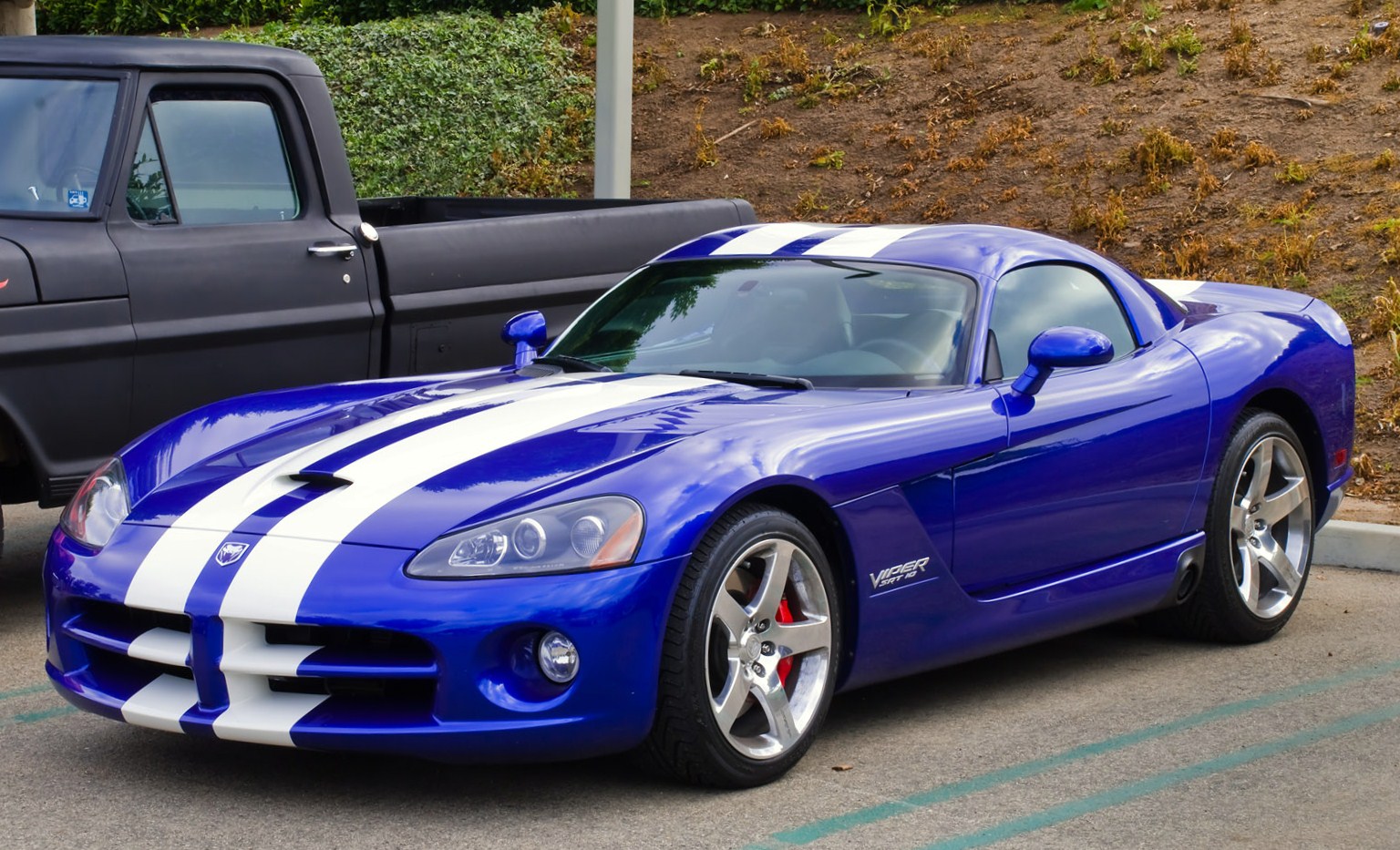
9. Viper
The Dodge Viper derives its name from a venomous snake, symbolizing power, danger, and sleek efficiency. Its natural inspiration suggests both precision and intimidation, making it a fitting name for a high-performance sports car built for speed and handling. The Viper embodies raw aggression and automotive adrenaline.
Designers emphasized long hoods, low-slung bodies, and aerodynamic curves that mimic the sinuous movement of a snake. Every element was intended to reflect deadly grace, combining visual aggression with mechanical capability. The car’s posture on the road mirrors the coiled readiness of its namesake.
Marketing campaigns highlighted the car’s aggressive performance, emphasizing acceleration, handling, and dominance on the road. The Viper’s name reinforced the idea that it was a predator on wheels, designed to inspire awe and respect. Consumers associated it with elite driving skill and extreme performance.
Collectors prize Vipers for their limited production, design, and racing heritage. Special editions often incorporate color schemes reminiscent of natural viper patterns, reinforcing the symbolic connection. The name continues to enhance the car’s identity as a powerful and untamed machine.
Modern high-performance vehicles continue to draw inspiration from dangerous animals. The Viper remains a benchmark, demonstrating that nature-based names can communicate both danger and sophistication in automotive design.
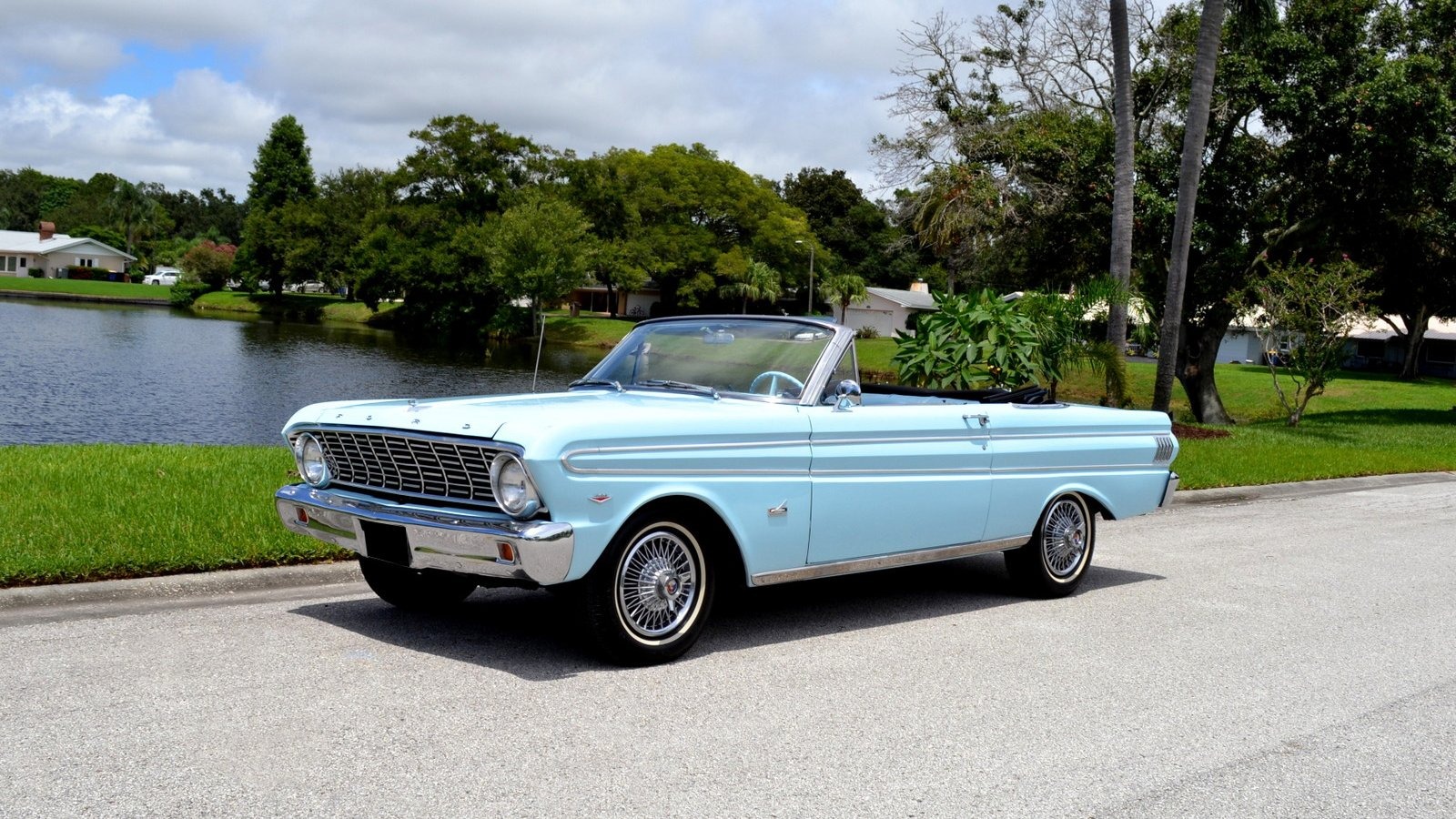
10. Falcon
The Ford Falcon borrowed its name from the bird of prey, symbolizing speed, precision, and sharp vision. Its natural inspiration reflected the car’s design as a reliable, agile, and versatile vehicle. The Falcon’s name evokes freedom, movement, and a connection to open skies, appealing to drivers seeking both practicality and elegance.
Designers incorporated sleek lines, balanced proportions, and efficient engineering to echo the falcon’s graceful flight. Its aerodynamic silhouette emphasized motion and responsiveness, creating a vehicle that felt dynamic even when at rest. The car’s presence suggested both utility and elegance.
Marketing leveraged the bird’s symbolism, emphasizing versatility across urban streets and open highways. The Falcon’s name reinforced its image as a dependable yet agile vehicle, capable of handling diverse conditions with confidence and poise. Consumers associated it with reliability and freedom.
Collectors value Falcons for their historical significance and practical design. Special editions occasionally referenced flight or bird imagery, emphasizing the link to its namesake. The car’s natural inspiration enhances its cultural legacy, reminding enthusiasts of the elegance and speed associated with the falcon.
The Falcon demonstrates how a nature-inspired name can transform a practical vehicle into a symbol of grace and efficiency. Its enduring legacy highlights the power of the natural world in shaping automotive identity and imagination.
